← Equipment

Built structures · Place · Drying kilns and dryers

Lockerbie Academy corn-drying kiln

Scottish corn-drying kiln

Loading ratings…

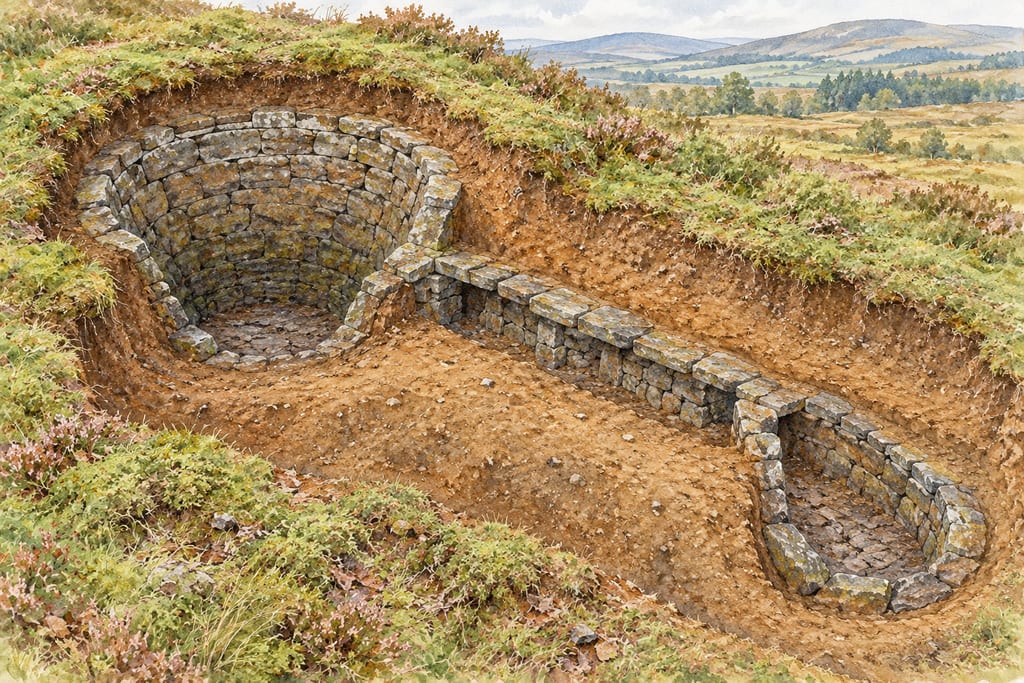
An excavated Scottish grain-drying kiln at Lockerbie Academy, with a deep stone-lined bowl connected by a flue to a separate firepit.

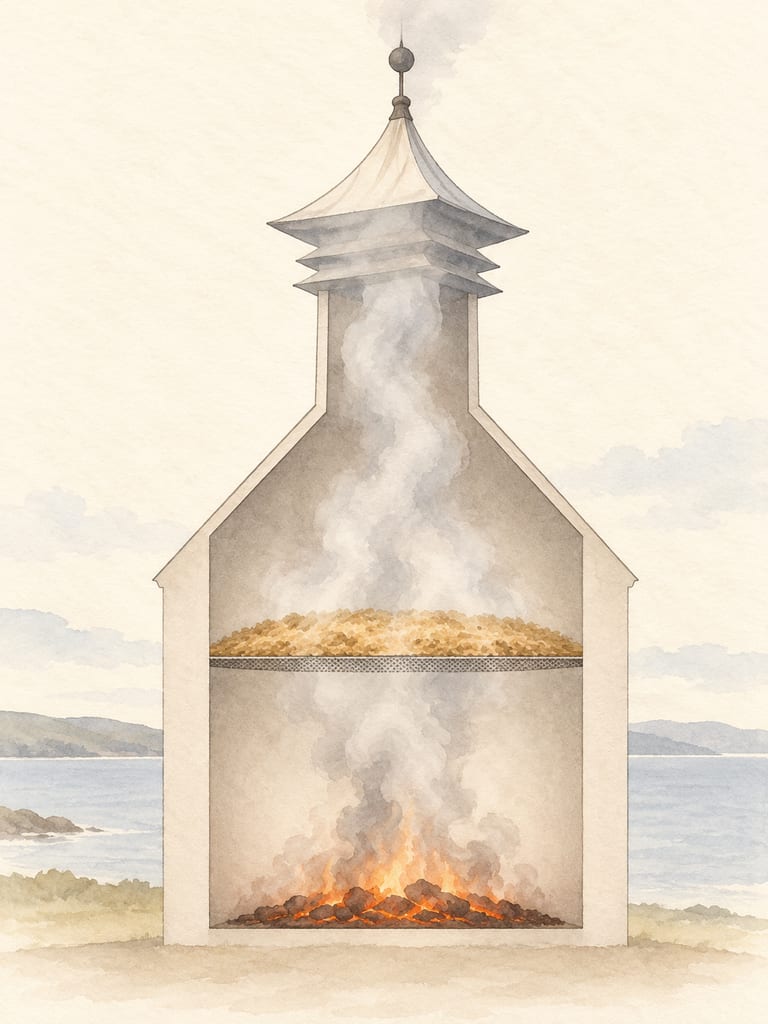
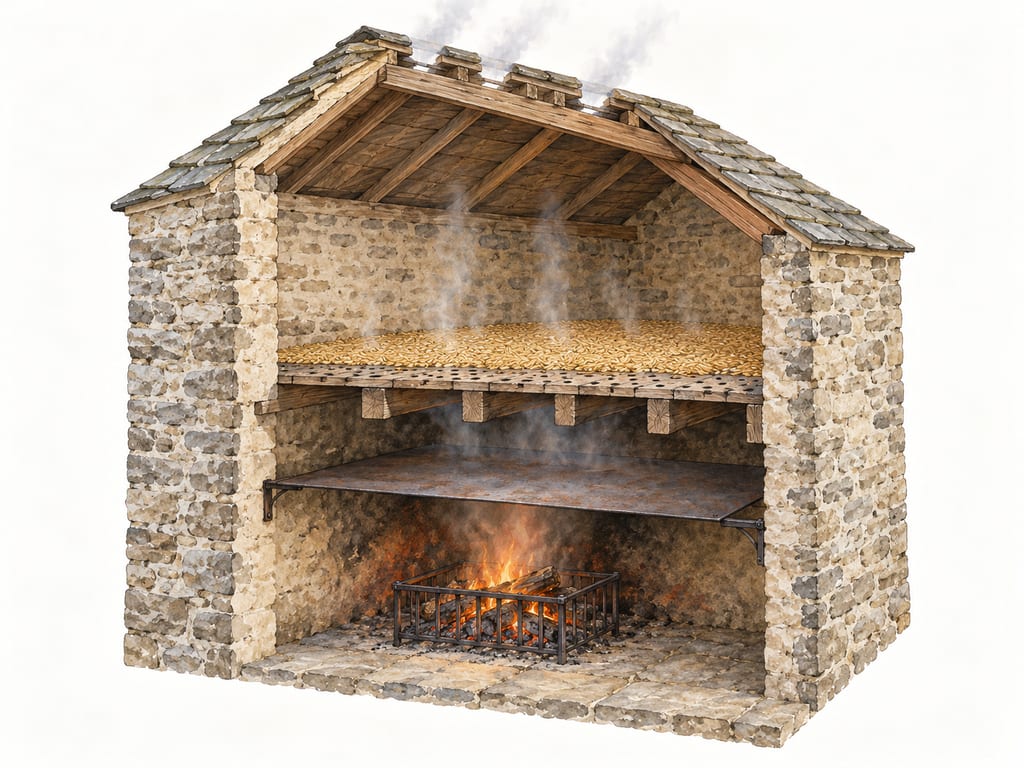
Interpretive cutaway of the Lockerbie Academy corn-drying kiln, showing its stone-lined bowl in a knoll, separate firepit and connecting flue.

The Lockerbie excavation

The Lockerbie Academy excavation in southwest Scotland uncovered a corn-drying kiln cut into a knoll. In British usage, “corn” here means cereal grain, not necessarily maize. This record focuses on the excavated example: the Acorn Bank grain-drying kiln already in Fermentea is a different raised-floor arrangement, and Scottish evidence does not support one standard plan.

The excavation identified a circular stone-lined bowl, a separate firepit and a connecting flue. The bowl was 2.14 metres deep and 2.7 metres across at its surface, narrowing toward its base. The firepit lay about two metres away; the flue followed a route of roughly 3.5 metres. These are reported site measurements, not a construction specification.

Sources for this section

A grain-drying system

The bowl, firepit and flue form a connected installation. The bowl is interpreted as the grain-drying space, and baked soil was recorded at its base. Charred oats from kiln deposits returned calibrated radiocarbon ranges spanning the fifteenth through eighteenth centuries. Those dates establish use represented by sampled deposits; they do not by themselves date the kiln’s original construction.

Scottish examples show regional variation: some Highland kilns were appended to barn ends, while some Lowland examples stood separately or were set partly into slopes. The Lockerbie kiln was set into a knoll. Its form is one local archaeological example within a varied tradition.

Sources for this section

Regional comparison and limits

The Highland Archaeology Research Framework describes other Scottish grain-drying kilns, including a repeatedly recut stone bowl at Broadford on Skye dated around 350–50 BCE, and a stone-lined bowl with a small flue at Rhicullen in Easter Ross. These sites show that kiln forms and dates vary; they do not establish that Lockerbie shared their dates or details.

This page records excavated evidence rather than instructions for building or firing a kiln. The available evidence does not establish a complete operating sequence, a modern safe firing method, a verified working temperature or a measured capacity for this installation. The generated cutaway is interpretive editorial art, not a measured plan or a depiction of the Lockerbie excavation photograph.

Sources for this section

Photographic comparison

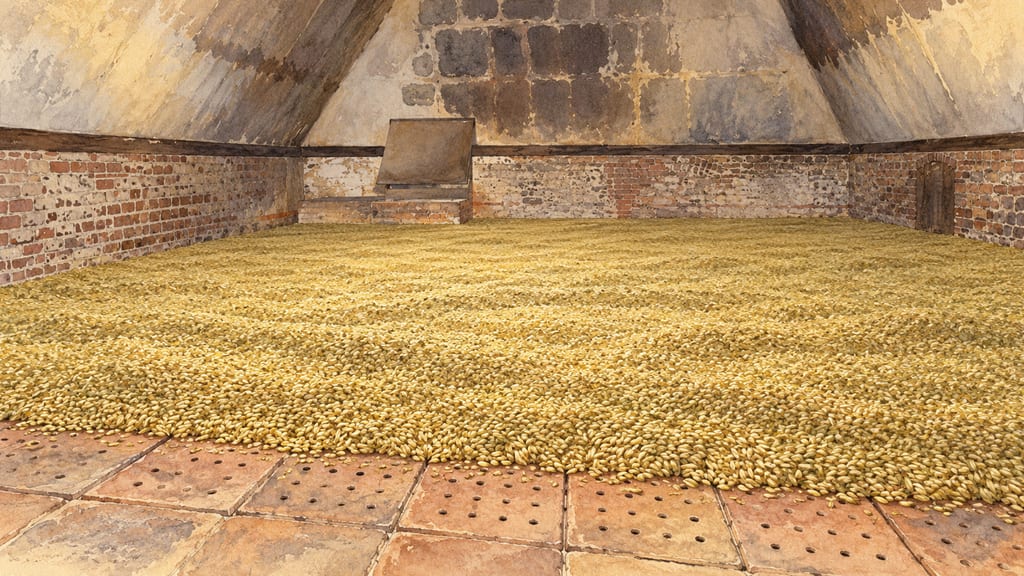
The linked Geograph photograph shows the inside of another medieval corn-drying kiln near Brenchoillie in Argyll. Bill Kasman’s image is licensed CC BY-SA 2.0 and is included with attribution. It offers a visual comparison for weathered Scottish stonework, but it is not the Lockerbie Academy site.

Sources for this section

Site

SettingA kiln set into a knoll at the Lockerbie Academy excavation.
GroundThe circular bowl was cut into the knoll and lined with stone.
FootprintA separate firepit lay about 2 m from the bowl, connected by a stone-lined flue about 3.5 m along its route.
NotesThis is the excavated arrangement reported at Lockerbie, not a standardized plan for Scottish kilns.

A build is made where it stands: moving it means building it again.

How it is built

Materials

  • Stone
  1. The excavation report gives no construction sequence; this page describes excavated evidence and is not a build plan.

Places

Lockerbie Academy, Dumfries and Galloway

Historical attestation · Locality evidence

The excavation locates this kiln at Lockerbie Academy; the dated oats indicate use deposits, not the original construction date.

Related

Community

No community contributions have been published for this entry yet.

Share what you made

Sign in to contribute. Published comments and photos are free to read.

Sources