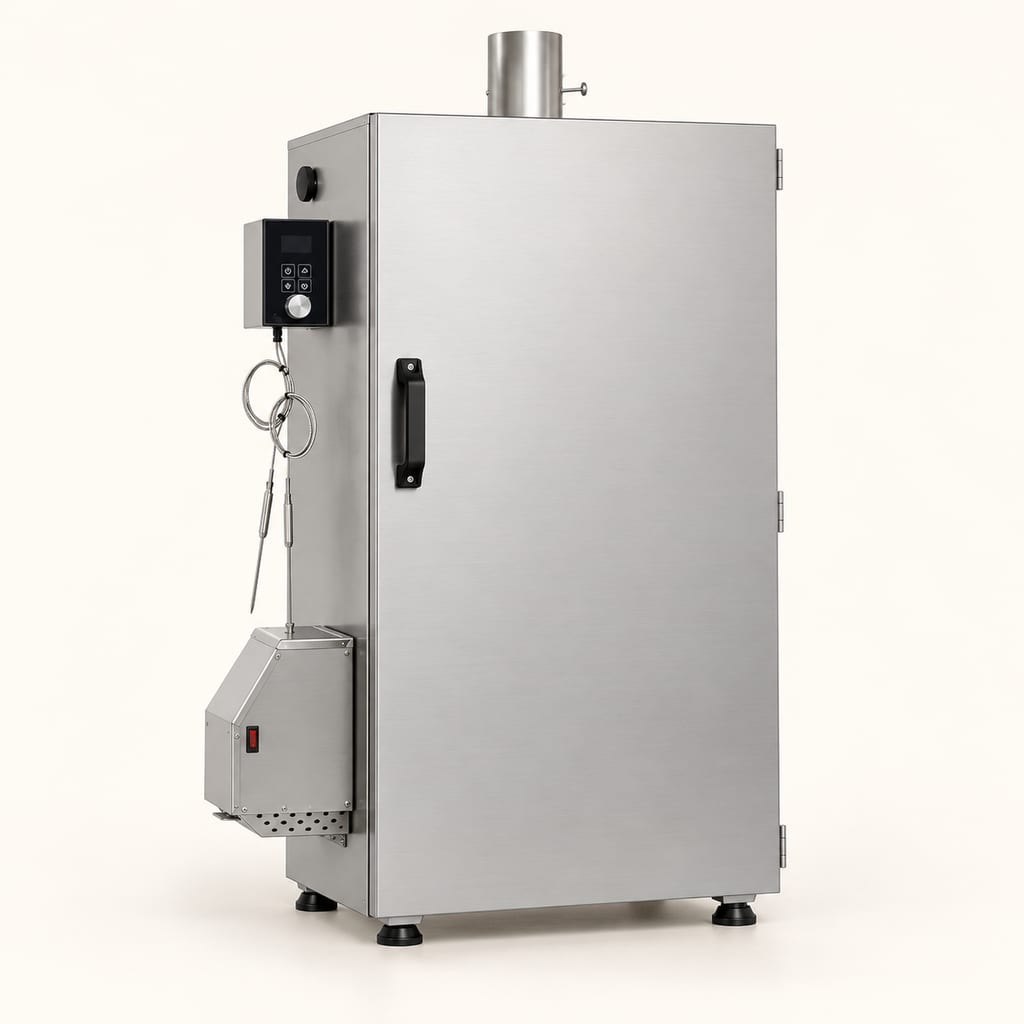
Borniak Smoker 150 BBQ INOX Wi-Fi
A 150-litre Wi-Fi electric smoking cabinet with a brushed stainless-steel exterior, automatic wood-chip smoke generator and 150°C maximum. Exact model BS150IWUK.
 FermenteaWhere food goes to change
Equipment · Jars, pots and crocks
An ancient Mediterranean ceramic shipping container for wine, oil, fish products and other goods. Its handles, restricted mouth and varied bases suited closure, lifting and cargo stowage; it should not be assumed to have been a fermenter.
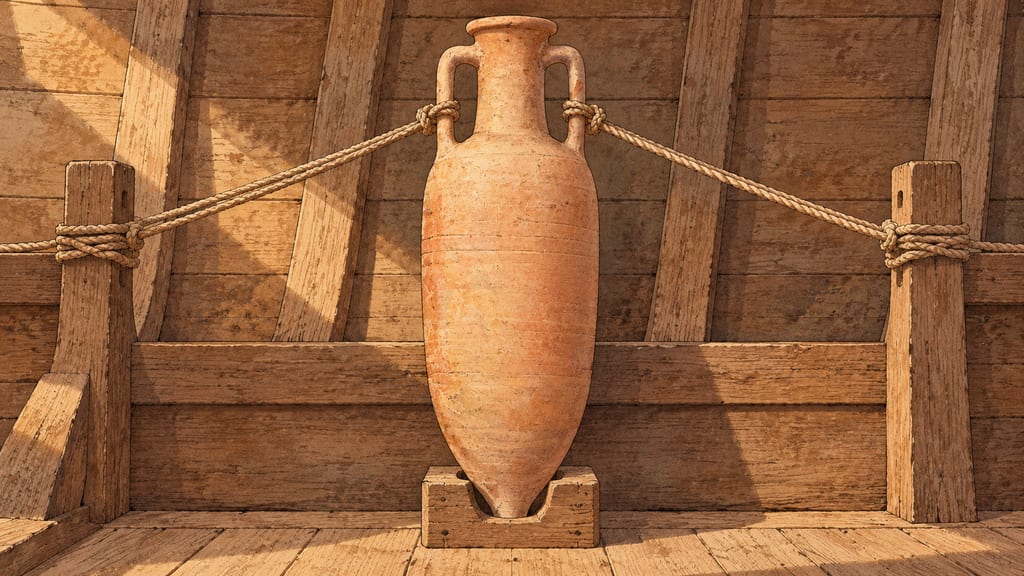
An amphora is a handled ceramic container, but “amphora” covers many vessel types rather than one standard shape. This page concerns transport forms: objects made to carry goods between production sites, ports, warehouses and consumers. It does not treat every amphora-shaped pot as a fermenter, nor does it claim that every example had the same contents or dimensions.
A Roman terracotta amphora in The Metropolitan Museum of Art is dated to the late first through mid-second century CE. The museum reports that it was found in Cyprus, resembles a type made in Italy, and belongs to a form often used to export wine to western provinces. Finds beyond those provinces show how far particular amphora types travelled, but the object’s findspot and proposed production type remain separate facts.
The familiar transport profile pairs a relatively narrow mouth and neck with two handles and an elongated body. A restricted opening could be closed for shipment; the handles gave people and securing ropes purchase. The Museum Wales example is a tall, narrow Dressel 2–4 vessel of coarse pink-orange sandy clay, with ribbed handles and a pointed base. Its record explains that shipboard examples could be slotted into a rack while ropes passed through the handles to limit movement in rough seas.
A pointed base is not a foot. It may help a vessel fit into a rack, a packed cargo or a bed of sand, but it cannot stand independently on a level floor. Other forms have broader bodies or flatter bases, so a reconstruction should follow a named object or type rather than adding one silhouette to every amphora. The Metropolitan Museum object is a suitable full-size shipping-vessel reference; the atlas warns against confusing it with a small fineware imitation.
Museum records associate transport amphorae with wine and olive oil, as well as fish products such as garum. Some examples held dry goods. The Museo Galileo account notes that Roman wine amphorae were made in different regions using locally sourced clays, and that their inscriptions could name a wine, its place of production or its recipient. A stamp or painted mark on one vessel is evidence about that object and its commercial setting, not a universal label system.
The vessels moved with maritime and overland trade. Museum Wales describes wine brought from the Mediterranean to Roman Britain; The Met’s example was found in Cyprus and resembles an Italian export form. Together, these records show movement across the Mediterranean and beyond, but they do not establish a single point of origin for amphorae as a whole.
An amphora could carry a fermented product without being the place where it fermented. Wine, garum and other fish products are all associated with amphora transport, yet the vessel’s shipping function does not establish fermentation, aging, or any particular production sequence. Those claims require evidence about a specific vessel, residue, site or text.
This distinction matters when comparing amphorae with large fixed storage jars and vats. A dolium, for example, is a different ceramic vessel used for bulk storage or processing in documented contexts. Masonry fish-salting vats are structures rather than portable jars. Shape alone cannot identify what a vessel did: typology, inscriptions, residues and archaeological context must be considered together.
The cited examples establish material, selected dates, routes and features of particular amphora types. They do not supply a universal volume, a single clay recipe, an all-purpose closure, or a general cleaning routine. Nor do they show that ancient transport amphorae meet modern food-contact or safety requirements.
These vessels are historical equipment rather than a current fermenter recommendation. Their value for fermentation history lies in the evidence they preserve about the movement and storage of fermented commodities. When an object is discussed, its own type and archaeological context should remain visible.
Transport amphorae are documented across Greek and Roman Mediterranean trade. The cited objects range from the first century CE to the mid-second century CE; those dates describe particular examples, not the invention or full duration of the form.
A pointed toe cannot support an amphora upright on a flat floor by itself; Museum Wales describes shipboard rack stowage with rope passing through the handles.
Source →A transport amphora's use to carry wine or fish products does not by itself show that fermentation took place inside it; process claims need separate evidence.
Source →Museum records document amphorae used for shipping goods across Mediterranean routes. This broad distribution is not a claim of one place of invention or a single standardized design.
Museum Wales records a Dressel 2–4 amphora excavated at Caerleon and describes it as transporting wine from the Mediterranean to Roman Britain; this is one find and route, not a manufacturing-origin claim.
A 150-litre Wi-Fi electric smoking cabinet with a brushed stainless-steel exterior, automatic wood-chip smoke generator and 150°C maximum. Exact model BS150IWUK.
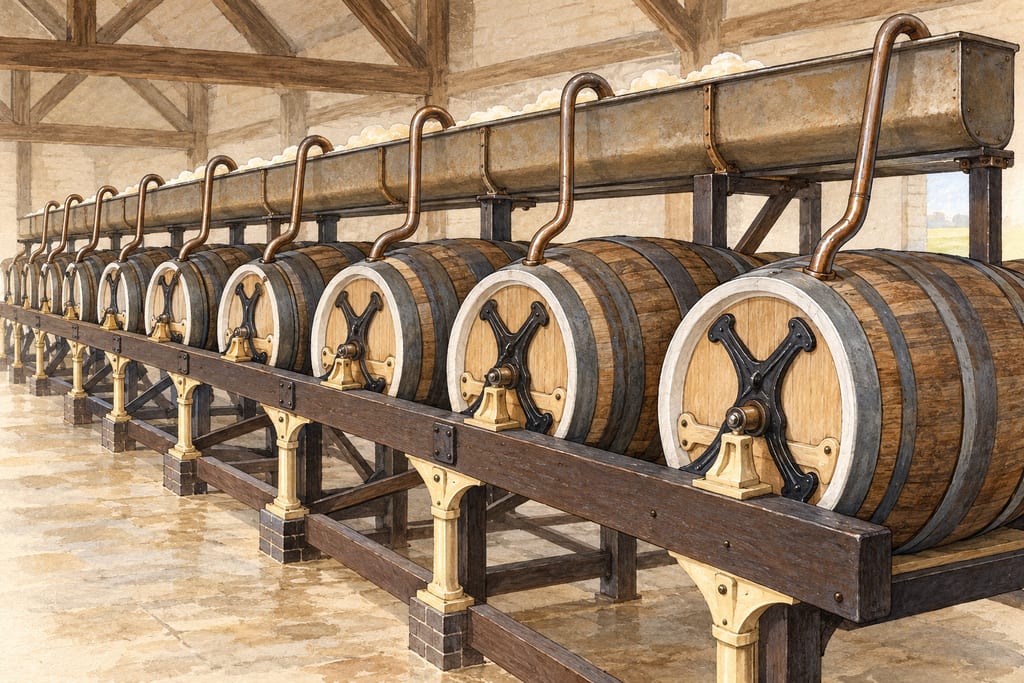
A Burton Union is a connected set of horizontal wooden beer casks, swan-neck pipes and shared troughs. Fermentation lifts yeast-rich foam into the trough; beer drains back to the casks, leaving yeast behind.
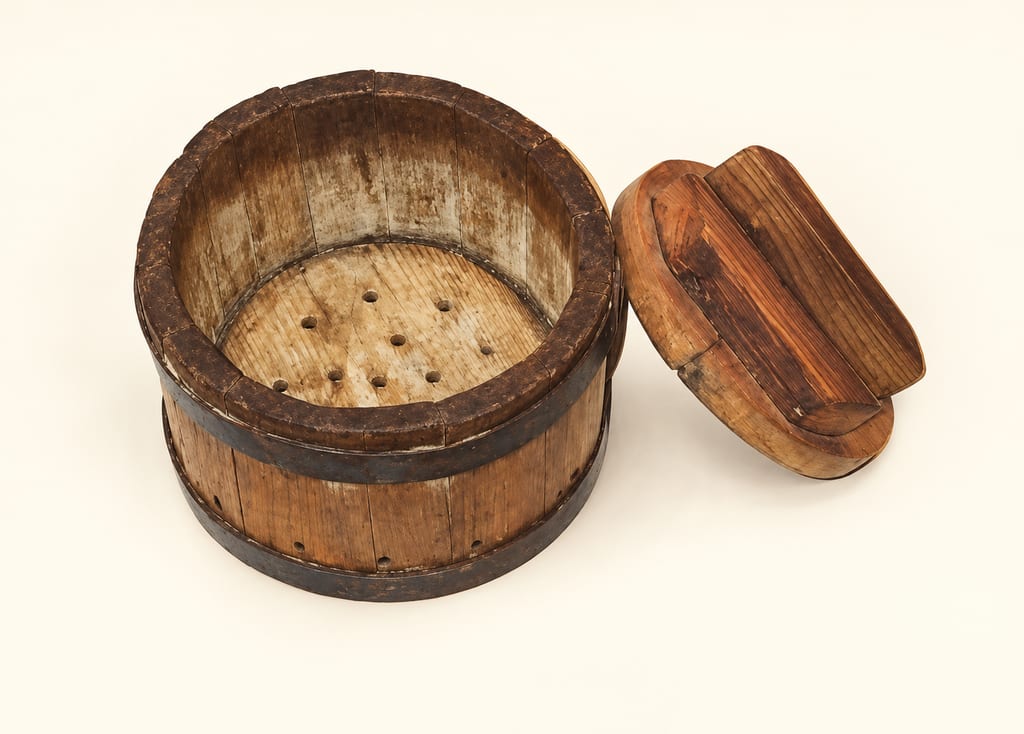
A cheese press applies weight or mechanical force to curds in a draining vat or mould. Tiree’s wooden fiodhan, stone weights, screw presses and a documented New Zealand lever press show distinct forms, not one standard design.
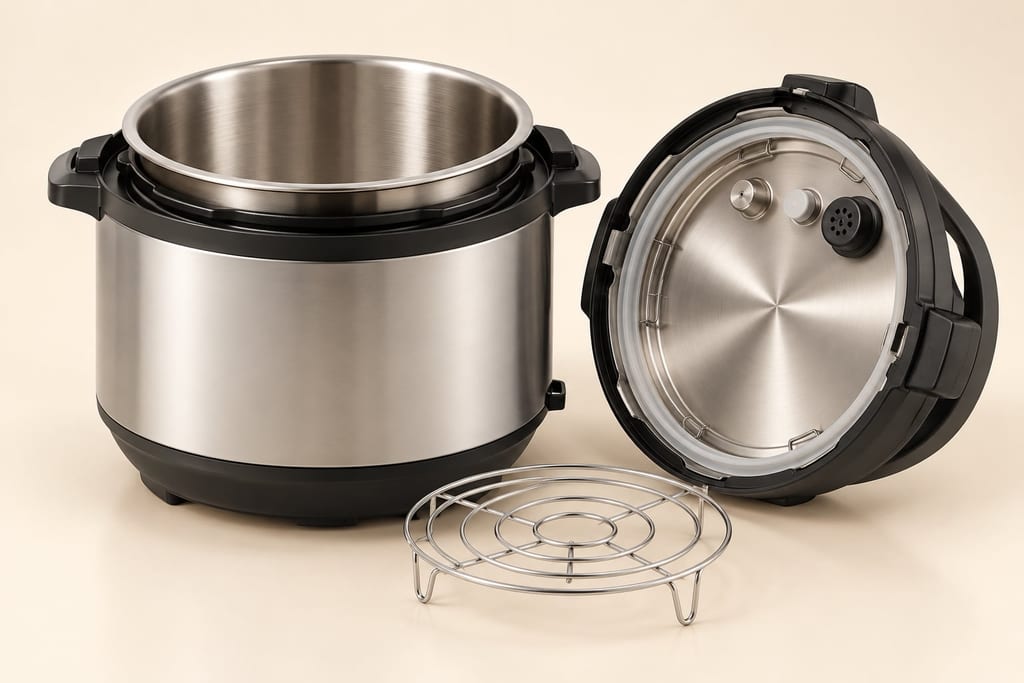
A countertop electric cooker combines pressure cooking with model-specific functions such as sautéing, slow cooking, rice cooking and low-temperature programs. Settings do not transfer to pressure canning.
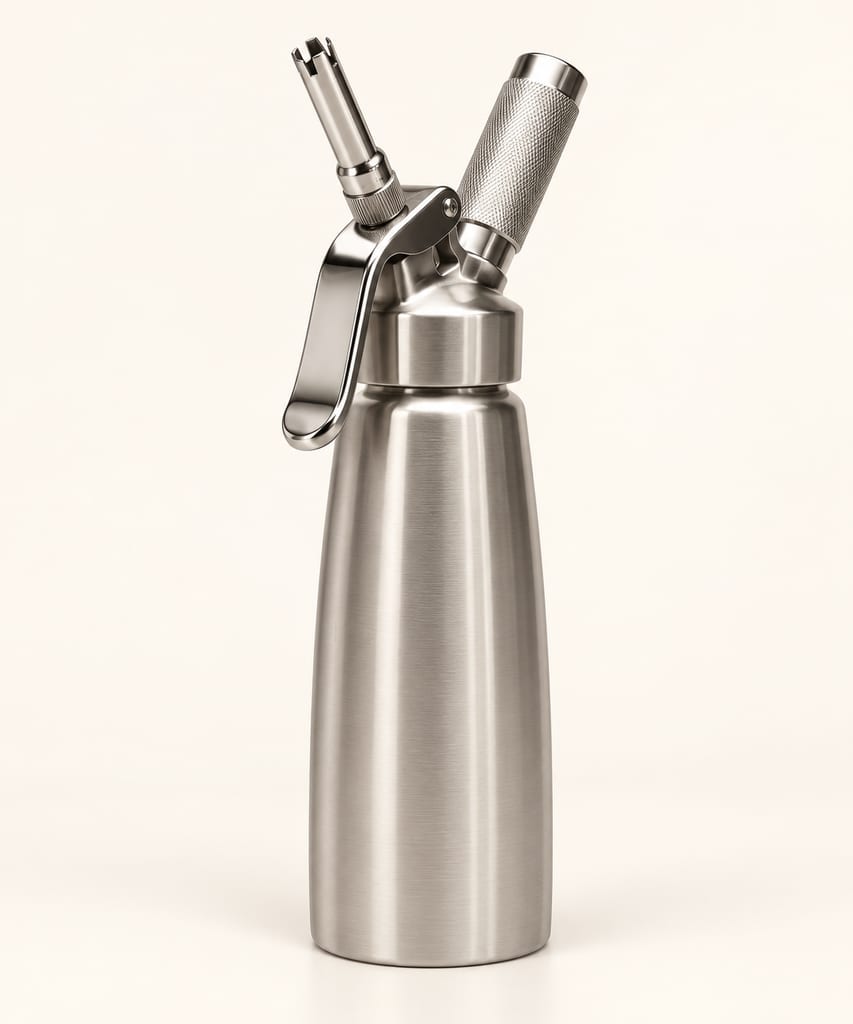
A food-rated pressure canister with a dispensing head and gas-cartridge holder. Cream whippers aerate or dispense foods and, with a compatible rapid-infusion attachment, can speed botanical flavour extraction into liquid.
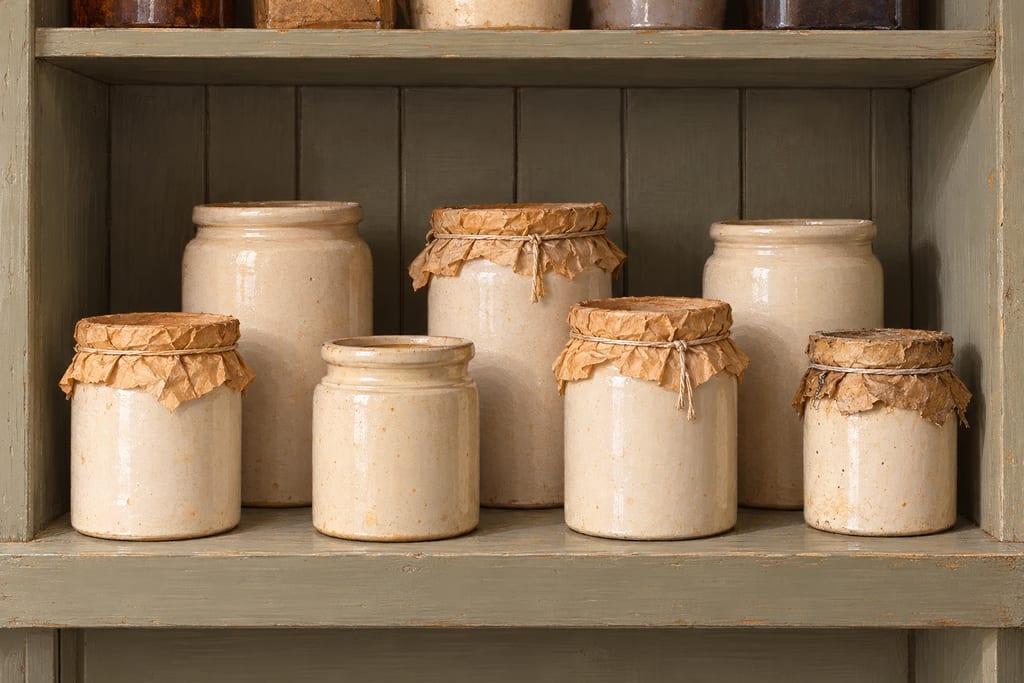
Three dated jam labels at Glasgow’s Tenement House record household preserves: Victoria plum (1947), strawberry (1961), and rhubarb and ginger (1963). They document storage and domestic history, not a recoverable recipe.
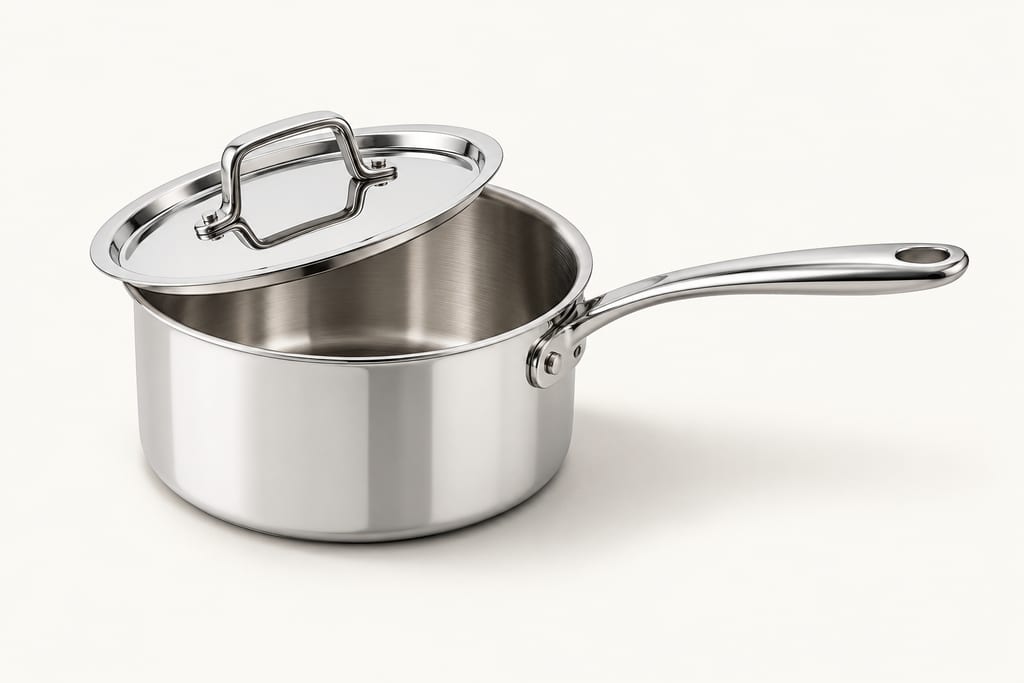
A modern, portable stovetop pan with a stainless-steel cooking surface for sauces and other small simmering jobs. Size, cladding, lid, compatibility and care vary by model.
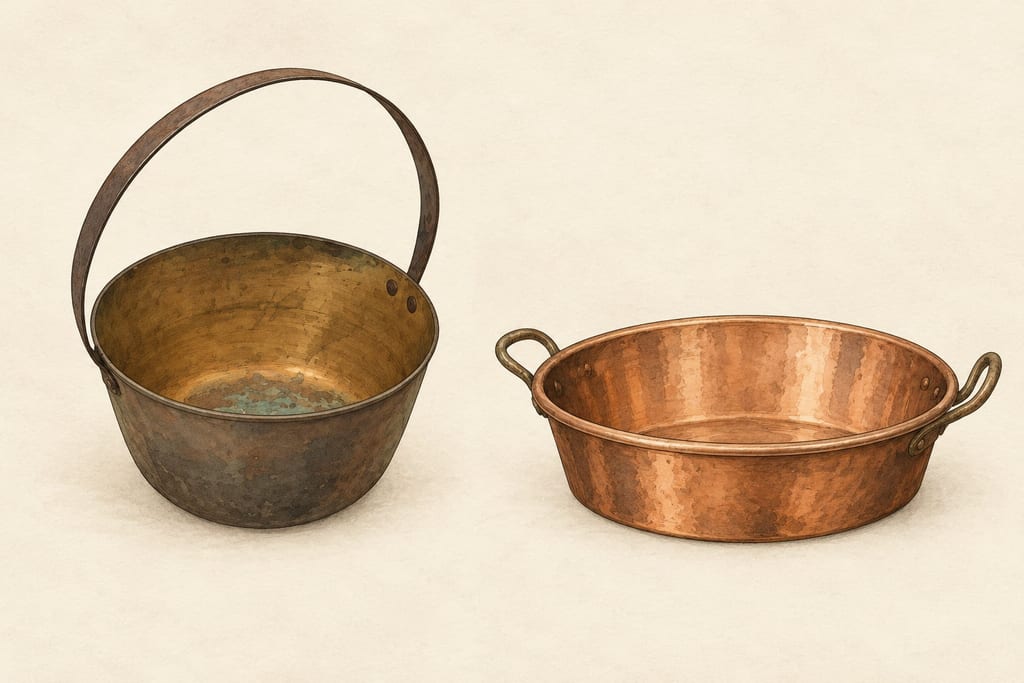
Open, heated pans cooked fruit into preserves before transfer to jars. Historical records document copper and enamelled cast-iron forms, while museum objects show variation in material and shape.
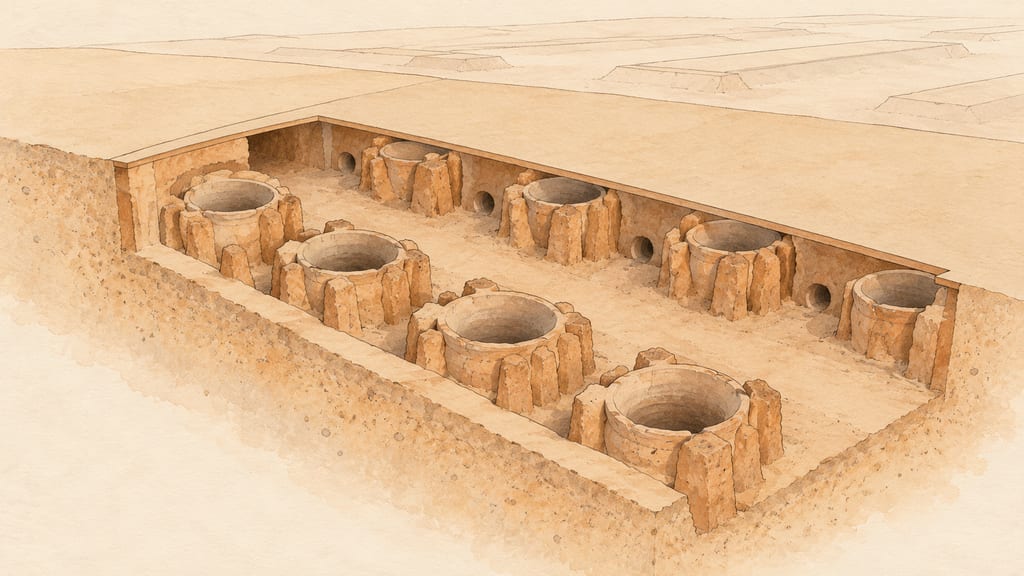
At North Abydos in Egypt, a fixed early Dynastic brewery comprised parallel semi-subterranean installations with rows of ceramic mash vats; excavation reports revise their number, scale and estimated batch capacity.
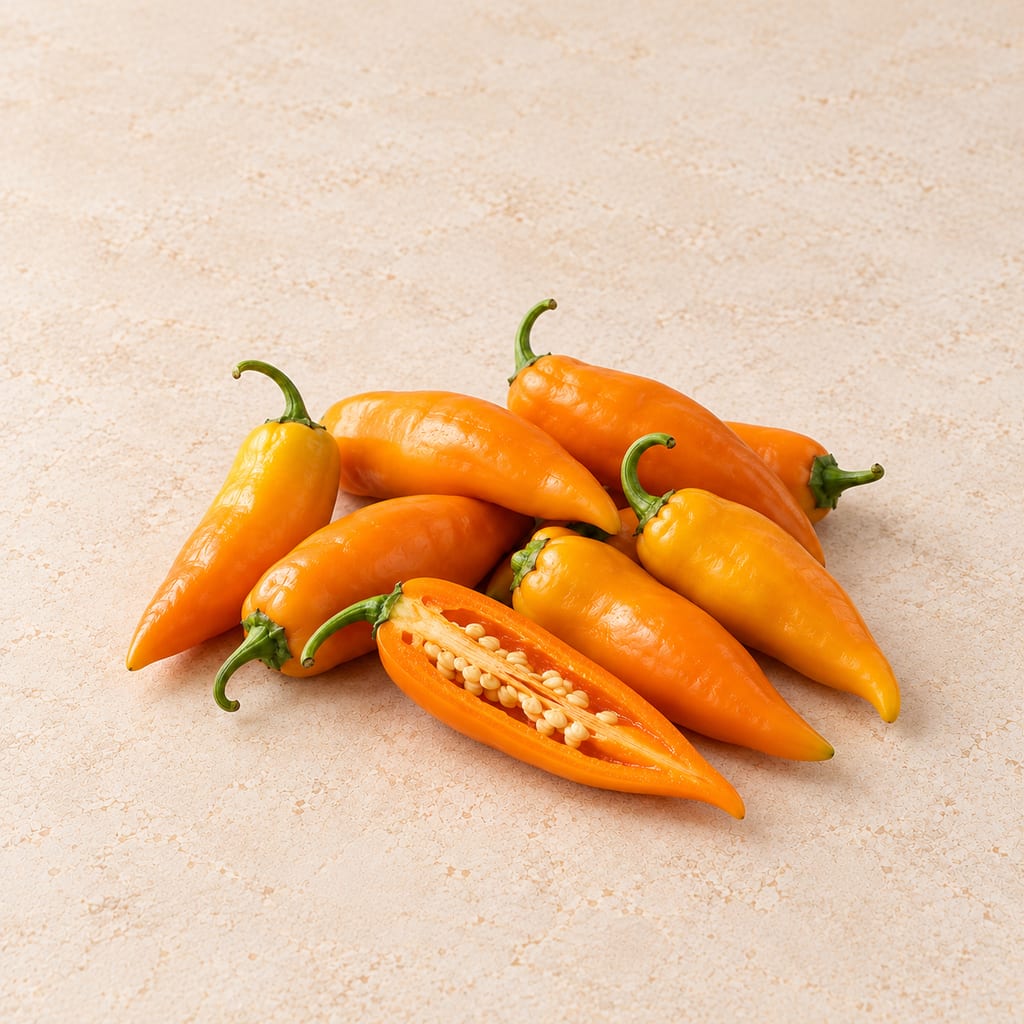
Ají amarillo is the orange-yellow Peruvian chilli cultivar group of Capsicum baccatum, used to colour and season huancaína sauce and ají de gallina. Published heat estimates do not establish one range for the named cultivar.

Toasted almonds are whole sweet almond kernels dry-roasted until golden to brown. Heat replaces their marzipan note with a roasted, nutty one; they thicken and flavour romesco.

Kodiak salmon, halibut and cod cut as seg'aq and hung on an initaq rack to become tamuuq, with kac'amaasaq and kupcuunaq named as different results.

Aniseed is the dried ripe fruit of Pimpinella anisum, an aromatic Apiaceae spice commonly called a seed. It adds a sweet, warm aroma to breads such as Moroccan krachel and South African mosbolletjies, and is distinct from star anise.
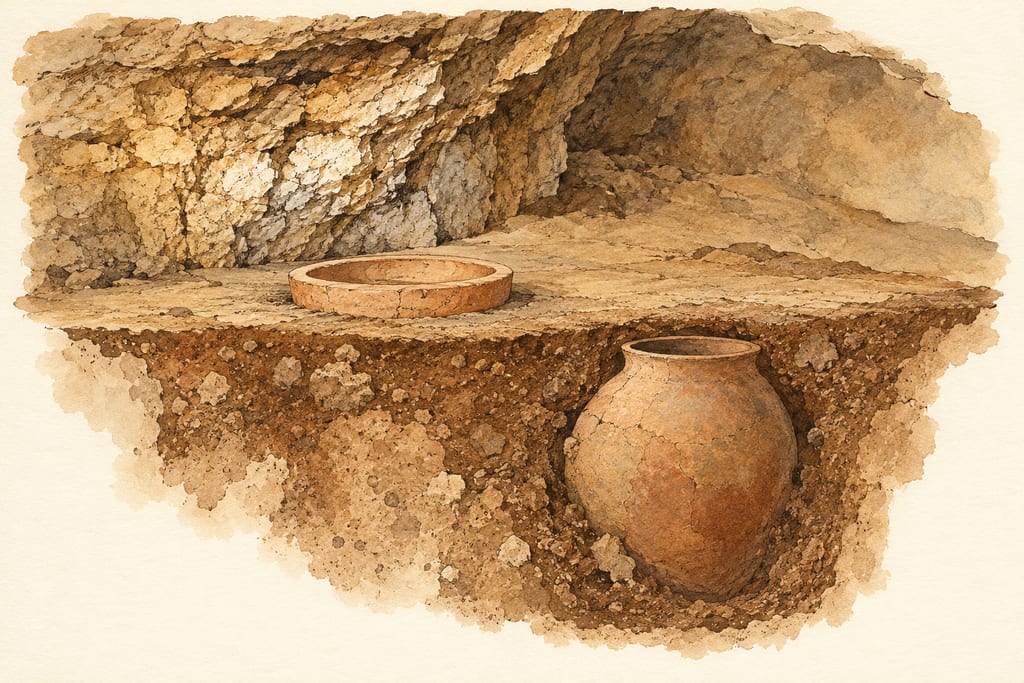
A fixed Late Chalcolithic installation in Areni-1 cave combined a shallow clay pressing basin with a large jar set into the cave floor and storage vessels nearby.

Ripe avocado flesh is the soft, buttery, fat-rich pulp of Persea americana, eaten raw. It is low in acid, so it is a fresh ingredient that needs care in chilled dishes.
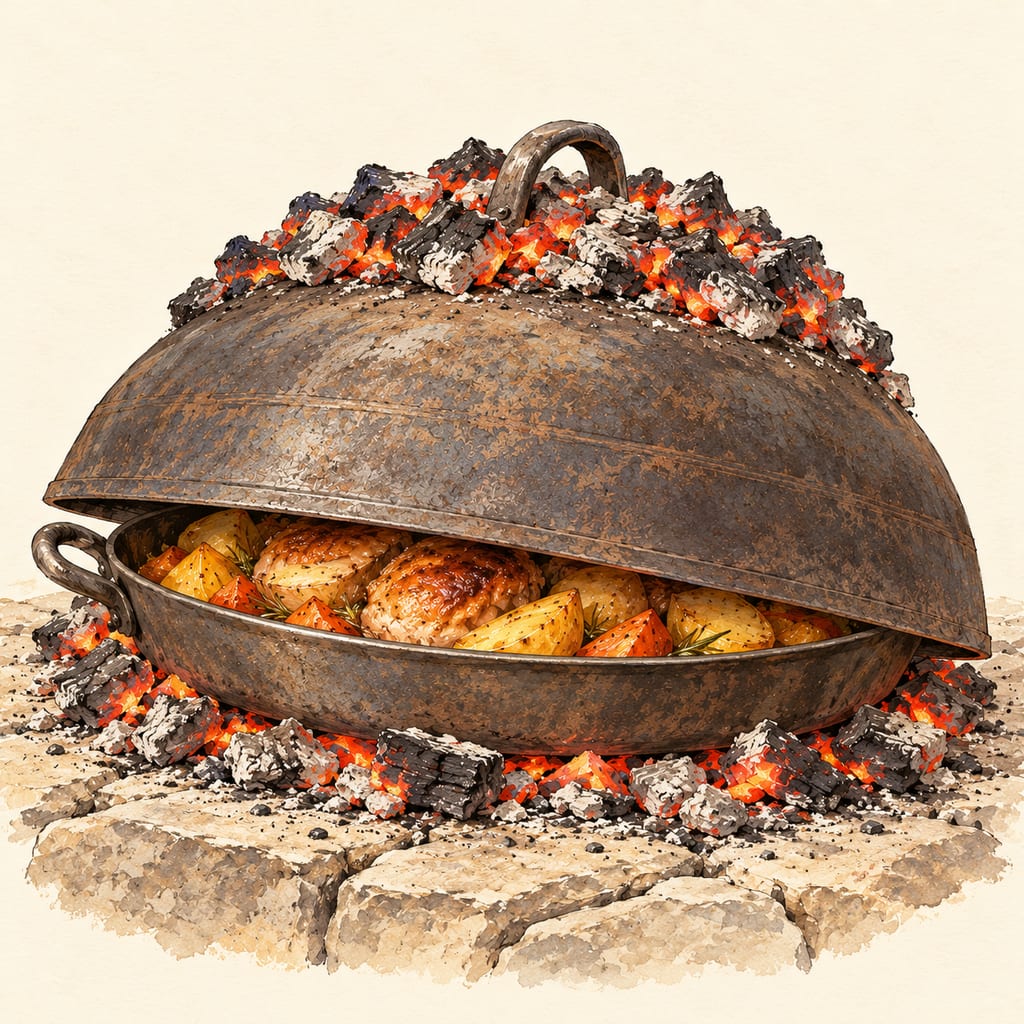
A portable dome and pan used over a hearth, with embers on the lid and heat from below. Regional peka and saç forms share this principle while differing in materials, pan shape and how the food is cooked.
No community contributions have been published for this entry yet.
Sign in to contribute. Published comments and photos are free to read.
The Metropolitan Museum of ArtObject · History · Trade · Form
Terracotta transport amphoraRoman terracotta amphora dated late first to mid-second century CE; height 109.8 cm.
Found in Cyprus; resembles a type made in Italy and frequently used to export wine to western provinces; examples occur widely.
Cited in: A shipping package, not one universal jar; Handles, mouth and pointed base; Contents and routes; Transport and fermentation are different claims; What the objects cannot tell us
Amgueddfa Cymru – Museum WalesForm · Handling · Trade · Geography
Roman pottery amphoraDressel 2–4 coarse pink-orange sandy-clay amphora with a tall narrow body, pointed base and two ribbed handles.
Used to transport wine from the Mediterranean to Roman Britain; rack stowage and ropes through the handles helped secure shipboard cargo.
The recorded vessel was excavated at Myrtle Cottage Orchard, Caerleon, in 1939.
Cited in: Handles, mouth and pointed base; Contents and routes; Transport and fermentation are different claims; What the objects cannot tell us
Museo Galileo – Institute and Museum of the History of ScienceForm · History · Trade
AmphoraA first-century CE Dressel 2–4 example was suited to ship stowage for wine, olive oil and other foodstuffs.
Roman wine amphorae were made in different regions with different local clays; inscriptions could identify wine origin and recipient.
Cited in: Contents and routes; What the objects cannot tell us
The Metropolitan Museum of ArtForm · Contents
Roman Art: A Resource for EducatorsThe Met’s educator resource describes Greek and Roman amphorae as two-handled ceramic jars with narrow mouths, thick walls and tapered feet; transport contents included wine, oil, marine products, fish sauce and preserved fruit.
Cited in: Handles, mouth and pointed base