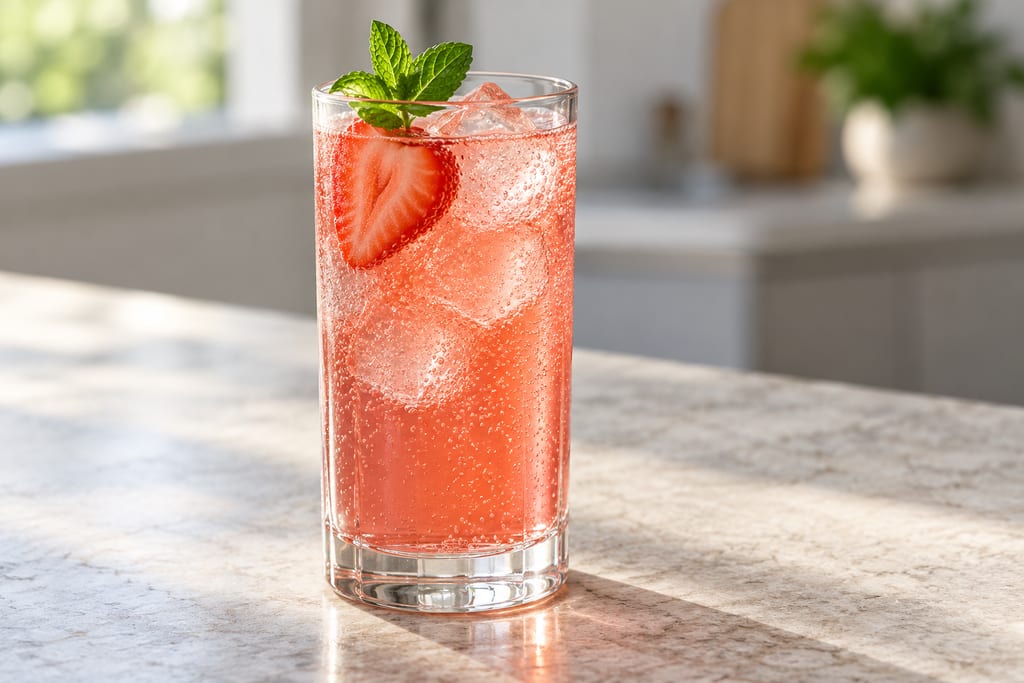
Carbonated cordial, shrub or juice
A cold finished drink charged with carbon dioxide in a home carbonator that accepts liquids other than water. Carbonating is not fermentation and does not preserve the drink.
 FermenteaWhere food goes to change
Equipment · beverage-carbonators
Drinkmate OmniFizz · Drinkmate carbonator
Drinkmate’s Fizz Infuser lets its countertop carbonators add carbon dioxide to cold drinks directly, with a controlled release valve for foamy liquids. Models and bottle systems vary; a 2025 recall applies to specific one-litre bottles.
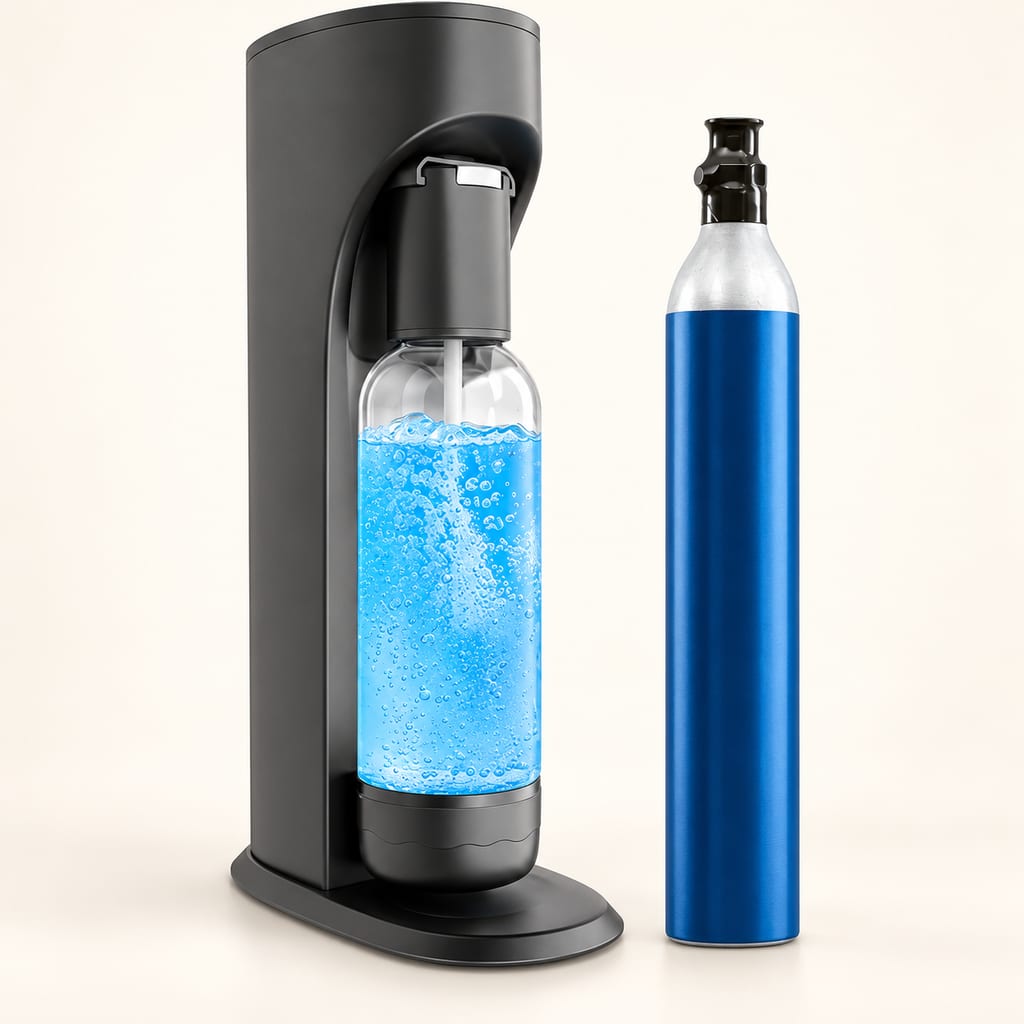
Drinkmate is a family of portable, manufactured beverage carbonators. The OmniFizz pairs a countertop machine with a removable bottle and a Fizz Infuser pressure head; the manufacturer also lists LUX, Spritzer and instaFizz models. Product shape, finish and cylinder size differ. This is a modern appliance, not a fermentation vessel: it adds dissolved carbon dioxide to an already prepared cold drink.
The Fizz Infuser’s staged pressure release distinguishes this system from water-only soda makers. Drinkmate describes the detachable valve as a way to regulate pressure as a drink foams. That is the manufacturer’s design rationale; the exact compatible bottles and fittings remain model-specific. The manufacturer says compressed CO₂ cylinders supply the operating gas, not electricity.
Carbon dioxide dissolves more readily in cold liquid under pressure. When pressure falls, gas leaves solution as bubbles; ingredients that encourage foam can make release less predictable. The manufacturer recommends chilling drinks, using short pulses and releasing pressure gradually for foamy beverages. It also suggests shaking the bottle after removal from the machine while the Fizz Infuser is still fitted, to help mix gas from the headspace into the drink. Follow the manual for the exact model rather than treating these tips as universal.
Drinkmate promotes the system for cold juice, iced tea or coffee, wine, cocktails and flat soda. It does not recommend pulped juice because pulp may clog the valve. Its phrase “virtually any cold drink” is marketing language, not evidence that every liquid or ingredient is suitable. The FAQ cautions against hot drinks and advises staying below the bottle’s fill line. Carbonating a drink does not ferment it, preserve it or make it safe to store at room temperature.
Rinse the removable Fizz Infuser after use with drinks other than water so residue does not remain in its valves. Drinkmate advises against putting it in the dishwasher, refrigerator or freezer. Bottles are also hand-washed rather than machine-washed. Keep the bottle and head assembled until pressure has been fully released; use the release control as directed and do not force a stuck fitting. The manual controls for each model and accessory.
On 14 August 2025, the US Consumer Product Safety Commission announced a recall of specified one-litre Drinkmate carbonation bottles with expiry dates from January through October 2026. The notice says these bottles can explode in use and directs consumers to stop using affected bottles immediately and contact Drinkmate for a replacement. Some affected bottles were sold individually and in OmniFizz starter kits; not every OmniFizz or bottle is included. Check the date printed on the bottle and follow the notice’s replacement and disposal instructions.
The CPSC identifies iDrink Products, doing business as Drinkmate, in Saline, Michigan, and reports affected bottles sold in the United States and Canada. The notice identifies China as the manufacturing country for the recalled bottles. These are limited claims about a manufacturer and a particular component, not a single point of origin for every machine or a map of worldwide use.
A carbonator can add bubbles to a finished drink such as a shrub or cordial after its ingredients have been prepared. It does not replace extraction, acidification or other recipe steps. The equipment link records a documented use relationship, not a claim that every sparkling drink is made with this appliance.
Drinkmate does not recommend pulped juice because pulp can clog the Fizz Infuser.
Source →The specified recalled one-litre bottles with expiry dates January through October 2026 must not be used; the CPSC reports an explosion hazard.
Source →The notice documents sales of some affected bottles in the United States; it does not establish where the machine was invented or how common it is.
Health Canada documents affected bottles sold in Canada, including in some product bundles; this is market availability, not prevalence.
A cold finished drink charged with carbon dioxide in a home carbonator that accepts liquids other than water. Carbonating is not fermentation and does not preserve the drink.
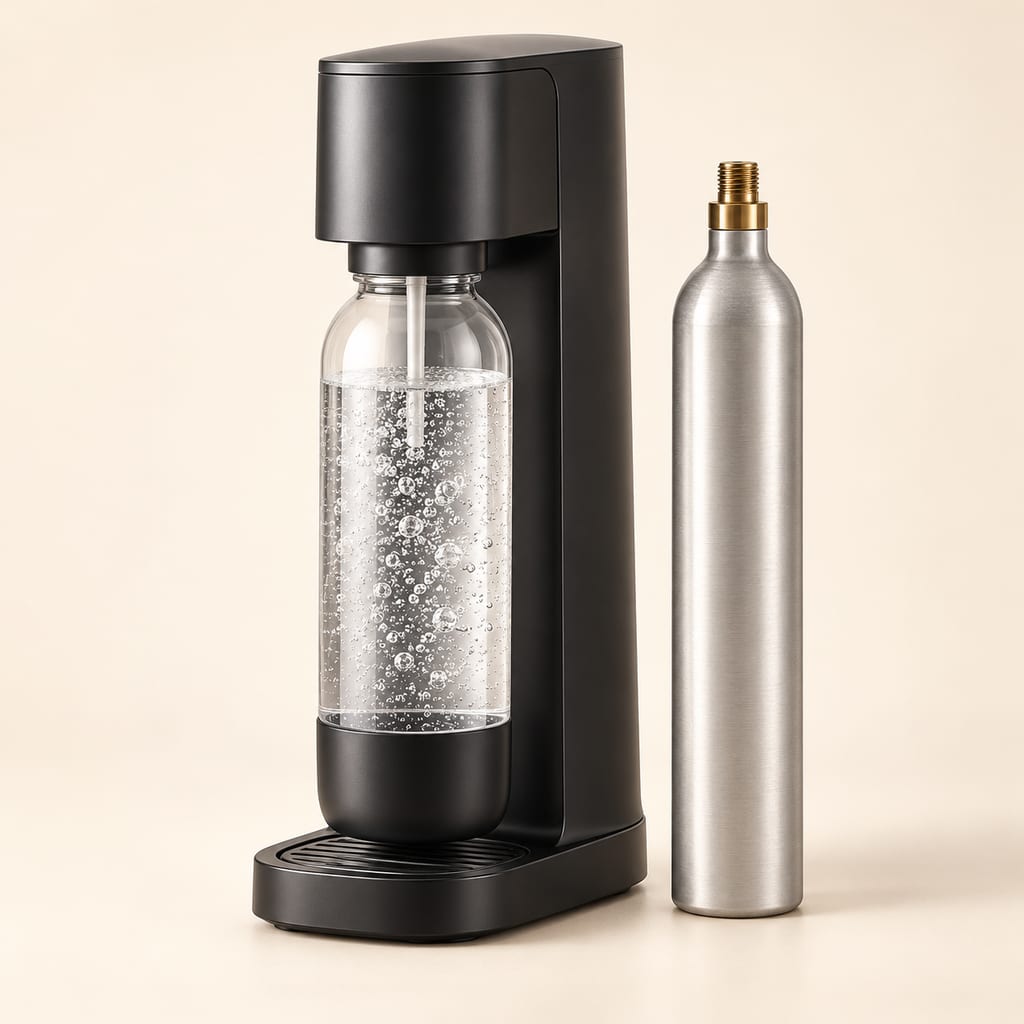
Home beverage carbonators inject CO₂ into cold liquid in a bottle, then release pressure so gas stays dissolved. Model compatibility varies: most SodaStream machines are water-only; MIX and Drinkmate support other cold drinks.
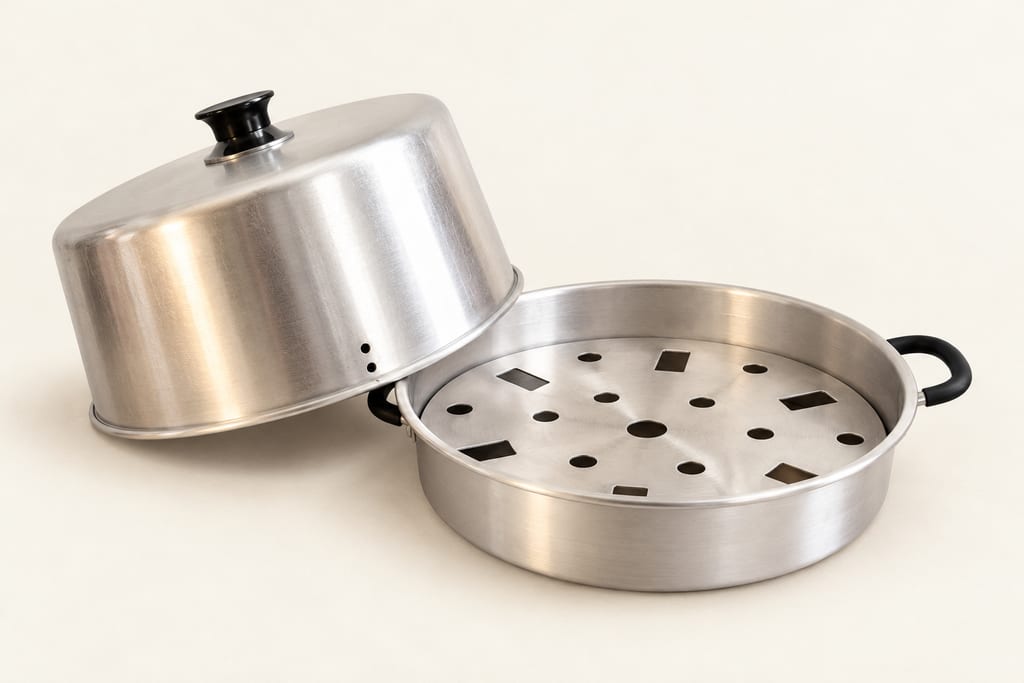
A shallow rack base and tall vented cover process jars in atmospheric steam. NCHFP limits the method to tested high-acid or acidified recipes requiring no more than 45 minutes, including altitude adjustment; this is not pressure canning.

A covered iron vessel used in Maine bean-hole cooking, set into a preheated stone-lined pit and buried for a slow cook.
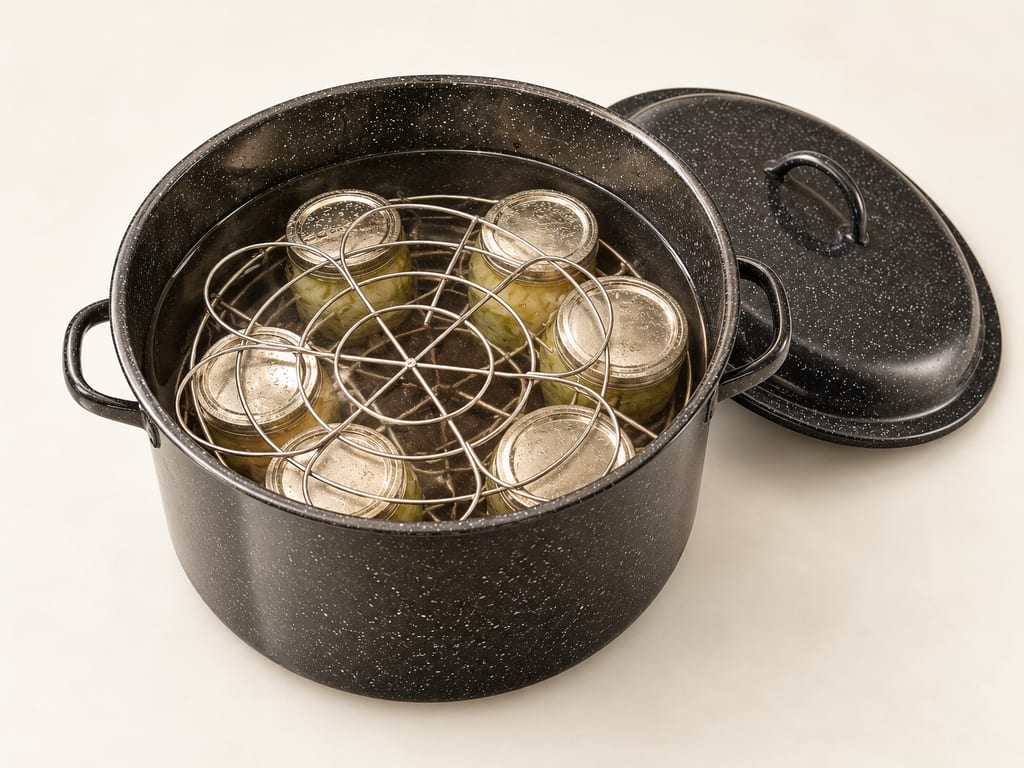
A deep, lidded pot with a removable rack processes jars beneath boiling water. It is intended for foods with tested boiling-water processes; low-acid foods require pressure canning.
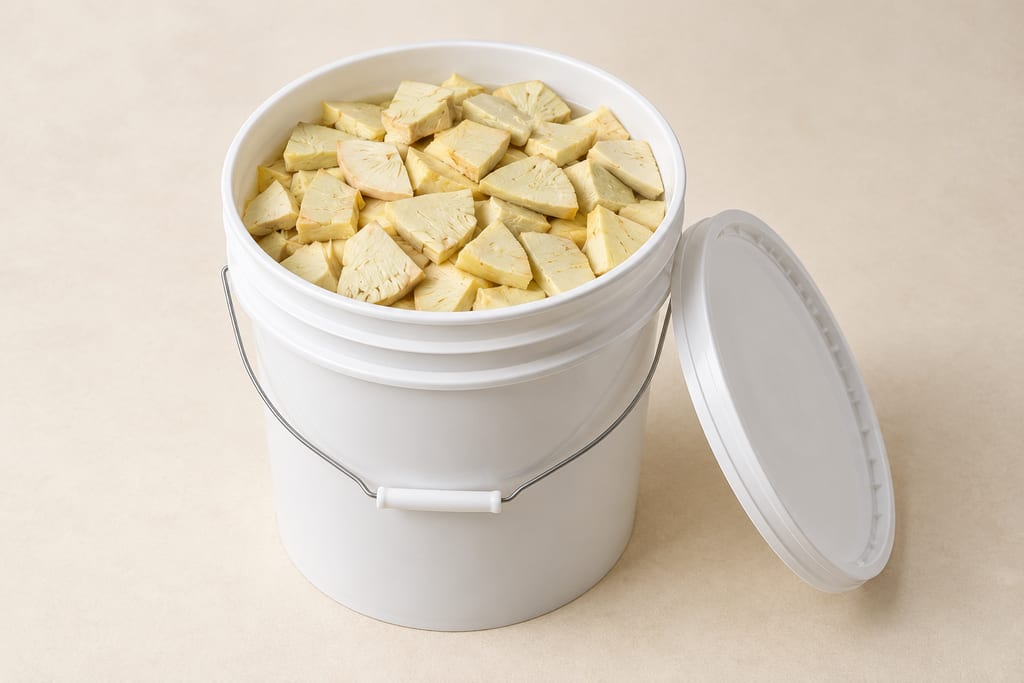
A contemporary household enclosure for preparing mā, fermented breadfruit, documented in Hawai‘i using food-safe buckets, coolers or large sealable bags in place of a pit.
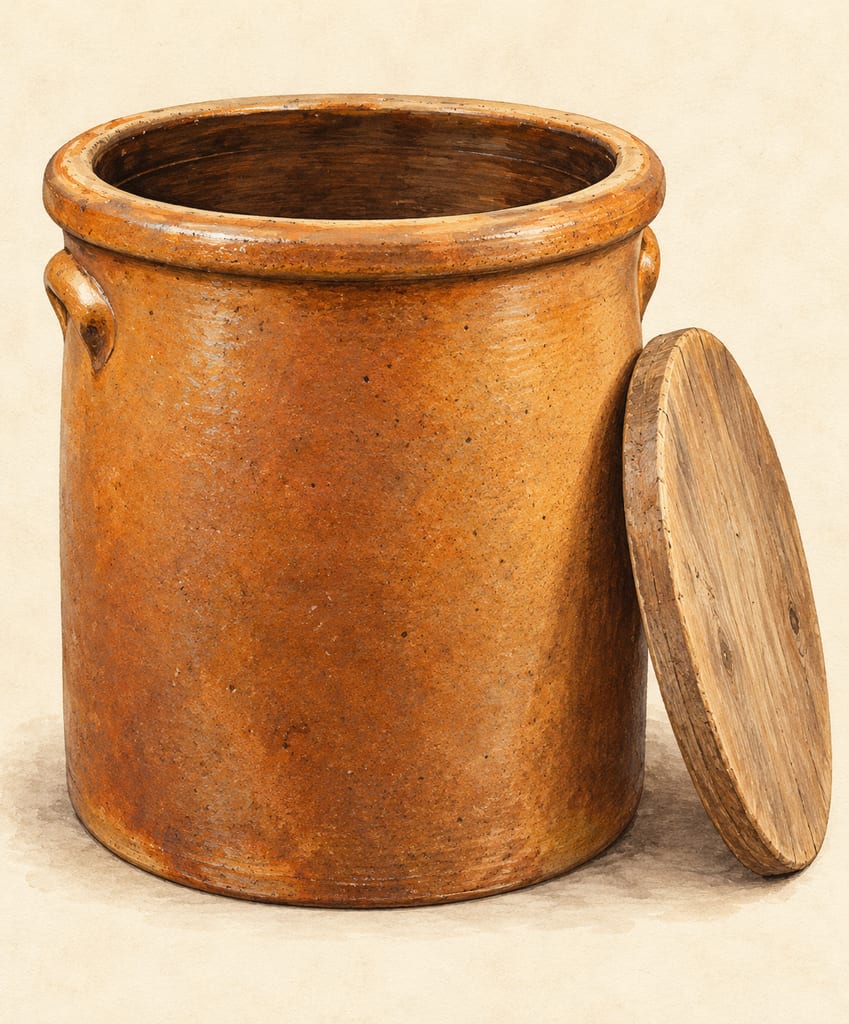
Containers for salt-curing fish and meat range from broad-mouthed stoneware crocks to tubs, cut-down barrels and chests. Their material, depth, cover and ability to retain or drain liquid shape how the food sits in salt or brine.
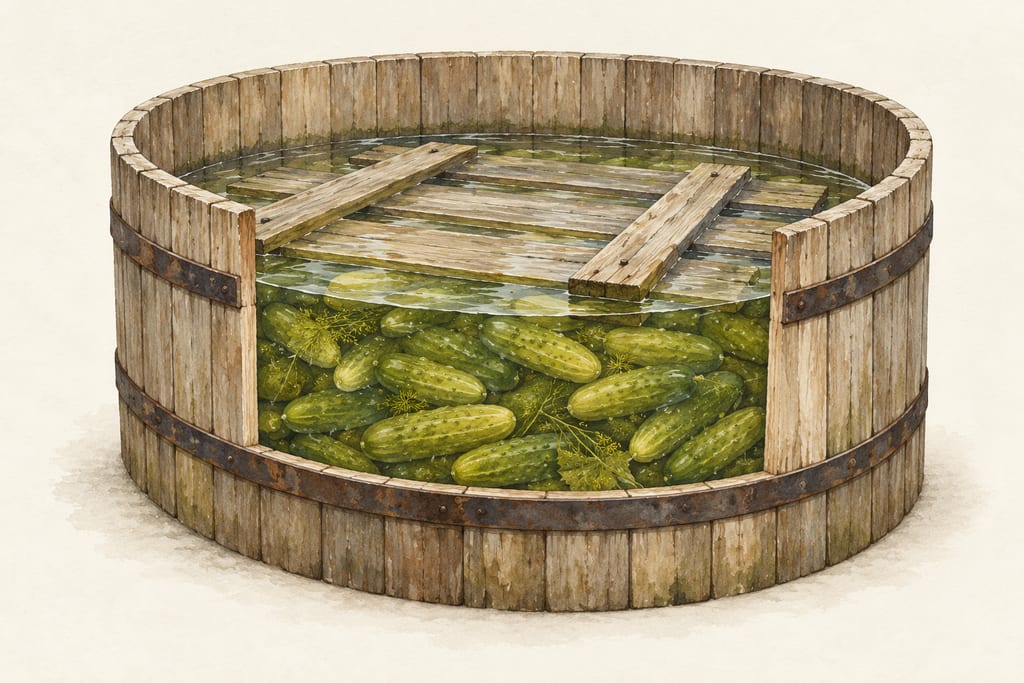
A bulk brining vat holds cucumbers and other vegetables under cover brine for fermentation and storage. North Carolina sources document a mid-century wooden tank yard and later outdoor fiberglass systems.
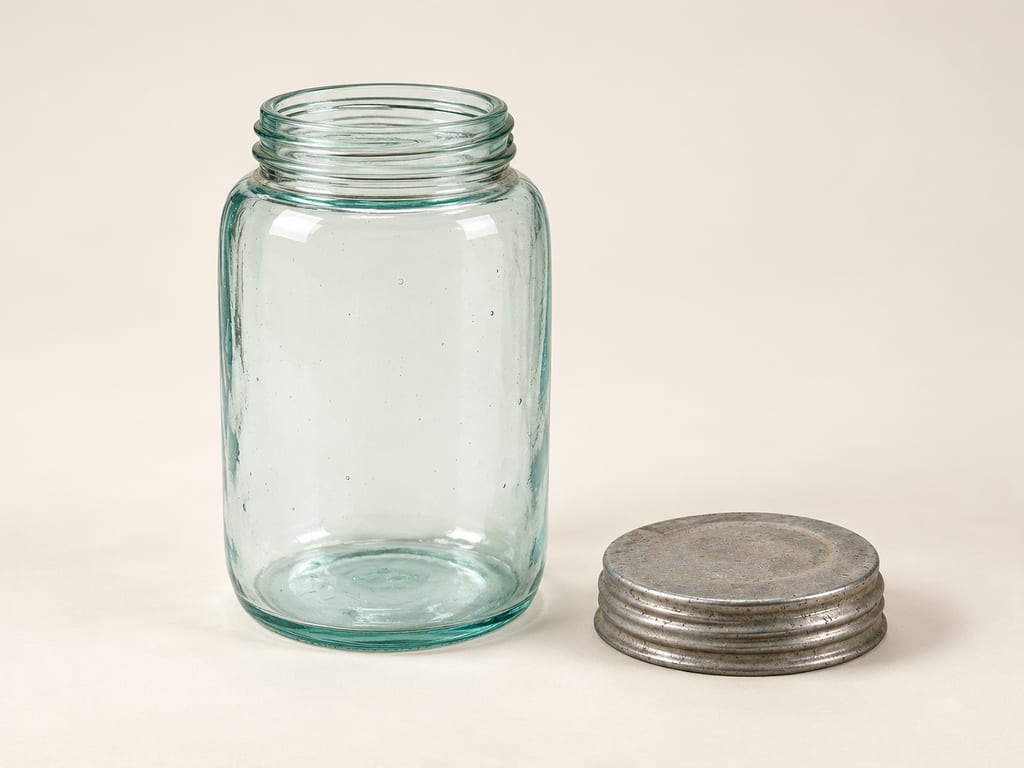
Threaded, heat-processing jars hold food and a fitted lid during a tested canning process; jar size and process belong to the specific recipe.
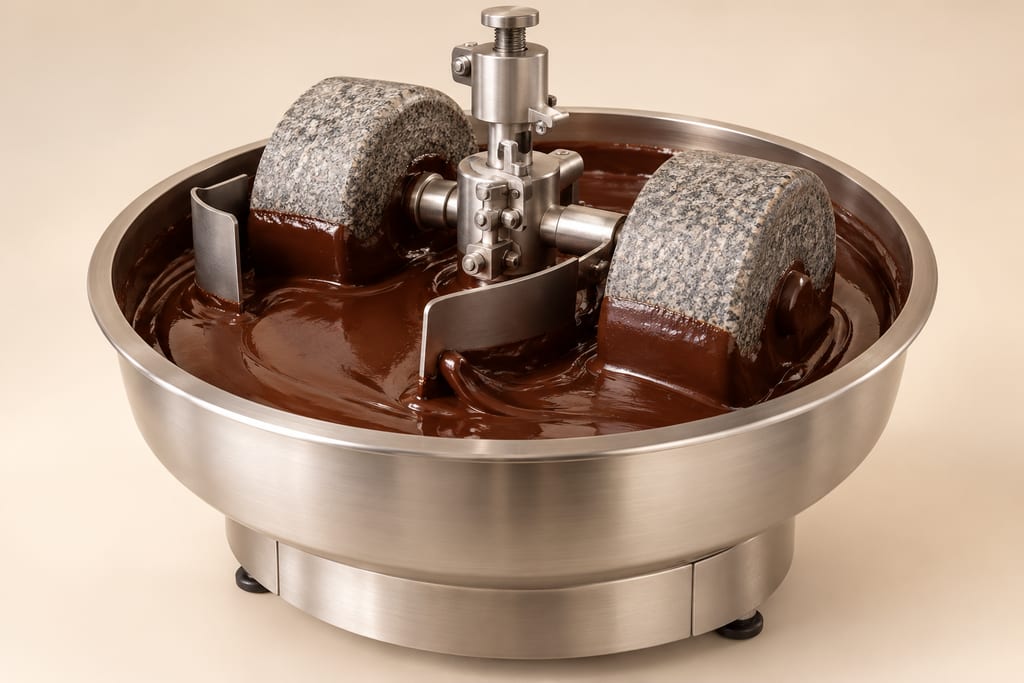
A chocolate refiner or melanger uses powered rotation and stone rollers to refine cocoa mass. Some models also process nut and seed pastes; design, material and operating limits vary.
No community contributions have been published for this entry yet.
Sign in to contribute. Published comments and photos are free to read.
iDrink Products, Inc. (Drinkmate)Manufacturer description · Operation · Care · Limits
Drinkmate FAQsThe Fizz Infuser is described as a two-stage pressure-release valve for carbonating cold drinks.
Drinkmate recommends short pulses and slow release for foamy drinks, and shaking after removal while pressure remains.
Pulped juice may clog the Fizz Infuser; the maker gives cleaning and bottle-care instructions.
Cited in: A countertop carbonator for finished drinks; What carbonation changes; Use, cleaning and pressure safety; Documented markets and recipe use
iDrink Products, Inc. (Drinkmate)Manufacturer documentation · Model identification · Safety
Drinkmate Product ManualsThe manufacturer provides model-specific OmniFizz, LUX, Spritzer and instaFizz manuals.
Cited in: A countertop carbonator for finished drinks; What carbonation changes; Use, cleaning and pressure safety
U.S. Consumer Product Safety CommissionSafety recall · Markets · Manufacturer
Drinkmate Recalls 1-Liter Carbonation Bottles Due to Serious Impact and Laceration HazardsRecall dated 14 August 2025 covers specified one-litre PET bottles with expiry dates 01/2026–10/2026; it directs consumers to stop use and seek replacements.
The notice documents sales in the US and Canada, names iDrink Products Inc. dba Drinkmate of Saline, Michigan, and states affected bottles were manufactured in China.
Cited in: Use, cleaning and pressure safety; Documented markets and recipe use
Health CanadaSafety recall · Market
Drinkmate 1L Carbonation Bottles recalled due to laceration and injury hazardsHealth Canada identifies affected bottles sold online in Canada and the affected expiry-date range.
Cited in: Documented markets and recipe use