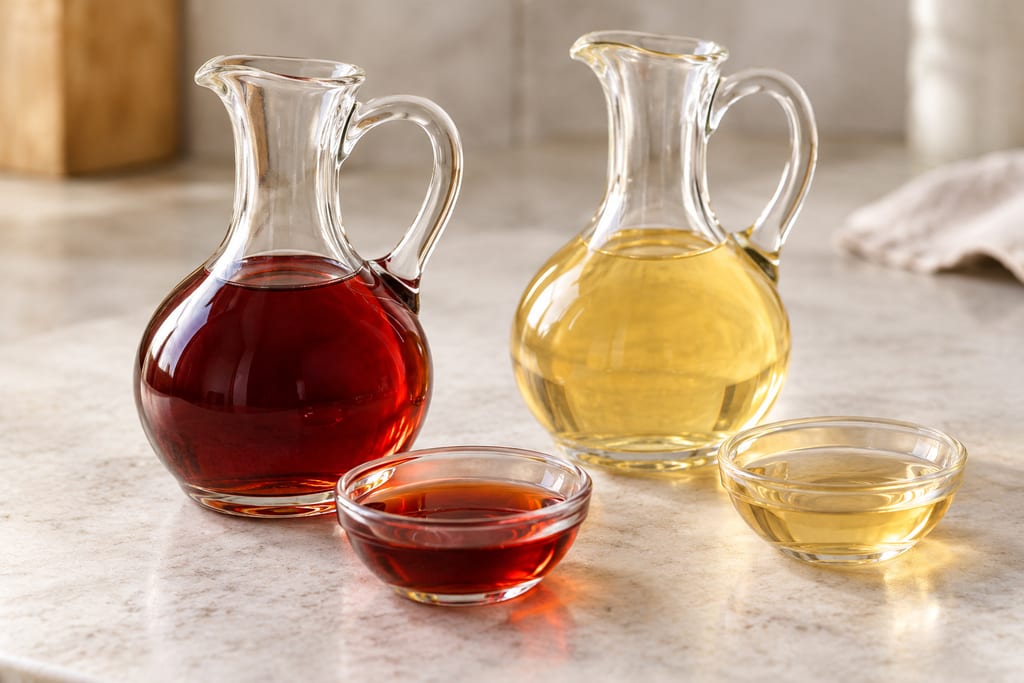
Wine Vinegar
Wine vinegar is made by the aerobic oxidation of wine's alcohol into acetic acid by bacteria, producing a sour, wine-derived condiment used in dressings, sauces, marinades and preserved foods.
 FermenteaWhere food goes to change
Equipment · Lids, seals and airlocks
breathable fermentation cover · cloth ferment cover · kombucha cloth cover · vinegar cloth cover
A clean, fine-weave cloth or towel covers an open ferment while allowing air exchange; a band or cord holds it over the vessel mouth.
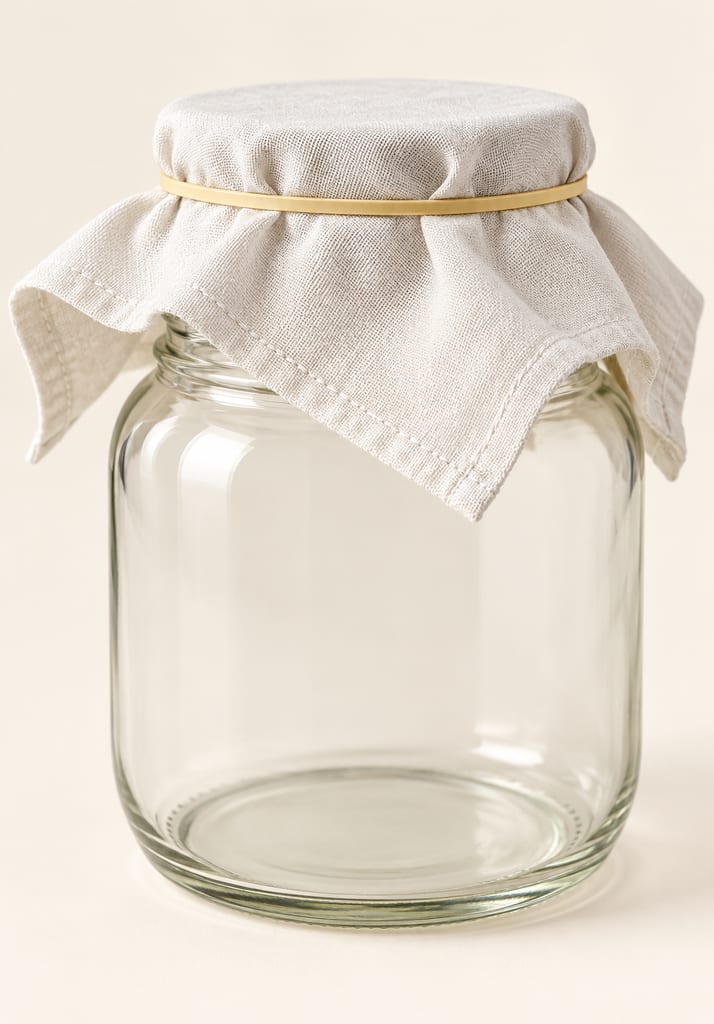
A fine-weave breathable cover is a cloth or towel placed over an open fermentation vessel and held at its mouth with a band or cord. It lets air exchange with the liquid while reducing entry by insects and debris. The object is the textile cover and its fastening; the jar beneath it is a separate piece of equipment.
Home methods use such covers at different points. Wine-vinegar instructions call for cloth over the vessel while the alcohol is converted to acetic acid. Kombucha directions list a clean fine-weave cloth or towel, and sometimes a paper filter, over the vessel during the first fermentation. The same basic accessory appears in both settings, though their recipes, cultures, and process controls are not interchangeable.
During vinegar's acetous stage, acetic acid bacteria need oxygen. A cloth cover keeps the vessel mouth open to the surrounding air while screening out insects. In kombucha, cooperative-extension instructions likewise describe a breathable cover secured over the brewing container. The cover therefore serves two opposing needs: it must allow exchange at the surface, yet fit closely enough that an insect cannot simply crawl beneath its edge.
The weave matters. A broad, loose mesh can leave openings large enough for fruit flies. California extension guidance favors fine-weave cloth or a towel and warns against ordinary cheesecloth unless it is finely woven. It also lists a coffee filter as a practical alternative for kombucha. The sources do not specify a numeric pore size, test method, or universal guarantee of insect exclusion.
The documented textile is described as a fine-weave cloth or towel; the records do not name its fiber or give standard dimensions. A clean cover should span the vessel opening, with enough material to be held around the rim. The instructions use a rubber band, string, or cord to keep it in place. Some methods allow a paper coffee filter instead, so a disposable filter is an alternative, not a cloth material or a different fermenting vessel.
A 2023 photograph by Haydn Blackey shows a muslin cover secured over a kombucha jar just before fermentation. It offers a real example of draped fabric and a fastening around a jar mouth. It does not establish a standard weave density, exact cloth material, or cover design for every vessel.
A breathable cloth is not an airlock or an airtight lid. It belongs to an open stage where a process calls for exposure to air. In the National Center for Home Food Preservation's kombucha method, the jar is covered during primary fermentation; after that stage, the drink is moved to clean, sanitized bottles or jars and refrigerated. The instructions separately warn that airtight storage can allow carbon dioxide to build up. Those later storage steps are distinct from the cloth cover's job.
Some vinegar vessels use screened vents rather than a loose cloth, and other fermentation methods may require a sealed vessel. The presence of a breathable cover on one recipe does not make it the right closure for every fermentation. Use the cover with the specific method that calls for it.
Contemporary home-fermentation instructions document this accessory in the United States, including university extension materials in California and North Carolina and a University of Georgia home kombucha method. A photograph dated 2023 shows a cloth cover in use; the sources inspected do not date the invention of the equipment or identify a place where it originated.
No standard size, weave count, fabric composition, price, manufacturer, or textile-specific cleaning schedule is established here. The cited methods call for a clean cover, but they do not give one universal laundering or replacement instruction. The cover is a simple accessory whose useful fit and weave depend on the vessel and the process being followed.
Contemporary home-fermentation instructions and a 2023 photograph document cloth covers over open kombucha and vinegar vessels; the sources do not date the cover's invention or establish a place of origin.
The cited kombucha guidance warns that fruit flies can pass through ordinary cheesecloth and contaminate the brew.
Hazard sourceUse a clean fine-weave cloth or towel, or a paper filter where the selected method allows it, and secure it around the vessel mouth with a band or cord.
Control sourceA cloth cover is not a sealed storage closure; follow the chosen recipe's directions for the later fermentation or storage stage.
A loose or ordinary cheesecloth weave may allow fruit flies through; fine-weave cloth or a coffee filter is specified in the cited kombucha guidance. No numerical mesh size or universal insect-exclusion rating is provided.
Source →A cloth cover is for an open fermentation stage. A tested kombucha method transfers the finished drink to clean, covered bottles and refrigeration; the cloth is not a closure for storing a finished drink.
Source →The place records contemporary U.S. home-fermentation instructions from university and cooperative-extension programs, not the cover's invention, manufacture, or exclusive use.
Wine vinegar is made by the aerobic oxidation of wine's alcohol into acetic acid by bacteria, producing a sour, wine-derived condiment used in dressings, sauces, marinades and preserved foods.
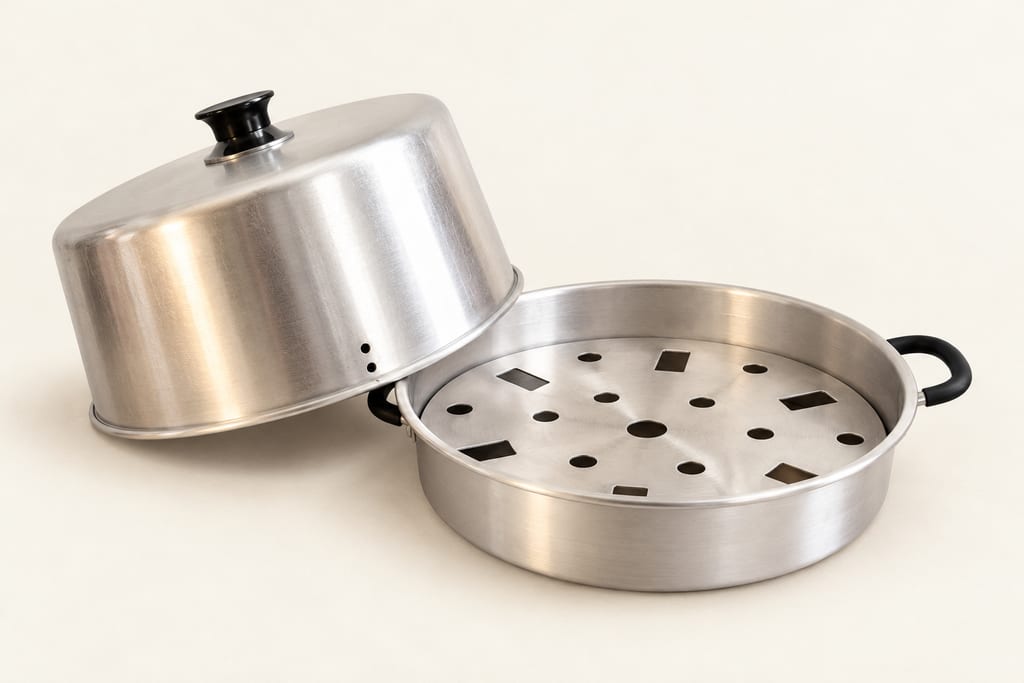
A shallow rack base and tall vented cover process jars in atmospheric steam. NCHFP limits the method to tested high-acid or acidified recipes requiring no more than 45 minutes, including altitude adjustment; this is not pressure canning.
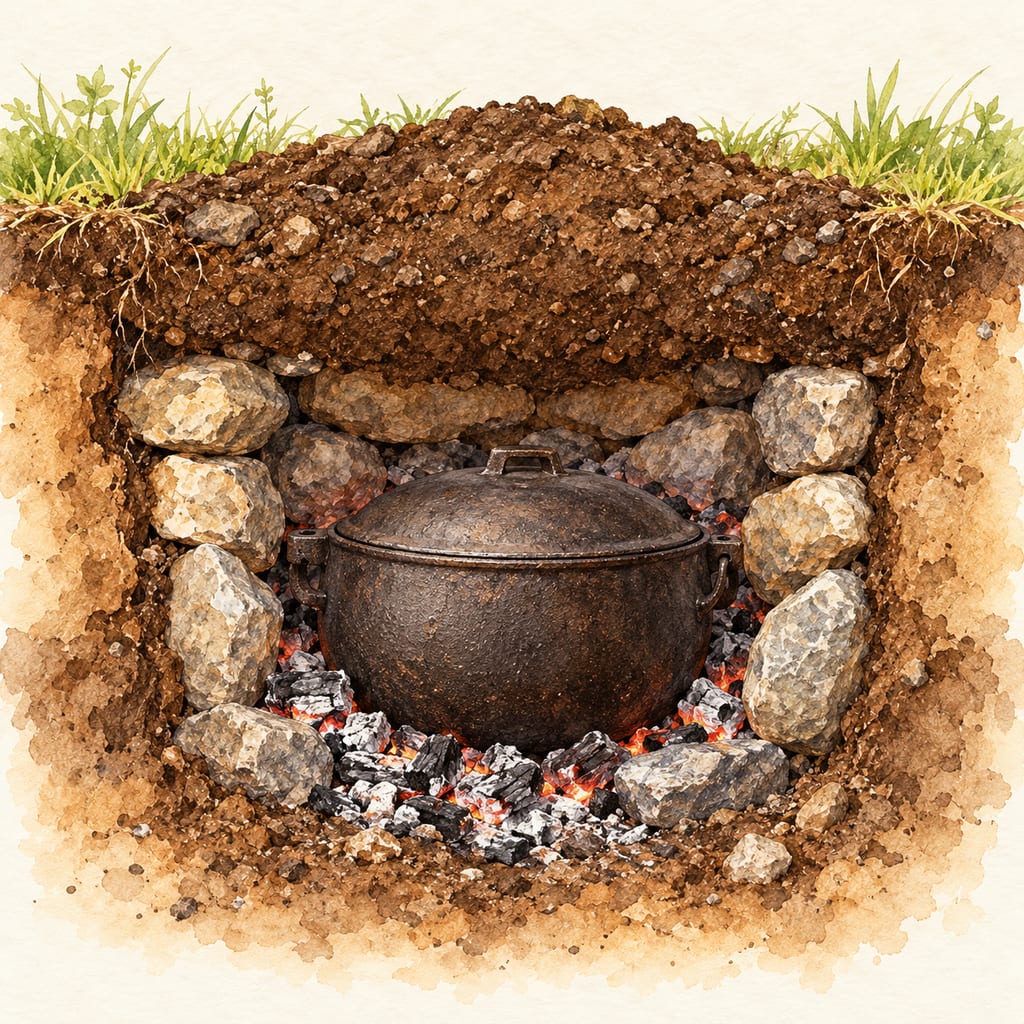
A covered iron vessel used in Maine bean-hole cooking, set into a preheated stone-lined pit and buried for a slow cook.
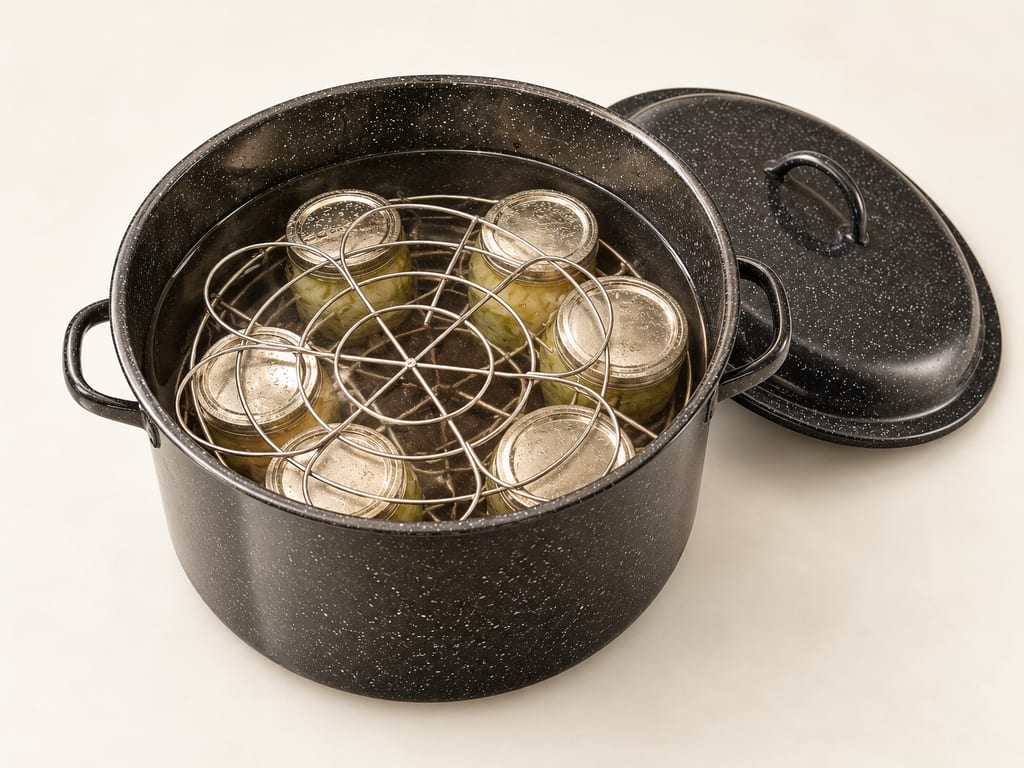
A deep, lidded pot with a removable rack processes jars beneath boiling water. It is intended for foods with tested boiling-water processes; low-acid foods require pressure canning.
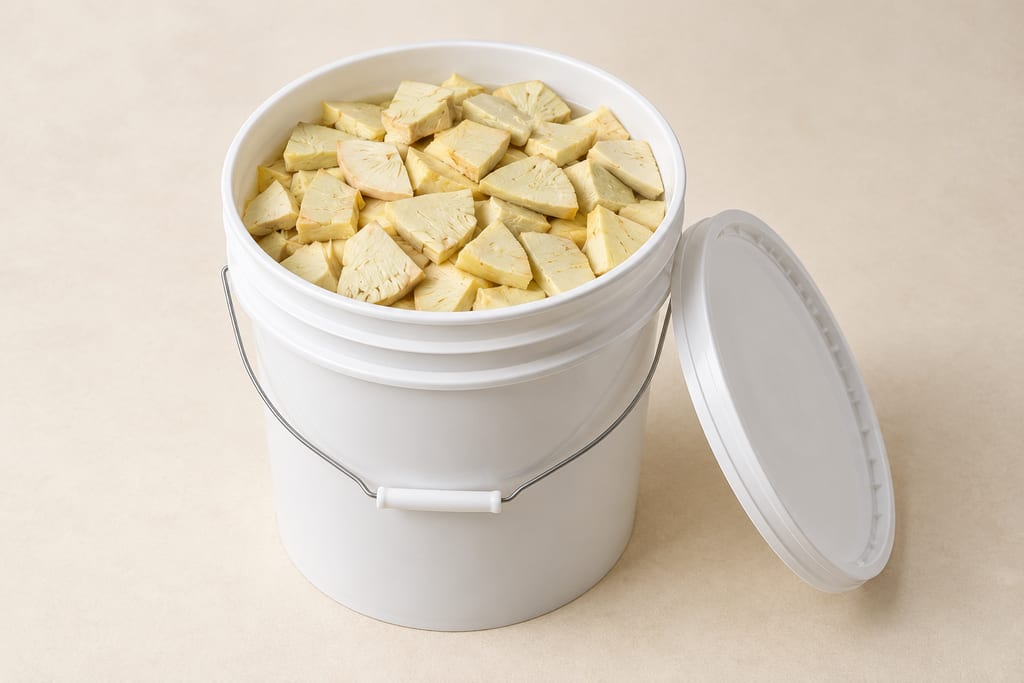
A contemporary household enclosure for preparing mā, fermented breadfruit, documented in Hawai‘i using food-safe buckets, coolers or large sealable bags in place of a pit.
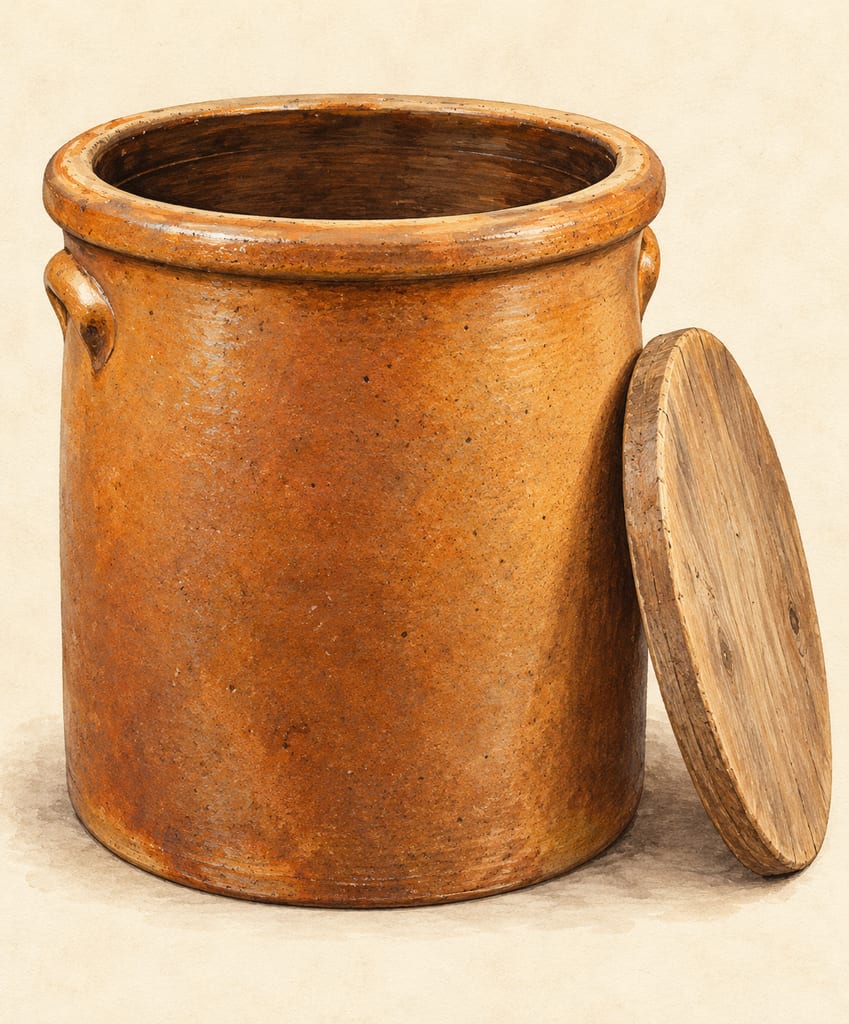
Containers for salt-curing fish and meat range from broad-mouthed stoneware crocks to tubs, cut-down barrels and chests. Their material, depth, cover and ability to retain or drain liquid shape how the food sits in salt or brine.
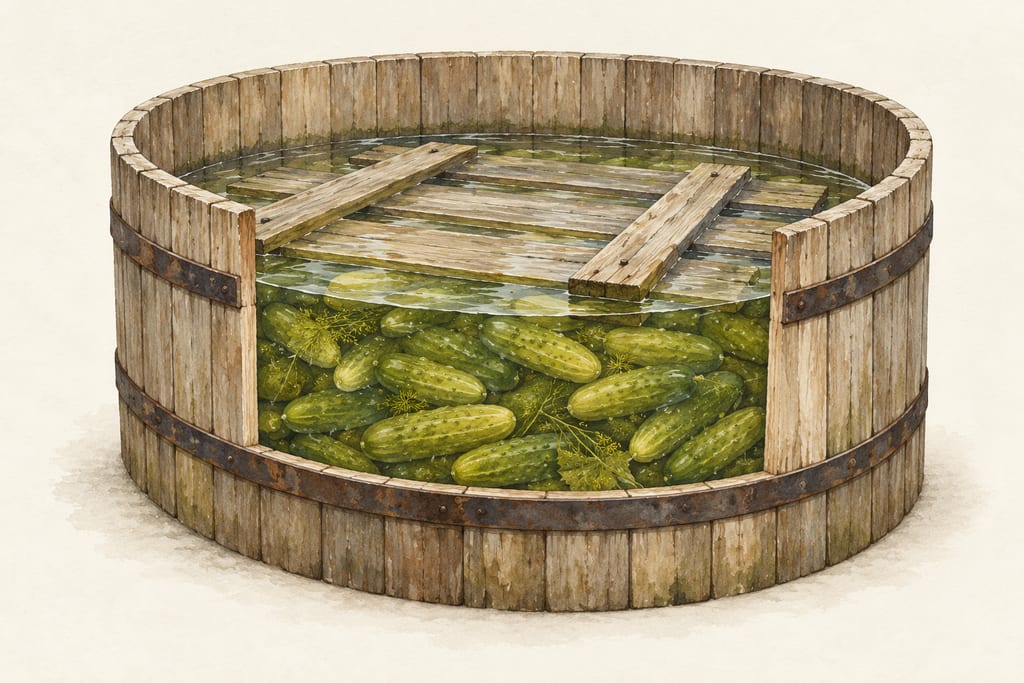
A bulk brining vat holds cucumbers and other vegetables under cover brine for fermentation and storage. North Carolina sources document a mid-century wooden tank yard and later outdoor fiberglass systems.
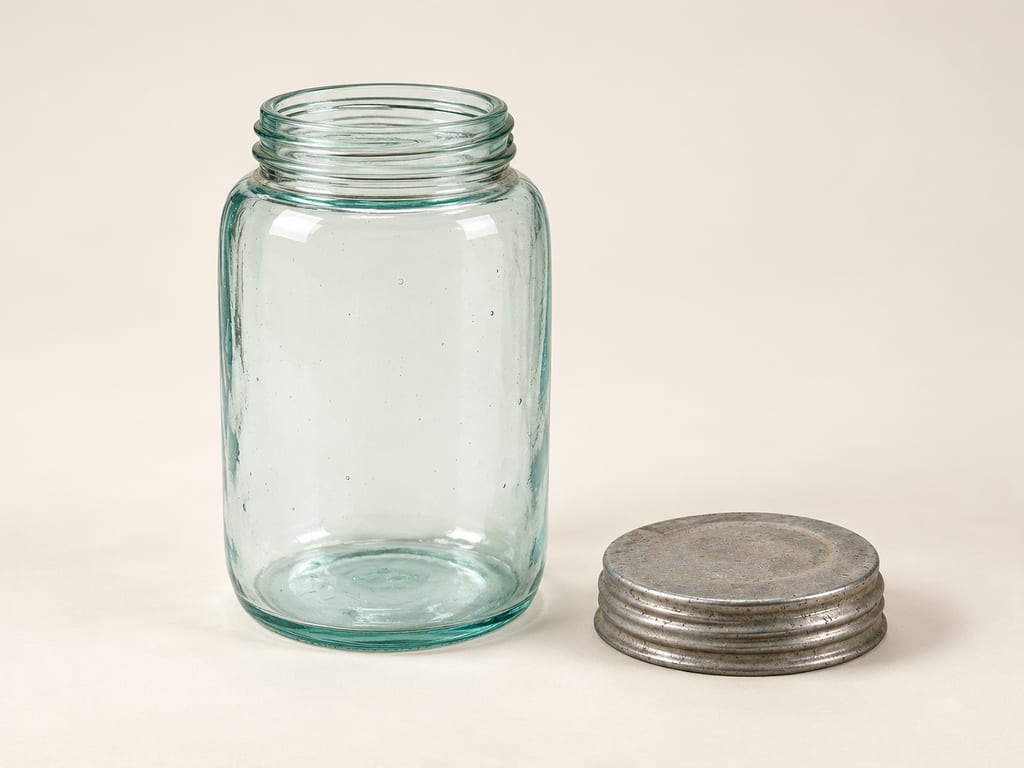
Threaded, heat-processing jars hold food and a fitted lid during a tested canning process; jar size and process belong to the specific recipe.
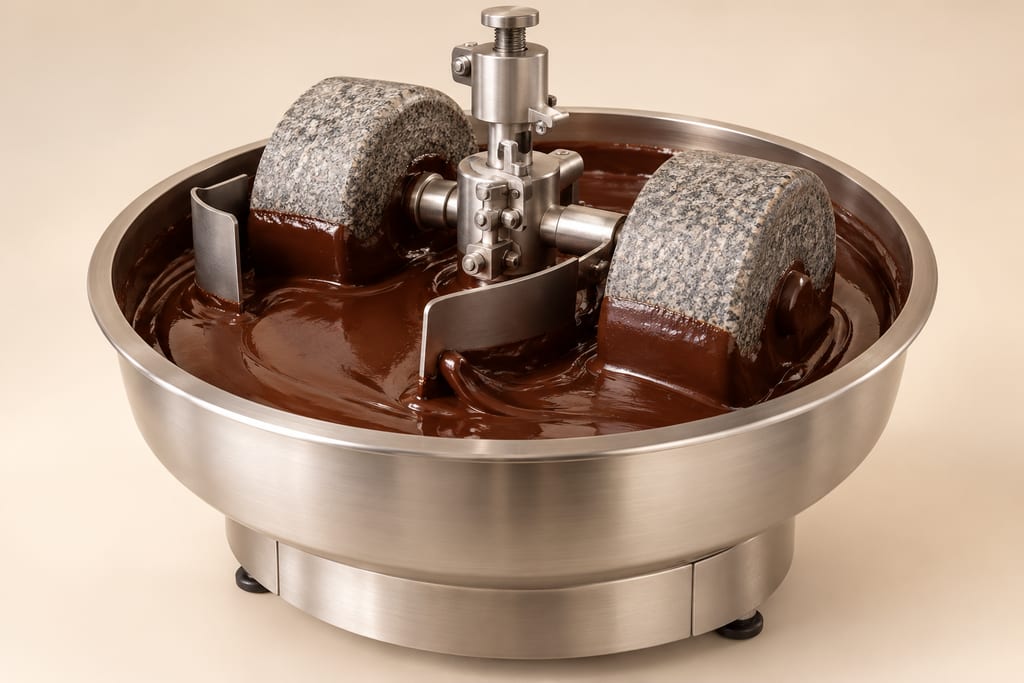
A chocolate refiner or melanger uses powered rotation and stone rollers to refine cocoa mass. Some models also process nut and seed pastes; design, material and operating limits vary.

Soft, spreadable Calabrian pork sausage made with a great deal of red chilli and fatty pork, stuffed into natural casings, sometimes smoked and matured while staying soft.

A way to add independent temperature logging to an existing food dehydrator without changing its built-in controls or protections. It is a monitoring method, not a rewiring plan.

Pleurotus cystidiosus is the abalone mushroom, a cultivated oyster-type fungus with dark brown caps that grows more slowly and is more demanding than other Pleurotus species.

A dark, balanced vinegar from Emilia-Romagna made by combining cooked or concentrated grape must with wine vinegar, then acetifying and refining it in wood under a protected specification.

A living dairy inoculum that starts controlled cream fermentation, developing acidity and aroma before sour cream or cultured butter is finished.

A small electric incubator holds jars at a selected temperature for yogurt and other documented warm food preparations. Controls, capacity and vessel arrangement vary by model.

Adygean salt is a seasoned table salt associated with Adygea and the wider North Caucasian culinary tradition. Salt is blended with garlic and a variable selection of herbs and spices; the exact mix depends on the named style and maker.

The African Caesar-group mushroom, Amanita masasiensis, is a wild ectomycorrhizal species of central and southern African woodlands, eaten locally. The genus contains deadly poisonous species, so identification needs care.
No community contributions have been published for this entry yet.
Sign in to contribute. Published comments and photos are free to read.
University of California Cooperative Extension, Master Food Preservers of El Dorado CountyForm · Material · Function · Care · Limits · Geography
KombuchaThe September 2024 guidance lists a fine-weave cloth or towel, or a coffee filter, to cover the brewing vessel and a large rubber band to secure it.
It warns that fruit flies can pass through regular cheesecloth unless it is finely woven.
The publication is from the University of California Cooperative Extension's El Dorado County Master Food Preservers.
Cited in: A cover for the open stage; Air in, insects out; Cloth, filter, and fastening; What the record establishes
University of California Cooperative Extension, Master Food Preservers of Humboldt/Del Norte CountiesForm · Material · Function · Care · Geography
Making KombuchaThe January 2023 instructions list a clean fine-weave cloth, towel, or coffee filter with a rubber band for a kombucha vessel.
They direct the reader to secure the cover to keep insects and contaminants out while allowing airflow.
The document identifies the guidance as University of California Cooperative Extension material from Humboldt/Del Norte Counties.
Cited in: Air in, insects out; Cloth, filter, and fastening; What the record establishes
National Center for Home Food Preservation, University of GeorgiaForm · Function · Care · Process context · Geography
Kombucha TeaThe home kombucha method covers the container with a paper towel, coffee filter, or clean cheesecloth secured with a rubber band or string during the room-temperature fermentation stage.
After fermentation, the method transfers kombucha to clean, sanitized bottles or jars and promptly refrigerates it.
The method's image shows a coffee filter secured over a jar opening at day zero.
Cited in: A cover for the open stage; Cloth, filter, and fastening; The cover changes with the process stage; What the record establishes
North Carolina State University ExtensionFunction · Process context · Geography
Vinegar MakingThe home wine-vinegar instructions say to cover the container with cloth to keep insects out while allowing air to reach the stock.
The article identifies acetic acid bacteria as obligately aerobic and names oxygen supply as a key factor in home vinegar making.
A separate Orleans method uses screened air vents to prevent fruit flies; it is a different vessel arrangement from the cloth cover.
Cited in: A cover for the open stage; Air in, insects out; The cover changes with the process stage; What the record establishes
Wikimedia Commons; original photograph by Haydn BlackeyImage reference · Form · Documented use
The Kombucha ready to ferment with the muslin cover - 53424879949.jpgA photograph dated 27 December 2023 shows a muslin cover secured over a kombucha vessel before fermentation; its caption notes the SCOBY visible at the base of the tea.
The Commons page records a CC BY-SA 2.0 license and credits Haydn Blackey as the photographer.
Cited in: Cloth, filter, and fastening; What the record establishes