Built structures
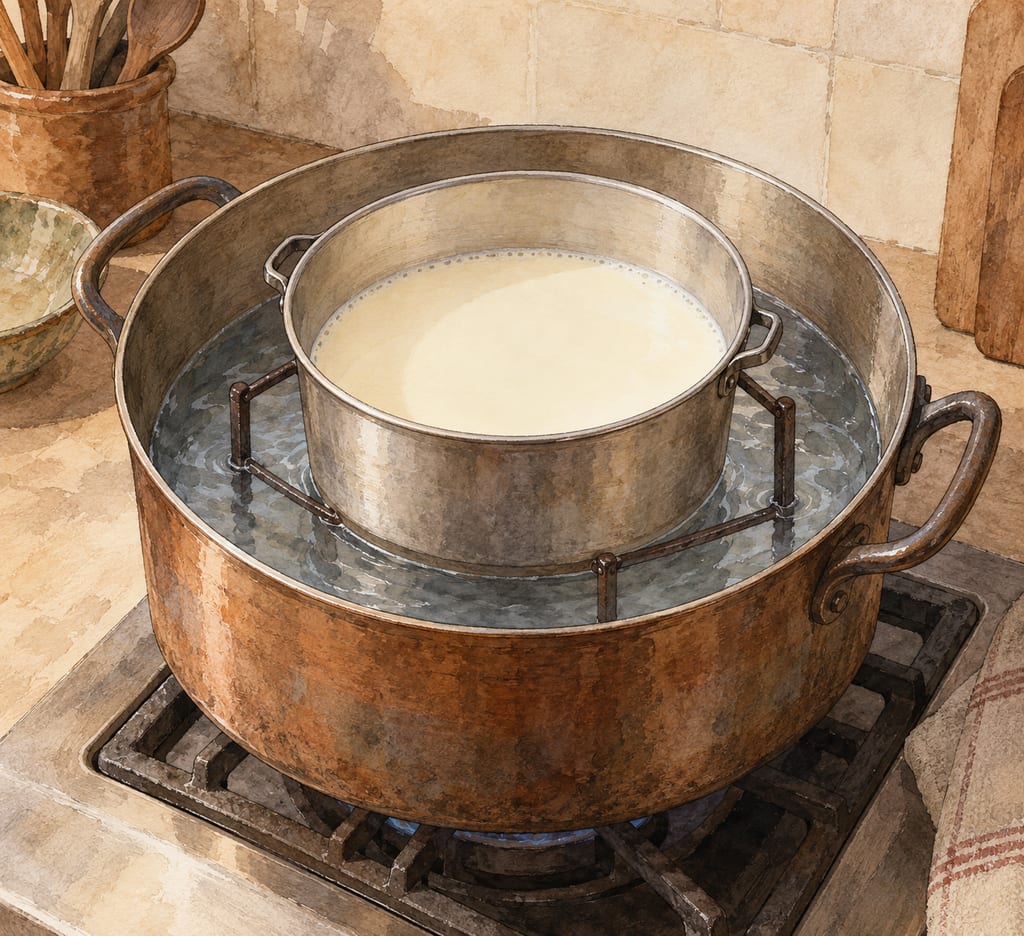
Supported pot inside a water bath
A food pot held at a fixed height inside a larger vessel of controlled hot water: the water distributes heat while the milk or whey inside stays still and away from the heater.
 FermenteaWhere food goes to change
626 sourced equipment pages: vessels, tools, appliances and built structures.
A food pot held at a fixed height inside a larger vessel of controlled hot water: the water distributes heat while the milk or whey inside stays still and away from the heater.
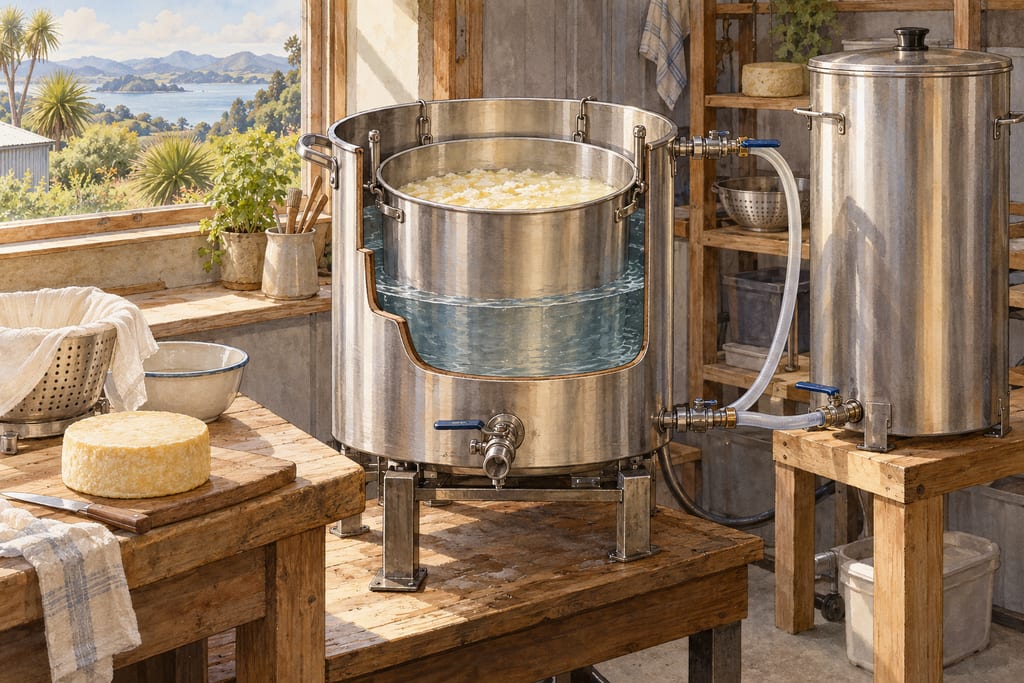
New Zealand home cheesemaker Tony Hamblyn's custom brewery, in which a 50-litre cheese pot hangs in a 70-litre mash tun of circulated hot water; later one tank served purely as hot water.
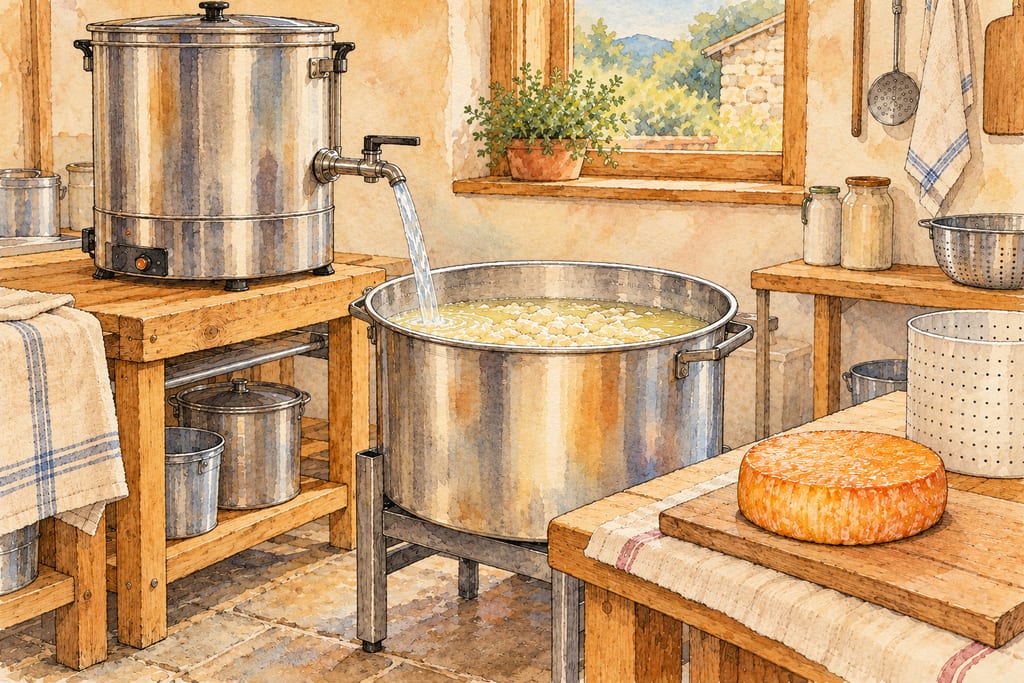
The brewer holds clean water at a set temperature for washed-curd cheeses and other hot-water jobs, beside a separate cheese pot, instead of heating milk directly.
Whata are raised Māori food-storage platforms or stages. Sources describe temporary storage and drying, while recorded forms and terminology vary.
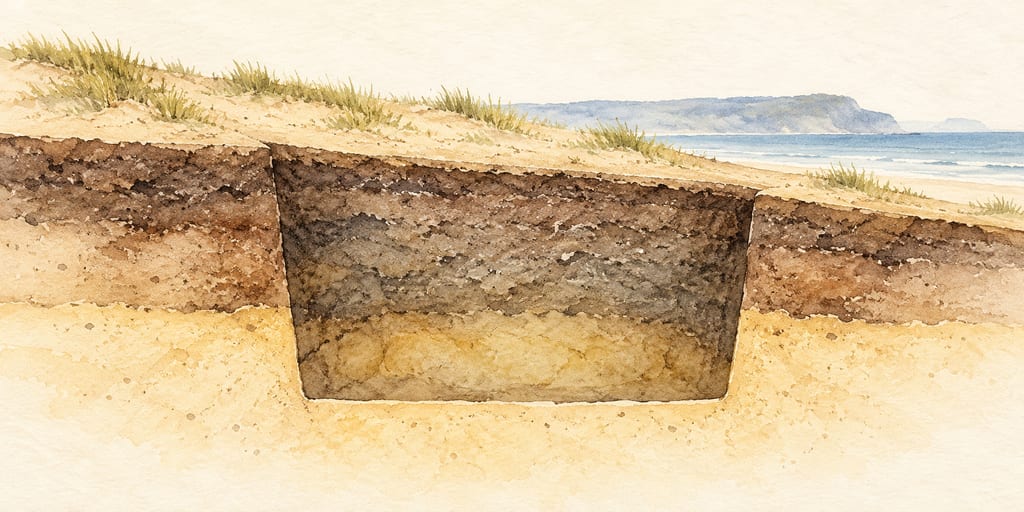
Rua kūmara are underground Māori stores for whole kūmara. Research at Pūrākaunui, authorized by Pūrākaunui Block Inc. and Kāti Huirapa Rūnaka ki Puketeraki, documents 15th-century pits without establishing one design.
Māori raised storehouses held preserved food and seed. Heritage New Zealand documents one rare, uncarved Ngāti Hauiti example at Rata; its materials and later relocation are specific to that structure.
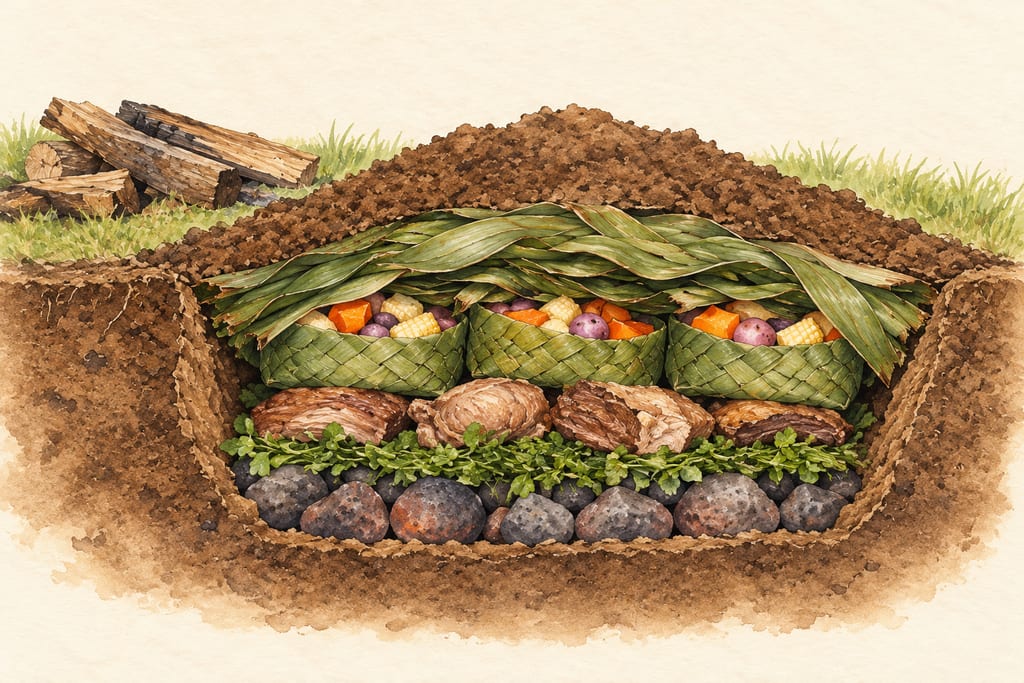
A source-specific account of the shallow earth oven used by a Ngāi Tahu family at Arowhenua Marae, with its hot stones, woven rourou and earth cover.
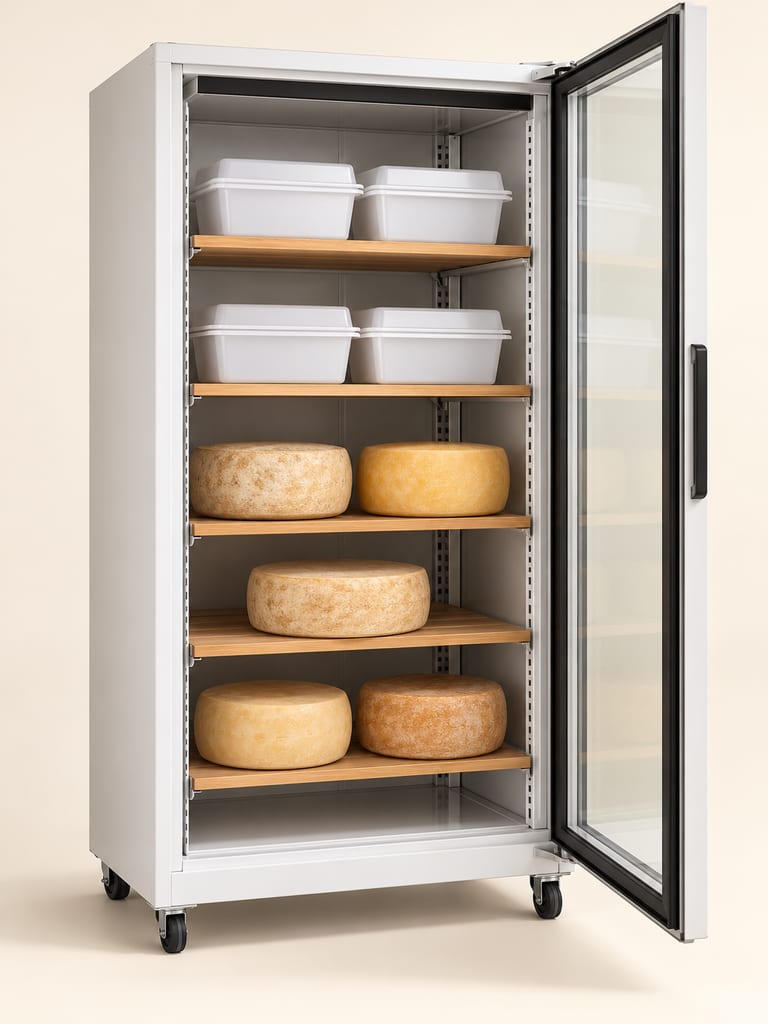
A modern cheese-ripening space made by controlling the temperature of a refrigerator or display cabinet and managing each cheese in its own covered container. It is an appliance conversion, not a natural cave or a traditional structure.
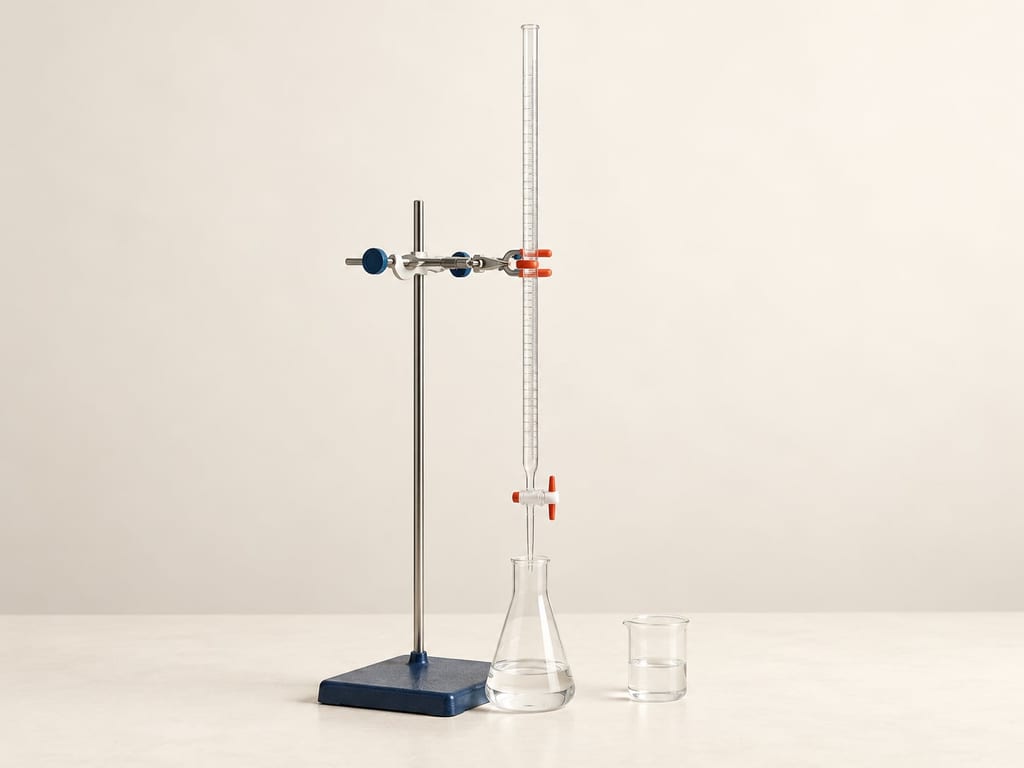
Titration equipment measures how much reagent reacts with a sample to reach a defined endpoint. Glassware, indicators and electronic endpoint detection vary; titratable acidity and pH are related but distinct measurements.
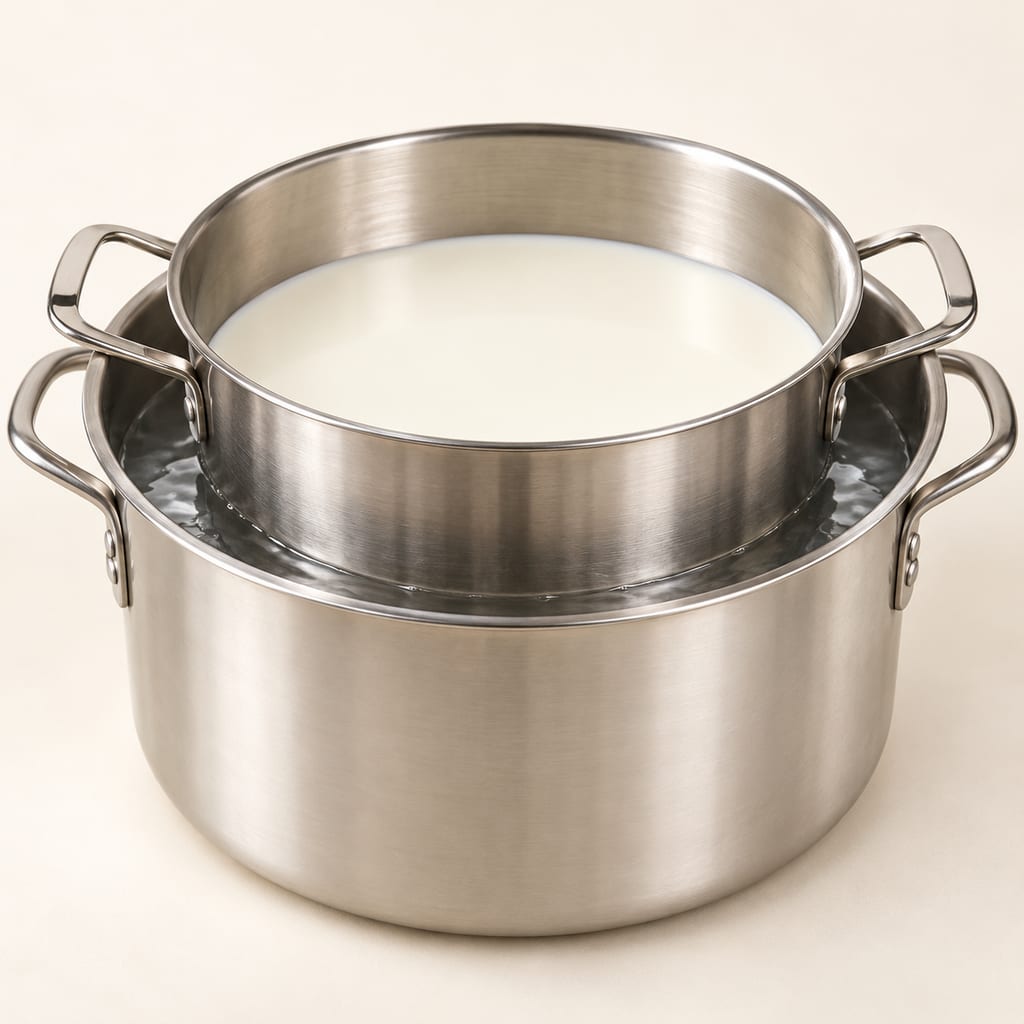
A separate inner pot holds milk or curd while a larger vessel holds hot water. In a documented cheesemaking setup, the inner pot’s handles rest on the outer vessel’s rim; this differs from a rack or trivet bearing a pot from below.
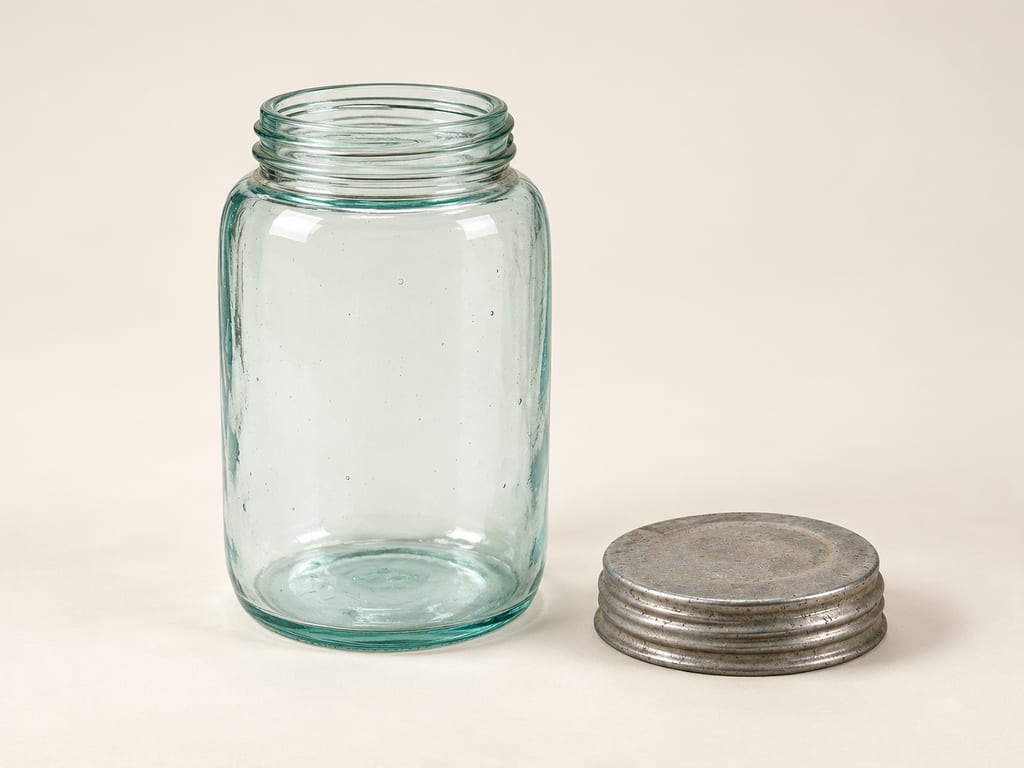
Threaded, heat-processing jars hold food and a fitted lid during a tested canning process; jar size and process belong to the specific recipe.
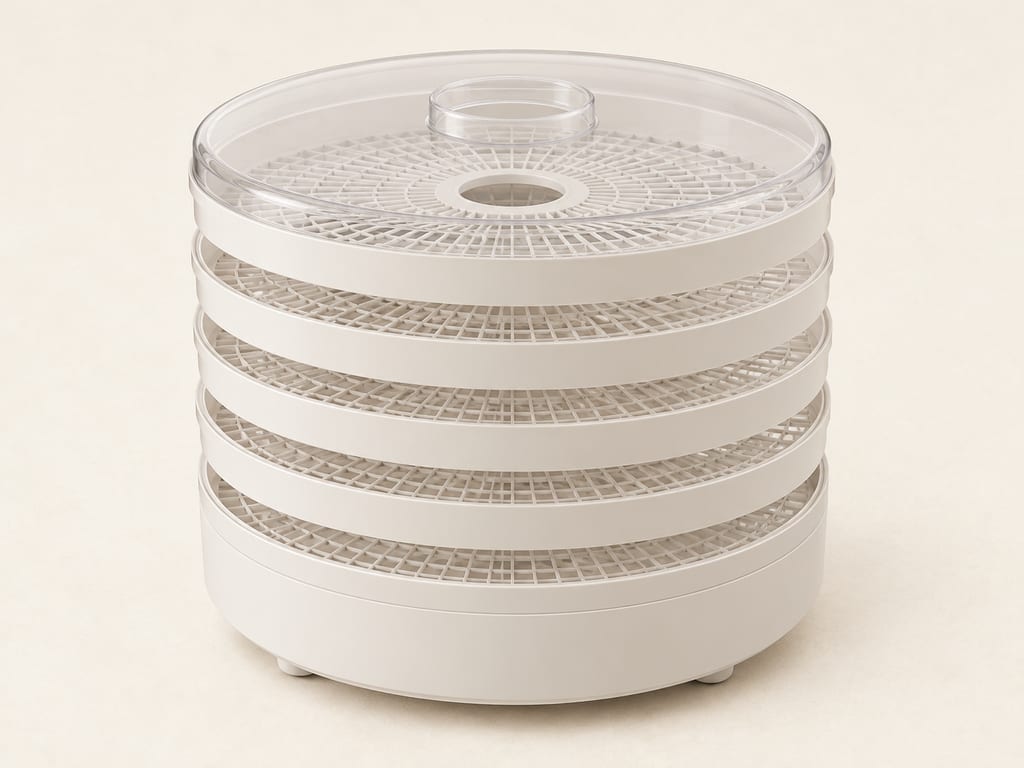
A countertop electric appliance circulates warmed air across food on open trays to remove moisture. Round stackable and rectangular cabinet designs use different airflow paths; materials, capacity and controls vary by model.
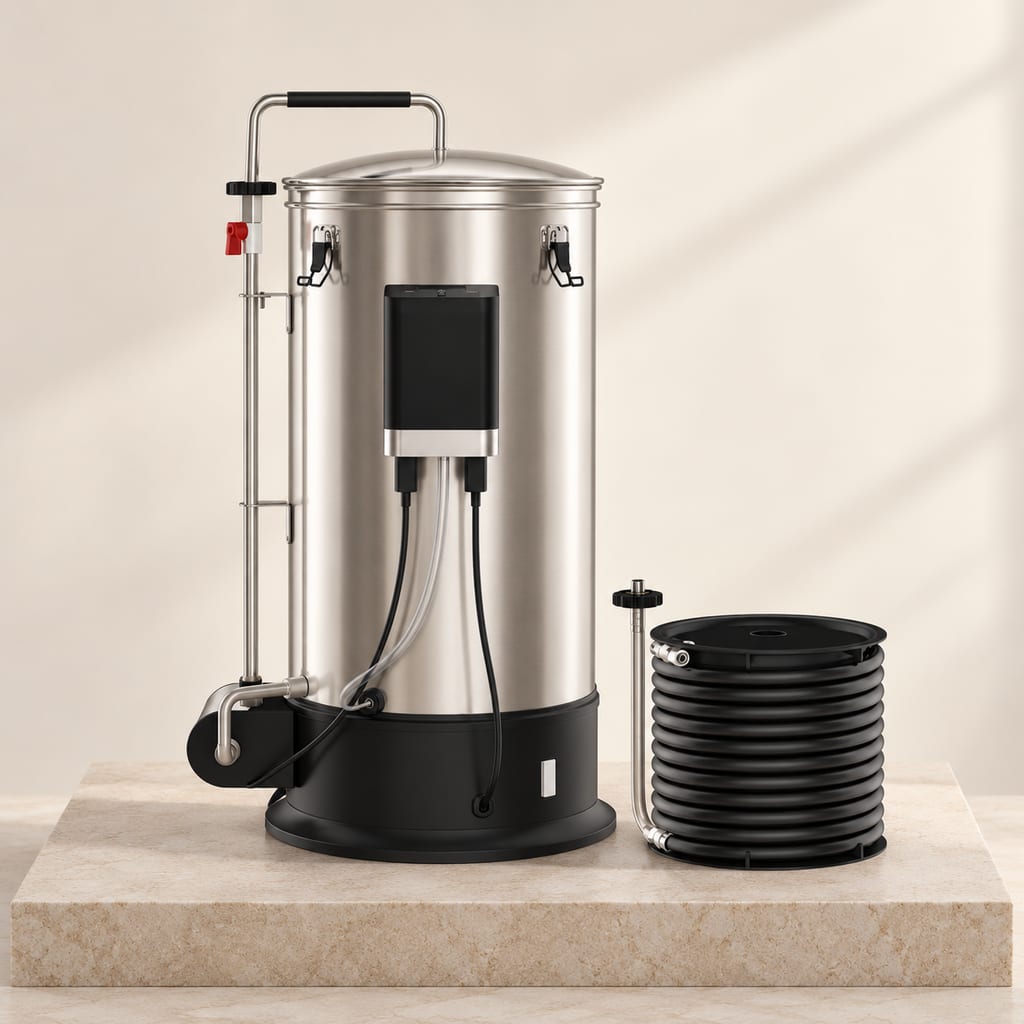
A 30-litre stainless electric all-grain brewing system with a removable grain basket, controlled heat, pump-driven wort recirculation and counterflow chilling. Electrical ratings and controls vary by revision.
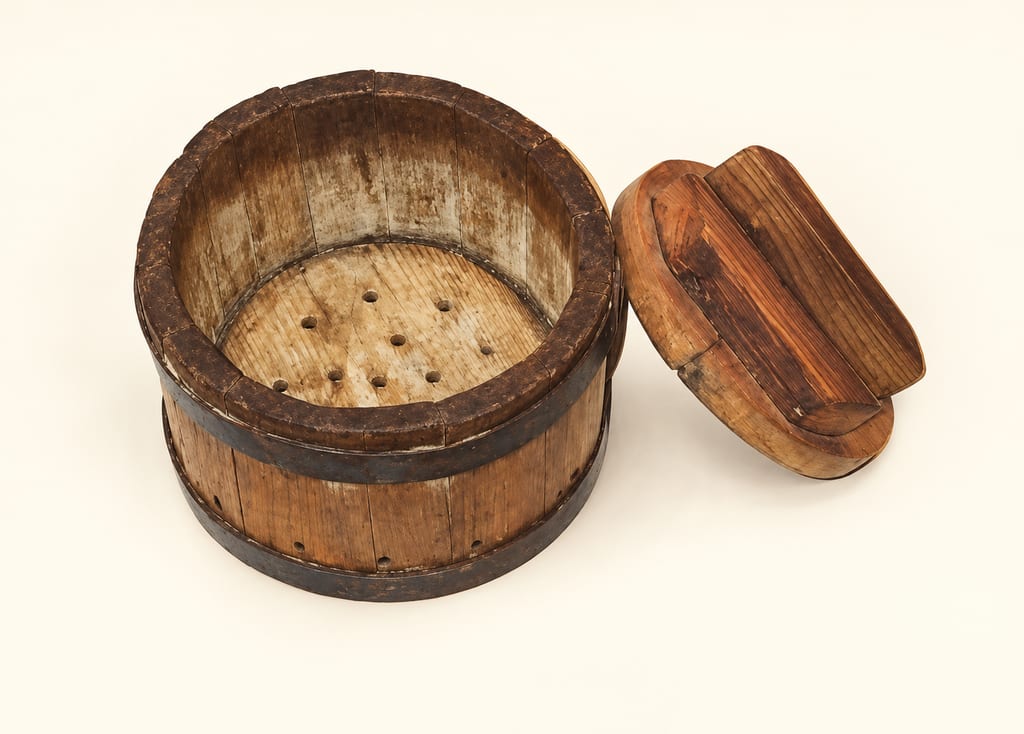
A cheese press applies weight or mechanical force to curds in a draining vat or mould. Tiree’s wooden fiodhan, stone weights, screw presses and a documented New Zealand lever press show distinct forms, not one standard design.
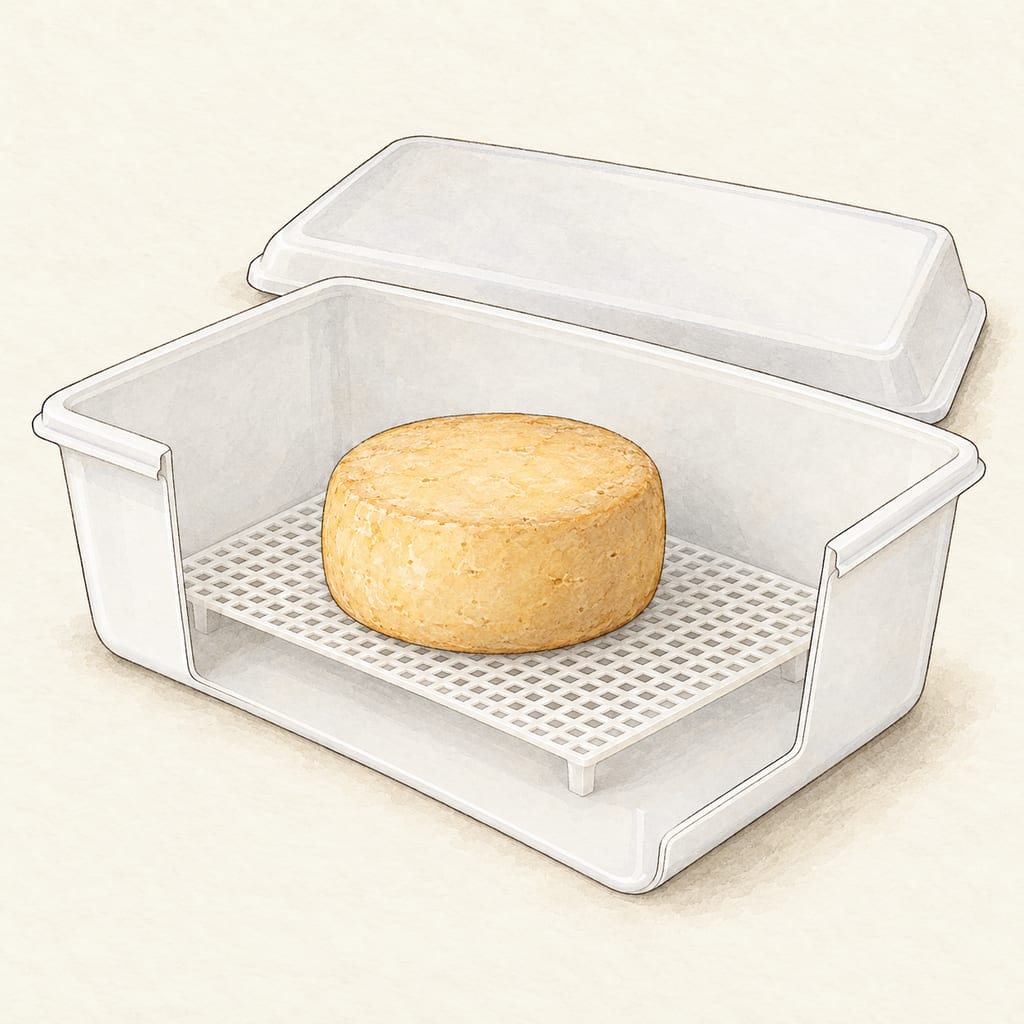
A lidded box used inside a cheese cave or cool cellar to create a small humid ripening space. A raised mat keeps cheese off the base so its underside can breathe and drain.
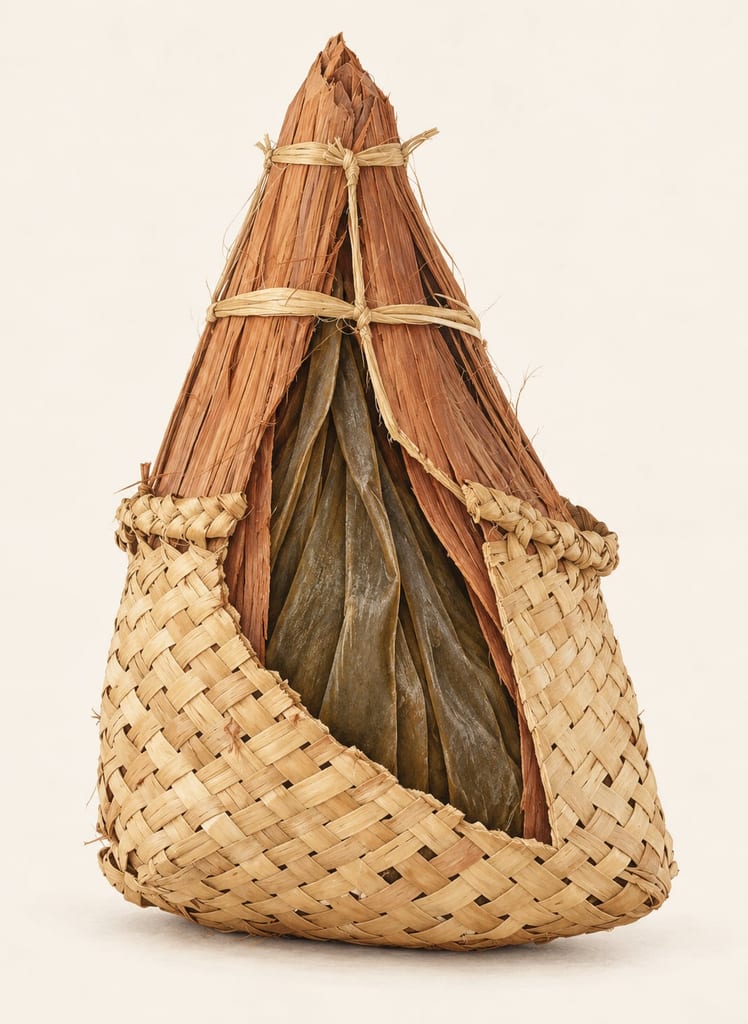
Pōhā are traditional southern Māori storage bags made from bull kelp. Ngāi Tahu accounts describe tītī stored in the kelp bag, with bark and a woven kete protecting some documented examples during transport.
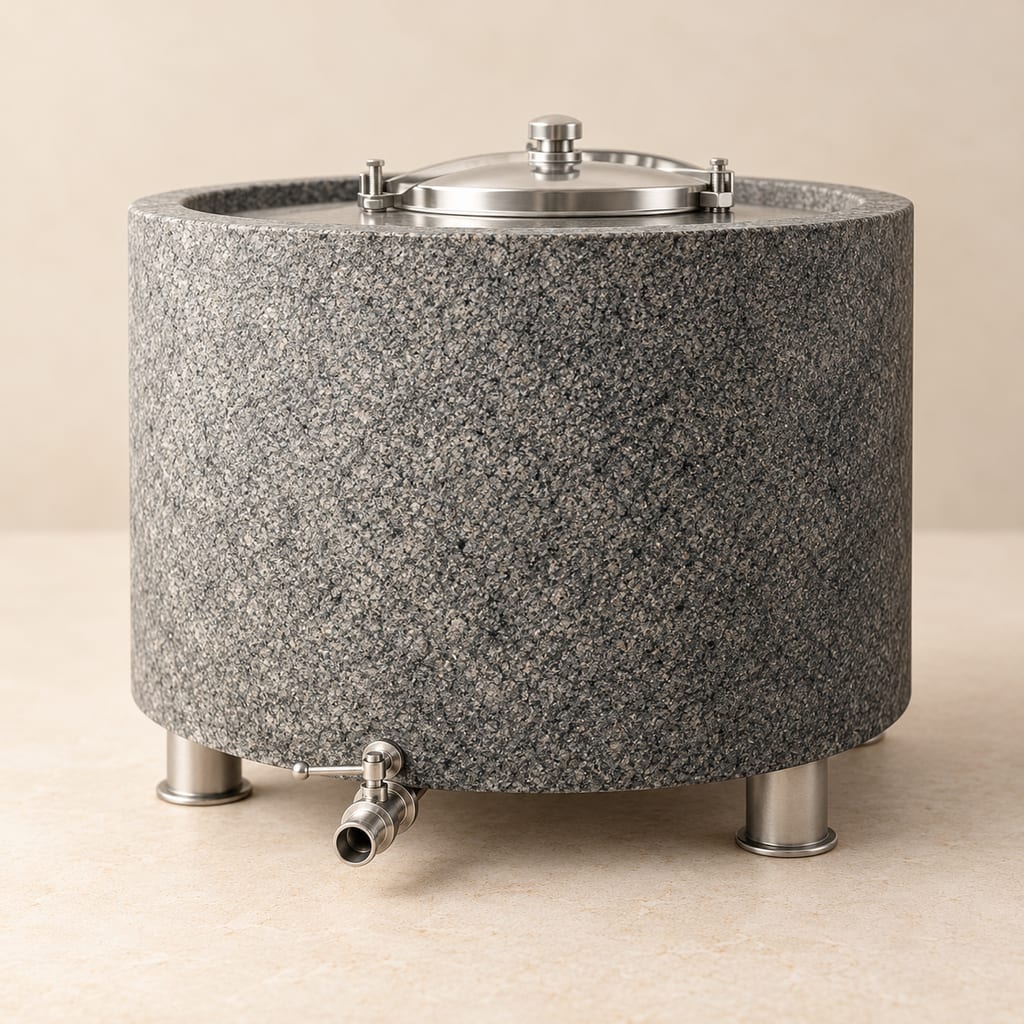
A wine fermentation and maturation tank carved from a single granite block, with a thick mineral shell and fitted metal closures and taps.