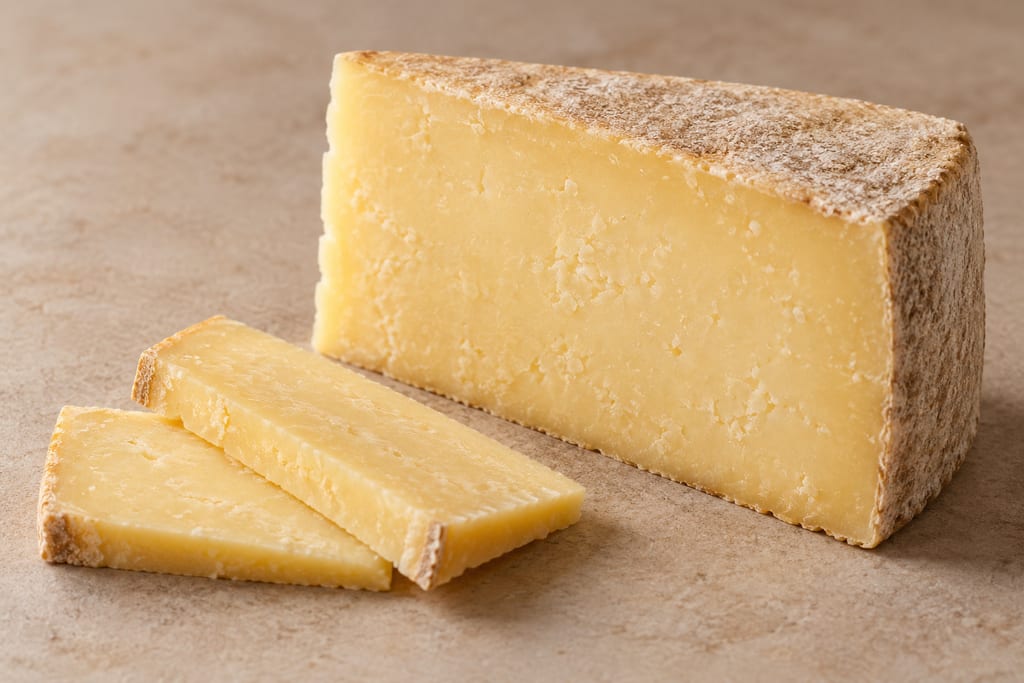
Cheddar-style cheese
A pressed cheese whose curd is cooked slowly, then cheddared: kept warm in slabs that are turned and stacked for hours before milling, salting and pressing.
 FermenteaWhere food goes to change
Equipment · Boxes and cases
cheese ageing box · covered cheese-ripening container
A lidded box used inside a cheese cave or cool cellar to create a small humid ripening space. A raised mat keeps cheese off the base so its underside can breathe and drain.
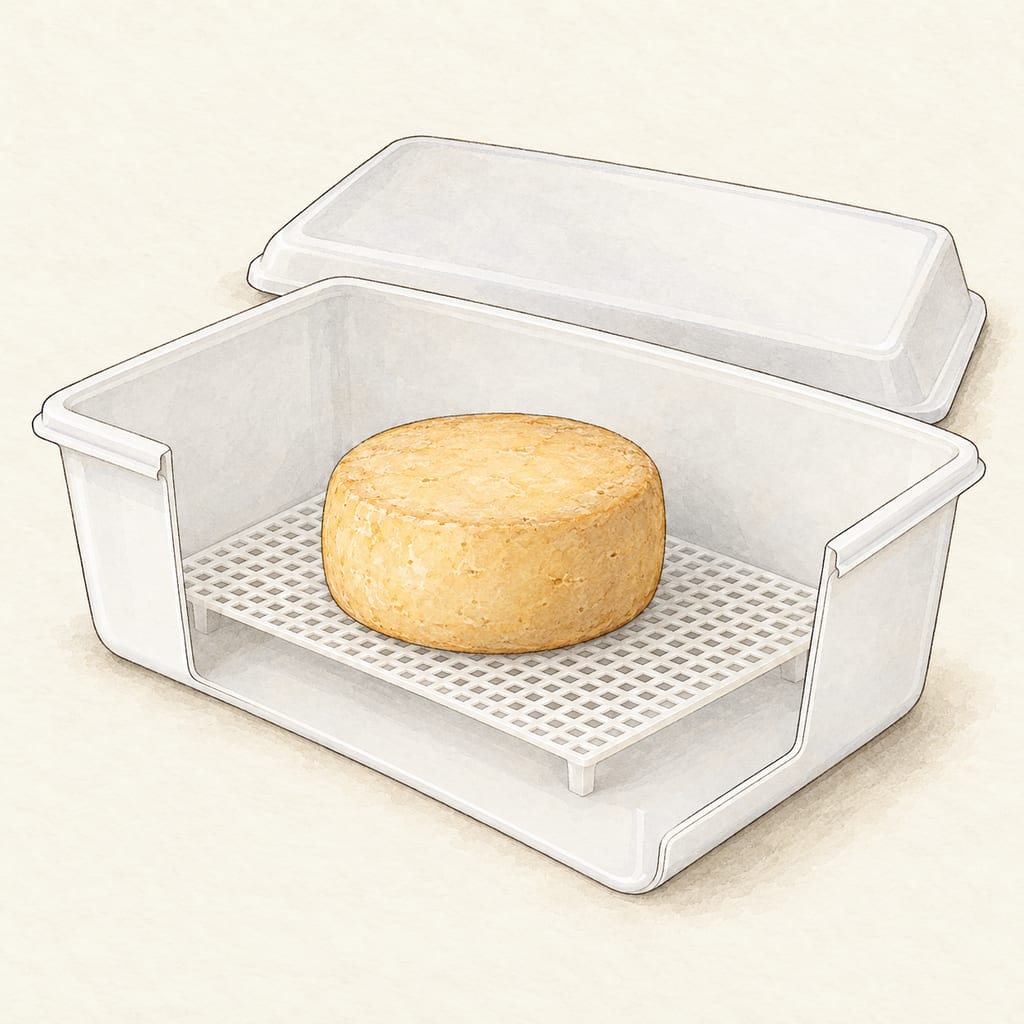
A cheese-ripening box is a lidded container placed inside a cool cellar or cheese cave. It lets a maker manage the air around an individual cheese separately from the wider cabinet. New England Cheesemaking Supply describes plastic boxes as a way to retain humidity when a refrigerator or cellar air is too dry. The useful form is contemporary and practical; the sources consulted do not document it as a traditional or historic vessel.
The published New Zealand example shows white plastic lidded boxes on shelves above larger cheeses in a converted display fridge. Their contents are not visible. It documents the box-in-cave arrangement, not the raised mat inside a particular box.
A mat lifts cheese slightly above the container floor. For soft, high-moisture cheeses that continue draining, the mat allows the underside to breathe and helps keep it from becoming too wet. The gap is functional rather than decorative: the box is a small humid space, and the cheese still needs the surface beneath it to drain.
The instructional guide offers a rough loading proportion of about 40 percent cheese to 60 percent empty airspace. That is a general rule of thumb, not a fixed capacity specification or a promise that every cheese needs the same humidity.
Watch the lid and base. If condensation drips onto the cheese, the enclosure is too wet; the guide suggests leaving it slightly ajar to release some moisture. Wipe condensation from the lid or pooled water from the bottom when turning the cheese, and open the limited-volume box frequently to exchange air, especially for young, wetter cheeses.
A box does not set temperature and does not guarantee isolation from other microbes. It is one part of a larger ripening setup, whose temperature, humidity, cleanliness and care must suit the cheese being made. The New Zealand photographs show a modern display-fridge cave; they do not establish one universal design or a validated ageing schedule.
A published account of a home cheese cave in New Zealand includes photographs of lidded plastic boxes on the fridge shelves. The boxes are closed, so the pictures do not show their contents or establish that they contain raised mats.
A pressed cheese whose curd is cooked slowly, then cheddared: kept warm in slabs that are turned and stacked for hours before milling, salting and pressing.
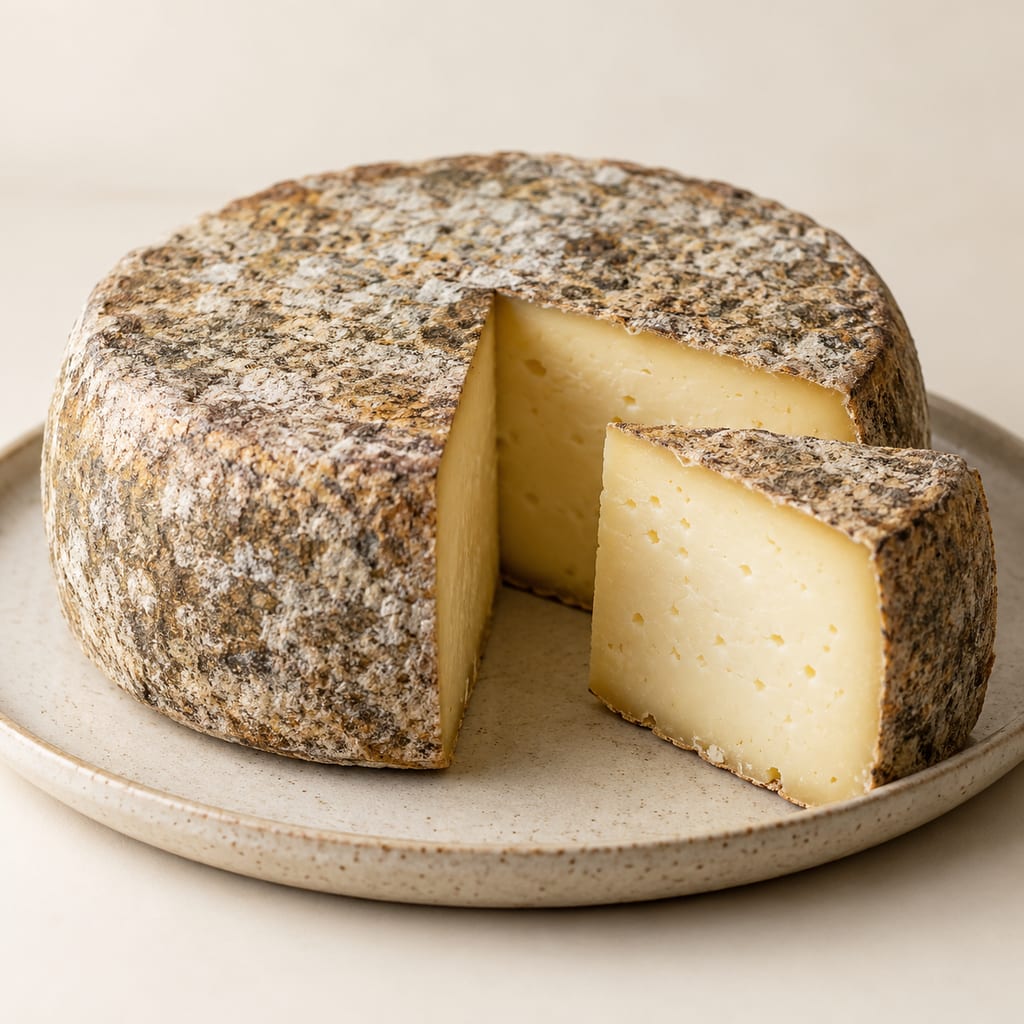
A rustic pressed cheese with a mixed mesophilic and thermophilic culture, whose curd is warmed by swapping whey for hot water before light pressing and cellar ageing.
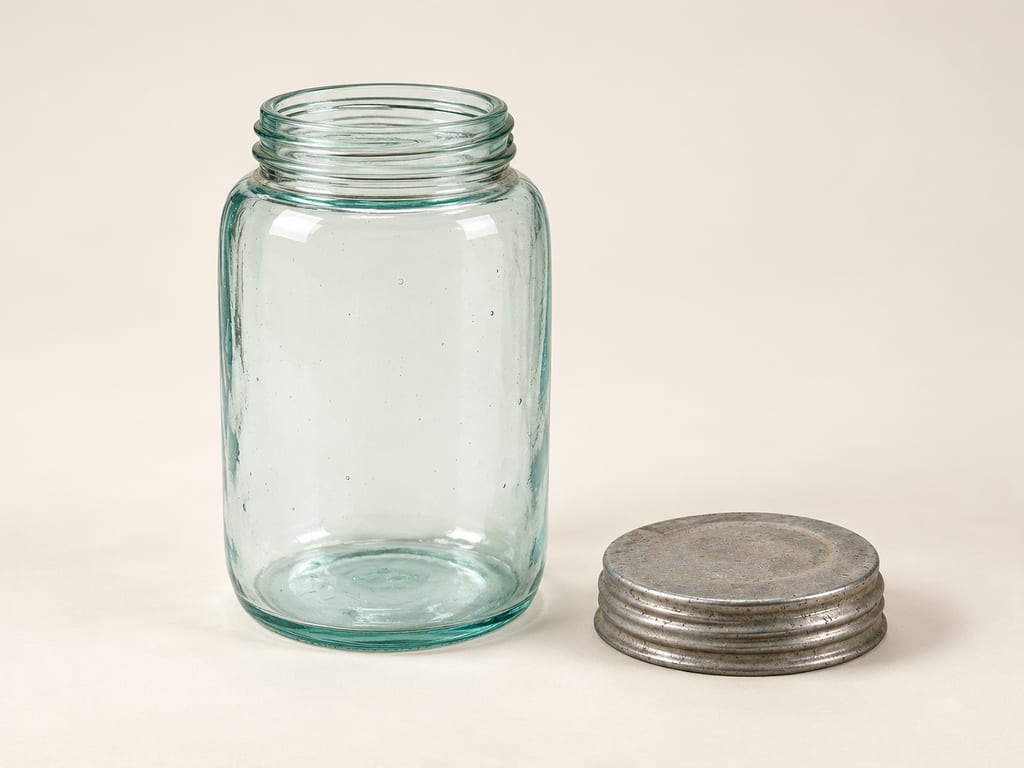
Threaded, heat-processing jars hold food and a fitted lid during a tested canning process; jar size and process belong to the specific recipe.
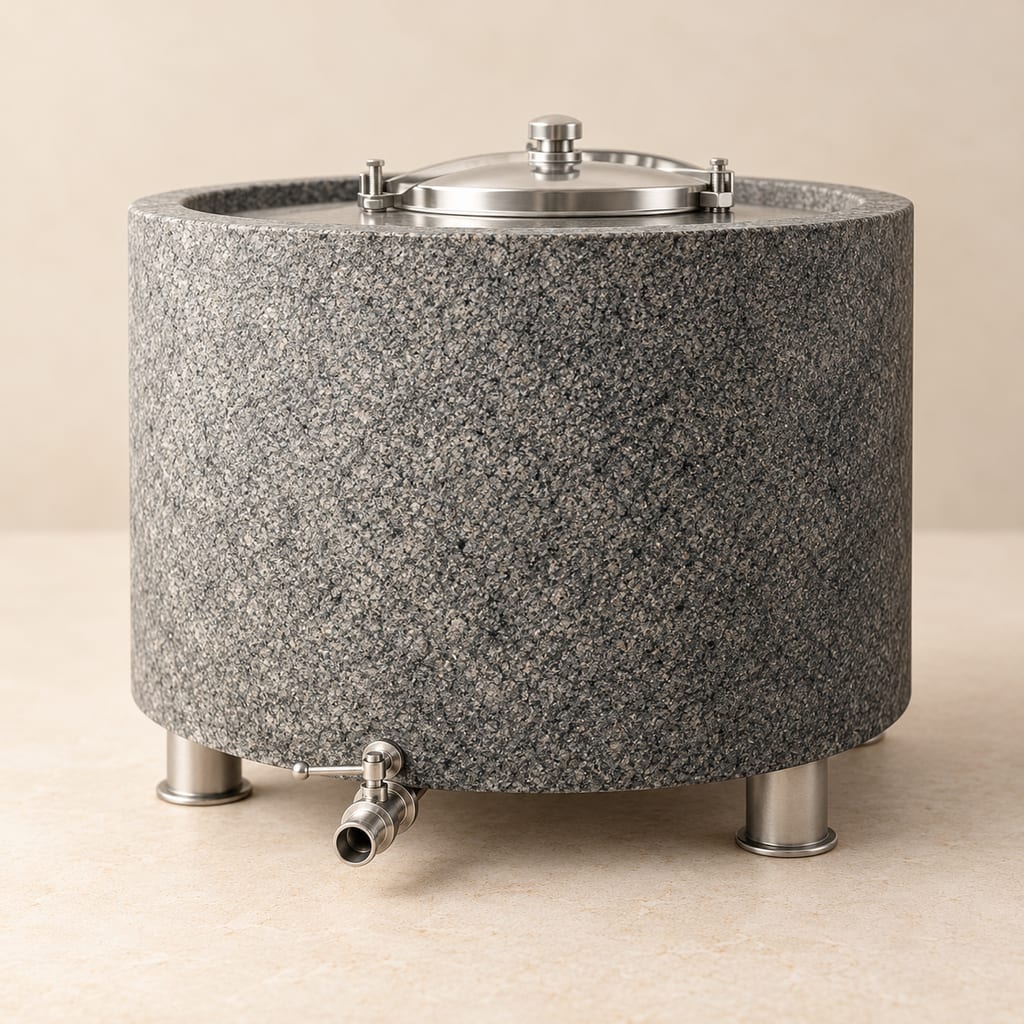
A wine fermentation and maturation tank carved from a single granite block, with a thick mineral shell and fitted metal closures and taps.
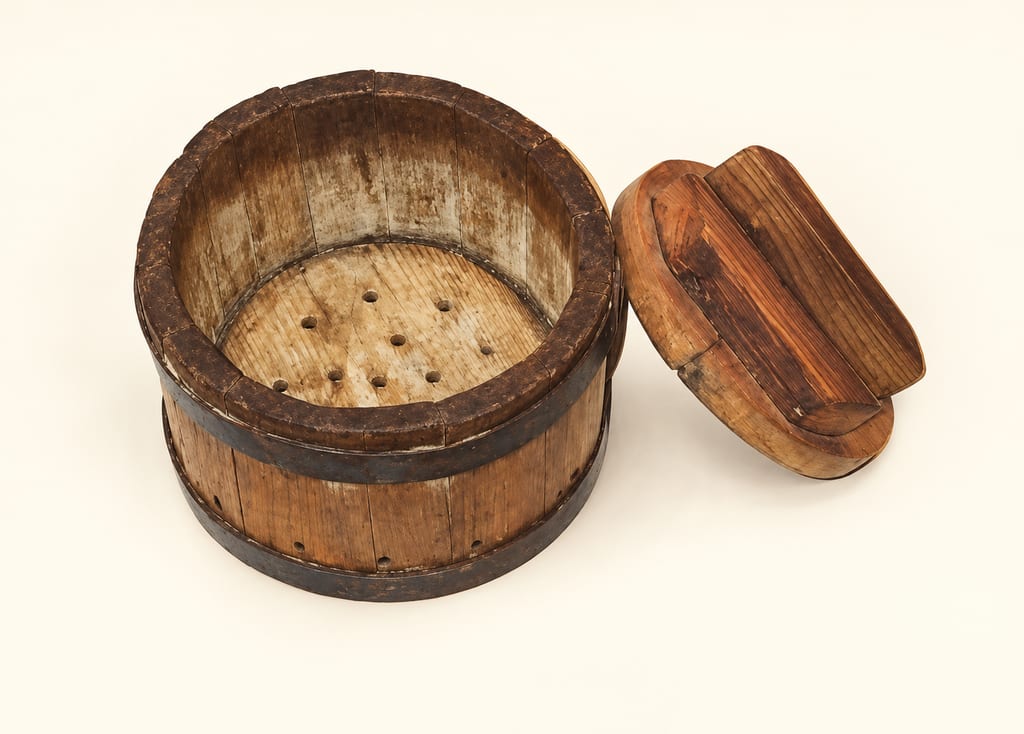
A cheese press applies weight or mechanical force to curds in a draining vat or mould. Tiree’s wooden fiodhan, stone weights, screw presses and a documented New Zealand lever press show distinct forms, not one standard design.
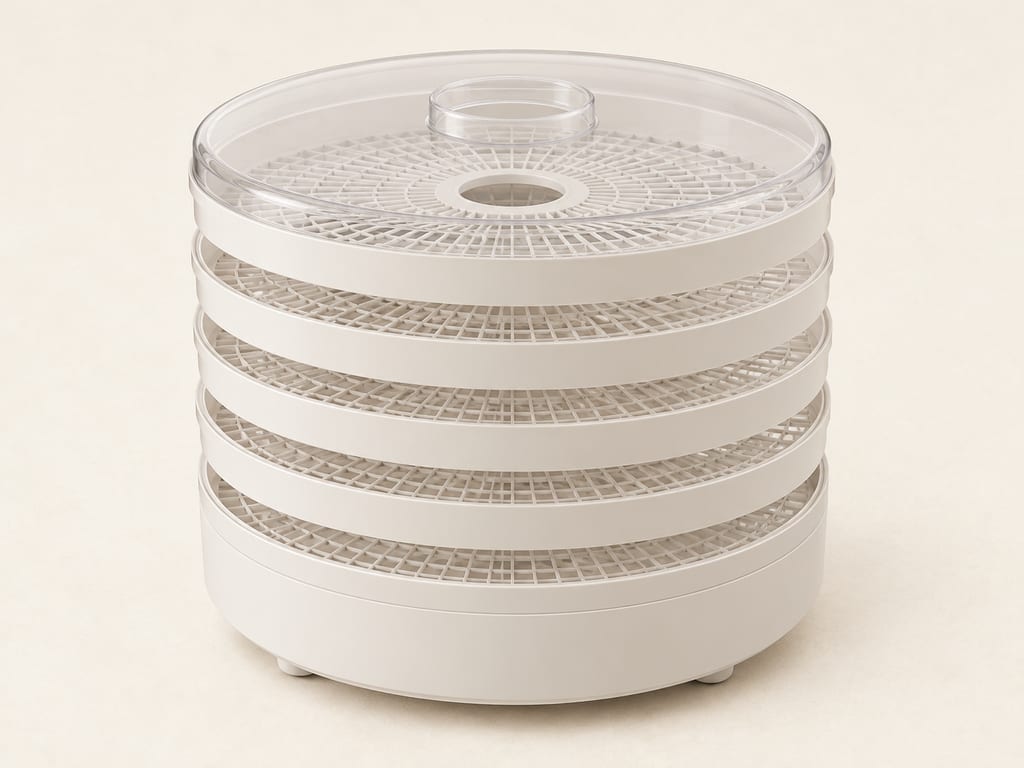
A countertop electric appliance circulates warmed air across food on open trays to remove moisture. Round stackable and rectangular cabinet designs use different airflow paths; materials, capacity and controls vary by model.
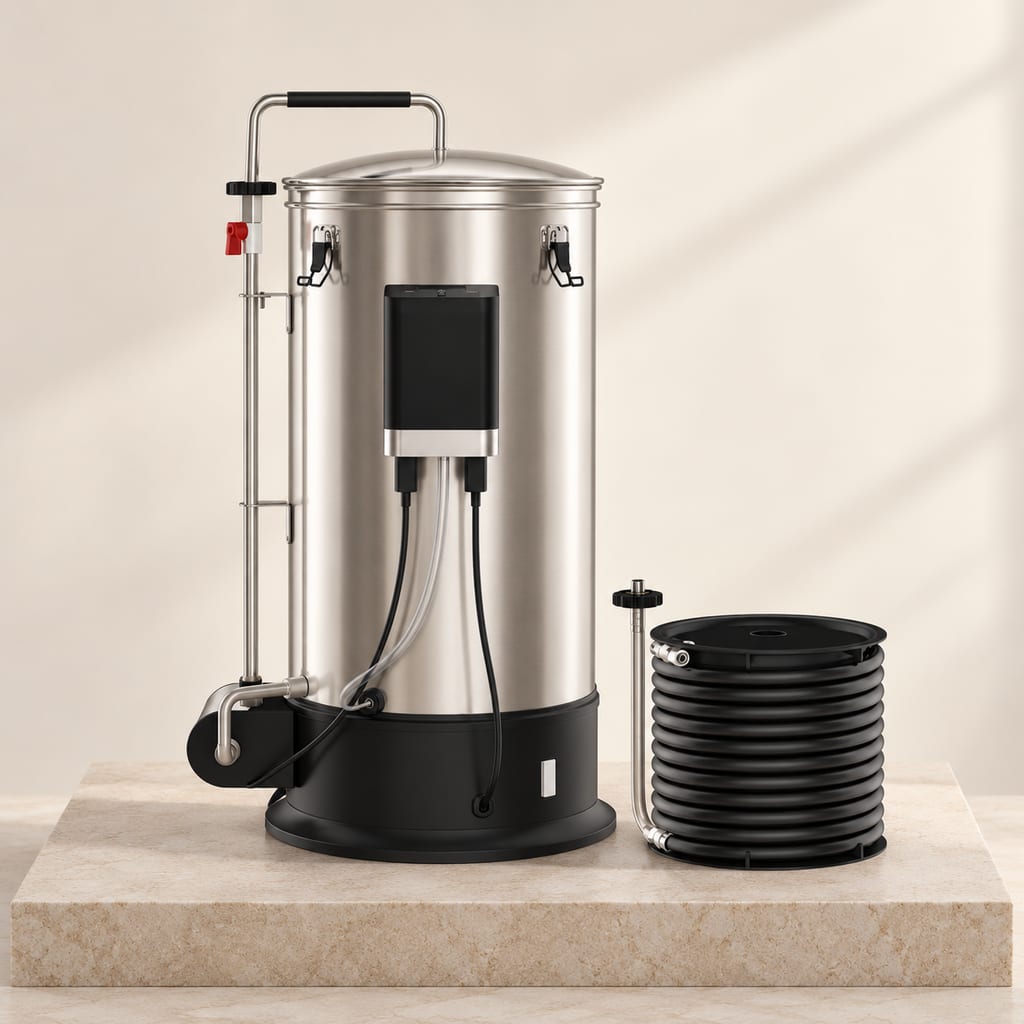
A 30-litre stainless electric all-grain brewing system with a removable grain basket, controlled heat, pump-driven wort recirculation and counterflow chilling. Electrical ratings and controls vary by revision.
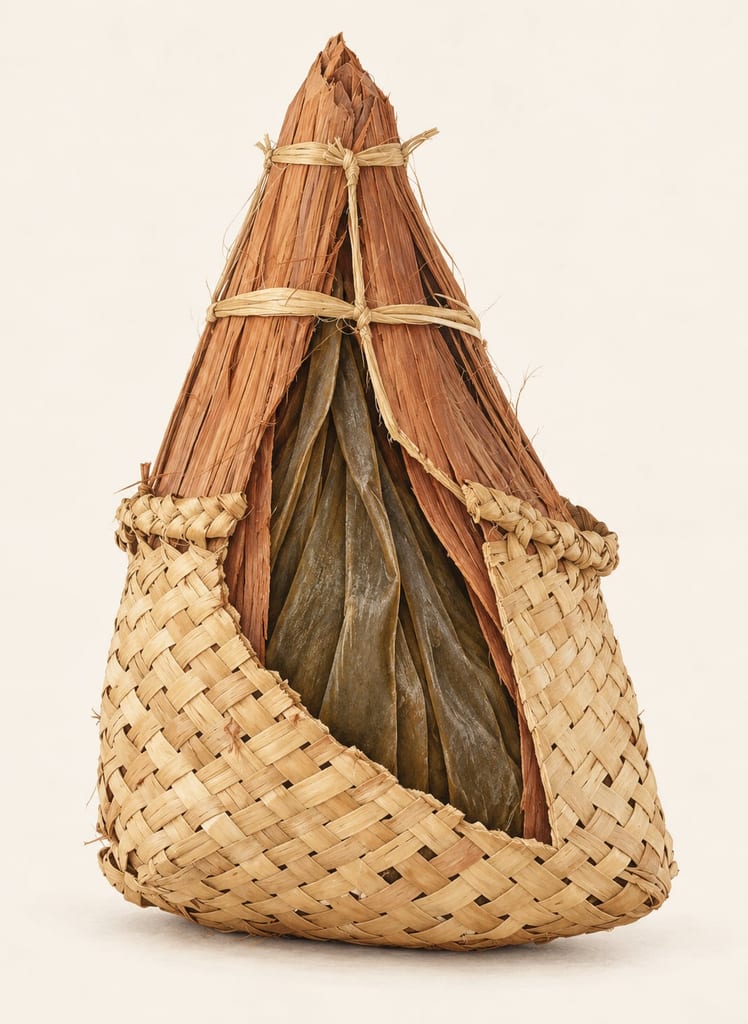
Pōhā are traditional southern Māori storage bags made from bull kelp. Ngāi Tahu accounts describe tītī stored in the kelp bag, with bark and a woven kete protecting some documented examples during transport.
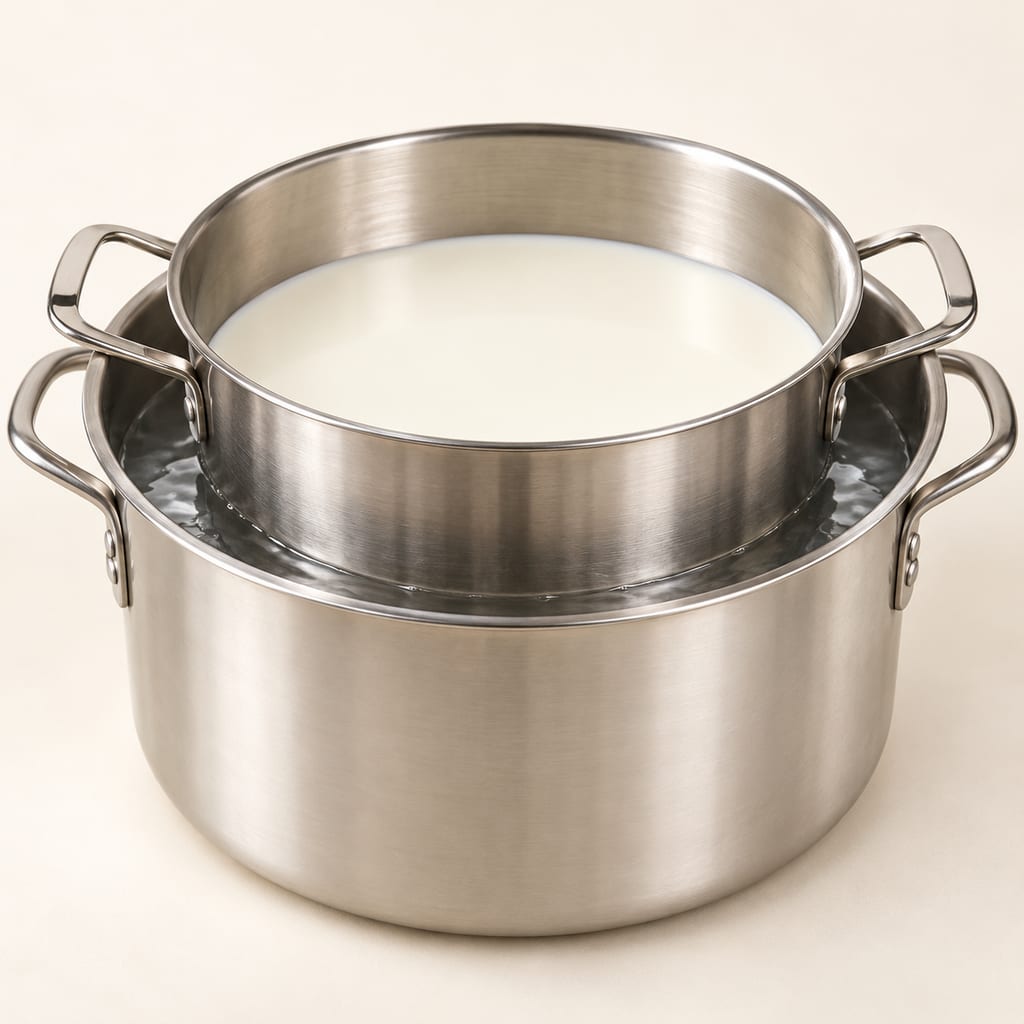
A separate inner pot holds milk or curd while a larger vessel holds hot water. In a documented cheesemaking setup, the inner pot’s handles rest on the outer vessel’s rim; this differs from a rack or trivet bearing a pot from below.
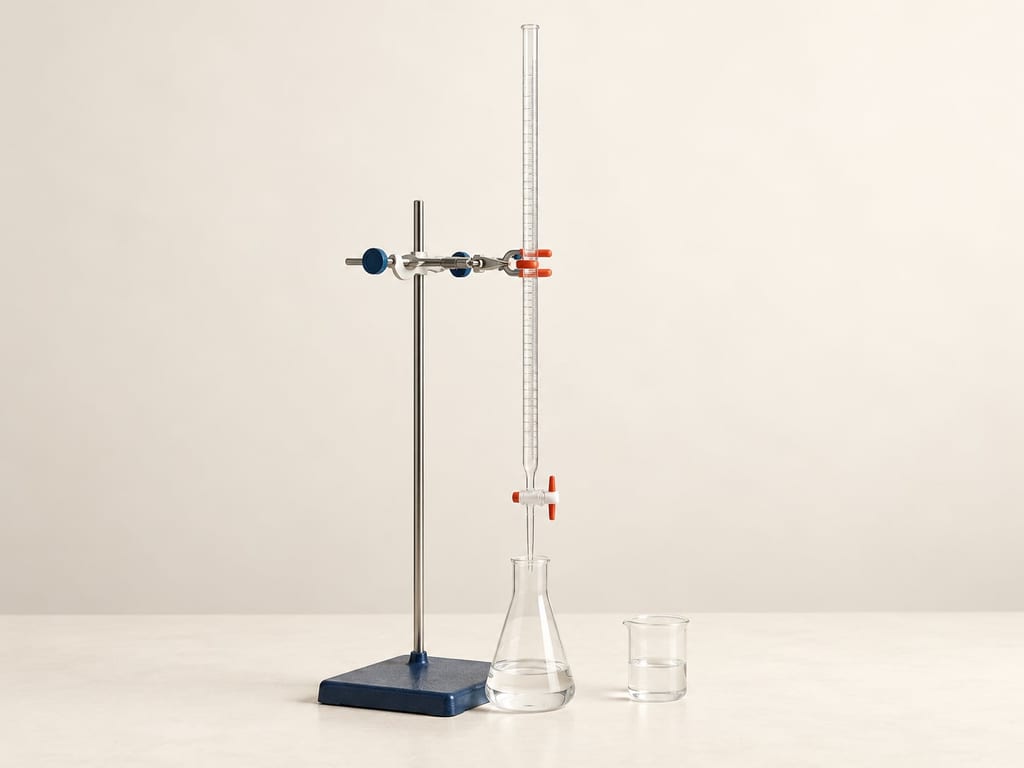
Titration equipment measures how much reagent reacts with a sample to reach a defined endpoint. Glassware, indicators and electronic endpoint detection vary; titratable acidity and pH are related but distinct measurements.
No community contributions have been published for this entry yet.
Sign in to contribute. Published comments and photos are free to read.
New England Cheesemaking Supply CompanyForm · Function · Care
Aging Cheese FAQCovered plastic boxes can help retain humidity around cheese in a cellar or refrigerator.
The page recommends a rough 40% cheese/60% empty-space loading ratio.
A cheese mat raises cheese to allow airflow and reduce excess moisture at its underside.
Manage condensation and open boxes regularly for air exchange.
Cited in: A small ripening space; Why raise the cheese; Manage moisture and air
New England Cheesemaking Supply CompanyDocumented use · Geography · Image
Tony Hamblyn in New Zealand UpdateThe article documents a home cheese cave made from a three-door display refrigerator in New Zealand.
Photographs show lidded plastic boxes on shelves; their interiors are not shown.
Cited in: A small ripening space; Manage moisture and air