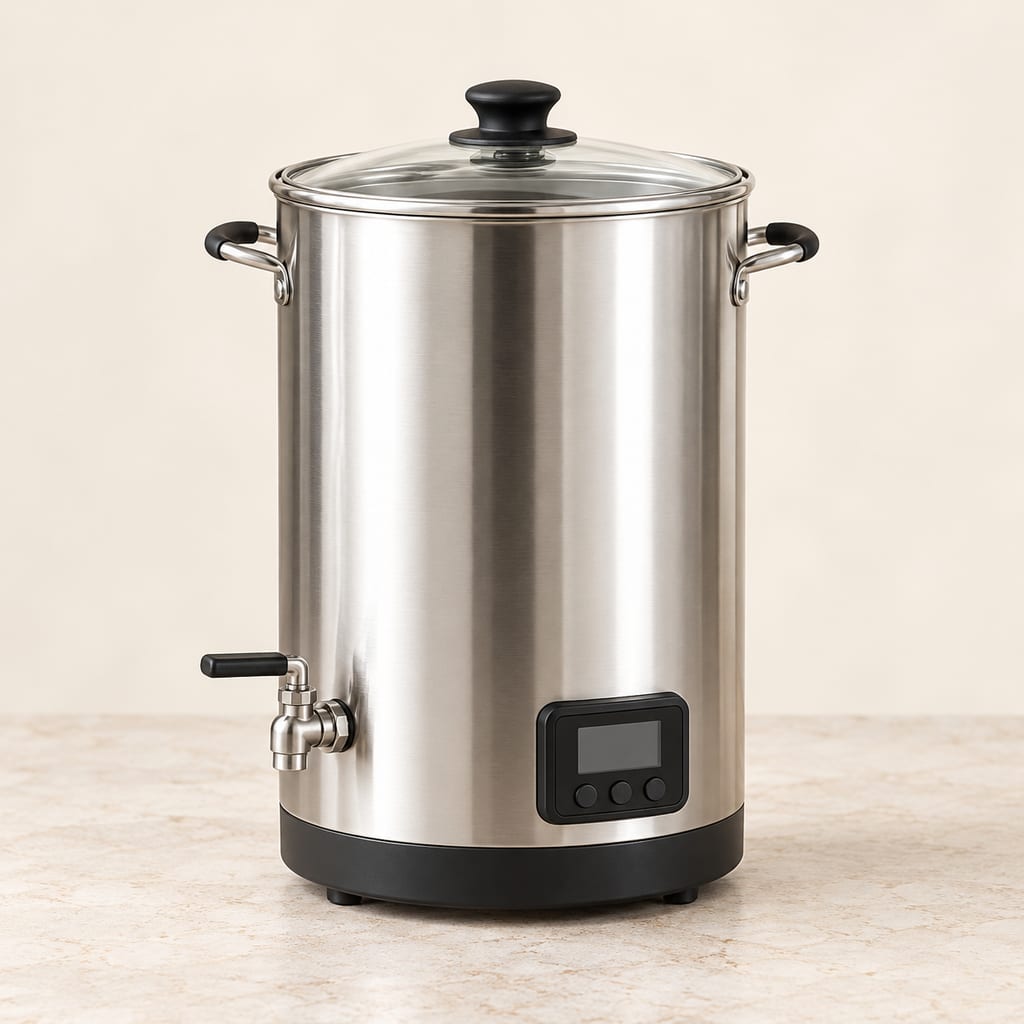
All-in-one brewer or electric mash kettle
An electric brewing vessel that combines controlled heating with a removable grain basket and, on the documented models, a recirculation pump for mashing and boiling wort.
 FermenteaWhere food goes to change
A rustic pressed cheese with a mixed mesophilic and thermophilic culture, whose curd is warmed by swapping whey for hot water before light pressing and cellar ageing.
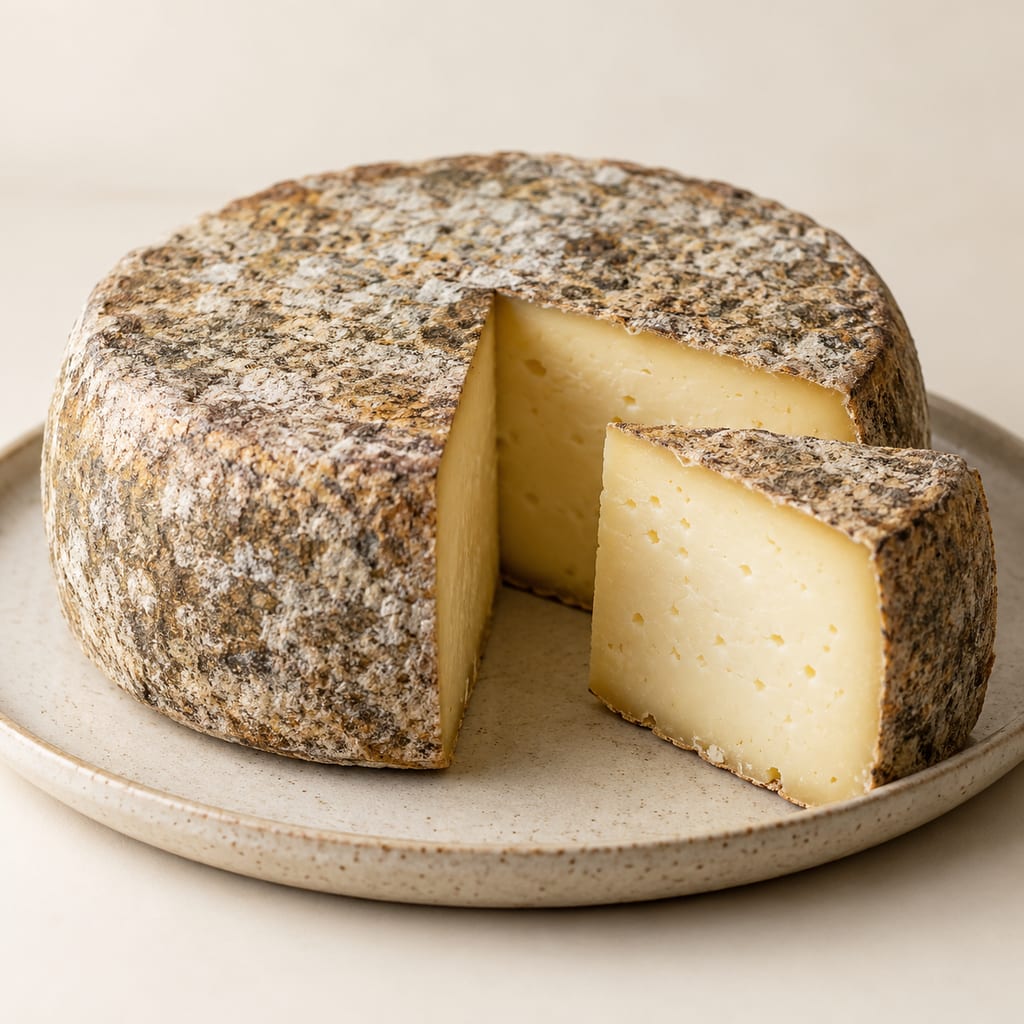
Tomme-style cheese is a rustic pressed cheese made with a mixed culture. Its balance leans toward mesophilic bacteria for early acid and toward thermophilic bacteria for ripening. The documented method is Jim Wallace's Tomme Style Cheese recipe for New England Cheesemaking Supply. The photographs in the source show an eight-gallon double batch, and the base milk volume was not confirmed in the text the dossier read.
The culture names and doses are not recorded in the sources read. The curd is set at 87 °F (31 °C), and the whey is partly replaced with hot water before the curd is moulded, so the page keeps that order as the source gives it.
The milk is heated to 87 °F in a sink or pot of very warm water. The culture is sprinkled on the surface, rehydrated for about two minutes, stirred in and left still for about an hour. About 1/2 teaspoon (2.5 ml) of single-strength liquid rennet is stirred in for about a minute, and the milk sets for 30 minutes; it begins to thicken at about 10 minutes.
The curd gets a first cross cut of 3/4 to 1 inch, rests two to three minutes, then is cut to 1/4 to 3/8 inch with a whisk for even curds and stirred gently for 10 to 15 minutes. The source then removes whey equal to 40% of the original milk volume and adds back water equal to 15% of that volume at 120 °F (49 °C), slowly over 15 minutes, to bring the curd to 98 °F (37 °C).
The whey is removed to about an inch above the curd, and the curd is moved into forms lined with butter muslin or cheesecloth. It is pressed with 4 to 5 lb for three to four hours, flipped about 30 minutes after moulding, and held overnight at room temperature without weight before salting.
Salting is either a brine of one gallon of water, 2.25 lb of salt, one tablespoon of 30% calcium chloride solution and one teaspoon of white vinegar for 8 to 10 hours, with the exposed surface re-salted halfway through, or a dry salt at about 2% by weight over two to three days. The surface is then dried for one to two days.
The source ages the cheese at 52 to 56 °F (11 to 13 °C) and 80 to 85% moisture for a minimum of six to eight weeks for a table cheese, turning it every couple of days to manage mould. These are the source's ageing figures and not a shelf-life statement.
The sources give no acidity endpoints. Penn State Extension states that ultra-pasteurised and UHT milk interfere with curd formation and does not recommend raw milk for home cheesemaking, so the control this page carries is pasteurised milk.
Untested adaptation: ripening and set in a rim-supported inner pot in a brewer bath, with the brewer also supplying the 120 °F scald water, measured by volume against the original milk. That route is not the documented method above.
Milk volume: Not confirmed in the text read..
Culture names and doses: Not recorded from the text read..
Acidity endpoints: The page gives none..
not researched yet
Yield 4 lb · Scaling: source batch only
Use pasteurised milk; Penn State says ultra-pasteurised and UHT milk interfere with curd formation and should not be used, and does not recommend raw milk for home cheesemaking.
Control sourceThe brewer setting is the bath temperature, not the milk temperature. Every temperature in the steps is a temperature of the milk, curd or whey, measured with a calibrated probe in the food.
The brewer configuration is a proposed adaptation that nobody has published a trial of; the source method was written for a pot in a sink of warm water or on a stove.
The scald water becomes part of the cheese: use food-safe water and vessels.
No source in this record establishes a place.
An electric brewing vessel that combines controlled heating with a removable grain basket and, on the documented models, a recirculation pump for mashing and boiling wort.
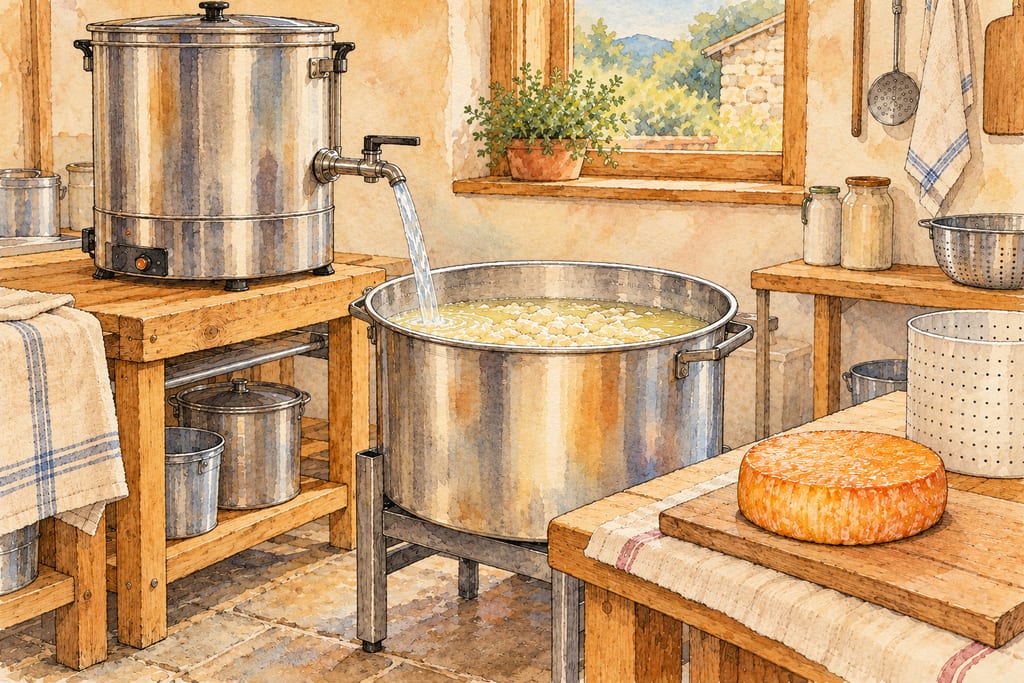
The brewer holds clean water at a set temperature for washed-curd cheeses and other hot-water jobs, beside a separate cheese pot, instead of heating milk directly.
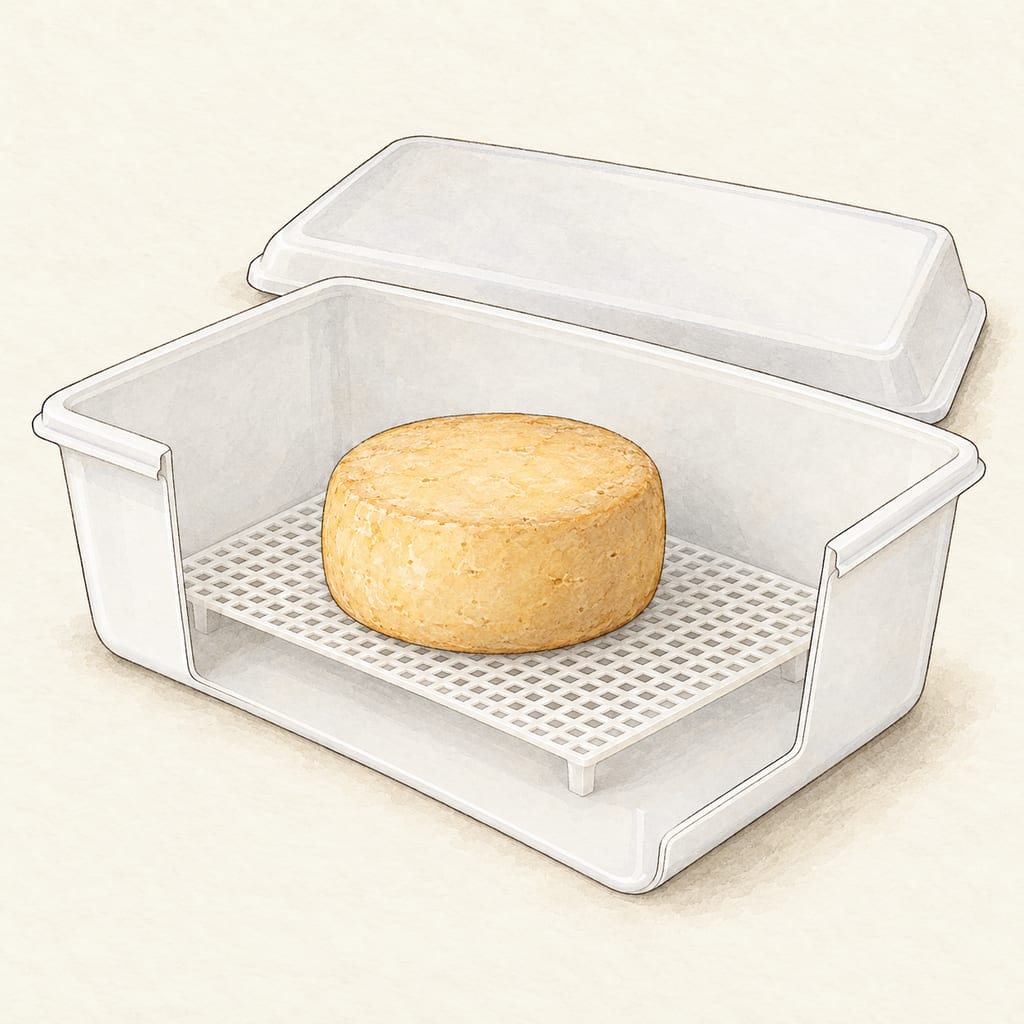
A lidded box used inside a cheese cave or cool cellar to create a small humid ripening space. A raised mat keeps cheese off the base so its underside can breathe and drain.
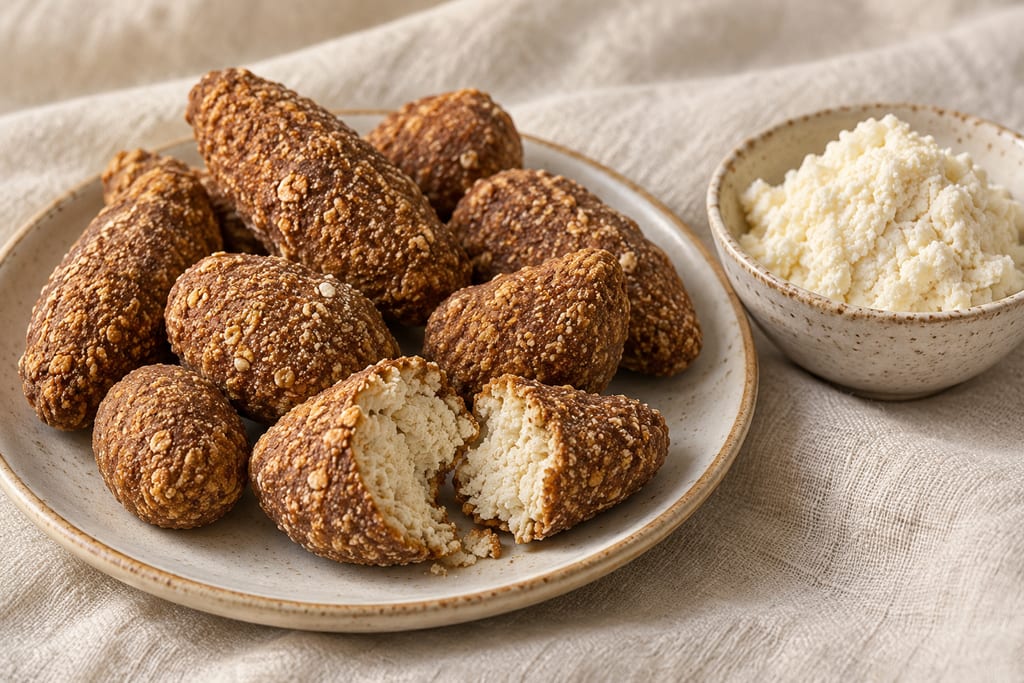
A two-stage Altai dairy preparation: sour chegen is heated into soft aarchi, then portions are drained, pressed and traditionally smoked into firm kurut.
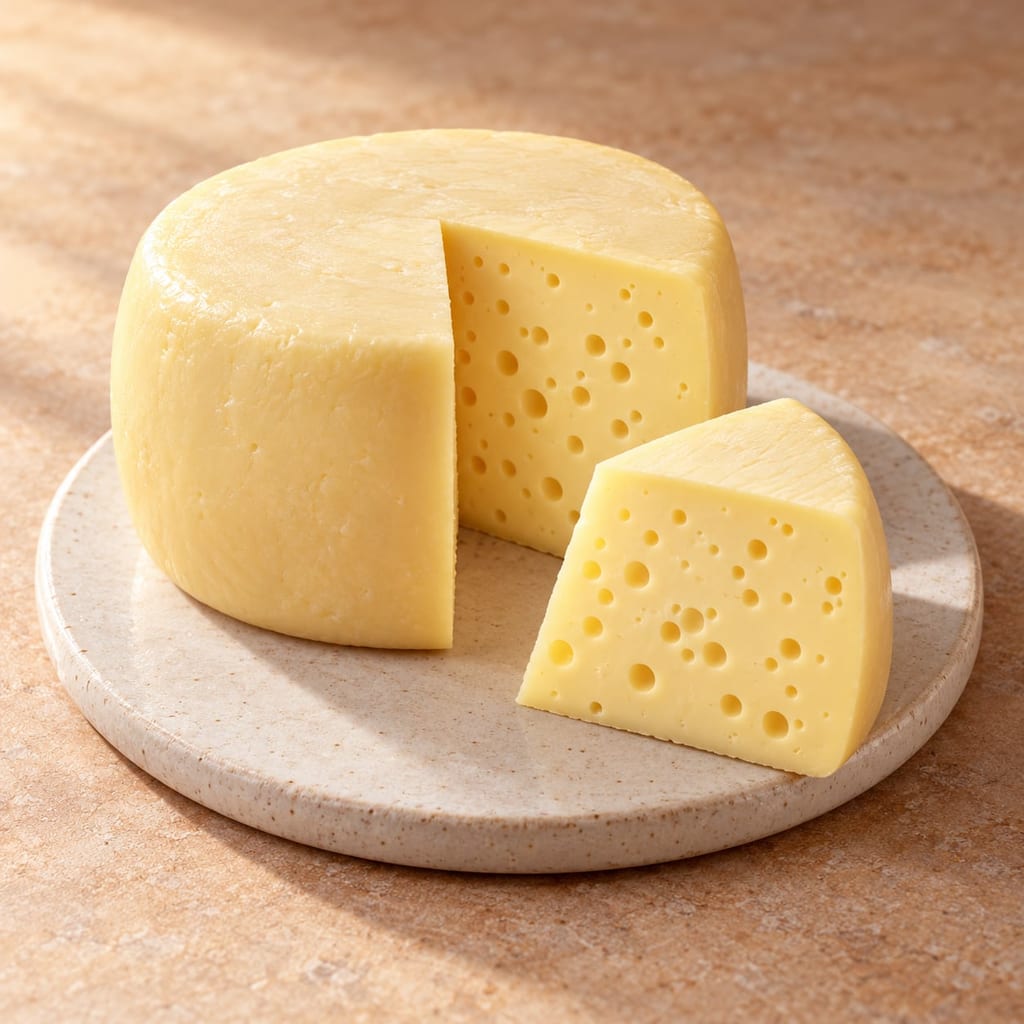
A washed-curd cheese with propionic bacteria, warmed by hot water in two steps and then held in a warm room for weeks so the bacteria can form its holes.

Beyaz peynir is a Turkish white cheese matured in brine. Sheep milk, alone or mixed with other milks, gives a close-textured cheese cut into blocks and packed in cans.
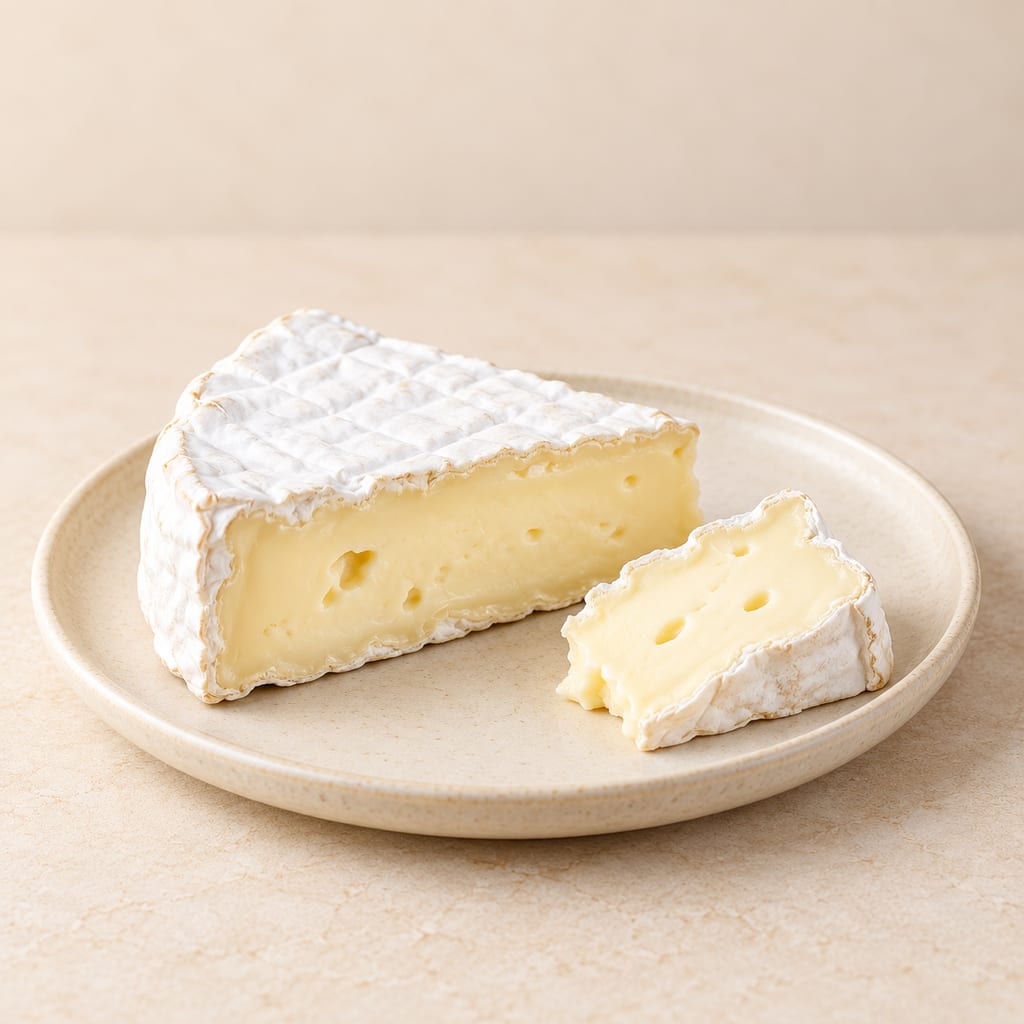
A cream-enriched Brie with a white bloomy rind and a softening center, made from pasteurized milk with lactic and surface cultures.
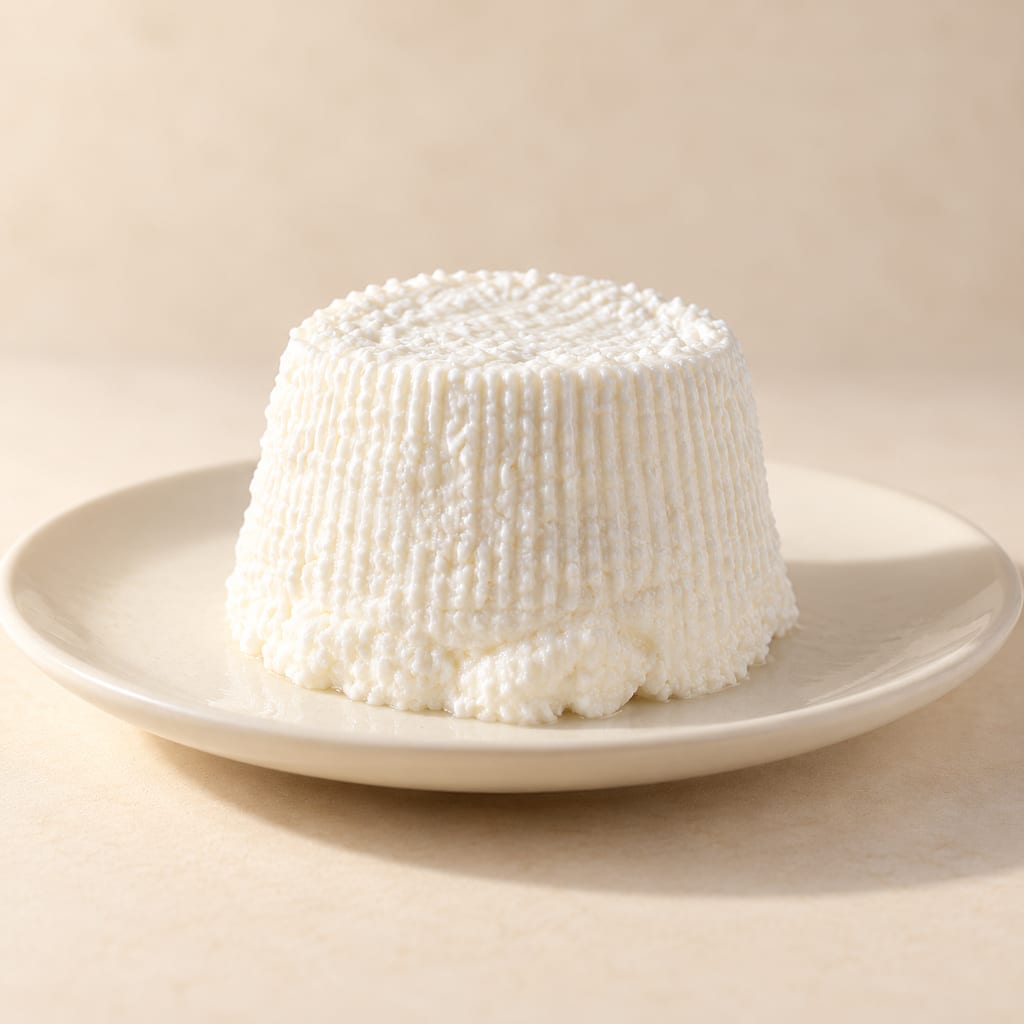
Corsican Brocciu is a whey cheese made by heating sheep's or goat's whey with whole milk and salt, then gently draining the flocculated curds. It is eaten fresh or salted and ripened as Brocciu passu.
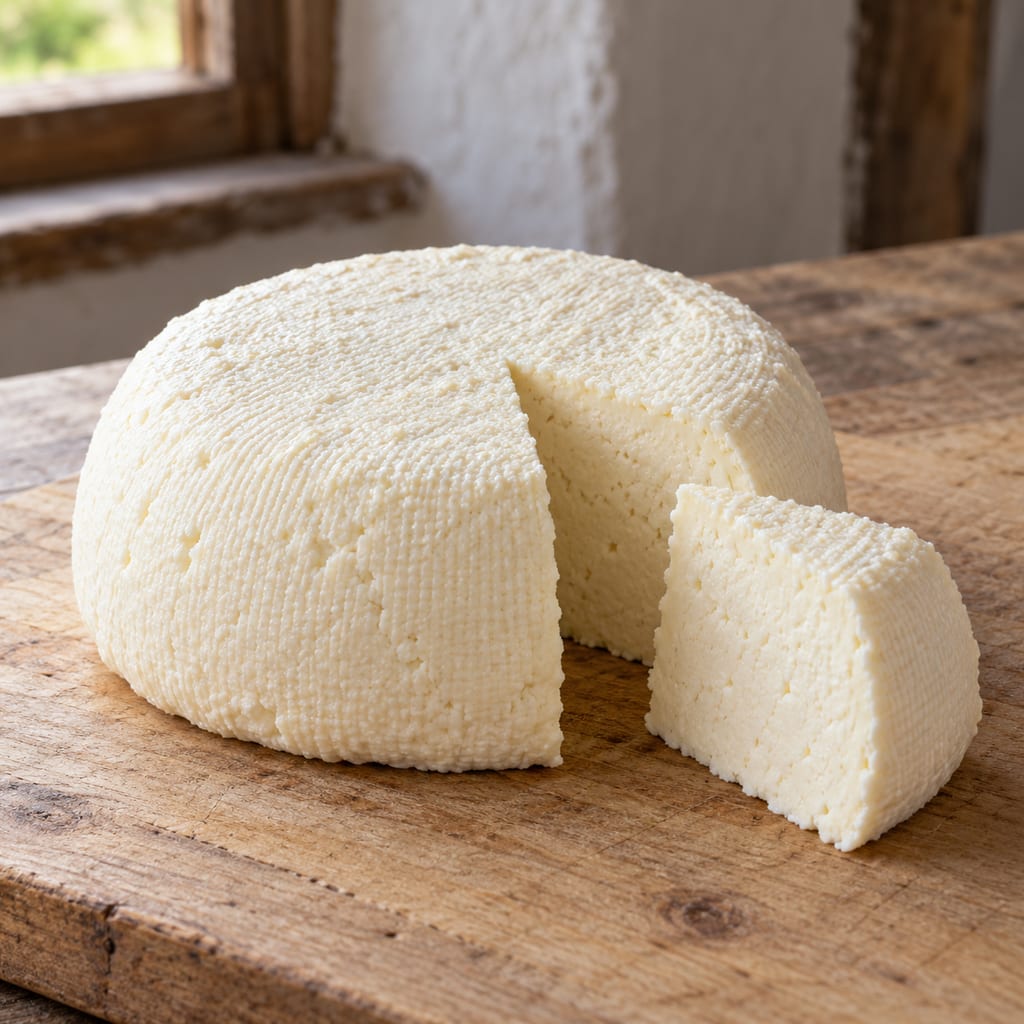
Budz is a traditional Hutsul rennet-set cheese made from sheep, cow or goat milk in the Ukrainian Carpathians, forming a fresh curd that can be eaten, smoked or processed into salted bryndza.
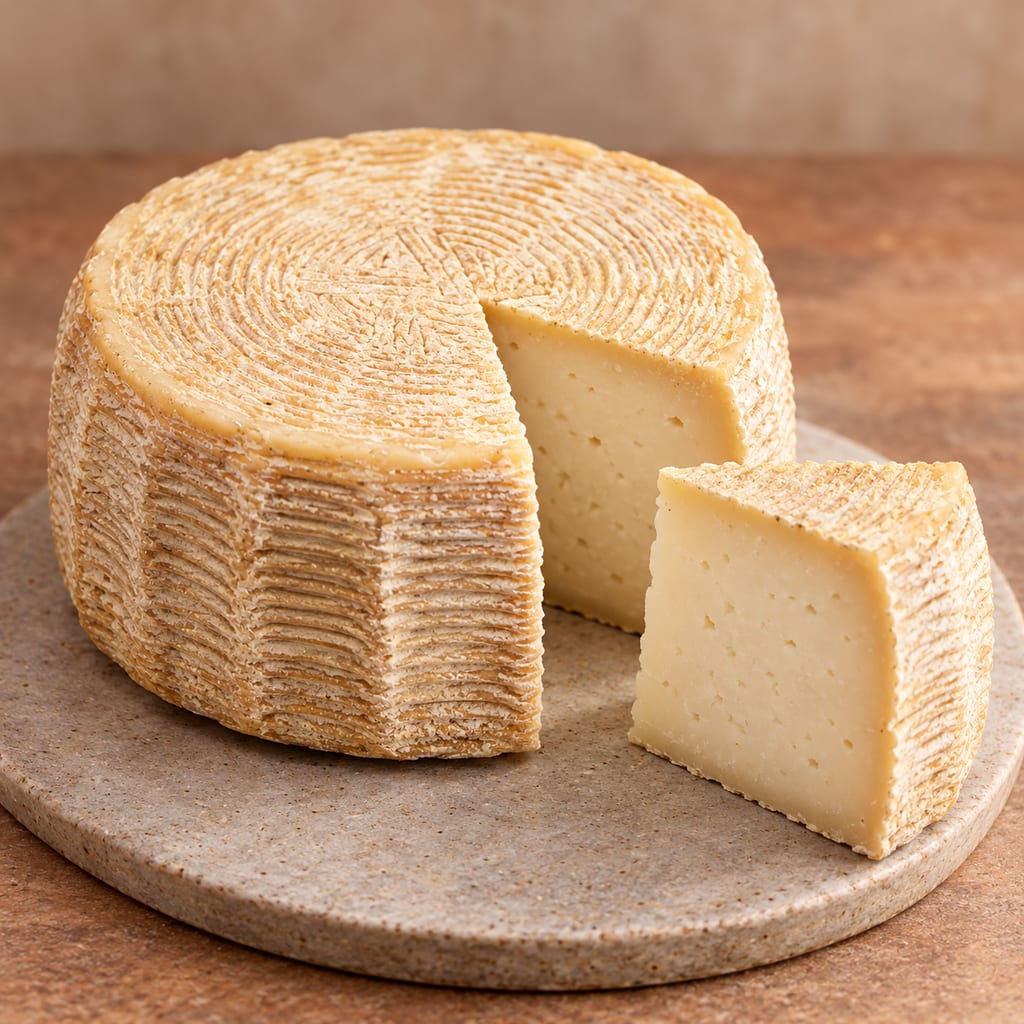
A scalded cheese moulded in baskets and re-cooked in its forms in hot whey, made alongside a ricotta from the same milk, then acidified, brined and aged for months.
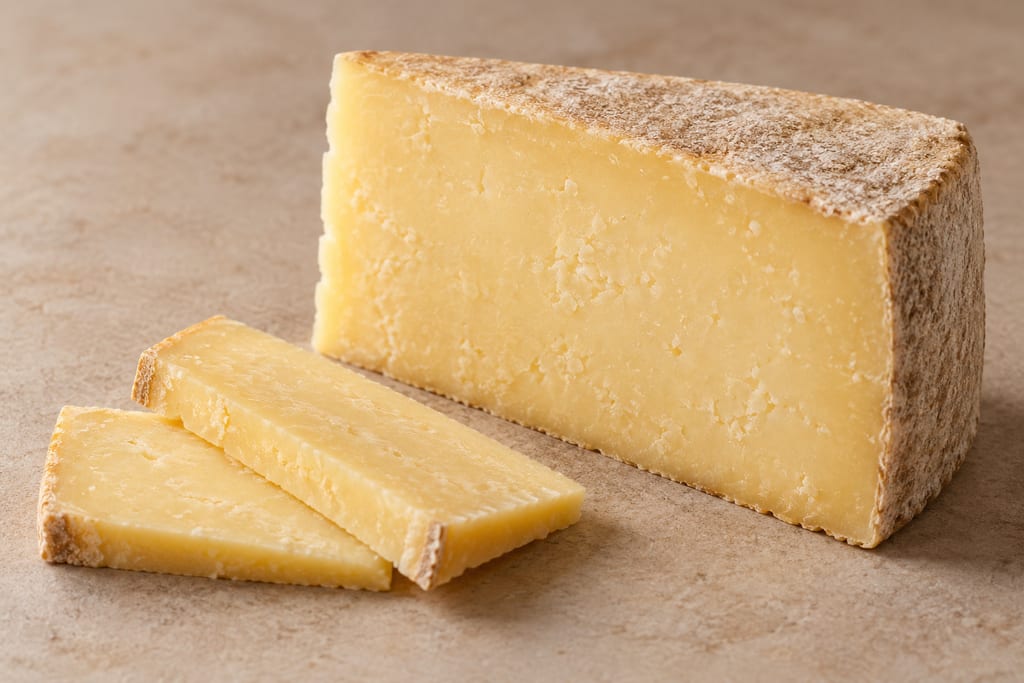
A pressed cheese whose curd is cooked slowly, then cheddared: kept warm in slabs that are turned and stacked for hours before milling, salting and pressing.
No community contributions have been published for this entry yet.
Sign in to contribute. Published comments and photos are free to read.
New England Cheesemaking Supply Company (author Jim Wallace)Method
Tomme Style Cheese Recipetemperatures, rennet dose, whey removal and scald water ratios, pressing, brine, ageing
Cited in: A rustic pressed cheese from two cultures; Setting, cutting and the hot-water replacement; Moulding, pressing and salting; Ageing and the open questions; What the sources leave open
Penn State ExtensionSafety
Home Cheesemaking (Penn State Extension, ART-4803, Kerry E. Kaylegian, 2019; copy hosted by UC ANR)pasteurised milk suitable; UP/UHT unsuitable; raw milk not recommended
Cited in: Ageing and the open questions; What the sources leave open