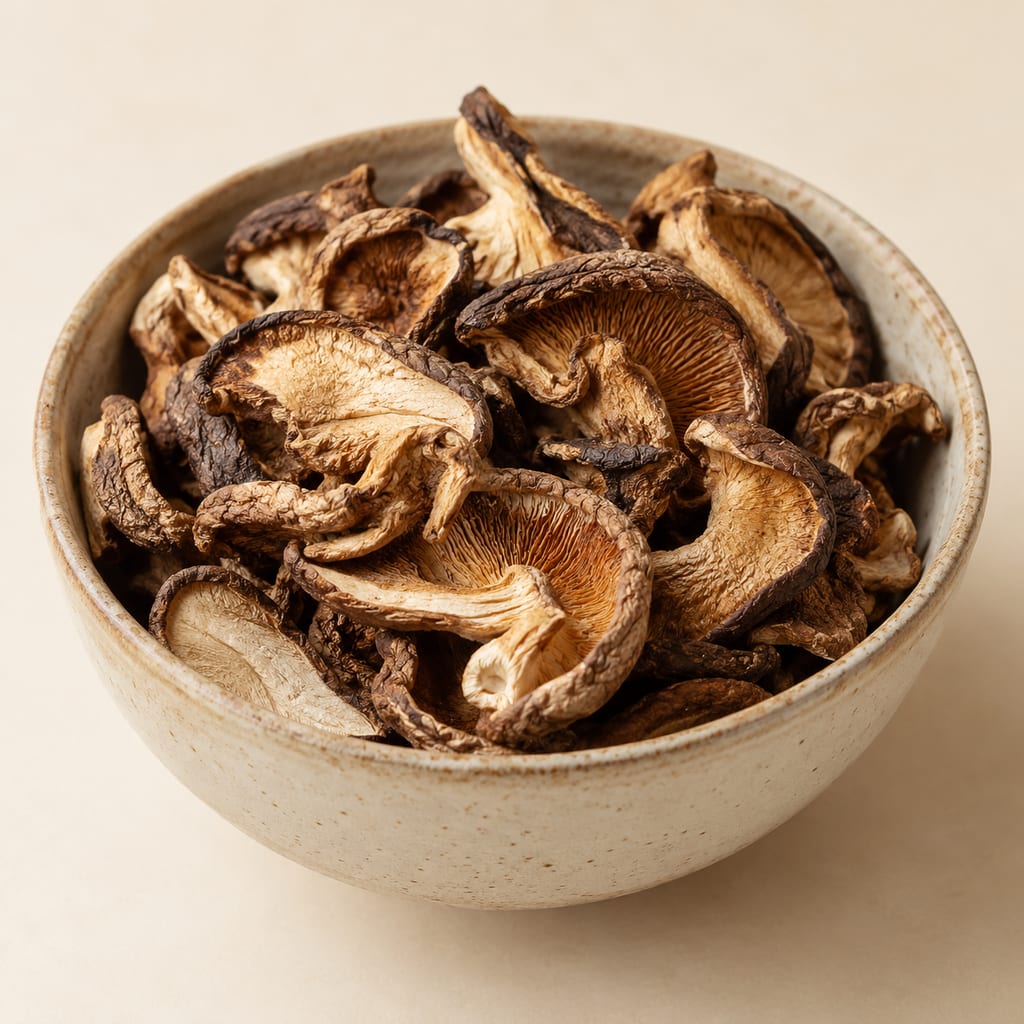
Dried pumpkin occupies much less space than whole fruit and does not demand freezer space for its initial storage. It is an ingredient reserve: the dried pieces can be rehydrated, or ground to make powder. It should be made from fresh, sound pumpkin, not from scraps already turning sour or mouldy. Drying limits microbial growth by reducing available moisture; it is not a sterilising treatment.
This is a controlled-dehydrator procedure. Historical sun-drying traditions are discussed elsewhere in the collection, but the weather and airflow that make those techniques work cannot be assumed in a Scottish November.
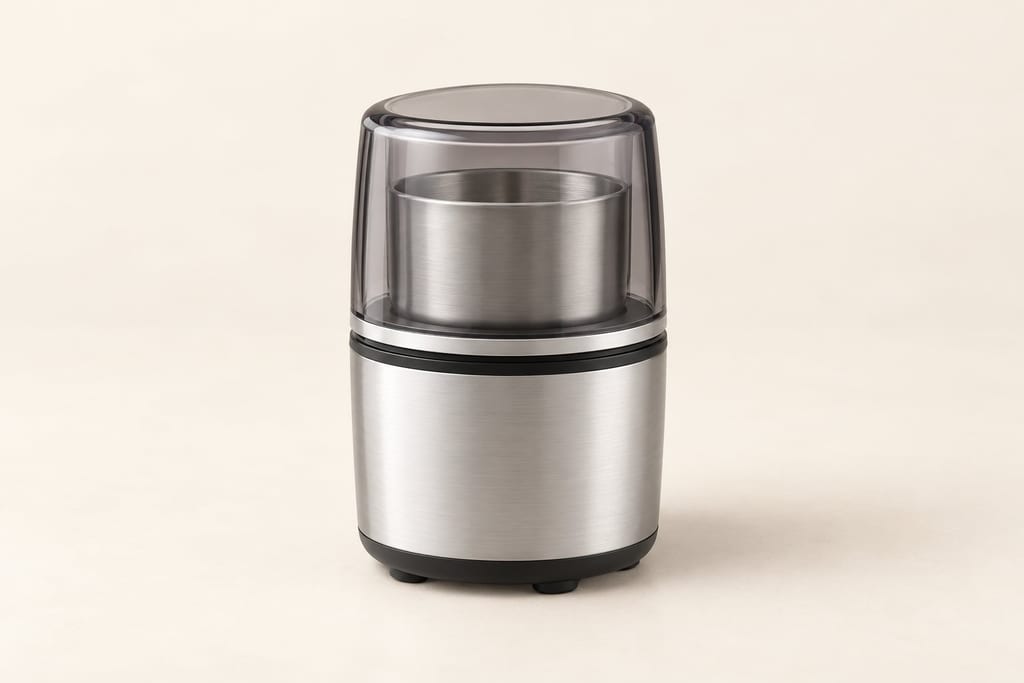
Grind cooled, fully brittle pieces in small batches. Let any heat generated by grinding dissipate before sealing. Keep the powder in small airtight containers, so opening one does not repeatedly expose the entire harvest to humid air. Iowa State specifically describes pumpkin powder and suggests a starting rehydration ratio of four parts water to one part powder, standing for 10–30 minutes. Adjust the final consistency for the intended use; a fixed powder volume cannot reconstruct every variety's original water content exactly.
For pieces, North Carolina Cooperative Extension describes starting with one volume of dried squash to two volumes of water, soaking for an hour and then cooking until tender. This is a rehydration instruction, not a complete meal recipe.
Store cooled dried pieces or powder in moisture-proof containers somewhere cool, dry and dark. Oregon State flags an undesirable flavour after more than 1–2 months of room-temperature storage for dried pumpkin. That is a pumpkin-specific quality warning; a generic “all dehydrated foods last a year” claim would conceal it.
For overwintering beyond that period, freeze the sealed, dry product in moisture-vapour-proof freezer packaging. This follows Oregon State's separate guidance on longer storage of dried vegetables; the pumpkin publication's specific refrigerator/freezer instruction applies to seeds.
If a container shows condensation, clumping with dampness, mould or a changed smell, investigate rather than simply putting it back on the shelf. Redrying is appropriate only for material that has taken up moisture and is still unspoiled; visible mould is a discard condition.
A contemporary household preparation; no single inventor or birthplace is claimed.
Ingredients
Scaling: source batch only
Pumpkin
Amount not stated
Firm, mature edible pumpkin or Hubbard-type winter squash, as much as fits the trays without crowding.
Method
Risks and precautions · Standard risk
Spoilage during storage
Dry until brittle, cool before sealing, and discard moldy strips.
Hazard source
Dry until brittle, cool before sealing, and discard moldy strips.
Control source
Dry until brittle, cool before sealing, and discard moldy strips.
Wash the pumpkin, cut it open, and remove the seeds and fibrous cavity material. Peel the rind.
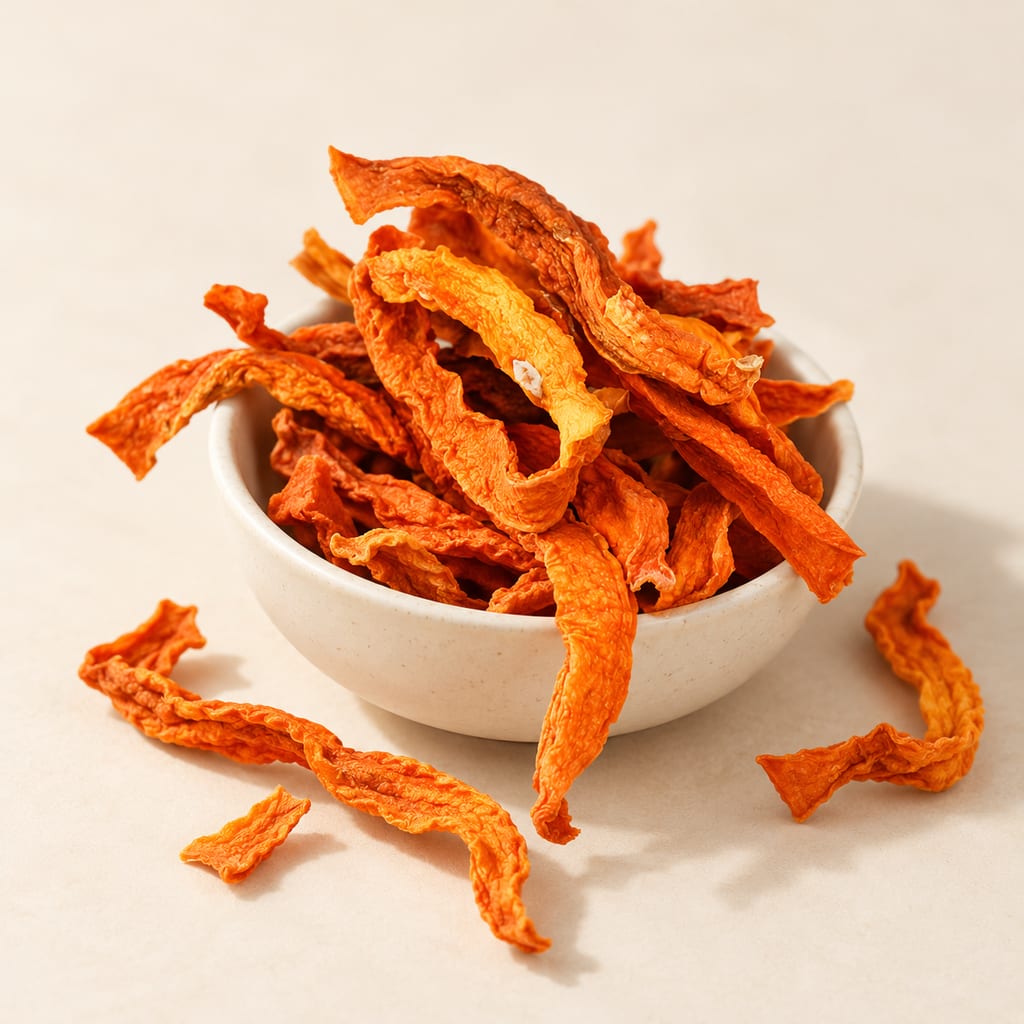
Cut the flesh into strips about 6 mm (¼ inch) thick. Keep the thickness as even as practical so that the last pieces to finish are easy to identify.
Steam the strips for 2–3 minutes, until nearly tender. Drain; avoid transferring puddles of water onto the dehydrator trays.
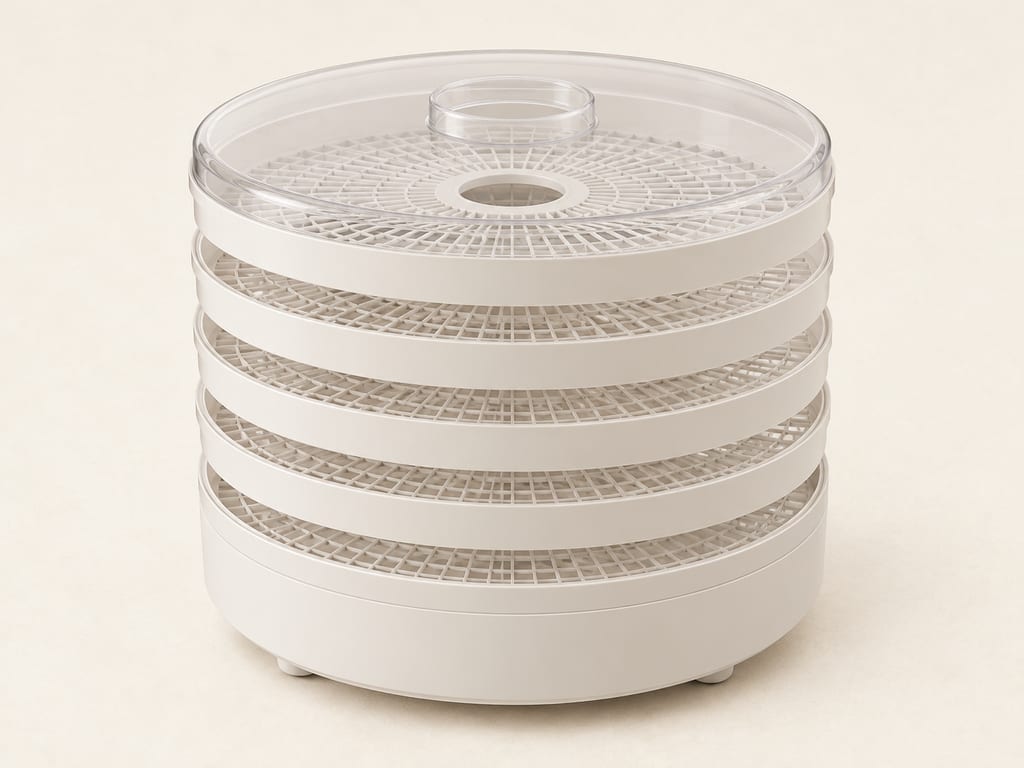
Spread in a single layer with room for airflow. Dry at 60°C for the first 2–3 hours, then lower the setting to about 54°C. Continue until the pieces are thoroughly tough-brittle or crisp rather than moist, soft in the centre or squashable. This is the Oregon State method, also described by Iowa State. Total time varies with the pumpkin, strip thickness, load and machine.
Cool a sample before deciding whether drying is complete. Warm pieces can feel different from fully cooled ones. Do not package warm food: trapped condensation can reverse the benefit of drying.
Oregon State recommends holding the cooled pieces in an airtight container for a week, shaking and checking for moisture, then packaging for storage. If condensation appears before any spoilage, dry them again. Discard mouldy material. Iowa State states that conditioning is not required for pumpkin dried fully brittle; the practical common point is that the food must be thoroughly dry before storage.
Conditions
Temperature controlMulti-stage
Places
Unknown
Relationship not established · Place not established
The selected method does not establish its geographical origin.
A compact electric blade grinder cracks or powders dry spices in a small lidded bowl. It is a dedicated spice-grinding appliance; mini blenders may overlap in size and blade action, but their bowls and permitted uses vary by model.
A countertop electric appliance circulates warmed air across food on open trays to remove moisture. Round stackable and rectangular cabinet designs use different airflow paths; materials, capacity and controls vary by model.
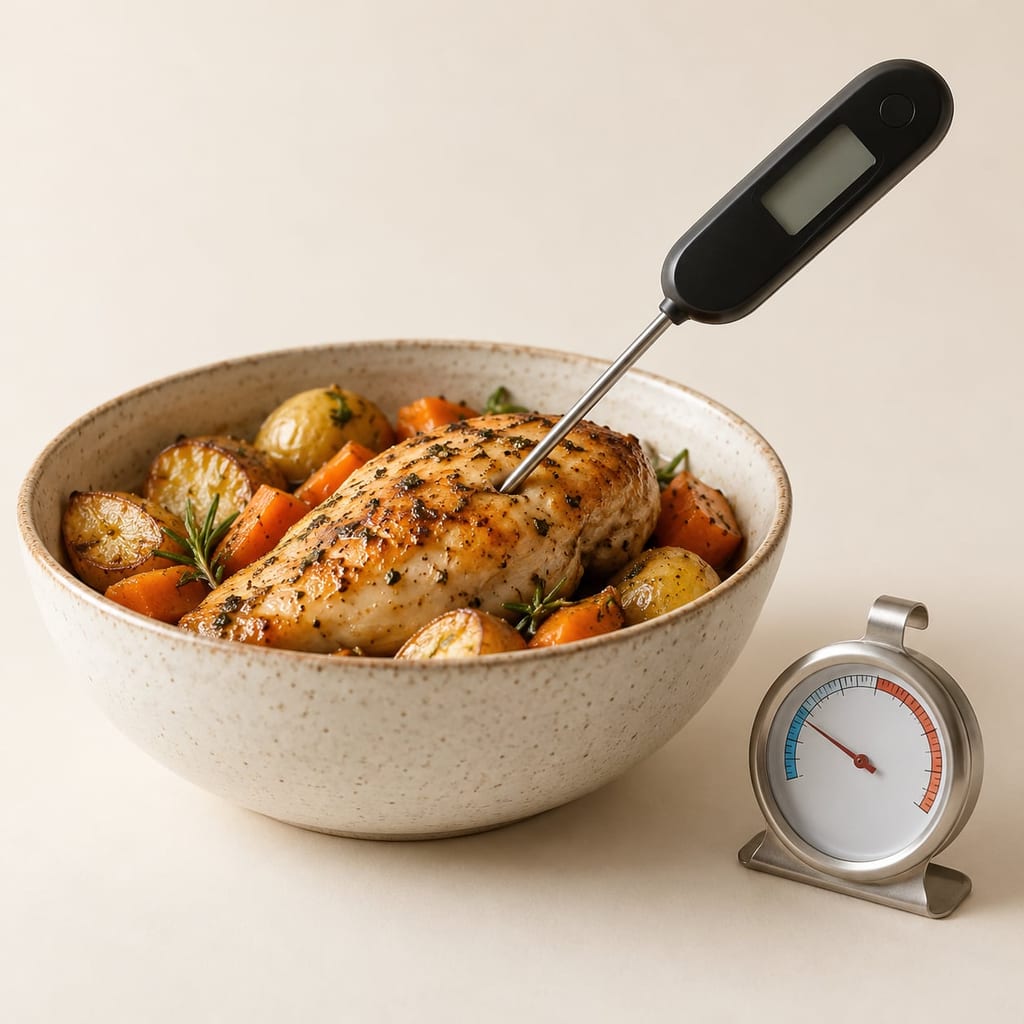
A food probe measures the temperature inside food at the probe tip; a refrigerator thermometer measures the cold storage environment. They answer different questions and cannot establish acidity or validate a preservation process.
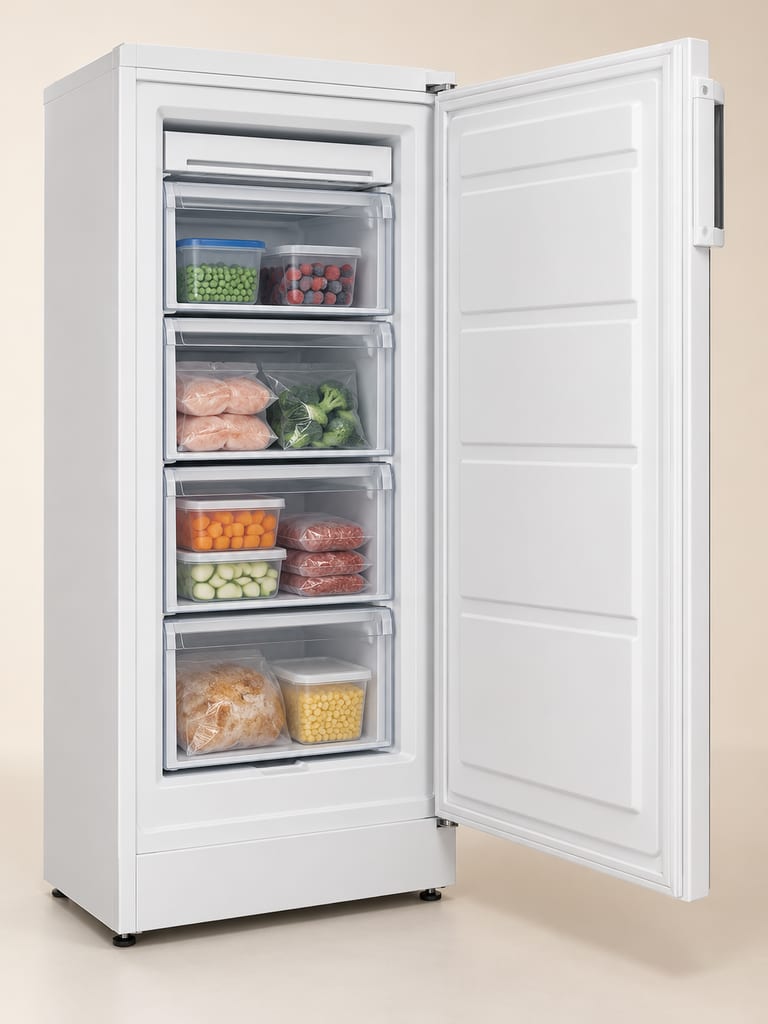
A household freezer holds food in a frozen state for storage and selected texture or separation work; its batch-storage role differs from industrial equipment that freezes individual pieces separately.
An ordinary household refrigerator used to store selected fresh produce in vented crates or drawers, at low temperature and at a humidity chosen by the drawer. Not every crop benefits from cold.
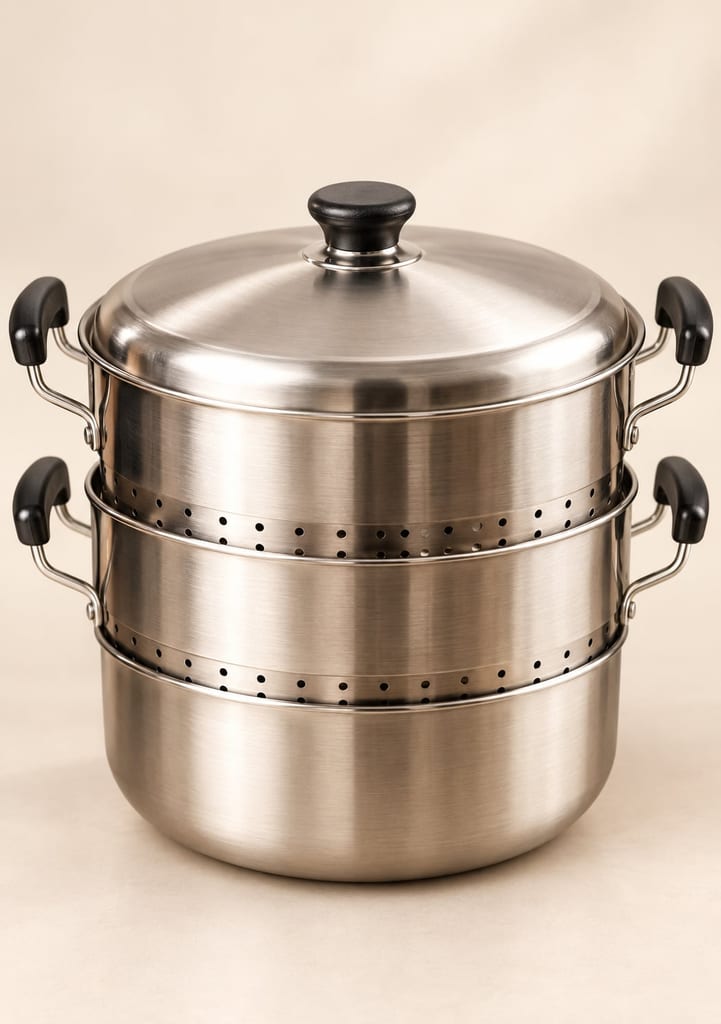
A steamer cooks food above heated water under a cover. The broad term includes improvised pot-and-rack setups, metal tiers and basket steamers; individual forms have different designs and uses.
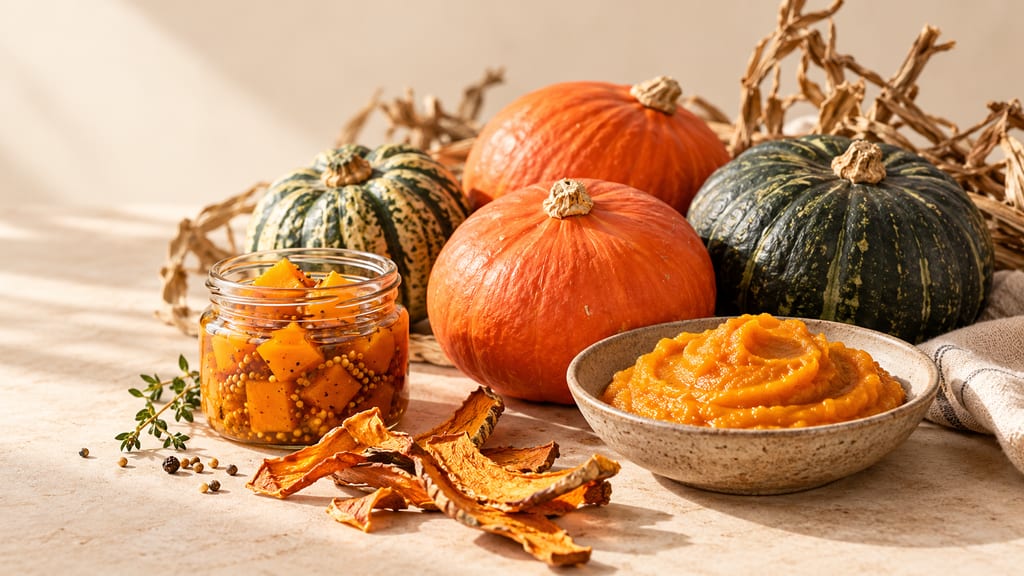
A full harvest-to-pantry guide to keeping pumpkins whole, drying and freezing them, and making pickles and sweet preserves around the world—with the exact distinction between tested canning and cold storage.
Chipotle is a ripe jalapeño pepper smoke-dried in a wood-fired cocedor. Camargo, Chihuahua, documents a large-scale version of the process; its source accounts do not establish a complete home batch or validated safety endpoint.
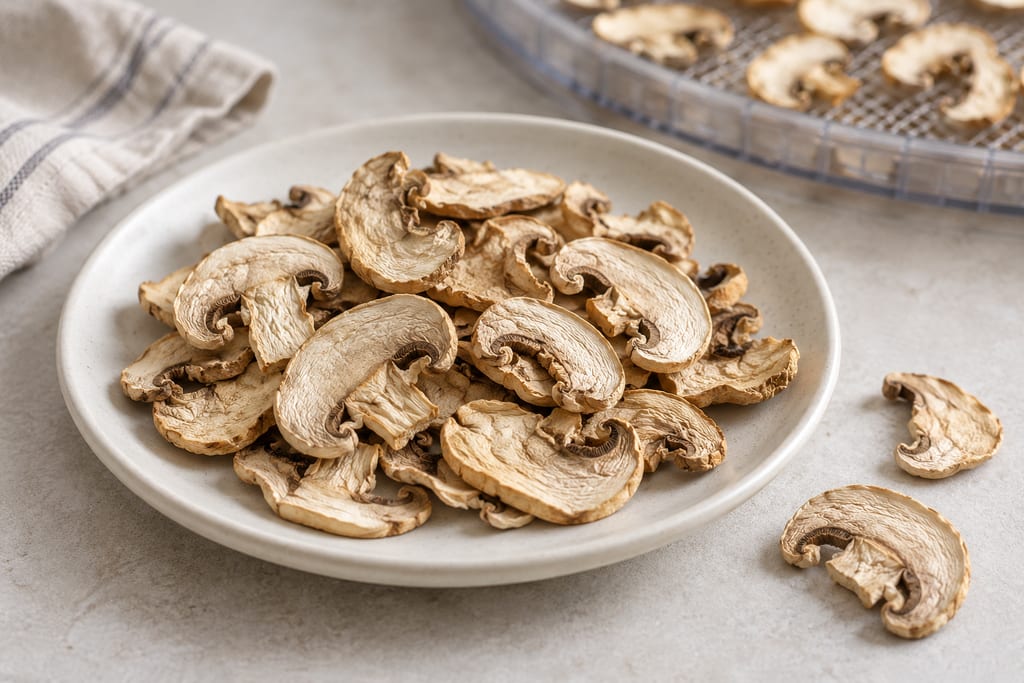
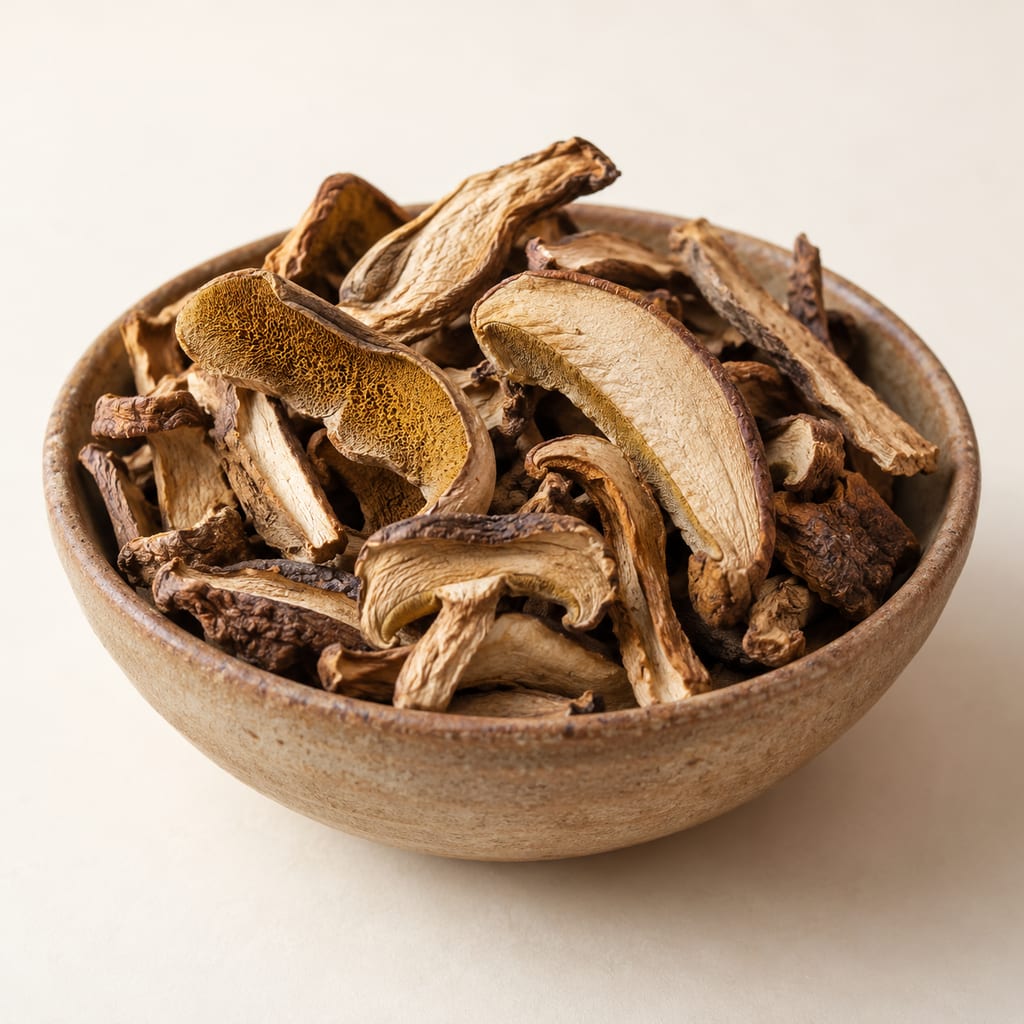
Hot-air dehydrated mushrooms are sliced mushrooms dried in a dehydrator or dryer with heated, moving air; a 2011 study dried button mushroom slices at 60 °C and compared them with microwave-vacuum and freeze-drying.
Merkén is the Mapuche seasoning of dried, smoked and ground ají cacho de cabra chile, sometimes with toasted coriander seed and salt, made in the Maule and La Araucanía regions of Chile.
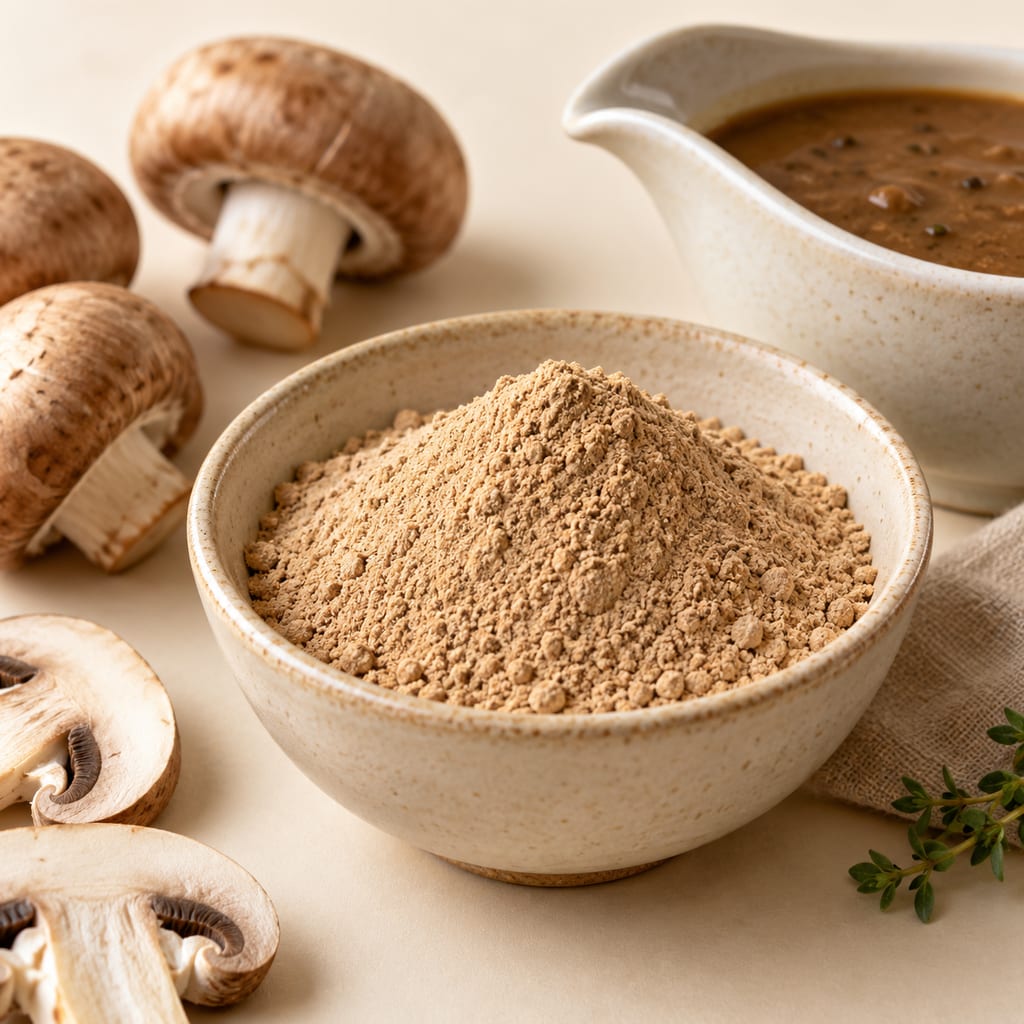
Mushroom powder is dried mushroom tissue ground to a fine powder and added to gravies and sauces. Victorian cooks made it from fresh cultivated mushrooms when fresh ones were not to hand.
Protected solar-dried mushrooms are slices of wild Suillus luteus dried under a shade cover, a fitotoldo, rather than in open sun, as tested in an experimental study from Apurímac, Peru.
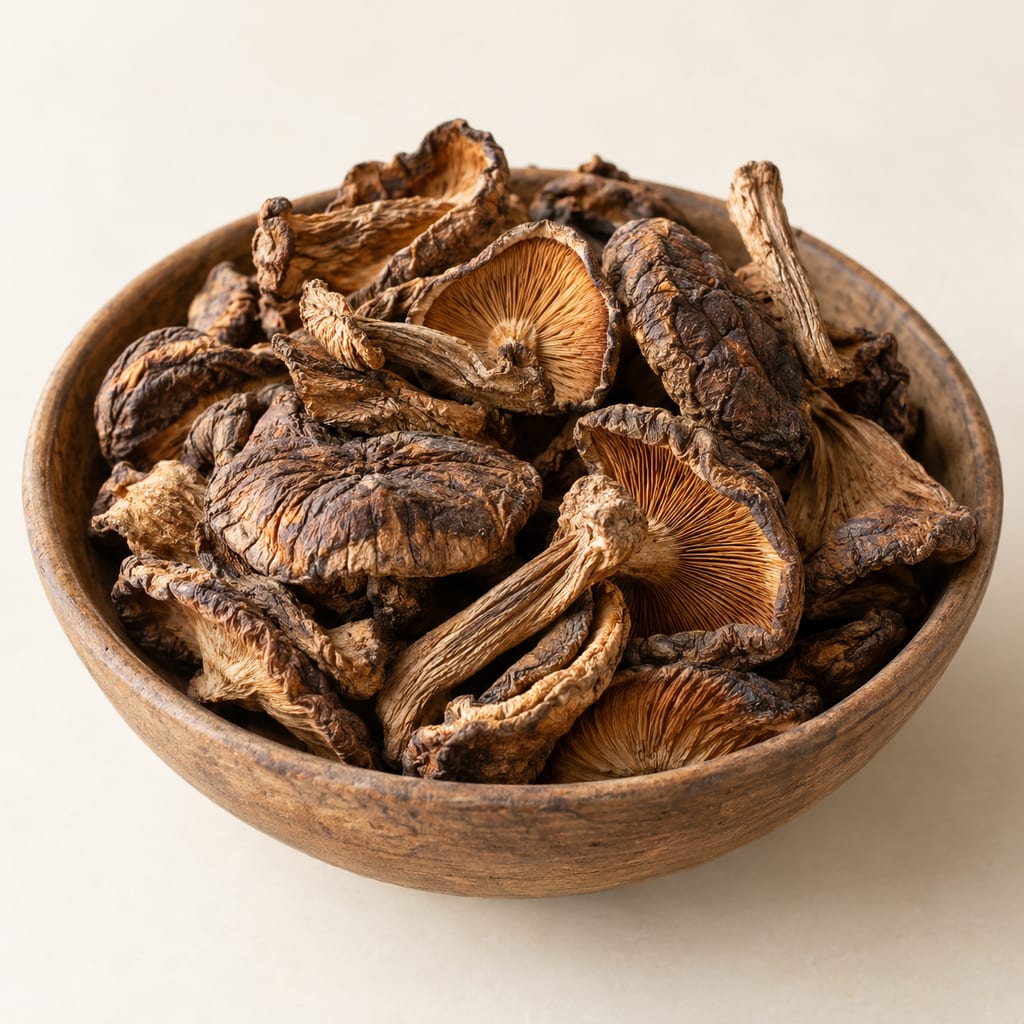
Hearth-dried mushrooms are dried on shelves above a cooking fire, so heat and smoke reach them. Tanzanian records describe the method; a Vietnamese study tested smoke-dried shiitake for fuel-dependent contaminants.
Sun-dried mushrooms are mushrooms spread in open sunlight and left to lose their water to solar heat and moving air, a method recorded in Nigeria, Tanzania, Mexico and among Algerian desert truffle gatherers.
Community
No community contributions have been published for this entry yet.
Share what you made
Sign in to contribute. Published comments and photos are free to read.