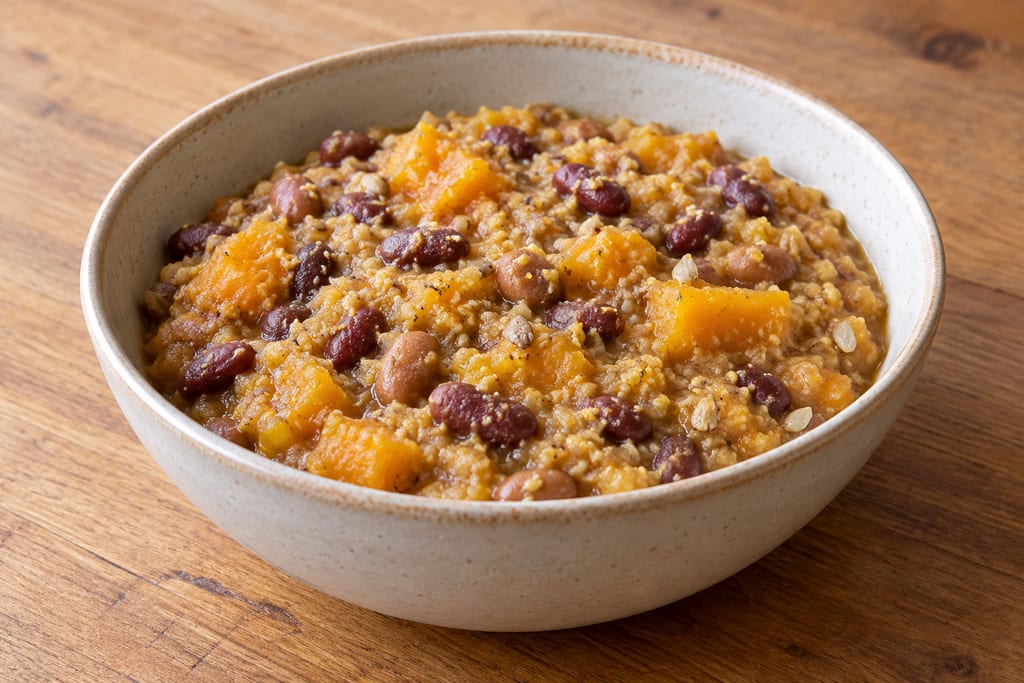
Hidatsa four-vegetables-mixed
Do´patsa-makihi´kĕ, or four-vegetables-mixed, combines beans, dried squash, corn meal and sunflower meal in a Hidatsa winter dish. This entry keeps a modern, untested adaptation separate from the historical account.
 FermenteaWhere food goes to change
Peanut butter is a paste of ground roasted peanuts, usually with salt. Smooth and granular versions come from the same method, differing in how finely the nuts are ground.

Peanut butter is a ground-peanut paste. It is a food product made from roasted peanuts rather than a fermented or cured one. Labels may add sugar, oil or stabiliser. The unsweetened, smooth form described in the research is the simplest version, and it is the one this entry follows.
Smoothness is a texture, not a guarantee of ingredients. Labels must be checked for added salt, sugar or oil.
Roasting develops the aroma that most people associate with peanuts. The roast level changes the flavour, and the sources do not give a single roast that suits every product.
Grinding decides the texture. Freshly ground roasted peanuts can give a more granular sauce or paste than a fully smoothed butter. The 1912 description combines finely ground nuts with salt, so a fine grind is the historical reference point.
The 1912 USDA page documents a peanut butter made by fine grinding of fresh-roasted peanuts with salt, and it mentions factories making the product. An 1896 US patent by Kellogg covers cooked peanuts, which shows that peanut processing was being patented in the 1890s. The patent does not show who made the first peanut butter.
Smithsonian's history treats the early attributions as disputed. Partial hydrogenation later helped stabilise some commercial peanut butter. Older ground-peanut pastes and modern commercial formulas should be kept apart in any account.
Peanuts are a major food allergen in the United States. Peanut butter made at home or in a shared kitchen needs clear labelling for people with allergy, and cross-contact must be controlled.
The FDA lists peanuts among crops susceptible to aflatoxins. Neither the smell nor the taste of a batch shows whether aflatoxins are present, and no home limit or test is proposed here. The sources give no storage period for the finished paste.
A 1912 USDA page on W. R. Beattie's peanut butter describes finely ground, fresh-roasted peanuts with salt and mentions factories. An 1895-filed, 1896-granted US patent by Kellogg concerns cooked peanuts. Smithsonian's overview says the early history is disputed and that partial hydrogenation later stabilised some commercial peanut butter. Patents and early pages do not prove sole invention or first use.
A 1912 USDA National Agricultural Library page describes the product and factory production; it does not establish a sole inventor.
Do´patsa-makihi´kĕ, or four-vegetables-mixed, combines beans, dried squash, corn meal and sunflower meal in a Hidatsa winter dish. This entry keeps a modern, untested adaptation separate from the historical account.
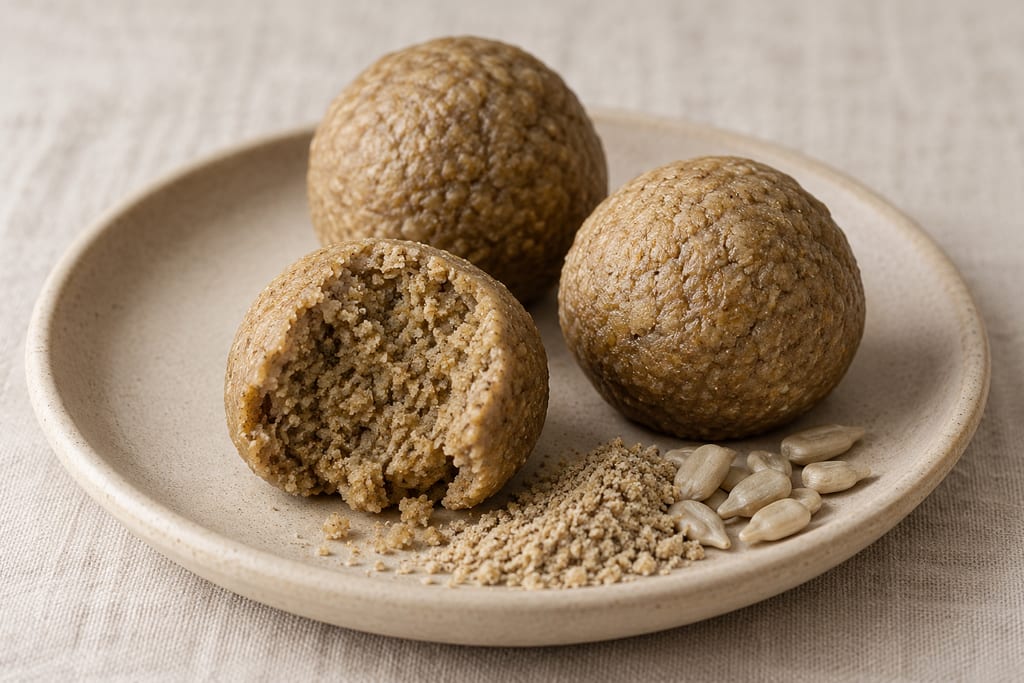
Mapi' are Hidatsa sunflower-seed balls formed from parched meal. This modern, untested kitchen adaptation uses toasted kernels and keeps the historical method distinct.
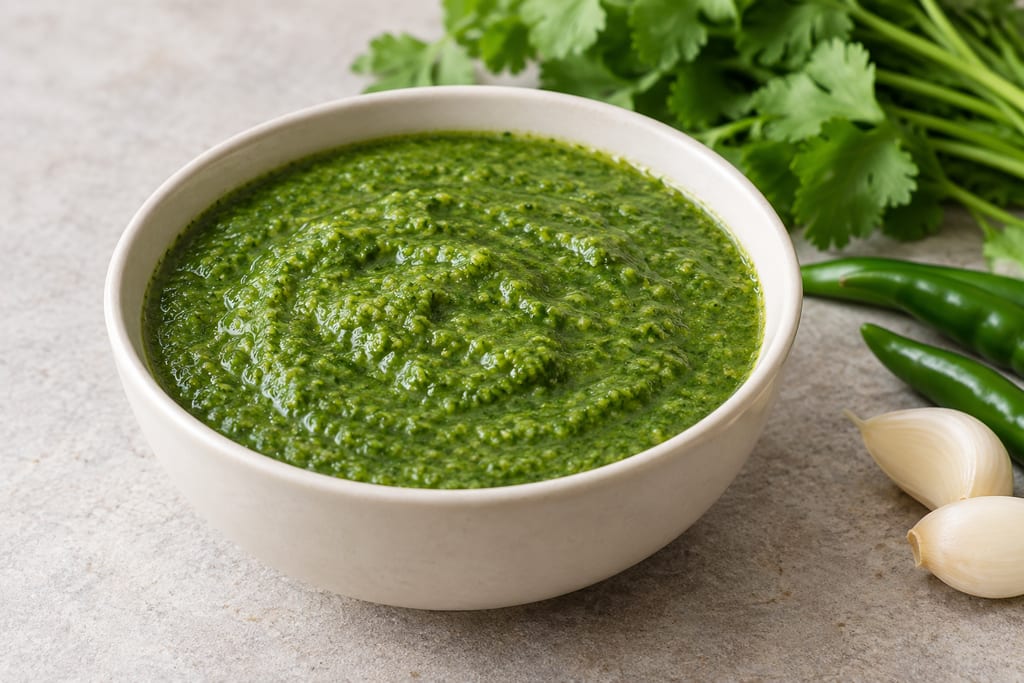
Afghan coriander chatni is a sharp, hot herb sauce with garlic and vinegar. A 2008 Afghanistan manual records green or red pepper and optional walnut; heat and household versions vary.
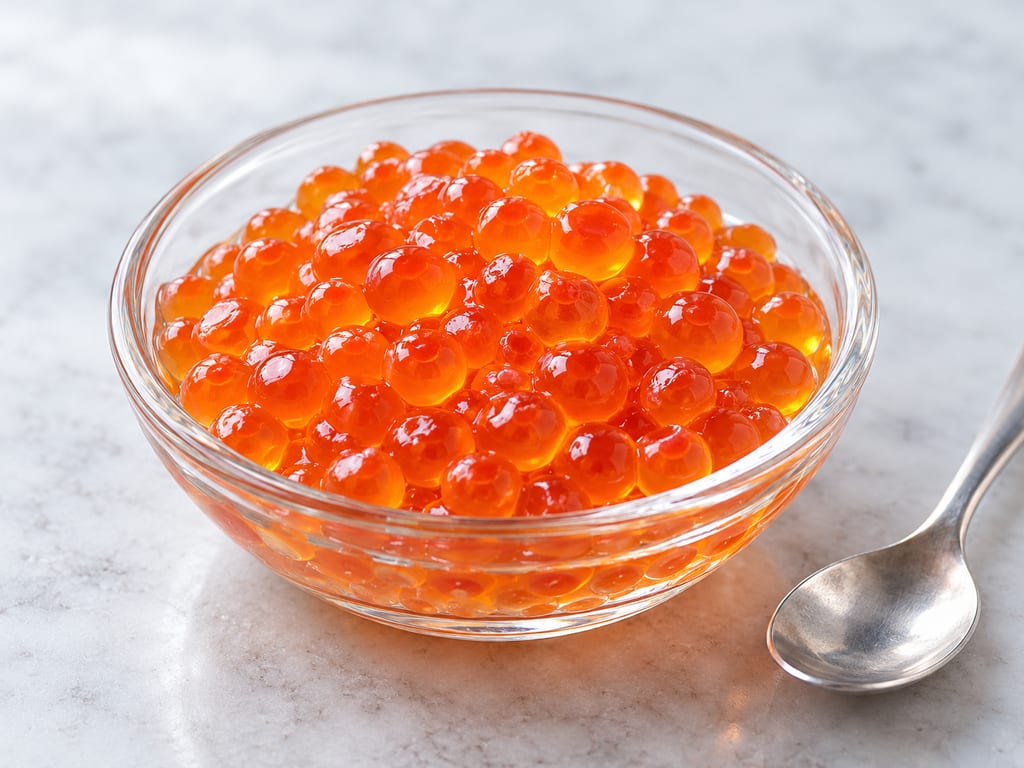
Salmon roe is separated from skeins and treated in two salt-water stages using a University of Alaska Extension formula.
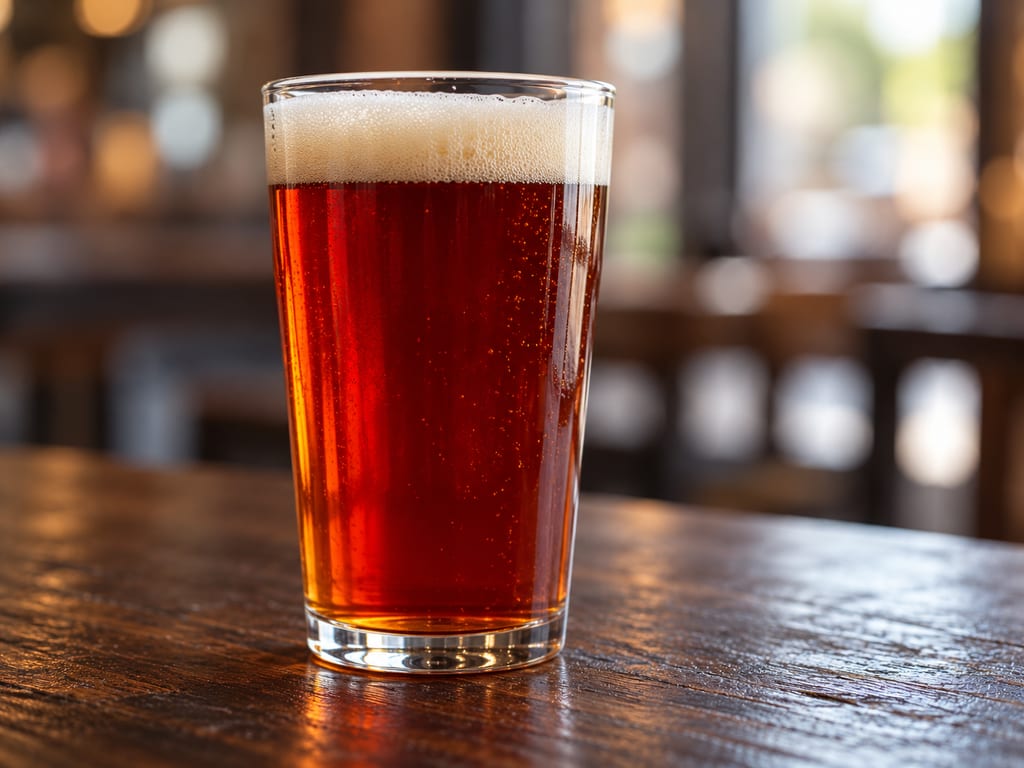
A deep amber-red American ale brewed from pale, Munich, CaraVienne and chocolate malts, bittered with Columbus hops and finished with Amarillo.

Kodiak salmon, halibut and cod cut as seg'aq and hung on an initaq rack to become tamuuq, with kac'amaasaq and kupcuunaq named as different results.
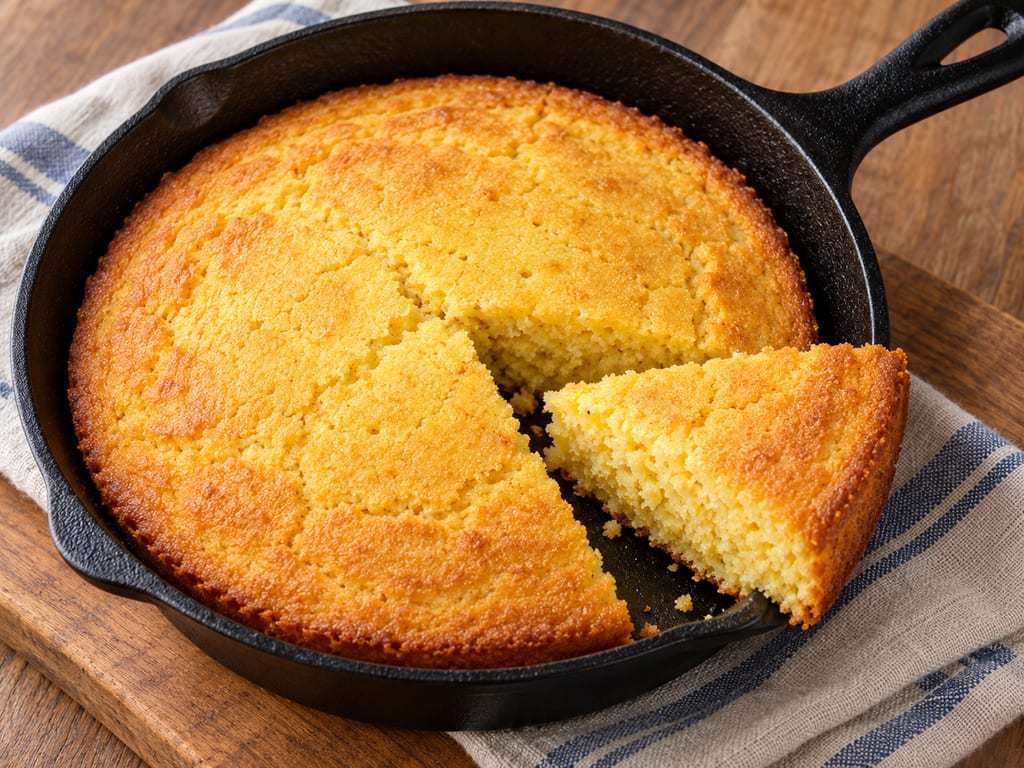
A modern cornmeal-and-wheat cornbread that King Arthur Baking describes as a compromise between Northern and Southern styles. The batter is baked in a pan or as muffins and served warm.
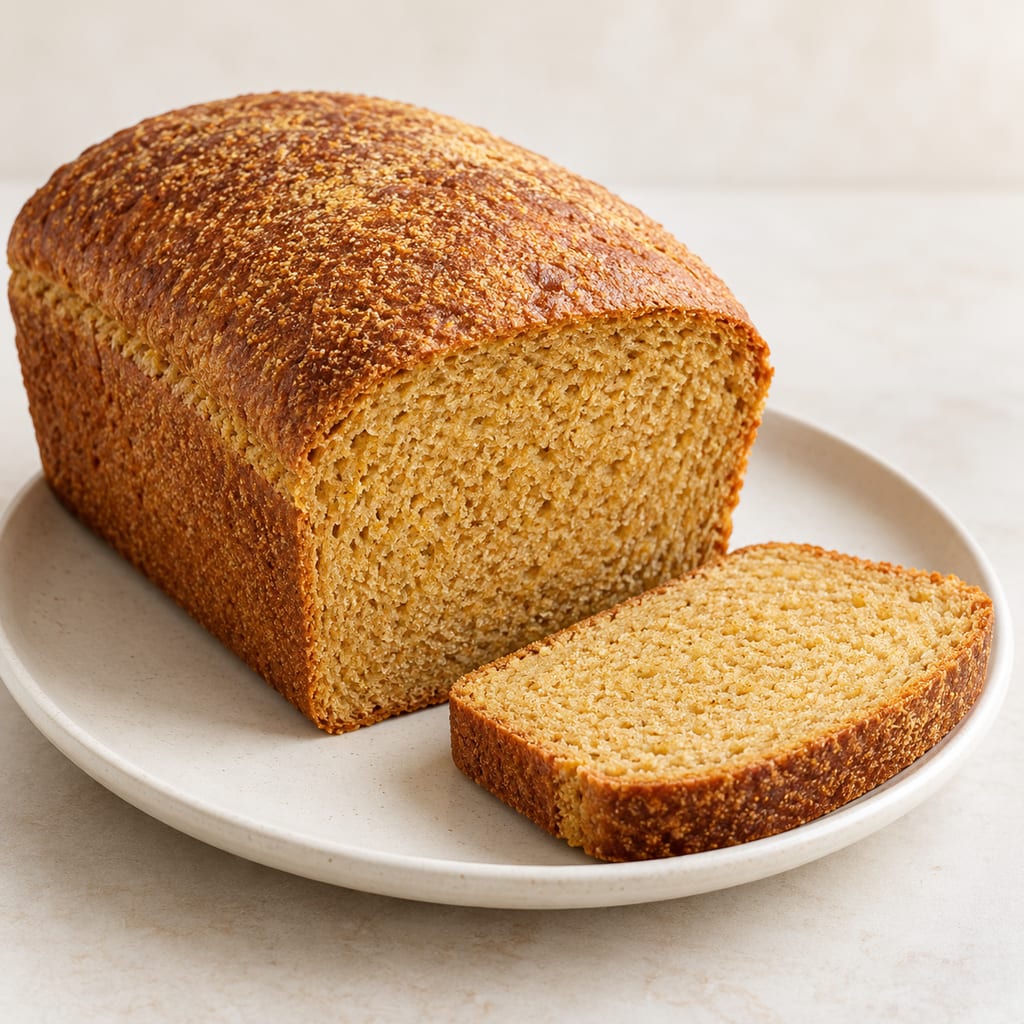
Anadama is a New England yeast loaf made with wheat flour, cornmeal and molasses. Scalded cornmeal enriches the dough, while molasses lends sweetness and a dark crust; it is especially good toasted or beside soup and baked beans.
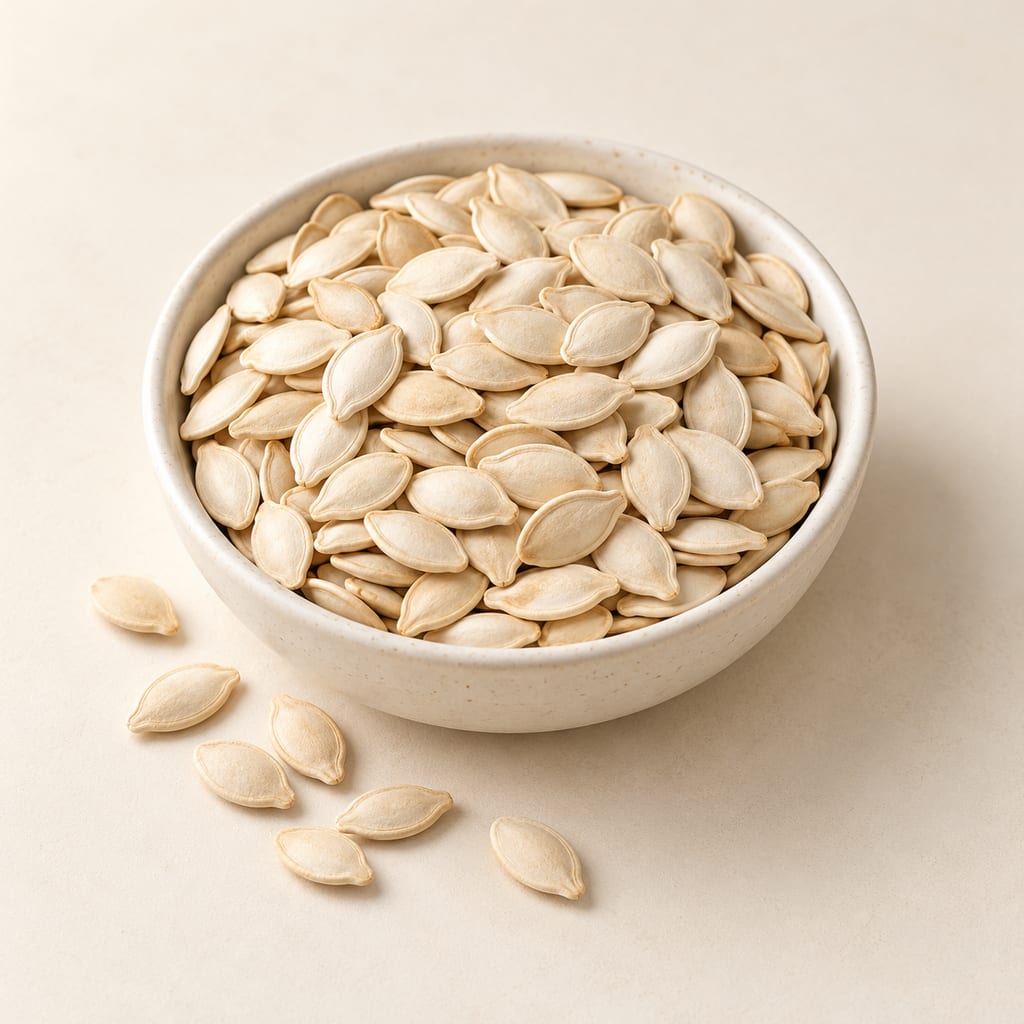
Washed pumpkin seeds dried gently for storage, with an optional roasting step before eating. Refrigerate or freeze the cooled seeds.
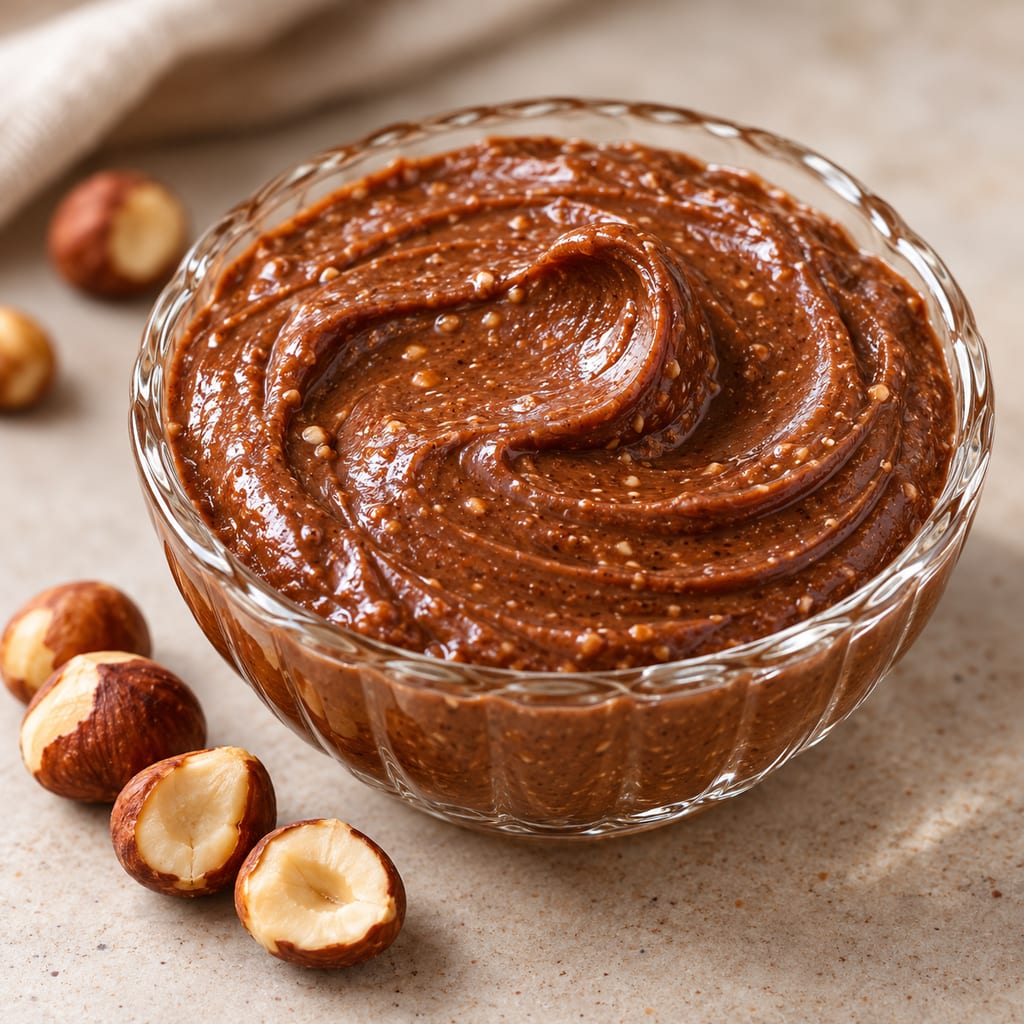
Roasted, skinned hazelnuts refined in a stone melanger into a fluid paste, then sweetened and finished with cocoa as a gianduja-style spread.
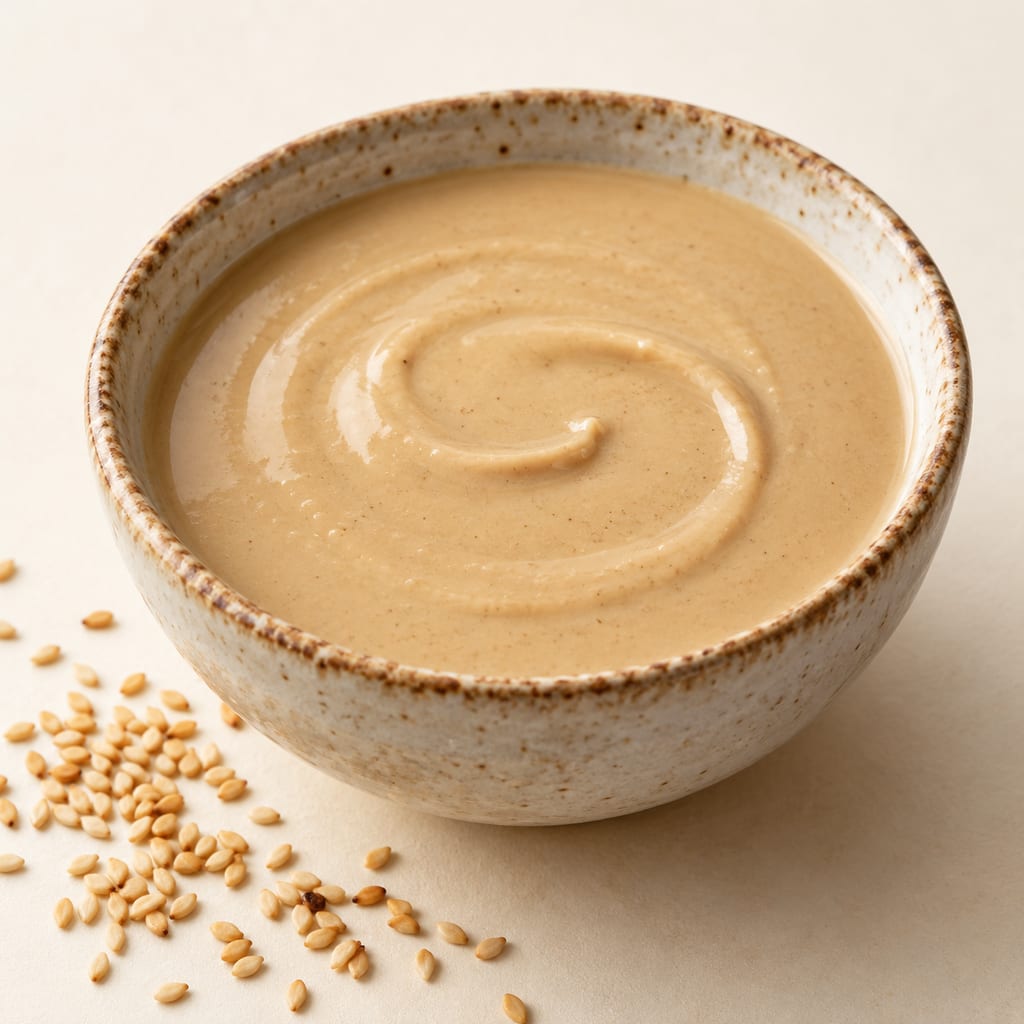
Toasted sesame seeds ground to a pourable paste, made by two manufacturer routes: a high-speed blender in minutes, or a stone chocolate refiner over three hours.

A Cap-Pelé boucanière is an Acadian herring-smoking building. The documented Willie Niles example is a one-storey wood-frame structure with a ridge smoke vent and interior bays for hanging fish-bearing cannes.

Achcharu is a family of Sri Lankan vinegar pickles made with mixed vegetables or seasonal fruit and a piquant spice dressing. This version is a quick, refrigerated, non-fermented mixed-vegetable pickle.

The acocote is a long, hollowed and dried gourd used to draw aguamiel from a mature maguey. It is a harvesting tool: the sap is transferred to a separate vessel before it ferments into pulque.

Adrak murabba preserves young ginger in sugar syrup, a sweet South Asian preparation recorded in Indian cookery and food-processing sources.

Parkia biglobosa seeds are fermented into regional West African seasonings, including nététou, iru, dawadawa and soumbala. The yellow fruit pulp is a separate food, and names and methods vary by place.

Japanese reddish-brown vinegar from sake lees matured about three years, turned to vinegar by acetic bacteria; the vinegar of Handa and Edomae sushi rice.

A refined common-wheat flour blended for a broad range of baking; its protein and behavior vary with wheat, milling and market.

The almond mushroom, Agaricus subrufescens, was cultivated in eastern North America in the 1800s, lost its market, and returned as a cultivated mushroom from Brazil, where it is grown under several names.
No community contributions have been published for this entry yet.
Sign in to contribute. Published comments and photos are free to read.
USDA National Agricultural LibraryHistory · Method
Peanut Butter (W. R. Beattie, 1912)Finely ground, fresh-roasted peanuts with salt
Factories mentioned; product documented by 1912
Cited in: What the name covers; Roasting and grinding; History
Google PatentsHistory
US Patent 567,901Historical patent concerning cooked peanuts; not proof of sole invention
Cited in: History
Smithsonian MagazineHistory
A Brief History of Peanut ButterDisputed early history
Partial hydrogenation in later stabilisation
Cited in: What the name covers; History
U.S. Food and Drug AdministrationSafety
Food AllergiesPeanuts are a major food allergen
Cited in: Allergy and safety
U.S. Food and Drug AdministrationSafety
MycotoxinsPeanuts are susceptible to aflatoxins
Cited in: Allergy and safety