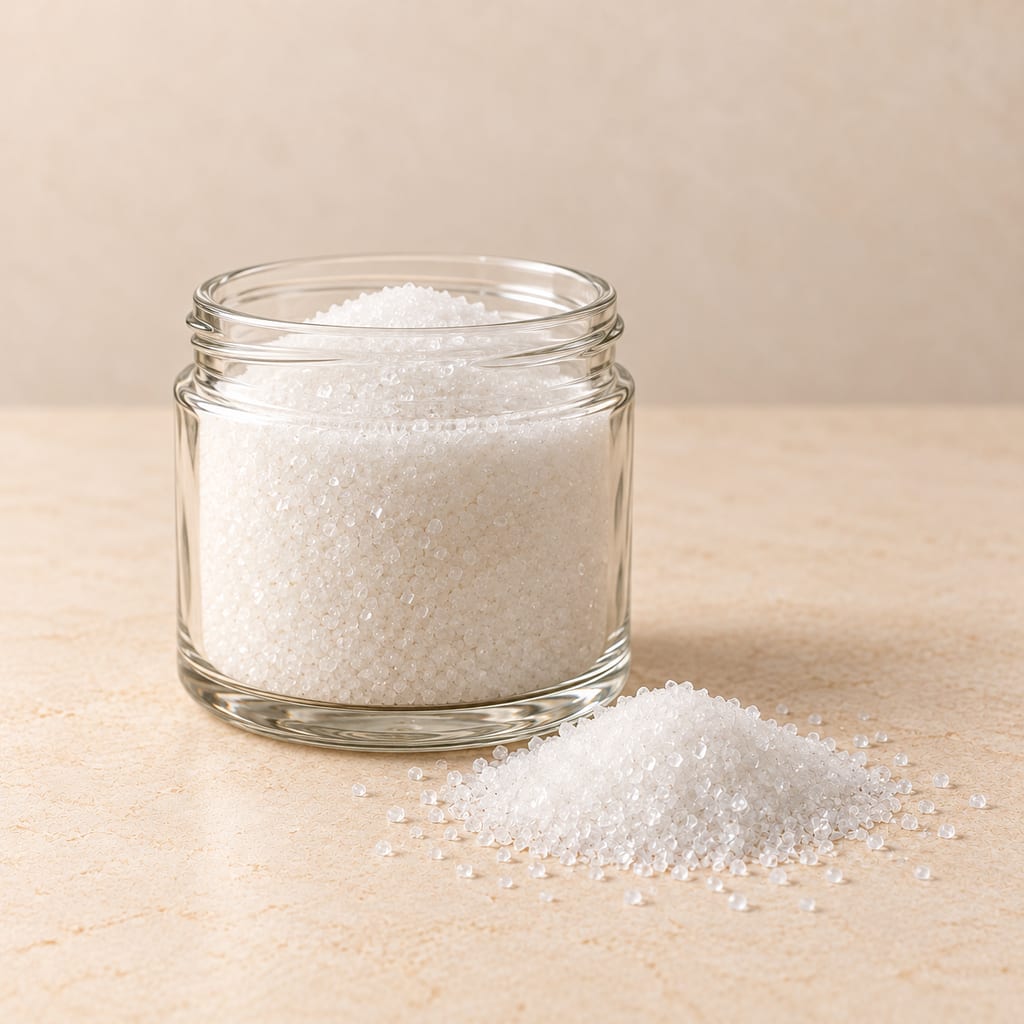
Sugar
Sugar is a family of sweeteners with different forms and food roles; refined white sucrose may come from cane or beet, while less refined forms add other flavours and moisture.
 FermenteaWhere food goes to change
Modern method
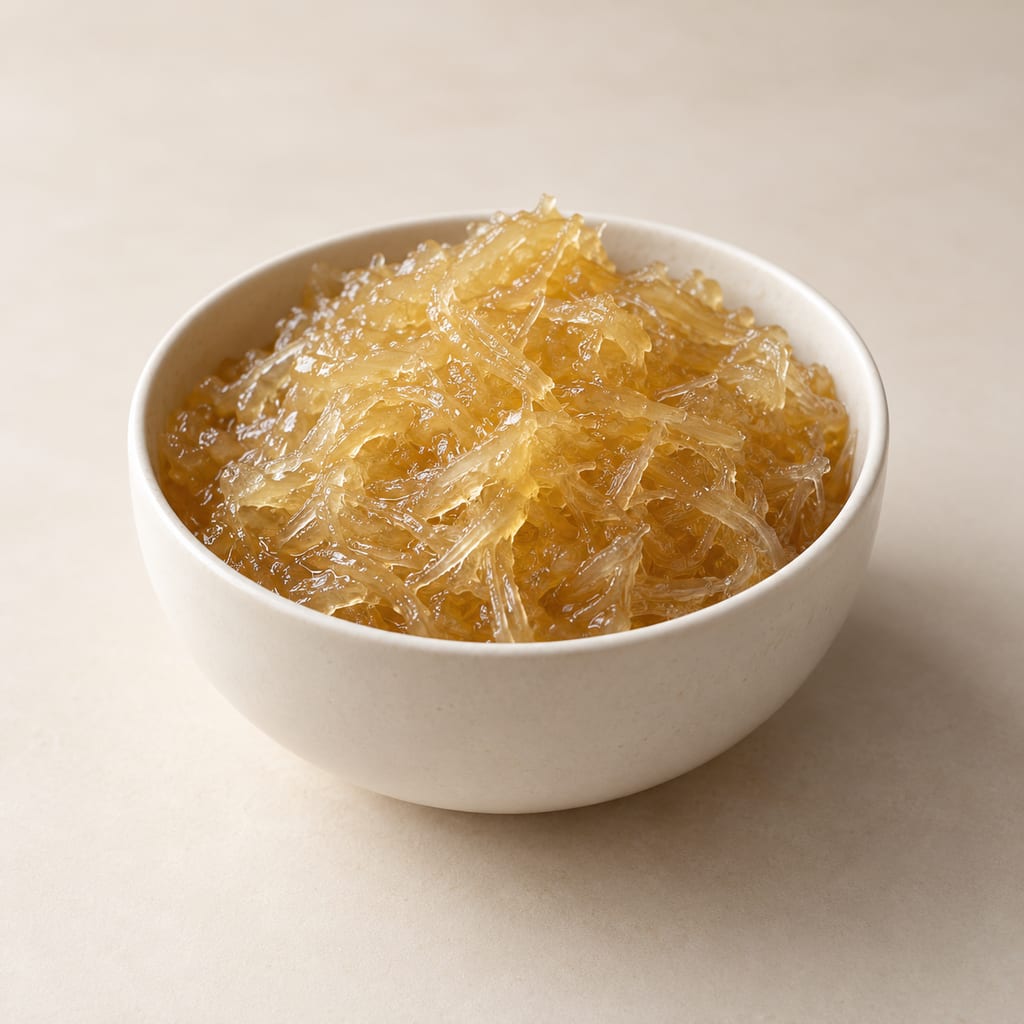
Fine strands of Cucurbita ficifolia cooked in an equal weight of sugar, then portioned for refrigerator or freezer storage. Ordinary orange pumpkin does not give the same fibres.
Storage for this version: Cool in small portions and refrigerate within one to two hours at 5°C or below (aim for 4°C). Use the fresh chilled portion within 48 hours; freeze the winter portions promptly at about −18°C in freezer-rated containers with expansion space. Thaw in the refrigerator and use within 24 hours of complete defrosting. This is the collection's conservative handling policy, not a laboratory shelf-life result for this preserve.
Cabello de ángel, “angel hair”, is a sweet preserve made from the strands of figleaf squash, Cucurbita ficifolia. Spain's agricultural ethnobotanical inventory identifies this crop as cidra or calabaza de cabello de ángel; the official Spanish tourism site provides a preparation associated with Murcia.
This is a useful global comparison, but an ordinary orange Halloween pumpkin is not a direct substitute if the desired result is the characteristic pale, distinct strands. Use a correctly identified edible figleaf squash. Use the species named here to obtain those strands.
Example after draining: 500 g prepared squash strands require 500 g sugar and 50 ml syrup water. Weigh at the stated stage; weighing the unpeeled fruit instead gives the wrong ratio. The citrus peel is an aromatic, not an acidification measure.
The output is a concentrated ingredient, not a complete meal or pastry. Its fibres remain distinct because of the squash selected and the preparation method. This is different from blending pumpkin into a purée and adding sugar until it looks like jam.
The source uses a conventional syrup endpoint; it does not give a measured water activity or a home-canning schedule. In this collection, the preserve is frozen to carry it into the next season. Do not infer that the equal-weight sugar ratio is sufficient evidence for storing a closed jar at room temperature.
Chile's official cultural-heritage catalogue also records alcayota as a fruit used for homemade sweets and jams. Names such as alcayota, cayote, chilacayote and chiverre occur in different parts of the Spanish-speaking world, but names alone do not establish that every locally named sweet uses an identical cultivar, seasoning or process.
For a post-Halloween project in Britain, this is best presented as an additional global tradition with a special-ingredient requirement. If only ordinary pumpkins are available, the Portuguese, Brazilian or Turkish entries are more direct ways to use them. No claim of a medieval origin for the modern Cucurbita preserve is made here.
Cool in small portions and refrigerate within one to two hours at 5°C or below, aiming for 4°C. Use the fresh chilled portion within 48 hours. Freeze winter portions promptly at about −18°C in freezer-rated containers with expansion space. Thaw in the refrigerator and use within 24 hours of complete defrosting. These are conservative handling instructions, not a measured shelf life for this particular preserve. Sugar concentration, a jam-like set and a sealed lid do not establish a home-canning process.
Storage for this version: Cool in small portions and refrigerate within one to two hours at 5°C or below (aim for 4°C). Use the fresh chilled portion within 48 hours; freeze the winter portions promptly at about −18°C in freezer-rated containers with expansion space. Thaw in the refrigerator and use within 24 hours of complete defrosting. This is the collection's conservative handling policy, not a laboratory shelf-life result for this preserve.
Scaling: source batch only
Freezer for winter; conservative 48-hour refrigerated handling
Hazard sourceFreezer for winter; conservative 48-hour refrigerated handling
Control sourceFreezer for winter; conservative 48-hour refrigerated handling
Do not transfer a canning schedule from a different pumpkin preparation.
Geographical association of this documented version, not an asserted origin.
Sugar is a family of sweeteners with different forms and food roles; refined white sucrose may come from cane or beet, while less refined forms add other flavours and moisture.
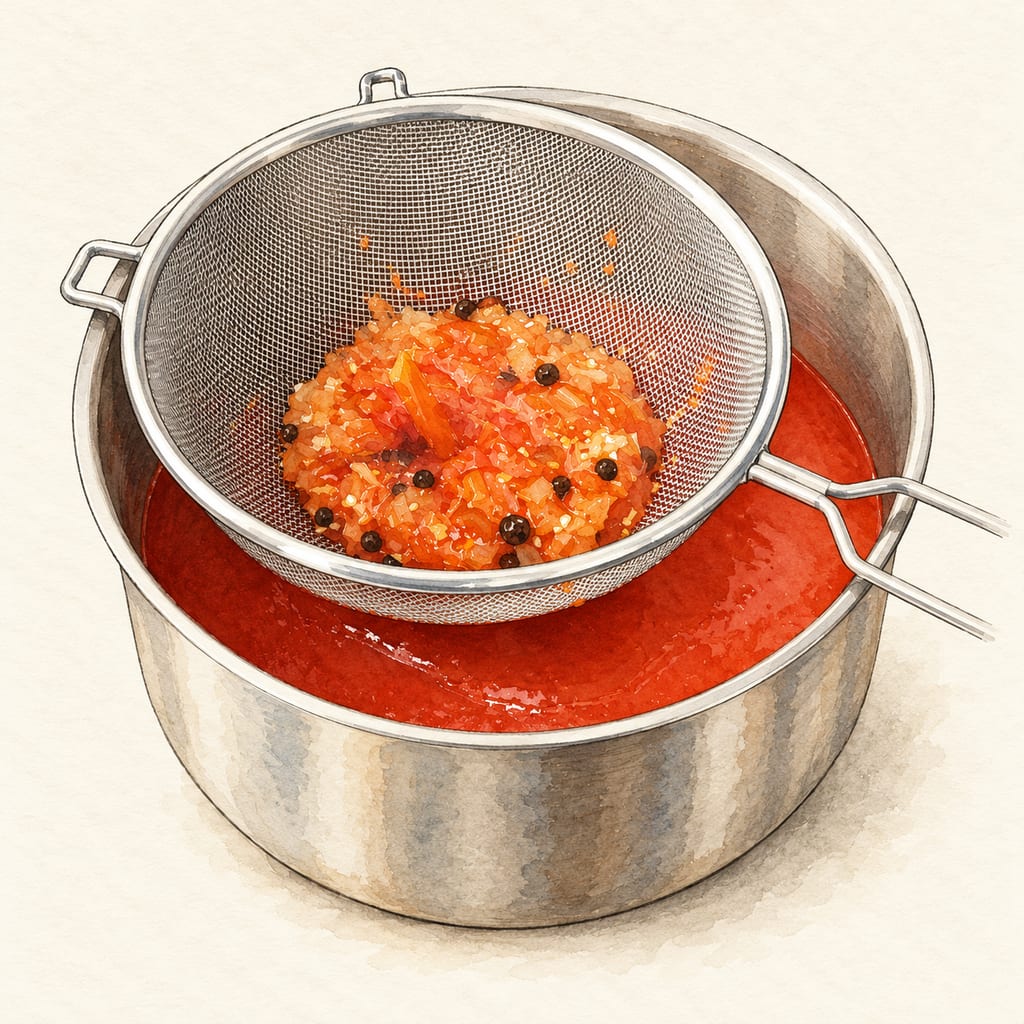
A fine-mesh kitchen sieve separates small solid particles from a sauce or paste. It can smooth tomato ketchup or mustard, but each use retains some pulp or seed material instead of letting it pass through.
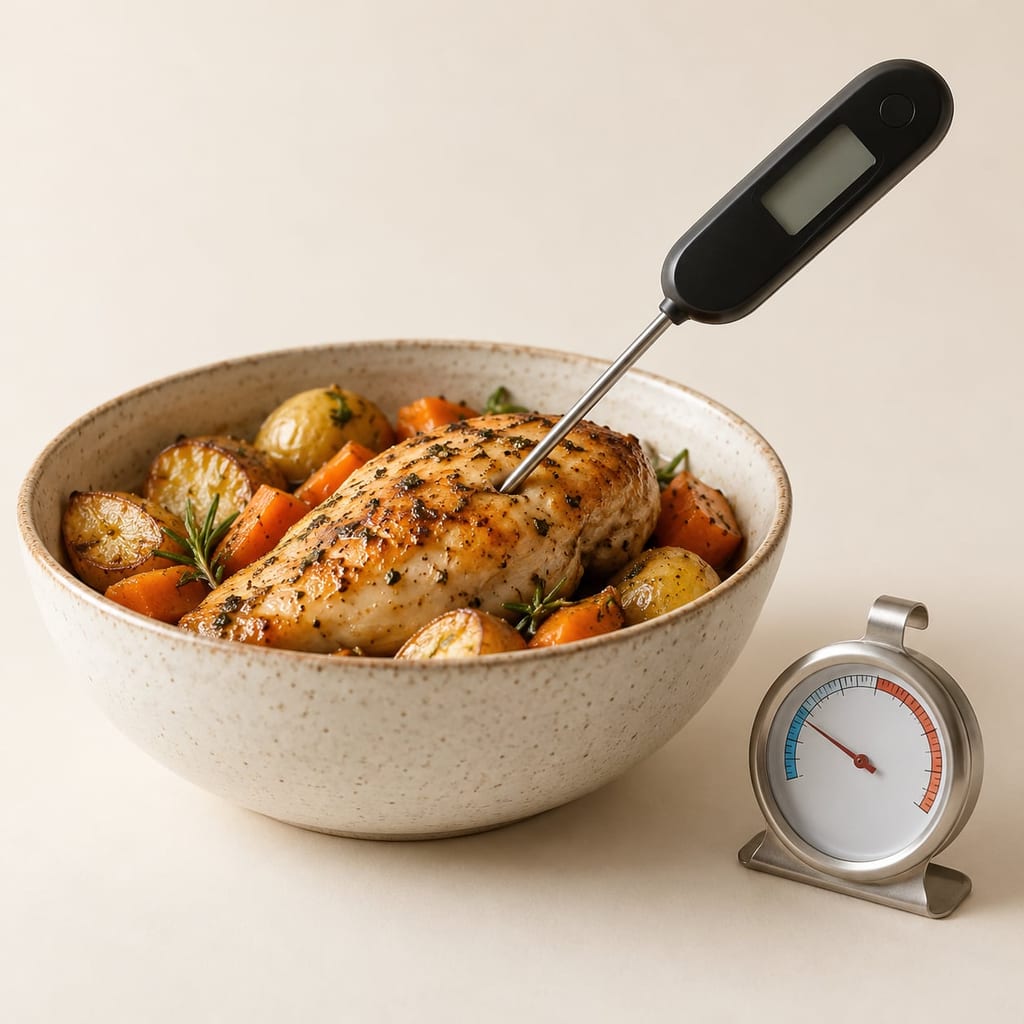
A food probe measures the temperature inside food at the probe tip; a refrigerator thermometer measures the cold storage environment. They answer different questions and cannot establish acidity or validate a preservation process.
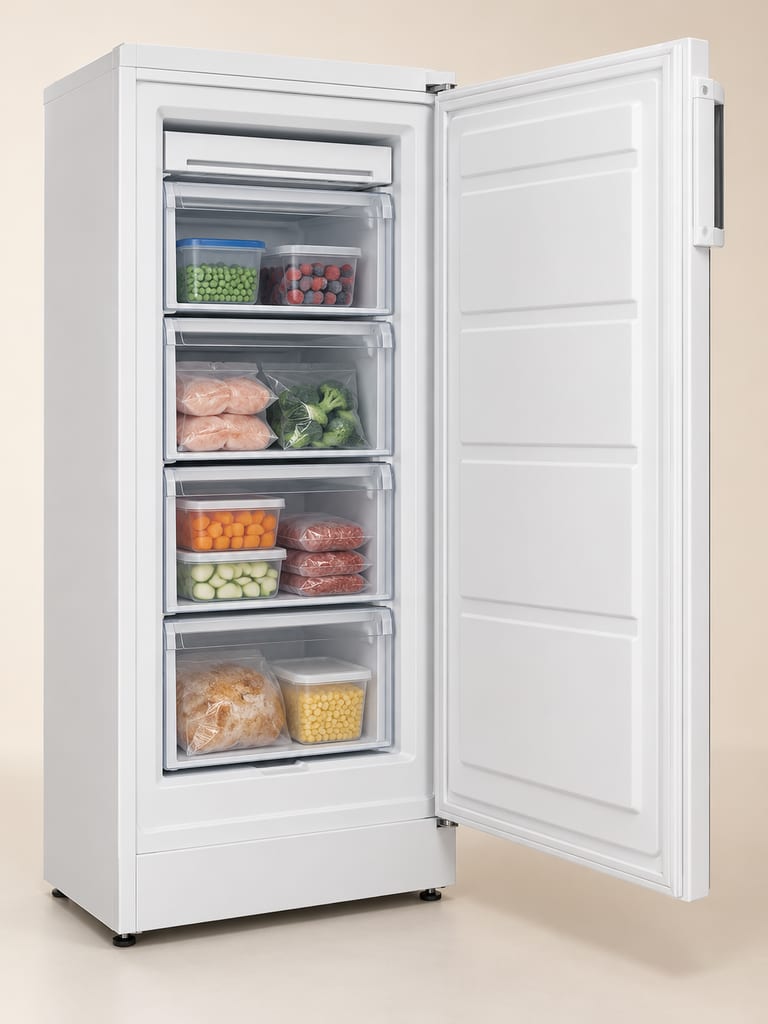
A household freezer holds food in a frozen state for storage and selected texture or separation work; its batch-storage role differs from industrial equipment that freezes individual pieces separately.
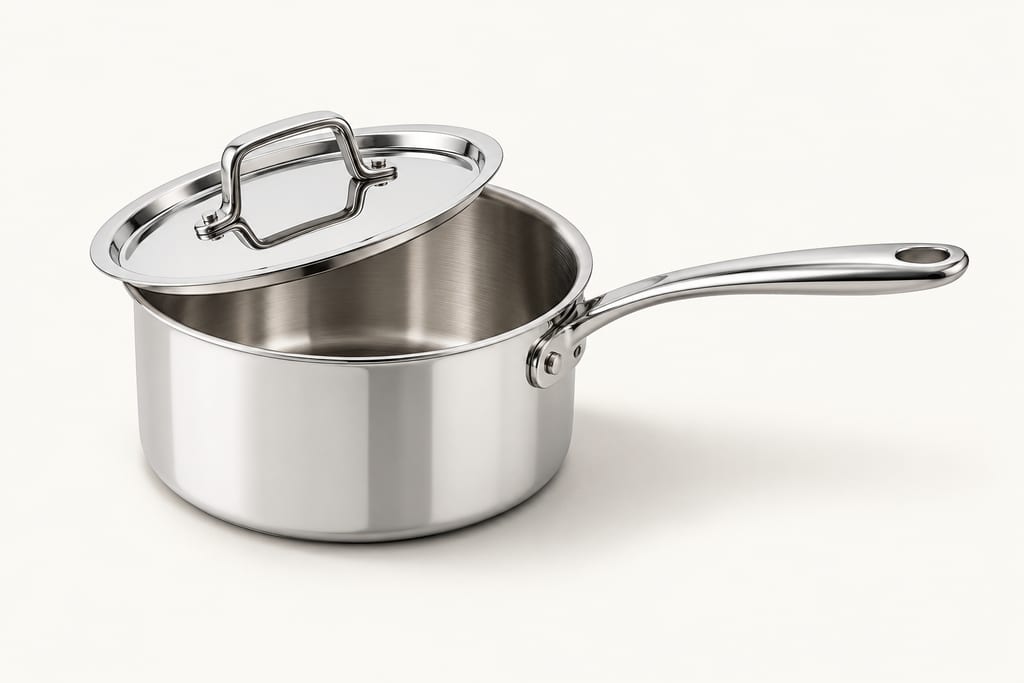
A modern, portable stovetop pan with a stainless-steel cooking surface for sauces and other small simmering jobs. Size, cladding, lid, compatibility and care vary by model.
An ordinary household refrigerator used to store selected fresh produce in vented crates or drawers, at low temperature and at a humidity chosen by the drawer. Not every crop benefits from cold.
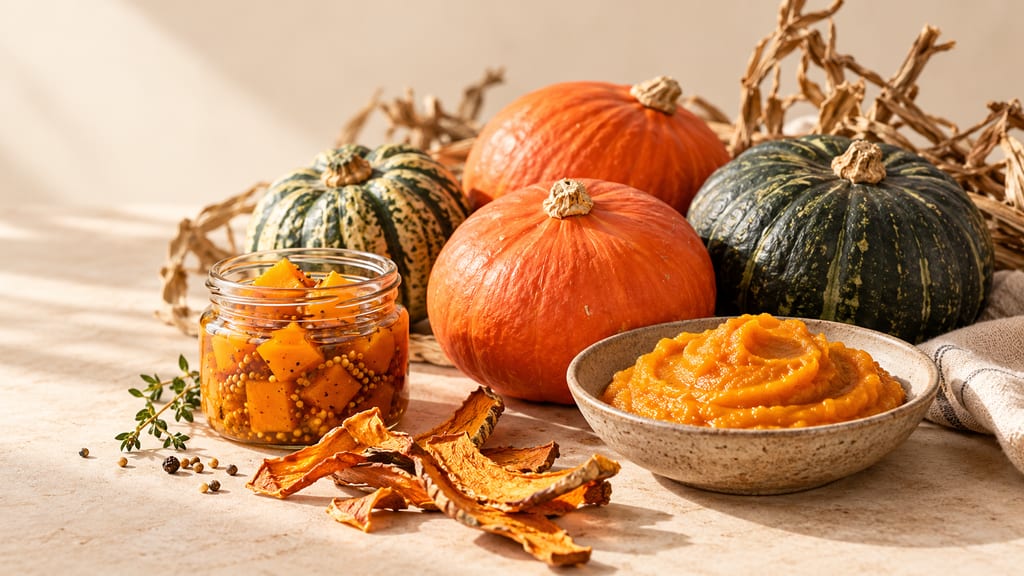
A full harvest-to-pantry guide to keeping pumpkins whole, drying and freezing them, and making pickles and sweet preserves around the world—with the exact distinction between tested canning and cold storage.
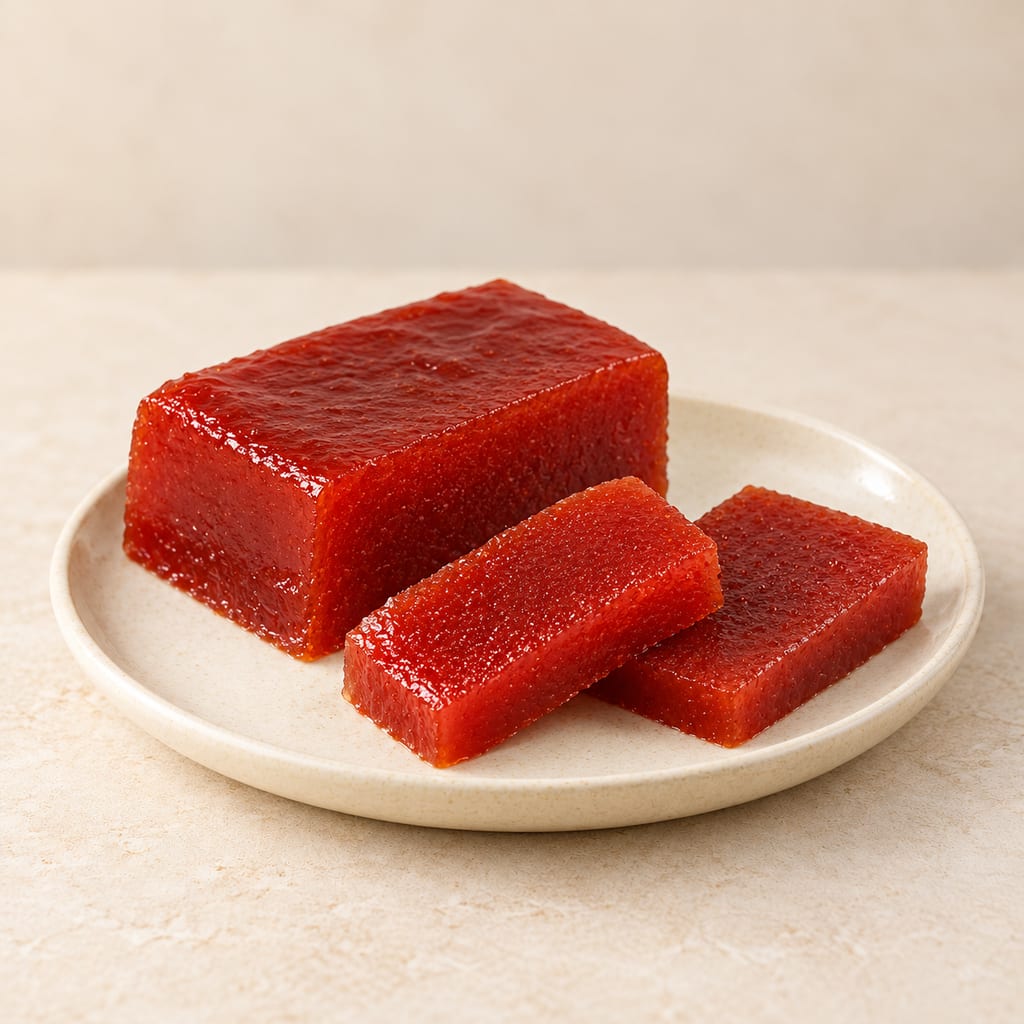
Dulce de membrillo is quince cooked with sugar into a firm paste for slicing. This family method softens the fruit in a pressure cooker, then blends it and leaves it to set.
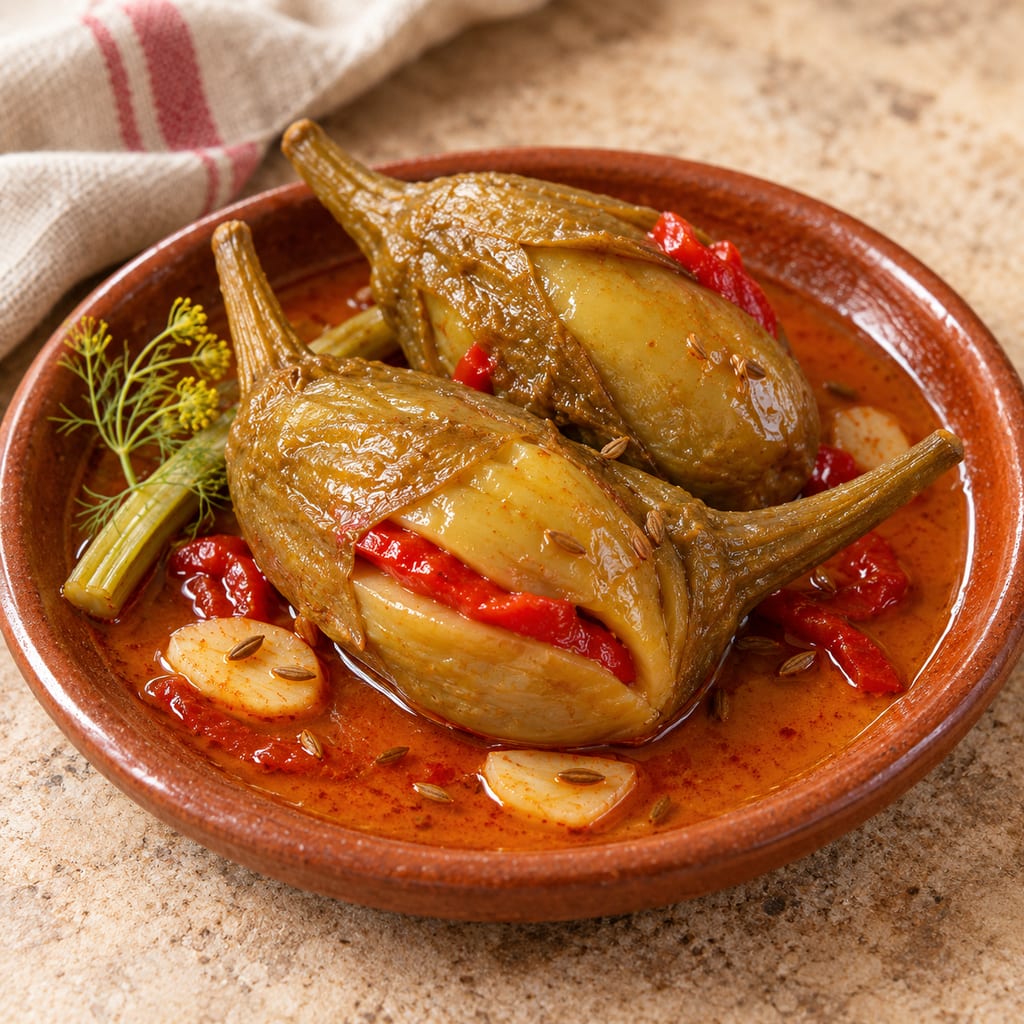
A protected aubergine preserve from Ciudad Real in Spain: tender fruit of the local Dealmagro variety, cooked briefly and then fermented in a vinegared, paprika-seasoned dressing.
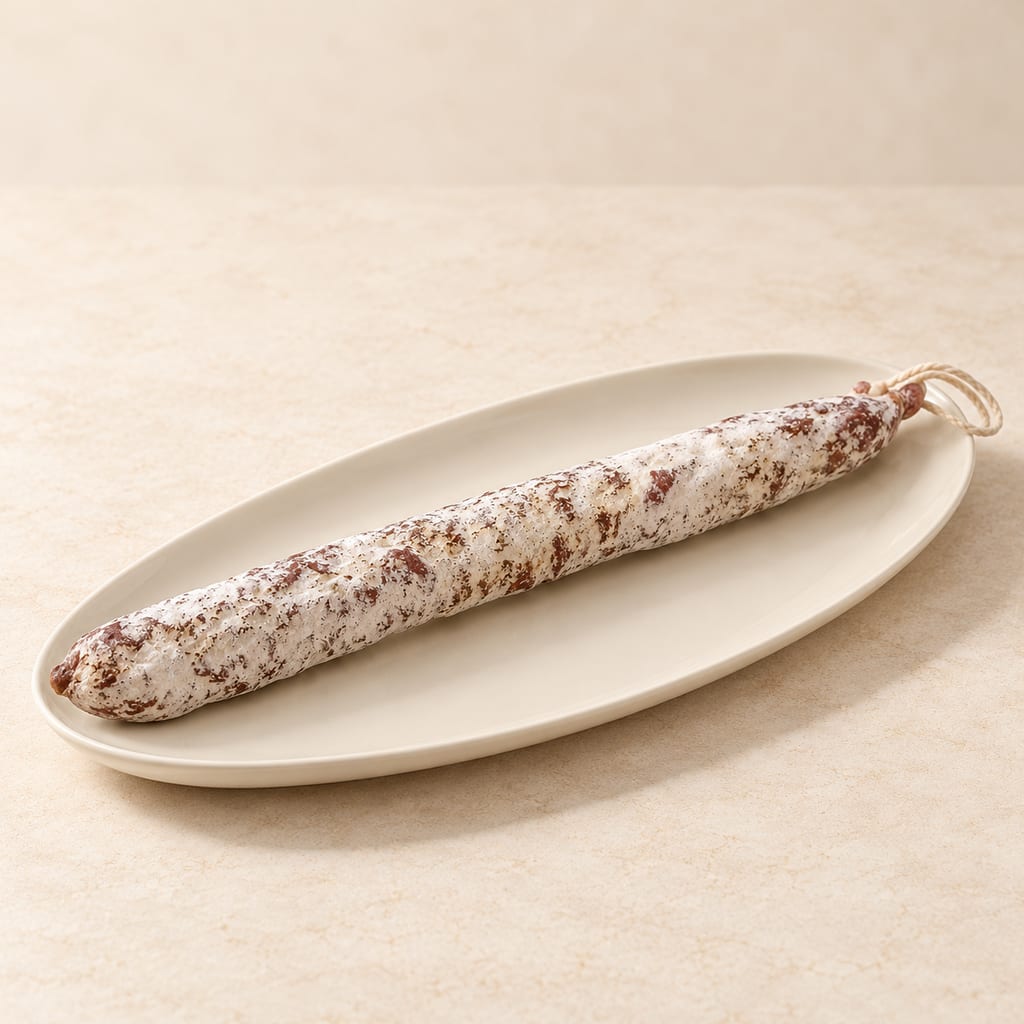
A documentary account of a modern starter-cultured Fuet formula and its place in Catalan sausage culture. The cited raw-pork process lacks matched safety validation, so this page does not present it as a household recipe.
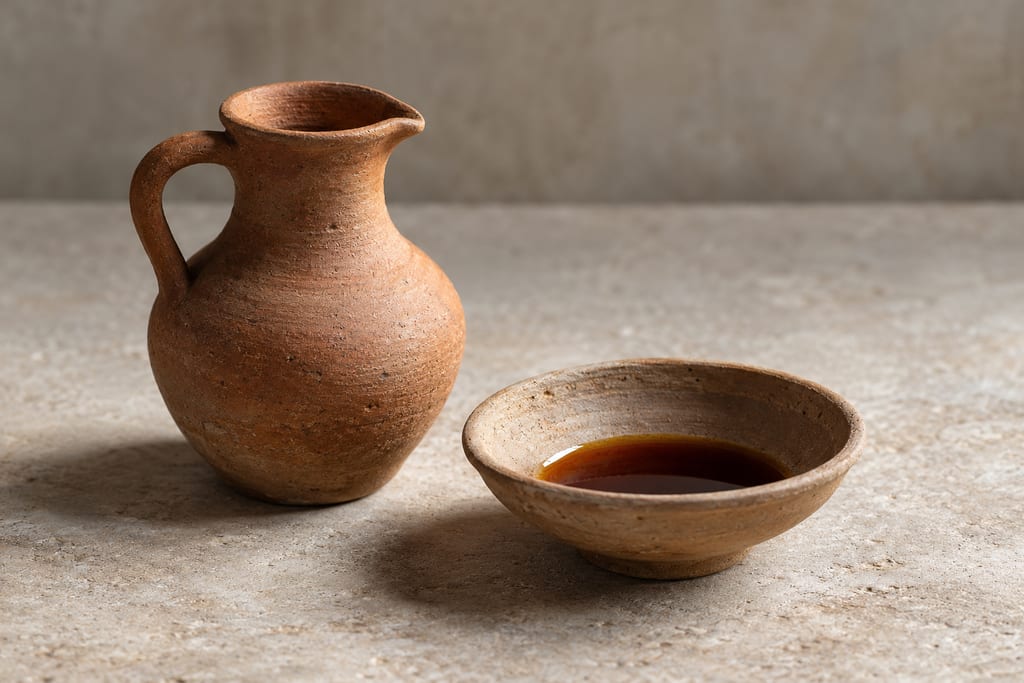
Garum, Greek garos and Latin liquamen, was the fish sauce of the ancient Mediterranean: fish and viscera salted and left in the sun, then drained off as a savoury liquid.
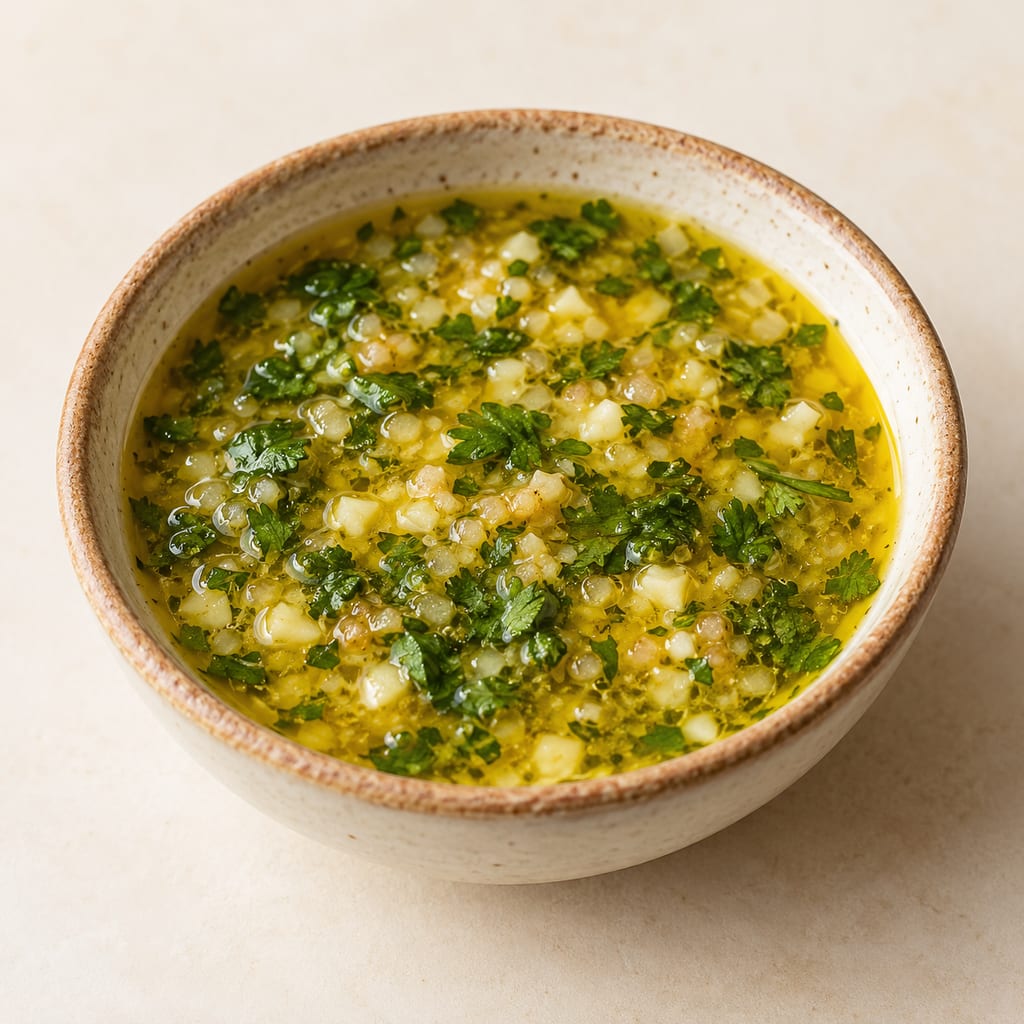
Mojo criollo is a Cuban sauce of garlic and sour orange juice with oil and herbs, used to marinate roast pork and as a dip.
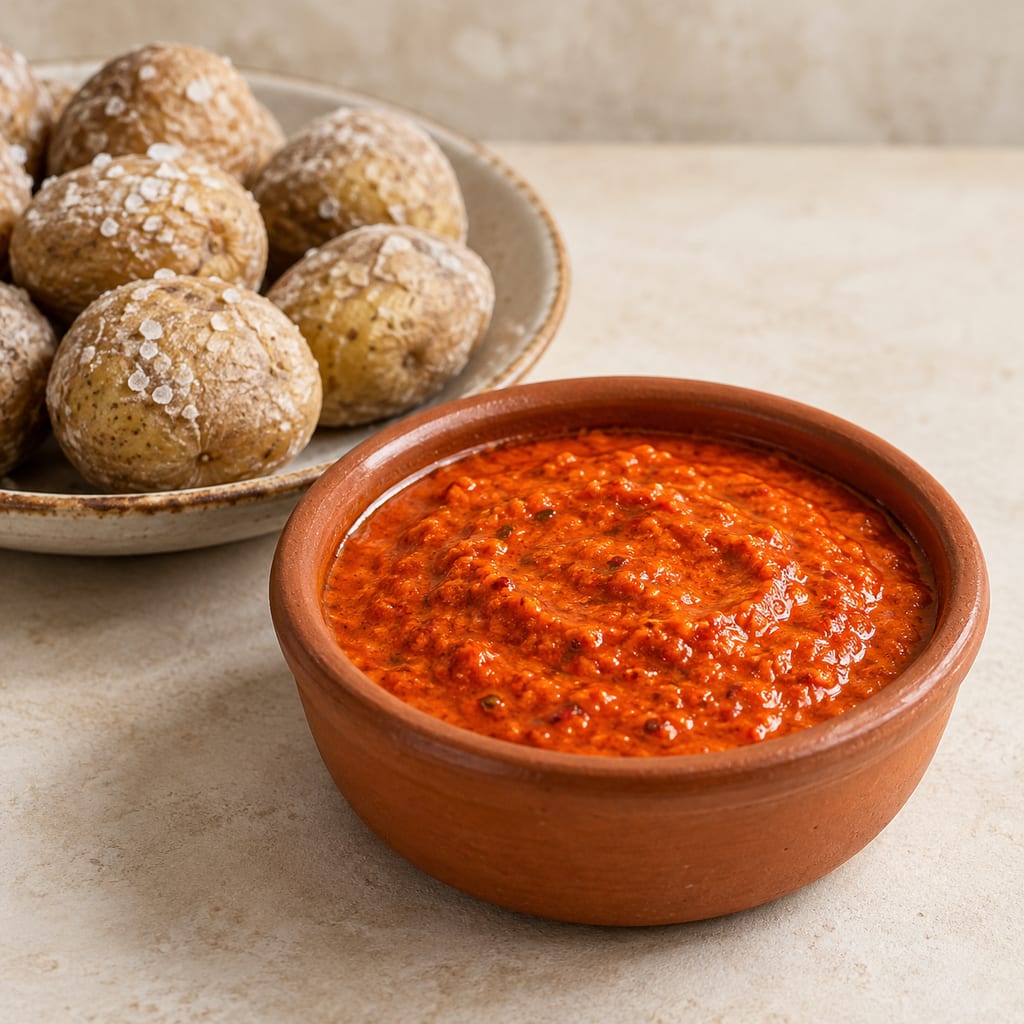
A red sauce of garlic, dried or fresh red pepper, paprika and cumin in olive oil and vinegar, served with salt-cooked potatoes across the Canary Islands.
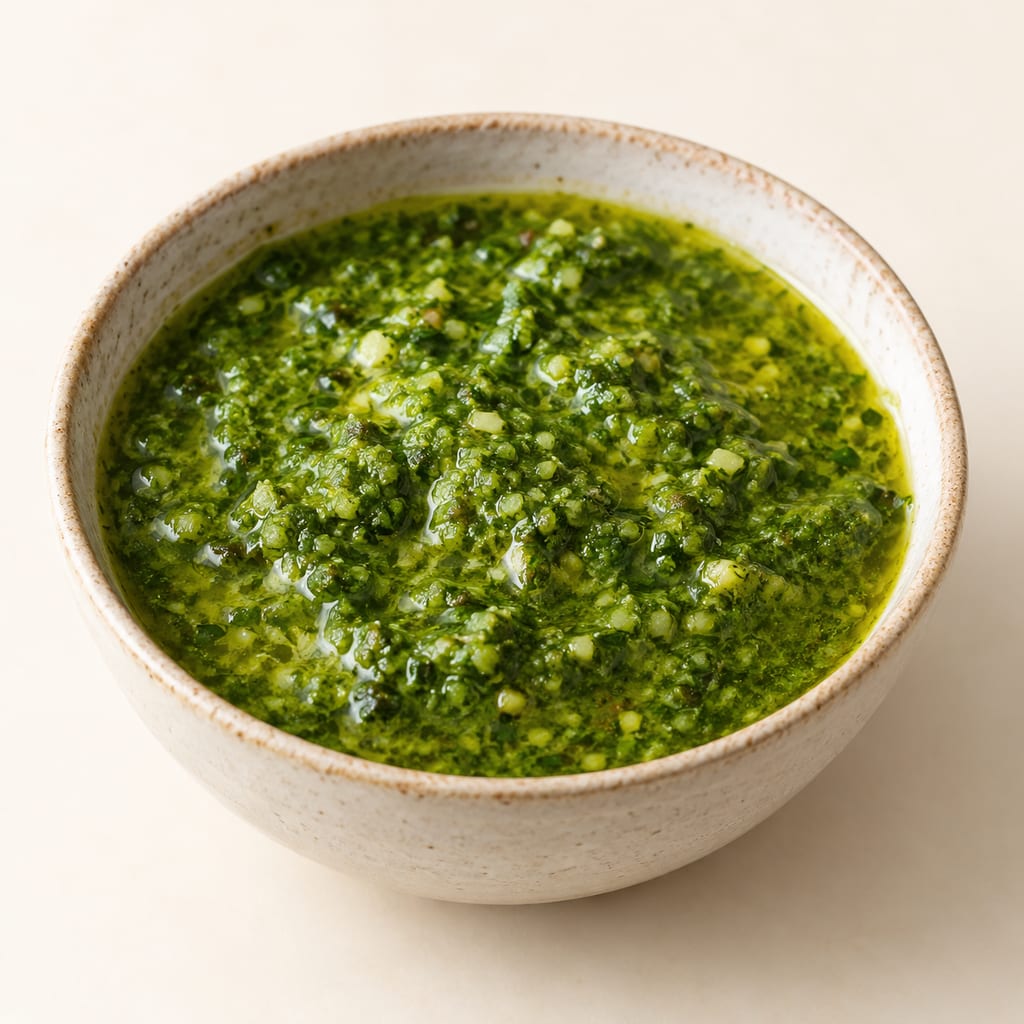
A green sauce of garlic, cumin, green chilli and fresh coriander or parsley in olive oil and vinegar, traditionally served with fish in the Canary Islands.
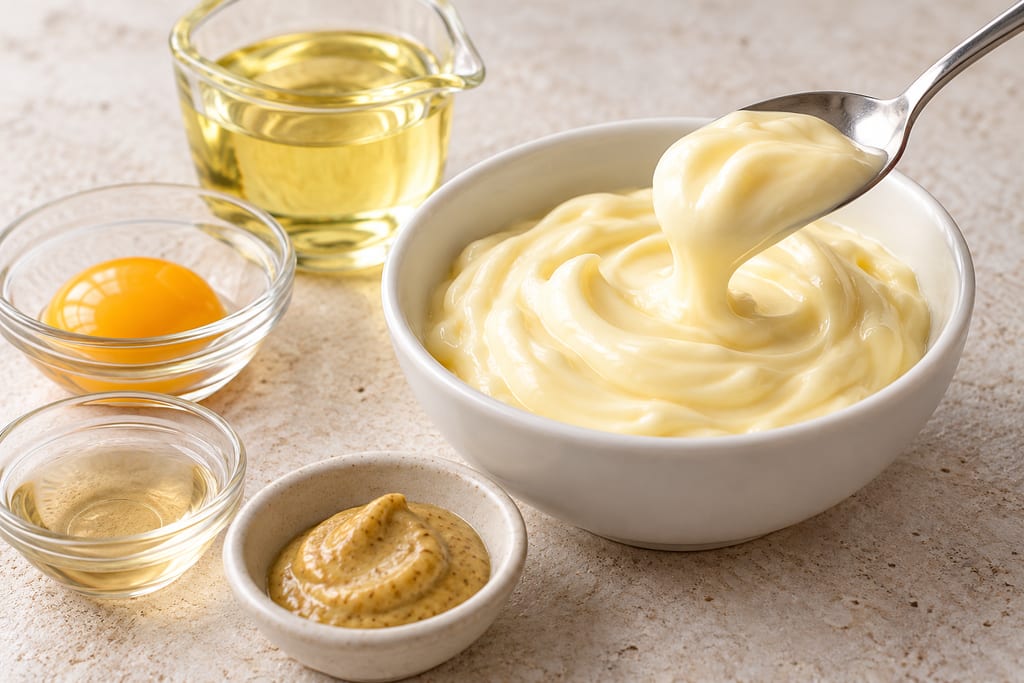
A plain mayonnaise of 200 g refined neutral oil emulsified into pasteurised yolk, vinegar, water and a little Dijon mustard: a clean base for tasting, comparing and flavouring.
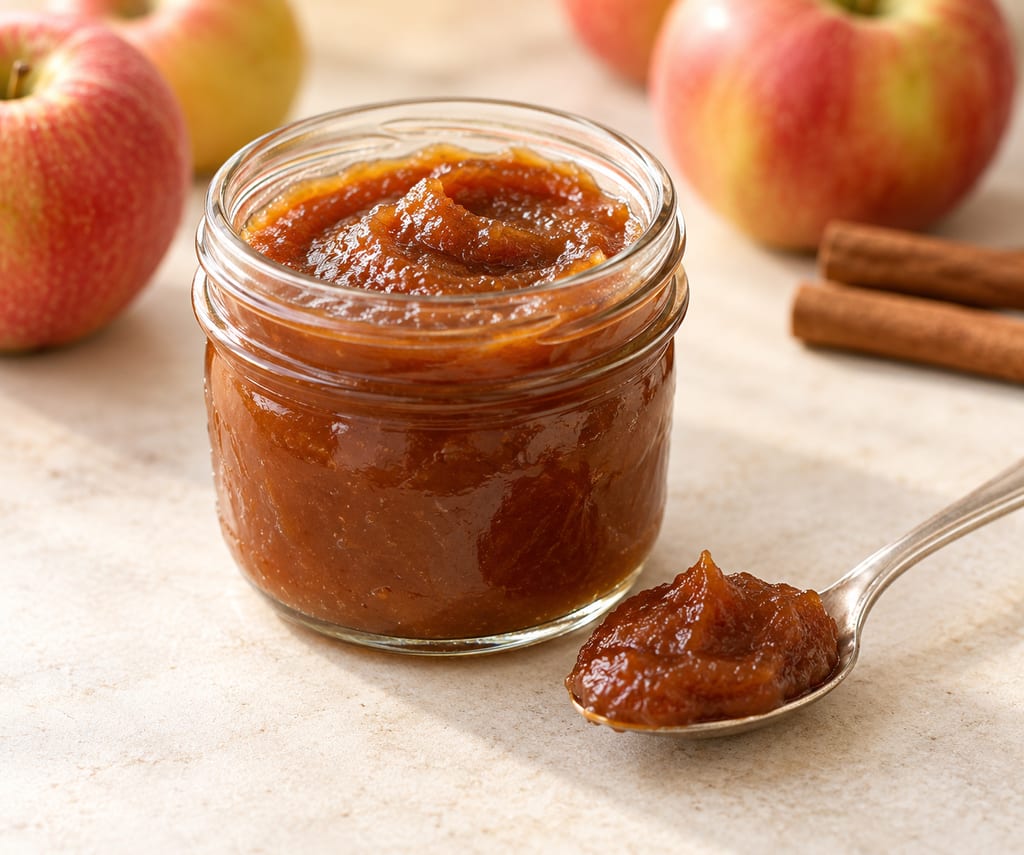
Apple butter is a smooth, concentrated apple preserve cooked with cider, vinegar, two sugars and spices, then hot-filled and processed in a boiling-water canner using the published jar-size and elevation schedule.
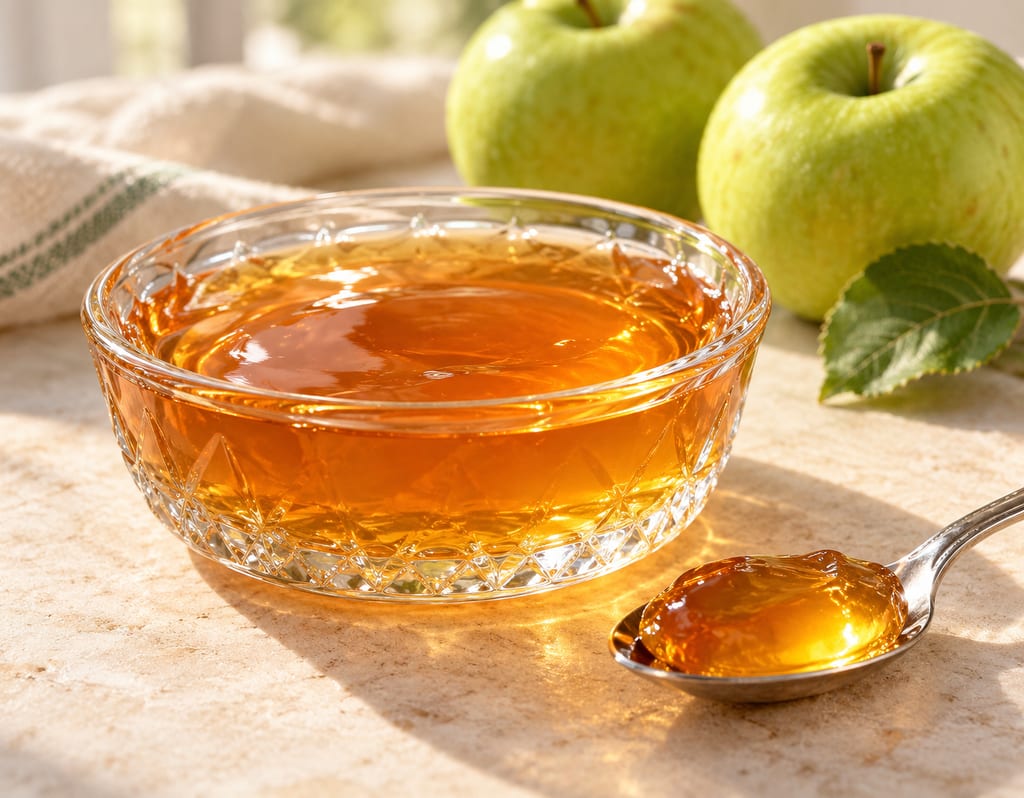
A clear jelly made from tart-apple juice, sugar and optional strained lemon juice. This batch uses a stated fruit-to-water preparation, gel endpoint, hot fill and altitude-adjusted boiling-water process.
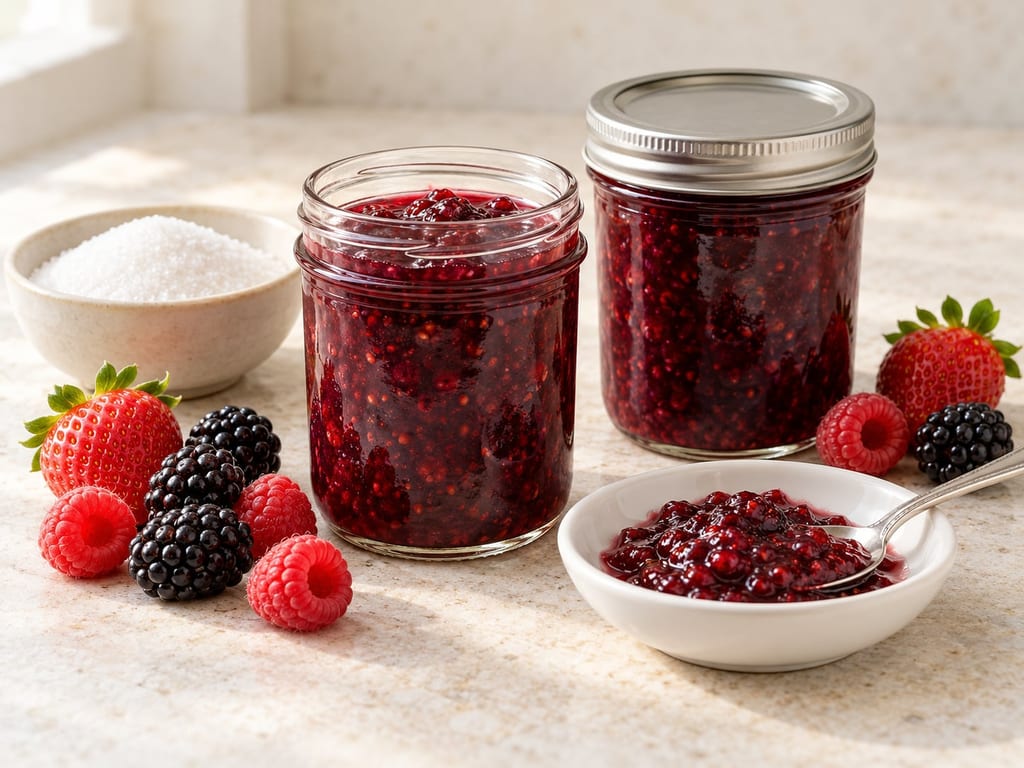
A NCHFP berry jam made without added pectin: crushed berries and sugar are cooked to the desired gel point, hot-filled into sterile half-pint or pint jars, and processed in a boiling-water canner.
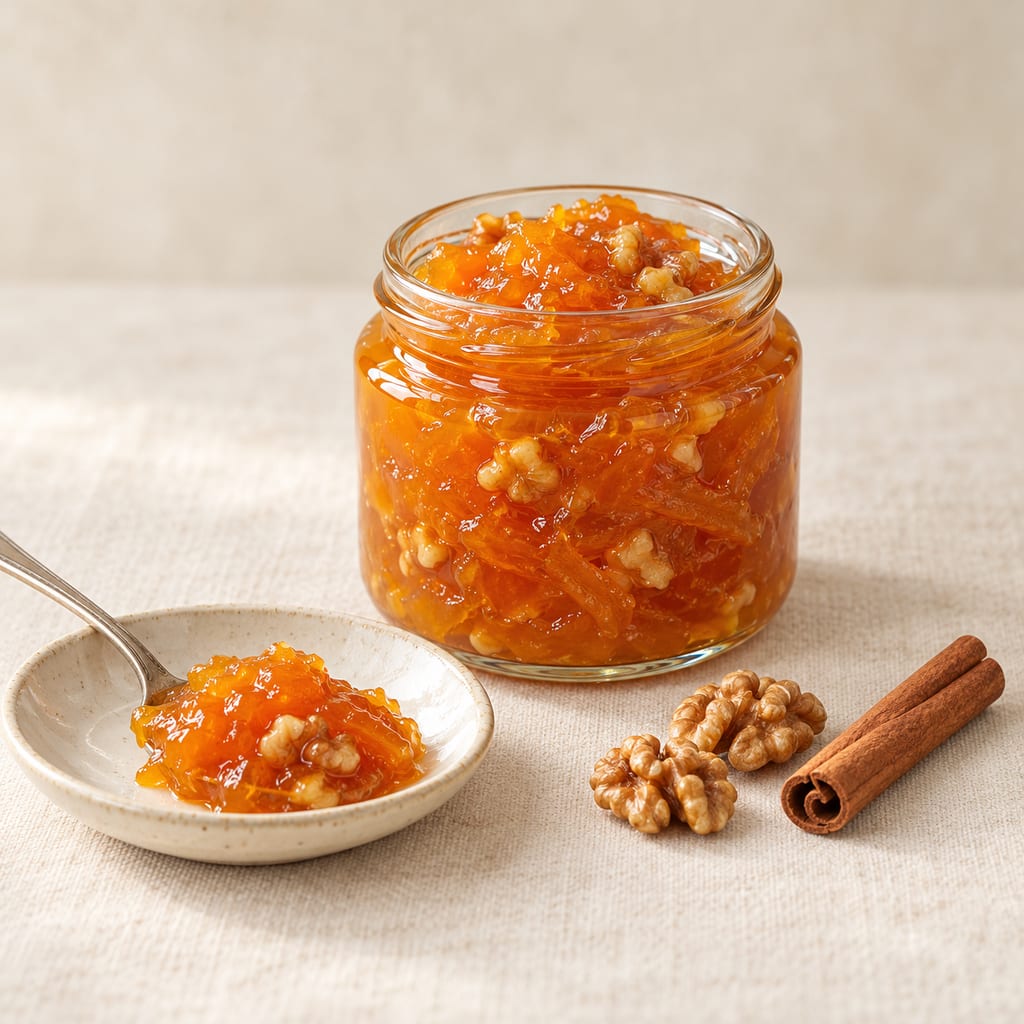
Portuguese pumpkin jam cooked with cinnamon and optional walnuts. A sweet spread to refrigerate or freeze, rather than a home-canned preserve.
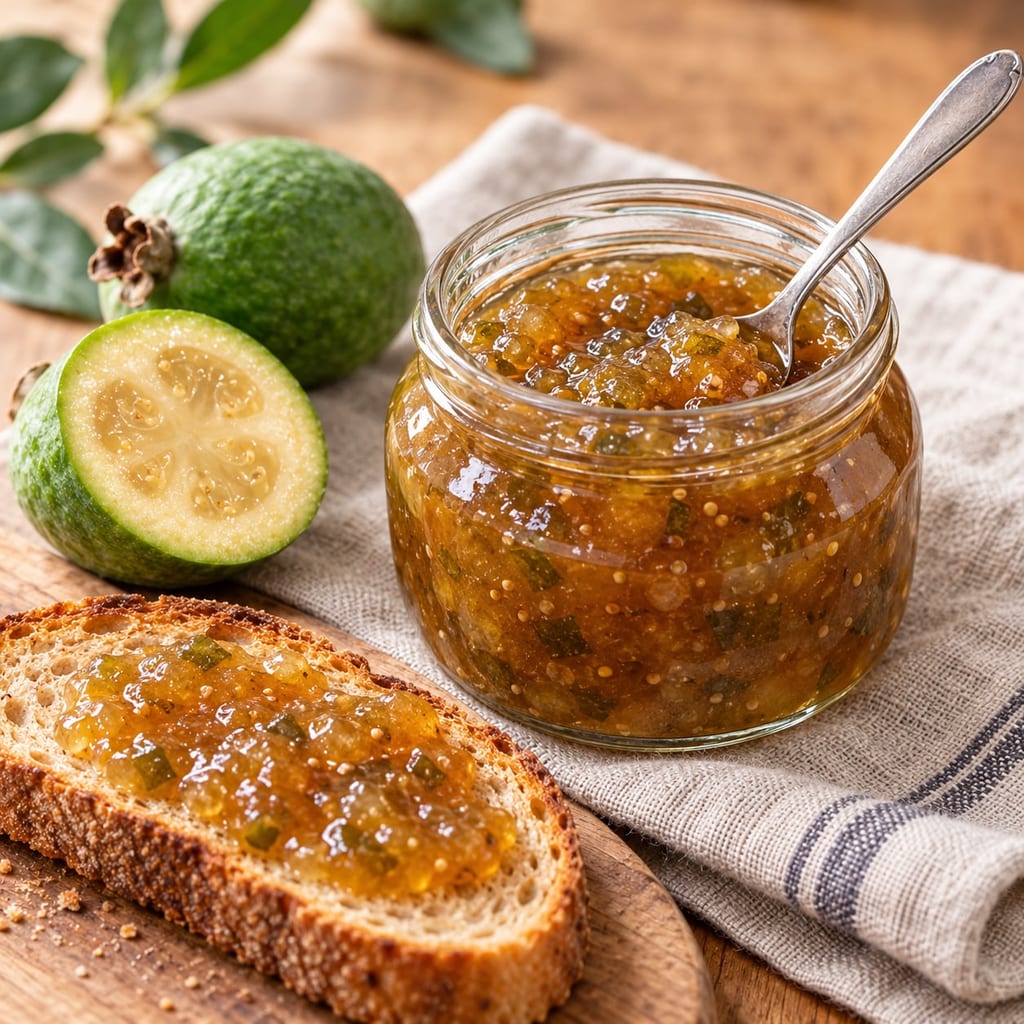
Blended whole feijoas simmer into a skin-on jam with lemon, sugar and vanilla. The skins remain for a more textured finish; keep this batch refrigerated or frozen because its method has no validated shelf-stable canning process.
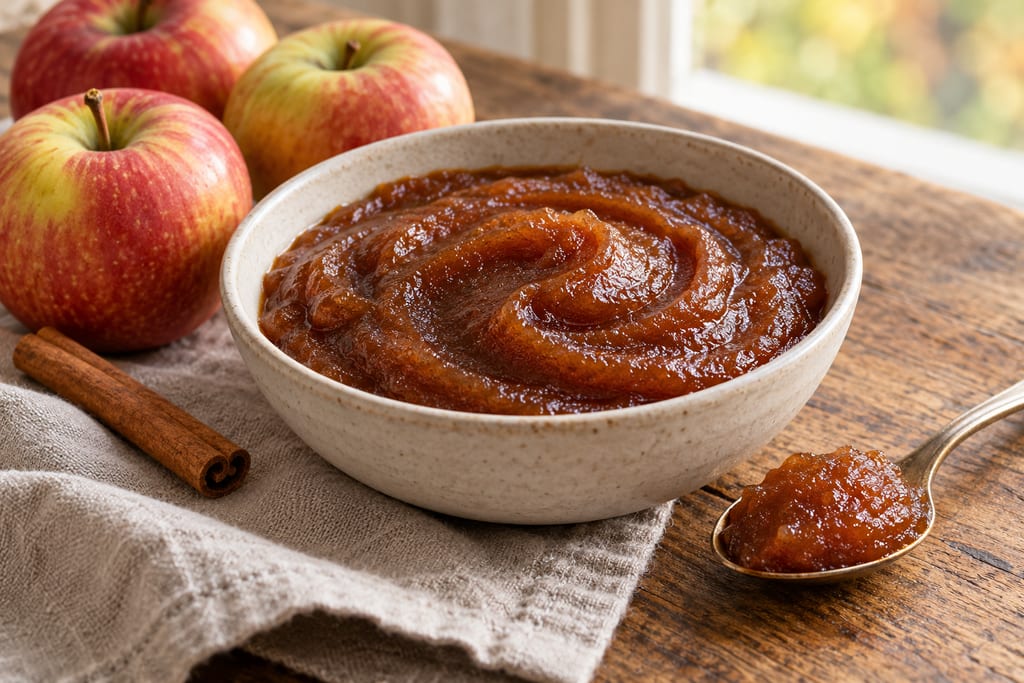
A smooth fruit pulp cooked down with sugar and spice until it holds its shape on a spoon, made by three documented routes in a slow cooker, a microwave or an electric multicooker.
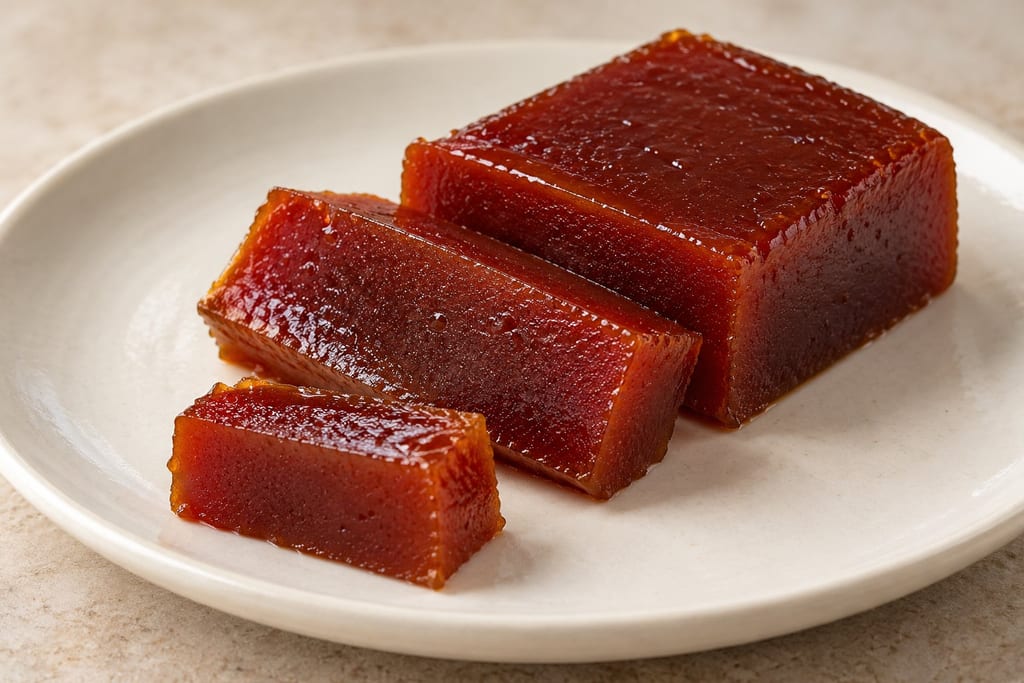
Cooked, sieved guava pulp is reduced with sugar and lime juice to a sliceable paste, then refrigerated. This adapted trial begins with prepared pulp and has no validated canning process or storage duration.

Jam is fruit cooked with enough sugar and concentration to reduce the water available to microbes. Jelly uses clarified juice and firmer fruit pastes lose still more moisture.
No community contributions have been published for this entry yet.
Sign in to contribute. Published comments and photos are free to read.
www.mapa.gob.esMethod · Context · Handling
Inventario Espanol Cucurbita speciesCucurbita ficifolia identity
Cited in: The preserve; Ingredients; What makes this a preservation preparation?; Regional connection and evidence limit
www.spain.infoMethod · Context · Handling
Spain official tourism portal: Cabello de angelSpecial squash strand preserve formula
Cited in: The preserve; Ingredients; What makes this a preservation preparation?; Regional connection and evidence limit
www.cultura.gob.clMethod · Context · Handling
Catalogo alimentario patrimonial ChileAlcayota species and preserve use
Cited in: The preserve; Ingredients; What makes this a preservation preparation?; Regional connection and evidence limit
plants.ces.ncsu.eduMethod · Context · Handling
Cucurbita ficifolia ChilacayoteSpecies and names
Cited in: The preserve; Ingredients; What makes this a preservation preparation?; Regional connection and evidence limit
agris.fao.orgMethod · Context · Handling
Cucurbita ficifolia 16588Chiverre common name
Cited in: The preserve; Ingredients; What makes this a preservation preparation?; Regional connection and evidence limit
www.food.gov.ukMethod · Context · Handling
Food Standards Agency: Chilling, freezing and defrostingDocumented preparation, regional context or preservation handling, with the limits stated in the text.
Cited in: The preserve; Ingredients; What makes this a preservation preparation?; Regional connection and evidence limit; Chilling and freezing this preserve
www.food.gov.ukMethod · Context · Handling
Food Standards Agency: Cooking your food, leftoversDocumented preparation, regional context or preservation handling, with the limits stated in the text.
Cited in: The preserve; Ingredients; What makes this a preservation preparation?; Regional connection and evidence limit; Chilling and freezing this preserve
nchfp.uga.eduMethod · Context · Handling
NCHFP: Vegetables and fruits FAQs, pumpkin butter and pureeNo validated home pumpkin-butter process
Cited in: The preserve; Ingredients; What makes this a preservation preparation?; Regional connection and evidence limit; Chilling and freezing this preserve