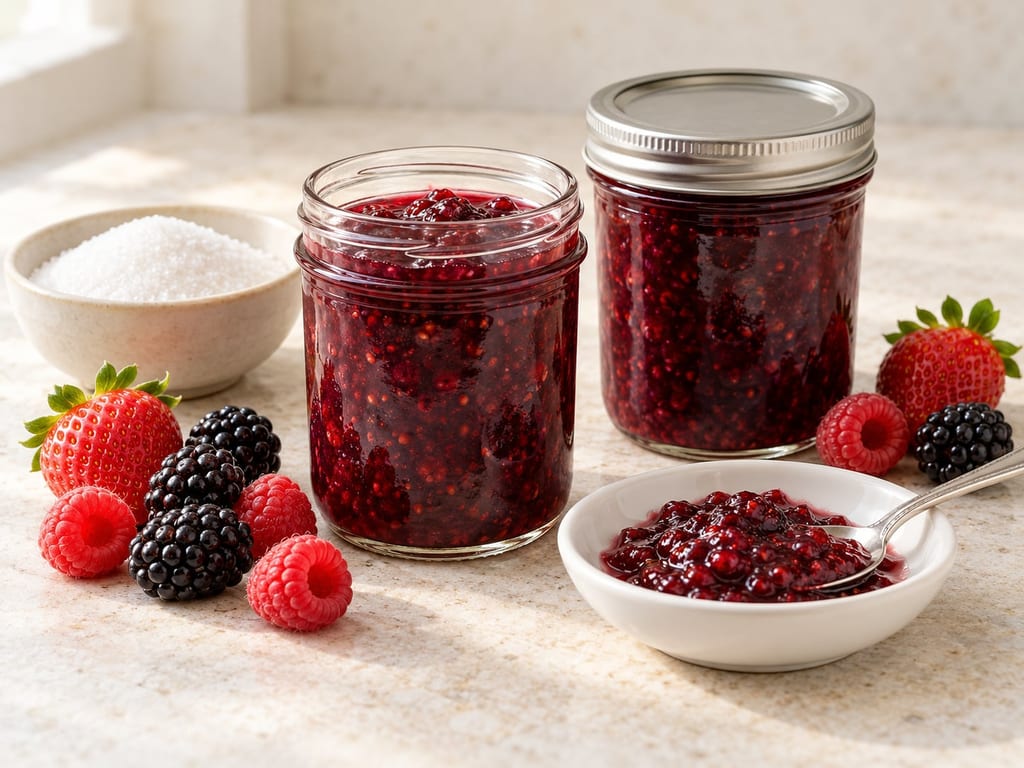
Berry jam without added pectin
A NCHFP berry jam made without added pectin: crushed berries and sugar are cooked to the desired gel point, hot-filled into sterile half-pint or pint jars, and processed in a boiling-water canner.
 FermenteaWhere food goes to change
Fruit jam · Jelly · Fruit paste
Jam is fruit cooked with enough sugar and concentration to reduce the water available to microbes. Jelly uses clarified juice and firmer fruit pastes lose still more moisture.

Jam is a fruit preserve made by cooking fruit with sugar until it sets into a spreadable mass. The fruit keeps its pulp in a jam, so the texture is soft and particulate. Jelly is the clear form, made from clarified juice, and a firmer fruit paste is the most concentrated form, cooked until it loses still more moisture.
All three depend on the same basic control: a high concentration of sugar and a low level of available water. The forms differ in how much of the fruit they keep and how far they are cooked.
Sugar and cooking reduce the water that microbes can use. A preserve with enough dissolved sugar and a low level of free water resists the growth of many spoilage organisms. Acid helps as well: fruit supplies natural acid, and the record notes that acid is usually present, either from the fruit or added.
The cooking itself also changes the fruit. Pectin, the natural setting agent in many fruits, helps a jam or jelly set when sugar and acid are in balance. The record does not give the pectin levels or setting points, so this page does not state them.
A jam keeps the pulp of the fruit and so has body and colour from the whole fruit. A jelly is made from clarified juice, so it is clear and firm. A fruit paste is cooked further to remove still more water, and it is the firmest of the three. These differences change what the cook does: whether the fruit is pulped, strained or reduced until it can be cut.
The record gives no proportions of fruit to sugar, no cooking times and no storage limit. A jam is not safe on the strength of appearance or smell. A jar that bubbles, shows mould or has a sour, alcoholic smell has spoiled, and the fermenting or mouldy portion should not be eaten.
Cooked fruit preserves with sugar are documented in historical western Asia and Europe and became worldwide. The record does not give a single date for their invention.
The catalogue gives Western Asia as a historical area of the practice. No locality is named.
Historical European use is given at region level, and the practice is later worldwide.
A NCHFP berry jam made without added pectin: crushed berries and sugar are cooked to the desired gel point, hot-filled into sterile half-pint or pint jars, and processed in a boiling-water canner.
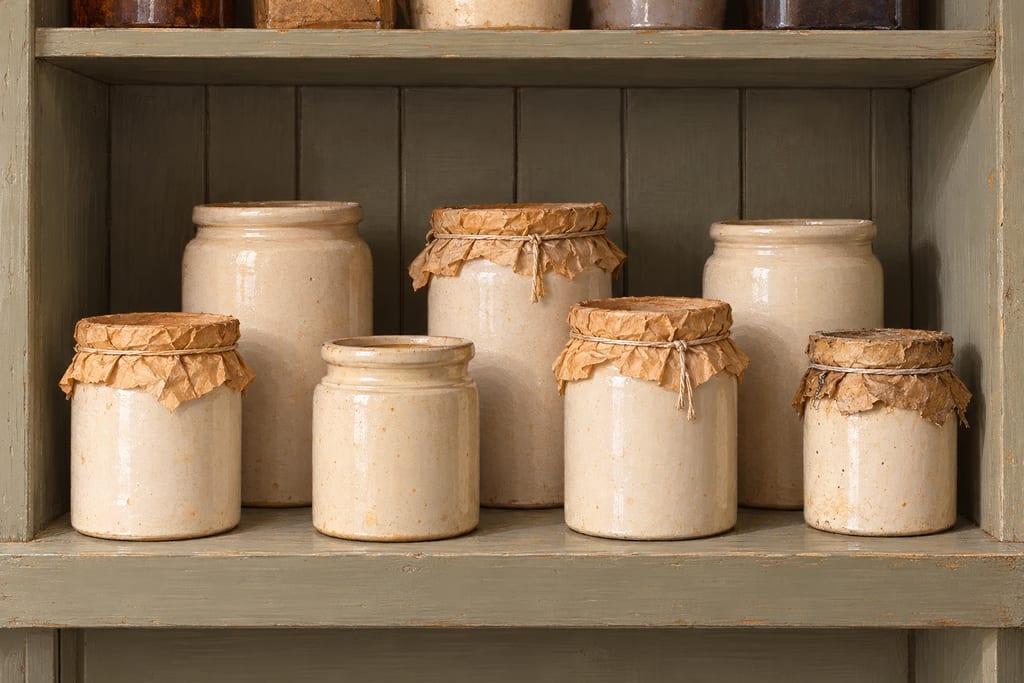
Three dated jam labels at Glasgow’s Tenement House record household preserves: Victoria plum (1947), strawberry (1961), and rhubarb and ginger (1963). They document storage and domestic history, not a recoverable recipe.
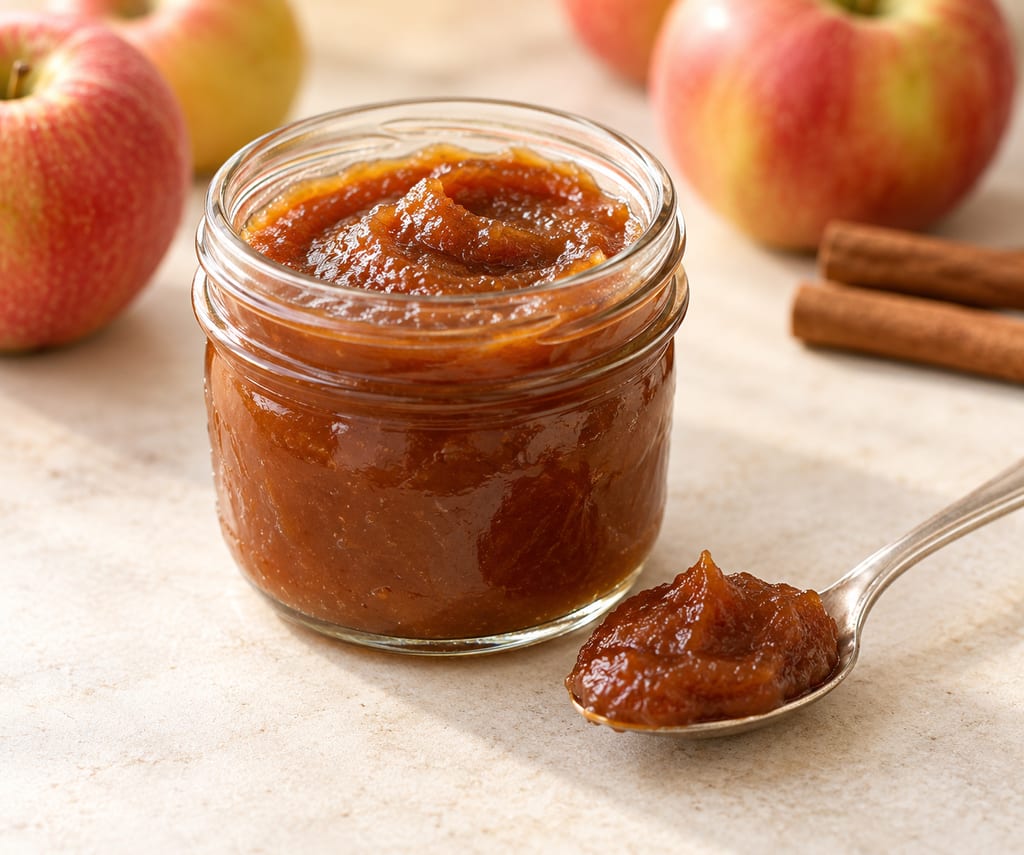
Apple butter is a smooth, concentrated apple preserve cooked with cider, vinegar, two sugars and spices, then hot-filled and processed in a boiling-water canner using the published jar-size and elevation schedule.
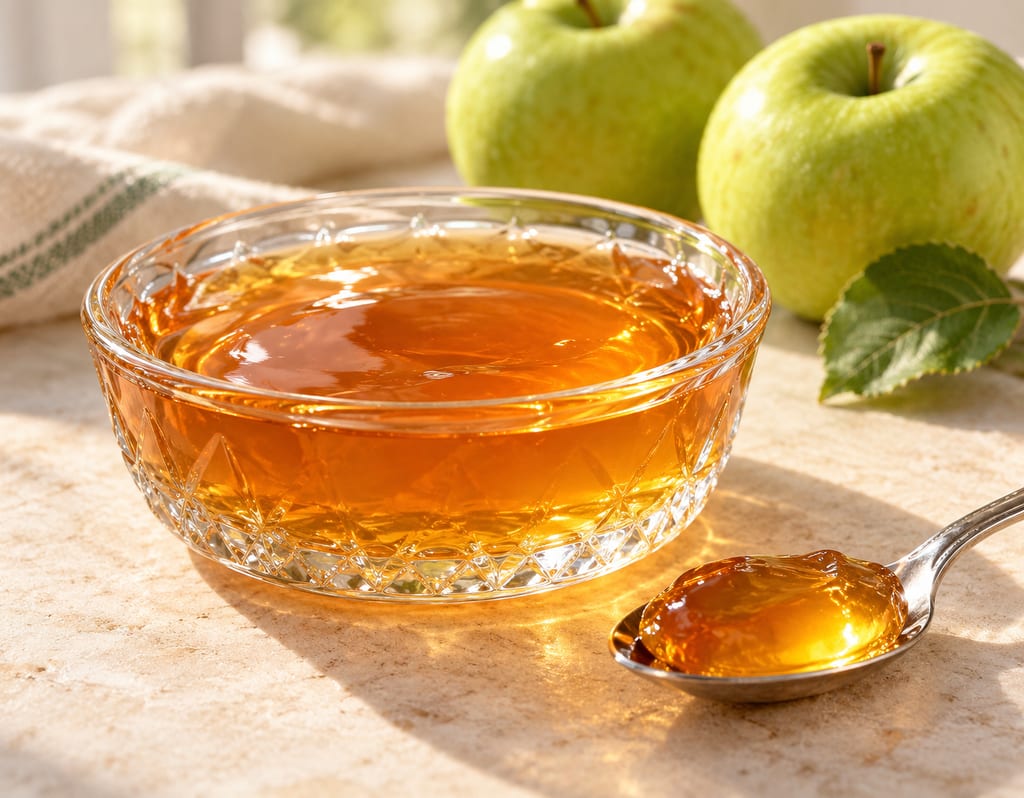
A clear jelly made from tart-apple juice, sugar and optional strained lemon juice. This batch uses a stated fruit-to-water preparation, gel endpoint, hot fill and altitude-adjusted boiling-water process.
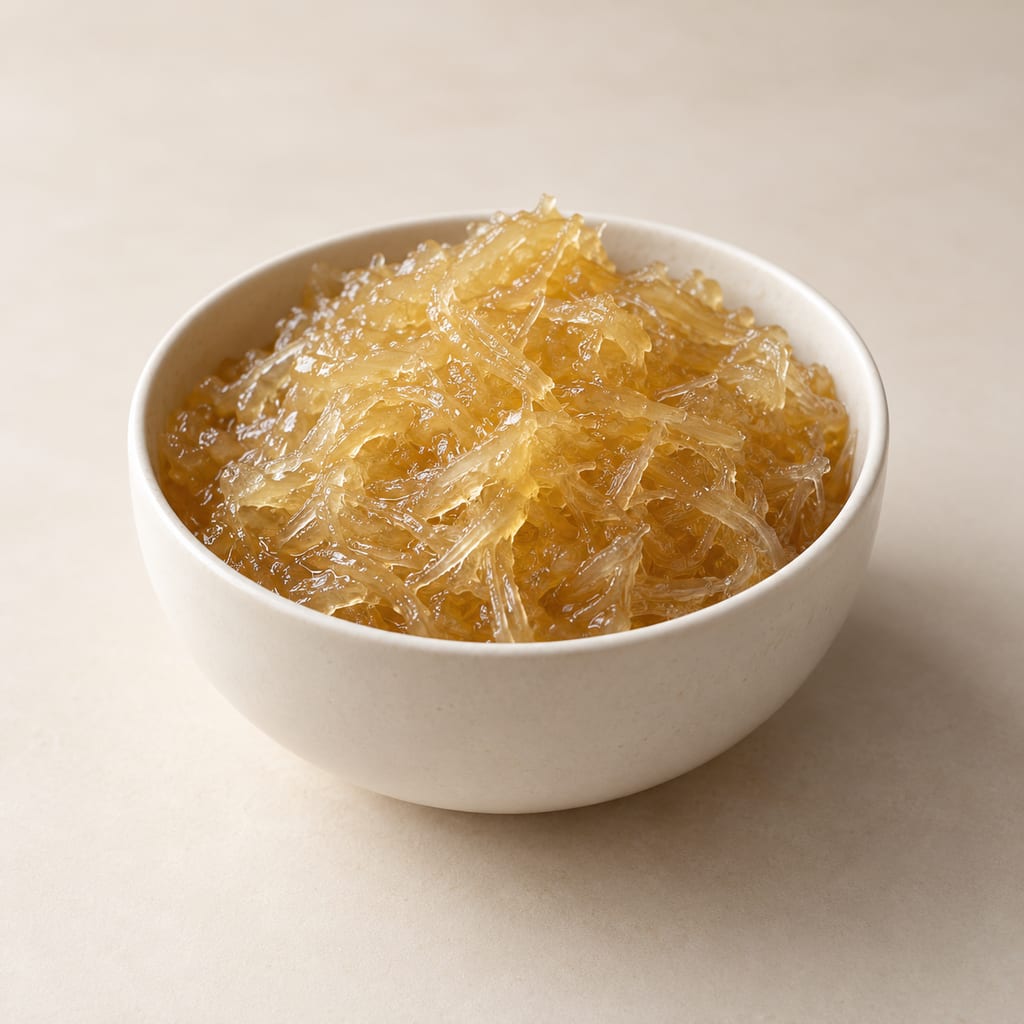
Fine strands of Cucurbita ficifolia cooked in an equal weight of sugar, then portioned for refrigerator or freezer storage. Ordinary orange pumpkin does not give the same fibres.
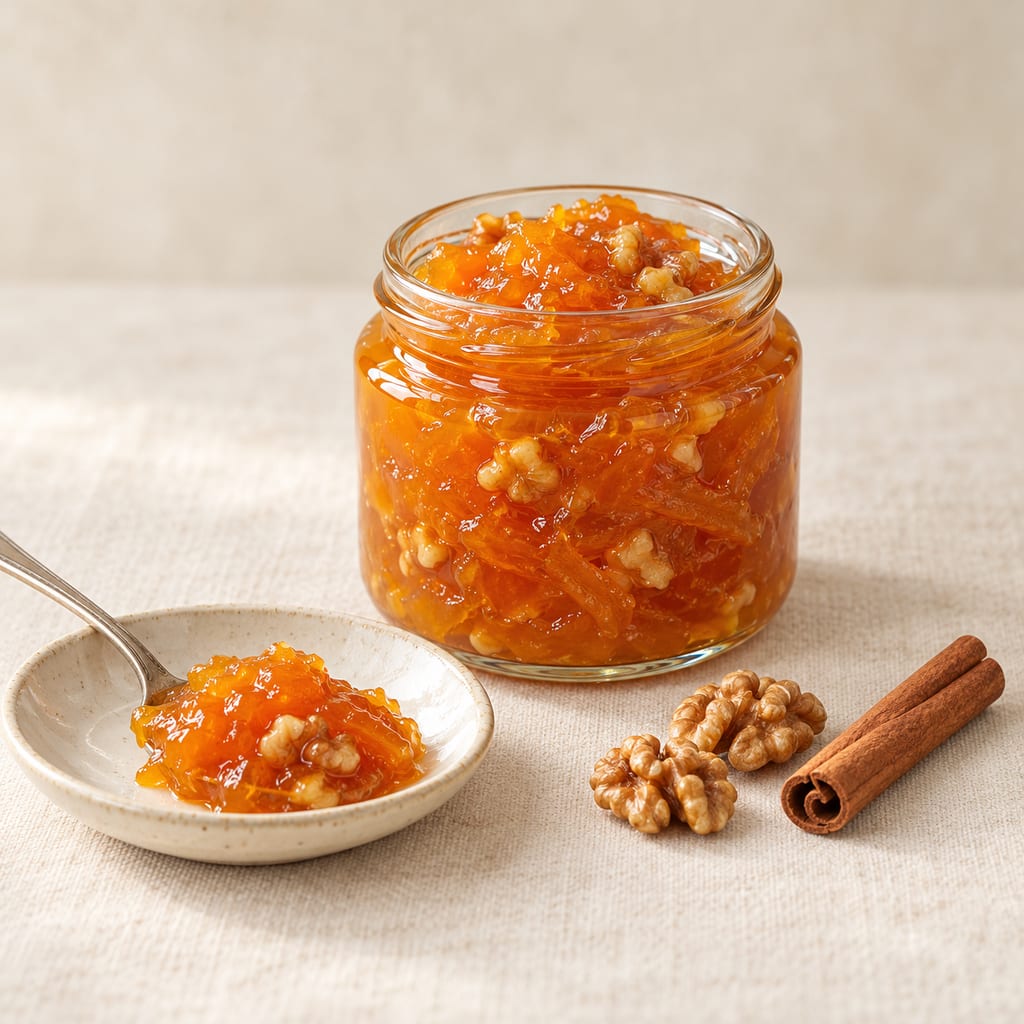
Portuguese pumpkin jam cooked with cinnamon and optional walnuts. A sweet spread to refrigerate or freeze, rather than a home-canned preserve.
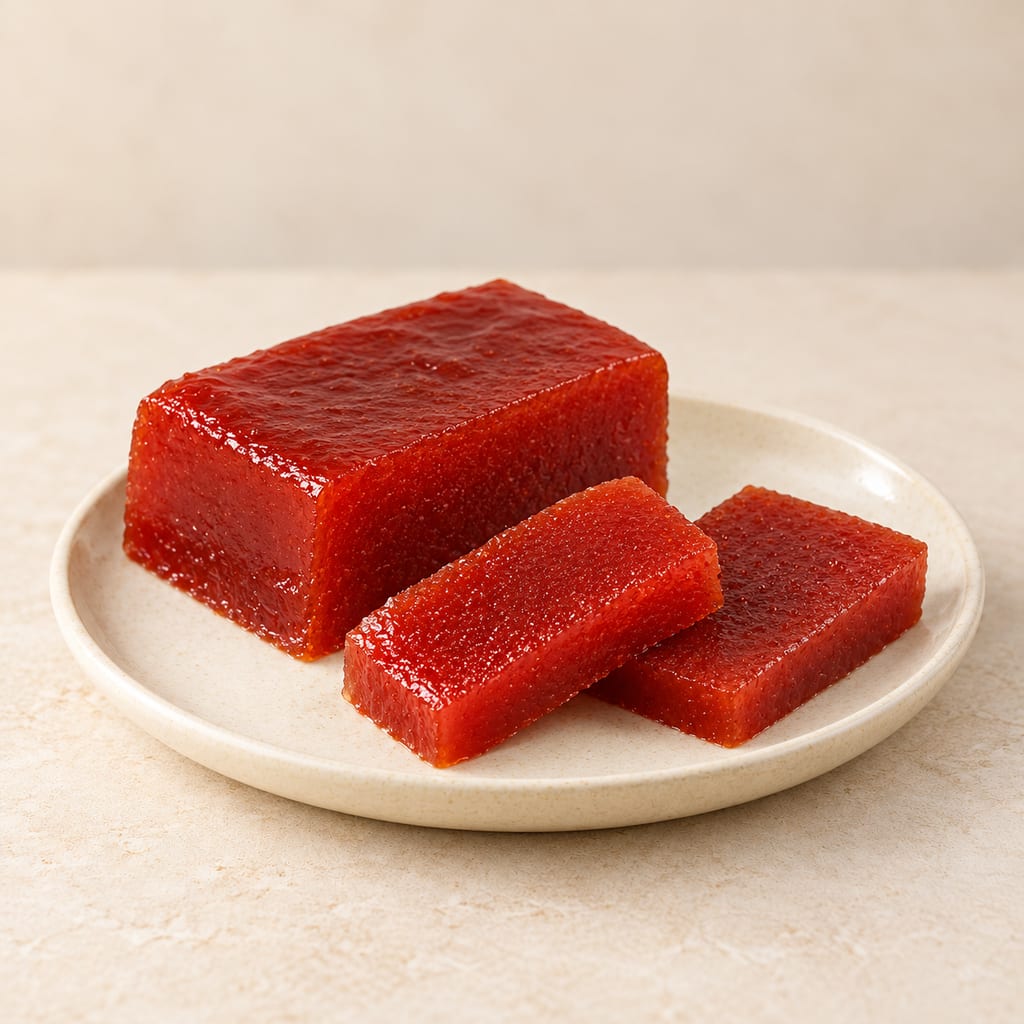
Dulce de membrillo is quince cooked with sugar into a firm paste for slicing. This family method softens the fruit in a pressure cooker, then blends it and leaves it to set.
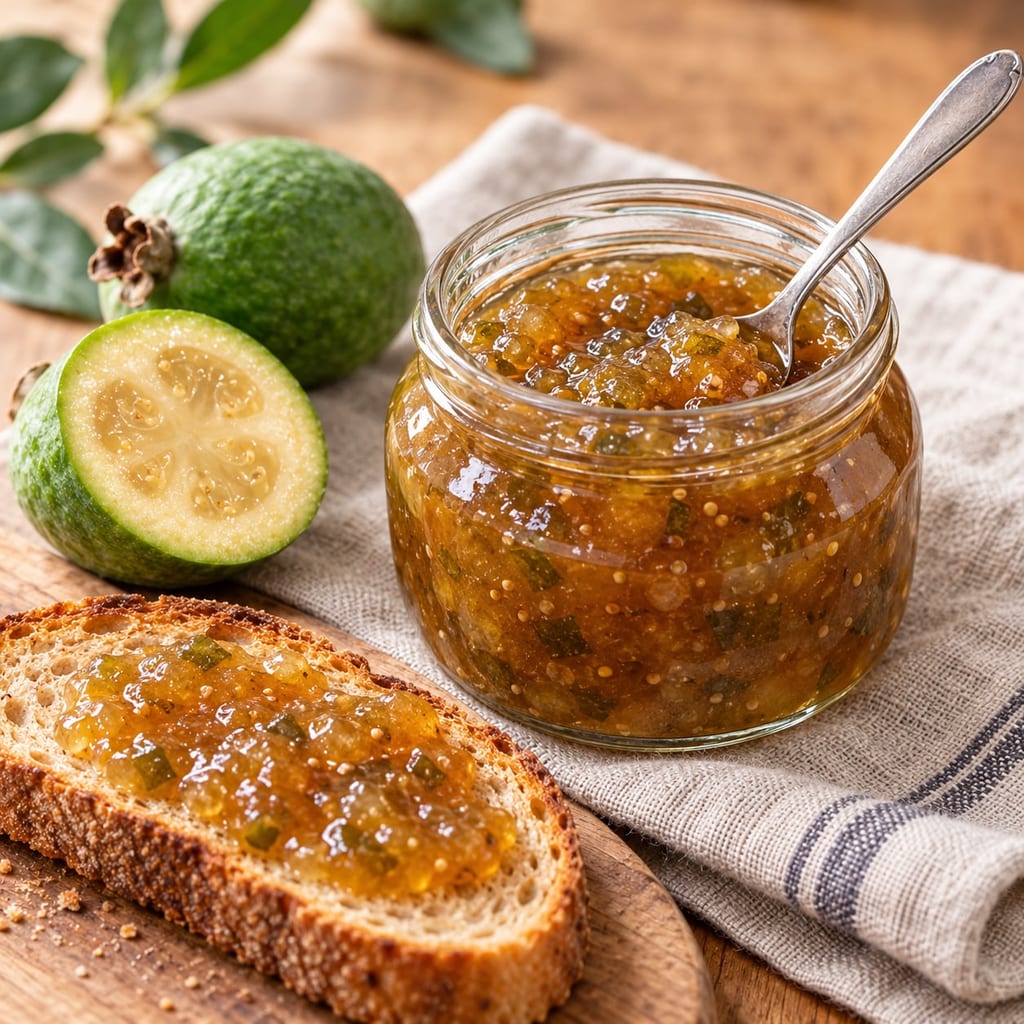
Blended whole feijoas simmer into a skin-on jam with lemon, sugar and vanilla. The skins remain for a more textured finish; keep this batch refrigerated or frozen because its method has no validated shelf-stable canning process.
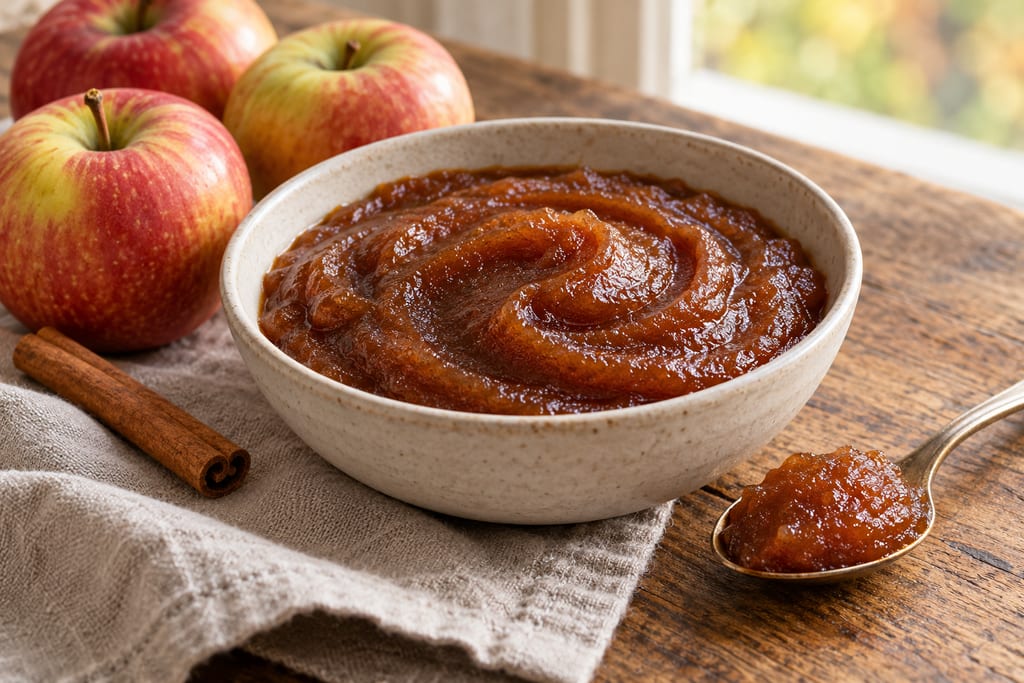
A smooth fruit pulp cooked down with sugar and spice until it holds its shape on a spoon, made by three documented routes in a slow cooker, a microwave or an electric multicooker.
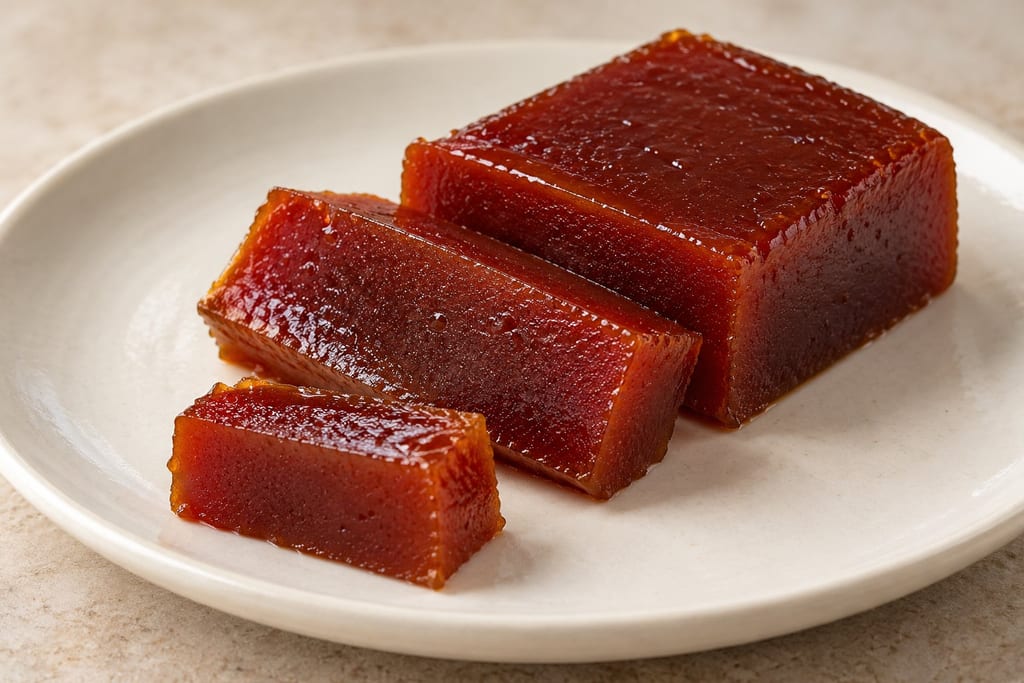
Cooked, sieved guava pulp is reduced with sugar and lime juice to a sliceable paste, then refrigerated. This adapted trial begins with prepared pulp and has no validated canning process or storage duration.
No community contributions have been published for this entry yet.
Sign in to contribute. Published comments and photos are free to read.
Food and Agriculture Organization of the United NationsMethod · History
FAO document W6864E, chapter 8Fruit cooked with enough sugar and concentration to reduce available water, usually with natural or added acid.
Jams retain fruit pulp; jellies use clarified juice; firmer pastes remove still more moisture.
Cited in: What it is; How the keeping works; Jam, jelly and paste; Limits of the record