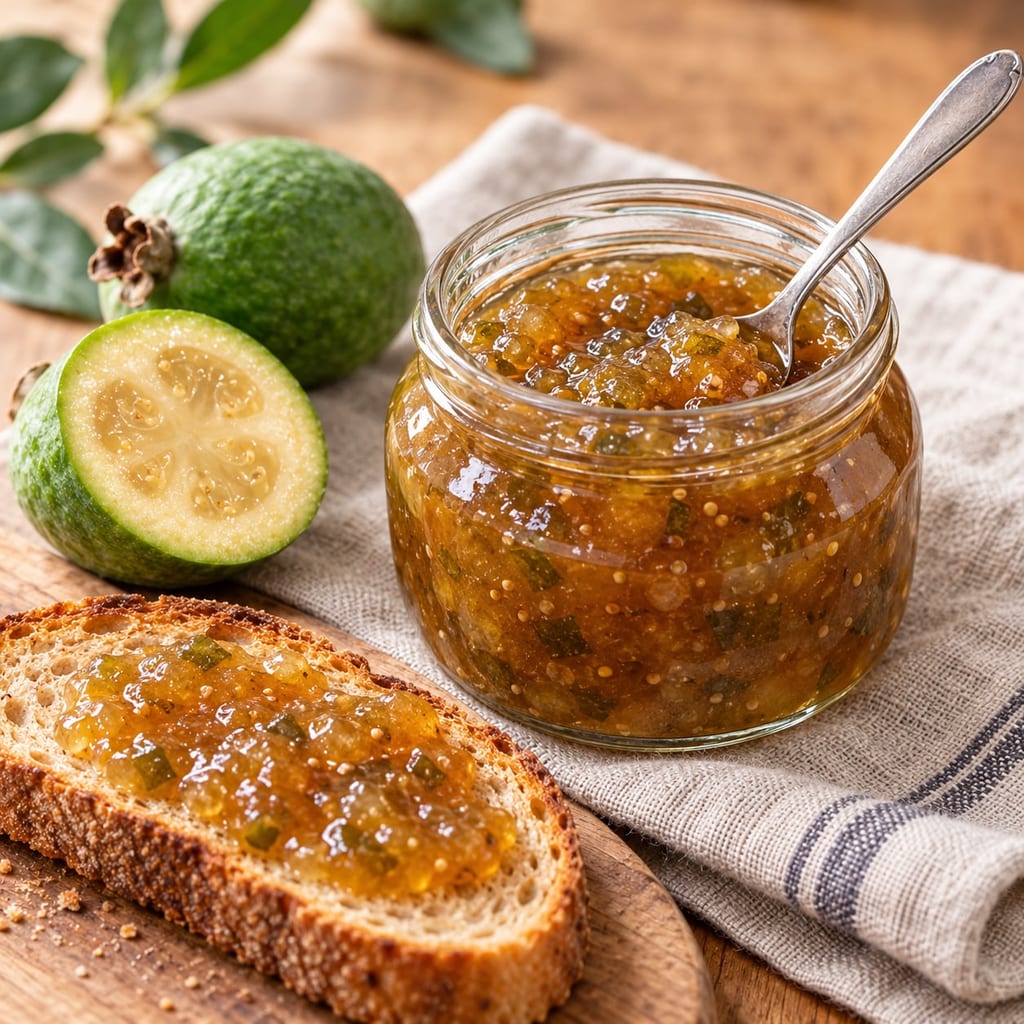
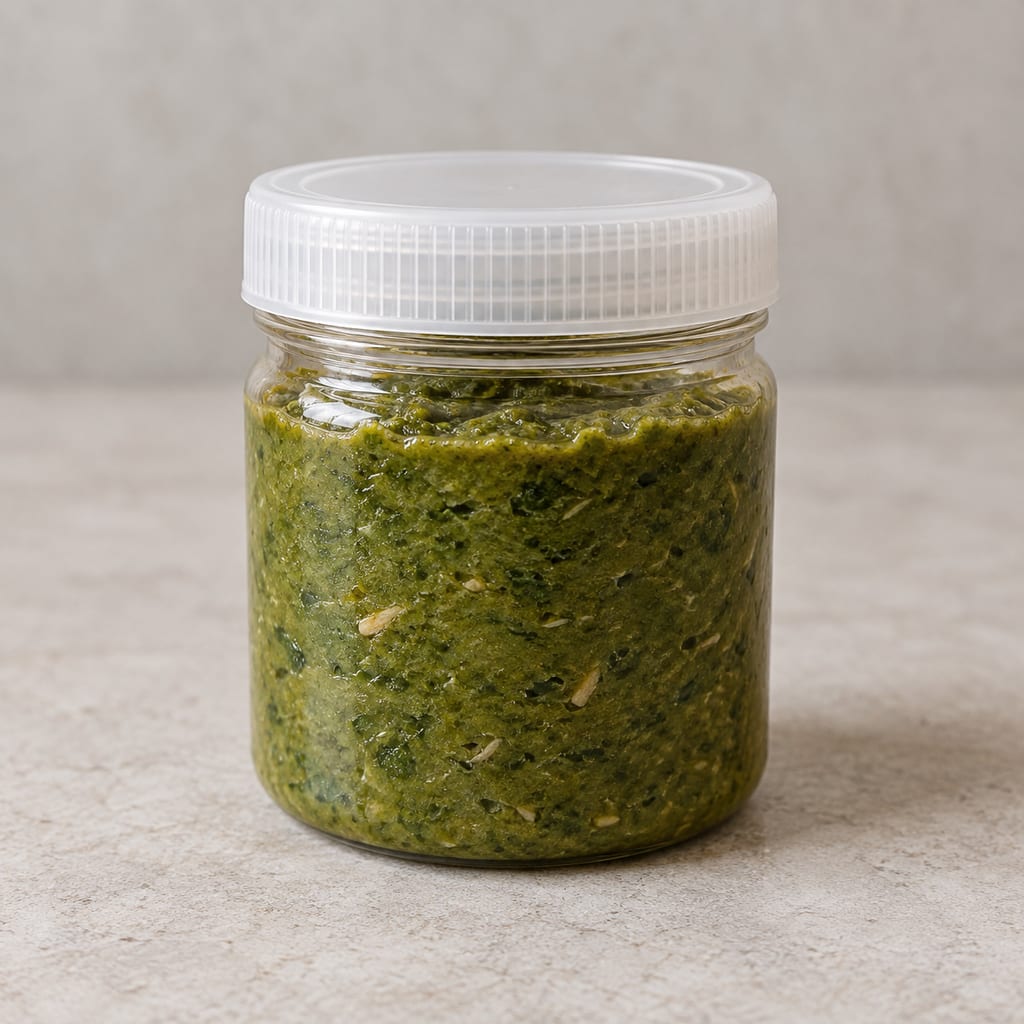
Blended whole feijoas simmer into a skin-on jam with lemon, sugar and vanilla. The skins remain for a more textured finish; keep this batch refrigerated or frozen because its method has no validated shelf-stable canning process.
The source blends the washed fruit with its skins still on, then simmers it until the flesh has broken down. The page says this makes a chunkier jam; it also offers blending before the sugar is added for a smoother texture. That texture choice changes the finished consistency, not the canning method.
The source tells readers to fill sterilized jars and seal them, but does not give a tested water-bath or pressure-canning schedule. The atlas therefore treats this particular batch as a refrigerated or frozen prototype. Cool it promptly and keep it cold; the source and atlas do not establish a storage duration. The chilled-plate wrinkle test helps judge set, not whether the jam can be stored at room temperature.
Feijoas (Acca sellowiana) are native to southeastern Brazil and Uruguay. Te Ara records their introduction to New Zealand in the early 1900s as ornamental shrubs; New Zealand home gardens later made the fruit a familiar seasonal surplus. The jam page is attributed to Nicola Cronin of Community Fruit Harvesting. These facts document the fruit's movement and a local recipe context, not the jam's origin.
Ingredients
Yield 4 jars (size not stated) · Scaling: source batch only
FeijoasWash; leave skins on and chop off the ends.
1 kg
Water
237 mL1 cup as recorded
About enough to let the fruit stew without sticking; source gives 1 cup.
Lemon juiceJuice one lemon.
1 lemon
Sugar
800 g
Vanilla essence
4.9 mL1 tsp as recorded
Add after the boil changes to the source's slower 'blipping' stage.
Method
Risks and precautions · Standard risk
Burns from hot jam
The fruit simmers and the concentrated jam reaches a rolling boil before it is transferred to containers.
Hazard source
Cool promptly and refrigerate or freeze this prototype; do not treat the source's jar filling and sealing step as a validated shelf-stable canning process.
Control source
The source provides no validated shelf-stable canning schedule or storage duration.
The chilled-plate wrinkle test indicates set and texture, not safety.
Wash the feijoas and trim off their ends; keep the skins on.
Pulse the whole fruit in a food processor until chopped. For a smoother jam, the source recommends using a stick blender before adding the sugar; otherwise leave the fruit in chunkier pieces.
Put the fruit in a pot with 1 cup water. Simmer over low to medium heat, stirring occasionally, until the flesh has broken down completely, about 30–50 minutes depending on skin thickness.
For a smoother jam, blend with a stick blender now, before adding sugar. Stir in the lemon juice, then add the sugar and stir until it dissolves.
Raise the heat to medium-high until the mixture reaches a rolling boil, then lower the heat slightly.
As water evaporates, the boil will slow into the source's 'blipping' stage. Add the vanilla essence once that stage begins.
When the jam darkens, test the set every 5 minutes: put a little on a plate and chill the plate in the refrigerator for 5 minutes. A wrinkle when touched indicates the jam has set. If it stays runny, continue boiling and repeat the test after 5 minutes. This tests texture, not storage safety.
The original recipe fills sterilized jars and seals them but gives no shelf-stable canning schedule. For this refrigerated/frozen prototype, transfer the cooked jam to clean heat-safe containers, cool promptly, then refrigerate or freeze. Do not store it at room temperature as a canned preserve.
Conditions
Yield4 jars (size not stated)
Temperature controlMulti-stage
Places
New Zealand
Documented preparation · Country evidence
The recipe is published by Love Food Hate Waste New Zealand and attributed to Community Fruit Harvesting. This documents a New Zealand preparation context, not the origin of feijoa or of the recipe.
A 2023–2025 proof-of-concept made separate fermented extracts from beef heart and lung with Staphylococcus xylosus and protease. It reports supervised pilot findings, not a validated household method or a blended heart-and-lung formula.
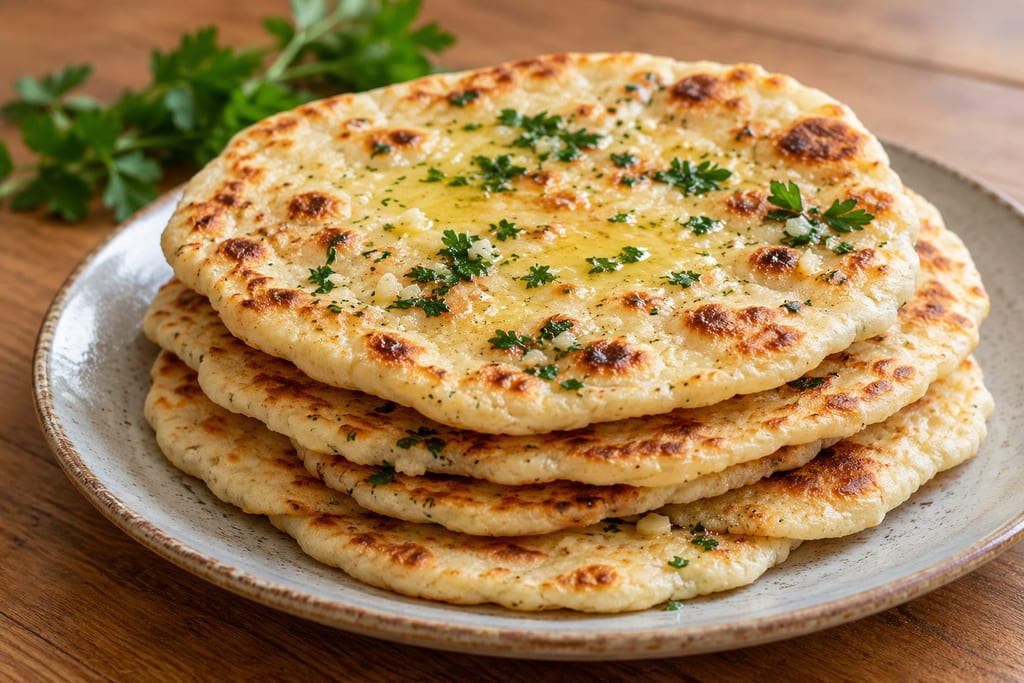
Christall Lowe's whānau takakau is an eight-piece wheat flatbread enriched with milk and oil or butter, rested briefly, then cooked one at a time in a skillet.
Dixon's 2007 thesis records ten toroi study batches, five with puha and five with watercress, each from 2 kg of shell-on green-lipped mussels and about 600 g of greens. Its method is a laboratory one.
Apple butter is a smooth, concentrated apple preserve cooked with cider, vinegar, two sugars and spices, then hot-filled and processed in a boiling-water canner using the published jar-size and elevation schedule.
A clear jelly made from tart-apple juice, sugar and optional strained lemon juice. This batch uses a stated fruit-to-water preparation, gel endpoint, hot fill and altitude-adjusted boiling-water process.
A NCHFP berry jam made without added pectin: crushed berries and sugar are cooked to the desired gel point, hot-filled into sterile half-pint or pint jars, and processed in a boiling-water canner.
Fine strands of Cucurbita ficifolia cooked in an equal weight of sugar, then portioned for refrigerator or freezer storage. Ordinary orange pumpkin does not give the same fibres.
Dulce de membrillo is quince cooked with sugar into a firm paste for slicing. This family method softens the fruit in a pressure cooker, then blends it and leaves it to set.
A smooth fruit pulp cooked down with sugar and spice until it holds its shape on a spoon, made by three documented routes in a slow cooker, a microwave or an electric multicooker.
Cooked, sieved guava pulp is reduced with sugar and lime juice to a sliceable paste, then refrigerated. This adapted trial begins with prepared pulp and has no validated canning process or storage duration.
Soft, spreadable Calabrian pork sausage made with a great deal of red chilli and fatty pork, stuffed into natural casings, sometimes smoked and matured while staying soft.
A way to add independent temperature logging to an existing food dehydrator without changing its built-in controls or protections. It is a monitoring method, not a rewiring plan.
Pleurotus cystidiosus is the abalone mushroom, a cultivated oyster-type fungus with dark brown caps that grows more slowly and is more demanding than other Pleurotus species.
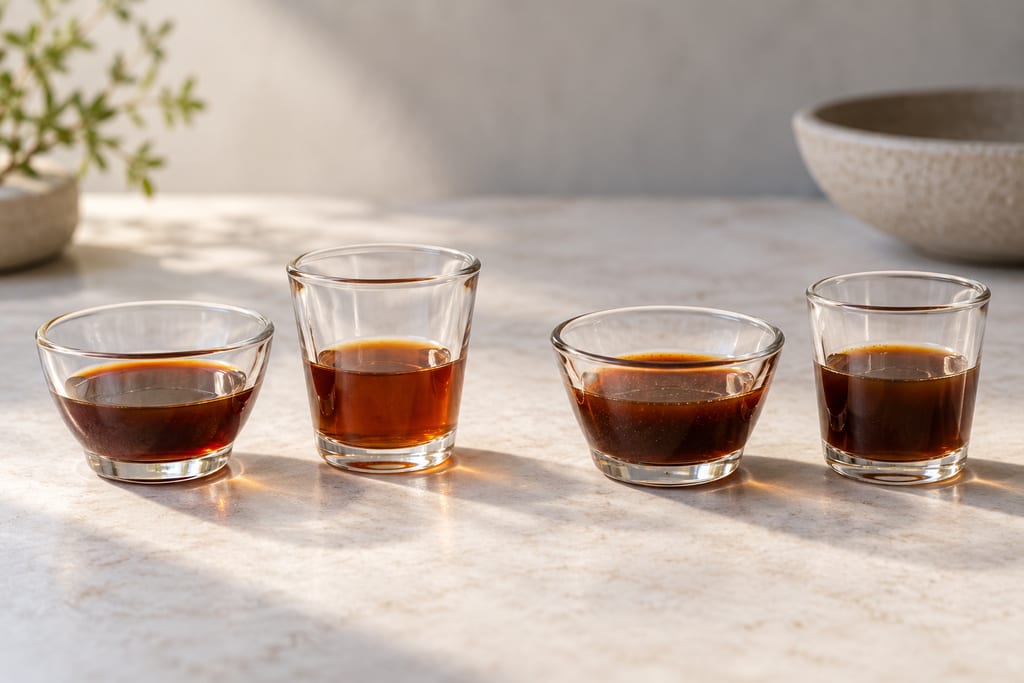
A dark, balanced vinegar from Emilia-Romagna made by combining cooked or concentrated grape must with wine vinegar, then acetifying and refining it in wood under a protected specification.
A small electric incubator holds jars at a selected temperature for yogurt and other documented warm food preparations. Controls, capacity and vessel arrangement vary by model.
Adygean salt is a seasoned table salt associated with Adygea and the wider North Caucasian culinary tradition. Salt is blended with garlic and a variable selection of herbs and spices; the exact mix depends on the named style and maker.
The African Caesar-group mushroom, Amanita masasiensis, is a wild ectomycorrhizal species of central and southern African woodlands, eaten locally. The genus contains deadly poisonous species, so identification needs care.
Community
No community contributions have been published for this entry yet.
Share what you made
Sign in to contribute. Published comments and photos are free to read.
Whole-fruit ingredients and quantities, four-jar yield, skin-on preparation, 30–50-minute softening, staged boil, vanilla timing and chilled-plate set test. The page provides no shelf-stable canning schedule.
Cited in: Skins stay in the jam; A refrigerated prototype
Accessed 2026-10-29
Te Ara – the Encyclopedia of New ZealandHistory · Geography