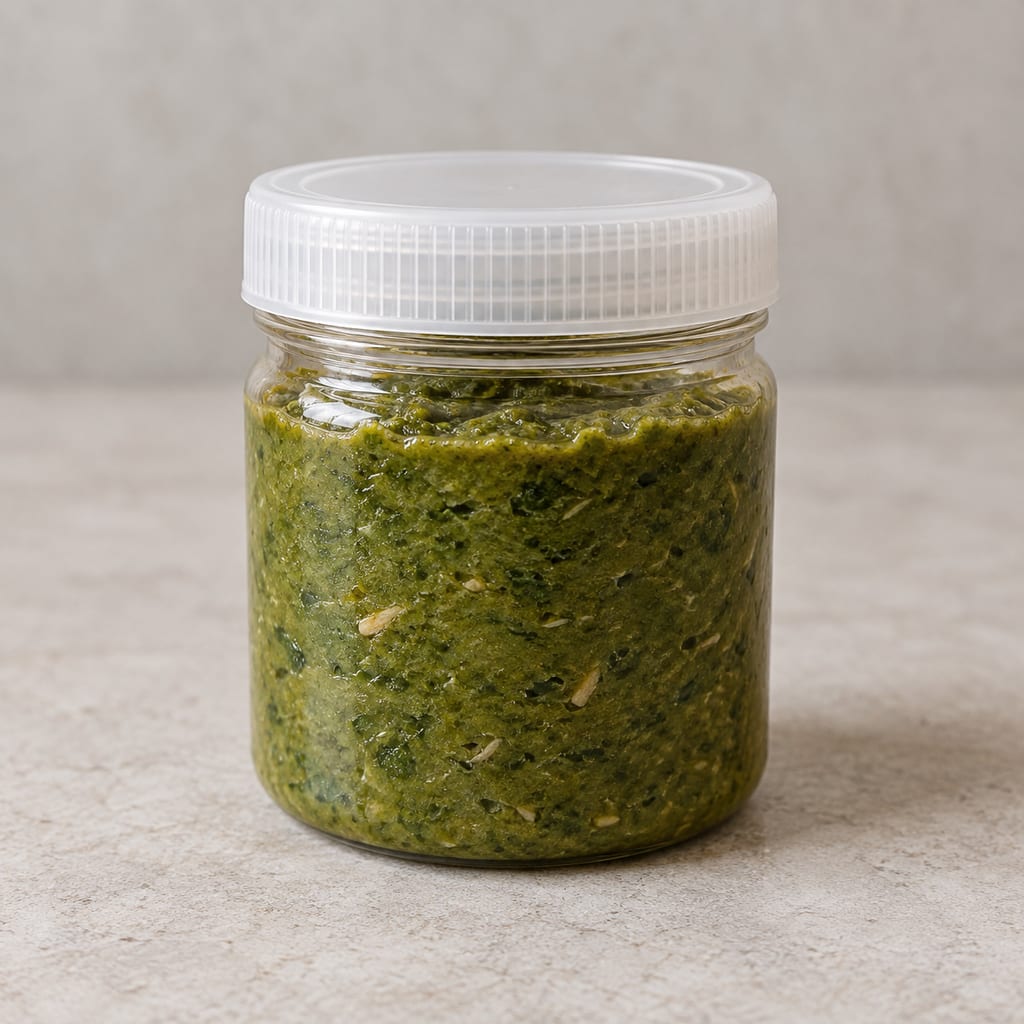
Toroī with pūhā or watercress
Dixon's 2007 thesis records ten toroi study batches, five with puha and five with watercress, each from 2 kg of shell-on green-lipped mussels and about 600 g of greens. Its method is a laboratory one.
 FermenteaWhere food goes to change
Modern adaptation
Māori fried bread · Fry bread
A yeast-leavened Māori fried bread recipe shared by Aunty Gina Harding, with a 12–14 piece batch, two rises and a 165°C fry.
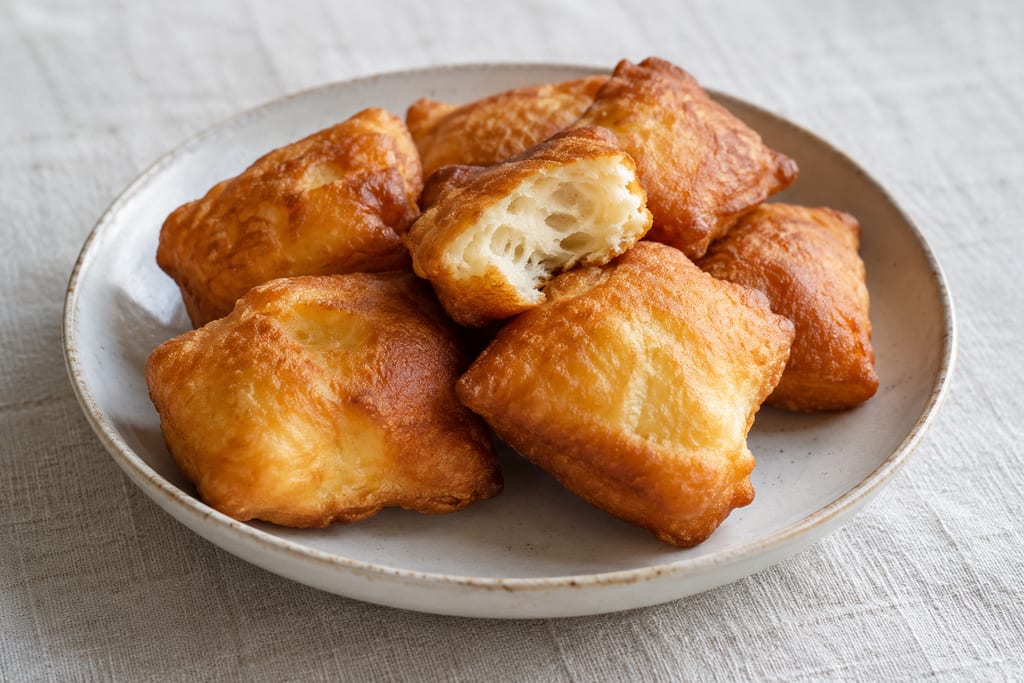
Parāoa parai is a Māori fried bread served with savoury meals or sweet toppings. This page records one specific yeast-leavened recipe shared by Aunty Gina Harding, of Ngāti Whātua, through Ka‘iwakīloumoku. Her recipe gives a yield of 12–14 pieces.
The recipe uses wheat flour, an introduced crop in Aotearoa. Maimoa Creative describes parāoa parai as a post-contact Māori food and notes that a baking-powder version and newer yeast variations are distinct methods. This yeast dough should not be described as pre-contact or as the sole Māori method.
The formula uses 2 cups flour, ½ cup water and ½ cup room-temperature milk (or 1 cup water), ½ tablespoon active dried yeast, ½ tablespoon sugar, ¼ teaspoon salt, 2 tablespoons melted butter or vegetable oil, and vegetable or canola oil for frying. The source estimates 12–14 pieces and says to fill a medium pot to about 1 inch depth with frying oil.
Activate the yeast with the water, milk and sugar for 10 minutes. Combine flour and salt with the butter or oil, then fold in the yeast mixture. Knead lightly until the dough forms a ball, cover and let rise 30–40 minutes until doubled. Roll to about 2 cm thick, cut 6 cm squares and cover for 15 minutes.
Heat oil in a heavy pot to 165°C. Fry one or two squares at a time for about 1–2 minutes per side until golden. Drain on paper towel and rest 5 minutes before serving. Serve with honey, jam, syrup or savoury accompaniments. This method is kept separate from baking-powder dough formulas.
Flour is raw and can carry harmful bacteria. Do not taste the uncooked dough; cook the bread through and wash hands and work surfaces after handling it.
Stay beside the pan while frying, keep a lid nearby, and turn off the burner if you need to leave. Keep children away from the hot oil. If a small pan fire starts, slide a lid over it and turn off the heat; do not pour water on it.
Maimoa Creative describes parāoa parai as a Māori food adopted after European arrival, using introduced wheat flour; it distinguishes a baking-powder style from newer yeast variations. Te Ara documents Ruatara sowing and harvesting New Zealand's first wheat crop in 1813. Aunty Gina Harding's contributor-specific yeast formula is a documented recipe, not evidence of a pre-contact preparation or a first attestation.
Yield 12 pieces · Scaling: source batch only
Flour may carry harmful bacteria and must be cooked before eating.
Hazard sourceUnattended or overheated oil can cause burns or a cooking fire.
Hazard sourceDo not taste raw flour or dough; cook the pieces through before eating and clean hands and surfaces after handling raw dough.
Control sourceStay beside the pan while frying, keep a lid nearby, and turn off the burner if leaving. If a small pan fire starts, cover it with the lid and turn off the burner; never pour water on it.
Control sourceThe source sets oil to 165°C; avoid overheating or smoking oil and keep children away from the pan.
Do not taste uncooked flour or dough.
Māori fried bread is documented in an Aotearoa context. The source credits Aunty Gina Harding of Aurere, but does not claim a single place of origin.
Dixon's 2007 thesis records ten toroi study batches, five with puha and five with watercress, each from 2 kg of shell-on green-lipped mussels and about 600 g of greens. Its method is a laboratory one.
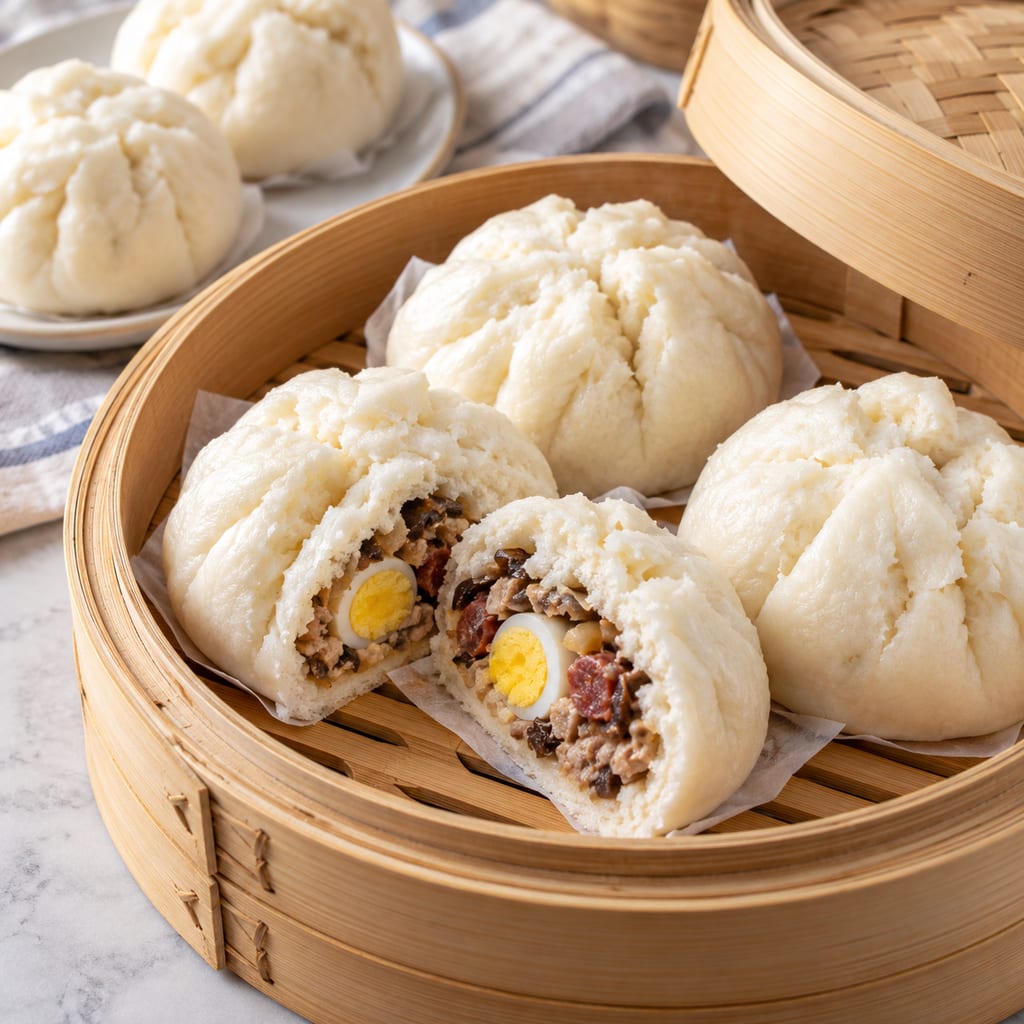
Vietnamese steamed wheat buns wrapped around seasoned pork, mushrooms, Chinese sausage and hard-boiled quail eggs. This from-scratch version uses yeast and self-rising flour.
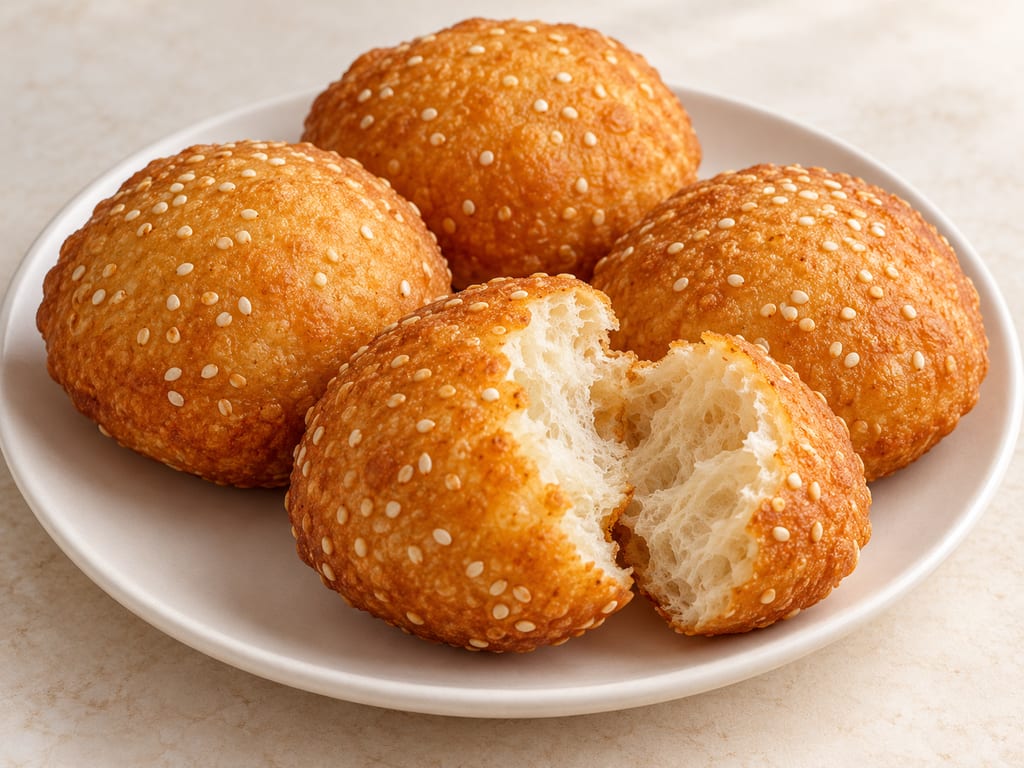
Bánh tiêu is a lightly sweet Vietnamese fried bread coated with sesame. A yeast-raised dough with baking powder is rolled into small rounds and fried until puffed and golden.
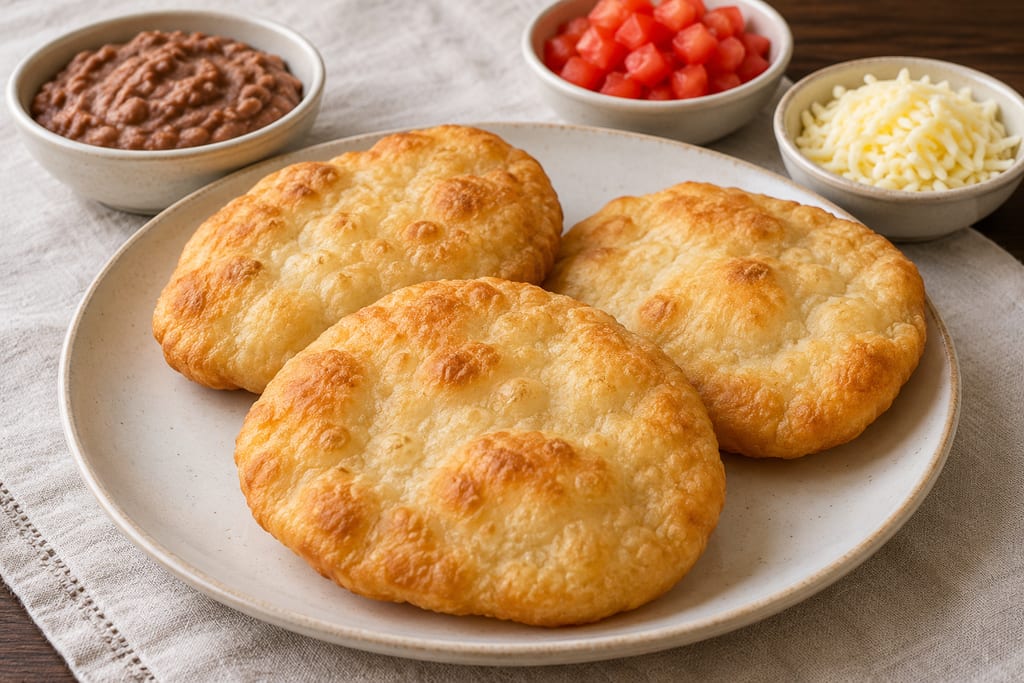
A Belizean fried breakfast bread made from baking-powder dough with evaporated milk, shaped into rounds and fried until golden.
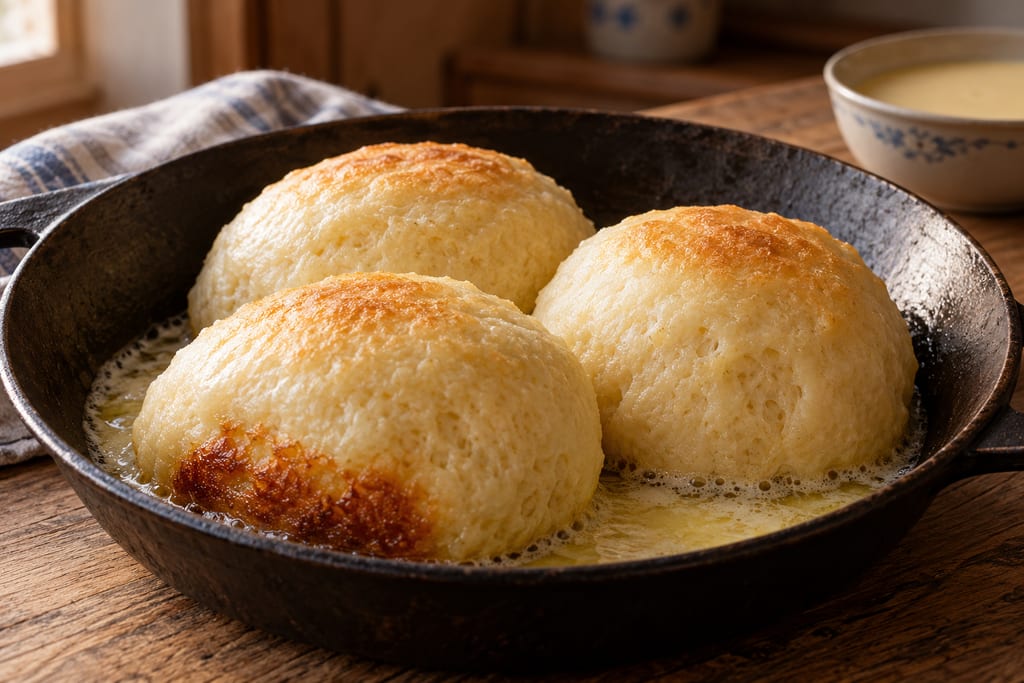
Allgäu Dampfnudeln are enriched wheat buns proofed in a covered casserole and cooked in milk and butter until the liquid nearly cooks away.
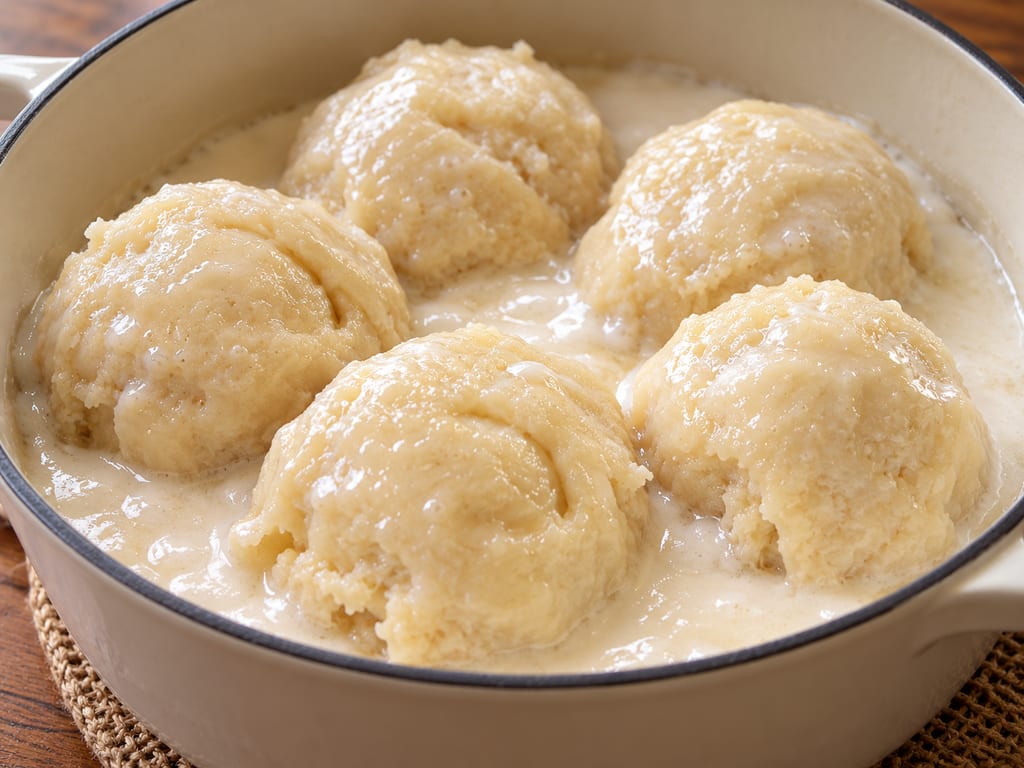
Soft yeast buns shaped by hand and simmered covered in coconut cream diluted with water in a deep pot. This Fijian home version uses a clean knife or fork inserted into the center as its doneness cue.
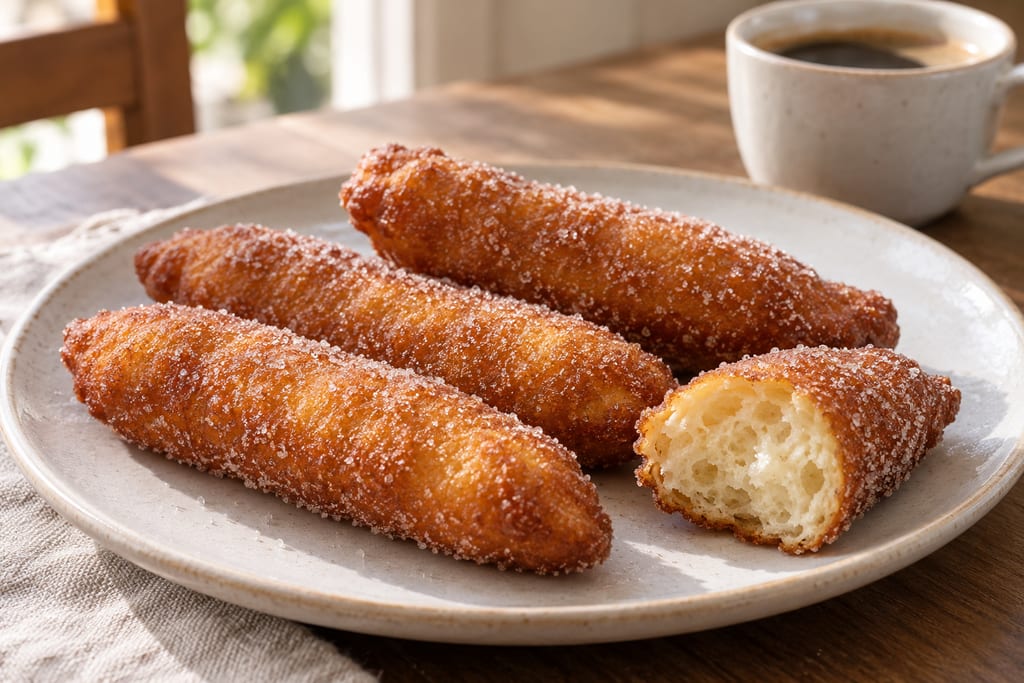
Firi firi is a yeast-raised coconut doughnut piped into long pieces and deep-fried at 170°C, traditionally eaten for breakfast or dessert in Tahiti.
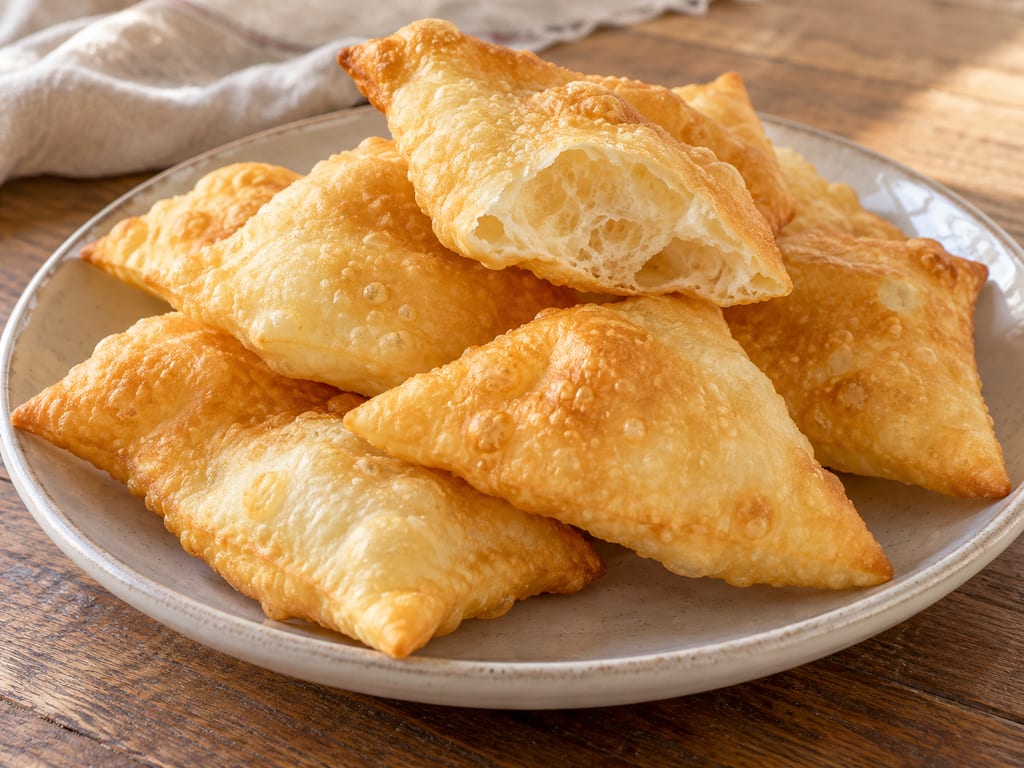
This Emilia-Romagna home version uses a measured flour-and-milk dough with yeast, shapes it into small diamonds or squares, and fries them in peanut oil.
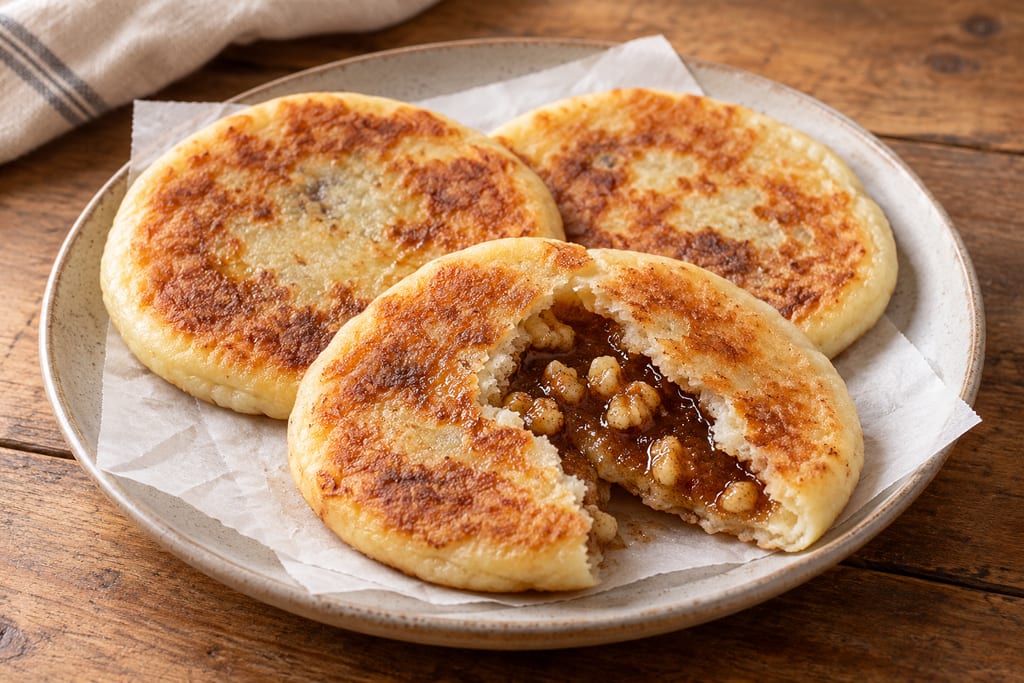
Maangchi’s eight-piece hotteok wraps a brown-sugar, cinnamon and walnut filling in yeast dough, then fries and presses the parcels in a pan.
No community contributions have been published for this entry yet.
Sign in to contribute. Published comments and photos are free to read.
Ka‘iwakīloumoku - Kamehameha SchoolsRecipe · Geographic context · Food use
Parāoa Parai (Māori Fried Bread)Aunty Gina Harding (Ko Whatatiri te hapū, ko Ngāti Whātua te iwi), of Aurere, shared the 12–14 piece yeast recipe.
Formula includes water and milk, active dried yeast, sugar, salt, flour, melted butter or oil, and frying oil; it specifies activation, 30–40-minute rise, 15-minute second proof, 165°C frying and 1–2 minutes per side.
The bread can be served sweet or savoury.
Cited in: A Māori fried bread recipe; Aunty Gina Harding's yeast dough
Maimoa CreativeHistory · Geographic context · Food use
Parāoa Parai: Best Fry Bread RecipeThe author describes parāoa parai as a contemporary Māori food adopted after European arrival and says it did not originate in ancestral traditional diets.
The article distinguishes the baking-powder approach from newer yeast versions and contextualizes parāoa parai at hākari, festivals, Matariki and Waitangi celebrations.
Cited in: A Māori fried bread recipe
Te Ara - the Encyclopedia of New ZealandHistory · Geographic context
Māori enterprise, 1840 to 1860Te Ara reports Ruatara sowed and harvested the first wheat crop in New Zealand in 1813, and notes later Māori wheat farming and flour mills.
Cited in: A Māori fried bread recipe
U.S. Food and Drug AdministrationFood safety
Handling Flour Safely: What You Need to KnowRaw flour may carry harmful bacteria; never taste raw flour, dough or batter, and clean hands and surfaces after handling.
Cited in: Handle flour and hot oil safely
National Fire Protection AssociationFood safety
Educational Messages Desk ReferenceStay in the kitchen while frying, keep a lid nearby, smother a small pan fire with the lid and turn off the burner; never pour water onto a grease fire.
Cited in: Handle flour and hot oil safely