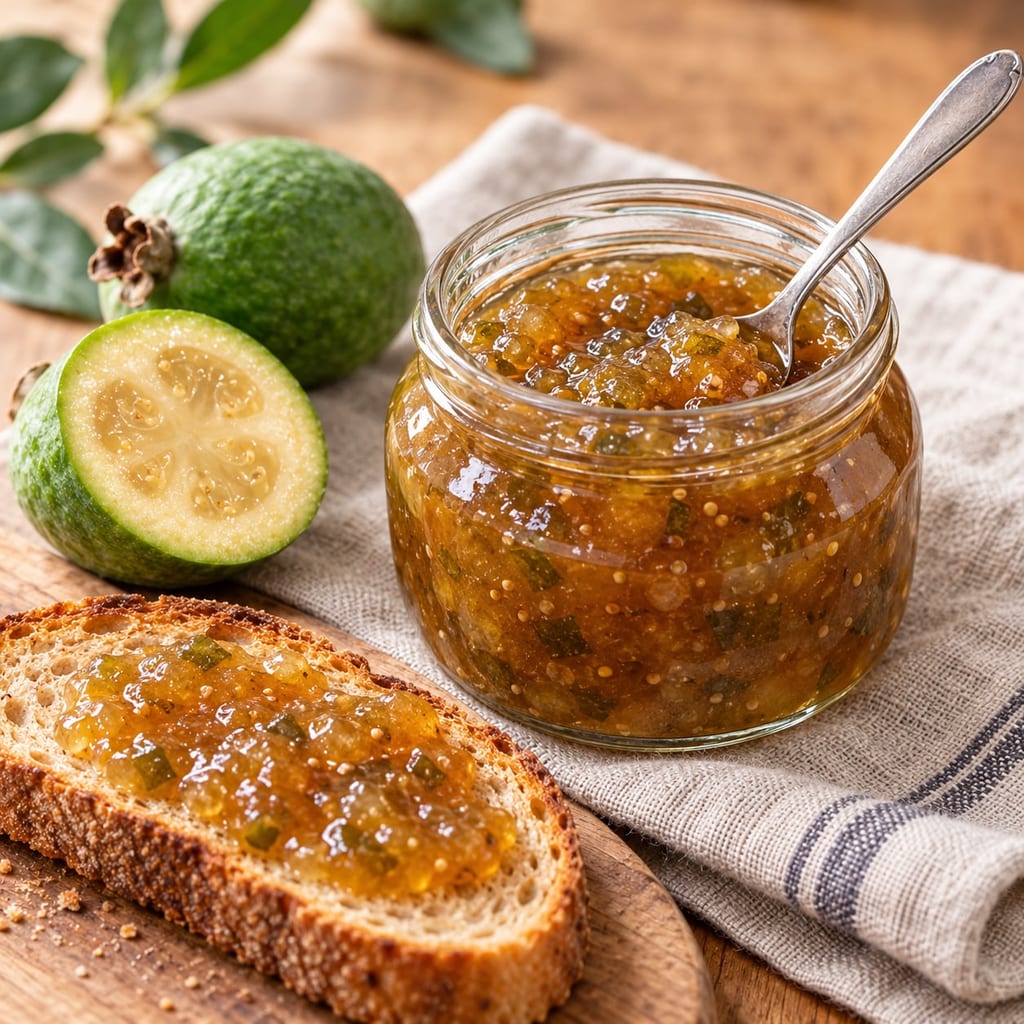
Feijoa jam
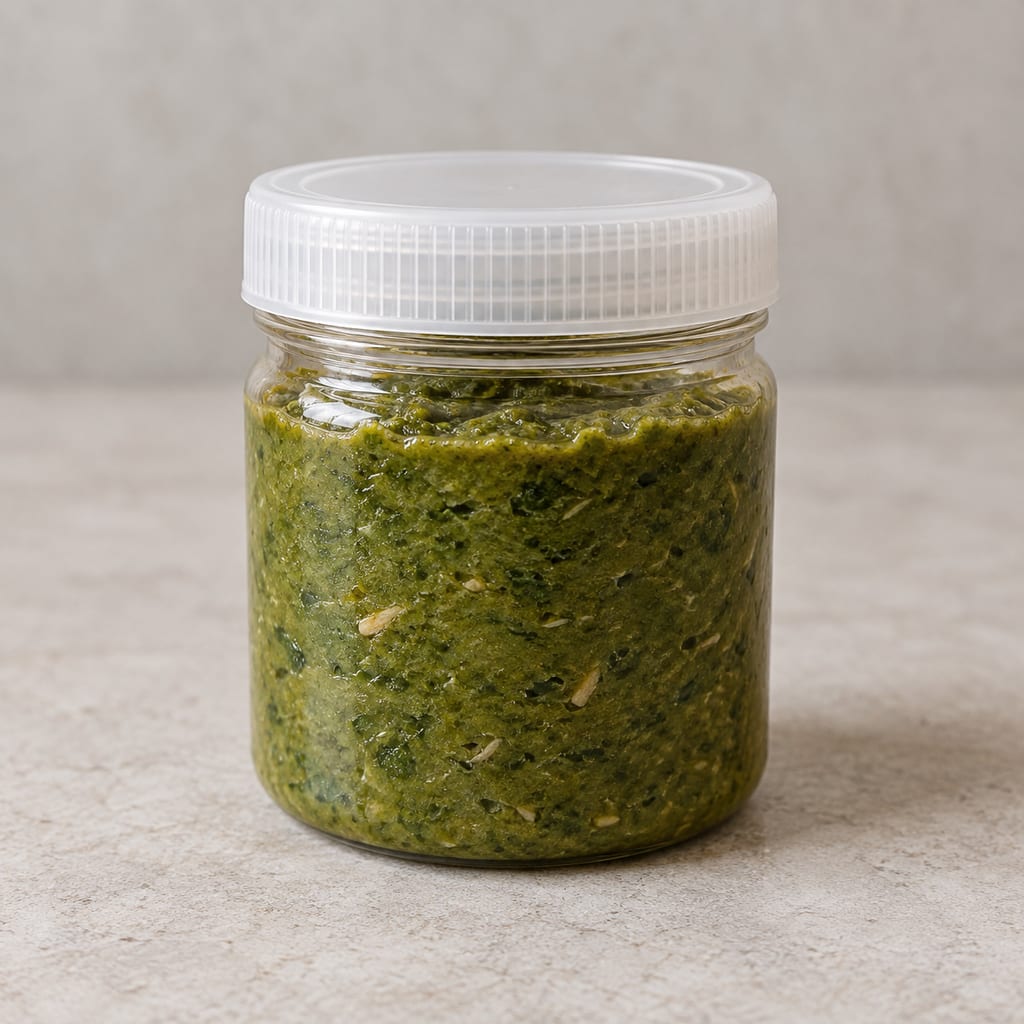
Blended whole feijoas simmer into a skin-on jam with lemon, sugar and vanilla. The skins remain for a more textured finish; keep this batch refrigerated or frozen because its method has no validated shelf-stable canning process.
 FermenteaWhere food goes to change
Modern adaptation
Takakau · Parāoa takakau · Takakau flat bread
Christall Lowe's whānau takakau is an eight-piece wheat flatbread enriched with milk and oil or butter, rested briefly, then cooked one at a time in a skillet.
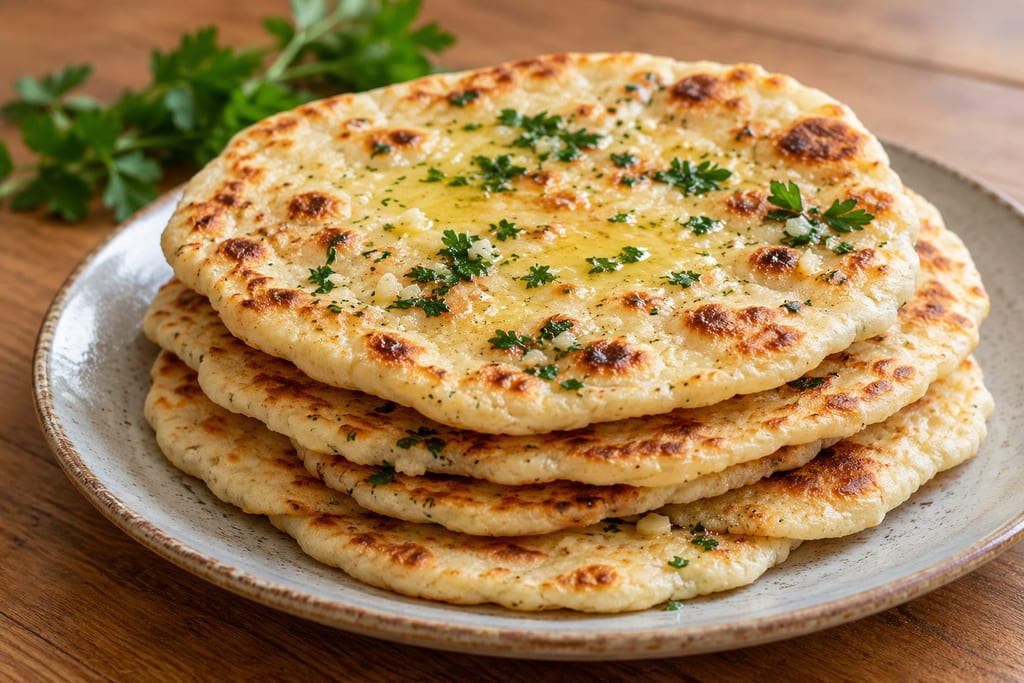
Christall Lowe names this as her whānau version of takakau and says it is a regular bread in her family. Her article describes cooking it over an open backyard fire, while camping, or in a skillet on the stove; the recipe below follows the skillet method. It makes eight small breads from a dough containing high-grade flour, baking powder, salt, milk and olive oil or butter.
Lowe describes takakau as a bread that can accompany curries and soups or wrap slow-cooked meat, and Lowe especially mentions serving her family's version with umu pulled pork. Those are the author's serving contexts, not a universal rule for every bread called takakau.
The word takakau is described in the article as meaning unleavened bread, scone or pancake. This particular dough contains baking powder, so the catalogue classifies the published batch as chemically raised. Flour-and-water flatbreads and hearth-cooked forms remain distinct variants; their ingredients and methods are not substituted into this skillet recipe.
The dough rests covered for 30 minutes before it is divided and rolled. Each piece is about 15 cm across. The source gives approximate skillet times and visible color and puffing cues, not a pan temperature. It also offers optional butter or garlic-herb butter for finishing.
This is a contemporary author's recipe published as an edited extract from Kai Feast: Food Stories and Recipes from the Maunga to the Moana. The article's byline names Lowe's Ngāti Kauwhata, Tainui and Ngāti Maniapoto affiliations. Te Ara's broader discussion supports the Māori bread context, but neither reference makes this single recipe a universal formula or establishes a precise birthplace or first-attestation date.
The source gives flour by volume, extra flour as needed, and oil for the pan without a quantity. It does not specify skillet dimensions, burner output, or a measured cooking-surface temperature. Keep the batch at the stated eight pieces unless the dough and pan conditions can be assessed for a larger batch.
This body records Christall Lowe's own whānau version, published in 2025 as an edited extract from her 2024 cookbook. She describes cooking it over an open backyard fire, while camping, and in a household skillet; this batch uses the skillet. The archive distinguishes this contemporary baking-powder and dairy-containing version from flour-and-water takakau forms. Te Ara provides broader context on Māori breadmaking after wheat flour became available, but this recipe does not claim to reproduce an earlier form or establish a first-attestation date.
Yield 8 flatbreads · Scaling: source batch only
The skillet and cooking oil are hot. Add only enough oil to lightly cover the pan and handle it carefully; the recipe gives no measured pan temperature.
Christall Lowe identifies this as her whānau version; her stated iwi affiliations are in the byline. This is a documented contemporary preparation, not a claim of exclusive or universal origin.
Blended whole feijoas simmer into a skin-on jam with lemon, sugar and vanilla. The skins remain for a more textured finish; keep this batch refrigerated or frozen because its method has no validated shelf-stable canning process.
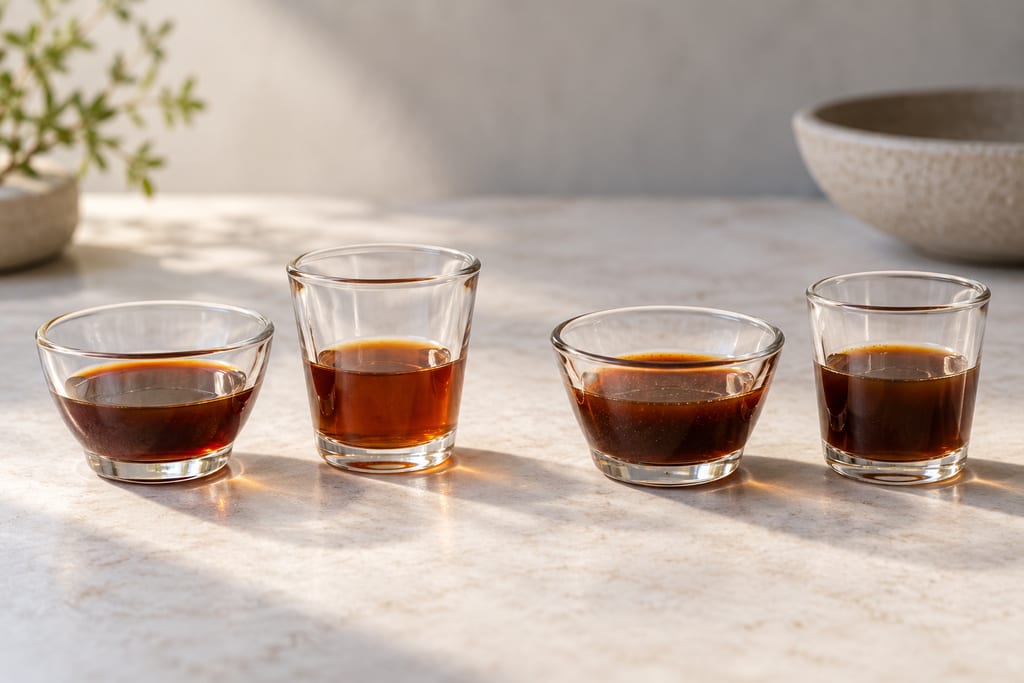
A 2023–2025 proof-of-concept made separate fermented extracts from beef heart and lung with Staphylococcus xylosus and protease. It reports supervised pilot findings, not a validated household method or a blended heart-and-lung formula.
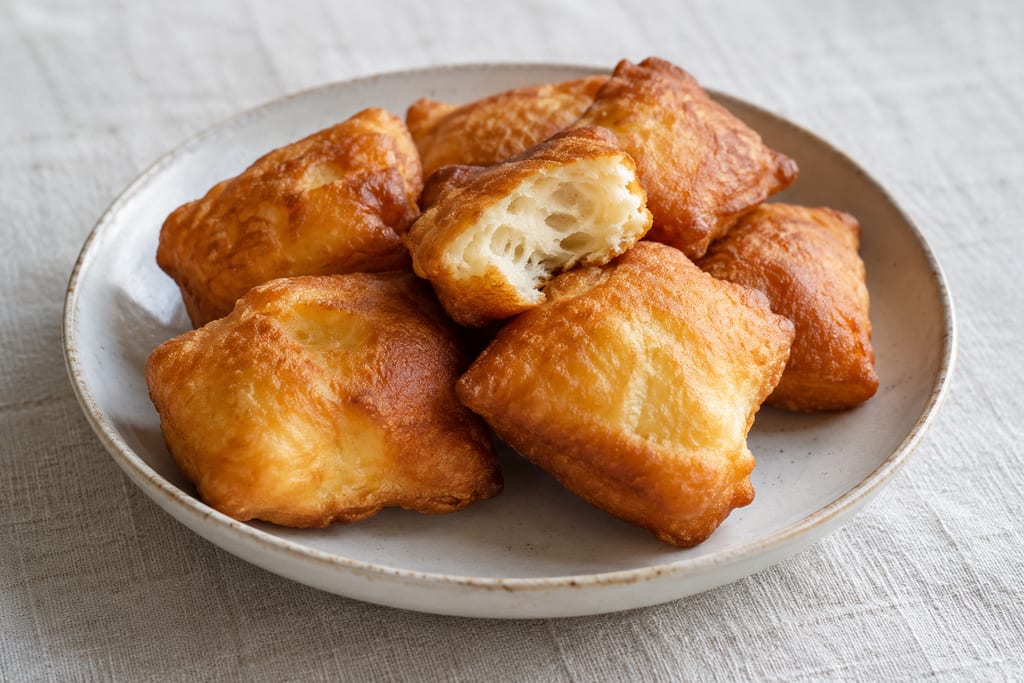
A yeast-leavened Māori fried bread recipe shared by Aunty Gina Harding, with a 12–14 piece batch, two rises and a 165°C fry.
Dixon's 2007 thesis records ten toroi study batches, five with puha and five with watercress, each from 2 kg of shell-on green-lipped mussels and about 600 g of greens. Its method is a laboratory one.
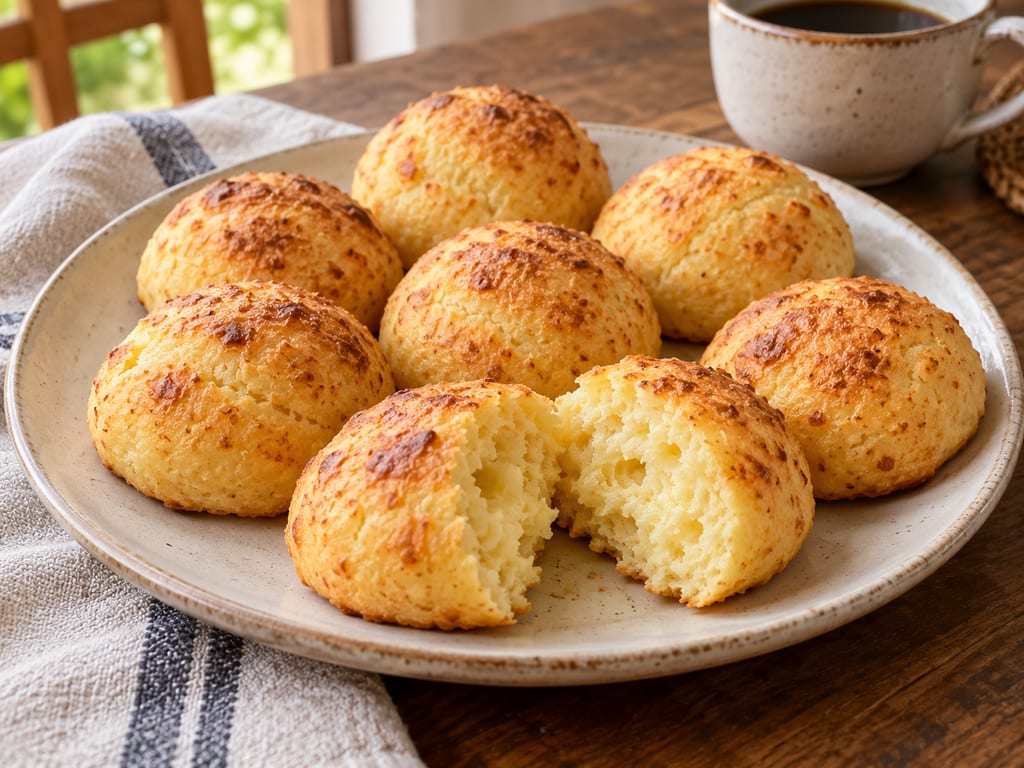
Small Colombian cheese breads made with precooked corn flour, queso fresco, mozzarella, eggs, milk and baking powder. This documented home version makes eight breads and is served warm.
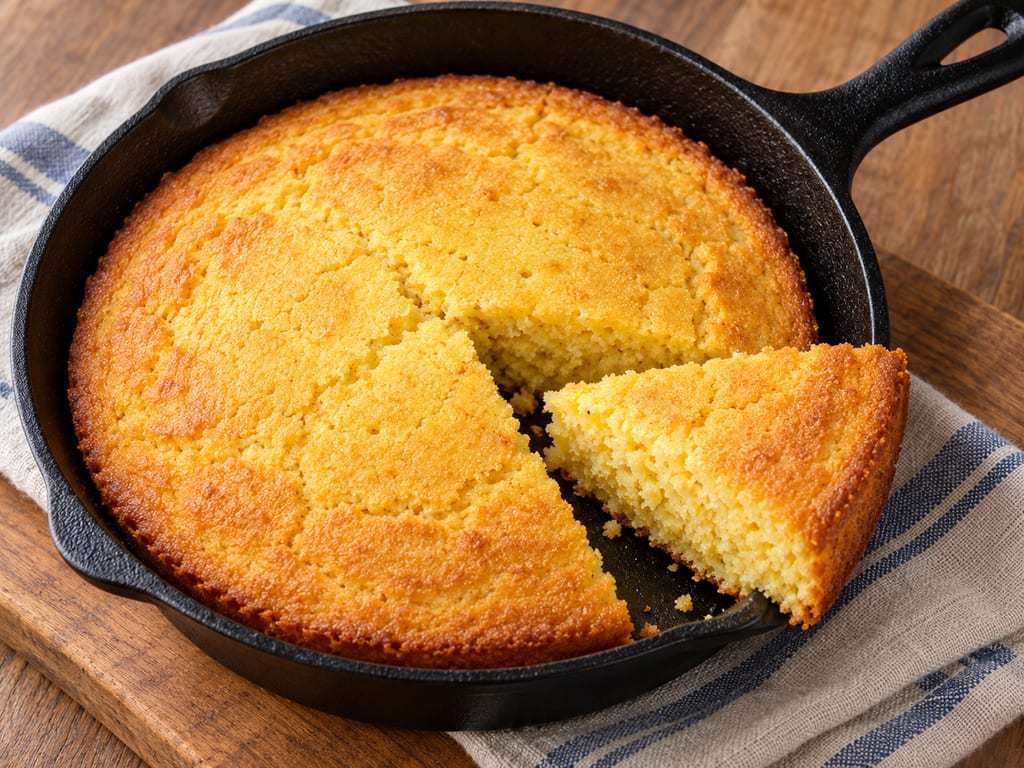
A modern cornmeal-and-wheat cornbread that King Arthur Baking describes as a compromise between Northern and Southern styles. The batter is baked in a pan or as muffins and served warm.
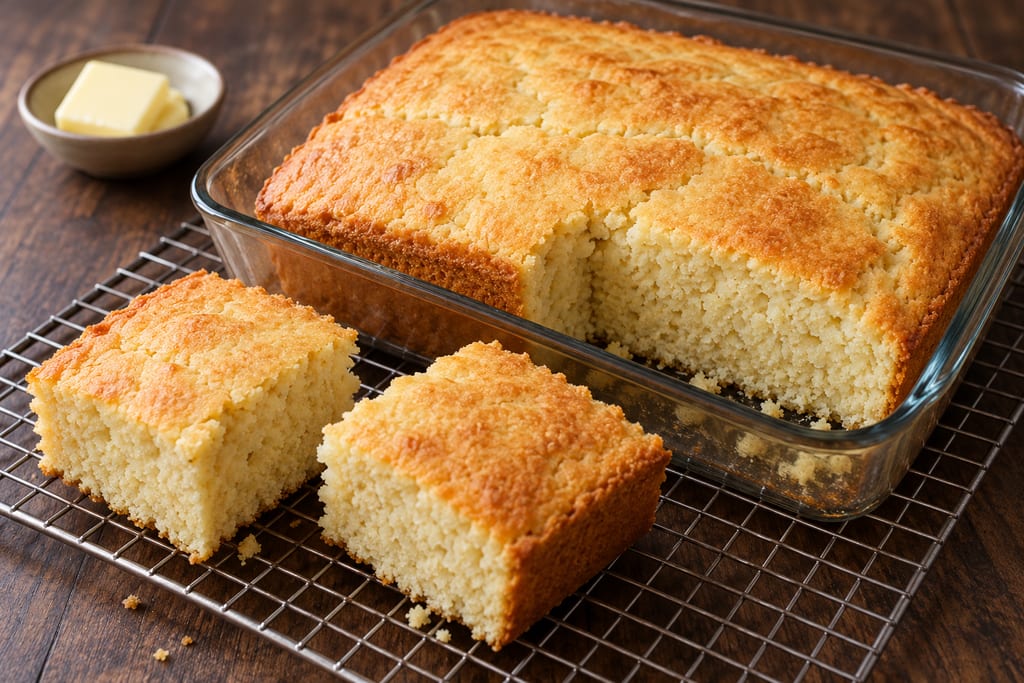
A soft, butter-rich Bahamian-style baked johnnycake made from flour, baking powder, sugar, butter and milk. The dough rests briefly in a square pan before baking.
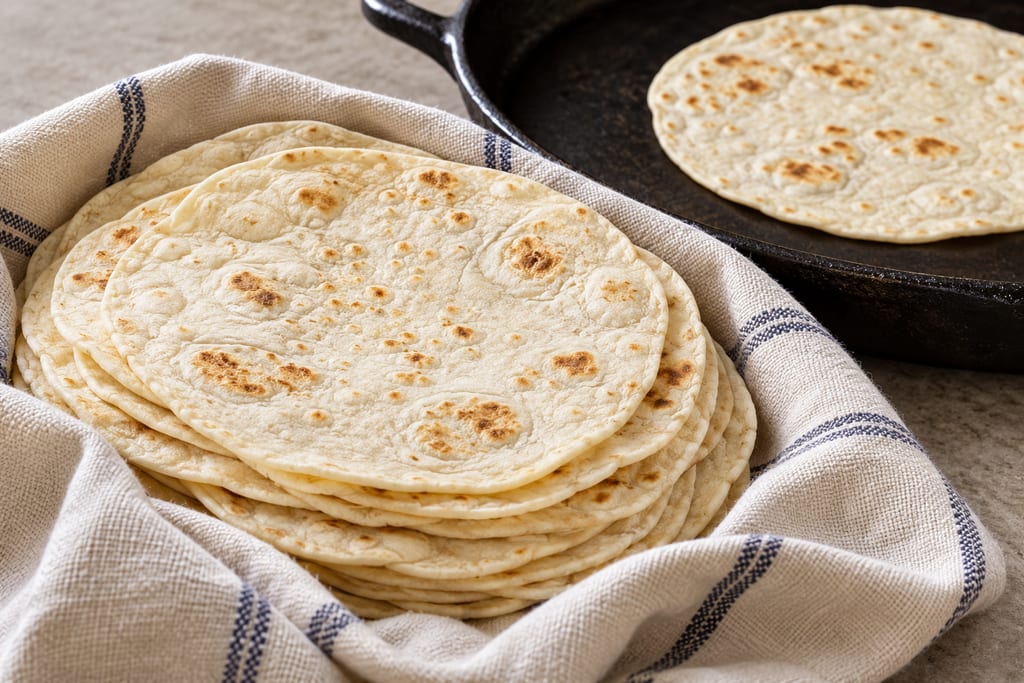
Soft wheat-flour rounds from an INCAP Honduran baleada recipe are rolled thin and cooked on a dry skillet; this record covers tortillas, not the filled dish.
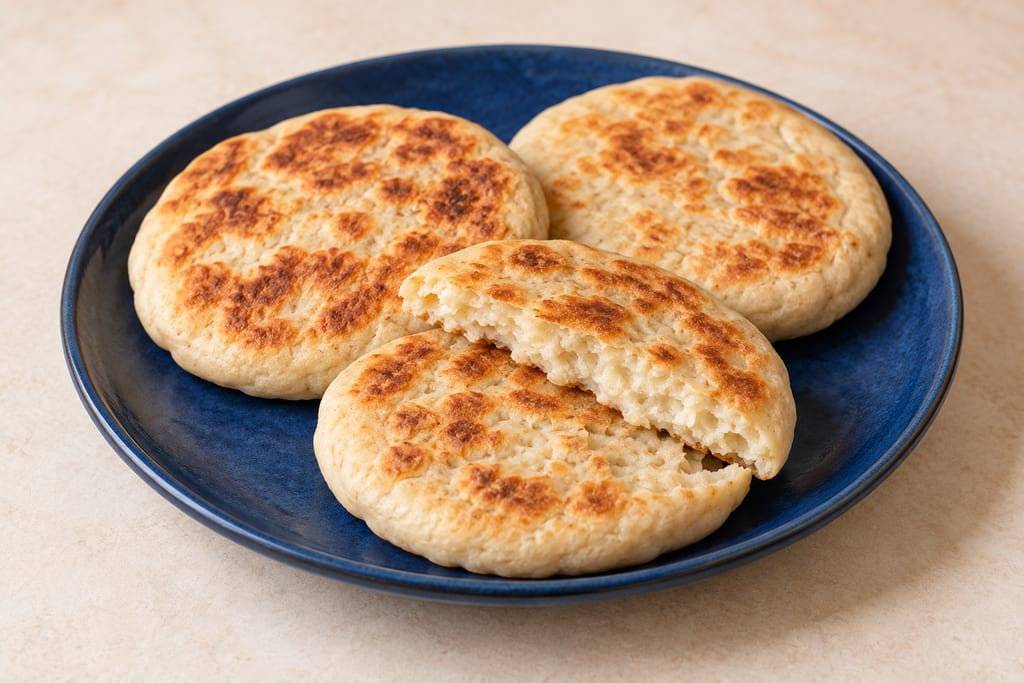
A Central Tibetan style pan bread made from flour, water and baking powder. Four dough balls are rested, rolled into rounds and cooked covered in a skillet, turning them several times.
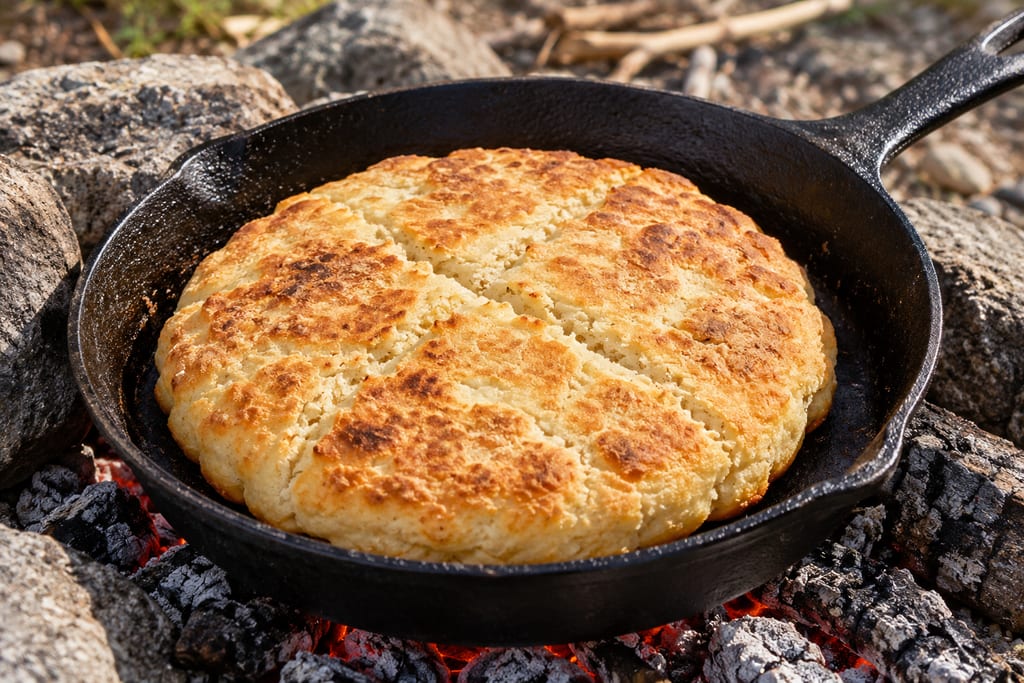
This flour, baking-powder and oil dough is Parks Canada’s contemporary Métis-interpreter version prepared at Rocky Mountain House; its specific recipe origin is unknown.
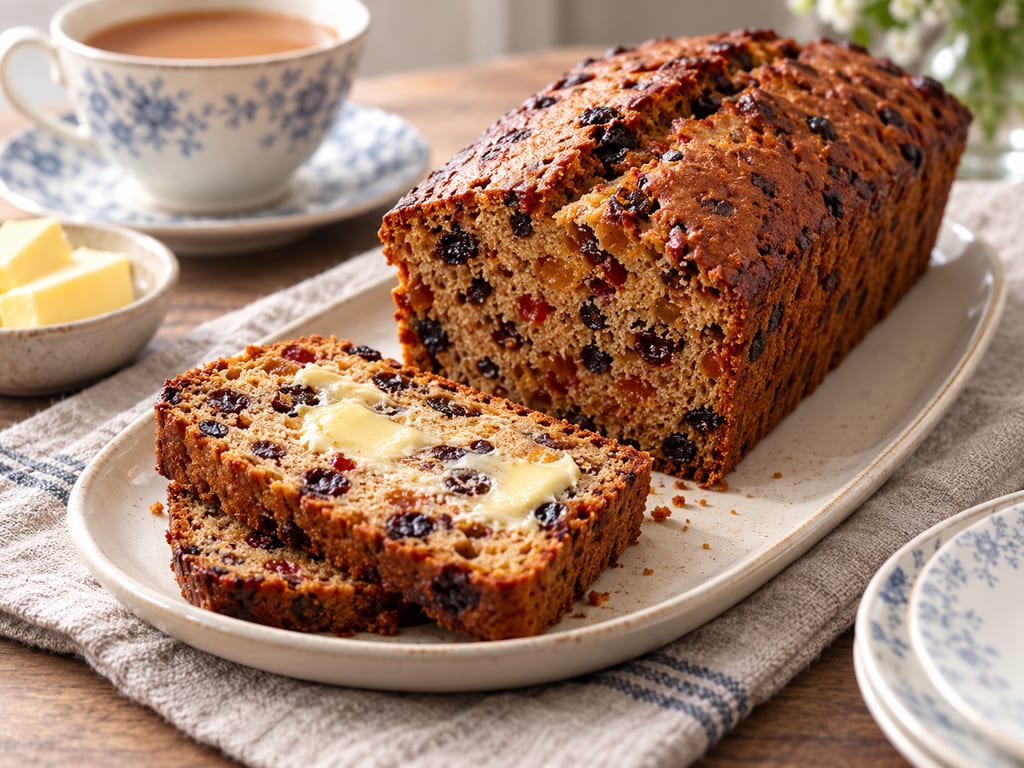
Bara brith is Wales’s speckled fruit loaf, made in both yeasted bread forms and the widely served modern tea-loaf style. This version soaks dried fruit in strong tea before mixing it with self-raising flour, spice, sugar and egg.
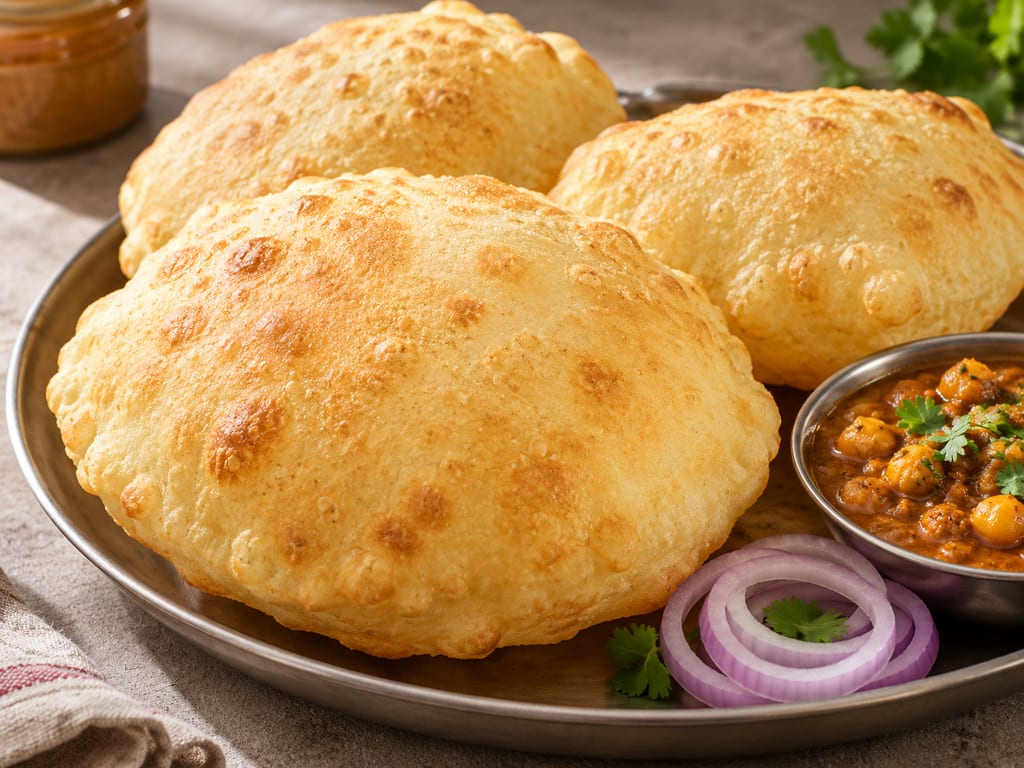
A North Indian fried bread made with yogurt, wheat flour and chemical leaveners. This source batch makes eight.
No community contributions have been published for this entry yet.
Sign in to contribute. Published comments and photos are free to read.
ShepherdessRecipe · Contemporary whānau preparation · Geographic association
Takakau – Flat BreadLowe identifies this as her whānau version and gives the flour, leavener, salt, milk, fat, pan oil and optional garlic-herb butter quantities.
The page supplies the eight-piece yield, mixing, kneading, 30-minute rest, shaping, skillet heat level, approximate cooking times, visual cues and serving context.
The byline names Lowe's iwi affiliations; article dated 3 February 2025 and identifies the recipe as an edited extract from her 2024 book.
Cited in: One cook's whānau recipe; This version uses baking powder; Scope and limits
Te Ara – The Encyclopedia of New ZealandCultural and historical context
Māori foods – kai Māori: Foods introduced by EuropeansThe page discusses Māori flour and bread traditions after European introduction of wheat; it does not establish the first attestation or a precise birthplace for Lowe's specific recipe.
Cited in: One cook's whānau recipe; Scope and limits