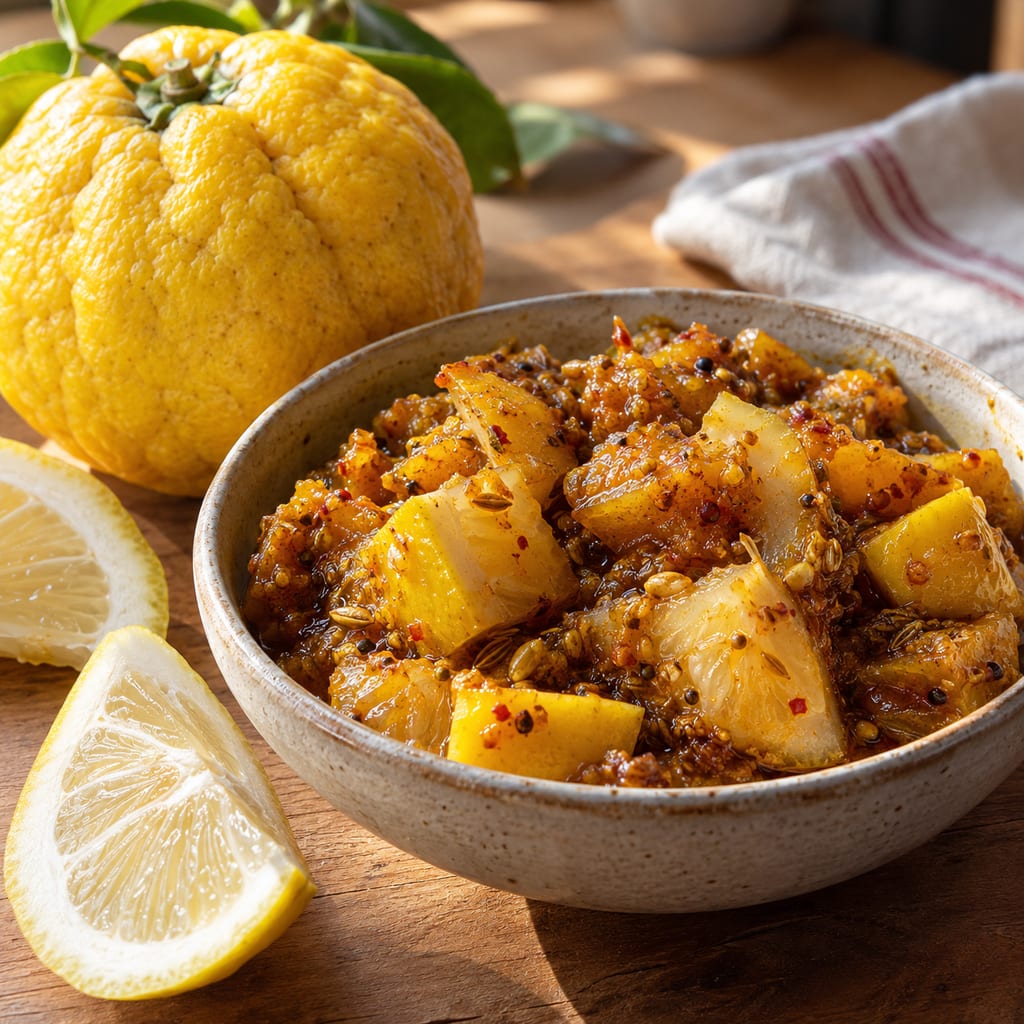
Galgal pickle
Ripe Himalayan galgal is boiled, sun-dried and cooked with mustard oil, spices and jaggery before a further rest in a ceramic jar.
 FermenteaWhere food goes to change
Spices and aromatics
Red chilli is the ripe, red fruit of a Capsicum pepper plant, used fresh, dried, as flakes or as powder to add heat, colour and flavour to pickles, ferments, sauces and stews.
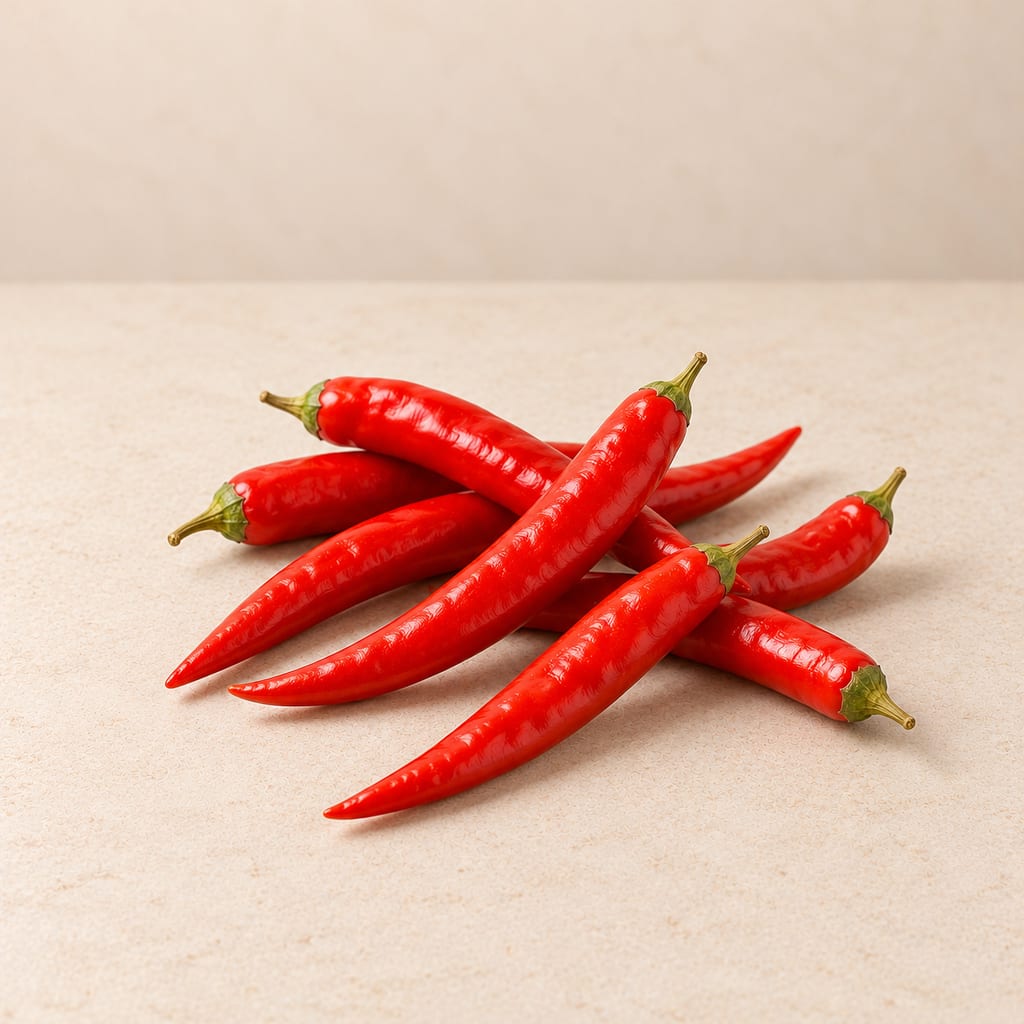
A red chilli is the ripe fruit of a plant in the genus Capsicum, in the nightshade family, Solanaceae. The fruit is botanically a berry: a thin wall around a hollow cavity, with seeds attached to a spongy placenta inside. Green fruits are the same pods picked early; as they ripen they turn red, and in some varieties orange, yellow, brown or purple. The word covers fruits that range from mildly sweet to hot enough to be painful, from a fat, thick-walled pod to a thin finger, and from a pod eaten fresh to one dried for months.
What a cook buys under the name comes in four main forms. Fresh red chillies are used whole, sliced or blended into pastes. Dried whole pods are toasted, soaked or ground. Flakes are crushed dried pods, usually with seeds. Powder is dried fruit ground fine; it may be a single chilli or a blend. These forms behave differently in a dish, and a recipe that says "red chilli" without saying which one leaves the cook to decide. A fresh pod adds moisture and a green-vegetal brightness as well as heat; a powder adds concentrated colour and flavour but no water.
Flavour in chillies is more than heat. Fruity, smoky, sweet, earthy or floral notes depend on species, variety, ripeness and how the pods were dried. The same plant can therefore supply a sharp green condiment and a deep red spice, depending on when it is picked and what is done to it afterwards.
The genus has about 25 species and was restricted to the Americas before Columbus. Five of them were domesticated there. Capsicum annuum includes the bell pepper and the jalapeño and is the most important species in the global spice trade. C. frutescens gives the tabasco pepper. C. chinense includes the habanero and the Scotch bonnet. C. baccatum is the aji of the Andes, and C. pubescens is the rocoto. The regions where each was first domesticated are, in the words of one botanical profile, still "informed speculation".
Heat is measured in Scoville heat units, which record how far a chilli extract must be diluted before the burn can no longer be tasted. Bell peppers contain no capsaicin and measure zero. A jalapeño is usually quoted at 2,500 to 5,000 units, a habanero at 100,000 to 350,000, and the hottest bred varieties go beyond 2 million. These are ranges, not constants: a single variety varies with growing conditions and ripeness, and the colour of a pod says nothing about how hot it is. In general smaller pods are the more pungent.
Breeders and growers have named hundreds of selections within each species. The Tamil Nadu Agricultural University lists annuum varieties by habit and fruit shape and says which suit green harvest, red-ripe harvest or drying. The variety CO.1 is a reselection of the local Sattur Samba type, CO.2 comes from a Gundu type of Erode district, and CO.4 is recommended for chutney, curry and pickles. The point for the kitchen is that "red chilli" is a category of use, not a variety, and a recipe from one region implies a different pod from the same recipe in another.
Chillies were cultivated in the Americas about six thousand years ago and were probably gathered from the wild for at least a thousand years before that. Domestication turned small, erect, deciduous red fruits that dropped from the plant into larger, hanging, persistent fruits in many colours, and it changed the capsaicin content and flavour compounds along the way.
A 2014 study of the origin of Capsicum annuum combined genetic, archaeological, ecological and linguistic evidence. Taken together, the evidence pointed to central-east Mexico as the place of domestication; the genetic data alone favoured an area further north. The authors treat the result as a model, not a proof. Some archaeological pepper remains are dated by the layers they lie in rather than by direct measurement, so no one can name a precise first field or year.
Other species had their own histories further south: the habanero type in Amazonia, aji in Bolivia and the rocoto in the southern Andes. Chilli was already a standard seasoning from the Caribbean to the Andes when Europeans arrived.
The first mention of chilli in western literature is by Diego Álvarez Chanca, physician on Columbus's second voyage, in 1493, who wrote the Taino name aji. The Spanish met the Nahuatl name, from which "chilli" derives, on the Mexican mainland in the 1520s. Leonard Fuchs printed the first European illustrations in 1543, and John Gerard reported in 1597 that chillies were sold at Billingsgate as "Ginnie pepper". By the end of the sixteenth century they were established in China, India, Indonesia and Japan, and from Asia they travelled back into Europe along trade routes.
Gonzalo Fernández de Oviedo, writing about the Indies in 1535, describes aji as a cultivated seasoning eaten with fish, meat and other foods. He notes elongated and rounded fruits, different colours, kinds eaten before ripening and a kind that could be eaten raw without burning. His picture is of a diverse crop, not a single hot red pepper.
Chilli was often called "pepper" in European and Asian languages, which makes the early record hard to read. The historian Stefan Halikowski Smith shows that the two plants moved through markets differently, and questions the popular story that gives a particular Portuguese governor the credit for bringing chilli to India. A fair account says that the chilli was adopted quickly and widely, through several routes, in the sixteenth century.
The colour of a ripe chilli comes from carotenoid pigments made in the fruit's chromoplasts, plastids that replace the green chloroplasts as the fruit ripens. Yellow and orange fruits owe their colour mainly to alpha- and beta-carotene, zeaxanthin, lutein and beta-cryptoxanthin. The red is made by pigments found almost only in Capsicum: capsanthin, capsorubin and capsanthin-5,6-epoxide. Which carotenoids a fruit makes, and how much, depends on variety and growing conditions, which is why two red chillies can differ in depth of colour.
Colour is a major reason cooks use chilli in preserved foods. Red powder and paste colour sausages, pickles, sauces and kimchi, and the pigments are fat-soluble, so they carry into oil. They are a separate quality from heat: a deeply coloured pod can be mild.
The burning sensation comes from capsaicin and related capsaicinoids, which bind to a heat-sensing ion channel on pain-sensing nerve cells. This receptor, identified in 1997, also responds to temperatures above about 43 degrees Celsius, which is why a chilli feels hot rather than merely irritating. Capsaicinoids are concentrated in the tissue around the seeds. In a study of ripe Tabasco peppers, the placenta had the richest capsaicinoid content of the tissues tested, and the seeds and the outer wall had different chemical profiles. Because the heat is concentrated around the seeds, cutting away the placenta and seeds removes much of a pod’s pungency, though seed removal alone does not tell the cook how much heat is left.
Pungency is a sensory response with real physical effects. Capsaicin irritates skin, eyes, the digestive tract and airways, and oil carried from hands to the face turns routine cutting into a painful exposure. The advice from poison-control specialists is to wear gloves, work in a ventilated space and avoid touching the face after handling hot peppers. Cooking or grinding hot chillies can put irritating vapour or dust into the air.
The international standard for fresh chilli peppers covers commercial varieties supplied fresh to the consumer. Its quality criteria are plain: whole, sound, firm, clean fruit, free from deterioration, and developed suitably for the variety. Chillies for industrial processing are outside its scope. Those criteria are a good guide to buying fresh: glossy, firm skin without soft spots, mould or shrivelling.
Drying is one of the oldest ways to preserve chillies. Extension guidance for drying chile makes two points that apply to any pod: moisture has to be removed as quickly as possible at a temperature that does not seriously damage flavour, texture and colour, and if the temperature is too low at the start, microorganisms can survive and even grow before the food is dry. Mould spreads quickly in drying pods and releases spores even when dry. Moisture left in a pod invites mould, so a dried pod should be fully dry before it is stored.
Powder and flakes are convenient but are less transparent. A powder can be a single chilli or a blend, may contain seeds or stems, and shows less of its origin. Dried spices are not sterile. The US Food and Drug Administration's risk profile names Salmonella as an important hazard in the spice supply, with evidence from imported and retail spices. A dry, pungent ingredient is not automatically safe, so a spice that will not be cooked afterwards should come from a supplier who can say how it was treated.
Chilli contributes in four ways to a ferment: colour, flavour, fermentable sugar and an influence on which bacteria thrive. It is rarely the main substrate, but it changes the character of what it joins.
In kimchi, red pepper powder is a standard seasoning, and a 2024 study tested its pungent compounds directly. Five batches of kimchi were made with capsaicinoid levels from 4 to 50.3 mg per kilogram and held at 4 degrees Celsius for 28 days. The capsaicinoids did not break down during that time. Starting at pH 5.36 to 5.52, all batches except the highest fell below pH 4.0. The amount of capsaicinoid did not change the bulk pH or acidity much, but it changed how the lactic acid bacteria grew, with differences in the free sugars, amino acids and bacterial succession that followed; one effect was more mannitol, a sugar alcohol made by heterolactic bacteria from fructose, at higher capsaicinoid levels. So chilli acts less like a switch that stops fermentation than like a nudge that shifts which organisms lead it.
Hot sauce makers ferment red pepper mash in barrels with salt for anywhere from two weeks to three years. In an 18-month study of such a mash, the pH fell steadily as acid accumulated, lactic acid bacteria and yeasts grew together throughout, colour changed only a little, and six aroma compounds rose significantly in the first 60 days before falling by day 300. Mash is a good substrate because the fruit is rich in sugar and, once crushed and salted, gives up its juice.
A 2022 study mashed fruit from six cultivars of Capsicum annuum and Capsicum chinense, including wall, placenta and seeds, and followed spontaneous fermentation, measuring chemical changes and the lactic acid bacteria and Leuconostoc populations. It shows that pepper mash supports microbial activity under defined conditions. It does not make chilli a preservative, and a claim about a finished pickle or paste needs evidence about its own salt, acidity and storage.
Fresh and dried chilli are also added to pickles, chutneys and oil preserves in which no fermentation of the chilli is claimed. In a Himalayan pickle of galgal, a hill lemon, the ingredient list calls for 8 to 12 red chillies and the method uses red chilli powder; the pickle is rested in a jar. Chilli in such a pickle adds colour and heat, and the form used, fresh or ground, changes how much moisture and flavour it brings.
For fresh chillies, choose firm, glossy, evenly coloured fruit with the stem attached and no soft patches. For dried pods, look for even colour and no mould or musty smell; for powder, look for a deep, even colour and a clean smell. Buy from a traceable supplier and keep the product information, since a powder or flake cannot show its own origin.
Keep dried pods and powders dry, since moisture is what lets mould grow in them. Fresh pods can be dried with attention to the points above. No source used here gives a shelf life for chilli, so none is stated.
Hot chillies need handling care. Wear gloves for cutting, wash hands and equipment afterwards, keep fingers from eyes and face, and ventilate when grinding or cooking.
Capsicum can cause a true immune-mediated food allergy, quite separate from the burn of capsaicin. A clinical report on a patient reacting to bell and chilli pepper identified a Capsicum protein, Cap a 7, a gibberellin-regulated protein that cross-reacts with a protein of Japanese cedar pollen. The report shows that such reactions occur; it is not a measure of how common they are. A person with a diagnosed Capsicum allergy needs individual advice, and removing seeds or choosing a milder variety does not make a product safe for them. Chilli has no gluten, but a purchased powder or paste can contain other ingredients, so the label matters.
Capsicum (individual allergy)
Domestication area for C. annuum supported by combined evidence; not a precise birthplace and not the source of any particular modern pod.
No chilli species, cultivar, growing place or supplier is identified. Western Himalayan recipe context and genus native range do not establish this ingredient’s provenance.
Ripe Himalayan galgal is boiled, sun-dried and cooked with mustard oil, spices and jaggery before a further rest in a ceramic jar.
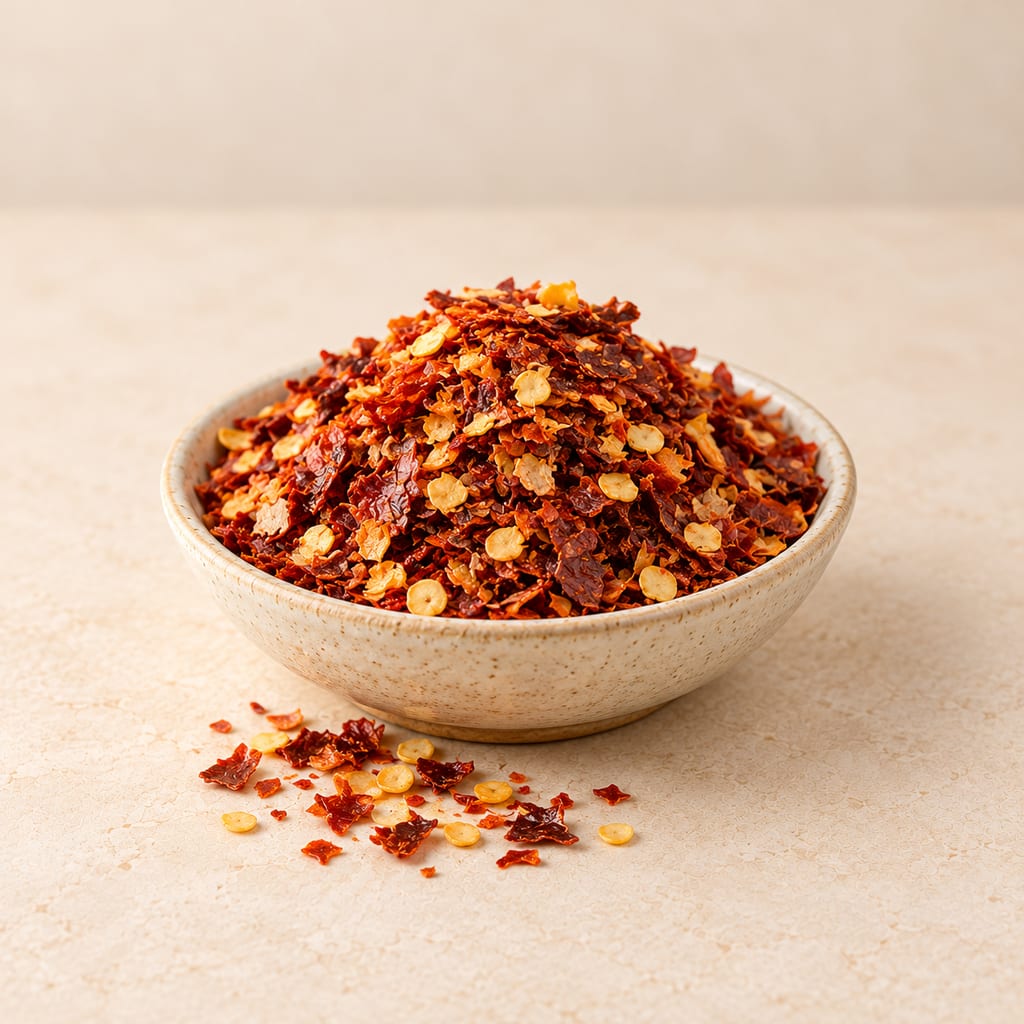
Calabrian pepper flakes are dried red Capsicum annuum from Calabria, crushed into coarse pieces; Peperoncino di Calabria is a protected geographical indication.
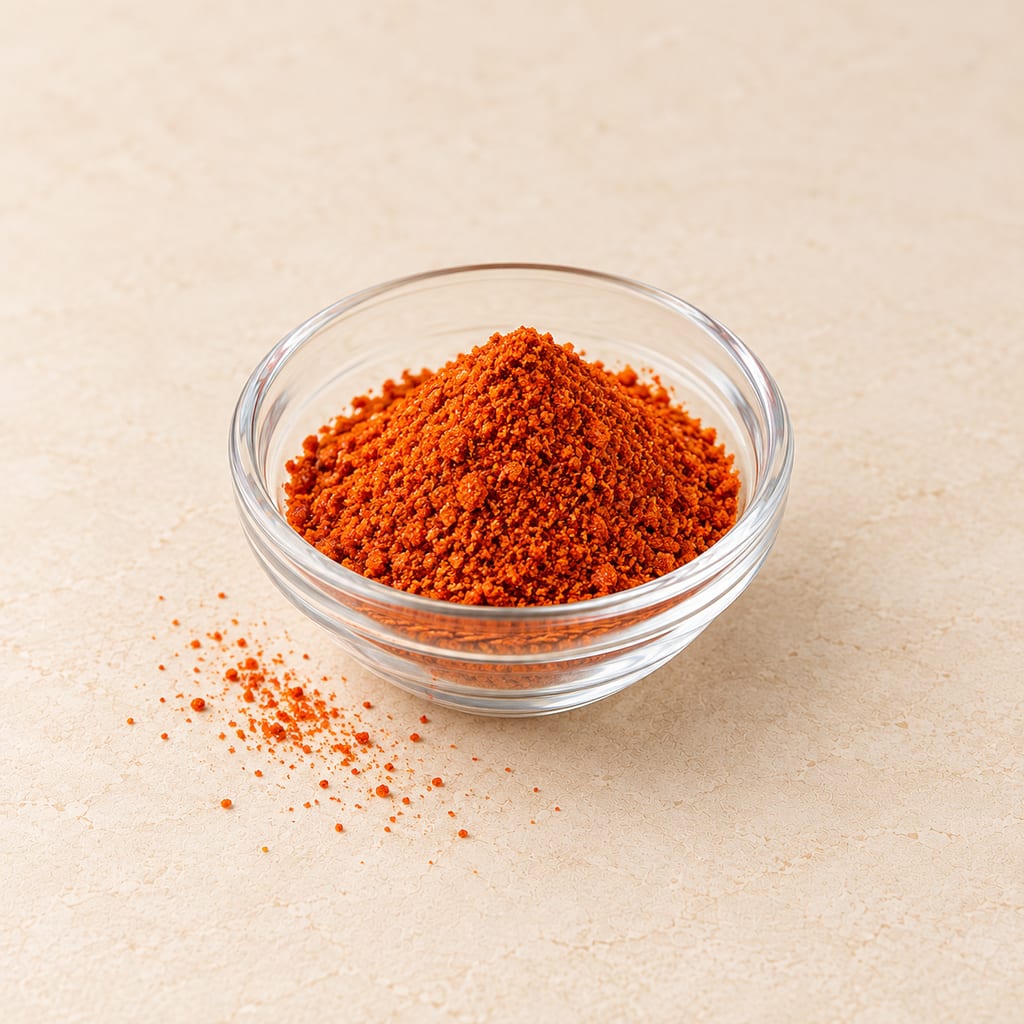
Cayenne is a very pungent red powder from dried, ground hot chilli pods, mostly Capsicum annuum, and the name of the long red peppers it comes from.
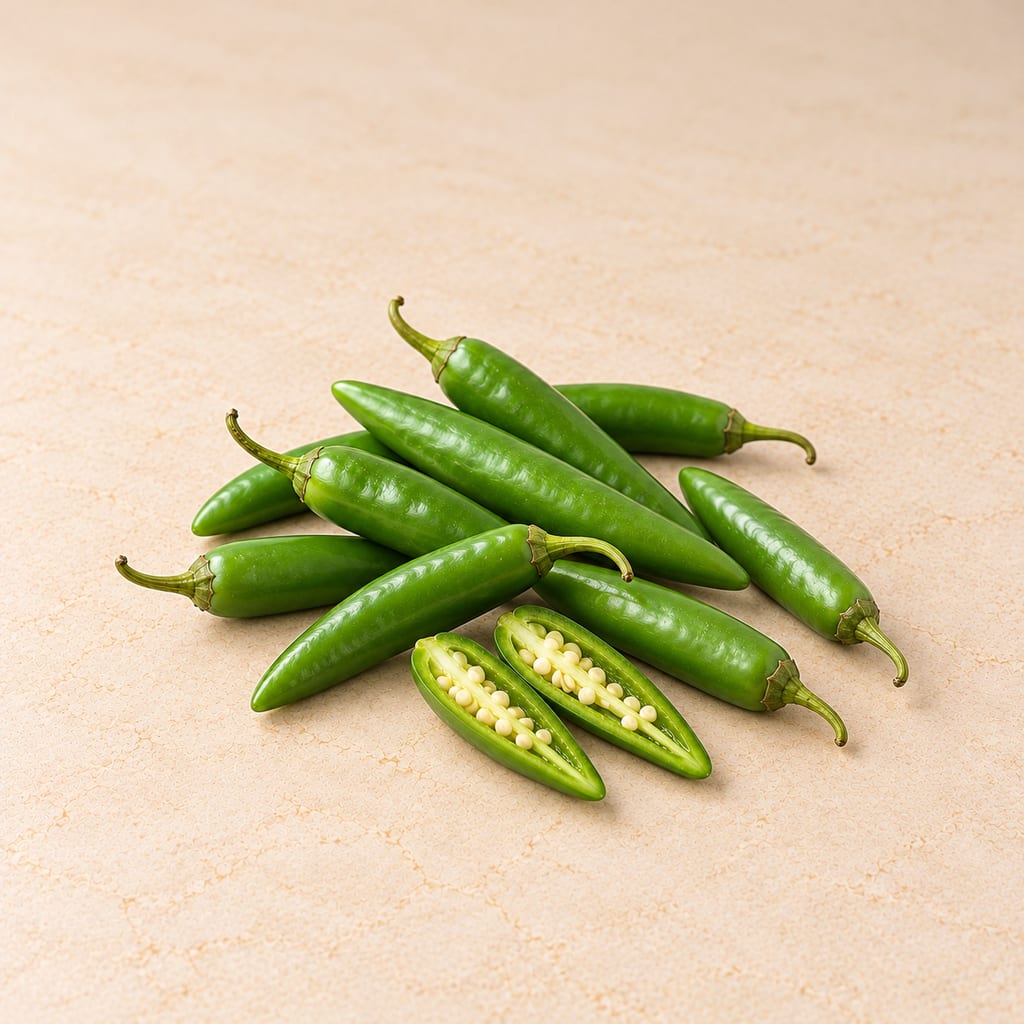
Chilli is the pungent fruit of Capsicum plants, native to the Americas and eaten fresh, dried, ground or fermented in cuisines around the world.
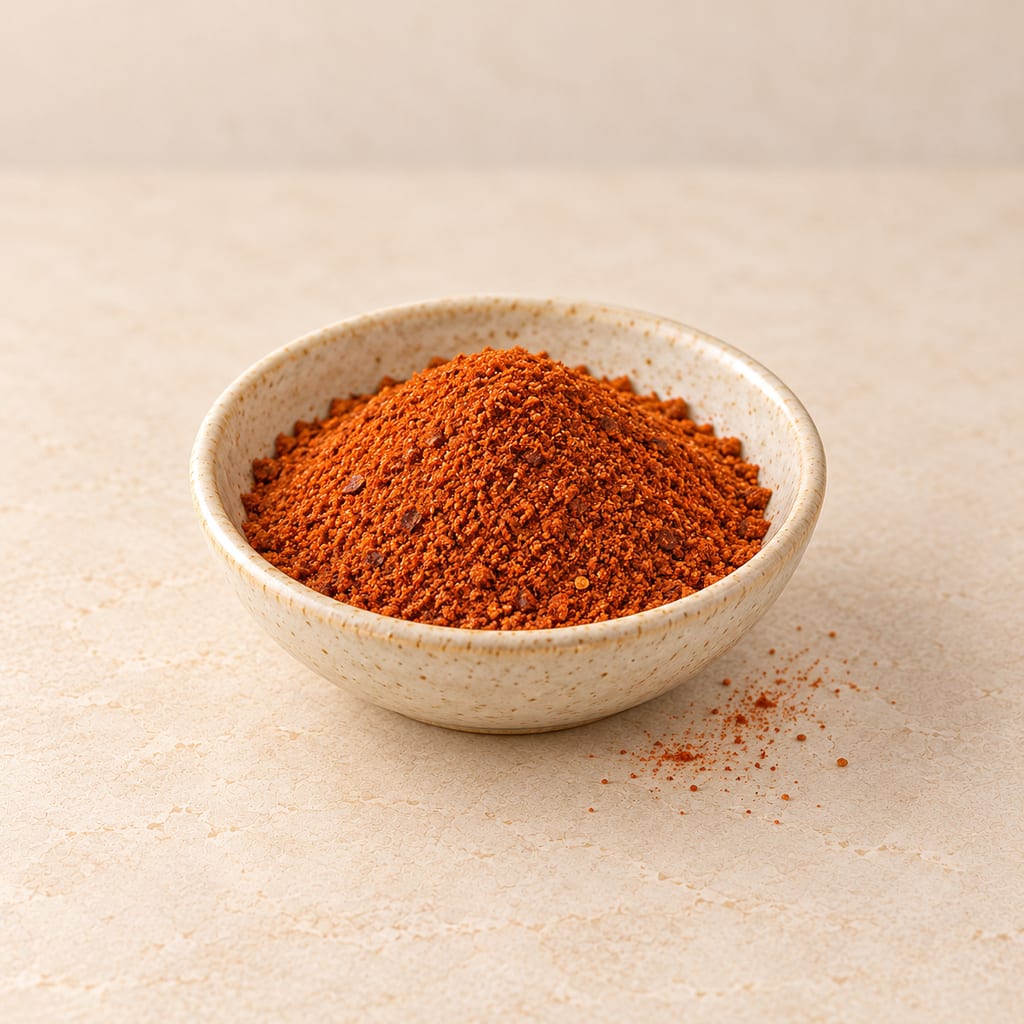
Chilli powder is dried chilli fruit ground fine, sold either as plain ground chillies or, in the United States, as a seasoning blend with salt, garlic and cumin.
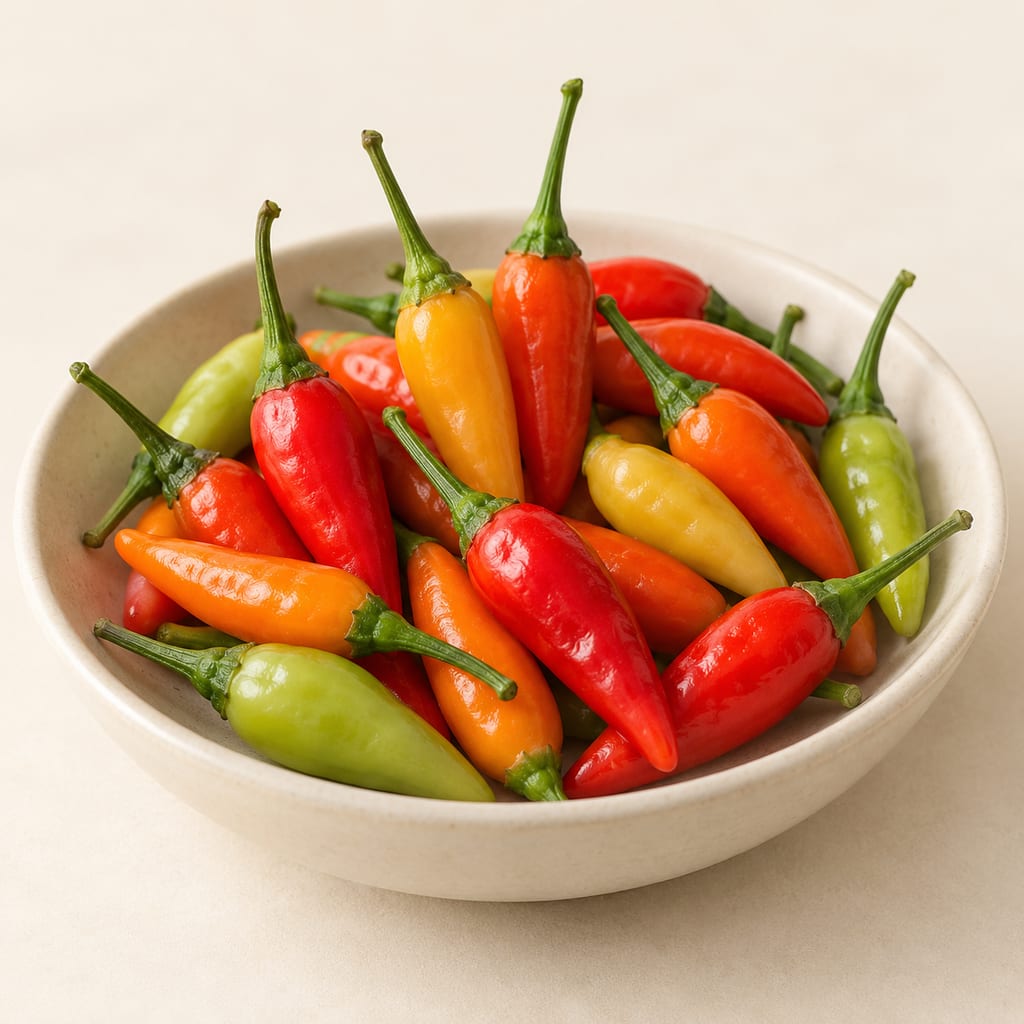
Tabasco chile is the small, upright, pungent fruit of Capsicum frutescens 'Tabasco', a cultivar long used in Louisiana pepper sauce.
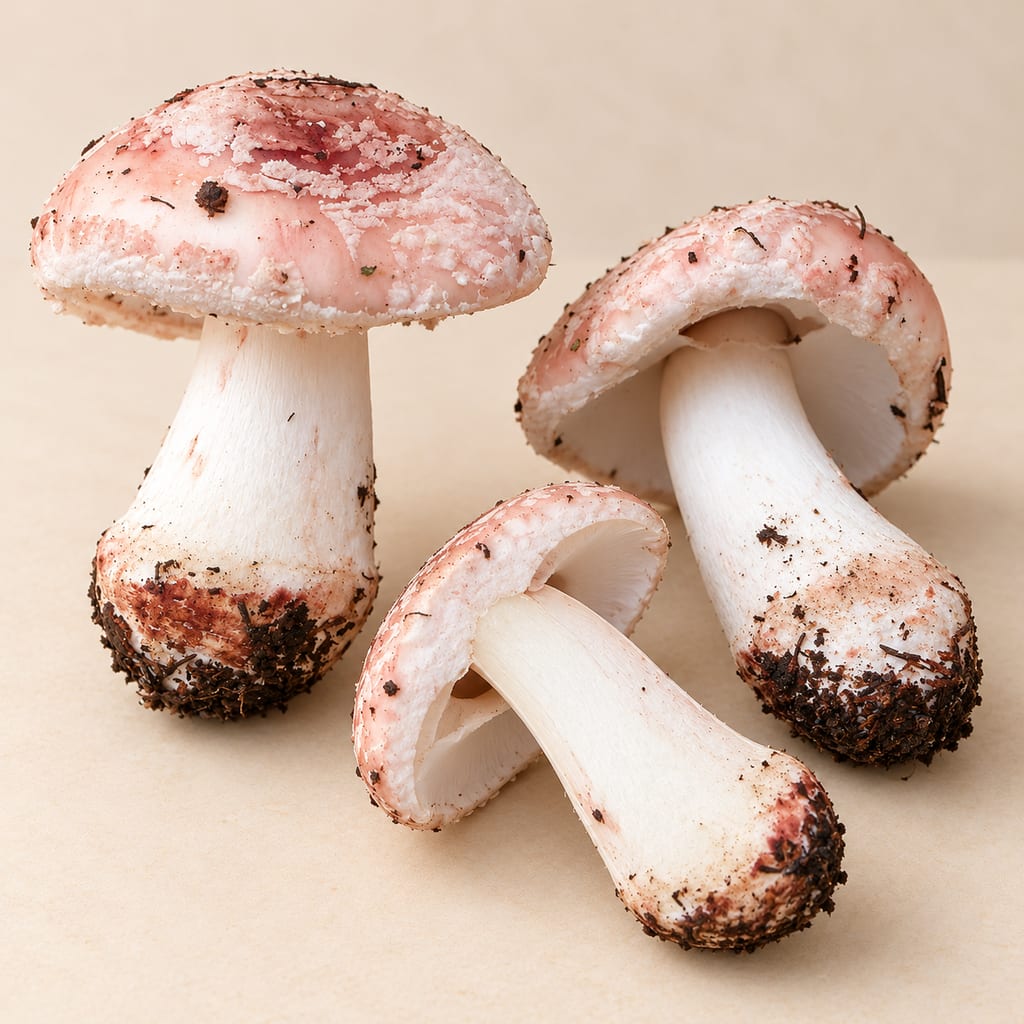
Amanita novinupta is a western North American blusher, a forest mushroom recorded as food in Mexico, and one that must be cooked because its raw flesh is toxic.

Ripe avocado flesh is the soft, buttery, fat-rich pulp of Persea americana, eaten raw. It is low in acid, so it is a fresh ingredient that needs care in chilled dishes.
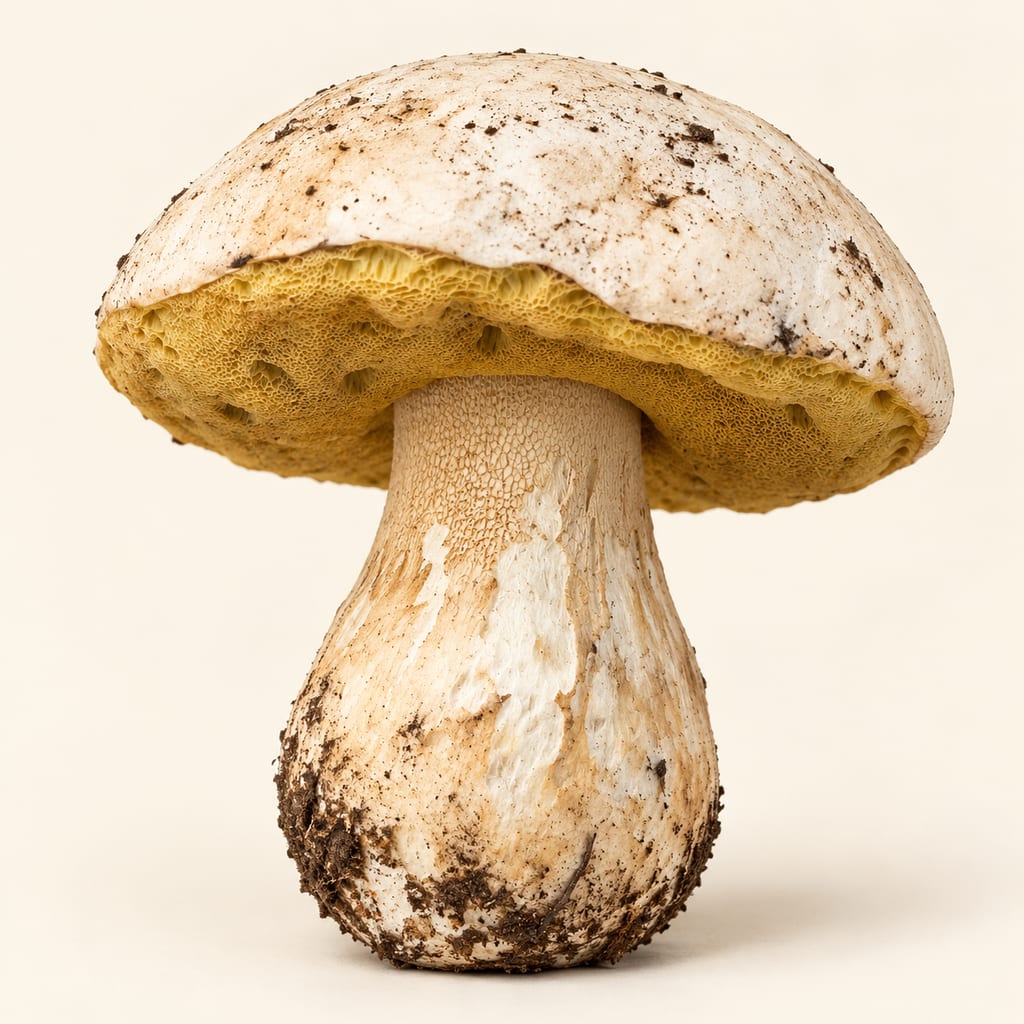
Boletus barrowsii, the white king bolete, is a western porcini relative with documented local food use in Mexico. Its pale cap and netted stem are not enough for field identification.
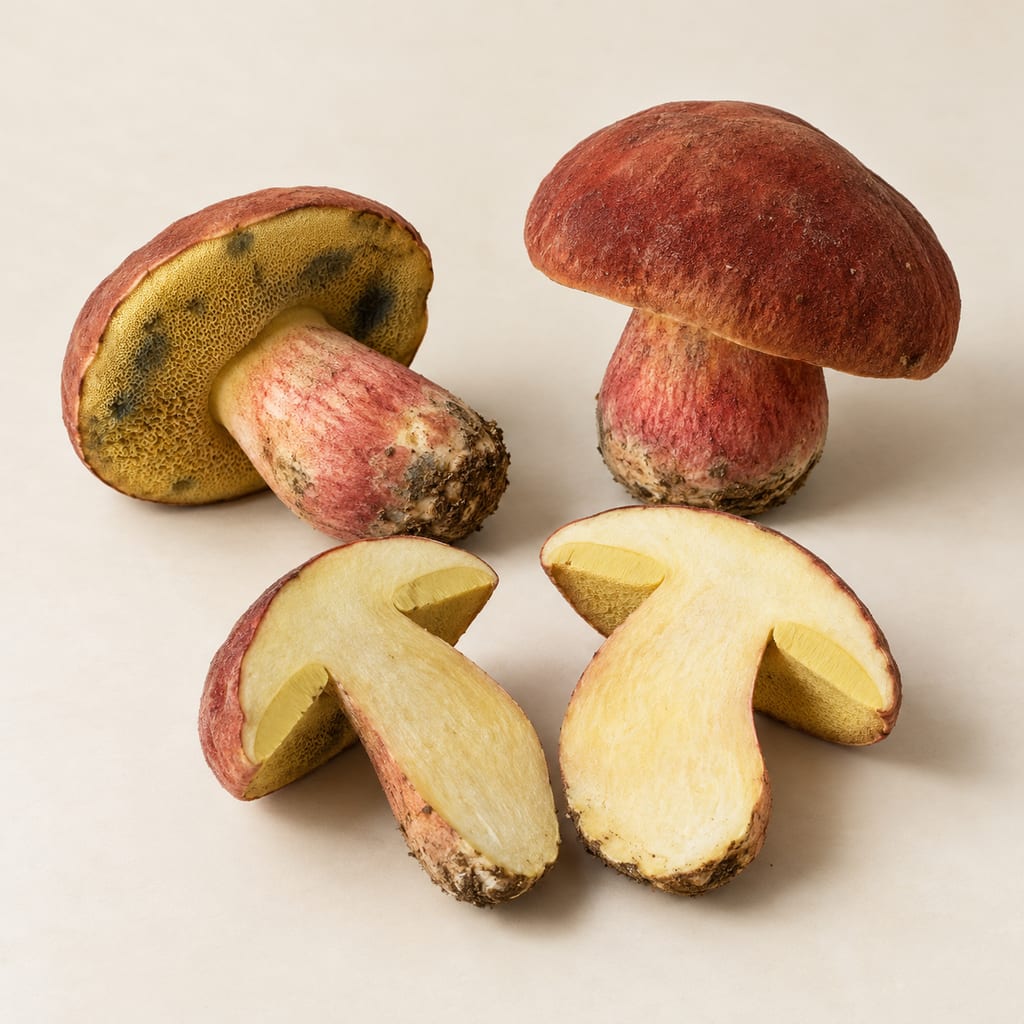
A red-and-yellow bolete described from Michigan and also listed in Mexican fungal records. Historical sources classify it as food, but its species limits, Mexican range and safe food use need careful qualification.
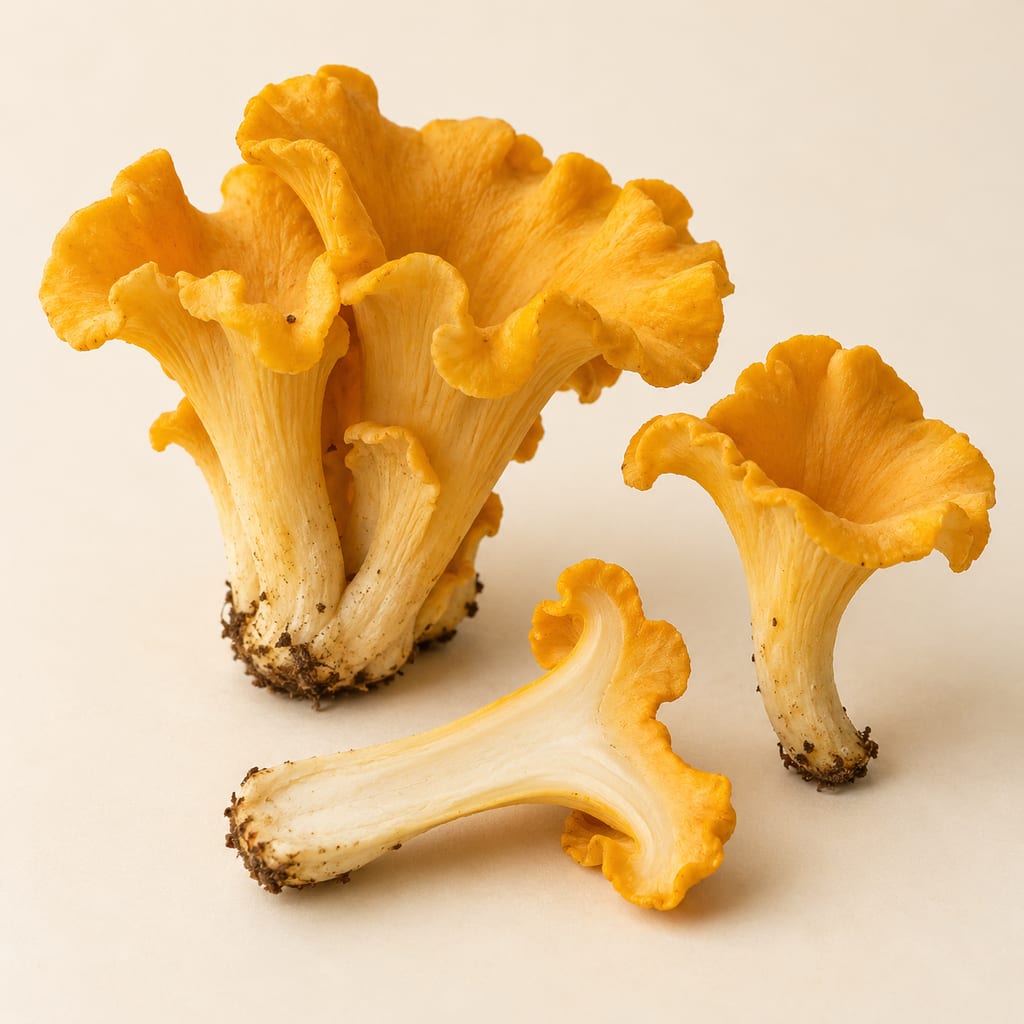
Cantharellus odoratus, the fragrant chanterelle, is a North American and Central American oak-woodland fungus. It was sold in a Veracruz market in the 1980s and in Guatemala in 2002, and its name is still disputed.
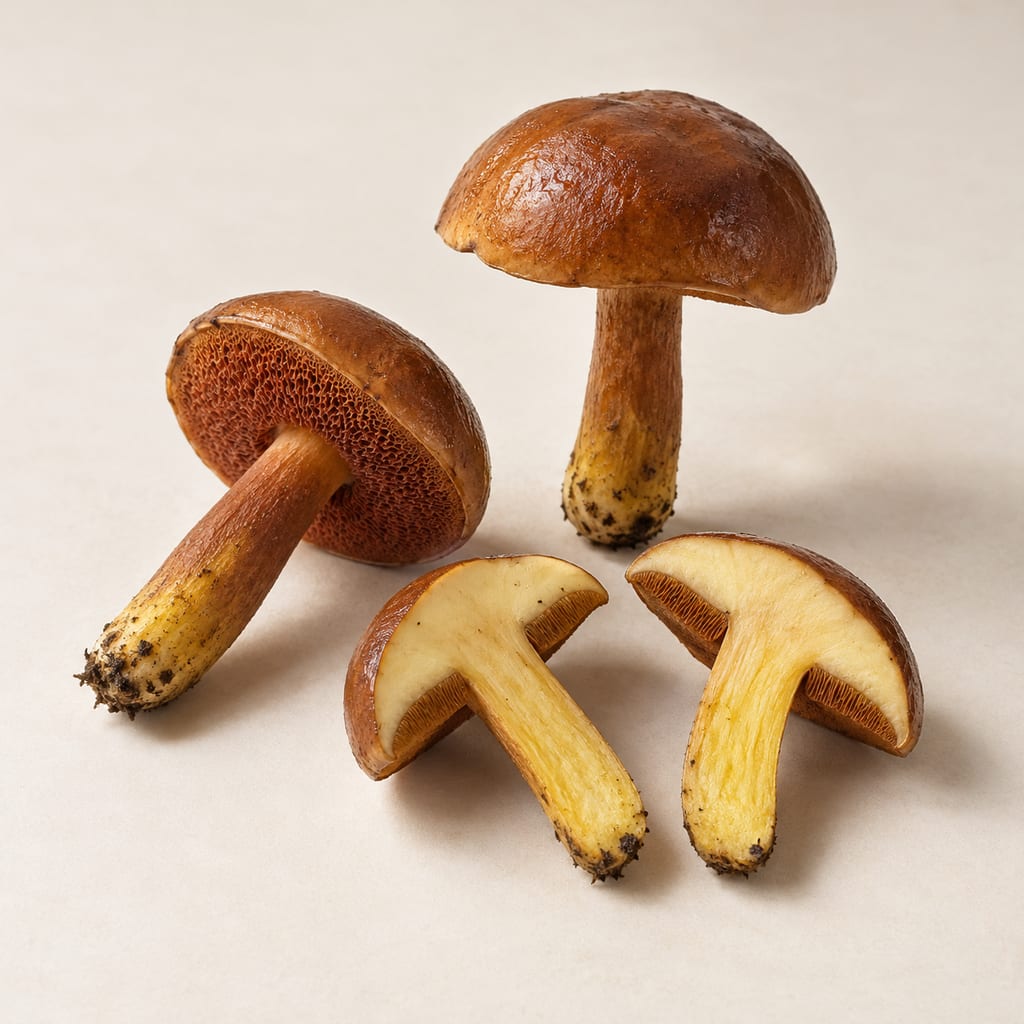
A peppery woodland bolete with historical edible labels and reported condiment use in Querétaro. Current mycological references call its edibility suspect or unestablished; this entry does not recommend consumption.
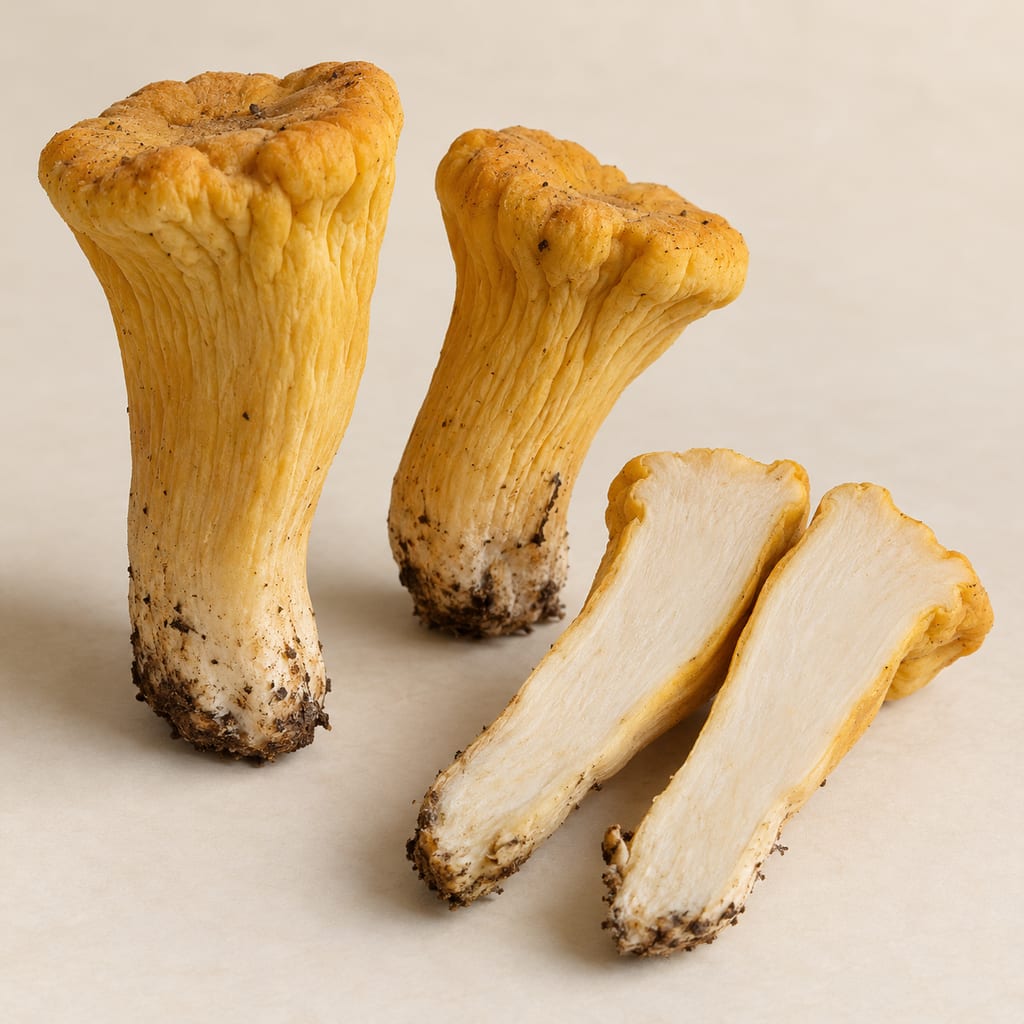
A yellow to ochre club fungus reported as food in parts of Mexico and in historical country lists. Local acceptance and taxonomy vary, and some Chinese records may refer to Clavariadelphus amplus.
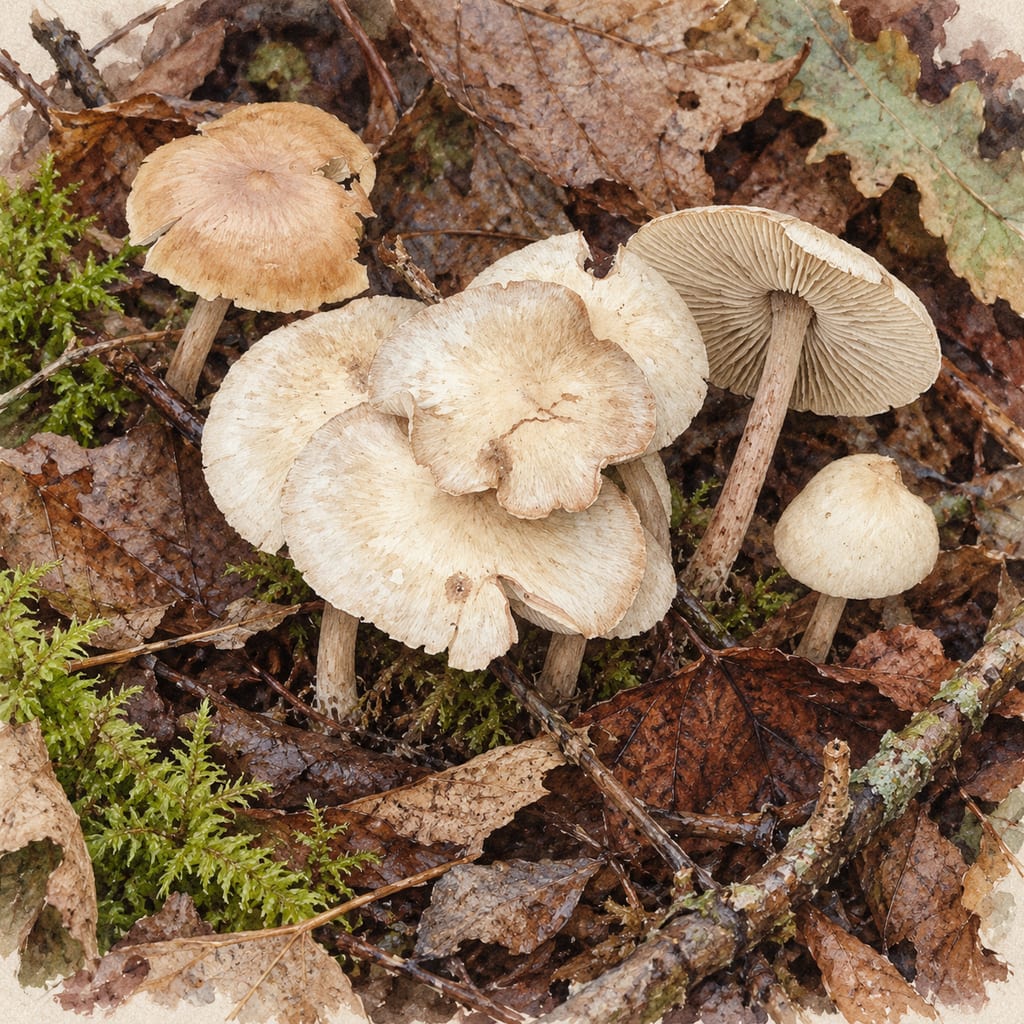
A clustering woodland agaric, now named Collybiopsis confluens, documented as eaten in one Mexican lake basin and listed as edible in older Hong Kong and Malawi checklists. Its food status varies by region.
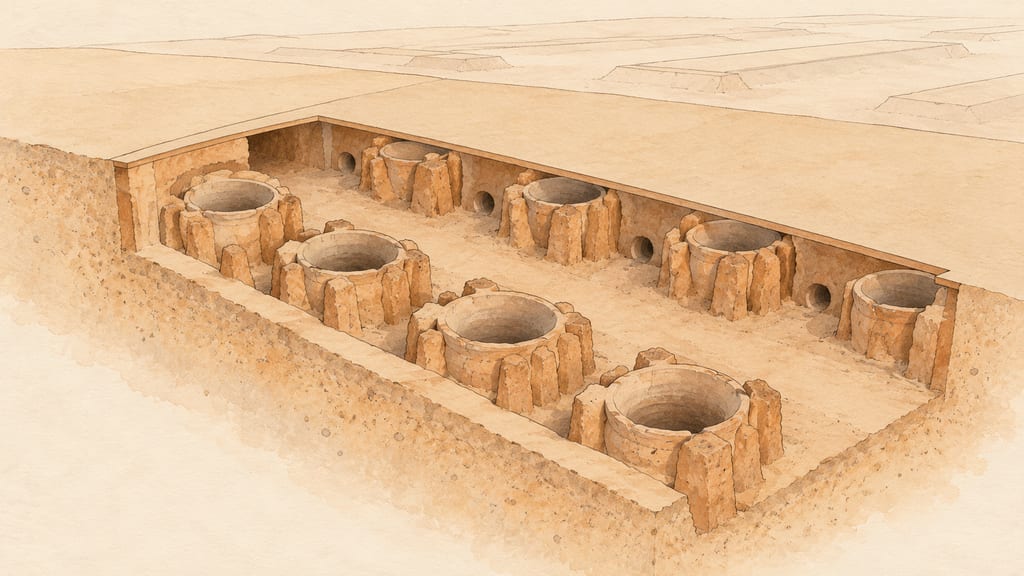
At North Abydos in Egypt, a fixed early Dynastic brewery comprised parallel semi-subterranean installations with rows of ceramic mash vats; excavation reports revise their number, scale and estimated batch capacity.
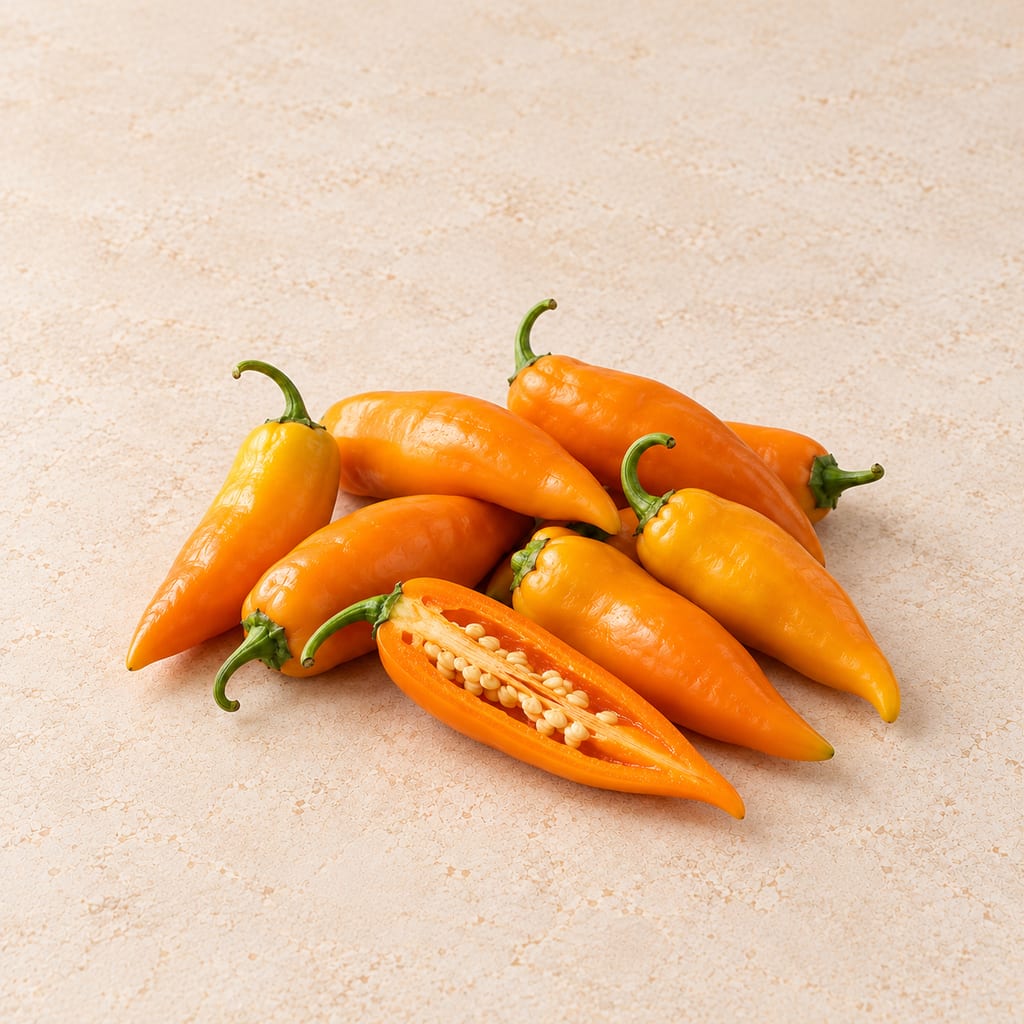
Ají amarillo is the orange-yellow Peruvian chilli cultivar group of Capsicum baccatum, used to colour and season huancaína sauce and ají de gallina. Published heat estimates do not establish one range for the named cultivar.

Toasted almonds are whole sweet almond kernels dry-roasted until golden to brown. Heat replaces their marzipan note with a roasted, nutty one; they thicken and flavour romesco.

Kodiak salmon, halibut and cod cut as seg'aq and hung on an initaq rack to become tamuuq, with kac'amaasaq and kupcuunaq named as different results.

Aniseed is the dried ripe fruit of Pimpinella anisum, an aromatic Apiaceae spice commonly called a seed. It adds a sweet, warm aroma to breads such as Moroccan krachel and South African mosbolletjies, and is distinct from star anise.
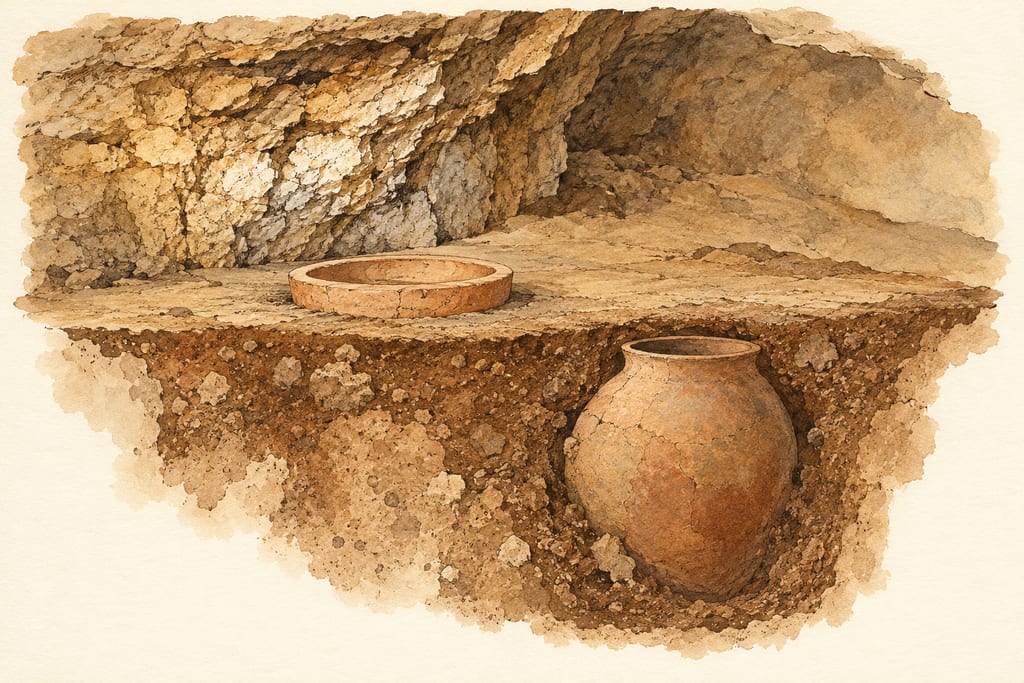
A fixed Late Chalcolithic installation in Areni-1 cave combined a shallow clay pressing basin with a large jar set into the cave floor and storage vessels nearby.
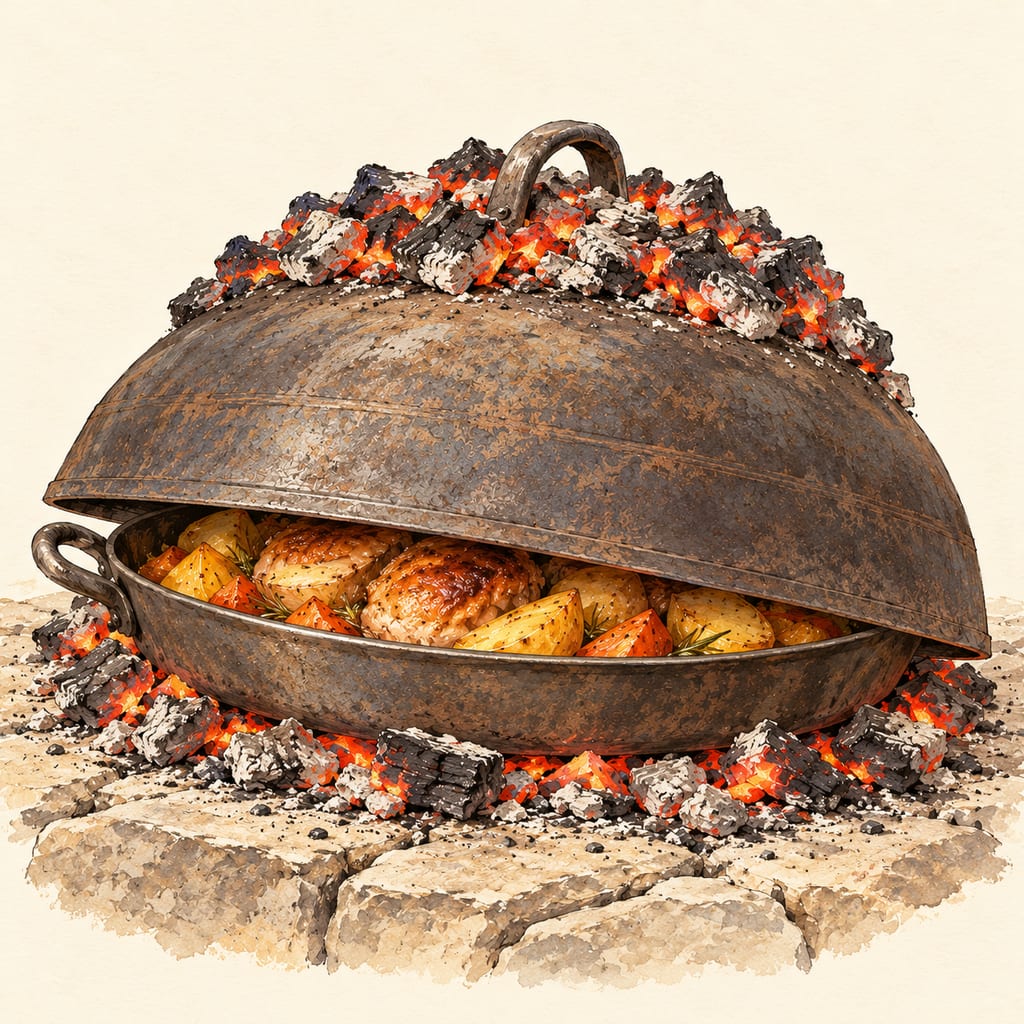
A portable dome and pan used over a hearth, with embers on the lid and heat from below. Regional peka and saç forms share this principle while differing in materials, pan shape and how the food is cooked.
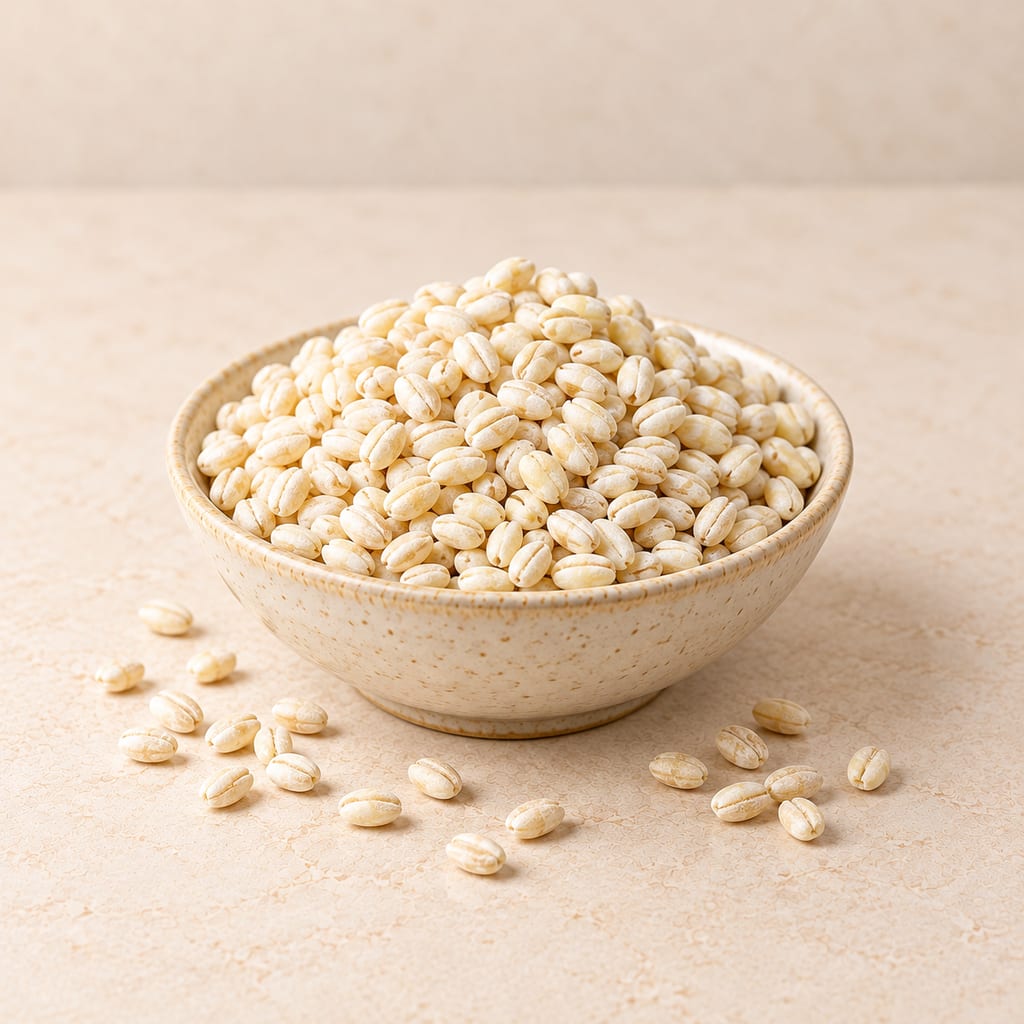
Barley is a hardy cereal, domesticated in the Middle East over 10,000 years ago, eaten whole, pearled or milled, malted for brewing, and grown with koji mold for barley miso.
No community contributions have been published for this entry yet.
Sign in to contribute. Published comments and photos are free to read.
Royal Botanic Gardens, Kew, Plants of the World Online
Capsicum L.Capsicum is an accepted genus of Solanaceae with a native range from Mexico to tropical America and many introduced regions.
Cited in: What a red chilli is; Species and heat
FAO/WHO Codex Alimentarius
Codex Standard for Chilli Peppers, CODEX STAN 307-2011The Codex standard for fresh chilli peppers sets quality requirements: whole, sound, firm, clean, free from deterioration and suitably developed; chillies for industrial processing are outside its scope.
Cited in: What a red chilli is; Fresh, dried, flakes and powder; Choosing and storing red chilli
PNAS; Kraig H. Kraft and colleagues
Multiple lines of evidence for the origin of domesticated chili pepper, Capsicum annuum, in MexicoGenetic, archaeological, ecological and linguistic evidence for central-east Mexico as the domestication area of Capsicum annuum, with genetic evidence favouring a more northerly area; some remains dated by stratigraphy.
Cited in: Domestication in Mexico and the Americas
Gonzalo Fernández de Oviedo; King’s College London transcription
Historia general y natural de las Indias: Part 1 (1535), Libro VII, chapter VII, Del ajíOviedo (1535) describes aji as a cultivated seasoning eaten with fish and meat, with long and round fruits, different colours, kinds eaten unripe and a kind eaten raw without burning.
Cited in: How the chilli crossed the world
Journal of Ethnopharmacology; Stefan Halikowski Smith
In the shadow of a pepper-centric historiography: Understanding the global diffusion of capsicums in the sixteenth and seventeenth centuriesEarly modern spread of capsicums beside black pepper in several languages; the evidence for a Portuguese governor introducing chilli to India is questioned.
Cited in: How the chilli crossed the world
Tamil Nadu Agricultural University
Horticulture: Vegetables: Chilli varietiesChilli (Capsicum annuum) varieties CO.1 (reselection of Sattur Samba), CO.2 (Gundu type of Erode district) and CO.4 (chutney, curry and pickles), with uses green, red-ripe and dried.
Cited in: Species and heat
Metabolites
Placenta, Pericarp, and Seeds of Tabasco Chili Pepper Fruits Show a Contrasting Diversity of Bioactive MetabolitesRipe Tabasco pepper (Capsicum frutescens) placenta, pericarp and seeds differ in metabolites; the placenta is richest in capsaicinoid-related compounds.
Cited in: Where the heat comes from
Nature; Michael J. Caterina and colleagues
The capsaicin receptor: a heat-activated ion channel in the pain pathwayThe capsaicin receptor is a heat-activated ion channel on sensory neurons.
Cited in: Where the heat comes from
Himalayan Wild Food Plants
Citrus pseudolimon Tanaka — GalgalA Himalayan galgal pickle method calling for 8-12 red chillies and red-chilli powder; used here only for that preparation.
Plants
Dynamics of Bioactive Compounds during Spontaneous Fermentation of Paste Obtained from Capsicum ssp.—Stage towards a Product with Technological ApplicationSpontaneous fermentation of paste from six cultivars of Capsicum annuum and C. chinense, including wall, placenta and seeds, with chemical changes and lactic acid bacteria and Leuconostoc counts.
Cited in: What red chilli does in fermentation and preserving
US Food and Drug Administration
Risk Profile: Pathogens and Filth in Spices, 2017 UpdateSalmonella is a main hazard in the spice supply; evidence from imported and retail spices.
Cited in: Fresh, dried, flakes and powder; Choosing and storing red chilli
National Capital Poison Center; Amanda McDaniel-Price
Capsaicin: When the chili is too hotCapsaicin exposure irritates skin, eyes, the digestive tract and breathing; wear gloves, ventilate and avoid touching the face.
Cited in: Where the heat comes from; Choosing and storing red chilli; Allergy and dietary context
Allergy, Asthma & Immunology Research; Takei and colleagues
Capsicum Allergy: Involvement of Cap a 7, a New Clinically Relevant Gibberellin-Regulated Protein Cross-Reactive With Cry j 7, the Gibberellin-Regulated Protein From Japanese Cedar PollenClinical report of Capsicum allergy with the protein Cap a 7, cross-reactive with Japanese cedar pollen.
Cited in: Allergy and dietary context
University of Oxford, BRAHMS Online (Stephen Harris)Species · History
Capsicum (Chilli peppers), Plants 400 profileAbout 25 Capsicum species, five domesticated in the Americas; domestication regions remain informed speculation; cultivation about six millennia ago; capsaicin concentrated around the seeds; Scoville ranges for bell pepper, jalapeno and habanero; Chanca 1493, Fuchs 1543, Gerard 1597; established in China, India, Indonesia and Japan by the end of the sixteenth century.
Cited in: What a red chilli is; Species and heat; Domestication in Mexico and the Americas; How the chilli crossed the world; Where the heat comes from
New Mexico State University Cooperative ExtensionPreservation
Preserving Green Chile Peppers: Freezing, Drying, Freeze Drying, and CanningDrying removes moisture quickly at a temperature that does not harm flavour, texture and colour; too low a start temperature lets microorganisms survive and grow; mould, Listeria and Salmonella concerns; smaller pods tend to be more pungent.
Cited in: Fresh, dried, flakes and powder; Choosing and storing red chilli
Heliyon 10 (Chung et al., 2024)Fermentation
Metabolic shift during fermentation in kimchi according to capsaicinoid concentrationKimchi with 4 to 50.3 mg/kg capsaicinoids kept at 4 C for 28 days; initial pH 5.36 to 5.52; capsaicinoids stable; lactic acid bacteria growth, sugars, amino acids and mannitol varied with capsaicinoid level.
Cited in: What red chilli does in fermentation and preserving
International Journal of Food Science and Technology 53(8) (Watts et al., 2018)Fermentation
Microbiological changes and their impact on quality characteristics of red hot chilli pepper mash during natural fermentationHot sauce mash may ferment in barrels for 2 weeks to 3 years; an 18-month study found falling pH inversely related to acid, lactic acid bacteria and yeast in symbiosis, minor colour change, six volatiles rising in the first 60 days and falling by day 300.
Cited in: What red chilli does in fermentation and preserving
International Journal of Molecular Sciences 14 (Gomez-Garcia and Ochoa-Alejo, 2013)Colour
Biochemistry and Molecular Biology of Carotenoid Biosynthesis in Chili Peppers (Capsicum spp.)Yellow-orange colours from alpha- and beta-carotene, zeaxanthin, lutein and beta-cryptoxanthin; red from capsanthin, capsorubin and capsanthin-5,6-epoxide; chromoplasts synthesise and store the pigments.
Cited in: Why the fruit is red; What red chilli does in fermentation and preserving