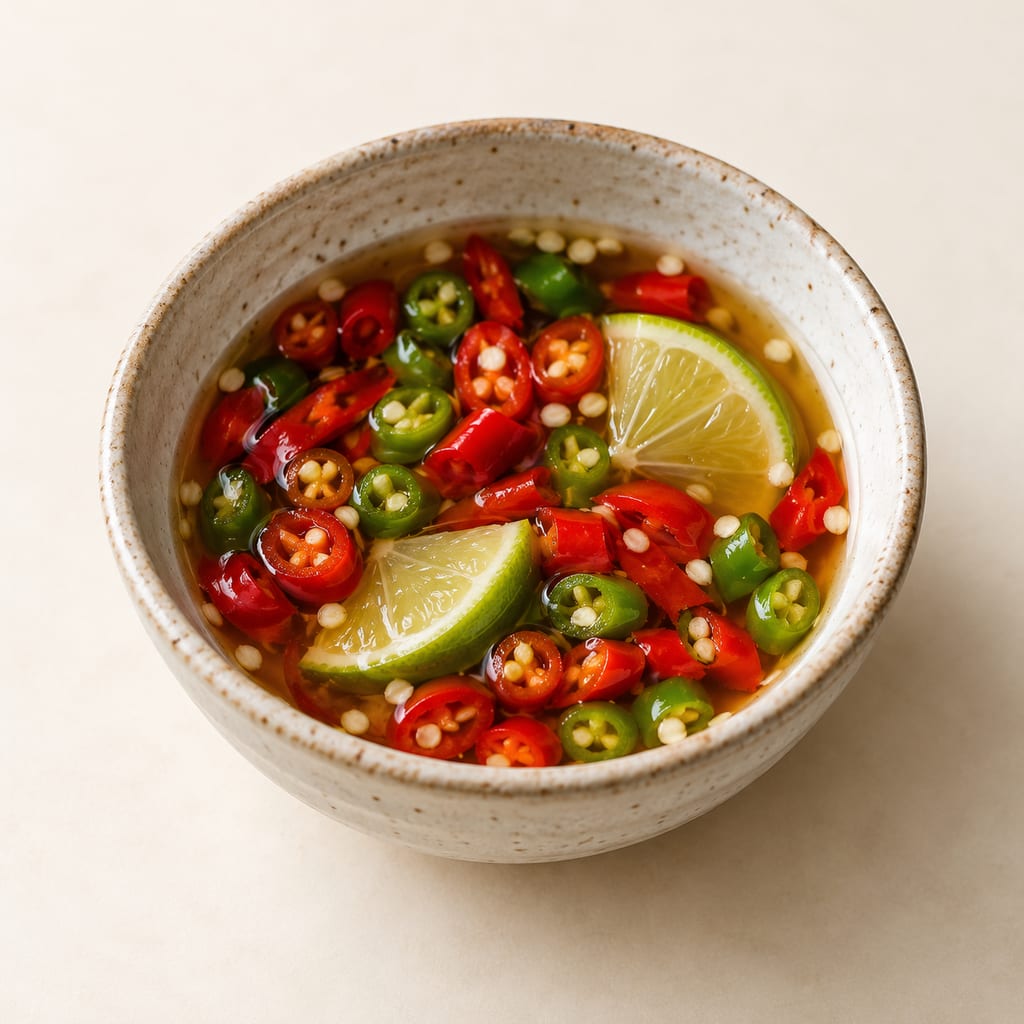
Prik nam pla
Fresh sliced chillies, fish sauce and lime form a sharp Thai table condiment. Spoon a little alongside rice, eggs or other cooked dishes.
 FermenteaWhere food goes to change
น้ำจิ้มไก่ (nam chim kai) · Nam jim gai · Thai sweet chilli sauce
A cooked Thai-style sweet chilli dip combines red chillies, garlic, sugar and vinegar, then uses a small cornflour slurry to give this batch a glossy, spoonable body.
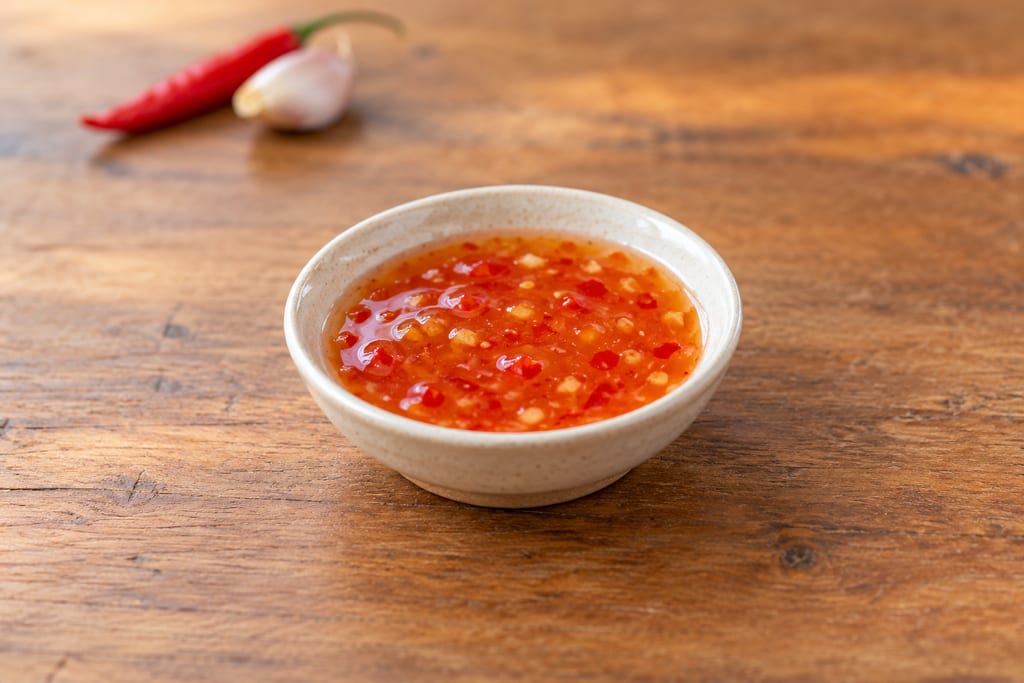
Nam jim gai is commonly translated as “chicken dipping sauce,” although it is served with foods beyond chicken. Pailin Chongchitnant’s Thai recipe describes it with fried chicken and other fried foods such as spring rolls, wontons, shrimp cakes and tofu. That culinary context is the reference here; this page’s measured formula is a separate development batch, not a transcription of her recipe.
The sauce is glossy and spoonable, with sugar sweetness, vinegar sharpness and fresh chilli aroma. Garlic gives it an allium note. The batch recorded here cooks a chilli purée and thickens it with cornflour, so its texture will differ from versions that use another ratio or starch. “Sweet chilli sauce” covers a family of recipes, not a single fixed formula; this entry keeps one exact combination distinct.
Fresh red chillies provide colour, vegetal aroma and capsaicin pungency. Their heat varies by cultivar and batch, and the supplied formula gives no cultivar or heat measurement. It therefore specifies a mass rather than a pepper count, while leaving the cook to choose a mild chilli or blend. A later batch can change the blend, but recording the choice is more useful than assuming that two peppers of the same size have equal heat.
Garlic brings sulphur-containing aromas released when its cells are cut and pulsed. The blender distributes garlic and chilli through the liquid, producing a more uniform sauce than hand-chopping. Vinegar contributes acidity and liquid for the purée. Its labelled acidity describes the vinegar as bought; it does not reveal the finished sauce’s pH after dilution with water and the other ingredients.
Sugar dissolves into the water-based mixture and balances the vinegar’s sourness and chilli’s pungency. It also contributes to body, but this formula does not measure dissolved solids or water activity. Cornflour is stirred into cold water before it meets the hot sauce, which helps distribute the starch. Heating the slurry thickens the mixture. The word glossy describes appearance and texture; it is not a preservation endpoint.
The formula divides 90 g water into 70 g for the purée and 20 g for the slurry. Pulsing the chillies and garlic with the vinegar and first water portion makes a coarse base. The desired texture depends on how long the machine runs: stop once the pieces are evenly small if you want some flecks to remain.
The purée simmers with sugar for about eight minutes. Stir it so the mixture heats evenly and does not catch on the pan. No measured pan temperature or evaporation endpoint is given, so the time is a cooking instruction, not proof that a specific amount of water has left the pan. Whisking the starch into cold water first helps avoid dry lumps. Add the slurry while stirring, then bring the sauce briefly back to a simmer until it thickens.
The listed ingredients weigh 390 g before cooking. The final yield is not stated because evaporation and pan geometry vary. Weighing the finished sauce would help compare a later batch, but the starting mass should not be reported as the cooked yield. The supplied report suggests that freezing without starch and thickening after reheating may limit texture change. This has not been tested for the exact formula and cannot promise that the sauce will thaw unchanged.
Nam jim gai is commonly served as a dip for crunchy fried foods. Its sweet and sour flavours contrast with salty coatings, while chilli supplies heat. The Thai reference describes it beside fried chicken, spring rolls and other crisp foods; these examples explain the style, not a claim that this particular batch matches a restaurant or commercial sauce.
This recipe has no tested shelf life, finished pH, water-activity result or room-temperature preservation process. Vinegar labelled 5% acidity and a brief simmer do not make the diluted sauce shelf stable. Transfer it to a shallow clean container, cool it promptly and refrigerate it. FoodSafety.gov’s general advice is to refrigerate perishable food within two hours, or within one hour when the temperature is above 90°F (32°C). That handling guidance does not assign this sauce a storage duration.
Clean the blender, board, knife, pan and storage vessel before use, and do not return a used serving spoon to the container. Flavour adjustments cannot answer the storage question: no tested process establishes how long this particular cooked mixture keeps. Do not can it or leave it at room temperature on the strength of this formula.
Hot Thai Kitchen's nam jim gai makes the sauce differently. It blends red chillies and garlic coarsely, simmers them with sugar, water, white vinegar and salt, and thickens the liquid with a starch slurry, for a stated yield of about one cup. This page's batch has no salt and is weighed rather than measured by volume.
A Yala Rajabhat University research report describes another version that uses Garcinia cambogia as the sour ingredient. The fruit and the chilli and garlic are pretreated separately, then blended, cooked and filled hot. Its sample measured pH 3.64, water activity 0.8142 and 48.67 °Brix. Those values describe that one research product, not targets for a household sauce. Its formulation table totals 97.51%, leaving 2.49 percentage points unexplained, so no method can be rebuilt from it, and the sections inspected give no pathogen challenge or storage test.
A 2004 Thai Community Product Standard, TCPS 514/2547, covers packaged chicken dipping sauce. Only an excerpt of its first sections was available, describing a sauce of chilli, garlic, water and sugar that is boiled. Its current status is unknown, and the excerpt does not show that every bottled sauce follows one process.
Brand histories do not date the sauce either. The company Mae Pranom says it began in 1959 with one glass-jarred product, Thai chilli paste. A 2024 Thairath Money profile repeats that, then later calls both the chilli paste and nam jim gai the brand's first products, so the sauce's launch date is uncertain, and neither page shows when chicken dipping sauce first appeared in Thailand. Kasetsart University's Thai Farmers' Library advertised a 2024 training course on fruit sauces and chicken dipping sauce; the notice offers training and gives no formula.
A contemporary weight-based adaptation of the Thai dipping sauce nam jim gai. The exact batch is an untested formulation; its culinary reference documents a different recipe and cannot validate these quantities, keeping time or preservation.
Scaling: source batch only
This diluted sauce has no tested shelf life or preservation process; its vinegar content and brief simmer do not establish shelf stability.
Hazard sourceCool promptly and refrigerate as a perishable prepared food. General U.S. guidance says to refrigerate perishable food within two hours, or within one hour above 90°F (32°C).
Control sourceThis weight-based batch has not been kitchen-tested or shelf-life tested. Vinegar and a brief simmer do not establish a safe pH or room-temperature stability.
Cool promptly and refrigerate. Do not can or store at room temperature using this recipe.
The culinary reference is a Thai nam jim gai recipe; this exact weight-based batch is a separate contemporary adaptation, not a traditional formula.
Fresh sliced chillies, fish sauce and lime form a sharp Thai table condiment. Spoon a little alongside rice, eggs or other cooked dishes.

Naem is a Thai sour pork preparation made with minced pork, rind or ear, glutinous rice, garlic and salt. Its documented room-temperature method has no validated food-safety endpoint.
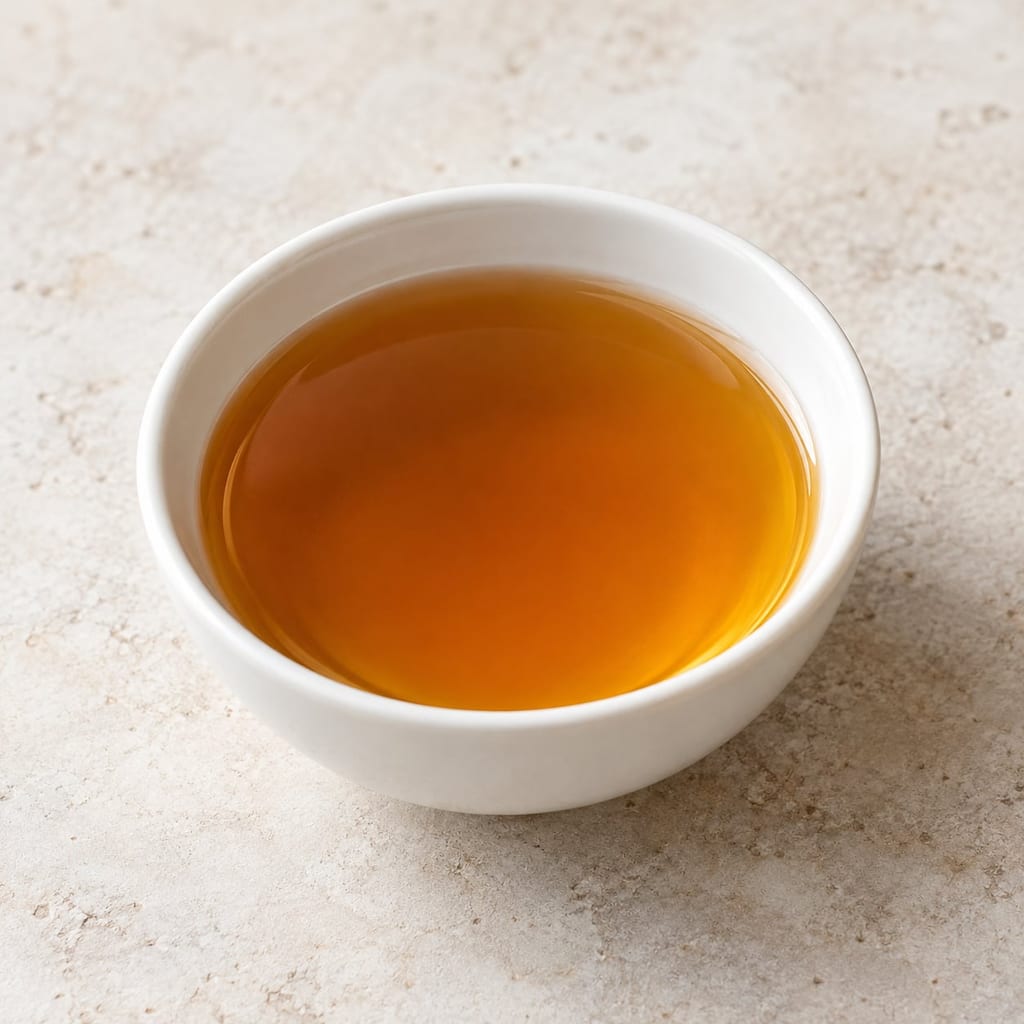
Thai fish sauce is a clear yellow-brown seasoning drawn from salted fish. Tank maturation produces a first extract, with further brine extractions giving other grades.
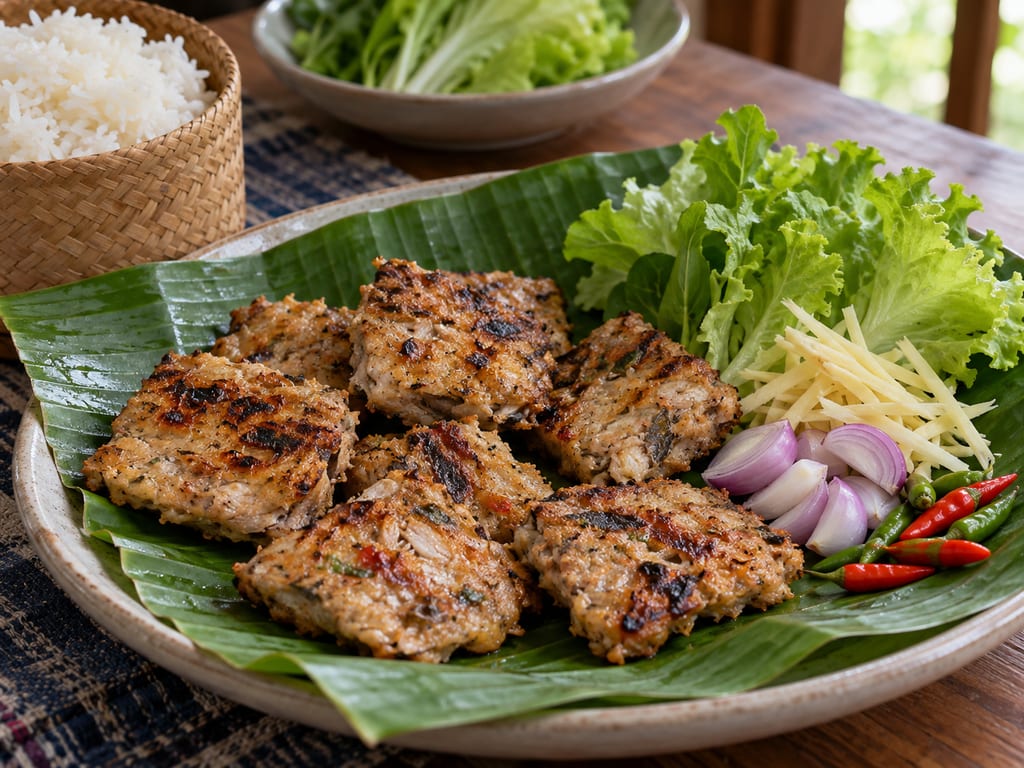
Som-fak is a Thai fermented freshwater-fish cake. JIRCAS records its ingredients, proportions, wrapping and 3–5-day fermentation, but does not validate a safe household process or endpoint.
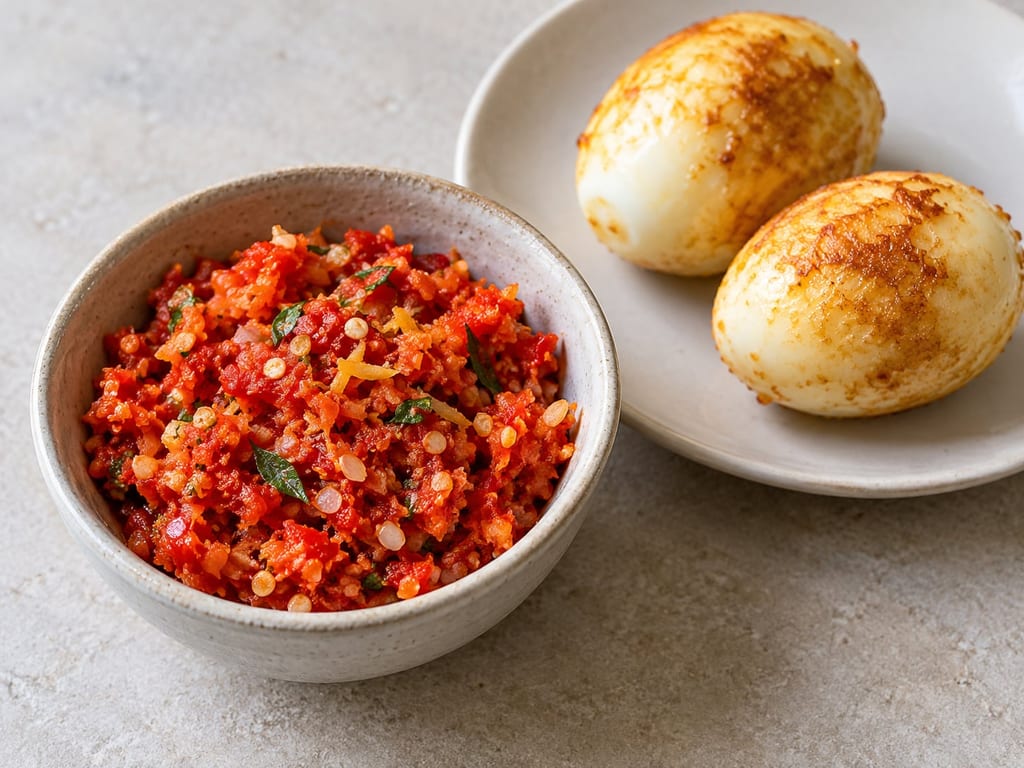
Ai-manas is described as a very hot chilli paste served with Timorese meals. One published version blends fresh chillies, shallots, garlic, Thai basil, ginger, lemon and salt, and serves it with eggs. Sources do not establish a standard formula, precise birthplace or earliest date.
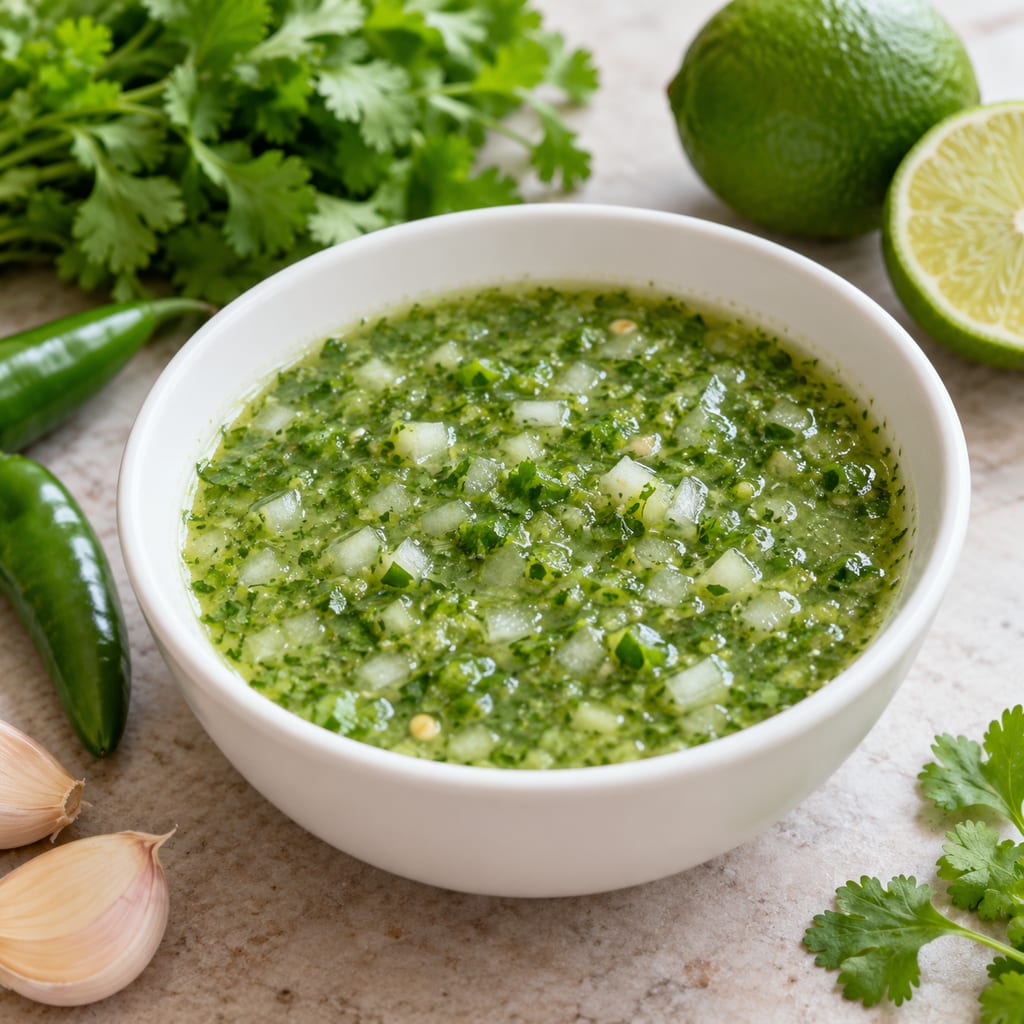
A fresh, uncooked Ecuadorian table sauce of hot pepper, cilantro, garlic and lime, served with most everyday dishes.
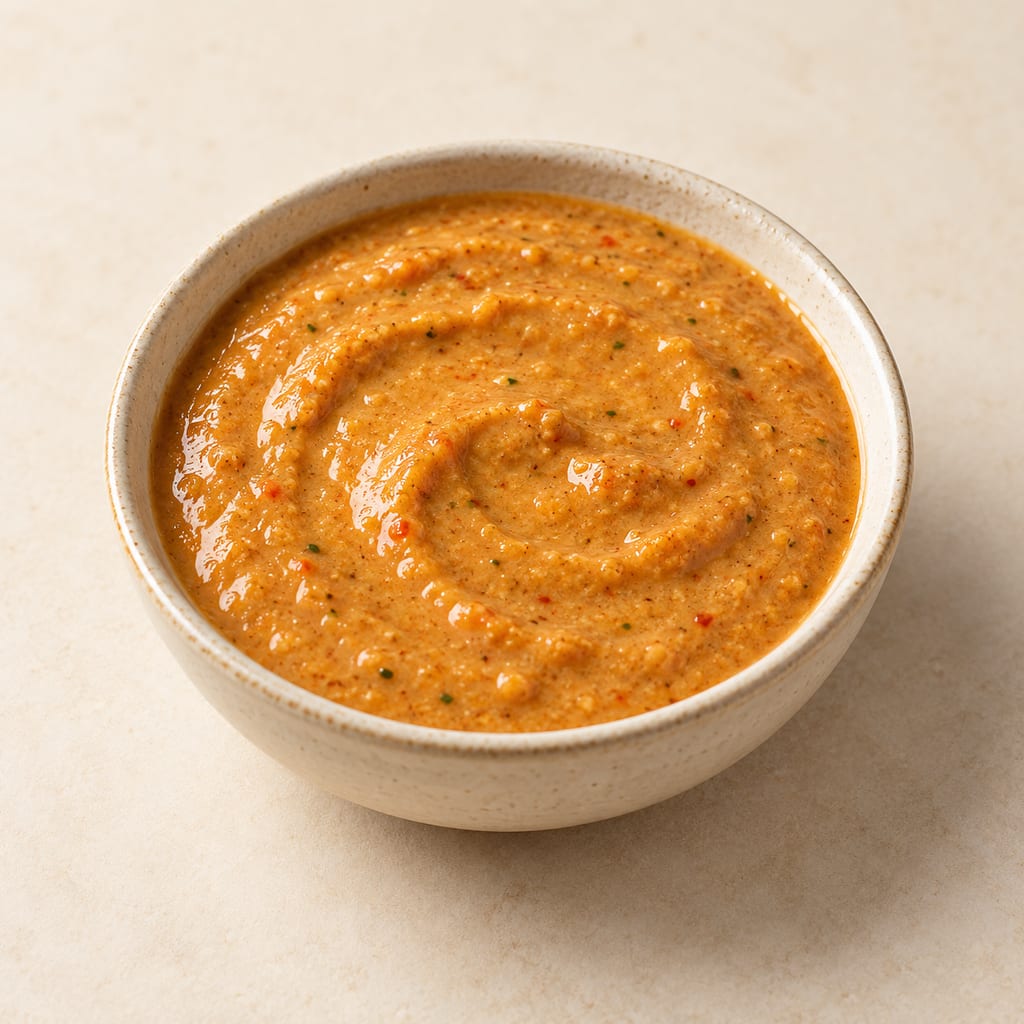
A spicy peanut hot sauce from the Popayán and Cauca region of Colombia, traditionally served with pipián empanadas and tamales.
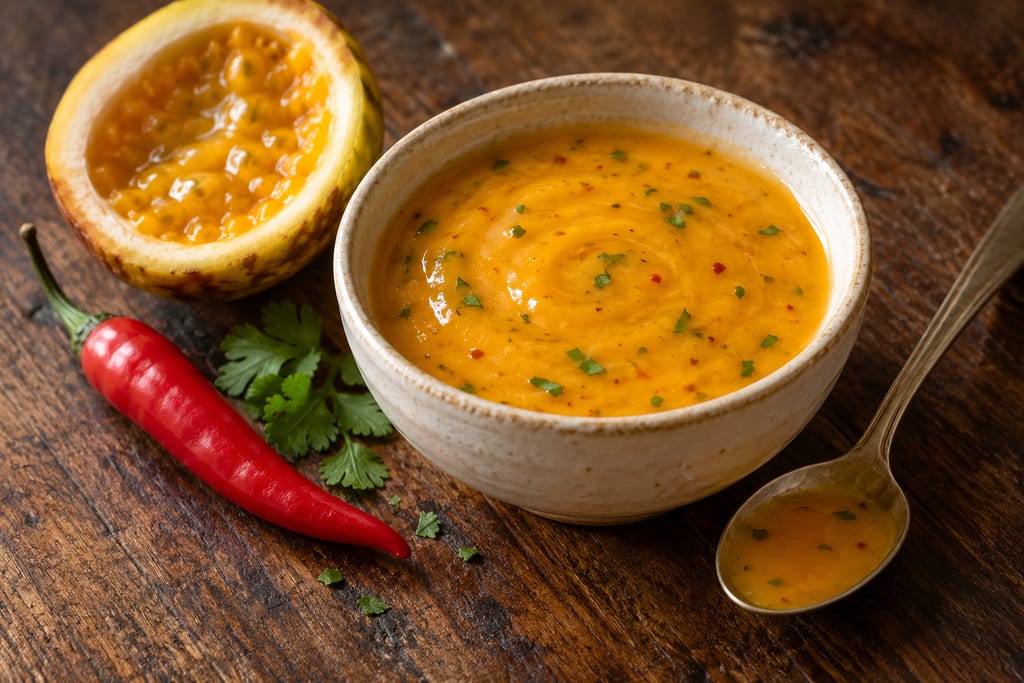
A contemporary Ecuadorian hot sauce that pairs passion fruit juice with boiled chile peppers, oil and lime.
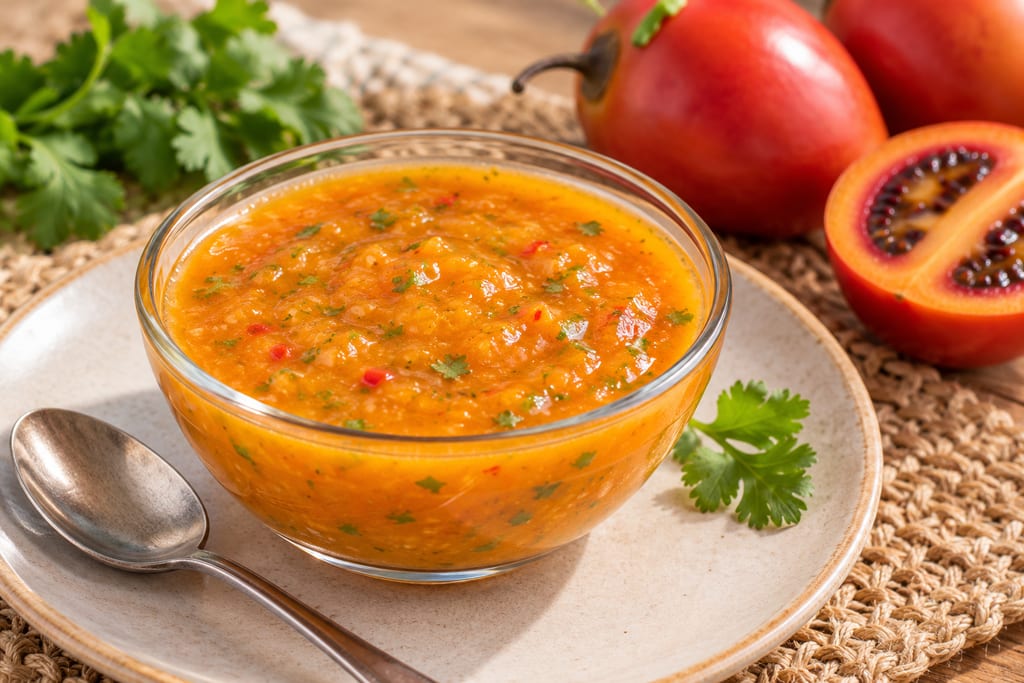
An Ecuadorian hot sauce built on tamarillo, a tart fruit that gives a sharper, fleshier base than ordinary tomato salsa.
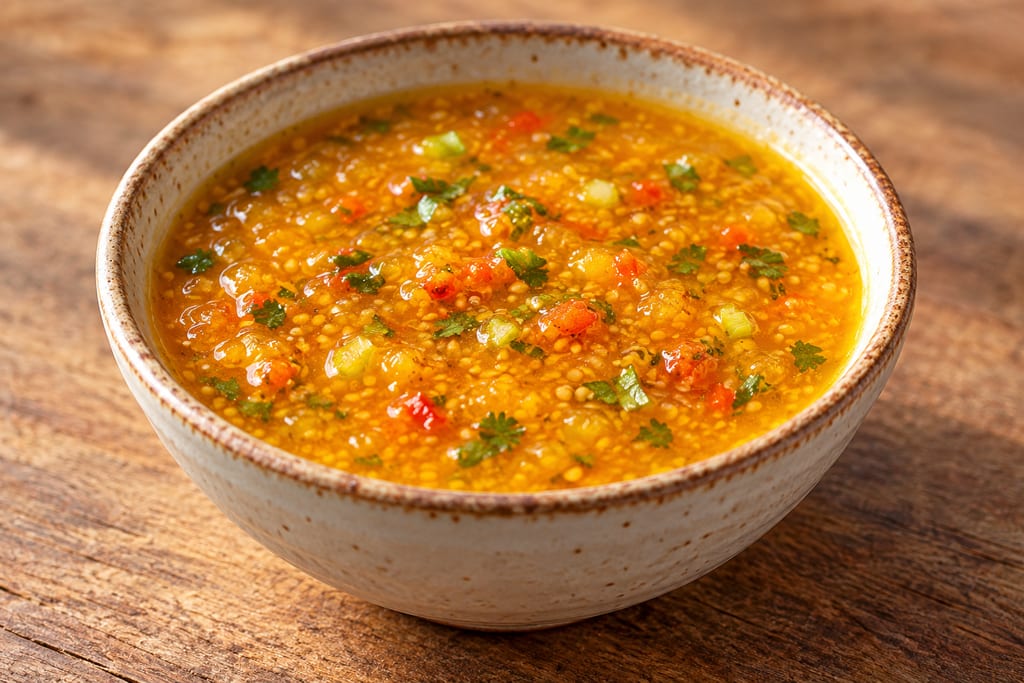
A sweet, tart and spicy Colombian sauce of uchuva, the yellow physalis fruit, with hot pepper, scallion, cilantro and lime.
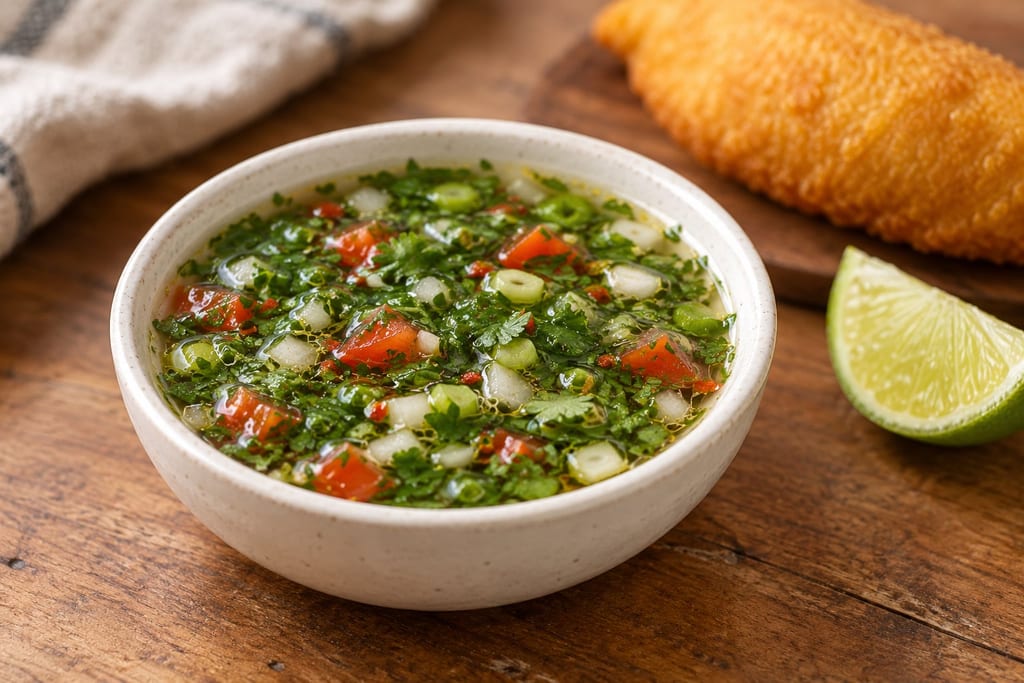
A fresh Colombian table condiment of chopped herbs, scallion and tomato in a vinegar and chile base, served beside fried and filled dishes.
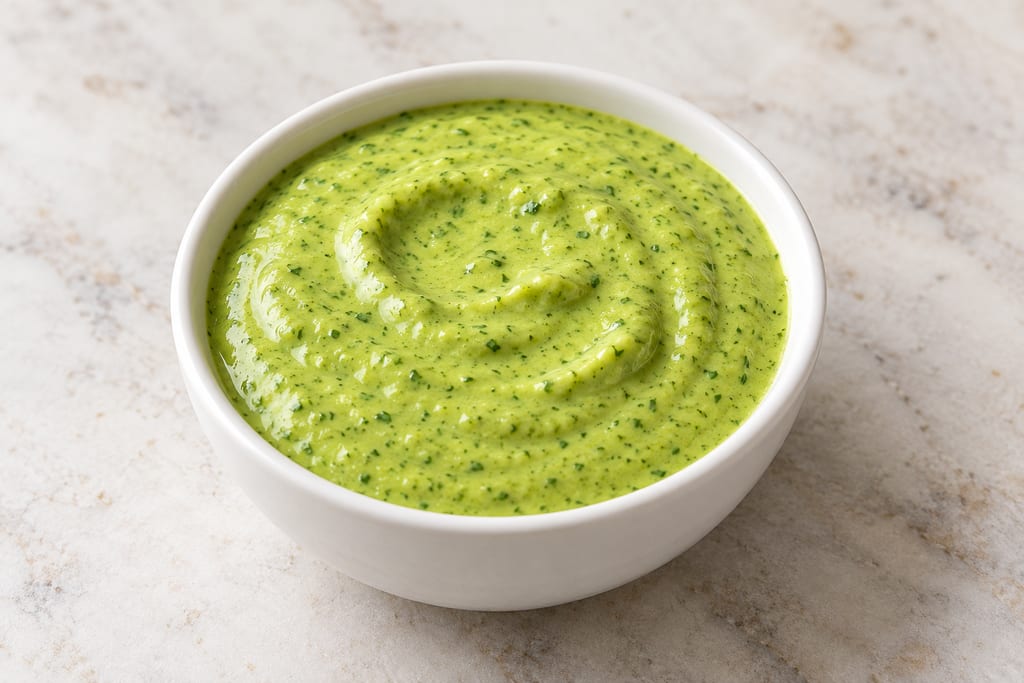
Ají verde is a Peruvian green sauce of coriander, chilli, onion and garlic in a mayonnaise or cheese base. It is best known through Peruvian restaurant cooking abroad.

Soft, spreadable Calabrian pork sausage made with a great deal of red chilli and fatty pork, stuffed into natural casings, sometimes smoked and matured while staying soft.

A way to add independent temperature logging to an existing food dehydrator without changing its built-in controls or protections. It is a monitoring method, not a rewiring plan.

Pleurotus cystidiosus is the abalone mushroom, a cultivated oyster-type fungus with dark brown caps that grows more slowly and is more demanding than other Pleurotus species.

A dark, balanced vinegar from Emilia-Romagna made by combining cooked or concentrated grape must with wine vinegar, then acetifying and refining it in wood under a protected specification.

A living dairy inoculum that starts controlled cream fermentation, developing acidity and aroma before sour cream or cultured butter is finished.

A small electric incubator holds jars at a selected temperature for yogurt and other documented warm food preparations. Controls, capacity and vessel arrangement vary by model.

Adygean salt is a seasoned table salt associated with Adygea and the wider North Caucasian culinary tradition. Salt is blended with garlic and a variable selection of herbs and spices; the exact mix depends on the named style and maker.

The African Caesar-group mushroom, Amanita masasiensis, is a wild ectomycorrhizal species of central and southern African woodlands, eaten locally. The genus contains deadly poisonous species, so identification needs care.
No community contributions have been published for this entry yet.
Sign in to contribute. Published comments and photos are free to read.
Hot Thai KitchenInspiration · Use · Geography
Thai Sweet Chili Sauce Recipe & Video Tutorial น้ำจิ้มไก่Identifies nam jim gai as Thai sweet chilli sauce and glosses the name as chicken dipping sauce.
Describes serving it with fried chicken, spring rolls, wontons, shrimp cakes and tofu.
Provides a separate formula with fresh chillies, garlic, sugar, vinegar, water and starch; its quantities and timings are not the batch recorded here.
Its storage statement describes that source's own formula and is not applied to this recipe.
Its formula blends red chillies and garlic coarsely, simmers them with sugar, water, white vinegar and salt, and thickens with a starch slurry; stated yield about one cup.
Cited in: A Thai-style sweet chilli dip; What the ingredients contribute; Cook the sauce and set its texture; Serve and handle it as a fresh sauce; Other formulations, a packaged standard and brand history
FoodSafety.govSafety
4 Steps to Food SafetyGeneral guidance says to refrigerate perishable food within two hours, or one hour above 90°F (32°C).
This general time guidance does not establish a recipe-specific shelf life.
Cited in: Serve and handle it as a fresh sauce
Yala Rajabhat University, Faculty of Science Technology and AgricultureVariations · Safety
The Development on Chicken Sauce from Garcinia CambogiaA research version uses Garcinia cambogia as the sour ingredient, with separate pretreatment of the fruit and of chilli and garlic, then blending, cooking and hot filling.
Reported sample values: pH 3.64, water activity 0.8142, 48.67 °Brix; the formulation table totals 97.51%, leaving 2.49 percentage points unexplained.
No product-specific pathogen challenge or storage validation in the inspected sections.
Cited in: Other formulations, a packaged standard and brand history
National Food Institute (host; issuing body not confirmed in inspected cover)Standard
มผช. 514/2547 น้ำจิ้มไก่ (TCPS 514/2547 Chicken Dipping Sauce)A 2004 Thai Community Product Standard excerpt defines a packaged chicken dipping sauce from chilli, garlic, water and sugar with boiling; only its first sections were available and its current status is unknown.
Cited in: Other formulations, a packaged standard and brand history
Phiboonchai Maepranom Thai Chili Paste Co., Ltd.History
ประวัติความเป็นมา / Mae Pranom brand historyThe company began in 1959 with one glass-jarred product, Thai chilli paste.
Cited in: Other formulations, a packaged standard and brand history
Thairath MoneyHistory
“แม่ประนอม” 6 ทศวรรษน้ำพริกเผาไทย-น้ำจิ้มไก่รายได้พันล้าน แบรนด์ตัวแม่ที่อยู่มาแล้วทุกยุคA 2024 profile repeats the 1959 start but later calls both chilli paste and nam jim gai the brand's first products, leaving the launch date of the sauce uncertain.
Cited in: Other formulations, a packaged standard and brand history
Thai Farmers’ Library, Kasetsart UniversityContext
หลักสูตรฝึกอบรมการผลิตซอสผลไม้และน้ำจิ้มไก่เพื่อยืดอายุการเก็บA 2024 notice advertises a training course on fruit sauces and chicken dipping sauce; it supplies no formula.
Cited in: Other formulations, a packaged standard and brand history