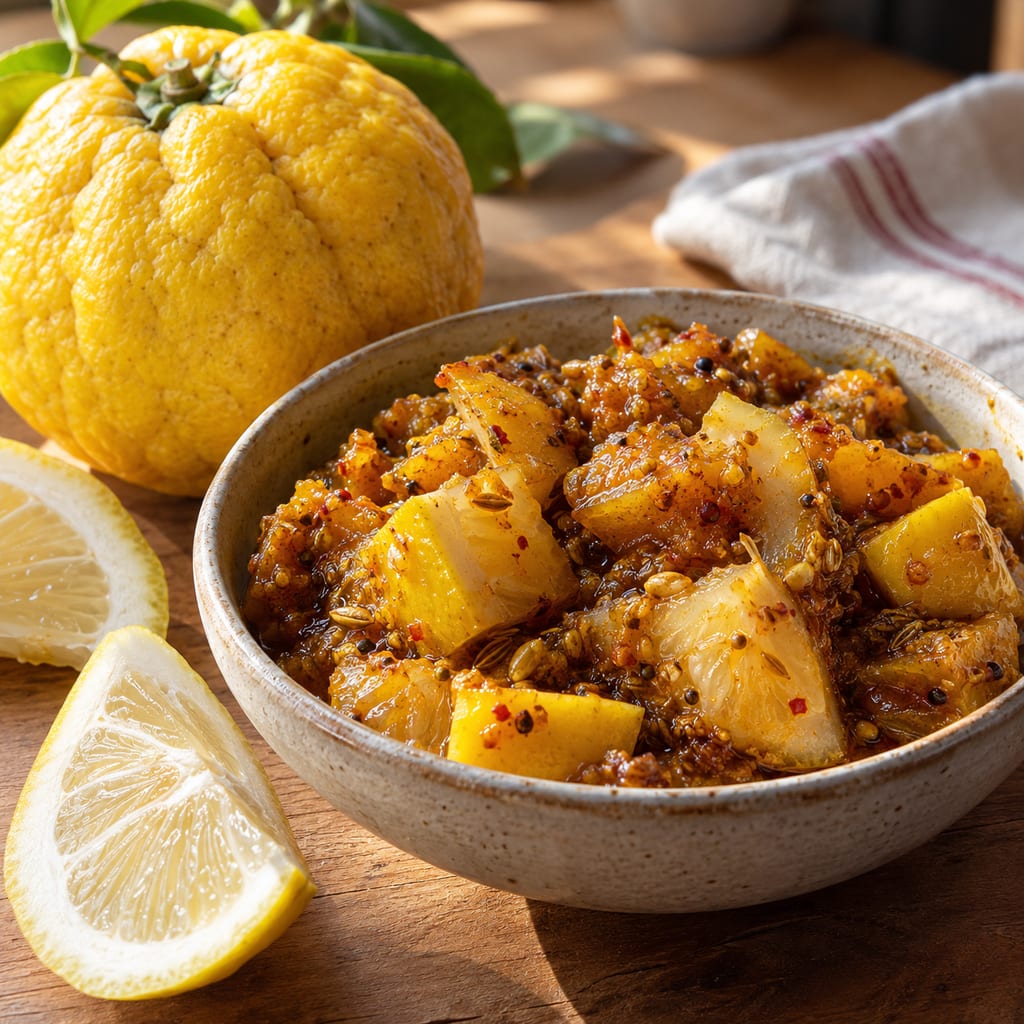
Galgal pickle
Ripe Himalayan galgal is boiled, sun-dried and cooked with mustard oil, spices and jaggery before a further rest in a ceramic jar.
 FermenteaWhere food goes to change
Spices and aromatics
Chilli powder is dried chilli fruit ground fine, sold either as plain ground chillies or, in the United States, as a seasoning blend with salt, garlic and cumin.
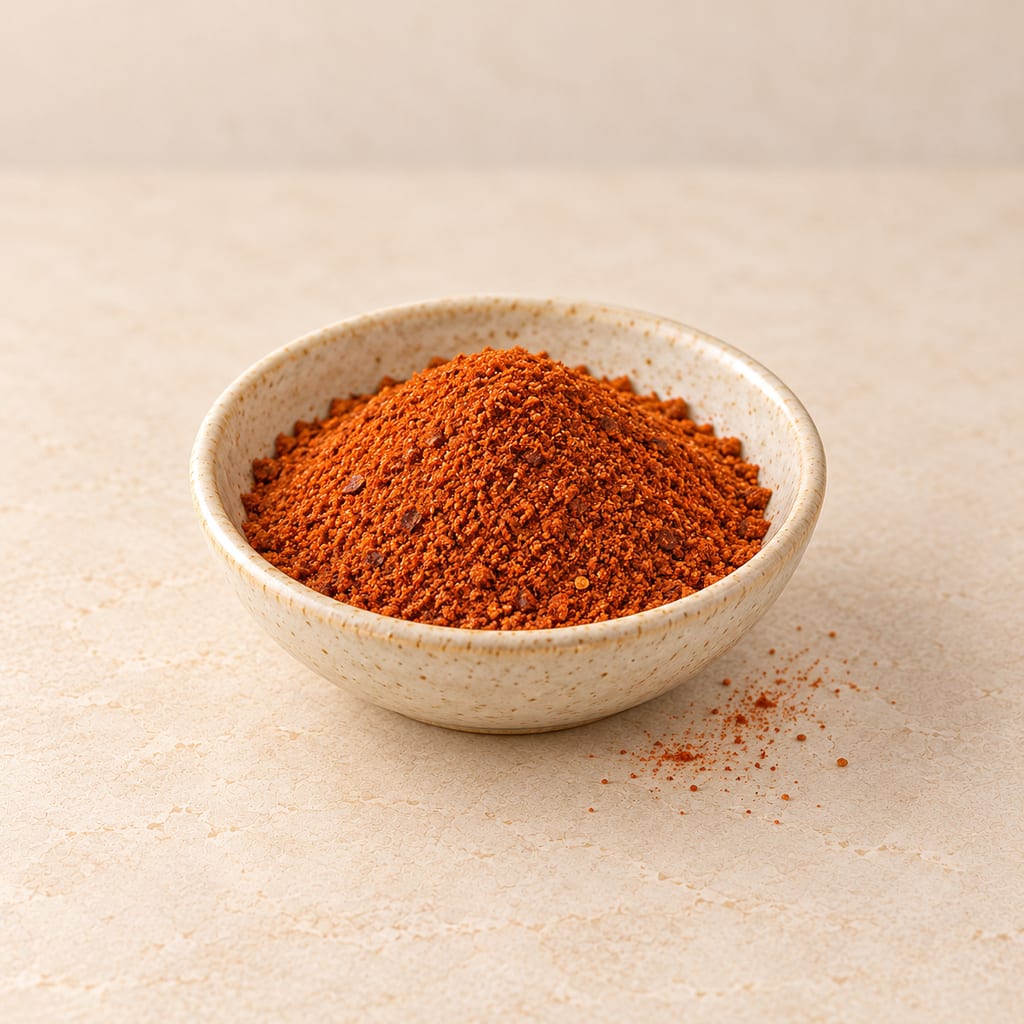
Chilli powder is dried chilli fruit ground to a powder. The name is used for two different things, and the packet tells you which. In much of the world, including Sri Lanka, it is plain ground dried chillies: one Sri Lankan brand sells it as 100 per cent ground chillies, and another mill lists plain chilli powder and a roasted curry powder as separate products, the curry powder combining the chillies with other spices. In the United States, many commercial blends sold as chili powder contain ground dry chiles together with salt, garlic and other spices such as paprika, cumin, cayenne and oregano, so the product is a seasoning mixture and not a single ingredient.
The English names for Capsicum spice fruits overlap. Cayenne, chili and red pepper are all used for the dried ground fruit, and paprika is the name for the milder Capsicum annuum of cooler climates. The differences that matter in the kitchen are the ones the name does not give: which variety was ground, whether it was hot or sweet, whether the seeds went in, how fine the grind is, and whether the jar holds anything else.
The plant behind the powder was domesticated in Mexico. Combined evidence from genetics, linguistics, species modelling and archaeology points to northeastern or central-east Mexico, with central-east Mexico best supported. After Columbus's voyages chillies went first to Europe, then to Africa and Asia, and today about a quarter of the world's people eat them. When the plant reached Spain in the early sixteenth century, its low price and ease of growing in temperate climates made many see it as a substitute for black pepper. That hope faded across most of Europe, but in places such as Calabria the plant took root and became the seasoning of poor households.
The first European record of the spice is a letter of 1494 by Diego Álvarez Chanca, physician on Columbus's second voyage, who wrote of agi, the spice the people of Hispaniola used to season their food. In 1542 Leonhard Fuchs published the first scientific illustrations, under names that tied the plant to the Indian pepper of the spice trade, and the genus name capsicum came into the botanical literature in 1576. Early writers fitted the unfamiliar fruit into the categories they had, which is why an old link between chilli and India is not evidence that it came from there.
The date of the first grinding of dried chilli is not known. What is documented is how the powder became a commodity. Chillies were traditionally dried in the sun, spread on roofs or on the ground. The commercial chili powder of the United States has a clearer date. William Gebhardt, a German-born café owner who had settled in New Braunfels, Texas, imported ancho peppers from Mexico and ground them several times in a meat grinder, stored the powder in airtight containers, and in 1896 registered the Eagle Brand Chili Powder trademark and opened a factory in San Antonio. His company published one of the first Tex-Mex cookbooks around 1908 and was renamed Gebhardt's Chili Powder Company in 1911.
In Calabria the dried fruit is hung in strings for 30 to 90 days, and dried peppers are also milled, with or without seeds, to flakes or fine powder that must be packed within 24 hours and kept in humidity-controlled rooms so the moisture, at no more than 15 per cent, cannot rise. The protected Calabrian name covers the flakes and powder as well as whole pods.
The modern trade runs on controlled drying and graded colour. Almost all commercial processors in the United States now dry chile in controlled dryers instead of on roofs and the ground, and India accounts for about half of all global chilli exports.
The dried chiles of commerce come in several types: New Mexican, cayenne, ancho, pasilla, mirasol, piquín and de árbol. Traders use the word paprika for nonpungent red Capsicum annuum powder, and in the United States both pungent red chile and paprika are produced mainly from New Mexican-type chile dried and sold as whole pods or ground to flakes or powder. The choice of cultivar has the greatest effect on colour and pungency of the finished powder, and the purity of the cultivar affects how uniform the powder is.
Growers and breeders select for more than heat. Breeding aims at flavour, colour, yield and suitability for harvesting, and genetics, growing conditions and the age of the fruit all affect how pungent a harvest is. A named type therefore describes the kind of fruit to expect, not the heat of a particular jar. In New Mexico the nonpungent red cultivars grown for colour include NuMex Conquistador and NuMex RNaky, and the pungent ones include New Mexico 6-4, Sandia and Española Improved. Paprika-type chile is grown mainly as a colouring agent for food, and its price follows the extractable colour.
A fresh red chile holds 65 to 80 per cent water. To keep, it has to be dried to about 8 to 12 per cent. Sun-drying on roofs and on the ground exposed the crop to birds and rodents and gave poor chile, and it was replaced by controlled artificial drying, now used by virtually all commercial processors in the United States, though a small market remains for traditional whole dried chiles with good red colour. At the plant the pods pass a sorting line, a chlorinated wash, a rock tank and a rinse, with magnets removing any metal, and are sliced and dried at 60 to 65 °C on trays or belts. About five parts of fresh fruit make one part of dried product. Red chile is then often stored as flakes, which need less space than whole pods and keep their colour better than powder, and ground only at the end, because ground chile loses colour faster than whole pods. Seeds in the grind lower the initial colour of the powder but slow how fast it fades. Antioxidants such as tocopherols and ascorbic acid can be added while the chile is ground and blended to help the pigment last.
Colour is the main commercial quality: the American Spice Trade Association measures extractable colour in ASTA units, and New Mexican red chile ranges from about 120 to 220. Paprika cultivars are usually higher in colour than pungent chile cultivars. Low microbial counts and little extraneous matter, such as stems, leaves and soil, are also specified.
The heat of chilli powder comes from capsaicinoids, which the fruit makes in the placenta, the tissue the seeds sit on. The seeds lie next to it and can pick up capsaicinoids by contact. This is why the pale seeds in a coarse grind say little about heat. Heat is stated in Scoville heat units. In New Mexico trials, three cayenne cultivars measured between 12,900 and 17,400 units, and the protected Calabrian pepper spans 5,000 to 70,000 across its sixteen varieties, so a powder labelled only chilli carries no heat figure. Capsaicin creates the sensation of spiciness by activating a sensory channel called TRPV1, which is the same channel that reacts to harmful heat. A powder's redness comes from carotenoid pigments and is a separate property: a deep red powder can be mild, and a pale one hot.
Colour and heat also age differently. In storage trials with red pepper powders, the moisture the powder started with and the gas permeability of its packaging changed the colour, while the capsaicinoids followed a different pattern. A powder that has faded need not have lost heat in step. For the same reason, a buyer who needs a certain heat should look for a stated pungency and not judge by the red of the powder, and a buyer who needs colour should look for a stated colour value, since the two are bought and sold on separate scales.
Read the ingredient list: ground dried chillies on their own are a different ingredient from a blend that brings salt, garlic and cumin with it, and a blend carries the sodium of its salt, around 230 mg per tablespoon by a USDA figure. Look for powder in sealed containers or bags. A good powder smells strong, tastes potent and looks vibrant, not dull.
Spices fade and do not spoil. Chilli powder is usually considered good for two to three years; check each year that it still has a strong smell, and discard it if it does not. Light fades dried peppers, and light, oxygen and warmth all bleach the pigment. Keep the powder in a sealed jar in a cool, dark, dry place, and move spices from bags to jars. Commercial storage is at 0 to 5 °C in the dark, and powder taken out of cold storage can lose colour quickly.
In the kitchen, chilli powder is already prepared and ready to use, and it suits dishes that should have a lightly spicy, warm flavour. Ground dried peppers go into soups, stews and dips, where a fine grind disappears into the liquid, while flakes stay visible. Because powder is concentrated, small amounts go a long way, and the heat and colour of one jar cannot be assumed for the next.
Capsaicin gets on hands and in eyes. Wear gloves when working with hot peppers and wash your hands afterwards.
Pickles give chilli powder a job as a seasoning in preserved fruit. In Sri Lanka, lunu dehi is made by stuffing limes with salt and drying them in the sun until the skins turn light brown, then packing them in a jar. For about ten limes a teaspoon of chilli powder goes in with a teaspoon of kochchi miris (chillies), five or six crushed peppercorns and a teaspoon of sugar, the dried lime juice is scraped in, and vinegar is poured over until the limes are covered. Flakes, cloves or cardamom are variations, and a bottle can last up to five years.
In the western Himalayas, ripe galgal fruits are dipped in boiling water, dried in the sun, cut into pieces and sautéed in mustard oil with fenugreek, turmeric, red chilli powder and salt. Jaggery is mixed in, and the pickle sits in a ceramic jar in the sun for three to five days and is ready after fifteen to twenty days. In both, the powder is one seasoning among several: it adds colour and heat to a preserve whose keeping depends on salt, vinegar or drying.
Heat and aroma do not show that a food is free of pathogens. Dry spices can carry microorganisms that survive without growing in low moisture, and wetting a spice can allow growth. Antimicrobial effects of spices depend on the formulation, and trials with particular spices and conditions do not carry over to a household recipe. A pickle's safety comes from its salt, acid and drying, not from the chilli in it.
The galgal recipe lists red chillies in its ingredients and red chilli powder in its method, without a conversion. The Sri Lankan account does not give the species, heat or origin of its powder.
Capsicum annuum was domesticated in Mexico; this is the origin of the crop, not of ground chilli.
Site of the first commercial American chili powder trademarked in 1896; not the origin of ground chilli.
New Mexican-type chile is dried and ground for most US pungent red chile and paprika.
Plain chilli powder is sold alongside curry powders and used in lunu dehi; a culinary-use association, not the growing origin of the powder.
Galgal pickle seasoned with red chilli powder; a culinary-use association.
Ripe Himalayan galgal is boiled, sun-dried and cooked with mustard oil, spices and jaggery before a further rest in a ceramic jar.

Lunu dehi is Sri Lankan salted lime pickle. This version sun-dries cut, salt-stuffed ripe limes, then packs them with dried lime juice, chillies, spices and vinegar.
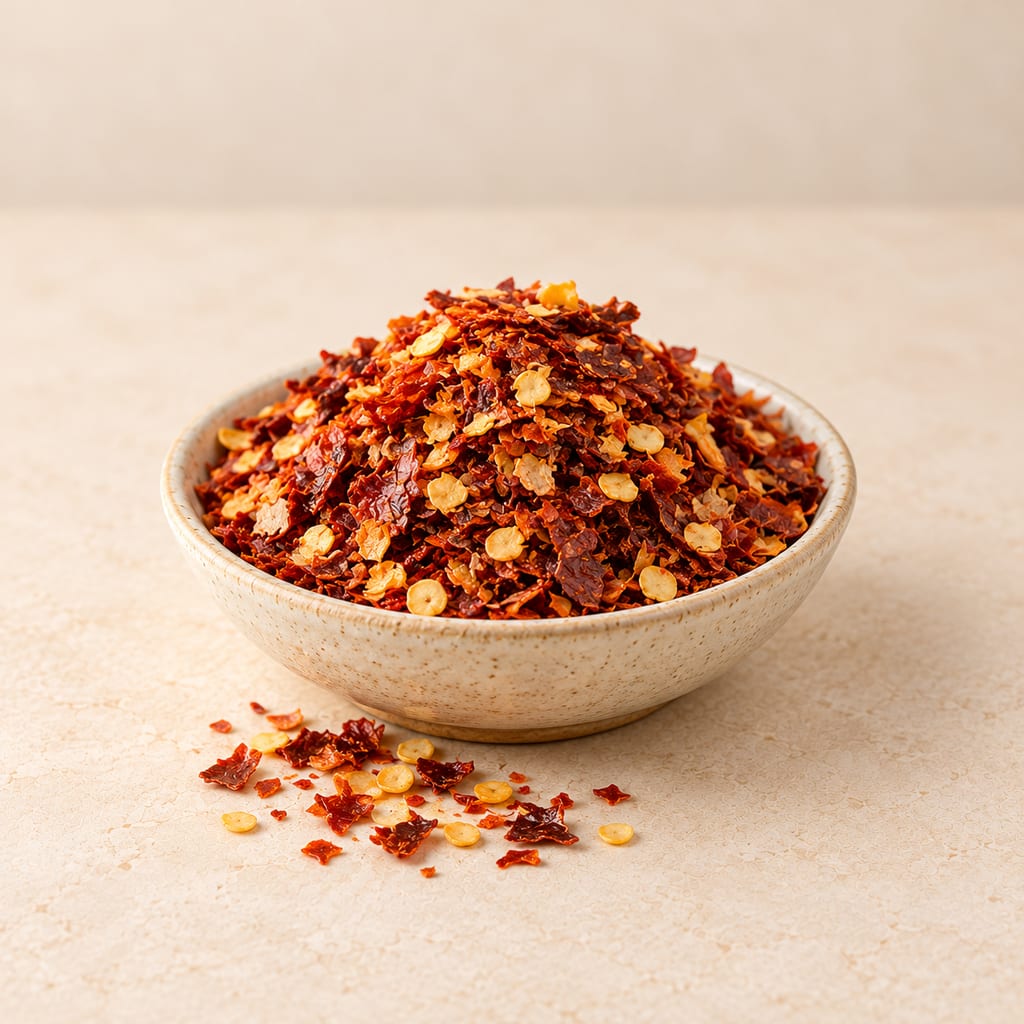
Calabrian pepper flakes are dried red Capsicum annuum from Calabria, crushed into coarse pieces; Peperoncino di Calabria is a protected geographical indication.
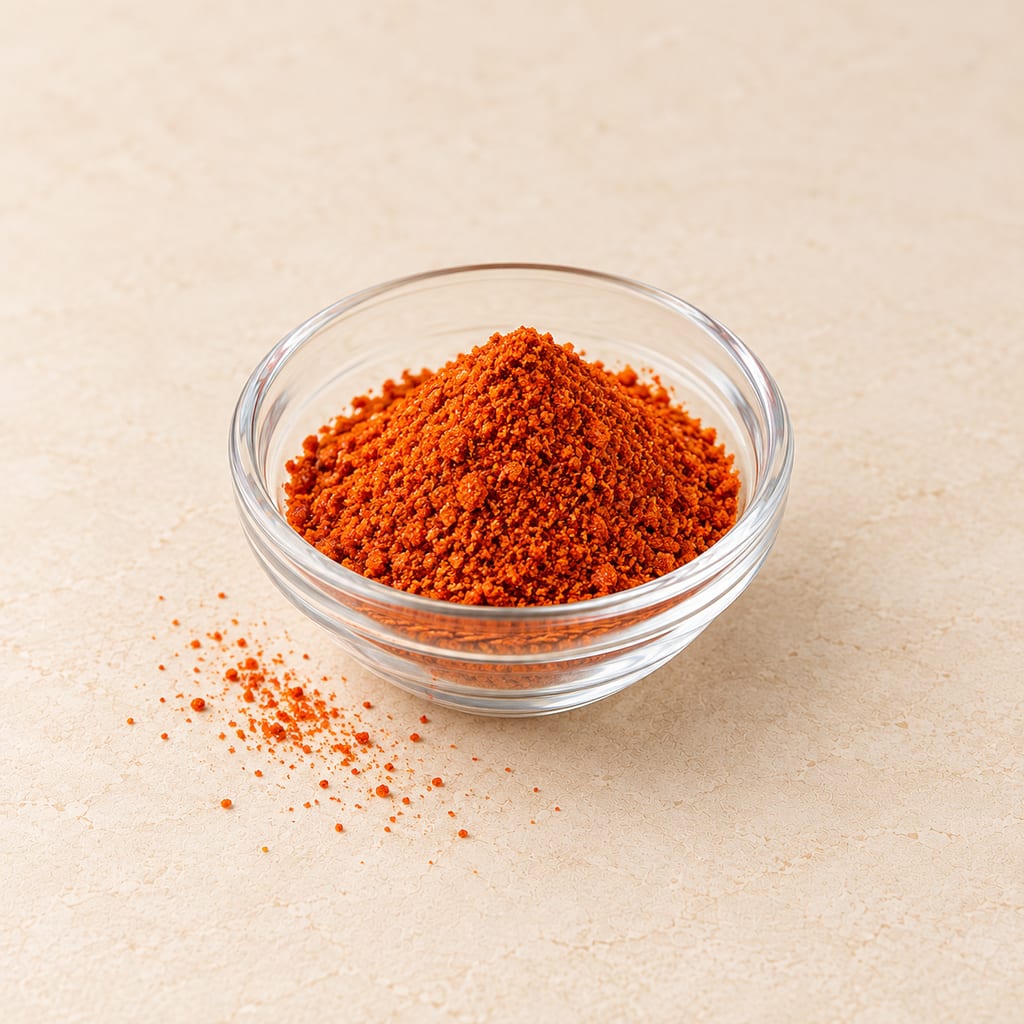
Cayenne is a very pungent red powder from dried, ground hot chilli pods, mostly Capsicum annuum, and the name of the long red peppers it comes from.
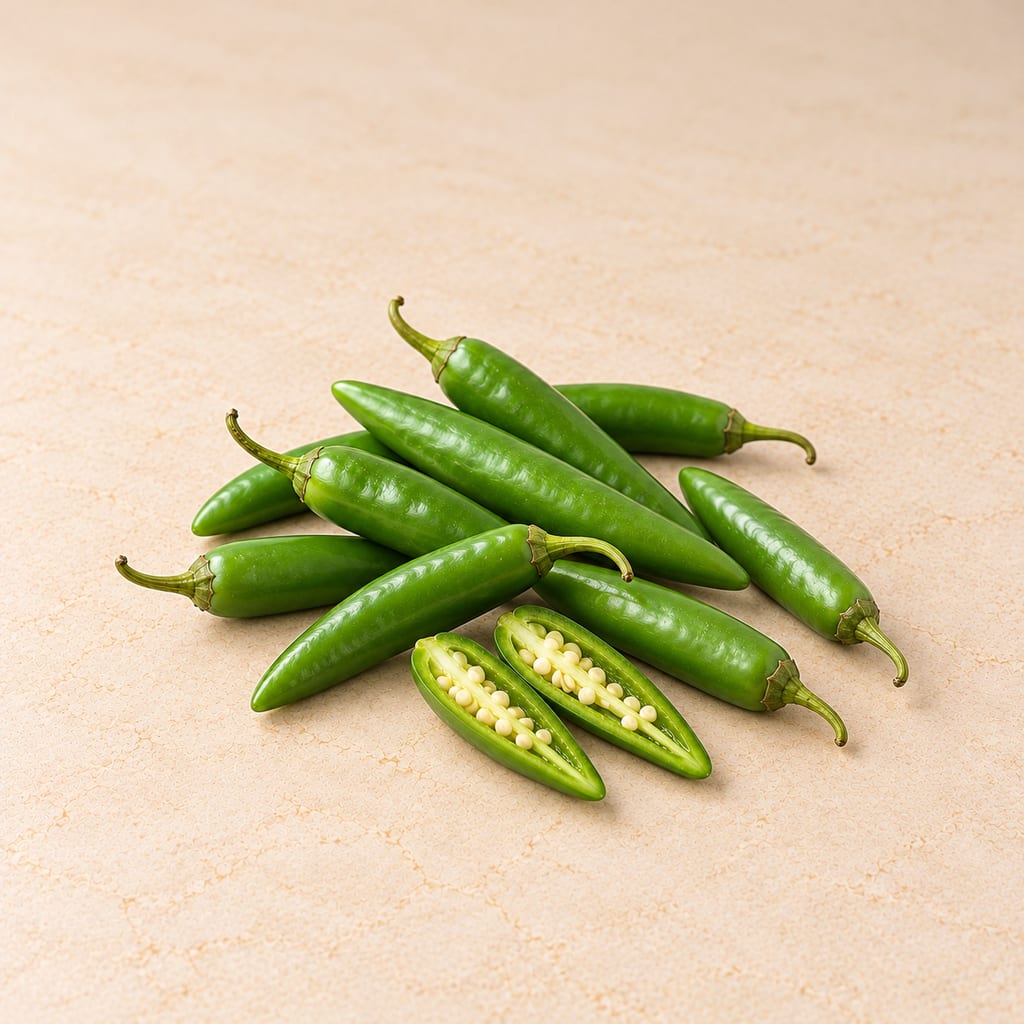
Chilli is the pungent fruit of Capsicum plants, native to the Americas and eaten fresh, dried, ground or fermented in cuisines around the world.
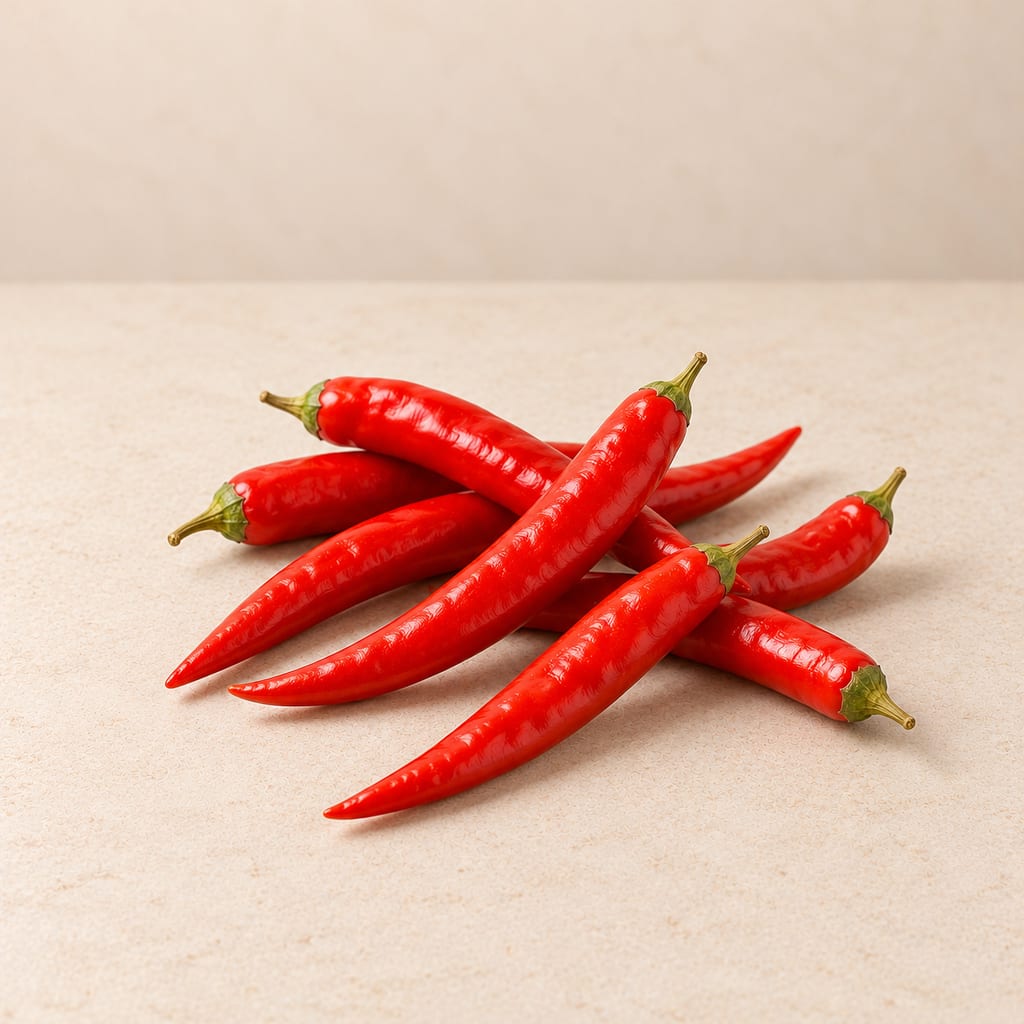
Red chilli is the ripe, red fruit of a Capsicum pepper plant, used fresh, dried, as flakes or as powder to add heat, colour and flavour to pickles, ferments, sauces and stews.
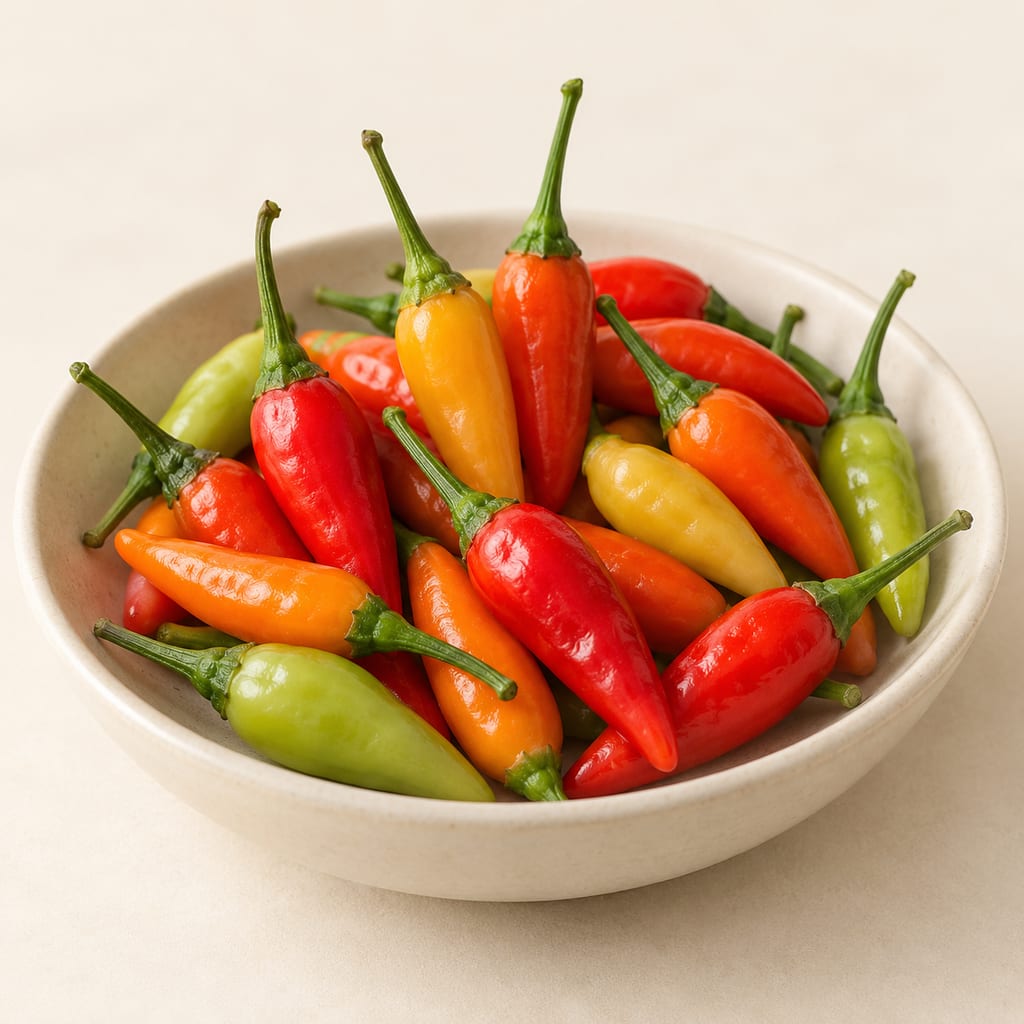
Tabasco chile is the small, upright, pungent fruit of Capsicum frutescens 'Tabasco', a cultivar long used in Louisiana pepper sauce.
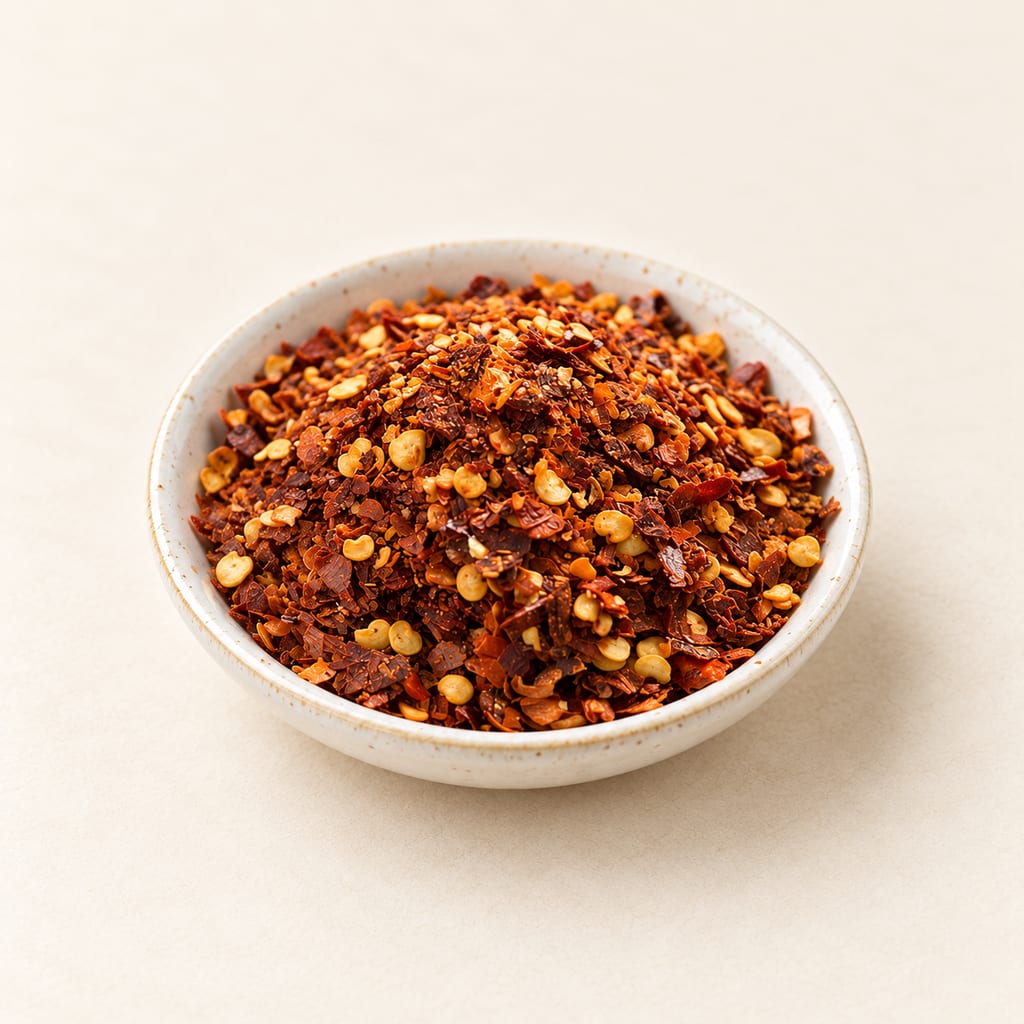
Dried chilli flakes are broken dried Capsicum fruit used for dispersed heat, colour and flavour; Peter Kuruvita's lime pickle includes one teaspoon.
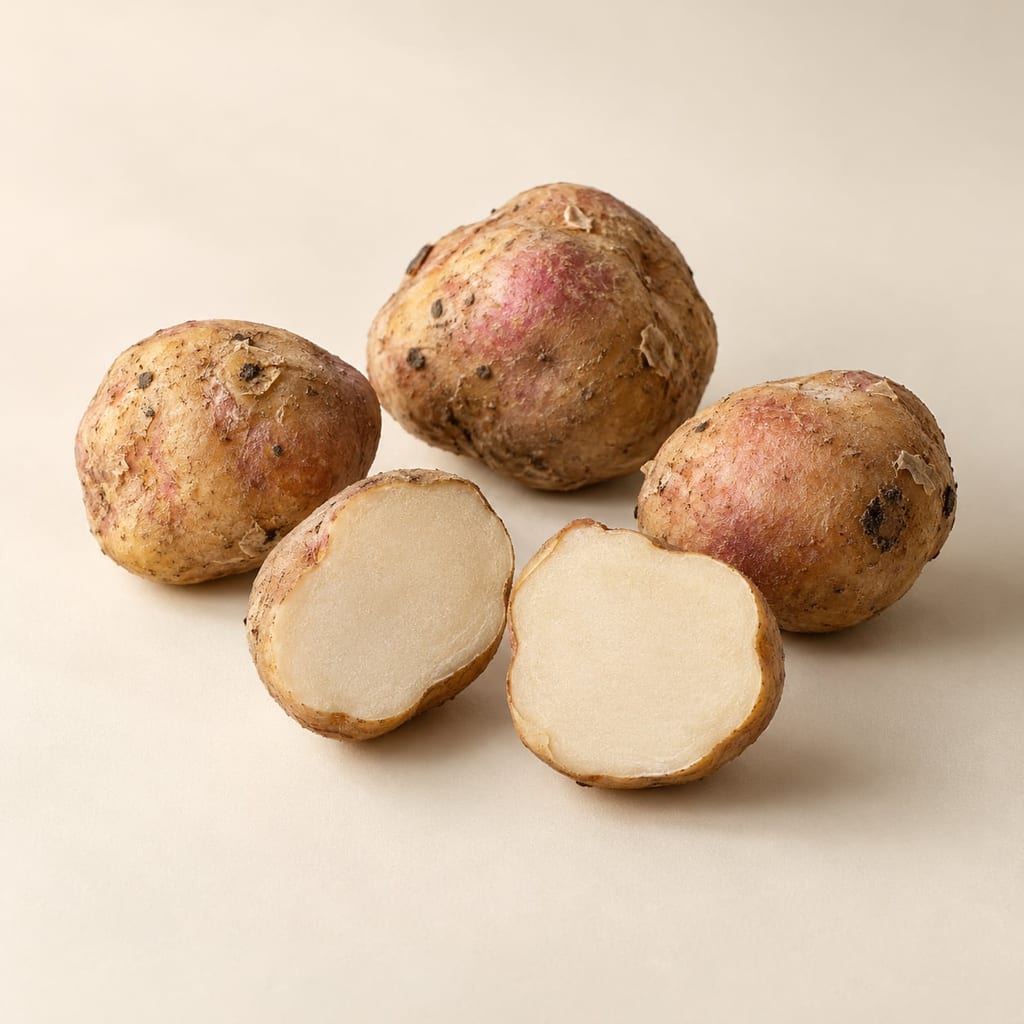
Blushing false truffle, Rhizopogon roseolus, is a pine-associated false truffle. It is recorded as a food in Europe and in Japan, where it is called shoro. Its food use depends on maturity, and its name needs checking.
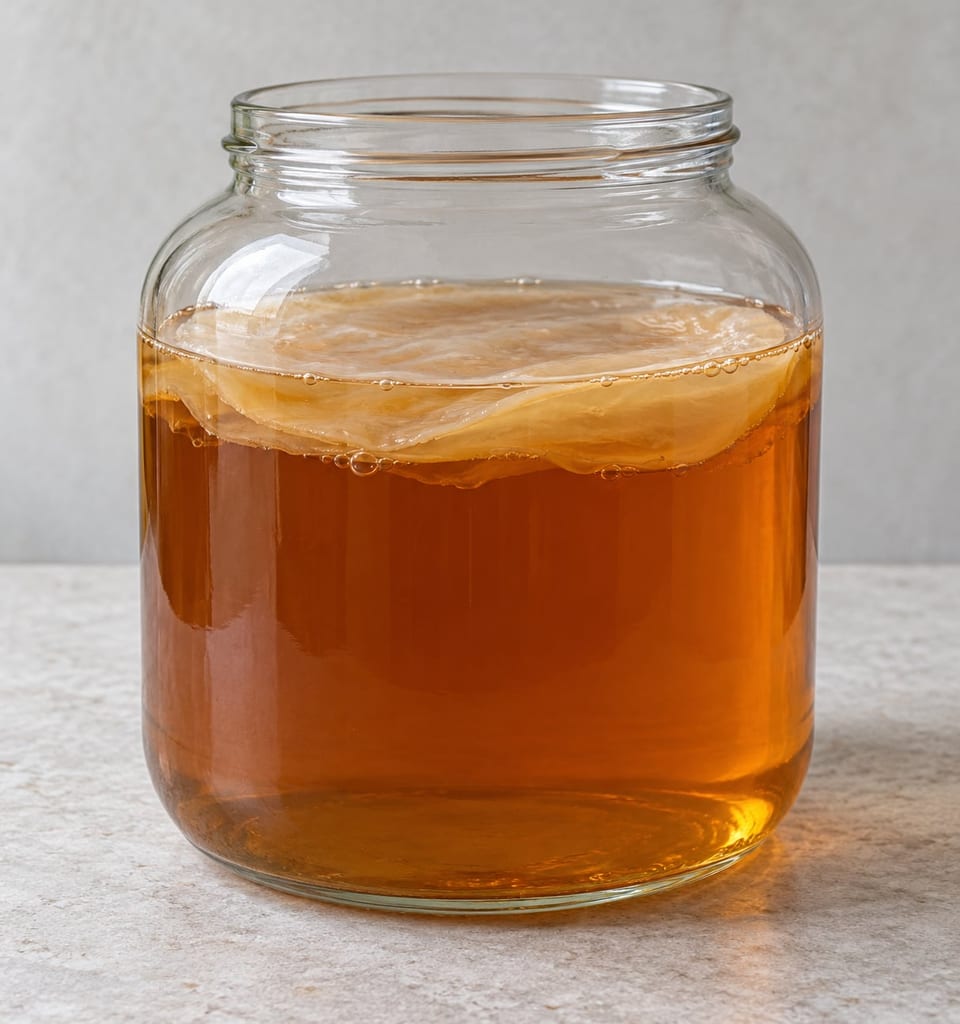
Kombucha culture is the mixed starter, a retained liquid with a cellulose pellicle, that ferments sweetened tea into kombucha. Its organisms vary between samples, and a visible mat does not identify them.
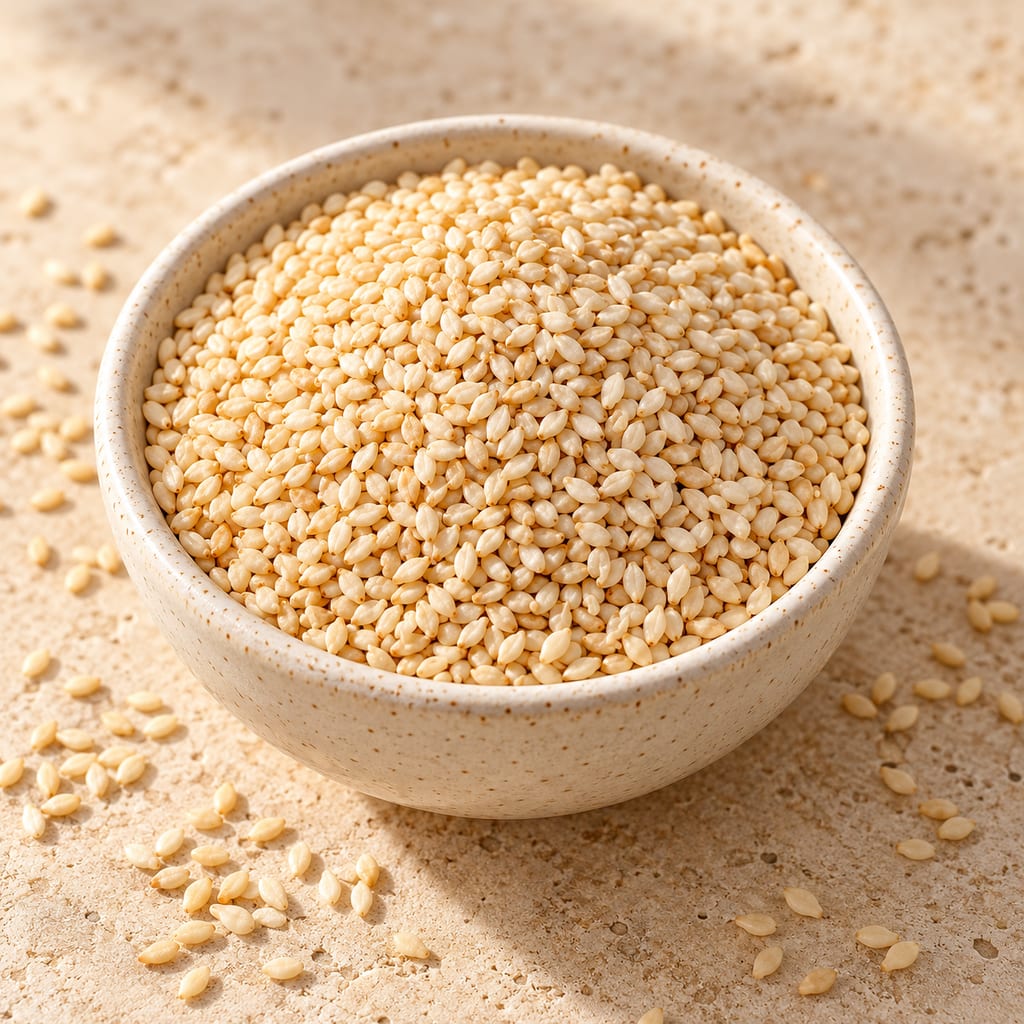
Sesame seed, from Sesamum indicum, is about half oil and is eaten whole, ground into paste or pressed into oil. It was a crop of South Asia by the Harappan period and reached Mesopotamia before 2000 BC.
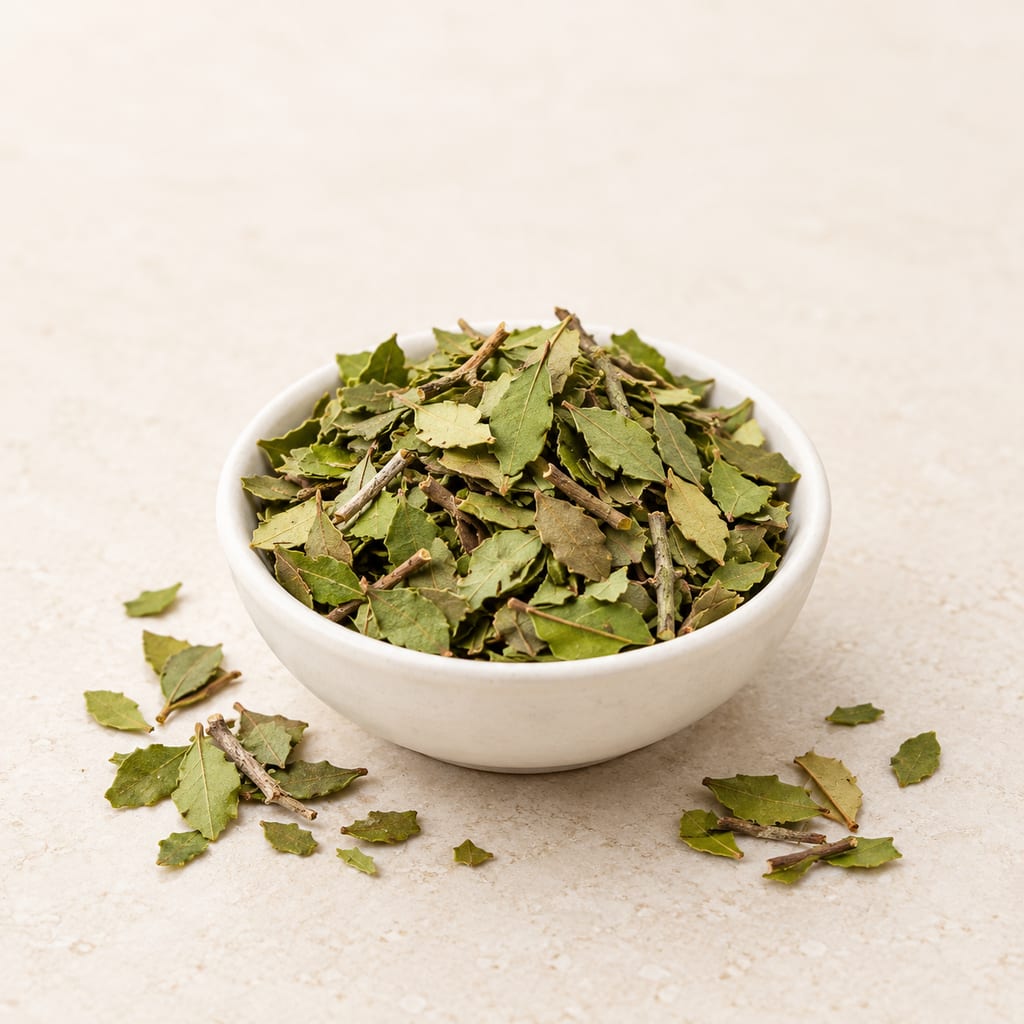
Yaupon is the caffeinated leaf of the southeastern North American holly Ilex vomitoria, dried and sometimes roasted for infusions. Its identity and cultural history differ from other hollies.

A Cap-Pelé boucanière is an Acadian herring-smoking building. The documented Willie Niles example is a one-storey wood-frame structure with a ridge smoke vent and interior bays for hanging fish-bearing cannes.

Achcharu is a family of Sri Lankan vinegar pickles made with mixed vegetables or seasonal fruit and a piquant spice dressing. This version is a quick, refrigerated, non-fermented mixed-vegetable pickle.

The acocote is a long, hollowed and dried gourd used to draw aguamiel from a mature maguey. It is a harvesting tool: the sap is transferred to a separate vessel before it ferments into pulque.

Adrak murabba preserves young ginger in sugar syrup, a sweet South Asian preparation recorded in Indian cookery and food-processing sources.

Parkia biglobosa seeds are fermented into regional West African seasonings, including nététou, iru, dawadawa and soumbala. The yellow fruit pulp is a separate food, and names and methods vary by place.

Japanese reddish-brown vinegar from sake lees matured about three years, turned to vinegar by acetic bacteria; the vinegar of Handa and Edomae sushi rice.

A refined common-wheat flour blended for a broad range of baking; its protein and behavior vary with wheat, milling and market.

The almond mushroom, Agaricus subrufescens, was cultivated in eastern North America in the 1800s, lost its market, and returned as a cultivated mushroom from Brazil, where it is grown under several names.
No community contributions have been published for this entry yet.
Sign in to contribute. Published comments and photos are free to read.
Illinois Extension, University of IllinoisIdentity · Storage
Coloring with Chili PowderMany commercial blends of chili powder contain ground dry chiles, salt, garlic and other spices such as paprika, cumin, cayenne and oregano; one tablespoon holds about 230 mg sodium; store in dark, dry, cool places in sealable jars; check yearly that the powder still smells strong.
Cited in: What the name covers; Choosing and keeping chilli powder
Dil FoodsIdentity
Chilli PowderA Sri Lankan retail chilli powder described as 100 per cent ground dried chillies.
Cited in: What the name covers
Harischandra MillsIdentity
Products: Chilli Powder and Roasted Curry PowderPlain chilli powder and roasted curry powder are sold as separate products; the curry powder combines dried chillies with other spices.
Cited in: What the name covers
USDA Agricultural Marketing ServiceIdentity · Trade
Limited Scope Technical Evaluation Report: Flavors - Handling/ProcessingCayenne, chili and red pepper are common English names for Capsicum spice fruits; paprika is the milder C. annuum of cooler climates; dried powdered and flaked chillies are the prevailing form; India is about half of global chilli exports.
Cited in: What the name covers; From the Americas to the spice shelf
New Mexico State University Cooperative Extension ServiceMethod · Quality · Storage
Postharvest Handling of Dehydrated Chiles (Guide H-236)Dehydrated capsicum types include New Mexican, cayenne, ancho, pasilla, mirasol, piquin and de arbol; red chile and paprika sold as whole pods or ground into flakes or powder; cultivar has the greatest effect on colour and pungency; colour measured in ASTA units, New Mexican chile about 120 to 220; sun-drying on roofs and ground replaced by controlled dryers at 60 to 65 C to 8 to 12 per cent moisture; flakes stored before final grinding; ground chile loses colour faster than whole; seeds lower initial colour and slow loss; light, oxygen and warmth bleach; antioxidants may be added at grinding; 0 to 5 C in the dark recommended.
Cited in: From the Americas to the spice shelf; The crop behind the grind; From pod to powder; Choosing and keeping chilli powder
New Mexico State UniversityScience
The Chile Cultivars of New Mexico State University, 1913-2022Capsaicinoids originate in placental tissue and can contact adjacent seeds; genetics, environment and fruit age affect pungency; breeding also selects flavour, colour, yield and harvest characteristics.
Cited in: The crop behind the grind; Heat, colour and aroma are different things
Protein & CellScience
Understand spiciness: mechanism of TRPV1 channel activation by capsaicinCapsaicin activates the TRPV1 sensory channel, which underlies the sensation of spiciness.
Cited in: Heat, colour and aroma are different things
Food Science and Biotechnology (PubMed Central)Storage
Effects of moisture content and packaging on color stability of red pepper (Capsicum annuum L.) powderStarting moisture and the gas permeability of the packaging affected colour change in red pepper powders, while capsaicinoid change followed a different relationship.
Cited in: Heat, colour and aroma are different things
Iowa State University Extension and OutreachStorage
Herbs and Spices Have an Expiration DateSpices lose flavour and potency rather than spoil; chili powder about 2 to 3 years; check aroma, flavour and colour.
Cited in: Choosing and keeping chilli powder
Penn State ExtensionMethod · Safety
Preserving Those Colorful Garden PeppersDried and ground peppers are used in soups, stews and dips; light fades dried peppers; keep them cool, dark and airtight; wear gloves and wash hands when handling hot fruit.
Cited in: Choosing and keeping chilli powder
HortScience 45(11):1751-1752 / New Mexico State UniversityScience
'NuMex Las Cruces' Cayenne PepperMeasured heat of cayenne cultivars Large Red Thick 12,900, Mesilla 13,200 and NuMex Las Cruces 17,400 Scoville heat units.
Cited in: Heat, colour and aroma are different things
U.S. Food and Drug AdministrationSafety
Risk Profile: Pathogens and Filth in Spices, 2017 UpdateDry spices can carry pathogens that survive without growing in low-moisture conditions; wetting can allow growth; antimicrobial effects of spices depend on the formulation.
Cited in: Spice is not a preservative
UTSA Libraries Special Collections, University of Texas at San AntonioHistory
Mexican Foods Company Collection (Gebhardt)William Gebhardt, born in Germany in 1875, settled in New Braunfels, Texas; he imported ancho peppers from Mexico and ground them several times in a meat grinder, storing the powder in airtight containers; registered the Eagle Brand Chili Powder trademark in 1896 and opened a San Antonio factory; the company published Mexican Cooking around 1908 and was renamed Gebhardt's Chili Powder Company in 1911.
Cited in: From the Americas to the spice shelf
Italian Ministry of Agriculture, Food Sovereignty and Forests (MASAF)History
Peperoncino di Calabria IGP: disciplinare di produzioneChilli was introduced to Spain early in the 16th century; its low cost and adaptability made many see it as a substitute for black pepper; in Calabria it was a poor household's seasoning by the 19th century; dried in strings and also sold ground to flakes or powder.
Cited in: From the Americas to the spice shelf; Heat, colour and aroma are different things
Proceedings of the National Academy of SciencesHistory
Multiple lines of evidence for the origin of domesticated chili pepper, Capsicum annuum, in MexicoDomestication of C. annuum in northeastern or central-east Mexico; combined evidence favours central-east Mexico.
Cited in: From the Americas to the spice shelf
PhytoKeys 200:1-423 (PubMed Central)History
Monograph of wild and cultivated chili peppers (Capsicum L., Solanaceae)Chillies spread from the Americas to Europe, then to Africa and Asia after Columbus; about a quarter of the world eats chilli.
Cited in: From the Americas to the spice shelf
Explore Sri LankaUse
Lunu Dehi: a Friendly ZestSri Lankan salted lime pickle: salt-stuffed limes sun-dried, packed with a teaspoon each of chilli powder and kochchi miris, 5 or 6 crushed peppercorns and a teaspoon of sugar for about 10 limes, covered with vinegar; flakes, cloves or cardamom are variations; a bottle can last up to five years.
Cited in: Chilli powder in pickles; Notes
Himalayan Wild Food PlantsUse
Citrus pseudolimon Tanaka: GalgalGalgal pickle: ripe fruit dipped in boiling water, sun-dried, cut and sauteed in mustard oil with fenugreek, turmeric, red chilli powder and salt, sweetened with jaggery, kept in a ceramic jar in the sun for 3 to 5 days and ready after 15 to 20 days; the ingredient list names red chillies and the method red chilli powder.
Cited in: Chilli powder in pickles; Notes