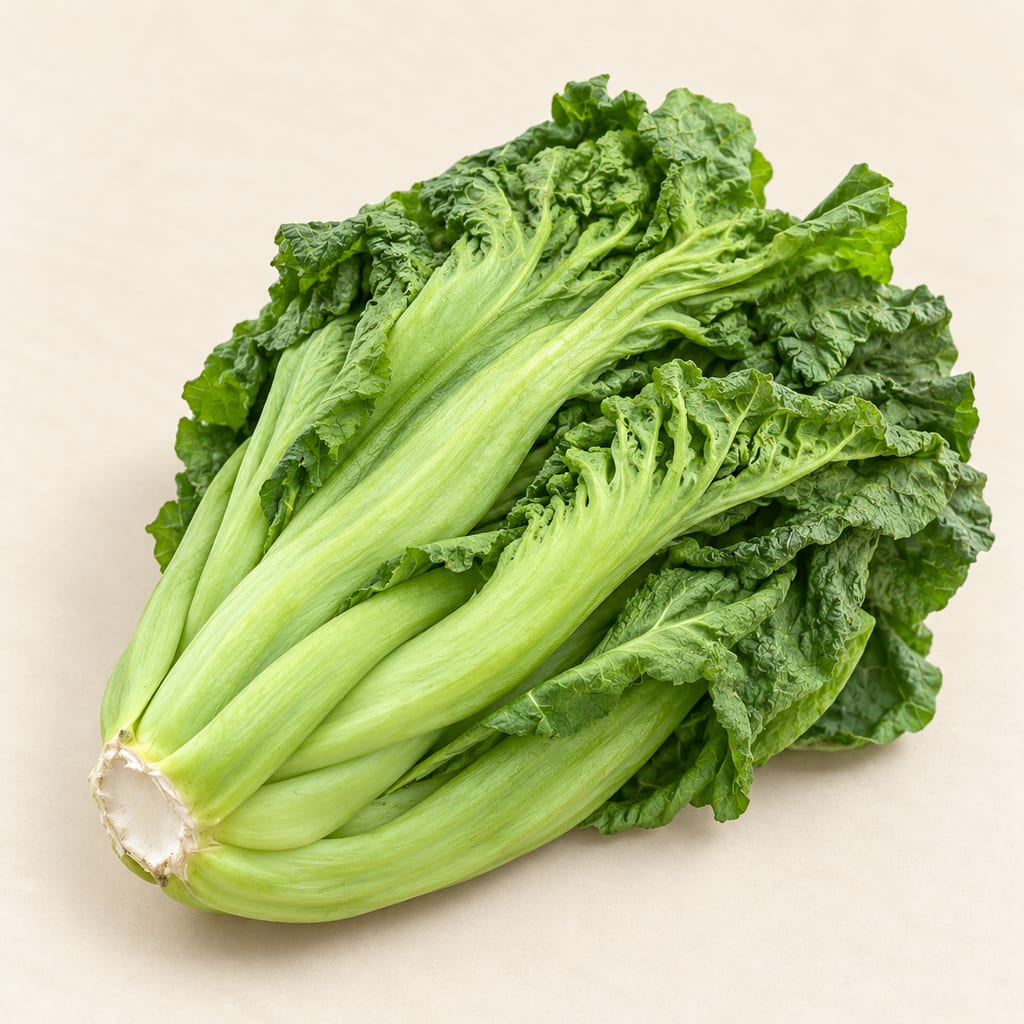
Takana
Takana is Japanese leaf mustard, including Miike takana of Fukuoka: pungent, broad leaves and stems eaten fresh or preserved as pickles.
 FermenteaWhere food goes to change
Traditional method
Setaka no Takana Zuke
Giant red mustard leaves are dried, layered with salt and chile, pressed in a wooden tub, drained after a week and left through the rainy season.
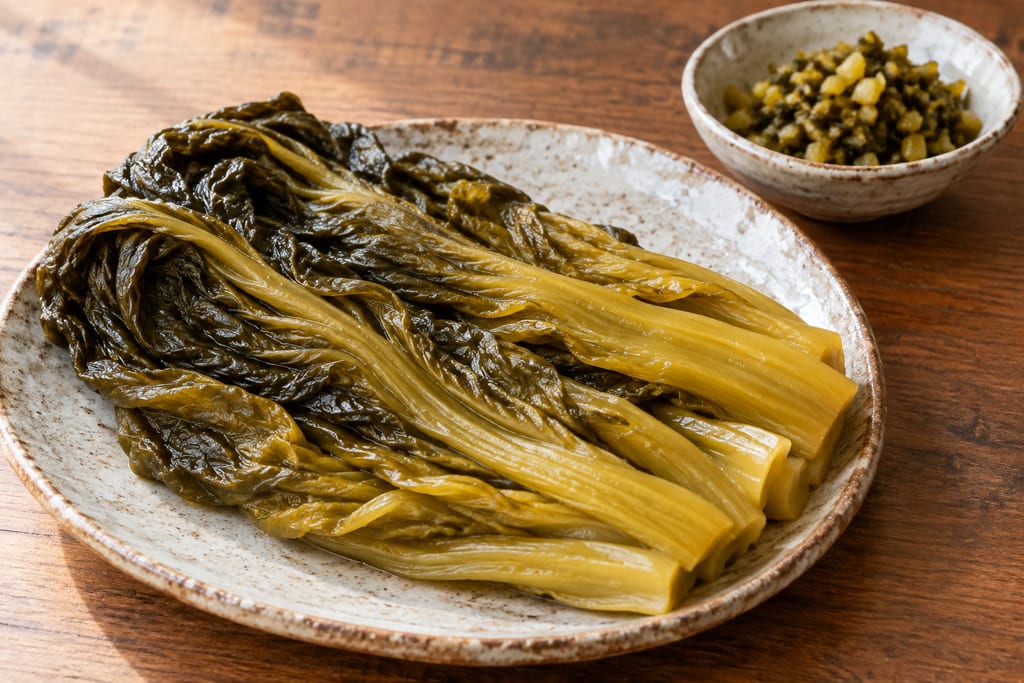
Setaka no Takana-zuke (瀬高の高菜漬け) is a traditional Japanese pickle made from large mustard greens, especially the local Miike takana variety cultivated around the Setaka area of Miyama City in Fukuoka Prefecture.
Takana (高菜) is a mustard green belonging to Brassica juncea, a species that includes several pungent leafy vegetables used in Asian cuisines.
The local form is notable for its large leaves, broad stems and red-purple colouring on parts of the plant.
The greens are wilted, layered with salt and chilli, pressed under substantial weight and allowed to mature for an extended period.
The finished pickle is usually chopped before serving.
It has a salty, savoury and slightly sour taste, along with the characteristic pungency of mustard greens.
This recipe is particularly distinctive because its calendar is tied to the agricultural season. It is prepared in spring and left to mature through the rainy season.
Miike takana developed in the Chikugo region of Fukuoka.
Its origin is associated with the crossing of mustard greens introduced from Sichuan in China with local Japanese varieties during the Meiji period (1868–1912).
The resulting mustard was valued for its large leaves and balanced pungency.
Its cultivation suited the area's fertile soil, accessible water and comparatively mild climate.
The Setaka area became known for both growing the vegetable and transforming it into pickles.
Commercial sale of this pickle is documented from the Meiji period.
The sources do not give a precise year when the first Setaka no Takana-zuke was manufactured.
The food belongs to the broader Japanese tradition of preserving mustard greens, but Setaka's particular plant variety and long maturing procedure distinguish it.
Today, Takana-zuke appears in numerous forms throughout Japan, ranging from relatively lightly pickled greens to chopped, fried and highly seasoned products.
Not every packet of Japanese takana pickles is Setaka no Takana-zuke.
Documented batch for one 10-litre wooden tub.
Ingredient: Miike takana or giant red mustard — Quantity: 6 kg
Ingredient: Salt — Quantity: 1 kg
Ingredient: Chilli powder — Quantity: 50 g
Ingredient: Whole chilli peppers — Quantity: 10
Ingredient: Turmeric — Quantity: 100 g
Ingredient: Pressing weight — Quantity: 15 kg
The turmeric is specified for a later preservation stage, not for mixing into the fresh greens at the beginning.
No water volume is specified because the technique relies primarily on moisture extracted from the leaves under salt and pressure.
The original recipe does not identify a precise chilli cultivar or the physical state of the turmeric.
The greens provide structure, plant sugars and pungent mustard compounds.
Their large stems and leaves behave differently during salting.
Leaves lose moisture relatively readily; thick stems require more time for salt penetration and softening.
The plant contains glucosinolates, which can be transformed by plant and microbial enzymes into compounds contributing mustard pungency.
The salt controls water movement, modifies texture and influences microbial growth.
The source's 1 kg quantity is substantial relative to the 6 kg of greens.
This is a strong salting procedure, not a modern lightly salted salad fermentation.
Reducing the amount for taste would alter the preservation system.
Chillies contribute pungency and flavour.
They are distributed through the salted greens.
They are not a replacement for the salt.
Turmeric comes from Curcuma longa, a member of the ginger family.
It is used during the finished-product handling stage described in the regional recipe.
It contributes colour and a distinctive earthy aroma.
The source does not establish that turmeric alone makes the pickle shelf-stable.
The documented batch uses a 10-litre wooden tub, a fitted lid, a 15 kg pressing weight and vinyl covering.
The traditional wooden vessel is part of the regional method.
For food manufacturing, equipment cleanliness and food-contact suitability matter.
The reported container capacity and weight should not be changed casually without understanding their effect on pressing and liquid extraction.
Wash the takana thoroughly.
Remove soil and visible debris from leaves and stems.
Large mustard greens can trap dirt between their leaves, so cleaning is an important stage.
The regional recipe specifies leaving the washed takana to dry for 12 days.
The source does not give a controlled temperature, humidity or final moisture content.
This should not be interpreted as laboratory dehydration to a specified water activity.
The purpose is to change the condition of the leaves before salting.
The exact historic conditions under which the greens were held are not adequately quantified for automatic transfer to another climate.
Place the greens in the wooden tub, alternating the leaf and root or stem portions.
The original English translation uses the term roots, although the commercial vegetable is primarily valued for its leaves and stems.
The meaning is best understood as arranging different portions of the harvested greens rather than adding a separately quantified root ingredient.
Sprinkle the greens with salt and chilli powder as the tub is filled.
Pack the material tightly so large empty spaces do not remain.
The salt begins drawing moisture from the tissues.
Place the lid over the greens and apply the 15 kg weight.
Cover the tub with vinyl.
The weight compresses the greens and encourages the release of liquid.
The extracted liquid becomes part of the preserving environment.
After seven days, remove the weight and pour away the liquid as directed.
Return the lid, weight and covering.
This drainage step is specific to the documented Setaka method.
It should not be generalized to all fermented vegetables, because prematurely draining another ferment can compromise its preservation.
Leave the tub through the rainy season.
The recipe describes the pickle as ready once that season has passed.
There is no precise number of days for this stage.
There is also no specified fermentation temperature or measured acidity endpoint.
The regional calendar is a genuine part of the traditional process.
For further preservation, squeeze water from the pickled greens and add turmeric and chilli as directed.
The source does not give a controlled post-fermentation temperature or exact shelf-life period.
Finely chop the takana.
A traditional serving suggestion combines the chopped greens with sesame seeds and ginger.
The amount of sesame or ginger is not specified.
Mustard greens contain water, carbohydrates, plant fibres and glucosinolates.
Salt draws moisture from the cells.
As the tissues lose water, the leaves become more flexible and compact.
The strong salt concentration also changes the environment available to microorganisms.
Some lactic-acid bacteria can participate in fermented mustard products, producing organic acids.
However, the precise contribution of microbial acid production in this particular strongly salted Setaka method has not been quantified in the cited recipe.
It would be inappropriate to assign it a specific pH trajectory or microbial succession without laboratory evidence.
Mustard pungency originates partly from glucosinolates.
When plant cells are damaged, enzymes can transform these compounds into pungent products, including isothiocyanates.
Fermentation and long storage can further alter the profile of mustard-related compounds.
These reactions help explain why mature takana has a different flavour from fresh leaves.
Extended salting changes texture and concentrates certain flavours.
Plant compounds can diffuse into the brine or undergo chemical transformation.
The result is darker, softer and more complex than lightly salted fresh greens.
The effect depends on the exact vegetable variety and processing conditions.
Takana is pickled throughout Japan.
The distinctive features are Miike takana, heavy salting, strong pressing and season-long maturation.
In parts of Kyushu, chopped pickled takana is fried or seasoned with oil and chilli.
It may be spicy and richly flavoured.
This is a prepared derivative of pickled greens, not necessarily a different initial fermentation.
Chopped takana is a familiar accompaniment to ramen, particularly in Kyushu.
It provides salt, acidity and mustard pungency.
Pickled mustard greens can be mixed into fried rice or used as a topping.
The basic pickling technique may differ according to the product selected.
The regional recipe recommends finely chopping the mature greens and mixing them with sesame and ginger.
The pickle is commonly eaten with rice.
Its strong salty flavour makes it suitable in small portions.
Chopped takana can also accompany noodle dishes, rice balls or other savoury foods.
In modern cooking, takana may be sautéed with oil before being mixed into rice.
The traditional Setaka pickle should not be confused with a mild fresh mustard-green salad.
Its flavour comes from significant salting and long maturation.
The greens should become compact and show the characteristic appearance of mature salted mustard.
The texture should be softened rather than fresh and brittle.
The flavour should be strongly salty, with mustard pungency and developing fermented or matured notes.
However, these are culinary expectations, not microbiological tests.
The original method does not supply a validated target pH or final microbial count.
Inconsistent wilting: Greens held in unsuitable conditions before salting can deteriorate.
Uneven salting: Large leaves and stems require thorough distribution of salt.
Inadequate pressing: Loose packing may create irregular exposure to liquid and air.
Unexpected mould: Surface growth not part of the intended process is a reason for concern.
Soft decay or putrid odours: These indicate deterioration and should not be treated as normal maturation.
Overly salty finished food: The original cure is salt-intensive. Desalting or cooking may modify the serving flavour, but an arbitrary reduction in the manufacturing salt changes the preservation process.
The traditional recipe provides unusually good quantitative information about raw ingredients and equipment.
It does not provide numerical fermentation temperatures, a finished pH, water activity or a controlled storage-life study.
Nor does its statement that the pickle may be eaten until the next season establish shelf stability under every modern storage condition.
For commercial adaptation, the process would require appropriate assessment.
The 12-day preliminary drying period is especially dependent on local conditions.
Do not transfer it unchanged to a humid environment or assume that a domestic room reproduces the original setting.
Commercially prepared takana pickles should be stored according to their packaging instructions, particularly after opening.
This pickle is inseparable from the local mustard variety for which the area became known.
Its process combines harvest timing, leaf wilting, substantial salting, mechanical pressing and prolonged maturation.
The result is a regional food with a strong identity rather than a generic jar of pickled greens.
The recipe also preserves a valuable example of agricultural time: the instruction to mature through the rainy season cannot simply be replaced with an invented number of fermentation days.
MAFF records this preparation in Fukuoka’s Chikugo region and identifies local Miike takana as its substrate; it says the pickle entered the market in the Meiji period.
Yield 1 10-litre wooden tub · Scaling: source batch only
Contaminated equipment or uncontrolled fermentation can compromise the batch; the recipe is not professionally validated.
Hazard sourceUse clean food-grade equipment and follow the source method. Recipe-specific validated limits are not supplied; do not treat taste or appearance as proof of safety.
Control sourceMAFF describes use through the next season’s batch but gives no finished storage temperature or validated shelf-life period.
MAFF places Setaka no takana zuke in Chikugo and identifies a recipe provider in Setaka, Miyama City.
Takana is Japanese leaf mustard, including Miike takana of Fukuoka: pungent, broad leaves and stems eaten fresh or preserved as pickles.
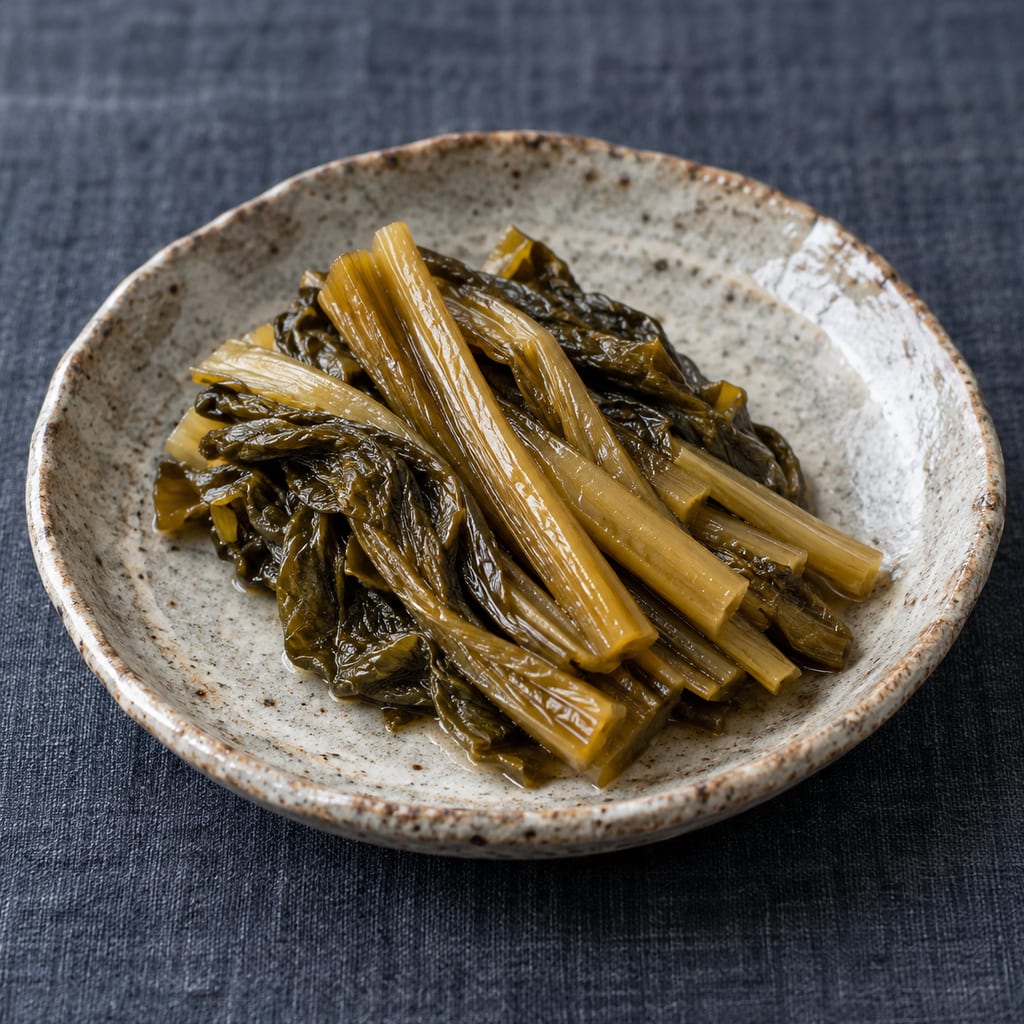
Takana mustard greens from Aso in Kumamoto are salted and pressed into a fresh spring pickle, or aged into a sour furuzuke that is fried and mixed into takana rice.
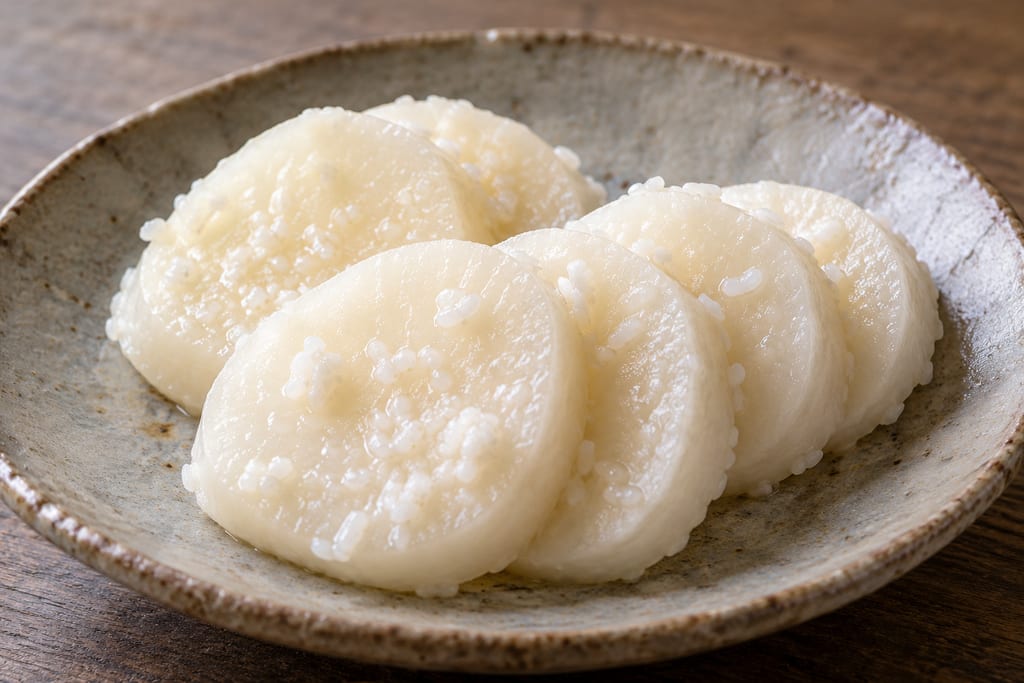
A sweet, crisp Japanese daikon pickle from Tokyo's Nihonbashi district, made by salting fresh radish and dressing it in rice koji, sugar or koji amazake without the heavy drying used for takuan.
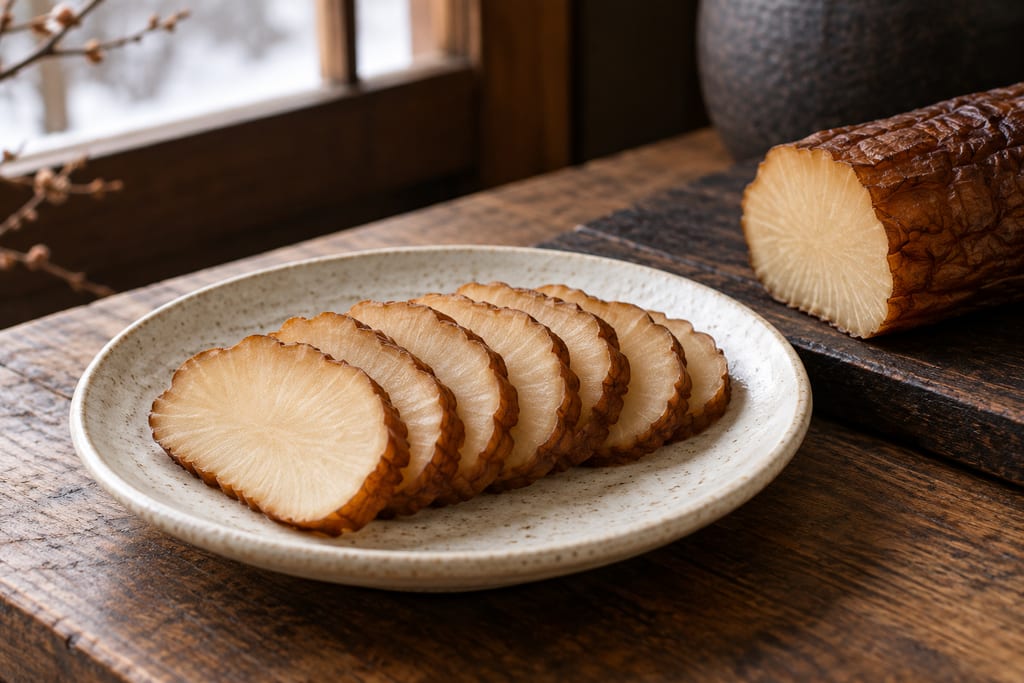
Iburigakko is Akita pickled daikon dried with smoke before it is fermented in rice bran.
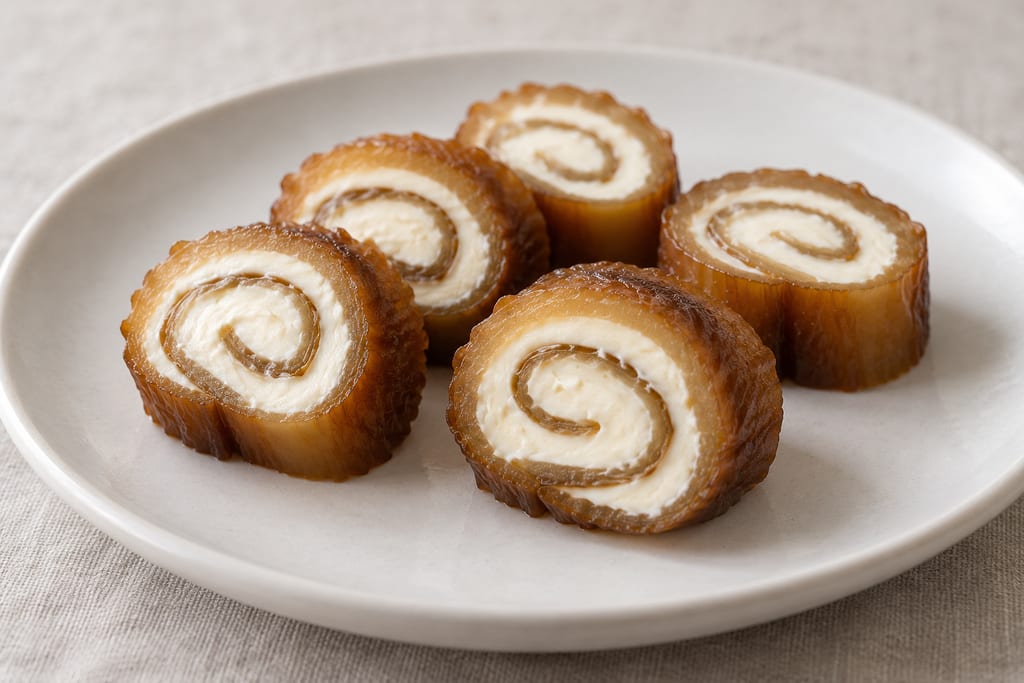
A Morinaga snack pairs thin ribbons of iburigakko with cream cheese, then chills the roll before cutting it into portions.
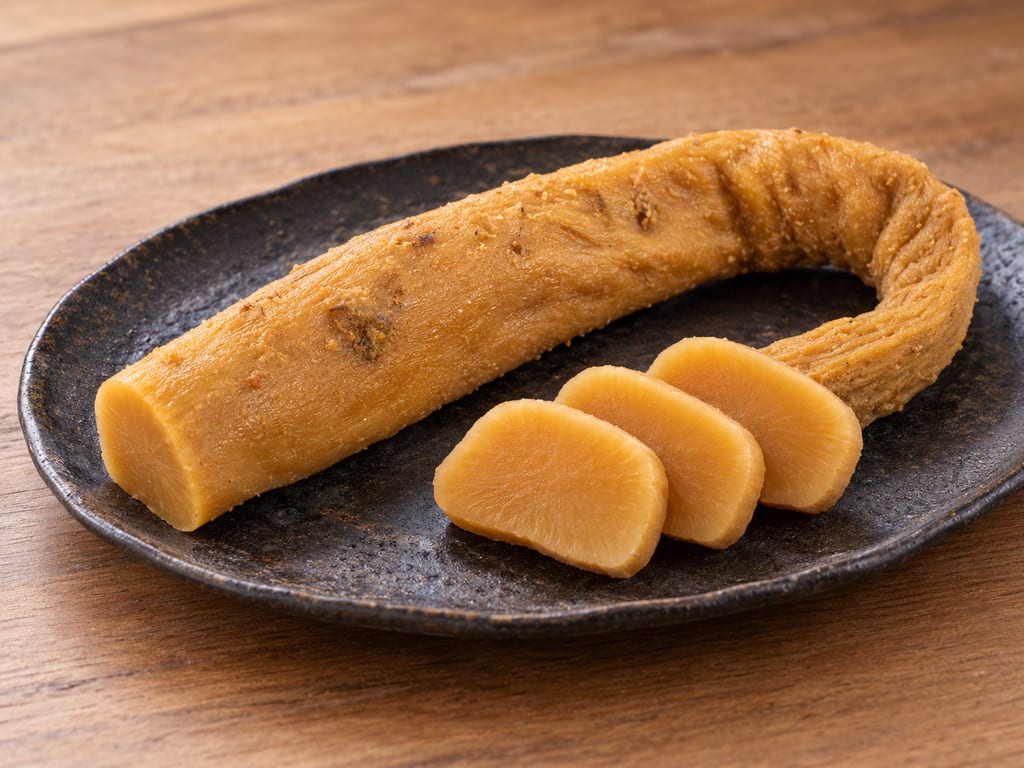
Regional takuan from Ise City, Mie, made with Misono daikon dried on a rack, then matured in a weighted barrel of rice bran and salt for months to years.
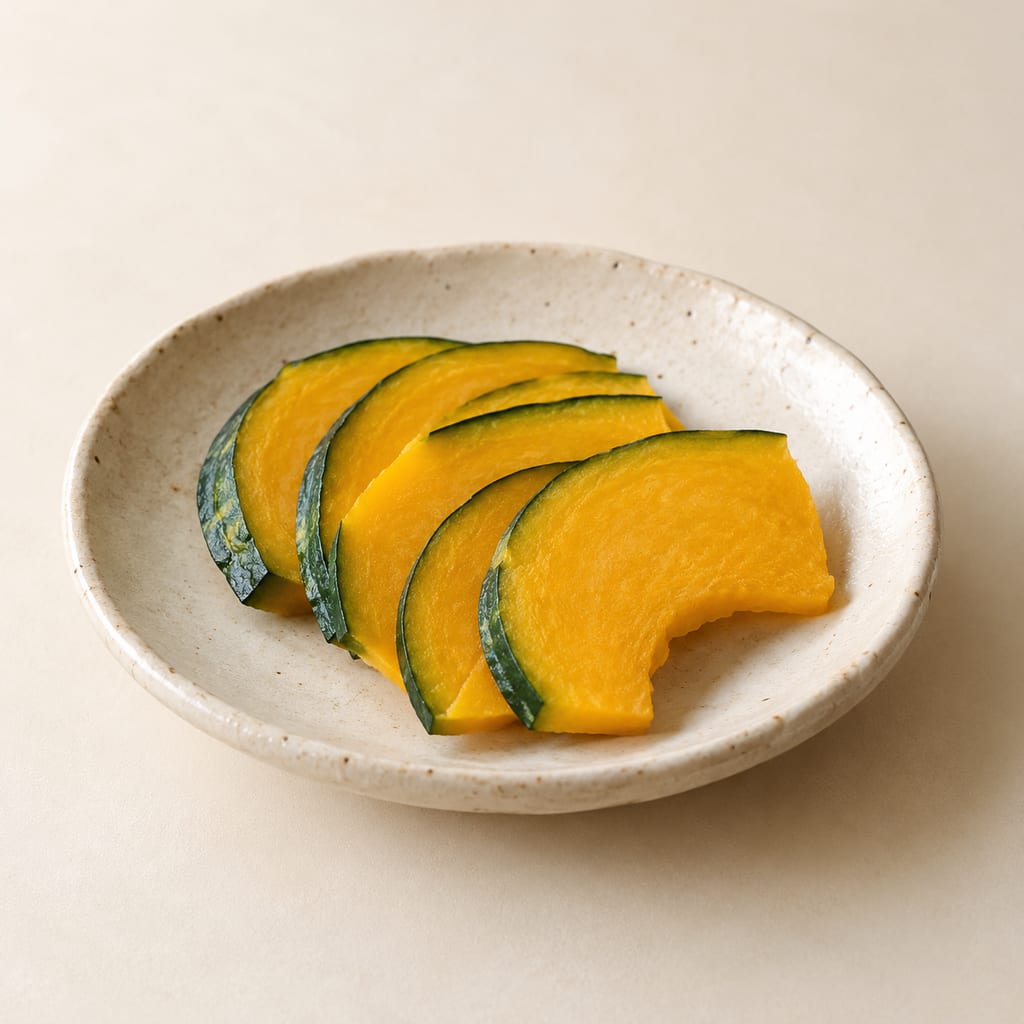
Kabocha no nukazuke: Refrigerated commercial fermented bed; use removed portions the same day.

Foods embedded in salty fermented miso paste, which transfers salt and fermentation products into them; misozuke uses an already transformed medium rather than a fresh vegetable brine.
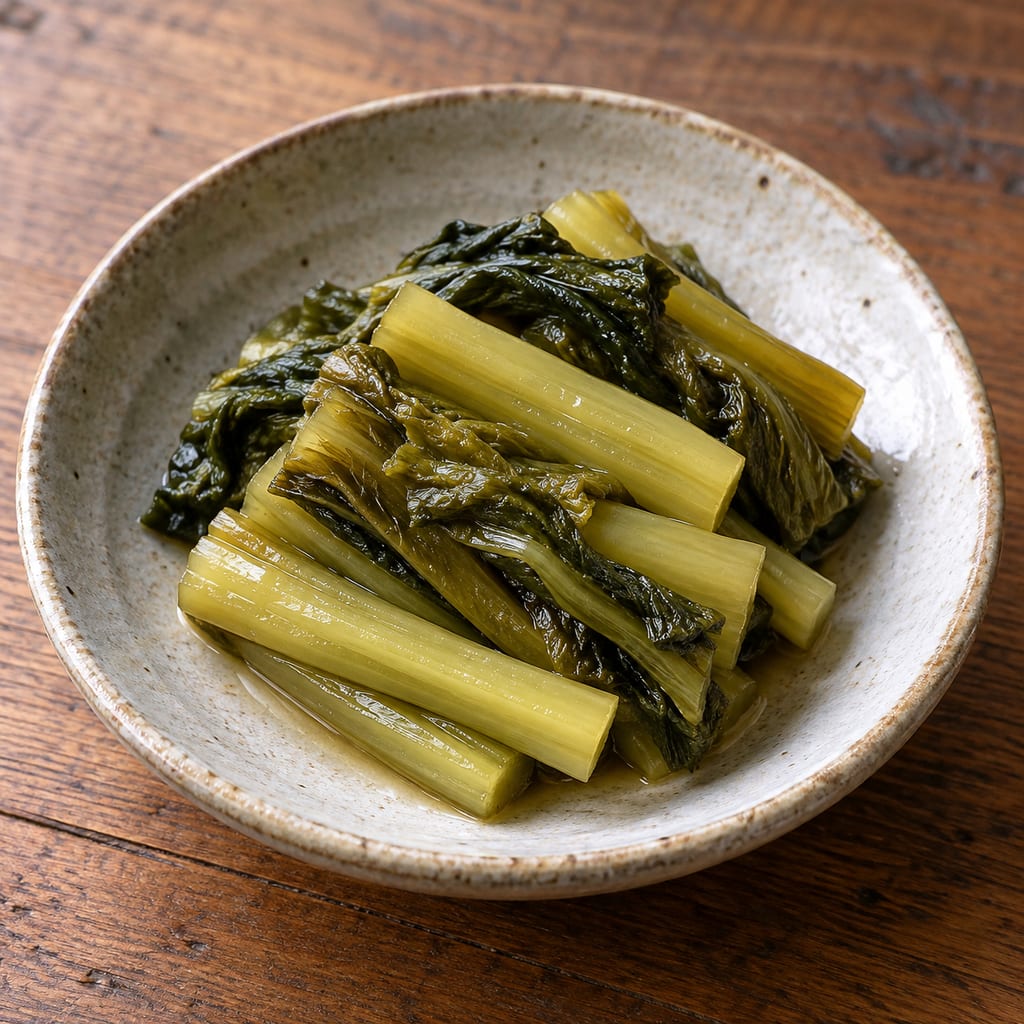
Nozawana greens salted in a barrel and weighted overnight, a Nagano household pickle sampled after about two weeks and soured by a month.
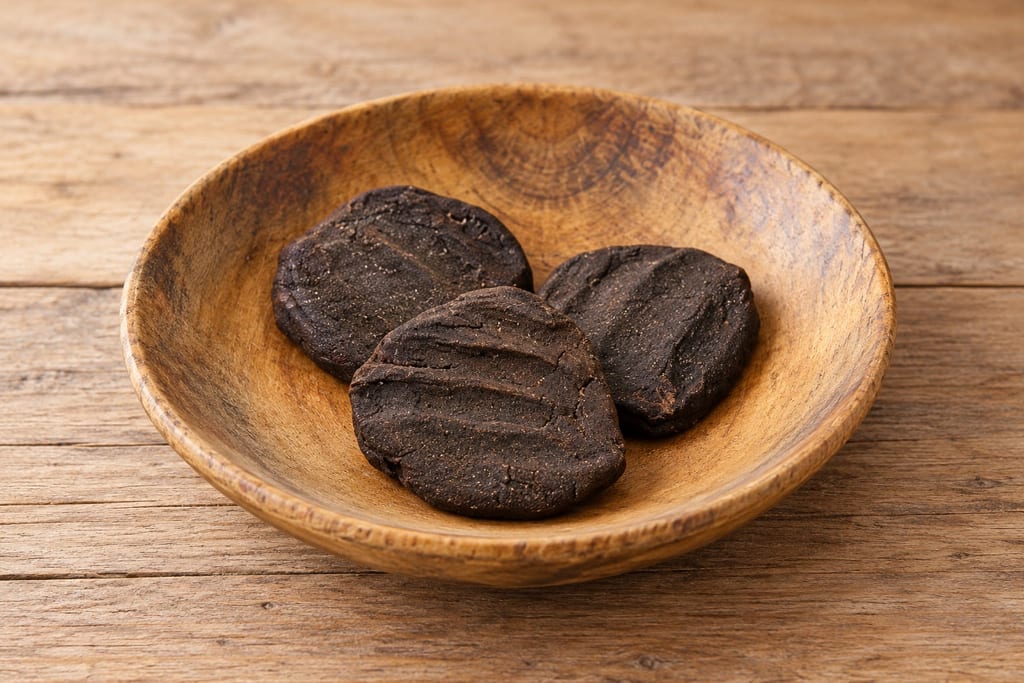
Dried cakes of pounded taro leaves from the Ao Naga in Nagaland, yellowed in a bag, then dried by hot ash or sun and used to flavour meat dishes.
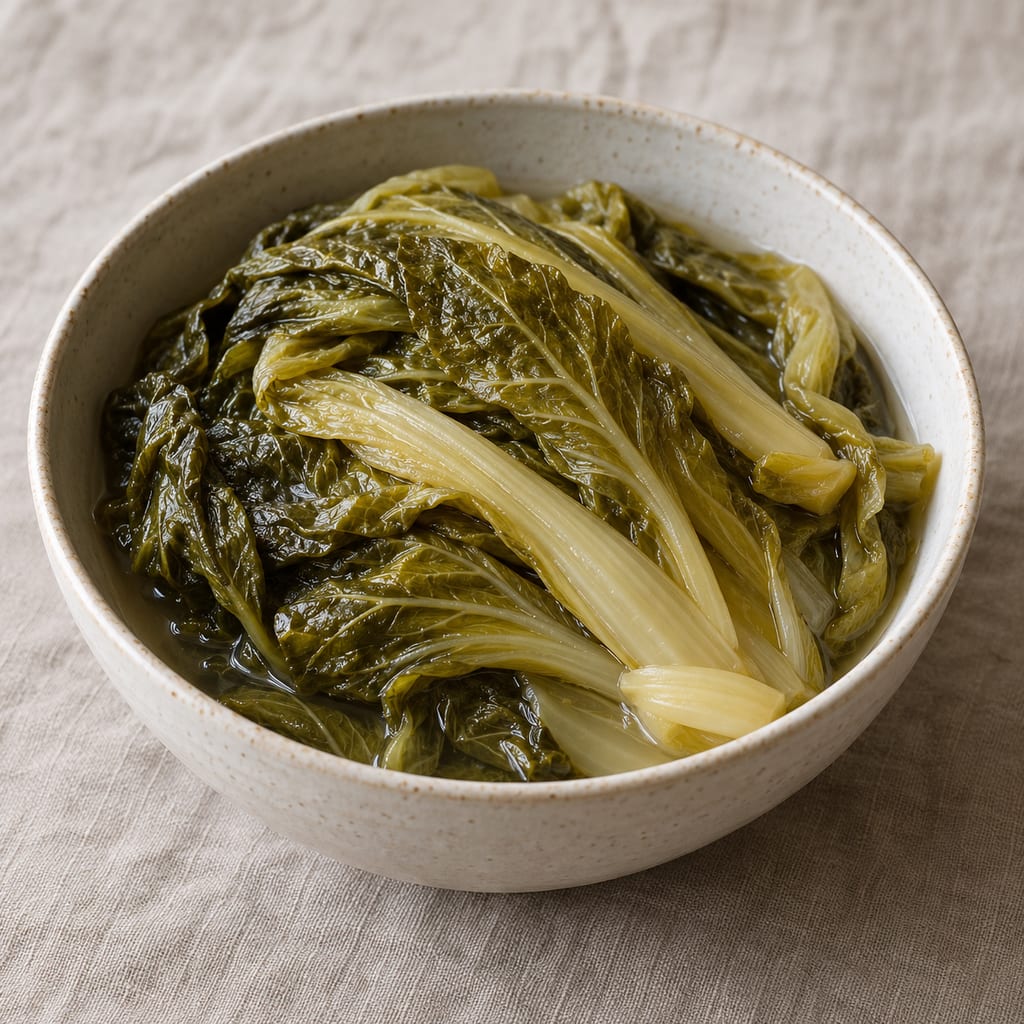
Wilted flat mustard leaves ferment with rice water and salt as a Filipino appetizer and cooking ingredient.
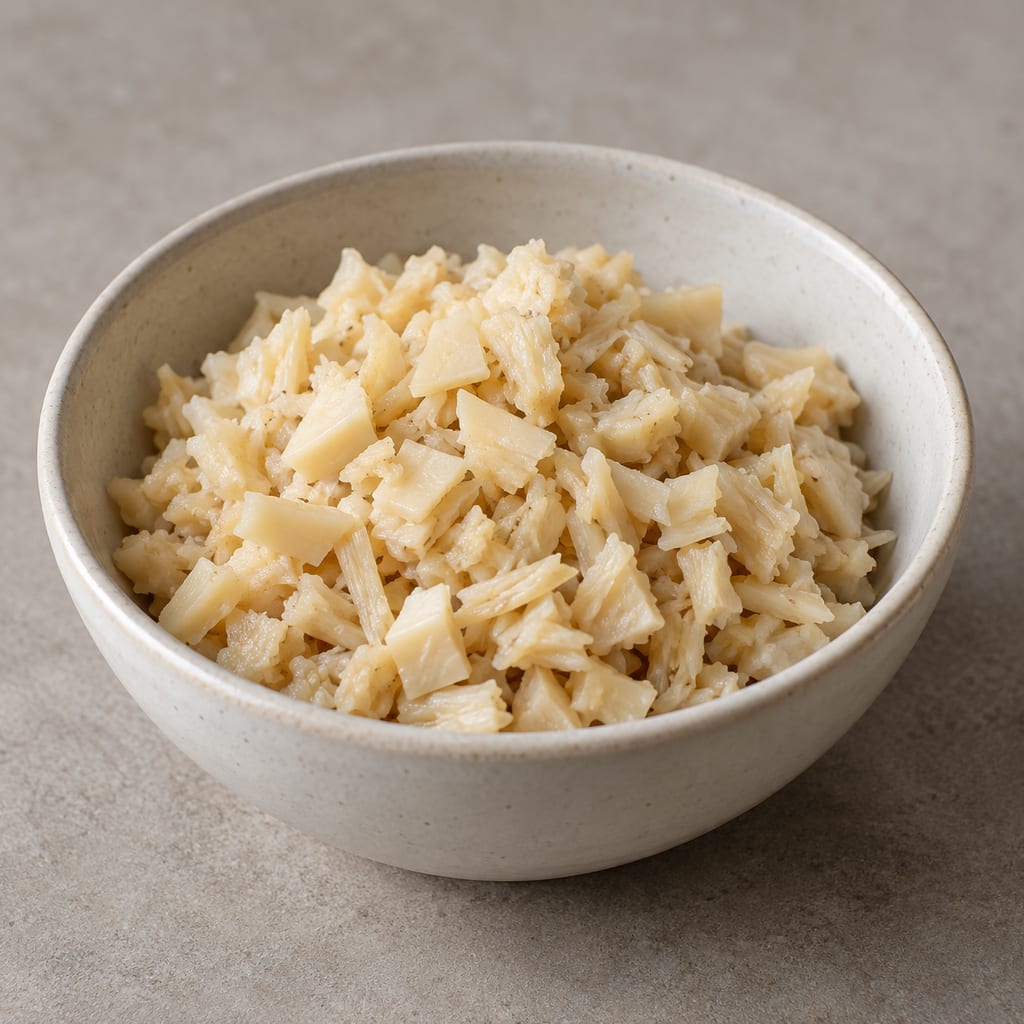
Finely chopped young bamboo shoots packed in leaf-lined baskets, sealed in a forest pit and weighted for one to three months, from Arunachal Pradesh.

Pit-fermented bamboo shoots from Arunachal Pradesh, cut smaller and sun-dried for five to ten days, used in curries.
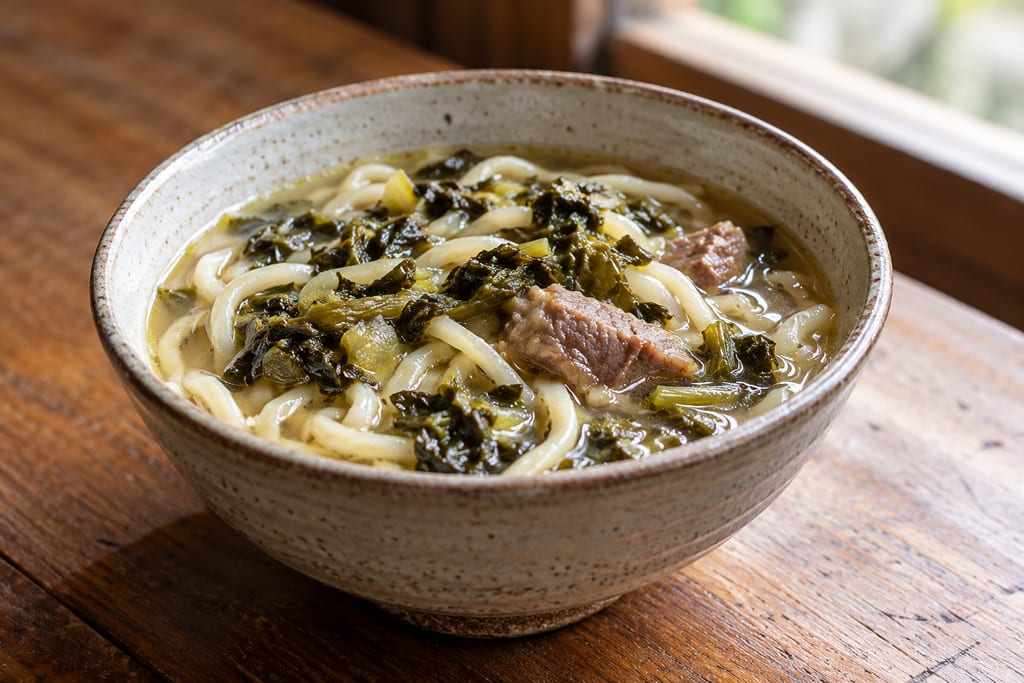
Goyang is a Sherpa fermented wild leafy food of the Darjeeling hills and Sikkim. Rainy-season magane-saag leaves are packed in a bamboo basket, held at room temperature for about a month, then eaten fresh or dried and used in soup.
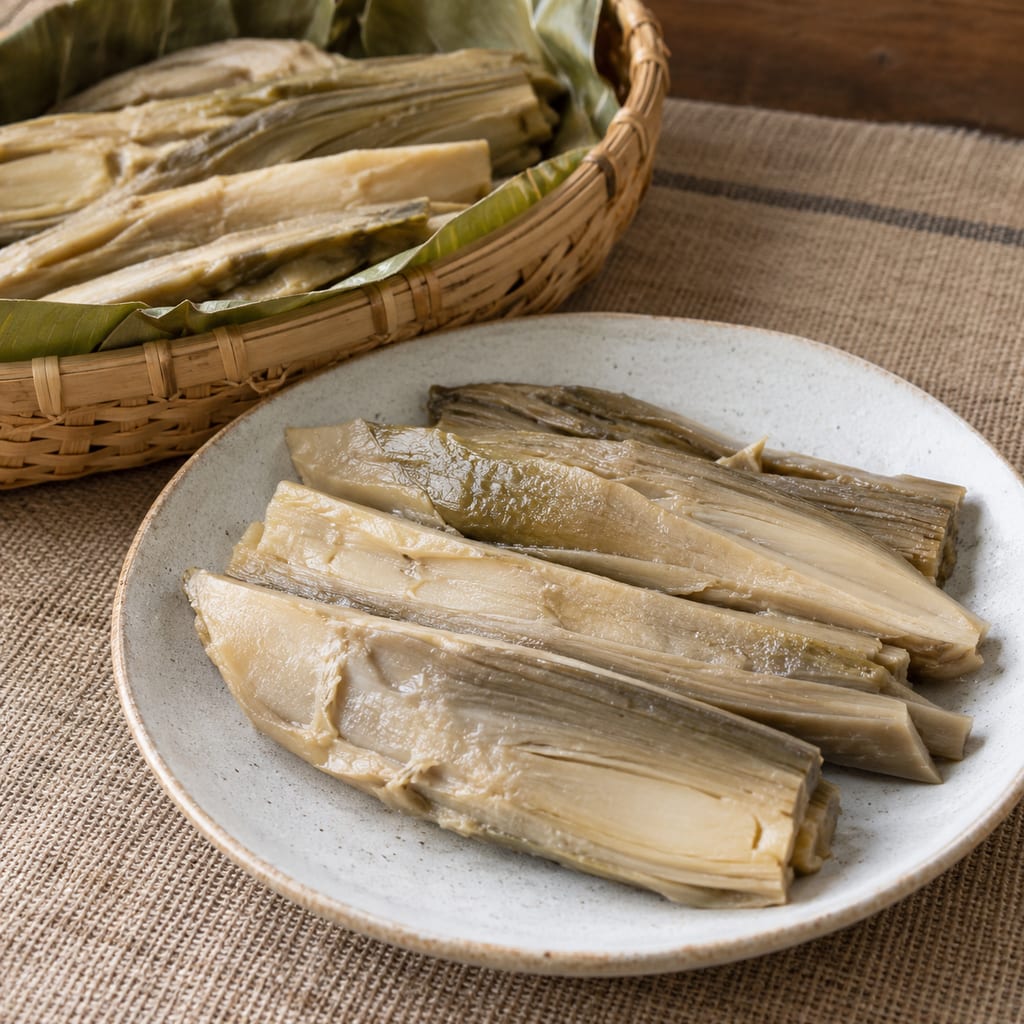
Upper tender bamboo-shoot tips, split or flattened, pit-fermented one to three months in Arunachal Pradesh and eaten in curries.
The original Polish barszcz: young hogweed leaves soured in warm water for a few days, then boiled into soup with egg, butter, cream or millet. Recorded from 1595, with warnings about the sap and lookalikes.
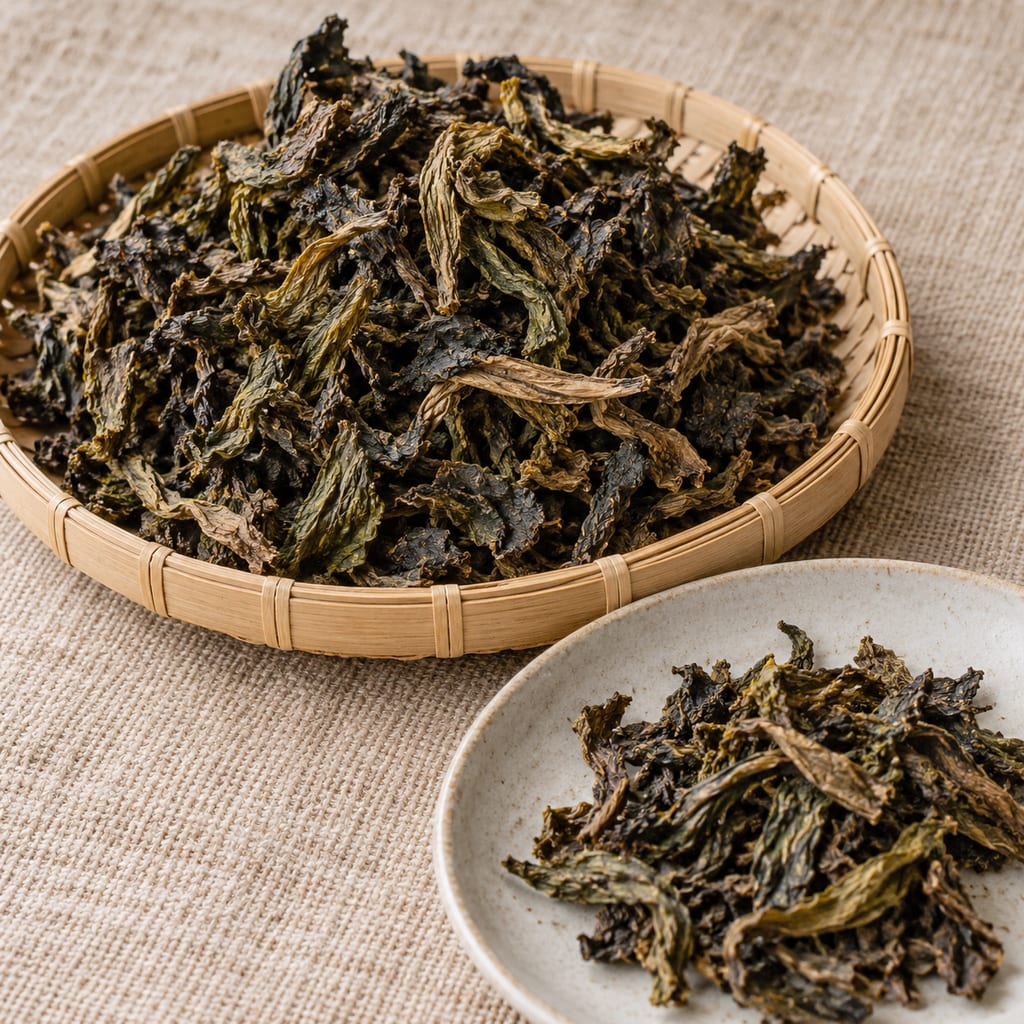
Inziangsang is a Naga fermented food of mustard leaves from Nagaland and Manipur. Crushed, soaked and squeezed leaves ferment for 7 to 10 days, then dry in the sun. A squeezed liquid can be boiled to a concentrate.

A Cap-Pelé boucanière is an Acadian herring-smoking building. The documented Willie Niles example is a one-storey wood-frame structure with a ridge smoke vent and interior bays for hanging fish-bearing cannes.

Achcharu is a family of Sri Lankan vinegar pickles made with mixed vegetables or seasonal fruit and a piquant spice dressing. This version is a quick, refrigerated, non-fermented mixed-vegetable pickle.

The acocote is a long, hollowed and dried gourd used to draw aguamiel from a mature maguey. It is a harvesting tool: the sap is transferred to a separate vessel before it ferments into pulque.

Adrak murabba preserves young ginger in sugar syrup, a sweet South Asian preparation recorded in Indian cookery and food-processing sources.

Parkia biglobosa seeds are fermented into regional West African seasonings, including nététou, iru, dawadawa and soumbala. The yellow fruit pulp is a separate food, and names and methods vary by place.

Japanese reddish-brown vinegar from sake lees matured about three years, turned to vinegar by acetic bacteria; the vinegar of Handa and Edomae sushi rice.

A refined common-wheat flour blended for a broad range of baking; its protein and behavior vary with wheat, milling and market.

The almond mushroom, Agaricus subrufescens, was cultivated in eastern North America in the 1800s, lost its market, and returned as a cultivated mushroom from Brazil, where it is grown under several names.
No community contributions have been published for this entry yet.
Sign in to contribute. Published comments and photos are free to read.
Japan Ministry of Agriculture, Forestry and FisheriesInspiration · Geography
Setaka no Takana Zuke (Pickled takana)Chikugo/Fukuoka regional context, exact 10-litre tub ingredients, 12-day drying, one-week drain and seasonal process.
Cited in: What is Setaka no Takana-zuke?; History of Miike takana; Ingredients; Miike takana; Salt; Chilli powder and whole chillies; Turmeric; Equipment; 1. Wash the greens; 2. Wilt or dry the greens; 3. Prepare the tub; 4. Apply salt and chilli; 5. Apply the pressing weight; 6. Inspect after one week; 7. Mature through the rainy season; 8. Prepare for storage; 9. Prepare for eating; The chemistry of mustard-green pickling; Glucosinolate transformation; Long maturation; Regional variations; Setaka no Takana-zuke; Karashi takana; Takana for ramen; Takana rice; How Setaka no Takana-zuke is eaten; What successful pickling looks like; Problems and failures; Safety and storage; Why Setaka no Takana-zuke matters
University of Minnesota ExtensionSafety
Preserving food at home: FermentationGeneral advice on equipment, brine coverage and acidity monitoring; not validation of this recipe.
Cited in: Miike takana; Salt; The chemistry of mustard-green pickling; Glucosinolate transformation; Long maturation; What successful pickling looks like; Problems and failures; Safety and storage