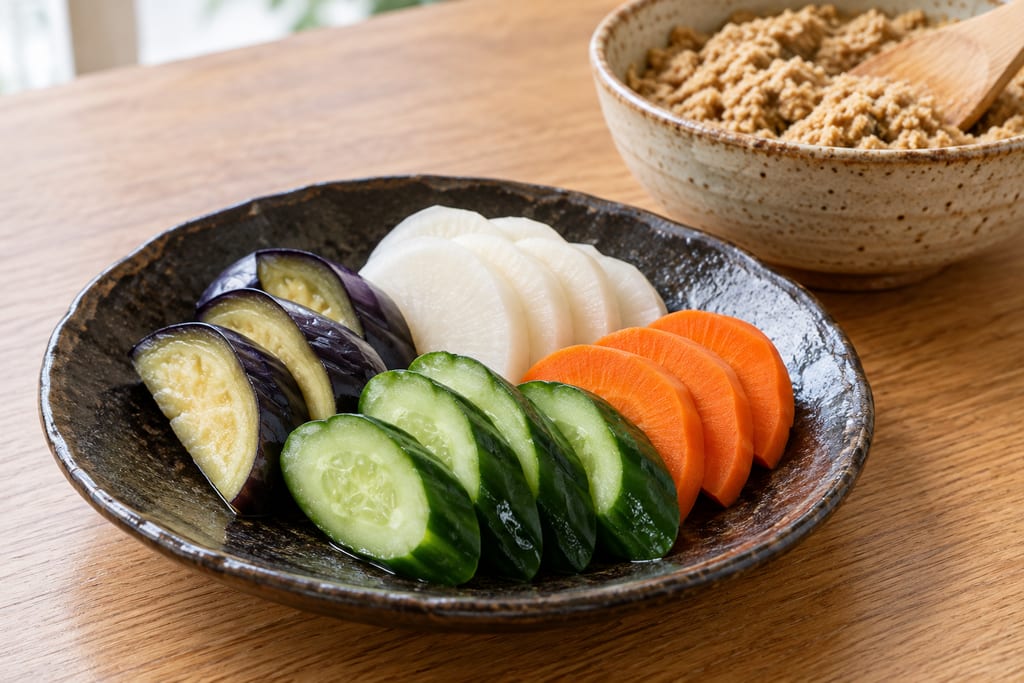
Nukazuke
Japanese pickles made by burying vegetables in nukadoko, a reusable bed of rice bran, salt and water that is turned daily and ripened by lactic and yeast fermentation.
 FermenteaWhere food goes to change
Modern method
Kabocha no nukazuke: Refrigerated commercial fermented bed; use removed portions the same day.
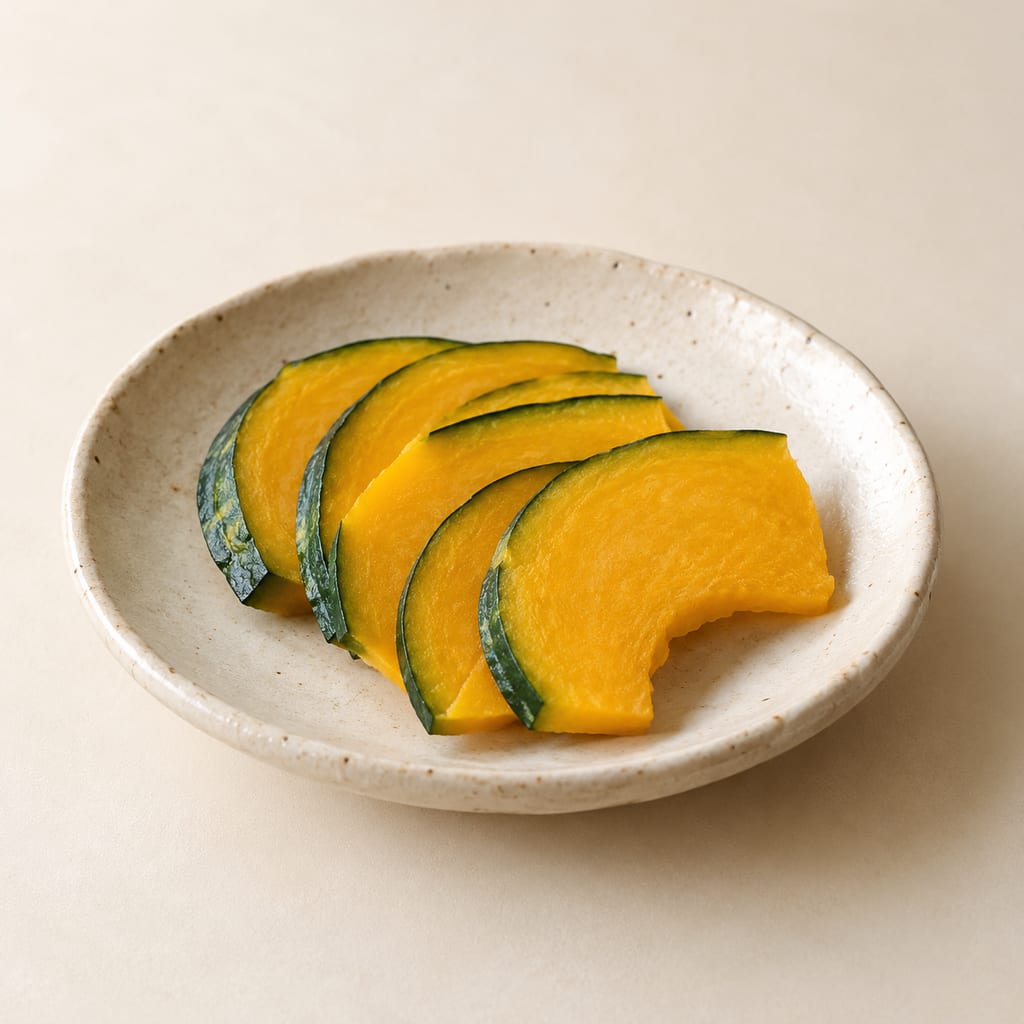
Pumpkin really is used for Japanese nukazuke. A 2026 MUJI recipe gives thin raw pumpkin slices an overnight treatment in its ready-fermented refrigerated rice-bran bed. House Foods separately publishes chef Yūki Noda's longer butternut-squash preparation in a homemade bed. Those are two different formats, so their times should not be mixed.
What this record achieves: a small, crunchy pickle from stored winter squash. It is a method of short-term pickling and seasonal use, not a claim that a bowl of squash will keep all winter. Preserve the main harvest by the collection's whole-fruit, drying or freezing methods; make small fresh batches of this pickle as needed.
Do not replace the ready-fermented bed with dry rice bran and assume it is equivalent. Its composition, acidity, salt and established microbial population are part of the process.
Different commercial beds have different stirring and replenishment requirements. MUJI describes its own product as requiring roughly weekly mixing, while Tokai's traditional instructions recommend more frequent mixing and managing the water released by vegetables. Follow the instructions for the actual bed purchased rather than borrowing the least demanding rule from another product.
Use a fresh, sound piece of pumpkin, not cooked material left warm on a buffet or pieces from a displayed Halloween lantern. Keep the trial small enough to remove and use at its intended stage. Do not regard the taste or smell of a bed as a measurement of the acidity inside the pumpkin. Discard a suspect batch rather than mixing visible spoilage back into it.
No pumpkin-specific long refrigerator life after removal from the bed was found in these sources. The working recommendation here is to remove only what will be used that day. The manufacturer's maturation time describes the intentional refrigerated pickling stage; it is not a promise of weeks or months of finished-product storage.
Niigata also has commercial ito-kabocha no kasuzuke, spaghetti squash preserved in sake lees. Its producer describes a refrigerated product, with a stated two-month life. That is useful evidence that squash is used in another Japanese preserving medium; it is not a home recipe or transferable shelf-life guarantee. A separate source-backed home formula was not established in this research.
Pumpkin really is used for Japanese nukazuke. A 2026 MUJI recipe gives thin raw pumpkin slices an overnight treatment in its ready-fermented refrigerated rice-bran bed. House Foods separately publishes chef Yūki Noda's longer butternut-squash preparation in a homemade bed. Those are two different formats, so their times should not be mixed.
Scaling: source batch only
Refrigerated commercial fermented bed; use removed portions the same day
Hazard sourceRefrigerated commercial fermented bed; use removed portions the same day
Control sourceRefrigerated commercial fermented bed; use removed portions the same day
Do not transfer a canning schedule from a different pumpkin preparation.
Geographical association of this documented version, not an asserted origin.
Japanese pickles made by burying vegetables in nukadoko, a reusable bed of rice bran, salt and water that is turned daily and ripened by lactic and yeast fermentation.
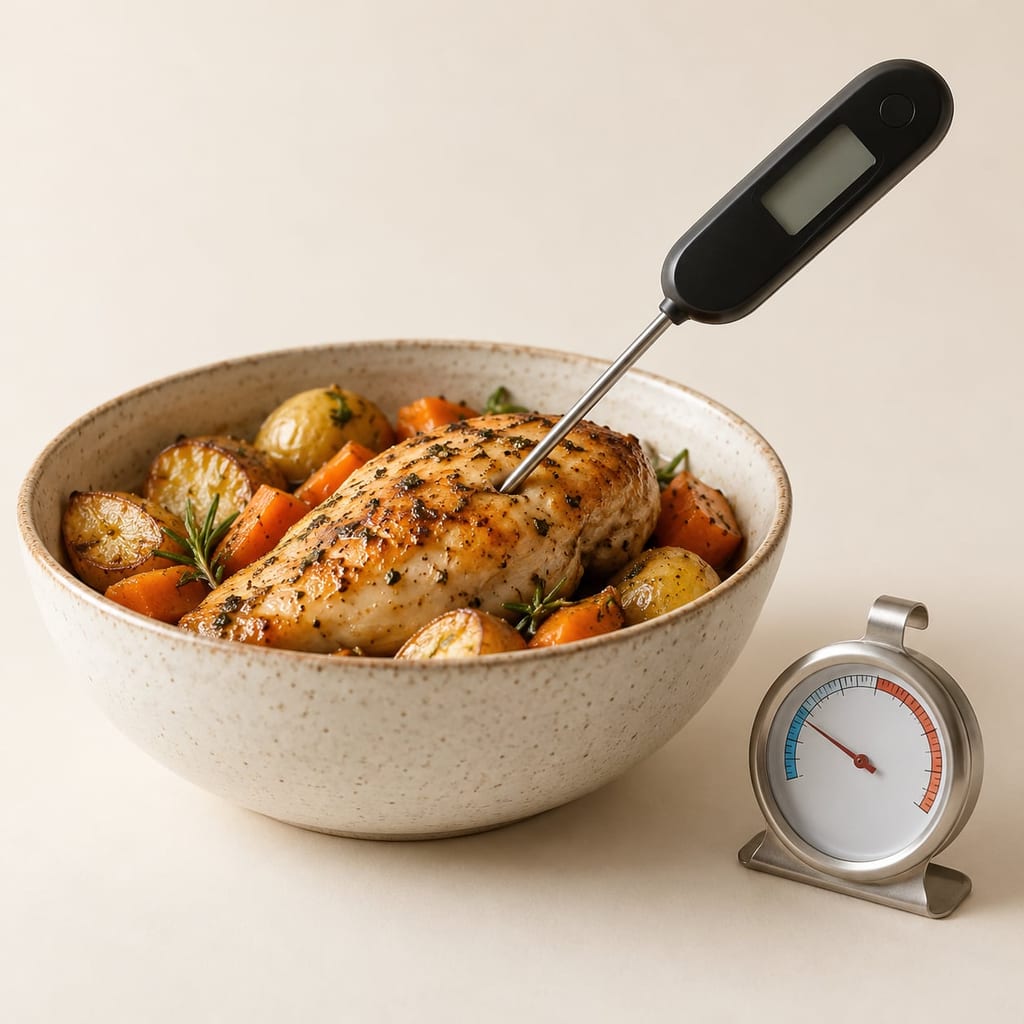
A food probe measures the temperature inside food at the probe tip; a refrigerator thermometer measures the cold storage environment. They answer different questions and cannot establish acidity or validate a preservation process.
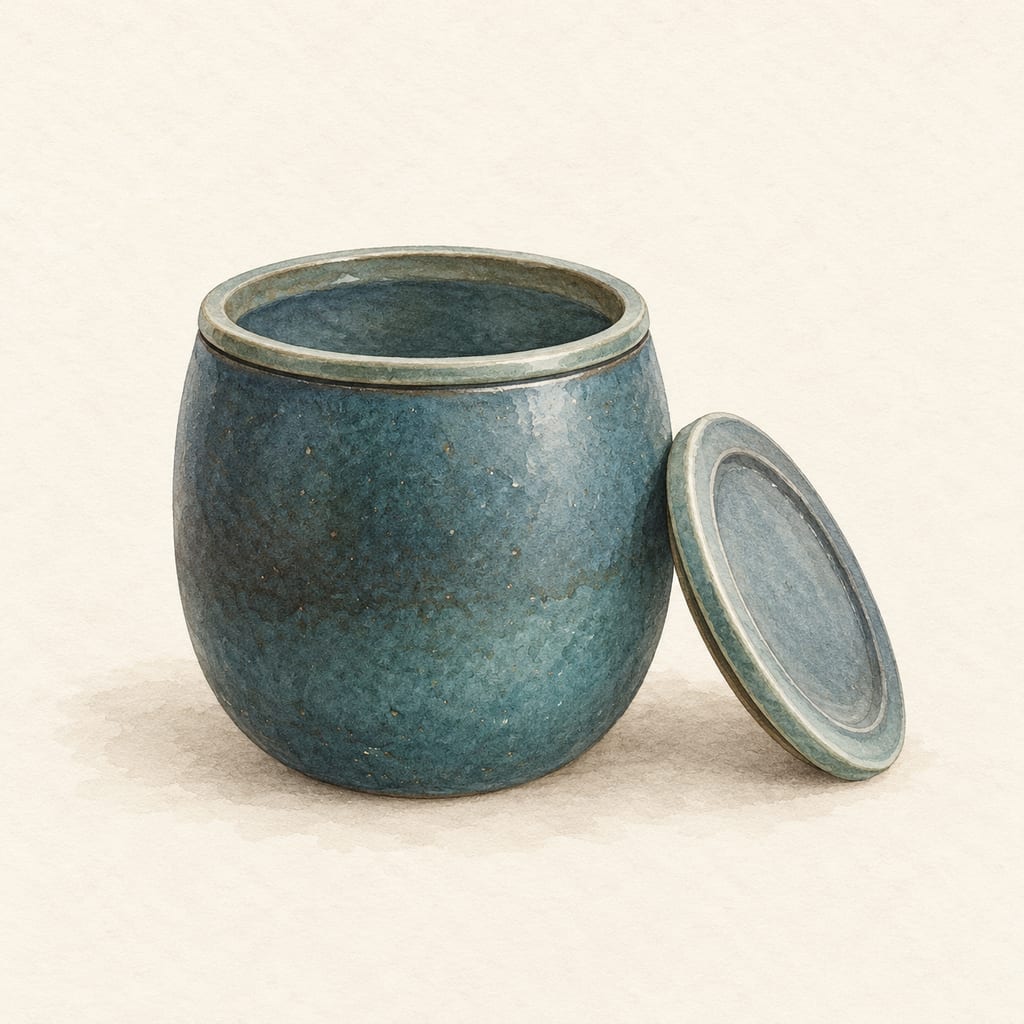
A nukadoko container holds the moist rice-bran bed in which vegetables are repeatedly pickled. Japanese households have maintained these beds in ceramic jars, while contemporary options also include compact ceramic and enamel designs.
An ordinary household refrigerator used to store selected fresh produce in vented crates or drawers, at low temperature and at a humidity chosen by the drawer. Not every crop benefits from cold.
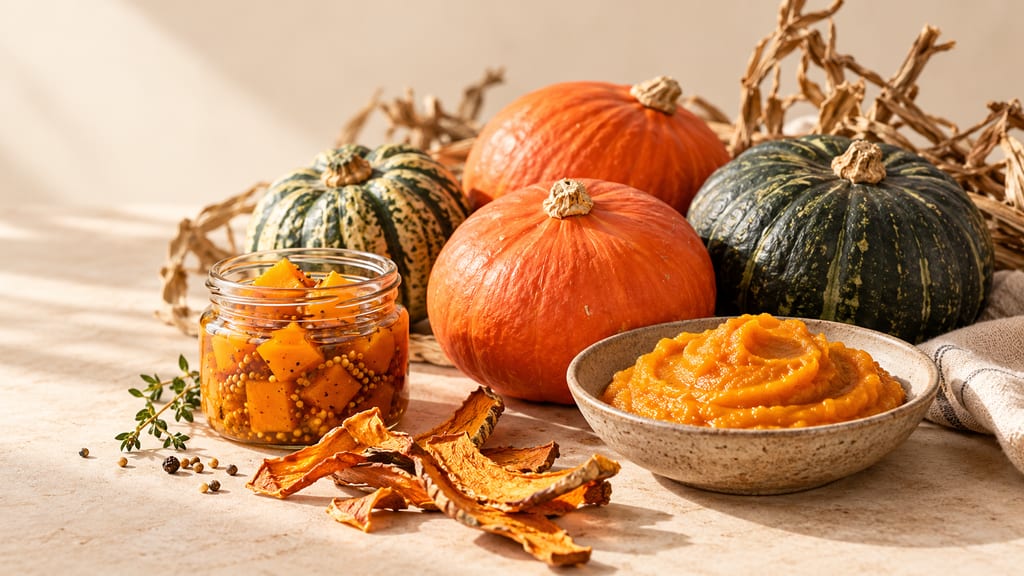
A full harvest-to-pantry guide to keeping pumpkins whole, drying and freezing them, and making pickles and sweet preserves around the world—with the exact distinction between tested canning and cold storage.
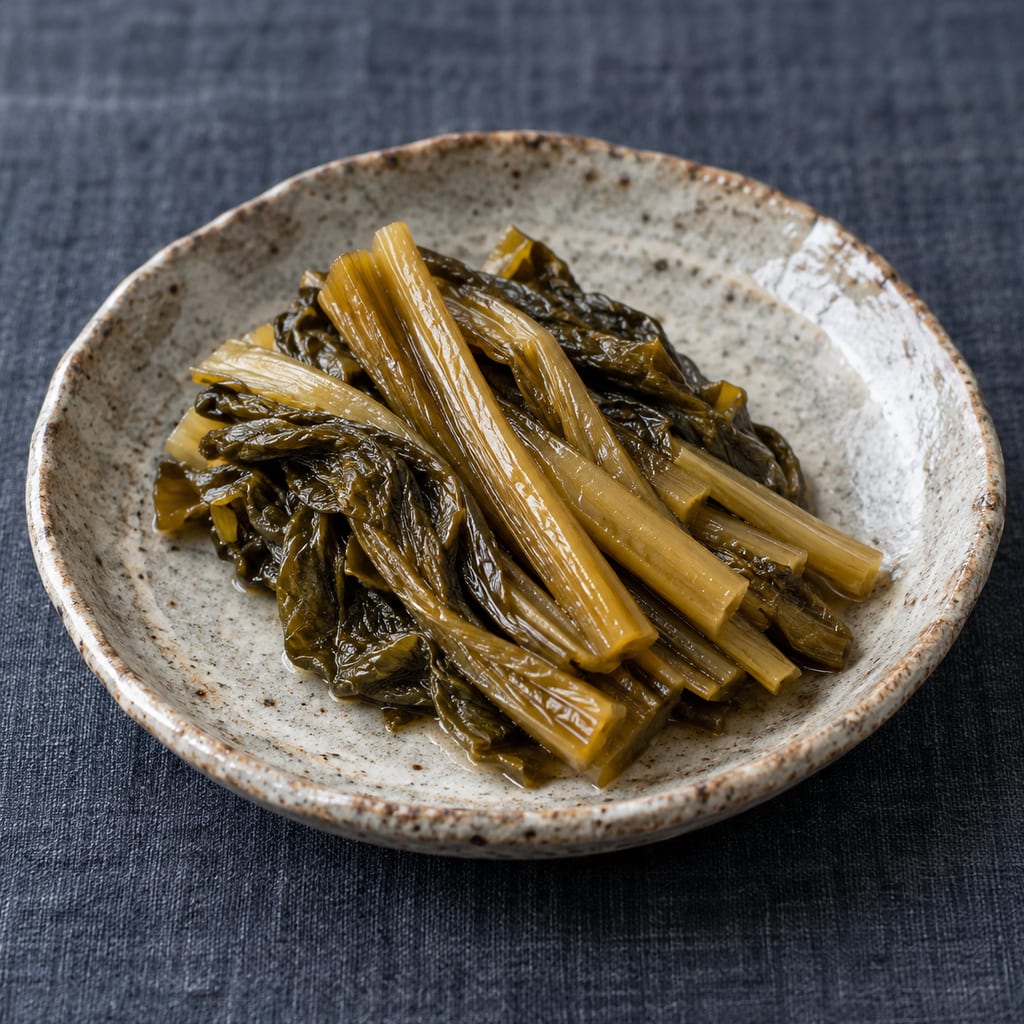
Takana mustard greens from Aso in Kumamoto are salted and pressed into a fresh spring pickle, or aged into a sour furuzuke that is fried and mixed into takana rice.
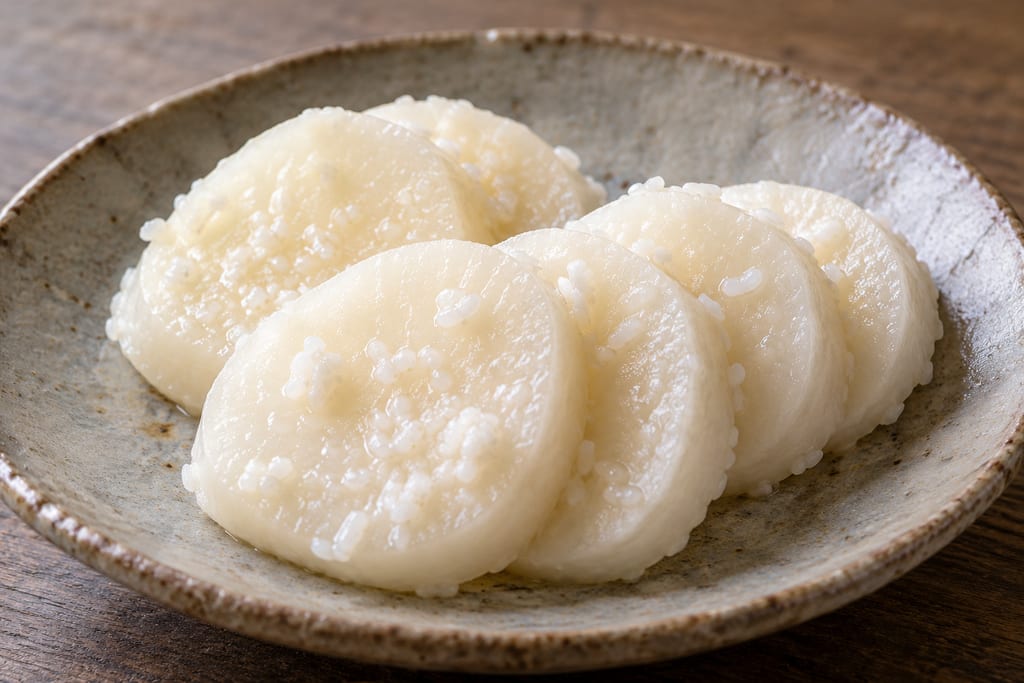
A sweet, crisp Japanese daikon pickle from Tokyo's Nihonbashi district, made by salting fresh radish and dressing it in rice koji, sugar or koji amazake without the heavy drying used for takuan.
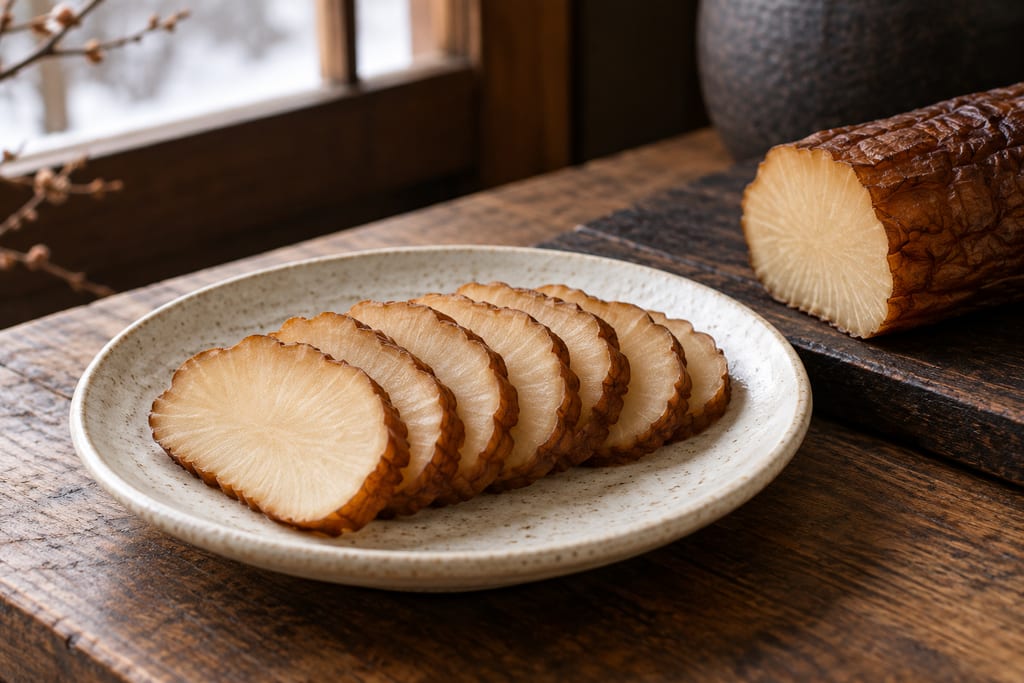
Iburigakko is Akita pickled daikon dried with smoke before it is fermented in rice bran.

A Morinaga snack pairs thin ribbons of iburigakko with cream cheese, then chills the roll before cutting it into portions.
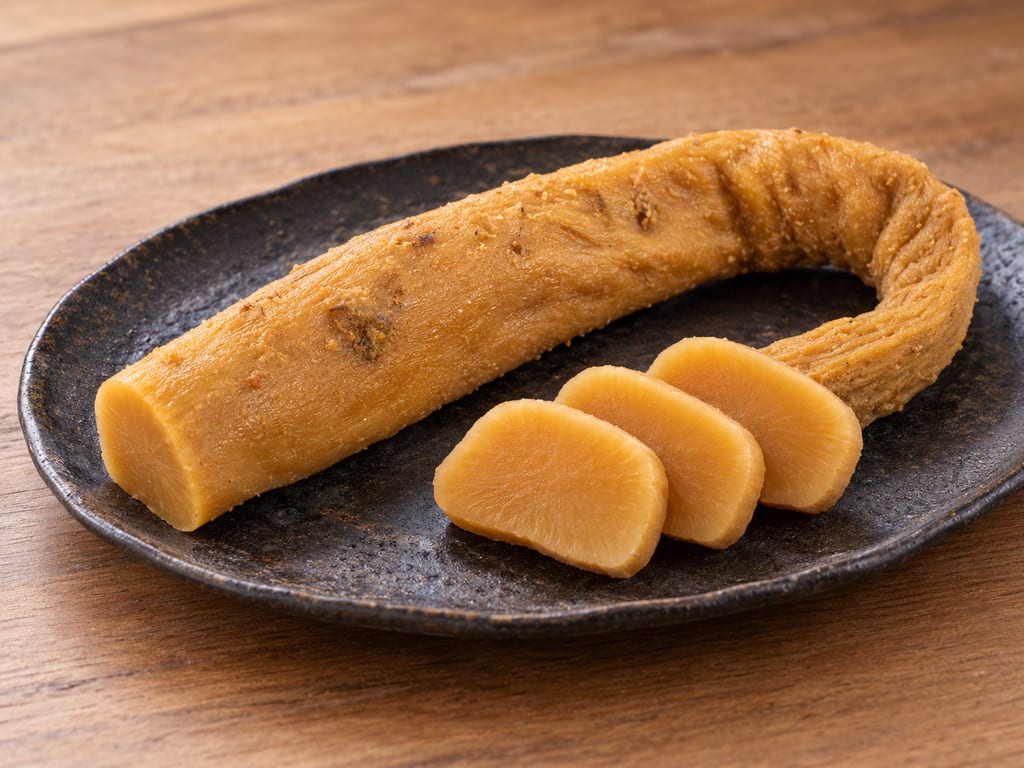
Regional takuan from Ise City, Mie, made with Misono daikon dried on a rack, then matured in a weighted barrel of rice bran and salt for months to years.

Foods embedded in salty fermented miso paste, which transfers salt and fermentation products into them; misozuke uses an already transformed medium rather than a fresh vegetable brine.
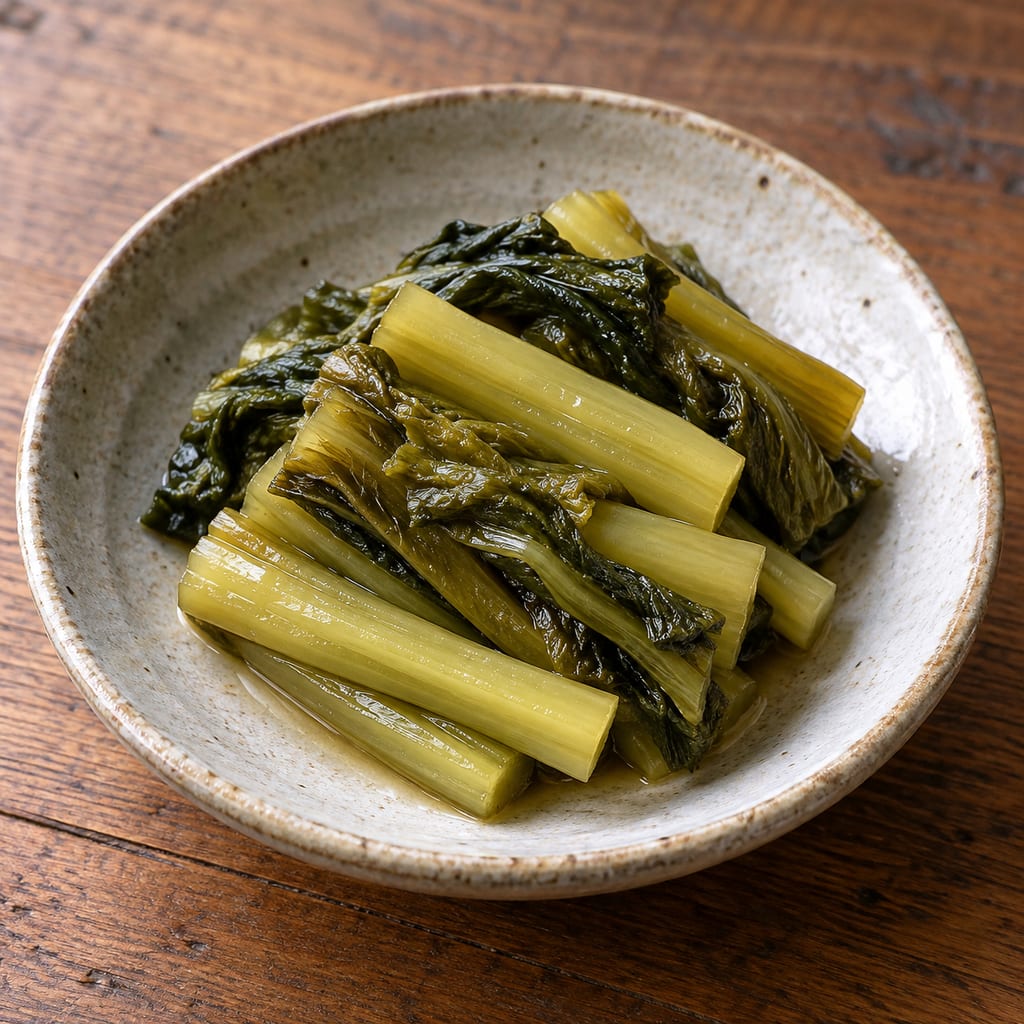
Nozawana greens salted in a barrel and weighted overnight, a Nagano household pickle sampled after about two weeks and soured by a month.
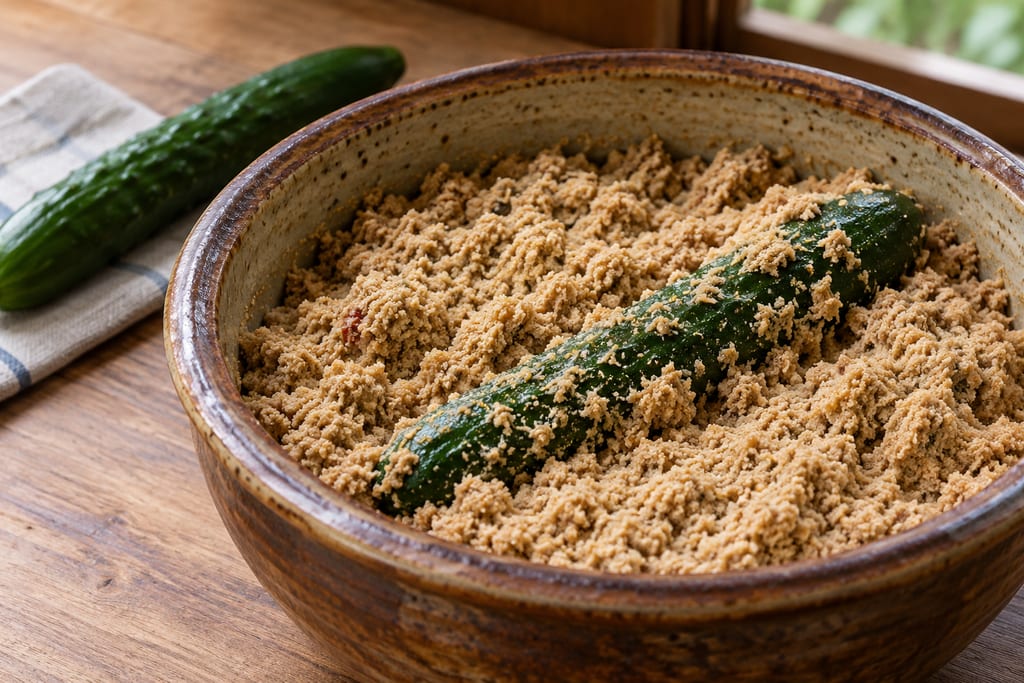
Cucumber ferments in a maintained rice-bran bed seeded through repeated vegetable scrap picklings; the record includes the starter-bed method.
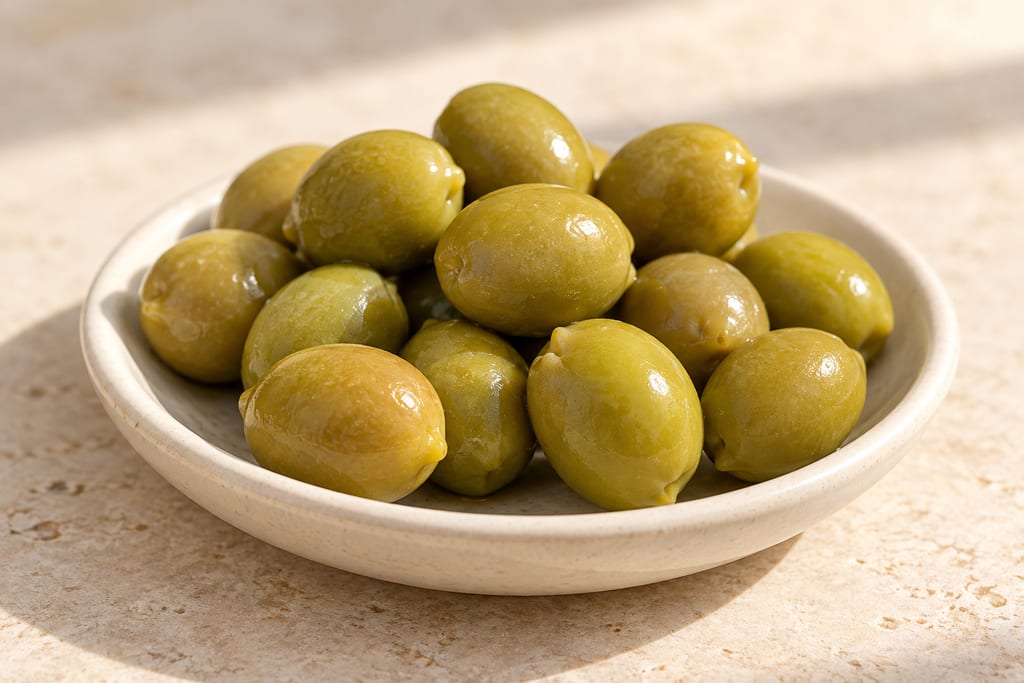
A Portuguese table-olive product from the Negrinha cultivar in northeastern Portugal, sold in three commercial styles, two of them brined fermentations and one oxidised to black.
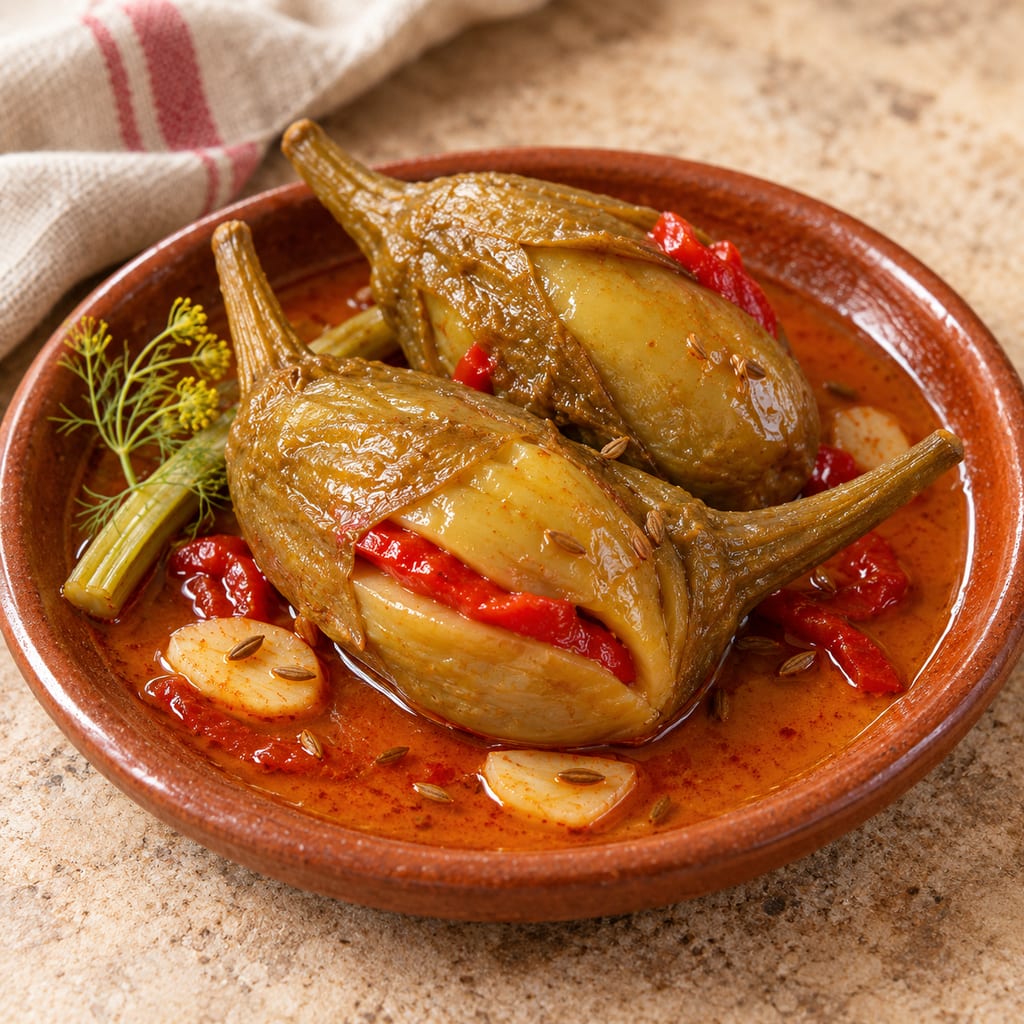
A protected aubergine preserve from Ciudad Real in Spain: tender fruit of the local Dealmagro variety, cooked briefly and then fermented in a vinegared, paprika-seasoned dressing.
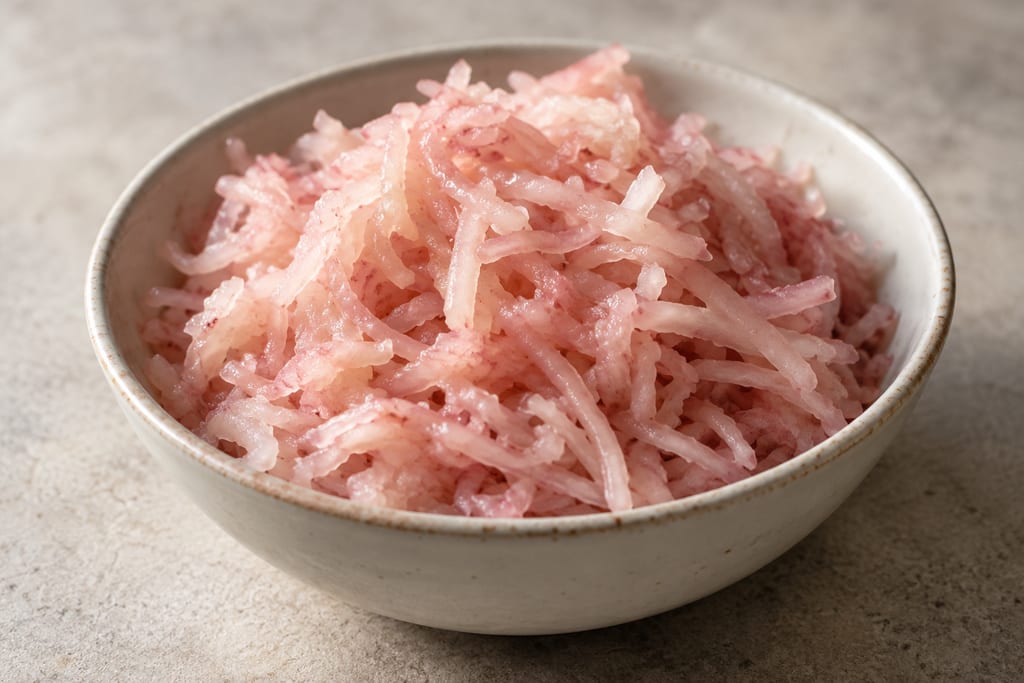
Source-specific Brovada DOP producer method for Friuli Venezia Giulia turnips and red-grape marc. This records a regulated producer process; it is not a validated home-scale recipe.
An industrial fermentation patio places factory-made fiberglass-reinforced polyester olive tanks below floor level, with drainage and transfer infrastructure arranged around the buried vessels.
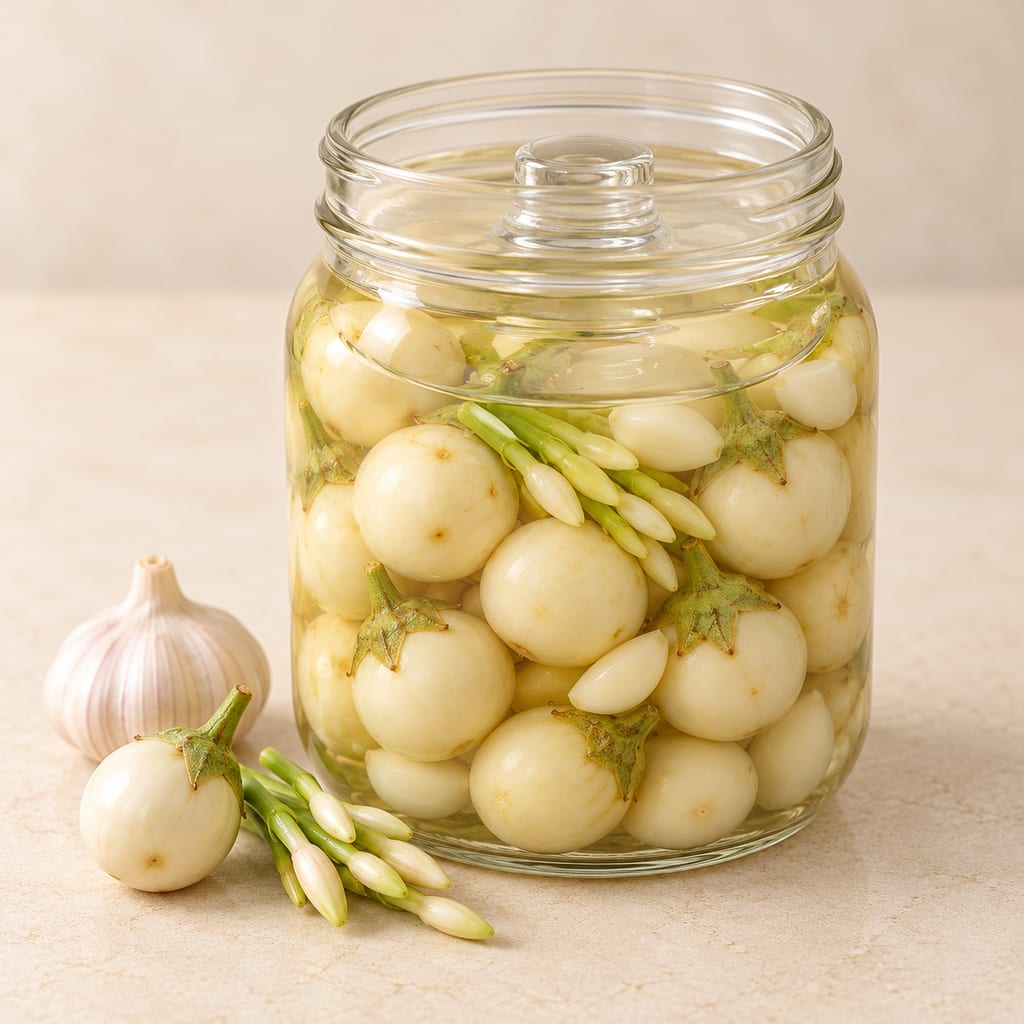
Vietnamese salted and fermented small eggplant, dried on the day of purchase, then held submerged in warm salty water with garlic and galingale flower for a week or longer.
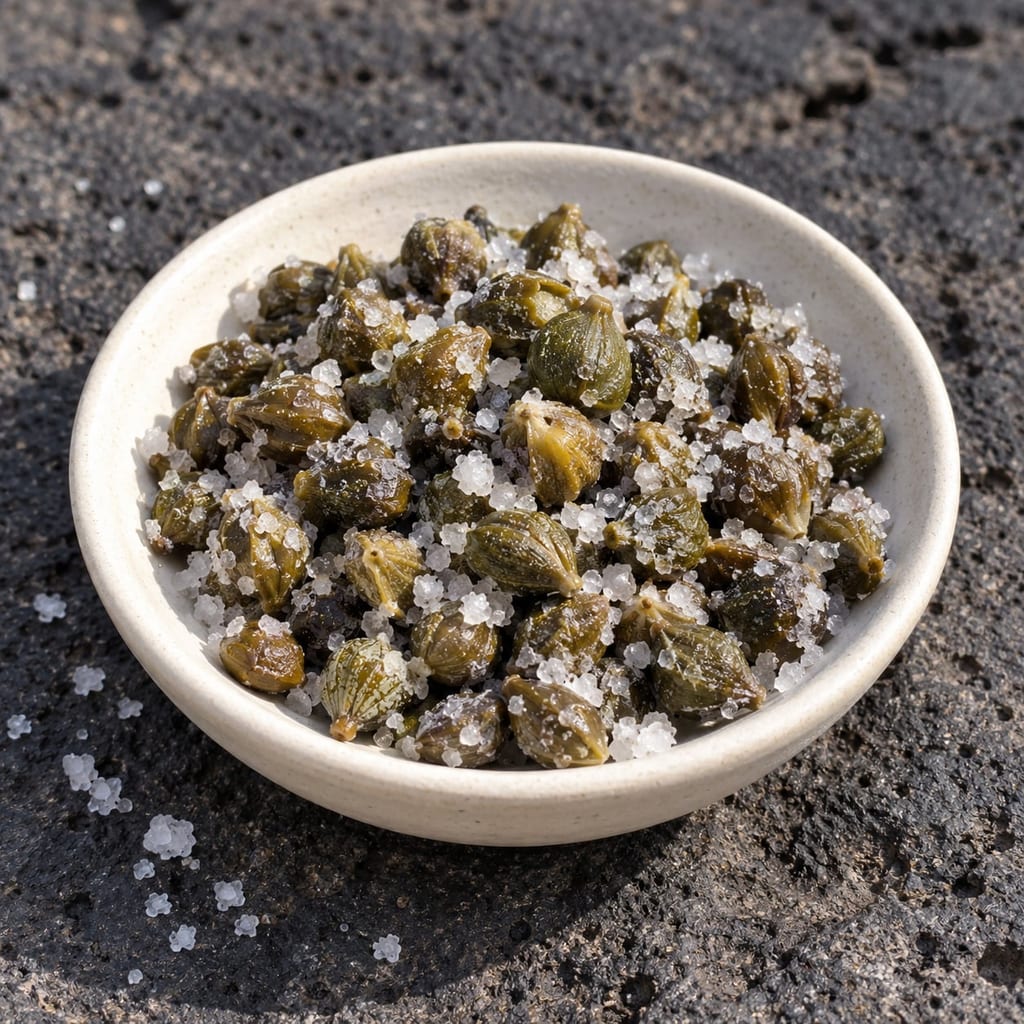
A protected Sicilian product: unopened caper buds from the island of Pantelleria, dry-salted with sea salt in a two-stage process that encourages lactic fermentation.
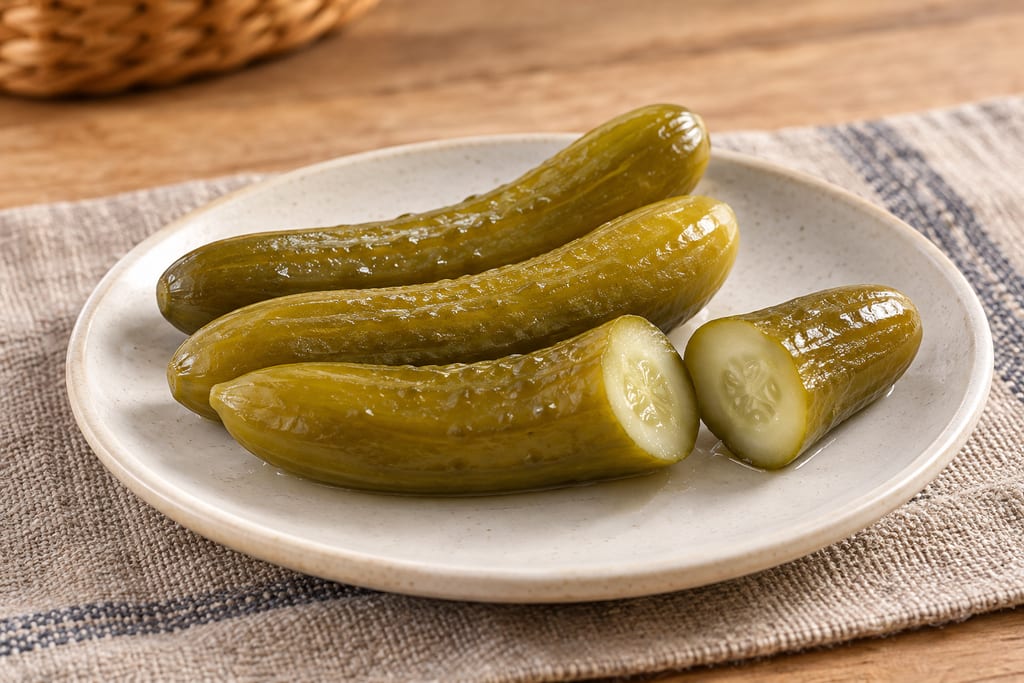
Çubuk turşusu is a registered pickle from Çubuk district in Ankara. Its cucumber variant is sold as Salatalık Turşusu, and a commercial specification sets its brine and room-temperature period.
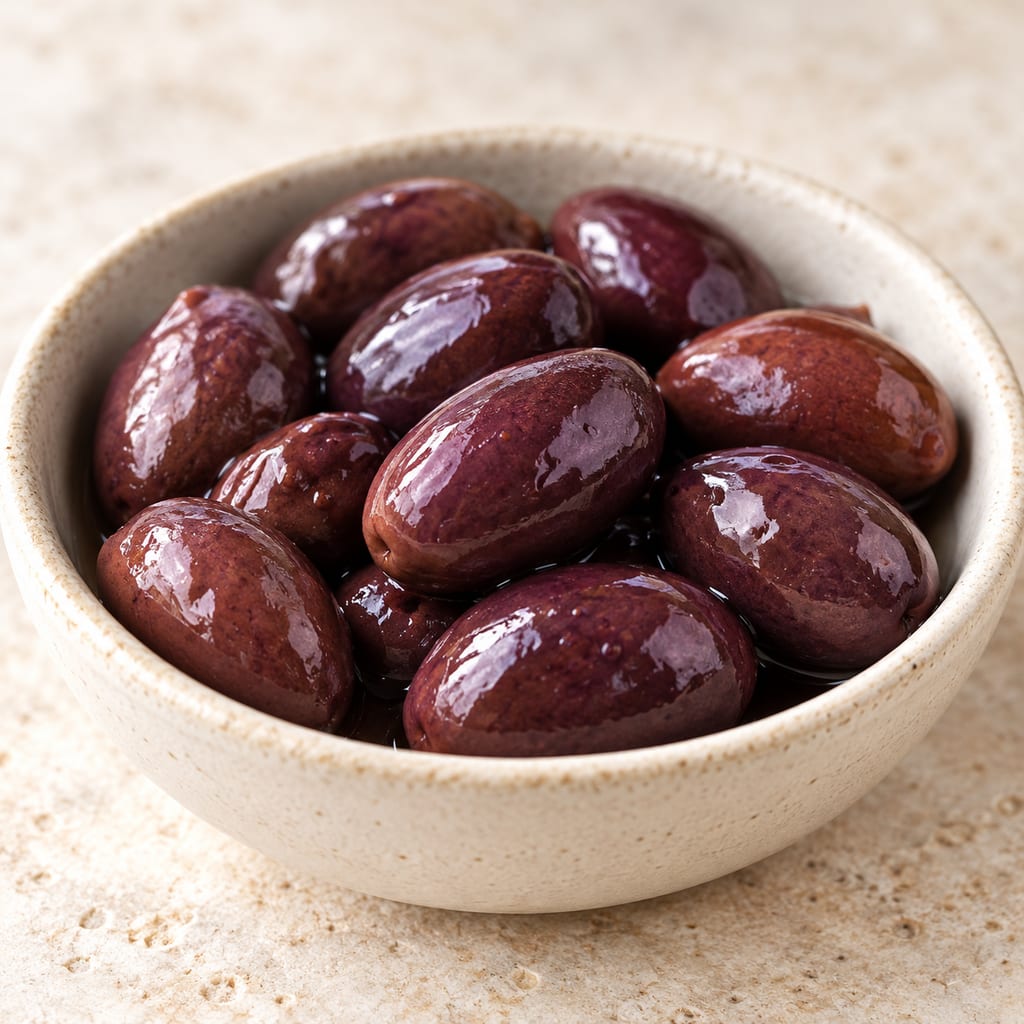
Elia Kalamatas is a Messinia table olive of the Kalamon variety, picked before full ripeness and fermented in brine for six to nine months; it is a PDO product, not a generic black olive.
No community contributions have been published for this entry yet.
Sign in to contribute. Published comments and photos are free to read.
www.muji.comMethod · Context · Handling
MUJI, 2026: refrigerated nukazuke including pumpkinDocumented preparation, regional context or preservation handling, with the limits stated in the text.
Cited in: The preserve; Ingredients and equipment; Maintaining the bed; A related regional tradition
gaban.h-spice.jpMethod · Context · Handling
House Foods/GABAN, Yūki Noda, バターナッツかぼちゃのぬか漬けDocumented preparation, regional context or preservation handling, with the limits stated in the text.
Cited in: The preserve; Ingredients and equipment; Maintaining the bed; A related regional tradition
www.kyuchan.co.jpMethod · Context · Handling
Tokai Pickling, ぬか漬けDocumented preparation, regional context or preservation handling, with the limits stated in the text.
Cited in: The preserve; Ingredients and equipment; Maintaining the bed; A related regional tradition
shop.ng-life.jpMethod · Context · Handling
Niigata Chokusō Keikaku, producer listing for Kawadani Moyori's squash sake-lees pickleDocumented preparation, regional context or preservation handling, with the limits stated in the text.
Cited in: The preserve; Ingredients and equipment; Maintaining the bed; A related regional tradition