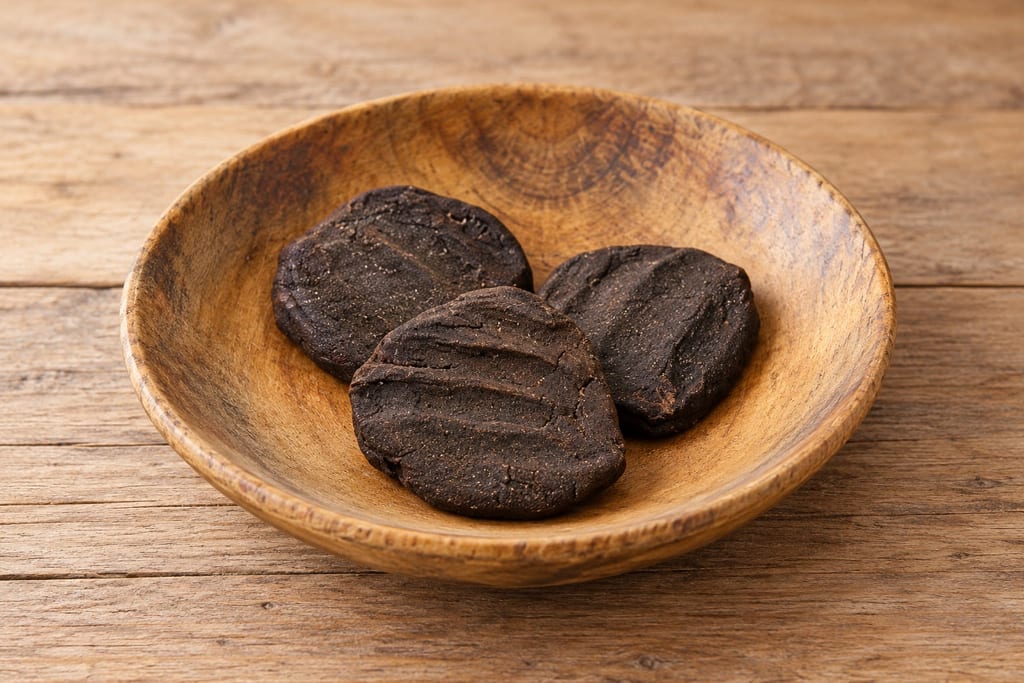
Anishi
Dried cakes of pounded taro leaves from the Ao Naga in Nagaland, yellowed in a bag, then dried by hot ash or sun and used to flavour meat dishes.
 FermenteaWhere food goes to change
Inziangsang / ziang-sang · Ziang-sang · Ziangsang
Inziangsang is a Naga fermented food of mustard leaves from Nagaland and Manipur. Crushed, soaked and squeezed leaves ferment for 7 to 10 days, then dry in the sun. A squeezed liquid can be boiled to a concentrate.
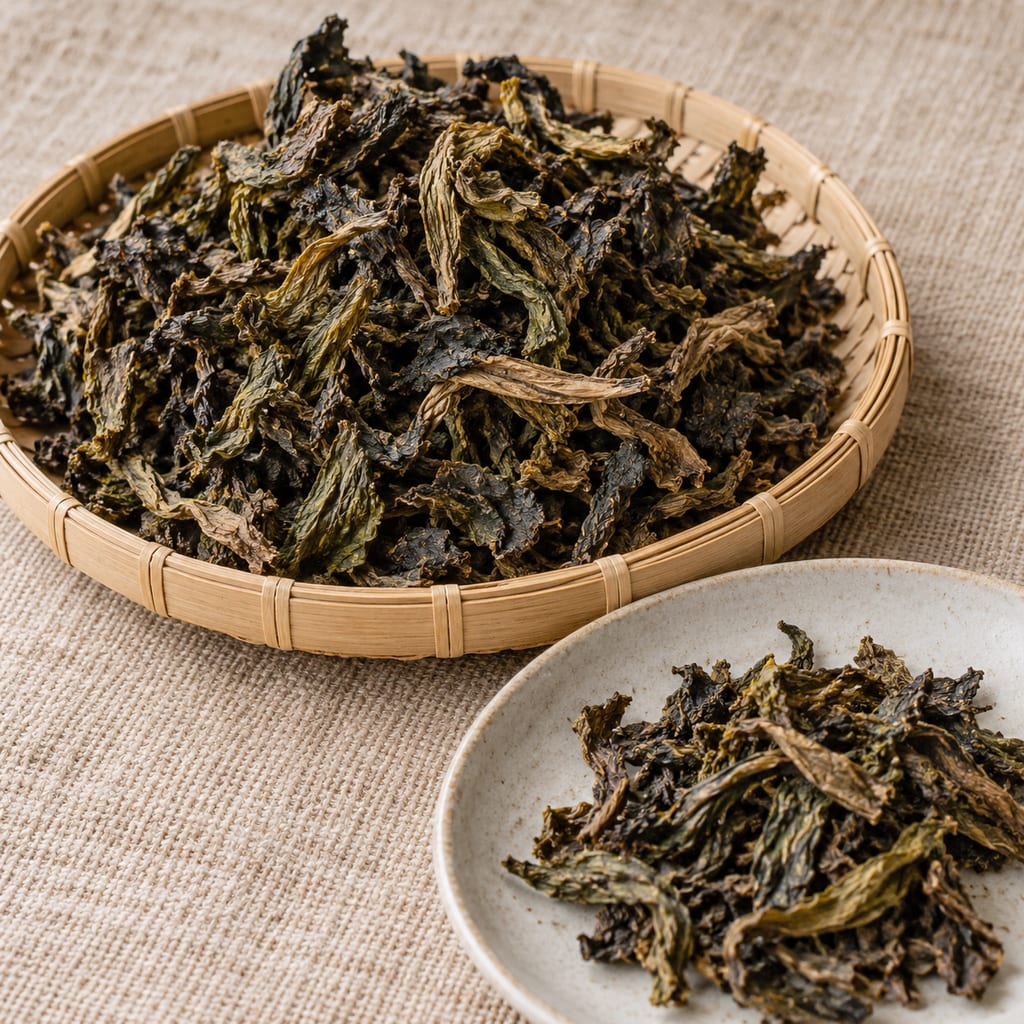
Inziangsang is a fermented leafy food made from mustard leaves. It is associated with Naga communities in Nagaland and Manipur. The name is also written ziang-sang.
The name covers more than one product in the sources. The dried leaf food is inziangsang. The sour expressed liquid is ziang dui. A boiled concentrate is called ziang sang. Keep these separate, since each has its own method and use.
The 2009 account describes mustard leaves crushed and soaked in warm water, then squeezed. The leaves are fermented in an airtight container at ambient temperature, about 20 to 30 degrees C, for seven to ten days.
The fermented leaves are sun-dried for four to five days. The account says the dried product can be kept in a closed container at room temperature for a year or more. These storage periods are reported, not validated.
The alternate route squeezes the leaves and boils the expressed liquid down. The result is a liquid called ziang dui and a paste called ziang sang. The 2009 account says the paste is stored in a bamboo container for about a year.
The same source has a figure that shows a shorter two-to-three-day sequence for the output it calls ziangsang. That figure is not reconciled with the seven-to-ten-day narrative, and no single schedule is given.
The archive record reports that the dried leaves are used in soup and that the liquid is used as a seasoning. The primary passage checked for this record did not confirm these uses, so local practice needs review before any use is recorded.
No validated household method exists in these sources. The account gives no mass, yield, monitoring plan or endpoint. The durations are reported, not shelf lives.
A qualified food-process review and community review are needed before any practical method is offered. Smell, taste and appearance do not establish safety.
The 2009 account and a 2023 review place the food with Naga communities in Nagaland and Manipur. No origin date or primary history was established.
Scaling: source batch only
No objective endpoint, drying target or validated storage control is given. The storage periods are as reported by the source.
Hazard sourceThe account is descriptive and is not a validated household method.
Smell, taste or appearance do not establish safety.
Keep the leaf solids, the liquid and the concentrate distinct. They are different products in the sources.
The food is associated with Naga communities in Nagaland and Manipur. This is not a birthplace.
Dried cakes of pounded taro leaves from the Ao Naga in Nagaland, yellowed in a bag, then dried by hot ash or sun and used to flavour meat dishes.
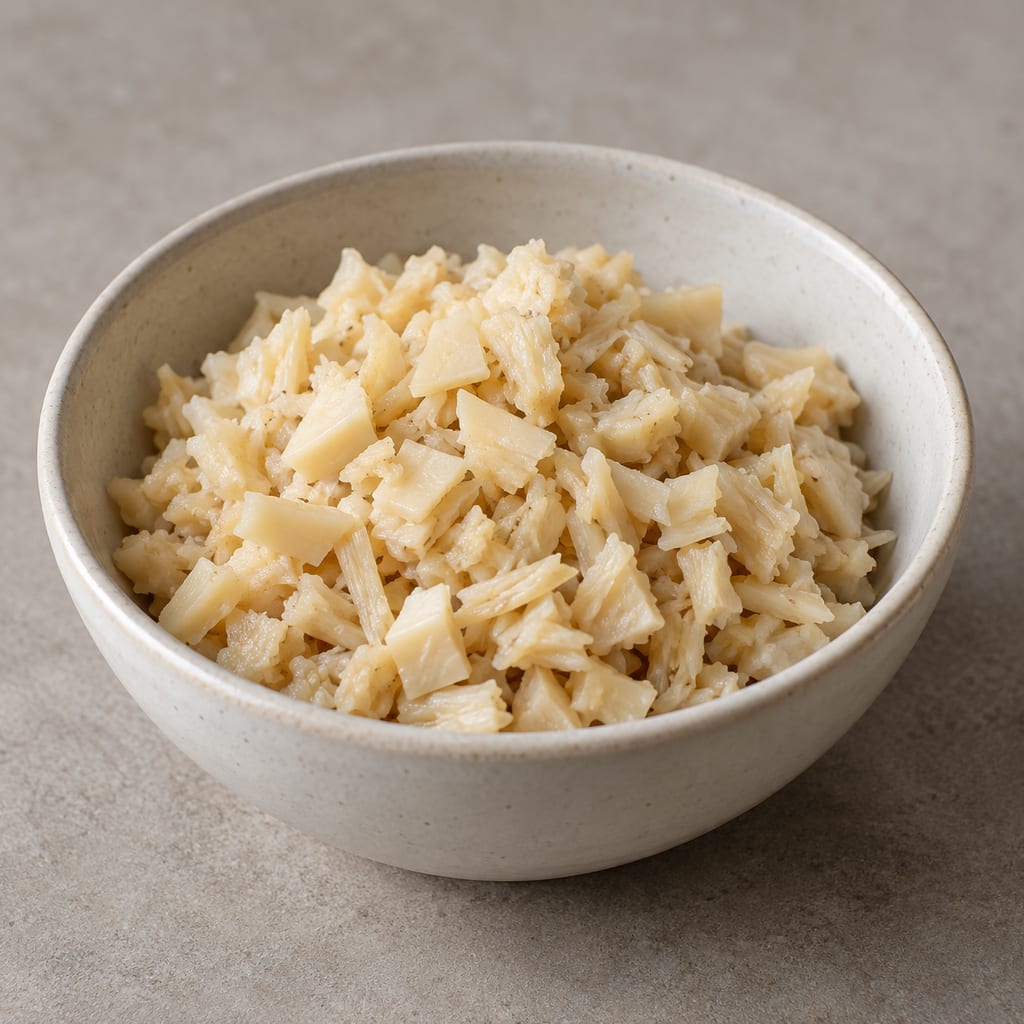
Finely chopped young bamboo shoots packed in leaf-lined baskets, sealed in a forest pit and weighted for one to three months, from Arunachal Pradesh.

Pit-fermented bamboo shoots from Arunachal Pradesh, cut smaller and sun-dried for five to ten days, used in curries.

In a surveyed Himachal method, ripe galgal is blanched, sun-dried, cooked with mustard oil, fennel and thyme, then left to ferment.
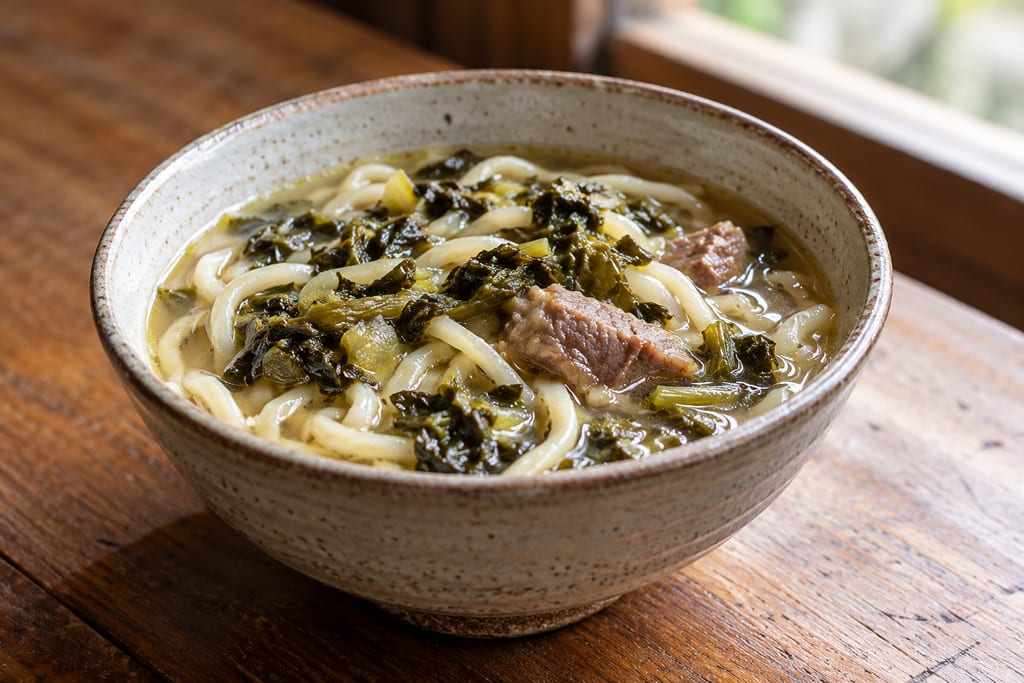
Goyang is a Sherpa fermented wild leafy food of the Darjeeling hills and Sikkim. Rainy-season magane-saag leaves are packed in a bamboo basket, held at room temperature for about a month, then eaten fresh or dried and used in soup.
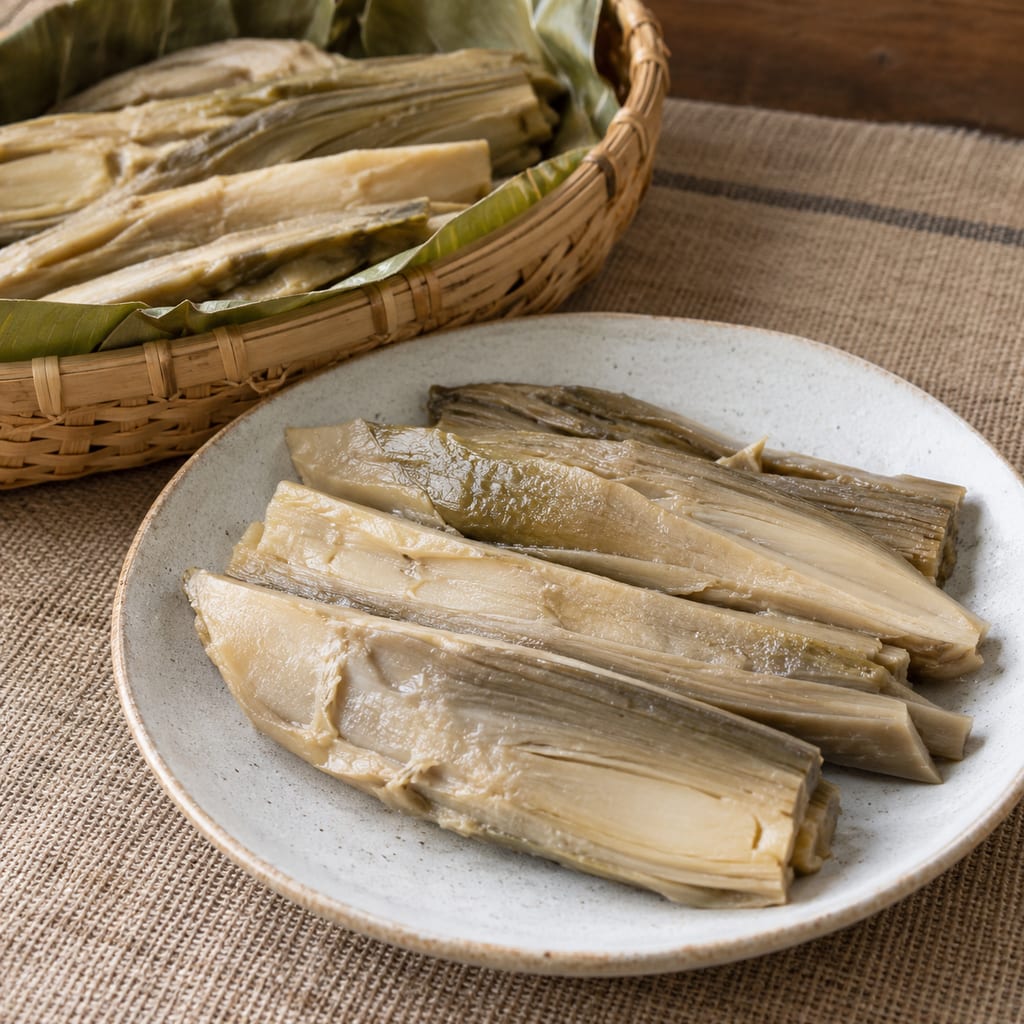
Upper tender bamboo-shoot tips, split or flattened, pit-fermented one to three months in Arunachal Pradesh and eaten in curries.
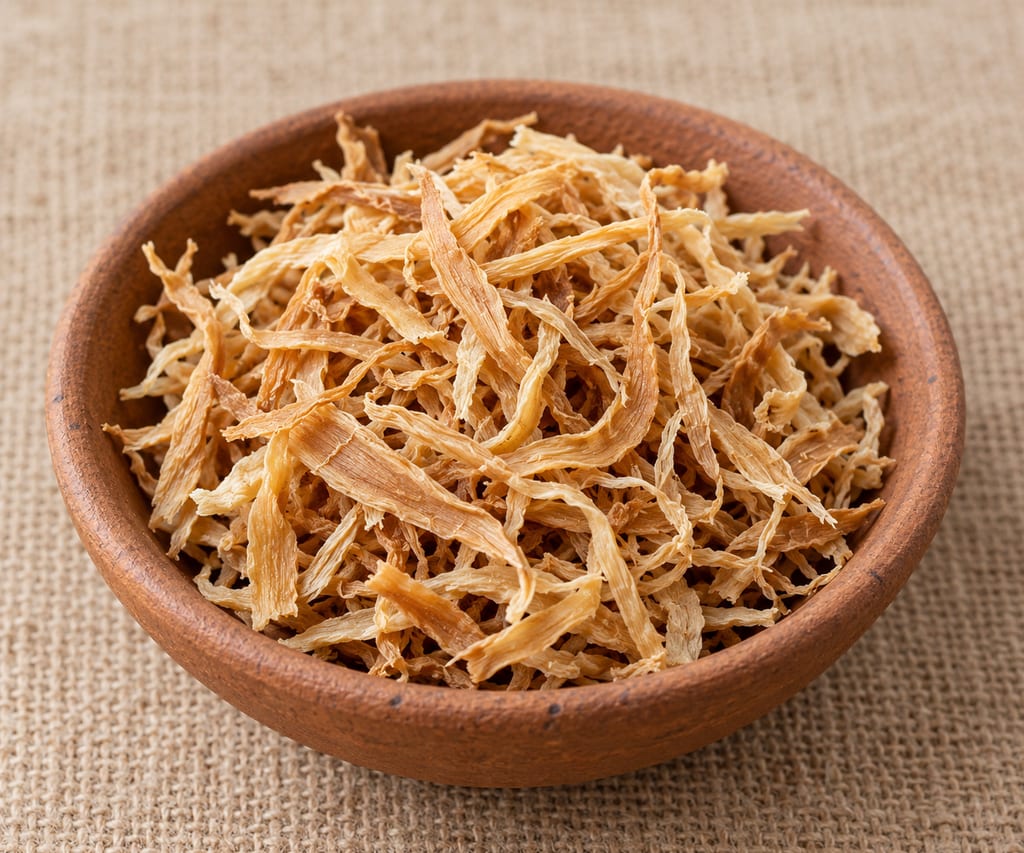
Khorisa is an Assamese fermented bamboo-shoot food. This page records cultural and lab accounts, not a validated home method. FSANZ says shoots must be fully cooked before eating; it does not validate Khorisa or set its cooking time.
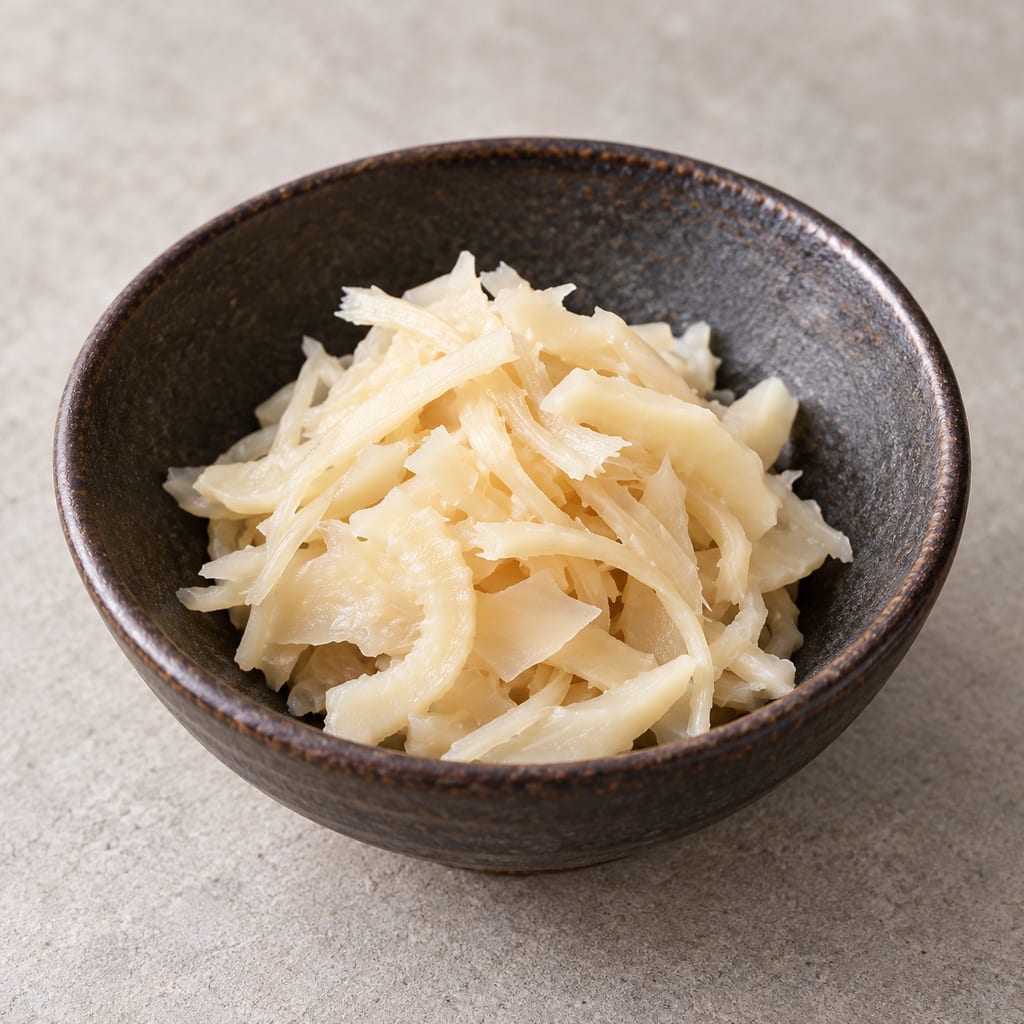
Young Dendrocalamus hamiltonii shoots fermented in a bamboo cylinder in a stream or in a sealed bottle above a kitchen oven, from Khasi households in Meghalaya.
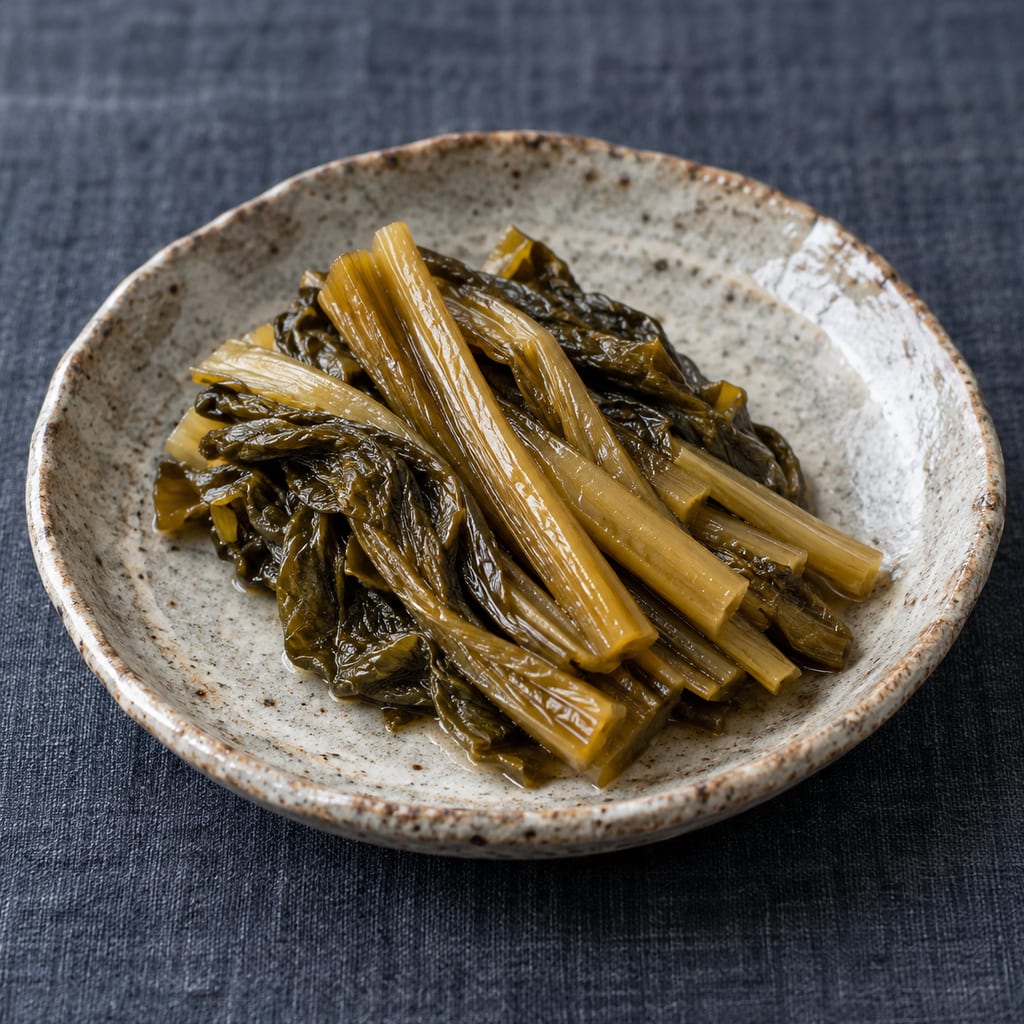
Takana mustard greens from Aso in Kumamoto are salted and pressed into a fresh spring pickle, or aged into a sour furuzuke that is fried and mixed into takana rice.
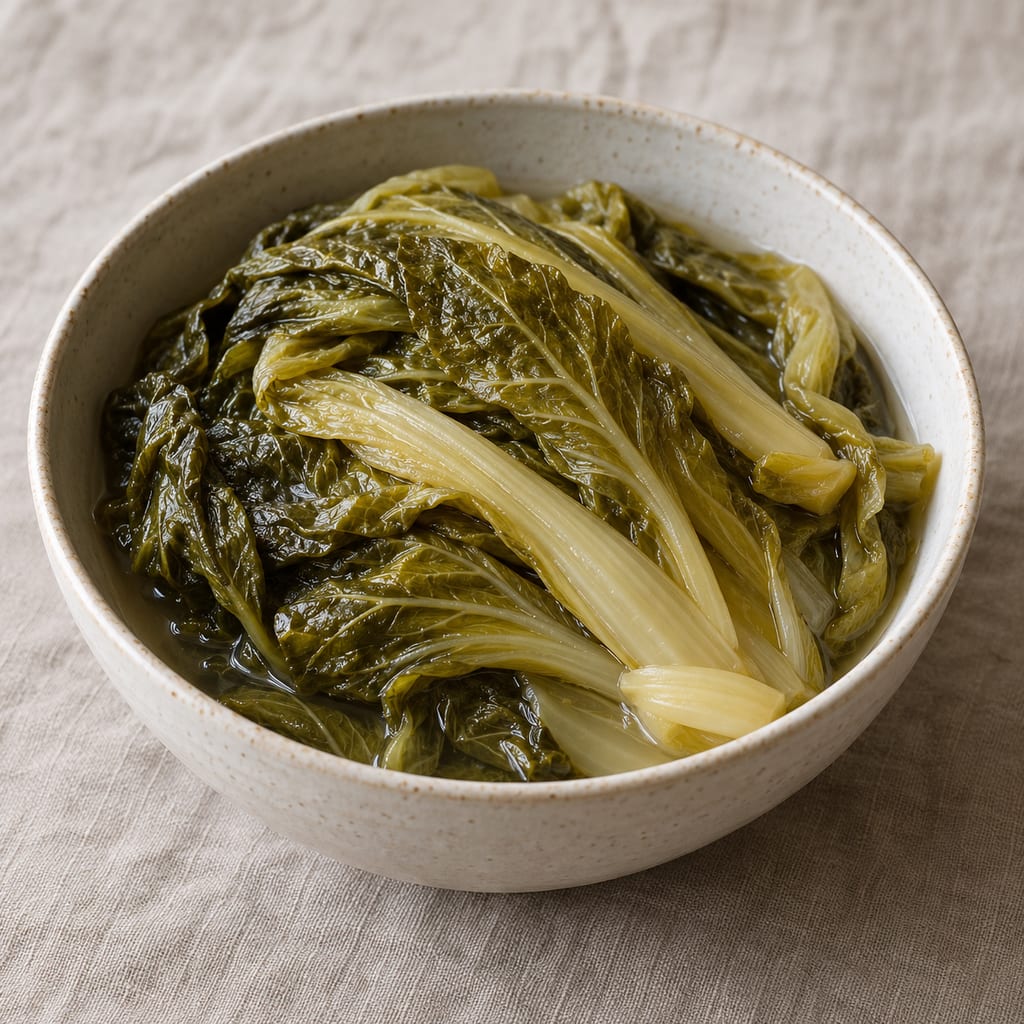
Wilted flat mustard leaves ferment with rice water and salt as a Filipino appetizer and cooking ingredient.
The original Polish barszcz: young hogweed leaves soured in warm water for a few days, then boiled into soup with egg, butter, cream or millet. Recorded from 1595, with warnings about the sap and lookalikes.
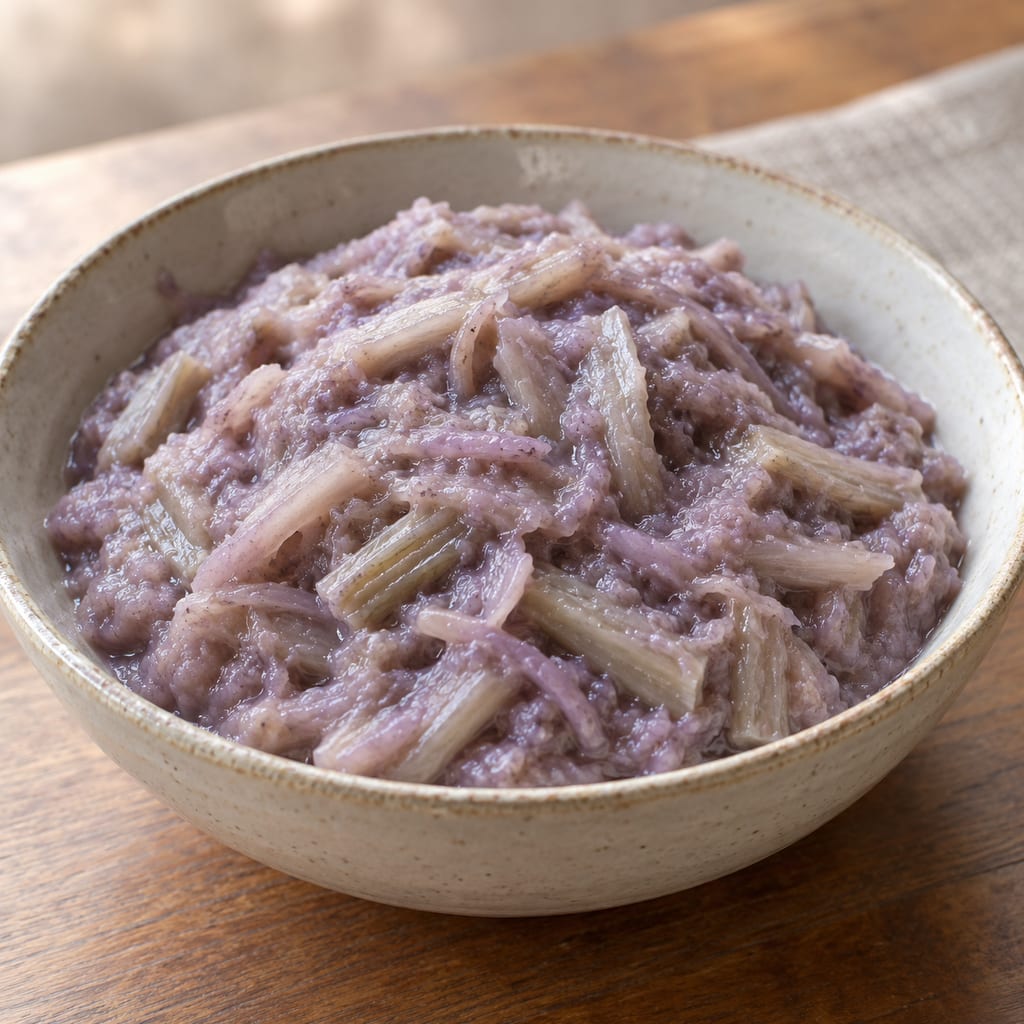
Thai pickle of young taro leaf stalks, salted, kneaded and held in rice-washing water in an earthen jar at room temperature. JIRCAS records it as a home-level product with no validated endpoint.
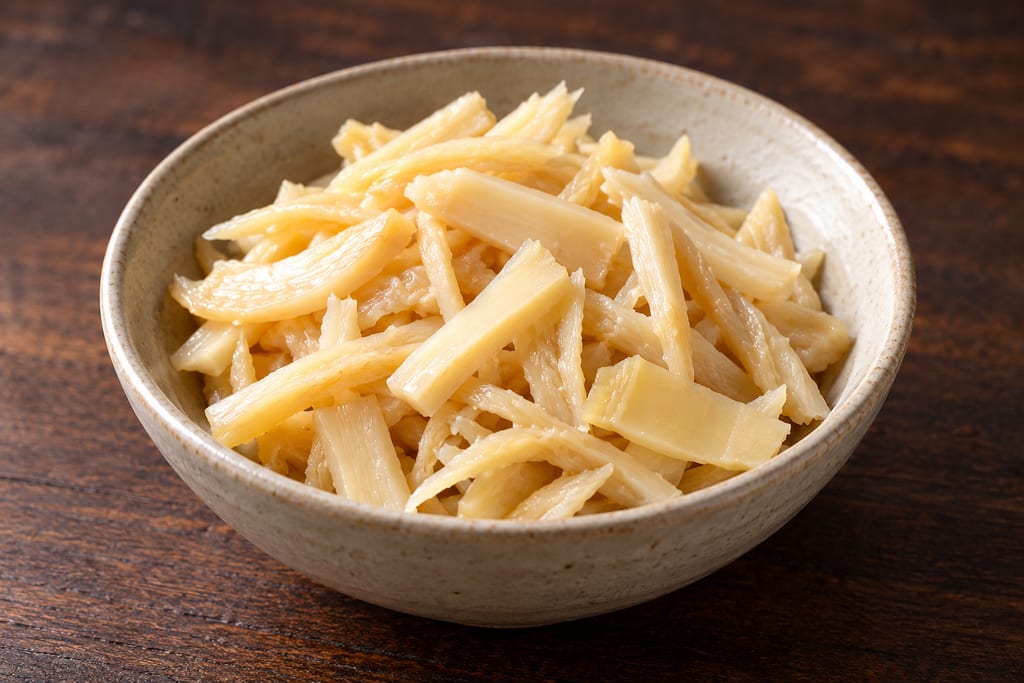
Tender bamboo shoots fermented without salt in a hollow bamboo tube for about one to two weeks in Sikkim and Darjeeling, eaten as a sour pickle or in curry.
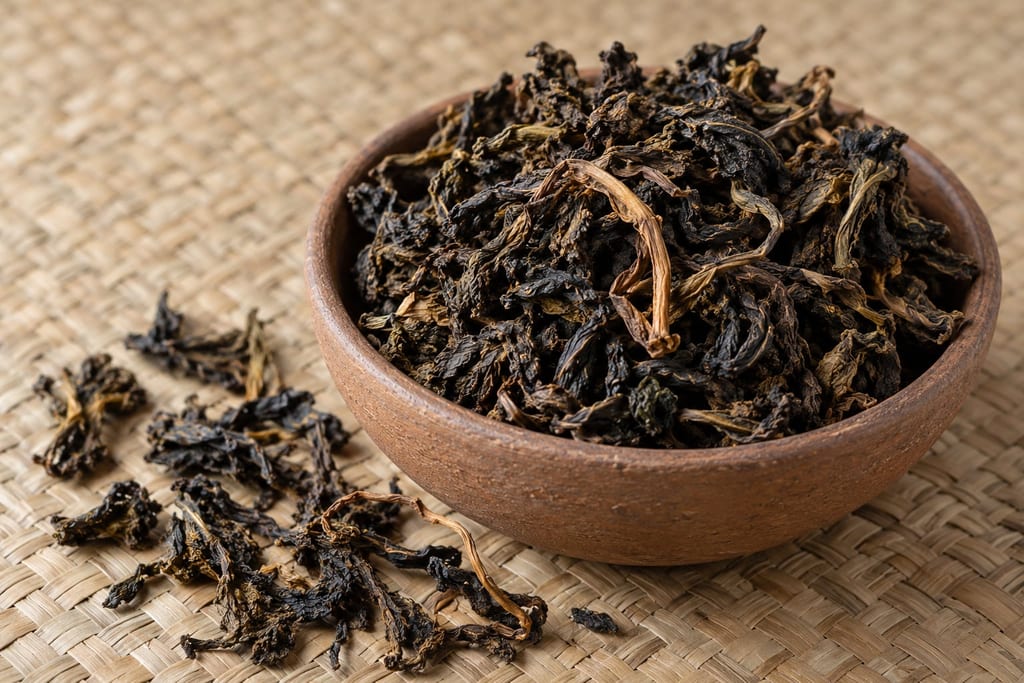
Mustard leaves wilted, bruised and packed tight into an earthenware vessel to sour without salt, then sun-dried into dark tangled pieces that carry Himalayan meals through the year.
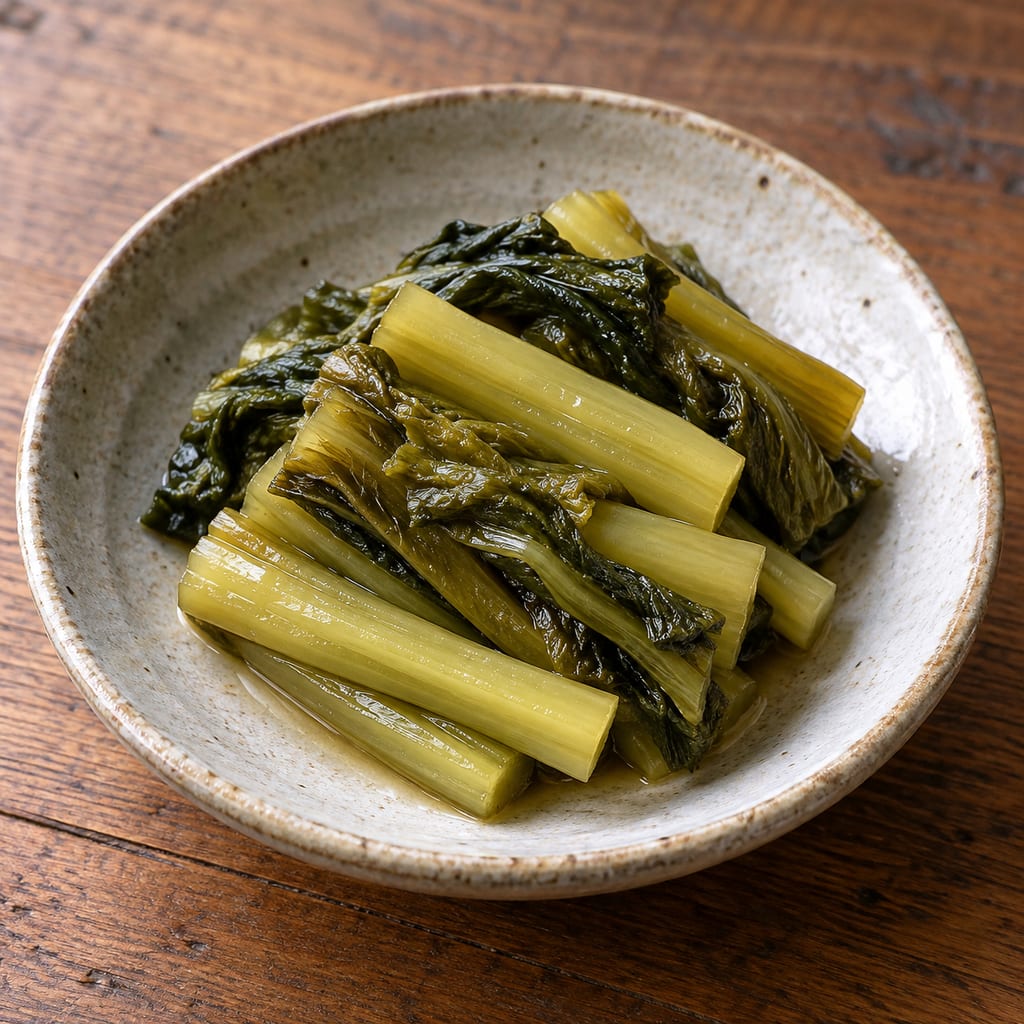
Nozawana greens salted in a barrel and weighted overnight, a Nagano household pickle sampled after about two weeks and soured by a month.
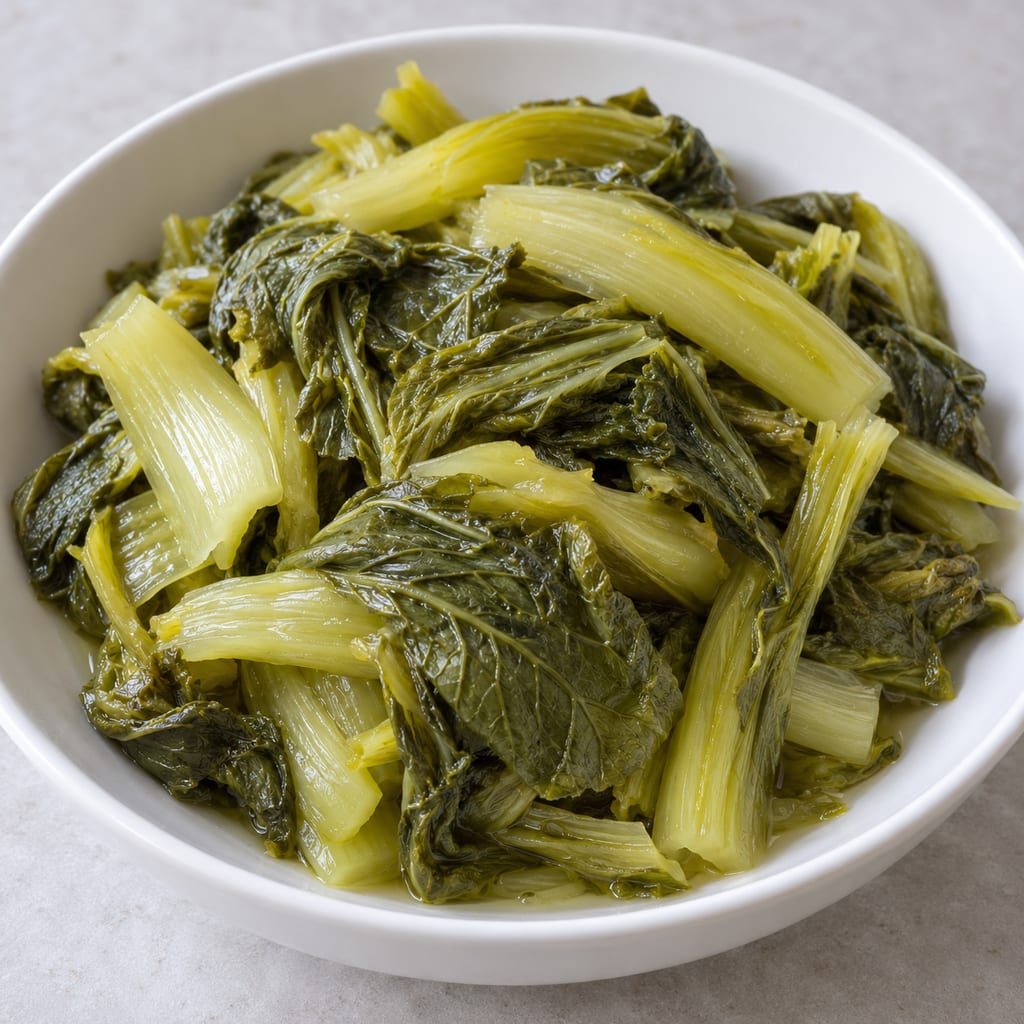
Pak-gard-dong is a Thai mustard-green pickle salted first and drained, then fermented with sugar added to the drained greens.
No community contributions have been published for this entry yet.
Sign in to contribute. Published comments and photos are free to read.
Buddhiman Tamang and Jyoti Prakash Tamang, Indian Journal of Traditional Knowledge 8(1), 89-95History · Method · Uses · Identity
Traditional knowledge of biopreservation of perishable vegetable and bamboo shoots in Northeast India as food resourcesMustard leaves locally called hangam are crushed, soaked in warm water, squeezed and fermented in an airtight container at about 20 to 30 degrees C for 7 to 10 days.
Fermented leaves sun-dried for 4 to 5 days; closed room-temperature storage for a year or more.
Squeezed liquid boiled to a concentrate: liquid called ziang dui, paste called ziang sang, stored in a bamboo container for a year.
Cited in: What inziangsang is; Making the leaves; The liquid and the concentrate; Uses; Safety and open questions