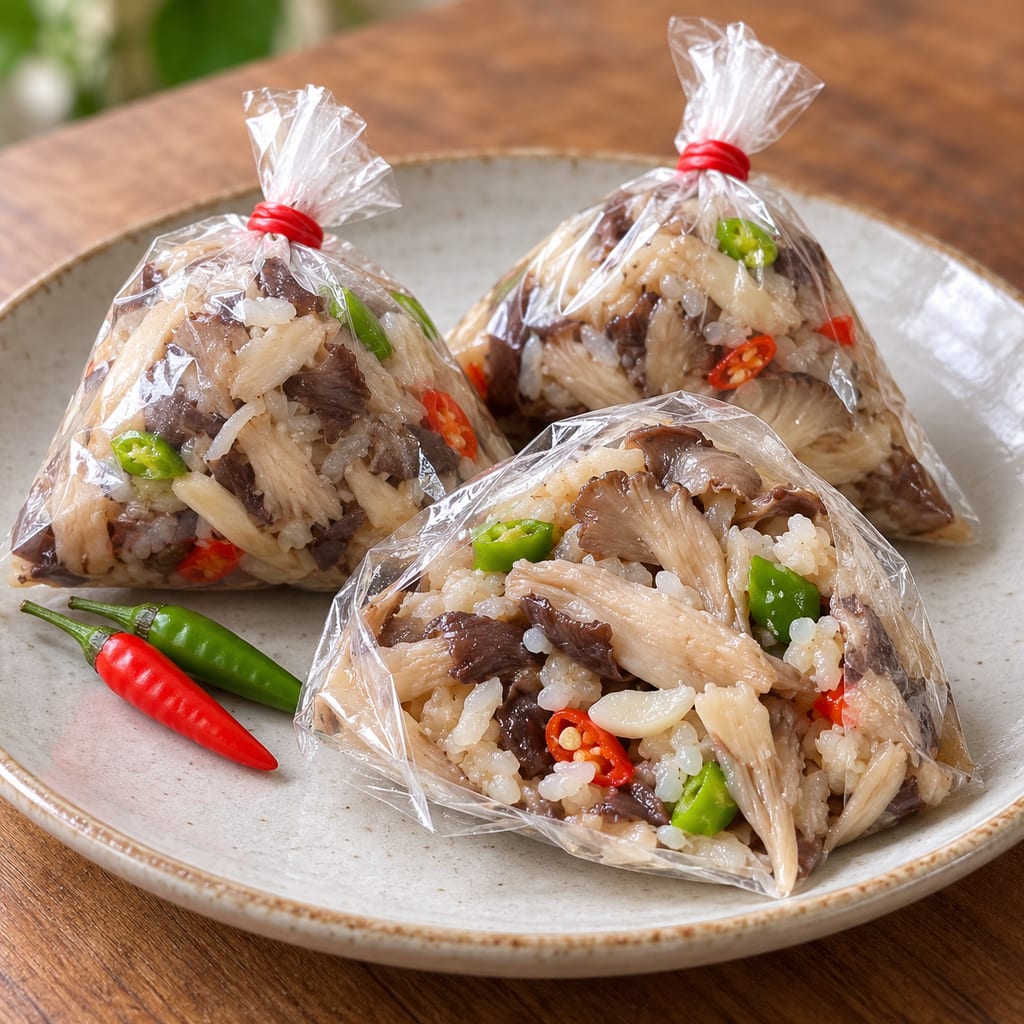
Nham Hed (Thai Fermented Mushrooms)
A Thai sour mushroom preparation: shredded steamed oyster mushrooms, cooked rice, garlic and salt packed into small parcels and soured by lactic acid bacteria over a few days.
 FermenteaWhere food goes to change
ลำเผือกดอง · Kaan-peuak-dorng · Taro stalk pickle
Thai pickle of young taro leaf stalks, salted, kneaded and held in rice-washing water in an earthen jar at room temperature. JIRCAS records it as a home-level product with no validated endpoint.
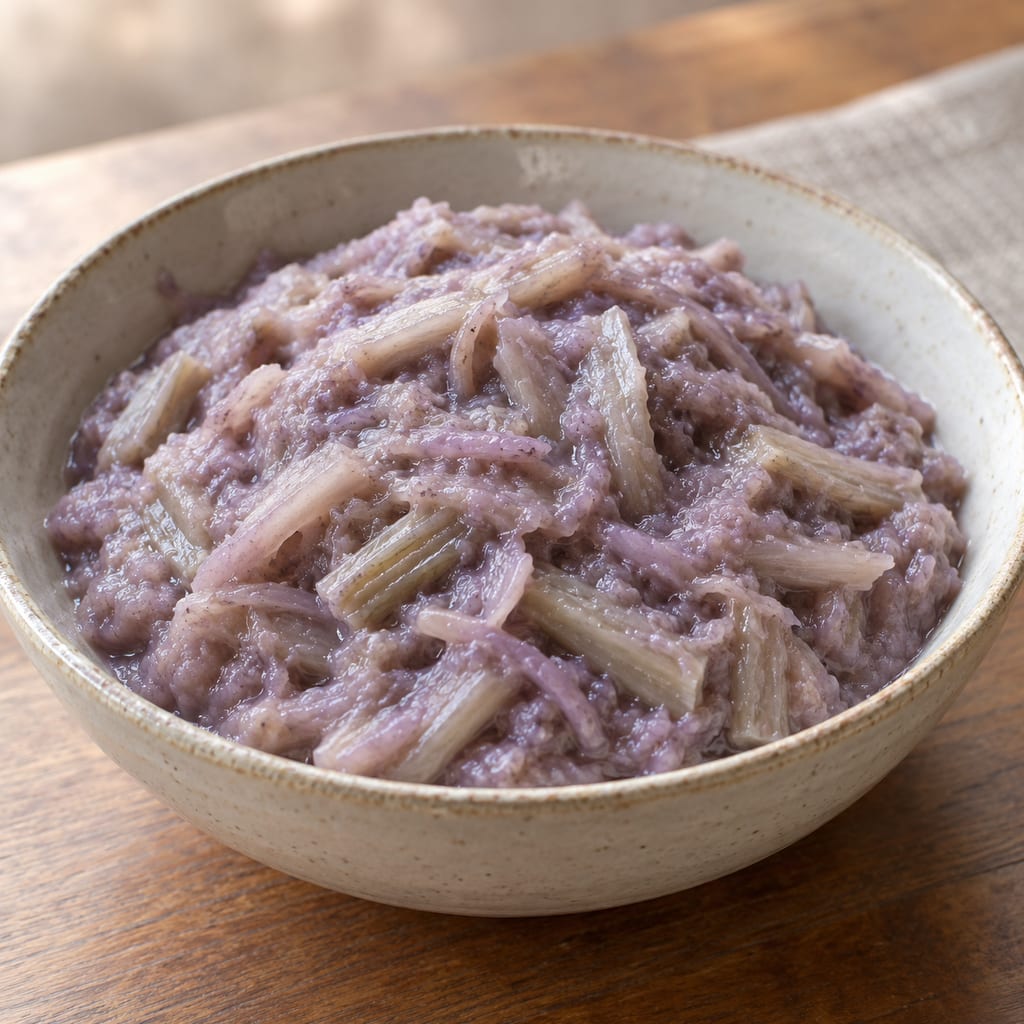
Lam phueak dong (ลำเผือกดอง) is a Thai ferment made from the young leaf stalks of taro, Colocasia esculenta, not from the starchy corm. The JIRCAS Thailand food database records it as fermented taro leaf stalk. Its alternative local name is given as kaan-peuak-dorng.
The product is a semi-solid, light-purple, sour-salty preparation. It is eaten with nam prik, the chilli paste dip, or used as a main ingredient in a spicy soup.
The JIRCAS record places the product in a Thailand foods database. That database draws on a 1995 compilation by the Kasetsart University Institute of Food Research and Product Development, went online in fiscal 2015, and was partly revised in 2024. These dates document the record, not the origin of the food.
No cultivar, locality, harvest season or earlier attestation for this stalk pickle was located in the inspected material.
The recorded outline peels the stalks and cuts them into portions of about 2.5 to 3 inches. About 2.5 percent salt by stalk weight is added, and the mixture is kneaded until soft. It is then packed into an earthen jar with rice-wash water and held at room temperature for five days.
The volume of rice-wash water is not stated. The microorganism field gives no information, so the microbial community and the course of acidification for this product are unknown. The entry also gives a 15-day storage-life field without storage conditions.
The entry is labelled as home-level production, but it gives no produce weight, no rice-wash water amount, no measurable endpoint, no handling after fermentation and no storage conditions. It is a research outline, not an executable household recipe.
The described tasks are washing, peeling, cutting, kneading and holding in an earthen jar. Jar size, lid, food-contact suitability and cleaning are not specified. No controlled chamber or do-it-yourself build is indicated.
Taro leaves and petioles contain calcium oxalate, which causes irritation. A Vietnamese livestock silage study on taro leaves concerns animal feed, not this human food, and cannot show that the pickle removes acridity. Five days, a sour taste and the stated storage life are not evidence of safety. No product-specific safety validation is given, so this page does not offer a preservation instruction.
Sato dong is another Thai ferment with its own method. Thai brined pickled plum, veg-0067, is a broad comparison only and is not an equivalent method.
The JIRCAS entry is based on a 1995 Kasetsart University compilation. It does not date the food's origin or locate its production more precisely than Thailand.
Scaling: source batch only
The outline has no measurable fermentation endpoint, no storage conditions and no defined water ratio.
Hazard sourceStudies of taro tissue report oxalate, but the cited study is a livestock silage study and does not test this human food process or show that the pickle removes it.
Hazard sourceKeep the stalks fully under the liquid and the jar covered. The source does not specify these controls.
Control sourceThis is a research outline, not a tested household recipe.
Smell, taste or appearance do not establish safety.
The JIRCAS entry, based on a 1995 Kasetsart University compilation, places the product in Thailand. It does not give a more precise locality or an origin date.
A Thai sour mushroom preparation: shredded steamed oyster mushrooms, cooked rice, garlic and salt packed into small parcels and soured by lactic acid bacteria over a few days.
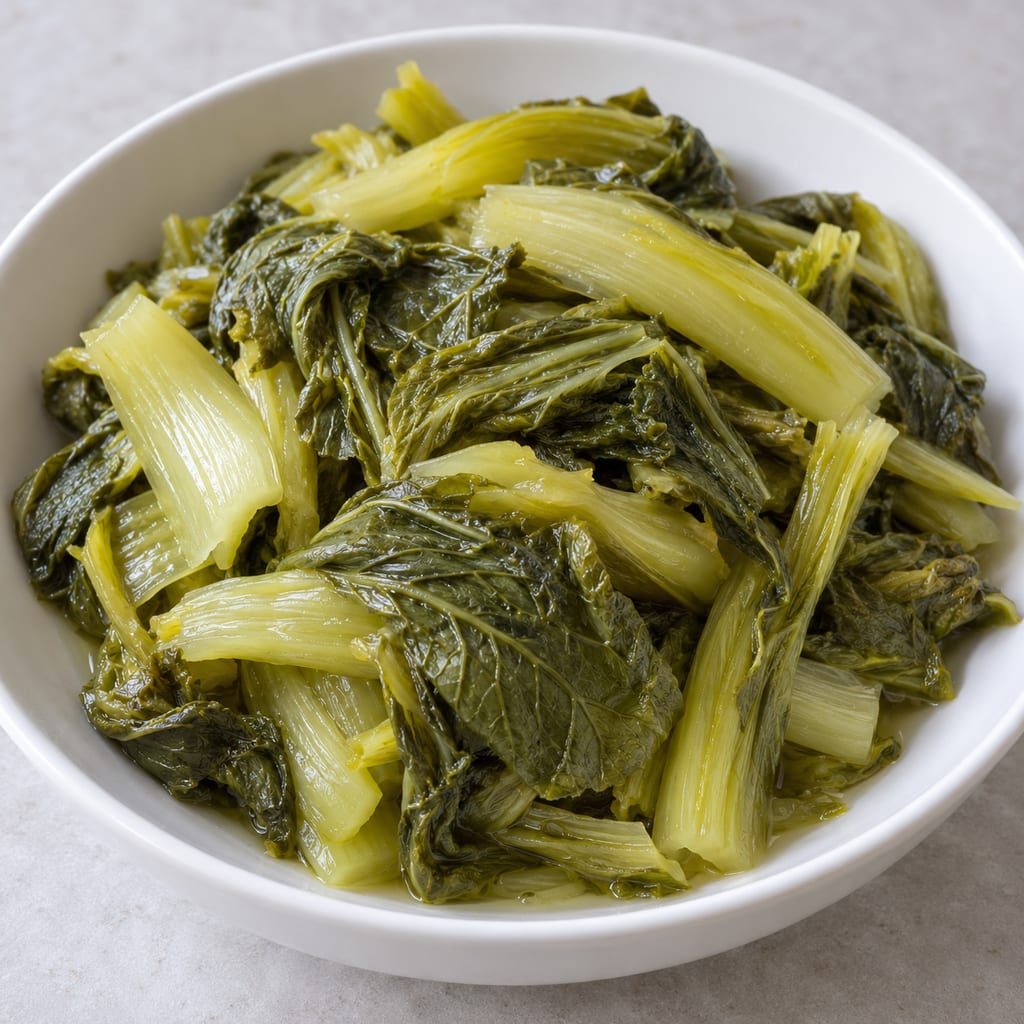
Pak-gard-dong is a Thai mustard-green pickle salted first and drained, then fermented with sugar added to the drained greens.
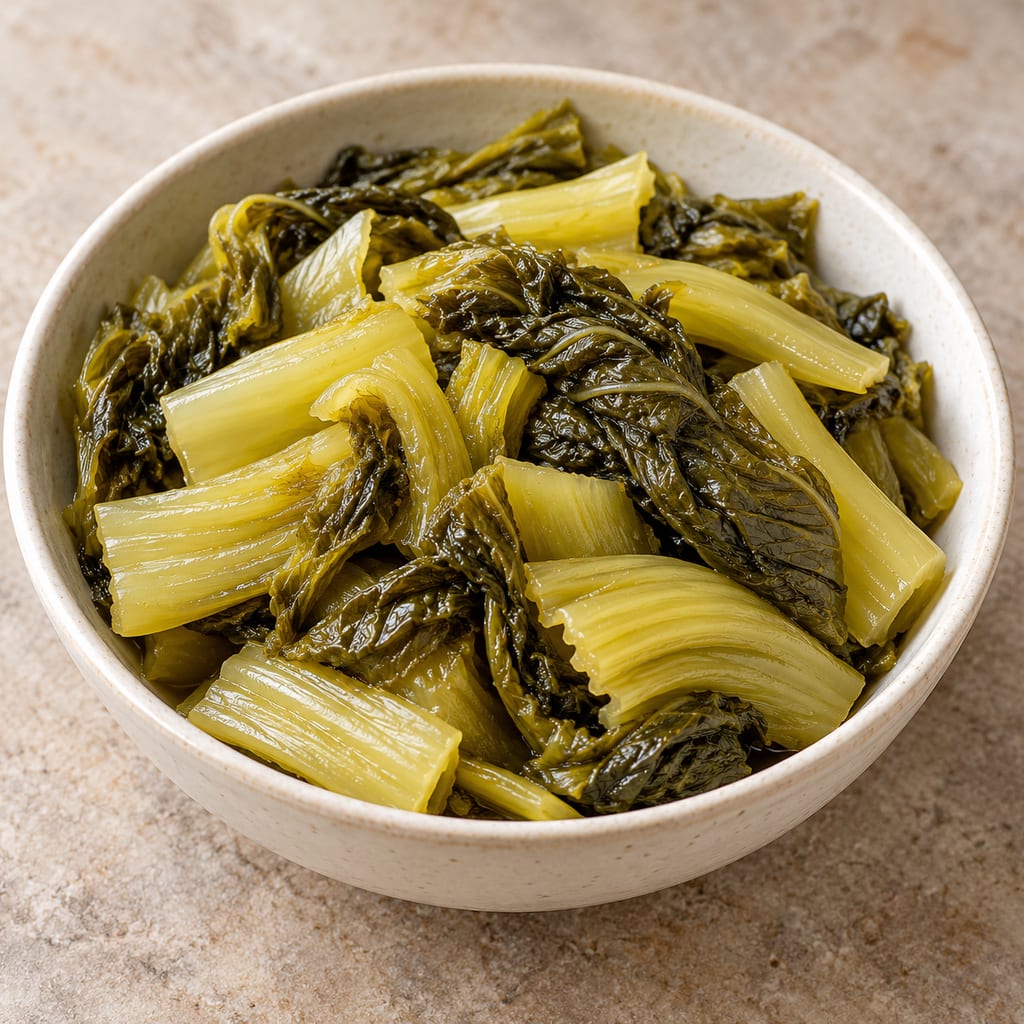
Pak-kaat-dorng is a Thai fermented mustard-green pickle, prepared here by dry-salting and kneading the wilted greens with cooked rice.
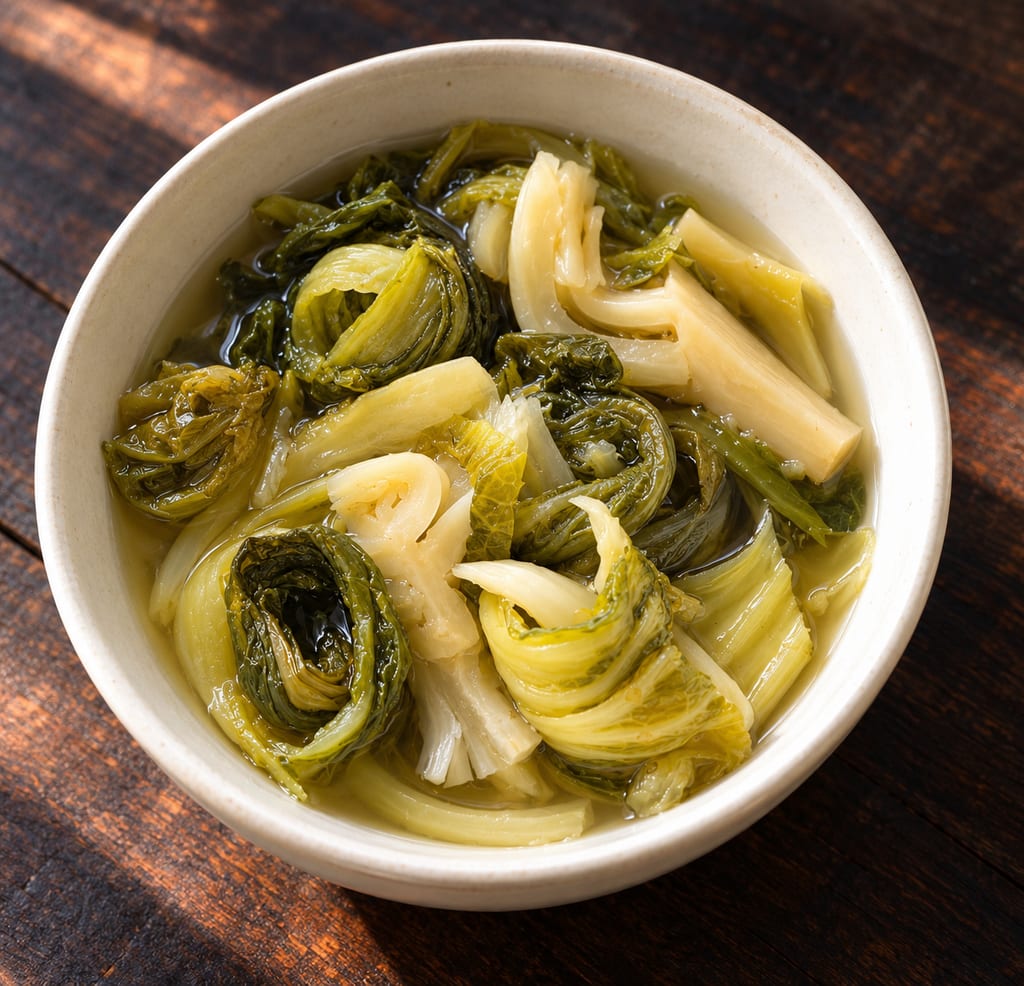
Thai sweet mustard greens wilted in sun, packed in earthenware under a salt and palm-sugar brine with rice-wash water, then sunned three to five days.
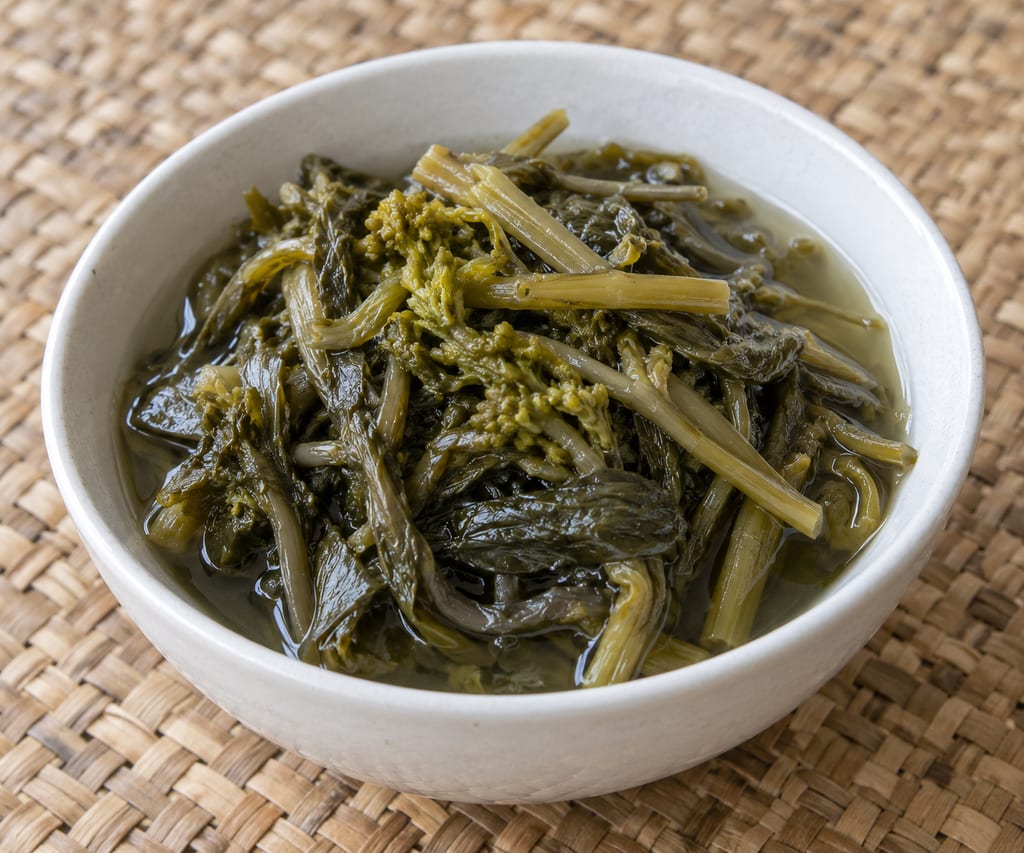
Young spider-flower greens packed with salt and cooked rice and left to sour for a few days; a Thai leafy-vegetable ferment eaten as a sharp side dish.
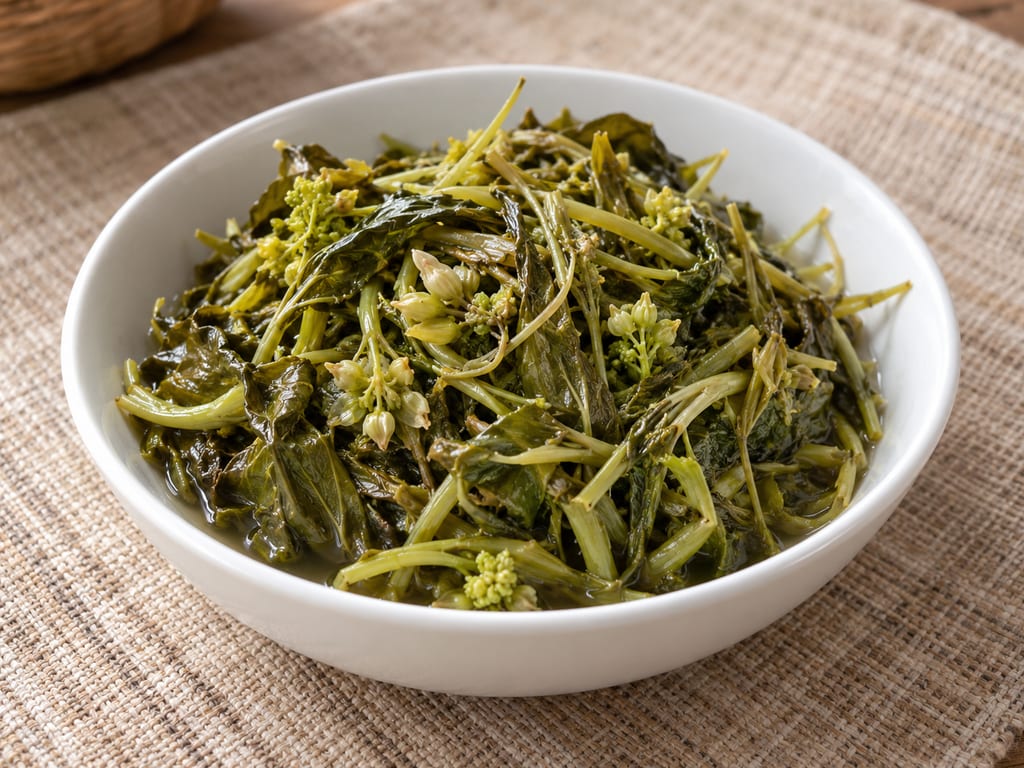
Phak sian dong is a Thai pickle of spider-plant tips and flowers (Cleome gynandra), salted and packed with cooked rice. Northeastern Thai and Lao Khrang accounts give different methods.
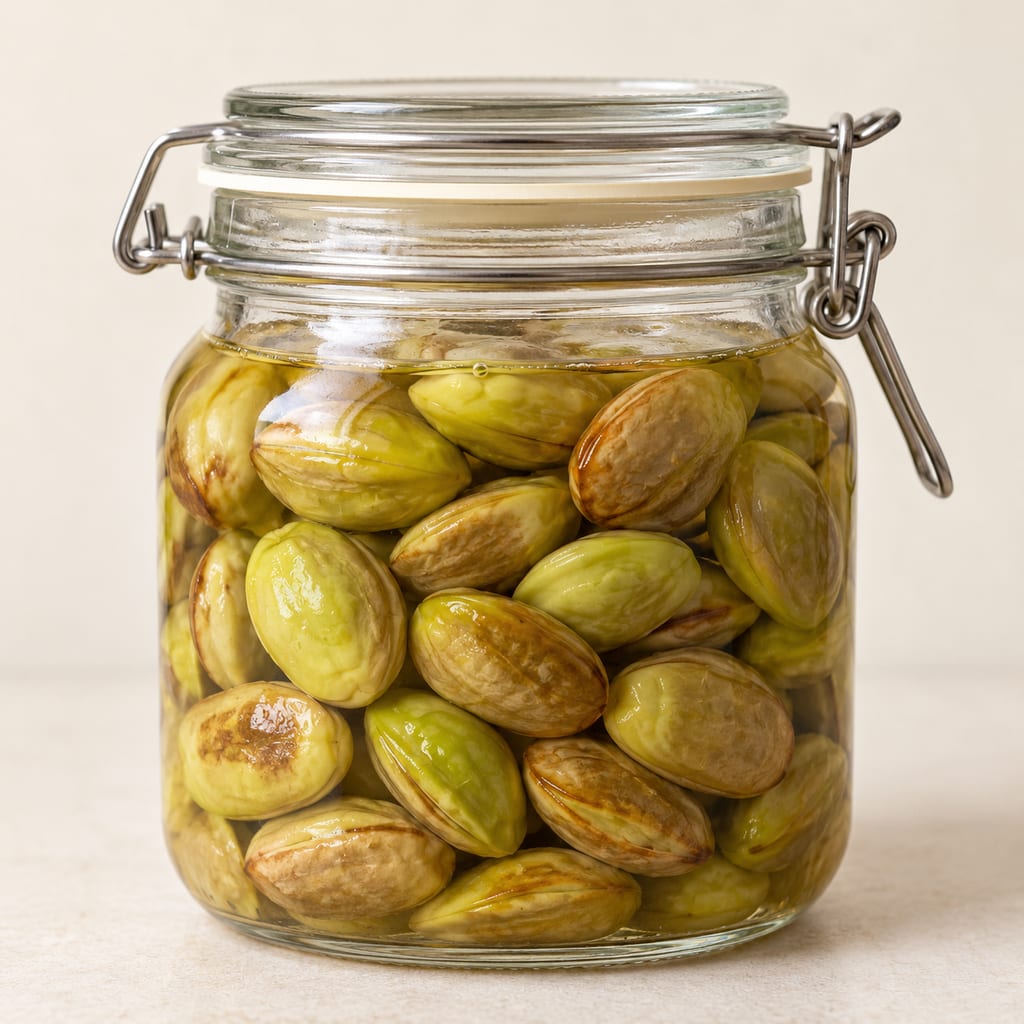
Thai pickle of stink bean seeds, Parkia speciosa, with the testa left on, held in a 10 percent salt brine in a glass jar in shade. JIRCAS records a three to four day ferment and a separate seven day flavour note.
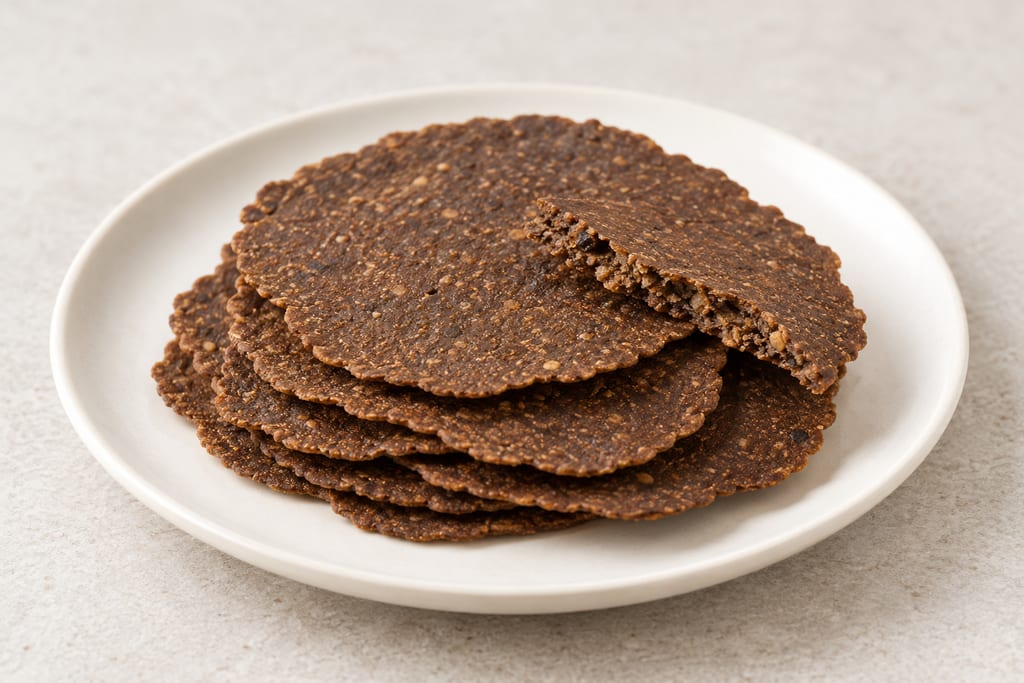
Black soybeans cooked, inoculated with a named Bacillus subtilis culture and fermented warm and humid into northern Thailand's thua nao, then optionally dried into thin discs.
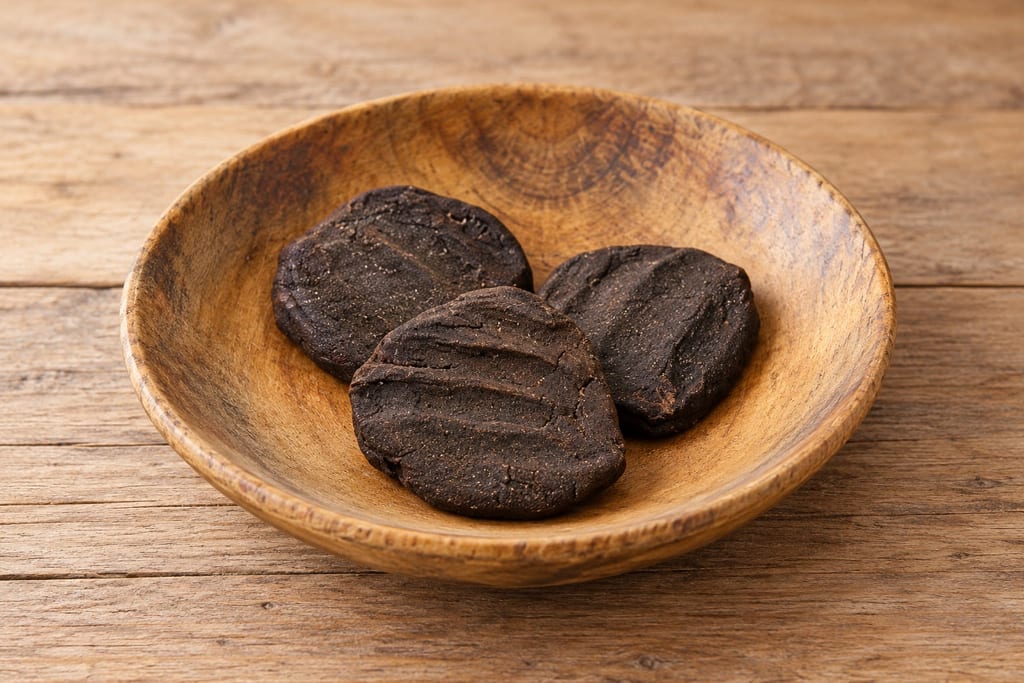
Dried cakes of pounded taro leaves from the Ao Naga in Nagaland, yellowed in a bag, then dried by hot ash or sun and used to flavour meat dishes.
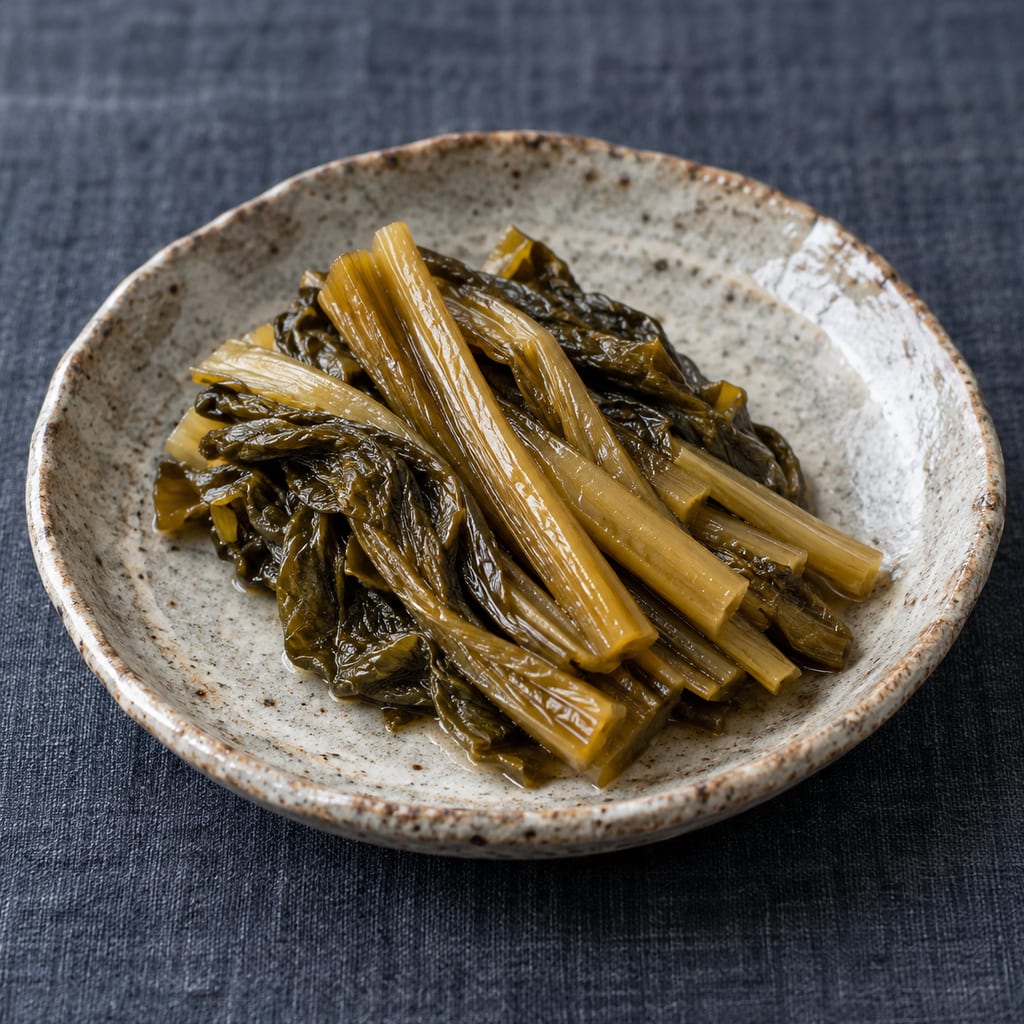
Takana mustard greens from Aso in Kumamoto are salted and pressed into a fresh spring pickle, or aged into a sour furuzuke that is fried and mixed into takana rice.
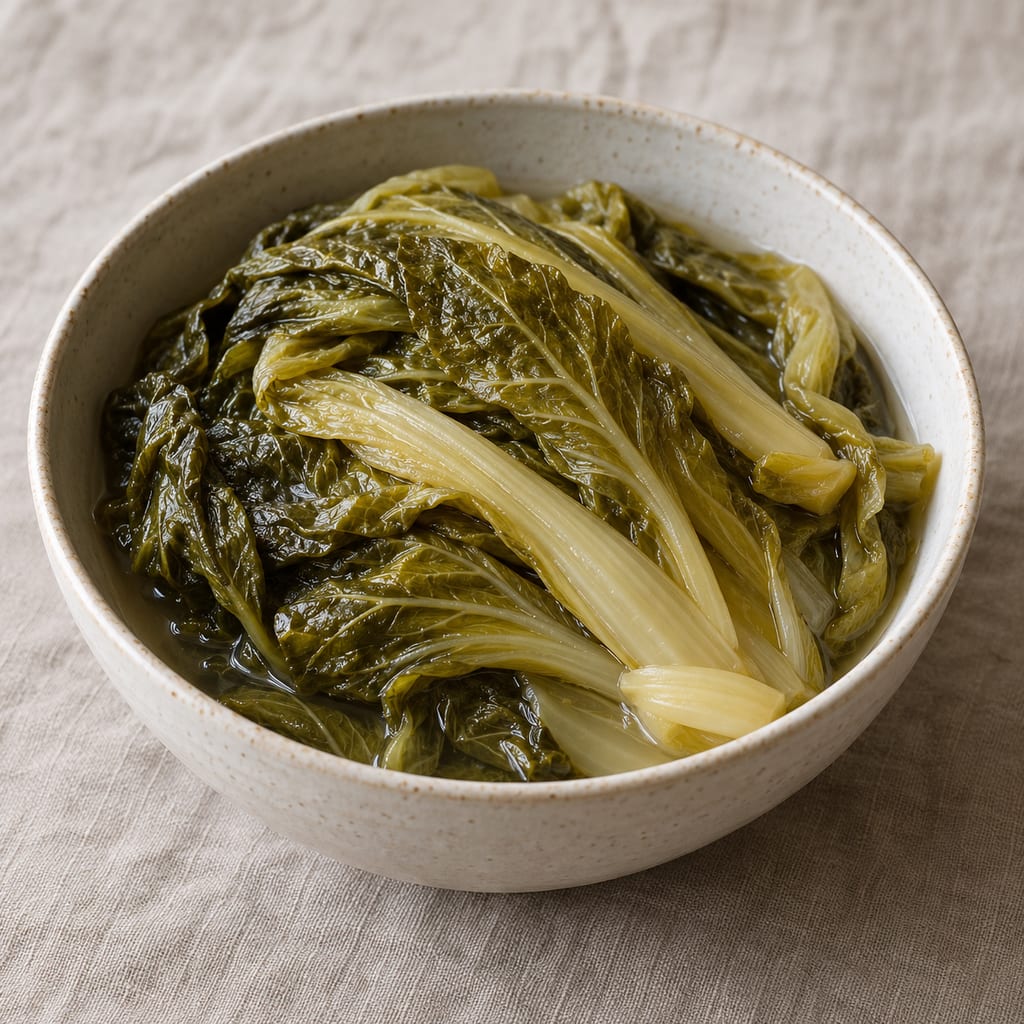
Wilted flat mustard leaves ferment with rice water and salt as a Filipino appetizer and cooking ingredient.
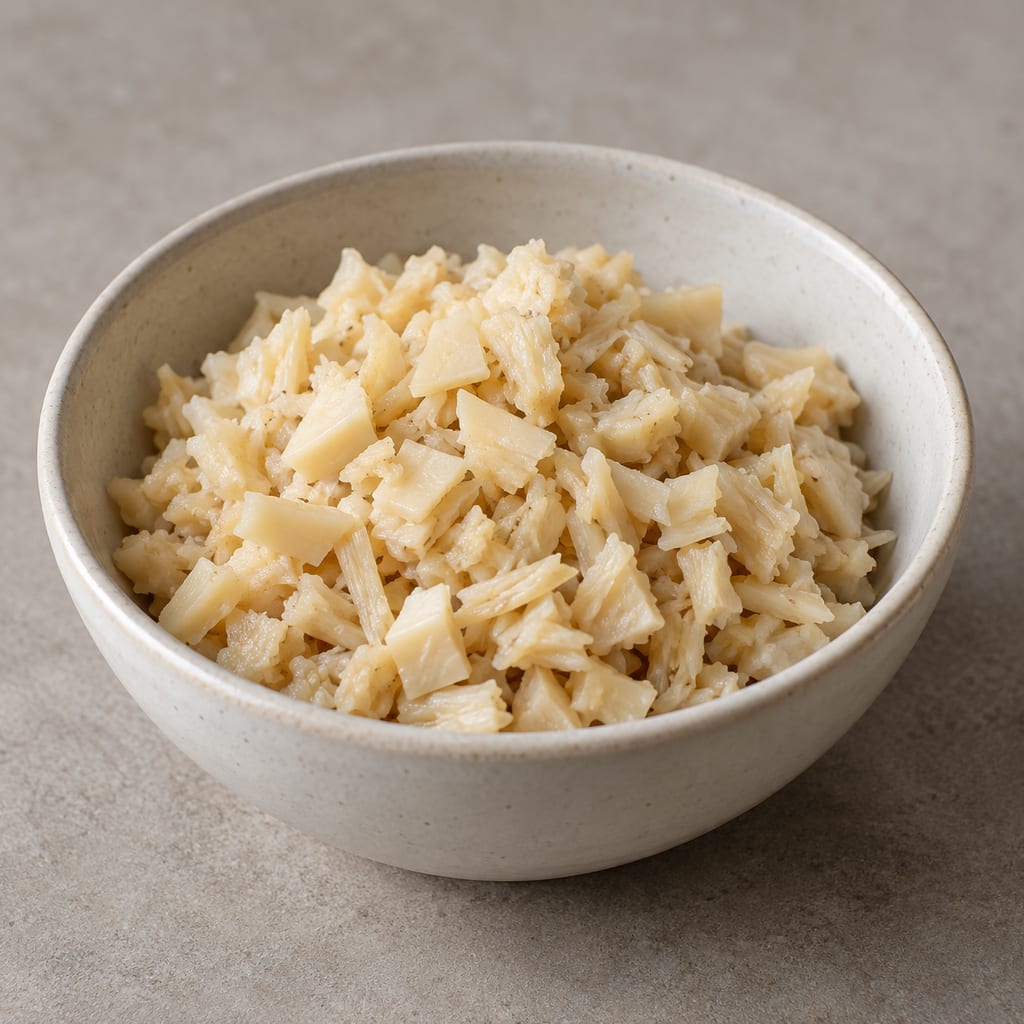
Finely chopped young bamboo shoots packed in leaf-lined baskets, sealed in a forest pit and weighted for one to three months, from Arunachal Pradesh.

Pit-fermented bamboo shoots from Arunachal Pradesh, cut smaller and sun-dried for five to ten days, used in curries.
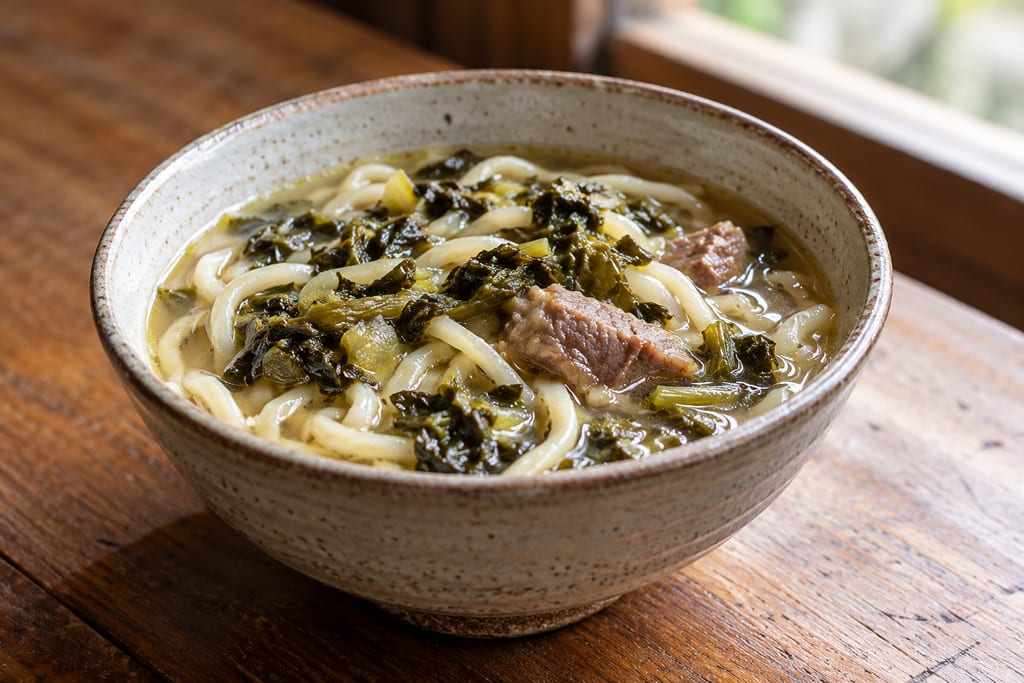
Goyang is a Sherpa fermented wild leafy food of the Darjeeling hills and Sikkim. Rainy-season magane-saag leaves are packed in a bamboo basket, held at room temperature for about a month, then eaten fresh or dried and used in soup.
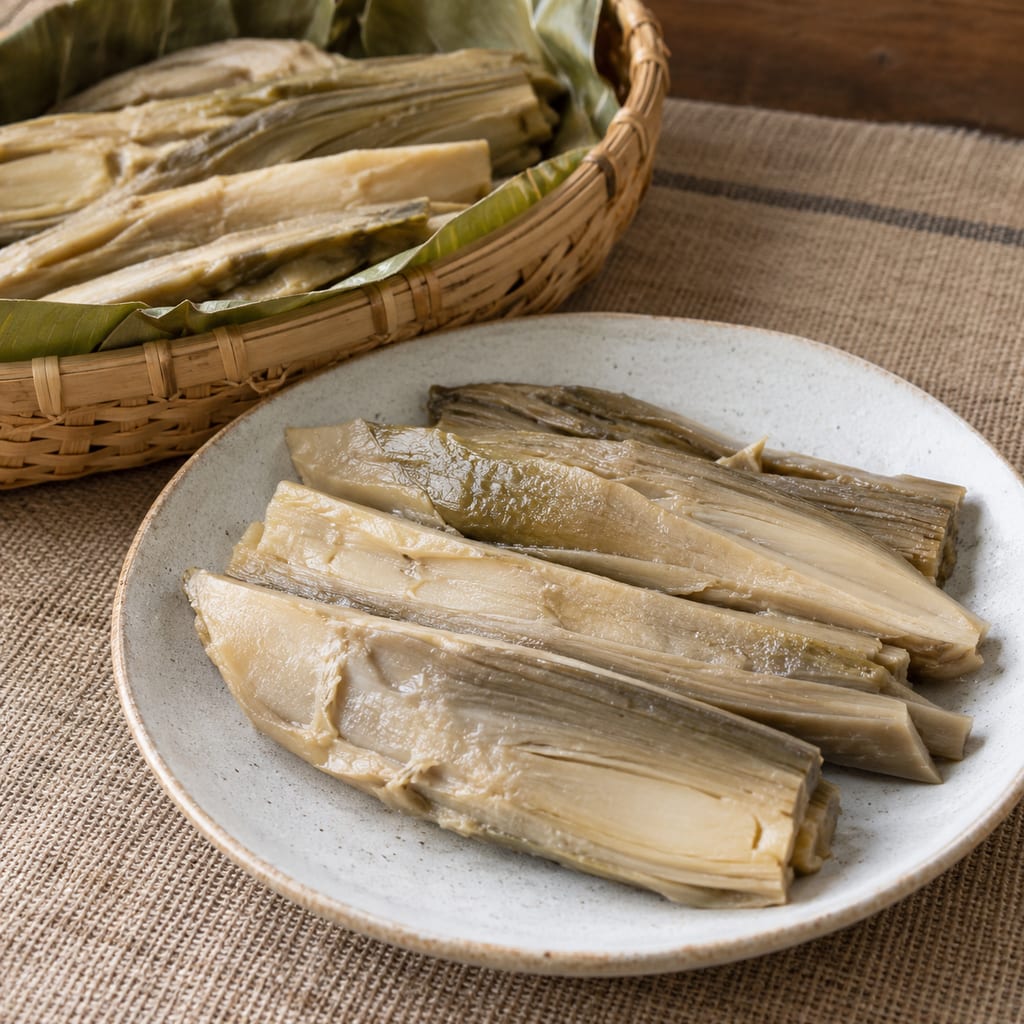
Upper tender bamboo-shoot tips, split or flattened, pit-fermented one to three months in Arunachal Pradesh and eaten in curries.
The original Polish barszcz: young hogweed leaves soured in warm water for a few days, then boiled into soup with egg, butter, cream or millet. Recorded from 1595, with warnings about the sap and lookalikes.
No community contributions have been published for this entry yet.
Sign in to contribute. Published comments and photos are free to read.
JIRCAS (Japan International Research Center for Agricultural Sciences), based on the Kasetsart University Institute of Food Research and Product Development 1995 compilationMethod · Identity · Uses
Lam-peuak-dorng, Database of Fermented Foods of ThailandYoung taro leaf stalk, salt at about 2.5 percent of stalk weight, kneaded, rice-wash water in an earthen jar, five days at room temperature.
Light-purple, semi-solid sour-salty product, eaten with nam prik or used in spicy soup.
A 15-day storage life is stated without conditions.
Cited in: What it is; Origin and dating; Method as recorded; Home feasibility and safety; Related products
Japan International Research Center for Agricultural SciencesHistory
Database of Fermented Foods of Thailand (No. 1216)The database is based on the 1995 Kasetsart compilation, online since FY2015, partly revised in 2024.
Cited in: What it is; Origin and dating; Method as recorded; Home feasibility and safety; Related products
Livestock Research for Rural Development 32(5), 2020Safety
Effects of wilting and rice bran supplementation on the quality of taro (Colocasia esculenta) leaf and petiole silageReports oxalate in taro tissue in a livestock silage study. The study does not address this human pickle.
Cited in: What it is; Origin and dating; Method as recorded; Home feasibility and safety; Related products