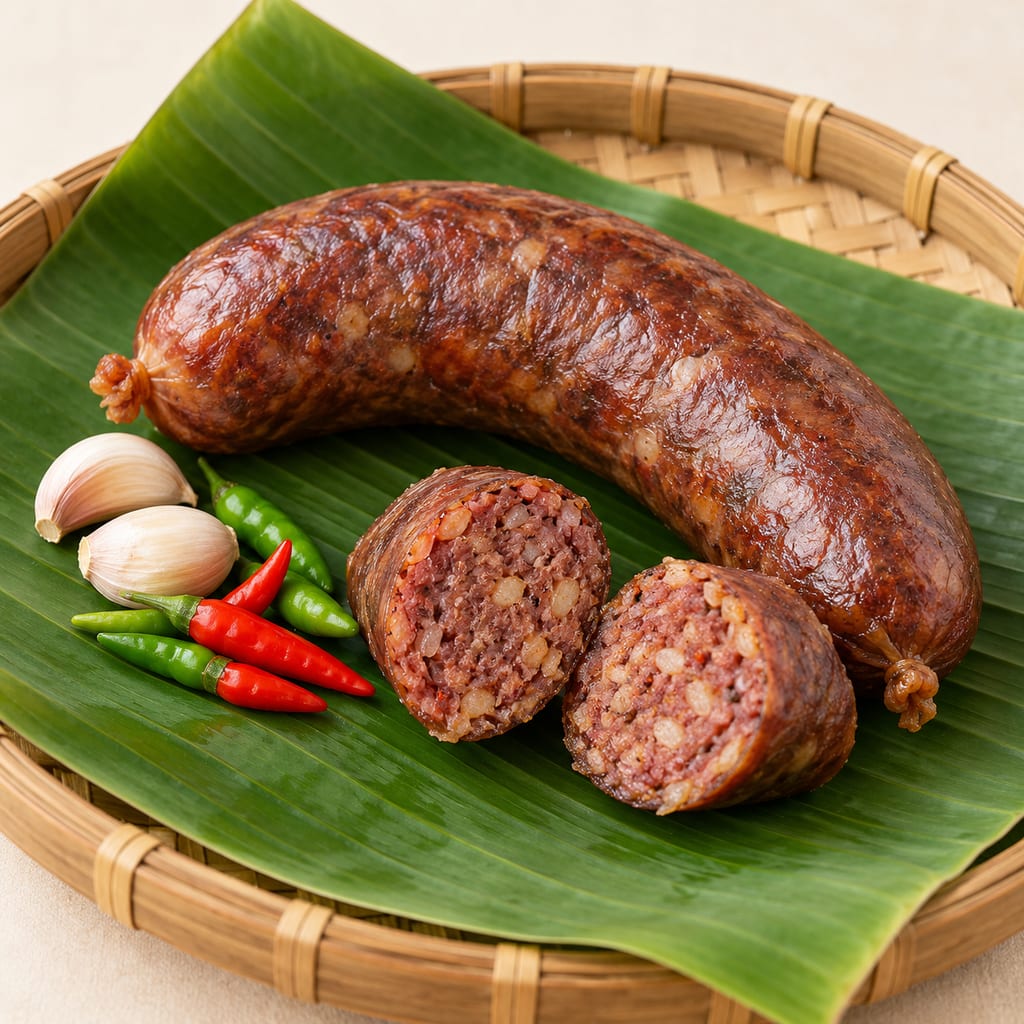
Mum (mam)
Mum is a Thai family of fermented meat preparations with distinct pork Mam-moo and beef Mam-neua forms. Sources document ingredients, casing and serving traditions, but not a validated home process.
 FermenteaWhere food goes to change
ผักเสี้ยนดอง · Pak-sian-dorng · Pak-sian-khaao-dorng · Pickled spider plant · ผักเสี้ยนดอง
Phak sian dong is a Thai pickle of spider-plant tips and flowers (Cleome gynandra), salted and packed with cooked rice. Northeastern Thai and Lao Khrang accounts give different methods.
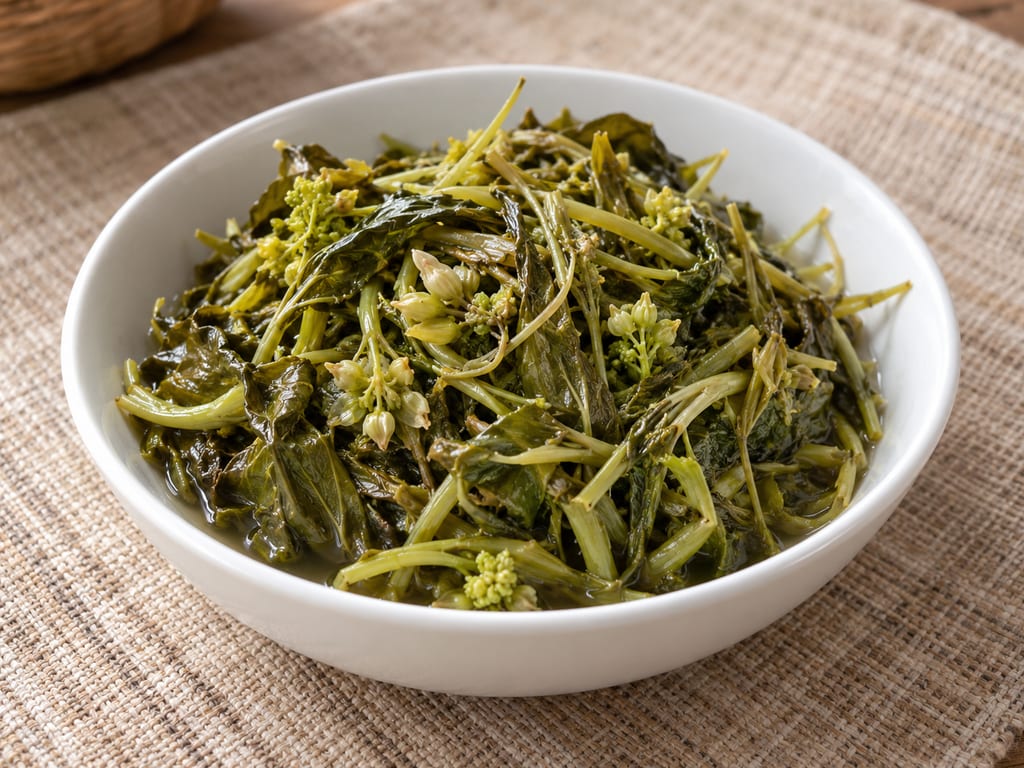
Phak sian dong (ผักเสี้ยนดอง), called Pak-sian-dorng by JIRCAS, is a fermented preparation of young spider-plant tips or flowers. JIRCAS identifies the plant as *Cleome gynandra* and gives the local name Pak-sian-khaao-dorng. This is a different plant from the *Brassica* mustard greens used for phak kat dong and from napa cabbage used in other cabbage ferments.
The available sources describe more than one regional context. JIRCAS reports home-industry production in northeastern Thailand. A 2018 study documents Lao Khrang methods in Huai Duan, Don Tum district, Nakhon Pathom, in central Thailand. The study shows an elder’s account that the local practice had passed through her mother’s generation, estimated at about 80–90 years; this is family transmission testimony, not a date for the food’s origin.
JIRCAS describes young tips or flowers trimmed and washed, wilted in sunlight, mixed with salt and cooked rice, packed beneath their expressed liquid with a weight, then left in shade. The same entry lists a 2–3 day fermentation period. Its method diagram says to mix salt with sugar, while the written method names cooked rice; the discrepancy is unresolved, and the two accounts should not be combined.
The Huai Duan study records three separate Lao Khrang variants. They share a preparation with washed, drained shoots and describe removing older stem peel where needed. The study then describes variants using cooked rice and brine, cooked rice with a brief sunlight placement, or rice-wash water or roasted rice. Its detailed text describes the sunlight version as one day; the English abstract reports 12 hours for a sunlight process. The paper does not reconcile these durations or map the abstract’s process numbering to the detailed recipes, so both reports remain distinct. The study also describes “parts” of plant and salt without saying whether they are measured by weight or volume.
JIRCAS describes the finished pickle as solid, sour and salty, served with nam-prik. In the Huai Duan account, it is eaten with nam-prik and also used in curry. These are uses documented in those sources, not a claim that one serving custom applies everywhere.
JIRCAS lists salt and cooked rice with the plant and attributes a list of microorganisms to *The Traditional Fermented Foods of Thailand* (1995), which was not directly inspected. The Huai Duan paper reports lactic-acid-bacteria counts from its sampled processes. It does not establish a transferable starter culture or show that every household batch has the same microbial community.
The paper shows that specified pathogens were not detected in its tested samples. That result applies to those samples and tests; it does not establish a general safety endpoint. JIRCAS gives a 15-day storage figure without stating storage conditions. Neither source supplies a validated home endpoint or storage guidance, so these accounts describe documented practices rather than provide a recipe.
The JIRCAS record summarizes a 1995 reference that was not directly retrieved; its organism list and method summary have not been checked against that book.
The e-Flora of Thailand URL exposed only a dynamic page shell during the earlier review; indexed text was excluded, so no native-range or additional taxonomy claim is made.
JIRCAS’s diagram says sugar while its written method says cooked rice; this difference remains unresolved.
The NPRU abstract’s 12-hour sunlight duration differs from the detailed one-day account; the paper does not reconcile them.
The Huai Duan study does not define the measurement basis for its plant-to-salt 'parts' or clarify how that salt relates to its brine percentage.
No household-safe endpoint, validated storage condition, harvest season or general origin was established. The 15-day storage claim lacks stated conditions.
JIRCAS describes home-industry production in this region.
Documents Lao Khrang methods here; the elder account is family transmission, not an origin date.
Mum is a Thai family of fermented meat preparations with distinct pork Mam-moo and beef Mam-neua forms. Sources document ingredients, casing and serving traditions, but not a validated home process.
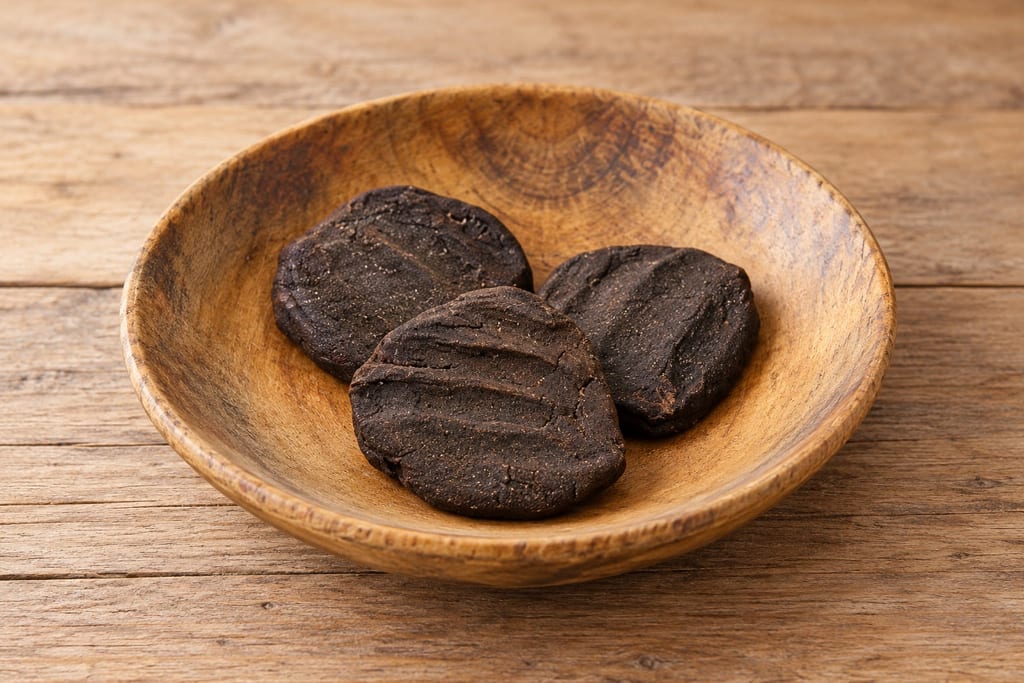
Dried cakes of pounded taro leaves from the Ao Naga in Nagaland, yellowed in a bag, then dried by hot ash or sun and used to flavour meat dishes.
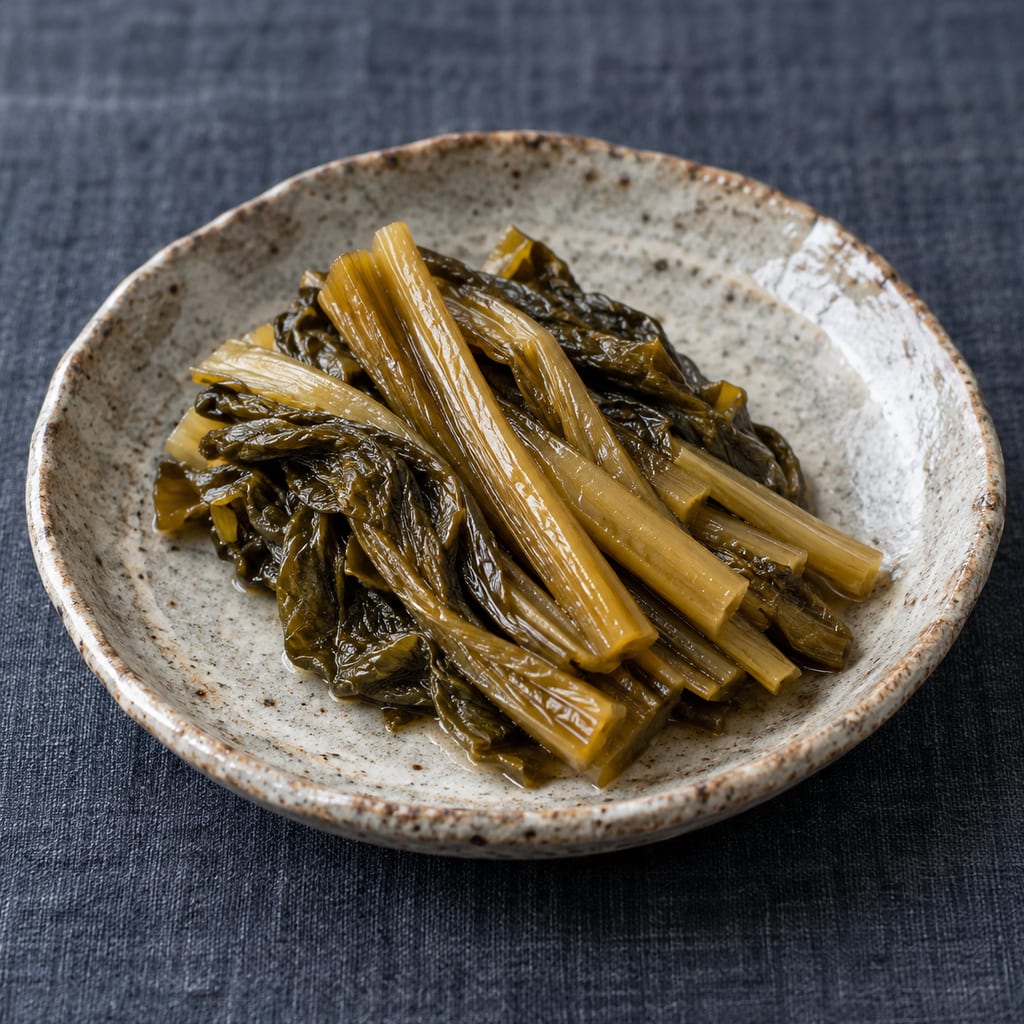
Takana mustard greens from Aso in Kumamoto are salted and pressed into a fresh spring pickle, or aged into a sour furuzuke that is fried and mixed into takana rice.
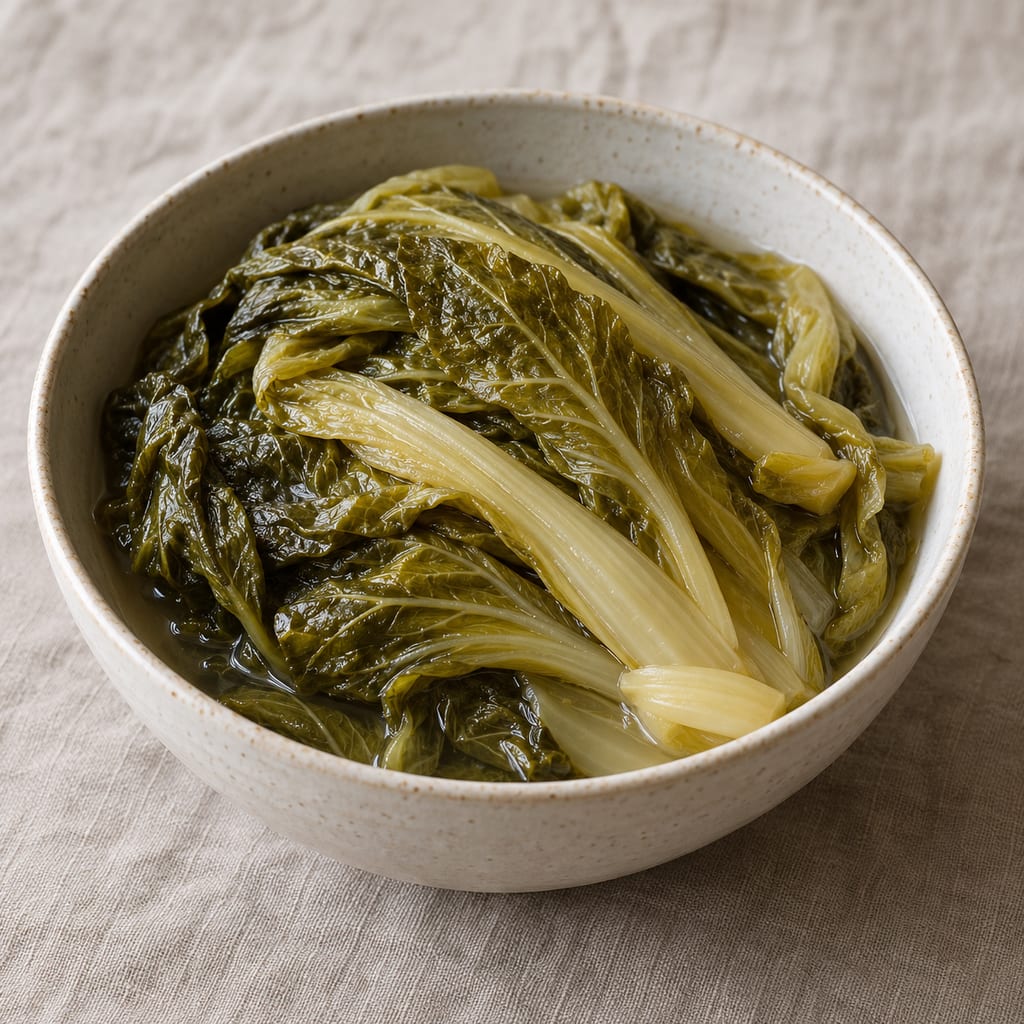
Wilted flat mustard leaves ferment with rice water and salt as a Filipino appetizer and cooking ingredient.
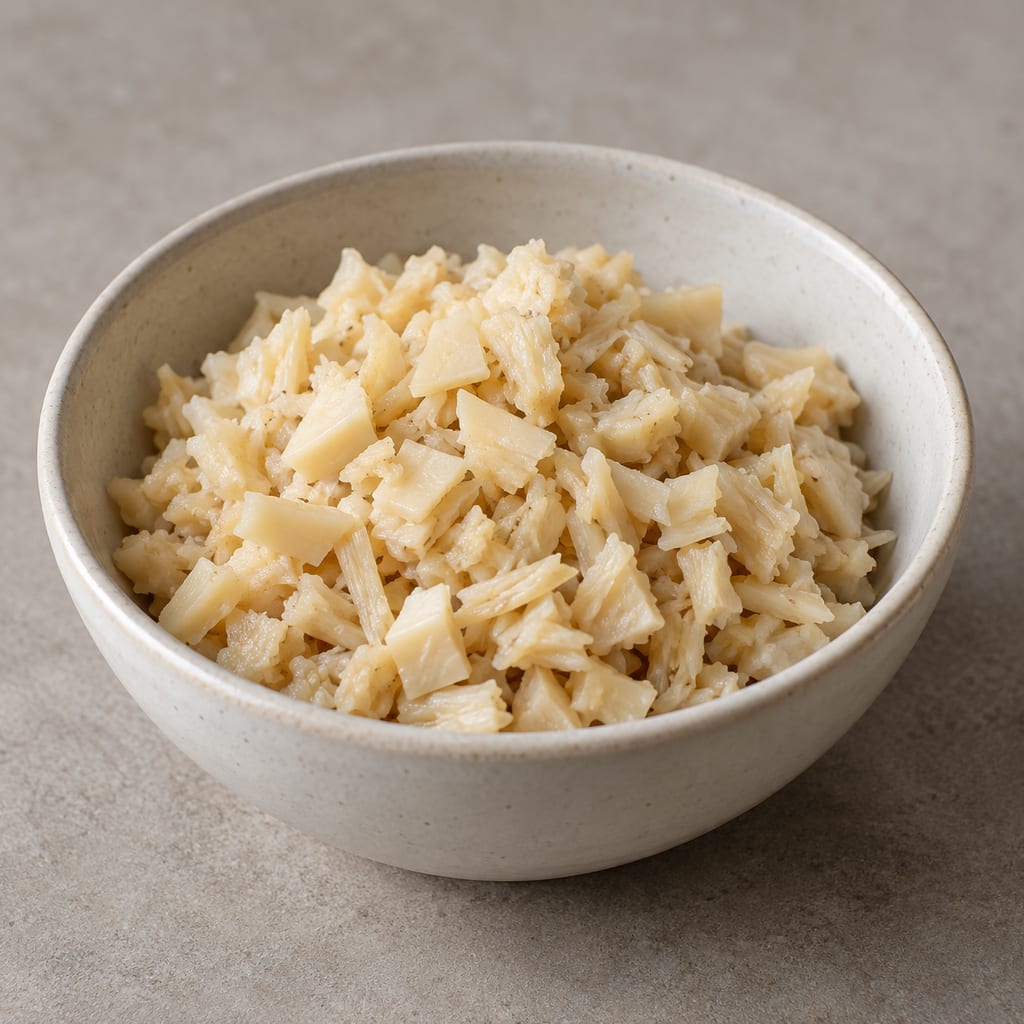
Finely chopped young bamboo shoots packed in leaf-lined baskets, sealed in a forest pit and weighted for one to three months, from Arunachal Pradesh.

Pit-fermented bamboo shoots from Arunachal Pradesh, cut smaller and sun-dried for five to ten days, used in curries.
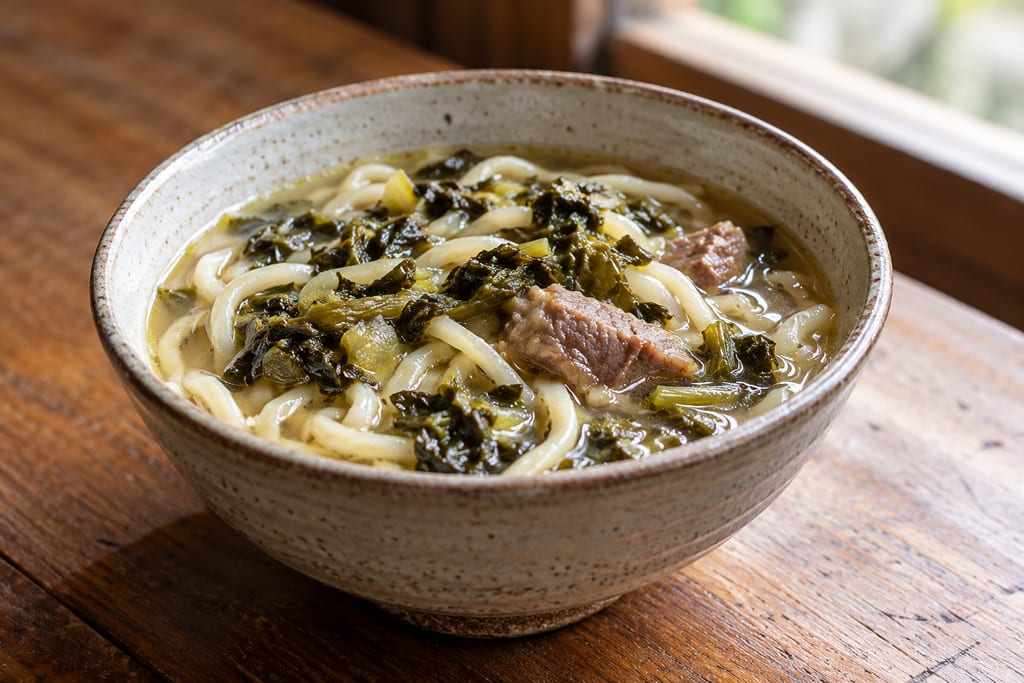
Goyang is a Sherpa fermented wild leafy food of the Darjeeling hills and Sikkim. Rainy-season magane-saag leaves are packed in a bamboo basket, held at room temperature for about a month, then eaten fresh or dried and used in soup.
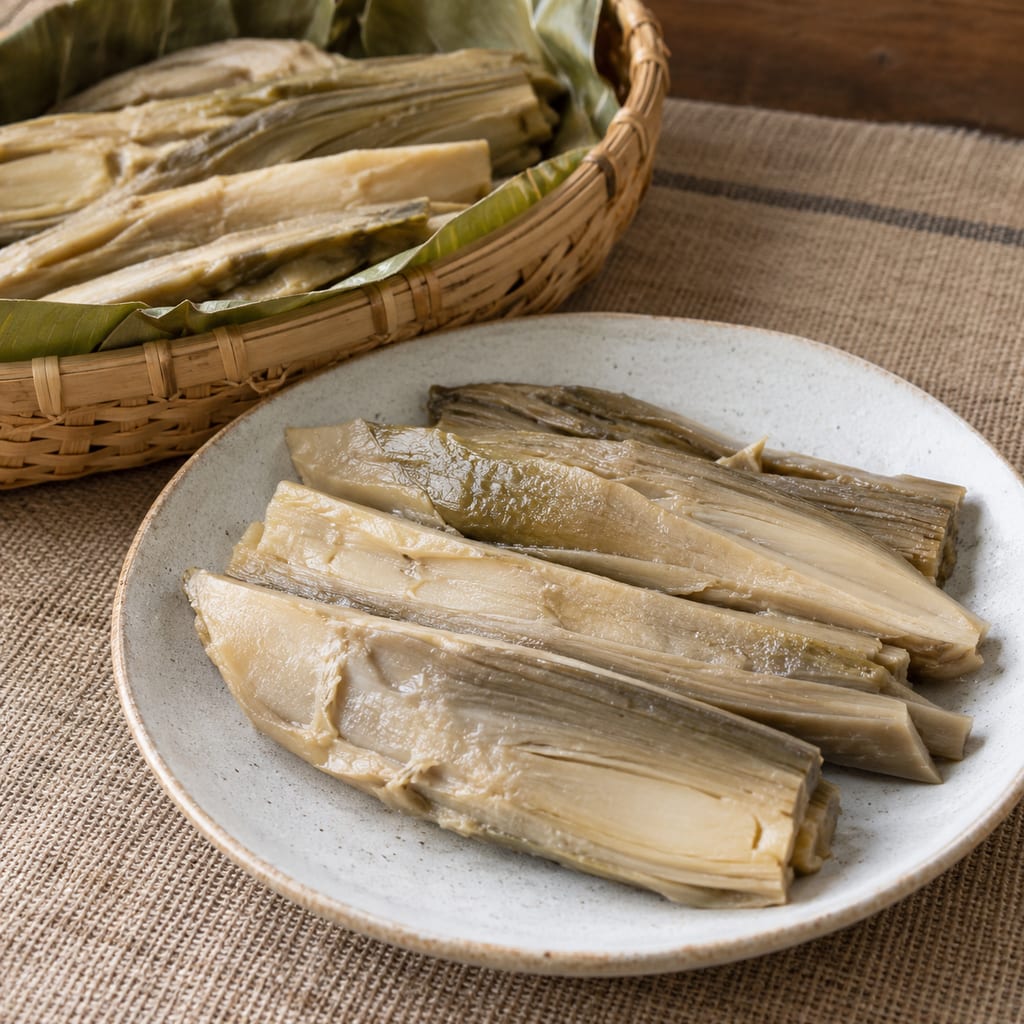
Upper tender bamboo-shoot tips, split or flattened, pit-fermented one to three months in Arunachal Pradesh and eaten in curries.
The original Polish barszcz: young hogweed leaves soured in warm water for a few days, then boiled into soup with egg, butter, cream or millet. Recorded from 1595, with warnings about the sap and lookalikes.
No community contributions have been published for this entry yet.
Sign in to contribute. Published comments and photos are free to read.
Japan International Research Center for Agricultural Sciences (JIRCAS); record based on The Traditional Fermented Foods of Thailand (1995)Method
Pak-sian-dorngCited in: Spider plant, not mustard; Different local methods; Evidence and limits; Open questions in the sources
Kanya Sonsanit, 10th NPRU National Academic Conference, Nakhon Pathom Rajabhat University, 2018Method
Study of Fermentation Processes of Local Vegetables from Lao Khrang, Tumbol Huay Duan, Amphoe Don Tum, Changwat Nakhon Pathom / การศึกษากระบวนการหมักดองผักพื้นบ้านลาวครั่งตำบลห้วยด้วน อำเภอดอนตูม จังหวัดนครปฐมCited in: Spider plant, not mustard; Different local methods; Evidence and limits; Open questions in the sources