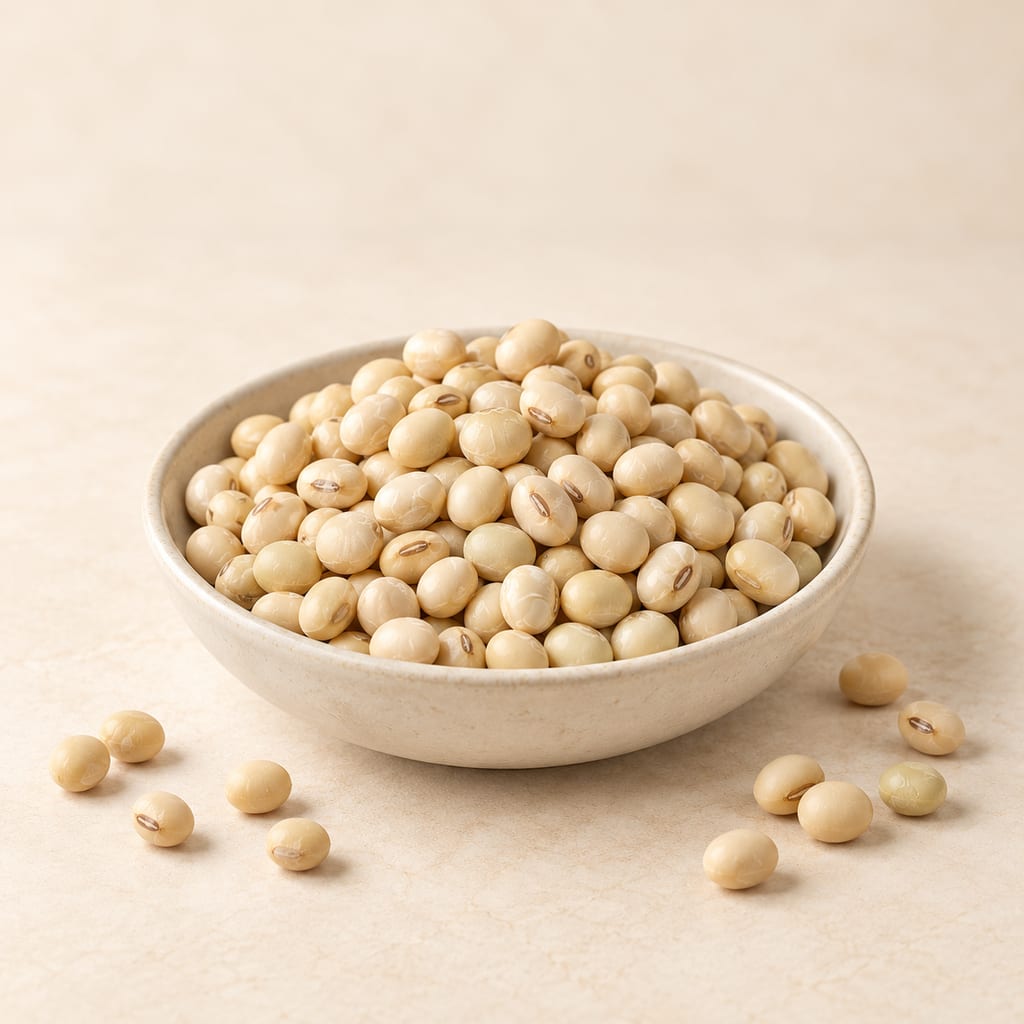
Soybeans
Soybeans are the mature dry seeds of Glycine max, about 40 percent protein and 20 percent oil, the substrate of tempeh, natto, miso, soy sauce and many other fermented foods.
 FermenteaWhere food goes to change
Modern method
ถั่วเน่า (thua nao)
Black soybeans cooked, inoculated with a named Bacillus subtilis culture and fermented warm and humid into northern Thailand's thua nao, then optionally dried into thin discs.
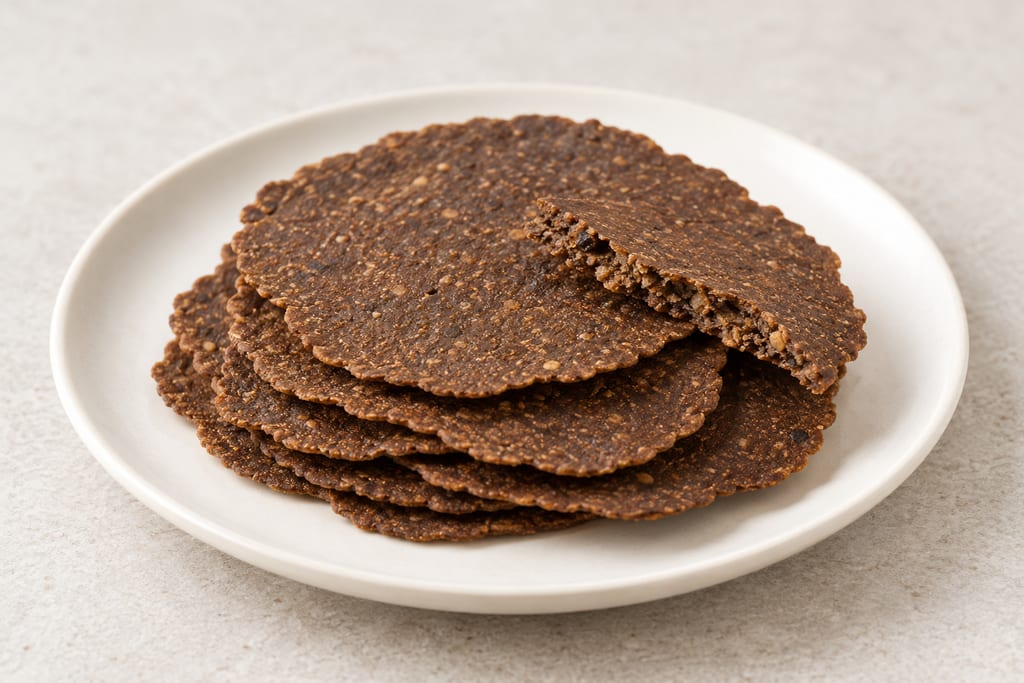
Thua nao is a fermented soybean food closely associated with northern Thailand and the neighbouring Shan and Tai cultural regions. It is made by cooking soybeans until tender, allowing selected bacteria to break down the beans, then eating the fermented product fresh or drying it into thin discs.
The two broad commercial and culinary forms are thua nao sod, the moist fermented preparation, and thua nao khaep, the flattened, dried form. A related preparation, thua nao moe, is soft fermented soybean paste that can be seasoned and grilled.
The black-soybean preparation described here is a controlled research adaptation. It uses black soybeans, Glycine max (L.) Merr., and a commercially prepared culture of Bacillus subtilis rather than relying on microorganisms naturally present in the environment.
The defining character of the food is its savoury, nutty and sometimes pungent flavour, created through the breakdown of soybean proteins and other compounds. Drying then concentrates those flavours and creates an ingredient that can be crumbled, roasted or ground into seasoning.
This is an alkaline fermentation, not the lactic-acid fermentation familiar from sauerkraut. Increasing acidity is not its principal preserving mechanism.
Starting material — 100 g cooked black soybeans
Starter — 0.3 g commercial lyophilized B. subtilis
Reported starter viable count — 6.35 × 10^6 CFU/g
Soaking — 24 hours at 4°C
Steaming — 4 hours at 100°C
Fermentation — 72 hours at 37°C
Fermentation humidity — 80% relative humidity
Disc portion — 25 g fermented paste before drying
Dried-disc yield — Not reported
Food-safety status — Research method; not validated for home production
The original study's precise culture identity, inoculum quality and controlled incubation conditions matter. Substituting ordinary natto, an unidentified fermentation starter or a different Bacillus product does not reproduce the experimental method.
Thua nao belongs to a family of Asian fermented soybean foods that includes Japanese natto, Korean cheonggukjang and Himalayan kinema.
These foods share important microbiological characteristics, but they are not identical in flavour, production or cultural use.
Northern Thailand's thua nao is especially associated with Lanna cuisine, where fermented soybeans provide seasoning in dishes that may otherwise obtain savouriness from fermented fish or other animal ingredients.
Shan or Tai Yai communities in Myanmar and northern Thailand also maintain related preparations. Tai Lue traditions provide further regional connections.
The exact date thua nao was invented is not known. Its association with particular communities does not establish a single birthplace or an uninterrupted recipe traceable to a particular historical century.
Written scientific descriptions and documentation from northern Thai food researchers establish the continued use of both fresh and dried forms.
Chiang Mai University records local preparations including thua nao moe and khua thua nao. Its Lanna food collection includes documented recipes and identifies Tai Yai influence in some preparations.
The commercial-starter version is considerably more recent. Research published in 2024 investigated how different drying methods influence aroma compounds in thua nao manufactured from black soybeans.
The black soybeans used in that work came from a Royal Project Foundation source in Chiang Mai province. This establishes the provenance of the research material, not the origin of all black-soybean thua nao.
Black soybeans are pigmented varieties of Glycine max. Their dark seed coats contain pigments including anthocyanins, while the cotyledons supply protein, fat and carbohydrates.
Protein provides an important substrate for the proteolytic enzymes produced during fermentation.
Soybean fats contribute to mouthfeel and provide precursors for aroma compounds, although oxidation can also produce unwanted flavours.
The recipe's 100 g quantity means cooked beans, not 100 g dry beans. The original dry weight is not reported, so it should not be reconstructed from an assumed water absorption ratio.
The specified starter is a lyophilized preparation with a reported initial viable count of 6.35 × 10^6 CFU/g.
Lyophilization is freeze drying, used here to preserve a commercial bacterial culture.
The organisms produce enzymes that transform soybean components during fermentation.
The strain and manufacturing quality are important. The name B. subtilis alone does not guarantee that an arbitrary commercial or environmental isolate is suitable for this particular food.
Water hydrates the dry soybeans during soaking.
The amount must be sufficient for the soaking process, but the published preparation does not specify a water-to-bean ratio.
A numerical volume should therefore not be invented.
The research formulation does not add garlic, chilli, herbs or salt during fermentation.
Such ingredients appear in regional culinary preparations, but they are not part of this controlled experimental batch.
They belong to subsequent cooking or documented variants, not to the published inoculation formula.
The published process requires refrigeration capable of maintaining the soaking water at 4°C, steaming equipment, a controlled fermentation chamber, accurate weighing equipment and a grinder.
Its dried form additionally involves nonstick sheets and drying equipment.
An ordinary warm cupboard cannot be assumed equivalent to a fermentation chamber maintaining both 37°C and 80% relative humidity.
The starter quantity is sufficiently small that an appropriate laboratory balance is needed for accurate measurement.
The following stages reproduce the research process for reference. They do not constitute a validated consumer manufacturing procedure.
Clean the black soybeans and place them in potable water.
Hold the beans at 4°C for 24 hours.
Soaking hydrates the tissues and helps prepare the beans for subsequent softening. Refrigeration limits microbial growth during this prolonged wet stage.
The published trial does not specify the exact mass of dry soybeans or the volume of soaking water used to produce each 100 g cooked portion.
Drain the hydrated beans and steam at 100°C for four hours.
The long steaming period softens the soybeans and changes the structure of their proteins and carbohydrates.
Heating also reduces the number of competing microorganisms, although it cannot be assumed to eliminate every bacterial spore.
The consistency of the cooked beans influences the later fermentation because the bacteria must be able to access nutrients.
Allow the cooked beans to cool to room temperature before inoculation.
The published trial does not provide an exact numerical endpoint for this cooling stage.
Uncontrolled prolonged cooling of cooked legumes creates food-safety risks; the research method should not be interpreted as permission to leave cooked beans unrefrigerated indefinitely.
Combine:
100 g cooked black soybeans
0.3 g specified commercial lyophilized Bacillus subtilis
Distribute the culture through the cooked beans.
The reported viable count of the inoculum is a characteristic of the commercial preparation, not a finished-food microbial count.
The process depends on using an appropriate identified culture. Substituting an unknown starter changes the experiment.
Place the inoculated beans in a controlled fermentation chamber.
Maintain 37°C and 80% relative humidity for three days.
This is a 72-hour fermentation.
During this period, bacterial growth and enzyme activity transform the softened soybeans.
The recorded method does not provide a consumer-facing end-point test demonstrating that this incubation procedure reliably excludes hazardous organisms in an ordinary home environment.
After fermentation, homogenize the beans using a household grinder.
The resulting paste is used to manufacture the experimental dried discs.
Grinding distributes the transformed beans into a relatively uniform material and makes it possible to form flat portions.
It also exposes additional surfaces to air, making hygiene and subsequent handling important.
Weigh 25 g portions of fermented paste and form flat discs on nonstick sheets.
The published trial describes discs approximately 10 cm in diameter.
It does not report a universal thickness in the original recipe record.
The disc geometry influences drying by creating a relatively large exposed surface compared with an unflattened mass.
The research compared separate drying processes:
Sun drying — Exposed for 8 hours or until constant weight
Hot-air drying — 50°C for 8 hours or until constant weight
Microwave-vacuum drying — Two 800 W magnetrons, 800 mbar vacuum, 5 minutes; observed product temperature 45–46°C
Vacuum drying — 40°C; full parameters require the original study's method specification
These are separate experimental treatments, not consecutive operations.
A fixed time and constant weight are also not equivalent safety criteria. Constant weight can show that mass loss has substantially stopped under particular drying conditions, but it does not independently establish freedom from pathogens or toxins.
The finished dry mass is not reported in the original recipe record.
The central biochemical process is the action of enzymes produced by Bacillus subtilis.
Soybean proteins are large molecules made from chains of amino acids.
Bacterial proteases cut these proteins into smaller peptides. Other peptidases release free amino acids.
Among them, glutamate contributes savoury taste.
As the reaction progresses, the beans develop a flavour that is substantially different from boiled soybeans.
During alkaline fermentation, microorganisms can metabolize amino acids and release nitrogen-containing compounds, including ammonia.
This helps explain the characteristic pungency of some Bacillus-fermented soybean foods.
The process should not be confused with lactic-acid fermentation, where increasing acidity often serves as a preservation barrier.
An alkaline environment does not automatically inhibit foodborne pathogens.
Microbial enzymes can alter soybean carbohydrates, making smaller molecules available for further reactions.
These compounds help shape the sensory character of the fermented material.
The drying study identified major differences in volatile aroma compounds among its treatments.
Sun drying encouraged compounds associated with lipid oxidation.
Hot-air drying produced different proportions of nutty, roasted, sweet and other aromas associated with oxidation and heat-driven chemistry.
The Maillard reaction also contributes to aroma formation when suitable compounds react under heat.
Vacuum-based drying limited some oxidative changes but did not create the same aroma profile as hot-air treatment.
This is why drying cannot be described merely as water removal. It also changes flavour.
Fresh thua nao retains substantial moisture and has a softer texture.
Dried thua nao is commonly formed into thin sheets or discs that can be stored, roasted and crumbled as seasoning.
Traditional sheets are often made from whole fermented soybeans processed into paste, sometimes with additional ingredients.
The research formulation uses black soybeans and a commercial starter, giving it a narrower identity.
The most appropriate label is therefore controlled black-soybean thua nao, rather than a universal traditional recipe.
In northern Thai cooking, fermented soybean products appear in wet and dry preparations.
A soft form may be seasoned and grilled in banana leaves.
A dried disc may be roasted over heat before being crushed into a curry or chilli paste.
Lanna recipes can include shallots, galangal, lemongrass, makrut lime leaves and chilli.
These additions create different finished dishes rather than changing the identity of the underlying fermented soybean.
Shan-associated dried discs may be used as a concentrated savoury seasoning.
The use of black rather than pale soybeans changes the raw material, but the available evidence does not establish that every regional thua nao producer uses a particular seed colour.
Thua nao is commonly used in northern Thai soups, chilli pastes and vegetable dishes.
Dried discs can be toasted and crushed into seasonings, contributing a strong fermented soybean flavour.
Related preparations appear in nam ngiao, a northern Thai noodle soup, and in different forms of nam phrik, or chilli relish.
Soft fermented beans may be cooked with egg, herbs, chilli or other aromatics.
The best serving method depends on which form has been prepared.
A moist experimental batch should not automatically be used raw as a ready-to-eat condiment merely because traditional dried thua nao is used in finished dishes.
The research describes controlled fermentation and measured changes in aroma and composition.
A practical warning is that there is no validated household sensory test establishing that the finished experimental product is microbiologically safe.
Expected changes may include softening, increased savouriness, stronger fermented aromas and changes in surface texture.
But those characteristics are not exclusive to safe fermentations.
Unexpected coloured growth, visible mould, slime inconsistent with the intended preparation, or putrid odours are reasons to reject a batch.
Equally, a visually normal batch could still contain unwanted bacterial contaminants.
For dried discs, excessive moisture retention can undermine storage stability. Rancid aromas may indicate lipid oxidation.
The principal concern is uncontrolled growth of spore-forming bacteria, including Bacillus cereus.
Some bacterial spores can survive cooking and subsequently grow in suitable moist, warm food.
The toxins associated with B. cereus food poisoning cannot be reliably excluded through appearance or smell.
Although B. subtilis is a recognized food-fermentation organism, using a named species does not make every process safe.
The recorded account method does not establish a validated home food-safety plan, final acceptable microbial counts or a universally safe storage interval.
The drying research measured changes in water activity and aroma, but its experimental results should not be turned into a generalized commercial shelf-life claim.
The correct classification for this recipe is research preparation requiring process validation.
This preparation demonstrates how contemporary food science can study a traditional food without replacing the traditional food itself.
A standardized culture helps researchers distinguish the effects of drying from the uncontrolled differences introduced by spontaneous fermentation.
The precise temperatures, inoculum quantity and humidity make the experiment reproducible within an appropriately equipped laboratory.
The aroma analysis then reveals why two dried thua nao products can taste different even when their starting ingredients and fermentation are similar.
It is a useful bridge between northern Thai culinary heritage, microbial fermentation and modern food-processing research.
Thua nao is a Northern Thai soybean food; this recipe documents a named commercial starter adaptation using black soybeans, not an uncontrolled local method.
Yield 100 g cooked beans before inoculation · Scaling: source batch only
The product uses cooked soybean substrate under warm fermentation; B. cereus spores can persist through cooking and its toxins can cause illness.
Hazard sourceUse the identified commercial culture and a process reviewed for this product. The paper's method does not establish a validated home safety plan.
Control sourceThis is an unvalidated research adaptation. The source does not report a safety validation or a storage-life endpoint; do not infer safety from sticky texture, aroma or drying alone.
The study states that its black soybeans came from a Royal Project Foundation in Chiang Mai province.
The 2023 study describes thua nao as widely consumed in Northern Thai cuisine; this is not a birthplace claim.
Soybeans are the mature dry seeds of Glycine max, about 40 percent protein and 20 percent oil, the substrate of tempeh, natto, miso, soy sauce and many other fermented foods.
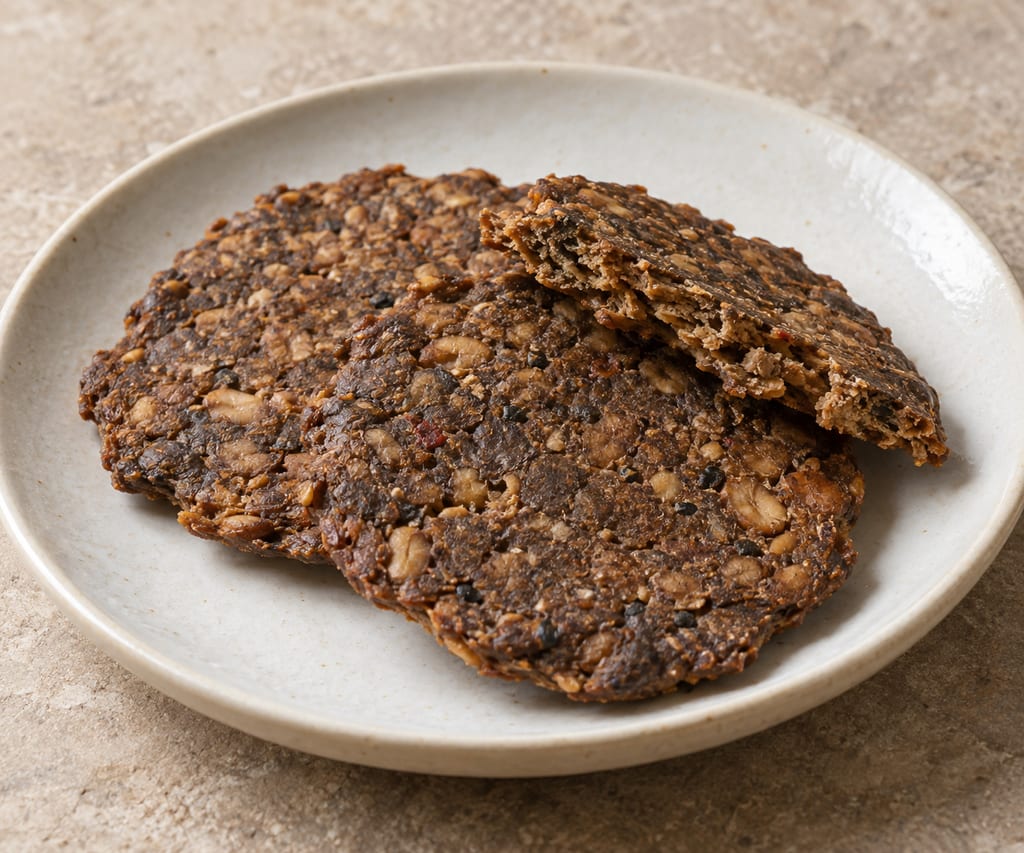
A Myanmar soybean ferment in which cooked beans turn sticky through alkaline bacterial fermentation, then are eaten fresh or seasoned, flattened and sun-dried into savoury wafers.
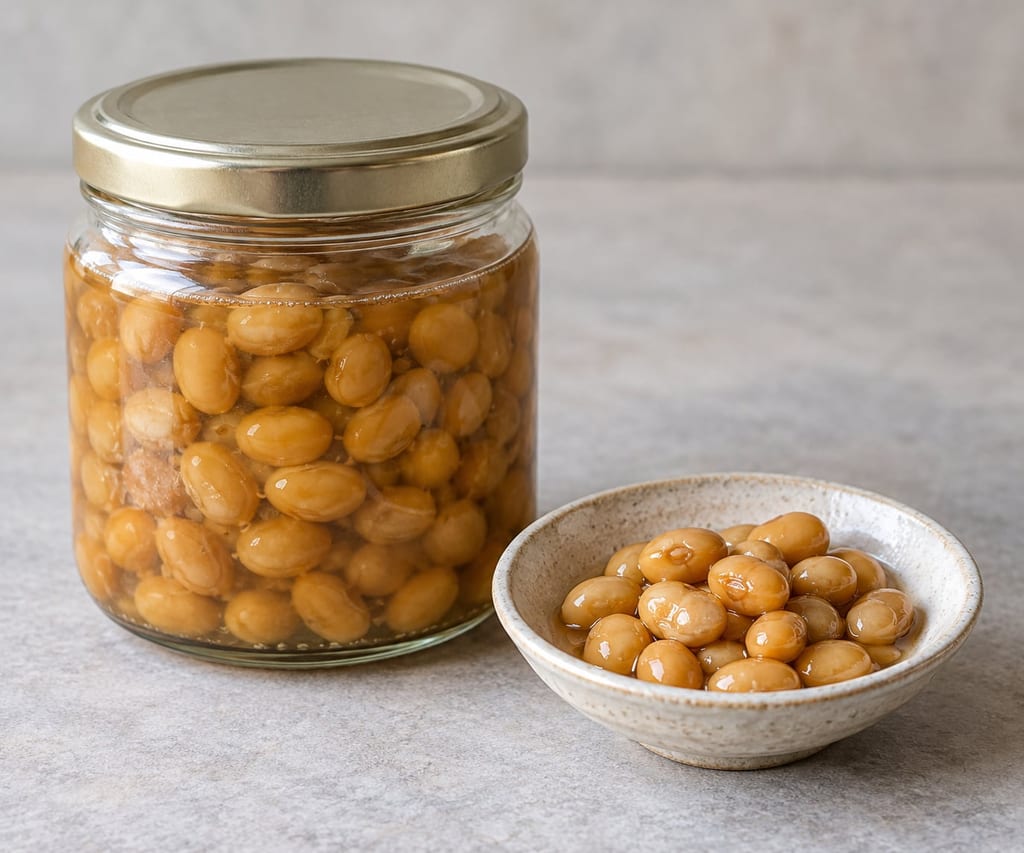
A Cambodian fermented soybean food in which cooked beans ferment into a sticky alkaline mass, then are preserved and matured in salt brine, sometimes sweetened with sugar.
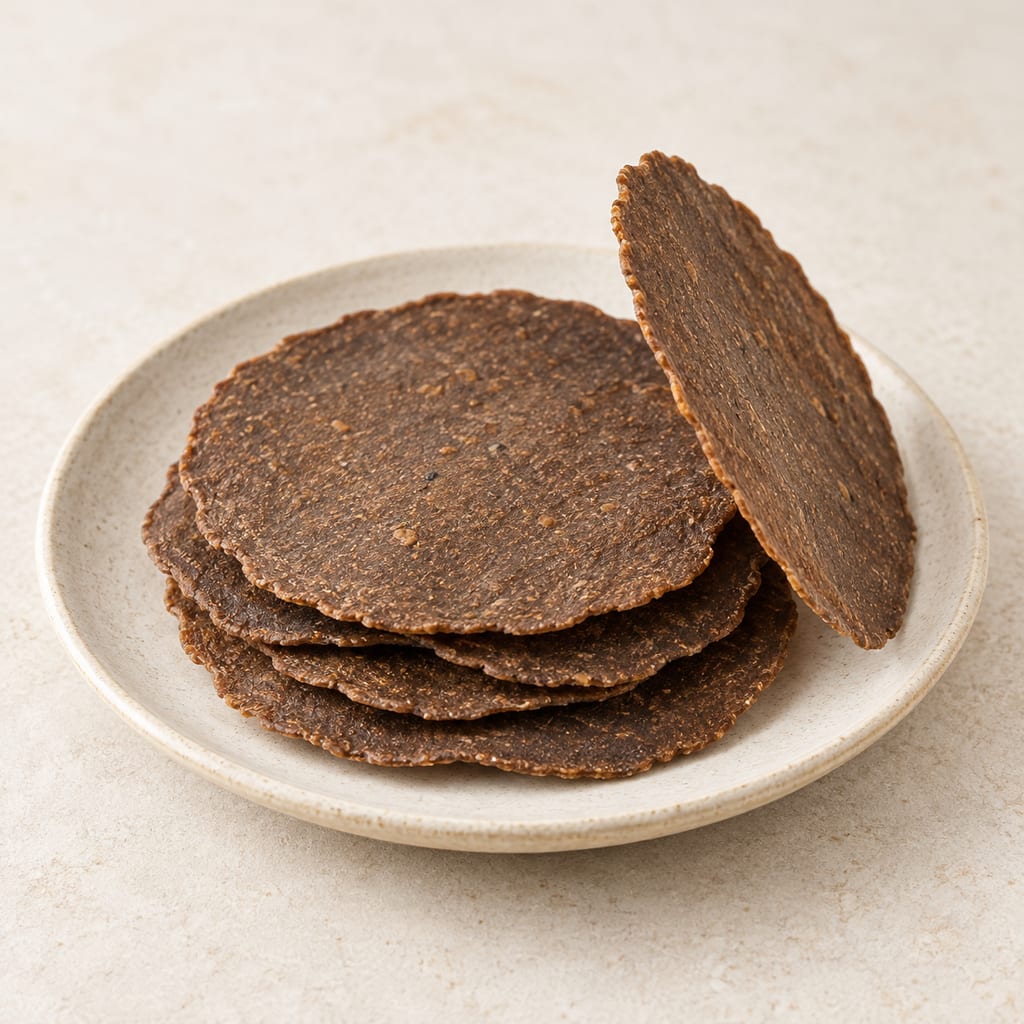
Northern Thai fermented soybean shaped while still soft into flat cakes and dried, so the bacterial soybean ferment becomes a durable, shelf-stable seasoning reserve.
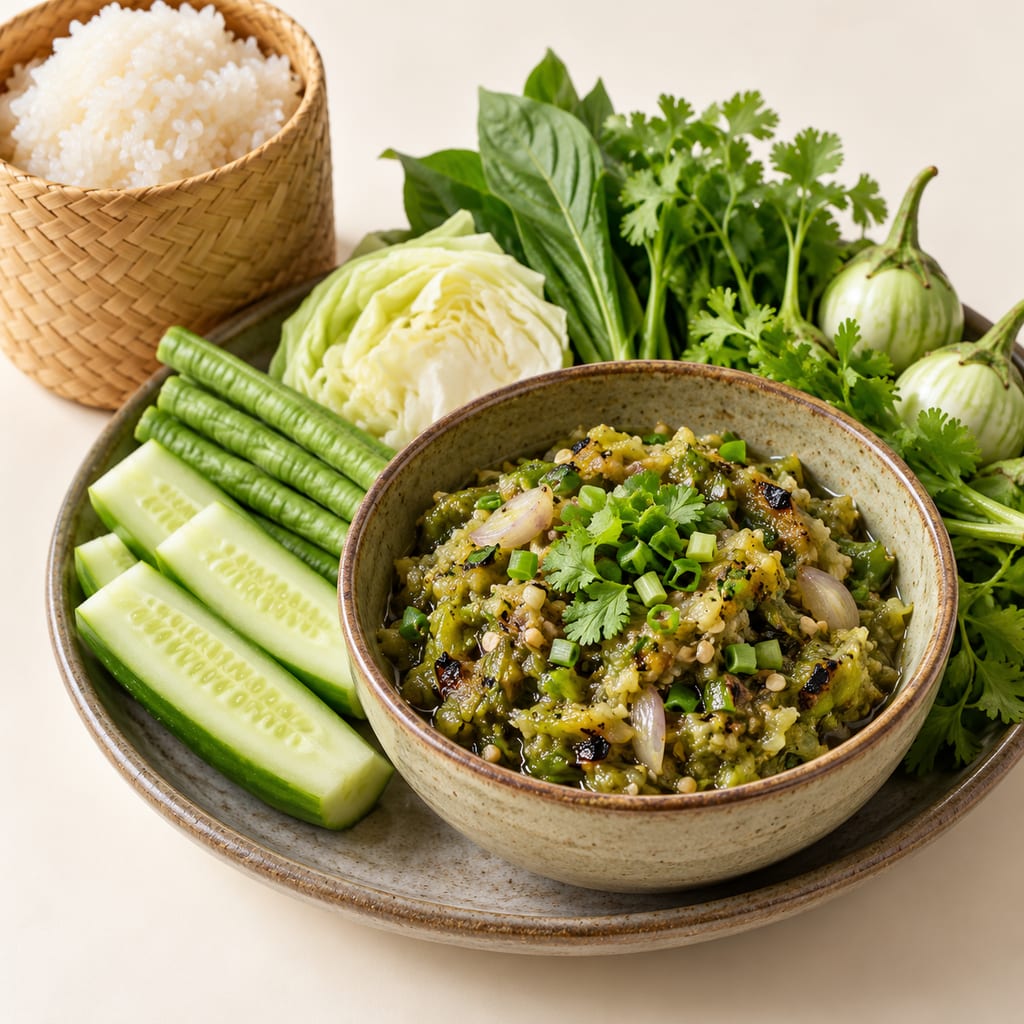
Grilled young green chillies, shallots and garlic are pounded with salt into a coarse northern Thai dip, finished with coriander and spring onion and eaten with sticky rice and vegetables.

Nam prik ong is a cooked Northern Thai dip of chilli, tomato and minced pork, seasoned with fermented soybean and eaten with vegetables, pork rind and eggs.

Soybeans boiled soft and fermented in a leaf-lined basket by the hearth, then in many Naga households pounded, wrapped in leaves and fermented again into a dark, pungent seasoning paste.
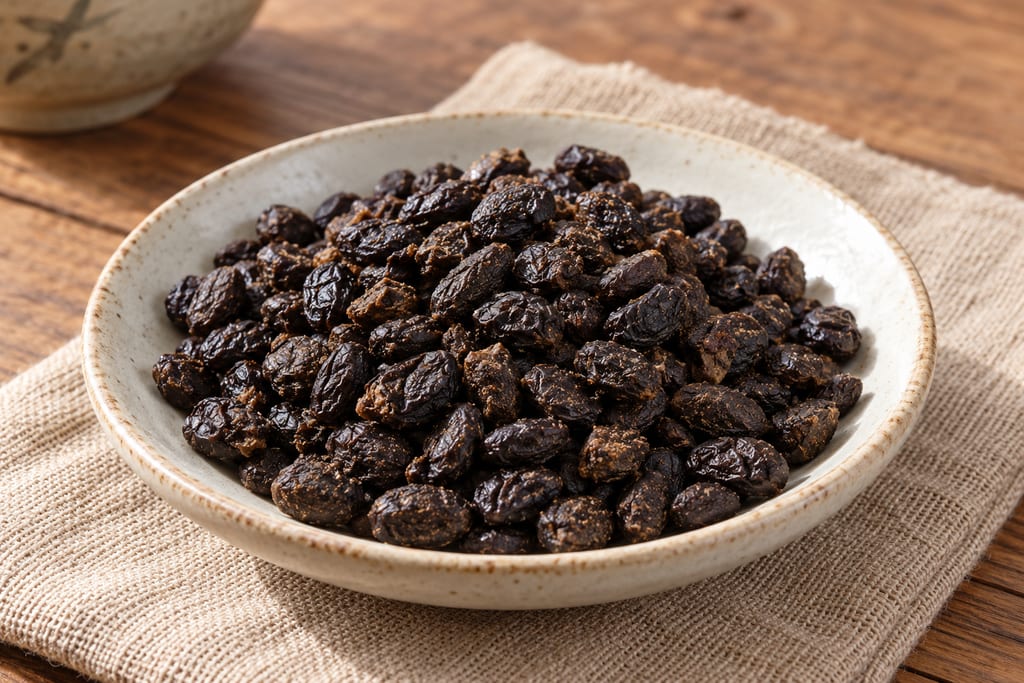
A Chinese fermented soybean condiment in which Bacillus-led bacteria, not moulds, drive the fermentation. Documented in Zunyi, Guizhou, and kept separate from mould-led douchi.
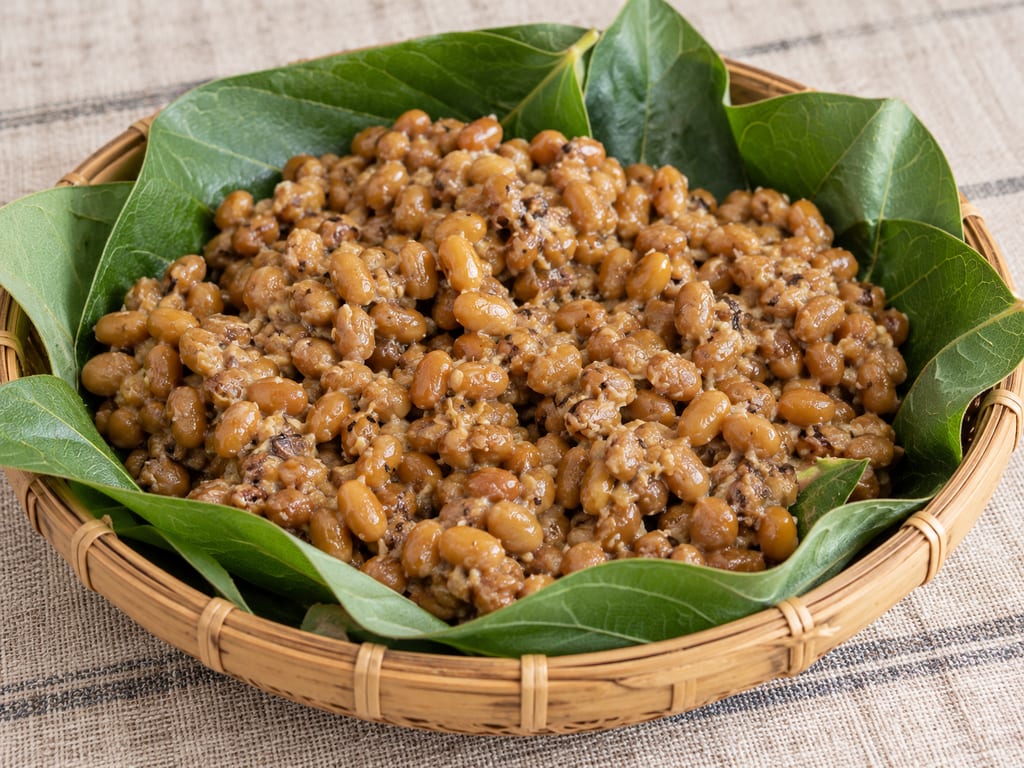
A Mizo alkaline soybean ferment made by holding cooked beans in leaf-lined containers, sometimes with wood ash, until they turn sticky, soft and pungent; eaten fresh or used as a seasoning.
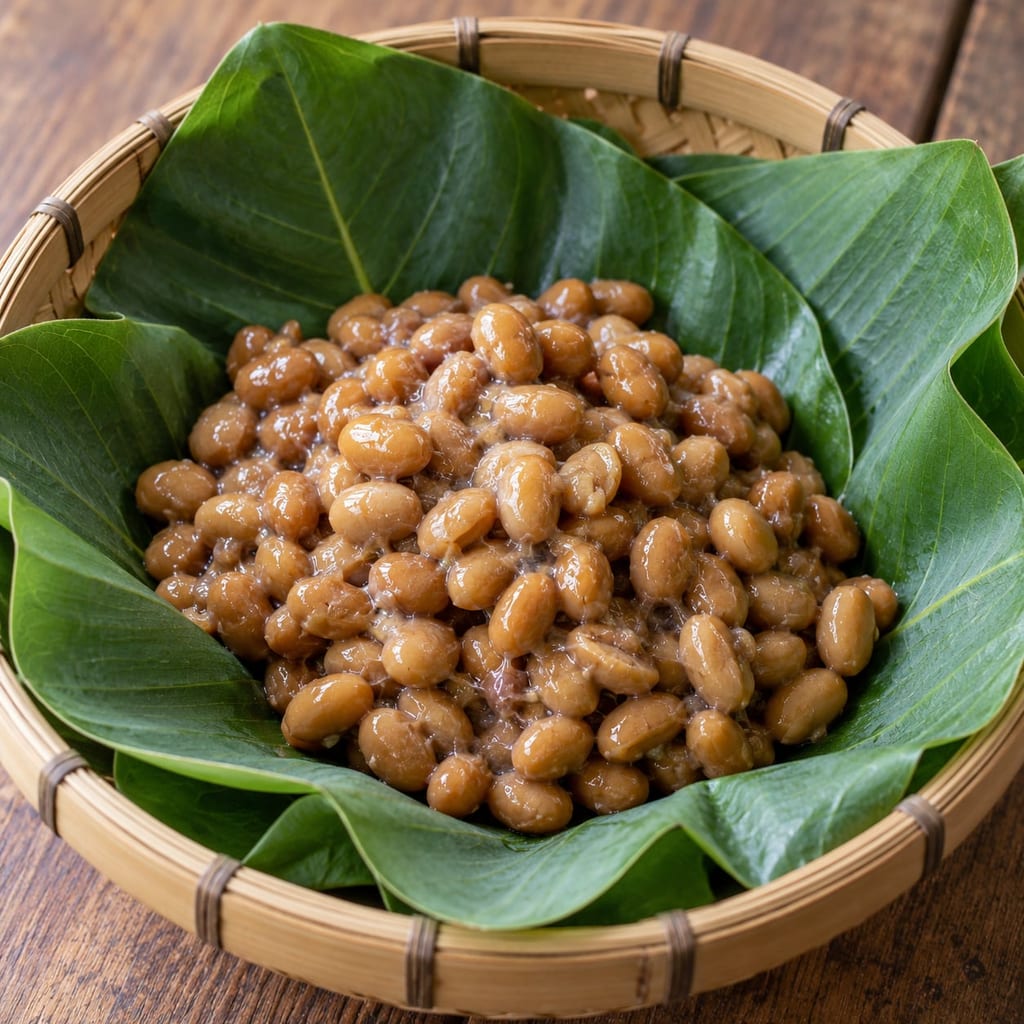
A sticky fermented soybean food of Manipur, made by packing cooked soybeans in leaf-lined bamboo baskets and keeping them warm, related to but distinct from Bekang and Akhone.
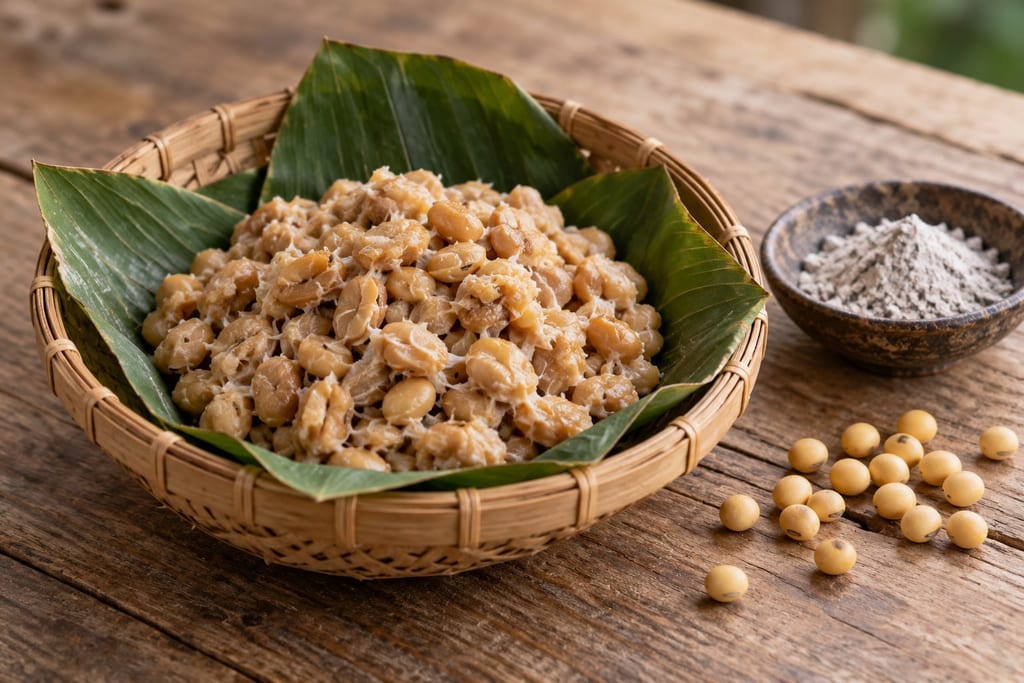
A sticky fermented soybean food of the eastern Himalaya, made here with a measured addition of firewood ash as an alkaline aid to the bacteria that drive it.
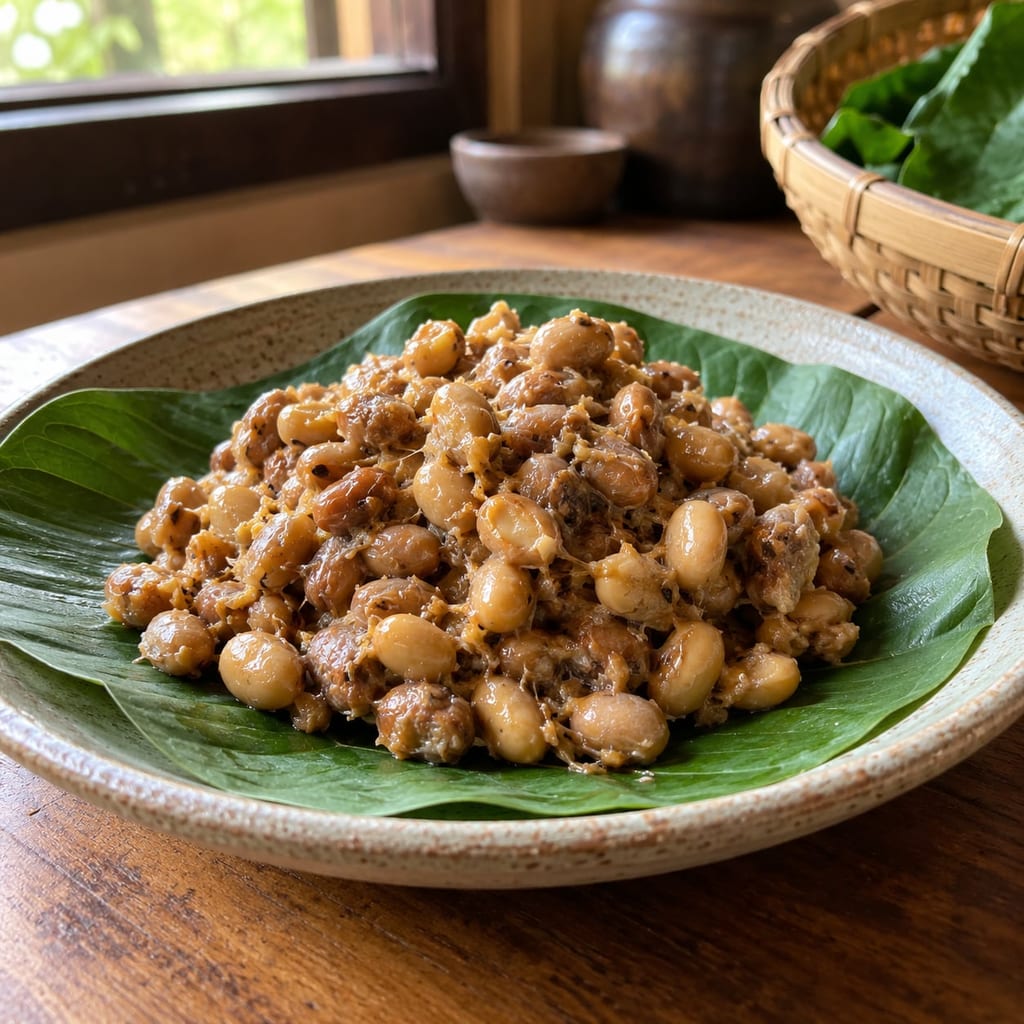
A home kinema made from overnight-soaked white soybeans, cooked, drained hot, wrapped in cloth and insulated to ferment for about a week.
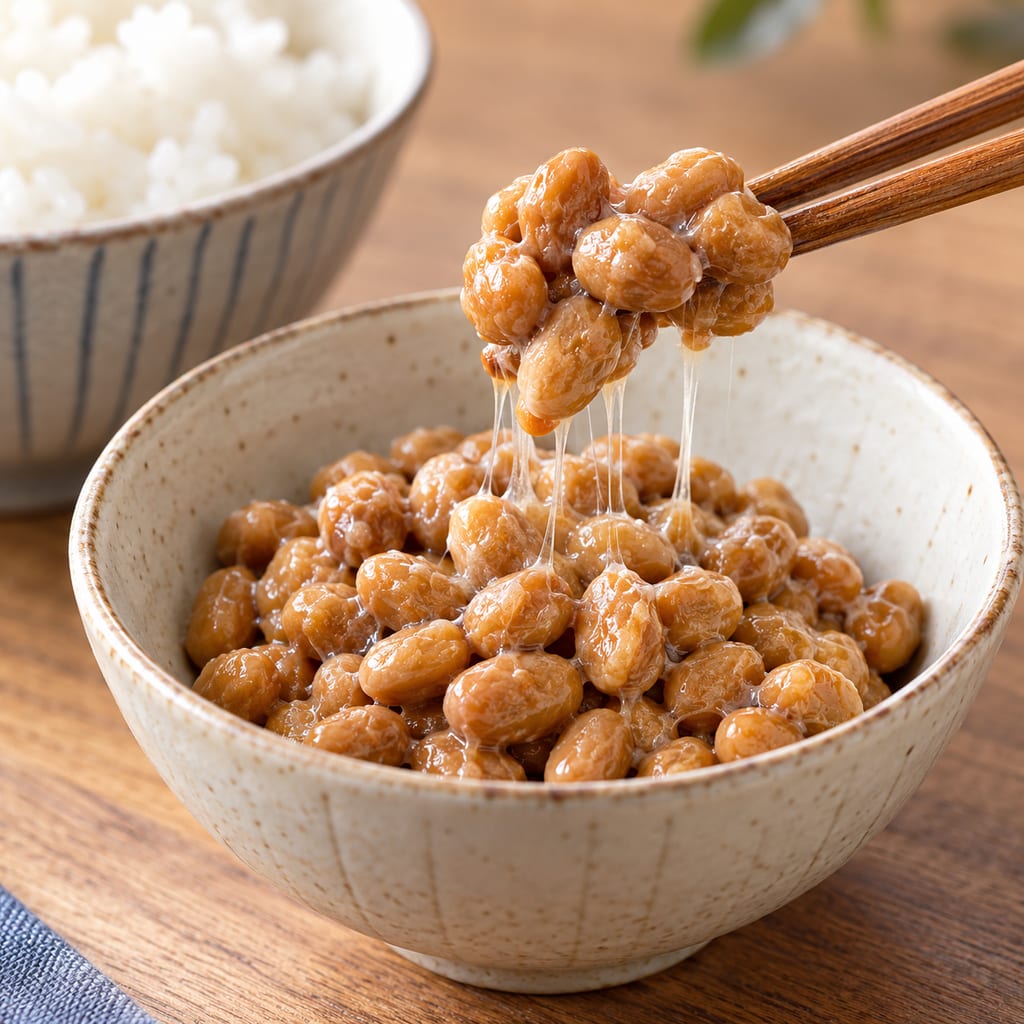
Natto is a Japanese fermented soybean food with a sticky coat and long strings, made by steaming soybeans and inoculating them with a natto Bacillus starter, then keeping them warm.
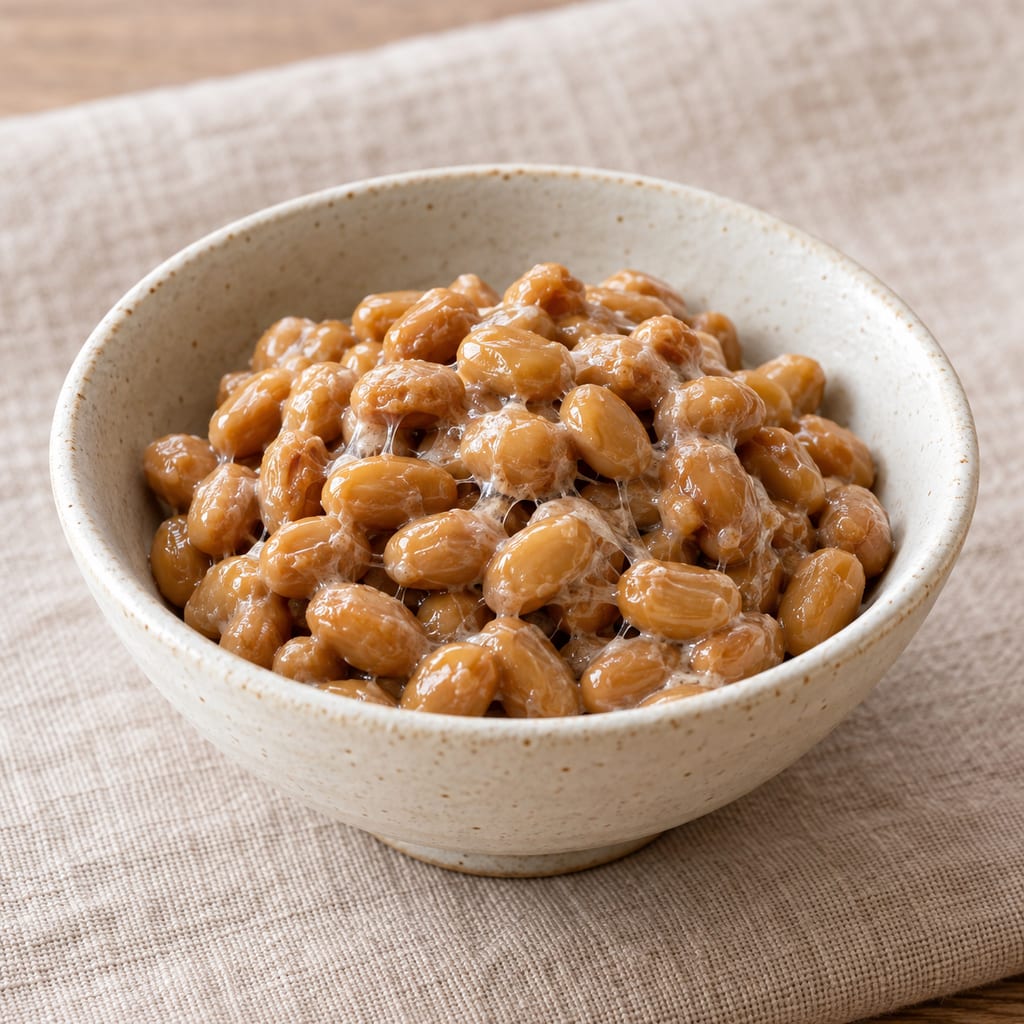
Steamed soybeans fermented by a named strain of Bacillus subtilis into Japan’s sticky, strongly savoury whole-bean food, bound by the thread-forming polymer the bacteria secrete.
No community contributions have been published for this entry yet.
Sign in to contribute. Published comments and photos are free to read.
Food Chemistry: XInspiration · Process · Geography
Impact of drying techniques on volatile aroma profiles and formation mechanisms of black soybean thua naoChiang Mai black soybean sourcing; 100 g cooked beans, 0.3 g commercial lyophilized B. subtilis; soak, steam, 37°C/80% RH fermentation and drying preparation
Cited in: What is black soybean thua nao?; Recipe at a glance; Black soybeans — 100 g cooked weight; Commercial Bacillus subtilis — 0.3 g; Potable water — quantity not stated; Optional seasonings; Equipment; Method: documented controlled preparation; Stage 1 — Clean and soak the beans; Stage 2 — Steam; Stage 3 — Cool; Stage 4 — Inoculate; Stage 5 — Ferment; Stage 6 — Grind; Stage 7 — Form discs; Stage 8 — Drying treatments; What happens during fermentation?; Proteolysis; Alkaline metabolism; Changes in carbohydrates; Drying chemistry; Fresh and dried forms; Regional variations; How to eat it; How to judge the process; Safety and storage; Why this recipe is important
International Journal of Gastronomy and Food ScienceHistory · Geography
Volatile profiles and aroma-active components of Northern Thai fermented soybean (thua nao) produced from controlled and uncontrolled fermentationsThua nao's Northern Thai culinary association and distinction between controlled starter and indigenous fermentation
Cited in: What happens during fermentation?; Drying chemistry; Why this recipe is important
Food Standards Australia New ZealandSafety
Bacillus cereusB. cereus spores and toxins in cooked food
Cited in: Recipe at a glance; Potable water — quantity not stated; Equipment; Method: documented controlled preparation; Stage 1 — Clean and soak the beans; Stage 2 — Steam; Stage 3 — Cool; Stage 4 — Inoculate; Stage 5 — Ferment; Stage 6 — Grind; Stage 7 — Form discs; Stage 8 — Drying treatments; What happens during fermentation?; Drying chemistry; Regional variations; How to judge the process; Safety and storage; Why this recipe is important
BC Centre for Disease ControlSafety
Safety of fermented foods: NattoCaution that the source is natto-specific and does not validate thua nao
Cited in: Safety and storage
Thua Nao: Thai Fermented SoybeanReference
Thua Nao: Thai Fermented Soybean — Journal of Ethnic Foods, 2015Cited by the written account of this record.
Cited in: What happens during fermentation?; Drying chemistry; Why this recipe is important
Chiang Mai UniversityReference
Chiang Mai University — Thua Nao MoeCited by the written account of this record.
Cited in: Recipe at a glance; History and cultural background; Potable water — quantity not stated; Equipment; Method: documented controlled preparation; Stage 1 — Clean and soak the beans; Stage 2 — Steam; Stage 3 — Cool; Stage 4 — Inoculate; Stage 5 — Ferment; Stage 6 — Grind; Stage 7 — Form discs; Stage 8 — Drying treatments; What happens during fermentation?; Drying chemistry; Regional variations; How to judge the process; Safety and storage; Why this recipe is important
Chiang Mai UniversityReference
Chiang Mai University — Khua Thua NaoCited by the written account of this record.
Cited in: Recipe at a glance; History and cultural background; Potable water — quantity not stated; Equipment; Method: documented controlled preparation; Stage 1 — Clean and soak the beans; Stage 2 — Steam; Stage 3 — Cool; Stage 4 — Inoculate; Stage 5 — Ferment; Stage 6 — Grind; Stage 7 — Form discs; Stage 8 — Drying treatments; What happens during fermentation?; Drying chemistry; Regional variations; How to judge the process; Safety and storage; Why this recipe is important
sciencedirect.comReference
Effects of Drying on Volatile Stability and Antioxidative Activity, 2024Cited by the written account of this record.
Cited in: What happens during fermentation?; Drying chemistry; Why this recipe is important