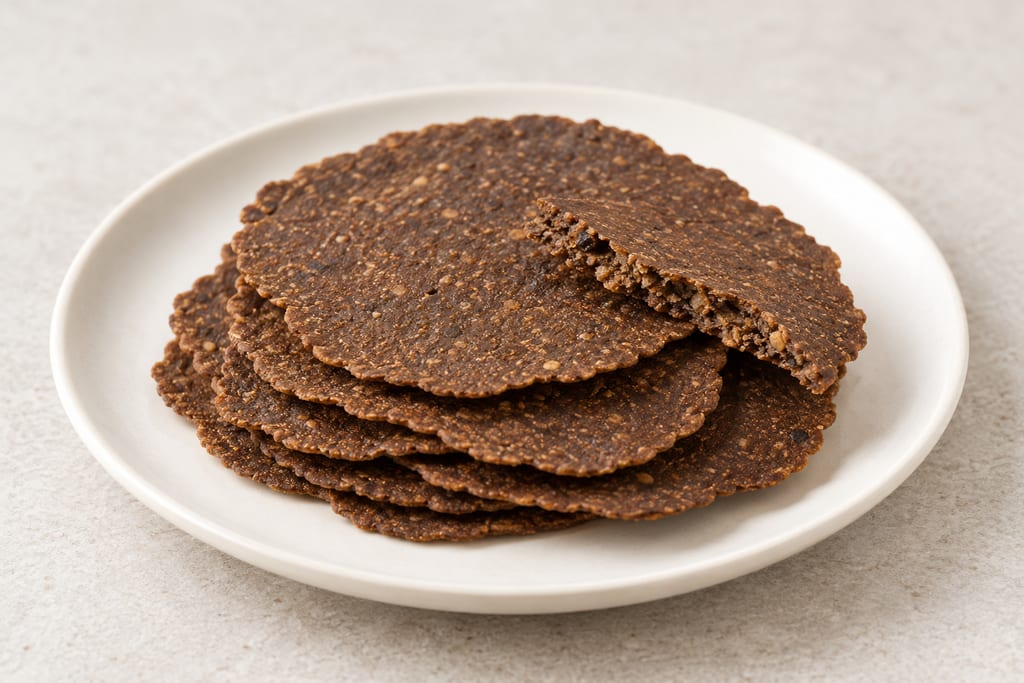
Black soybean thua nao with Bacillus subtilis
Black soybeans cooked, inoculated with a named Bacillus subtilis culture and fermented warm and humid into northern Thailand's thua nao, then optionally dried into thin discs.
 FermenteaWhere food goes to change
Substrates
Soybeans are the mature dry seeds of Glycine max, about 40 percent protein and 20 percent oil, the substrate of tempeh, natto, miso, soy sauce and many other fermented foods.
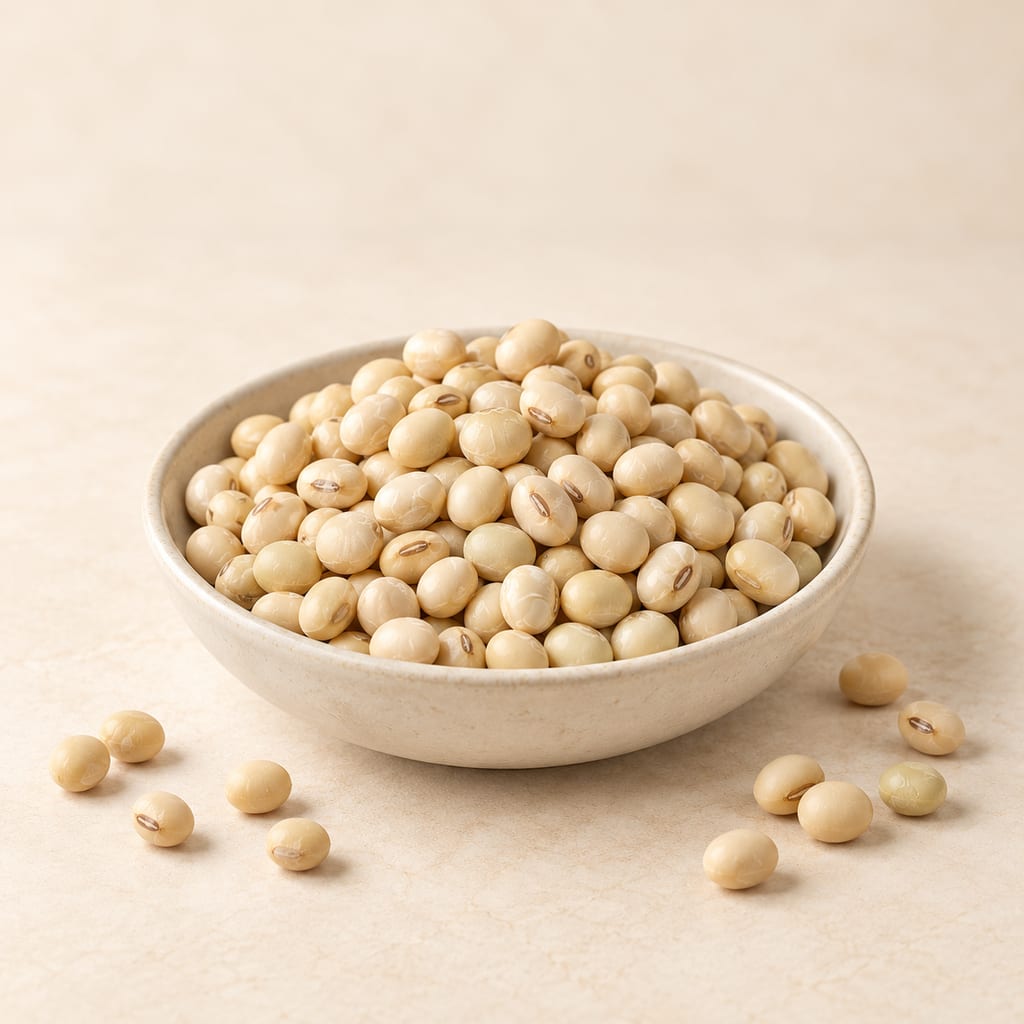
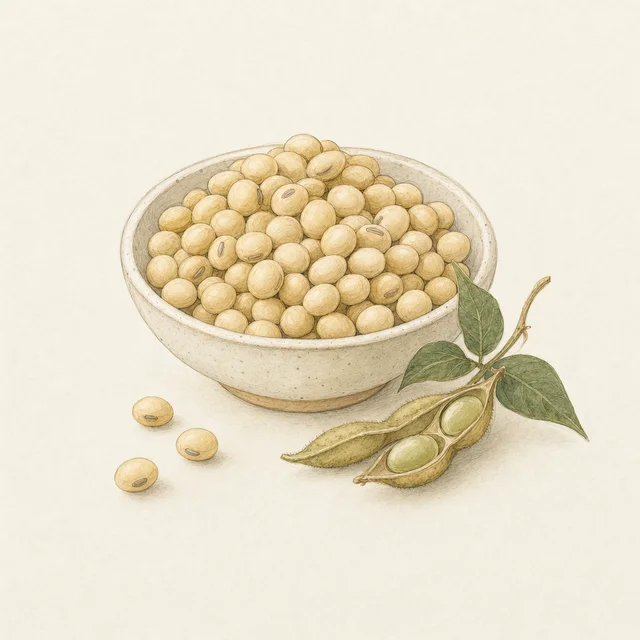
Soybeans, Glycine max, supply the beans for tempeh, natto and a long line of fermented seasonings. A firm cake bound by mould, sticky whole beans and a mature salty paste begin with the same crop but develop through different organisms and processing. The ingredient described here is the mature dry bean used as a substrate, not any of those finished foods. In Chinese it is dàdòu (大豆), in Japanese daizu (大豆), and in Korean kong (콩) or daedu (대두).
The crop belongs to the legume family, Fabaceae, and the genus Glycine; Kew accepts Glycine max (L.) Merr. as its name. Its wild relative in East Asia, the wild soybean, is the reference against which archaeologists judge ancient charred seeds. The beans grown for food and oil have been bred far from it: the seed of an industrial soybean weighs about 18 to 20 grams per 100 beans, and the seeds of the “vegetable” varieties grown for eating are considerably larger.
Charred soybeans from archaeological sites show how long the association is. A 2011 study measured 949 charred specimens from 22 sites in China, Japan and Korea. Small-seeded soybeans were already associated with people as long ago as 9000 to 8600 years before present in northern China and 7000 years before present in Japan. Direct radiocarbon dates on seeds show selection for large seeds in Japan by 5000 years before present, in the Middle Jōmon period, and in Korea by 3000 years before present, in the Early Mumun period. Seeds from the Shang to the Han periods in China are similar in length to the large Korean and Japanese specimens, though the large Jōmon and Mumun seeds are bigger overall than any of the Chinese ones. The authors conclude that the record disconfirms a single domestication and supports domestication in several places in East Asia. Historical documents, they add, show that soybean was an important crop in China by the Zhou dynasty, around 2500 years before present.
A charred bean preserves evidence about the crop and none about the recipe in which it was used, so the histories of soybean cultivation, tempeh, natto and miso are separate. Tempeh is the only fermented soy food that did not originate in China or Japan: its earliest mention is in a seventeenth-century manuscript from Java. Written records of fermented soybean foods in Asia reach back nearly a thousand years to 1052, and their exact origin is unclear.
Food uses have encouraged selection for different soybean traits. Japan’s agriculture ministry describes natto production as using small or very small beans, while the beans selected for miso include medium and larger sizes. Beans for tofu are selected in part for protein content, and beans served whole may be chosen for size, appearance and eating quality.
Seeds differ in shape and colour as well as size. The seed ranges from almost spherical, as in the industrial varieties grown for oil, to elongated and flat, as in the vegetable types. The coat may be yellow, green, brown or black; industrial lots are yellow, and seeds of other colours in a lot are treated as a defect. Soybeans are sold by grade according to test weight, damaged seeds and the share of green, brown or black beans, and moisture is always specified. Edamame is a different harvest of the same crop: the full green pods are picked before the plant dries and yellows, and the beans are cooked fresh. The substrate of the fermented foods here is the mature dry bean.
A mature soybean is about 40 percent protein and 20 percent oil on a moisture-free basis. Carbohydrate, sugars and fibre together, comes to roughly a third of the seed: FAO gives about 30 percent in one table and 35 percent for the whole seed in another, with about 5 percent ash. Breeding has produced protein levels between 40 and 45 percent and oil between 18 and 20 percent; a 1 percent rise in protein usually comes with a fall of about 0.5 percent in oil. Almost all of the oil and protein sits in the two cotyledons, which make up 90 percent of the seed by weight; the hull is about 8 percent of the weight and mostly carbohydrate.
The protein is mostly globulins. Two storage fractions dominate: the 11S fraction, glycinin, the principal protein of the bean, and the 7S fraction, whose main component is beta-conglycinin; together they make up about 70 percent of the total. Their solubility depends on acidity: close to 80 percent of the protein in raw beans can be extracted at neutral or alkaline pH, and solubility drops to a minimum around pH 4.2 to 4.6. Soybean protein is relatively rich in lysine for a plant protein, and its limiting amino acids are the sulphur-containing methionine and cystine.
The sugars are sucrose (about 5 percent of the bean), stachyose (about 4 percent) and raffinose (about 1 percent), with some 20 percent insoluble fibre. Stachyose and raffinose are not broken down by human digestive enzymes and are fermented by gut microbes, which is the source of the flatulence associated with pulses. Unlike other legumes the soybean contains very little starch, less than 1 percent. That is why soybean fermentations turn on protein breakdown, and why miso and soy sauce add a grain, rice, barley or wheat, as a separate source of starch.
Enzymes that break proteins into peptides and amino acids change the flavour of the bean, and in miso they contribute umami. Enzymes acting on grain starch release sugars that other organisms can use. The oil, rich in linoleic acid (about 52 percent of the fatty acids in a typical analysis) and linolenic acid (about 7 percent), is prone to oxidation, and breaking the seed brings lipoxygenase, an enzyme that oxidises polyunsaturated fatty acids, into contact with its substrate and produces the beany flavour that makes raw soy products taste of green beans or paint.
The soybean grows well on nearly every kind of soil except deep sands that hold little water. The best soil pH is 6.0 to 6.5, and rainfall of 500 to 700 millimetres supports good yields, with water supply mattering most while the pods fill. It is a short-day plant: it flowers when the nights begin to lengthen, and breeders have produced varieties of different maturity groups so that the crop can be grown across a wide range of latitudes. Like other legumes, it fixes nitrogen through nodule bacteria in the soil, and up to half of the plant’s nitrogen can come from that source. The crop is planted in late spring or early summer and matures in early to mid-autumn. It is harvested ideally at about 13 percent water, the highest safe level for long storage: wetter beans need forced-air drying, and beans that are too dry crack and split during mechanical harvesting.
The scale of the crop is modern. FAOSTAT records a world harvest of 397.7 million tonnes of soya beans in 2024, from 143.2 million hectares, against 26.9 million tonnes from 23.8 million hectares in 1961; the average yield has risen from 1.13 to 2.78 tonnes per hectare. Brazil harvested 144.5 million tonnes, the United States 118.8 million, Argentina 48.2 million, China 20.7 million, India 15.1 million and Paraguay 11.1 million. Most of the crop is crushed for oil and meal, and the meal goes mainly into animal feed. The share that people eat directly as protein is still relatively small, and the beans for tempeh, natto and miso are a minor part of it.
The countries whose cuisines are built on fermented soybeans grow a small part of the world’s crop. China, the home of douchi, sufu and fermented bean pastes, harvested 20.65 million tonnes from 10.3 million hectares in 2024, at an average of 2.0 tonnes per hectare. Japan, the home of natto and miso, harvested 252,400 tonnes from 153,900 hectares, and the Republic of Korea, the home of doenjang and cheonggukjang, 154,954 tonnes from 74,018 hectares. Indonesia, where tempeh is a staple, harvested 227,367 tonnes from 133,376 hectares, a fraction of the 1.02 million tonnes it grew on 825,000 hectares in 2000.
Raw soybeans contain proteins that interfere with digestion. There are two families of trypsin inhibitors, the Kunitz inhibitor of about 20,000 daltons and the smaller Bowman–Birk inhibitor of about 8,000. Rats and chicks fed raw soybean grew poorly, and the effect disappears when the soybean is properly heated. The inhibitors also increase pancreatic secretion and enlarge the pancreas in animals. There is no direct evidence of their effect in humans, but removing or inactivating them has become standard practice for products meant for people. The lectin in raw soybeans, which agglutinates red blood cells, has no observable dietary effect and is also easily destroyed by heat. Residual urease activity is still sometimes used as a sign that soy meal has been heated insufficiently.
Seed structure changes how heat reaches these proteins. A Japanese study that boiled intact and crushed soybean seeds in water found different rates of trypsin-inhibitor inactivation under the same conditions, so a cooking result for intact beans cannot be assumed to hold for flour or crushed beans.
Soy flour is made by finely grinding dehulled whole beans or defatted flakes from dehulled beans; to be called soy flour, at least 97 percent must pass through a 100-mesh screen. Grits have the same composition in a coarser grind, graded coarse (10 to 20 mesh), medium (20 to 40) or fine (40 to 80). Full-fat flour keeps the bean’s 18 to 20 percent oil; defatted flour, made from solvent-extracted flakes, has less than 1 percent. Typical analyses on a moisture-free basis give soybeans 42.6 percent protein and 20.0 percent fat, full-fat flour 46.6 percent protein and 22.1 percent fat, and defatted flour 59.0 percent protein and 0.9 percent fat. Heat treatment shows in the nitrogen solubility index: flour from white flakes has a value of about 80 percent, and flour from toasted flakes 10 to 20 percent.
Dehulling takes out the hull and so lowers fibre and raises protein. Whole-bean tempeh and natto depend on the intact bean; miso and doenjang depend on beans mashed after cooking; kinako is roasted, ground bean. Each starts from a different physical form of the same seed.
In tempeh the soybean stays whole. The beans are dehulled, because the mould must be able to penetrate each one, soaked for 6 to 24 hours, boiled for about 20 to 30 minutes and cooled to between 25 and 37°C. They are then inoculated with Rhizopus mould (R. oligosporus, R. oryzae and others) and held in moist, draining conditions for roughly one to three days at no more than 42°C and 75 to 85 percent relative humidity. The mould’s mycelium binds the beans into a firm cake, and its enzymes digest protein into amino acids and lipids into fatty acids, break isoflavone glycosides into aglycones, reduce phytate and produce vitamin B12. The Codex standard describes tempeh as a compact cake of dehulled soybeans fermented with Rhizopus, white from the mould, with a nutty, meaty, mushroom-like flavour and no ammonia smell, at 15 percent protein or more and 65 percent moisture or less.
The fermentation is alkaline: as the mould releases ammonia into the beans, the pH rises from about 4 to about 7. Lactic acid bacteria, or added lactic or acetic acid, acidify the soak, which stops spoilage organisms growing while the beans hydrate. Tempeh is rarely eaten without a further cook; it is steamed, baked, boiled or fried after fermentation.
Natto uses the bean differently. Small soybeans are soaked at 4°C or below, cooked under pressure (15 to 20 psi for 20 to 30 minutes), cooled and inoculated with Bacillus subtilis natto, then held at about 40 to 50°C with humidity at 85 to 95 percent, reduced to 75 percent after 15 hours. The bacterium makes poly-gamma-glutamic acid, which forms the long sticky threads between the beans. It is an alkaline fermentation too: the pH rises from 7 to 9 with ammonia. The soak is not acidified, because lactic bacteria would compete with the starter, and the fermented beans are cooled quickly to 10°C or less to stop further ammonia forming.
Natto is eaten as made, usually on rice, with soy sauce, mustard and sometimes raw egg or onion. Salted natto (shiokara-natto) is a different food, made with black soybeans and a koji mould. Rice straw, where Bacillus subtilis lives, was the older way of starting natto, and wrapped straw also absorbed the smell of ammonia; strains isolated from straw differ in their ability to make natto, and selected commercial strains now give a defined inoculum. The same sort of food is eaten under other names: douchi in China, tua nao in Thailand and chongkukjang in Korea.
In miso and soy sauce the soybean is the protein and the grain is the starch. Koji, a culture of Aspergillus oryzae grown on rice, barley or wheat, supplies the enzymes. For miso, cooked and mashed soybeans are mixed with the koji and salt, at more than 4 percent salt, and matured in a loosely covered vessel from a month to more than a year. As the mould’s growth is held back by the salt, its enzymes go on breaking proteins and carbohydrates, while yeasts and lactic acid bacteria settle in; the pH falls from about 6.0 to about 5.0, and finished miso has a water activity of about 0.80. Rice miso, barley miso and soybean miso differ in the grain of the koji, and soybean miso is strongly associated with Aichi, Gifu and Mie in Japan.
Soy sauce is made from soybeans and roasted wheat with koji and a brine of about 18 percent salt, with the liquid pressed from the matured mash. Soybean protein supplies the amino acids from which the savoury flavour comes, and the wheat supplies the carbohydrate and character. In both foods the soybean is cooked and cooled before the koji meets it.
Sufu begins with tofu, so the soybean has already been extracted and coagulated before the fermentation. In a documented mould-ripened form, diced tofu is inoculated, then salted and matured in a dressing. Douchi begins with whole fermented soybeans and, in a documented route, passes through a mould stage and then mixing and maturation. Both belong to Chinese soybean cookery.
Soybeans also enter food without fermentation. Tofu is made by extracting the components into soy milk and coagulating them, kinako by roasting and grinding the beans. Heating, extraction, coagulation, milling and fermentation each produce a different food from the same seed.
Dry soybeans keep best at 12 to 13 percent moisture. Above that mould is a danger, especially in hot weather; below it the beans crack and split in handling, and a large share of split beans raises the risk of rancidity. Store them in clean, sealed containers away from moisture and insects.
Soybeans are one of the major food allergens defined in US law, and the definition covers soybean-derived protein, so fermented pastes and condiments carry the soy declaration even though the whole bean is no longer visible.
The first place and date of soybean domestication are unsettled, and the archaeological record points to more than one centre in East Asia. The beginning of soybean fermentation is unknown.
soy
Tempeh is first mentioned in a seventeenth-century Javanese manuscript; no narrower birthplace or crop origin is assigned.
Natto and koji-based miso are documented in Japan; the country harvested 252,400 tonnes of soybeans in 2024.
Small-seeded soybean is associated with people from about 9000 years ago in northern China; the country harvested 20.65 million tonnes in 2024.
Large-seeded selection is dated to about 3000 years ago, in the Early Mumun period; the Republic of Korea harvested 154,954 tonnes in 2024.
The largest producer in 2024, 144.5 million tonnes, mostly for oil and meal.
The second-largest producer in 2024, 118.8 million tonnes.
Black soybeans cooked, inoculated with a named Bacillus subtilis culture and fermented warm and humid into northern Thailand's thua nao, then optionally dried into thin discs.
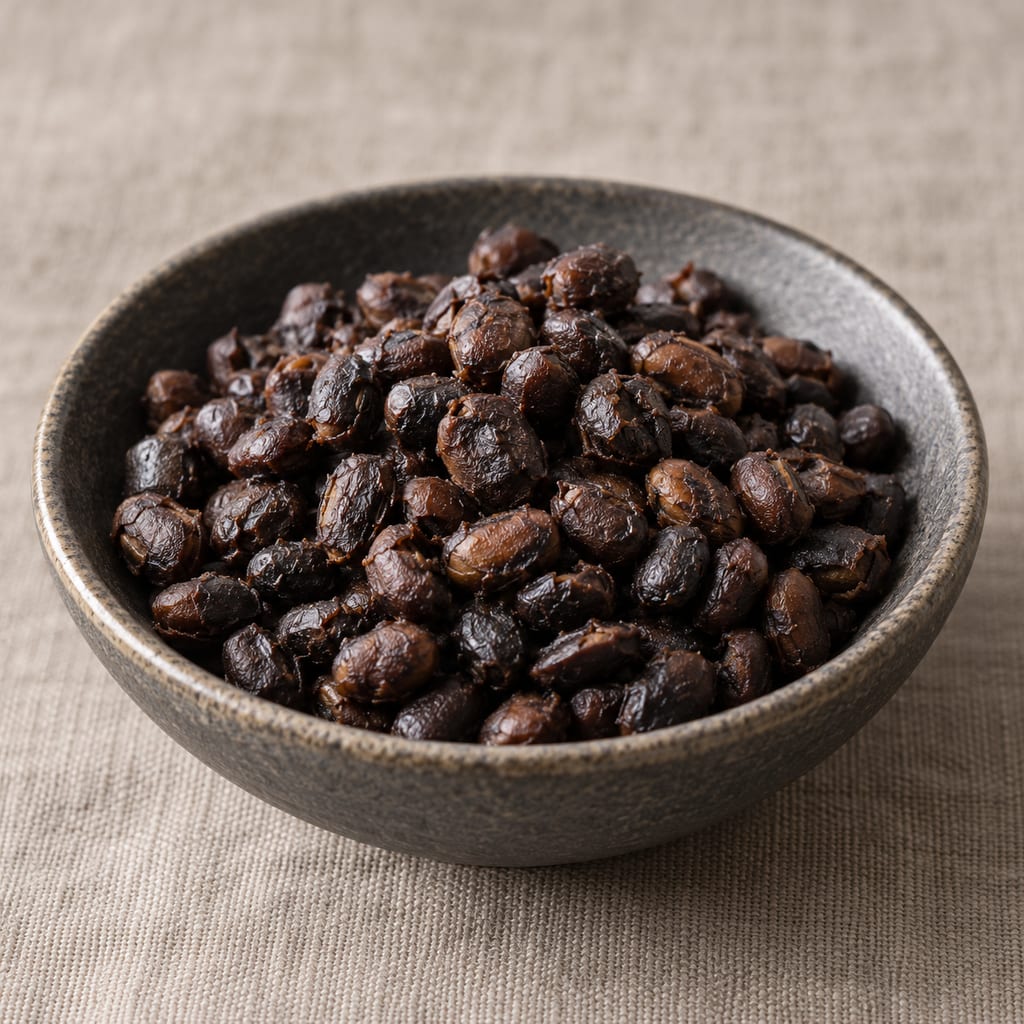
This controlled study protocol makes Aspergillus koji from soybeans and then ferments it with 4% salt. It uses a 150 g jar batch and a defined moisture target; the research method is not a validated home process.
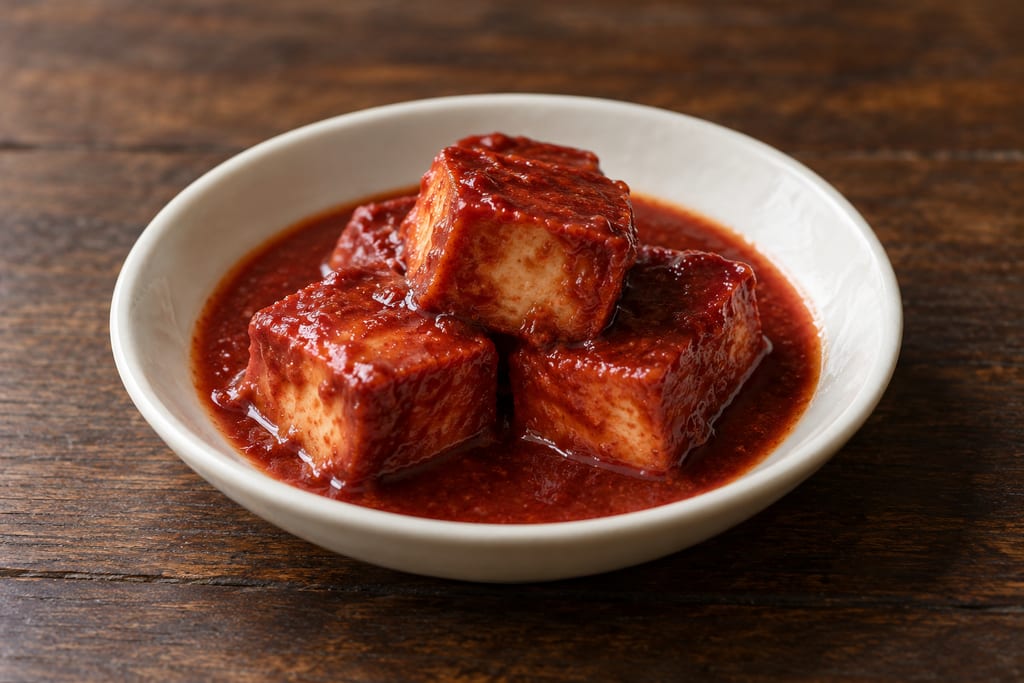
Red sufu is tofu grown with an identified Mucor racemosus mould, salted, seasoned with red pepper and zanthoxylum, then matured under brine for 180 days.
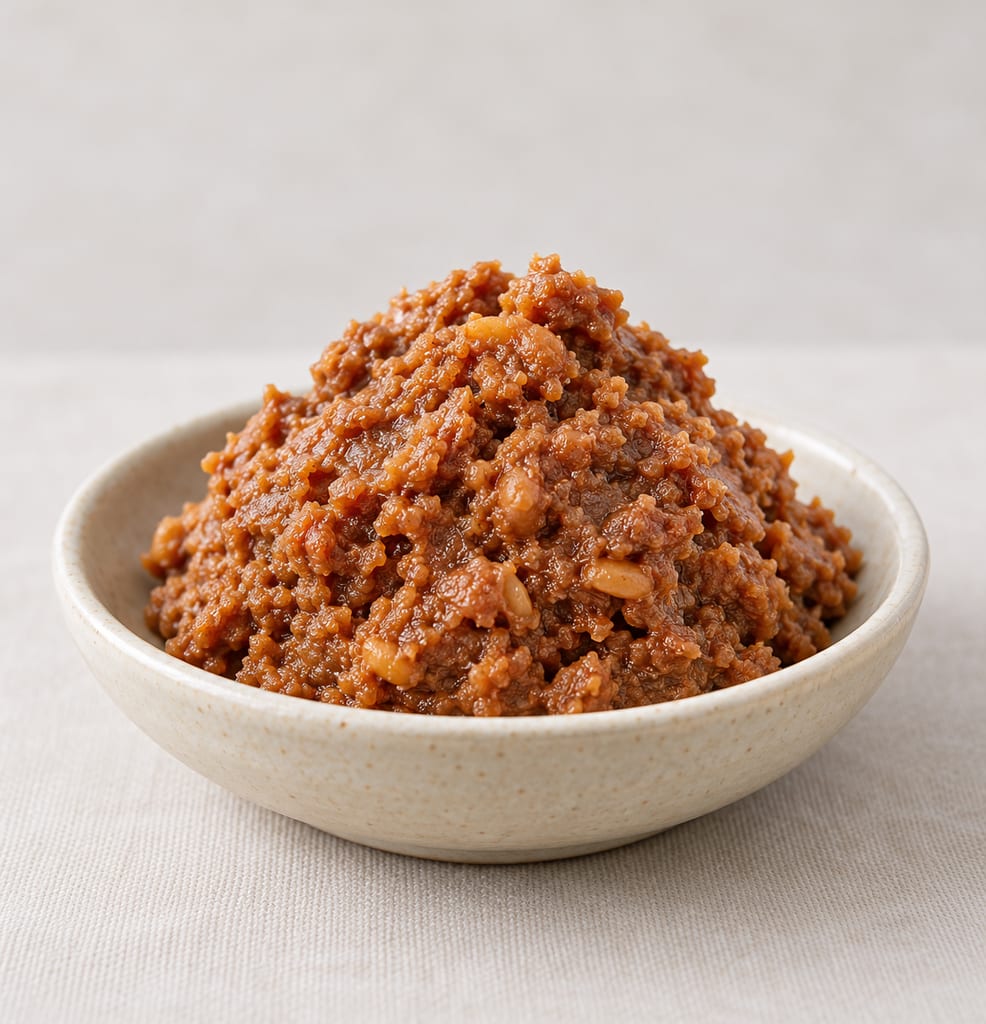
A Korean fermented soybean paste built on rice koji instead of traditional meju blocks, matured warm for thirty days with salt holding the water activity down.
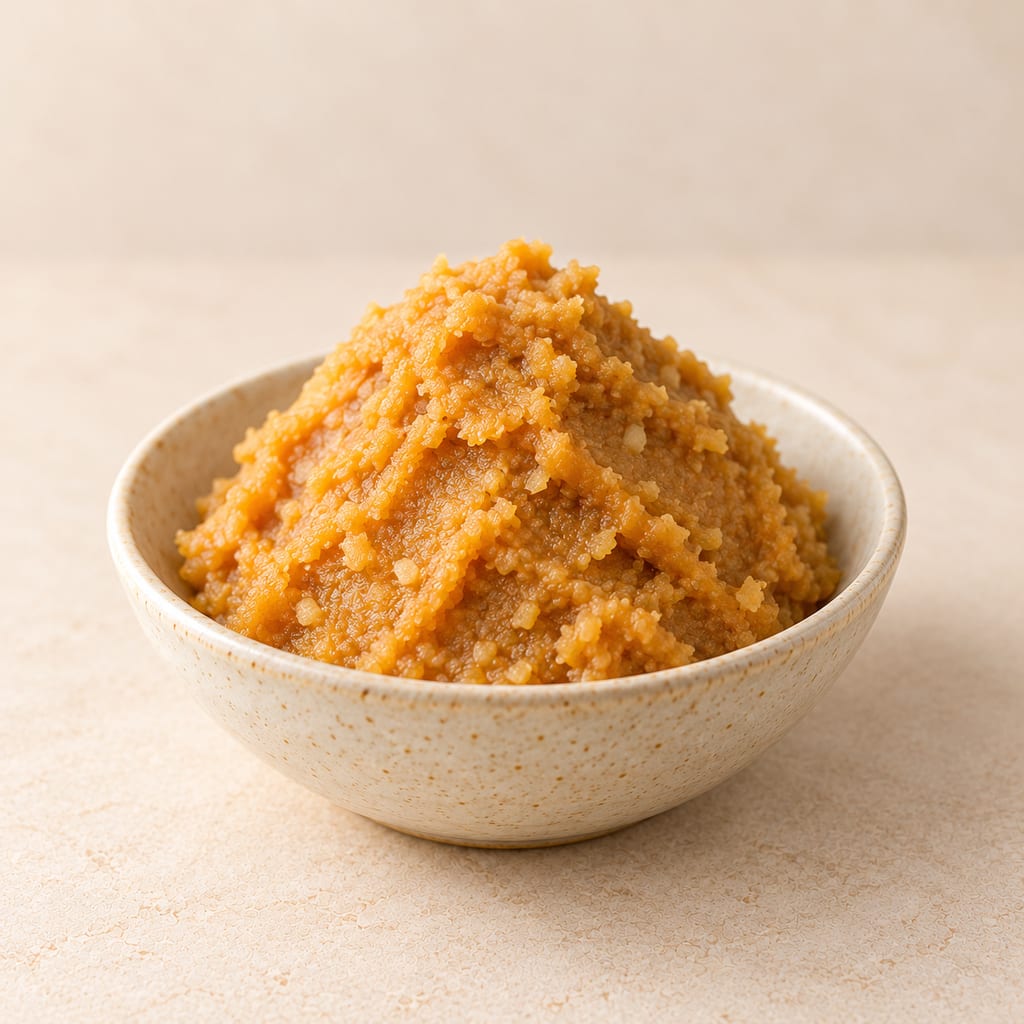
A traditional Japanese fermented paste made by mixing cooked soybeans with rice koji and salt. This guide details the ratio, the long enzymatic breakdown, and the months-long maturation required for depth.
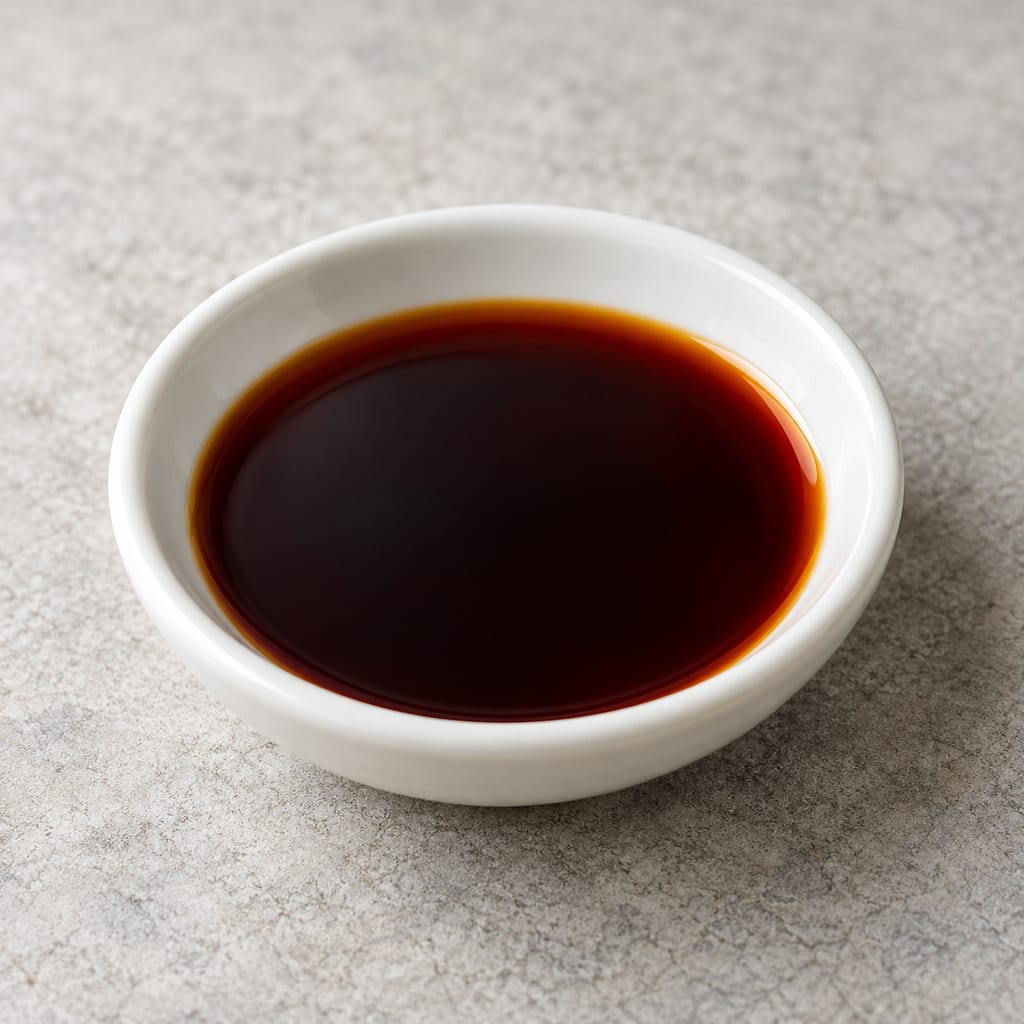
Soy sauce is a salted liquid seasoning made by growing koji mould on soybeans and grain, maturing the mash in brine and pressing out the liquid. Japan's shoyu is the best-documented form.
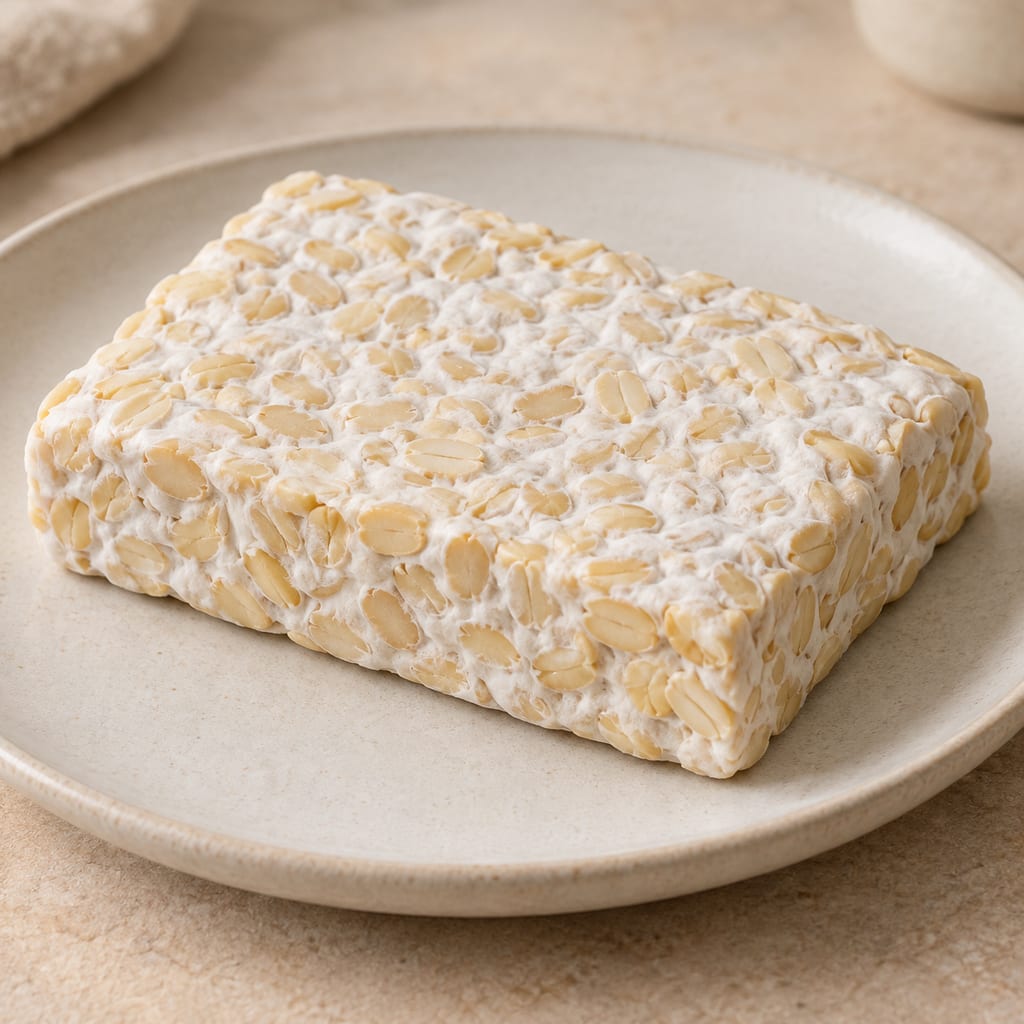
A two-cup soybean batch uses one Cultures for Health tempeh starter packet and vinegar. The supplier describes dehulling, a thin vented layer, controlled early incubation and attention to self-heating; it is not a validated home process.
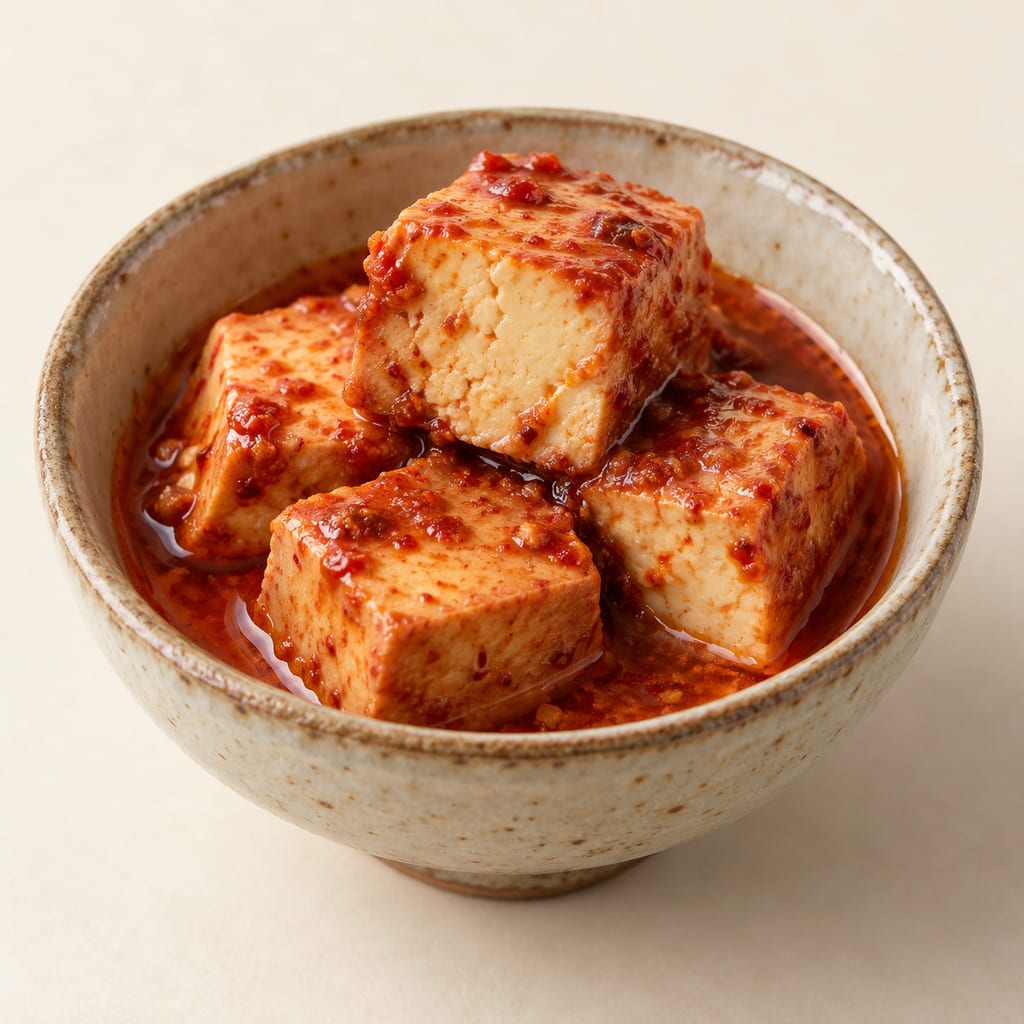
Sufu, or furu, is Chinese fermented tofu: bean curd is salted and ripened, often after a mould stage, into a soft, creamy, intensely savoury condiment.
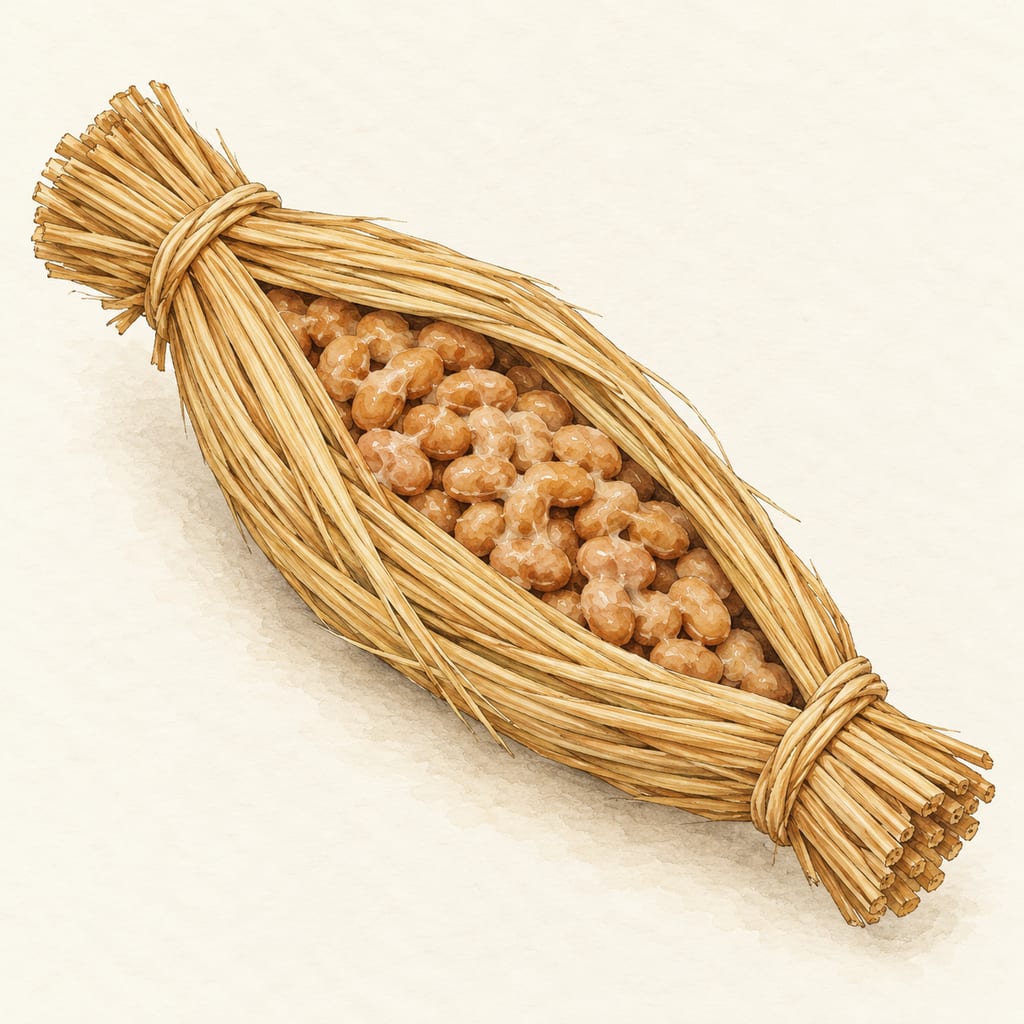
A natto warazuto is a rice-straw bundle that encloses soybeans during natto fermentation. Documented Japanese forms vary by region: Ibaraki examples include boat-like bundles, while Yamagata accounts describe straw tubes.
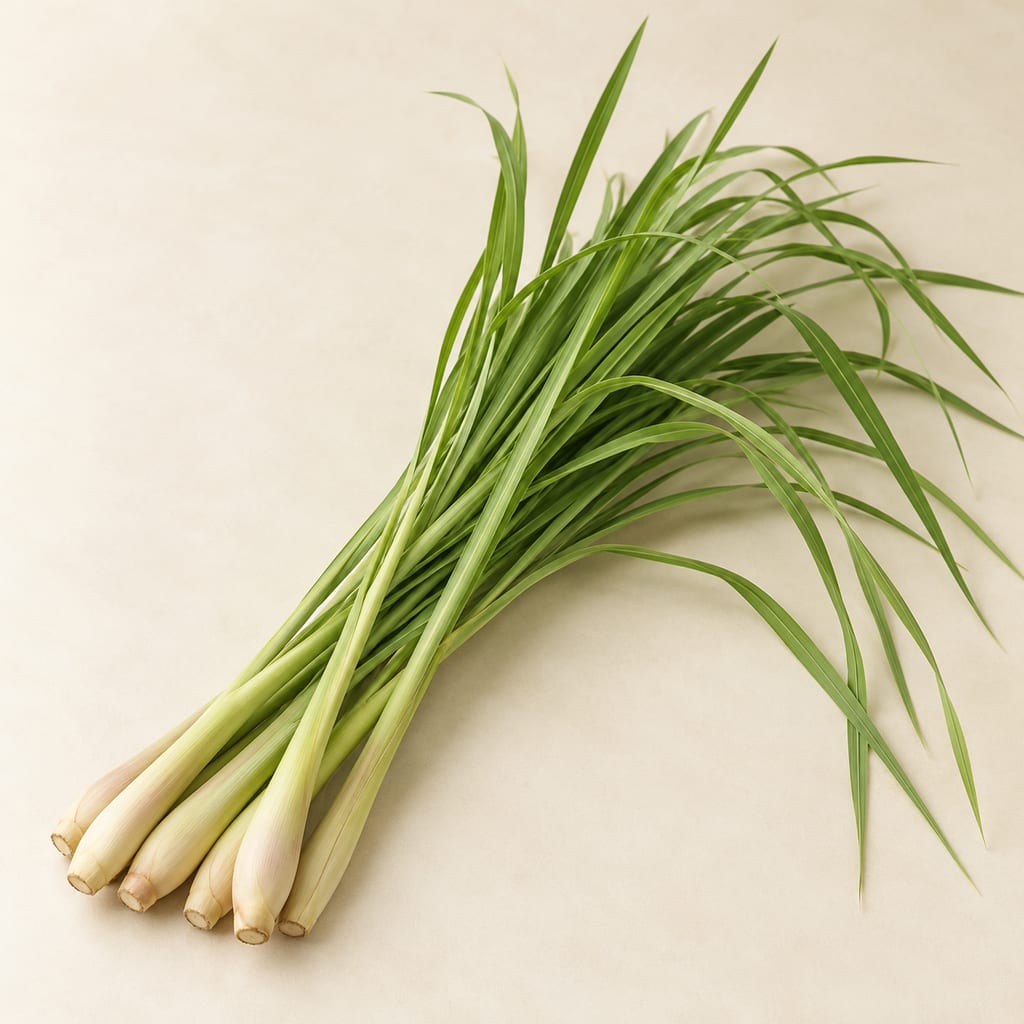
Lemongrass is Cymbopogon citratus, a tropical grass whose lemon-scented stalks and leaves flavour cooking across South and Southeast Asia. The common name also covers other Cymbopogon species.
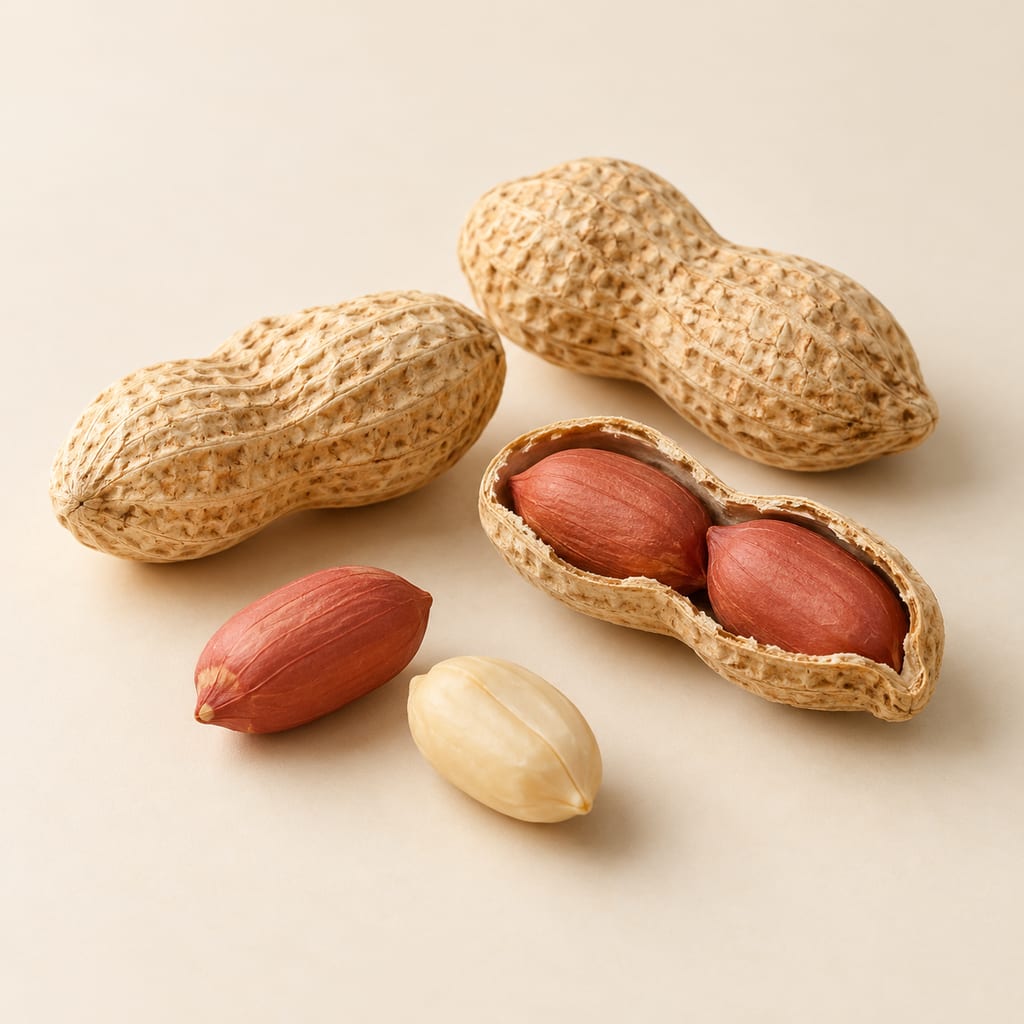
Peanuts are the edible seeds of Arachis hypogaea, a cultivated legume. They are eaten whole, roasted and ground, and peanut oil-press cake is a separate byproduct used in some fermentations.
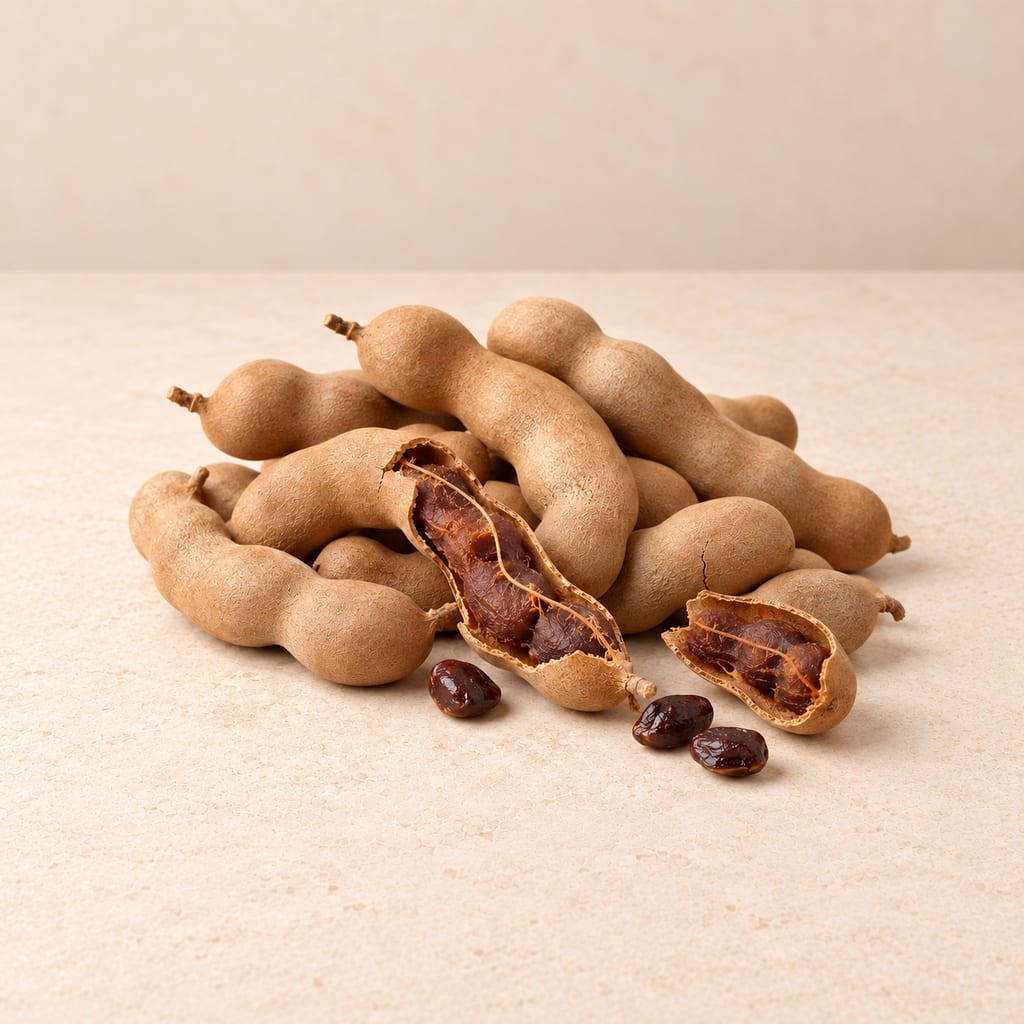
Tamarind pulp is the sweet-sour flesh of Tamarindus indica. It brings a tartaric-acid-led fruit flavour to chutneys, sauces and drinks; water content and sourness vary across forms and brands.

At North Abydos in Egypt, a fixed early Dynastic brewery comprised parallel semi-subterranean installations with rows of ceramic mash vats; excavation reports revise their number, scale and estimated batch capacity.

Ají amarillo is the orange-yellow Peruvian chilli cultivar group of Capsicum baccatum, used to colour and season huancaína sauce and ají de gallina. Published heat estimates do not establish one range for the named cultivar.

Toasted almonds are whole sweet almond kernels dry-roasted until golden to brown. Heat replaces their marzipan note with a roasted, nutty one; they thicken and flavour romesco.

Kodiak salmon, halibut and cod cut as seg'aq and hung on an initaq rack to become tamuuq, with kac'amaasaq and kupcuunaq named as different results.

Aniseed is the dried ripe fruit of Pimpinella anisum, an aromatic Apiaceae spice commonly called a seed. It adds a sweet, warm aroma to breads such as Moroccan krachel and South African mosbolletjies, and is distinct from star anise.

A fixed Late Chalcolithic installation in Areni-1 cave combined a shallow clay pressing basin with a large jar set into the cave floor and storage vessels nearby.

Ripe avocado flesh is the soft, buttery, fat-rich pulp of Persea americana, eaten raw. It is low in acid, so it is a fresh ingredient that needs care in chilled dishes.

A portable dome and pan used over a hearth, with embers on the lid and heat from below. Regional peka and saç forms share this principle while differing in materials, pan shape and how the food is cooked.
No community contributions have been published for this entry yet.
Sign in to contribute. Published comments and photos are free to read.
British Columbia Centre for Disease ControlFermentation function · Safety
Section 3.9: Tempeh — Lorraine McIntyre, updated December 2024Tempeh: dehulled soybeans soaked 6 to 24 h, boiled, cooled to 25 to 37 C, inoculated with Rhizopus, 1 to 3 days at up to 42 C; alkaline fermentation pH 4 to 7; Codex standard; earliest mention in a seventeenth-century Javanese manuscript
Cited in: One bean, several fermentation traditions; Tempeh: the bean as a cake held by mould
British Columbia Centre for Disease ControlFermentation function · Safety
Section 3.10: Koji foods: miso, soy sauce and amazake — Lorraine McIntyre, updated December 2024Koji and miso: soybeans plus koji and salt, more than 4 percent salt, matured one month to over a year, pH about 6.0 to 5.0, water activity about 0.80; soy sauce with about 18 percent salt
Cited in: One bean, several fermentation traditions; What the bean supplies to fermentation; Koji, miso and soy sauce: the bean as a source of protein
Applied and Environmental Microbiology; full text via PubMed CentralFermentation function
Phylogenetic Analysis of Bacillus subtilis Strains Applicable to Natto (Fermented Soybean) Production — Yuji Kubo et al., 2011Bacillus subtilis strains applicable to natto production; rice straw isolates differ in natto-making ability
Cited in: Natto: the bean coated in a bacterial polymer
Royal Botanic Gardens, KewIngredient identity · Fermentation function
Glycine max (L.) Merr.Accepted species in Fabaceae; no precise domestication centre inferred.
Cited in: One bean, several fermentation traditions
PLOS ONEIngredient identity · Fermentation function
Archaeological Soybean (Glycine max) in East Asia: Does Size Matter? — Gyoung-Ah Lee et al., 2011949 charred specimens from 22 sites in China, Japan and Korea; small-seeded soybean 9000 to 8600 cal BP in northern China and 7000 cal BP in Japan; large seeds by 5000 cal BP in Japan and 3000 cal BP in Korea; evidence supports several domestication locations; important crop in China by the Zhou dynasty
Cited in: One bean, several fermentation traditions; Open points
FAO Agricultural Services Bulletin 97Ingredient identity · Fermentation function
Technology of Production of Edible Flours and Protein Products from Soybeans, chapter 1 — Zeki Berk, 1992Origin in eastern Asia; 100-bean weights; seed colours and shapes; seed structure and composition; protein fractions and solubility; sugars and very little starch; lipoxygenase; trypsin inhibitors and lectin; fatty acids; agronomy (soil pH, rainfall, short-day, nitrogen fixation, 13 percent harvest moisture); storage moisture
Cited in: One bean, several fermentation traditions; Choosing beans for a particular food; What the bean supplies to fermentation; How the crop is grown, and where; Why raw soybeans need heat; Storing the bean, and allergy
FAO Agricultural Services Bulletin 97Ingredient identity · Fermentation function
Technology of Production of Edible Flours and Protein Products from Soybeans, chapter 4 — Zeki Berk, 1992Full-fat and defatted flour, grits and heat-treatment distinctions; not substitutes for whole beans.
Cited in: Whole beans, grits and flour
South Dakota State University ExtensionIngredient identity · Fermentation function
Edamame: Harvest and Storage — Katelyn Winberg, reviewed by Kristine Lang and Rhoda Burrows, updated 30 March 2023Immature green harvest form; not the same ingredient state as mature dry soybeans.
Cited in: Choosing beans for a particular food
Ministry of Agriculture, Forestry and Fisheries, JapanIngredient identity · Fermentation function
大豆及び大豆イソフラボンに関するQ&A, question 1Food-use cultivar selection: small natto beans, medium/large miso beans, high-protein tofu beans; no assigned cultivar.
Cited in: One bean, several fermentation traditions; Choosing beans for a particular food
Ministry of Agriculture, Forestry and Fisheries, JapanIngredient identity · Fermentation function
Soy sauce, miso, other seasonings | Traditional Foods in JapanMiso/soy sauce processes, rice/barley/soybean koji distinctions, amino acids and regional soybean miso; history not a crop origin.
Cited in: What the bean supplies to fermentation; Koji, miso and soy sauce: the bean as a source of protein
Japan Agricultural Research QuarterlyIngredient identity · Fermentation function
Function of Traditional Foods and Food Culture in China — Li-Te Li, Li-Jun Yin and Masayoshi Saito, 2004Sufu made from tofu, douchi from beans, distinct mold and salted maturation stages; no health claims or recipe numbers adopted.
Cited in: Sufu, douchi and unfermented soy foods
Nippon Shokuhin Kagaku Kogaku KaishiIngredient identity · Fermentation function
Effect of Tissue Destruction of Soybean Seeds on the Inactivation of Trypsin-Inhibitor by Heating in Water — Koutarou Morinaga, 2001Original abstract: different inhibitor inactivation in intact versus crushed beans under tested heating; no universal cooking time.
Cited in: Why raw soybeans need heat
US Food and Drug AdministrationIngredient identity · Fermentation function
What is a major food allergen?Soybeans and soybean-derived protein within US major-allergen definition; fermentation is not an allergen exemption.
Cited in: Storing the bean, and allergy
British Columbia Centre for Disease ControlMethod
Section 3.8: Natto (Safety of Fermented Foods)Natto: soaking at 4 C or below, pressure cooking, Bacillus subtilis natto, 40 to 50 C, humidity, poly-gamma-glutamic acid threads, pH 7 to 9; salted natto and other names; written records from 1052; rice straw starter
Cited in: One bean, several fermentation traditions; Natto: the bean coated in a bacterial polymer
Food and Agriculture Organization of the United NationsSourcing
FAOSTAT Crops and livestock products: soya beans (bulk download, 2025 release)2024 world production 397,671,689 t from 143,175,353 ha (1961: 26,883,158 t from 23,818,820 ha); Brazil 144.5 Mt, USA 118.8 Mt, Argentina 48.2 Mt, China 20.65 Mt (10.32 Mha), India 15.1 Mt, Paraguay 11.1 Mt; Japan 252,400 t, Republic of Korea 154,954 t, Indonesia 227,367 t
Cited in: How the crop is grown, and where