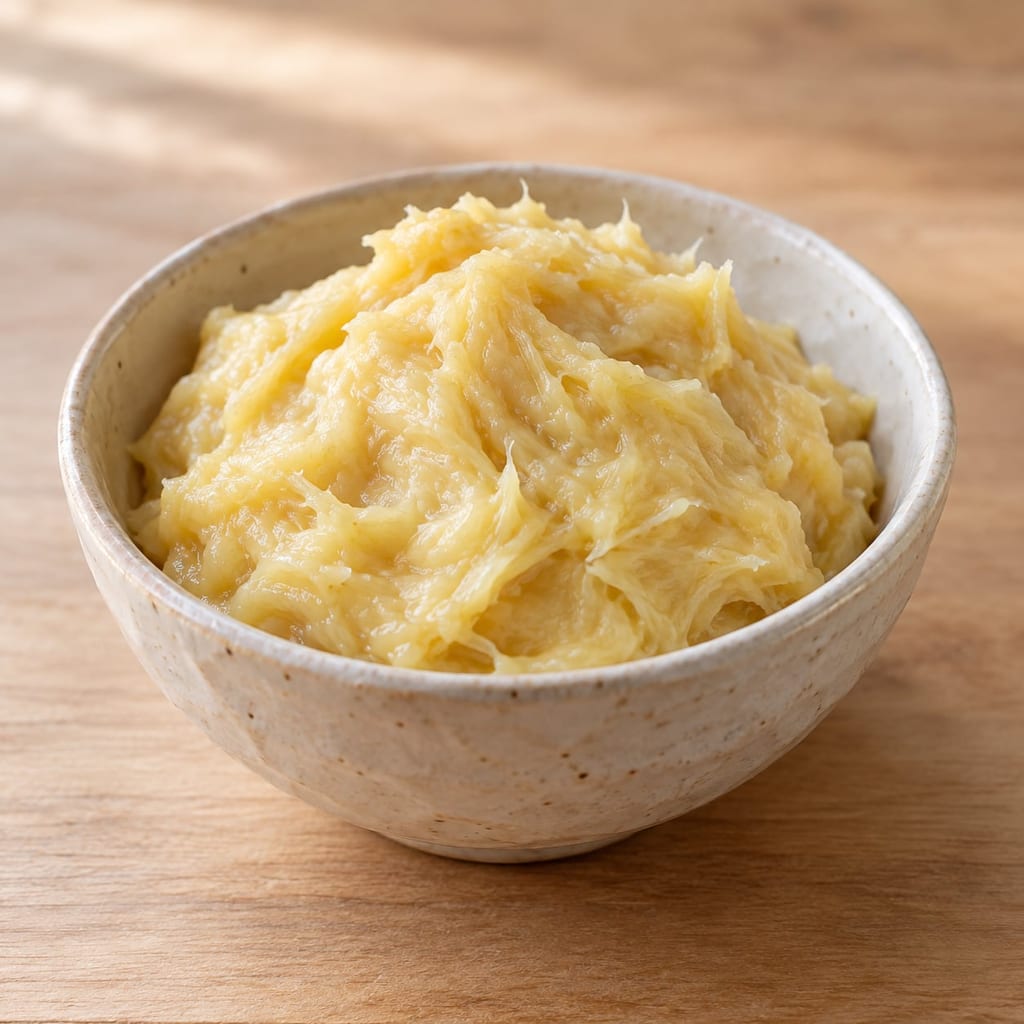
Tempoyak (fermented durian paste)
Durian flesh is mashed with salt and fermented in a covered container as a Malay condiment or cooking ingredient.
 FermenteaWhere food goes to change
Recipes by the places recorded in their sources.
Durian flesh is mashed with salt and fermented in a covered container as a Malay condiment or cooking ingredient.
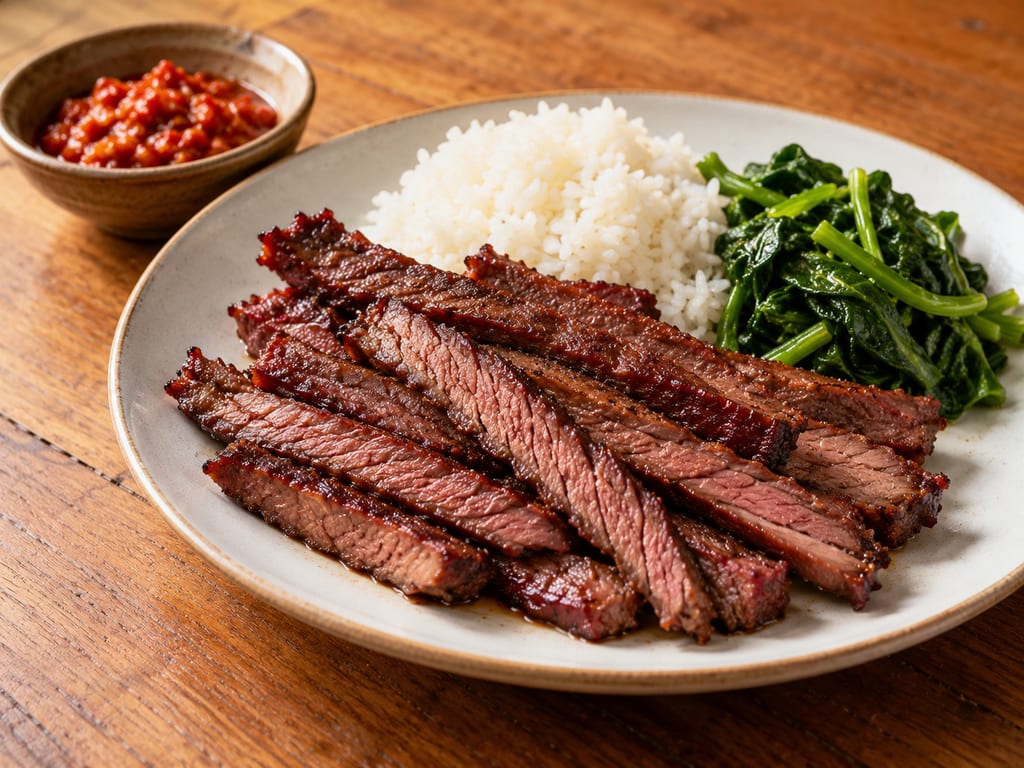
Smoked meat of Timor and Rote in eastern Indonesia: salted strips of beef or pork cooked over kosambi-wood embers under fresh kosambi leaves, served warm with rice, sambal lu'at and greens.

Hypeabis’s mini version shapes a sweet yeast dough into one crocodile, fills its body and feet with chocolate sprinkles, and bakes it at 150°C.
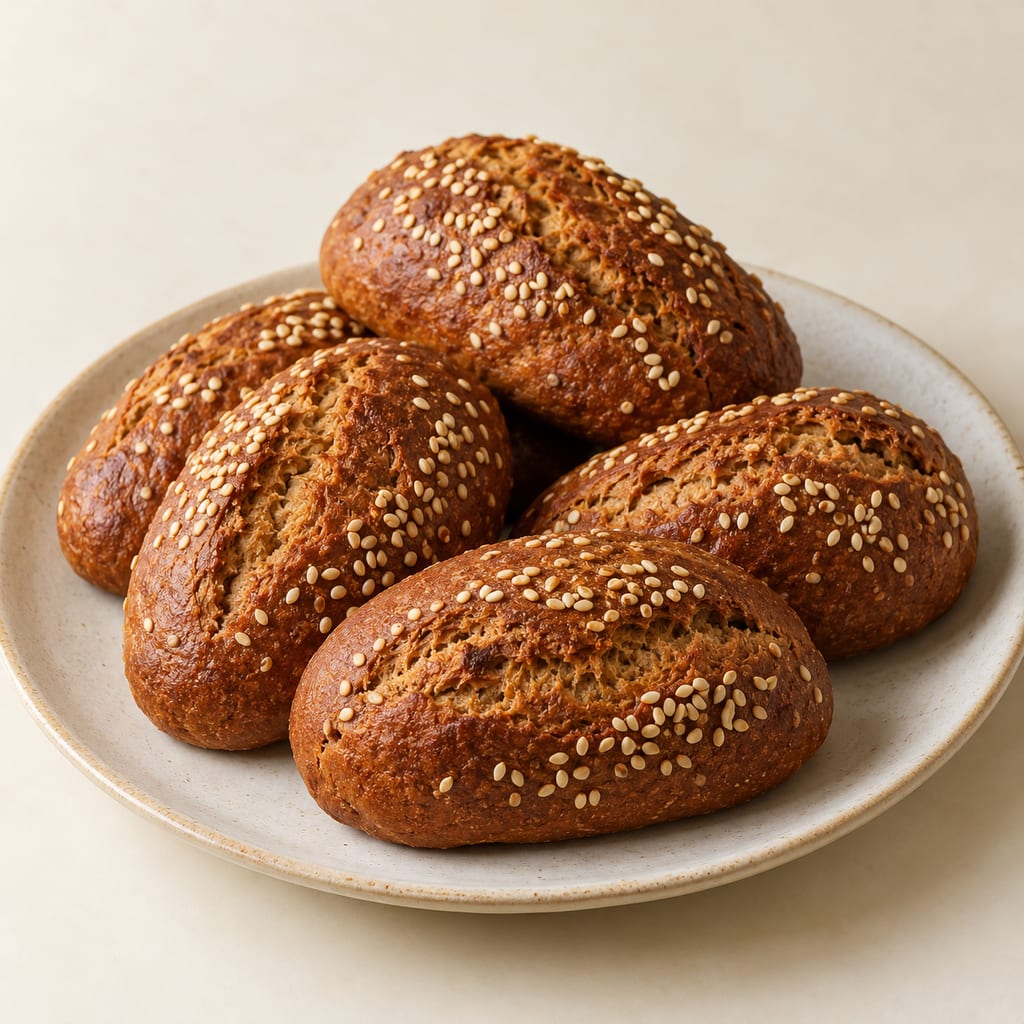
A spiced, breadcrumb-enriched Indonesian loaf raised with baking soda and baking powder, shaped into ovals and baked with sesame seeds.
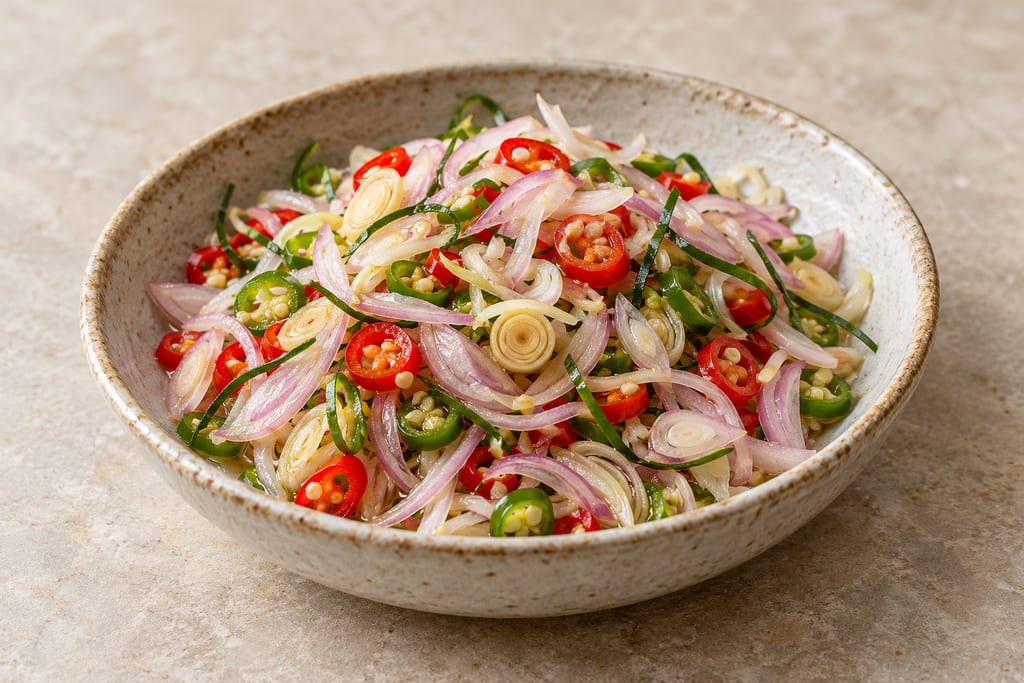
A small fresh relish of sliced shallots, chillies, lemongrass and lime leaf with lime juice, oil and salt, inspired by Balinese sambal matah.
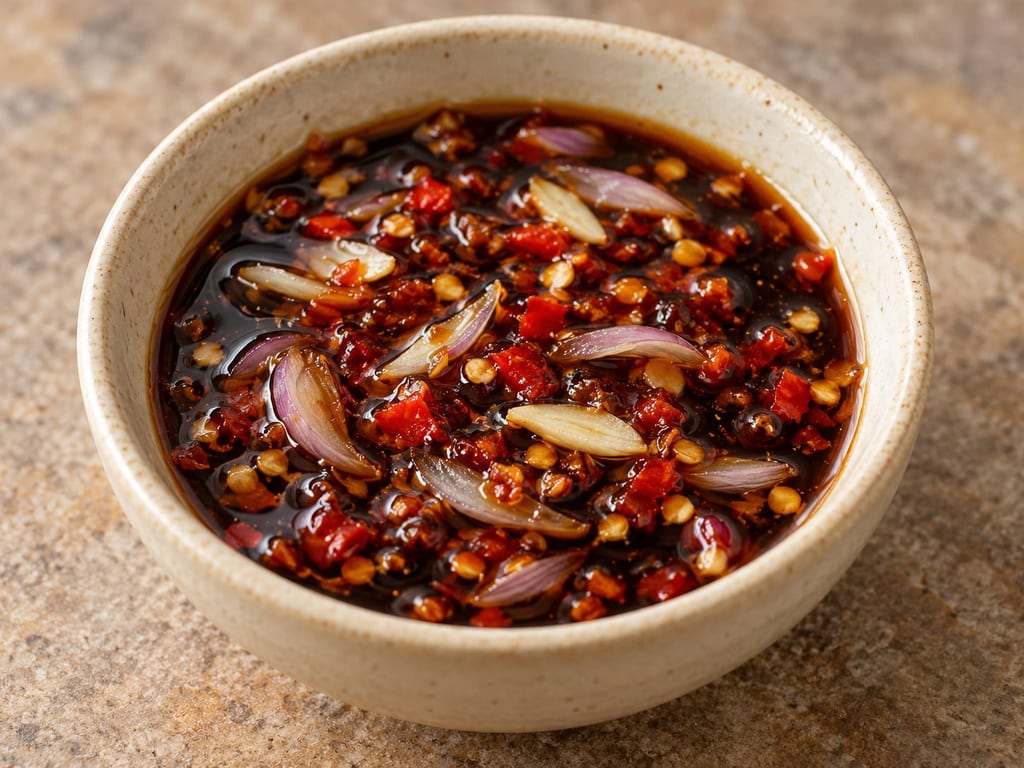
Sambal kecap is an Indonesian table condiment of fresh bird's eye chilli and shallot stirred into sweet soy sauce, served with grilled food, satay and tempe.
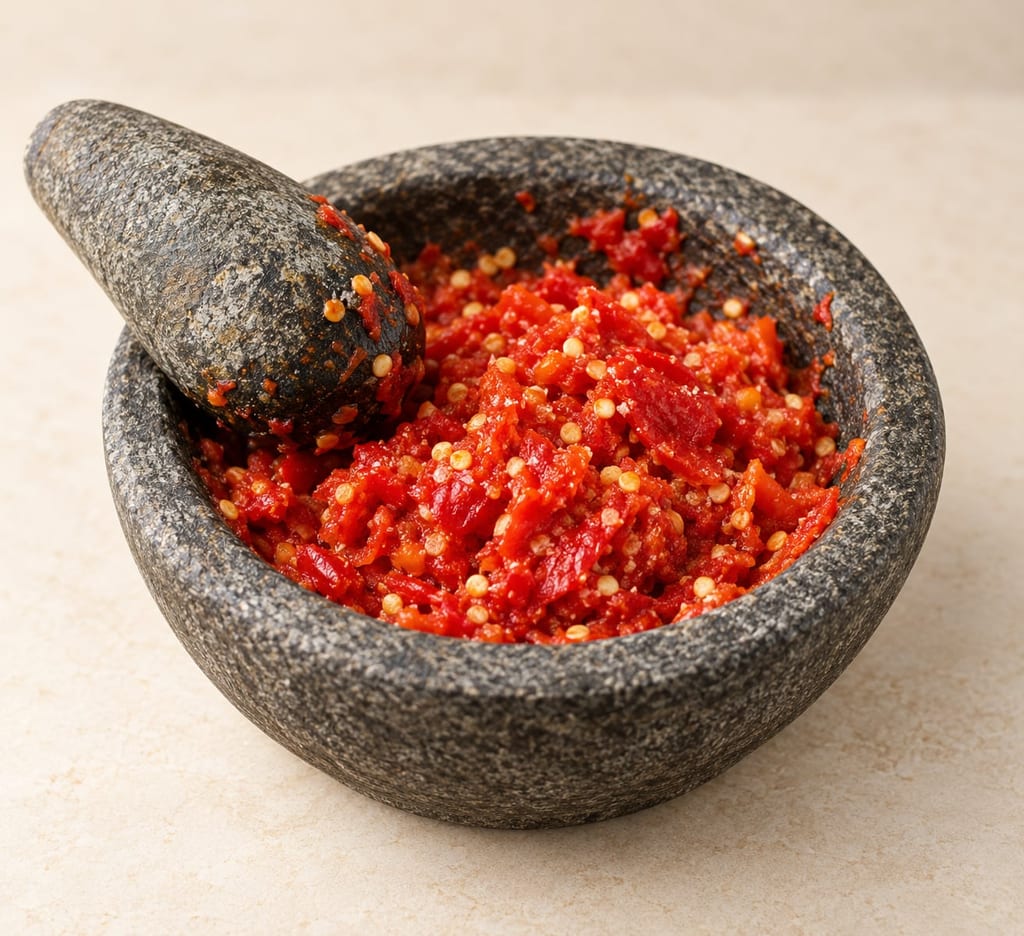
Sambal ulek or oelek is Indonesian chilli paste in its plainest form: red chillies pounded or ground with salt, here with a little vinegar.
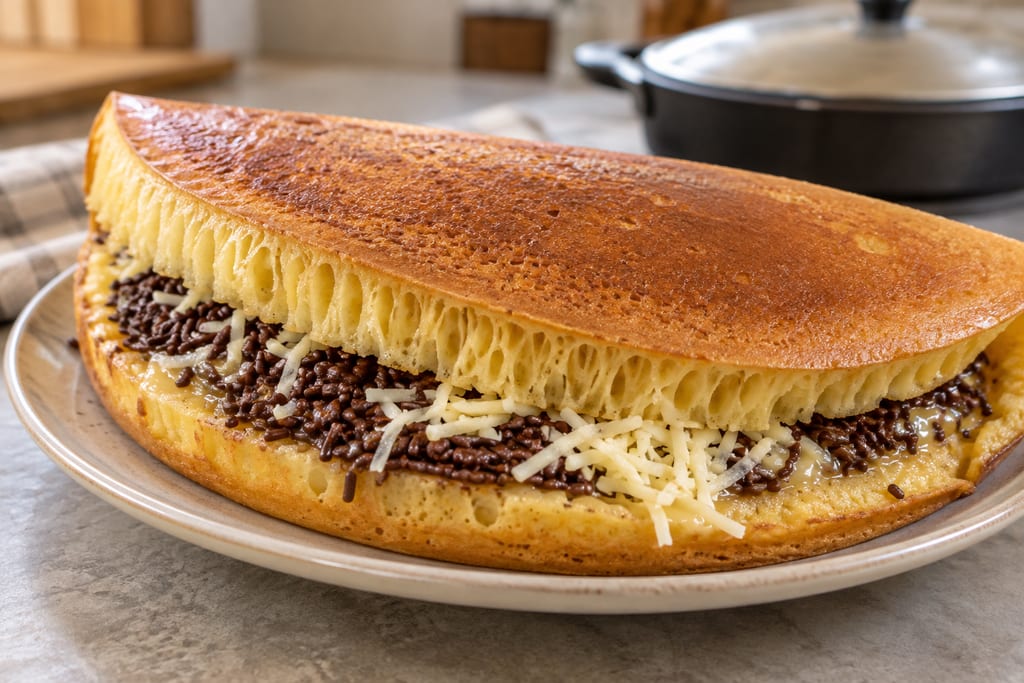
Martabak manis is a thick Indonesian griddle pancake with a porous, honeycomb crumb, cooked under a lid and finished with butter and sweet toppings.
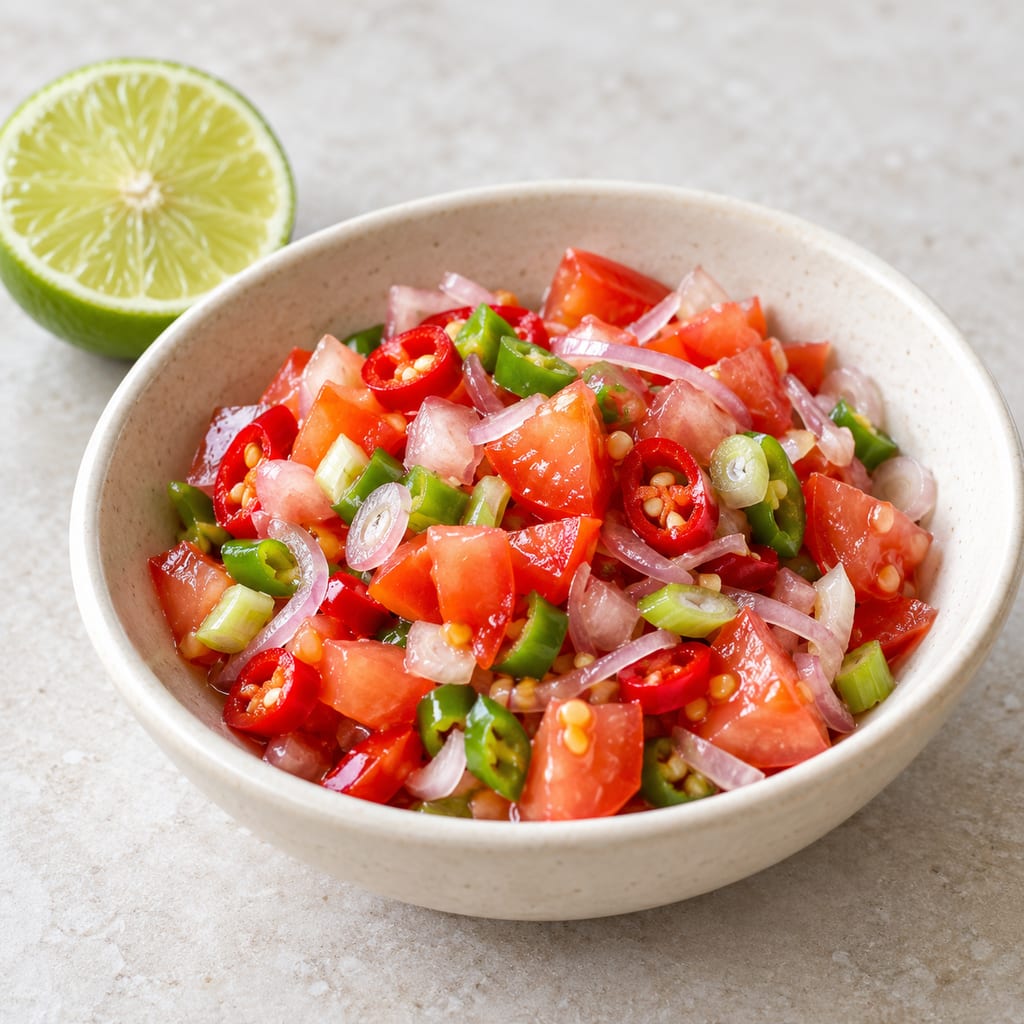
Dabu-dabu is a raw North Sulawesi relish of chopped chillies, shallot, scallion and tomato, dressed with salt and lime juice or coconut oil.
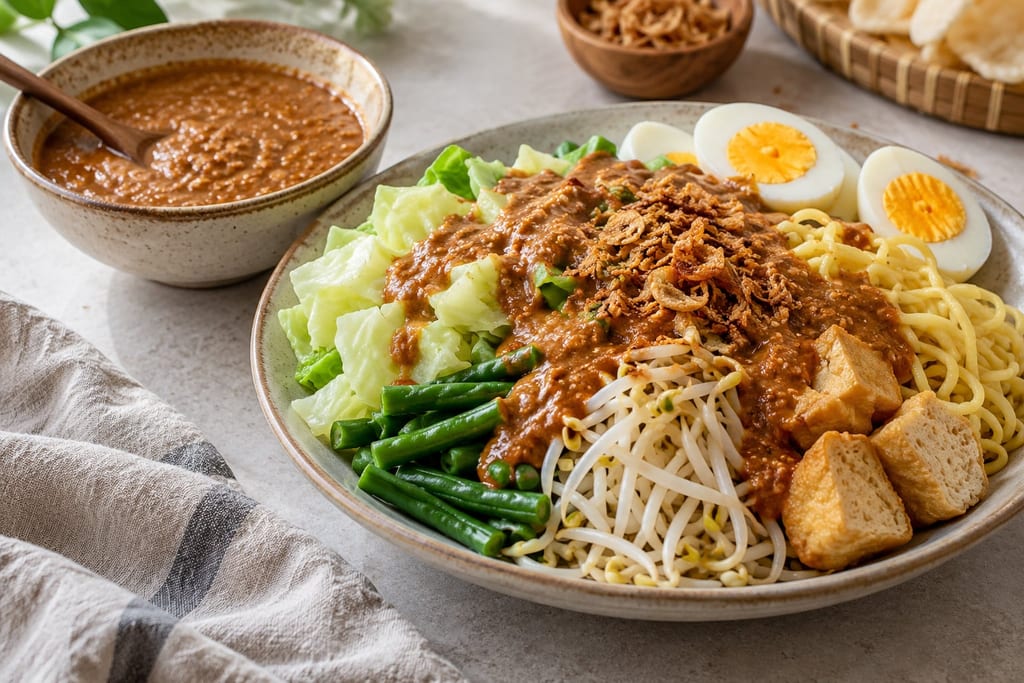
A cooked peanut sauce of ground roasted peanuts, aromatics, shrimp paste and coconut cream, as made for gado-gado; pecel and Malaysian satay sauces are close relatives with different formulas.
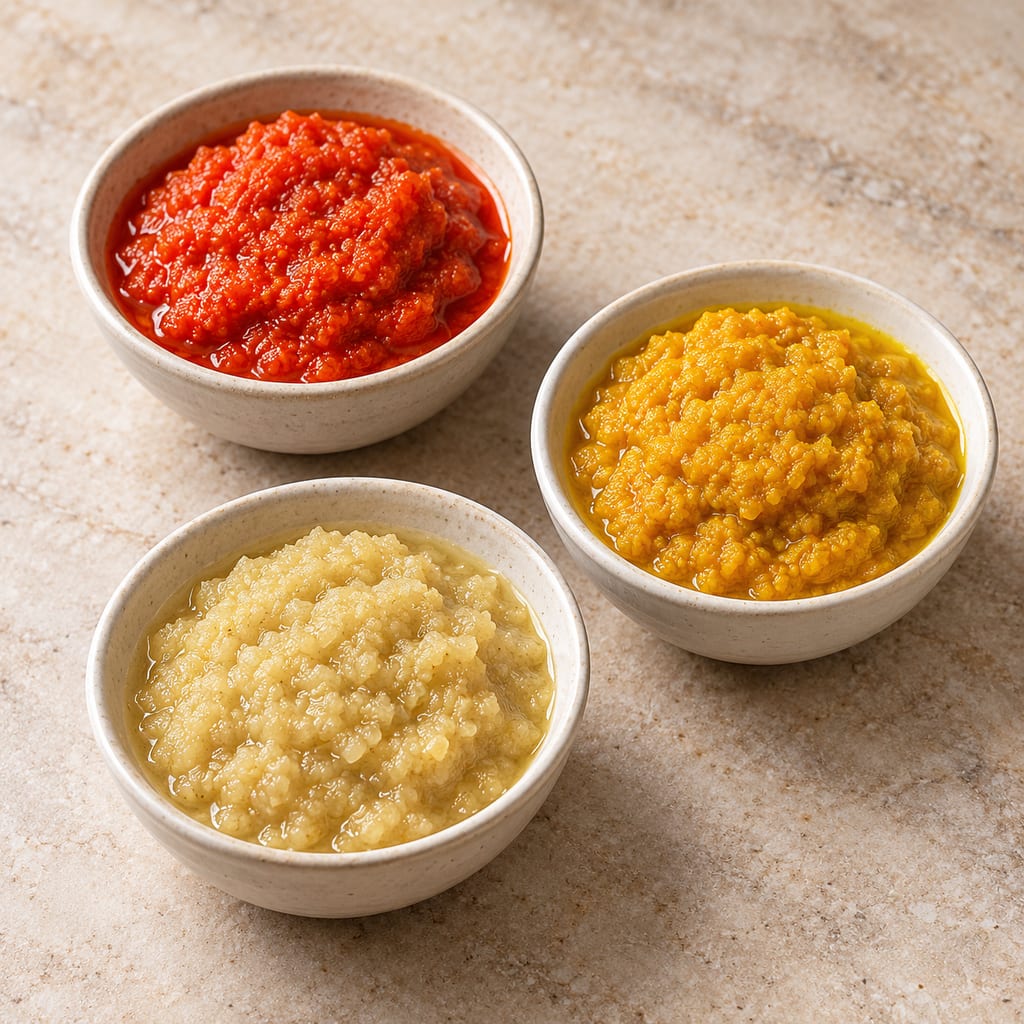
Bumbu dasar are the ground spice bases of Indonesian cooking: a white paste of shallot, garlic and salt, with chile added for red and turmeric for yellow, cooked into dishes.
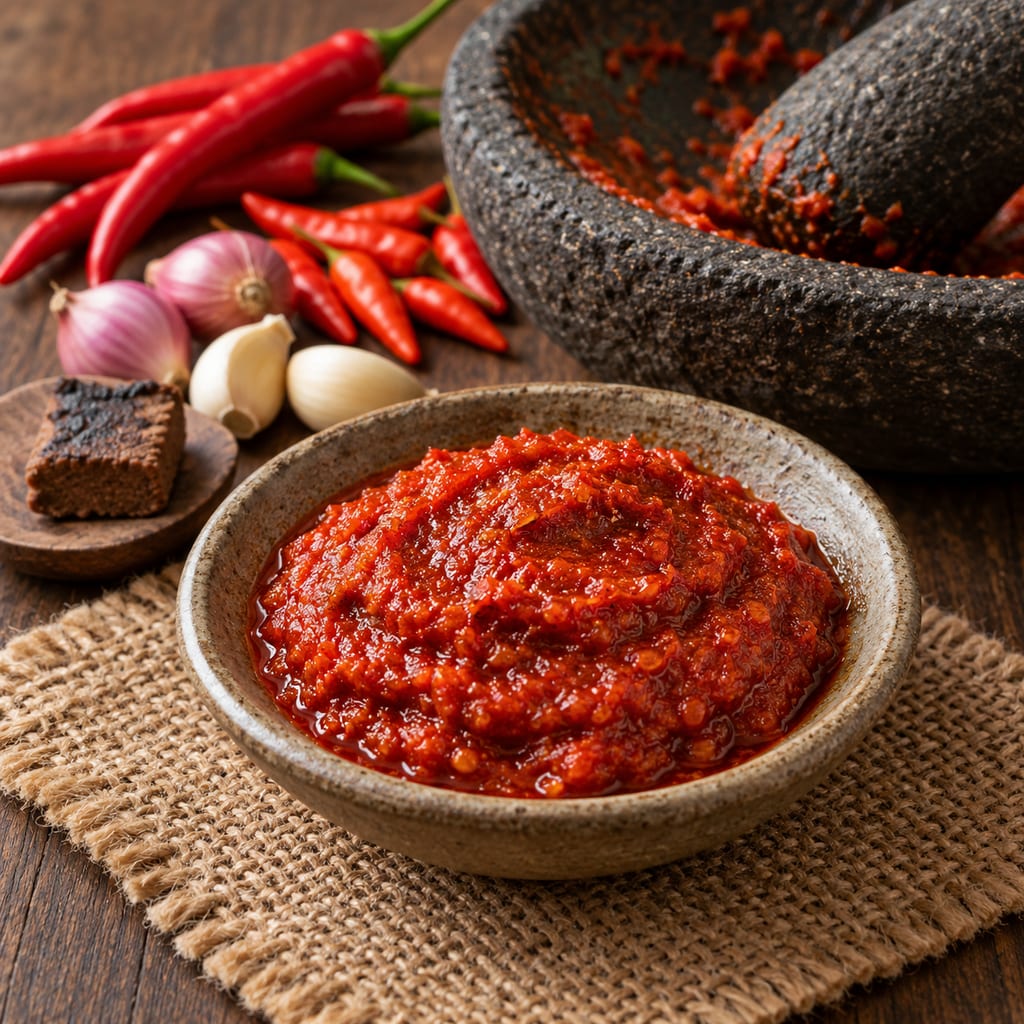
This documented West Java sambal grinds cooked red and bird’s-eye chiles with garlic, shallots and fermented shrimp paste, then simmers the paste before serving.
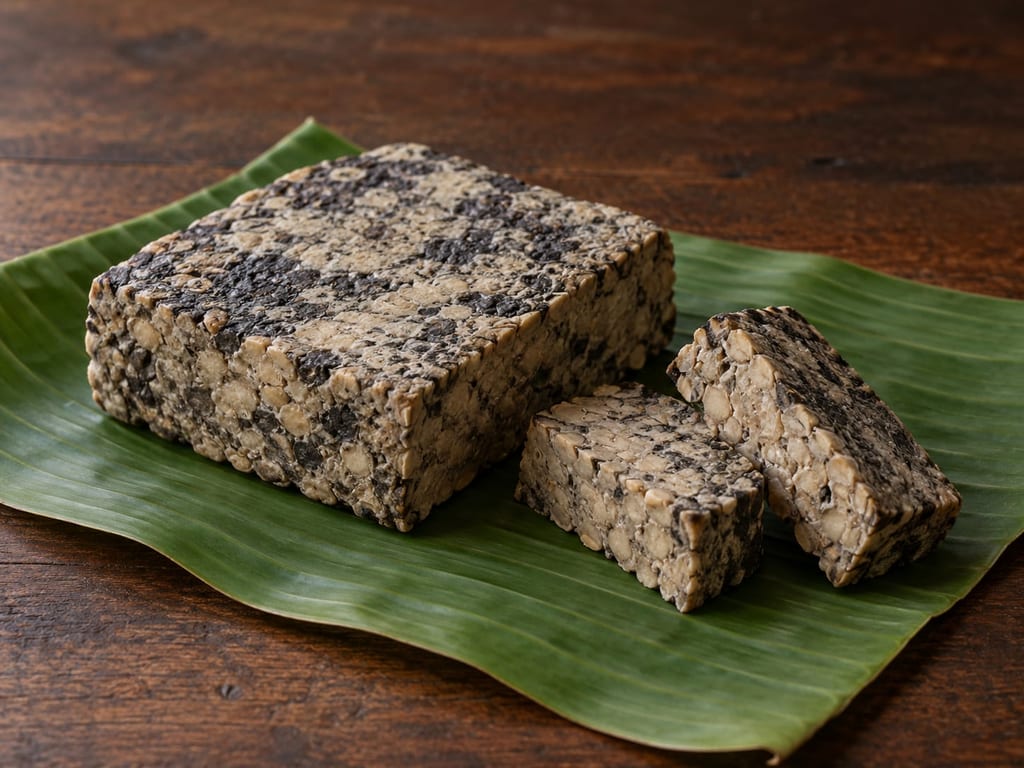
Black oncom is a mould-fermented cake made from defatted peanut cake, pressed to about 2 cm, steamed and then incubated for a day at ambient temperature.
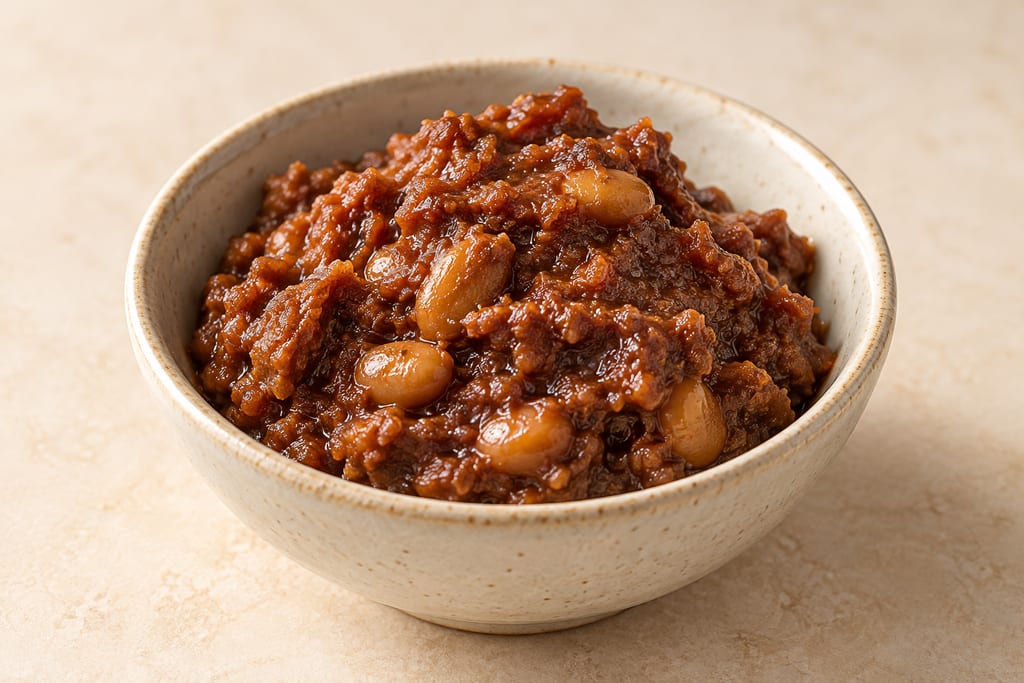
An Indonesian savoury soybean paste built in two stages: cooked beans and roasted flour carry a mould fermentation, then mature in salt brine into a thick, salty seasoning.
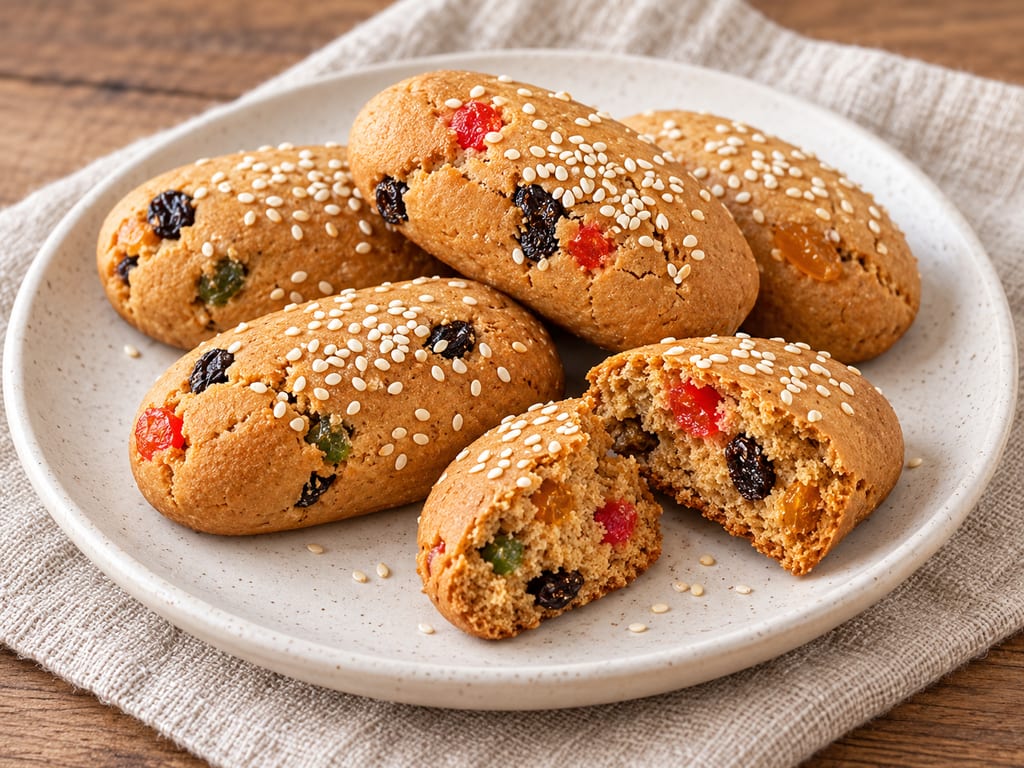
An Indonesian palm-sugar and cinnamon quick bread with dried fruit and sesame.
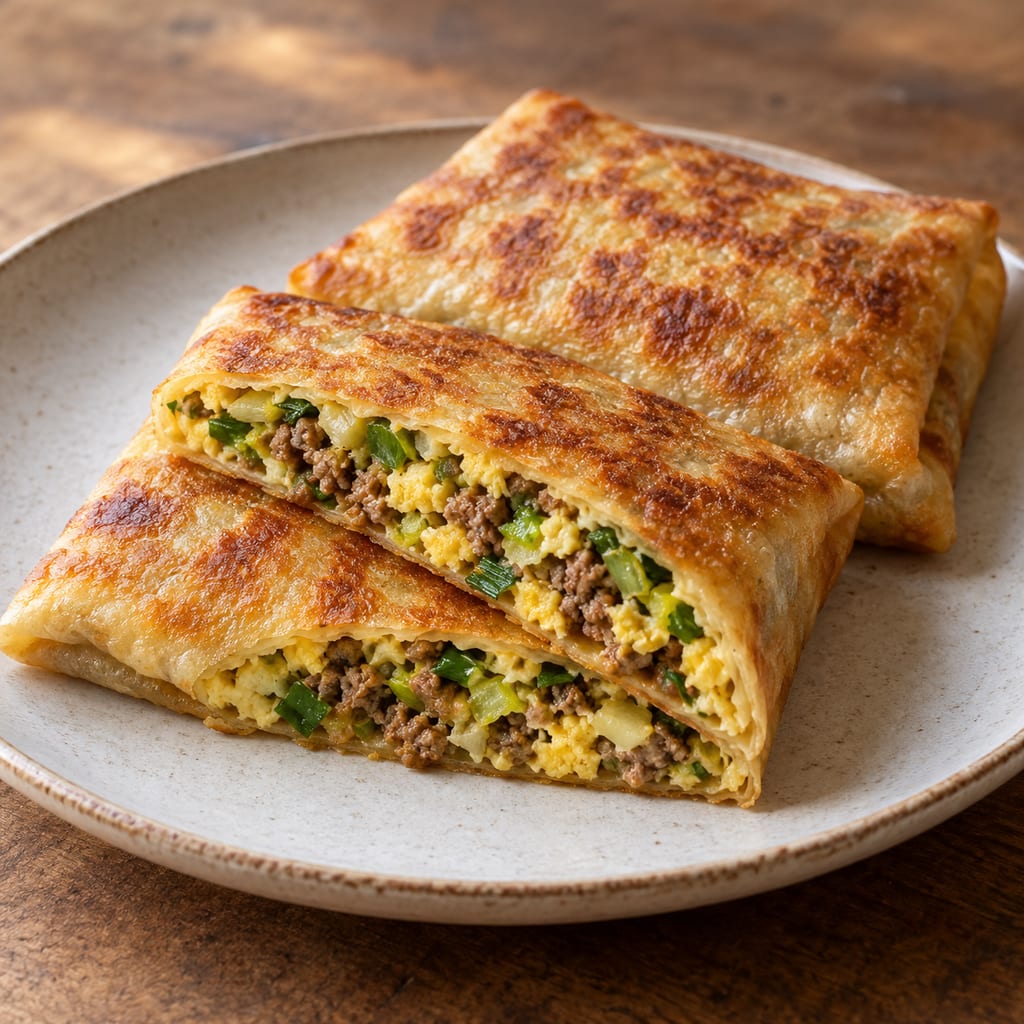
A Javanese-style Indonesian savoury parcel of thin rested wheat dough folded around curry-seasoned beef and egg, then cooked in an oiled skillet.
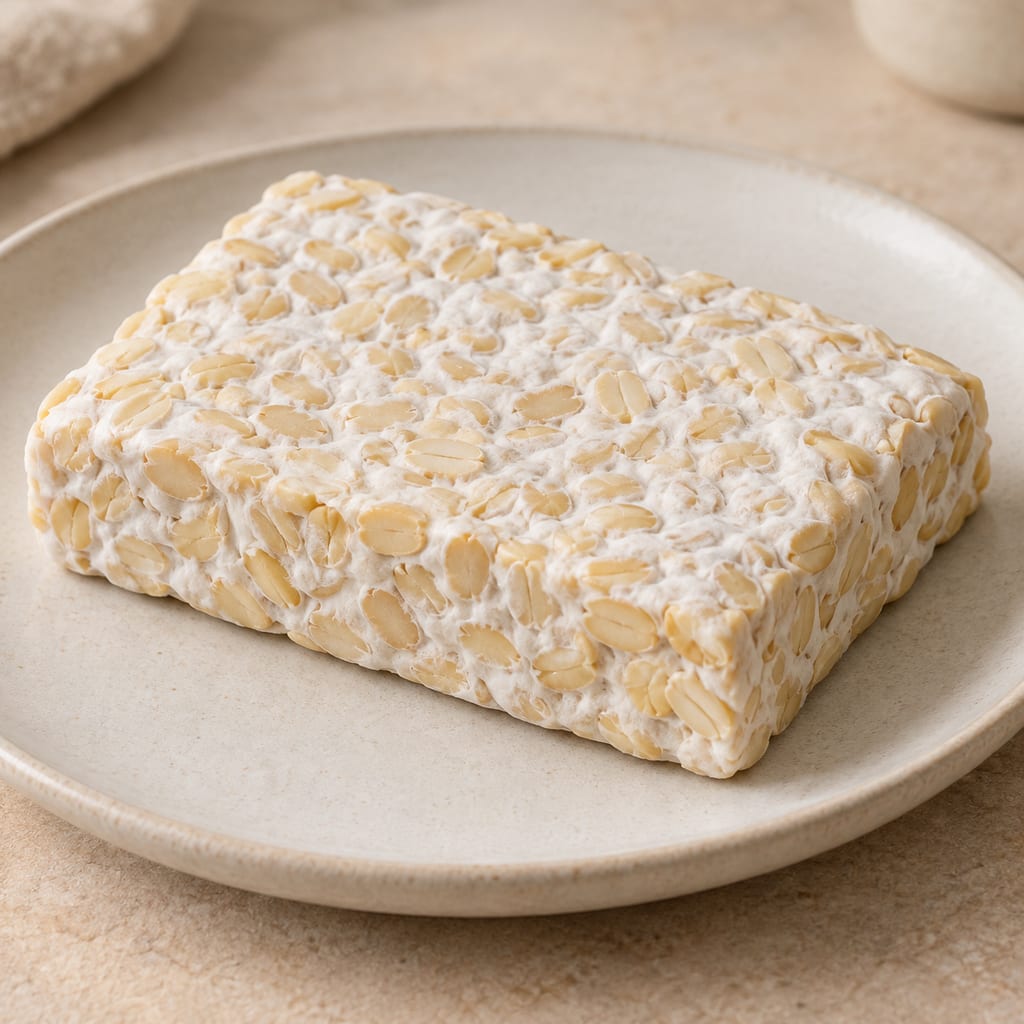
A two-cup soybean batch uses one Cultures for Health tempeh starter packet and vinegar. The supplier describes dehulling, a thin vented layer, controlled early incubation and attention to self-heating; it is not a validated home process.
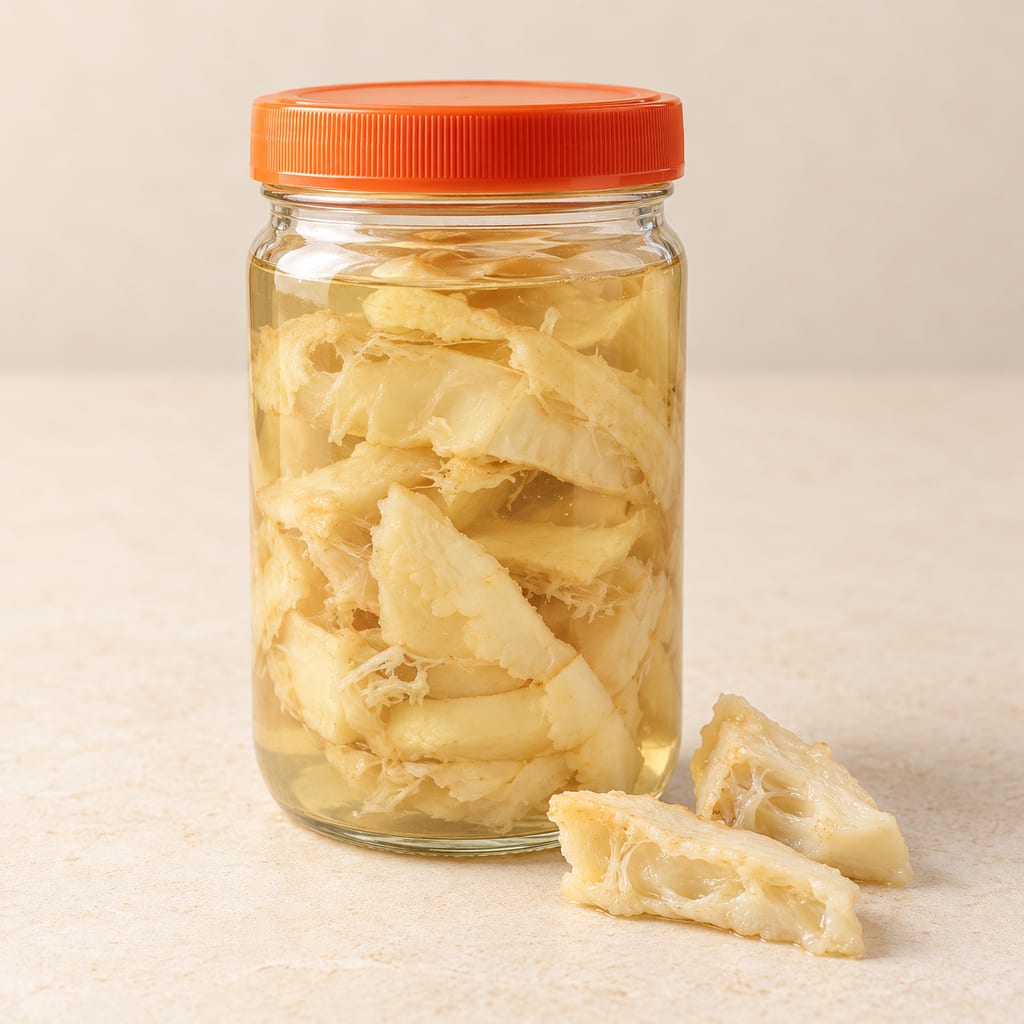
Cempedak inner rind is cut, salted and submerged in water for a short spontaneous fermentation used in Kalimantan home cooking.
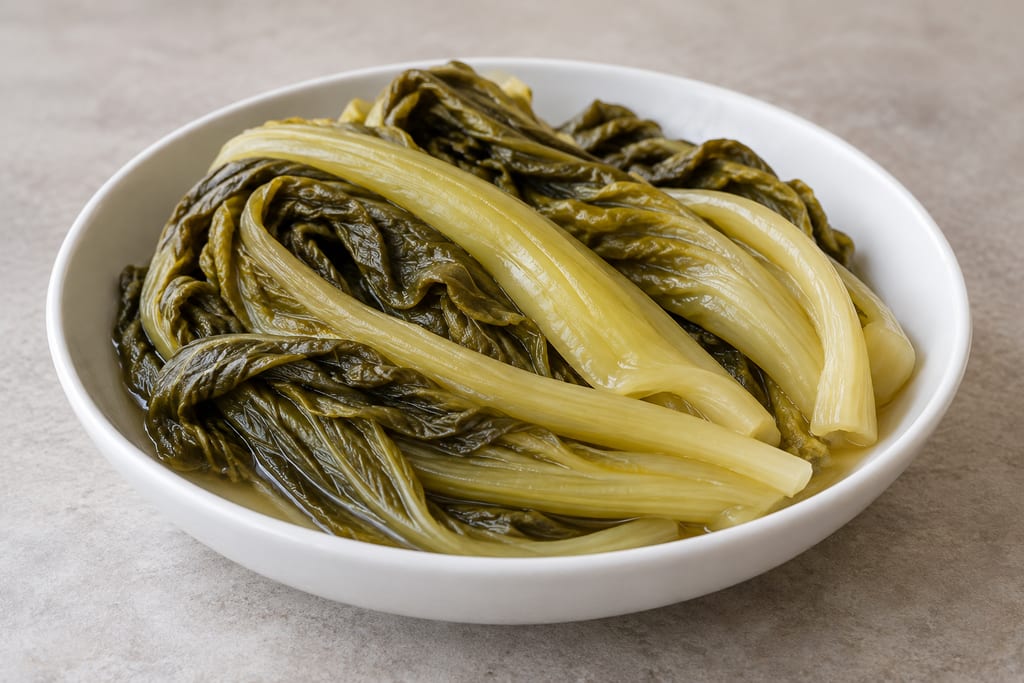
Indonesian salted mustard cabbage, wilted, rubbed with 2.5 to 5% salt by weight, and fermented covered in boiled-rice liquid.
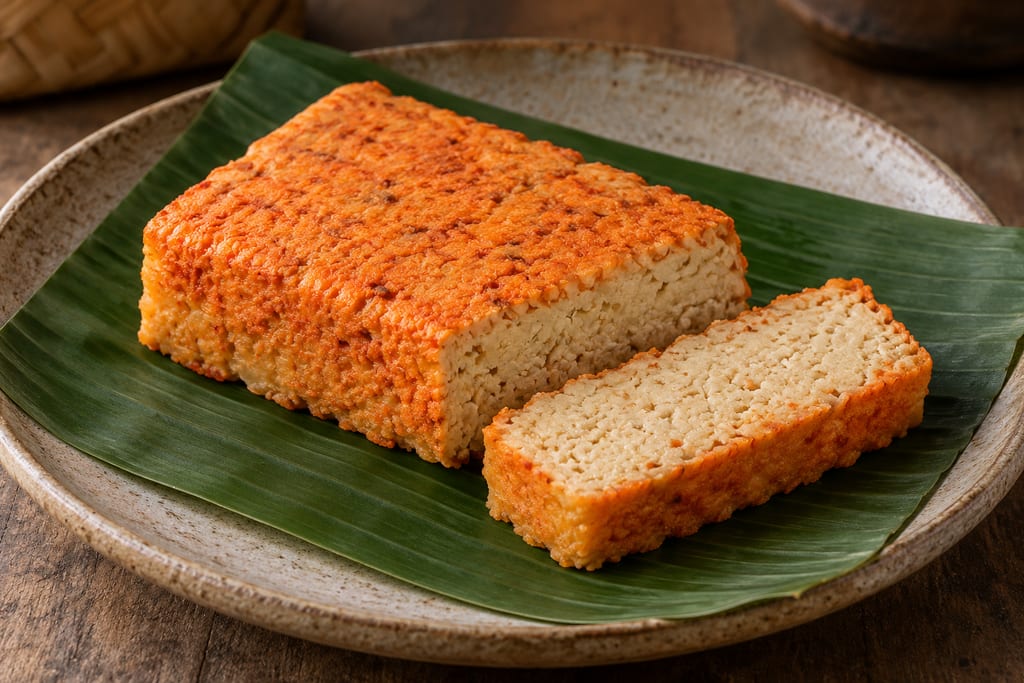
Red oncom is a West Javanese cake fermented from pressed soy pulp with a Neurospora starter, a little tapioca starch and vinegar. It is a different food from black oncom, made on another substrate with another mould.