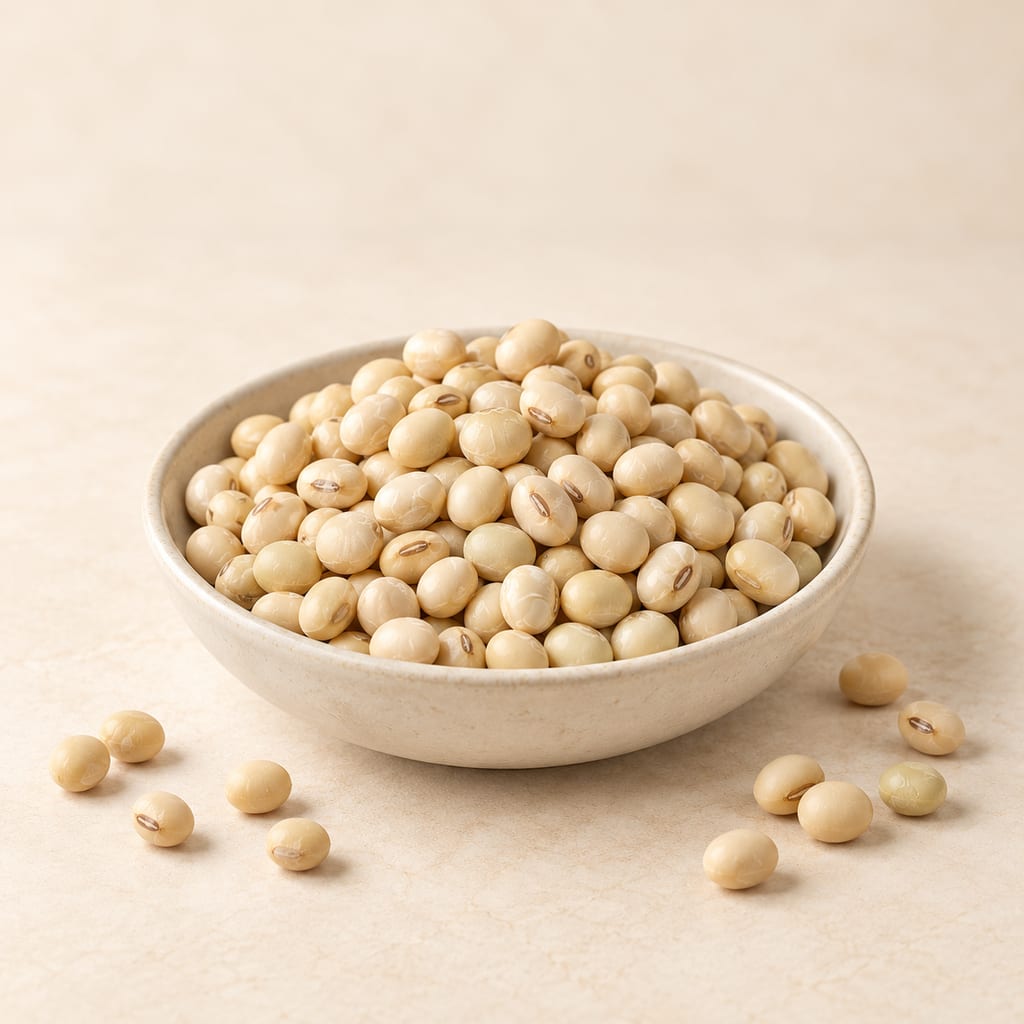
Soybeans
Soybeans are the mature dry seeds of Glycine max, about 40 percent protein and 20 percent oil, the substrate of tempeh, natto, miso, soy sauce and many other fermented foods.
 FermenteaWhere food goes to change
Modern adaptation
Tempeh · Tempe
A two-cup soybean batch uses one Cultures for Health tempeh starter packet and vinegar. The supplier describes dehulling, a thin vented layer, controlled early incubation and attention to self-heating; it is not a validated home process.
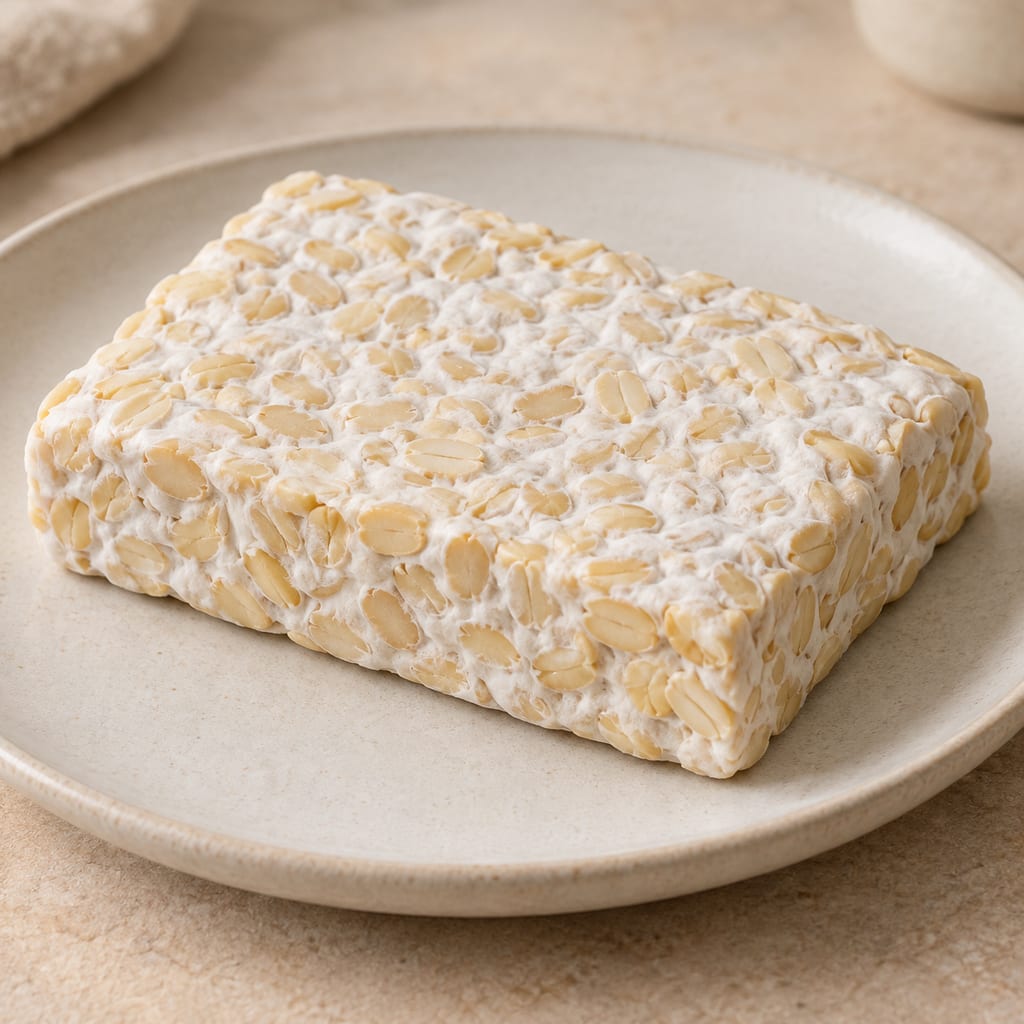
Tempeh is associated with Central Java; the cited abstract reports it in Central Javanese food patterns in the 1700s. This US supplier batch is a separate modern adaptation.
Scaling: source batch only
BCCDC tempeh guidance is a food-specific safety reference, but this supplier batch has not been evaluated against a qualified control plan.
Hazard sourceBCCDC guidance independently recommends commercial Rhizopus culture with a COA and an internal temperature maximum of 42°C. CFH instructions give neither a packet COA nor a post-self-heating maximum; applying the external guidance to this source batch remains unresolved.
Control sourceThis is a supplier source method, not a qualified safety review. Its white-mycelium and firm-cake endpoint is not an independent safety test. The supplier does not provide a validated cooking instruction in this method.
BCCDC guidance recommends additional soak and post-cook cooling controls and an internal-temperature maximum. The supplier instructions do not establish those controls or equivalence.
The cited abstract reports a Central Javanese association. This US supplier method is not attributed to Java.
Soybeans are the mature dry seeds of Glycine max, about 40 percent protein and 20 percent oil, the substrate of tempeh, natto, miso, soy sauce and many other fermented foods.
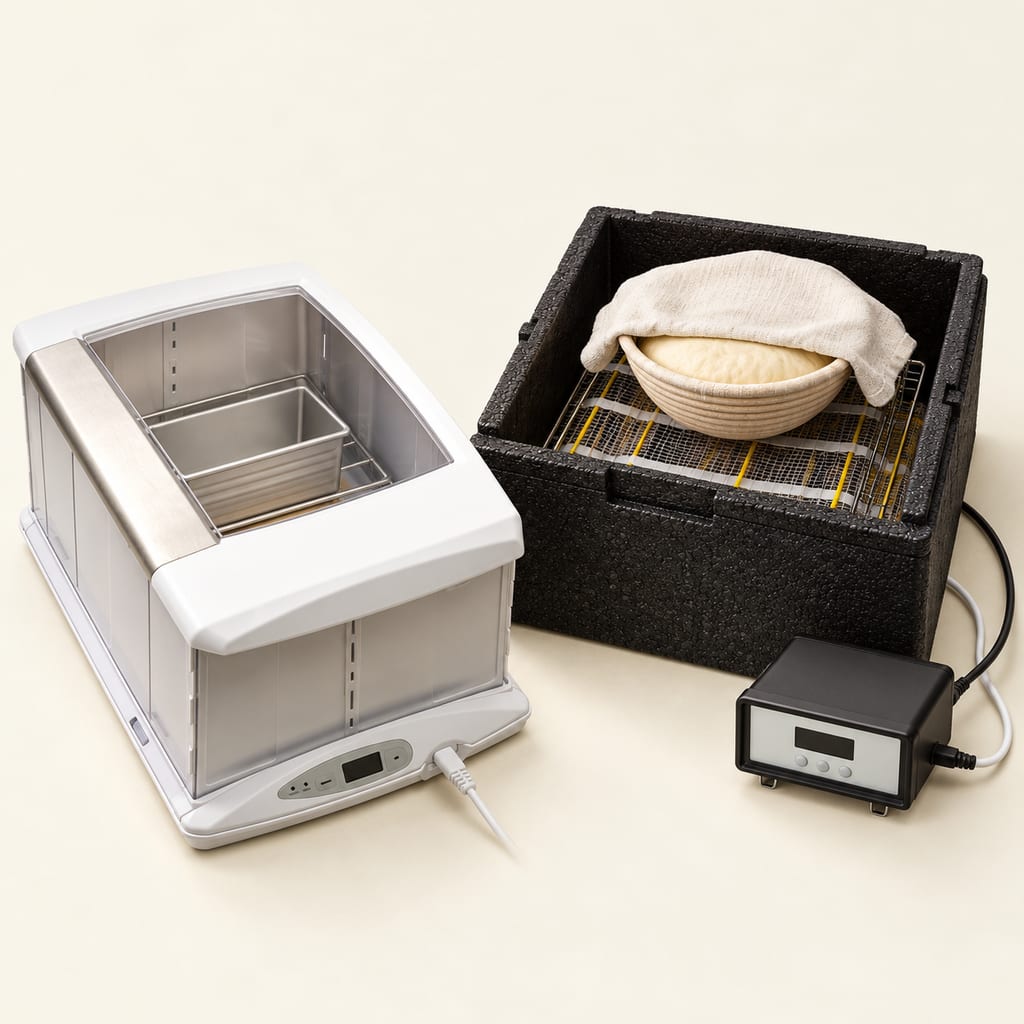
A bread proofer creates a warm, sheltered place for dough to rise. Purpose-built countertop proofers and insulated boxes with separately controlled heat are different designs; neither sets one temperature or proofing time for every dough.
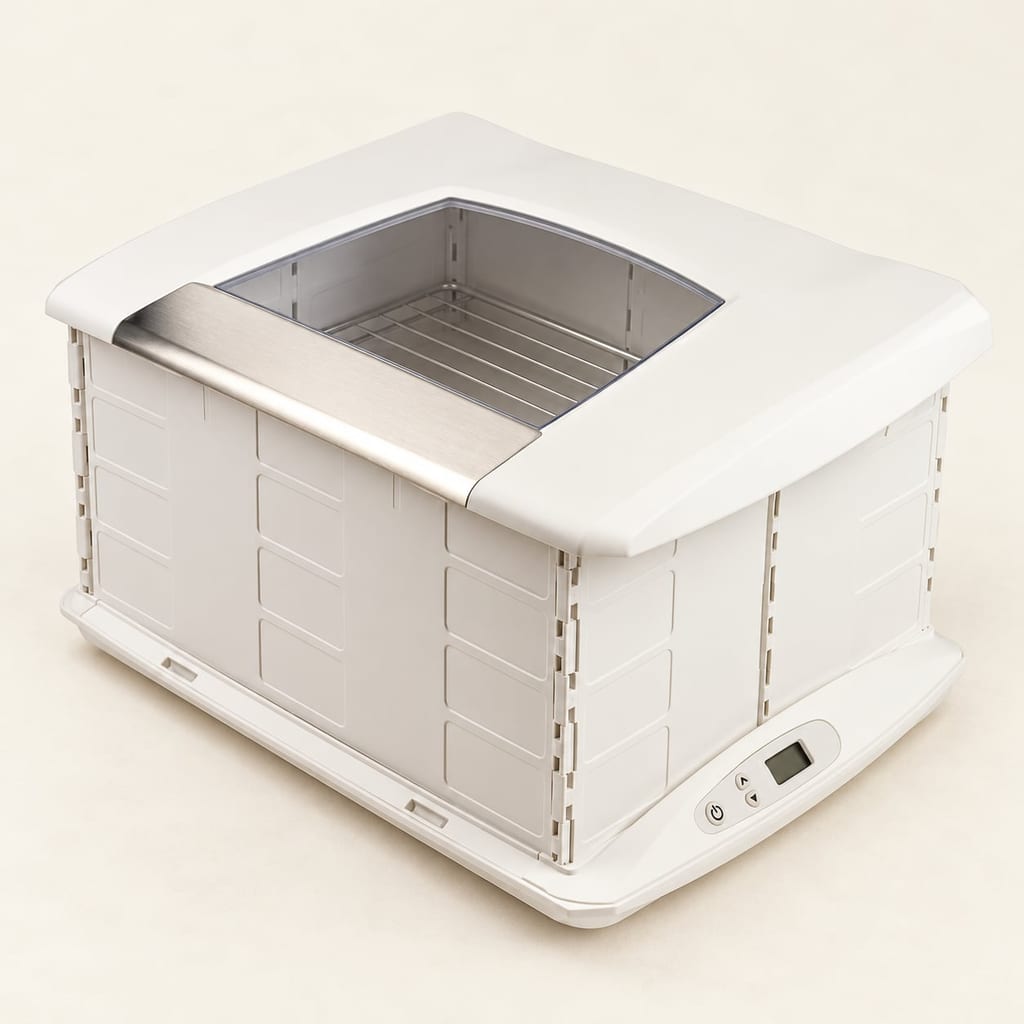
A folding, electric proofing cabinet with a heated aluminum plate, removable rack and water tray. The maker also documents it for yogurt, kombucha, tempeh, natto and black garlic.
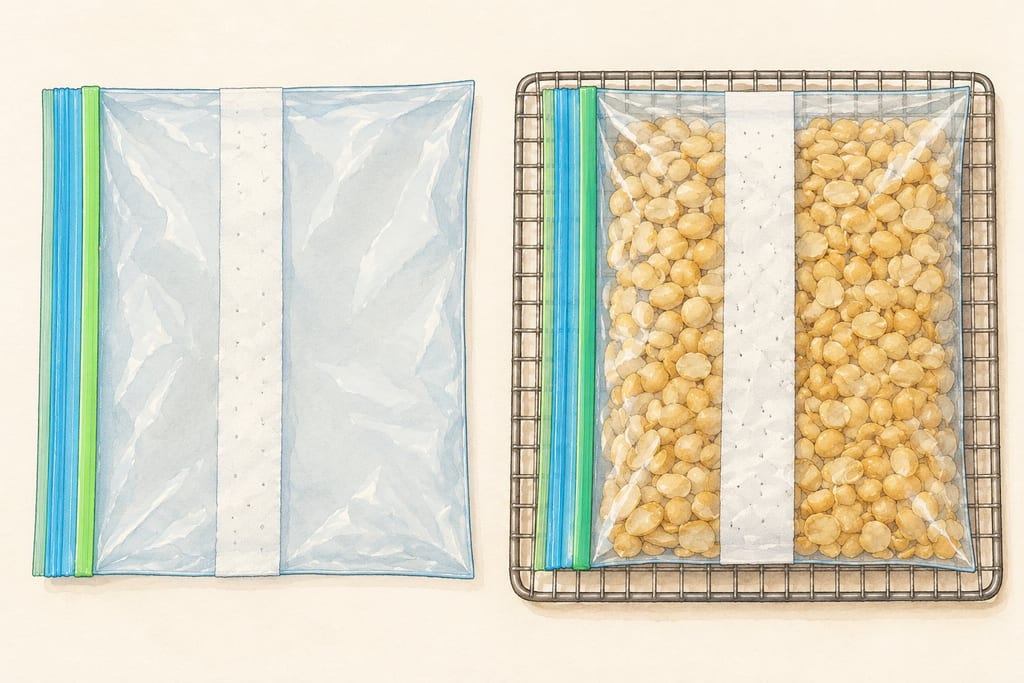
Perforated plastic bags and covered trays hold tempeh in a thin shape while admitting air; they are modern packaging options, distinct from the documented leaf wrapper.
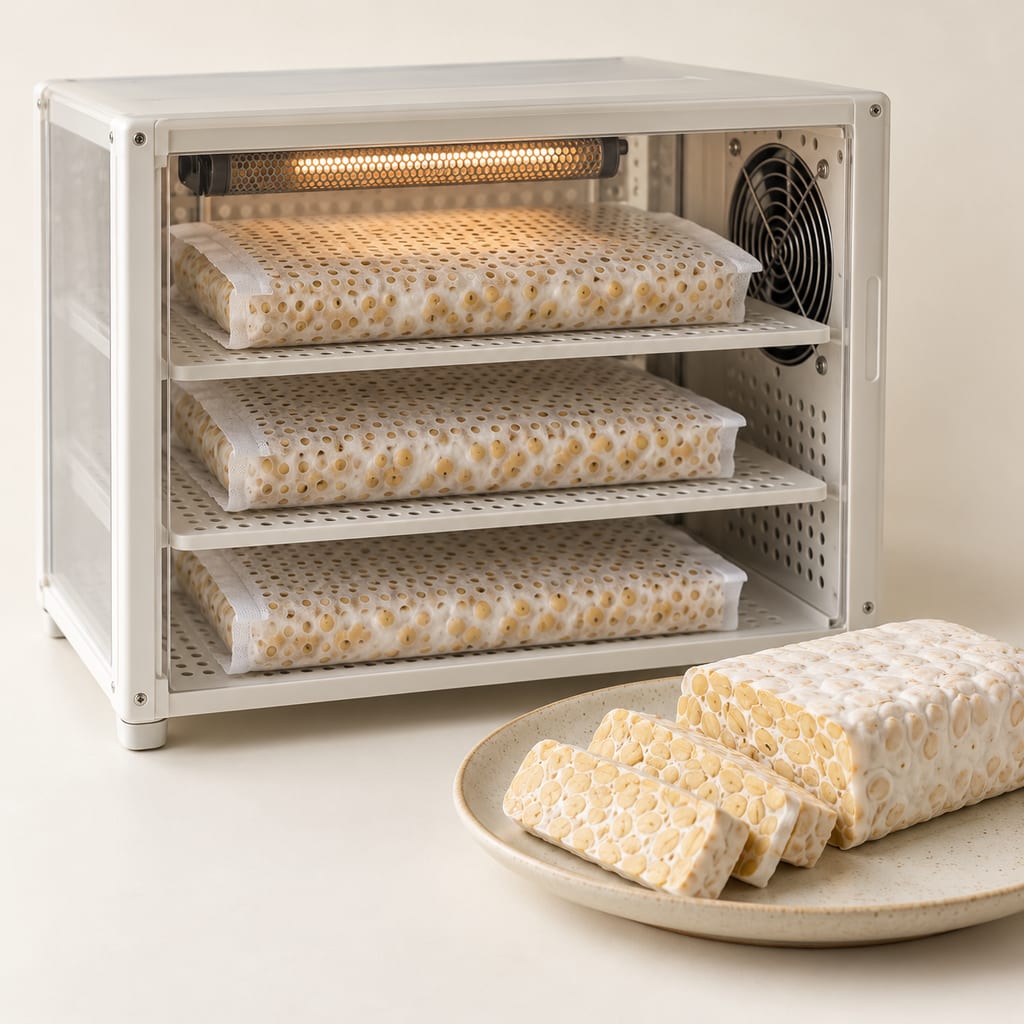
A ventilated, cleanable enclosure with spaced perforated pouches or trays and a gentle heat source, for incubating tempeh, which warms itself as the Rhizopus mould grows.
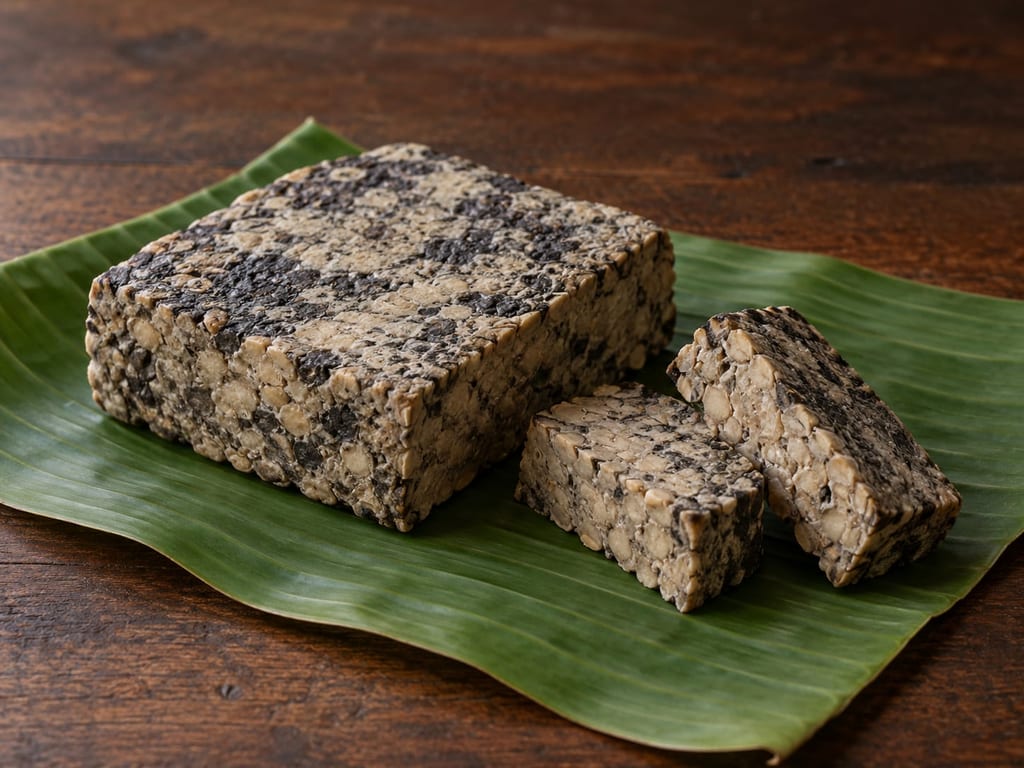
Black oncom is a mould-fermented cake made from defatted peanut cake, pressed to about 2 cm, steamed and then incubated for a day at ambient temperature.
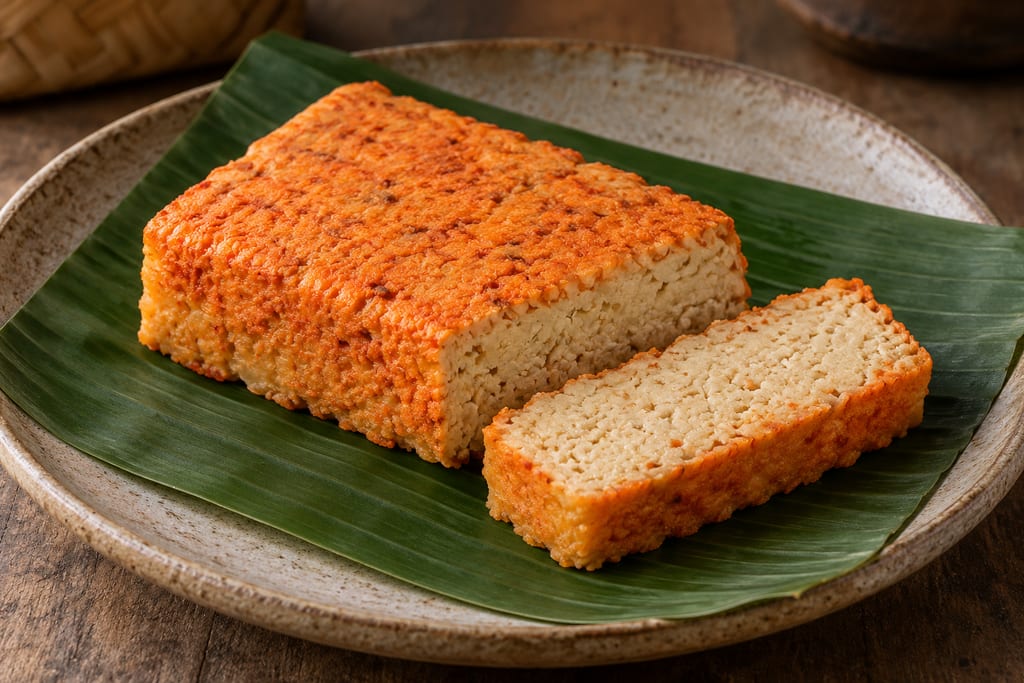
Red oncom is a West Javanese cake fermented from pressed soy pulp with a Neurospora starter, a little tapioca starch and vinegar. It is a different food from black oncom, made on another substrate with another mould.
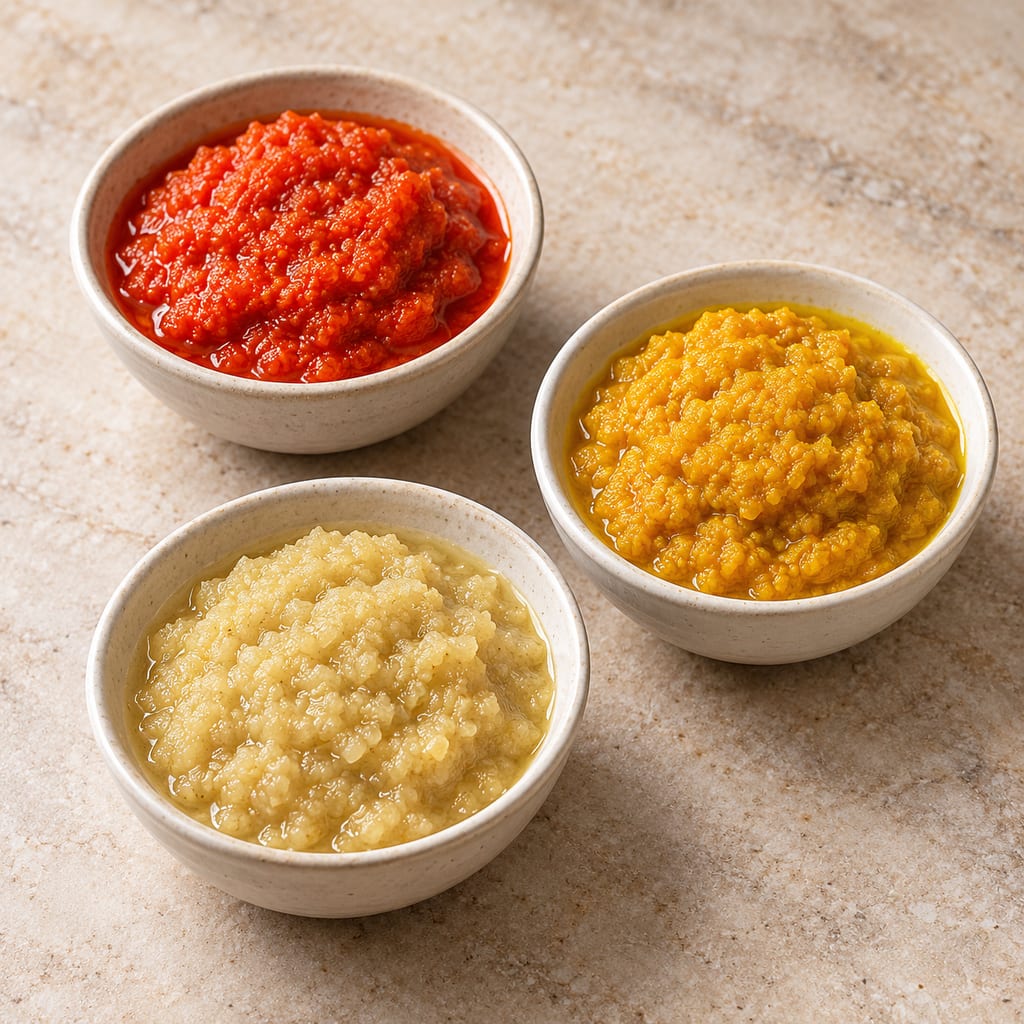
Bumbu dasar are the ground spice bases of Indonesian cooking: a white paste of shallot, garlic and salt, with chile added for red and turmeric for yellow, cooked into dishes.
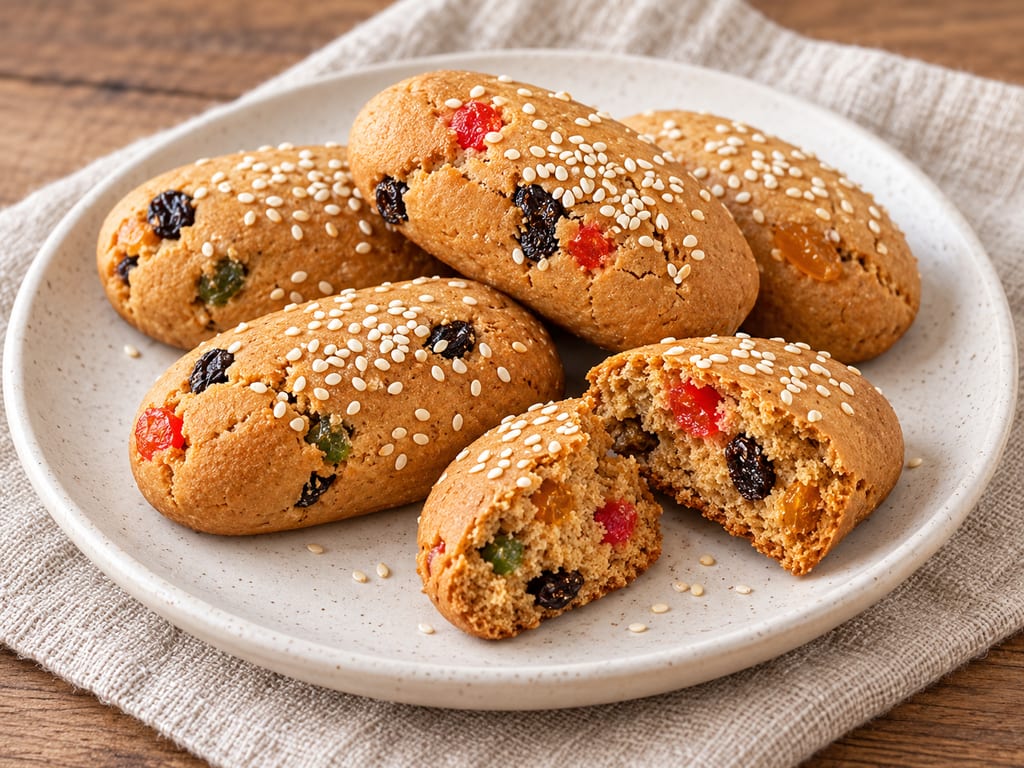
An Indonesian palm-sugar and cinnamon quick bread with dried fruit and sesame.
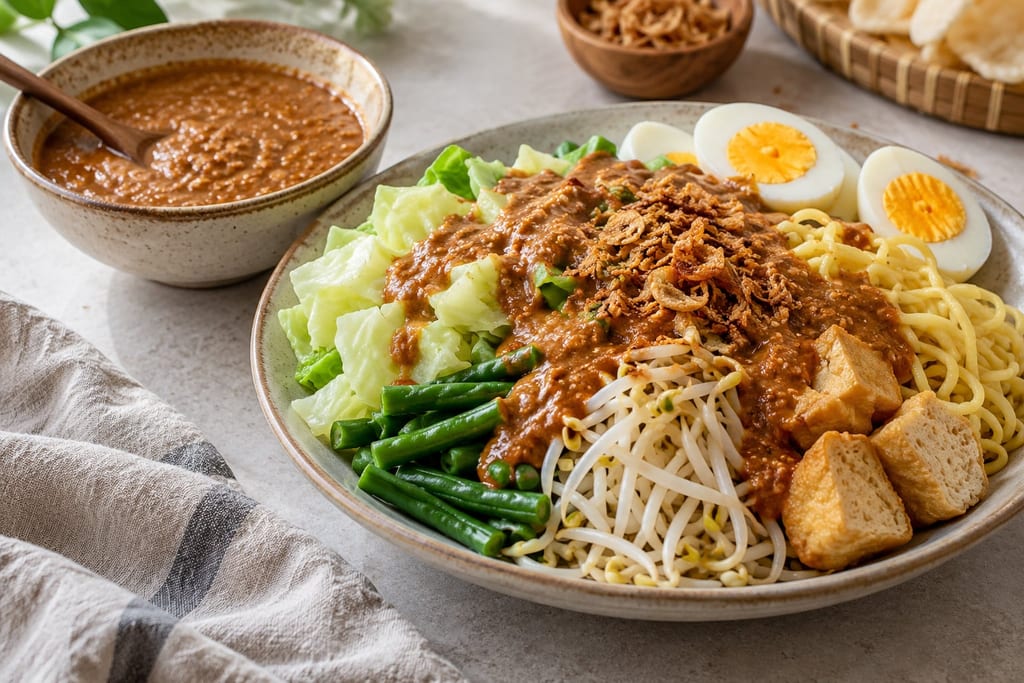
A cooked peanut sauce of ground roasted peanuts, aromatics, shrimp paste and coconut cream, as made for gado-gado; pecel and Malaysian satay sauces are close relatives with different formulas.
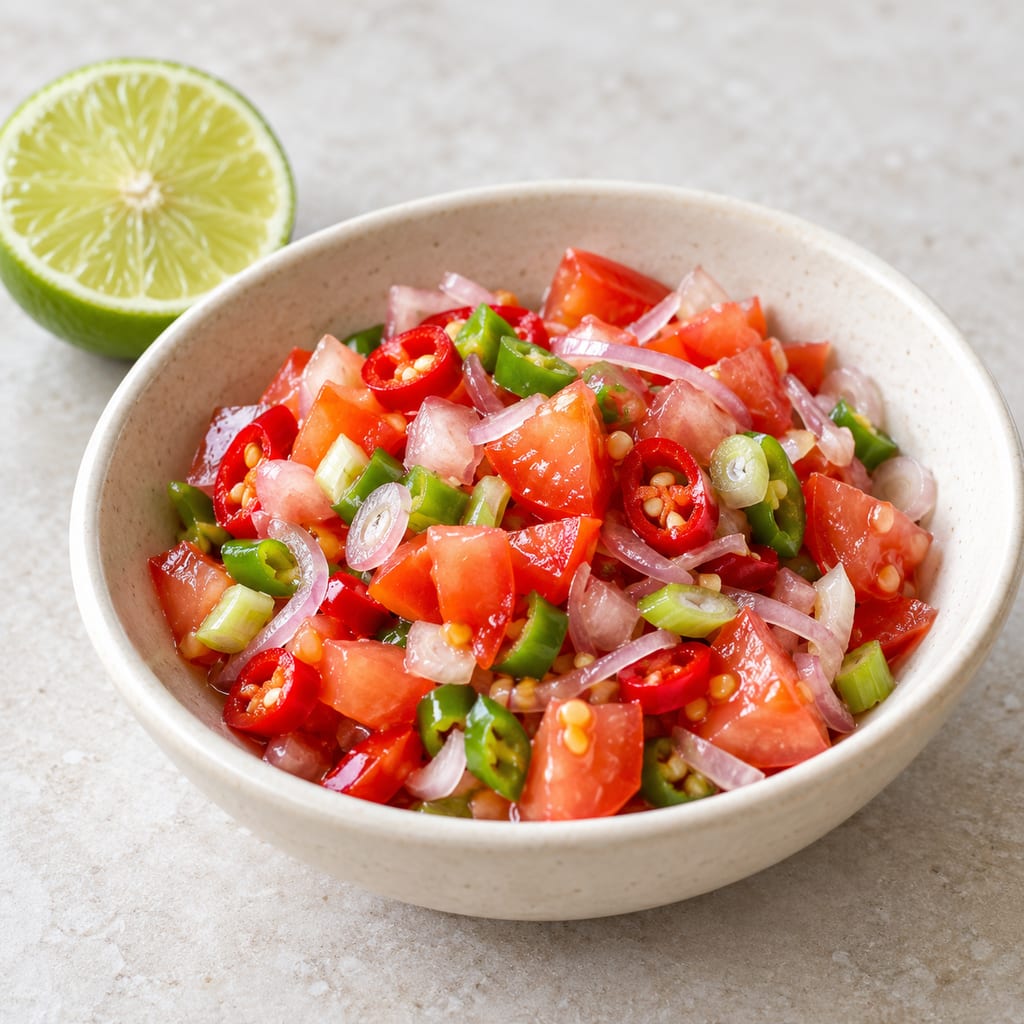
Dabu-dabu is a raw North Sulawesi relish of chopped chillies, shallot, scallion and tomato, dressed with salt and lime juice or coconut oil.
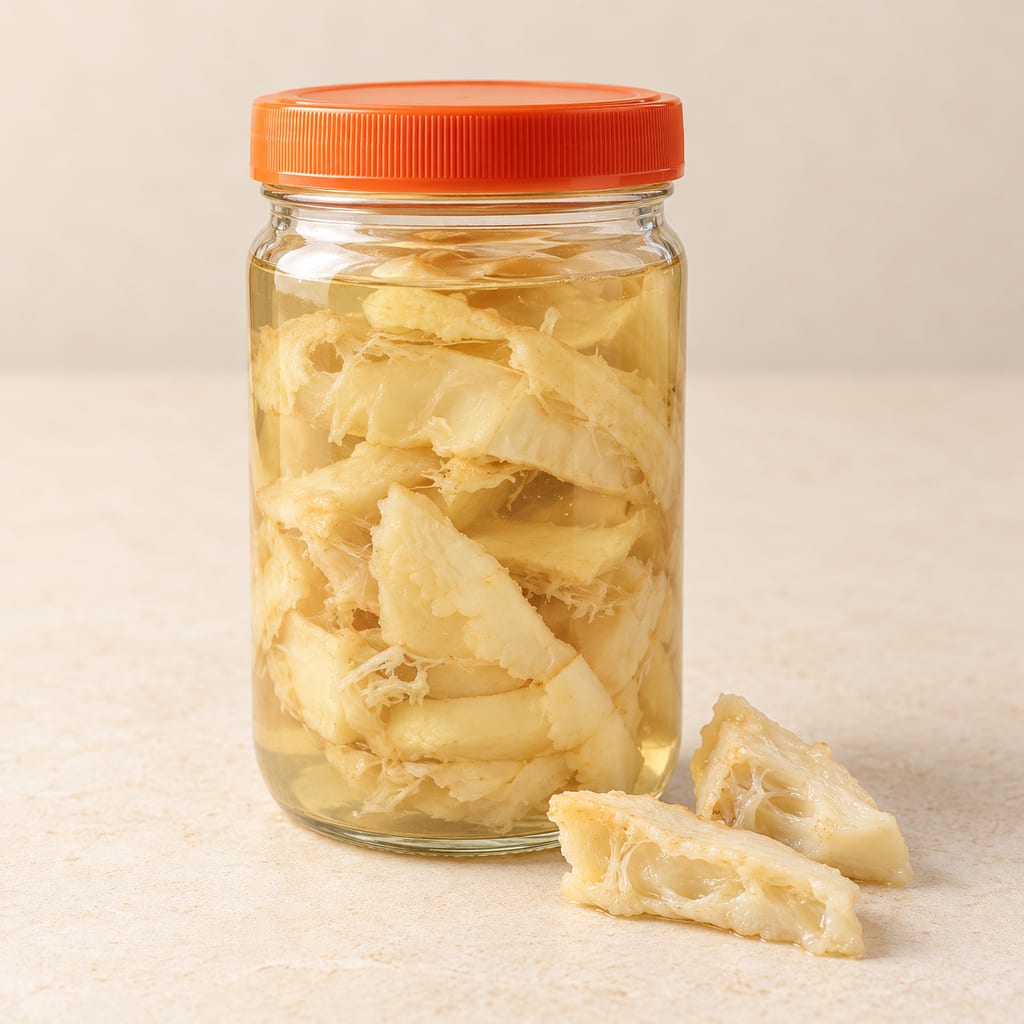
Cempedak inner rind is cut, salted and submerged in water for a short spontaneous fermentation used in Kalimantan home cooking.
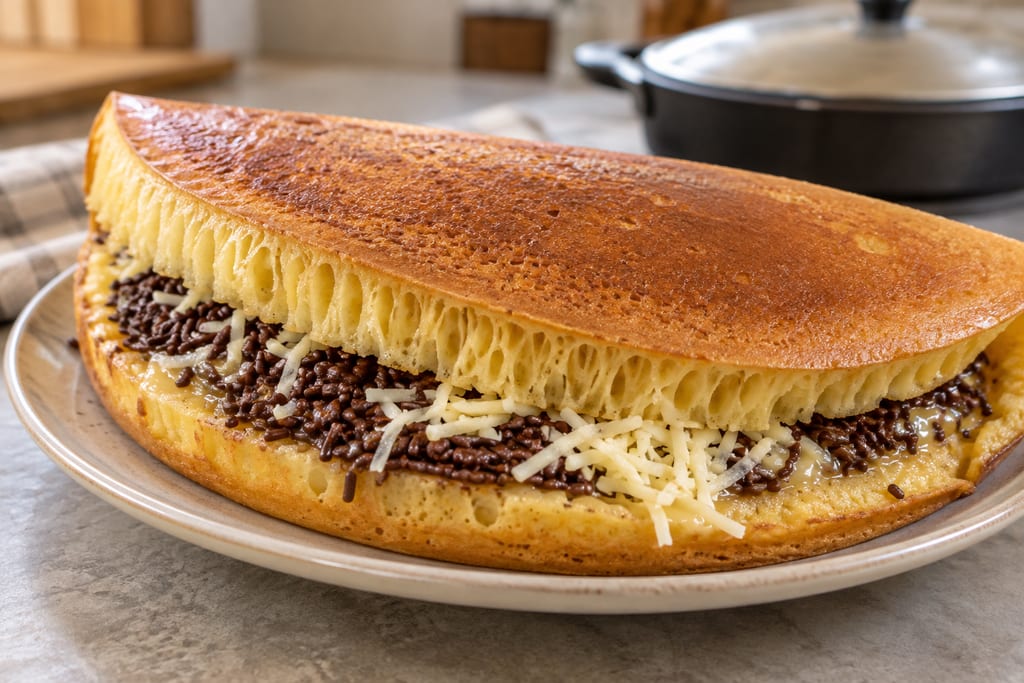
Martabak manis is a thick Indonesian griddle pancake with a porous, honeycomb crumb, cooked under a lid and finished with butter and sweet toppings.
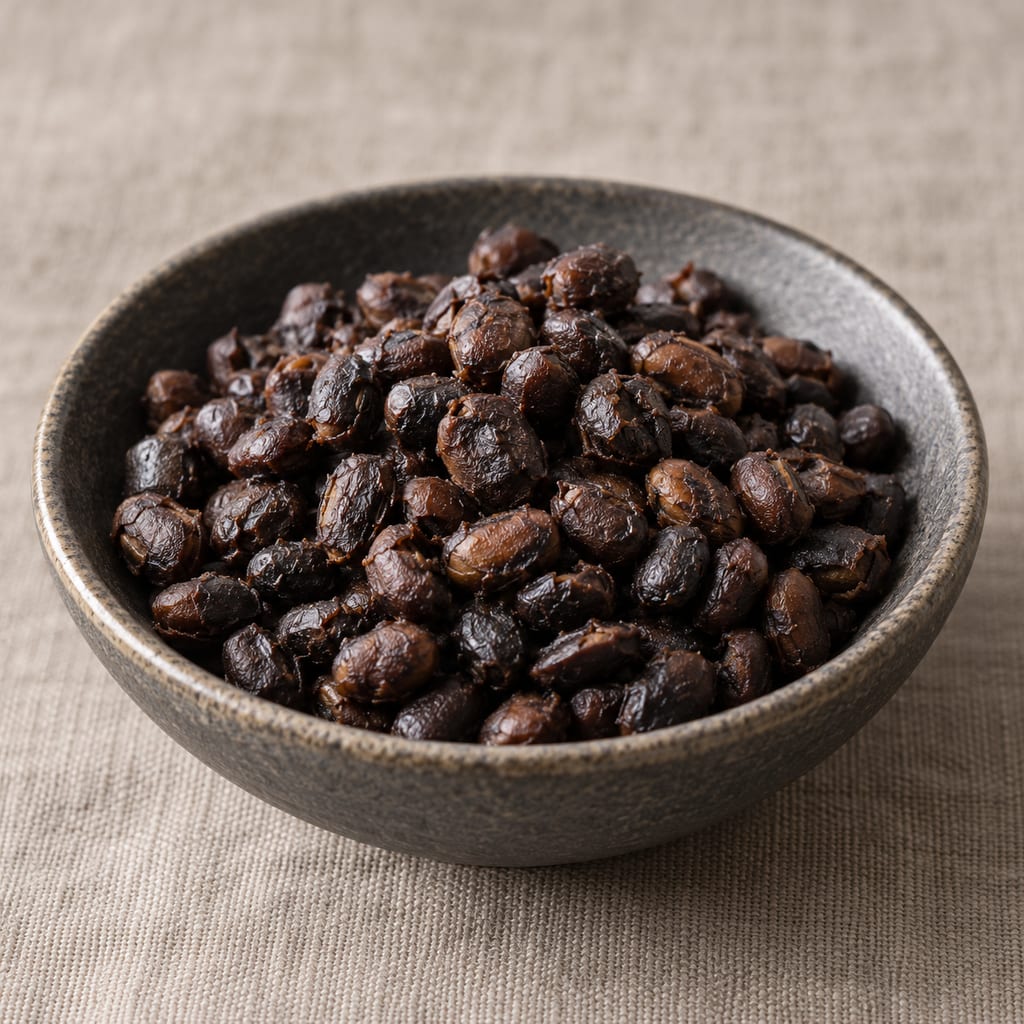
This controlled study protocol makes Aspergillus koji from soybeans and then ferments it with 4% salt. It uses a 150 g jar batch and a defined moisture target; the research method is not a validated home process.
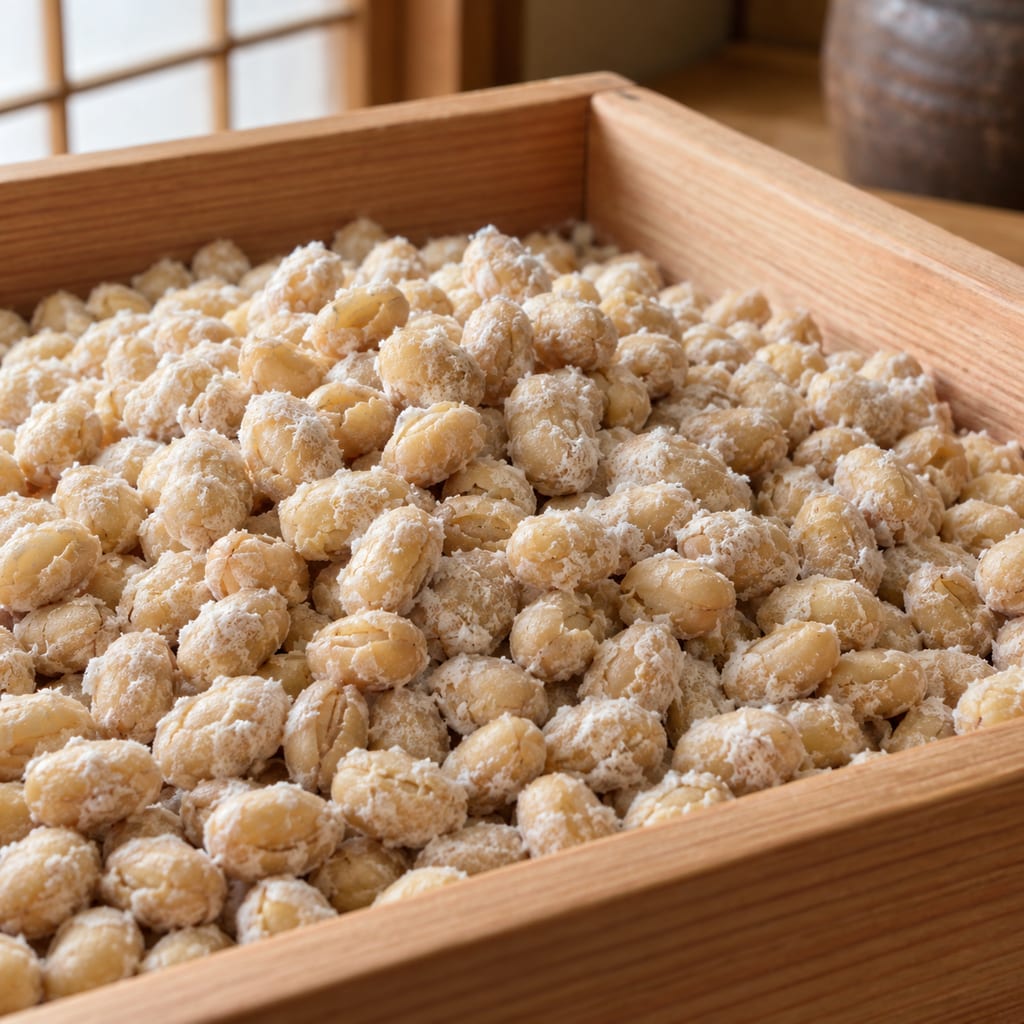
Japanese soybean koji: steamed soybeans, loose or formed into balls, grown over with Aspergillus mould to make the enzymes for mame-miso, tamari and regional soybean condiments.
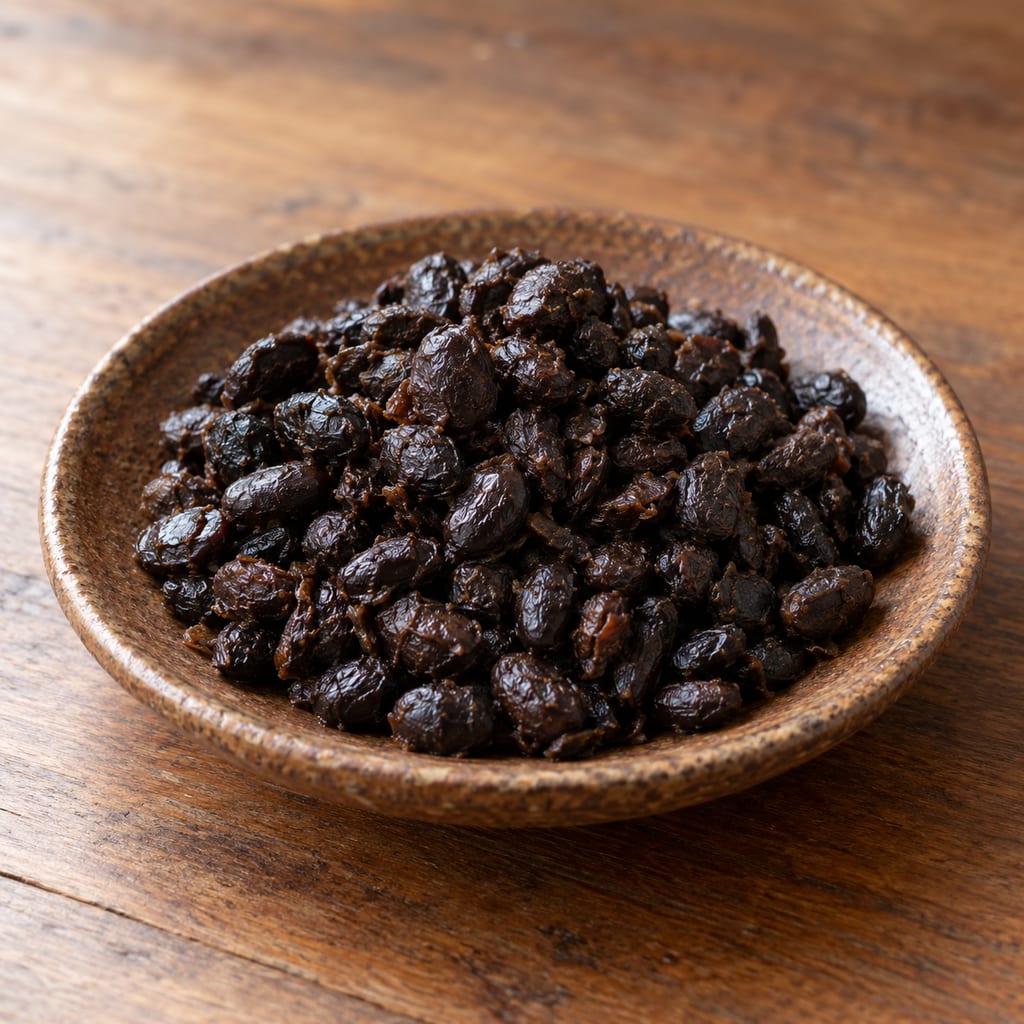
A Chinese fermented soybean condiment from Chongqing and Sichuan, made by growing Mucor-type mould on cooked beans, then salting and maturing them into dark, savoury, soft beans with a concentrated aroma.
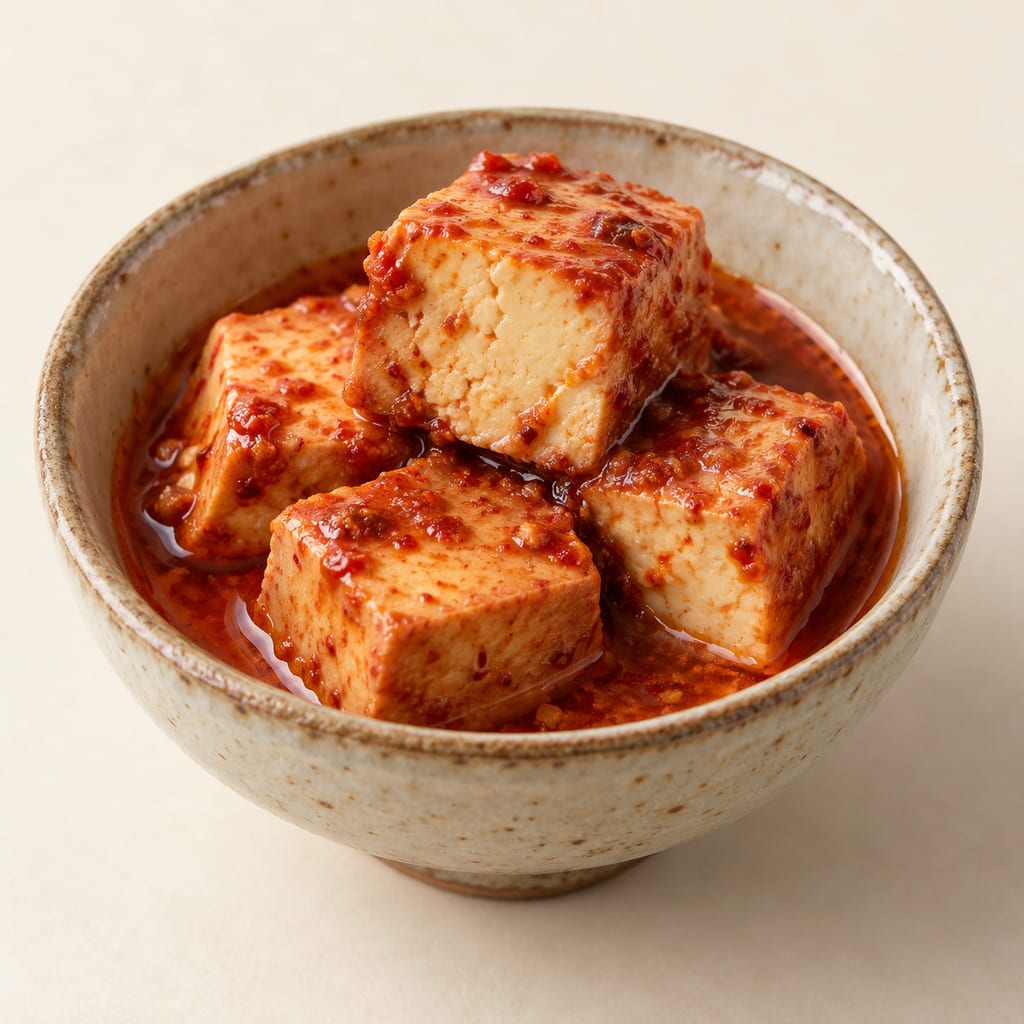
Sufu, or furu, is Chinese fermented tofu: bean curd is salted and ripened, often after a mould stage, into a soft, creamy, intensely savoury condiment.

An Okinawan fermented tofu: dried tofu cubes matured in rice koji, awamori and salt, traditionally with red Monascus koji, until the curd turns smooth and intensely savoury.

A gelling polysaccharide extracted from red seaweeds, sold as kanten strips or powder; it sets firm at a low concentration and stays solid until about 85 °C.

A Dominican table and seasoning condiment of sour orange juice, mixed with lime and salt and bottled raw; garlic, oregano or a hot pepper may be added for meat or a spicier bottle.

Cicerbita alpina is an alpine perennial whose tender shoots and leaves have been eaten raw or cooked. Sámi milk preparations and modern Carnian dishes are distinct uses, with serious identification and preservation limits.

Japanese skipjack tuna cooked, then repeatedly smoked and dried over a wood fire by the hand-fired tebiyama method into a hard block for shaving into dashi: the first stage of katsuobushi.

A Swedish-style spirit vinegar made by fermenting neutral alcohol with live vinegar bacteria, with a separate guide to commercial ättika strengths.

A yeast-raised wheat ring shaped from a firm dough, briefly boiled and baked. This source-batch formula gives a gently malted crust and a chewy crumb.

A warm dip of garlic, anchovy and olive oil, often enriched with butter, that Piedmont serves over a flame with raw and cooked vegetables and bread.

Bechamel is a white sauce of milk thickened with a butter and flour roux, one of the French mother sauces, and the base from which Mornay and other cheese and cream sauces are made.
No community contributions have been published for this entry yet.
Sign in to contribute. Published comments and photos are free to read.
Cultures for HealthProcess · Ingredients · Equipment · Monitoring · Storage
Tempeh Starter InstructionsDirect inspection: What you need and Steps 1–6: 1 packet, 2 cups dry beans, 2 tbsp vinegar, 10–12h soak, dehull/rinse, 1h boil, dry/cool 95–98°F (35–37°C), 1/2-inch layer / 1-inch pinholes. Steps 7–8: 85–91°F (29–33°C) first 12h measured inside beans, response to self-heating, white growth ~24h, firm cake usually 36–48h, up to 4 days. Storage: sealed, 10 days refrigerated or 2 months frozen. Supplier claims only.
Cultures for HealthCulture identity · Equipment
Tempeh Starter CultureIngredients list rice, soybeans, Rhizopus oryzae culture; four packets; store starter refrigerated and use by bag date; strain number absent.
BC Centre for Disease ControlSafety
Safety of fermented foods: TempehBCCDC Tempeh guidance directly downloaded/read: p.5 overview/hazards; p.7 process; p.8 packaging, conditions and shelf-life; p.11 food-safety control points. Recommends commercial Rhizopus with COA, soak controls, post-cook cooling control, internal max 42°C, RH 75–85%, drainage/oxygen, shelf-life testing. CFH method omits some controls; compliance is not asserted.
Asia Pacific Journal of Clinical NutritionHistory · Geography · Uses
Tempe, a nutritious and healthy food from IndonesiaAbstract says Central Javanese origin and tempe present in Central Javanese food pattern in 1700s; extensive use in main meals/snacks. Health claims omitted.
karmintul kitchenInspiration
Tutorial Cara membuat Tempe Ala Rumahan| Buat tempe cocok untuk ide UsahaThis separate creator-caption method is retained as inspiration only. It uses a different starter and batch and is not combined with the Cultures for Health packet instructions. Caption review was inherited; no fresh video or audiovisual review was performed.