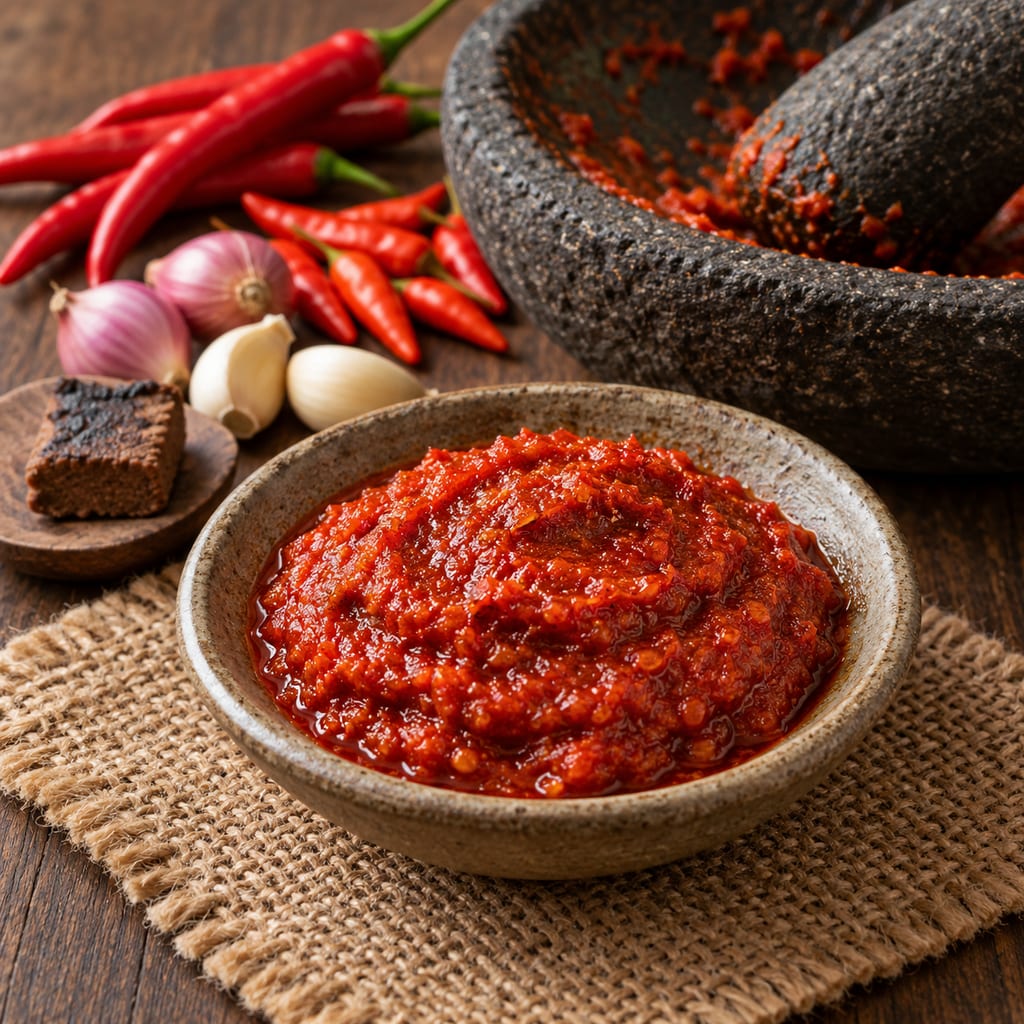
Sambal terasi (West Java)
This documented West Java sambal grinds cooked red and bird’s-eye chiles with garlic, shallots and fermented shrimp paste, then simmers the paste before serving.
 FermenteaWhere food goes to change
Bumbu kacang · Bumbu kacang · Sambal kacang · Sambel pecel · Gado-gado sauce
A cooked peanut sauce of ground roasted peanuts, aromatics, shrimp paste and coconut cream, as made for gado-gado; pecel and Malaysian satay sauces are close relatives with different formulas.
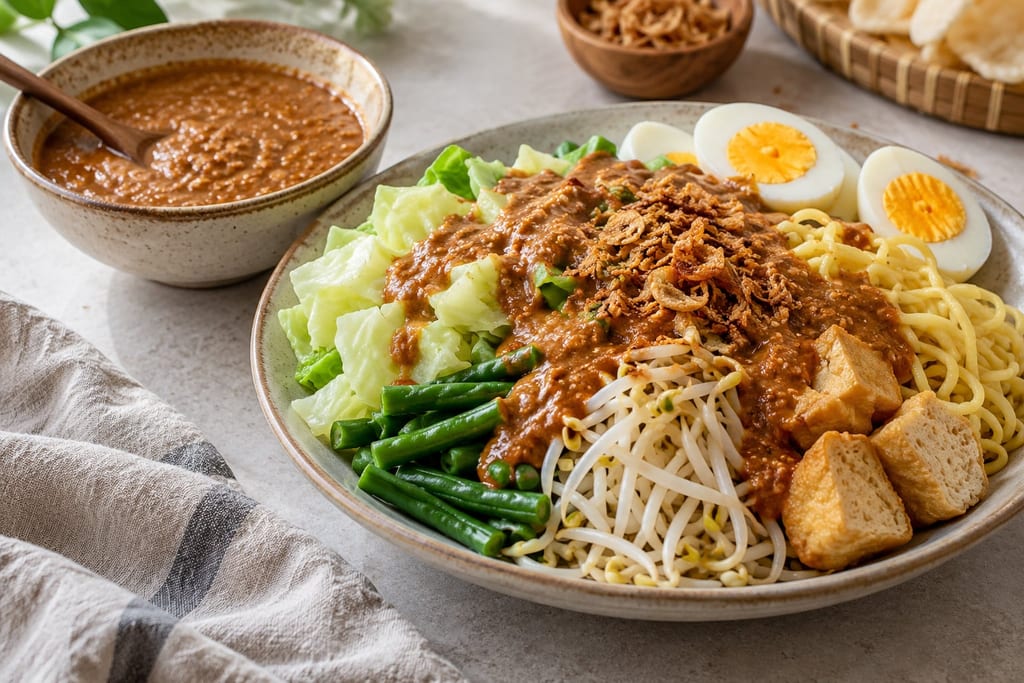
Peanut sauce is not one recipe. An Indonesian government culinary book describes Java's bumbu kacang as the sauce served with sate, gado-gado, karedok, ketoprak and pecel, with a sambal kacang for other foods. The indexed text of the page names fried peanuts, palm sugar, garlic, shallot, ginger, tamarind, lemon, lemongrass and water. Every version grinds peanuts into a base and seasons it with chilli and aromatics. How sweet, how sour, how thick, whether it is cooked and whether it contains coconut or shrimp paste changes from dish to dish and cook to cook.
The formula on this page is Sukiman Kadir's, shown at the 2010 Smithsonian Folklife Festival for gado-gado, a platter of steamed vegetables, yellow noodles, egg and fried bean curd. The peanuts, garlic, shallots and chillies are blended with a little water. Lemongrass, ginger, galangal, salam leaves, lime leaves, shrimp paste and lemon juice are sauteed in oil until fragrant, which draws their aroma into the fat before the peanut paste goes in. Coconut cream and water loosen and enrich it, brown sugar and sweet soy sauce sweeten and colour it, and a low simmer thickens it. The finished sauce is poured over the arranged dish and topped with fried shallots. It is one festival demonstration, not a canonical gado-gado.
Pecel is boiled vegetables dressed with a diluted peanut sambal. A Yogyakarta seller's recipe makes the paste dry and uncooked in the sauce sense: 500 g peanuts, fried or dry-roasted and ground; 100 g shaved palm sugar and three lime leaves; a tablespoon of tamarind; and a paste of fried red curly and bird's eye chillies, garlic, kencur, roasted shrimp paste and salt. All are mixed, and a portion is thinned with warm water at serving. A cultural database entry describes pecel in the same terms but lists no supporting documents or heritage designation.
A Malaysian satay sauce is a cooked relative. Bee Yinn Low's eight-serving recipe blends dry-roasted peanuts with a paste of soaked dried chillies, garlic, shallots, lemongrass and galangal, adds tamarind, palm sugar, coriander, sweet soy sauce, oil and water, and simmers five to ten minutes until thick. It is useful as comparison, not as an Indonesian master formula.
Some formulations use terasi or shrimp paste as a seasoning. That does not make the finished sauce fermented, since the paste is an ingredient and the sauce is ground, mixed and often cooked at serving scale. The sources give no common shelf life, and their home storage notes are not tested controls. A Pekanbaru journal abstract found E. coli in all five unbranded market samples of peanut sambal and Salmonella in three. Only the abstract was available, so the methods are unreviewed, and a small local study cannot speak for all peanut sauces or supply a household storage limit. It is a reason to serve the sauce freshly cooked and keep leftovers cold.
The sources are contemporary recipes and cultural entries. None dates the sauce or traces which of its branches came first.
Scaling: source batch only
The sauce is built on ground peanuts and contains shrimp paste and sweet soy sauce.
Hazard sourceA Pekanbaru journal abstract reports E. coli in all five unbranded market samples of peanut sambal and Salmonella in three. The full paper was not reviewed, and this small local study does not measure all peanut sauces or establish causes.
Hazard sourceBring the sauce to a boil and simmer it as the recipe directs, serve it freshly made, and keep any left over cold. No source gives a validated shelf life for a home batch.
Control sourceThe recipe is one festival demonstration; it is not a standard formula for Indonesian peanut sauce.
Some source formulations use shrimp paste as a seasoning. That does not make the sauce fermented, but it does add a crustacean allergen.
The Smithsonian Folklife Festival recipe says gado-gado originated in Indonesia and exists in many varieties; no town or date is given.
An Indonesian government culinary book describes Java's bumbu kacang served with sate, gado-gado, karedok, ketoprak and pecel; the page was read only as indexed text.
A Yogyakarta seller's recipe and a cultural database entry document pecel, vegetables dressed with a diluted peanut sambal; the database lists no heritage designation.
A Malaysian cook's satay sauce is a cooked relative with its own formula; it does not describe the Indonesian sauces.
This documented West Java sambal grinds cooked red and bird’s-eye chiles with garlic, shallots and fermented shrimp paste, then simmers the paste before serving.
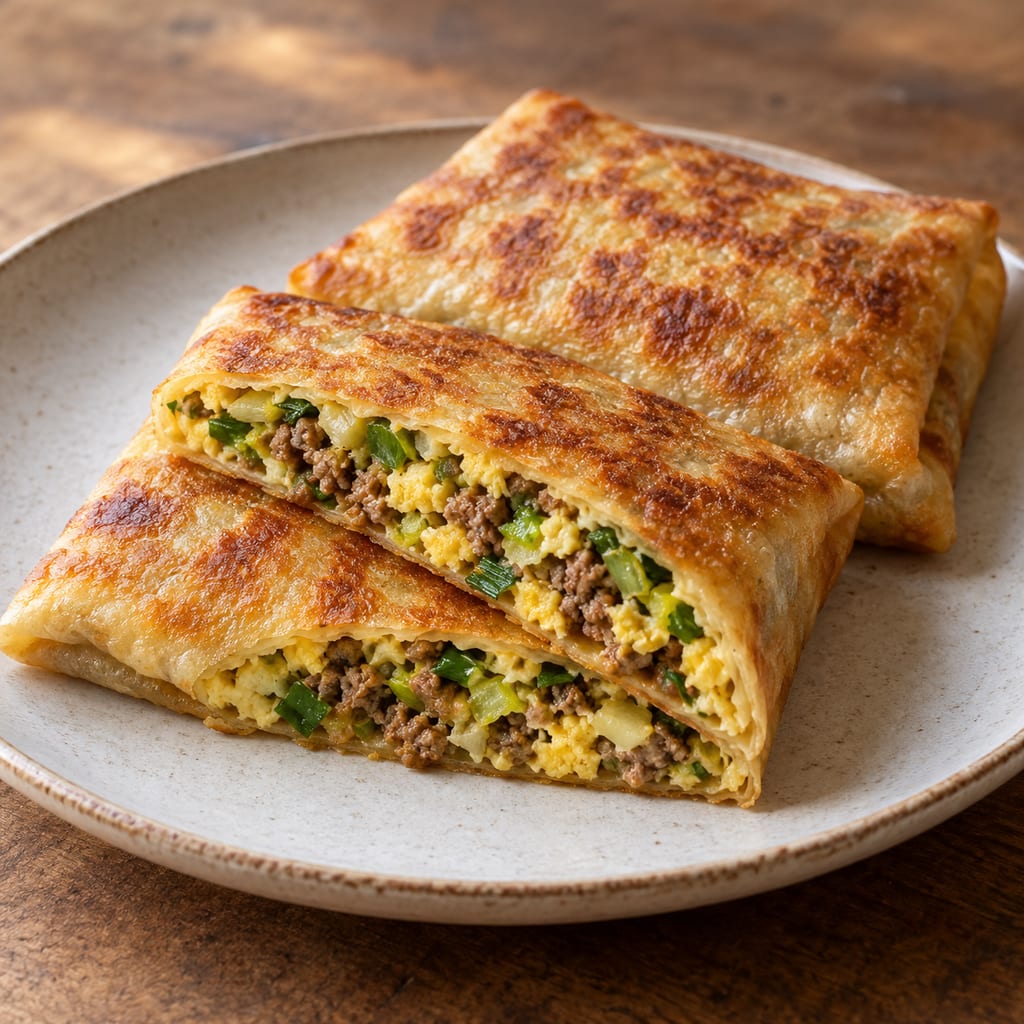
A Javanese-style Indonesian savoury parcel of thin rested wheat dough folded around curry-seasoned beef and egg, then cooked in an oiled skillet.
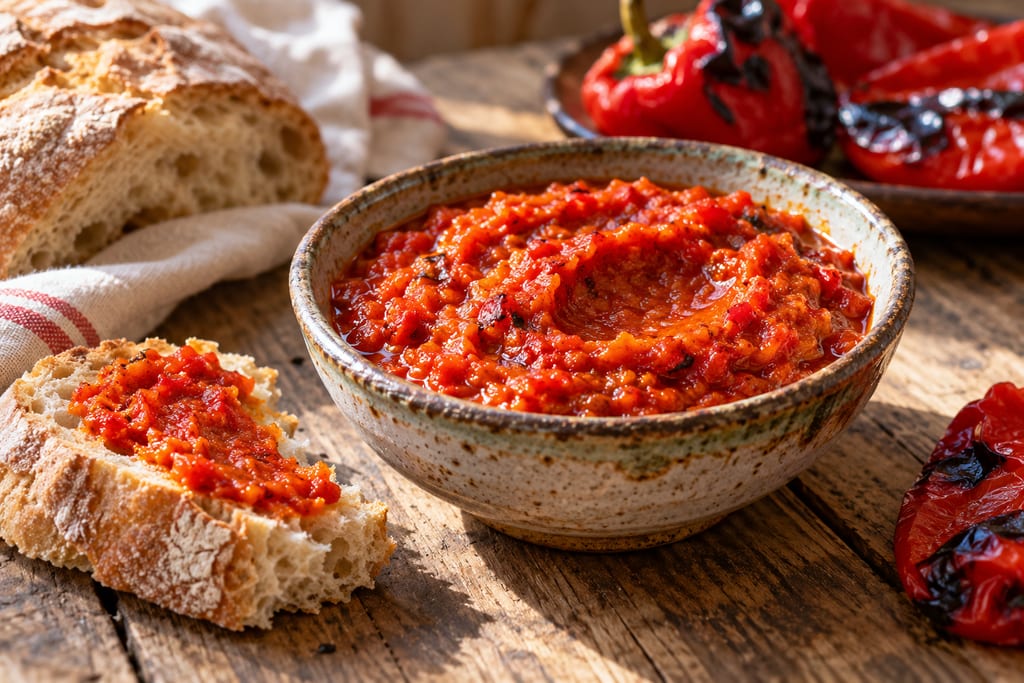
Ajvar is a cooked Balkan pepper preserve built around roasted red peppers, peeled, drained, ground and slowly fried with oil and seasoning. Leskovac’s protected version is a pepper specialty; regional versions vary.
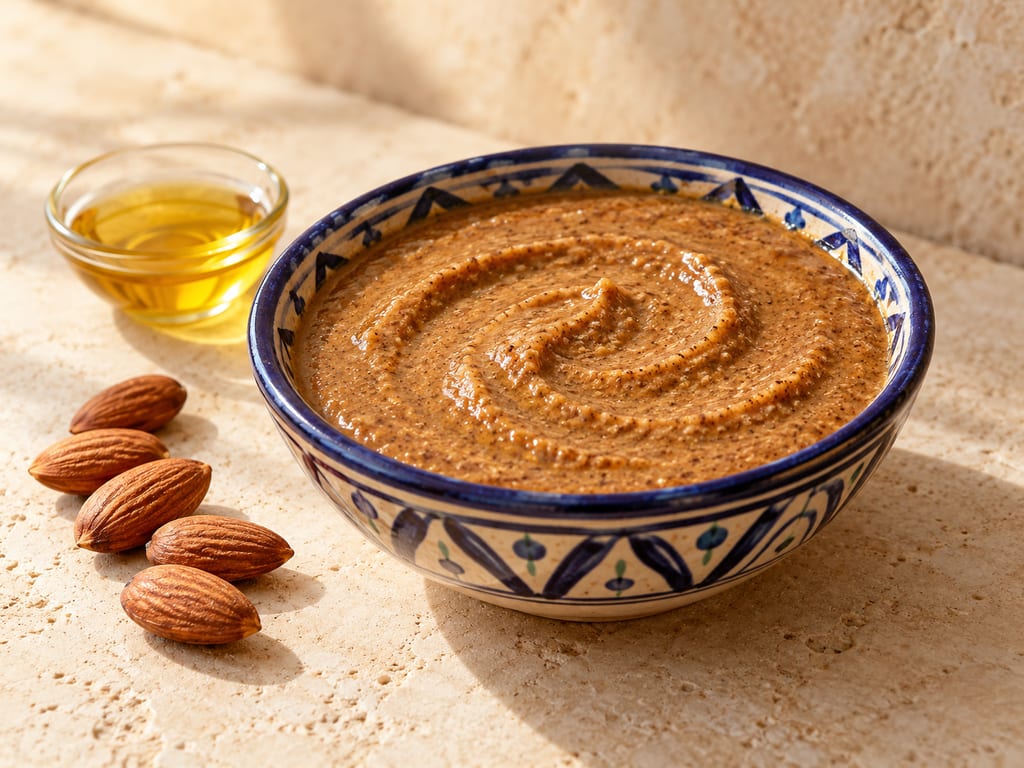
Amlou is a nutty, lightly sweet Moroccan spread of roasted almonds, culinary argan oil and honey. The almonds are ground first, then loosened with oil and sweetened; the balance can range from a thick spread to a dip.
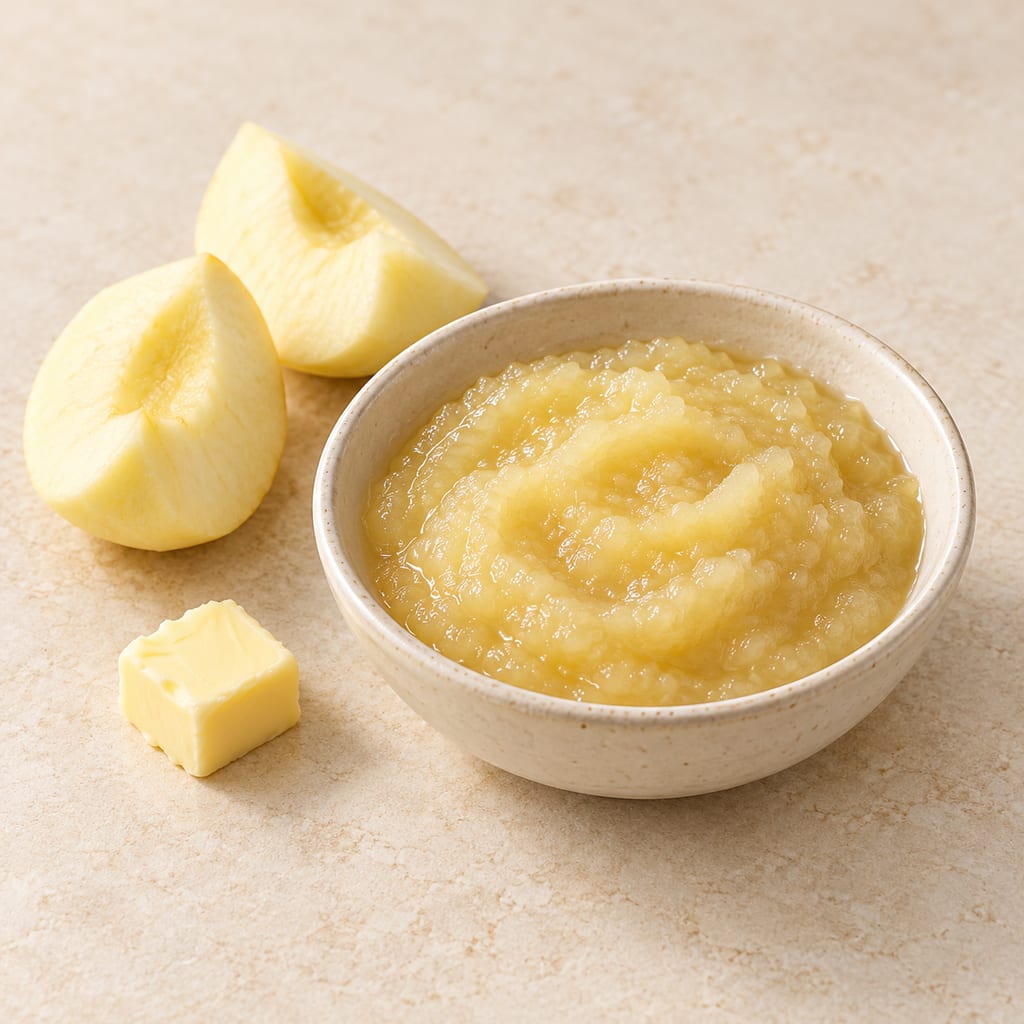
Apple sauce for goose and pork is a plain English accompaniment: cooked apples pulped with water, then sweetened with sugar and finished with a little butter.

A warm dip of garlic, anchovy and olive oil, often enriched with butter, that Piedmont serves over a flame with raw and cooked vegetables and bread.
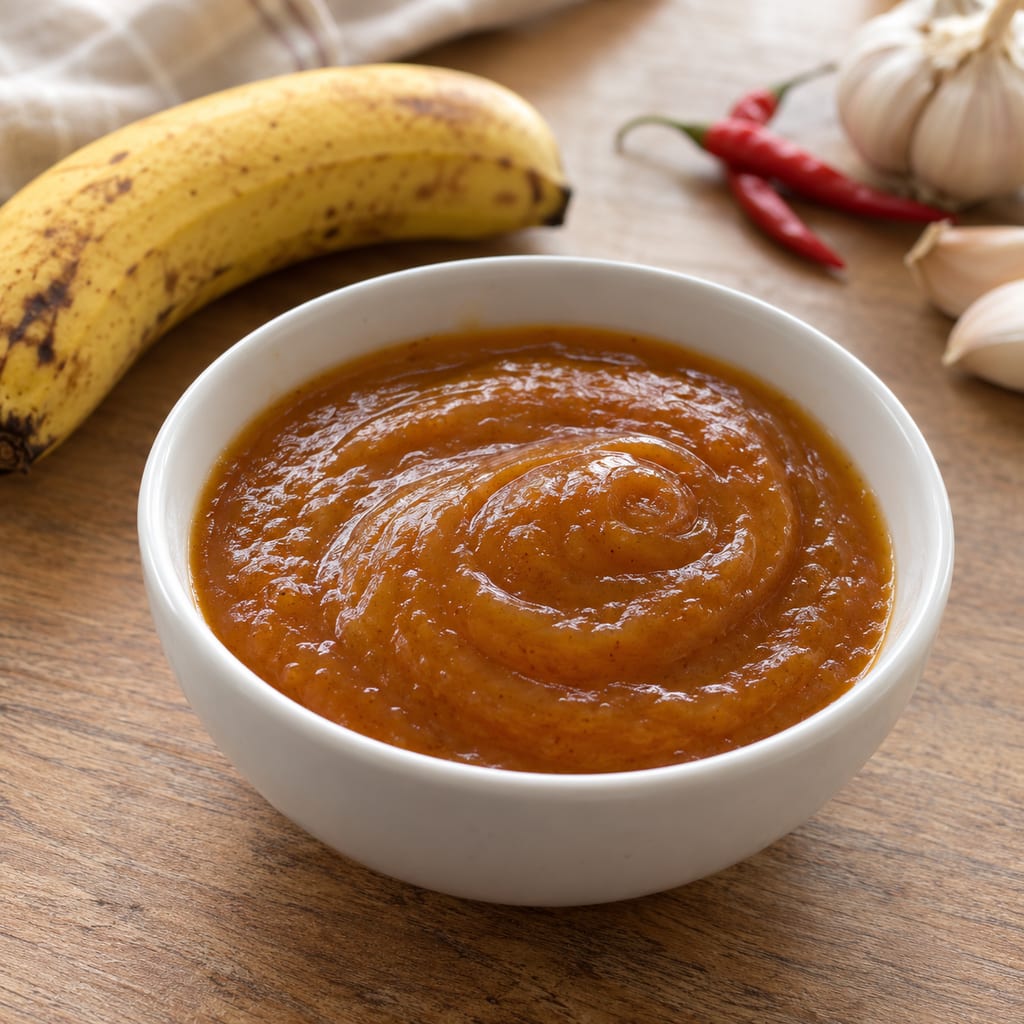
A sweet-hot table sauce of ripe banana simmered with vinegar, sugar, onion, garlic and fresh chilli, in the manner of Philippine banana ketchup. An untested development batch of about 500 g.
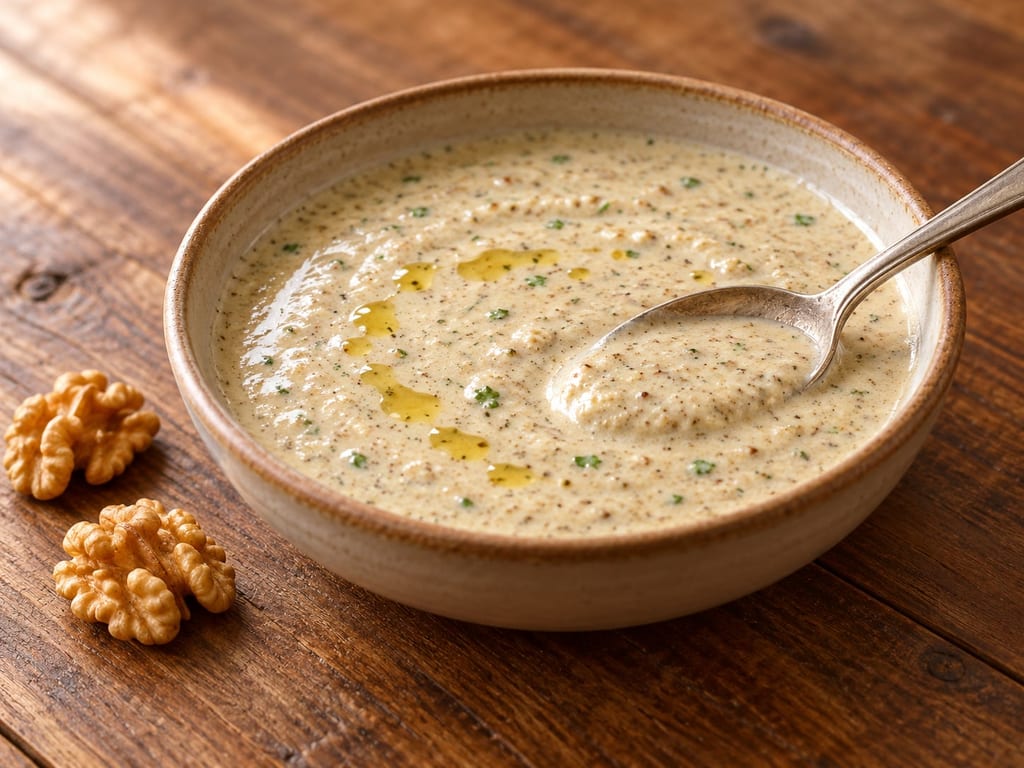
A Georgian walnut sauce of ground walnuts, garlic, vinegar and spices, thinned with water or broth. It is served with poultry, vegetables and bread, and is the sauce of the dish satsivi.
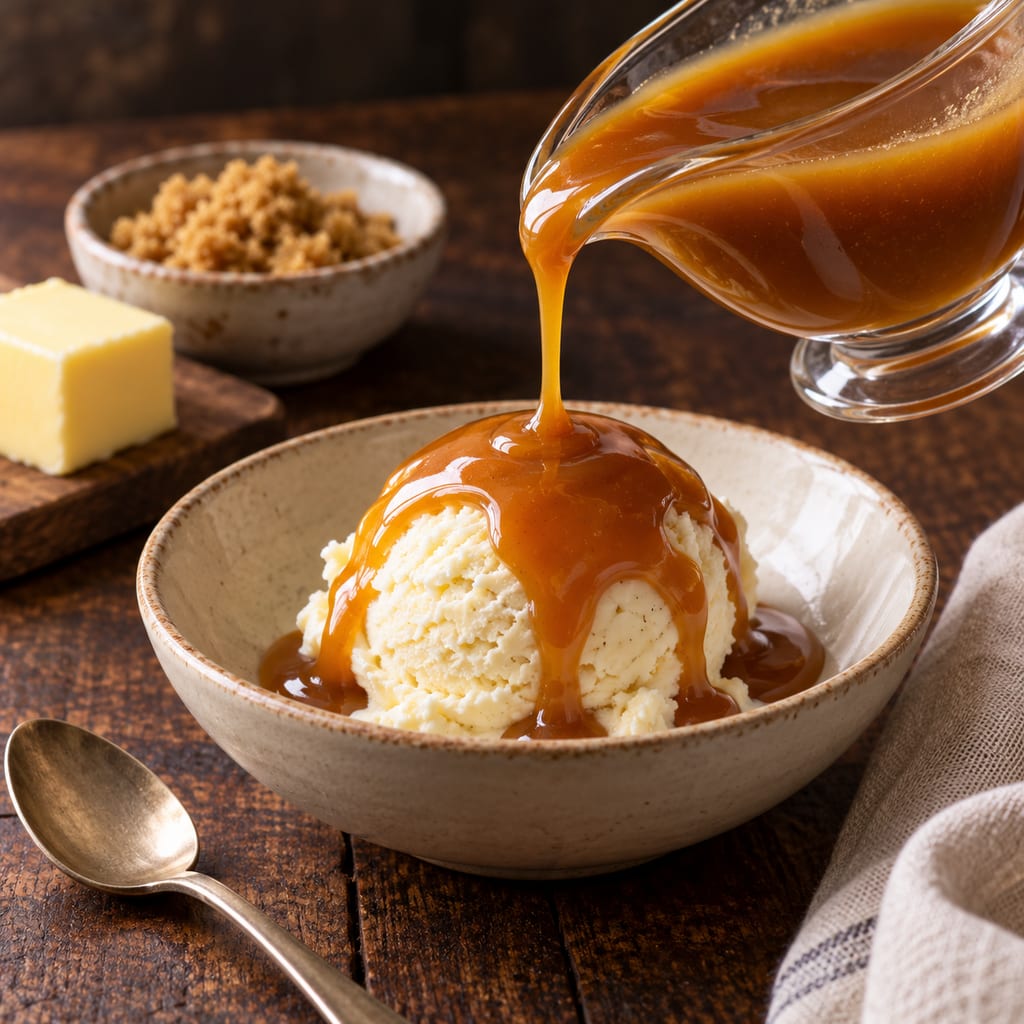
A pourable dessert sauce of brown sugar, butter and cream, with a little corn syrup and salt. It is the sauce form of the butterscotch confection and is made without water, unlike caramel.
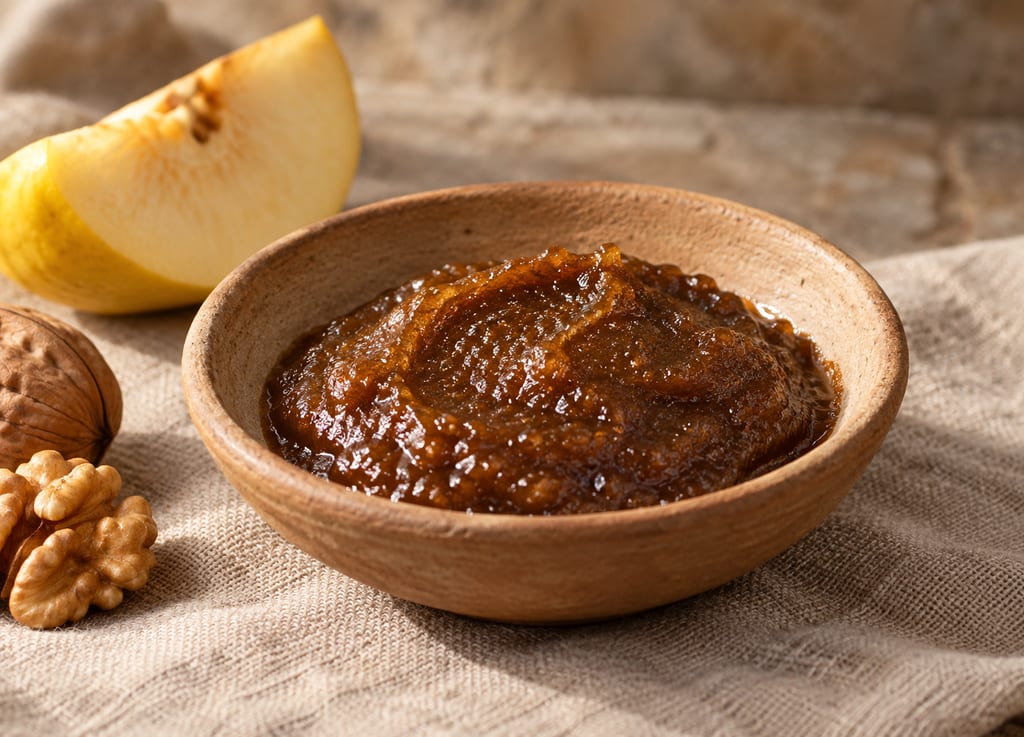
Byzantine murrī is a cooked imitation of murrī from the medieval Arabic repertoire, made from scorched honey, toasted bread, walnuts, quince, carob and spices rather than from a long grain fermentation.
No community contributions have been published for this entry yet.
Sign in to contribute. Published comments and photos are free to read.
Smithsonian Folklife FestivalRecipe · Method
Indonesian Recipe: Gado-GadoSukiman Kadir's gado-gado serves four to six; the peanut sauce uses 5 1/4 oz ground roasted peanuts, garlic, shallots, ground chillies, aromatics, shrimp paste, lemon juice, coconut cream, water, brown sugar and sweet soy sauce, cooked to a thick sauce.
The dish is a noodle and vegetable salad with egg and fried bean curd, said to have originated in Indonesia and to exist in many varieties.
Cited in: The gado-gado sauce
SiBakul Jogja seller page, Sambel Pecel Mutiara SariVariants · Recipe
Resep bumbu pecelA pecel peanut sambal: 500 g peanuts, 3 lime leaves, 100 g shaved palm sugar and 1 tablespoon tamarind, with a spice paste of 5 red curly chillies, 3 red bird's eye chillies, 4 garlic cloves, 2 cm kencur, 1 teaspoon roasted shrimp paste and 1 teaspoon salt.
Peanuts are fried or dry-roasted and ground, the chillies, garlic and kencur are fried until wilted, everything is mixed, and a portion is thinned with warm water for serving over boiled vegetables; the author suggests keeping the paste in a sealed container in the refrigerator.
Cited in: Pecel and satay: related sauces, different formulas; Fermented ingredients, fresh risk
Indonesian Ministry of Education and Culture repositoryVariants · Geography
Indonesia Culinary TreasuresDescribes Java's bumbu kacang with sate, gado-gado, karedok, ketoprak and pecel, and sambal kacang for other foods; indexed text names fried peanuts, palm sugar, garlic, shallot, ginger, tamarind, lemon, lemongrass and water. The page was seen only as indexed text.
Cited in: A family of peanut sauces
Jogja Budaya, Yogyakarta Special Region cultural databaseVariants
PecelDescribes pecel as boiled and drained vegetables with diluted sambal poured over; lists no supporting documents or heritage designation.
Cited in: Pecel and satay: related sauces, different formulas
Rasa MalaysiaVariants
Peanut SauceBee Yinn Low's eight-serving Malaysian satay sauce: dry-roasted peanuts with a paste of soaked dried chillies, garlic, shallots, lemongrass and galangal, plus tamarind, palm sugar, coriander, sweet soy sauce, oil and water, simmered about five to ten minutes until thick.
Cited in: Pecel and satay: related sauces, different formulas
Jurnal Proteksi KesehatanSafety
Keamanan sambal kacang tidak bermerek di pasar tradisional Kota Pekanbaru dari cemaran mikrobiologiAn abstract reports E. coli in all five unbranded market samples of peanut sambal and Salmonella in three; the full paper was not retrieved.
Cited in: Fermented ingredients, fresh risk