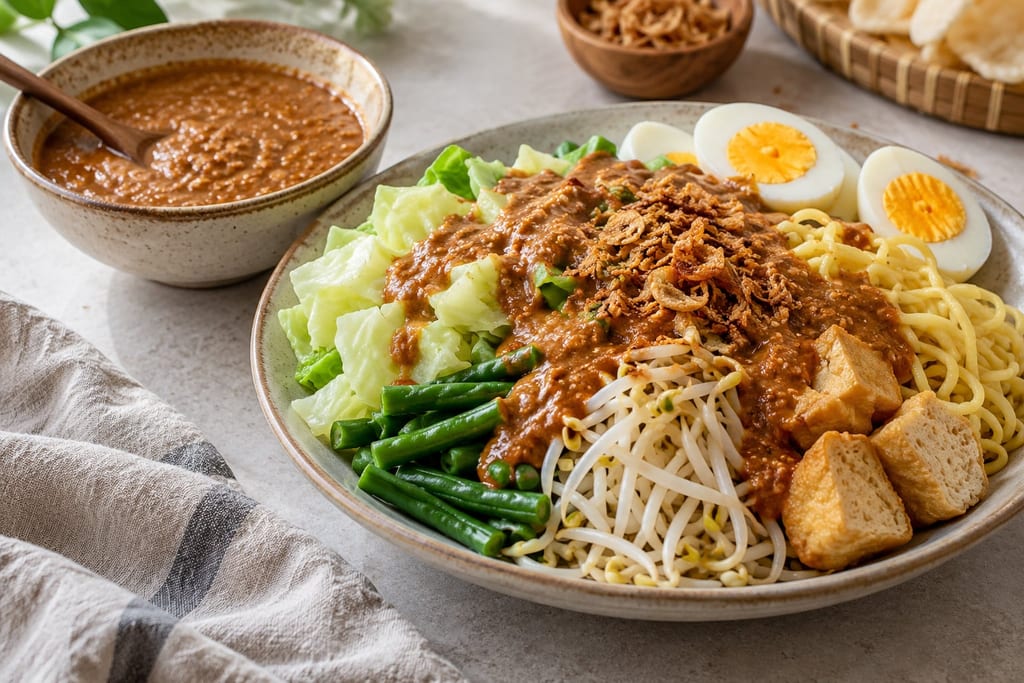
Indonesian peanut sauce
A cooked peanut sauce of ground roasted peanuts, aromatics, shrimp paste and coconut cream, as made for gado-gado; pecel and Malaysian satay sauces are close relatives with different formulas.
 FermenteaWhere food goes to change
Sambal terasi
This documented West Java sambal grinds cooked red and bird’s-eye chiles with garlic, shallots and fermented shrimp paste, then simmers the paste before serving.
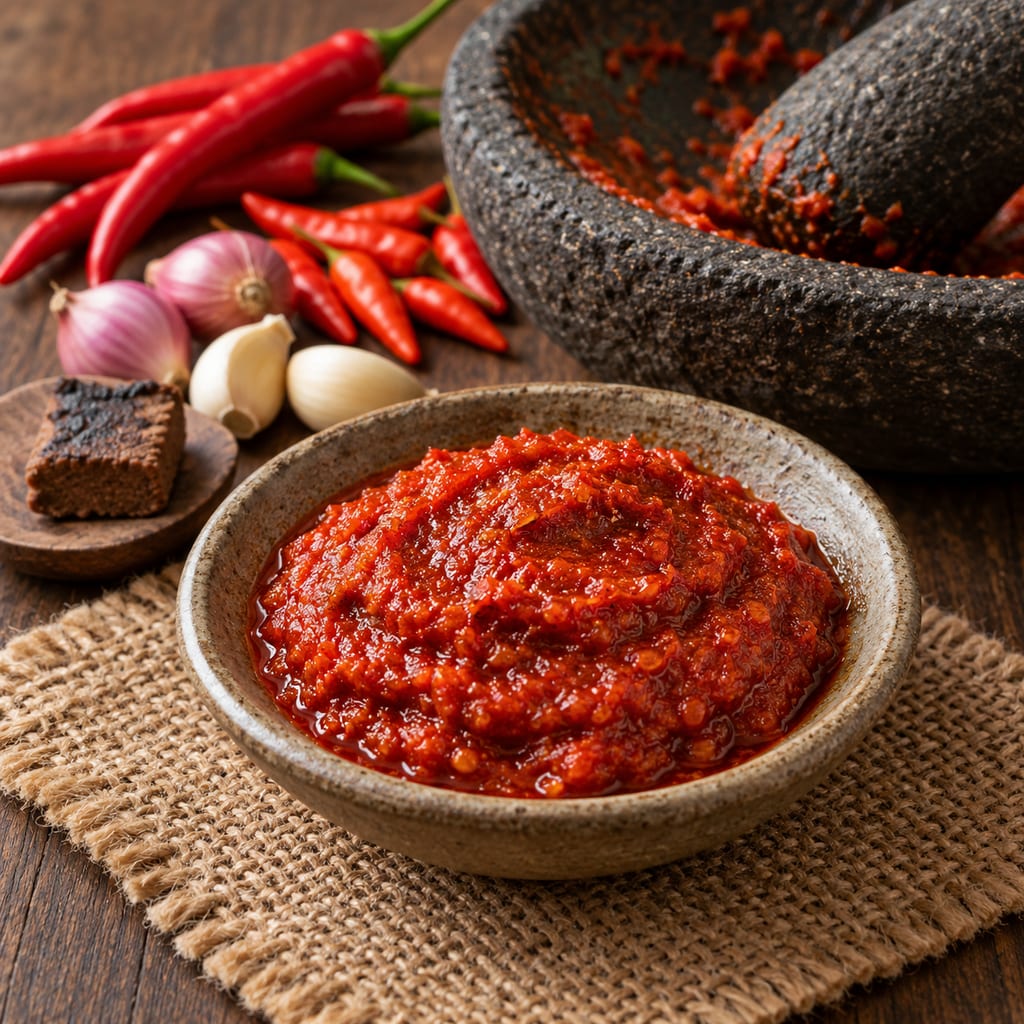
This entry records the West Java sambal terasi formula printed in the appendix of a 2022 review of Indonesian sambals. It is one documented formula, not a claim to represent every sambal terasi or all Indonesian practice. The review draws on 23 cookbooks and describes 110 sambal varieties. Its appendix gives specific quantities and a sequence for this version, but does not identify the source cookbook for the formula or establish when the named variant first appeared.
The wider history of sambal is older than the arrival of American chile peppers in Indonesia. The review discusses earlier Javanese sambal made with long pepper, black pepper and ginger, and dates chile introductions to the sixteenth century. That broad history does not date this particular shrimp-paste version. The exact period of the West Java formula is therefore left unknown.
Terasi is a fermented shrimp paste used as a seasoning. In this recipe it is an ingredient, not a fermentation step: the sambal maker toasts it, combines it with cooked chiles and aromatics, then grinds the mixture. Fermentation history belongs to the paste itself. The finished sambal is a cooked condiment, not a ferment.
Heat the terasi separately in a dry pan until it is slightly charred and fragrant. Sauté the chiles, garlic and shallots in oil until tender. No measured temperature or sauté time is given, so the directions retain the observable endpoint and add no numeric cooking limit.
The ingredient list combines eight fresh red cayenne peppers with eight bird’s-eye chiles. Those are the source's counts, not a measured heat rating. Pepper variety, ripeness and individual fruit can change the heat, and the review gives no Scoville result for this batch. It also gives no substitute ratio for a milder version.
The recipe description allows immediate use or refrigeration at 4 °C for 4–5 days, but does not report a safety study of this exact formula. Because it includes garlic in oil, this draft follows the National Center for Home Food Preservation's guidance for homemade garlic-in-oil: refrigerate promptly at 4 °C (40 °F) or colder and use within 4 days, or freeze. The recipe is not validated for canning or room-temperature storage. The final boil does not establish a shelf-stable process.
Terasi is fermented shrimp paste. FDA identifies shrimp and other crustacean shellfish as major food allergens. This recipe contains shrimp; it is not suitable for a person with a shrimp or crustacean shellfish allergy. The paste's fermented state and the sambal's heating do not remove that allergen.
The review allows immediate use or refrigeration at 4 °C for 4–5 days, but does not report a safety study of this exact recipe. Because the formula includes garlic in oil, this draft follows the National Center for Home Food Preservation's guidance for homemade garlic-in-oil: refrigerate promptly at 4 °C (40 °F) or colder and use within 4 days, or freeze. The recipe is not validated for canning or room-temperature storage. Its final boil does not establish a shelf-stable process.
No yield, full timing for the sauté or final boil, pH, water activity, cooling schedule or validated scale-up is given. The formula is not a food-safety tested process. Quantities are as printed; the units for garlic and shallots are missing.
Regional coverage in the review is broad and this recipe's location is recorded only at West Java level. No specific town or exclusive birthplace is inferred. Further work could identify the appendix formula's cookbook source and examine it directly.
A 2022 review of Indonesian sambals presents a West Java sambal terasi formula in its appendix and identifies terasi as a fermented shrimp paste used in the sambal. The publication documents this version but does not date its origin.
Scaling: source batch only
The recipe contains terasi, a fermented shrimp paste. FDA identifies shrimp and other crustacean shellfish as major food allergens.
Hazard sourceThe recipe combines garlic and oil and has no validated acidification or shelf-stable process. Low-oxygen storage can support botulism toxin formation if the mixture is stored improperly.
Hazard sourceRefrigerate promptly at 4 °C (40 °F) or colder and use within 4 days, or freeze for longer storage.
Control sourceDo not store this home-prepared garlic-and-oil sambal at room temperature or treat it as shelf stable.
Control sourceContains fermented shrimp paste (terasi), a crustacean shellfish ingredient. It is unsuitable for people with a shrimp or other crustacean shellfish allergy.
The source's 4–5 day refrigerator statement is not a product-specific safety validation. This draft follows the NCHFP's 4-day limit for garlic in oil.
The source gives no measured pH, water activity or validated shelf-stable process. Do not can it or store it at room temperature.
The 2022 review labels its appendix formula as sambal terasi from West Java. It does not identify a specific town or establish an exclusive origin.
A cooked peanut sauce of ground roasted peanuts, aromatics, shrimp paste and coconut cream, as made for gado-gado; pecel and Malaysian satay sauces are close relatives with different formulas.
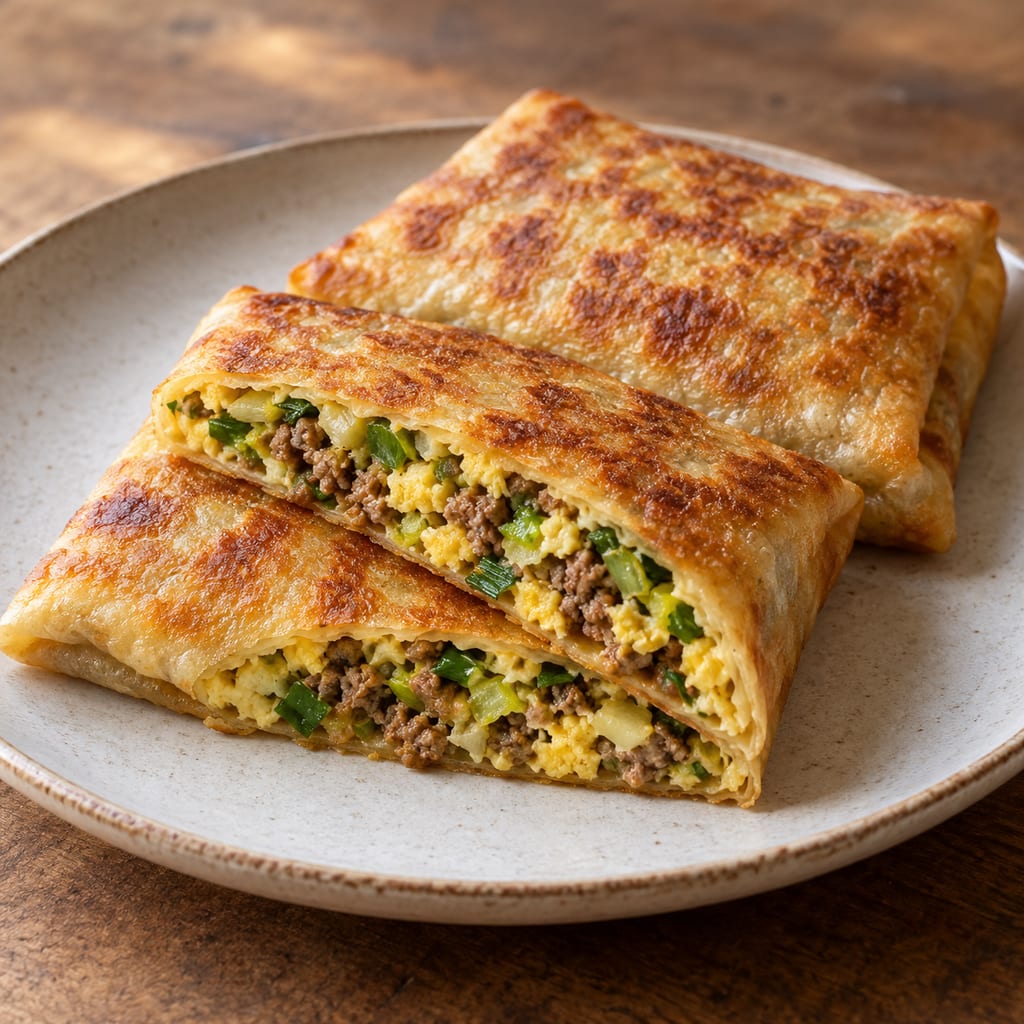
A Javanese-style Indonesian savoury parcel of thin rested wheat dough folded around curry-seasoned beef and egg, then cooked in an oiled skillet.
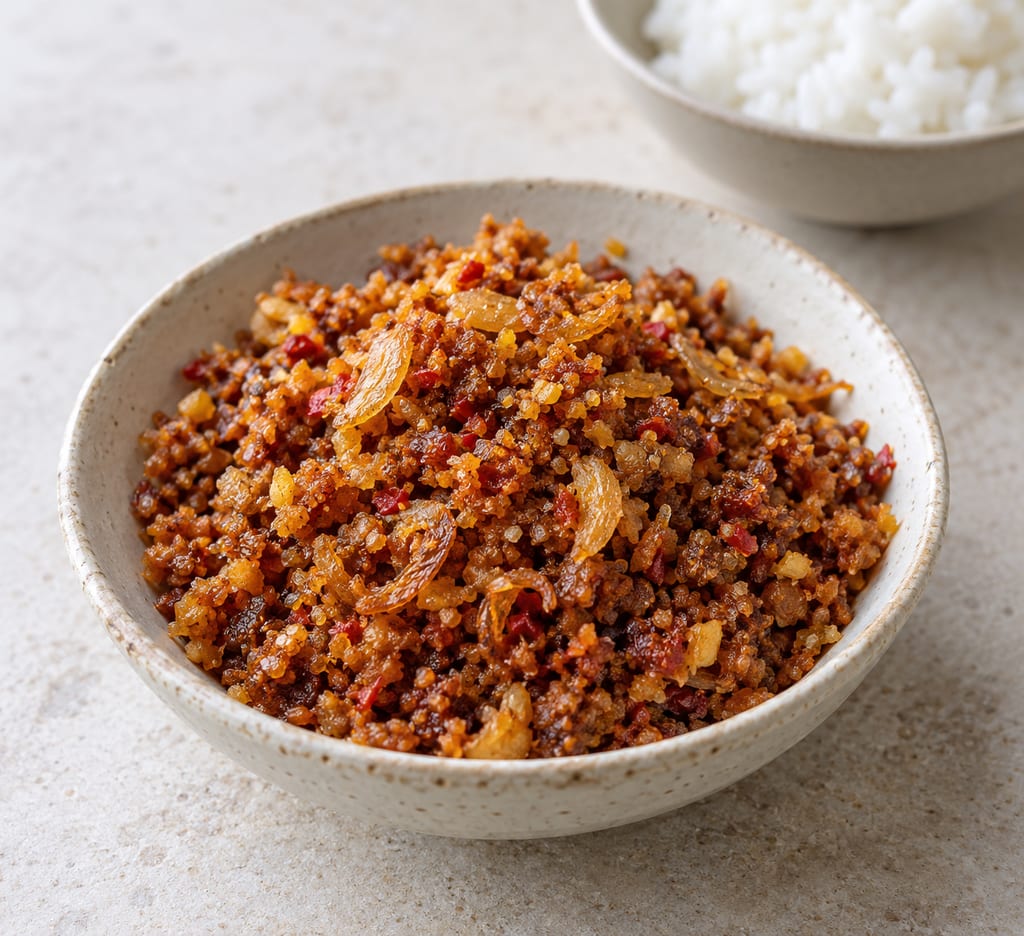
A Myanmar relish of dried shrimp, fried eschalot and garlic, chilli, turmeric, tamarind and ngapi. Naomi Duguid’s published recipe makes about 1 cup; it contains crustacean shellfish.
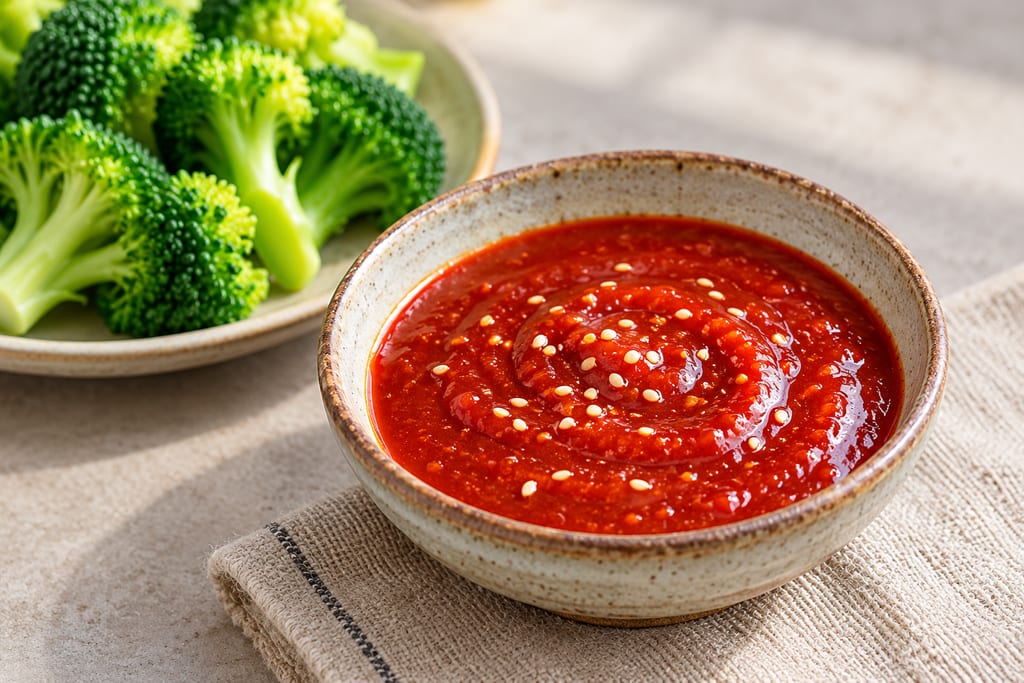
Chogochujang is a Korean sweet-sour sauce made by seasoning gochujang with vinegar and sugar. This development batch adds water and toasted sesame seeds, with optional garlic for the portion being served.
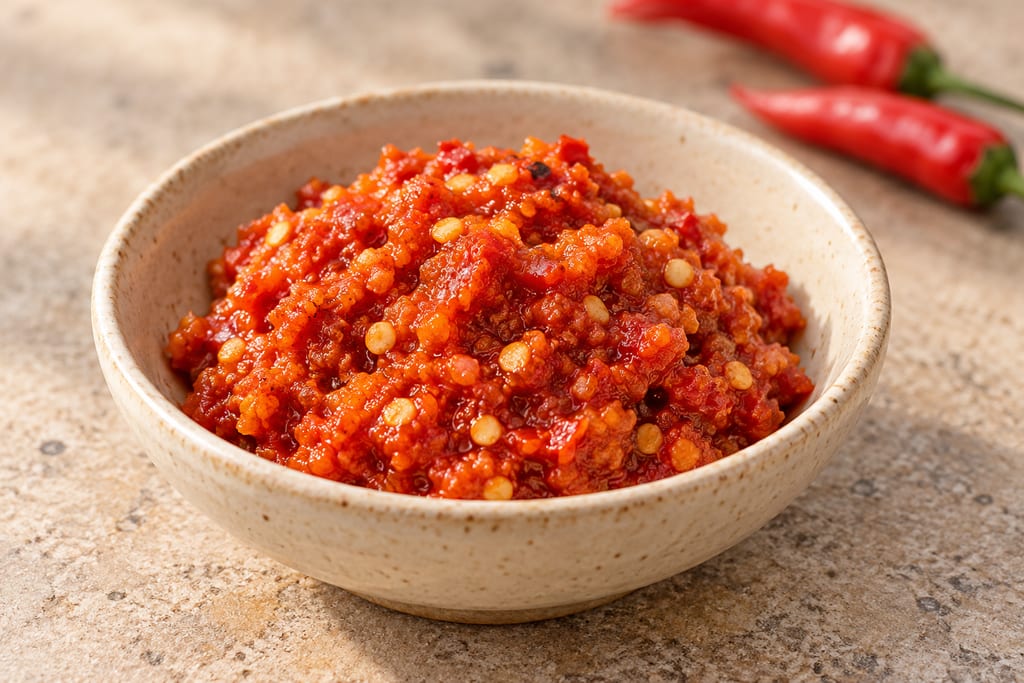
Dinanche, or donne' dinanche, is a Chamorro hot pepper paste of crushed chillies that Guam cooks use on its own or stir into fina'denne'. Its versions range from pepper alone to ones with eggplant, miso or coconut milk.
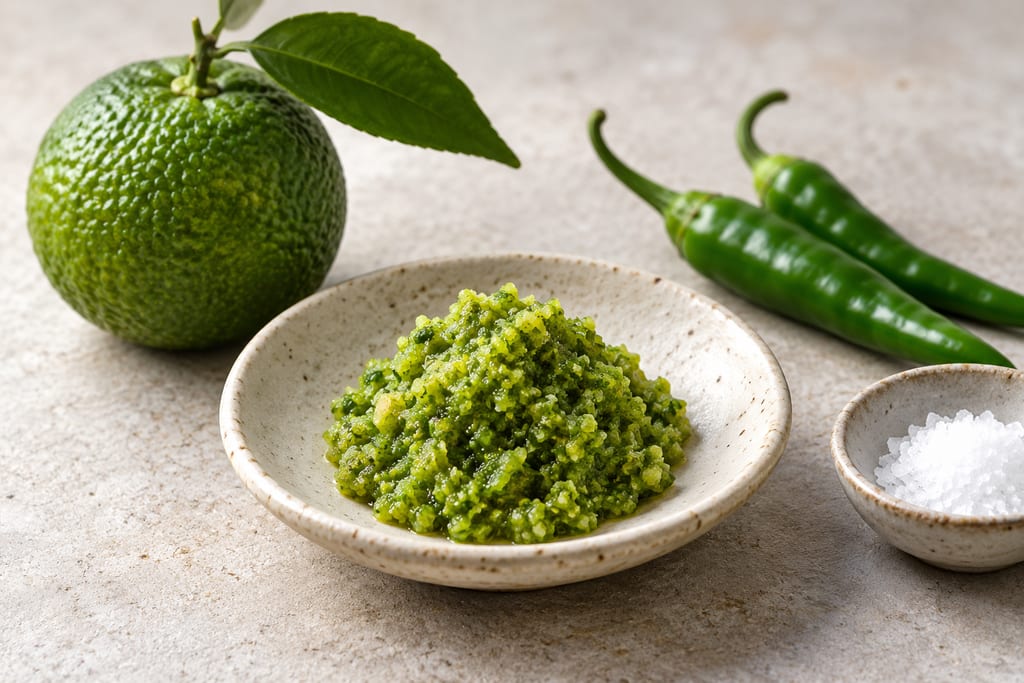
A fresh, uncooked yuzu and green chilli paste inspired by Kyushu’s yuzu kosho, made here as an untested small-batch seasoning rather than a preservation formula.
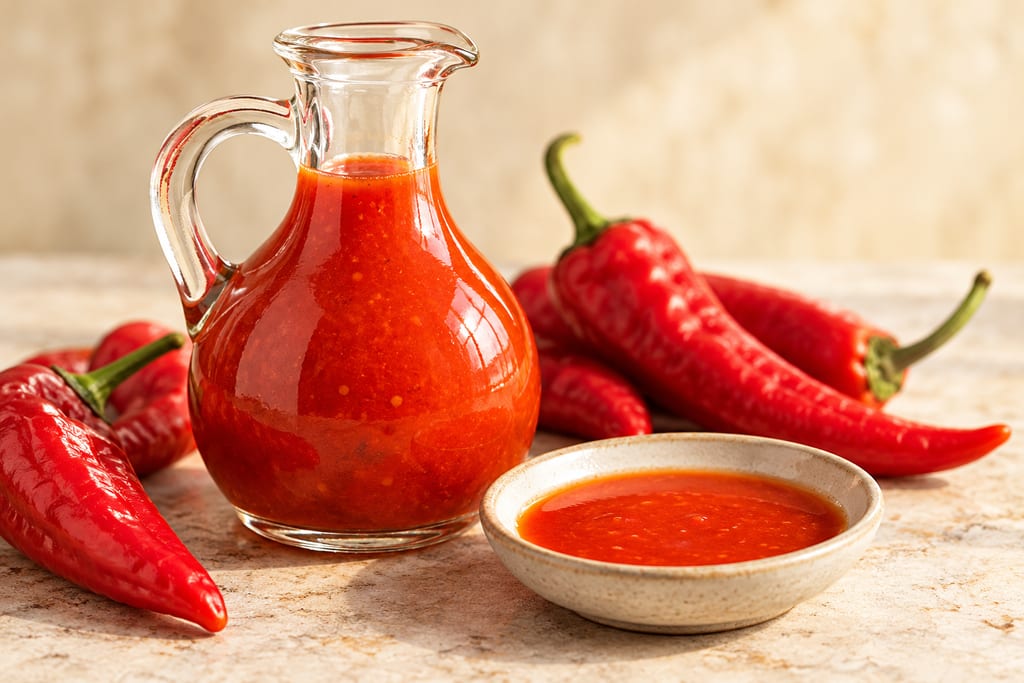
Fresh hot peppers ferment beneath a measured salt brine, then become a bright, tangy sauce blended from the peppers and their liquor.
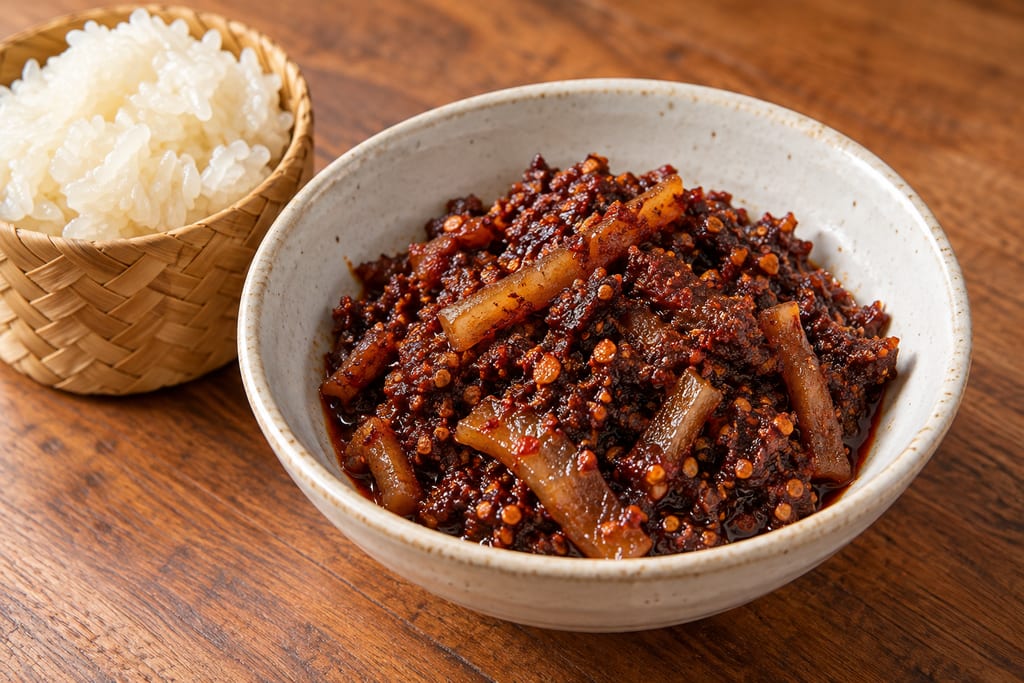
Jeow bong is a Lao paste of dried chilli, shallot, garlic and galangal cooked with buffalo or cow skin, a Luang Prabang specialty eaten with sticky rice and grilled meat.
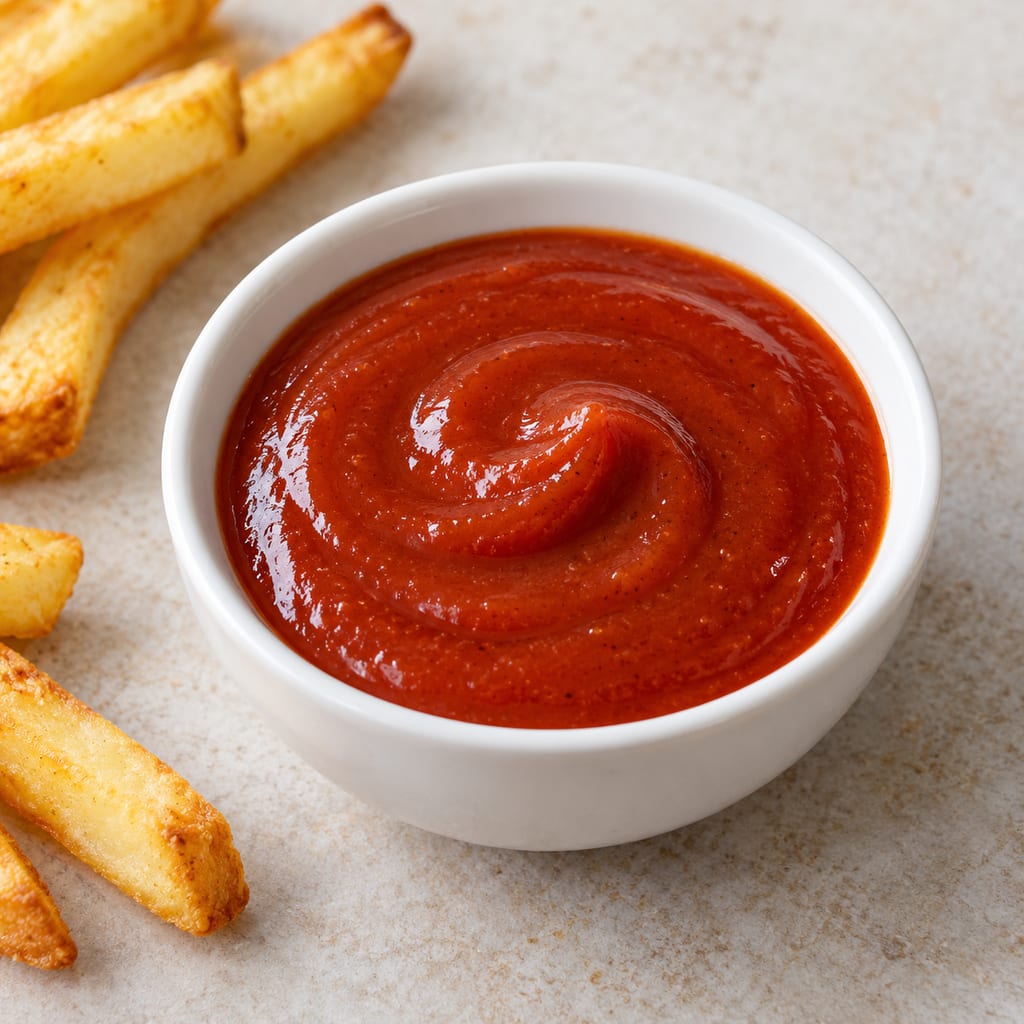
A modern tomato condiment sharpened with the spicy, savoury tang associated with kimchi; this measured version whisk-mixes prepared ketchup and commercial kimchi seasoning.
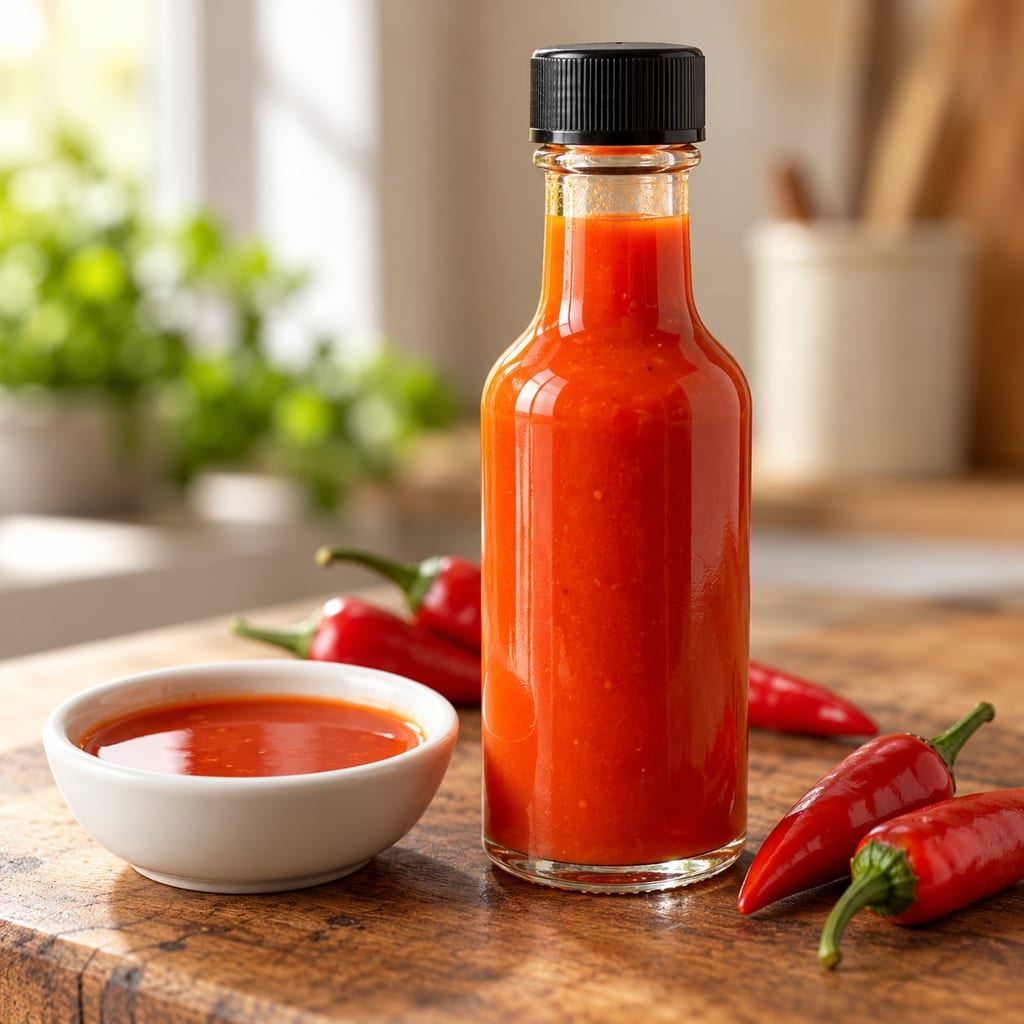
Documentary account of Louisiana pepper sauces, using TABASCO's published barrel-aged commercial process as one specific example; the source does not provide a validated home recipe.
No community contributions have been published for this entry yet.
Sign in to contribute. Published comments and photos are free to read.
Journal of Ethnic Foods / Springer NatureRecipe · History · Geography · Heat · Method
Diversity of sambals, traditional Indonesian chili pastesThe appendix lists the West Java formula: eight fresh red cayenne peppers, eight bird’s-eye peppers, five garlic, five shallots, about 20 g terasi, one-quarter tablespoon salt, one-half tablespoon sugar and five tablespoons cooking oil.
The described sequence dry-heats terasi for one minute, sautés other ingredients until tender, grinds them, then usually cooks the paste until it boils before serving.
The source reports refrigeration at 4 °C for 4–5 days but does not validate this exact formula's storage safety.
The article describes chile choices, the use of fermented shrimp paste, and the broad diversity of Indonesian sambal; it does not date this recipe's origin or provide a Scoville measurement for this batch.
Cited in: A documented West Java version; Fermented paste in a fresh condiment; Chile heat and texture; Allergen and storage limits; What the sources do not establish
National Center for Home Food Preservation, University of GeorgiaSafety · Storage
Freezing Garlic-In-OilFor home-prepared garlic-in-oil, advises refrigeration at 40 °F or colder and use within 4 days, or freezing; this recipe is not represented as shelf stable.
Cited in: Allergen and storage limits; What the sources do not establish
U.S. Food and Drug AdministrationAllergen safety
Have Food Allergies? Read the LabelFDA lists crustacean shellfish such as shrimp among major food allergens.
Cited in: Allergen and storage limits