
Rice koji
Rice koji is steamed white rice through which koji mold has grown. It carries the enzymes that turn rice starch into sugar, and it is the starting point of sake, sweet miso, amazake and shio koji.
 FermenteaWhere food goes to change
Traditional method
豆腐よう · Tofuyō · Tōfuyō · Tofu-yo · Tōfu-yō · 豆腐餻 · とうふよう · 沖縄豆腐よう · Okinawan fermented tofu · Okinawan red fermented tofu · Ryukyuan fermented tofu · Okinawan tofu cheese · Red-koji tofuyo · Beni-koji tofuyo
An Okinawan fermented tofu: dried tofu cubes matured in rice koji, awamori and salt, traditionally with red Monascus koji, until the curd turns smooth and intensely savoury.

Tofuyo (豆腐よう) is a fermented tofu speciality of Okinawa, Japan. Firm soybean curd is cut into small cubes, partially dehydrated and matured in a mixture containing rice koji, awamori and salt. Traditional red varieties use beni-koji, red rice koji made with Monascus fungi. During maturation, enzymes from the koji gradually break down tofu proteins, producing a soft, smooth curd with a concentrated savoury flavour. The mature cube remains recognisable but becomes much softer than the original tofu. It is normally eaten in small quantities rather than served as a substantial tofu dish.
The food is associated with the Ryukyu Kingdom and its court cuisine. It is related historically to Chinese fermented tofu, especially red furu, but has a distinctive preparation system. Chinese furu commonly involves mould growth on the surface of tofu followed by maturation in a salty liquid. Okinawan tofuyo instead relies heavily on koji enzymes introduced through a rice-based soaking mixture, with awamori providing alcohol and a characteristic aroma. The difference is large enough that Chinese red fermented tofu and Okinawan tofuyo are different foods.
The main ingredients are firm Okinawan tofu, rice koji, awamori and salt. In red tofuyo, Monascus koji contributes fungal enzymes and red pigments. Yellow koji made with Aspergillus oryzae may be used alongside the red koji or in separately studied yellow-koji versions. These moulds are cultivated on rice before the tofu is immersed. The main ripening process is therefore better described as enzyme-driven maturation in an alcoholic mixture than as unchecked fungal growth directly on the finished tofu.
Monascus purpureus and Monascus anka occur in published investigations of red-koji manufacture and its enzymes. Aspergillus oryzae is the principal organism associated with yellow rice koji. The fungal species and particular strains influence enzyme production, pigmentation and the finished flavour. Ordinary white or yellow rice koji cannot reproduce the red pigments of a traditional Monascus-based product. Adding red colouring to a yellow-koji preparation also does not demonstrate that it underwent Monascus fermentation.
Tofuyo is often compared with aged cheese because of its smooth texture and strong flavour. This is a sensory comparison: the product contains soy proteins rather than milk proteins and is not a dairy cheese. Soybean glycinin and beta-conglycinin break down only partly, leaving enough protein structure to hold the cube while making it soft. The finished product may be reddish, salmon-coloured or pale, depending on the koji and manufacturing process.
Modern commercial versions are not necessarily identical to historical red-koji methods. One Okinawan producer describes maturing tofu in a rice-koji and alcohol mixture, then introducing red-koji pigment into the final packing liquid. This makes a red product without necessarily using Monascus rice koji as the main ripening culture. Traditional Monascus-led red tofuyo, yellow-koji products and commercially coloured versions are different products.
Tofuyo developed within the food culture of the Ryukyu Kingdom, the island kingdom centred on Okinawa before its incorporation into modern Japan. The kingdom maintained extensive trade and diplomatic relationships with China and other parts of East and Southeast Asia. Tofuyo is traced to red fermented tofu introduced from Fujian, China, probably in the eighteenth century. The traditional account holds that cooks serving the Ryukyuan court modified the strong, salty Chinese preparation by incorporating local awamori and rice koji, producing a milder product adapted to Okinawan preferences.
This eighteenth-century origin is a historical reconstruction, not a precisely dated invention. An earlier possible reference appears in Basil Hall's Account of a Voyage of Discovery to the West Coast of Corea and the Great Loo-Choo Island, published in 1818. Hall's party visited the Ryukyu Islands in 1816 and described being served a food resembling cheese. Masaaki Yasuda suggested that this may have been tofuyo. The description does not name tofuyo, so the identification is tentative, not direct proof.
The earliest direct written reference identified by Yasuda occurs in Gozen Honzo, a Ryukyuan work attributed to the physician Tokashiki Tsukan Peichin and dated 1832. It discusses tofuyo as a palatable food with perceived medicinal qualities. The historical belief that it helped digestion or recovery from illness reflects the medical understanding of that period; it is not evidence that eating tofuyo treats disease. Tofuyo was therefore recognised well enough to be named and described in the nineteenth century.
Accounts associate tofuyo particularly with royalty and upper-class households in Shuri and Naha. Preparation methods were maintained privately and were not widely published. Yasuda identifies a scarcity of references between 1832 and a 1938 essay by Sho Jun, a descendant of the Ryukyuan royal family, who praised tofuyo as a special food. The absence of frequent historical references does not prove that the product disappeared; it demonstrates that the surviving written record is limited.
During the early twentieth century, tofuyo was reportedly enjoyed in small quantities with tea or awamori, especially in households that maintained knowledge of its manufacture. The product remained comparatively unfamiliar outside Okinawa. Twentieth-century upheavals, including the Second World War, affected Okinawan food traditions, although the available sources do not establish a complete chronological account of every producer's experience.
Scientific investigations became particularly important from the 1980s onward. Research at the University of the Ryukyus examined tofu coagulation, Monascus cultivation, koji enzyme production, room-temperature dehydration and ripening chemistry. A 1983 study investigated red-koji preparation, while a 1984 study examined the properties of tofu curd suitable for maturation. Work published in the 1990s investigated protein breakdown, mixed-koji production, texture and microbial changes during preparation.
This work turned methods once held in households into reproducible manufacturing techniques. Yasuda's account describes technology transfer to local producers beginning in the mid-1980s. Contemporary Okinawan manufacturers now produce tofuyo commercially, including traditional-style red products and newer formulations. Modern retail availability is therefore part of a more recent history of documentation and commercial development, not proof that the food was traditionally mass-produced.
Tofuyo has two important biological stages: cultivation of mould on rice to prepare koji, followed by enzyme-driven maturation of tofu in an alcoholic soaking mixture. The red koji is prepared using a Monascus fungus, while yellow koji uses Aspergillus oryzae. These fungi grow on rice and secrete hydrolytic enzymes. When the prepared koji is mixed with awamori and salt, its enzymes are carried into the maturation mixture. The tofu is subsequently immersed in this liquid or paste, where gradual protein breakdown alters its flavour and texture.
Soybean proteins are the main substrate for maturation. Tofu contains substantial quantities of glycinin and beta-conglycinin, assembled into a protein gel through the tofu-making process. Proteases cut these proteins into smaller polypeptides and peptides, while peptidases release free amino acids. Glutamic acid and aspartic acid are important contributors to the characteristic savouriness. Alanine, glycine, serine and other free amino acids also increase as ripening proceeds.
The protein breakdown is selective rather than complete. Electrophoresis showed that several beta-conglycinin subunits and the acidic subunit of glycinin progressively disappeared, while the basic glycinin subunit and particular smaller polypeptides remained. This residual structure helps explain why mature tofuyo becomes soft without completely dissolving into the surrounding liquid. A 1996 study measured decreasing breaking stress and viscoelastic resistance during maturation and observed changes in the protein network using electron microscopy.
Monascus produces several enzymes relevant to ripening. Yasuda and colleagues characterised an acid proteinase functioning as an aspartic protease. They also studied serine carboxypeptidases capable of releasing amino acids from peptides, which can influence flavour and reduce certain bitter hydrolysis products. In a 1998 experiment, an acid proteinase from Monascus anka progressively degraded soybean proteins in the presence of alcohol. These are direct enzyme investigations, rather than assumptions based simply on identifying Monascus DNA in a sample.
Awamori is chemically important because it introduces ethanol to the soaking mixture. In a controlled manufacturing study, the prepared moromi contained approximately 20% ethanol and had a pH of 5.6–6.0. The alcohol moderated proteinase activity while maturation continued. This limited hydrolysis helps explain tofuyo's smooth texture. Those measurements belong to a particular experimental formulation and must not be treated as universal concentrations or food-safety limits.
Koji also contributes carbohydrate-degrading enzymes. Alpha-amylase and glucoamylase can break down rice starch to smaller carbohydrates and sugars. The resulting sugars contribute to sweetness and can participate in other chemical changes during maturation. Monascus pigments produce the traditional red-orange appearance of red tofuyo. University of the Ryukyus research documented pigment formation during red-koji cultivation and an increase in pigment associated with the finished product during maturation.
Other organisms can contribute during certain manufacturing steps. A 1992 investigation isolated protease-producing Bacillus pumilus TYO-67 in relation to tofu-cube dehydration and examined its effect on subsequent ripening. This does not mean B. pumilus is a required starter in every traditional batch. The central deliberately cultivated organisms in standard red- and yellow-koji systems remain Monascus and Aspergillus oryzae.
The fermentation also generates peptides that have been investigated for biological activity. The peptides IFL and WL inhibited angiotensin-converting enzyme in laboratory assays, and a separate rat experiment examined blood-pressure effects. These findings do not establish that ordinary servings of tofuyo treat hypertension in humans. Its demonstrated culinary transformation is controlled proteolysis, with changes in texture, amino acids, pigments and aroma during alcohol-containing maturation.
Tofuyo manufacture begins with a firm soybean curd. Traditional Okinawan tofu, called shima-dofu or Okinawa-dofu, is suited to the process because its structure allows it to be cut, dehydrated and matured. Research by Yasuda and Hokama in 1984 showed that tofu coagulation and pressing conditions affect the finished quality. In their experiment, calcium sulphate at a final concentration of 20 mM and pressing at 38 g/cm² produced a suitable starting curd. Those values belong to an experimental tofu-making protocol, not a required household tofu recipe.
The tofu is cut into small cubes and partially dehydrated before immersion. Removing moisture changes the curd's firmness and the way it absorbs the maturation liquid. The 1984 study found that gradual dehydration at room temperature around 25°C produced a better result than forced drying with warm air, ovens or vacuum treatment under the conditions tested. Drying is therefore not merely a convenient preservation step; its rate and effect on the tofu's protein structure influence later texture.
The next ingredient is koji. Red koji is produced by cultivating an identified Monascus culture on cooked rice. A 1983 study prepared red koji using steamed rice, a prepared seed culture and controlled incubation at 32°C. It found useful enzyme and pigment production around 150 hours after inoculation. Moisture and temperature need monitoring, since microbial growth raised the temperature within the rice. Yellow koji, produced using Aspergillus oryzae, required a much shorter cultivation period in the related studies. These are separate koji preparations and are not combined into a single mixed-culture incubation.
The mature koji is blended with awamori and salt to prepare the soaking mixture, or moromi. In one technical method, red and/or yellow koji was mixed with awamori containing 43% alcohol and a small quantity of salt. The mixture was held at 4°C for 24–48 hours and then ground. The dehydrated tofu cubes were immersed in this moromi and allowed to mature at 25–30°C for five months. The reported moromi contained approximately 20% ethanol and had a pH of 5.6–6.0. These are documented experimental conditions, not validated safety limits for an arbitrary formulation.
The Okinawa Prefecture Dietetic Association publishes a separate practical recipe using three blocks of Okinawan tofu, rice koji or miso koji, awamori, salt, red koji and a little sugar. The method first soaks the rice koji in awamori for about ten days. The tofu is cut into cubes approximately 3 cm across, salted, air-dried and washed with awamori. The prepared cubes are then placed in sterilised containers with the koji mixture and matured. The association describes approximately two months as the earliest eating point and six months as a preferred maturation period. This is a different method from the five-month experimental procedure.
Every ingredient has a particular role. Tofu supplies the protein gel. Rice koji supplies enzymes and contributes carbohydrates. Monascus red koji provides additional enzymes and pigments. Awamori supplies alcohol, contributes aroma and changes microbial and enzyme activity. Salt affects taste and the surrounding microbial environment, while small quantities of sugar may balance the flavour. Changing the amount of alcohol, salt or water alters the whole system rather than simply making a milder-tasting product.
Commercial production may depart from historical methods. One Okinawan manufacturer describes using specially produced tofu, rice koji, salt and alcohol for three to six months of maturation, then adding red-koji pigment and starch syrup to the final packing liquid. This is a documented modern industrial process, not evidence that all historical tofuyo was made with added colour. The available methods must remain distinct when specifying ingredients, incubation times and microbial roles.
Tofuyo is closely associated with Okinawa rather than being a general Japanese fermented tofu. Its historical centre was the Ryukyu Kingdom, especially the court and upper-class households of Shuri and Naha. Research describes Chinese red fermented tofu as an important antecedent, but the Okinawan preparation developed a characteristic combination of local tofu, rice koji and awamori. Its use of alcohol and lower salt distinguishes it from many Chinese furu methods. This is a regional food transformation, not merely a different name for Chinese sufu.
The best-known form is red tofuyo made using beni-koji. This rice koji contains Monascus pigments that give the product its characteristic reddish appearance. Yellow-koji tofuyo can be produced with Aspergillus oryzae, creating a different colour and flavour. Mixtures of red and yellow koji were also tried and gave differences in quality and texture. These variants share the use of tofu and alcohol-based maturation but differ in their fungal cultures and enzyme profiles.
A 1995 study specifically investigated tofuyo prepared using combinations of red and yellow koji. Comparative work discussed by Yasuda found that red koji or a mixture containing red koji produced a preferred colour and flavour compared with yellow koji alone under the conditions tested. That is an experimental sensory and manufacturing result, not evidence that a mixed-koji formula has always been the traditional standard.
Another variation comes from the tofu itself. The 1984 research demonstrated that curd hardness, coagulant concentration and dehydration influence the finished product. A soft supermarket tofu cannot automatically be substituted for a firm Okinawan curd without changing the preparation. Likewise, strongly forced drying gives a different texture from slow dehydration.
The soaking liquor also matters. Awamori is a distilled rice spirit made within a distinct Okinawan brewing tradition. Yasuda's comparative manufacturing experiments found that substituting whisky or other distilled liquors changed the product's sensory characteristics and did not reproduce the preferred tofuyo flavour. This demonstrates that the alcohol is not simply an interchangeable source of ethanol. Its aroma and the conditions established by the liquid contribute to regional identity.
Modern industrial tofu production has introduced further differences. One commercial process uses a rice-koji-based alcoholic maturation mixture and adds red-koji pigment to the final liquid. The producer also offers smoked tofuyo and a tofuyo-based sauce. These are contemporary product developments, not evidence for royal-court preparations. A product made with purified pigment has not necessarily undergone maturation with living Monascus koji or enzymes produced by it.
The red colour itself therefore requires precise description. A reddish cube may have been matured with Monascus red koji, finished with a commercial red-koji-derived colouring or prepared through another documented method. Appearance alone cannot identify the fungal culture used. Traditional red-koji tofuyo and commercially coloured rice-koji tofuyo are both Okinawan products with different manufacturing methods.
Historically, tofuyo was associated with restricted household knowledge and courtly hospitality. Modern scientific standardisation and commercial packaging greatly expanded its availability. Both belong to the history of the food, but modern factory methods cannot be projected back onto eighteenth- or nineteenth-century Ryukyu kitchens.
Tofuyo is normally eaten in small quantities. A whole mature cube has a concentrated flavour and a smooth texture, so it is commonly served on a small dish and eaten gradually using chopsticks or a toothpick. The food is associated with drinking awamori, Okinawa's traditional distilled rice spirit. The alcohol-derived aroma of the tofu and its rich savoury taste complement the spirit. Tofuyo is therefore usually an accompaniment rather than the principal component of a meal.
Historical accounts associate tofuyo with Ryukyuan royalty and upper-class households. Yasuda's historical study describes men eating it with awamori and women enjoying it with tea during the early twentieth century. These are descriptions of customary social practices in particular households, not evidence that eating habits were uniformly divided by gender across Okinawa.
The most direct serving method requires little preparation beyond removing a small amount of mature tofu from its preserving mixture. Its softness makes it suitable for slow eating, and a single cube can be divided into several small portions. The mature product has been compared with cream cheese or aged cheese because it spreads and dissolves easily in the mouth. The comparison concerns texture and intensity; it is not a dairy product and does not contain milk as a required ingredient.
The tofu's strong flavour can also be used in cooking. A contemporary Okinawan manufacturer recommends combining it with black pepper, using it as a dip for vegetable sticks or baguette, and incorporating the matured soaking liquid into dressings and cooked dishes. The same company produces a tofuyo sauce and smoked tofuyo. These are documented modern applications, not necessarily historical court preparations.
The surrounding liquid is part of the product's flavour system. It contains soluble compounds released during maturation, including amino acids, peptides, carbohydrates and fermentation-derived flavour constituents. In a prepared product, the liquid may therefore be used as a strongly flavoured ingredient. However, its salt and alcohol content varies with formulation. The liquid from one manufacturer's product cannot automatically be substituted in equal amounts for another's.
The intensity of tofuyo also explains its presentation. Unlike fresh tofu, which is often served in comparatively large pieces, tofuyo is a concentrated fermented food. Its appeal comes from the gradual development of taste and texture during maturation. Traditional use with awamori and tea highlights the role of a small serving enjoyed slowly rather than a large quantity incorporated into a main dish.
Red-koji and yellow-koji tofuyo may differ in aroma, colour and the balance of amino acids and peptides produced during ripening. The use of a particular product in a sauce or appetiser may therefore change the taste. A red commercial product made using added pigment should not automatically be assumed to have the same enzyme-derived flavour as a Monascus-led red-koji product.
Tofuyo is the prepared fermented ingredient. A simple serving with awamori does not require a separate fermentation record. Smoked tofuyo, tofuyo sauce, dips and other dishes can be recorded as linked recipes or product variations when their ingredients and methods are independently documented.
Mature tofuyo is judged by its changing protein structure, aroma and texture, not by a single visual endpoint. The characteristic cube becomes softer during maturation but retains enough structure to be handled. Its flavour becomes concentrated, and red-koji versions develop characteristic pigmentation. Scientific investigations measured decreases in breaking stress and changes in soybean protein fractions during ripening. These observations describe successful experimental products, but visual appearance and texture alone do not establish microbial safety.
The most important culture-related concern in red tofuyo is the identity of the Monascus strain. Monascus fungi are used to produce red koji, but strains can differ substantially in their secondary metabolites. Some produce citrinin, a mycotoxin associated with kidney toxicity. Research on red-koji production has therefore investigated ways to select or develop strains with reduced citrinin production. An unidentified red mould or red-coloured rice should never be assumed to be an appropriate food-grade Monascus starter.
A survey published in 2005 identified citrinin in multiple commercial Monascus-derived products. This is a real hazard in the broader product category, but the survey does not measure citrinin prevalence in Okinawan tofuyo specifically. Likewise, Japan's 2024 red-koji health incident involved particular contaminated commercial ingredients and supplements. Japan's Ministry of Agriculture, Forestry and Fisheries explicitly distinguishes ordinary Aspergillus koji, Monascus red koji and certain separately manufactured red-koji colouring products. That incident does not mean all tofuyo is contaminated.
The type of koji must be confirmed. Ordinary rice koji made with Aspergillus oryzae can supply enzymes but does not produce the characteristic Monascus pigmentation. Conversely, adding a commercial red-koji pigment to a yellow-koji product does not mean Monascus enzymes drove its maturation. The microbiological identity of the material and the chemical role of an added colour are distinct facts. A manufacturer's description of the process is more useful than judging the finished product by redness alone.
Tofu dehydration introduces additional microbiological questions. Research has identified bacteria capable of producing proteases on tofu surfaces during preparation, including Bacillus pumilus TYO-67 in a particular experimental system. Some bacterial activity was investigated as potentially useful for subsequent maturation, but it would be inappropriate to encourage uncontrolled contamination of tofu cubes. The presence of an enzyme-producing isolate does not make it a standard or safe starter for unsupervised production.
Awamori and salt form important parts of the preservation system, but their concentrations must be treated correctly. One research method measured approximately 20% ethanol in the moromi, while the association's recipe begins with awamori of at least 40% alcohol before mixing. These numbers describe different liquids and must not be interchanged. Adding a measured quantity of strong liquor does not guarantee a particular final ethanol concentration once it is mixed with tofu, koji and other ingredients.
The reported moromi pH of 5.6–6.0 is not a protective acid endpoint comparable to that of acidified pickles. The product's safety depends on the complete process, including the initial tofu condition, culture suitability, alcohol, salt, maturation environment and microbial contamination controls. Research temperatures and durations cannot be transferred to an improvised formulation without validating those barriers.
The long maturation period does not give unlimited storage stability. A commercial manufacturer gives storage and shelf-life guidance for its particular product, including refrigeration after opening. Those instructions depend on that formulation, packaging and production system and do not apply universally to homemade tofuyo. Visible mould of an unidentified species, damaged packaging, unusual gas formation or other signs of mishandling require rejection, while the absence of such signs cannot guarantee safety.
Tofuyo contains soybeans and commonly retains alcohol from awamori. The soybean allergen remains relevant after fermentation. Alcohol exposure also matters for children, pregnancy and people avoiding alcoholic foods. The manufacturer explicitly advises against consumption by children and recommends avoidance during pregnancy because of residual alcohol. These concerns cannot be removed simply by assuming that months of maturation have evaporated the alcohol from a closed vessel.
Findings on peptides and blood pressure are narrow. Angiotensin-converting-enzyme inhibition was seen in vitro and blood-pressure effects in an animal model. They do not establish a clinically effective dose of tofuyo or prove treatment of hypertension in humans. Tofuyo is not a medicine.
A safe reproducible procedure therefore requires appropriately selected food-grade koji cultures, controlled tofu dehydration, verified alcohol and salt conditions, hygienic maturation, testing for relevant hazards and validated storage. Traditional appearance, a pleasant aroma or completion of a stated number of months cannot substitute for those controls.
Masaaki Yasuda traces tofuyo to red fermented tofu brought from Fujian to the Ryukyu Kingdom, probably in the eighteenth century, though the year is unknown. Basil Hall's 1818 account of a cheese-like food in the Ryukyus may describe it but does not name it; the earliest explicit reference is the 1832 Gozen Honzo.
Scaling: source batch only
Some Monascus strains used for red fermented rice can produce citrinin, a mycotoxin associated with adverse kidney effects. Species identity alone does not establish that a particular culture is non-toxigenic, and the published culinary recipe does not specify citrinin-testing requirements.
Hazard sourceRed koji is produced using Monascus fungi, while ordinary Japanese rice koji is generally produced using Aspergillus species. Unidentified red mould, coloured rice or environmental fungal growth cannot be assumed to be the correct food-grade starter.
Hazard sourceTofu is a moist, protein-rich food. Prolonged drying under unspecified environmental conditions may permit unwanted microbial growth. The original recipe gives no measured drying temperature, duration or final water activity.
Hazard sourceThe recipe begins with awamori of at least 40% alcohol by volume, but its final concentration changes when mixed with tofu, koji and other ingredients. The final ethanol concentration is not measured or validated in the recipe.
Hazard sourceThe recipe uses salt during tofu preparation and again during maturation, but does not quantify how much remains after washing or establish the water activity of the finished product. These properties influence microbial stability.
Hazard sourceThe stated 2–6-month maturation period is a traditional culinary range. It does not prove the absence of pathogens, fungal toxins or undesirable microbial growth under arbitrary production conditions.
Hazard sourceAwamori is an essential ingredient in traditional tofuyo, and alcohol can remain in the finished food. Its presence matters for children, pregnancy and people avoiding alcoholic foods.
Hazard sourceTofuyo is made from soybean curd. Fermentation does not establish that the finished product is suitable for individuals with soya allergy.
Hazard sourceUse sound, hygienically manufactured firm tofu from an appropriate food supplier, and control its handling before preparation.
Control sourceUse appropriately identified food-grade rice koji and red koji. For Monascus-based red koji, assess the producing strain and verify appropriate controls for citrinin.
Control sourceMaintain hygienic equipment and establish a validated dehydration process for the prepared tofu, including suitable temperature, moisture and contamination controls.
Control sourceVerify the awamori concentration before mixing and establish the required final ethanol concentration for a validated maturation formulation.
Control sourceEstablish product-specific salt concentration, water activity and maturation conditions through process validation rather than relying on the original quantities alone.
Control sourceUse hygienically prepared, appropriately sanitised containers and protect the maturation mixture from contamination.
Control sourceEstablish appropriate finished-product microbiological acceptance criteria, packaging, storage temperature and shelf life before supplying the food for consumption.
Control sourceClearly identify the presence of soya and alcohol in information supplied with the finished food.
Control sourceThis reproduces published Okinawan culinary instructions and is not an independently validated home-fermentation safety protocol.
Use only food-grade red koji from an appropriately characterised producer. Do not cultivate unidentified red mould or assume any red rice is safe for tofu maturation.
Ordinary white or yellow rice koji made with Aspergillus oryzae cannot substitute for the red pigment and Monascus-associated enzyme profile of traditional red-koji tofuyo.
The recipe does not specify or validate an acceptable citrinin concentration.
The 40% ABV requirement applies to the awamori before mixing, not to the finished moromi or matured tofu.
Do not substitute weaker spirits or reduce alcohol or salt quantities without validation of the resulting fermentation and preservation system.
The tofu shade-drying procedure lacks a measured temperature, duration and water-activity endpoint.
The observed yellowish appearance of dried tofu is not proof of safe dehydration.
The 2–6-month maturation period is a traditional culinary observation, not a pathogen-elimination or toxin-control guarantee.
Do not substitute the temperature and alcohol measurements from Yasuda's experimental method into this recipe without treating it as a separate formulation.
The 2024 Japanese red-koji supplement incident does not establish that all red-koji foods or tofuyo are contaminated; it also does not remove the need to assess culture-specific hazards.
The finished food may retain alcohol and is unsuitable for people who must avoid alcoholic foods.
Unidentified mould growth, abnormal gas formation, damaged containers or suspected contamination require rejection. Do not taste or attempt to salvage a failed batch.
Contains soybeans, a recognised allergen.
Rice koji is steamed white rice through which koji mold has grown. It carries the enzymes that turn rice starch into sugar, and it is the starting point of sake, sweet miso, amazake and shio koji.
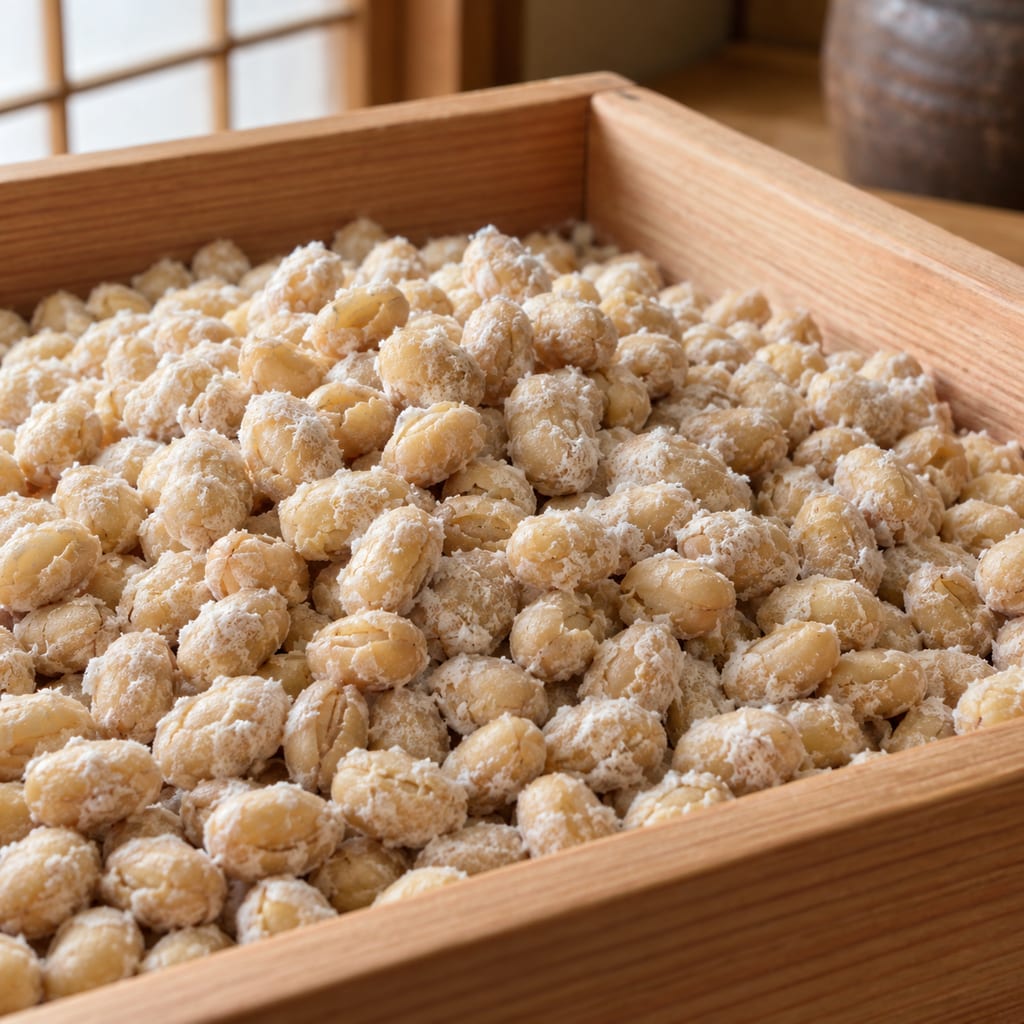
Japanese soybean koji: steamed soybeans, loose or formed into balls, grown over with Aspergillus mould to make the enzymes for mame-miso, tamari and regional soybean condiments.
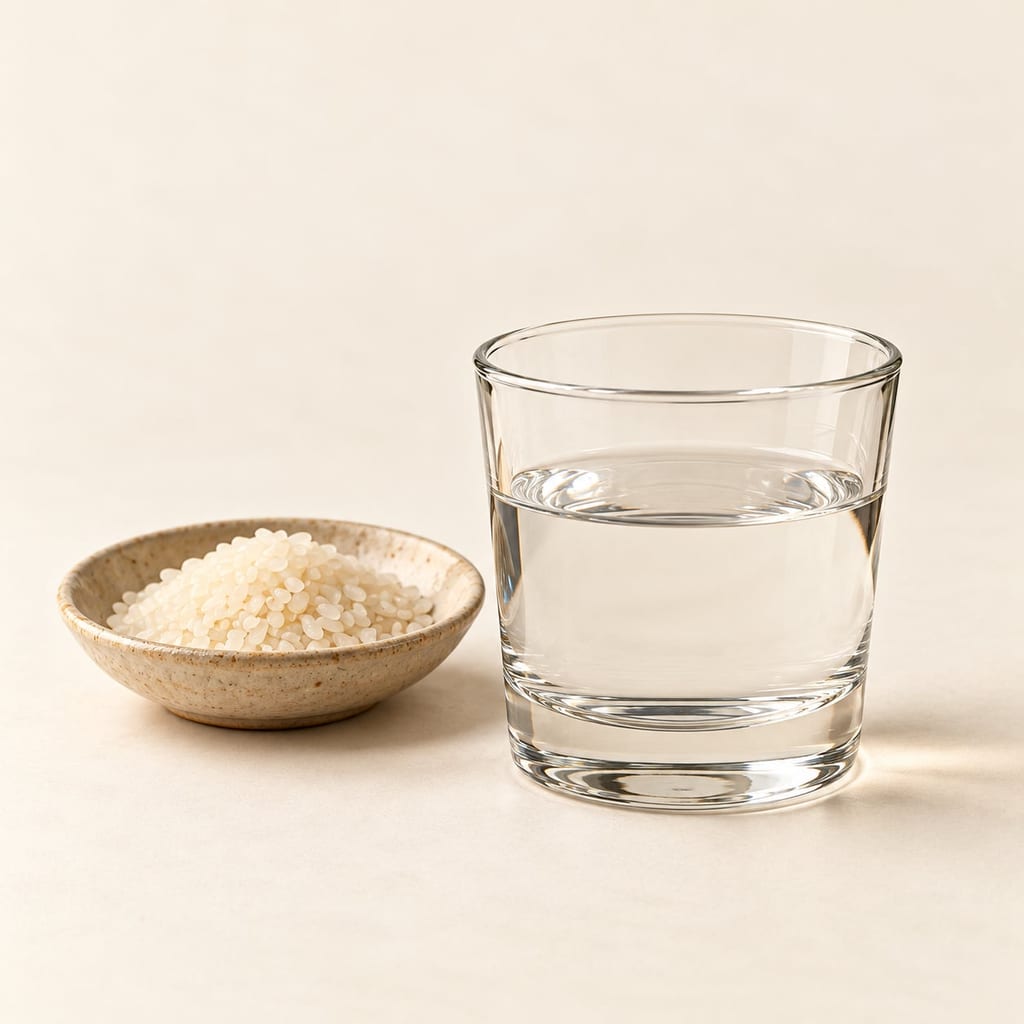
An Okinawan rice spirit made by turning all the rice into black koji, fermenting it with water and yeast, then pot-distilling and maturing the spirit.
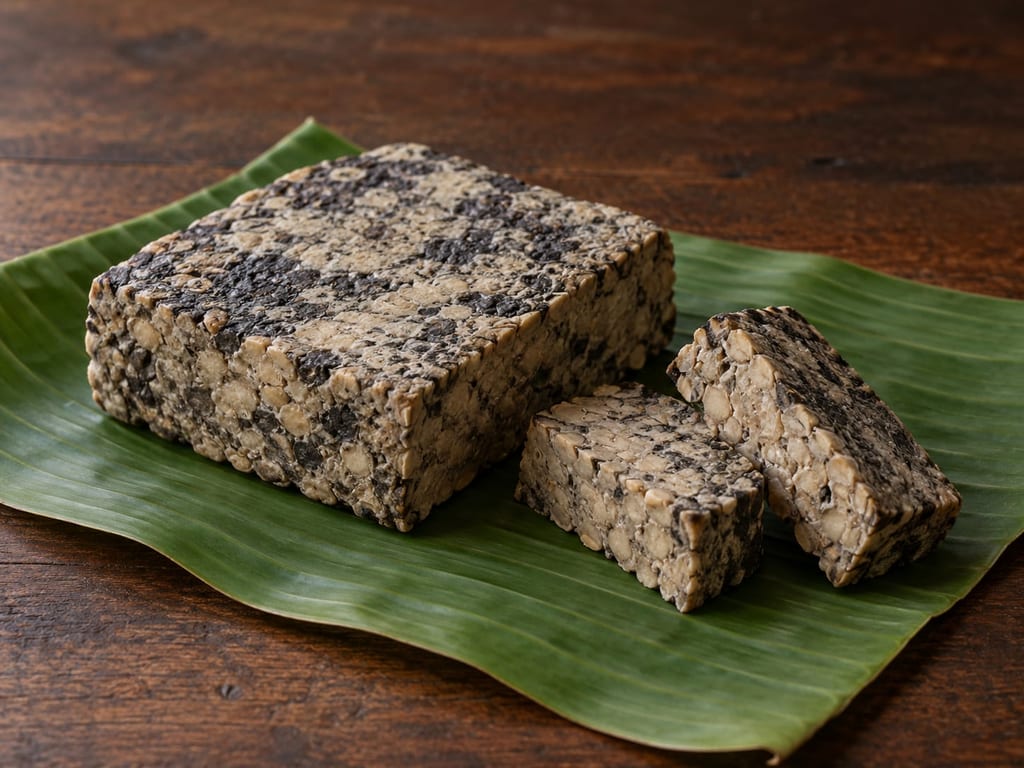
Black oncom is a mould-fermented cake made from defatted peanut cake, pressed to about 2 cm, steamed and then incubated for a day at ambient temperature.
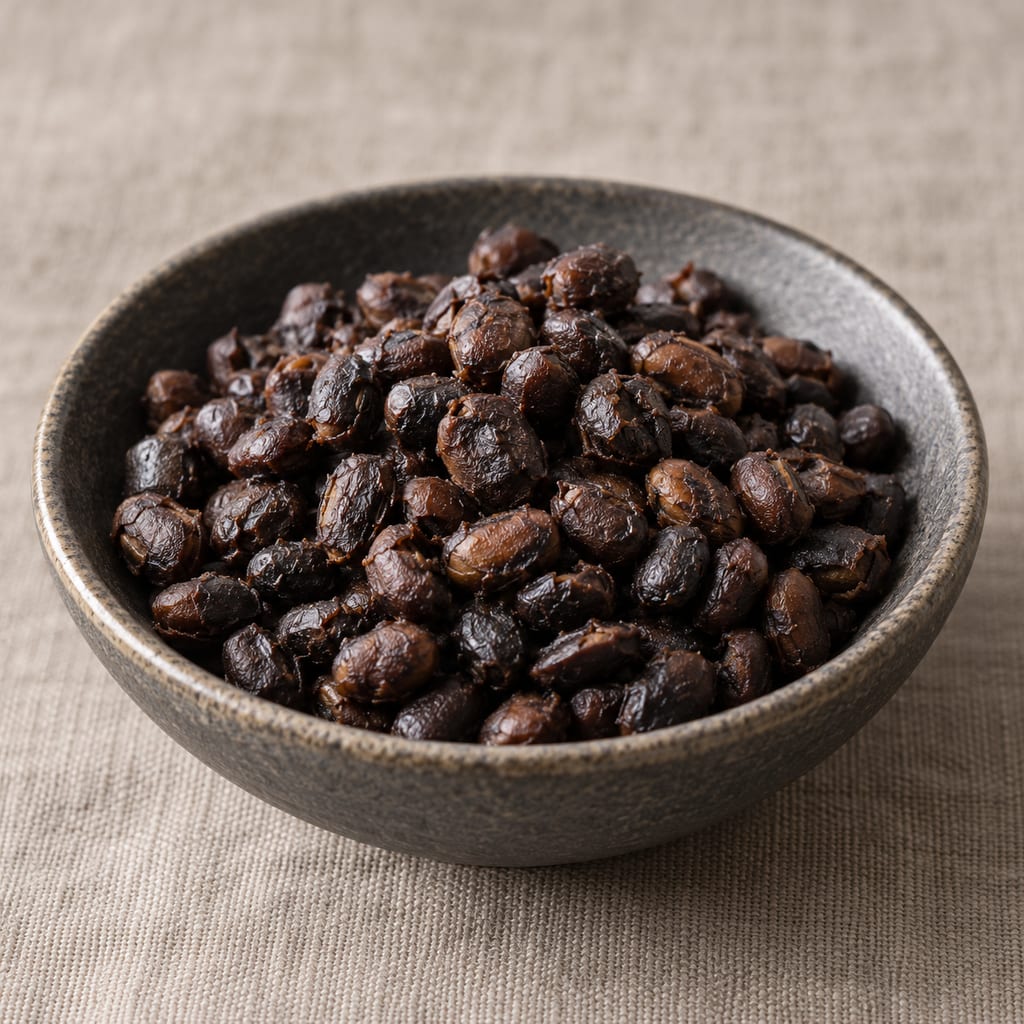
This controlled study protocol makes Aspergillus koji from soybeans and then ferments it with 4% salt. It uses a 150 g jar batch and a defined moisture target; the research method is not a validated home process.
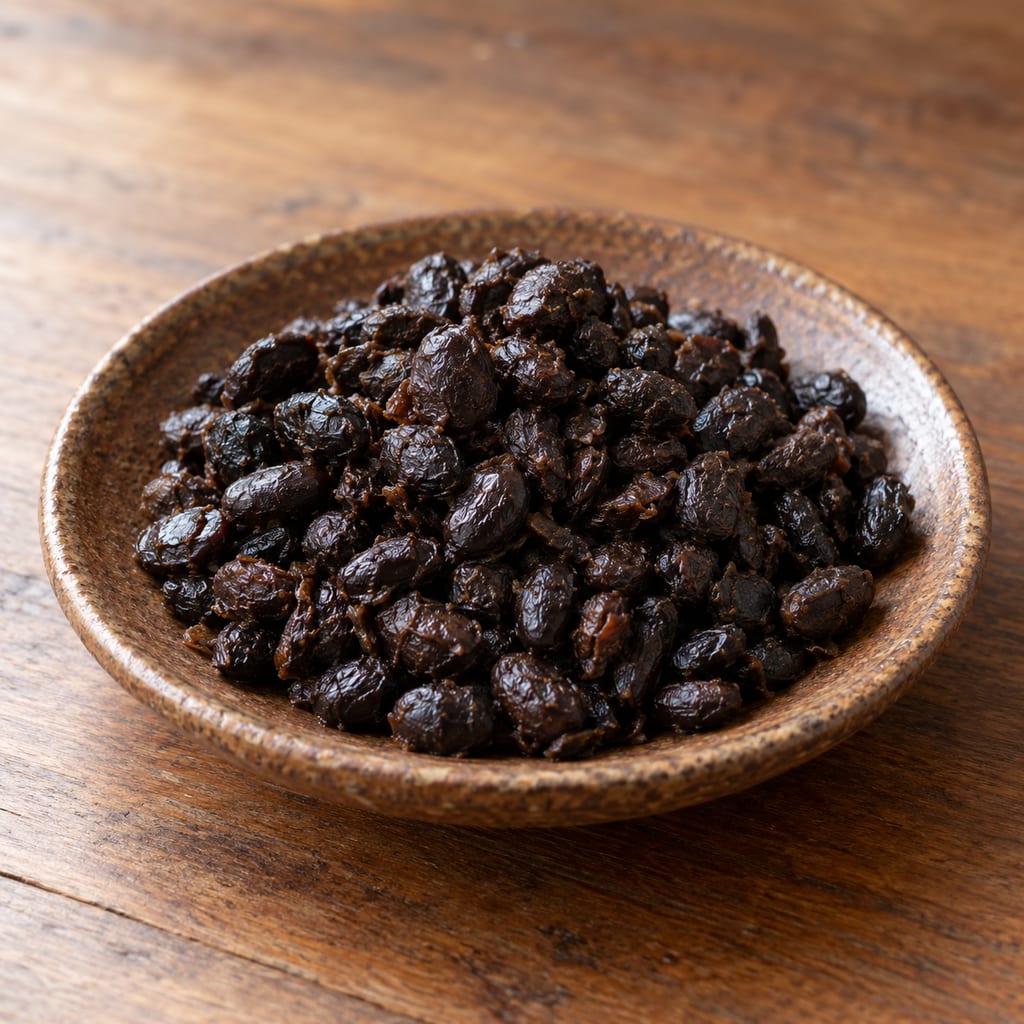
A Chinese fermented soybean condiment from Chongqing and Sichuan, made by growing Mucor-type mould on cooked beans, then salting and maturing them into dark, savoury, soft beans with a concentrated aroma.
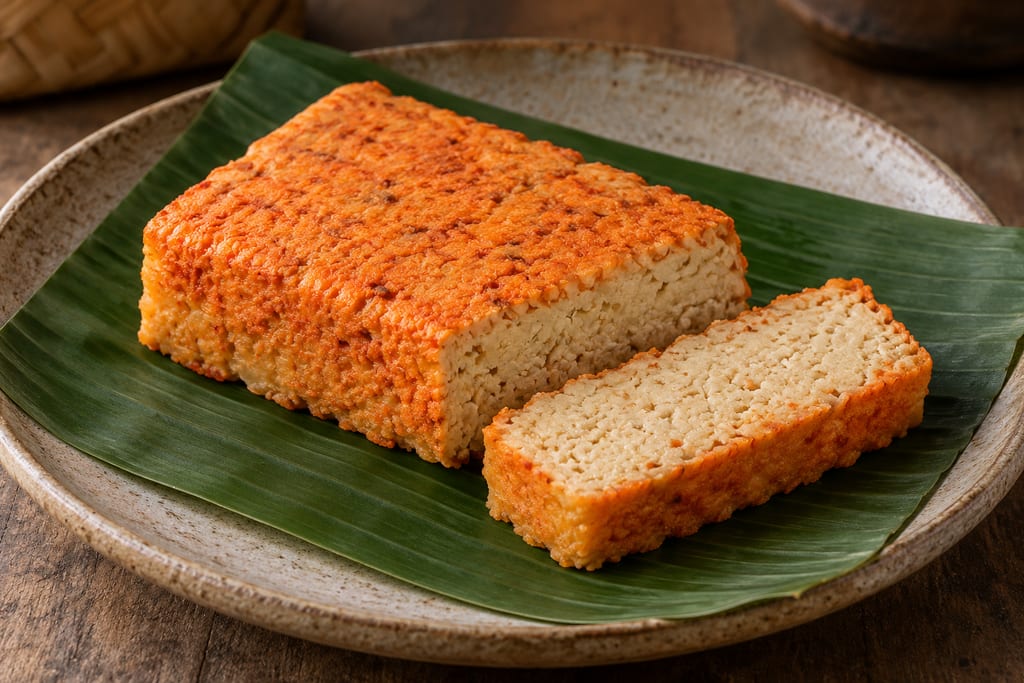
Red oncom is a West Javanese cake fermented from pressed soy pulp with a Neurospora starter, a little tapioca starch and vinegar. It is a different food from black oncom, made on another substrate with another mould.
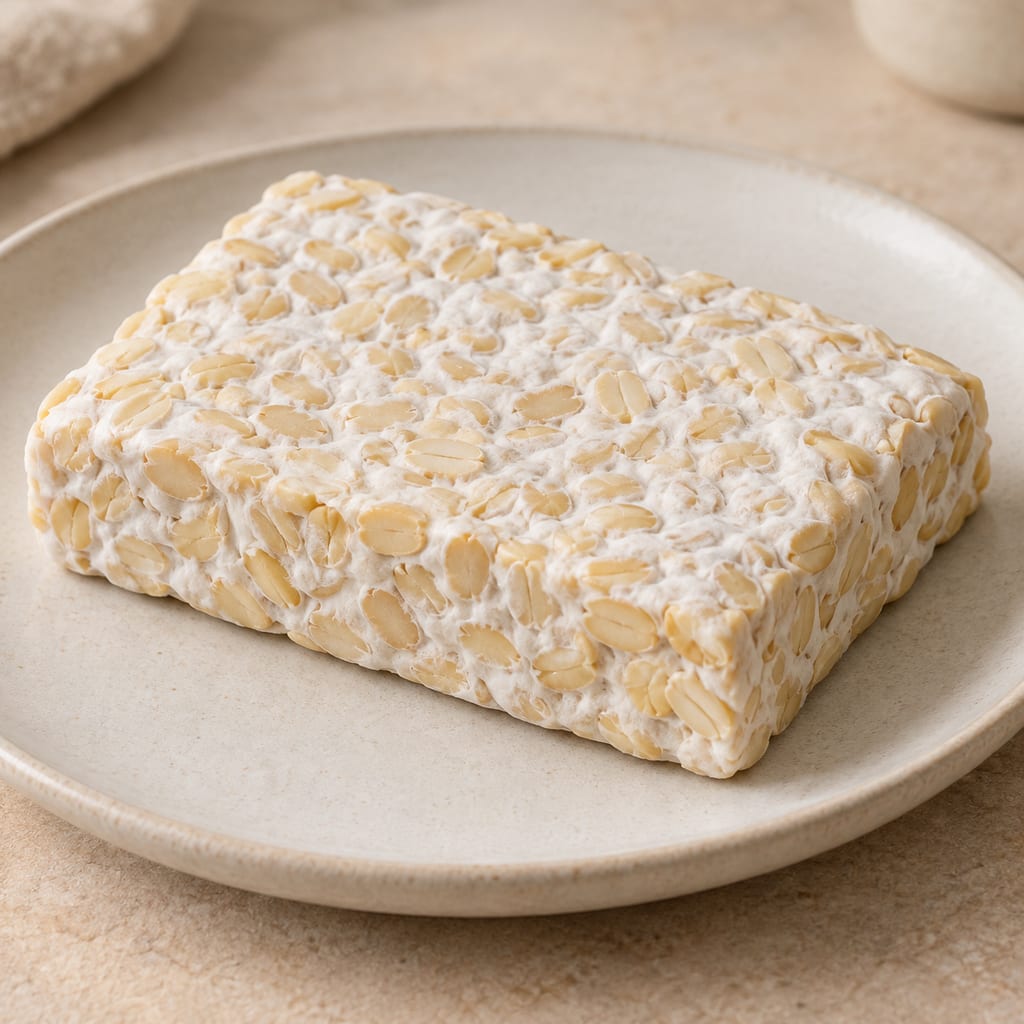
A two-cup soybean batch uses one Cultures for Health tempeh starter packet and vinegar. The supplier describes dehulling, a thin vented layer, controlled early incubation and attention to self-heating; it is not a validated home process.
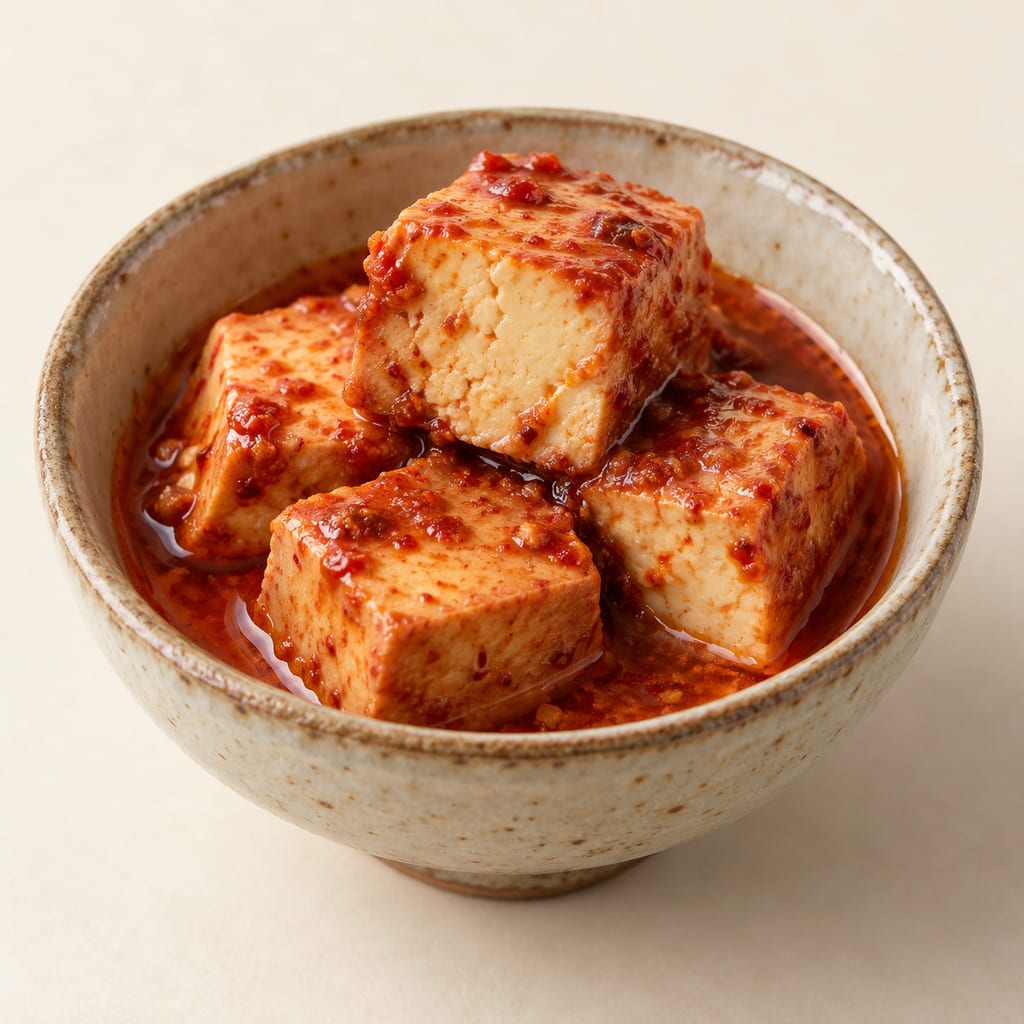
Sufu, or furu, is Chinese fermented tofu: bean curd is salted and ripened, often after a mould stage, into a soft, creamy, intensely savoury condiment.

A Cap-Pelé boucanière is an Acadian herring-smoking building. The documented Willie Niles example is a one-storey wood-frame structure with a ridge smoke vent and interior bays for hanging fish-bearing cannes.

Achcharu is a family of Sri Lankan vinegar pickles made with mixed vegetables or seasonal fruit and a piquant spice dressing. This version is a quick, refrigerated, non-fermented mixed-vegetable pickle.

The acocote is a long, hollowed and dried gourd used to draw aguamiel from a mature maguey. It is a harvesting tool: the sap is transferred to a separate vessel before it ferments into pulque.

Adrak murabba preserves young ginger in sugar syrup, a sweet South Asian preparation recorded in Indian cookery and food-processing sources.

Parkia biglobosa seeds are fermented into regional West African seasonings, including nététou, iru, dawadawa and soumbala. The yellow fruit pulp is a separate food, and names and methods vary by place.

Japanese reddish-brown vinegar from sake lees matured about three years, turned to vinegar by acetic bacteria; the vinegar of Handa and Edomae sushi rice.

A refined common-wheat flour blended for a broad range of baking; its protein and behavior vary with wheat, milling and market.

The almond mushroom, Agaricus subrufescens, was cultivated in eastern North America in the 1800s, lost its market, and returned as a cultivated mushroom from Brazil, where it is grown under several names.
No community contributions have been published for this entry yet.
Sign in to contribute. Published comments and photos are free to read.
Okinawa Prefecture Dietetic Association, JapanMethod · History · Use
豆腐よう(豆腐の発酵食品) — Tofuyo (Fermented Tofu)Primary source for Block C's traditional-style tofuyo recipe
Recipe labelled for five people
Three blocks of Okinawan tofu
Use of 100–120 g salt during tofu preparation
One kilogram of prepared rice koji or miso koji
Six to seven cups of awamori containing at least 40% alcohol
Two teaspoons of red koji
Two teaspoons of salt and a little sugar in the maturation mixture
Soaking rice koji in awamori for approximately ten days
Soaking red koji separately in awamori
Cutting tofu into approximately 3 cm cubes
Shade-drying tofu and turning approximately every two hours
Washing dried tofu two or three times with awamori
Using containers sanitised with boiling water
Sealed maturation
Traditional eating point around two months and preferred flavour around six months
Absence of numerical maturation temperature, final water activity and finished yield
Cited in: How it is made and why each ingredient and step matters; How it is eaten and used; Reading results, identifying problems and understanding safety
Nippon Shokuhin Kogyo Gakkaishi, Volume 30, Issue 2, pages 63–67, 1983Science
Production of Koji with Monascus sp. for TOFUYO-ManufacturingExperimental production of red koji for tofuyo
Use of Monascus fungi cultivated on steamed rice
Inoculation of 2 kg steamed rice with 120 g prepared seed koji
Cultivation at 32°C
Temperature management after approximately 38 hours
Water spraying when moisture fell below the reported level
Experimental optimum around 150 hours after inoculation
Measurement of fungal enzyme production and red pigments
Differences between producing red koji and maturing tofu
These experimental koji-manufacturing conditions are not part of the Dietetic Association's recipe
Cited in: History; How it works: koji moulds, alcohol, proteases and maturation chemistry; How it is made and why each ingredient and step matters
Nippon Shokuhin Kogyo Gakkaishi, Volume 31, Issue 1, pages 19–23, 1984Science
Production of Soybean Curd for Tofuyo-ManufacturingImportance of tofu structure for subsequent maturation
Experimental calcium sulphate coagulation conditions
Final calcium sulphate concentration of 20 mM
Experimental pressing pressure of 38 g/cm²
Measured curd hardness and moisture content
Comparison of gradual room-temperature dehydration with forced drying
Importance of dehydration for final texture
Distinction between an experimental starting curd and ordinary commercial tofu
Cited in: History; How it is made and why each ingredient and step matters; Regional and historical variations
IntechOpen, Soybean: Biochemistry, Chemistry and Physiology, 2011Science
Fermented Tofu, TofuyoHistorical background and connection with Chinese fermented tofu
Ryukyuan adaptation using awamori
Cultivation of red and yellow koji
Protein breakdown during maturation
Preparation of koji-based moromi
Experimental awamori containing 43% alcohol before mixing
Holding the experimental koji mixture at 4°C for 24–48 hours before grinding
Experimental maturation at 25–30°C for five months
Measured moromi ethanol concentration around 20%
Measured moromi pH of approximately 5.6–6.0
Contribution of fungal proteases to the finished texture
Distinction between the experimental procedure and other published household recipes
Cited in: How it is made and why each ingredient and step matters; Regional and historical variations; How it is eaten and used; Reading results, identifying problems and understanding safety
Nippon Shokuhin Kagaku Kogaku Kaishi, Volume 57, Issue 5, pages 181–190, 2010Science
Scientific Aspects of the Fermented Soybean Food, TofuyoBiochemical characteristics of tofuyo
Enzymatic protein hydrolysis in an alcoholic environment
Role of Monascus proteases
Aspartic protease activity during maturation
Serine carboxypeptidases contributing to free amino-acid release
Breakdown of soybean storage proteins
Persistence of glycinin basic subunits in the matured product
Relationship between glutamic acid, aspartic acid and savoury flavour
Laboratory investigations of bioactive peptides
Distinction between biochemical findings and demonstrated human health benefits
Cited in: What it is; How it works: koji moulds, alcohol, proteases and maturation chemistry; How it is made and why each ingredient and step matters; How it is eaten and used; Reading results, identifying problems and understanding safety
Mycotoxins, Japanese Society of Mycotoxicology, Volume 63, Issue 1, pages 67–72, 2013Science
A traditional fermented food, tofuyo, in Okinawa: its history, and food chemical and physiologically functional propertiesHistory of tofuyo within the Ryukyu Kingdom
Probable eighteenth-century introduction of Chinese red furu
Adaptation of the product using awamori
Use of Monascus and Aspergillus oryzae
Protein fractions remaining after maturation
Release of amino acids and peptides
Importance of glutamic acid and aspartic acid for flavour
Laboratory angiotensin-converting-enzyme inhibition by isolated peptides
Animal experiments involving blood-pressure measurements
Limitations of interpreting historical medicinal use as clinical evidence
Cited in: What it is; History; How it works: koji moulds, alcohol, proteases and maturation chemistry; Regional and historical variations; How it is eaten and used; Reading results, identifying problems and understanding safety
Applied Microbiology and Biotechnology, Volume 96, pages 49–60, 2012Science
Biochemical aspects of red koji and tofuyo prepared using Monascus fungiBiochemistry of Monascus red koji
Red pigment production
Fungal hydrolytic enzyme activities
Importance of rice koji as an enzyme-producing intermediate
Enzymatic maturation of tofuyo
Interaction between alcohol and protein hydrolysis
Differences between red-koji cultivation and maturation of tofu
Importance of strain and production conditions
Cited in: What it is; How it works: koji moulds, alcohol, proteases and maturation chemistry
Food Science and Technology International, Tokyo, Volume 4, Issue 1, pages 6–8, 1998Science
Degradation of Soybean Protein by an Acid Proteinase from Monascus ankaDirect experimental evidence for soybean protein degradation by Monascus anka protease
Role of an acid proteinase in hydrolysing soybean proteins
Relevance of fungal enzymes to tofuyo texture and ripening
Distinction between demonstrated enzyme activity and simply detecting fungal species
Cited in: How it works: koji moulds, alcohol, proteases and maturation chemistry
Nippon Shokuhin Kogyo Gakkaishi, Volume 41, Issue 3, pages 184–190, 1994Science
Changes in Protein and Nitrogen Compounds of Tofuyo Prepared by Aspergillus oryzae during FermentationExperimental tofuyo made using Aspergillus oryzae
Changes in soybean proteins during ripening
Degradation of beta-conglycinin and glycinin fractions
Persistence of some protein components after three months
Increase in soluble nitrogenous compounds
Increase in free amino acids
Difference between yellow-koji experiments and traditional red Monascus-koji preparations
Cited in: How it works: koji moulds, alcohol, proteases and maturation chemistry
Ministry of Agriculture, Forestry and Fisheries, JapanSafety
小林製薬が製造する紅麹に関するQ&A — Questions and Answers Concerning Kobayashi Pharmaceutical Red KojiOfficial distinction between ordinary Japanese koji and red koji
Aspergillus species used for ordinary koji
Monascus species used for red koji
Difference between Monascus-derived colour additives and other red-koji products
Need to distinguish a specific commercial contamination incident from the entire traditional food category
Regulatory and food-safety context following the 2024 red-koji incident
Cited in: Regional and historical variations; Reading results, identifying problems and understanding safety
International Journal of Food Microbiology, Elsevier, Volume 379, Article 109829, 2022Safety · Science
Monascus spp. and citrinin: Identification, selection of Monascus spp. isolates, occurrence, detection and reduction of citrinin during the fermentation of red fermented riceCitrinin production by some Monascus strains
Importance of fungal strain identification
Variation in citrinin production during red-rice fermentation
Methods used to identify and measure citrinin
Research on selecting non-toxigenic or reduced-toxin strains
General Monascus red-rice safety evidence rather than measured citrinin prevalence in tofuyo
Ministry of Health, Labour and Welfare, JapanSafety
食品、添加物等の規格基準 — Specifications and Standards for Foods, Food Additives, etc.: TofuJapanese food hygiene requirements for tofu
Importance of suitable soybean raw materials
Hygienic manufacture and handling
Requirements for appropriate processing water
Cleaning and sanitation of tofu-production equipment
Importance of microbial control and storage conditions
General tofu safety standards rather than validation of a specific tofuyo fermentation
Japan Tofu Association and National Tofu Federation; published through the Ministry of Health, Labour and WelfareSafety
HACCPの考え方を取り入れた衛生管理のための手引書 — Hygiene Management Guide for Small-Scale Tofu ManufacturingHygienic tofu preparation and handling
Controls for microbial contamination
Importance of cooling and storage
Use of suitable equipment and cleaning procedures
Product-specific hazard analysis
Recognition of soybeans as an allergen
General hygiene guidance rather than a validated tofuyo maturation process
Ryukyu Urizun Bussan Co., Ltd., OkinawaUse · Safety
沖縄豆腐よう講座 — Okinawan Tofuyo Production GuideContemporary commercial tofuyo manufacture
Preparation of firm tofu
Maturation in a rice-koji and awamori mixture
Reported commercial maturation period of three to six months
Addition of red-koji pigment and starch syrup to the final packing mixture
Distinction between Monascus fermentation and commercial pigment addition
Manufacturer guidance on residual alcohol
Small-portion consumption
Product-specific storage information
Cited in: What it is; History; How it is made and why each ingredient and step matters; Regional and historical variations; How it is eaten and used; Reading results, identifying problems and understanding safety
Makiya Foods, Nago, OkinawaHistory · Context
紅濱の唐芙蓉 — Benihama no TofuyoContemporary Okinawan red-koji tofuyo
Manufacturer ingredient list including tofu, awamori, yellow koji, red koji and salt
Finished product sold as individual fermented tofu cubes
Commercial example of a mixed red- and yellow-koji formulation
Product-specific serving and storage information
Identifiable photographs of the finished product
Japan Tourism Agency, Ministry of Land, Infrastructure, Transport and Tourism, 2019History · Context
A Key Ingredient — Awamori and Okinawan CuisineAwamori as an important ingredient in Okinawan cuisine
Use of awamori and red koji in tofuyo
Culinary association with the Ryukyu Kingdom
Description of tofuyo as a strongly flavoured fermented tofu
Comparison of its texture with cheese
Cited in: What it is; History; Regional and historical variations; How it is eaten and used
UK Food Standards AgencySafety
Food allergy and intoleranceRecognition of soya as a major food allergen
Relevance of allergen identification to fermented tofu
Cited in: Reading results, identifying problems and understanding safety
Traditional Food Culture of Okinawa databaseHistory · Use
豆腐ようTofuyo in Okinawan food culture
Cited in: What it is; History; How it is eaten and used
Nippon Shokuhin Kagaku Kogaku Kaishi, 1996Science
Studies on Manufacture of Tofuyo in Okinawa, Part XI. Changes in Breaking Characteristics, Creep Behavior and Microstructure of Tofuyo during FermentationFalling breaking stress and changes in protein network during maturation
Cited in: What it is; How it works: koji moulds, alcohol, proteases and maturation chemistry; Regional and historical variations; Reading results, identifying problems and understanding safety
Journal of the Society of Brewing, Japan, 1983Science · Method
Study on red koji for tofuyo (Journal of the Society of Brewing, Japan)Red koji preparation for tofuyo, incubated at 32 °C
Cited in: History
Nippon Shokuhin Kogyo Gakkaishi, 1990History · Method · Science
Studies on manufacturing of tofuyo. A scientific analysis for producing-procedures of tofuyo, and its technical developementsScientific analysis of tofuyo production and its history
Cited in: History; How it is made and why each ingredient and step matters
Nippon Shokuhin Kogyo Gakkaishi, 1992Science
Studies on Manufacture of Tofuyo in Okinawa, Part VII. The Role of Microorganisms during Dehydration of Tofu CubesMicrobes during dehydration of tofu cubes
Cited in: How it works: koji moulds, alcohol, proteases and maturation chemistry; Reading results, identifying problems and understanding safety
University of the Ryukyus RepositoryHistory
琉球大学学術リポジトリ (tofuyo record)Research record on tofuyo
Cited in: How it works: koji moulds, alcohol, proteases and maturation chemistry
IntechOpenScience · Method
Fermented Tofu, TofuyoTofuyo manufacture, moromi ethanol and pH, and maturation
Cited in: History; How it works: koji moulds, alcohol, proteases and maturation chemistry; How it is made and why each ingredient and step matters; Regional and historical variations; How it is eaten and used; Reading results, identifying problems and understanding safety
Nippon Shokuhin Kagaku Kogaku Kaishi, 1995Science · Variation
Studies on Manufacture of Tofuyo in Okinawa Part X. Production of Tofuyo Using the Combination of Red and Yellow KojisTofuyo made with combined red and yellow koji
Cited in: Regional and historical variations
The Journal of General and Applied Microbiology, 2020Safety · Science
Induction of mutation in Monascus purpureus isolated from Thai fermented food to develop low citrinin-producing strain for application in the red koji industryCitrinin production by Monascus red koji strains
Cited in: Reading results, identifying problems and understanding safety
Wei sheng yan jiu (Journal of Hygiene Research), 2005Safety
Natural occurrence of citrinin in Monascus productsCitrinin found in Monascus products
Cited in: Reading results, identifying problems and understanding safety