
Natto
Natto is a Japanese fermented soybean food with a sticky coat and long strings, made by steaming soybeans and inoculating them with a natto Bacillus starter, then keeping them warm.
 FermenteaWhere food goes to change
Equipment · All-in-one appliances
Brød & Taylor Folding Proofer & Slow Cooker · Folding Proofer · Folding Proofer & Slow Cooker · FP-105 · FP-205
A folding, electric proofing cabinet with a heated aluminum plate, removable rack and water tray. The maker also documents it for yogurt, kombucha, tempeh, natto and black garlic.
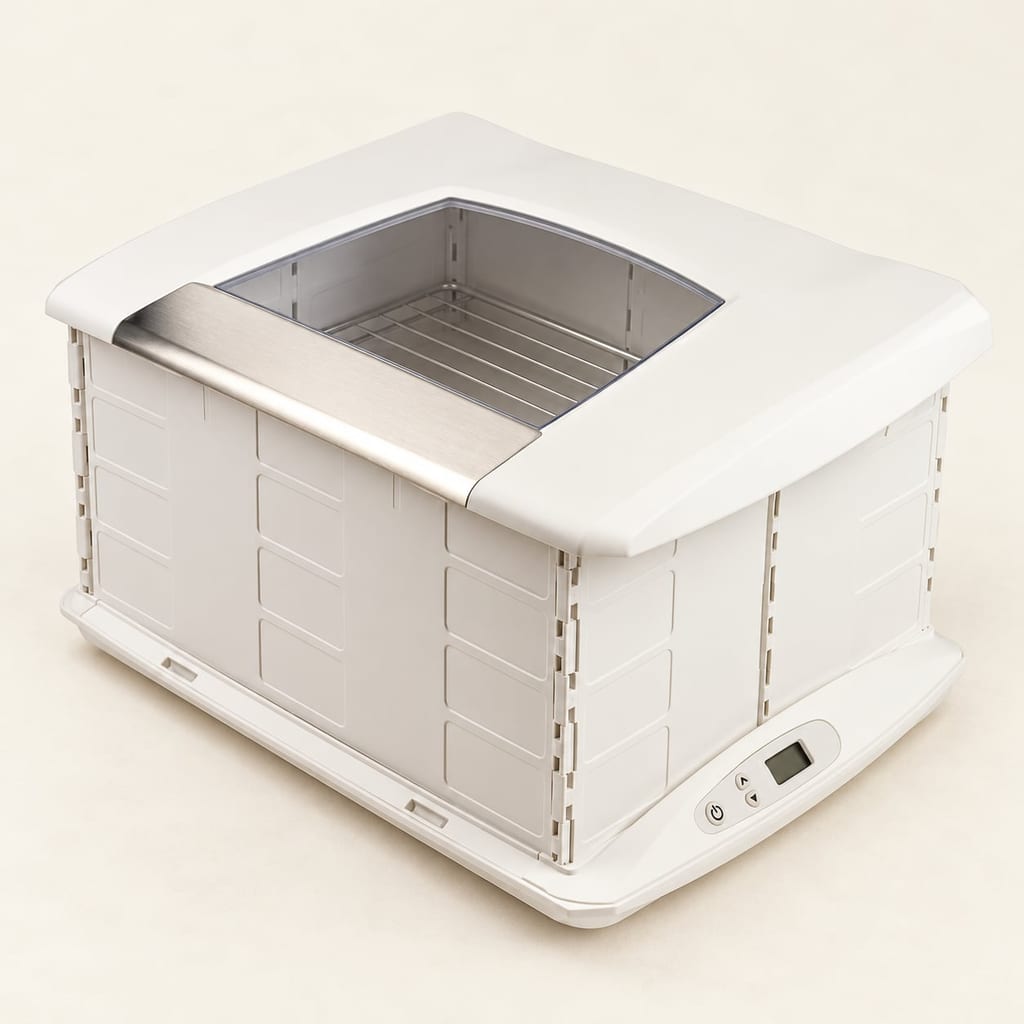
The Brød & Taylor Folding Proofer & Slow Cooker is a portable electric appliance that makes a warm, enclosed space for dough and other foods held in separate containers. Its reinforced polypropylene panels fold down for storage; when assembled, a removable rack sits above the solid brushed-aluminum heating plate, and a water tray can add humidity. The lid has a viewing window. The appliance is not a bread machine: it conditions the dough or container, while mixing, shaping and baking happen elsewhere.
The maker lists an open exterior size of 46 × 37 × 25.5 cm and a folded height of 6.5 cm. Its interior is 37.5 × 32 × 20 cm. It gives examples of a large bowl, several loaves, up to two gallons of yogurt, or an eight-quart pot. Those examples help readers judge fit; they are not a fermenting-volume rating.
A thermostat switches the heated plate in the base. Brød & Taylor says that, in proofing mode, heat reaches food containers mainly by radiation from the plate; the surrounding air is not the temperature that the control is calibrated to maintain. A thermometer suspended in the air therefore does not report the contents' temperature. The maker's guidance says that covering a container or adding water to the tray changes how warm its contents become.
The manufacturer's specification lists 70–195 °F (21–90 °C) overall and typical humidity of 60–80%. Its modes are different: humid proofing with the water tray is specified for open containers from 70–95 °F (21–35 °C), while dry mode without the tray is for closed containers from 70–120 °F (21–49 °C). The higher slow-cook range uses a pot directly on the plate. These are settings for this appliance and its manufacturer methods, not a transferable fermentation schedule.
The proofer only adds heat. It cannot cool a batch if the kitchen is warmer than the selected temperature. For that reason, the food's container, cover, location on the rack and thermal activity matter alongside the dial. The manufacturer's support advice discusses its own calibration assumptions and calls for checking the product rather than treating the air reading as the food reading.
Brød & Taylor publishes methods for bread dough and sourdough, yogurt, tempeh, natto, kombucha and black garlic. Some use proofing mode around a separate jar, tray or ferment; natto and black garlic also use the appliance's slow-cook function with a pot. The maker's own recipes are product-specific examples, not evidence that the same setting applies to every recipe of the same name.
The proofer is one modern appliance among several in the wider home-equipment article on proofers, dehydrators and converted fridges. Its distinguishing features are the folding body, plate-based heating and small countertop footprint. It is useful where warming is needed, but it is not a refrigerator, humidity-controlled curing room or substitute for a validated process. Follow the method for the particular food, and use a probe in the food or container where that method calls for one.
The maker lists an aluminum water tray and heating plate and a reinforced-polypropylene body. For cleaning, it says not to immerse the base and to wipe spills with a soft cloth and a little water. Its current instruction manual remains the source for model-specific operation and maintenance.
The proofer only warms and cannot cool contents when room temperature is above the desired setting.
Source →The setting represents calibrated food temperature in containers, not the surrounding air; covered containers and added tray water can raise food temperature.
Source →Slow-cooker mode requires a suitable pot placed on the plate; the appliance is not a general-purpose room incubator.
Source →The inspected sources do not establish a specific place of origin or a representative place of use for this equipment category. Manufacturer-specific examples do not establish the geography of the broader type.
Natto is a Japanese fermented soybean food with a sticky coat and long strings, made by steaming soybeans and inoculating them with a natto Bacillus starter, then keeping them warm.
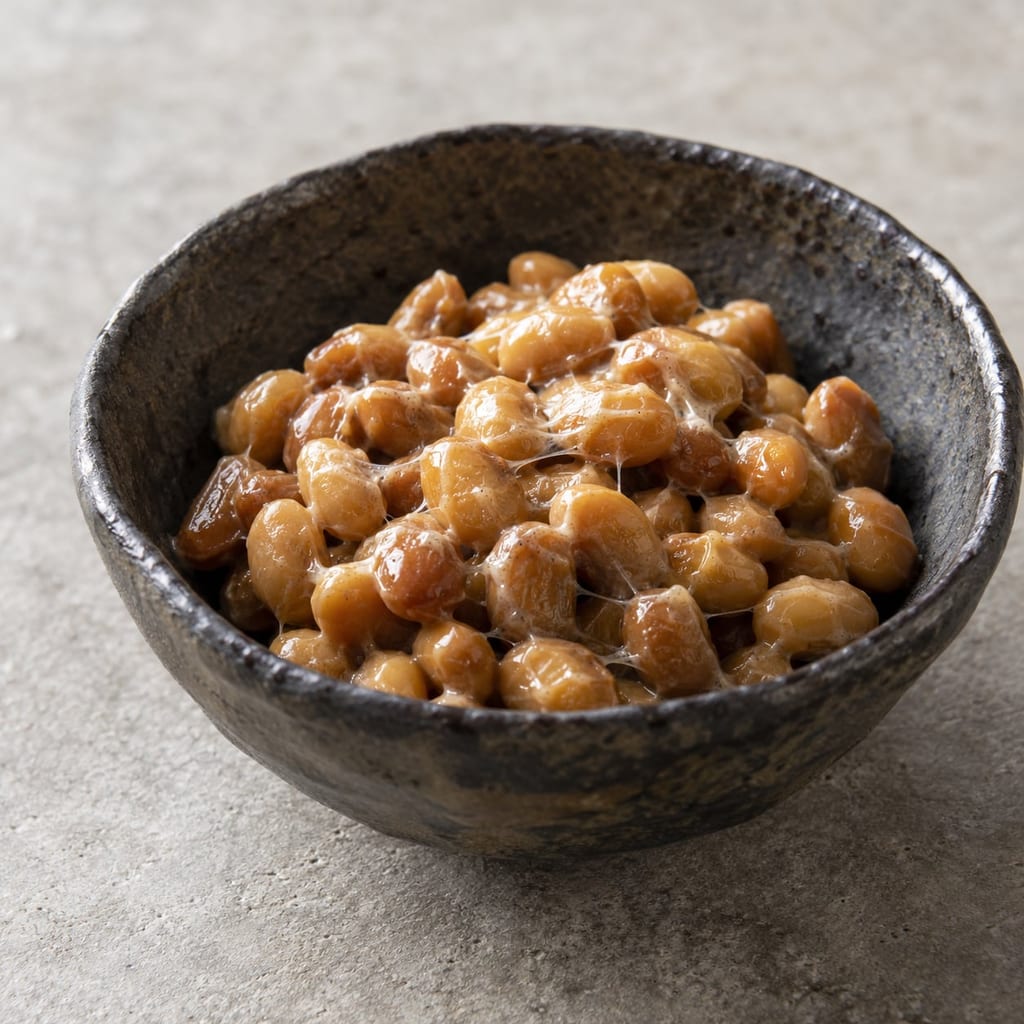
A two-cup soybean batch uses one Cultures for Health Natto Spores packet, a shallow perforated cover, and the supplier’s stated incubation and chilling sequence. The supplier’s instructions are not a validated home process.
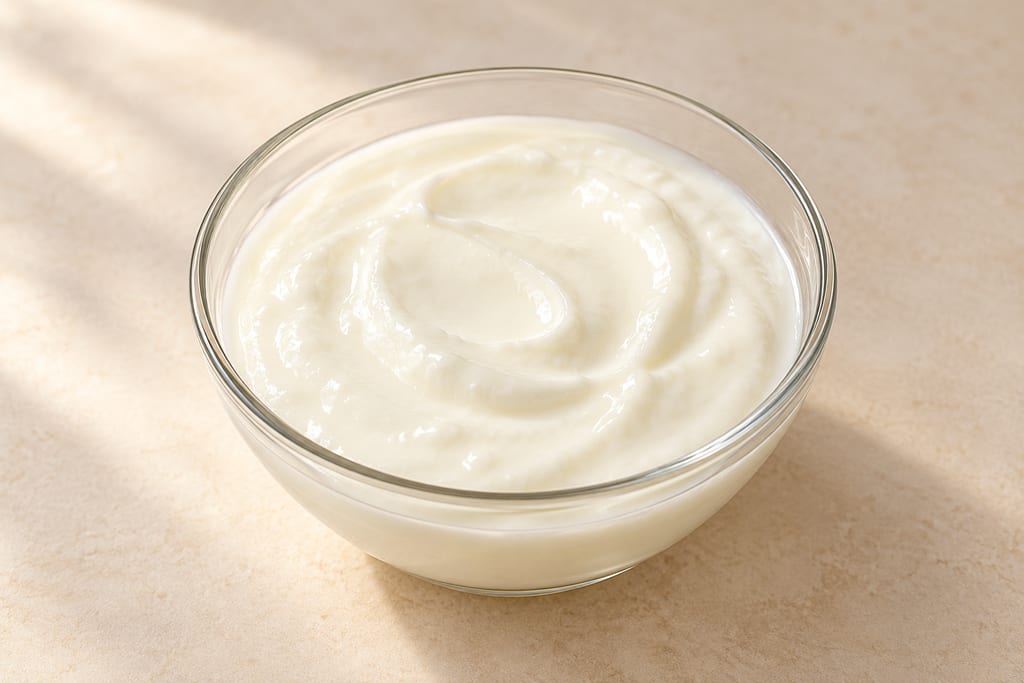
A mild, set yogurt made by inoculating warm pasteurized milk with live-culture yogurt and holding it until it gels. This US extension method uses a short ingredient list and controlled incubation.
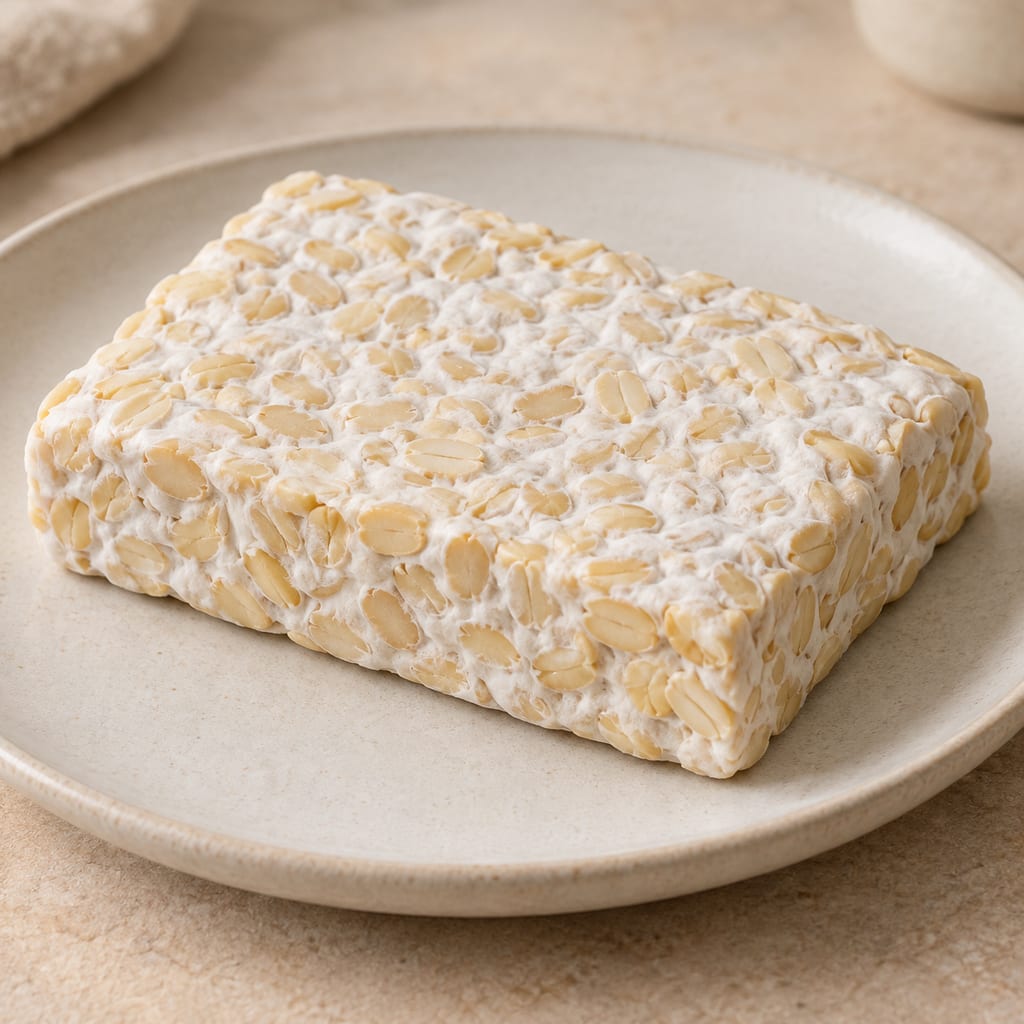
A two-cup soybean batch uses one Cultures for Health tempeh starter packet and vinegar. The supplier describes dehulling, a thin vented layer, controlled early incubation and attention to self-heating; it is not a validated home process.

Soft, spreadable Calabrian pork sausage made with a great deal of red chilli and fatty pork, stuffed into natural casings, sometimes smoked and matured while staying soft.

A way to add independent temperature logging to an existing food dehydrator without changing its built-in controls or protections. It is a monitoring method, not a rewiring plan.

Pleurotus cystidiosus is the abalone mushroom, a cultivated oyster-type fungus with dark brown caps that grows more slowly and is more demanding than other Pleurotus species.

A dark, balanced vinegar from Emilia-Romagna made by combining cooked or concentrated grape must with wine vinegar, then acetifying and refining it in wood under a protected specification.

A living dairy inoculum that starts controlled cream fermentation, developing acidity and aroma before sour cream or cultured butter is finished.

A small electric incubator holds jars at a selected temperature for yogurt and other documented warm food preparations. Controls, capacity and vessel arrangement vary by model.

Adygean salt is a seasoned table salt associated with Adygea and the wider North Caucasian culinary tradition. Salt is blended with garlic and a variable selection of herbs and spices; the exact mix depends on the named style and maker.

The African Caesar-group mushroom, Amanita masasiensis, is a wild ectomycorrhizal species of central and southern African woodlands, eaten locally. The genus contains deadly poisonous species, so identification needs care.
No community contributions have been published for this entry yet.
Sign in to contribute. Published comments and photos are free to read.
Brød & Taylor UKForm · Use · Availability
Folding Proofer & Slow CookerThe product is a folding countertop appliance used for bread proofing and fermentation, with separate slow-cooker use using the user's pot.
The maker lists the Folding Proofer for yogurt, tempeh, kombucha and other culturing uses.
Cited in: A folding proofing box; Documented fermentation uses
Brød & TaylorForm · Materials · Dimensions · Capacity · Power · How it works · Limits · Care
Support: Folding Proofer & Slow Cooker specifications and FAQThe maker lists reinforced polypropylene body panels, an aluminum water tray and brushed-aluminum heating plate, with interior and exterior dimensions and electrical variants.
The control switches the heated base plate; in proofer mode heat reaches containers mainly by radiation, and the setting is calibrated to food in containers rather than air temperature.
Humid mode and dry mode have different manufacturer-specific ranges and assumptions; the appliance only warms and cannot cool.
The maker says the base should not be immersed and recommends wiping it with a soft cloth and a little water.
Cited in: A folding proofing box; A plate warms the container; Documented fermentation uses
Brød & Taylor UKGeography · Power · Dimensions
Support: Folding Proofer & Slow Cooker (UK)The UK support page lists the FP-205 220–240 V variant and the same folding appliance specifications.
Brød & Taylor CanadaGeography · Power
Support: Folding Proofer & Slow Cooker (Canada)The Canadian support page lists 120 V North American and 220–240 V international model variants.
Brød & Taylor Hong KongGeography · Power
Support: Folding Proofer & Slow Cooker (Hong Kong)The Hong Kong support page lists the 220–240 V model.
Brød & TaylorUse
How to make TempehThe manufacturer publishes a tempeh method using its Folding Proofer.
Cited in: Documented fermentation uses
Brød & TaylorUse
How to Make NattoThe manufacturer publishes a natto method using the appliance's slow-cook and proofing functions.
Cited in: Documented fermentation uses
Brød & TaylorUse
How to Brew and Bottle KombuchaThe manufacturer publishes a kombucha method that uses the proofer to hold a warm setting for the primary ferment.
Cited in: Documented fermentation uses
Brød & TaylorUse · Limits
Black Garlic: How to Make it at HomeThe manufacturer publishes a black-garlic method using the appliance's slow-cook mode; it distinguishes an older model setting from the current method.
Cited in: Documented fermentation uses
Brød & TaylorUse
Classic-Style Yogurt RecipeThe manufacturer publishes a yogurt recipe using the proofer, with different settings for the proofer and dehydrator models.
Cited in: Documented fermentation uses