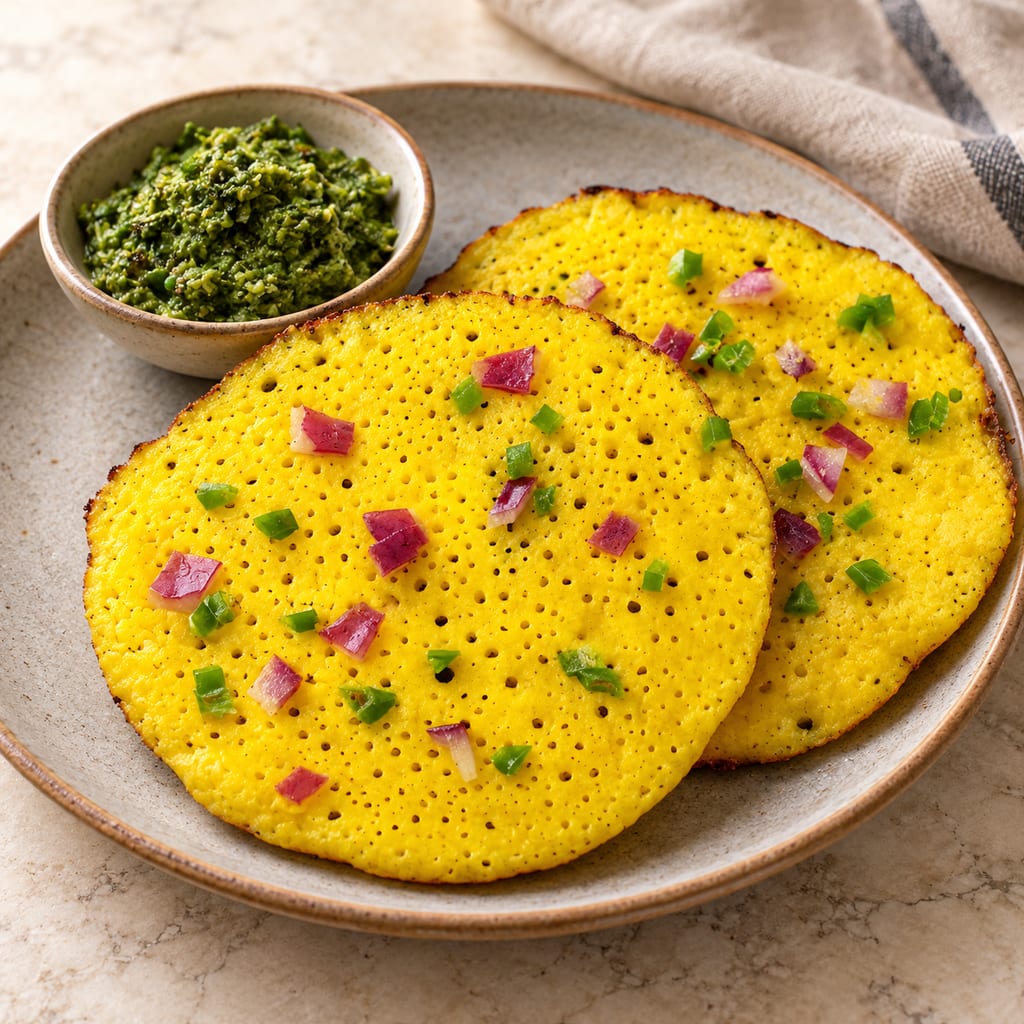
Coconut chile surnoli
Spongy rice-and-coconut pancakes associated with Goa, cooked on one side from a batter that a multicooker's yogurt programme lets rise overnight.
 FermenteaWhere food goes to change
Plain yoghurt
A mild, set yogurt made by inoculating warm pasteurized milk with live-culture yogurt and holding it until it gels. This US extension method uses a short ingredient list and controlled incubation.
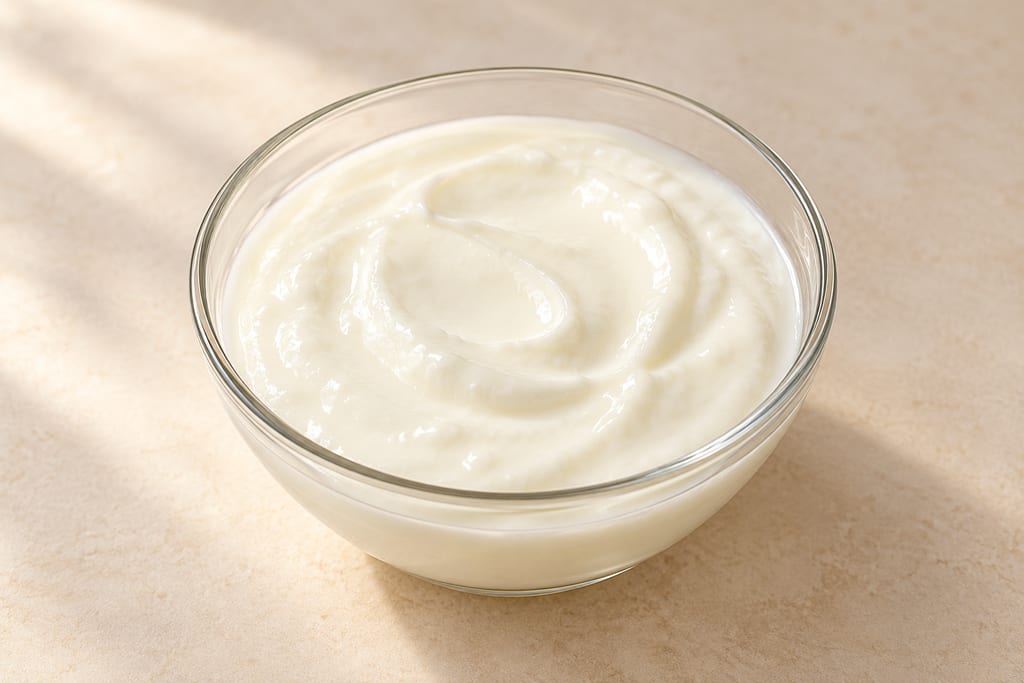
Plain yogurt is milk transformed into a softly set, tangy food by lactic-acid bacteria. In this home method, milk is heated, cooled to a temperature suitable for the starter, inoculated with a small amount of live-culture yogurt and held warm while it gels. The short ingredient list keeps the milk flavour in front: there is no added sugar, fruit, spice or thickener. Its consistency depends on the milk, heating, starter and incubation conditions.
The name covers many foods. Codex describes fermented milk broadly as milk whose pH falls through microbial activity, with or without coagulation, and identifies yoghurt by the characteristic partnership of Streptococcus thermophilus and Lactobacillus delbrueckii subsp. bulgaricus. Commercial and household products may include additional cultures or other milk ingredients. This recipe follows one extension household formula; it does not represent every yogurt tradition or product sold under that name.
Food histories often open with a story of pastoralists carrying milk in animal-skin bags, where warmth and resident microbes turned it sour and thick. Extension publications repeat versions of that account because milk is perishable and fermentation offers an observable change. It is a plausible explanation of how people might have encountered cultured milk, but it does not identify one first maker, a single place, or the exact culture in a prehistoric batch. James Read's review stresses how difficult it is to date early dairy fermentation from surviving evidence.
The written record is firmer about the word than about the first yogurt. Read reports that the Turkish name is recorded in medieval Turkish literature by 1070. Türkiye's public dairy history page also points to medieval Turkic texts. These attestations show that yogurt was known by name in that setting; they do not prove that fermented milk began there. Other soured milks, including Indian dahi and ancient Greek oxygala, have their own histories and names, so they should not be collapsed into one origin story.
The word travelled farther than any one household method. Read describes how yogurt became popular in Western Europe after Stamen Grigorov's work on a yogurt culture and Élie Metchnikoff's early twentieth-century research and public lectures. The later story is one of scientific interest, commercial production and local adaptation, not a sudden discovery of fermented milk. Yogurt became a familiar food in many countries, while the name continued to sit beside regional cultured milks with their own methods and textures.
International standards help explain what modern labels can and cannot tell a reader. Codex defines yogurt by specified starter cultures and treats concentrated fermented milk separately. A plain product can be set in its retail cup or fermented in a tank and stirred before filling; its surface and texture reflect that choice. Other products may be heat-treated after fermentation or contain added cultures, milk solids or stabilizers. This recipe is a household set style; it does not claim to reproduce industrial processing.
Milk brings water, lactose, proteins, fat and minerals to fermentation. The starter bacteria use lactose and produce lactic acid. As acidity rises, milk proteins lose some of the conditions that keep them dispersed; they gather into a connected network that traps water and fat droplets. That network gives yogurt its set body. Sourness and firmness are related consequences of fermentation, but they are not the same measurement: flavour does not tell a maker the pH or prove that a process met a safety standard.
The two bacteria named in Codex are described as a symbiotic starter pair. A mixed culture can change milk more reliably than relying on whatever happens to be present in the kitchen. This recipe uses existing plain yogurt as the culture carrier, so its activity matters. A starter past its date, one heated after fermentation, or one without live cultures may not acidify new milk as expected. A fresher active starter gives a batch a better chance of setting; it does not make every uncontrolled incubation safe.
The recipe heats milk to 180–185°F (82–85°C) before adding starter. Heating is a process stage, not fermentation itself. It reduces the number of competing organisms in milk and changes its proteins in ways that support a firmer cultured gel. Stirring occasionally helps keep milk from scorching against the pan. Slow heating also makes it easier to observe temperature than relying on a brief boil or visual cue.
The starter is added only after milk cools to 108–115°F (42–46°C). At the higher heating temperature, bacteria in the starter would be damaged or killed. The method asks the maker to take a cup of cooled milk aside, stir the starter into it until smooth, then mix that diluted inoculum back into the pan. This helps distribute culture without leaving a concentrated lump of cold starter. The warm hold then gives bacteria time to use lactose and acidify the milk.
For this one-quart batch, start with pasteurized 1% low-fat milk and two tablespoons of plain nonfat yogurt that contains live cultures. Wash your hands and prepare a clean two-quart saucepan, spoon, thermometer and covered food-safe container. Heat the milk slowly to 180–185°F (82–85°C), stirring now and then. Remove the pan from heat and let the milk cool to 108–115°F (42–46°C), checking with a food thermometer before adding culture.
Ladle about a cup of warm milk into a small bowl. Mix starter into that cup until smooth, return it to the saucepan and stir gently. Transfer inoculated milk to the clean container, cover it and hold it undisturbed in the source's temperature range for six to ten hours. The written recipe describes the finish as gelled milk. Once it has gelled, refrigerate promptly at 40°F (4°C) or colder. The extension's stated use period is fourteen days. It is a recipe direction, not a guarantee that every batch will keep that long.
Warm incubation is the biological stage. During it, the starter population grows and makes acid; the maker's job is to keep conditions steady and leave the container still. Moving or stirring milk interrupts the developing gel. Six to ten hours is the range in the Illinois method, not a universal schedule for every starter, volume, container or incubator. The recipe reports a gel as its finish cue but gives no measured acidity target. Do not add time indefinitely when a batch does not set: a liquid result can indicate inactive culture or unsuitable temperature.
Different containers and warming setups can make temperature uneven. Extension guidance lists commercial yogurt makers, pressure cookers and dehydrators as appliances whose manufacturers' instructions should be followed. For a covered container in an insulated cooler or slow cooker, it describes surrounding the vessel with warm water without letting water cover it. These are ways to hold milk warm, not ingredients or extra fermentation stages. A thermometer helps the cook learn whether a particular setup stays in range.
The source recipe chooses low-fat milk, but it is not a universal milk formula. Other extension guides describe whole, low-fat, skim, reconstituted dry milk and milk from several animal species. Milk fat contributes richness, while the amount and condition of milk proteins and total solids affect how firmly the gel holds. Illinois Extension suggests stirring nonfat dry milk into cold milk when using skim milk for a thicker yogurt. That is a documented adjustment, not part of this two-ingredient formula.
Straining removes whey after fermentation and produces a thicker concentrated product such as Greek-style yogurt or labneh. Codex treats concentrated fermented milk as a separate category. It is physical separation, not a different fermentation. Set yogurt is left in its final container with the gel intact; stirred yogurt is mixed after setting to make a smoother mass. This recipe remains set because it is not stirred or strained after it gels.
The milk’s fat percentage changes richness and mouthfeel, but it does not replace the culture or the temperature controls. Illinois Extension’s formula uses 1% milk; other milk choices should follow a tested method for that specific product. The UAF guide discusses whole and nonfat milk, and notes that dry milk solids can be used to increase solids. Such additions alter the recipe and should not be treated as a measured part of this 1% formula.
Plain yogurt works as a finished food and as a cooking ingredient. The University of Alaska Fairbanks Extension describes home yogurt as a base that can be served plain or combined with fruit and other ingredients. Its mild, unseasoned character also suits savory sauces and dressings: cucumber, herbs, salt and spices can be added according to the dish. This recipe leaves those additions separate so the cook can choose the acidity and thickness needed for a particular use.
Yogurt also appears in marinades, dressings, soups and baking, where its acidity and moisture interact with other ingredients. In batter, liquid can contribute tenderness; in a sauce, yogurt provides a tart dairy base. These uses are not preservation methods. Heating yogurt in a sauce can change its texture, and salt draws water from vegetables mixed into it. Treat this recipe as an unseasoned base: add other ingredients near serving and follow the handling needs of the most perishable component.
In a sauce or dressing, yogurt supplies tang and moisture, while cucumber, herbs, salt and spices contribute their own water and flavor. Mix in such ingredients close to serving and keep the finished dish chilled. If a hot preparation makes yogurt grainy or separates it, that is a texture change, not evidence that the yogurt has become shelf-stable. Use a cooking method designed for the finished dish and refrigerate leftovers promptly.
A smooth, gelled set is the intended result. Illinois Extension lists separation, a weak set, thinness and off-flavours among common quality problems. Its troubleshooting table connects separation with over-incubation, inactive starter or delayed refrigeration; a weak set can follow temperature drift, inadequate milk heating or unclean equipment. It also notes that yogurt made from goat's milk may be thinner. These are explanations for quality variation, not tests that distinguish safe yogurt from unsafe yogurt.
Move yogurt to cold storage promptly after incubation and keep the refrigerator at 40°F (4°C) or below. Use a clean spoon and avoid returning a utensil that has touched raw milk or another food. Discard a batch with unexpected mould or contamination rather than tasting it to decide whether it is safe. Do not use this home method to make a shelf-stable product or as a substitute for a tested canning recipe. It contains milk, and people with milk allergy must avoid it. The reported fourteen-day period belongs to the extension recipe; smell, taste, bubbles and elapsed time cannot verify safety.
A clean, firm gel is the endpoint described by the extension method; a little whey separation can occur and can be stirred back in. If there is mold, an unusual color, or a putrid odor, discard the batch without tasting it. Keep raw milk out of this method. The milk is warmed, inoculated, and then held at a temperature that favors culturing, so it is important to follow the source’s sequence and promptly chill once the gel forms. Never rely on incubation duration or appearance alone to prove that an unknown batch is safe.
The Turkish word yoğurt is recorded in medieval Turkic literature by the late eleventh century. That attestation identifies a named food, not the date or place where fermented milk was first made.
Yield 8 half-cup servings · Scaling: source batch only
Raw milk and its products can carry harmful germs; this recipe is written for pasteurized milk.
Hazard sourceHands, utensils, containers or starter can introduce unwanted organisms into milk held warm for culturing.
Hazard sourceUse pasteurized milk and a plain starter labelled as containing live cultures.
Control sourceWash hands and use clean equipment; follow the heating, cooling and incubation sequence.
Control sourceRefrigerate gelled yogurt promptly at 40°F (4°C) or colder and keep it cold.
Control sourceThis home recipe is not a validated preservation process. Smell, taste, bubbles or surface appearance do not establish safety or confirm that a batch was properly acidified.
Milk is an allergen.
The cited recipe is published by University of Illinois Extension; this does not claim yogurt originated in Illinois or the United States.
Spongy rice-and-coconut pancakes associated with Goa, cooked on one side from a batter that a multicooker's yogurt programme lets rise overnight.
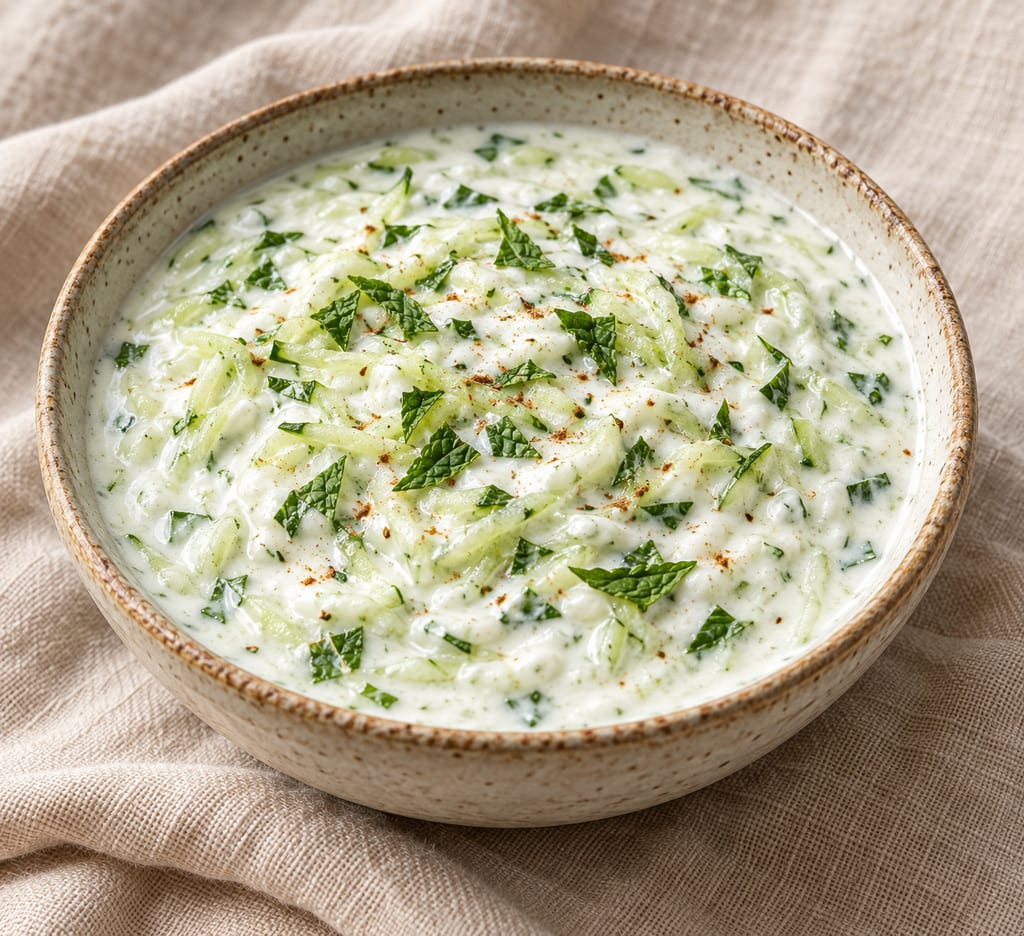
Cucumber and chopped herbs are folded into plain yoghurt with salt and roasted cumin for a cool South Asian accompaniment to spiced food.
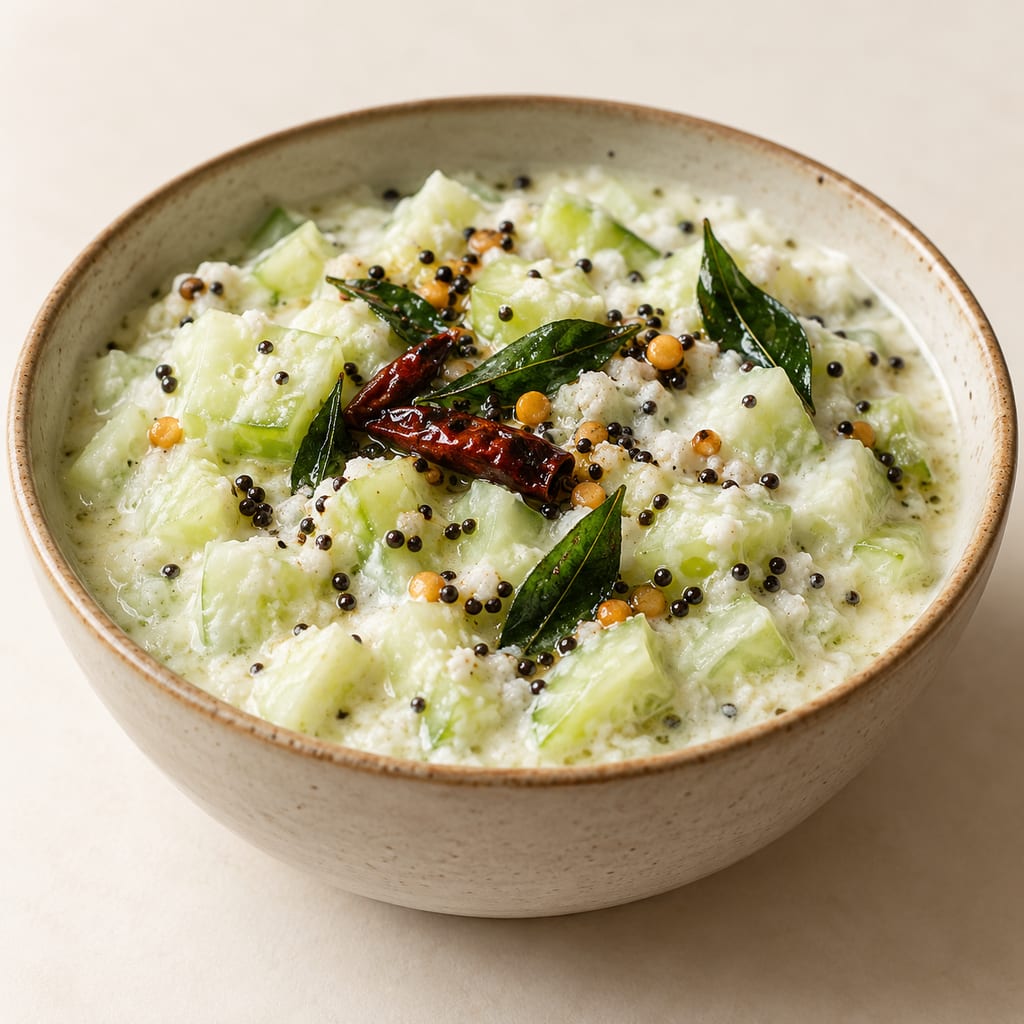
A Kerala cucumber kichadi for an Onam sadya, finished with coconut, yogurt and a coconut-oil tempering.

A folding, electric proofing cabinet with a heated aluminum plate, removable rack and water tray. The maker also documents it for yogurt, kombucha, tempeh, natto and black garlic.

Milk heated directly in the removable crock with a probe in it; the cook stops the heating by lifting the crock out of the base or switching off.
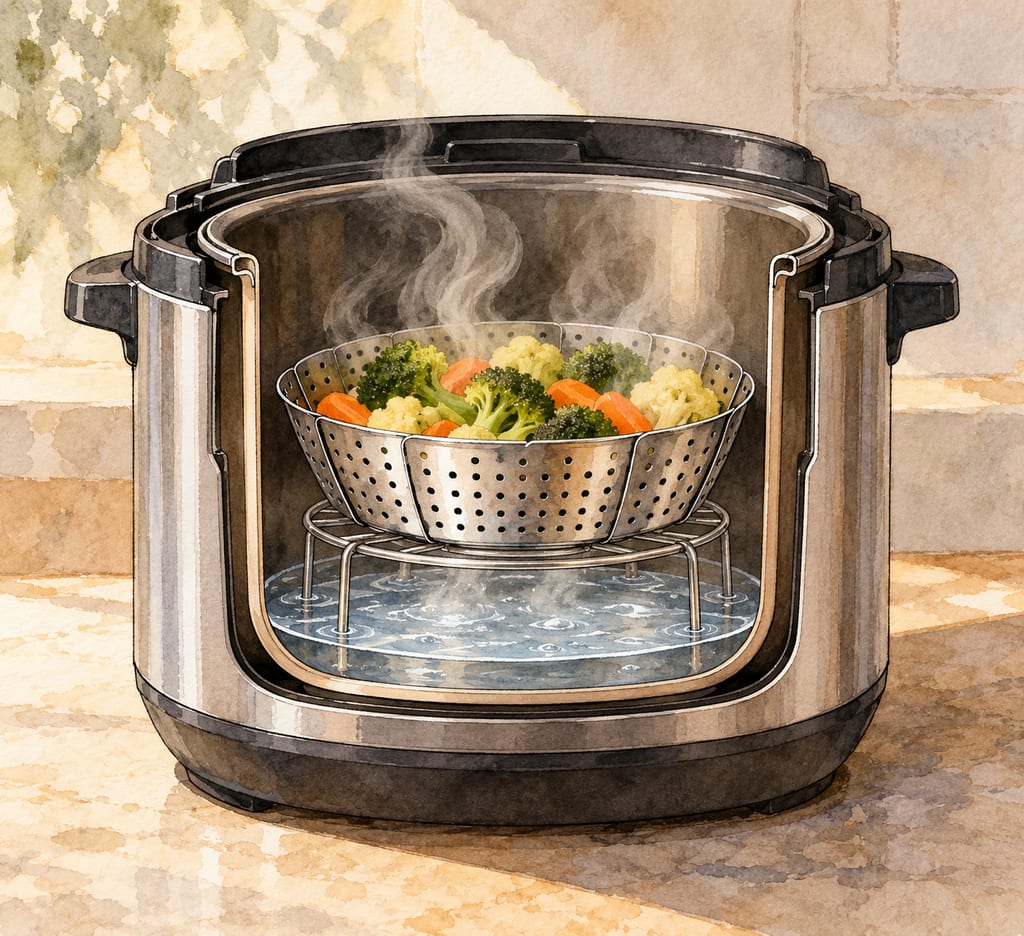
Containers or a steaming basket standing on the multicooker's rack over a measured depth of water, so the water carries heat evenly to food kept out of it.
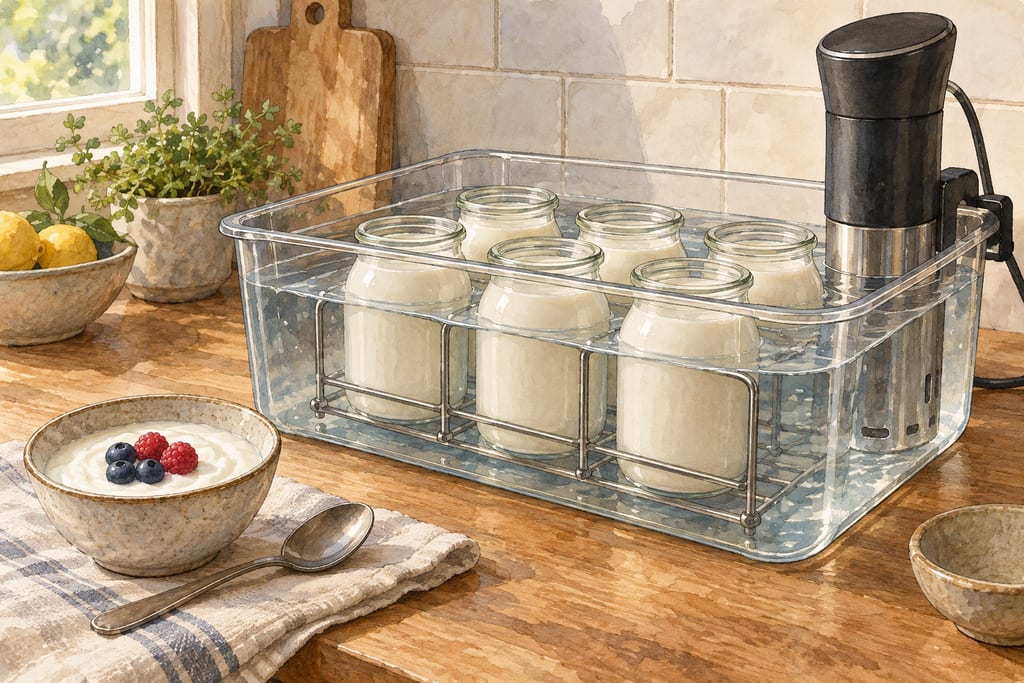
A circulator tank holding a rack of identical jars, so several small batches share one temperature for side-by-side trials of cultures, milks, ratios or flavourings.
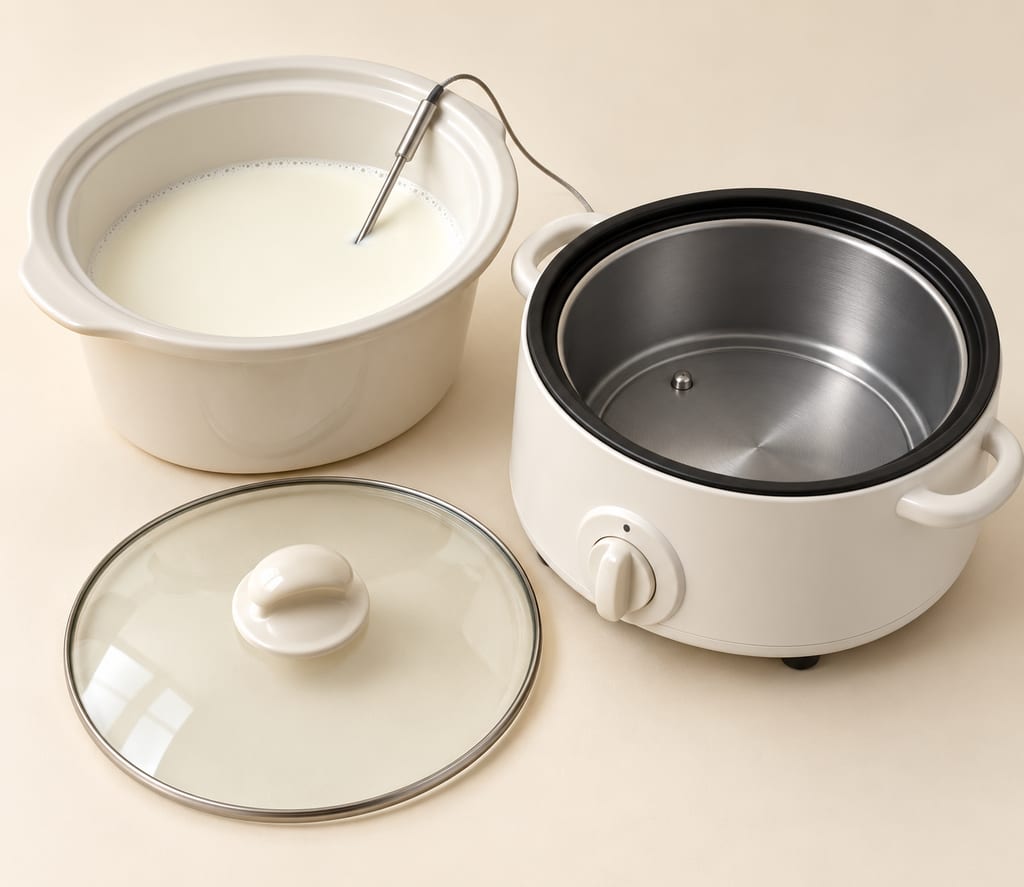
An electric slow cooker warms a removable heavy crock under a lid. Stored heat aids gradual cooking, but its settings are not a universal fermentation thermostat.

A steam oven held at a low setting with the food in a covered container, so cultures incubate in humid, even warmth without drying.
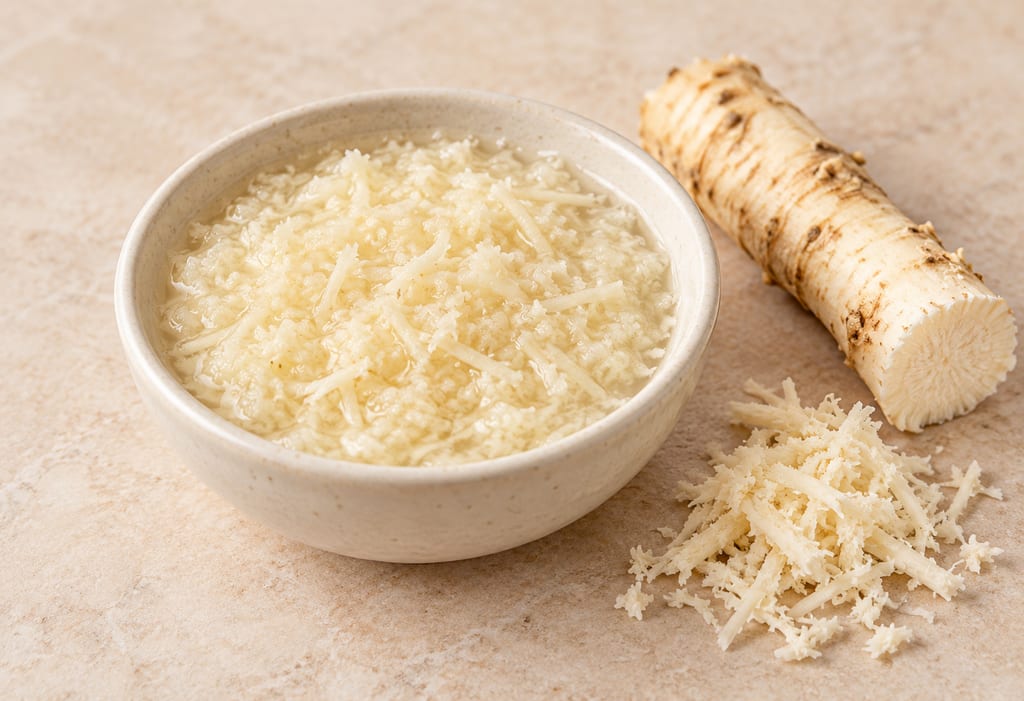
Prepared horseradish is freshly grated horseradish root mixed with vinegar and salt. This refrigerated relish holds the root’s sharp, nasal pungency in a spoonable form.
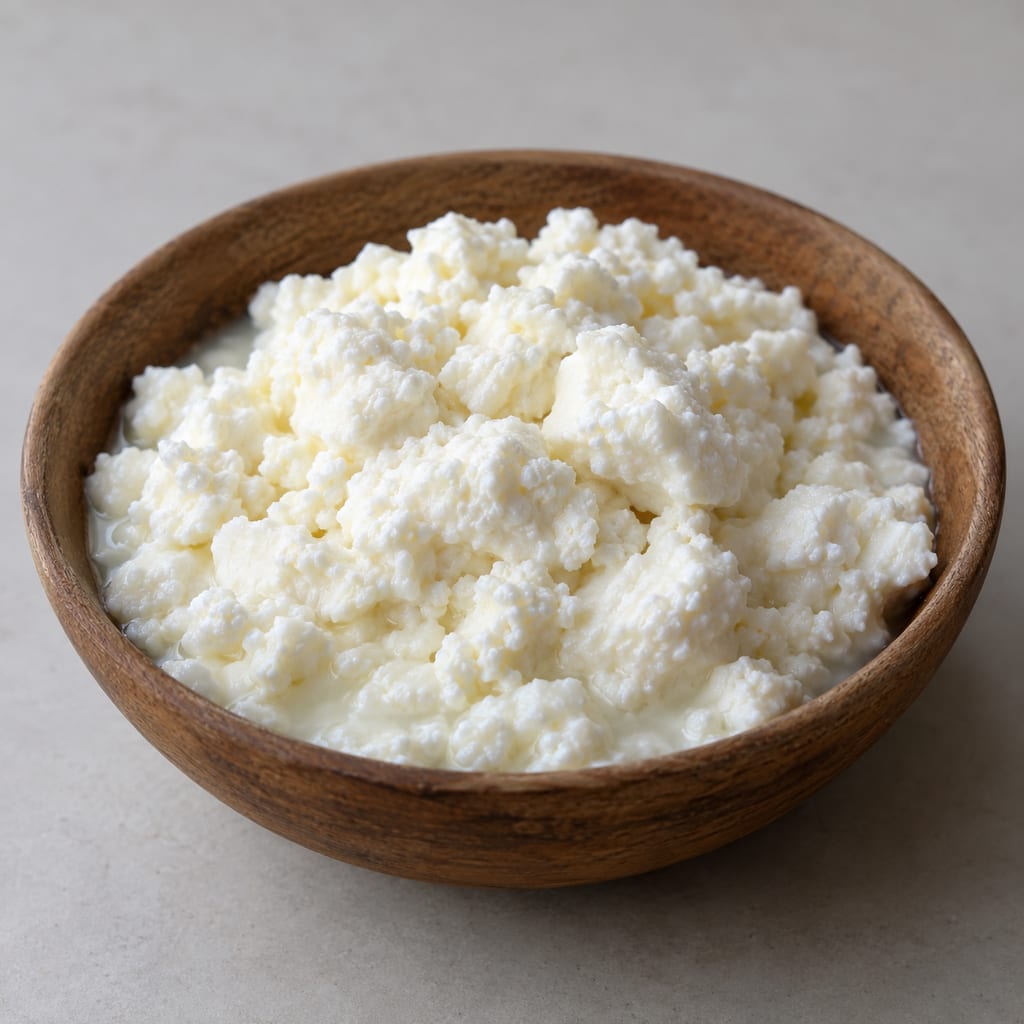
Aarts is a soft Mongolian curd made by draining boiled fermented yogurt; it remains wet, unlike aaruul, which is dried.
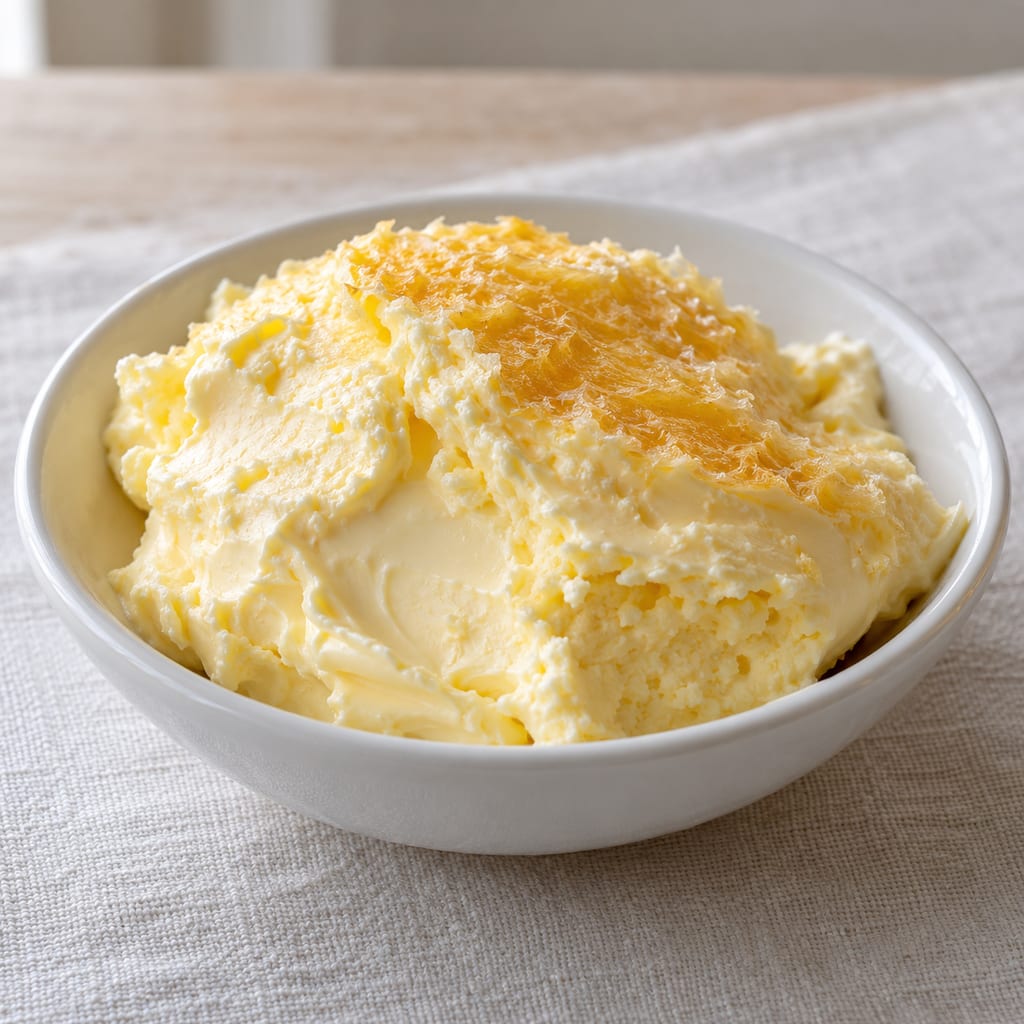
High-fat cream scalded below boiling for at least an hour until a thick crust forms, then cooled hard so the crust sets and the cream beneath thickens.
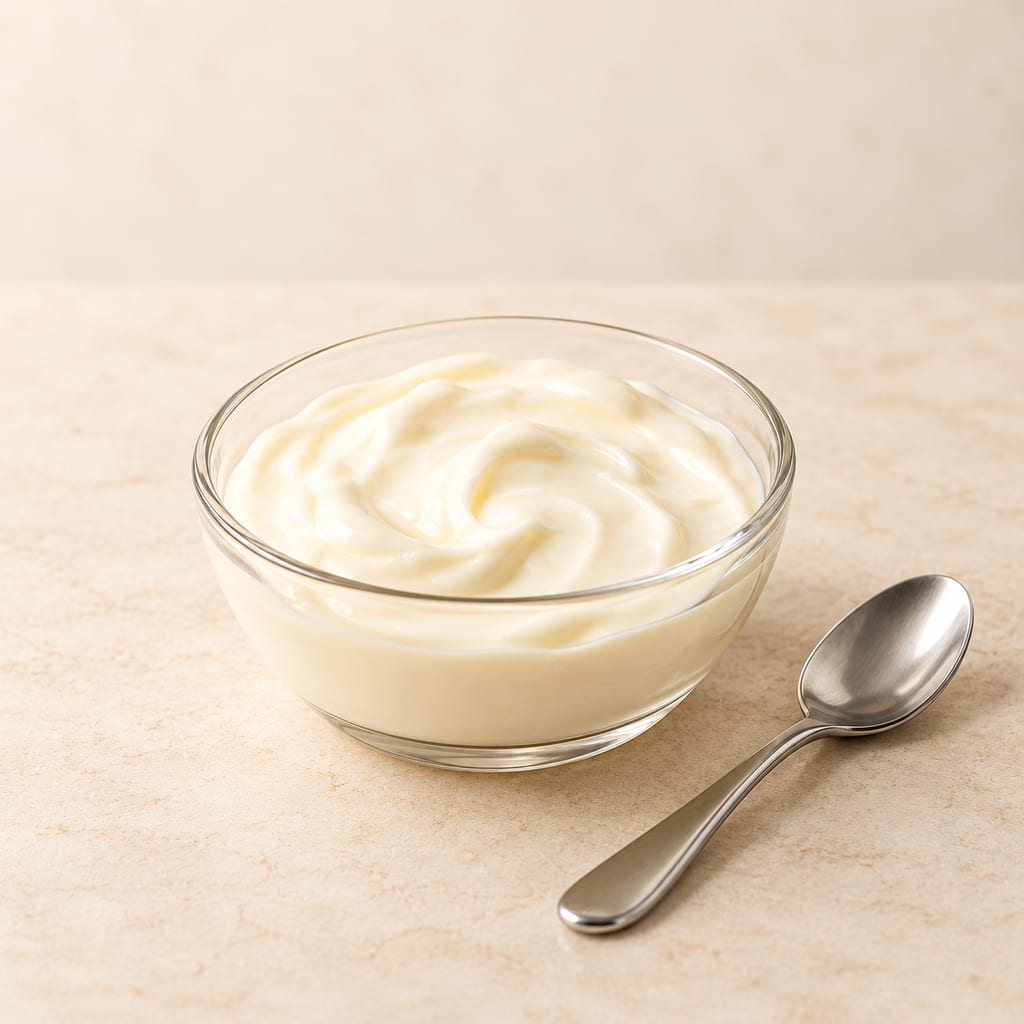
Crème fraîche is cream soured by lactic cultures into a thick, mild topping. It suits fruit and desserts as well as soups, sauces and other savoury dishes.
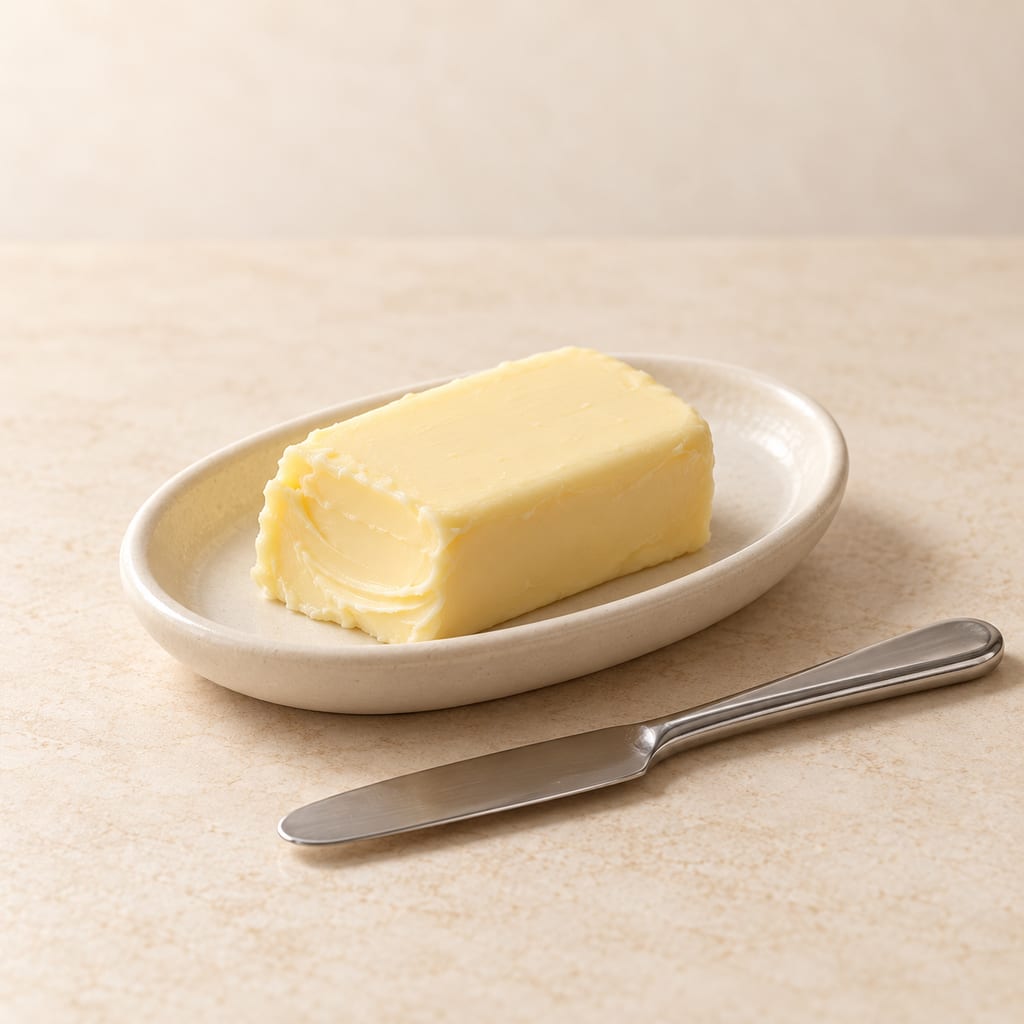
Cultured butter is churned from cream soured with lactic cultures. Its lightly tart flavour comes from the cultured cream, which separates into butter grains and buttermilk.
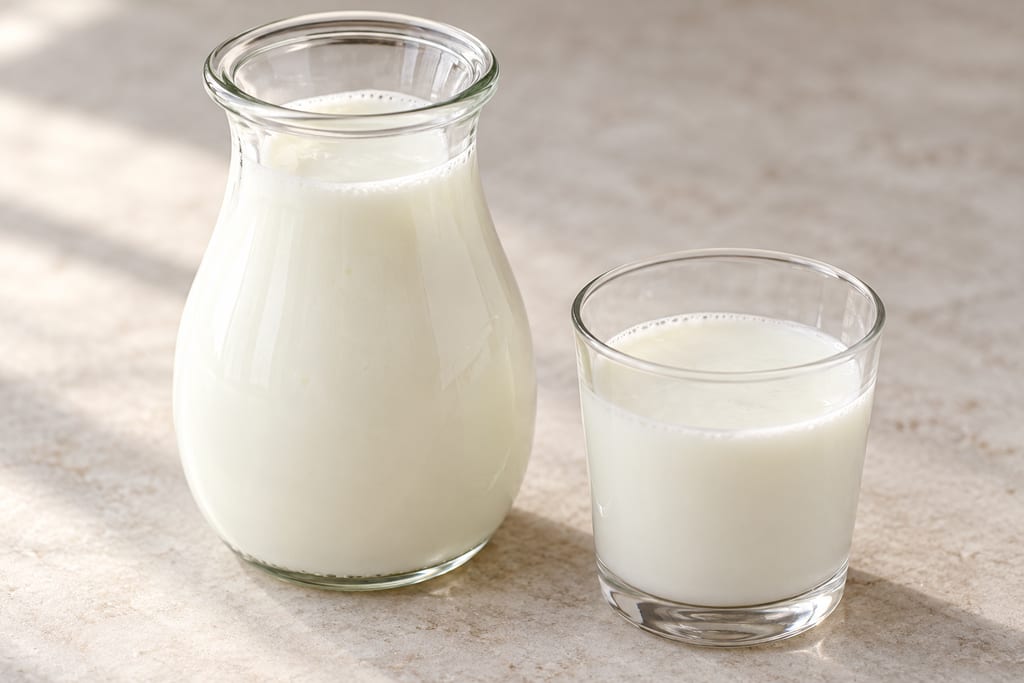
Cultured buttermilk is skim milk soured with a lactic starter into a tangy drink. This Canadian home method sets the milk without churning cream.
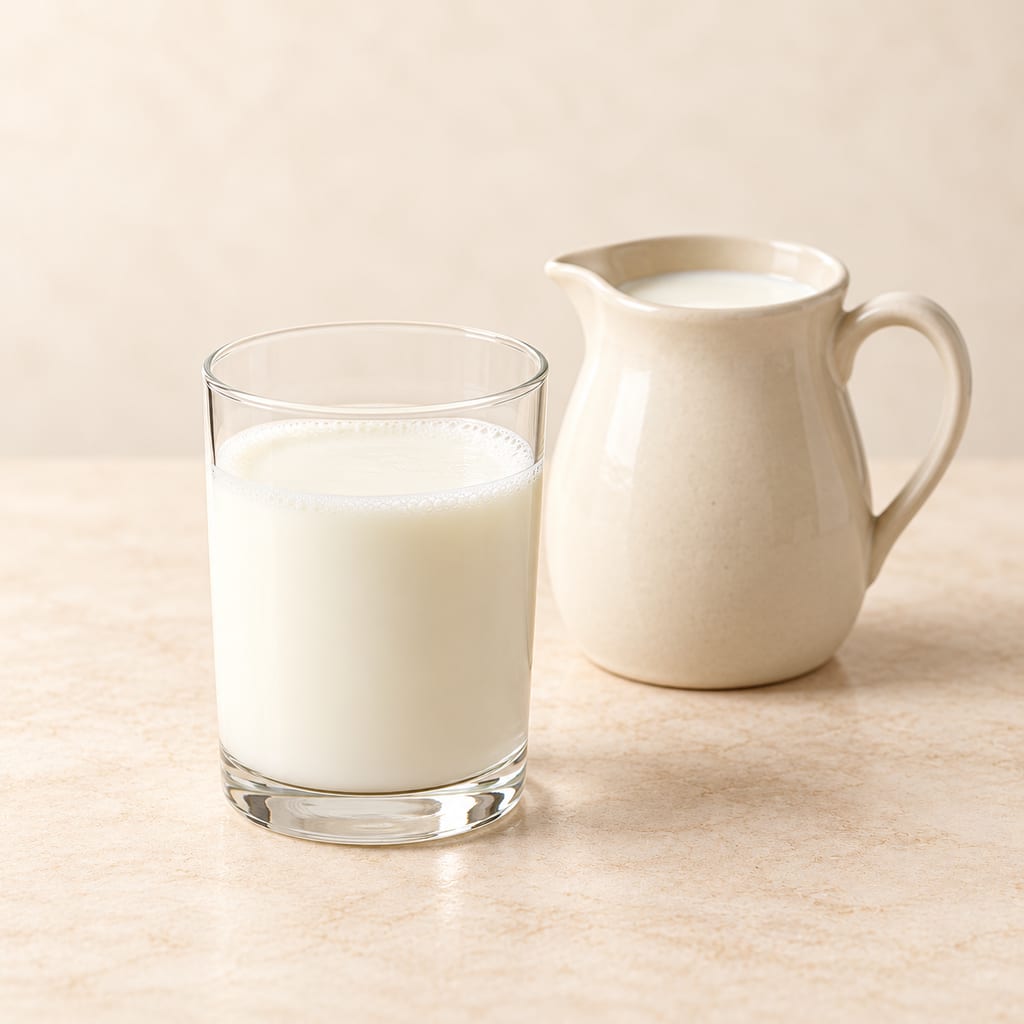
Milk thickened with a packet of buttermilk culture makes a tangy drink and a baking ingredient. This warm-incubated version uses whole milk.
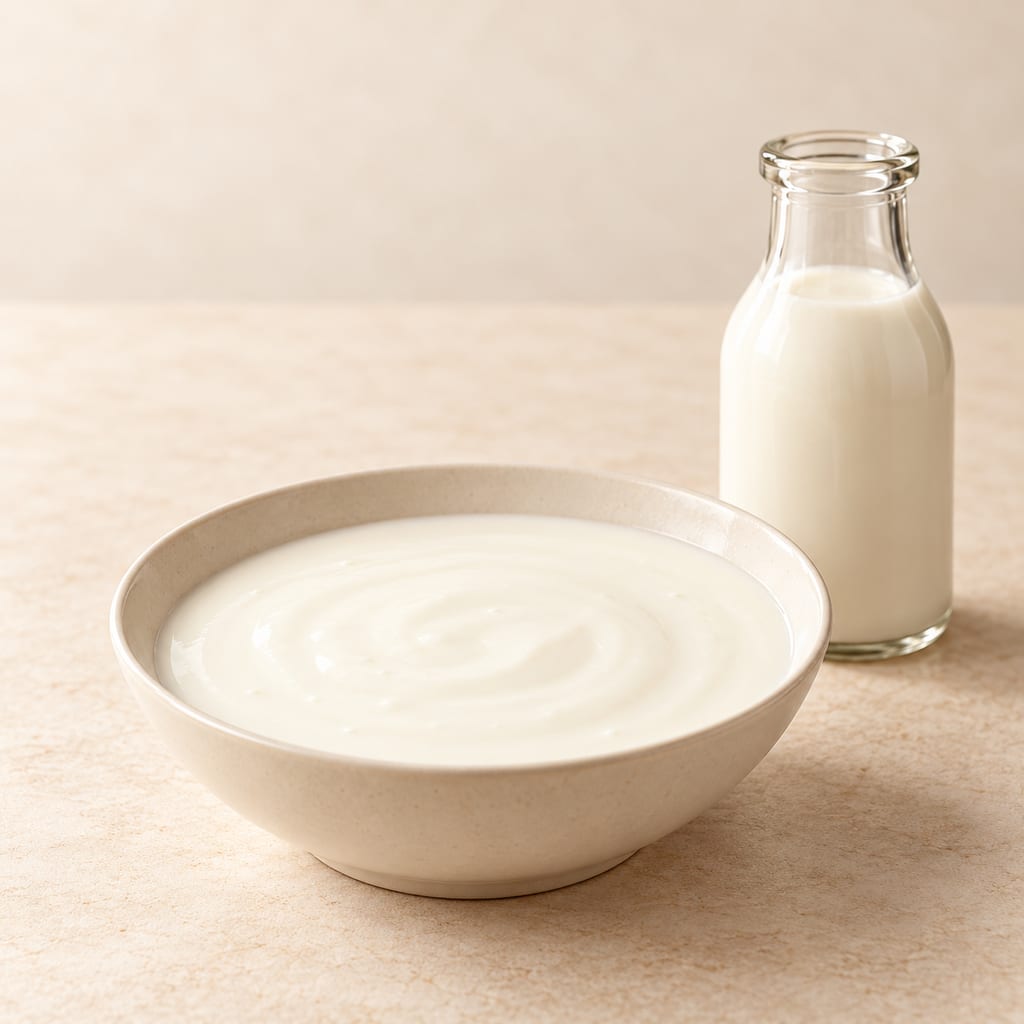
Filmjölk is a Swedish cultured milk with mild acidity and a spoonable body. This recurring batch uses filmjölk from the previous batch to culture fresh milk.
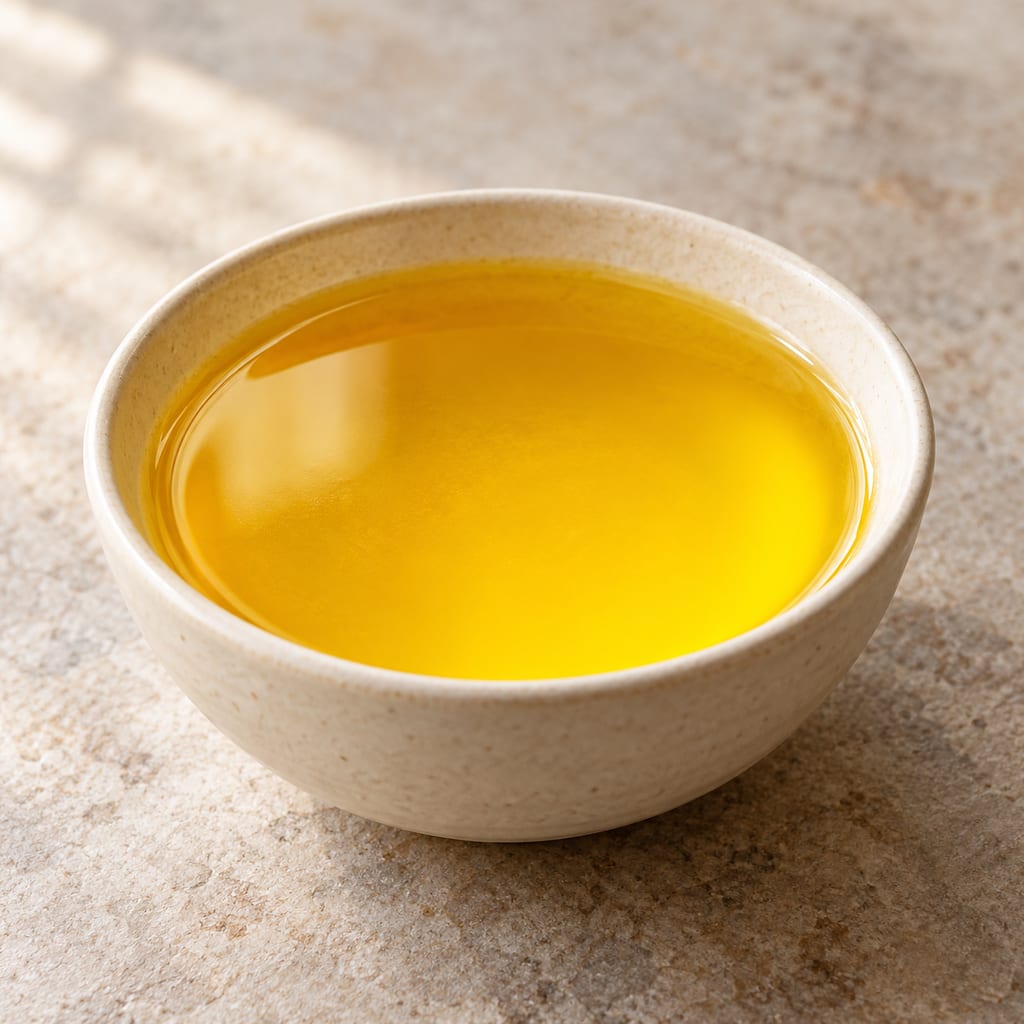
Butter heated until most water leaves and the milk solids separate, giving a fat that keeps far longer than butter. Rendering applies the same heat to animal tissue to make lard and tallow.

Protected Italian vinegar made only from cooked grape must, fermented and aged in a battery of wooden barrels for at least 12 years: sweet, sharp and syrupy.
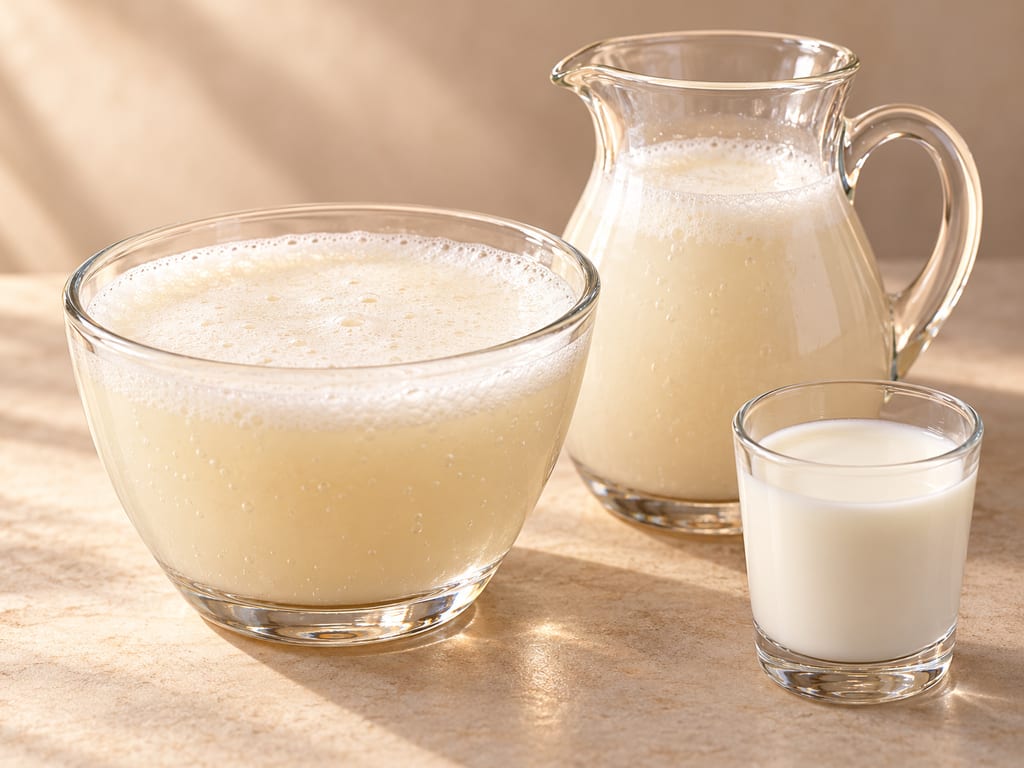
Airag is Mongolia’s fermented mare’s-milk drink, traditionally churned with saved starter in a reusable cowhide khokhuur.

Appam, or hoppers, are South Indian and Sri Lankan rice pancakes made from a fermented coconut-and-rice batter and cooked in a curved pan to a crisp lacy rim and a soft, spongy centre.
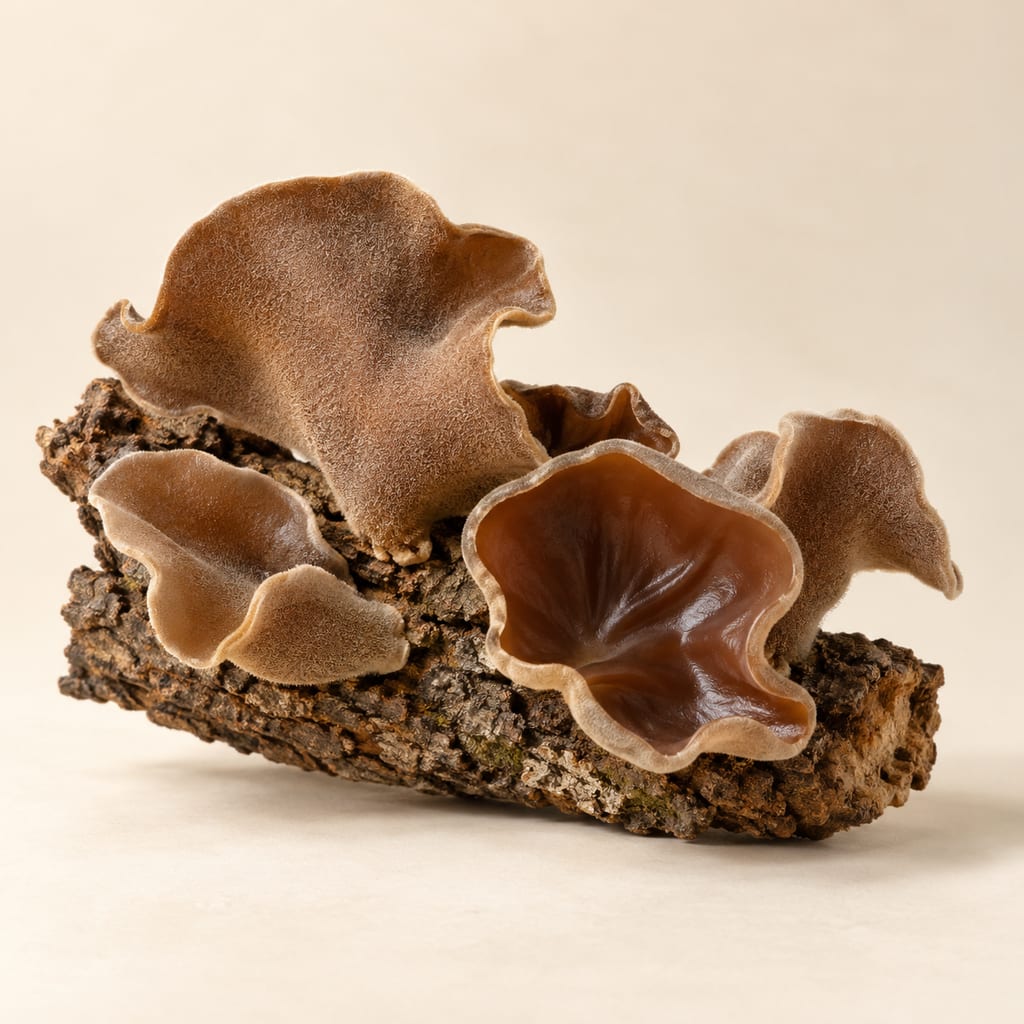
Auricularia tremellosa is a wood ear fungus of the genus that supplies most dried wood ear sold in China; its own food record is thin, and the culinary practice described here comes from the closely related wood ear species.
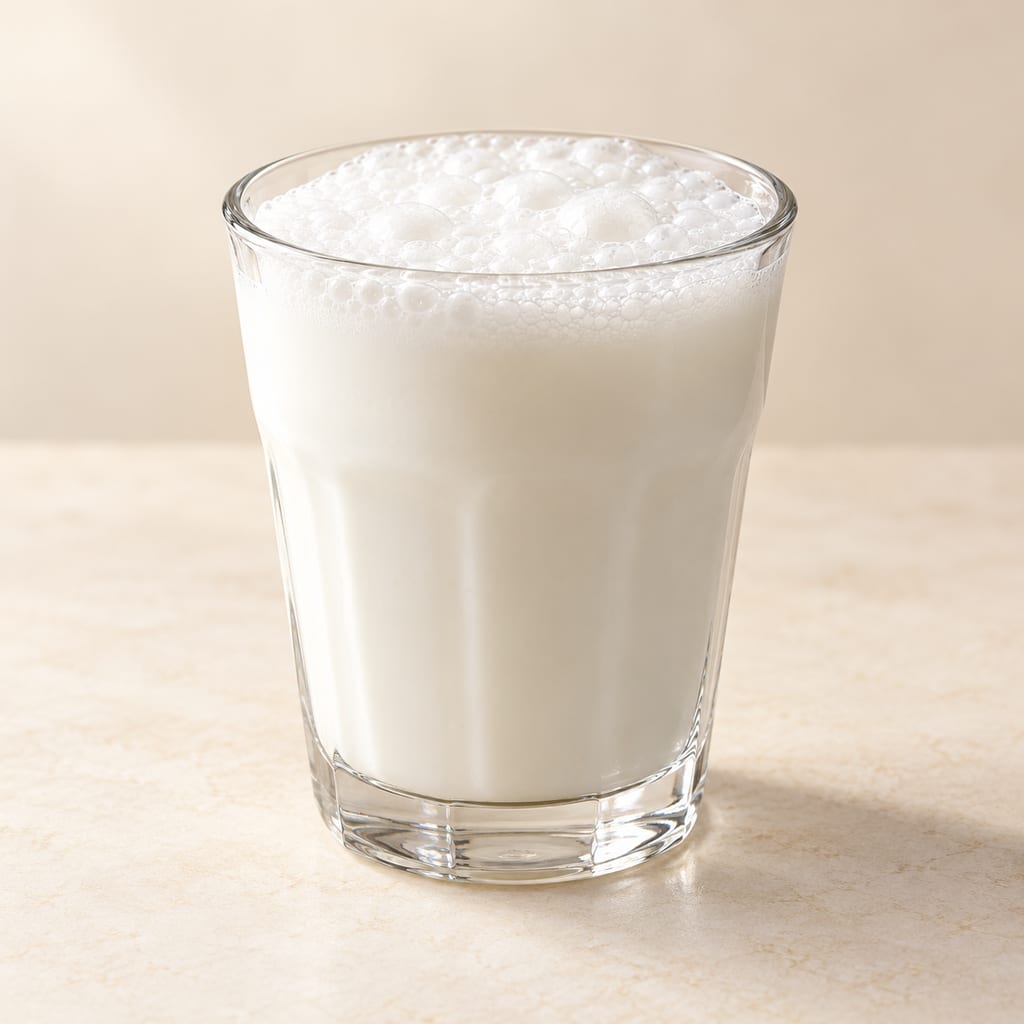
Ayran is Turkey’s cold, savoury yogurt drink: plain yogurt is loosened with water and lightly salted, then whisked smooth or aerated into a soft cap of foam.
A thin stone griddle used over an open hearth. Norwegian archaeology documents the established tradition from the early Middle Ages; a Viking-period origin is only a cautious suggestion linked to Shetland.

Crushed or milled barley cooked in water until the starch softens and the mixture thickens, the plainest way a northern household turned stored grain into a meal, here with apple and hazelnut.

Black carrot is the anthocyanin-pigmented Eastern carrot (Daucus carota var. atrorubens), the purple root that preceded orange types and still colours kanji and şalgam.
No community contributions have been published for this entry yet.
Sign in to contribute. Published comments and photos are free to read.
University of Illinois ExtensionMethod · Science · Safety
Making Yogurt at HomeProvides a basic recipe with one quart of 1% low-fat milk and two tablespoons of plain nonfat yogurt.
Specifies slow heating to 180–185°F, cooling to 108–115°F, inoculating, then incubating 6–10 hours undisturbed.
Says to refrigerate gelled yogurt at 40°F or lower and use within 14 days; explains lactic acid lowers pH and coagulates milk proteins.
Lists separation, weak set, off-flavours and thin texture among common quality problems.
Cited in: A set milk with a deliberately mild ingredient list; How the culture turns milk into a gel; Why the milk is heated and cooled; The household method; A quiet incubation makes set yogurt; Milk choice changes the spoonful; From bowl food to sauces and baking; Reading the result and handling it
FAO/WHO Codex AlimentariusDefinition · Culture
Codex Standard for Fermented Milks, CXS 243-2003Defines fermented milk as milk changed by suitable microorganisms with reduction in pH, with or without coagulation.
Names the yoghurt starter pair as Streptococcus thermophilus and Lactobacillus delbrueckii subsp. bulgaricus.
Recognizes concentrated fermented milk, including strained yoghurt, separately from ordinary fermented milk.
Cited in: A set milk with a deliberately mild ingredient list; Yogurt and the modern dairy; How the culture turns milk into a gel; Milk choice changes the spoonful
Oxford Research Encyclopedia of Food StudiesHistory · Geography · Culture
Living Fermented Foods and DrinksDiscusses limits on dating prehistoric dairy fermentation and the earliest written appearance of the Turkish yogurt name around 1070.
Distinguishes older and regional fermented milks such as oxygala and dahi from the later written name yogurt.
Describes yogurt's early twentieth-century promotion in Western Europe and later adaptation in the United States.
Cited in: A name with a written history, and a food with a wider one; Yogurt and the modern dairy
Et ve Süt Kurumu, Republic of TürkiyeHistory · Culture
Yoğurt Hakkında Bilmek İstedikleriniz: TarihçesiReports the word yoğurt in medieval Turkish literary works and discusses its place in Turkic pastoral culture.
Its national origin narrative is treated as a later account, not proof of a unique invention site.
Cited in: A name with a written history, and a food with a wider one
University of Alaska Fairbanks Cooperative Extension ServiceMethod · Handling · Variations
Making Yogurt at Home, FNH-00062Describes yogurt as a semi-solid fermented milk product and summarizes household handling, milk options and culture-related faults.
Only general observations are used, not its alternate formula or storage period.
Cited in: Why the milk is heated and cooled; Milk choice changes the spoonful; From bowl food to sauces and baking; Reading the result and handling it
Washington State University ExtensionMethod · History · Variations
Yogurt Made Simple, FS173EDescribes the heating, inoculation and incubation sequence and yogurt as a widely made fermented milk.
Its popular nomadic-history account is treated as a tradition, not archaeological proof of one origin.
Cited in: A name with a written history, and a food with a wider one; A quiet incubation makes set yogurt
Centers for Disease Control and PreventionSafety
Listeria and Dairy ProductsUnpasteurized dairy products can carry harmful germs; the recipe therefore specifies pasteurized milk.