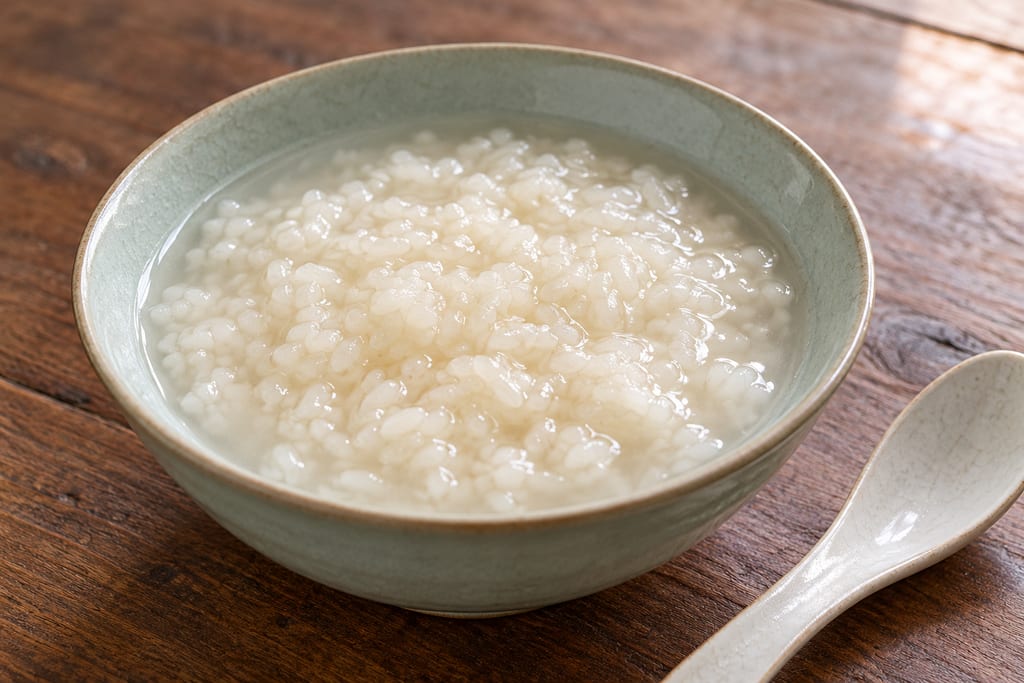
Jiuniang (sweet fermented glutinous rice)
Chinese sweet fermented glutinous rice: steamed rice and a mixed jiuqu starter, where mould enzymes release sugar and yeast makes a little alcohol, eaten with its sweet liquid.
 FermenteaWhere food goes to change
Built structures · All-in-one appliances
pot-in-pot · rack and containers in a multicooker
Containers or a steaming basket standing on the multicooker's rack over a measured depth of water, so the water carries heat evenly to food kept out of it.
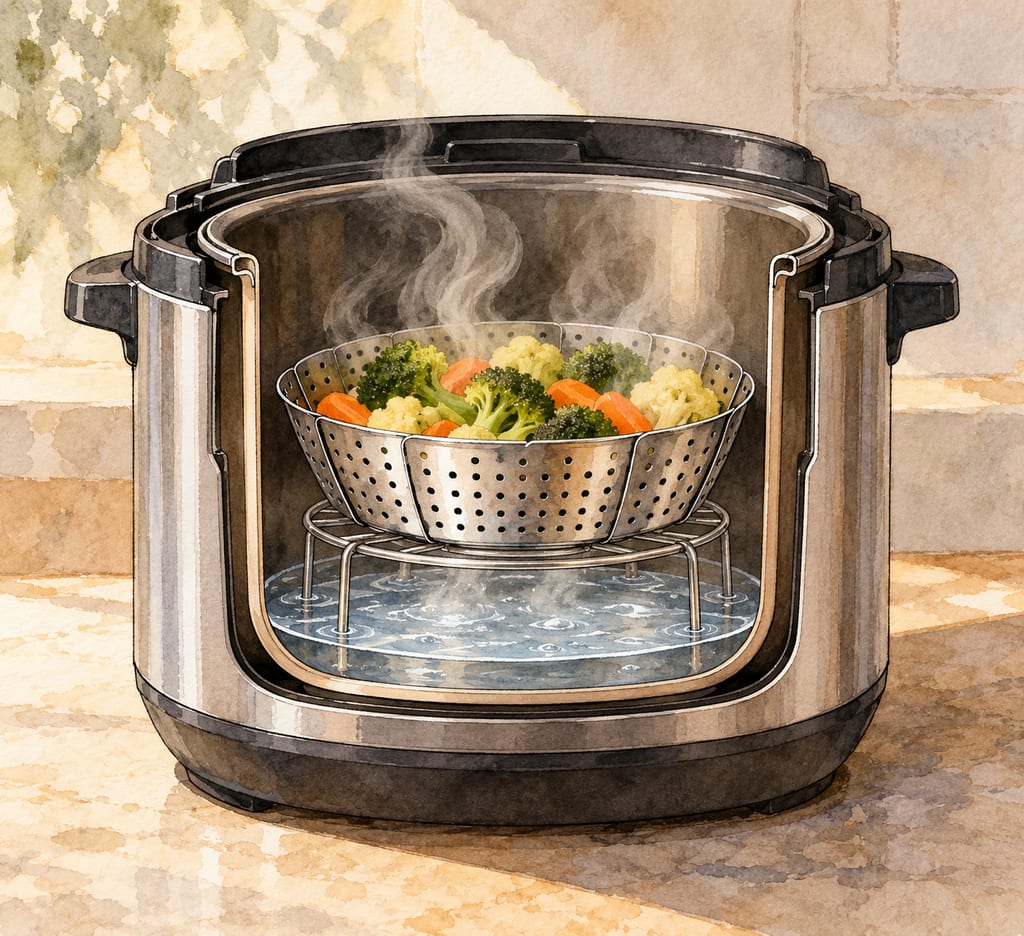
A rack keeps food out of the cooking water while the water does the heating: steam for the rice and milk, and a shallow warm bath for the jiu niang containers. The Instant Pot Duo manual sets out these three arrangements.
Water conducts heat to the base and lower sides of each container more evenly than air or direct contact with the heated pot floor. The manual gives this as the reason for the 1 cm depth. Under pressure, steam at the pot's working temperature reaches the food on the rack. On the low programmes, the containers follow the water with a lag.
Jiu niang (sweet fermented glutinous rice): rice is steamed on the rack, and the closed containers incubate in 1 cm of water on the low programme.
Yogurt: milk is steamed in bottles on the rack before cooling and incubating.
Measure the water depth against the container, and the contents' temperature during the long low holds.
Jars processed this way are not canned. The food-preservation guide notes that no USDA thermal process work has been done with jars inside an electric pressure cooker.
The manual's fill and minimum-liquid rules still apply under pressure. Other container arrangements, sealed containers under pressure, and other models are not covered by the sources.
The three rack arrangements are documented in one manufacturer's manual. The food-preservation guide advises that jars in an electric multicooker have had no USDA thermal process work.
A build is made where it stands: moving it means building it again.
No USDA thermal process work has been done with jars inside an electric pressure cooker, so the process is not validated for canning.
Hazard sourceKeep at least one measuring cup of liquid in the cooker so it can pressurize.
Control sourceDo not treat these arrangements as canning. Keep the containers for fermenting and warming only.
Documented for international use, with no single place of origin assigned.
Chinese sweet fermented glutinous rice: steamed rice and a mixed jiuqu starter, where mould enzymes release sugar and yeast makes a little alcohol, eaten with its sweet liquid.
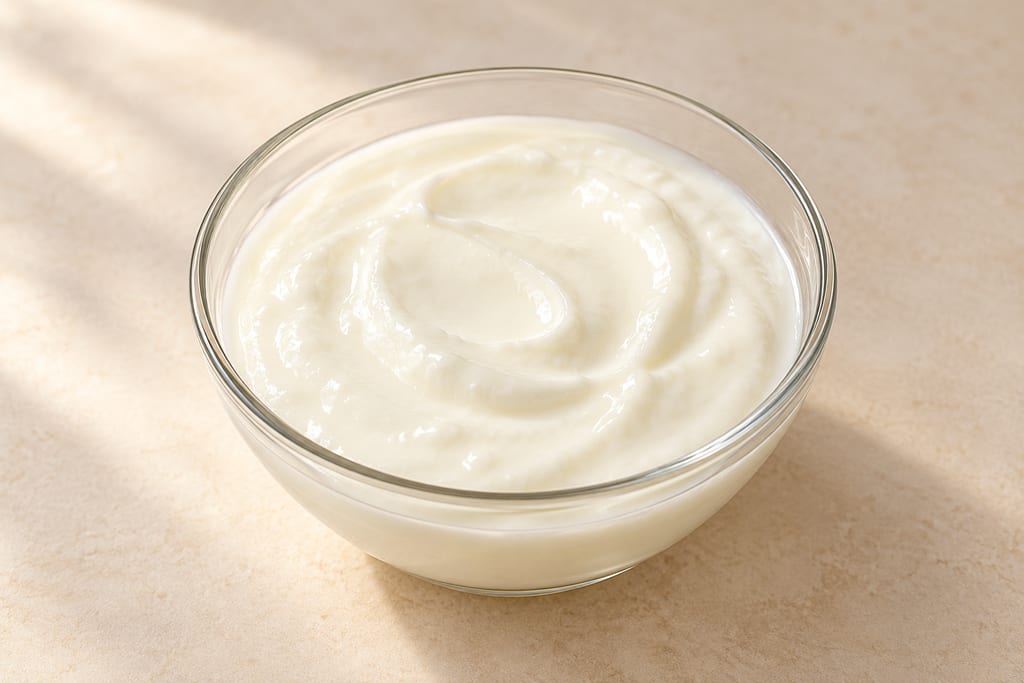
A mild, set yogurt made by inoculating warm pasteurized milk with live-culture yogurt and holding it until it gels. This US extension method uses a short ingredient list and controlled incubation.

Soft, spreadable Calabrian pork sausage made with a great deal of red chilli and fatty pork, stuffed into natural casings, sometimes smoked and matured while staying soft.

A way to add independent temperature logging to an existing food dehydrator without changing its built-in controls or protections. It is a monitoring method, not a rewiring plan.

Pleurotus cystidiosus is the abalone mushroom, a cultivated oyster-type fungus with dark brown caps that grows more slowly and is more demanding than other Pleurotus species.

A dark, balanced vinegar from Emilia-Romagna made by combining cooked or concentrated grape must with wine vinegar, then acetifying and refining it in wood under a protected specification.

A living dairy inoculum that starts controlled cream fermentation, developing acidity and aroma before sour cream or cultured butter is finished.

A small electric incubator holds jars at a selected temperature for yogurt and other documented warm food preparations. Controls, capacity and vessel arrangement vary by model.

Adygean salt is a seasoned table salt associated with Adygea and the wider North Caucasian culinary tradition. Salt is blended with garlic and a variable selection of herbs and spices; the exact mix depends on the named style and maker.

The African Caesar-group mushroom, Amanita masasiensis, is a wild ectomycorrhizal species of central and southern African woodlands, eaten locally. The genus contains deadly poisonous species, so identification needs care.
No community contributions have been published for this entry yet.
Sign in to contribute. Published comments and photos are free to read.
Instant PotMethod
Programmable Electric Pressure Cooker User Manual, Models IP-DUO60/80Cited in: Overview; How it works; Documented uses; Measuring; Limits
National Center for Home Food Preservation (University of Georgia)Method
Canning in Electric Multi-CookersCited in: Limits