High risk
Som-fak
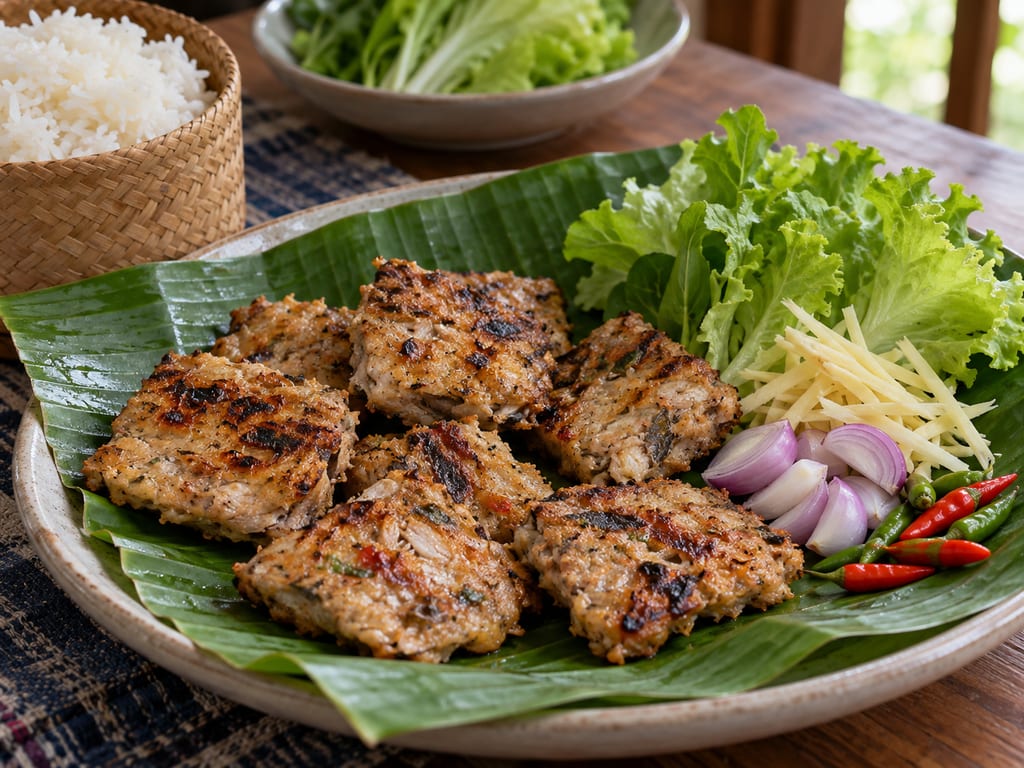
Som-fak is a Thai fermented freshwater-fish cake. JIRCAS records its ingredients, proportions, wrapping and 3–5-day fermentation, but does not validate a safe household process or endpoint.
 FermenteaWhere food goes to change
Recipes by the places recorded in their sources.
Som-fak is a Thai fermented freshwater-fish cake. JIRCAS records its ingredients, proportions, wrapping and 3–5-day fermentation, but does not validate a safe household process or endpoint.
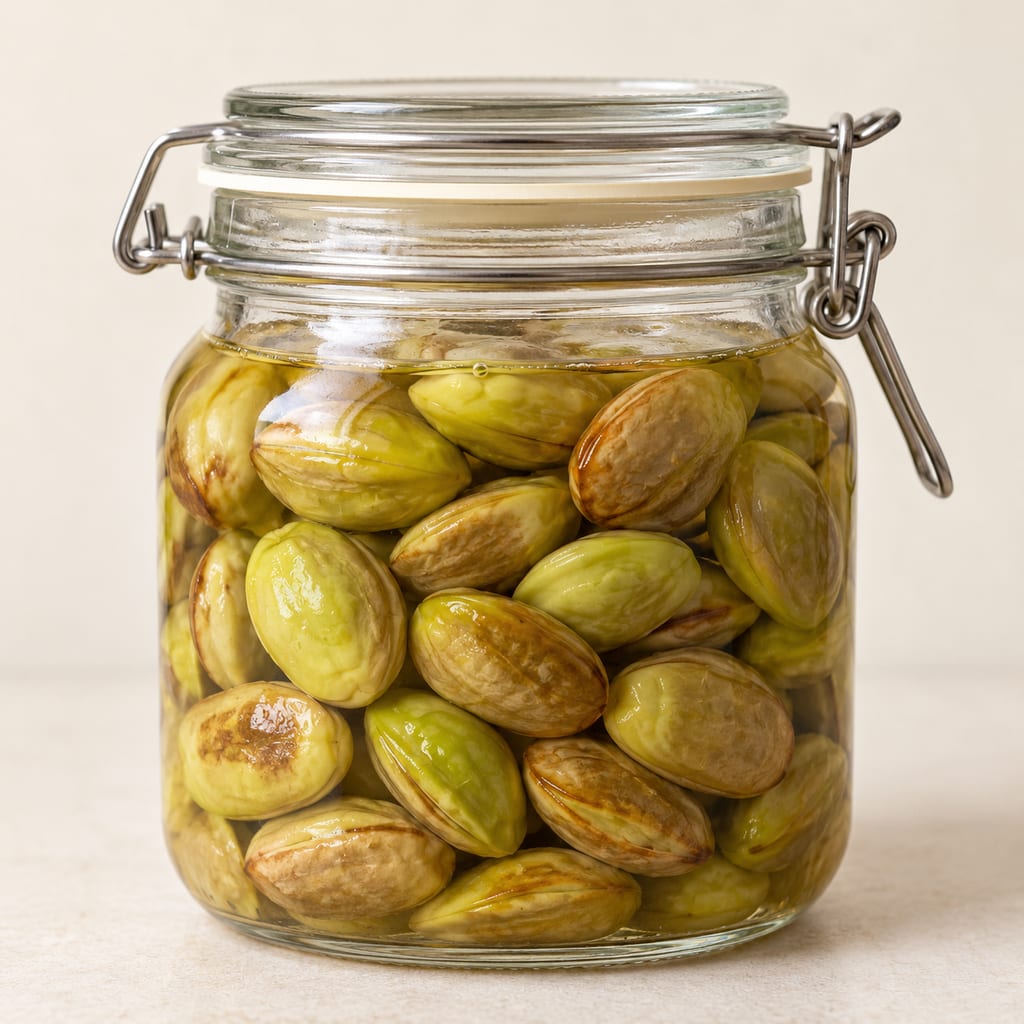
Thai pickle of stink bean seeds, Parkia speciosa, with the testa left on, held in a 10 percent salt brine in a glass jar in shade. JIRCAS records a three to four day ferment and a separate seven day flavour note.
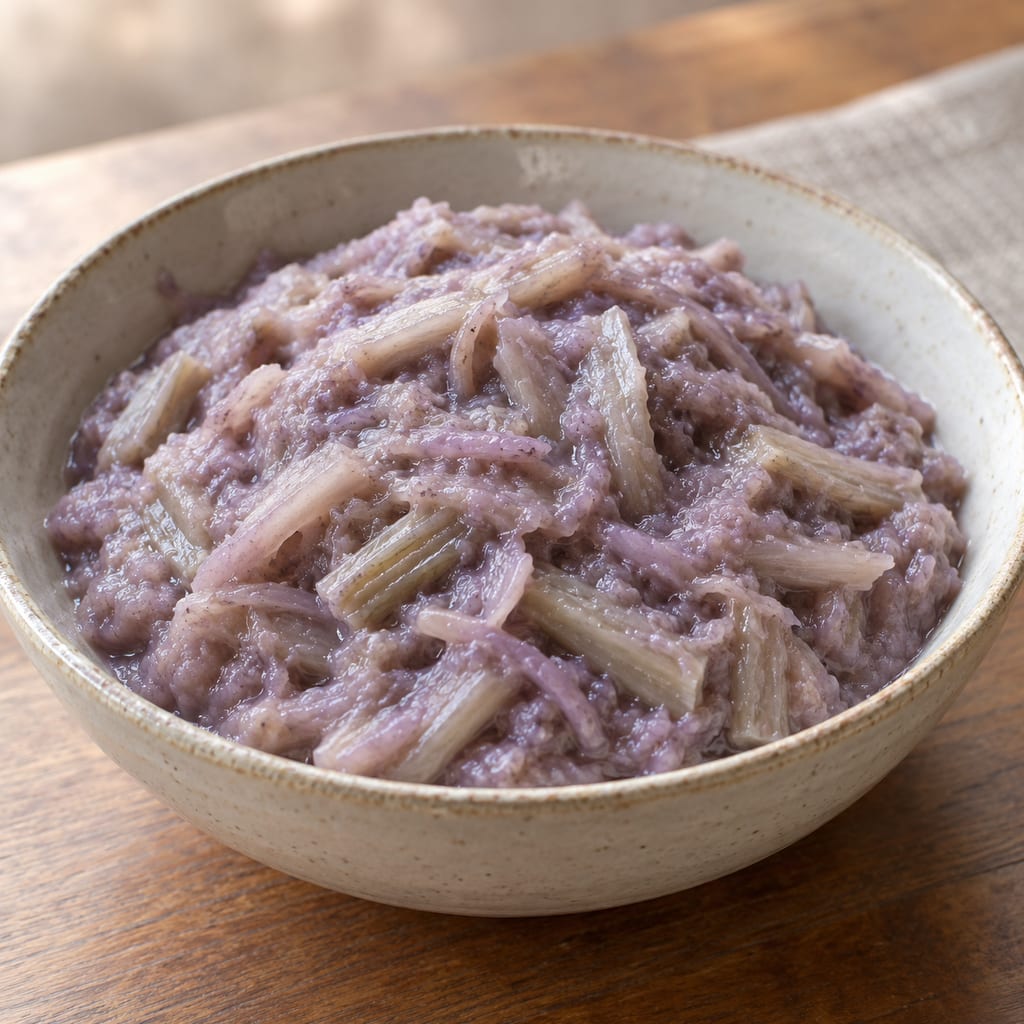
Thai pickle of young taro leaf stalks, salted, kneaded and held in rice-washing water in an earthen jar at room temperature. JIRCAS records it as a home-level product with no validated endpoint.

Northern Thai fermented tea leaf: Assam tea leaves tied in bundles, steamed, packed in a lined tank and held under weight for three to four months. Eaten after meals.
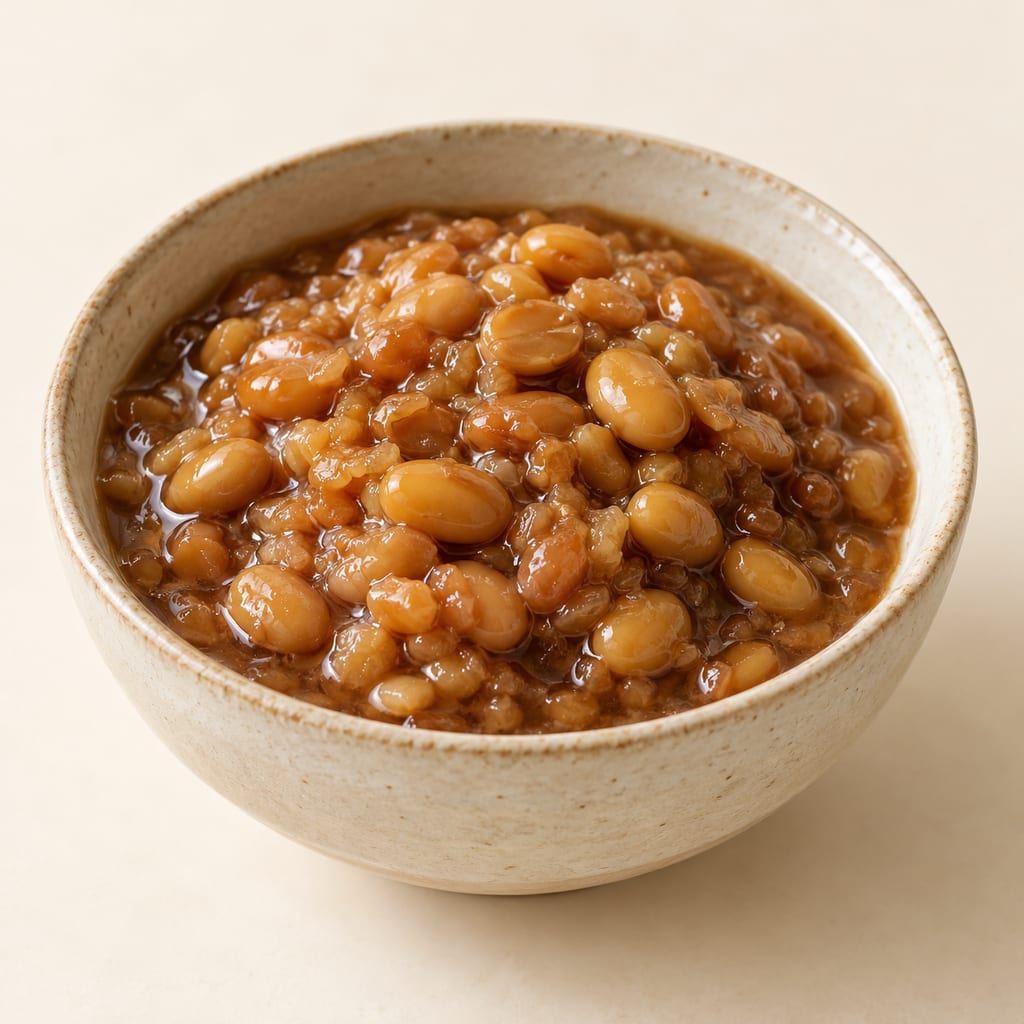
Tao-jiew is a salty, semi-solid soybean condiment from Thai cooking, made with koji and maturation in salt solution. The JIRCAS entry gives one method with key quantities left out.
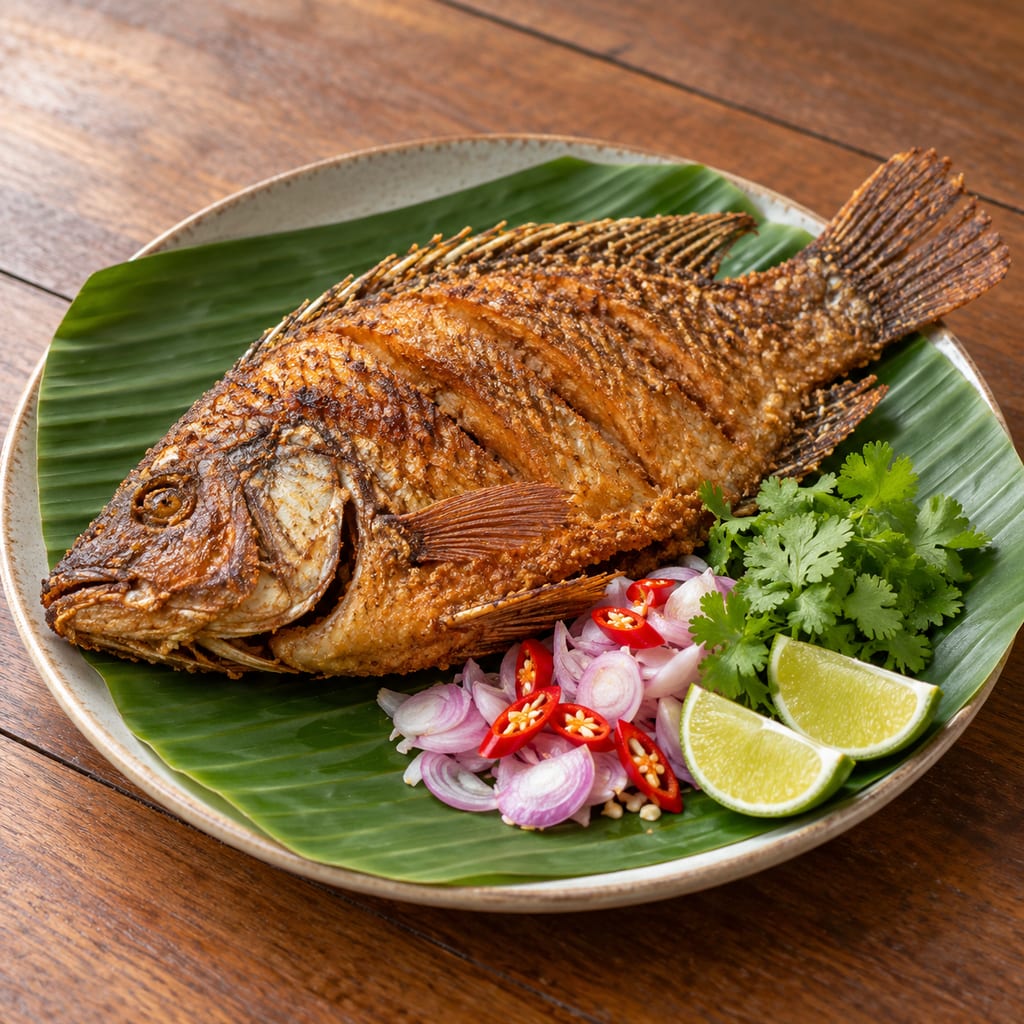
Thai pla som made from tilapia salted, filled with sticky rice and garlic, bagged and held at room temperature for about three to four days.

Naem is a Thai sour pork preparation made with minced pork, rind or ear, glutinous rice, garlic and salt. Its documented room-temperature method has no validated food-safety endpoint.
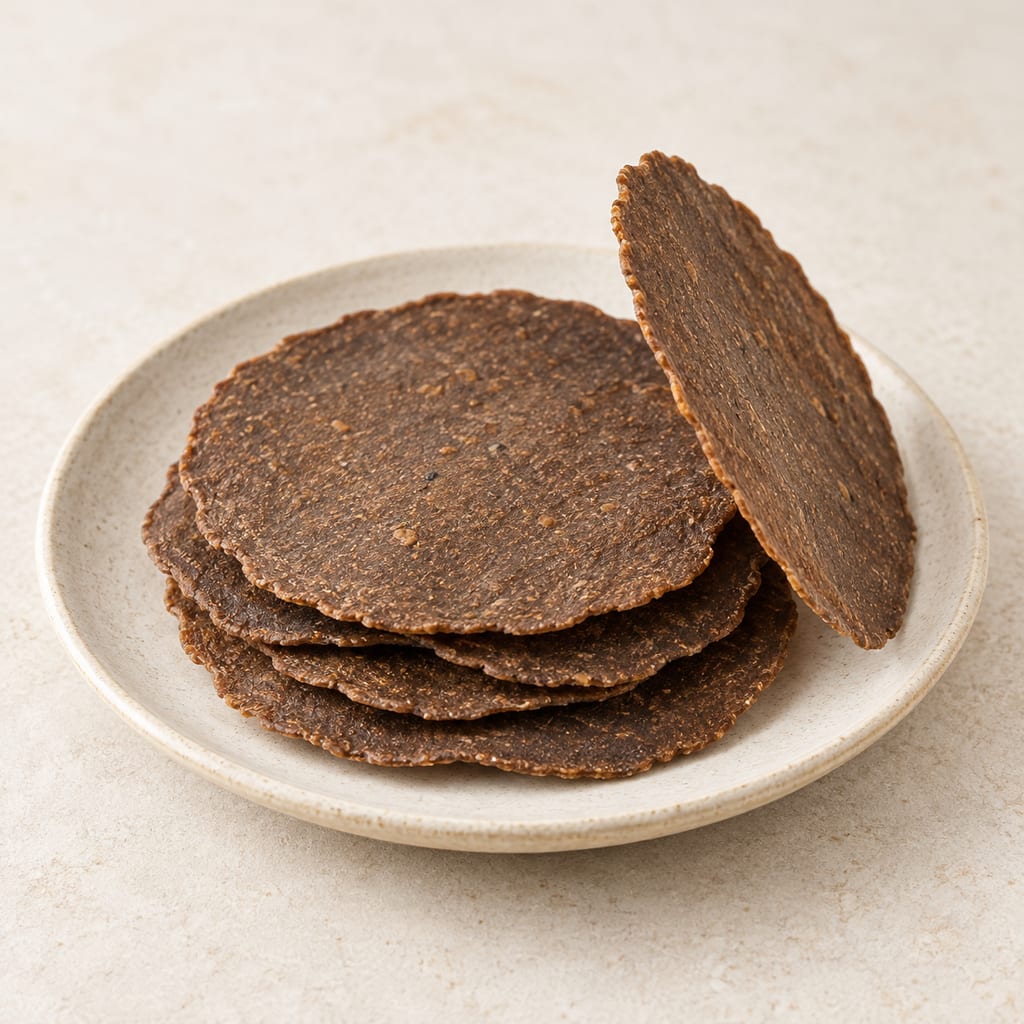
Northern Thai fermented soybean shaped while still soft into flat cakes and dried, so the bacterial soybean ferment becomes a durable, shelf-stable seasoning reserve.
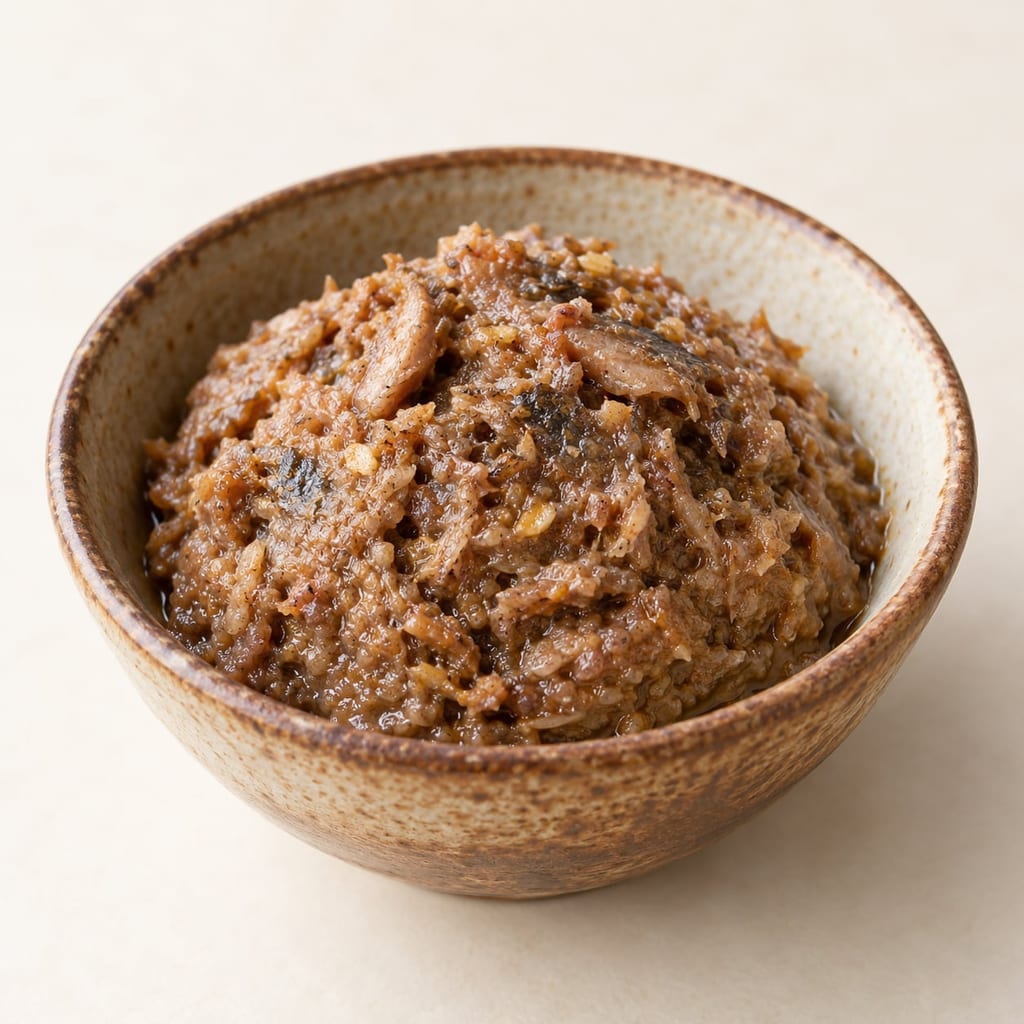
Thai salt-fermented fish paste, matured with rice bran or roasted rice and used as a seasoning in the Northeast and across Thailand. Raw pla ra must be cooked before eating.
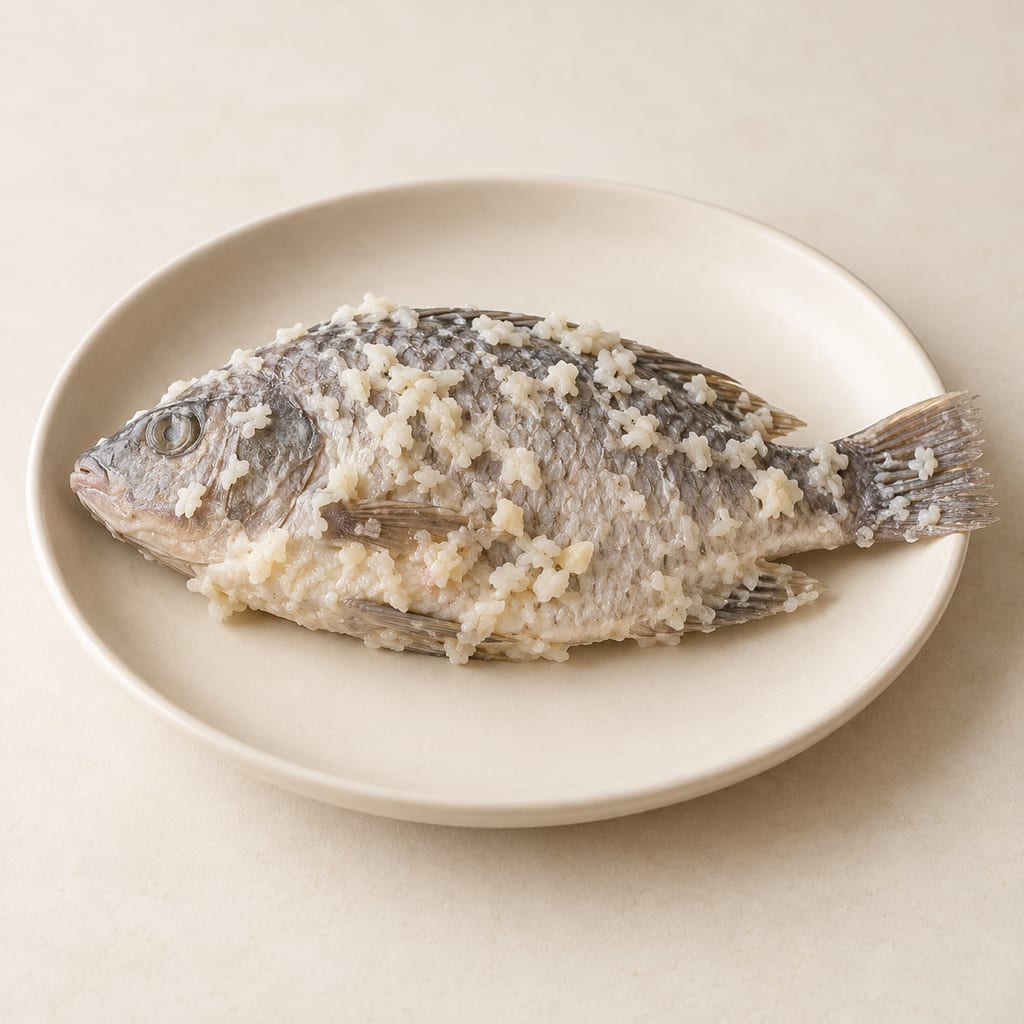
Plaa-som is a Thai sour fish: freshwater fish salted overnight, then mixed with cooked rice and garlic and fermented for about five to seven days at ambient temperature.
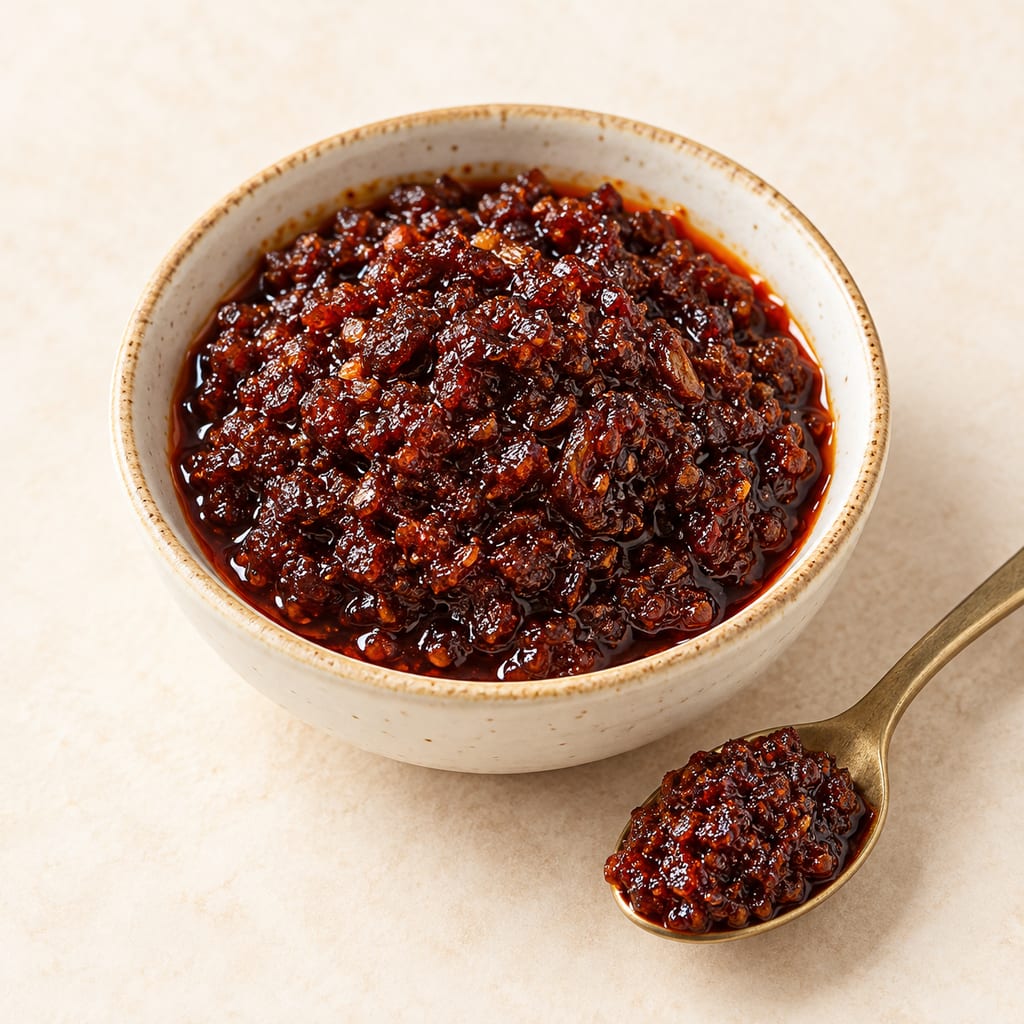
Nam prik pao is a Thai roasted chilli paste, sweet, salty and sour with only mild heat, used as a dip, a spread and a seasoning for cooked dishes.
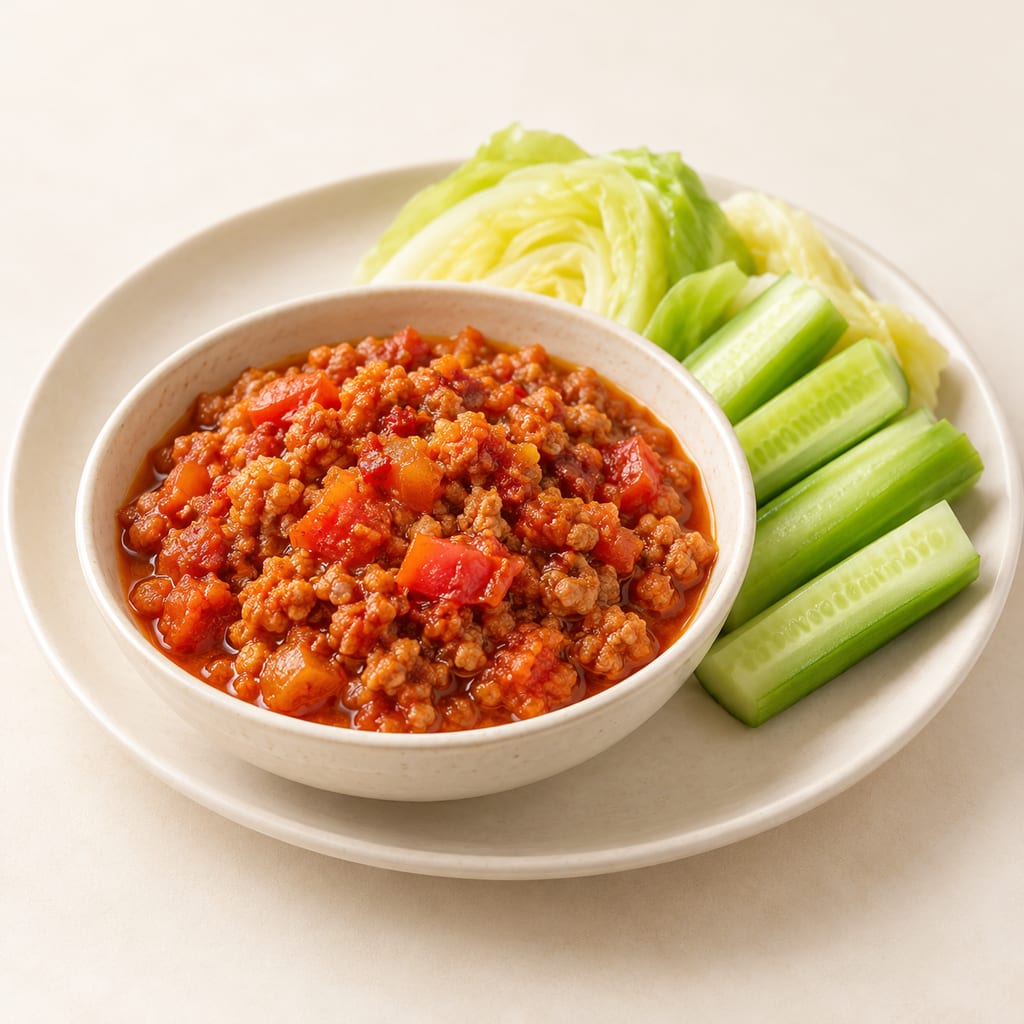
Nam prik ong is a cooked Northern Thai dip of chilli, tomato and minced pork, seasoned with fermented soybean and eaten with vegetables, pork rind and eggs.
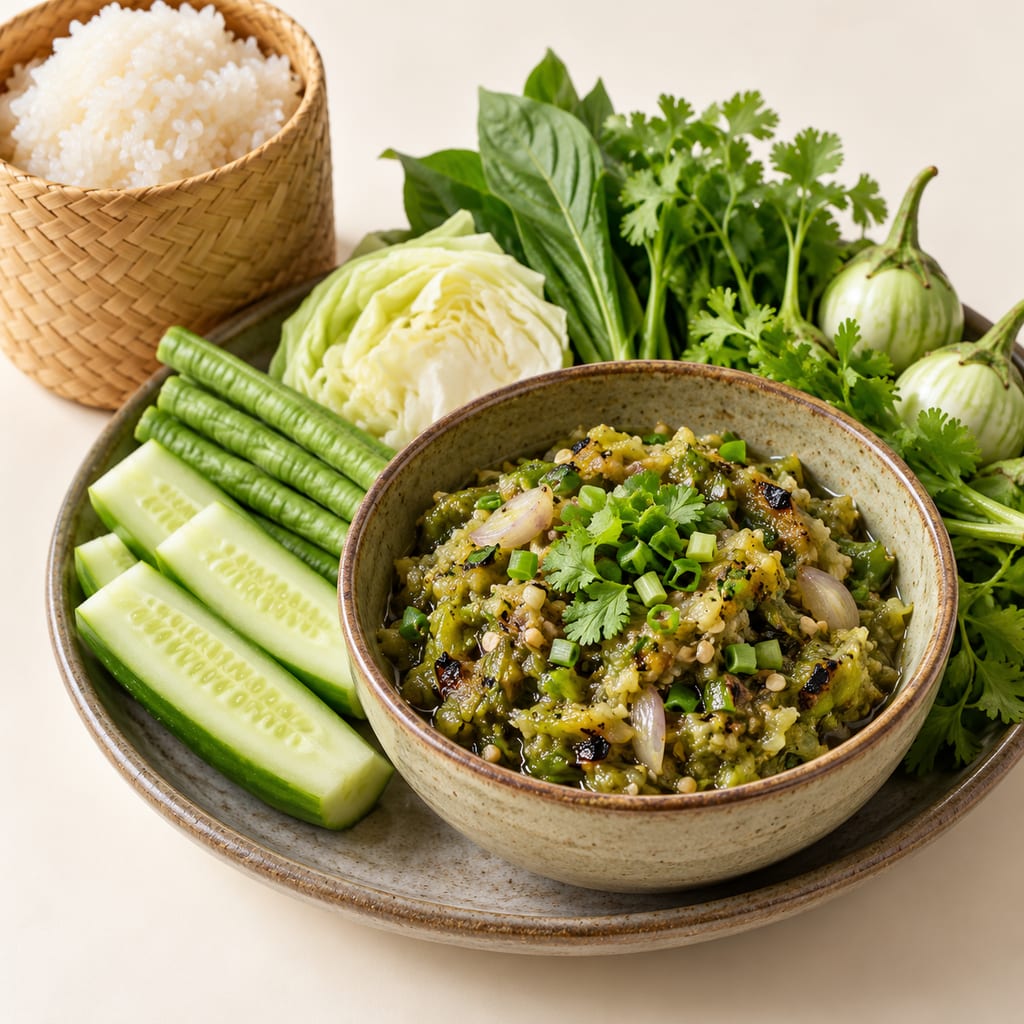
Grilled young green chillies, shallots and garlic are pounded with salt into a coarse northern Thai dip, finished with coriander and spring onion and eaten with sticky rice and vegetables.
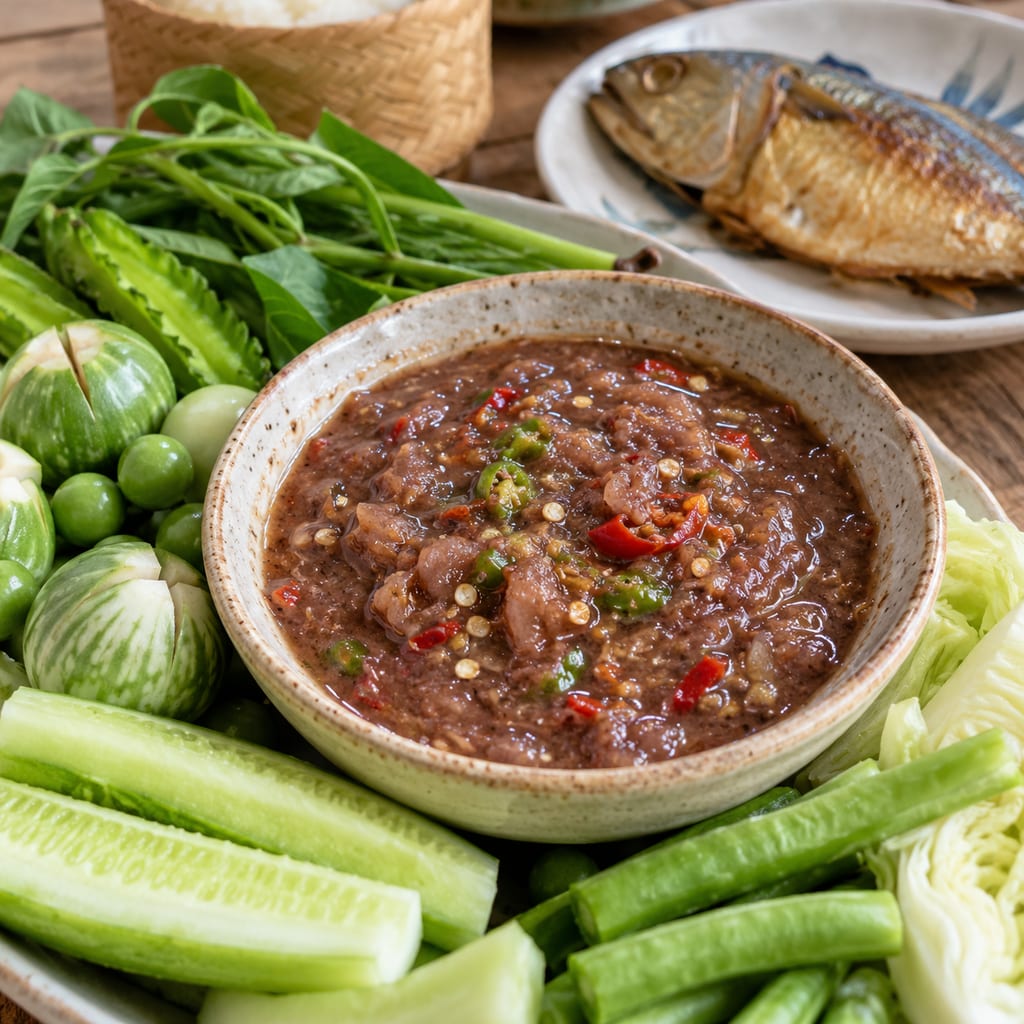
Nam prik kapi is a Thai dip of matured shrimp paste pounded with garlic, bird's eye chilli and lime or tamarind, eaten with vegetables and rice.
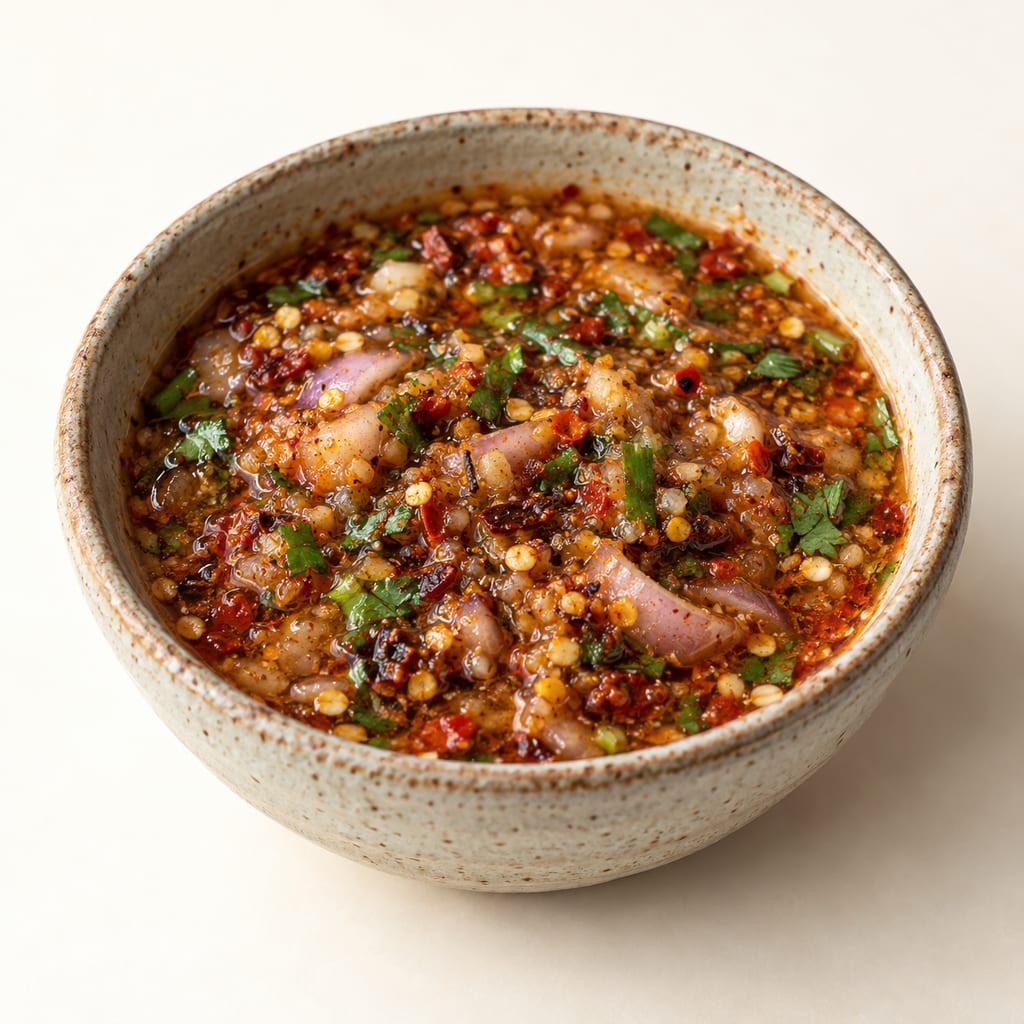
Roasted chillies, shallot and garlic are pounded and loosened with fermented and plain fish sauce, boiled water and lime into a sharp Isan dip for grilled meat and fish.

A cultural account of luk niang dong, a Thai djenkol-bean pickle associated with southern Thailand. Not a recipe or eating recommendation: sources do not establish that pickling controls djenkolism.
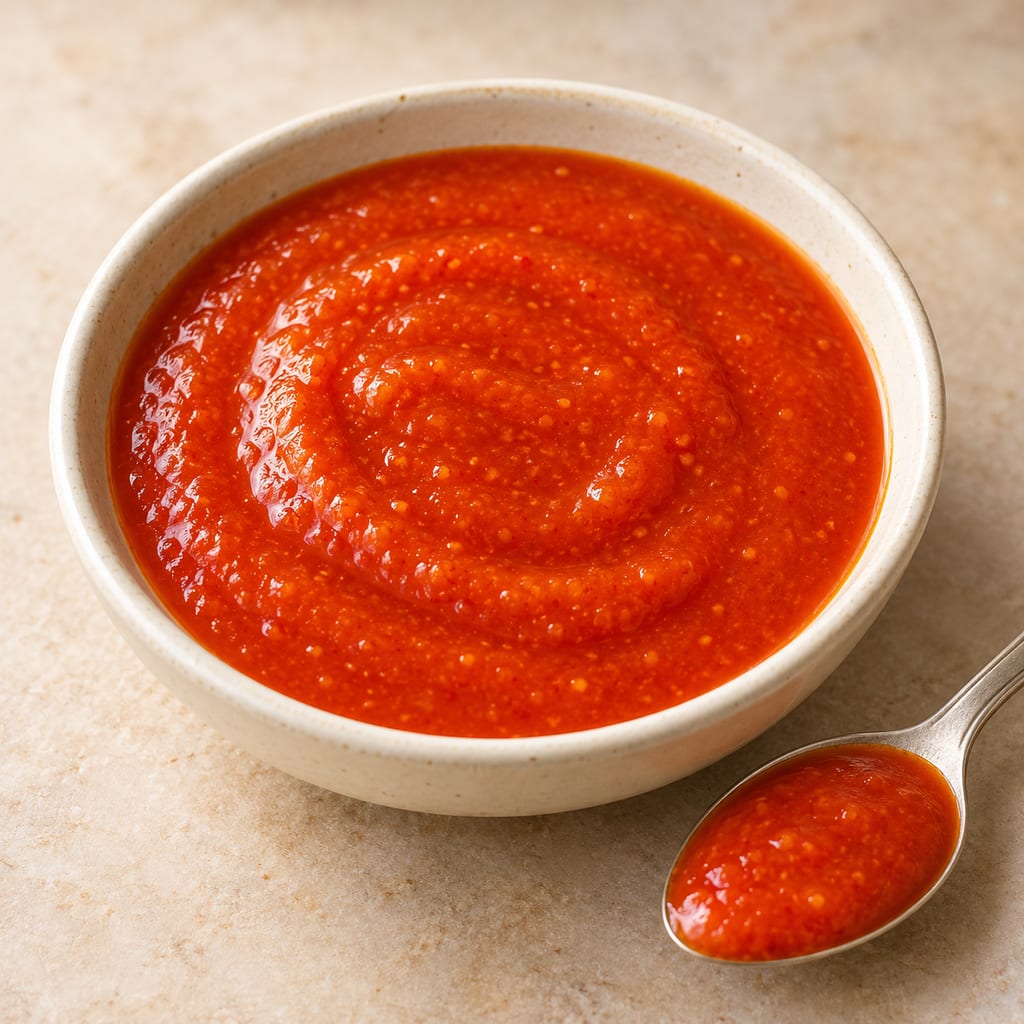
Ripe red chillies, garlic, labelled 5% vinegar, sugar, water and salt are blended, simmered and blended smooth into a cooked chilli sauce.
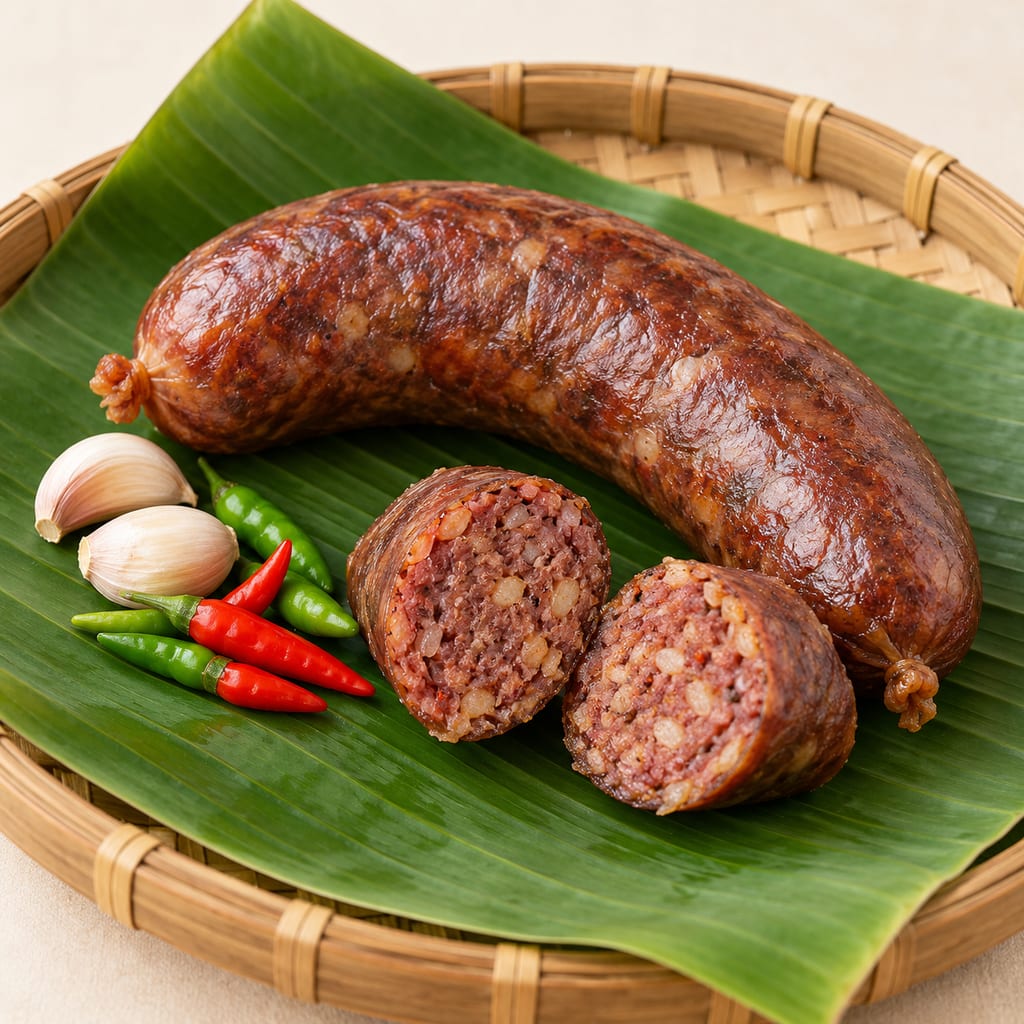
Mum is a Thai family of fermented meat preparations with distinct pork Mam-moo and beef Mam-neua forms. Sources document ingredients, casing and serving traditions, but not a validated home process.
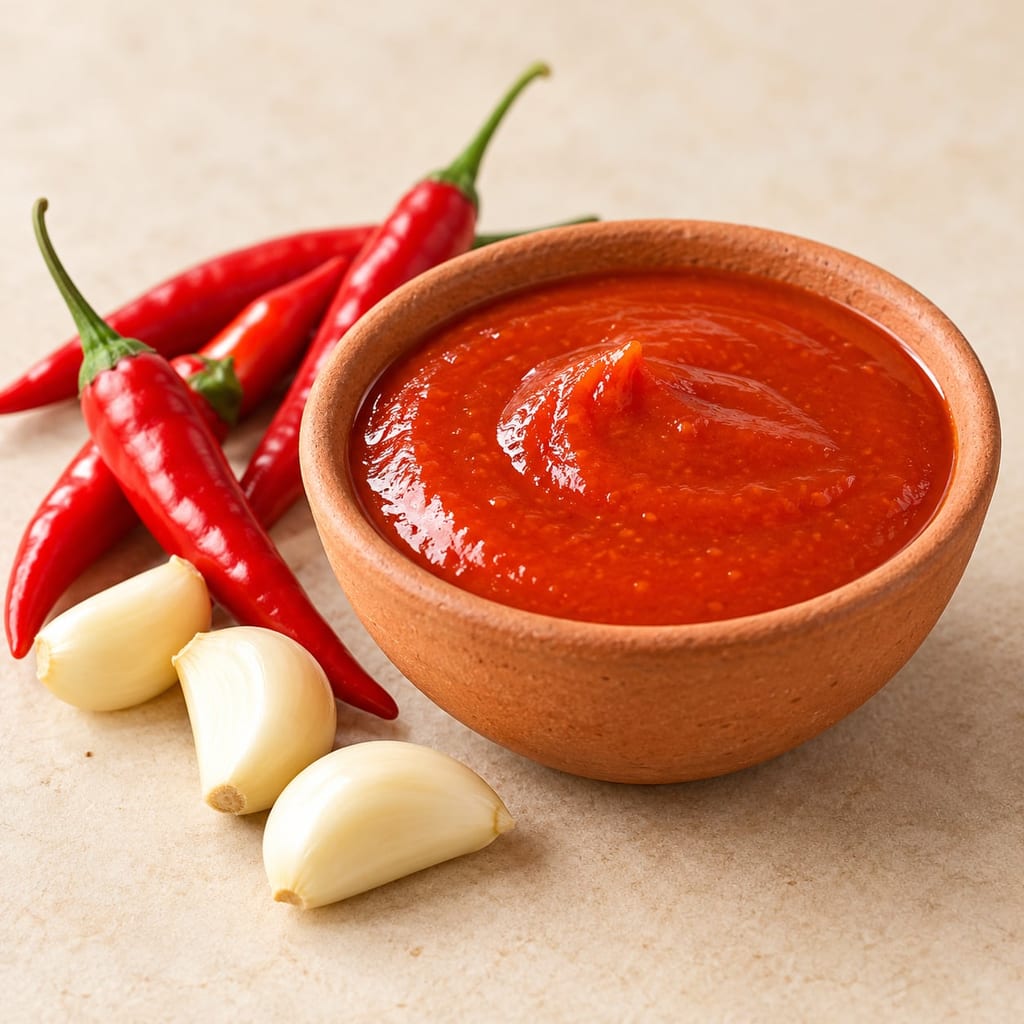
Red chillies and garlic simmer in distilled vinegar, then blend with sugar and salt into a smooth, sharp, sweet-hot table sauce associated with Thailand’s Si Racha coast.
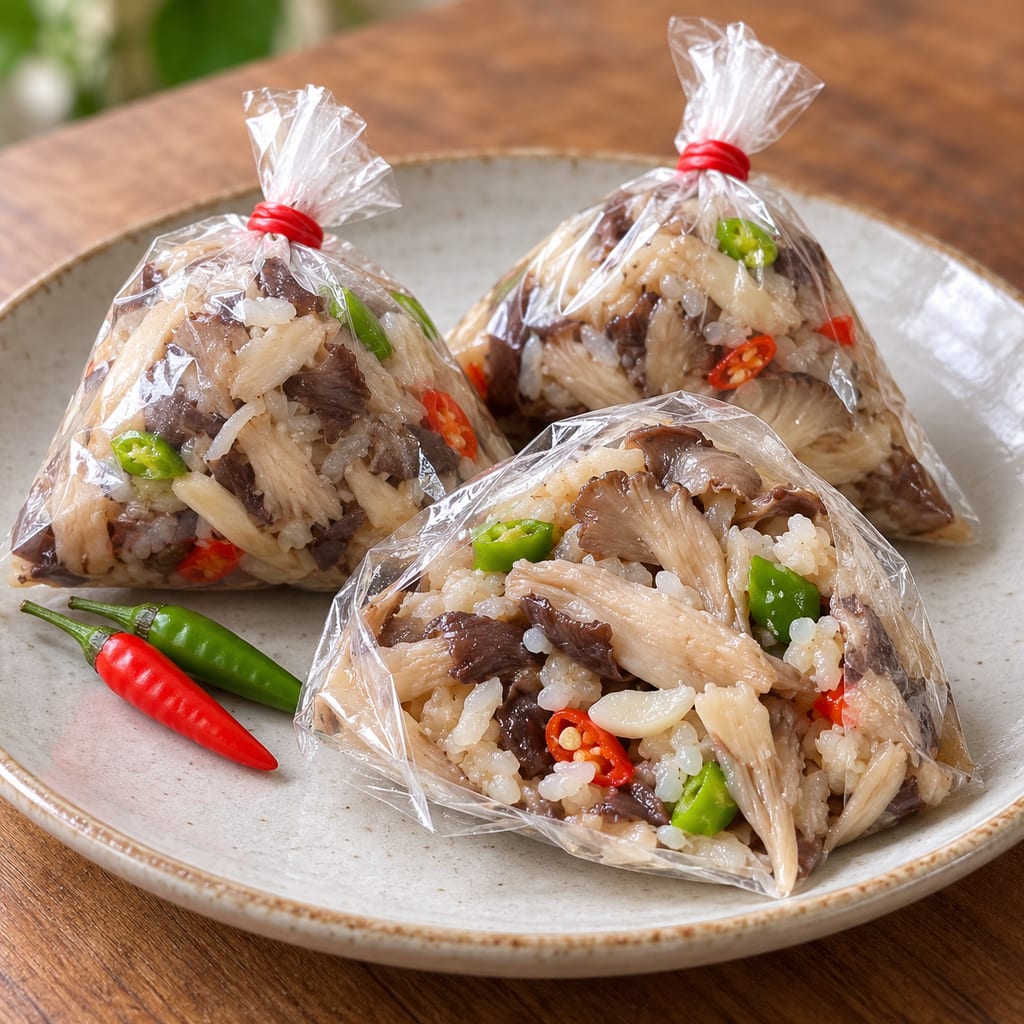
A Thai sour mushroom preparation: shredded steamed oyster mushrooms, cooked rice, garlic and salt packed into small parcels and soured by lactic acid bacteria over a few days.
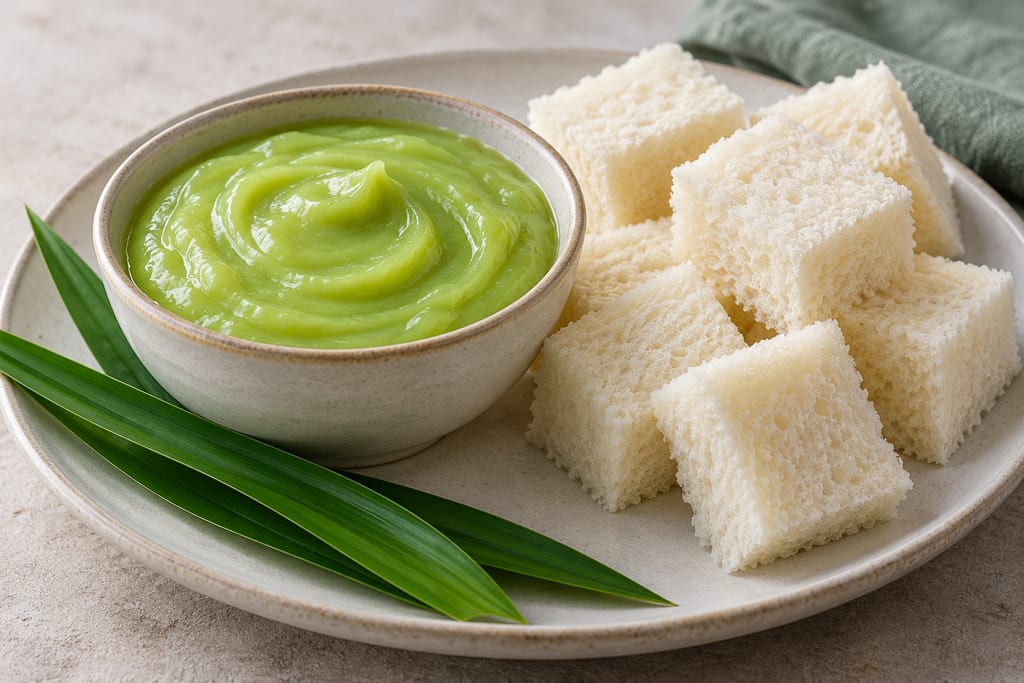
A green Thai custard of pandan juice, coconut milk, egg yolks and sugar, cooked over a water bath until it coats a spoon and served for dipping soft bread, toast or sticky rice.
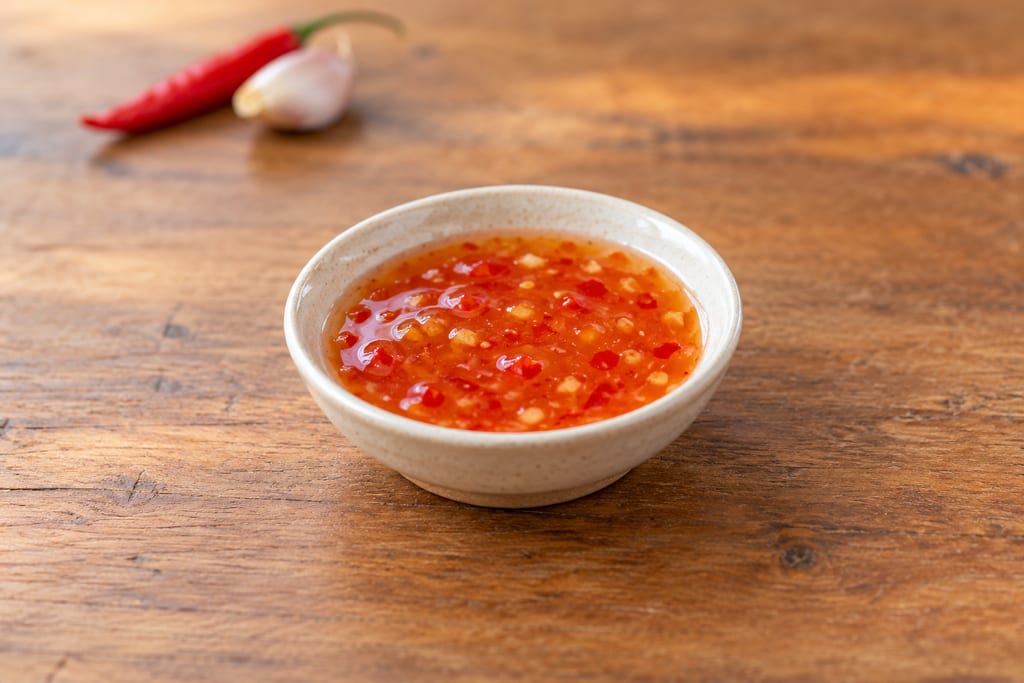
A cooked Thai-style sweet chilli dip combines red chillies, garlic, sugar and vinegar, then uses a small cornflour slurry to give this batch a glossy, spoonable body.
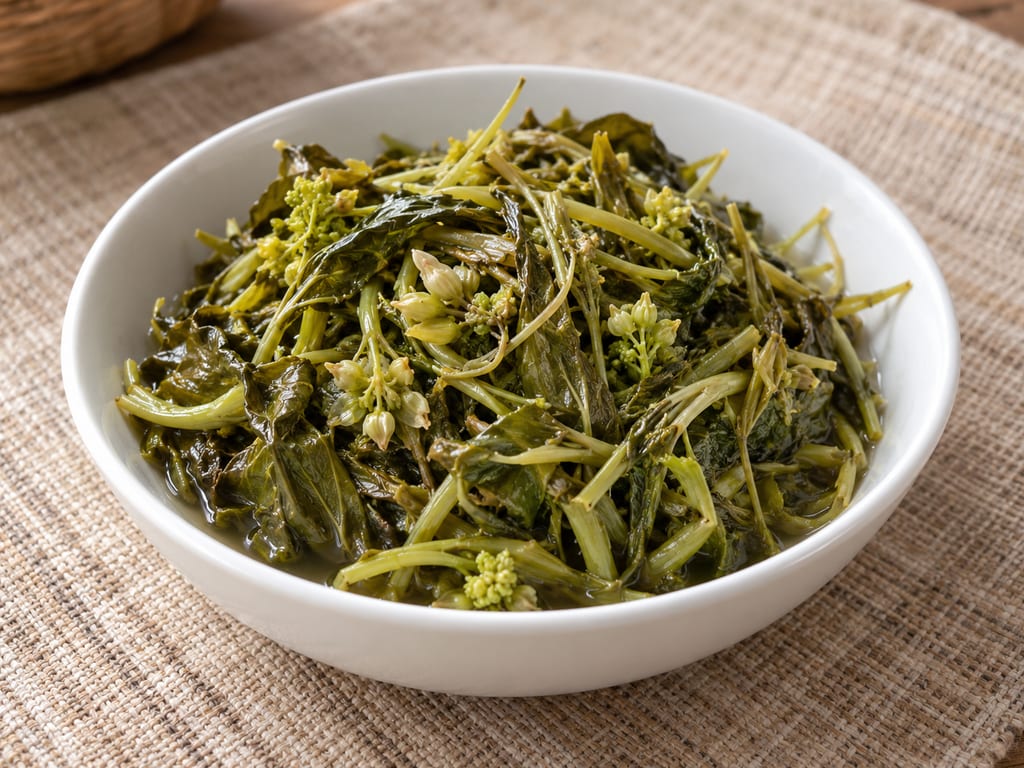
Phak sian dong is a Thai pickle of spider-plant tips and flowers (Cleome gynandra), salted and packed with cooked rice. Northeastern Thai and Lao Khrang accounts give different methods.
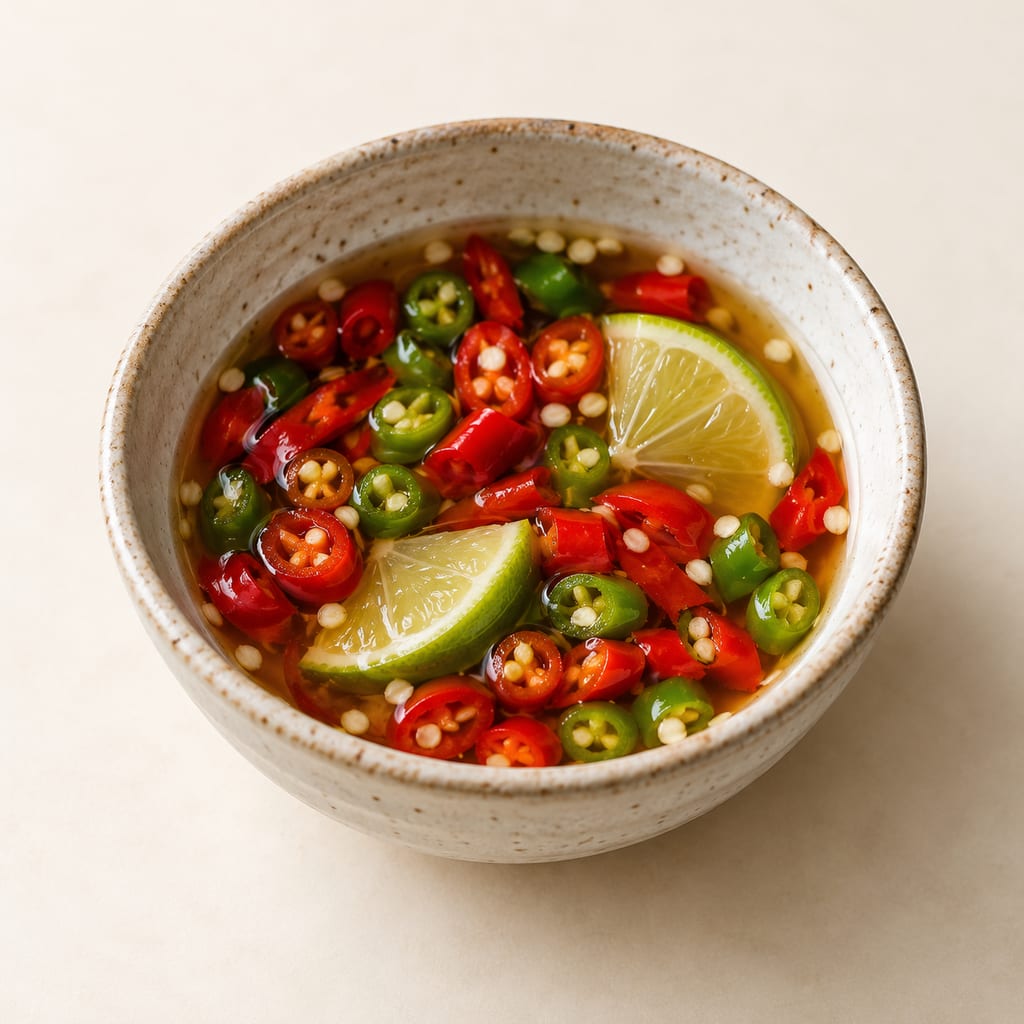
Fresh sliced chillies, fish sauce and lime form a sharp Thai table condiment. Spoon a little alongside rice, eggs or other cooked dishes.
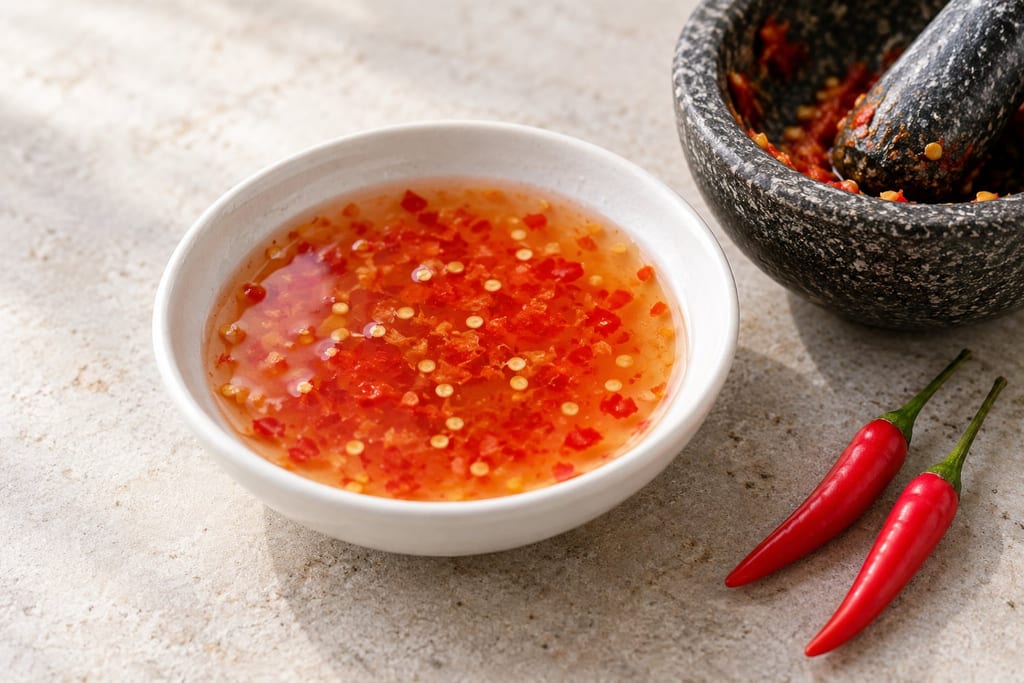
Pailin Chongchitnant's fresh prik nam som card pounds two or three Thai chillies, optionally with garlic, before stirring in white vinegar; charring is a separate optional step.
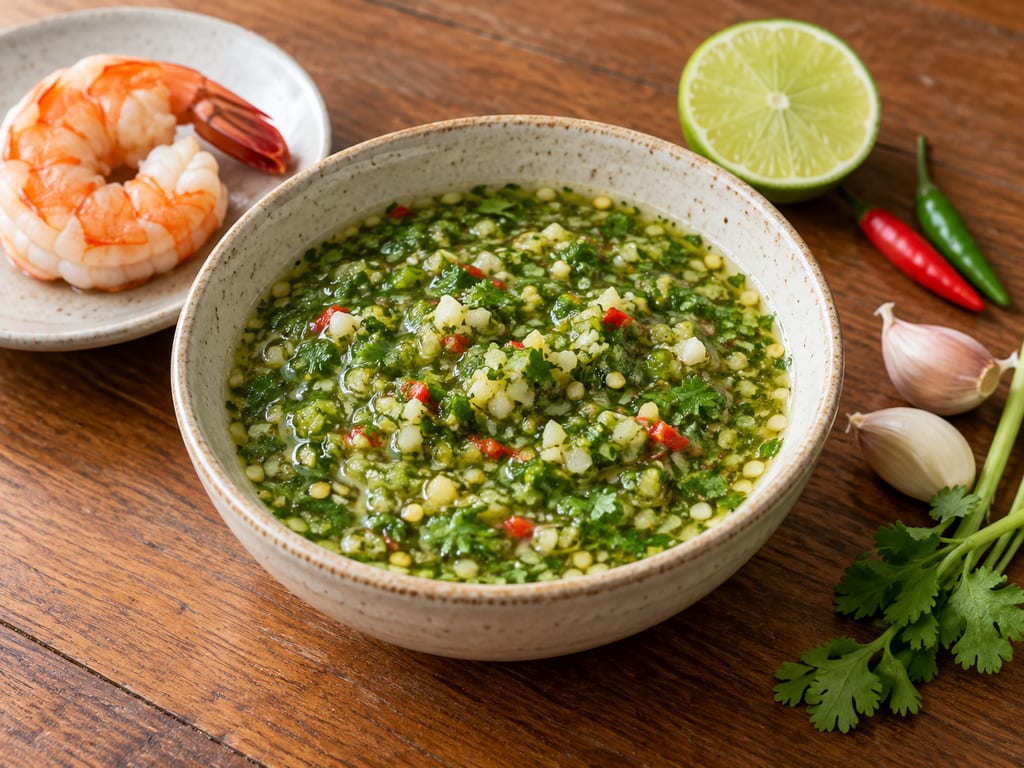
A Thai seafood dipping sauce of chiles, garlic, cilantro stems, fish sauce, lime juice and palm sugar, pounded or briefly blended for a coarse texture.
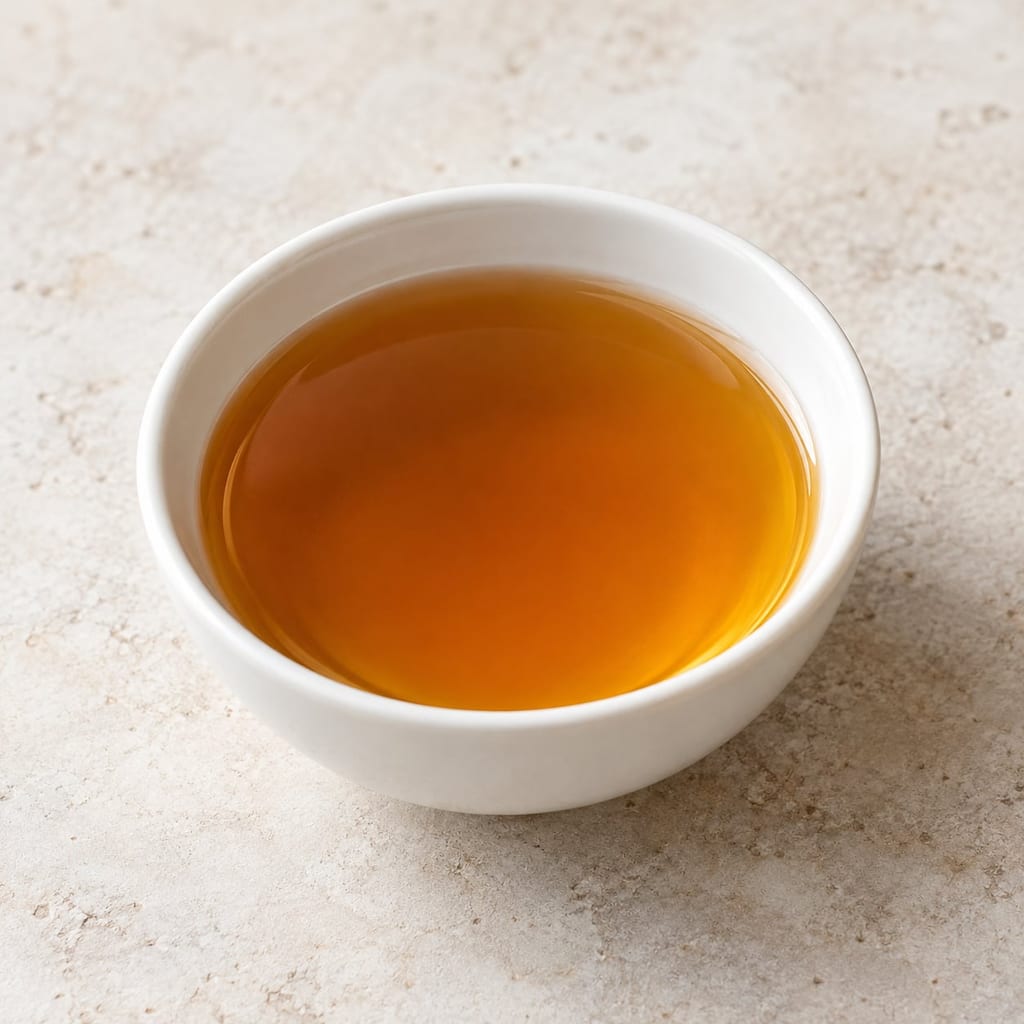
Thai fish sauce is a clear yellow-brown seasoning drawn from salted fish. Tank maturation produces a first extract, with further brine extractions giving other grades.
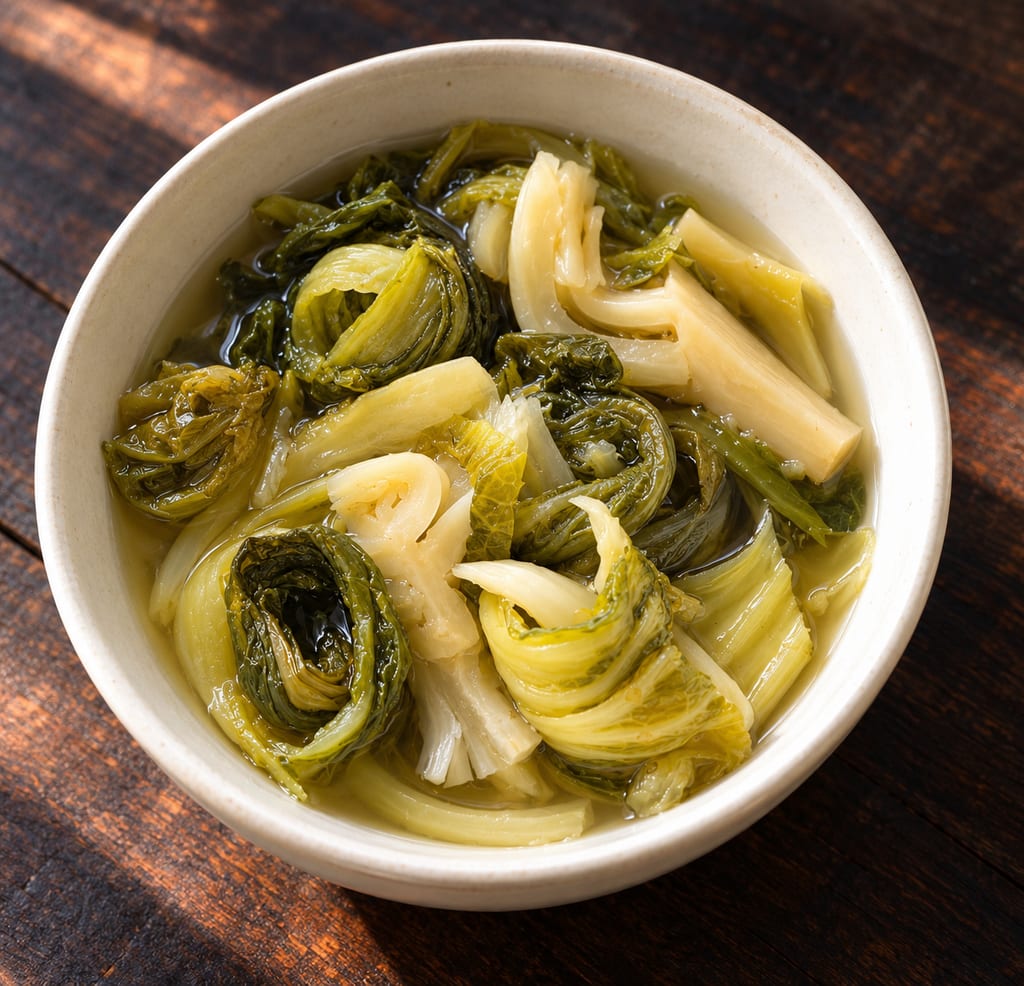
Thai sweet mustard greens wilted in sun, packed in earthenware under a salt and palm-sugar brine with rice-wash water, then sunned three to five days.
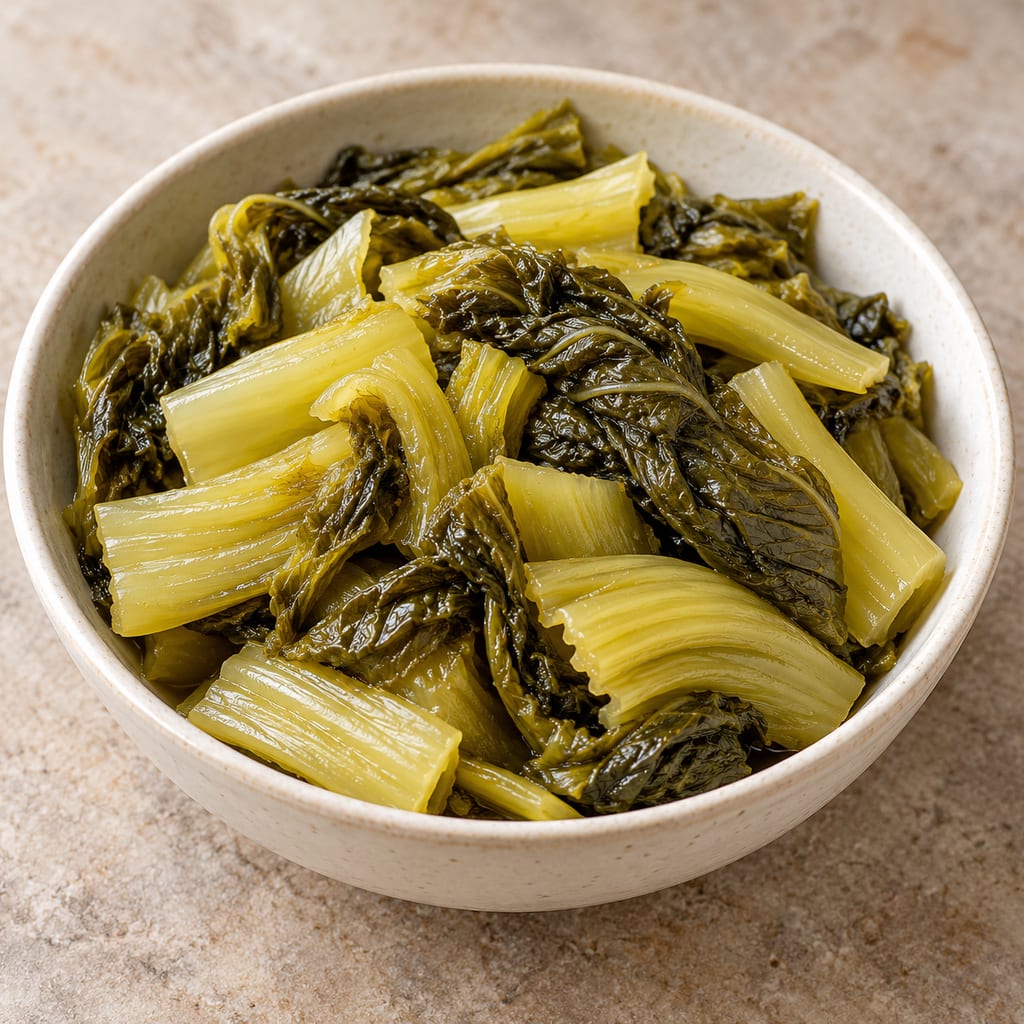
Pak-kaat-dorng is a Thai fermented mustard-green pickle, prepared here by dry-salting and kneading the wilted greens with cooked rice.
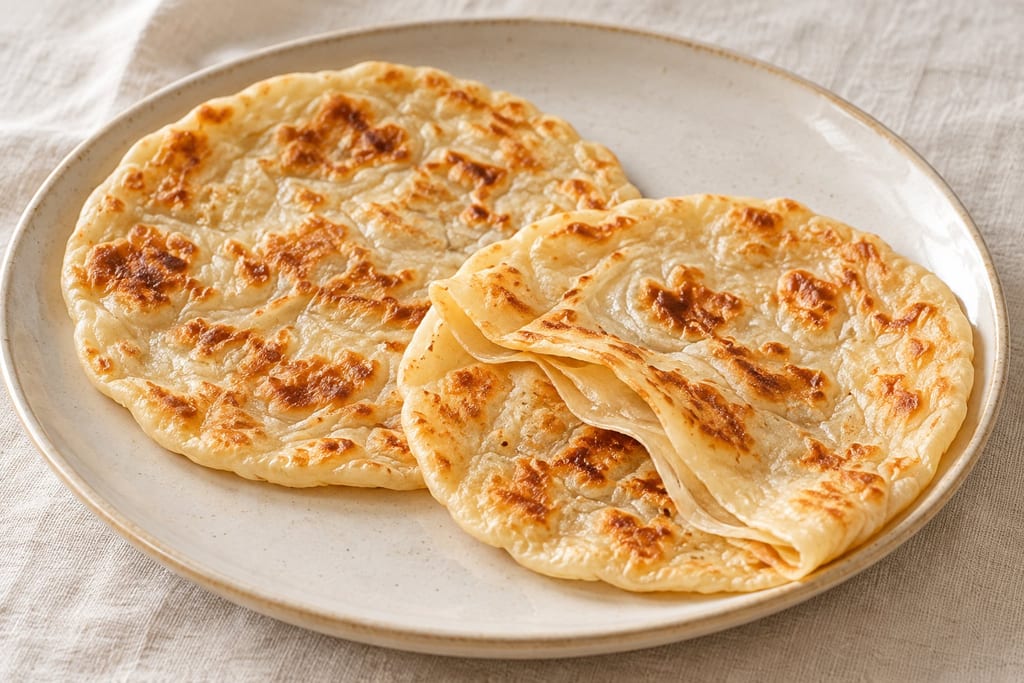
An unleavened wheat dough is rested in oiled portions, stretched almost transparent, coiled, flattened and fried on an oiled griddle. This source batch serves plain roti with optional condensed milk and sugar.
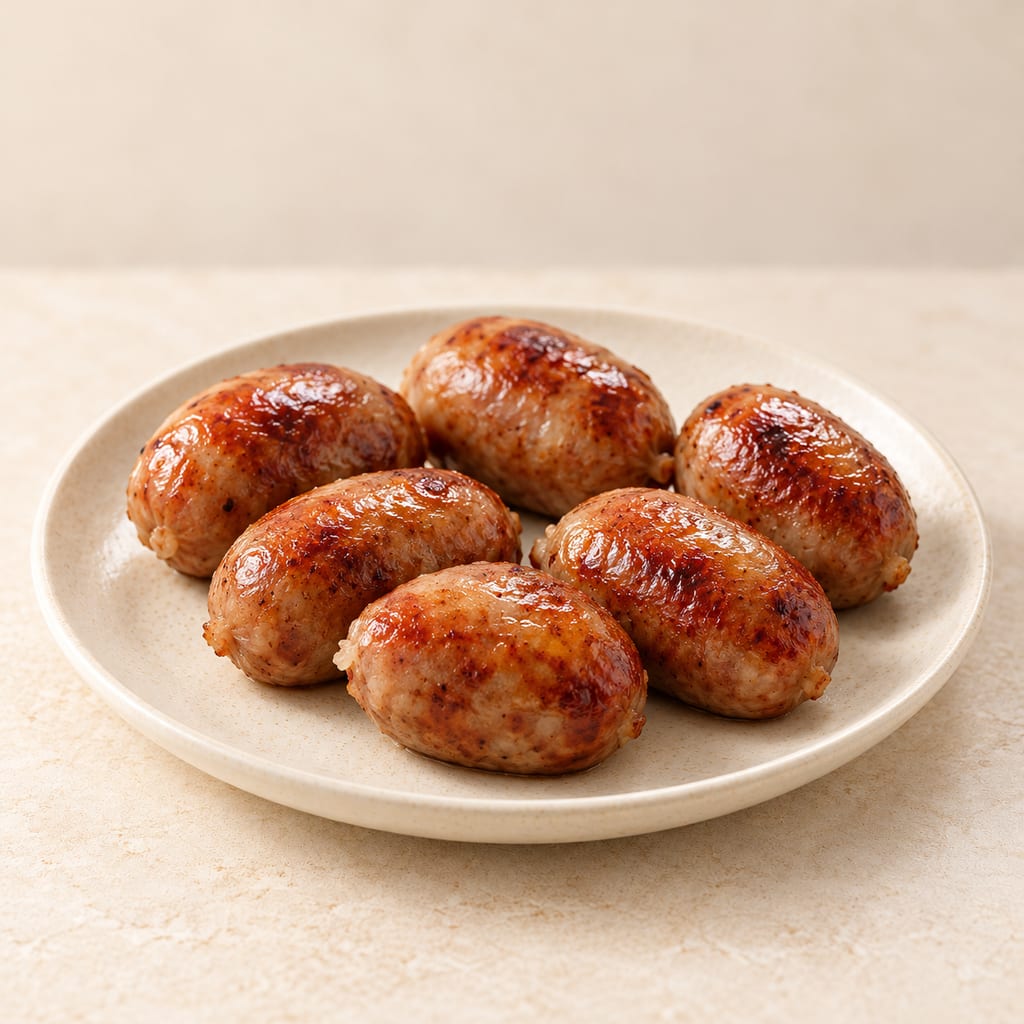
Sai krok Isan is a sour pork-and-rice sausage from northeastern Thailand. This garlic-rich version uses LHP-Dry starter and is cooked after fermentation.
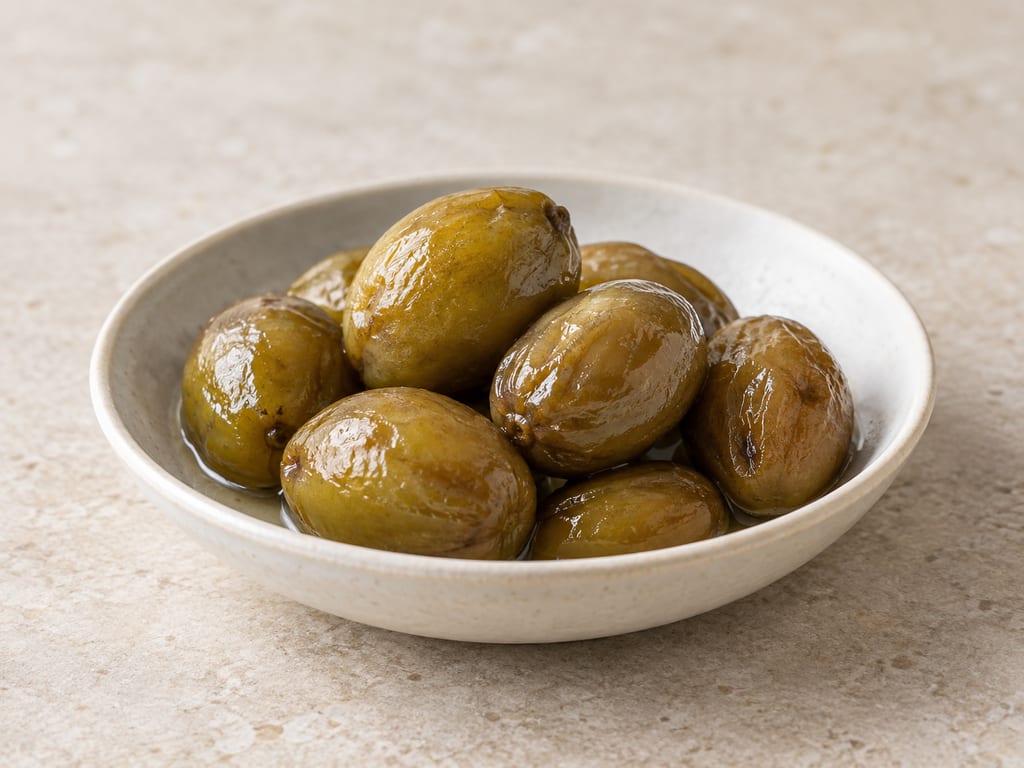
Mature Spanish plums are covered with a 20% volume salt solution and fermented under shade for ten days.
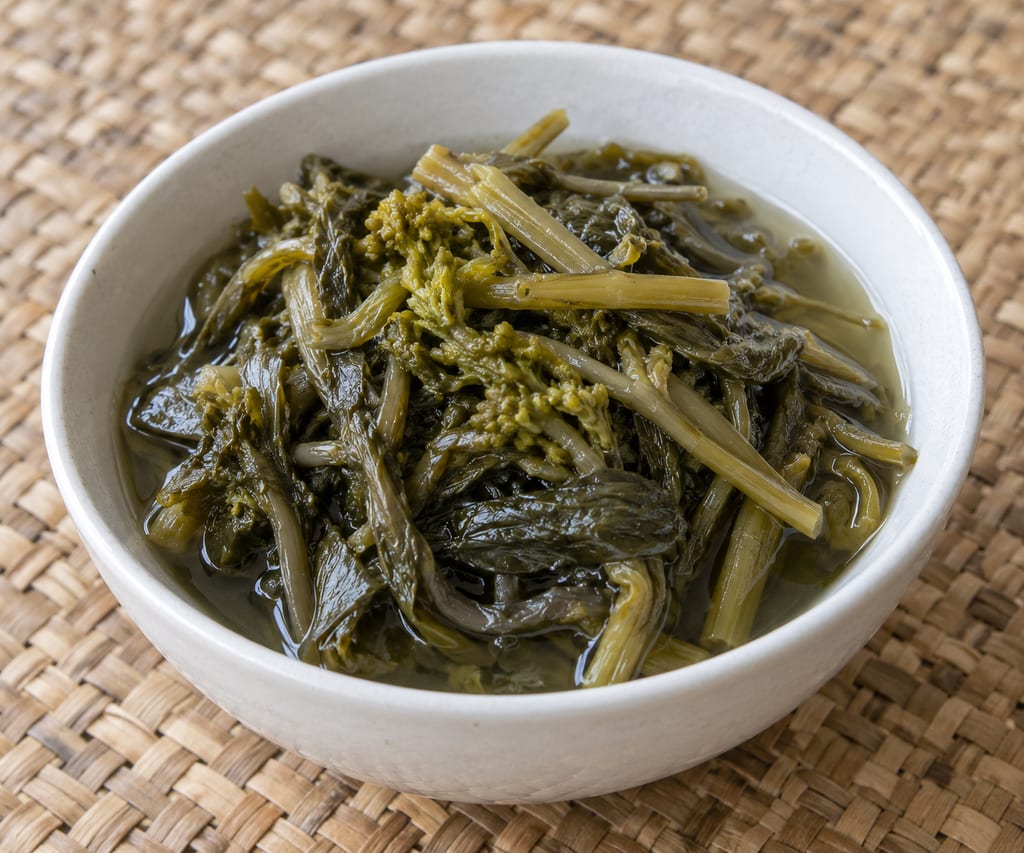
Young spider-flower greens packed with salt and cooked rice and left to sour for a few days; a Thai leafy-vegetable ferment eaten as a sharp side dish.
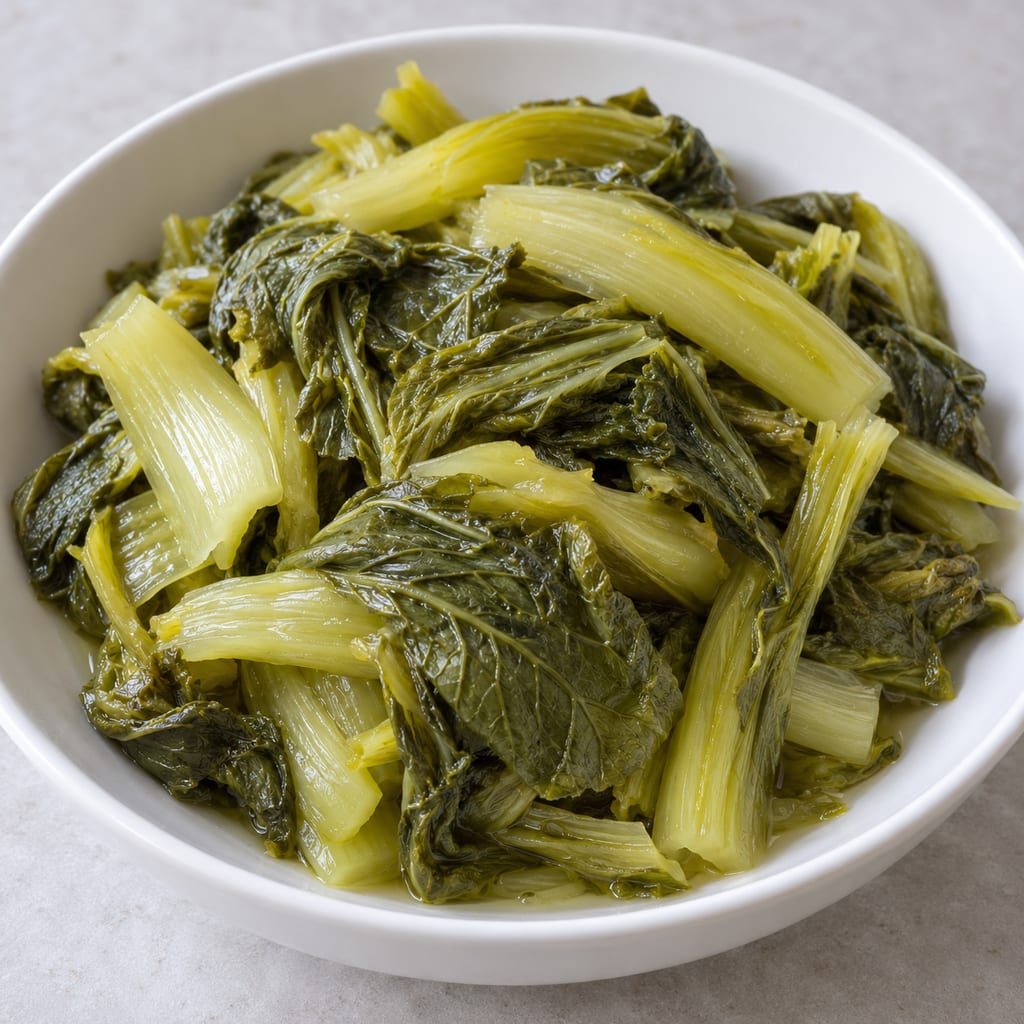
Pak-gard-dong is a Thai mustard-green pickle salted first and drained, then fermented with sugar added to the drained greens.
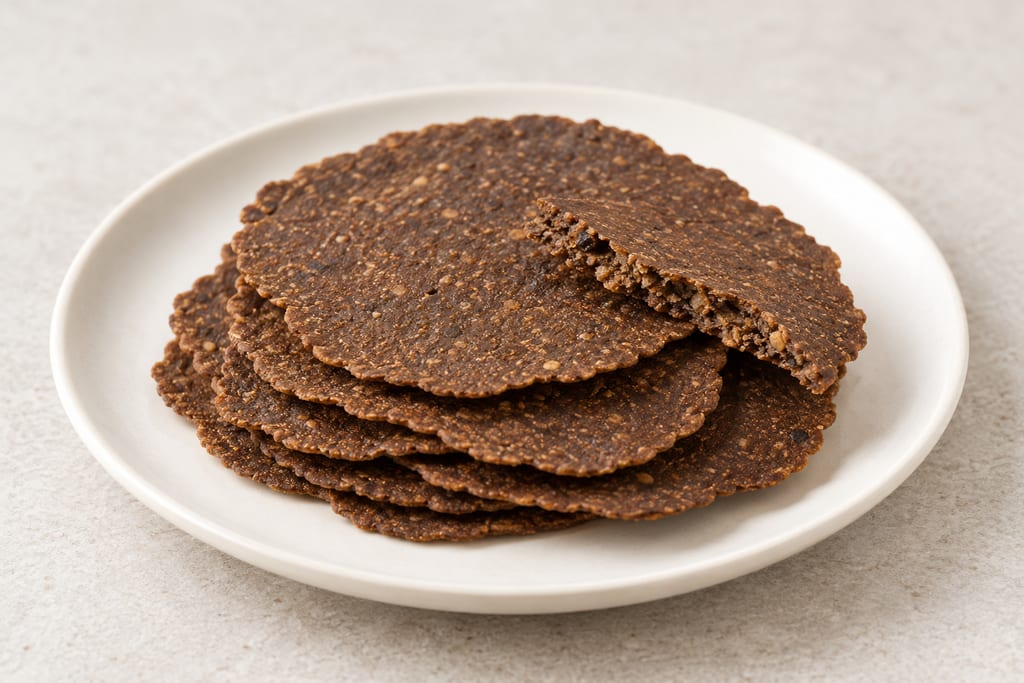
Black soybeans cooked, inoculated with a named Bacillus subtilis culture and fermented warm and humid into northern Thailand's thua nao, then optionally dried into thin discs.