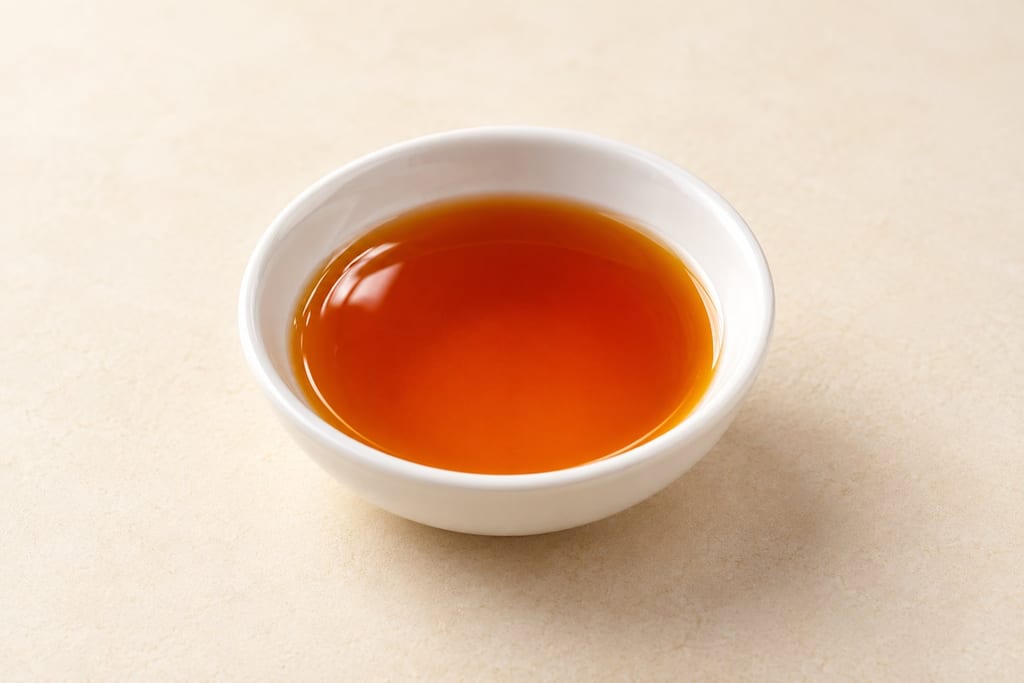
Fish sauce
Fish sauce is a clear, salty seasoning made by maturing fish with salt and drawing off the liquid. The broad family includes distinct regional sauces rather than one interchangeable method.
 FermenteaWhere food goes to change
น้ำจิ้มแจ่ว · Nam jim jaew · Nam jim jeaw · Jaew · Jeaw
Roasted chillies, shallot and garlic are pounded and loosened with fermented and plain fish sauce, boiled water and lime into a sharp Isan dip for grilled meat and fish.
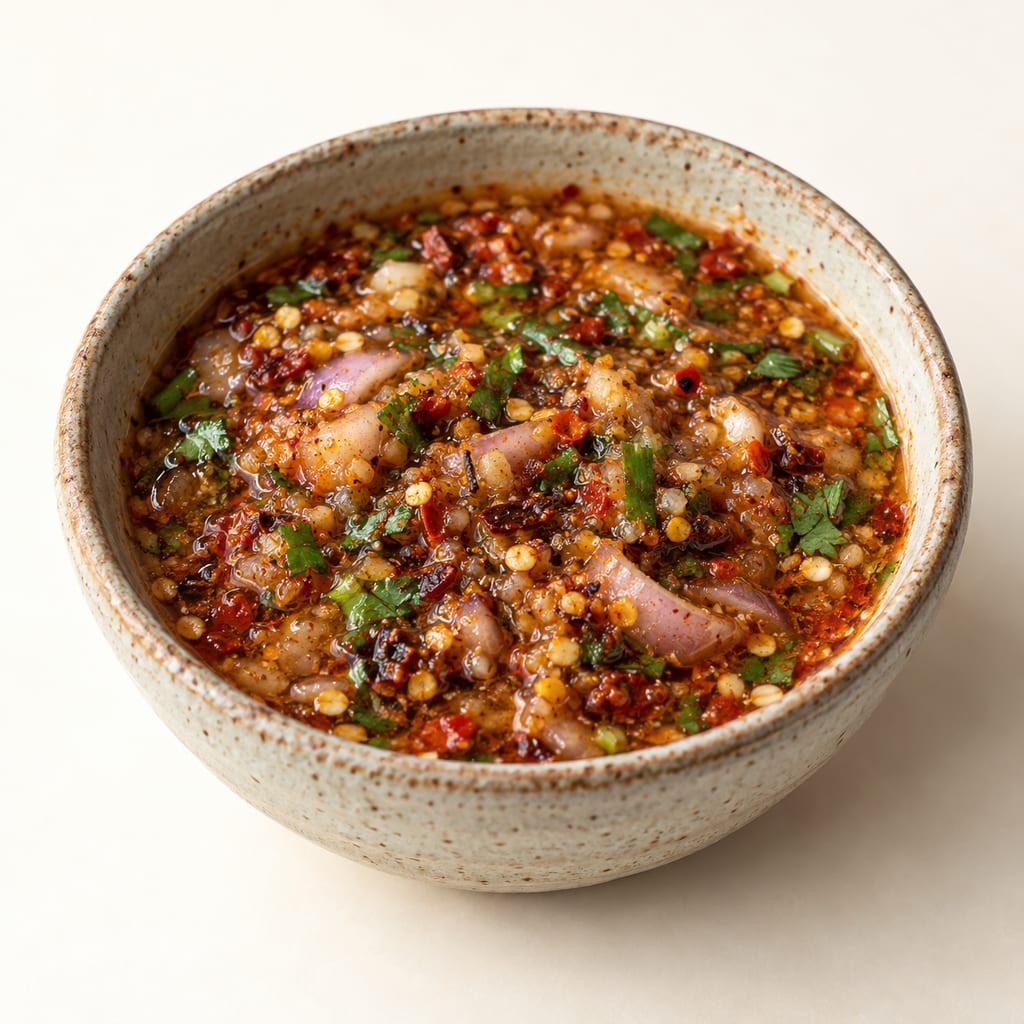
Nam jim jaew is a family of Thai dipping relishes associated with Isan meals. The name does not identify one fixed formula. Isan cooks and restaurants season the same roasted chilli base with fermented fish, fish sauce, lime or tamarind, and sometimes add herbs or toasted rice. The dip goes with grilled meat and fish and with sticky rice, which is why it is usually served as one part of a shared meal rather than on its own.
Two documented forms show the range. A Mahidol University nutrition institute page pairs an Isan grilled-fish and sticky-rice meal with a jaew built on fermented fish sauce, with its ingredients given by weight. A Bangkok restaurant's version, presented by its chef in a 2024 Michelin Guide interview, uses freshly roasted chilli powder, fish sauce, tamarind, lime, coconut sugar and a sour berry or tomato, with seasonal sour fruit as an option. These are two records of one family, not a canonical recipe.
The Mahidol method roasts the chillies, shallots and garlic over the fire until they are fragrant, peels them, and pounds them in a mortar until fine. Roasting does two things. It softens the shallot and garlic so they pound smooth, and it adds a smoky, toasted note that a raw dip lacks. The Mahidol method therefore is not an entirely raw-aromatic preparation, which matters if a cook compares it with a raw salad dressing.
The restaurant version uses freshly roasted chilli powder rather than whole roasted chillies. The record gives no measure of how the two forms differ in flavour. A cook choosing between them should decide what the dip will accompany, as the Michelin interview suggests: grilled, salty dishes suit a sourer dip and fried dishes a sharper one with fresh chilli and lime.
The Mahidol formula uses both fermented fish sauce and fish sauce. Fermented fish sauce, pla ra, is a separate recipe in this database and adds a stronger, funkier note than plain fish sauce. Both are ingredients, not evidence that the finished dip ferments. The dip is assembled fresh from fermented and plain sauce, lime and boiled water; no step lets a culture act on it after mixing.
Boiled and cooled water is the thinning agent in the Mahidol weights. The water is boiled before it is added. The record does not say why, so the step should be read as a stated instruction, not as a food-safety control.
Lime is added at the end, after the pounded base and the sauces are combined. The restaurant version seasons in a fixed order: sour first, then spicy, then salty. The restaurant record gives that order as a rule for adjusting the dip. Tamarind juice takes the place of part of the lime in the restaurant formula.
Toasted rice, khao khua, is named in the catalogue entry as a common addition that gives texture. Neither measured formula read here includes it, so the amount and the method for toasting are unknown. The seasonal sour fruit in the restaurant version is left unquantified, and the record does not name it further.
No record gives a holding time for the finished dip. It is a fresh sauce with no acid or fermentation step that protects it over time. Make it close to the meal, keep it cold if it will wait, and do not treat lime or fish sauce as a preservation process. The UK Food Standards Agency's general chilling guidance is a handling convention, and not a shelf-life test for this dip.
Serve the dip in a small bowl with the grilled food and sticky rice. The records do not say how long the made dip keeps its character at room temperature. Cooks who want to store it need to test a formula themselves; these records do not supply that test.
The Mahidol page is a cooking-gallery entry from 2014, written for a four-person Isan meal, and it gives weights. The Michelin piece from 2024 is an interview with a restaurant chef. It gives its formula in spoons and leaves the seasonal sour fruit unquantified. Only the first is a measured formula; the second is a restaurant practice in ordinary units.
Neither record establishes an origin, a region narrower than Isan or a keeping time. A reader comparing them should treat the differences as variants of one family, not as errors in either record.
To make the Mahidol version, use its weights as one batch, roast before pounding, add the liquids after the pounded base, and squeeze in the lime last. The record gives no yield, so the finished quantity and any scaling are unknown and should be tested at a small size first.
The first research step is an earlier dated record of nam jim jaew, from Isan cookbooks or ethnographic accounts, to test the 2014 and 2024 records. A second step is a measured version of the toasted-rice addition, which no formula read here gives.
The Mahidol record dates from 2014 and the Michelin Guide article from 2024. Neither establishes an origin, a first attestation or a season-specific account. Both present the dip as a current Isan accompaniment or restaurant preparation.
Scaling: source batch only
A fresh dip with fish sauce, fermented fish sauce, lime and boiled water. No holding period is given and the mixture is not a preservation process.
Hazard sourceMake it close to serving and keep it cold if it is not eaten at once. The general chilling guidance is a handling convention, not a shelf-life test for this dip.
Control sourceNo record gives a holding time, pH, water activity or storage temperature for the finished dip.
Fermented fish sauce is an ingredient here; it does not make the finished dip a fermented product.
Lime and tamarind are flavourings and are not a preservation step.
Named as the usual partner of an Isan grilled-fish and sticky-rice meal. The records give no earliest attestation for the region.
A Bangkok restaurant's version is documented; the country-level row does not place the dip in one city.
Fish sauce is a clear, salty seasoning made by maturing fish with salt and drawing off the liquid. The broad family includes distinct regional sauces rather than one interchangeable method.
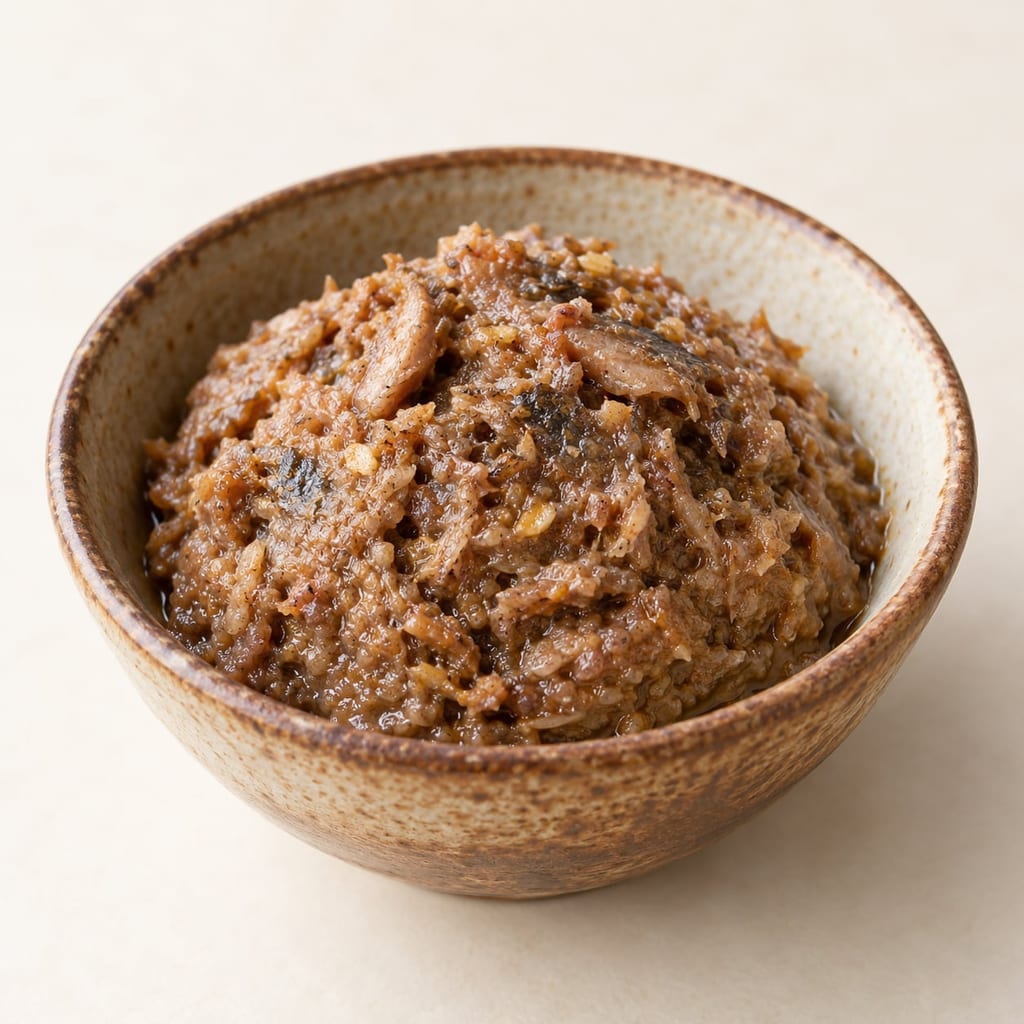
Thai salt-fermented fish paste, matured with rice bran or roasted rice and used as a seasoning in the Northeast and across Thailand. Raw pla ra must be cooked before eating.
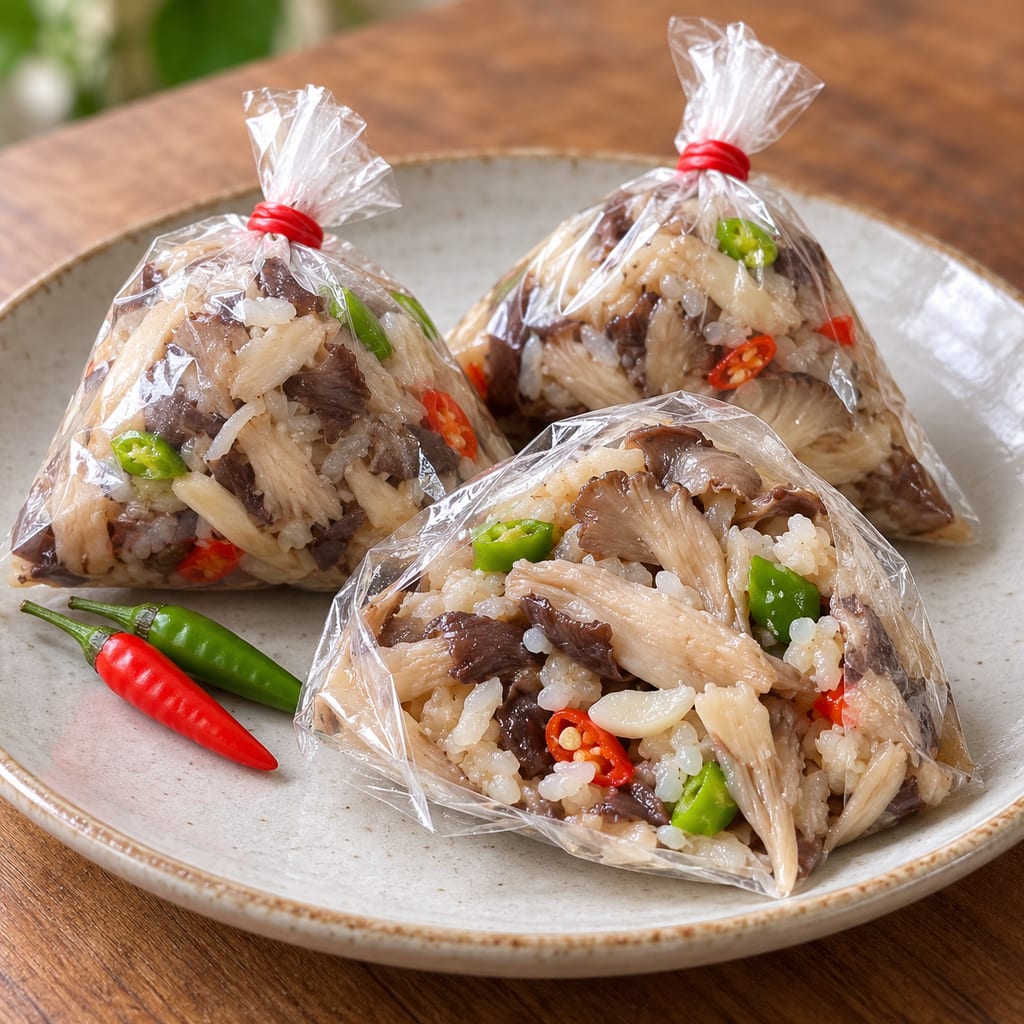
A Thai sour mushroom preparation: shredded steamed oyster mushrooms, cooked rice, garlic and salt packed into small parcels and soured by lactic acid bacteria over a few days.
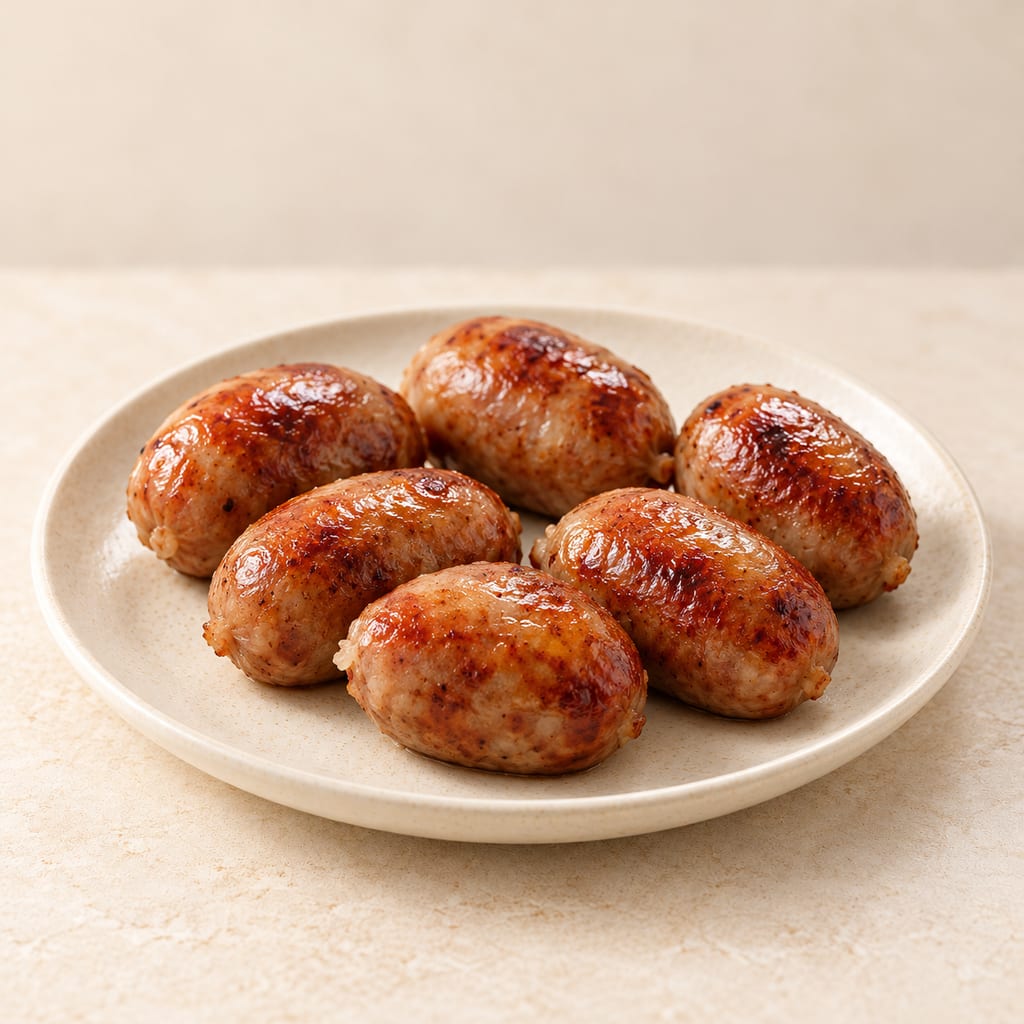
Sai krok Isan is a sour pork-and-rice sausage from northeastern Thailand. This garlic-rich version uses LHP-Dry starter and is cooked after fermentation.
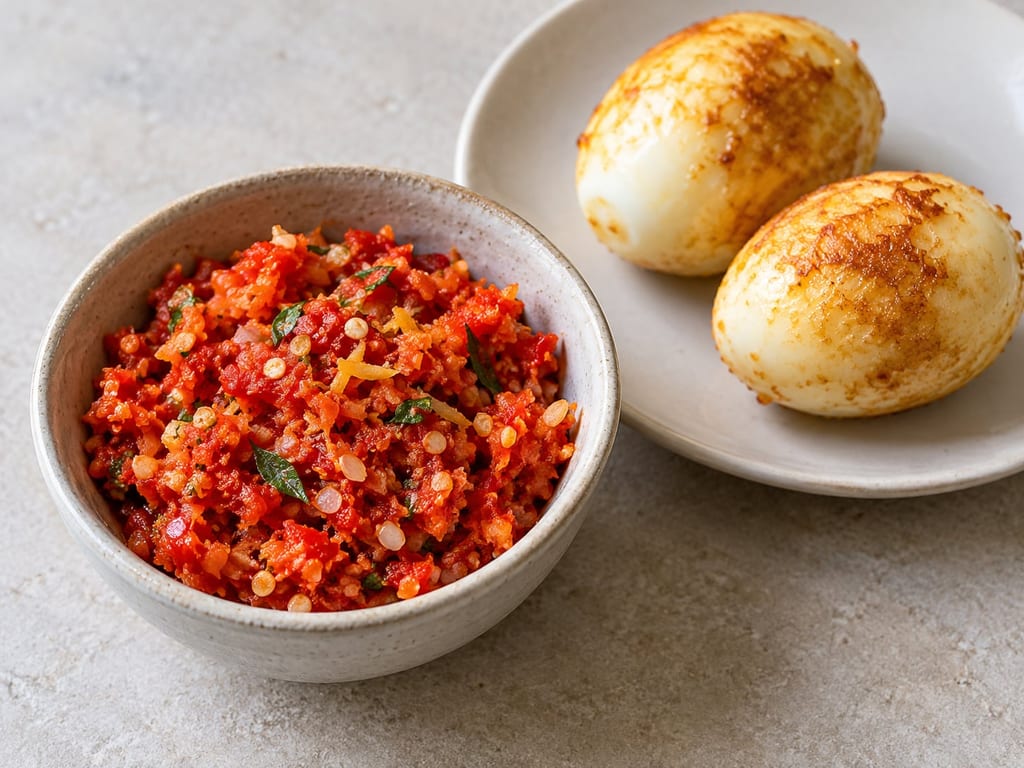
Ai-manas is described as a very hot chilli paste served with Timorese meals. One published version blends fresh chillies, shallots, garlic, Thai basil, ginger, lemon and salt, and serves it with eggs. Sources do not establish a standard formula, precise birthplace or earliest date.
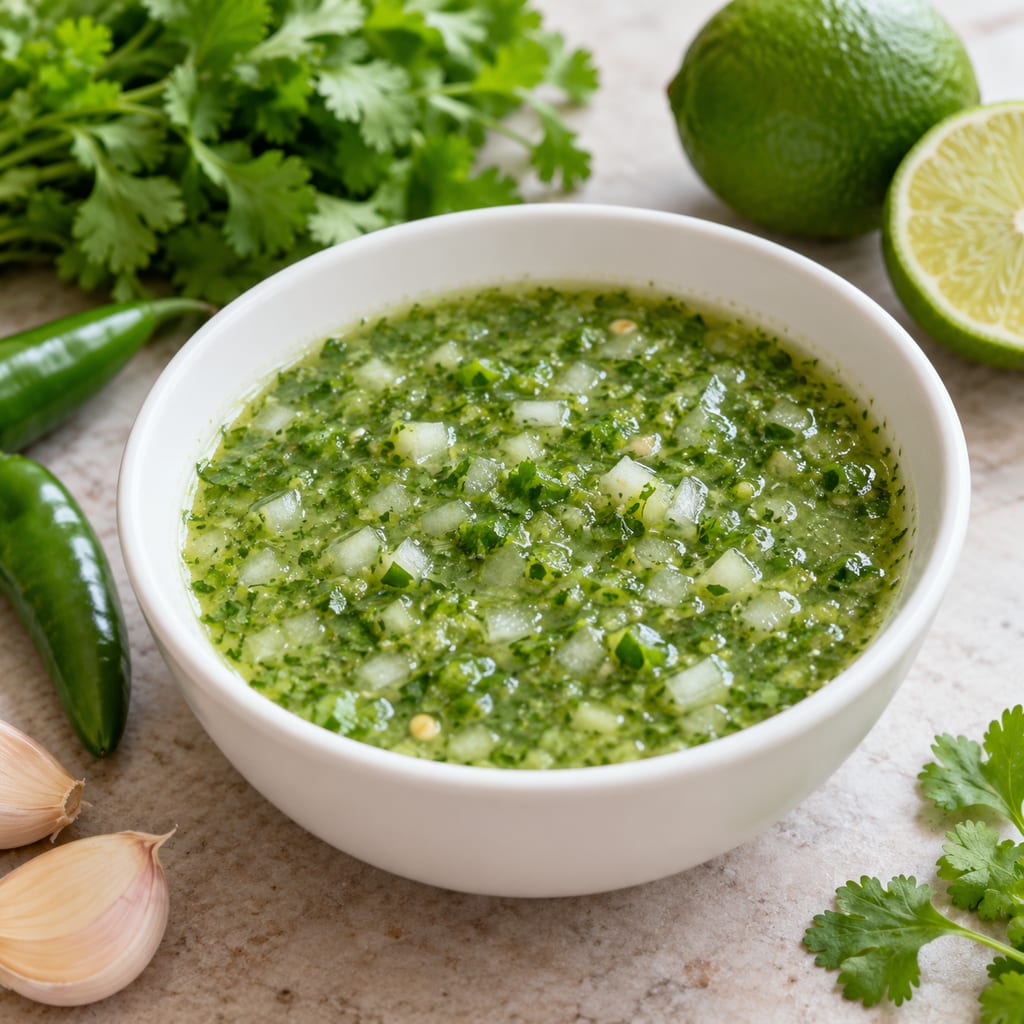
A fresh, uncooked Ecuadorian table sauce of hot pepper, cilantro, garlic and lime, served with most everyday dishes.
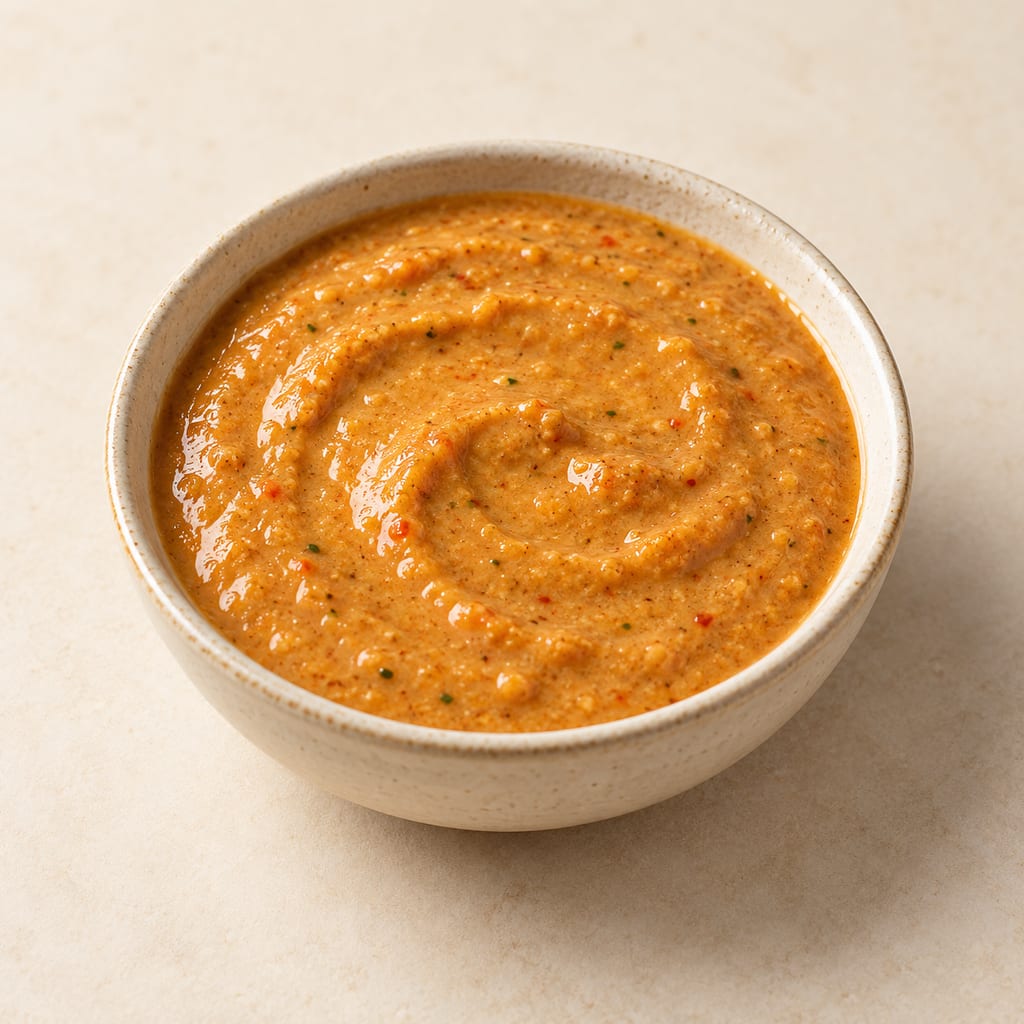
A spicy peanut hot sauce from the Popayán and Cauca region of Colombia, traditionally served with pipián empanadas and tamales.
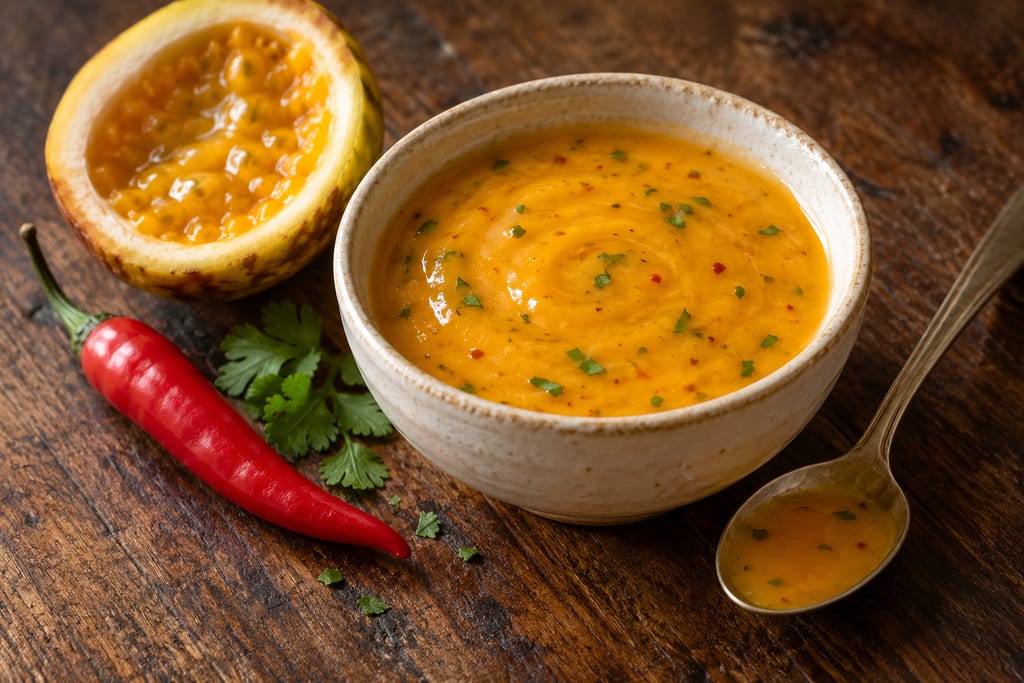
A contemporary Ecuadorian hot sauce that pairs passion fruit juice with boiled chile peppers, oil and lime.
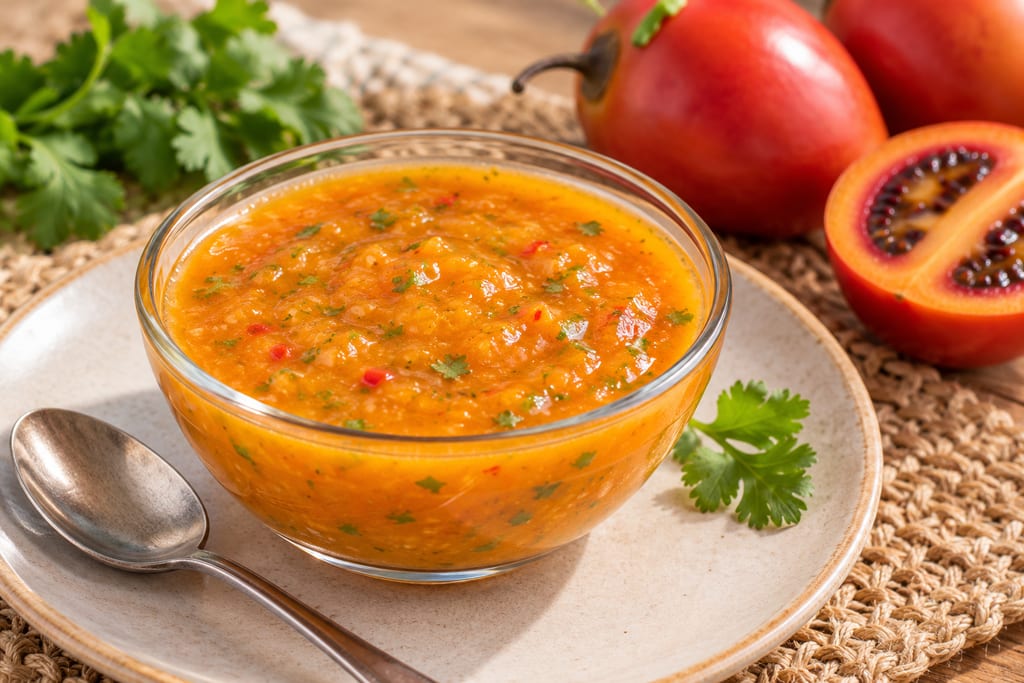
An Ecuadorian hot sauce built on tamarillo, a tart fruit that gives a sharper, fleshier base than ordinary tomato salsa.
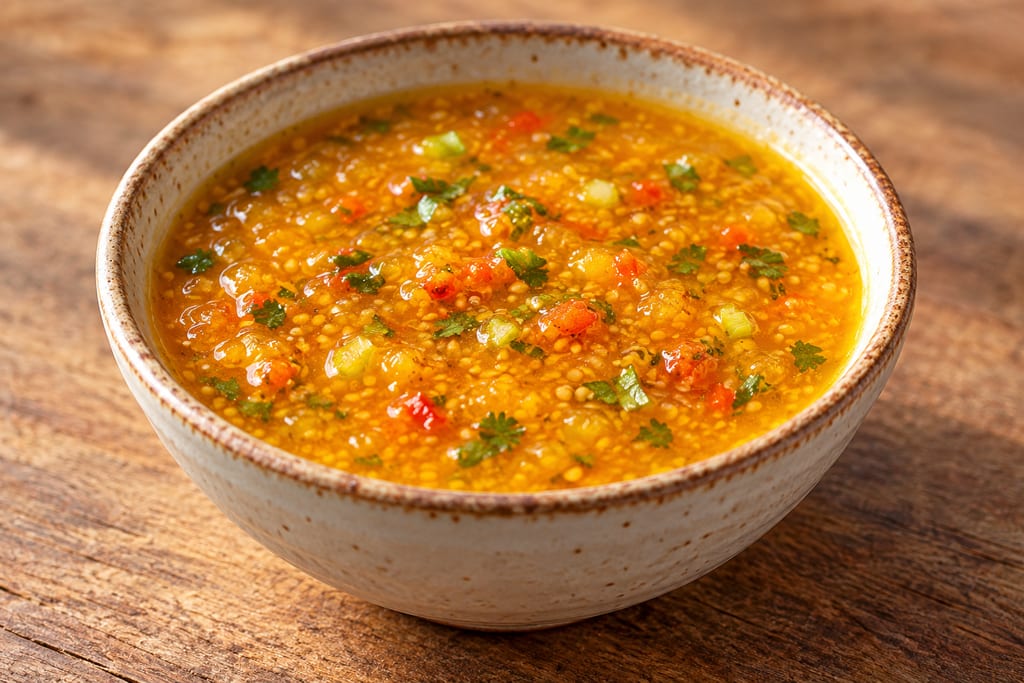
A sweet, tart and spicy Colombian sauce of uchuva, the yellow physalis fruit, with hot pepper, scallion, cilantro and lime.
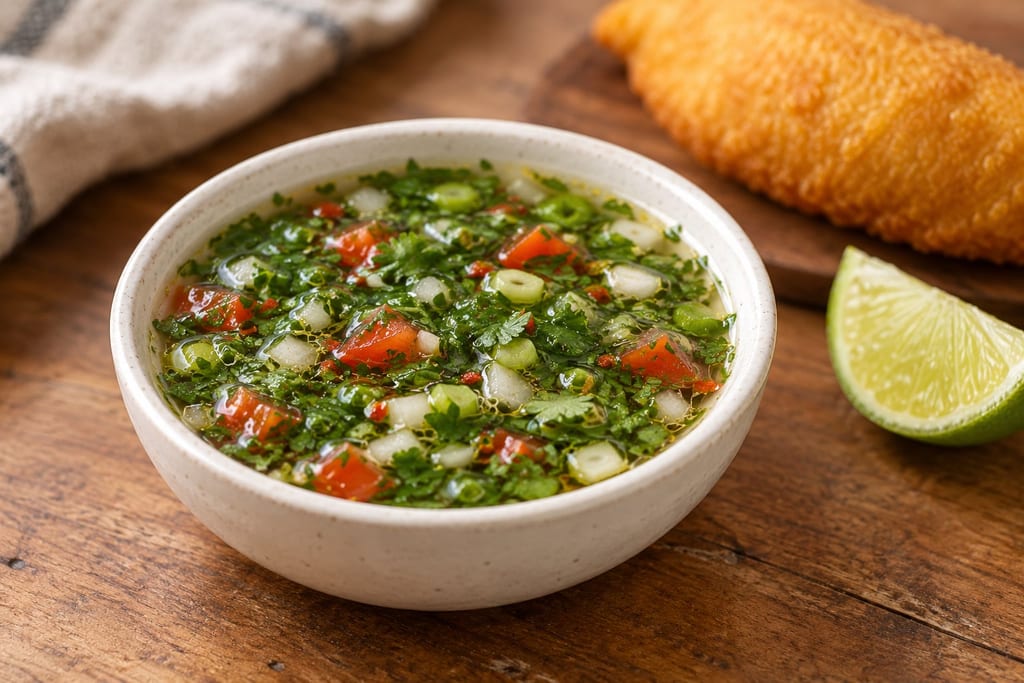
A fresh Colombian table condiment of chopped herbs, scallion and tomato in a vinegar and chile base, served beside fried and filled dishes.
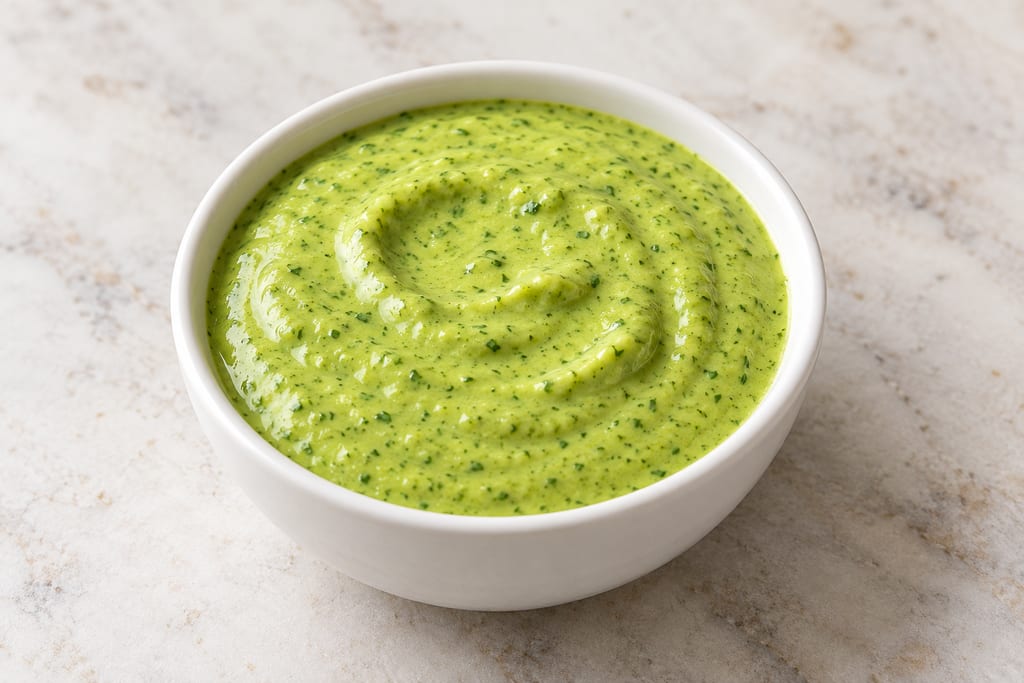
Ají verde is a Peruvian green sauce of coriander, chilli, onion and garlic in a mayonnaise or cheese base. It is best known through Peruvian restaurant cooking abroad.
No community contributions have been published for this entry yet.
Sign in to contribute. Published comments and photos are free to read.
Institute of Nutrition, Mahidol UniversityRecipe · Method · Use · Geography
ปลาเผา/ข้าวเหนียว/แจ่ว (grilled fish, sticky rice and jaew)Dip ingredients by weight: shallot 35 g, chilli 26 g, garlic 14 g, lime 30 g, fermented fish sauce 19 g, fish sauce 7 g, boiled and cooled water 13 g.
Method: grill chilli, shallot and garlic until fragrant; peel; pound fine; add fermented fish sauce, fish sauce and water; squeeze in lime juice and stir.
Jaew is the expected accompaniment to an Isan grilled-fish and sticky-rice set; the page dates from 2014.
MICHELIN Guide Thailand; Phed Phed Bistro interviewRecipe · Variation · Use
เปิดสูตร (ไม่) ลับ น้ำจิ้มแจ่วสุดแซ่บจากร้าน Phed PhedRestaurant version: freshly roasted chilli powder 1 tbsp, fish sauce 2 tbsp, tamarind juice 1 tbsp, lime juice 1 tbsp, coconut sugar 1/2 tbsp, sour pepper berry or tomato 3 pieces, seasonal sour fruit (amount not stated), spring onion and Thai coriander 1 tbsp each, MSG optional.
Method: squeeze the berry or tomato into the bowl, add the rest, season for sour, spicy and salty in that order.
Serving: suited to grilled or mildly sour dishes; fried dishes take a sharper version. Storage, yield and roasting order are not covered.
Food Standards Agency (published on GOV.UK)Safety
How to chill, freeze and defrost food safelyGeneral chilling and leftovers guidance; not a measured holding time for this dip.