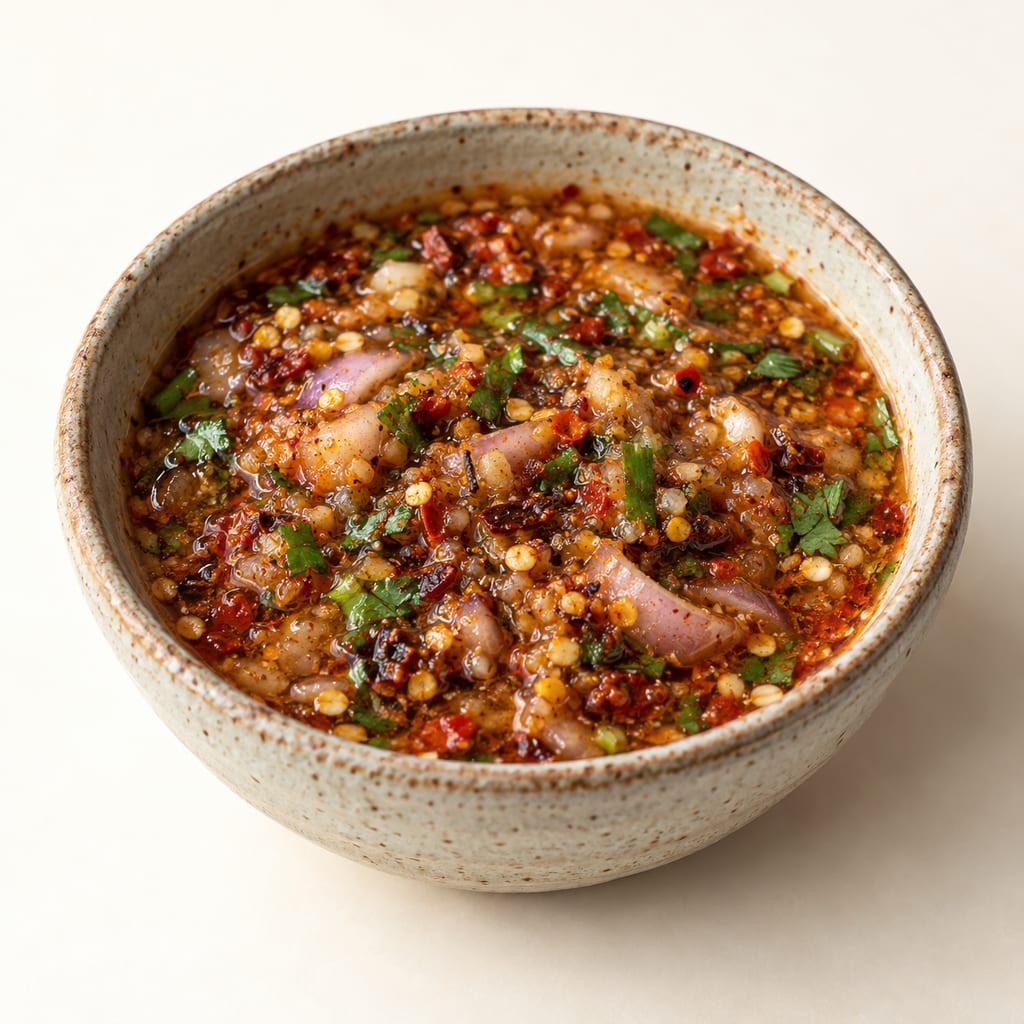
Nam jim jaew: Isan roasted-chilli dip
Roasted chillies, shallot and garlic are pounded and loosened with fermented and plain fish sauce, boiled water and lime into a sharp Isan dip for grilled meat and fish.
 FermenteaWhere food goes to change
Traditional method
ปลาร้า · plaa raa · plaa-daek · plaa-ha
Thai salt-fermented fish paste, matured with rice bran or roasted rice and used as a seasoning in the Northeast and across Thailand. Raw pla ra must be cooked before eating.
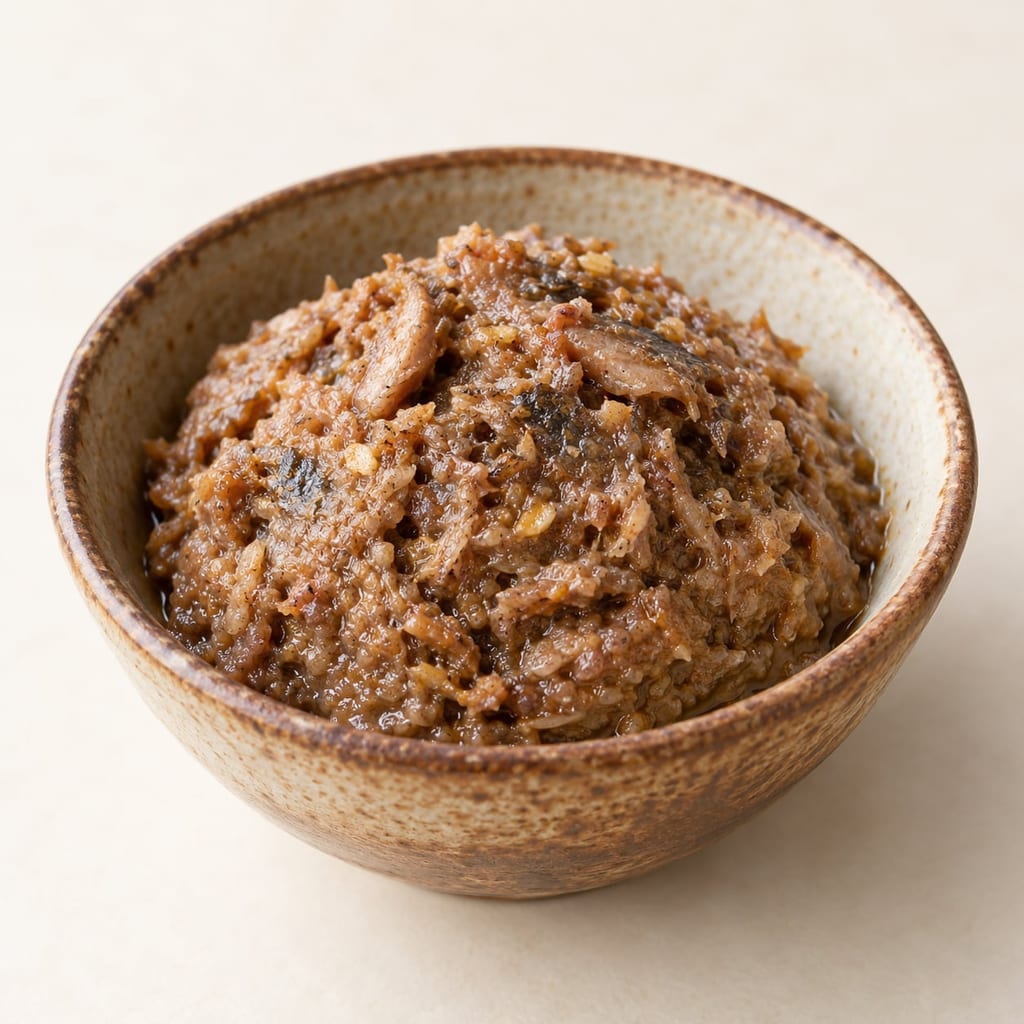
Pla ra is a salted fish paste from Thailand, made by fermenting fish with salt and a rice product. It is dark brown, soft and loose in texture, and strong in smell. Cooks use it as a seasoning in dishes and salads, and it gives the characteristic flavour of many Isan dishes, including som tam.
The name covers more than one product. Pla ra is a salt-fermented fish paste with fish pieces. Nam pla ra is a cooked or extracted liquid made from it. Clear nam pla is a different product, an extracted fish sauce, and should not be confused with pla ra. This record treats the paste as the subject and the liquid as a finishing product.
Thai sources describe several regional forms. In the Northeast, pla ra hom uses larger snakehead with more salt and matures for six to ten months. Pla ra nua uses small and medium fish with a fish-to-salt-to-bran ratio of about 4:1:1 and matures for four to six months. Pla ra nong uses minnows at the same ratio and matures for ten to twelve months. In the North, pla ha is sometimes packed in bamboo and sometimes dried. In the South, the Songkhla pla ra lae sap uses catfish, salt and jaggery, salted overnight and sun-dried for two or three days.
These ratios and durations come from one Thai popular overview, not from a standard. They show how producers vary the recipe by fish size and region.
Salt is the first control. It draws water from the fish and selects for organisms that tolerate high salt, so it does not sterilise the mixture. A 2015 comparison of ten market products from Thailand and Laos found spontaneous fermentation with no customary starter, and salt contents of 8.3 to 8.6% in northern Thai products and 15 to 20% in Lao products.
Fish enzymes and microbial proteases break down protein into peptides and amino acids, which gives pla ra its depth. Rice bran adds starch and a different microbial community. In the 2025 Khon Kaen study on striped snakehead, salt-tolerant bacteria such as Pediococcus and Tetragenococcus dominated early. Lactobacillus rose after bran was added, and fungi such as Saccharomyces, Candida and Aspergillus rose in the second stage. The authors recorded falling pH, protein and lipid breakdown, lipid oxidation and softening of the muscle. These are correlations from one sample, not proof of one starter culture.
Salting first protects the fish while enzymes and microbes start to work, and grain added later gives a second substrate for a different community. Thai standard TAS 7023-2018 describes both routes: salting first and adding grain later for scaled and gutted fish, or mixing everything at once. It leaves the salt-to-grain ratio and the time to the producer.
A closed lid and a clean container keep out contamination. The standard requires that the finished raw product be cooked before eating, and it sets criteria for parasites, microbes and contaminants. It treats a visual or aroma endpoint as insufficient. The standard is voluntary and covers only the raw product, so it is not a complete home safety plan.
Freshwater pla ra is linked to Opisthorchis in Thailand, Laos, Cambodia and Vietnam. The WHO identifies raw, undercooked or fermented freshwater fish as a route of infection. Pla ra eaten raw therefore carries a parasite risk that salt and months of storage do not remove. Cook the product before eating.
Histamine forms in fish before salting, depends on freshness, and resists heat. The sources give no safe histamine limit for household pla ra and no home storage time. The Thai standard's minimum salt level is a product requirement, not permission to lower salt or to store at any temperature.
Some points remain open. The exact fish-to-salt-to-bran mass ratios of the 2025 study should be checked in the full paper. Current Thai parasite-control guidance for pla ra products beyond the standard's criteria has not been reviewed.
The Wikipedia article says pla ra was a common food in the Ayutthaya Kingdom and cites Simon de la Loubere's account of Siam, published in French in 1691 and in English in 1693, for that period. These are early written references, not an origin date. The sources do not establish when the fish-and-bran method first appeared.
The article also records recent regulation and trade. In 2018 the Thai Ministry of Agriculture published quality and hygiene rules for commercially made pla ra, which matter because the home method and the market product are not the same thing. The same article records a 2009 Bangkok Post report of traders in a Khlong Toei market throwing pla ra at police, which is a market-news item and not a food-history source.
The bran or roasted rice that goes into the second stage changes the product. Wikipedia gives roasted rice powder as the source of a yellow, soft, paste-like pla ra from central Thailand, and rice bran as the source of a clear-black, stronger-smelling product from the Northeast. The two are regional forms of one method, not one product at two strengths.
The finished salt figure is a source measurement, not a recipe target: the article's nutrition table gives a salt content of 5.23 to 9.14 per cent in finished pla ra. The Thai standard in the existing body sets a minimum of 18 per cent salt by weight, so the market range and the standard describe different products and should not be merged.
The sources disagree on how long pla ra takes. Wikipedia's lead says it ferments in a closed container for at least six months, while its process section gives three months sealed followed by two months or more with bran or roasted rice, about five months in total. A Thai department of fisheries page gives seven to eight months or longer in a traditional jar with salt and bran. The bacterial study cited in the article links Pediococcus halophilus to pla ra matured three to five months.
None of these figures is a validated shelf-life or safety endpoint. Treat the durations as the sources' own practice reports and check the existing Safety section before any home batch.
A market photograph from the old market at Don Wai, Nakhon Pathom, shows bagged pla ra on a tray, each parcel of fish coated in grain. A vendor's cart photograph in Bangkok shows a pot of the brown, loose paste with a ladle. Both show the finished product as it is sold, not the maturation jar, so they confirm appearance and use rather than the method.
Pla ra is a regional Thai preservation of freshwater fish with salt and rice bran. Thai sources record the name in regional forms (plaa-daek in the Northeast, plaa-ha in the North, ra in the South). No source dates its origin.
Scaling: source batch only
Freshwater pla ra can carry the liver fluke that causes opisthorchiasis. Fermentation and salt do not reliably kill it.
Hazard sourceThe Thai standard names this parasite as a hazard in the covered raw product.
Hazard sourceHistamine depends on fish freshness and handling before salting. Heat does not destroy it. The FDA scombrotoxin guidance excludes fermented fish condiments from its surveillance action levels; that exclusion does not declare pla ra safe.
Hazard sourceCook raw pla ra before eating
Control sourceMinimum salt content of the product
Control sourceDo not eat raw pla ra made with freshwater fish. Cook it first; the Thai standard directs cooking before eating.
Salt content and months of storage do not establish parasite control. Use the standard's parasite and contaminant criteria as a reference, not a home test.
Start with fresh fish. Histamine forms before salting and is not removed by cooking.
Thai sources record regional names and practice across the country. The country row does not place a single origin.
Strongest cultural association in the sources. No source establishes a single origin date or inventor.
Roasted chillies, shallot and garlic are pounded and loosened with fermented and plain fish sauce, boiled water and lime into a sharp Isan dip for grilled meat and fish.
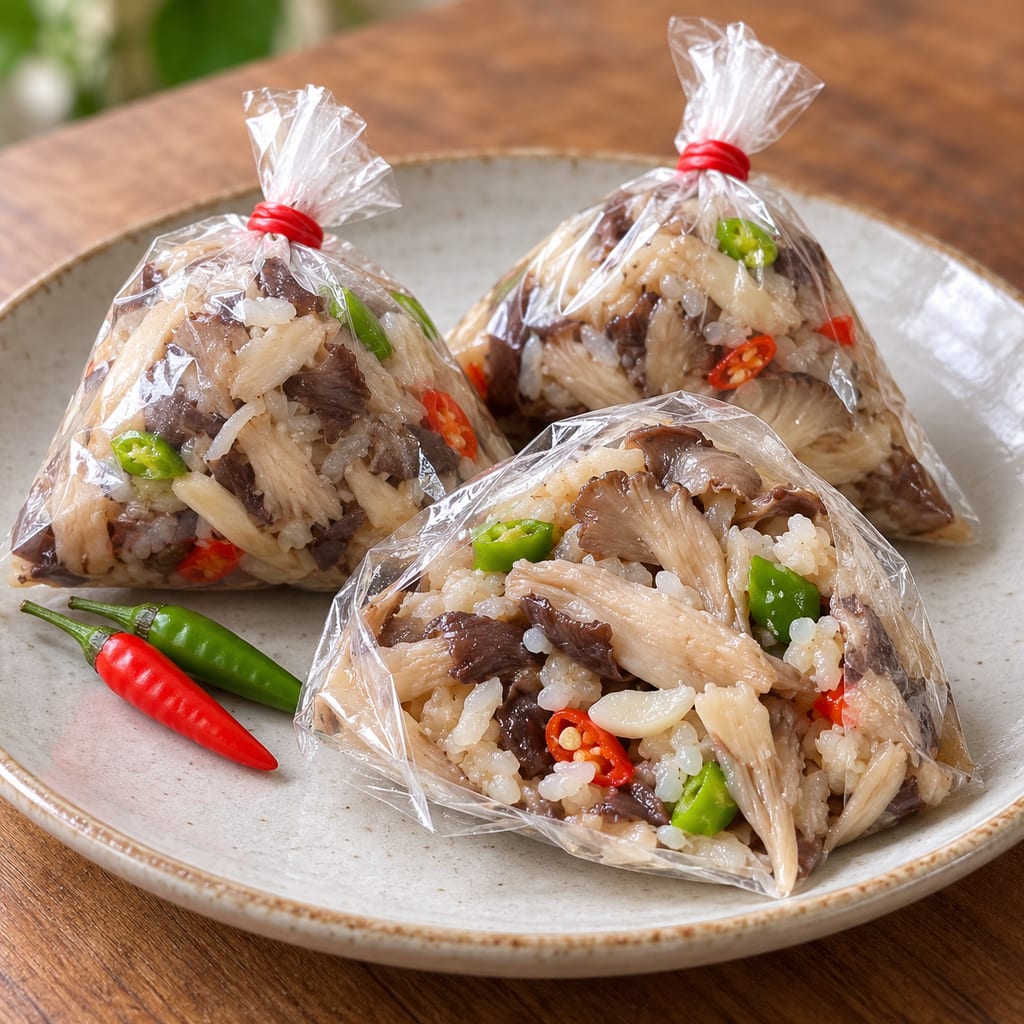
A Thai sour mushroom preparation: shredded steamed oyster mushrooms, cooked rice, garlic and salt packed into small parcels and soured by lactic acid bacteria over a few days.
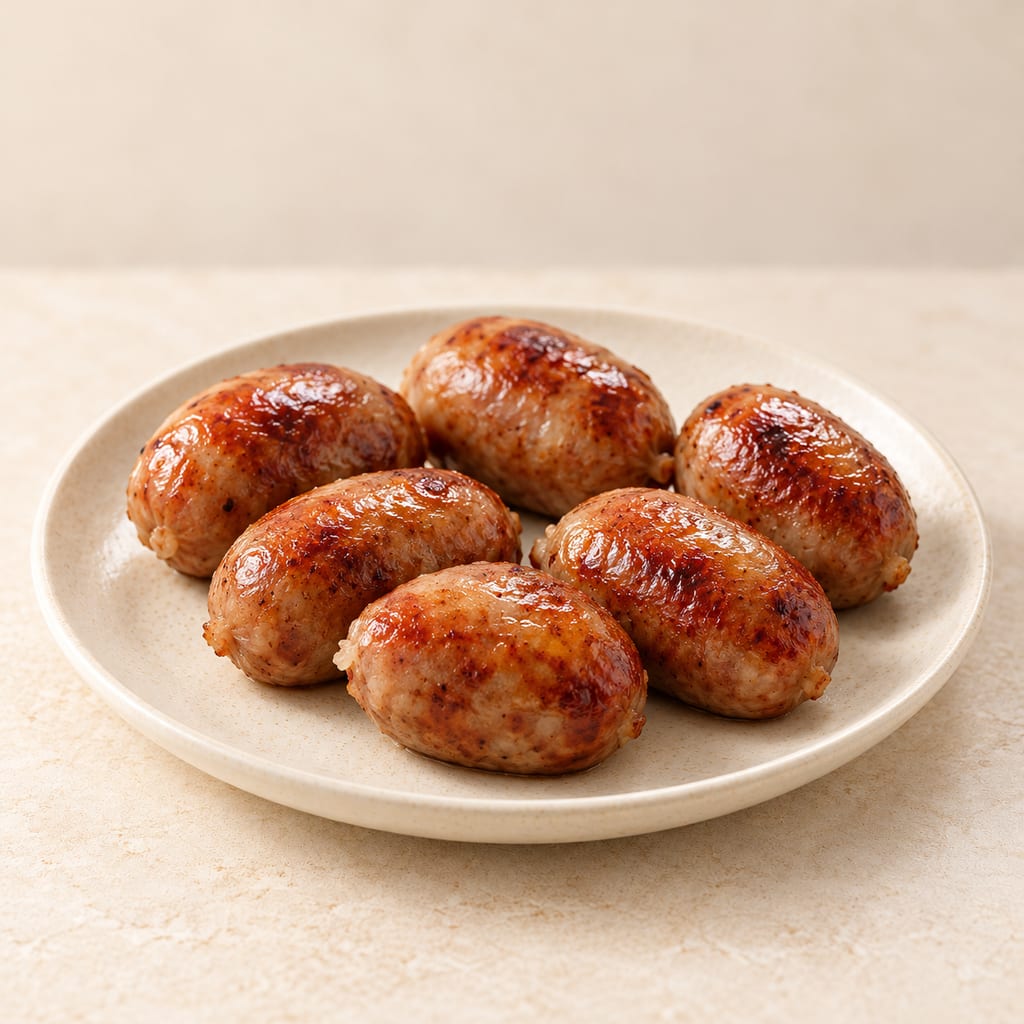
Sai krok Isan is a sour pork-and-rice sausage from northeastern Thailand. This garlic-rich version uses LHP-Dry starter and is cooked after fermentation.
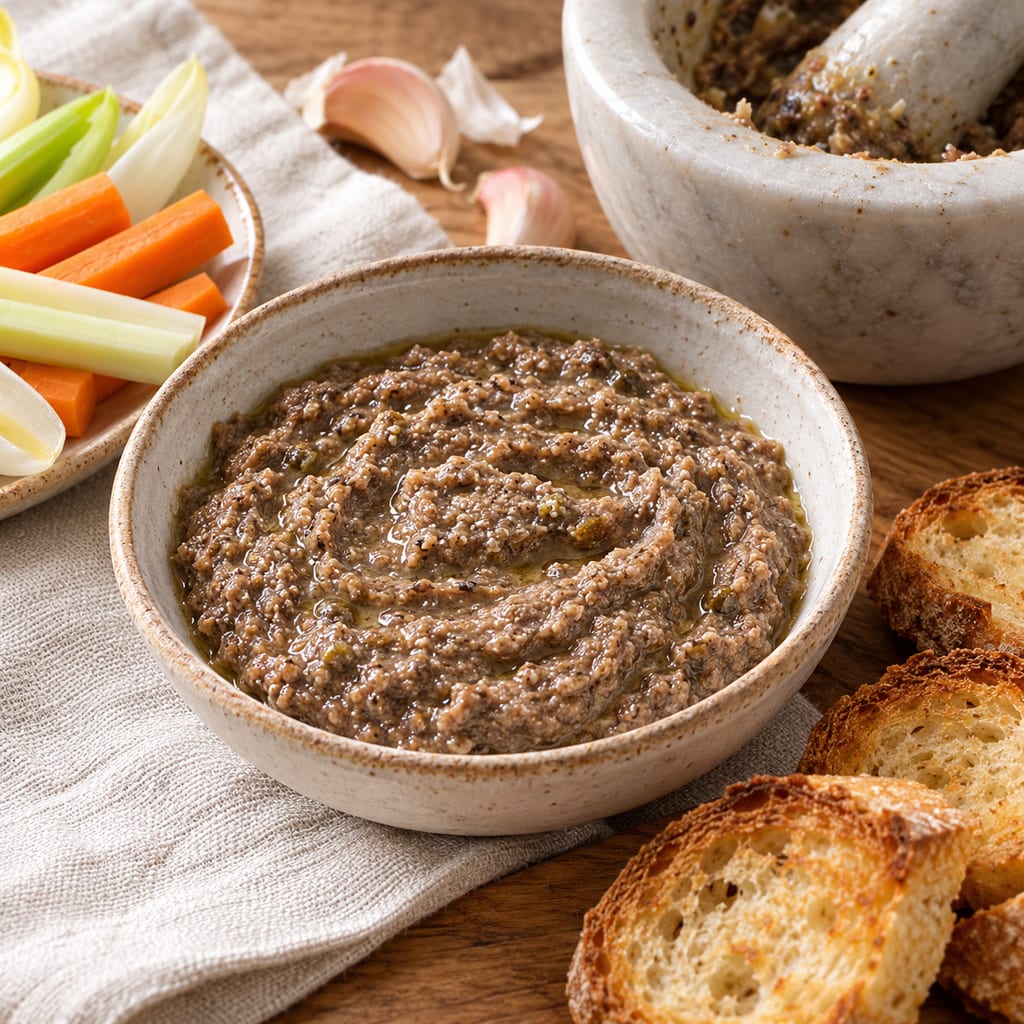
A Provencal dip of anchovies, garlic, capers and olive oil, pounded or blended to a creamy paste and served with raw vegetables, bread and eggs.
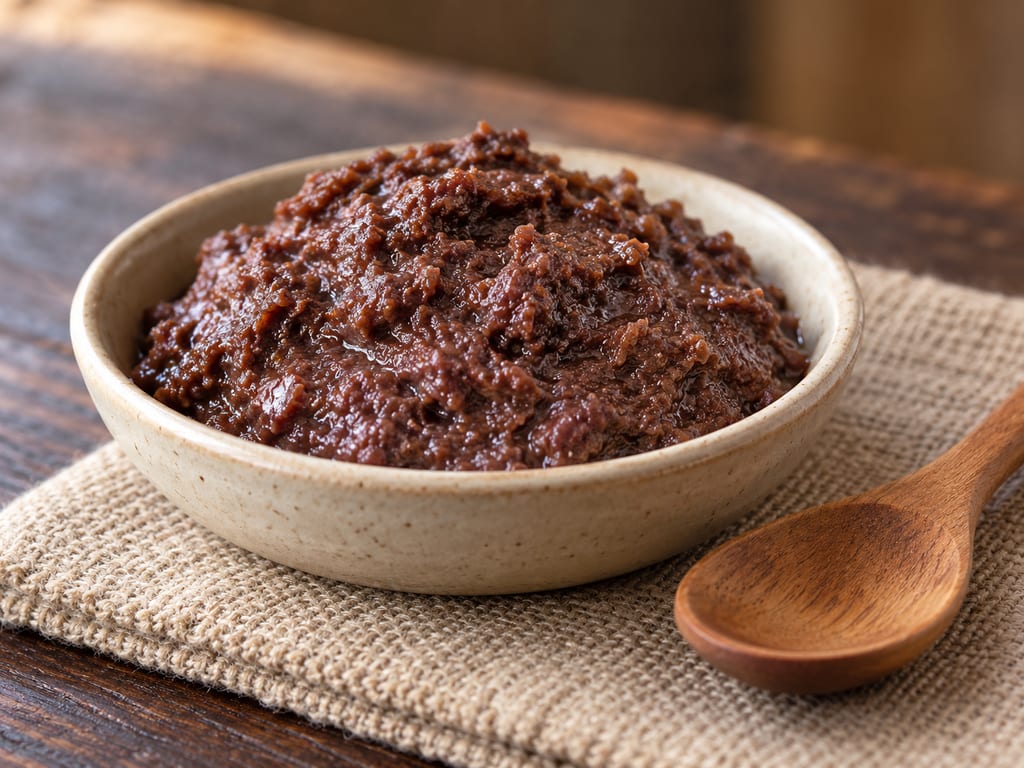
Bagoong isda is a Philippine fish paste: whole small fish salted and left to ferment for a month or more in earthen jars. It is the fish counterpart of bagoong alamang.
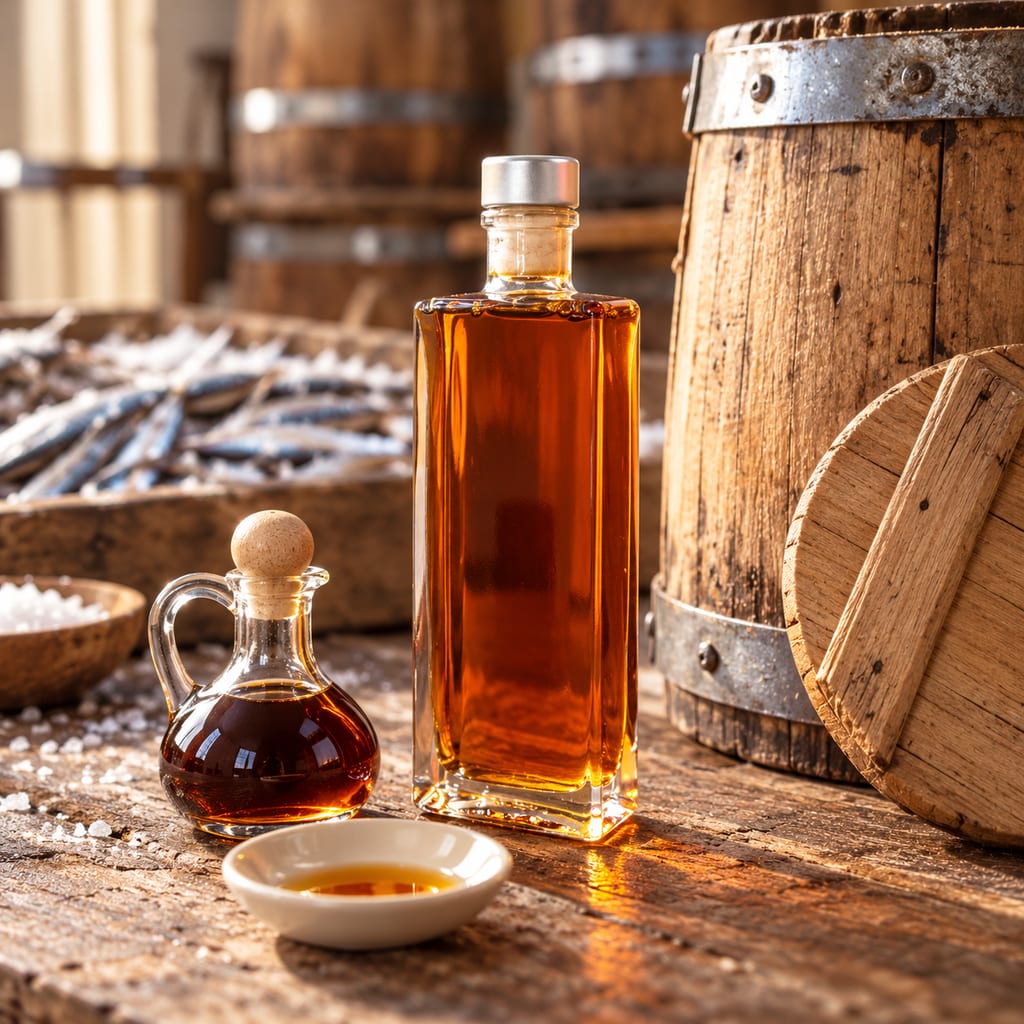
Colatura di alici is the amber liquid drained from salted anchovies matured in wooden containers in Cetara, on the Amalfi coast of Campania, and sold under a protected designation of origin.
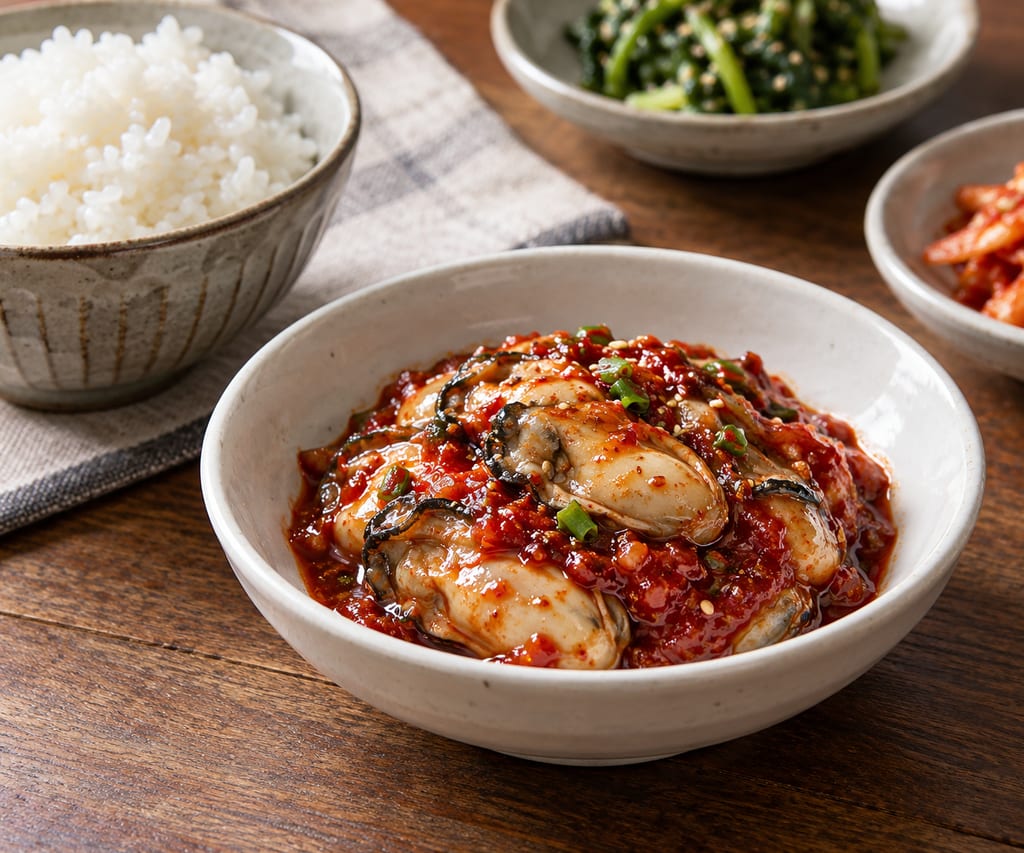
A Korean salted-oyster jeotgal seasoned with chili, associated especially with Seosan and Ganwoldo. This page records its food culture, not a household preparation method.
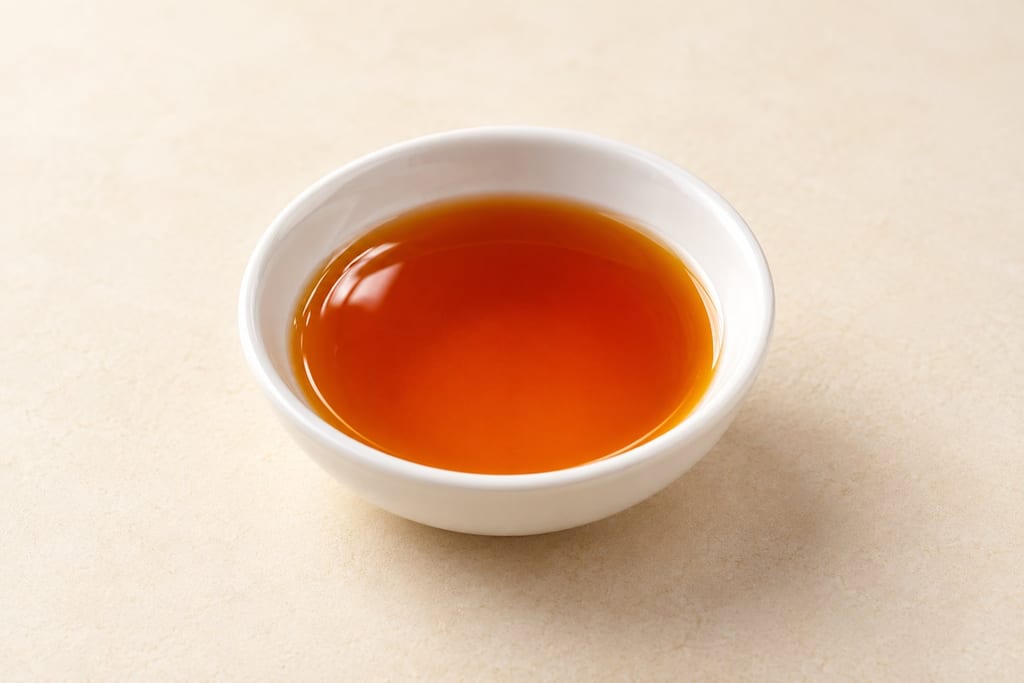
Fish sauce is a clear, salty seasoning made by maturing fish with salt and drawing off the liquid. The broad family includes distinct regional sauces rather than one interchangeable method.
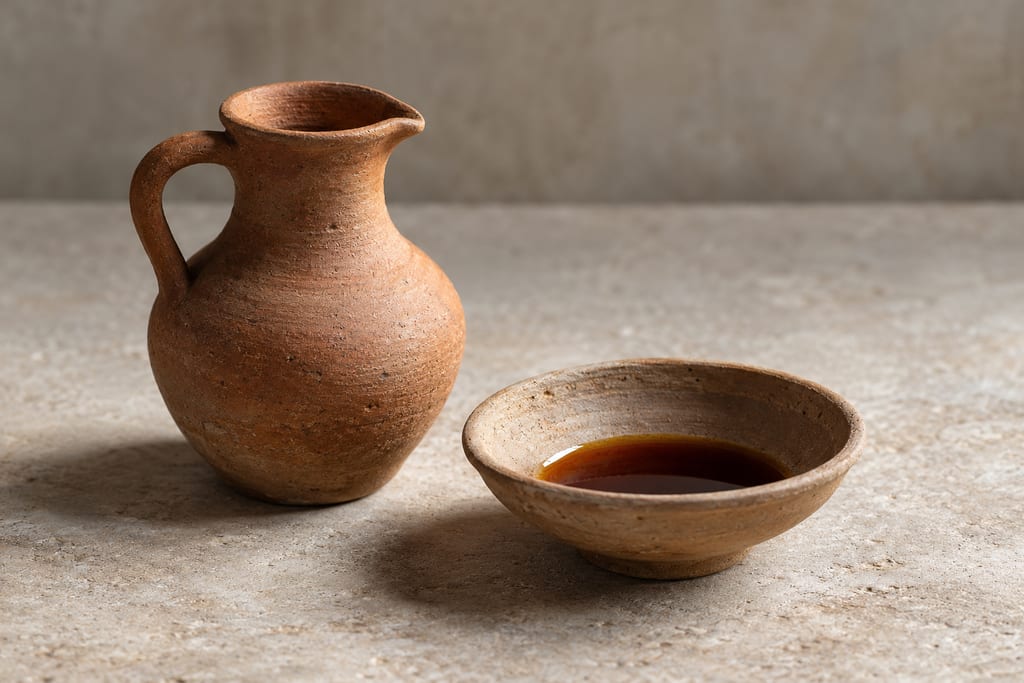
Garum, Greek garos and Latin liquamen, was the fish sauce of the ancient Mediterranean: fish and viscera salted and left in the sun, then drained off as a savoury liquid.
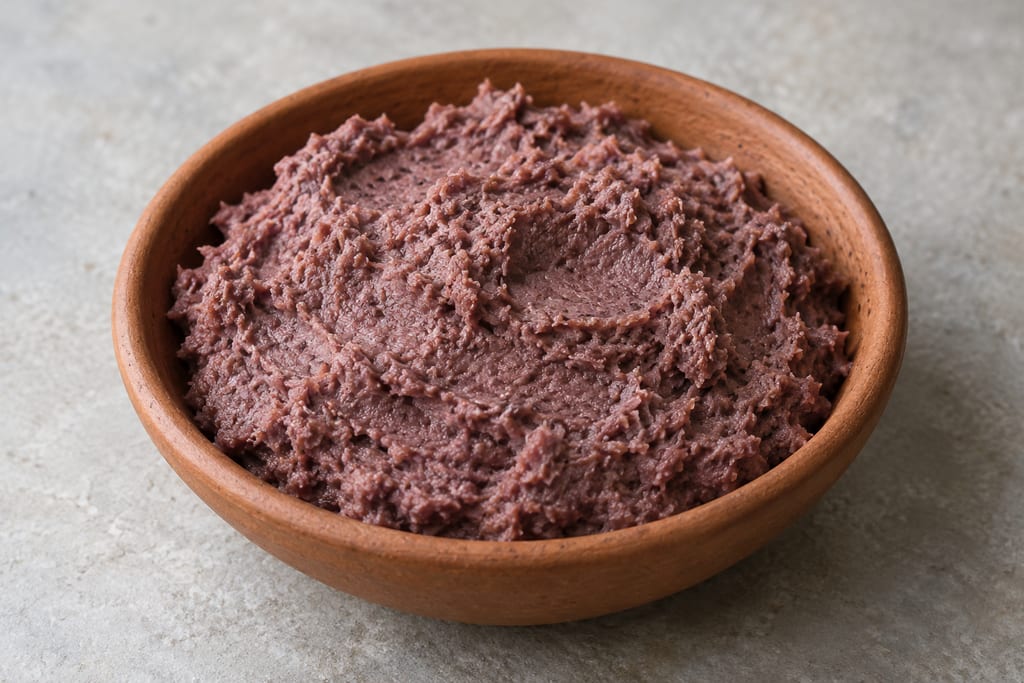
Guinamos is a shrimp paste made on Guimaras in the Philippines: small shrimp salted by hand, sun-dried and trodden by foot until it turns smooth.
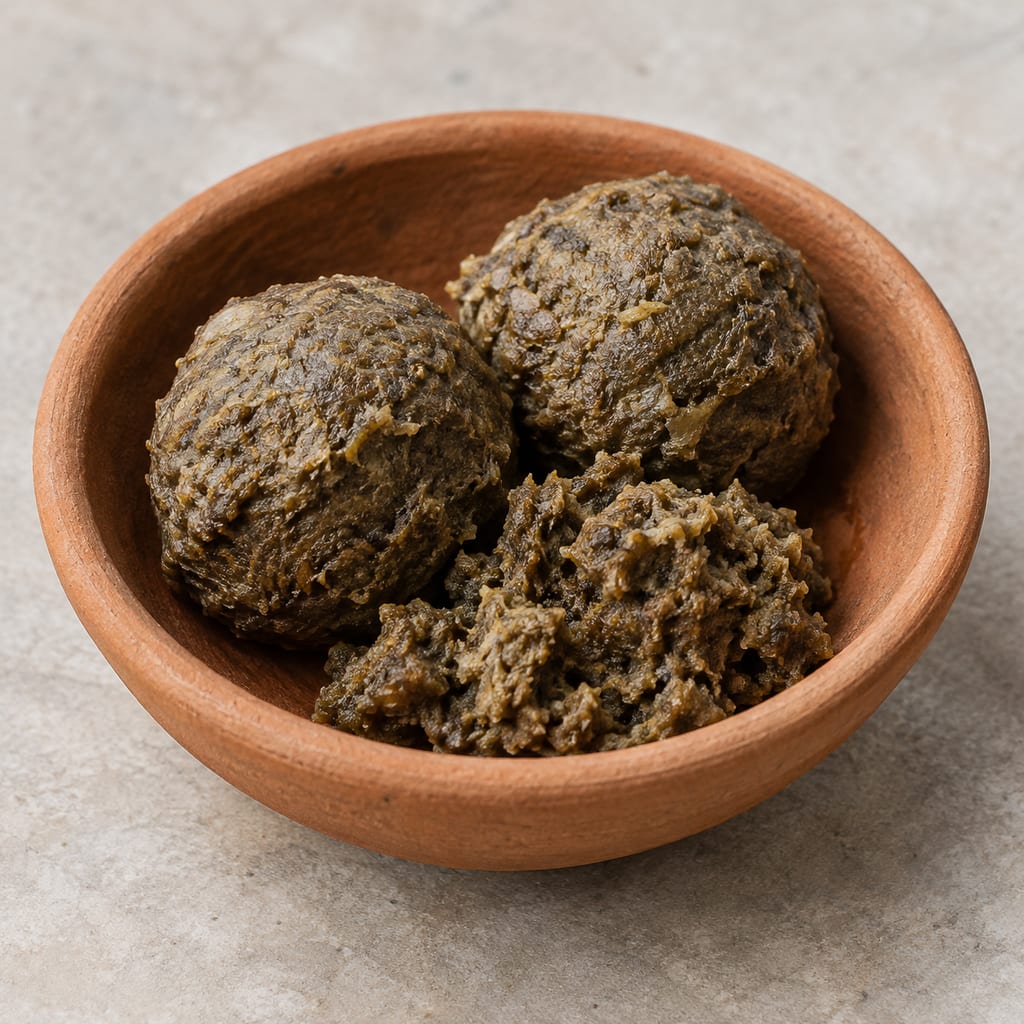
Manipuri fermented fish-and-aroid paste, formed into balls or kept in an earthen pot, used to season Manipuri dishes. Its method is documented in outline only.
No community contributions have been published for this entry yet.
Sign in to contribute. Published comments and photos are free to read.
Thai Agricultural Standards InstituteMethod · Safety
Thai Agricultural Standard TAS 7023-2018: Pla ra (unofficial English translation)Pla ra defined as fish fermented with salt and rice bran, roasted bran or roasted rice
At least 18% sodium chloride by weight
Salting first then grain, or mixing together
Cook raw pla ra before eating; parasite and microbiological criteria
Cited in: Why the stages matter; Bran, roasted rice and colour
Thailand FoundationHistory · Method
Pla Ra: Thai Fermented FishRegional forms of pla ra and their fish, ratios and maturation times
Pla ra used in som tam and Isan cooking
Cited in: What pla ra is; Regional forms; History in the sources
International Journal of Gastronomy and Food ScienceMethod · Science
Characterization of microbiological and physicochemical changes in traditional Thai pla raStriped snakehead, three months salting then three months with rice bran
Succession of Pediococcus, Tetragenococcus, Lactobacillus, Saccharomyces, Candida and Aspergillus
pH decline, protein and lipid breakdown, lipid oxidation
Cited in: How the fermentation works
Bioscience of Microbiota, Food and HealthMethod · Science
Culture-independent comparison of fermented fish products from Thailand and Laos (Marui et al., 2015)Spontaneous fermentation, no customary starter, ambient tropical conditions, six months or more
Salt 8.3 to 8.6% in northern Thai samples; 15 to 20% in Lao samples
Cited in: How the fermentation works
JIRCASHistory
Plaa-raa, Thai fermented food database entryRegional names plaa-daek, plaa-ha and ra
Cited in: What pla ra is
U.S. Food and Drug AdministrationSafety
CPG Sec. 540.575 / 7108.24: Histamine (Scombrotoxin) in fishHistamine heat-stable; fermented fish condiments excluded from surveillance action guidance
Cited in: Safety and what the sources do not establish
World Health OrganizationSafety
Opisthorchiasis: questions and answersRaw, undercooked or fermented freshwater fish as route of Opisthorchis infection in Thailand, Laos, Cambodia and Vietnam
Cited in: Safety and what the sources do not establish
Thailand Department of FisheriesHistory
How many kinds of pla ra? (Thai)Traditional jar processing with salt and rice bran for seven to eight months or longer; consumption across Isan and beyond
Cited in: Timing and what the sources disagree on
WikipediaHistory · Method · Photo
Pla raCommon food in the Ayutthaya Kingdom; de la Loubere 1691 and 1693 account; 2018 Thai Ministry of Agriculture quality rules; roasted rice powder gives a yellow paste from central Thailand; rice bran gives a clear-black product from the Northeast; finished salt 5.23 to 9.14 per cent; process and duration statements that conflict
Cited in: History in the sources; Bran, roasted rice and colour; Timing and what the sources disagree on; Reading photographs of pla ra
Thailand Department of FisheriesHistory · Method
How many kinds of pla ra? (Thai)Traditional jar processing with salt and rice bran for seven to eight months or longer
Cited in: Timing and what the sources disagree on