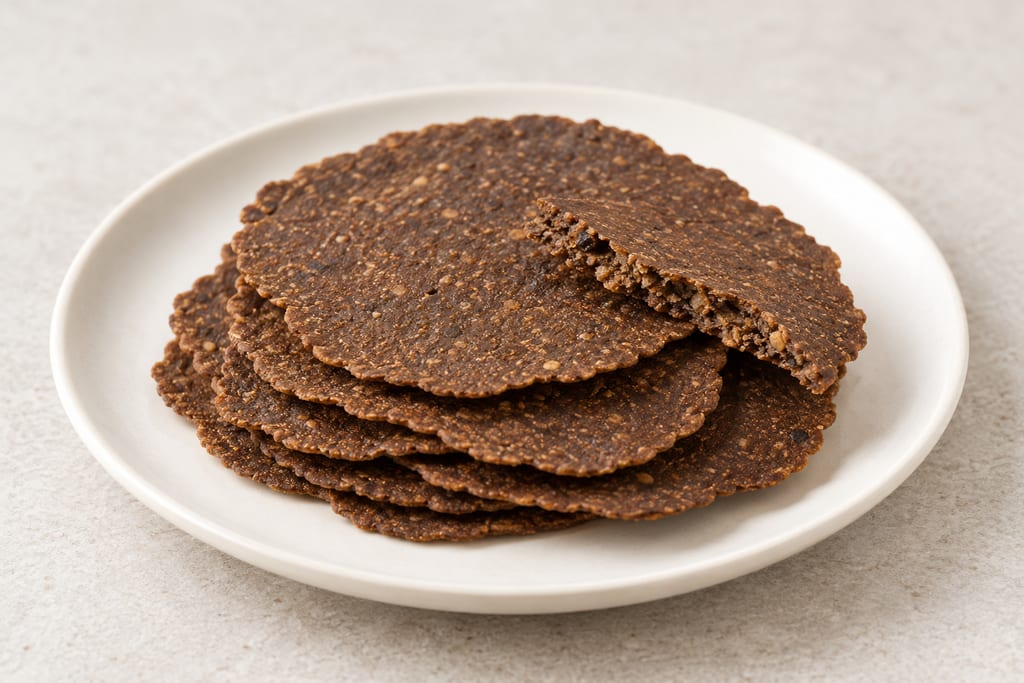
Black soybean thua nao with Bacillus subtilis
Black soybeans cooked, inoculated with a named Bacillus subtilis culture and fermented warm and humid into northern Thailand's thua nao, then optionally dried into thin discs.
 FermenteaWhere food goes to change
เต้าเจี้ยว · Tao chiao · Tao-jiew · เต้าเจี้ยว
Tao-jiew is a salty, semi-solid soybean condiment from Thai cooking, made with koji and maturation in salt solution. The JIRCAS entry gives one method with key quantities left out.
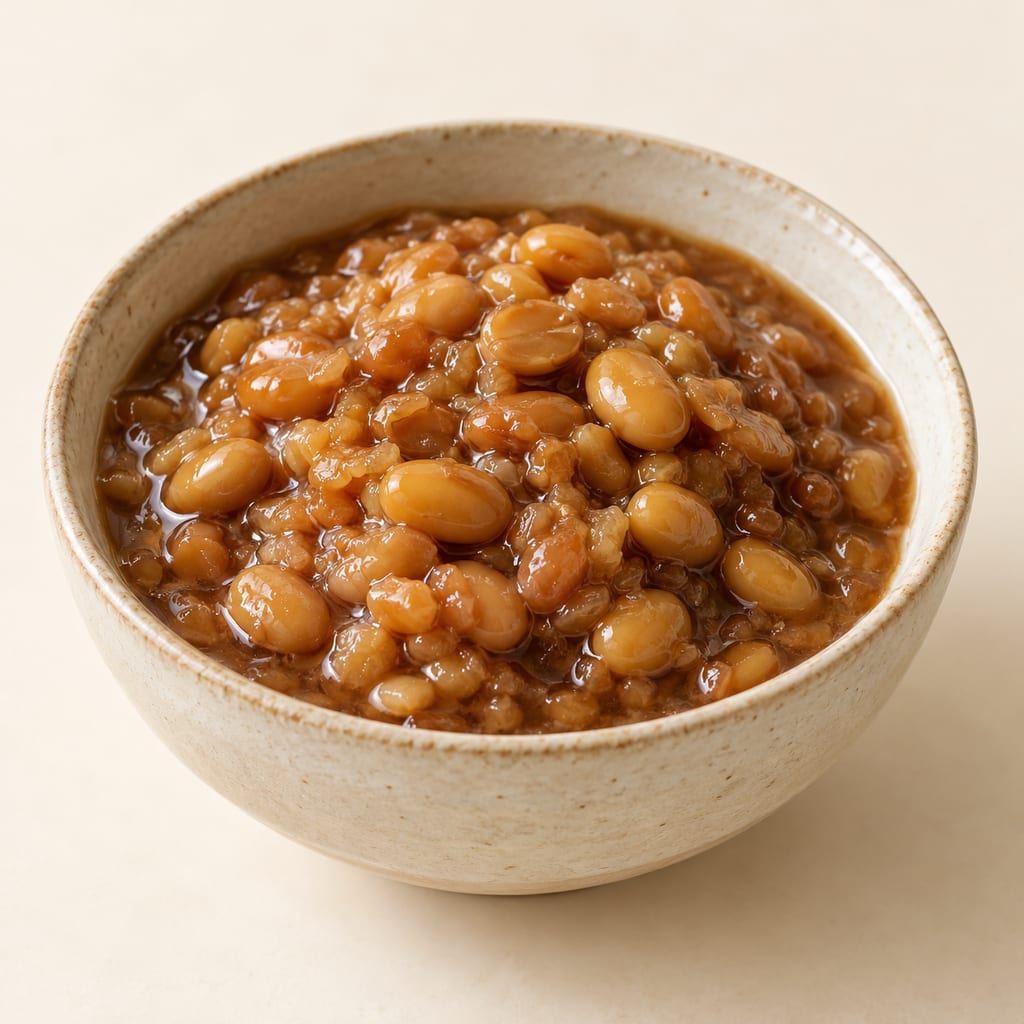
JIRCAS labels the entry Tao-jiew and gives the Thai name เต้าเจี้ยว. It describes a semi-solid, salty soybean condiment ranging from pale to dark brown. Spelling and transliteration vary; this article refers to the product in that database entry rather than treating every fermented bean paste as the same food.
The entry shows Tao-jiew is used in Tao-jiew-lon and other dishes, and may be eaten as a side dish with rice. It does not survey regional differences or provide a fuller list of dishes.
JIRCAS lists soybeans, wheat or rice flour, salt and koji mold. Its process text identifies Aspergillus oryzae grown on cooked rice for an approximately 72-hour koji stage, followed by maturation under salt solution. The same database record's microorganism field says information is unavailable, so its organism field and process description do not agree. The entry shows separating a solid paste from liquid; it says the liquid can be processed further into soy sauce.
The JIRCAS account describes washing and soaking whole soybeans for 12 hours, steaming them until soft, and roasting and grinding an amount of wheat or rice flour equal to the soybean amount. It says to mix these on a bamboo tray, add the rice-grown koji, and leave the mixture for about 72 hours. The koji is then covered with “20%” salt solution in a lidded earthenware pot and left in a sunny place for 3–6 months. The basis for the flour-to-soybean quantity is not given, so it is unclear whether the comparison is by raw, soaked or cooked weight. The denominator of the 20% salt solution, the starter amount, environmental conditions and an objective endpoint are not explained. The packed paste is said to be pasteurized, but no time or temperature is given. These missing details mean this is not a complete household formula or process instruction.
The 3–6 month period and the statement that the paste can keep for years, with flavour preferred within one year, are claims in this particular database entry. It supplies no storage conditions or validated shelf-life evidence. It also gives no province, historical attestation, season, measured maturation conditions, monitoring plan or failure criteria. The Japanese method and Thai transliteration need specialist review.
The flour amount is described as equal to the soybean amount, but the weight basis is not stated.
The basis of the 20% salt solution, starter quantity, environmental controls, endpoint and pasteurization conditions are not reported.
Historical, regional and seasonal context and specialist review of the Japanese method and Thai terms remain open.
The source's maturation and keeping-time statements have no stated storage conditions or independent validation.
Province, history and season are not given in the source.
Black soybeans cooked, inoculated with a named Bacillus subtilis culture and fermented warm and humid into northern Thailand's thua nao, then optionally dried into thin discs.
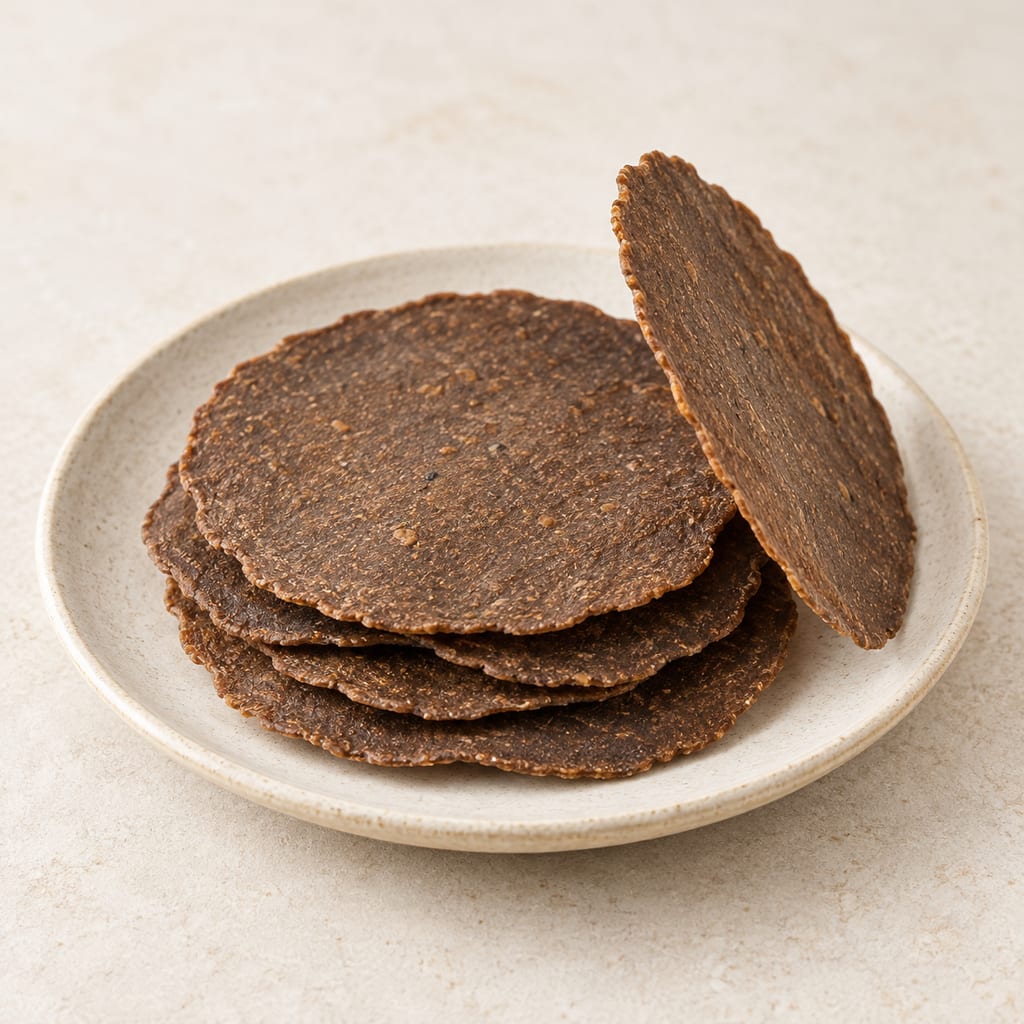
Northern Thai fermented soybean shaped while still soft into flat cakes and dried, so the bacterial soybean ferment becomes a durable, shelf-stable seasoning reserve.
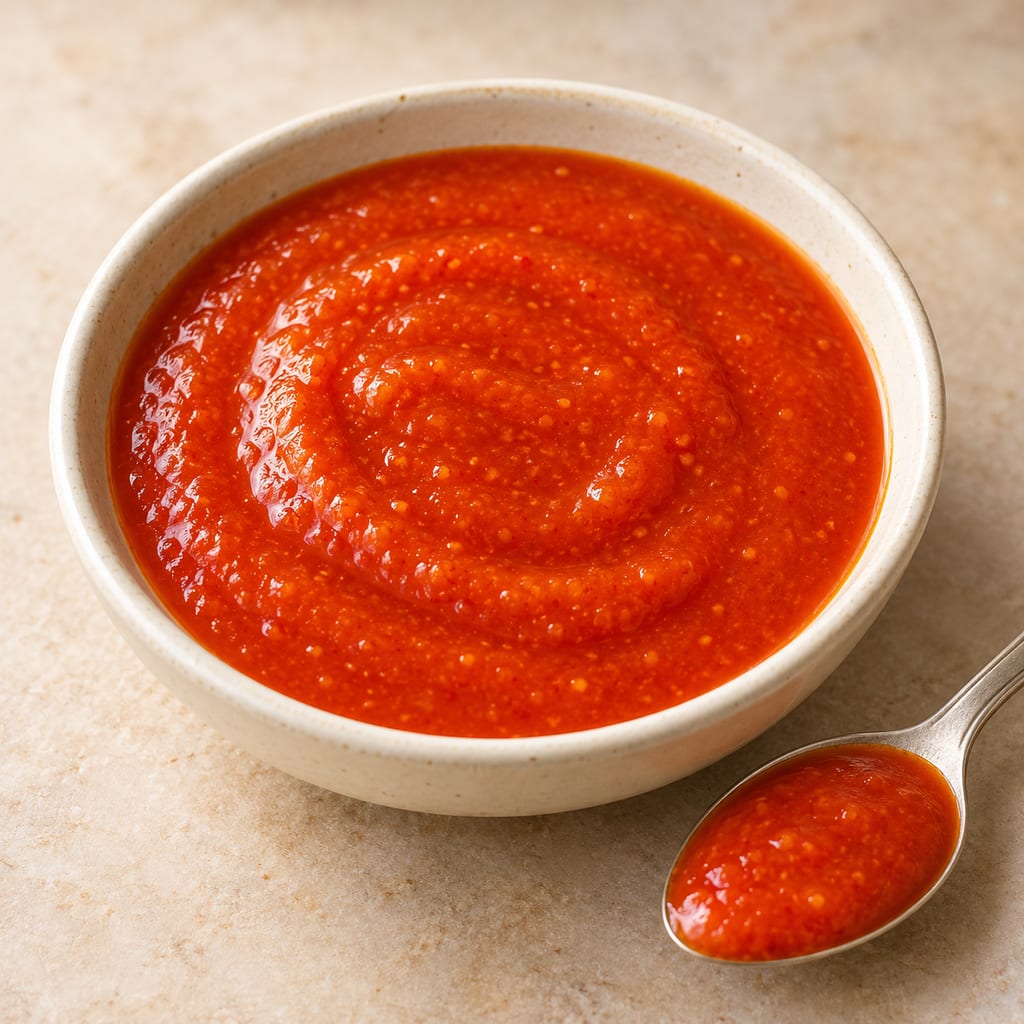
Ripe red chillies, garlic, labelled 5% vinegar, sugar, water and salt are blended, simmered and blended smooth into a cooked chilli sauce.
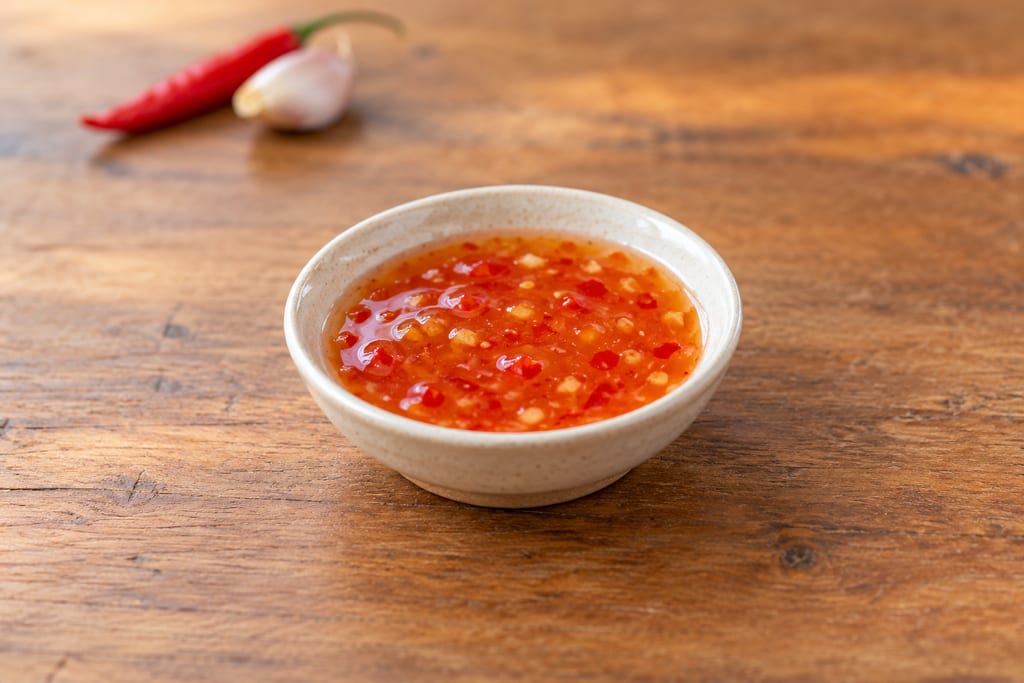
A cooked Thai-style sweet chilli dip combines red chillies, garlic, sugar and vinegar, then uses a small cornflour slurry to give this batch a glossy, spoonable body.
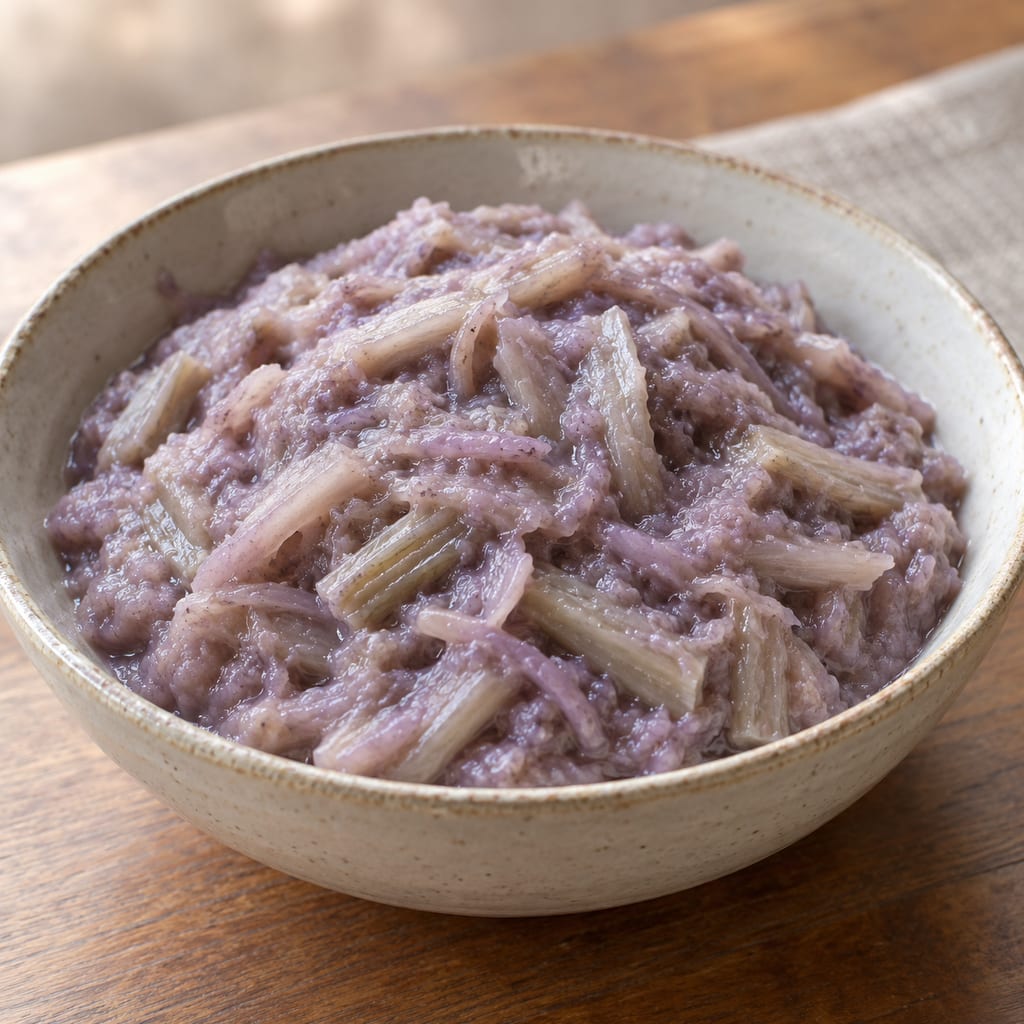
Thai pickle of young taro leaf stalks, salted, kneaded and held in rice-washing water in an earthen jar at room temperature. JIRCAS records it as a home-level product with no validated endpoint.

A cultural account of luk niang dong, a Thai djenkol-bean pickle associated with southern Thailand. Not a recipe or eating recommendation: sources do not establish that pickling controls djenkolism.
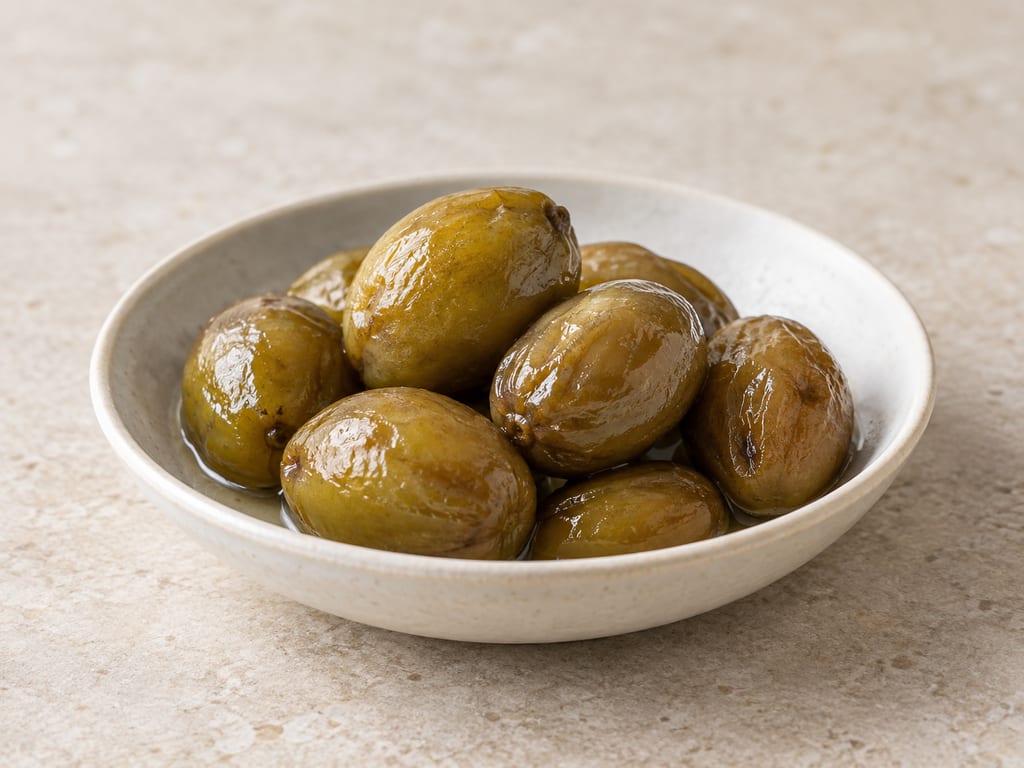
Mature Spanish plums are covered with a 20% volume salt solution and fermented under shade for ten days.

Northern Thai fermented tea leaf: Assam tea leaves tied in bundles, steamed, packed in a lined tank and held under weight for three to four months. Eaten after meals.
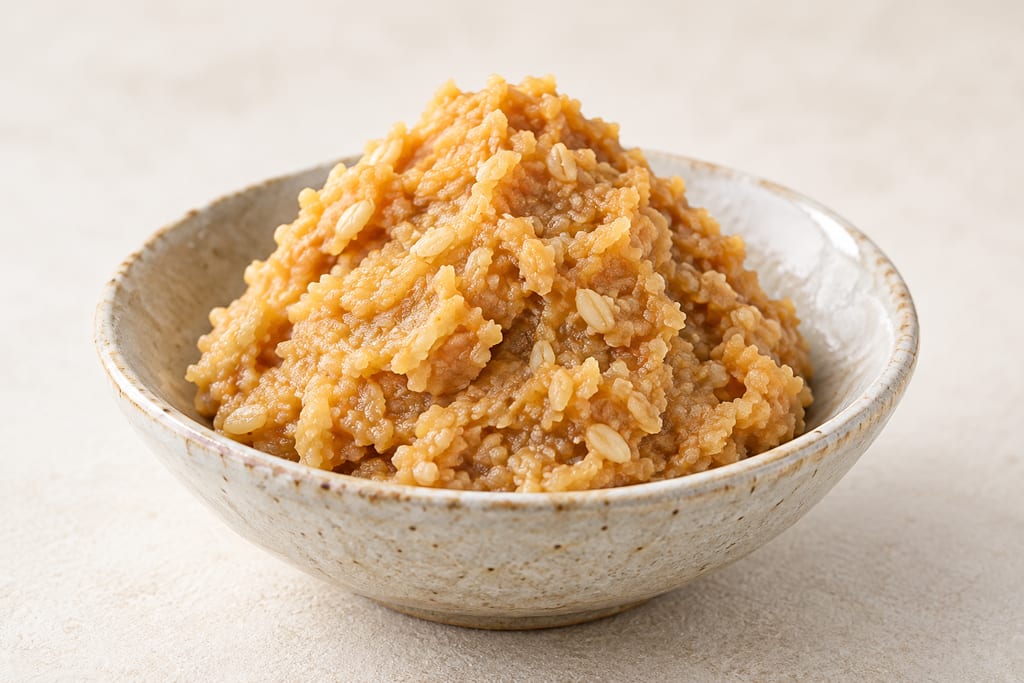
A Japanese soybean paste fermented with barley koji and salt, made mostly in Kyushu, Shikoku and western Japan. It is sweet, savoury and grainy.
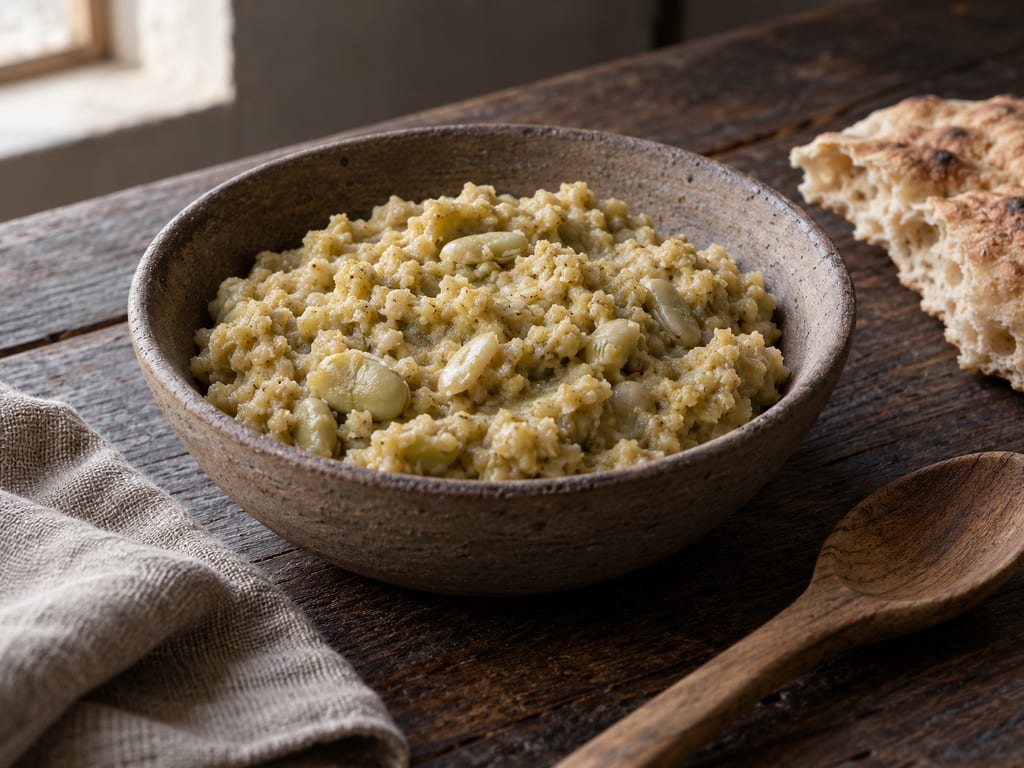
Cooked broad beans crushed to a thick paste with garlic and salt, a museum preparation built on the one European pulse that was already old when the Viking Age began.
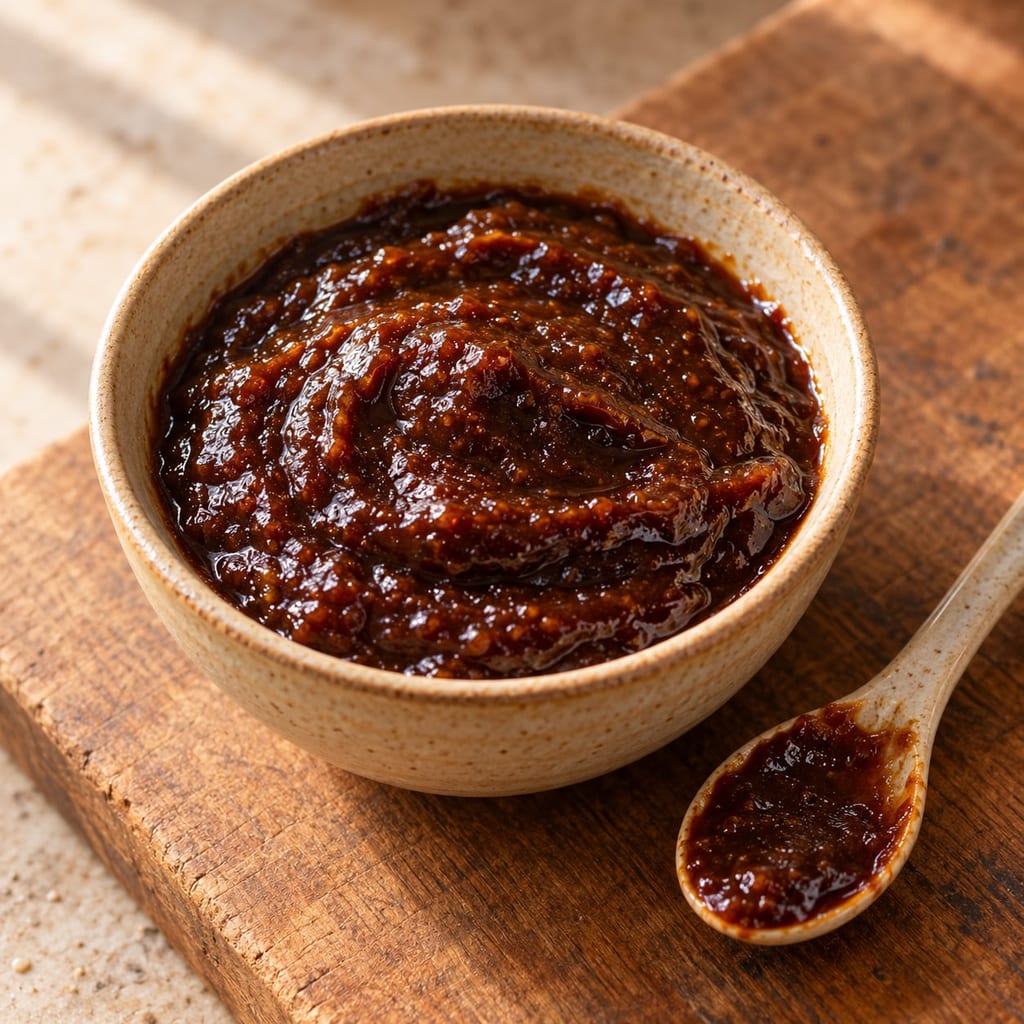
Chu hou is a sweet, savoury Cantonese paste of fermented soybeans, fermented bean curd, garlic, ginger and sesame, used mainly to braise meat.
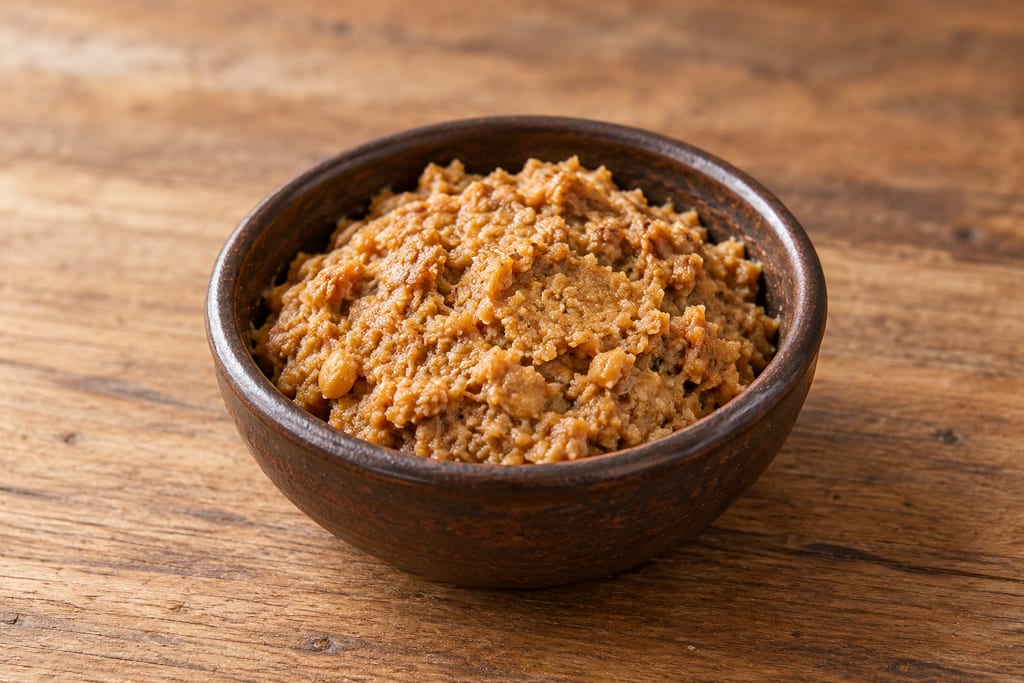
Doenjang (된장) is a Korean fermented soybean paste made by brining meju, separating ganjang, then mashing and aging the solids. This recipe follows one documented Sunchang processing study.
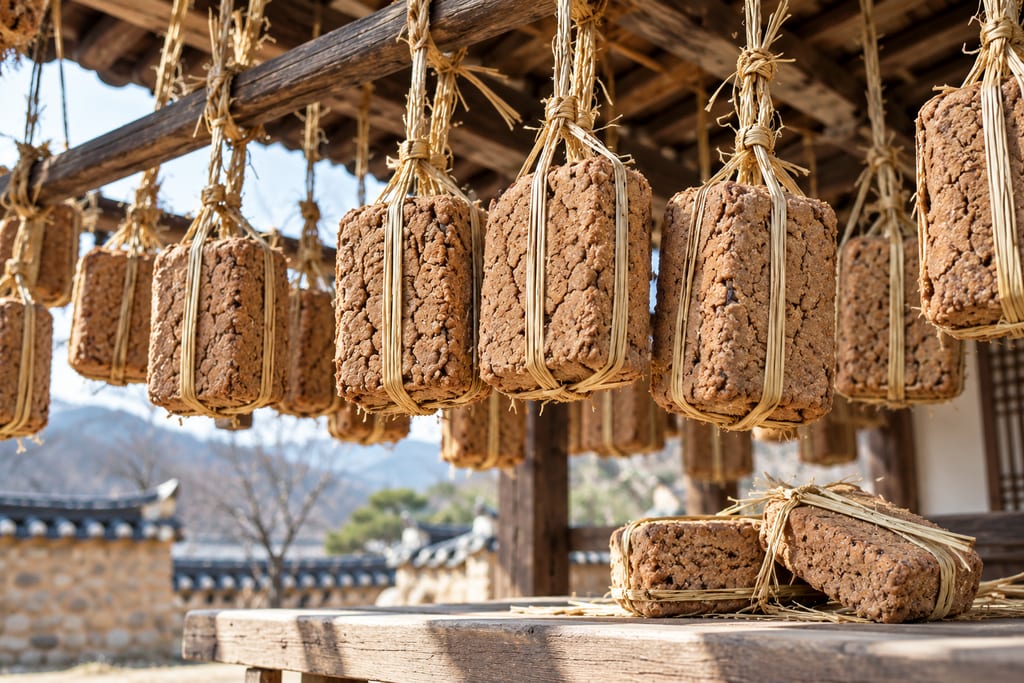
A cooked soybean brick, shaped and dried, that is fermented as a solid and later brined to make the Korean soy paste doenjang and the soy sauce ganjang.
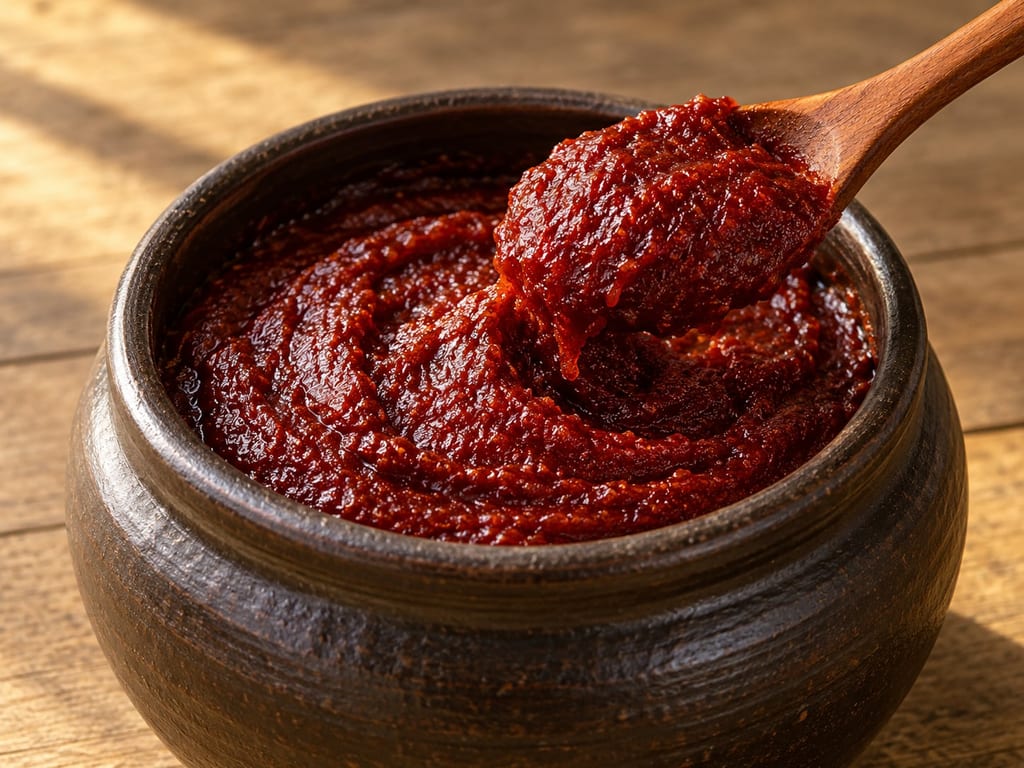
Korea’s sweet, savoury and fiery red paste of glutinous rice, barley-malt enzymes, fermented soybean meju powder and chilli powder, matured in earthenware.
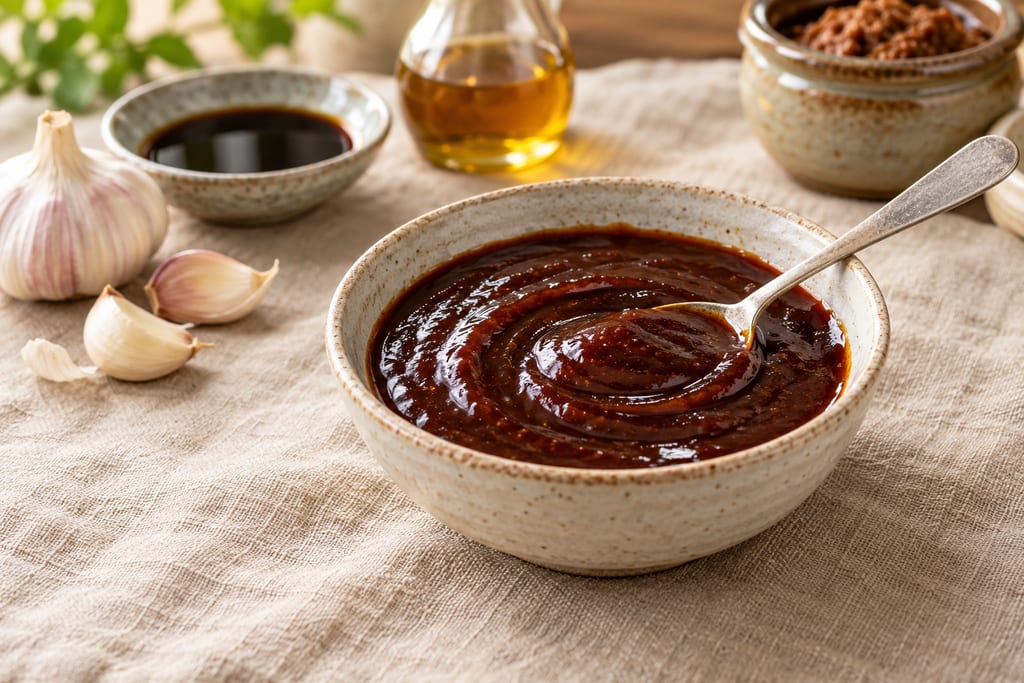
A thick, dark, sweet-salty Chinese condiment built on fermented soybean paste. This page gives one quick home version and records how commercial formulas differ.
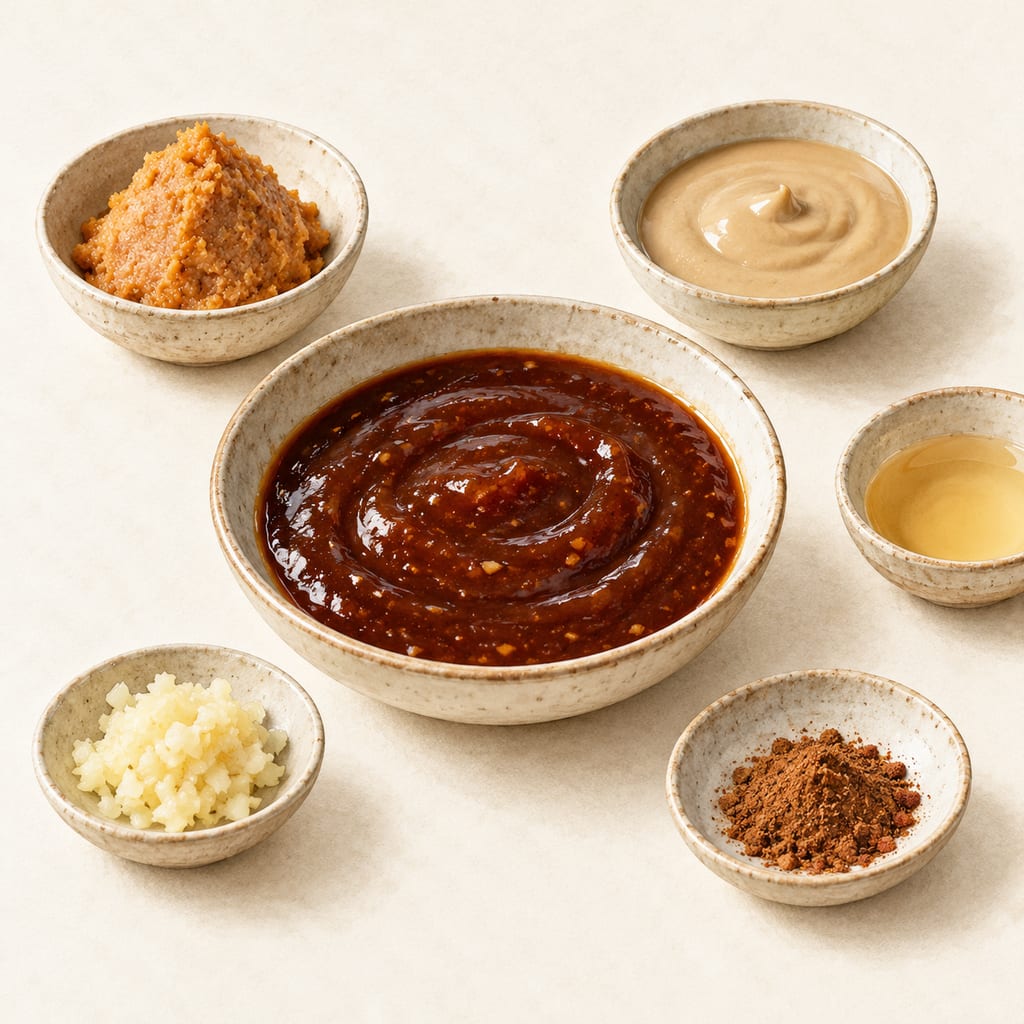
An untested modern miso-based sauce inspired by hoisin's sweet, savory profile; this prototype is not traditional hoisin or a copy of a commercial brand.
No community contributions have been published for this entry yet.
Sign in to contribute. Published comments and photos are free to read.
Japan International Research Center for Agricultural SciencesMethod
Tao-jiew, Thai Fermented Food DatabaseCited in: What the name describes; Uses named by the source; Ingredients and fermentation stages; A source-specific method account; What remains unresolved; Open questions in the sources