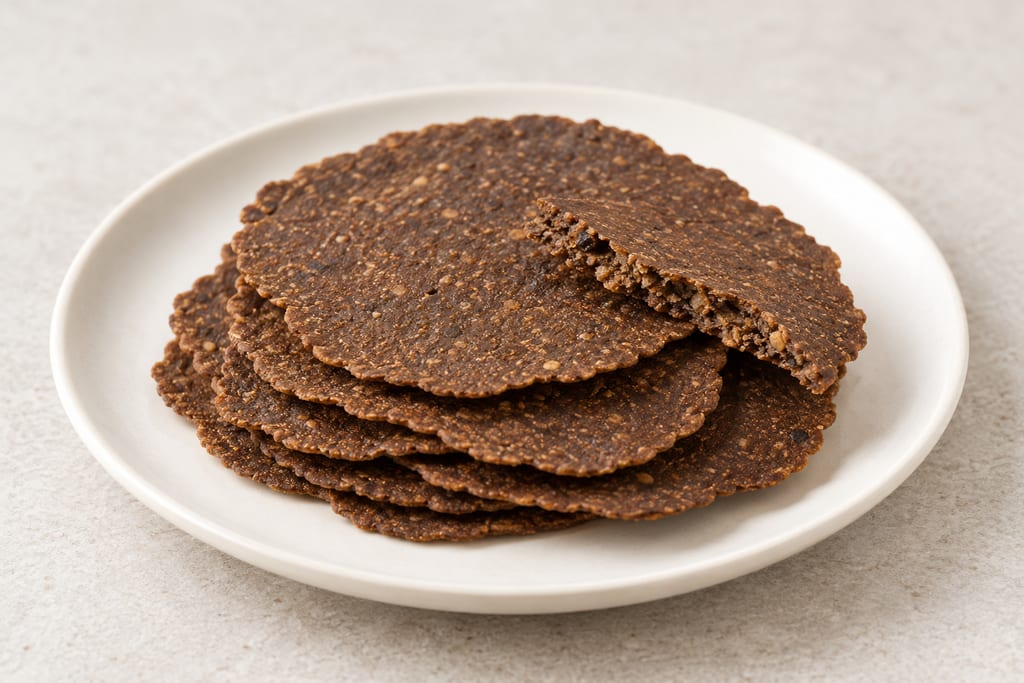
Black soybean thua nao with Bacillus subtilis
Black soybeans cooked, inoculated with a named Bacillus subtilis culture and fermented warm and humid into northern Thailand's thua nao, then optionally dried into thin discs.
 FermenteaWhere food goes to change
เมี่ยง · Miang-dorng · Miang-faat · Miang-prieo · Fermented tea leaf · Miang leaf
Northern Thai fermented tea leaf: Assam tea leaves tied in bundles, steamed, packed in a lined tank and held under weight for three to four months. Eaten after meals.

Miang (เมี่ยง) is an edible fermented tea leaf from northern Thailand. It is eaten chewed, as a leaf, after a meal. It is not a brewed drink or a kombucha. The JIRCAS database gives the English name fermented tea leaf and local names miang-dorng, miang-faat and miang-prieo.
Assam tea (Camellia sinensis var. assamica) is the common leaf in the sources.
The JIRCAS account places production and consumption in northern Thailand, where small-scale producers work. The leaves are picked in four periods, from April to May, June to July, August to October and November to December. No earliest attestation or wider seasonal pattern was found.
Northern Thai villagers often chew miang after meals, with salt or with roasted peanuts, roasted coconut, shredded ginger, syrup or tamarind juice. These examples do not establish a single serving formula.
The leaves are steamed promptly after tying, which limits the growth of yeasts and spoilage. A stone or weight holds the bundles under pressure, and the cover excludes oxygen. Miang-faat is astringent and fermented for about three months. Miang-prieo is sour and fermented for at least four months, with water added to exclude air.
A 2020 laboratory simulation of a non-filamentous-fungi process, using steamed and cooled Assam leaves wrapped in banana leaves and held in the dark at 28 plus or minus 2 degrees Celsius for 180 days, found changing bacterial and fungal communities, with lactic acid bacteria prominent. That is an experiment, not a household recipe.
The method names steaming equipment, bundle ties, a cement tank lined with banana leaves, a cover, weights and woven-bamboo baskets. No capacities or validated cleaning procedure are given. The research dark chamber is experimental equipment, and no do-it-yourself build is justified by the sources.
The durations are reported, but no validated endpoint, discard rule or household shelf life exists. The JIRCAS storage statements conflict with each other. Miang is not a validated household recipe, and this page is not a safety guide.
Sources place miang in northern Thailand. No earliest attestation or dated history was found.
Scaling: source batch only
The sources give elapsed periods and storage statements but no validated safety endpoint, discard rule or household shelf life.
Hazard sourceColour, taste and elapsed time are not evidence of safety.
JIRCAS places production in small-scale industries in the North. No locality is given.
Black soybeans cooked, inoculated with a named Bacillus subtilis culture and fermented warm and humid into northern Thailand's thua nao, then optionally dried into thin discs.
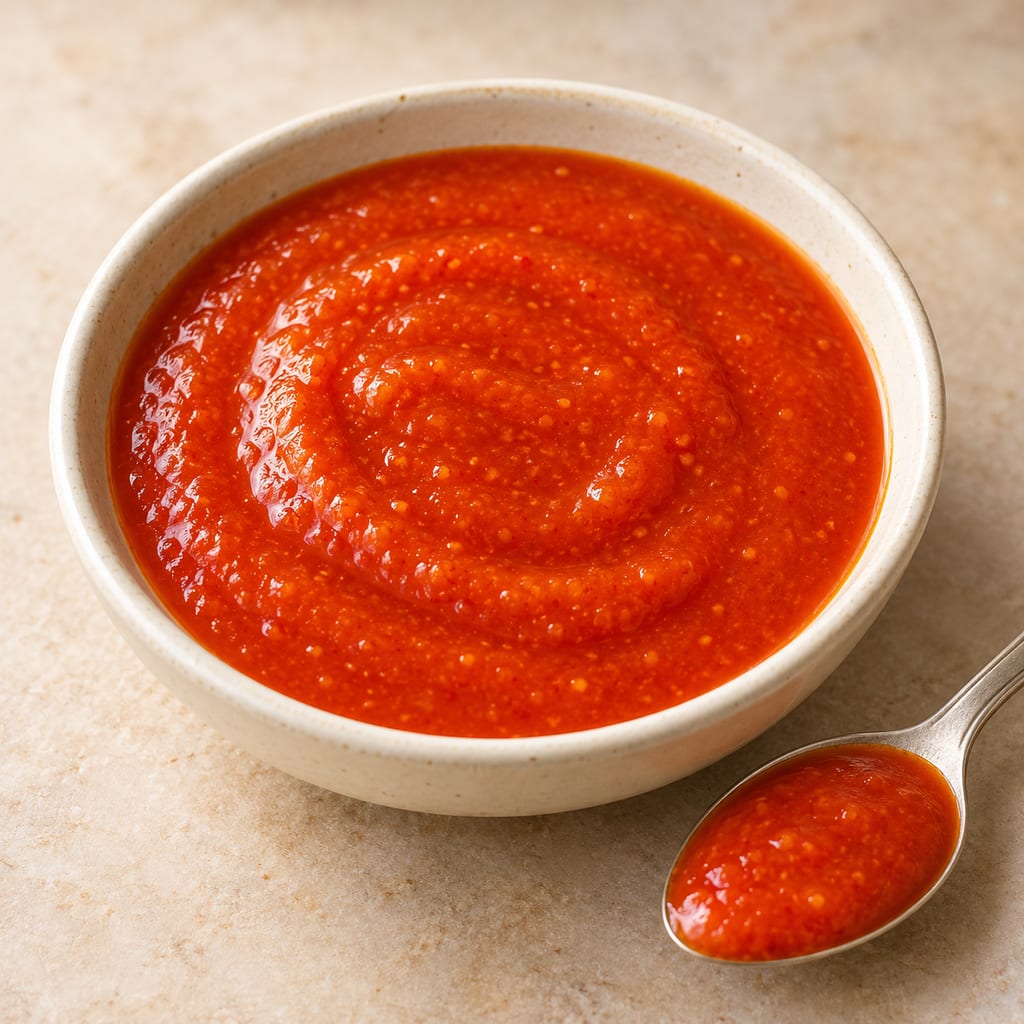
Ripe red chillies, garlic, labelled 5% vinegar, sugar, water and salt are blended, simmered and blended smooth into a cooked chilli sauce.
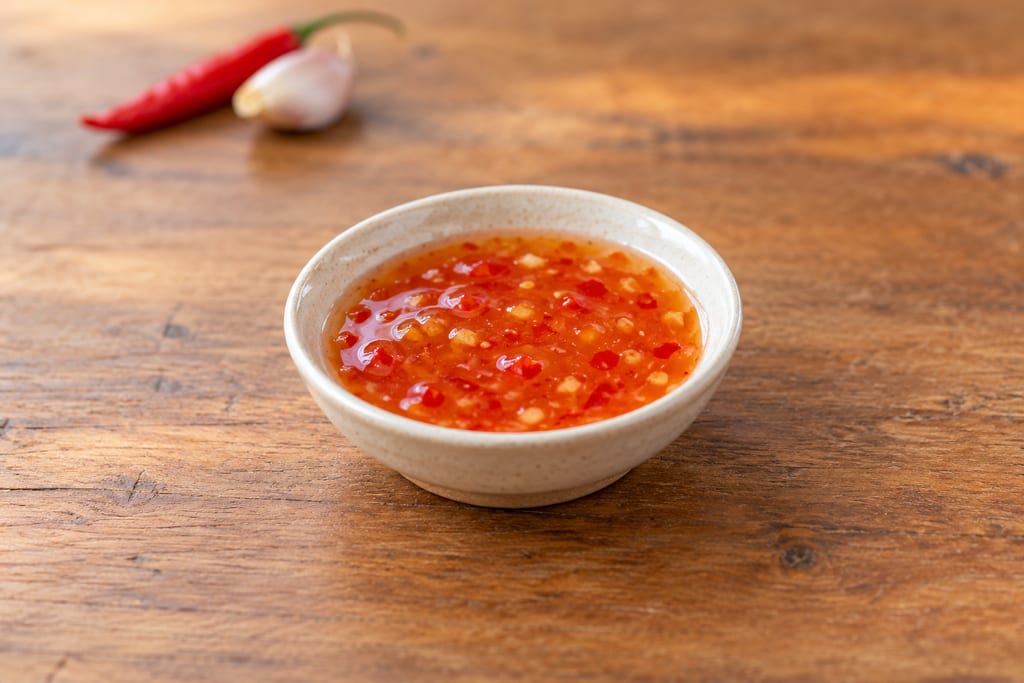
A cooked Thai-style sweet chilli dip combines red chillies, garlic, sugar and vinegar, then uses a small cornflour slurry to give this batch a glossy, spoonable body.
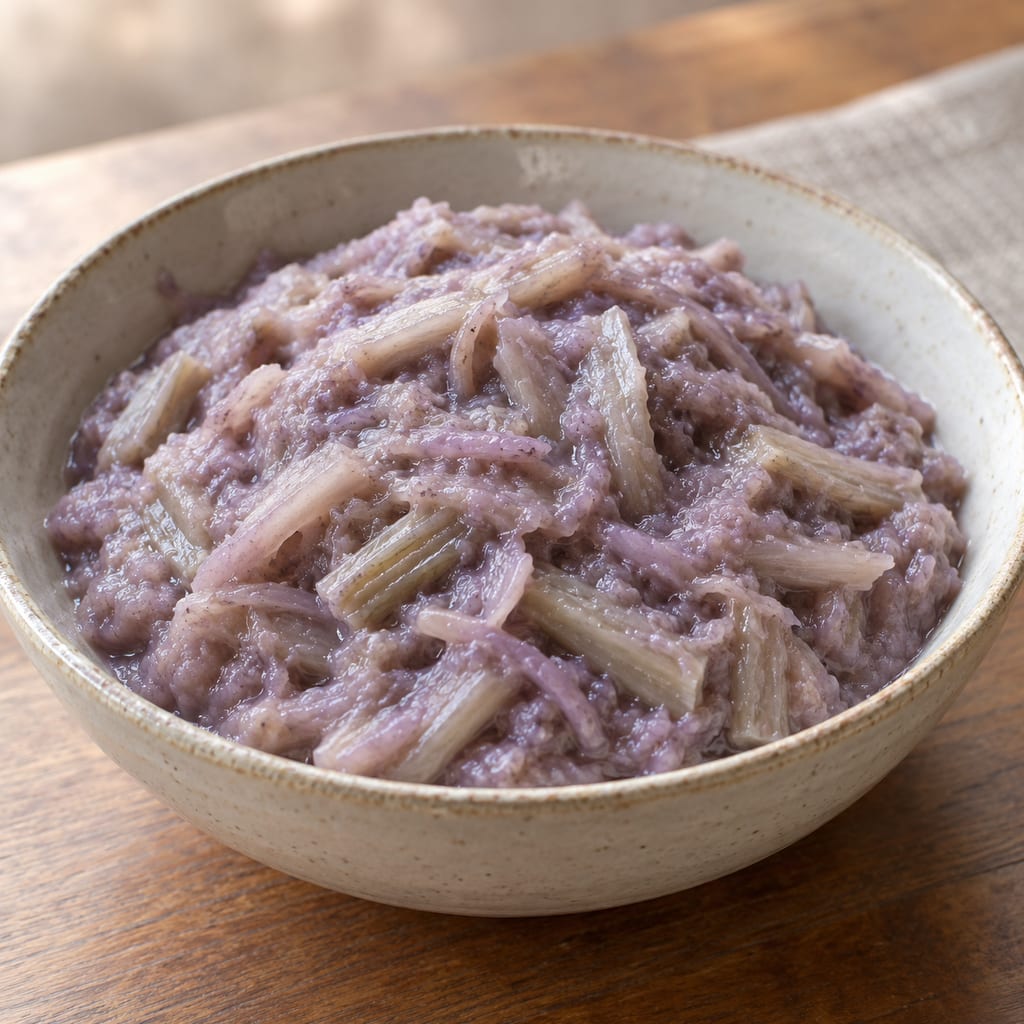
Thai pickle of young taro leaf stalks, salted, kneaded and held in rice-washing water in an earthen jar at room temperature. JIRCAS records it as a home-level product with no validated endpoint.

A cultural account of luk niang dong, a Thai djenkol-bean pickle associated with southern Thailand. Not a recipe or eating recommendation: sources do not establish that pickling controls djenkolism.
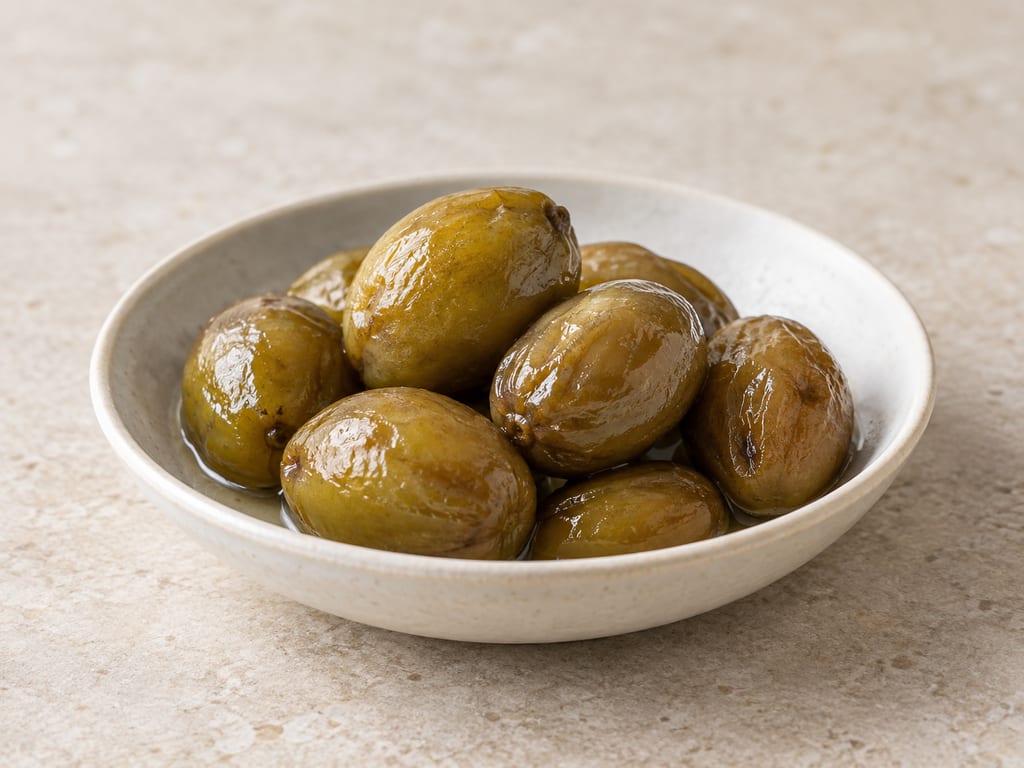
Mature Spanish plums are covered with a 20% volume salt solution and fermented under shade for ten days.
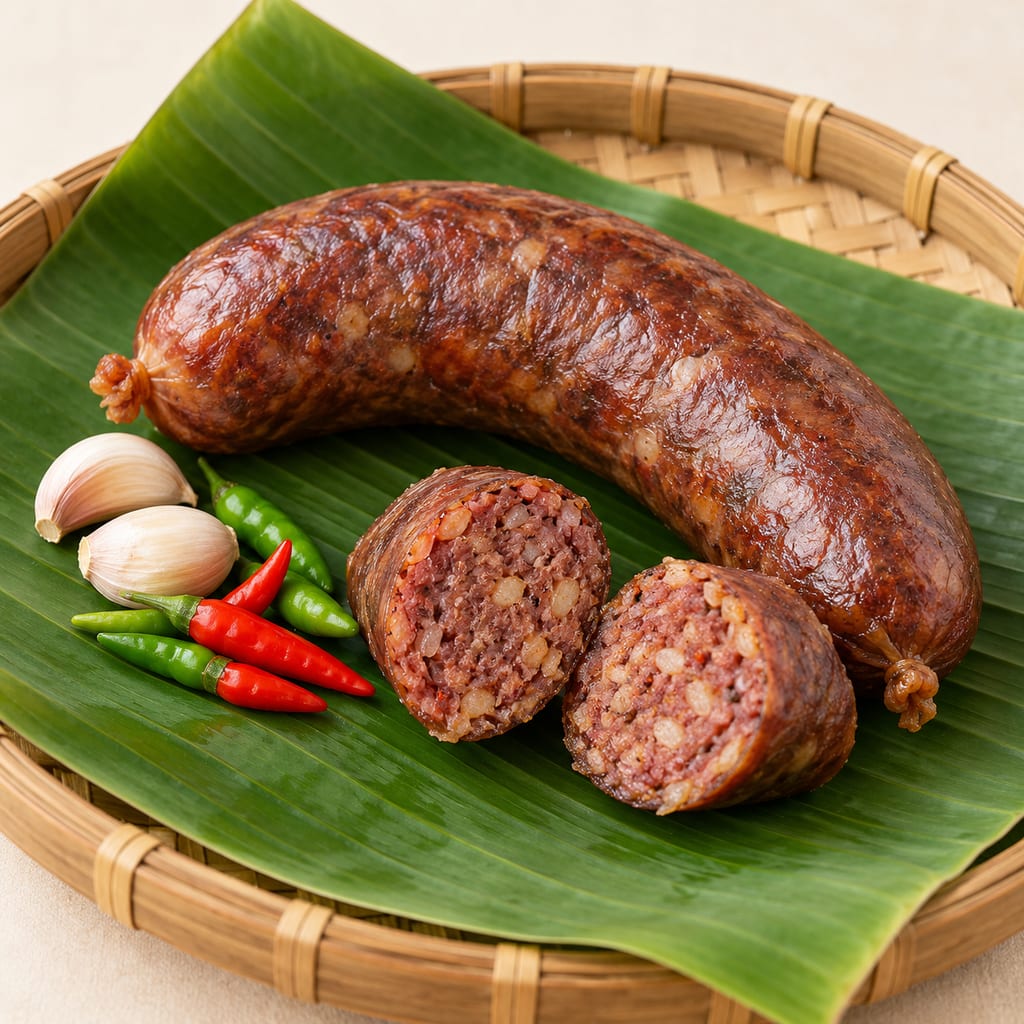
Mum is a Thai family of fermented meat preparations with distinct pork Mam-moo and beef Mam-neua forms. Sources document ingredients, casing and serving traditions, but not a validated home process.

Naem is a Thai sour pork preparation made with minced pork, rind or ear, glutinous rice, garlic and salt. Its documented room-temperature method has no validated food-safety endpoint.
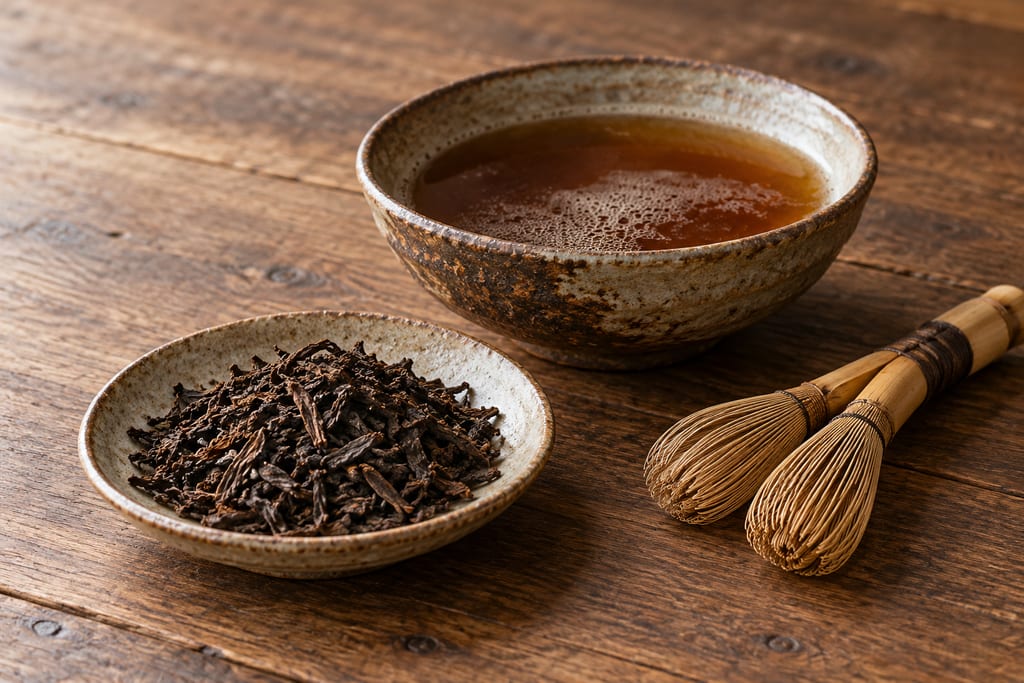
A Japanese post-fermented tea from Asahi in Toyama: mature tea leaves are steamed and fermented aerobically in turned, self-heating heaps, then dried; traditionally boiled and whisked into a foam.
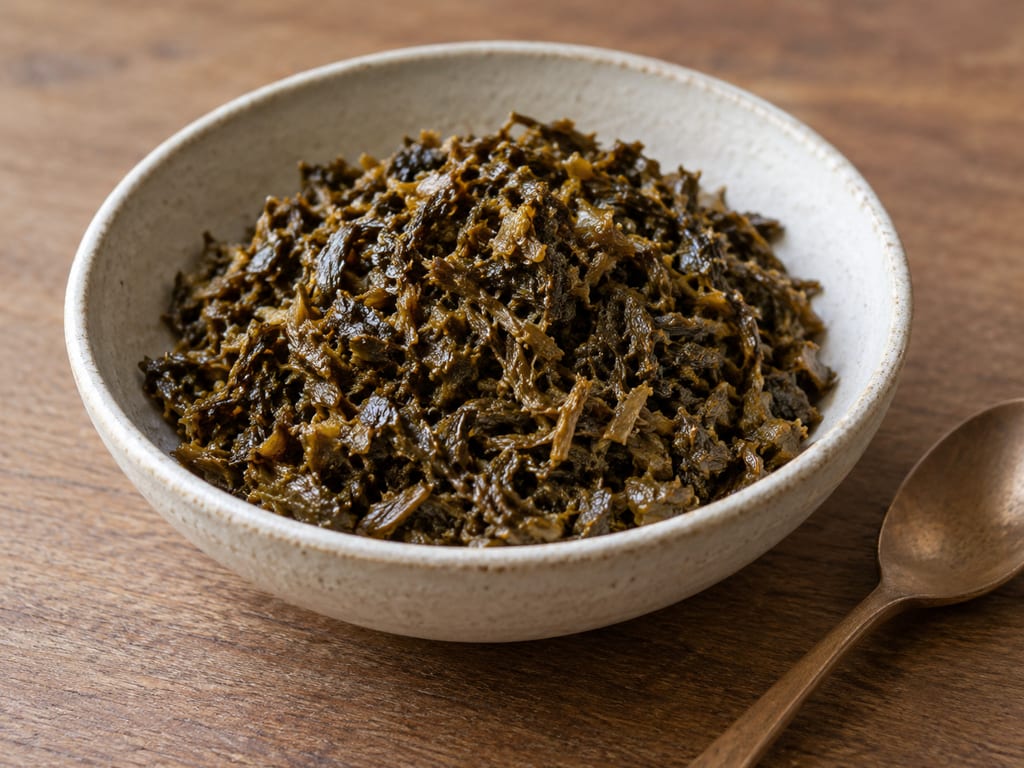
Laphet is Myanmar’s fermented tea-leaf food, associated with ceremony and hospitality. This entry documents cultural context and regional production accounts; it is not a household fermentation recipe.
No community contributions have been published for this entry yet.
Sign in to contribute. Published comments and photos are free to read.
JIRCASMethod · Uses
Miang (fermented tea leaf), Database of Fermented Foods of ThailandMiang is fermented tea leaf from Camellia sinensis, with miang-faat and miang-prieo variants.
Leaves are tied in bundles, steamed, packed in a banana-leaf-lined cement tank under cover and weight, and fermented for three to four months.
Cited in: What it is; Place and season; Use; Method and the two variants; Equipment and limits
JIRCASHistory
Construction of The Traditional Fermented Foods of Thailand DatabaseThe database draws on data compiled by the Institute of Food Research and Product Development at Kasetsart University.
Cited in: What it is; Place and season; Use; Method and the two variants; Equipment and limits