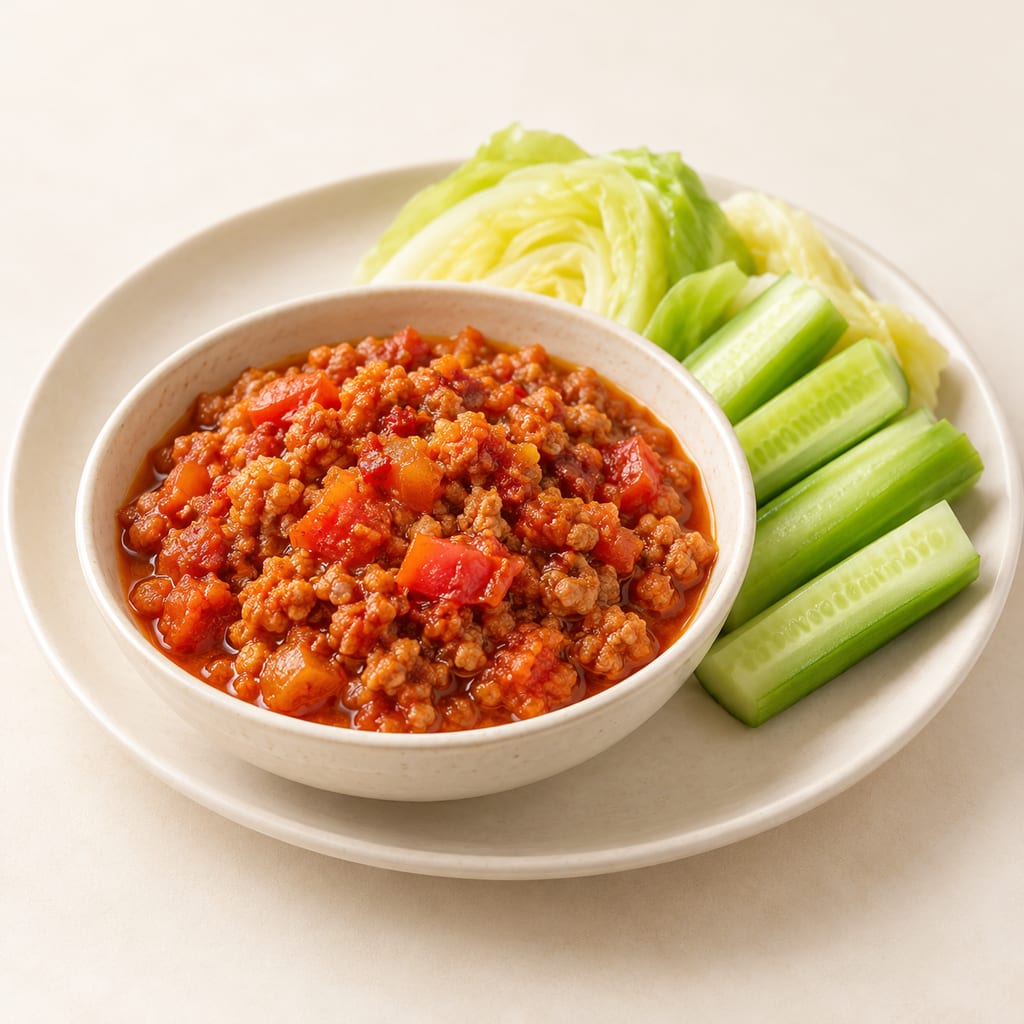
Nam prik ong
Nam prik ong is a cooked Northern Thai dip of chilli, tomato and minced pork, seasoned with fermented soybean and eaten with vegetables, pork rind and eggs.
 FermenteaWhere food goes to change
thua nao · thua-nao-dry
Northern Thai fermented soybean shaped while still soft into flat cakes and dried, so the bacterial soybean ferment becomes a durable, shelf-stable seasoning reserve.
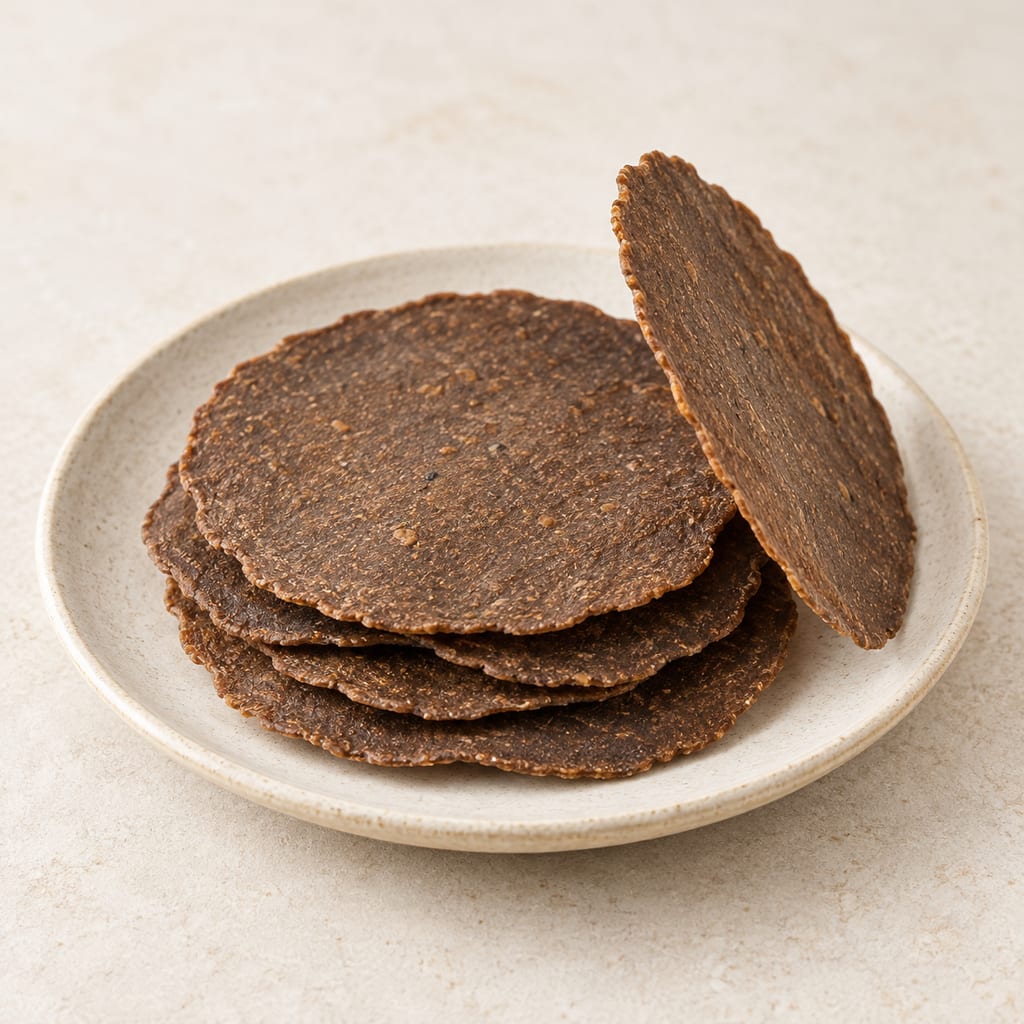
Thua nao is made from cooked soybeans fermented by bacteria. The dried form goes one step further: the fermented soybean is shaped into flat cakes and dried. The sources treat this as a separate preservation sequence from moist thua nao and from mould-assisted soy pastes.
The dried cake is kept as a reserve and used to season northern Thai cooking. The sources do not give a standard size or a drying time.
Thua nao is a fermented soybean of northern Thailand and related systems. The dried form adds a dehydration stage to the soybean fermentation and turns it into shaped cakes for storage.
Scaling: not established by the sources.
The sources do not give a fermentation time or water-activity endpoint for the dried cake.
Hazard sourceDry the cakes fully before storage; do not store them moist
Control sourceNo validated drying endpoint or storage duration is recorded.
Regional association from the catalogue; the source does not give a single village.
Nam prik ong is a cooked Northern Thai dip of chilli, tomato and minced pork, seasoned with fermented soybean and eaten with vegetables, pork rind and eggs.
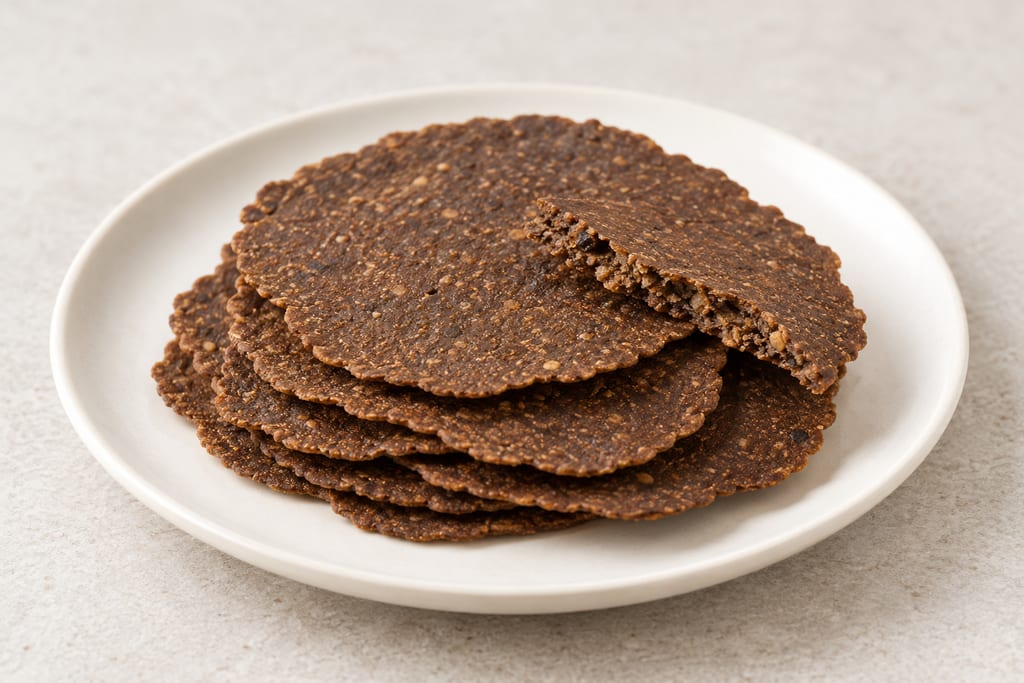
Black soybeans cooked, inoculated with a named Bacillus subtilis culture and fermented warm and humid into northern Thailand's thua nao, then optionally dried into thin discs.
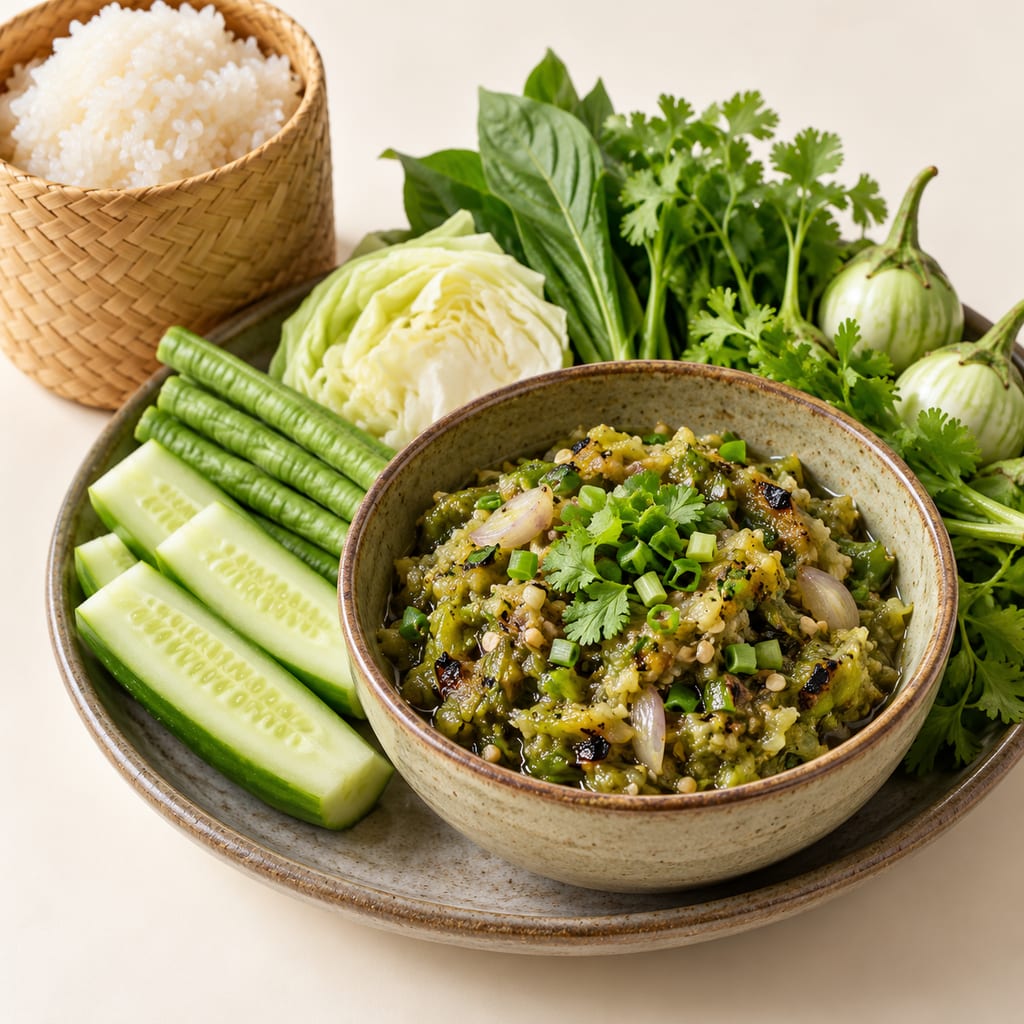
Grilled young green chillies, shallots and garlic are pounded with salt into a coarse northern Thai dip, finished with coriander and spring onion and eaten with sticky rice and vegetables.

Soybeans boiled soft and fermented in a leaf-lined basket by the hearth, then in many Naga households pounded, wrapped in leaves and fermented again into a dark, pungent seasoning paste.
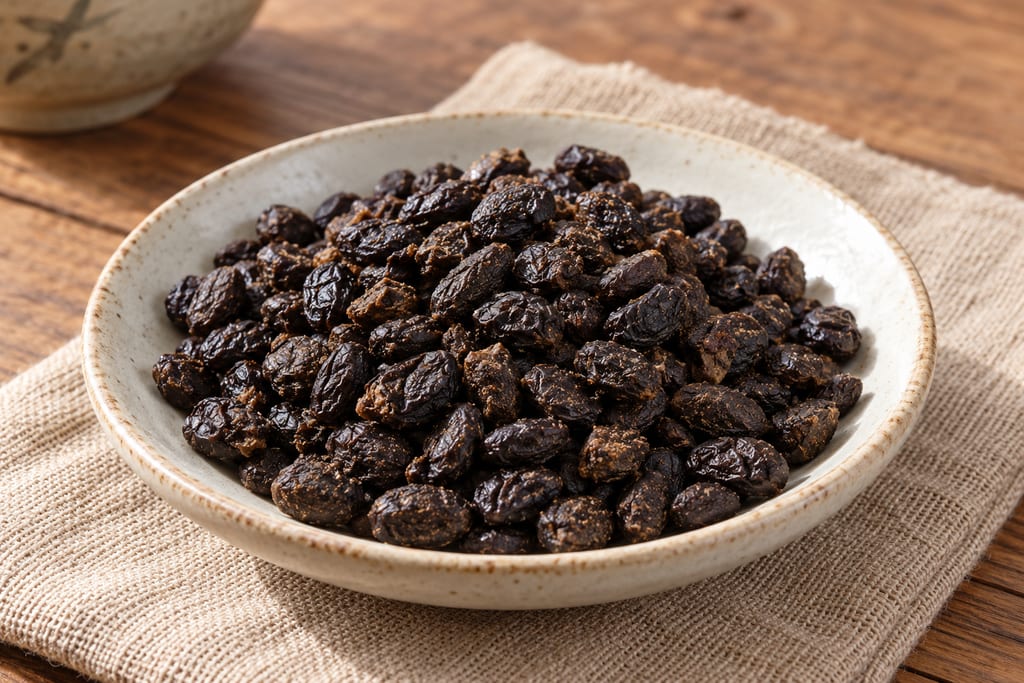
A Chinese fermented soybean condiment in which Bacillus-led bacteria, not moulds, drive the fermentation. Documented in Zunyi, Guizhou, and kept separate from mould-led douchi.
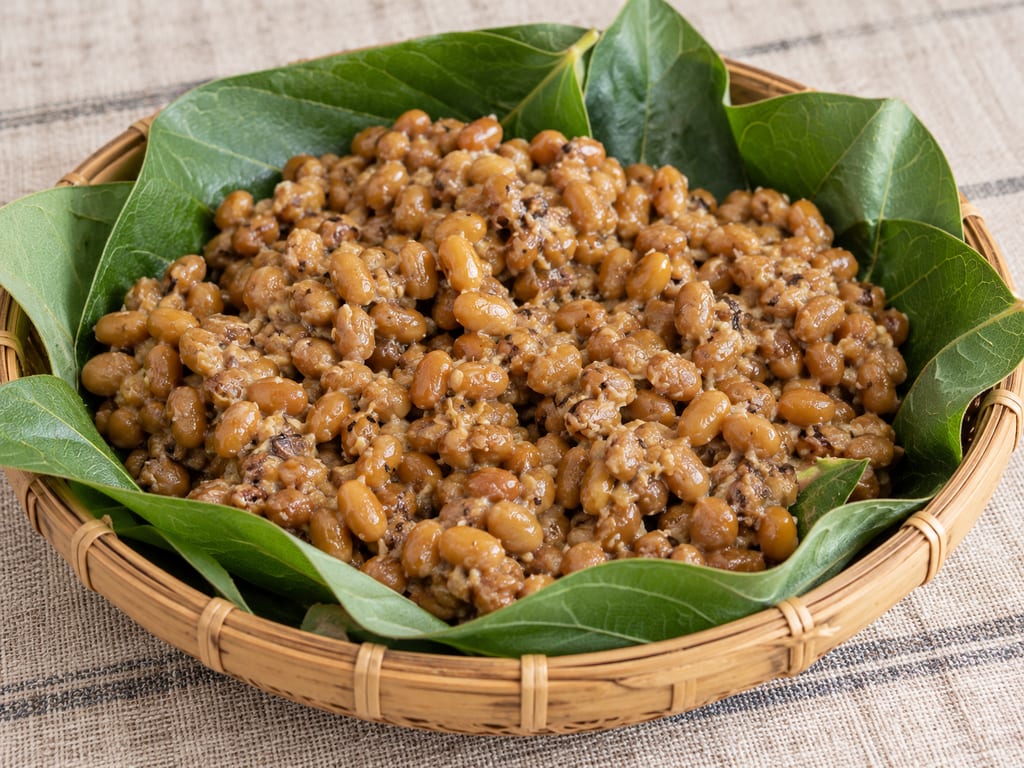
A Mizo alkaline soybean ferment made by holding cooked beans in leaf-lined containers, sometimes with wood ash, until they turn sticky, soft and pungent; eaten fresh or used as a seasoning.
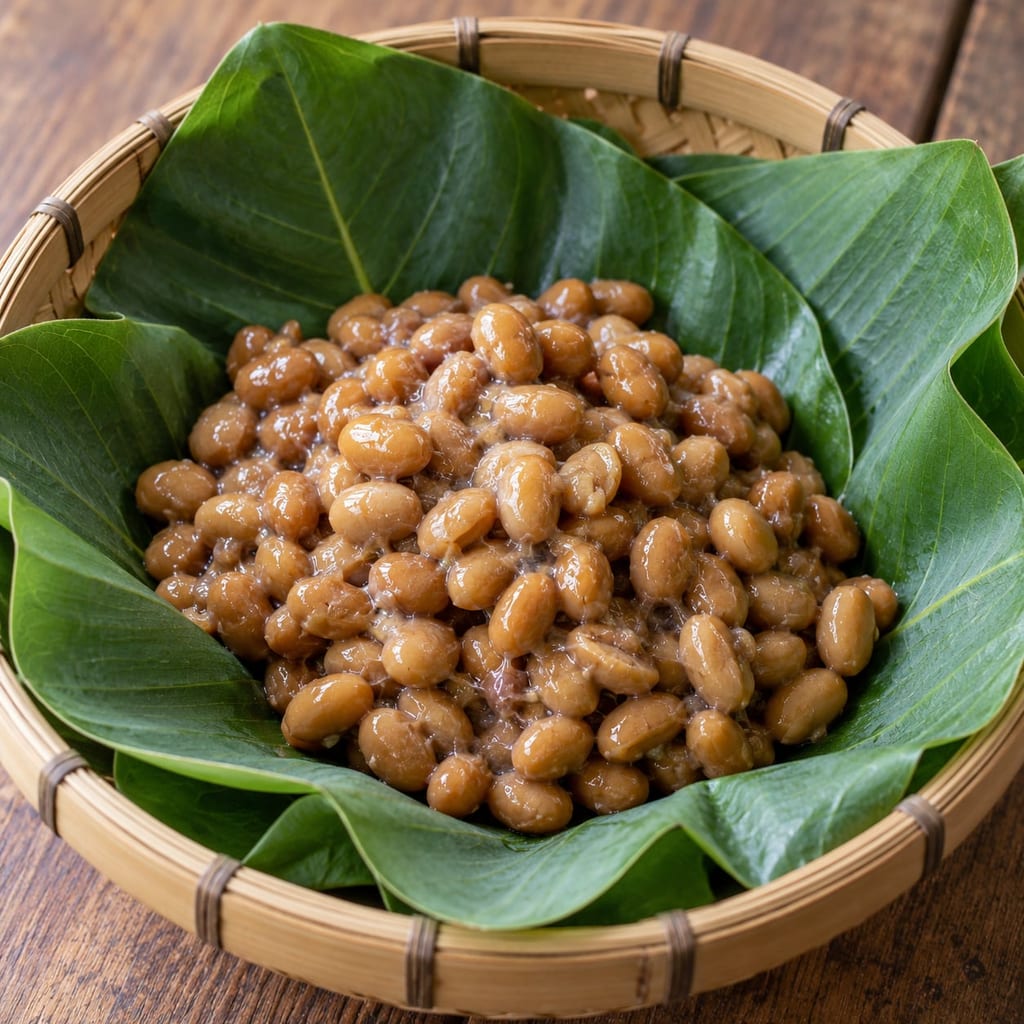
A sticky fermented soybean food of Manipur, made by packing cooked soybeans in leaf-lined bamboo baskets and keeping them warm, related to but distinct from Bekang and Akhone.
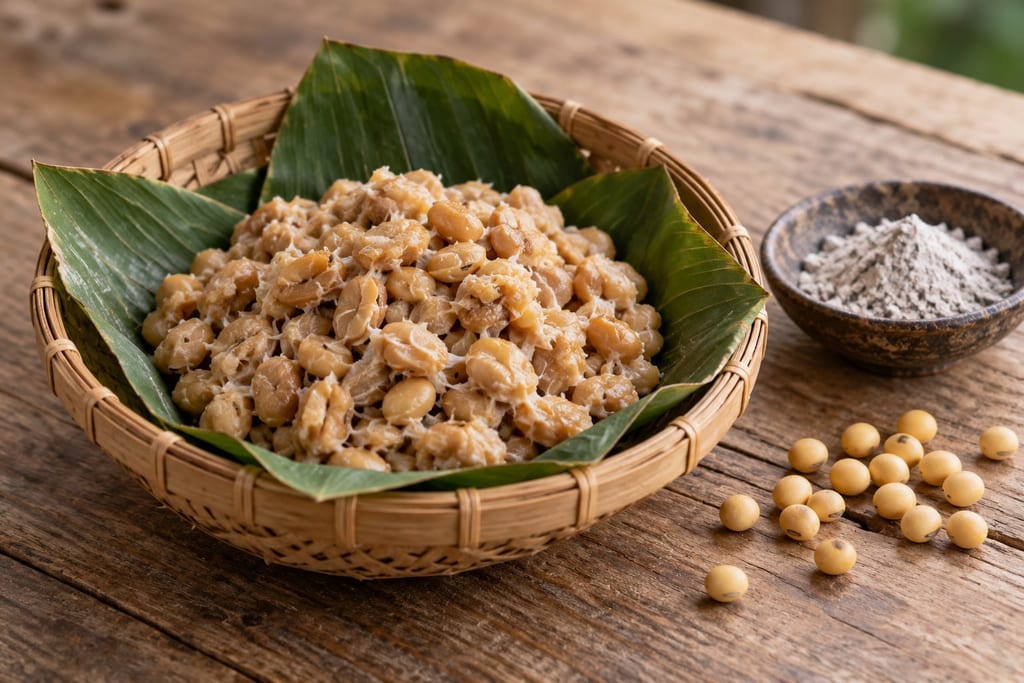
A sticky fermented soybean food of the eastern Himalaya, made here with a measured addition of firewood ash as an alkaline aid to the bacteria that drive it.
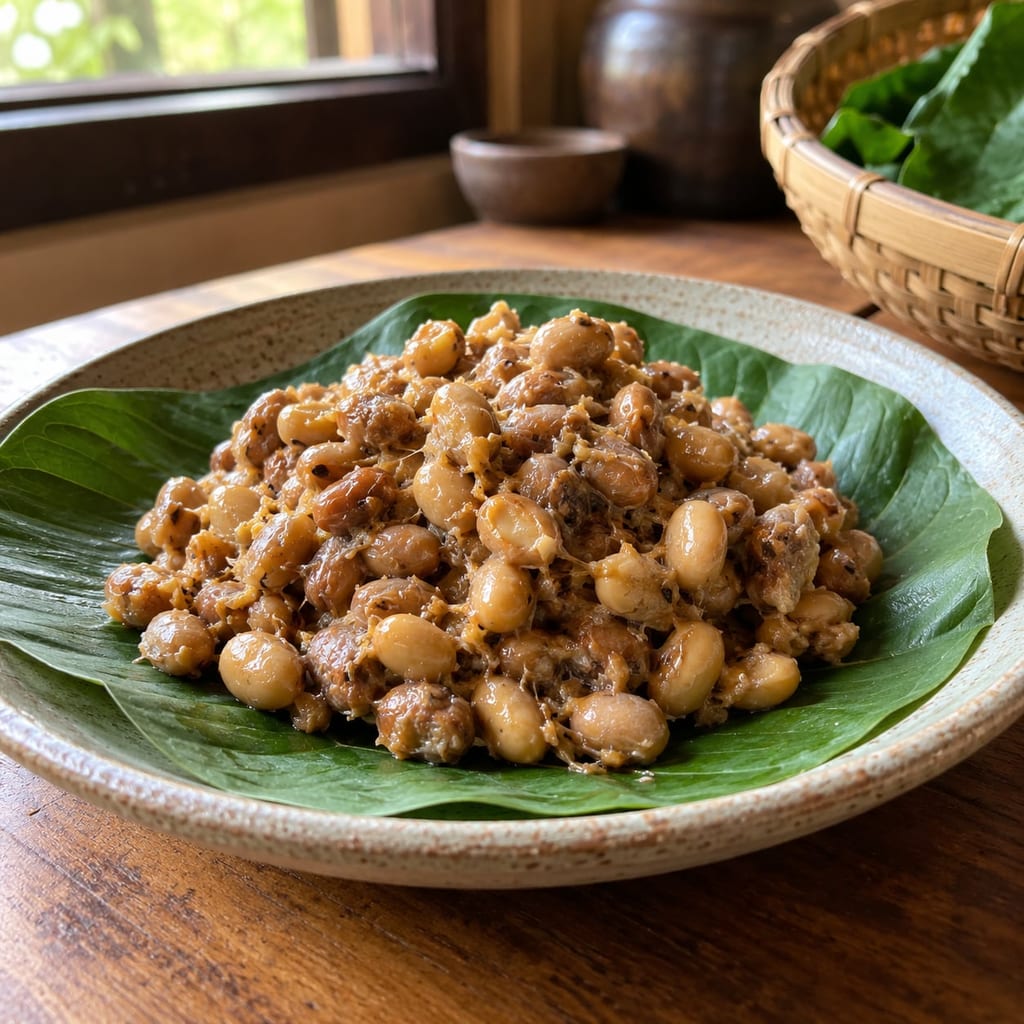
A home kinema made from overnight-soaked white soybeans, cooked, drained hot, wrapped in cloth and insulated to ferment for about a week.
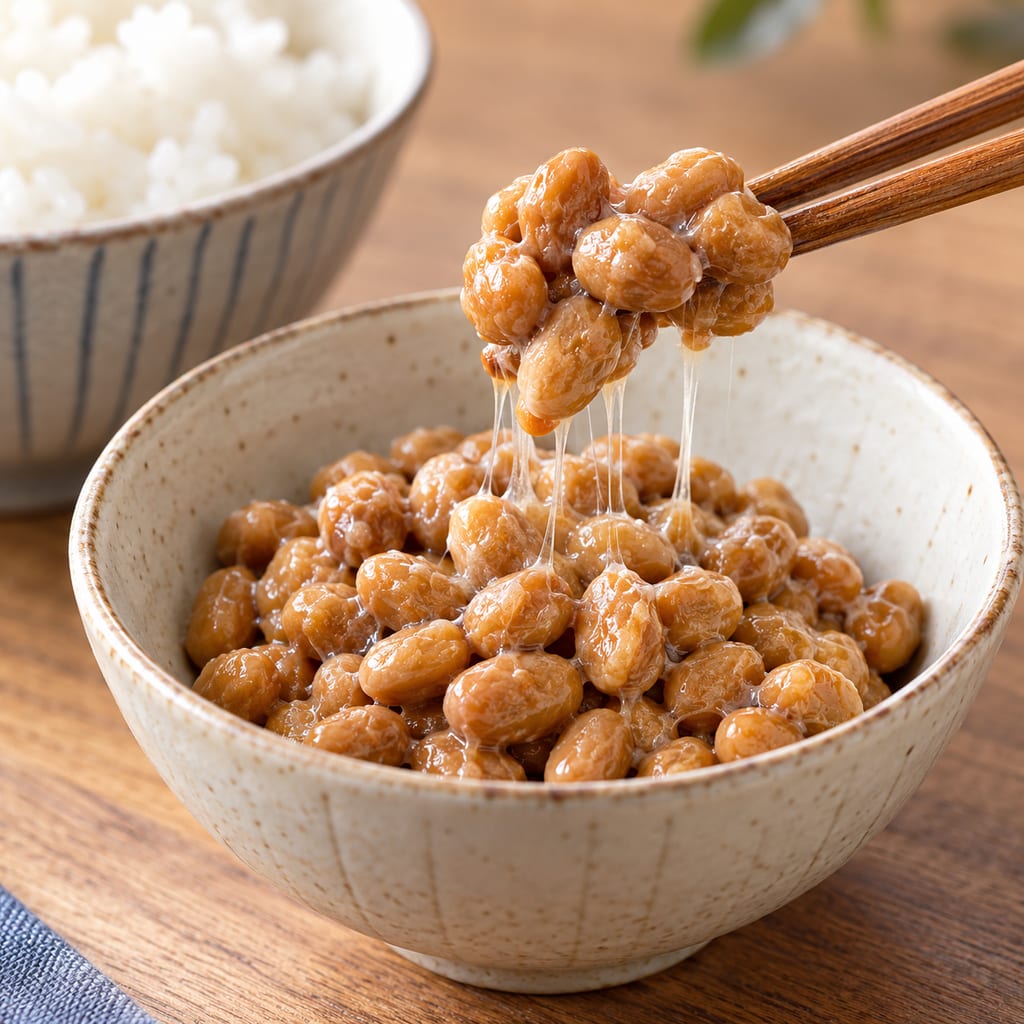
Natto is a Japanese fermented soybean food with a sticky coat and long strings, made by steaming soybeans and inoculating them with a natto Bacillus starter, then keeping them warm.
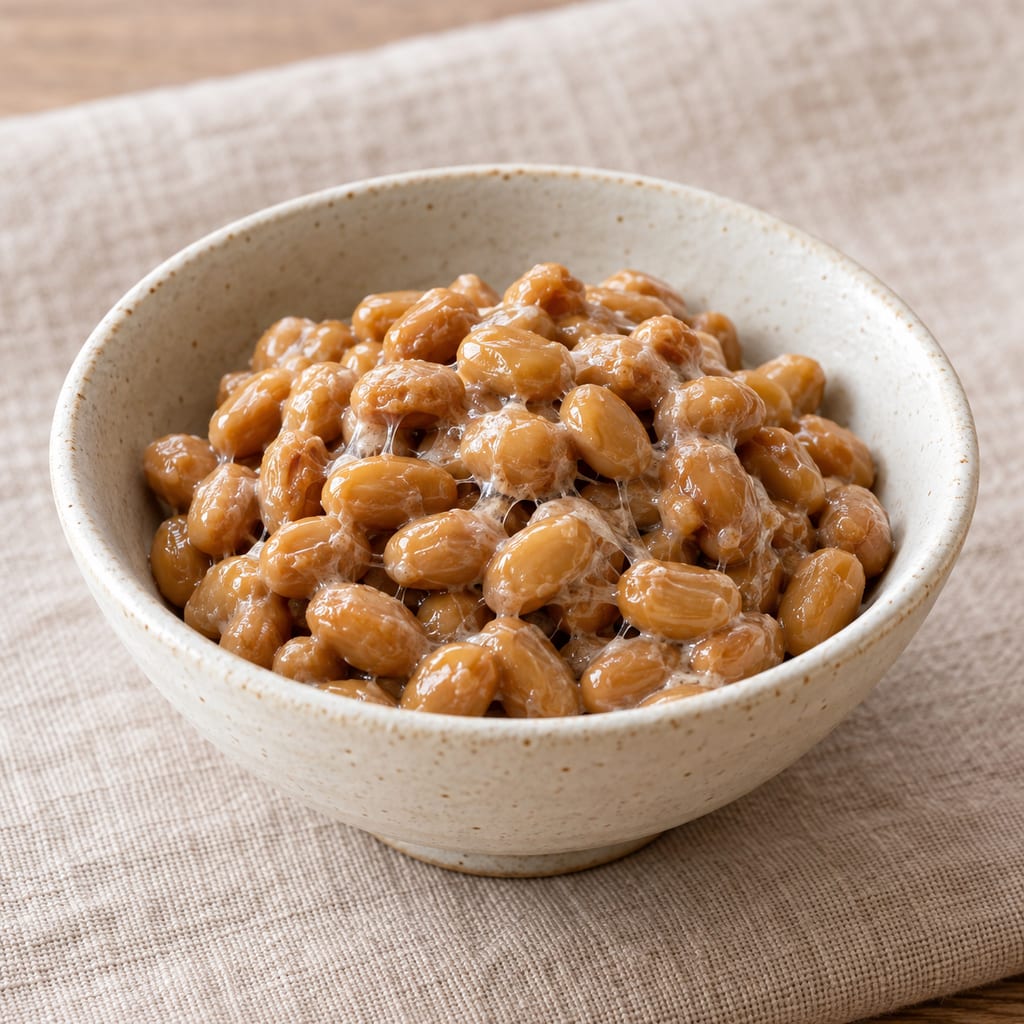
Steamed soybeans fermented by a named strain of Bacillus subtilis into Japan’s sticky, strongly savoury whole-bean food, bound by the thread-forming polymer the bacteria secrete.
No community contributions have been published for this entry yet.
Sign in to contribute. Published comments and photos are free to read.
PubMedMethod · History
Thua nao fermented soybean studyBacterial fermentation of cooked soybeans followed, in dry form, by shaping and drying into cakes
Distinct from natto-like moist foods and mould-assisted soy pastes
Cited in: A dried soybean cake