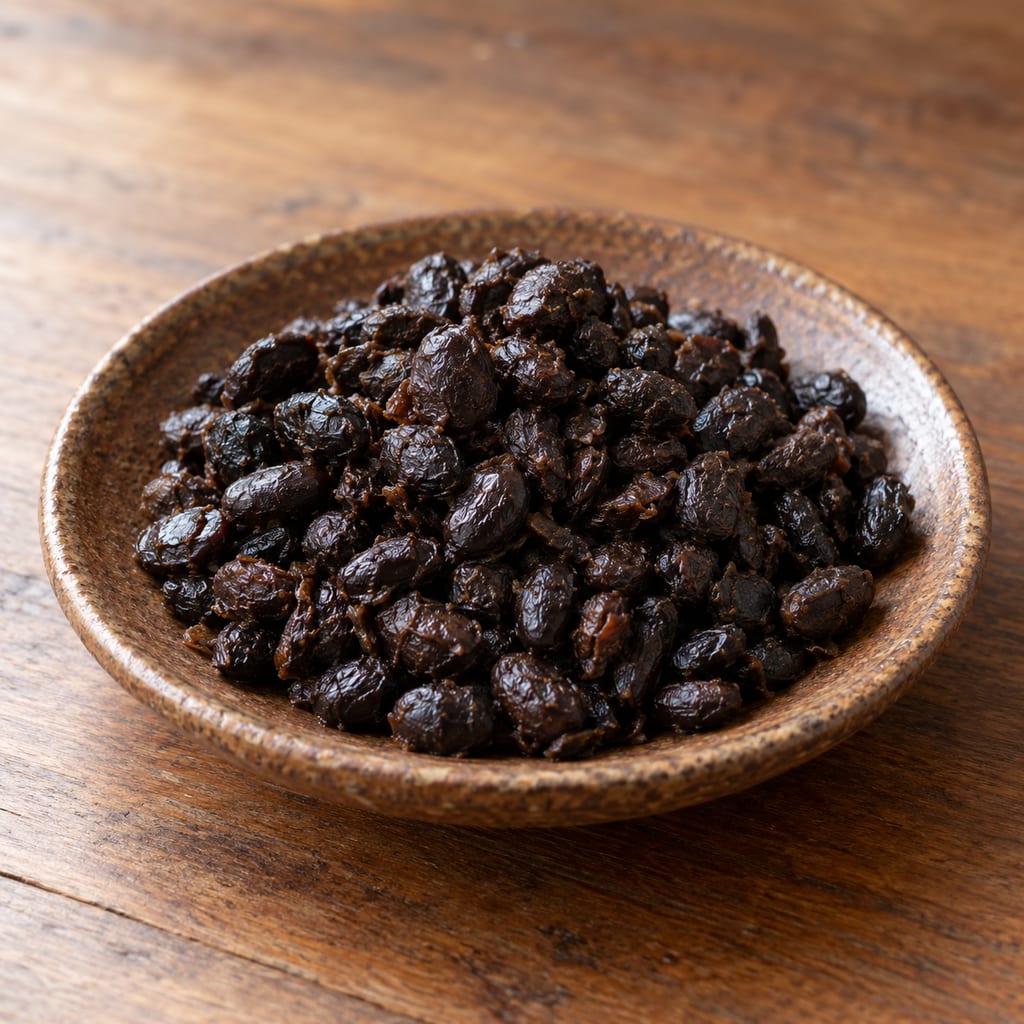
Mucor-type douchi
A Chinese fermented soybean condiment from Chongqing and Sichuan, made by growing Mucor-type mould on cooked beans, then salting and maturing them into dark, savoury, soft beans with a concentrated aroma.
 FermenteaWhere food goes to change
A Chinese fermented soybean condiment in which Bacillus-led bacteria, not moulds, drive the fermentation. Documented in Zunyi, Guizhou, and kept separate from mould-led douchi.
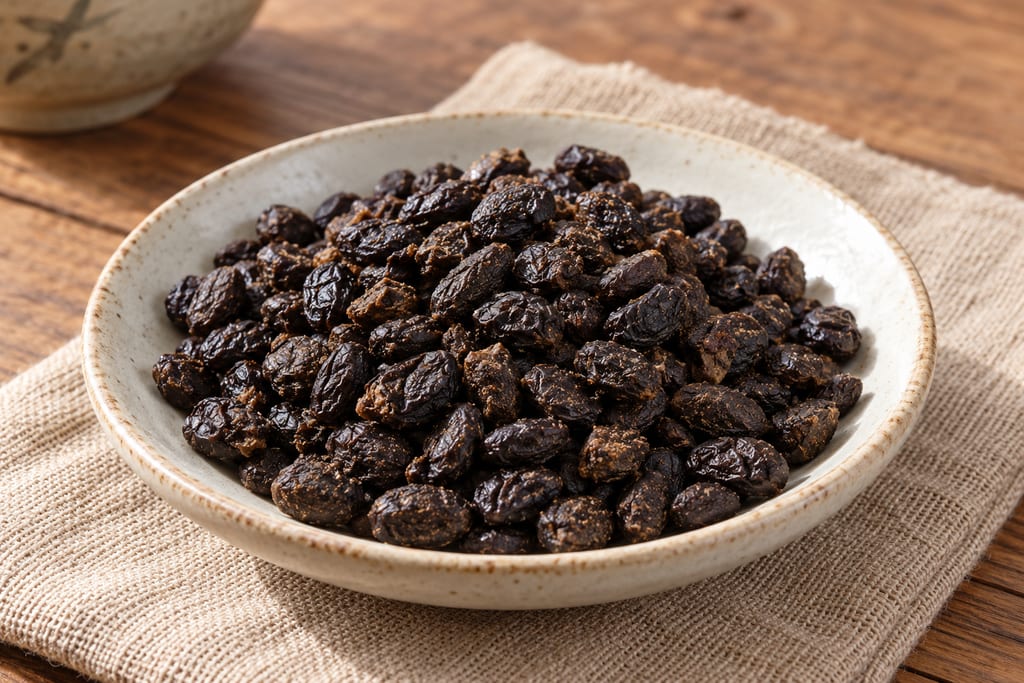
Bacterial-type douchi is a Chinese fermented soybean condiment in which bacteria lead the fermentation. Douchi is a salty, savoury black or brown soybean product, and the bacterial-type route is set apart from the mould-led products by the organisms that do the work. In the sources reviewed here, the bacterial route is described by its microbes rather than by one species or one product code.
"Bacterial-type" is a source category, not one species and not a guarantee that every product is alkaline. The 2022 Zunyi study describes a naturally fermented dried douchi in which Bacillus is the major bacterial group and Lactobacillus is also present. A 2026 study isolated its own Bacillus velezensis strain from a bacterial-type douchi and tested a controlled process with it. Neither study identifies every bacterial-type product, and neither validates a method for home use.
Dried douchi and bacterial-type douchi are not the same thing. A 2021 study of naturally fermented Enshi samples found Bacillus associated with its dried group, but it did not label those samples bacterial-type. Keep the terms apart when reading the research.
The sources reviewed here do not establish an earliest attestation, a transmission history or a local name for this category. The documented locations are sample and research sites. The 2022 Zunyi study samples a naturally fermented dried product from Zunyi in Guizhou. The 2026 A1 study bought commercial bacterial-type douchi from a Guizhou company and used research affiliations in Guizhou. The 2021 Enshi study sampled naturally fermented dried and wet products without added starter.
None of these sources gives a calendar of production seasons, a community tradition or a date of first production for bacterial-type douchi. A sample location is not a birthplace, and the product is not limited to the places where it was sampled.
The 2022 Zunyi study reports a Bacillus-majority bacterial community with a smaller Lactobacillus contribution in its sampled dried product. It reports amino acids, free fatty acids and volatile compounds in that sample, and acids made up the largest share of its major aroma compounds. These are the study's sample results, not a universal flavour profile.
The 2026 study recovered bacteria from a purchased bacterial-type douchi and screened them for protease activity and biogenic amines. The selected A1 isolate was identified as B. velezensis, and A2 and A3 as B. glycinifermentans and B. subtilis. A1 is the study's laboratory label; the paper gives no culture-collection accession and no match to a retail starter. Its interpretation that competition from the selected strain limits amine-forming microbes is a proposed explanation, not a demonstrated general mechanism.
The 2021 Enshi comparison sampled 21 dried and 19 wet naturally fermented products made without starter. It found different bacterial communities in the two groups and reported Bacillus as a biomarker for the dried group.
The 2026 paper documents a laboratory method and a separate factory validation. The laboratory method steams the soybeans at 121 °C for 38 minutes, inoculates them with about 1 mL of a 10^8 CFU/mL A1 suspension per 100 g of beans, and ferments at 37 °C for 3 days. Its optimized design selected an inoculum factor of 8 %, 37 °C and 3 days for the studied batch. The cited passage does not define the basis of the 8 % figure.
The factory validation used a 100-fold scale. The soybeans were autoclaved for 40 minutes at 121 °C and moved into a UV-sterilized fermentation room. The A1 inoculum was applied to bamboo trays and fermented at 37 °C for 3 days. The fermented beans were then rinsed, mixed with seasonings, canned and sealed for post-fermentation maturation, whose duration and consumer endpoint the passage does not specify.
These are research and factory details for one study. They are not a household method, and the two procedures are not combined here into one recipe. No household starter product, propagation instruction or home adaptation is proposed.
The 2026 paper describes douchi as a soybean-fermented condiment with a characteristic bean flavour. The inspected sources do not name particular dishes, serving amounts or regional customs of use for the bacterial-type product.
The 2026 study monitored biogenic amines, amino-acid nitrogen, total acid, pH, reducing sugars, protease activity and water content. It screened its strains with laboratory tests and reported a hygiene evaluation under a Guizhou standard. That standard was not inspected for this record, and the study's steps do not validate a home process or the safety of other products.
The 2021 Enshi study predicted higher potentially pathogenic microbial potential in its dried samples than in its wet samples. That prediction does not show that any sample held a pathogen or quantify consumer risk, and it does not describe the Zunyi or A1 batches. No universal salt level, pH, time, temperature, water activity or release threshold is endorsed here.
Storage after opening, retained-starter storage and shelf life are not established for these products. Appearance, smell and taste cannot show that a batch is safe.
The 2022 Zunyi paper was read through its abstract and bibliographic page; its full text was not accessible in the inspected material. The 2026 and 2021 studies were read in full. The sources do not establish the origin, season or community of bacterial-type douchi, and they do not give an exact commercial starter for the category.
Bacterial-type douchi should not be confused with the mould-led Mucor-type and Aspergillus-type douchi, which use different organisms and different processes.
The inspected sources do not establish when bacterial-type douchi was first made, how the practice was passed on, or whether it has a local name. The 2022 Zunyi study describes the naturally fermented dried product as a sampled present-day product. The 2021 Enshi study compared naturally fermented dried and wet douchi made without added starter, but it does not identify either group as bacterial-type. The 2026 study used commercial bacterial-type douchi from a Guizhou company as its source material. These are documented samples and research locations, not proof of origin.
Scaling: source batch only
A 2021 study of naturally fermented Enshi samples predicted higher potentially pathogenic microbial potential in its dried group than in its wet group. This is a community-level prediction, not evidence that each sample contained a pathogen.
Hazard sourceThe 2026 study screened its strains for biogenic-amine formation and reported lower measured biogenic amines for its A1 batch than for its natural-fermentation comparison. That result is for one experimental batch.
Hazard sourceUse an identified isolate with strain screens for protease activity and biogenic-amine formation, as in the 2026 study.
Control sourceSterilize the substrate before inoculation and run the fermentation in a controlled room, as the 2026 study did.
Control sourceThis is not a validated home-fermentation recipe. Do not substitute an unidentified environmental culture for the specified isolate.
The incubation temperature and time are processing settings, not established safety-critical limits.
Appearance, smell and taste cannot show the absence of pathogens or biogenic amines.
Natural microbial detection and a low biogenic-amine result for one experimental batch do not establish that another batch is safe.
Contains soybeans, a recognised allergen.
The supplied catalogue row gives China as the country association.
Sampled naturally fermented dried douchi; not a birthplace.
Sample location of a 2021 comparison; those samples are not identified as bacterial-type.
A Chinese fermented soybean condiment from Chongqing and Sichuan, made by growing Mucor-type mould on cooked beans, then salting and maturing them into dark, savoury, soft beans with a concentrated aroma.
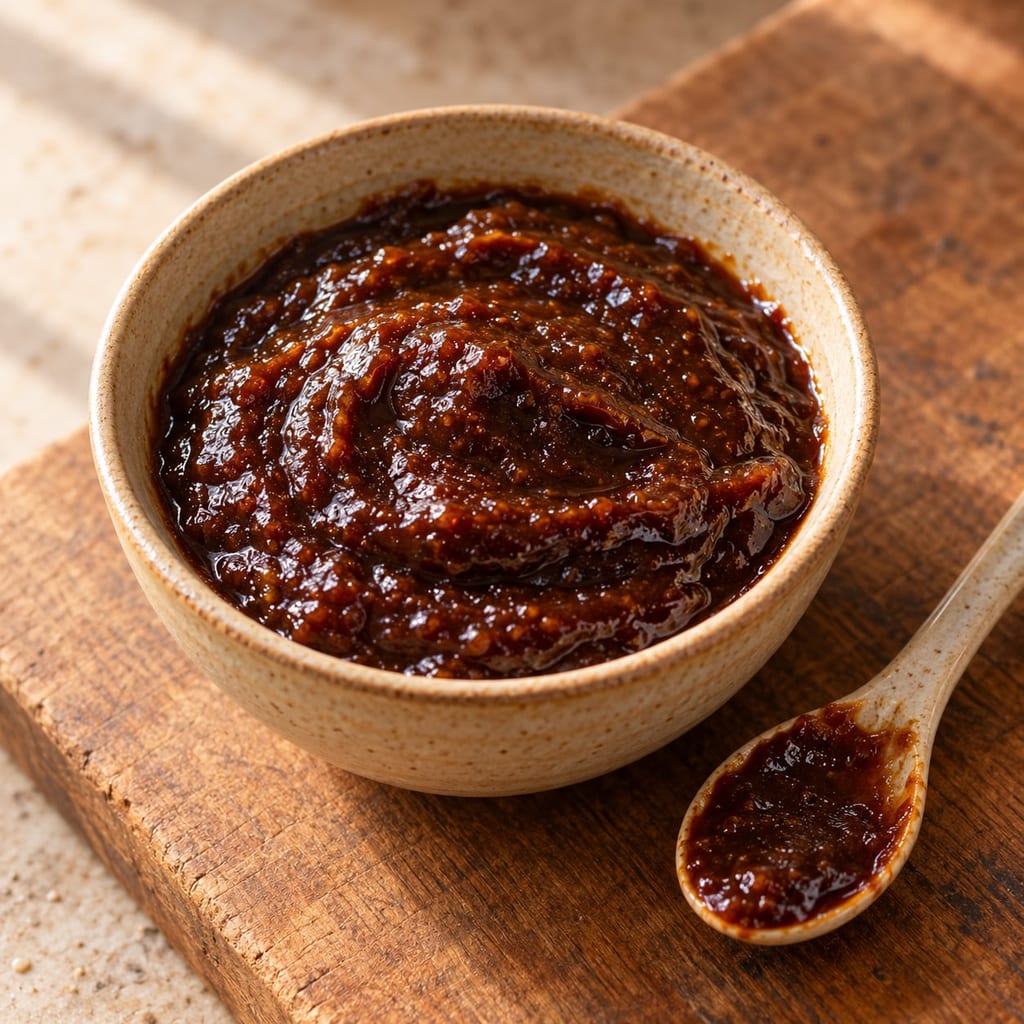
Chu hou is a sweet, savoury Cantonese paste of fermented soybeans, fermented bean curd, garlic, ginger and sesame, used mainly to braise meat.
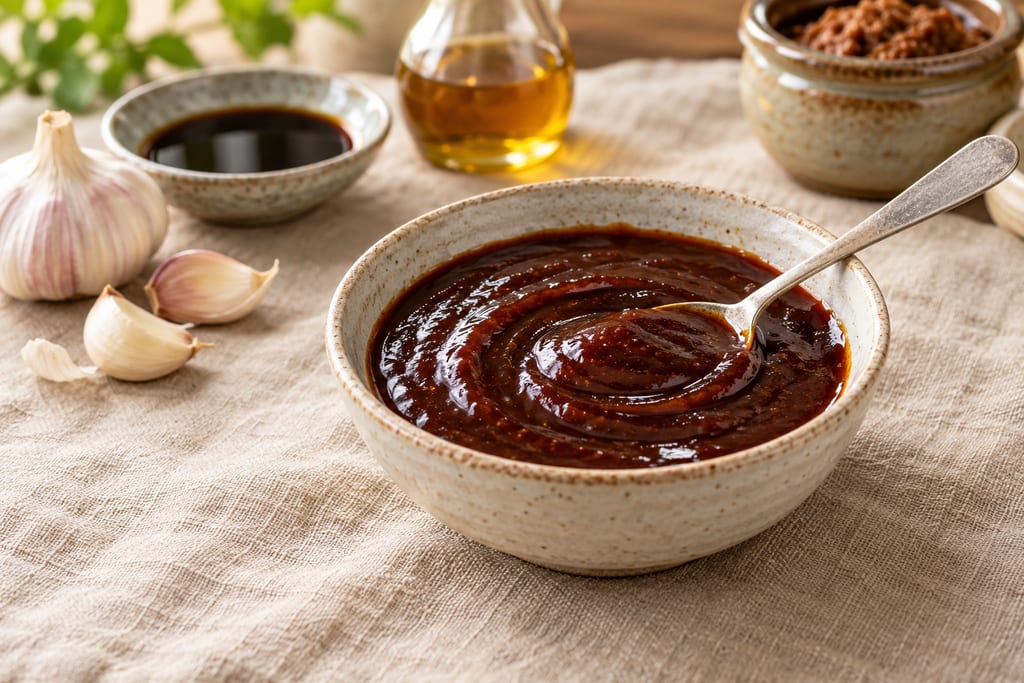
A thick, dark, sweet-salty Chinese condiment built on fermented soybean paste. This page gives one quick home version and records how commercial formulas differ.
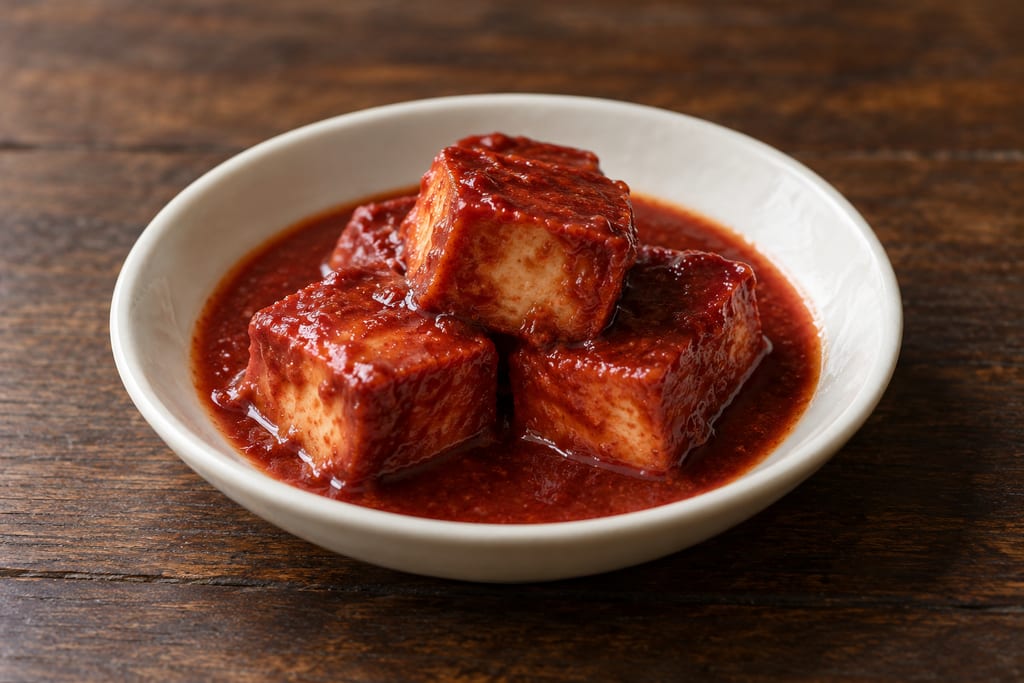
Red sufu is tofu grown with an identified Mucor racemosus mould, salted, seasoned with red pepper and zanthoxylum, then matured under brine for 180 days.
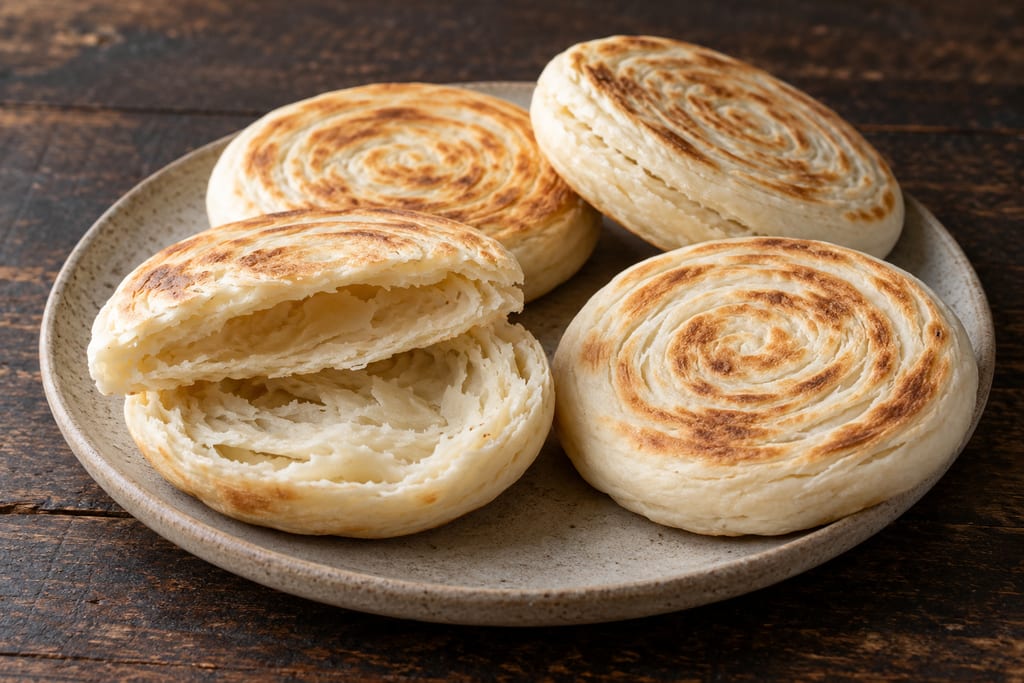
This Shaanxi-associated yeast flatbread uses a simple water dough, coiled shaping and a skillet bake. It is the bread used in roujiamo, not the filled meat dish.
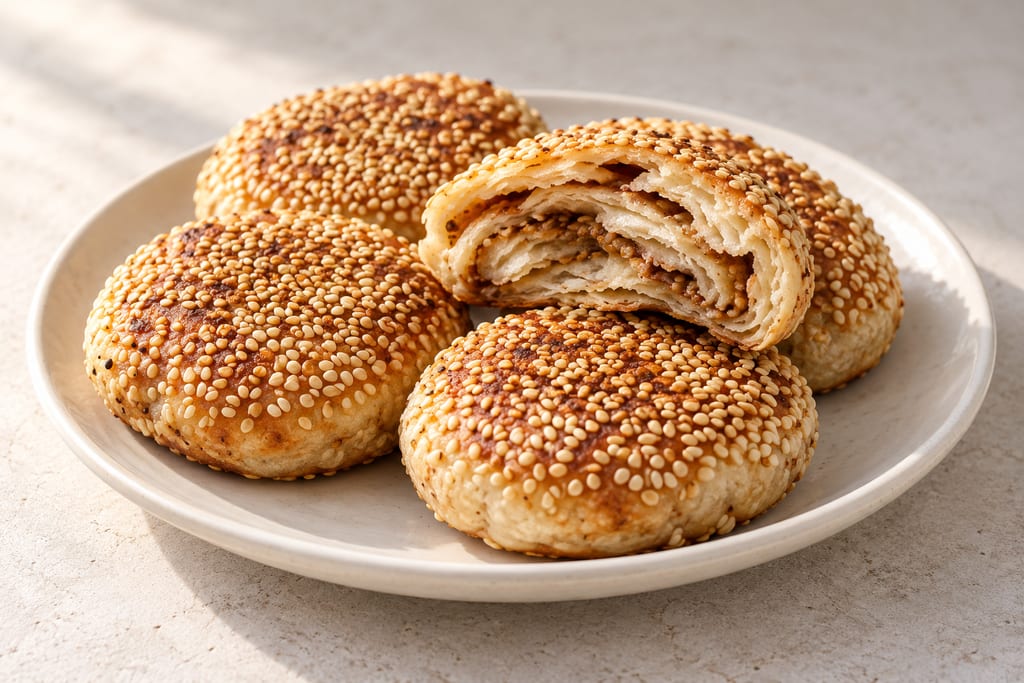
A Beijing-style yeast dough is layered with seasoned sesame paste, sealed into small buns, briefly pan-fried, seeded, and baked.
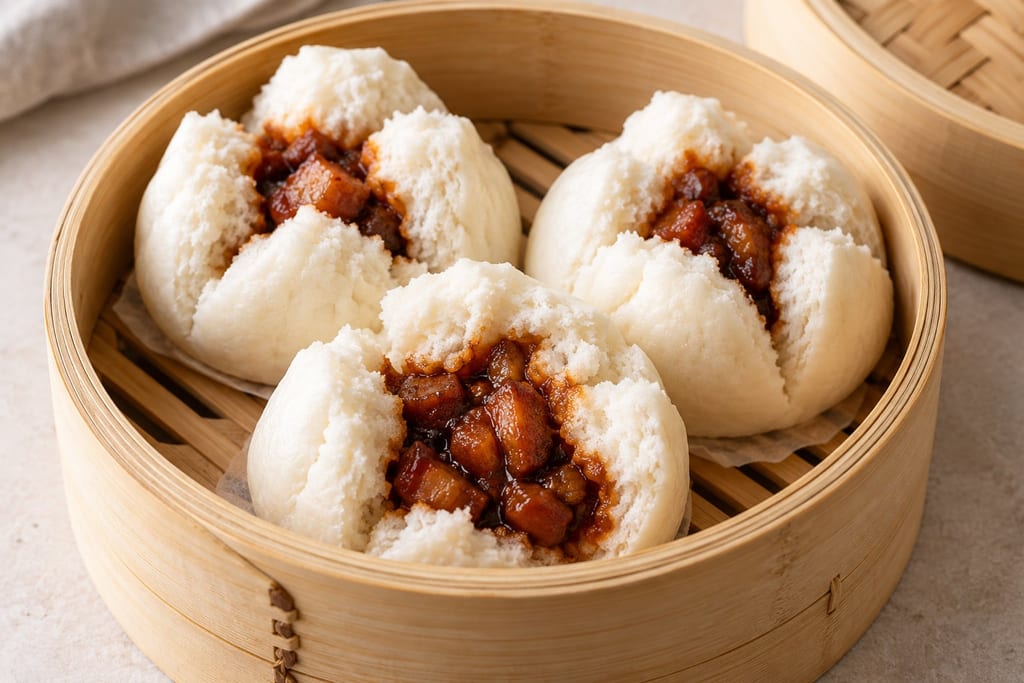
Fourteen fluffy steamed buns filled with cooked char siu and a thickened oyster-soy sauce.
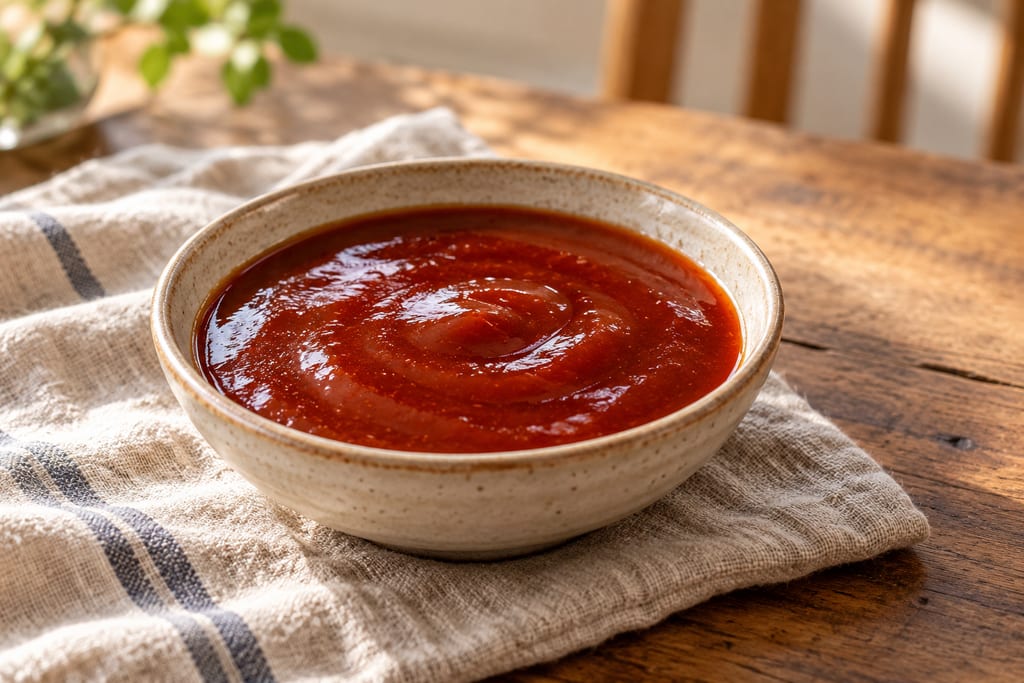
A smooth, tomato-based sweet-and-sour sauce of sugar, vinegar, tomato paste and soy sauce, thickened with starch for dipping or coating; it is not the sauce on Hangzhou's sweet-and-sour ribs.
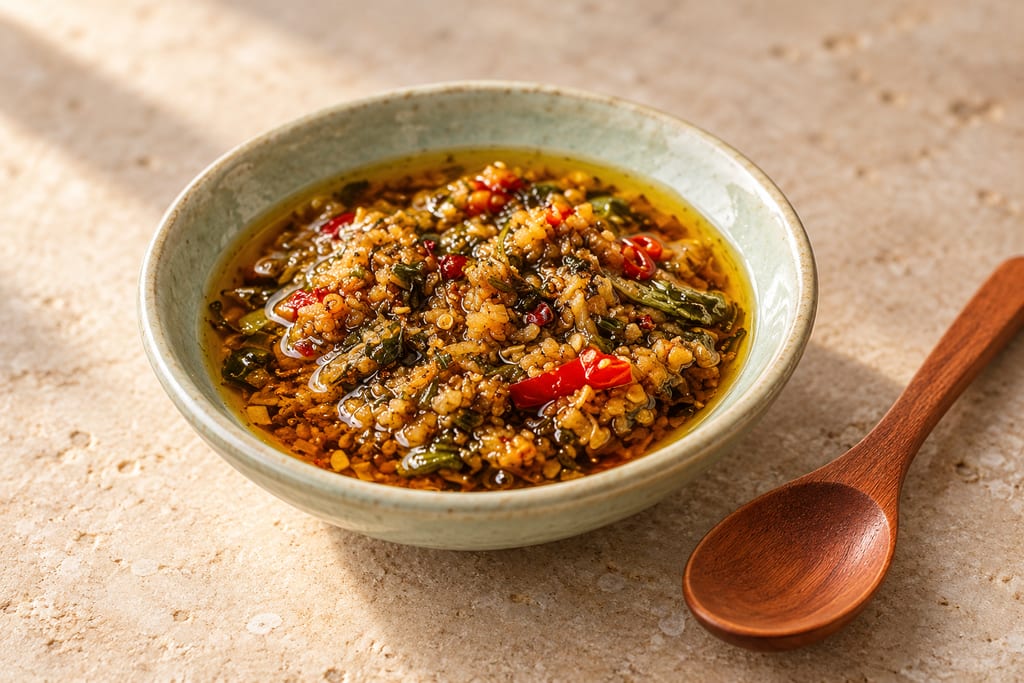
A Cantonese condiment of ginger, garlic, scallion and fresh chilli fried slowly in oil and seasoned with soy sauce, sugar, wine and salt, served over roast meats and poached chicken.

Soybeans boiled soft and fermented in a leaf-lined basket by the hearth, then in many Naga households pounded, wrapped in leaves and fermented again into a dark, pungent seasoning paste.
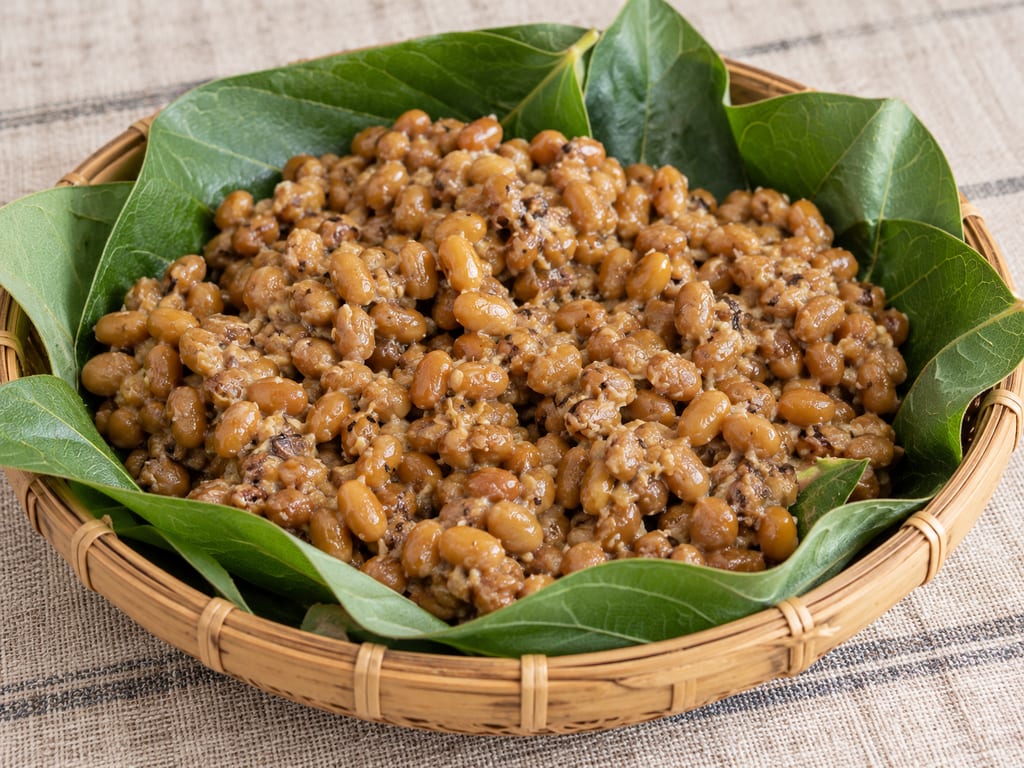
A Mizo alkaline soybean ferment made by holding cooked beans in leaf-lined containers, sometimes with wood ash, until they turn sticky, soft and pungent; eaten fresh or used as a seasoning.
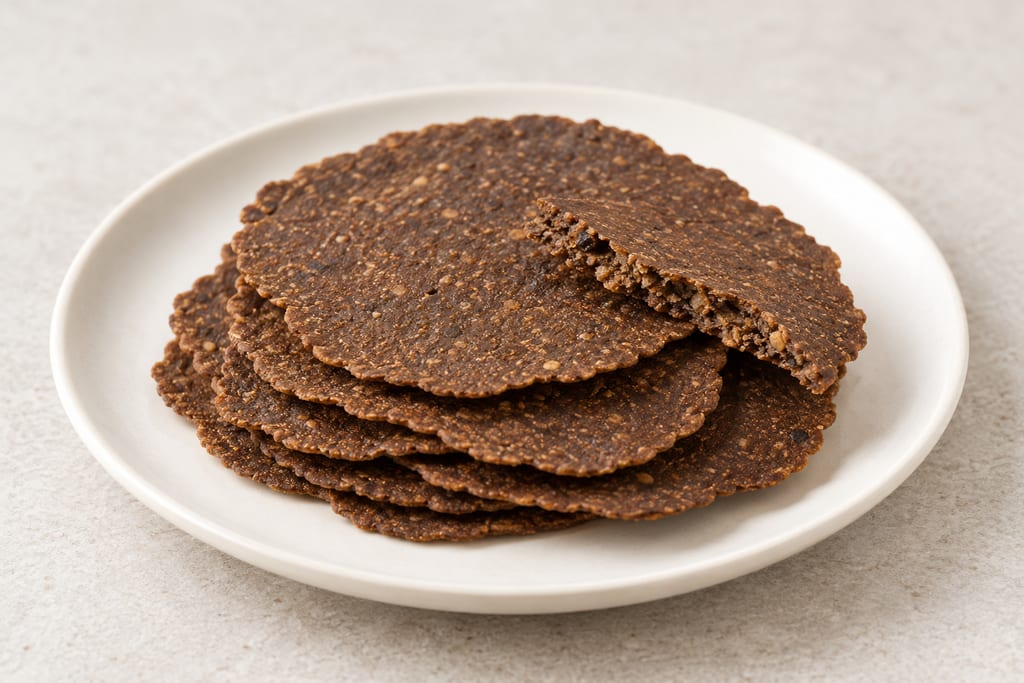
Black soybeans cooked, inoculated with a named Bacillus subtilis culture and fermented warm and humid into northern Thailand's thua nao, then optionally dried into thin discs.
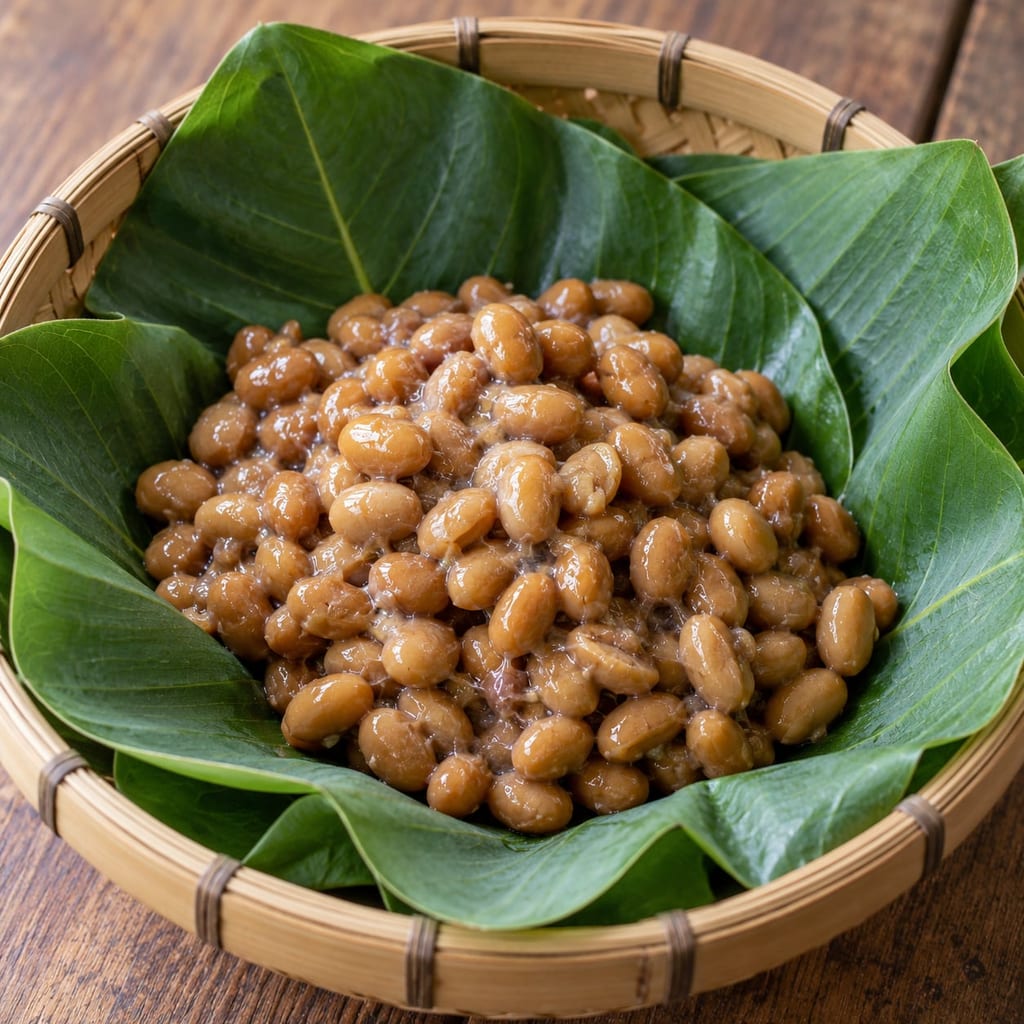
A sticky fermented soybean food of Manipur, made by packing cooked soybeans in leaf-lined bamboo baskets and keeping them warm, related to but distinct from Bekang and Akhone.
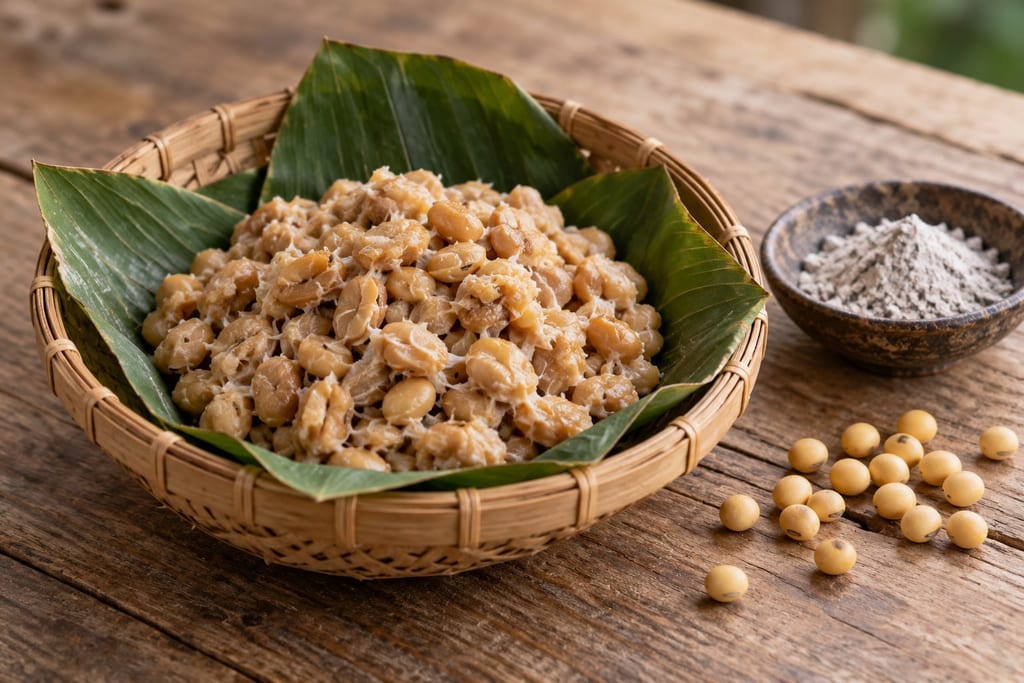
A sticky fermented soybean food of the eastern Himalaya, made here with a measured addition of firewood ash as an alkaline aid to the bacteria that drive it.
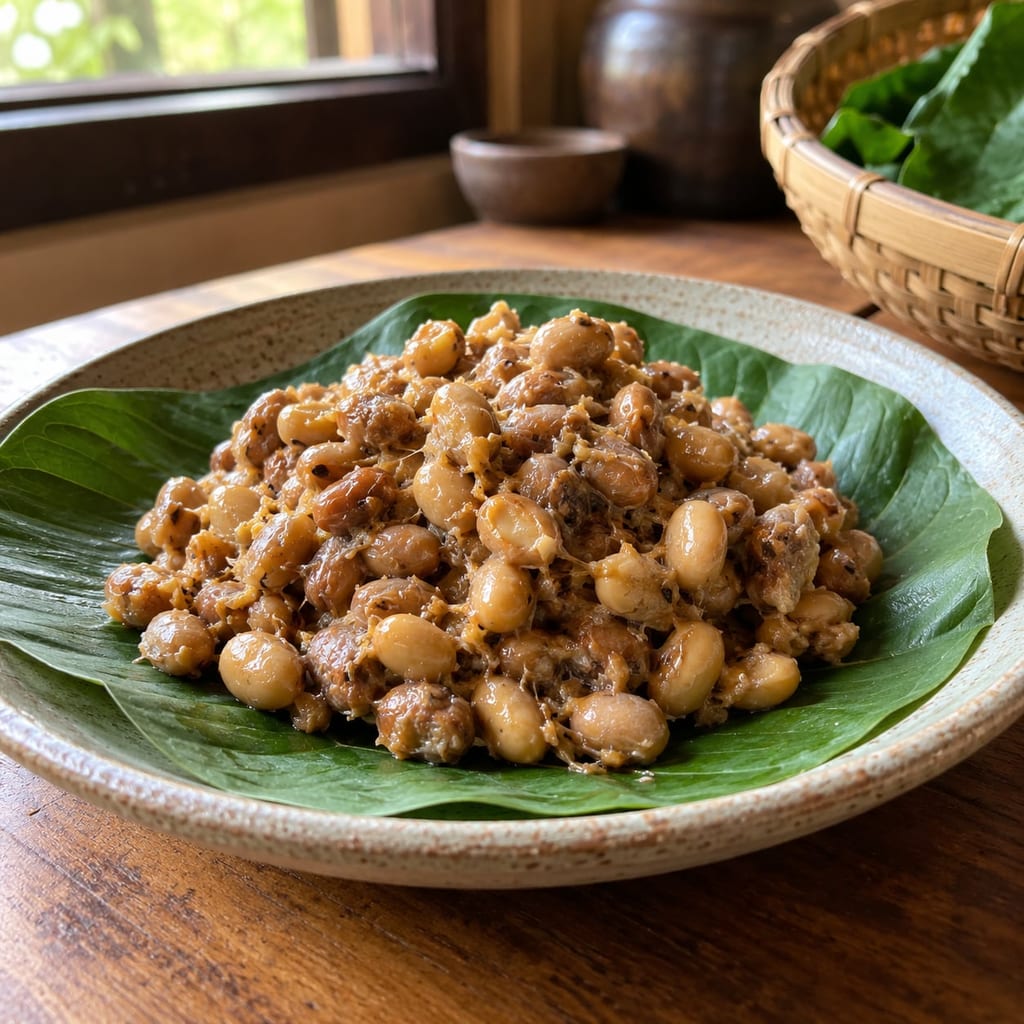
A home kinema made from overnight-soaked white soybeans, cooked, drained hot, wrapped in cloth and insulated to ferment for about a week.
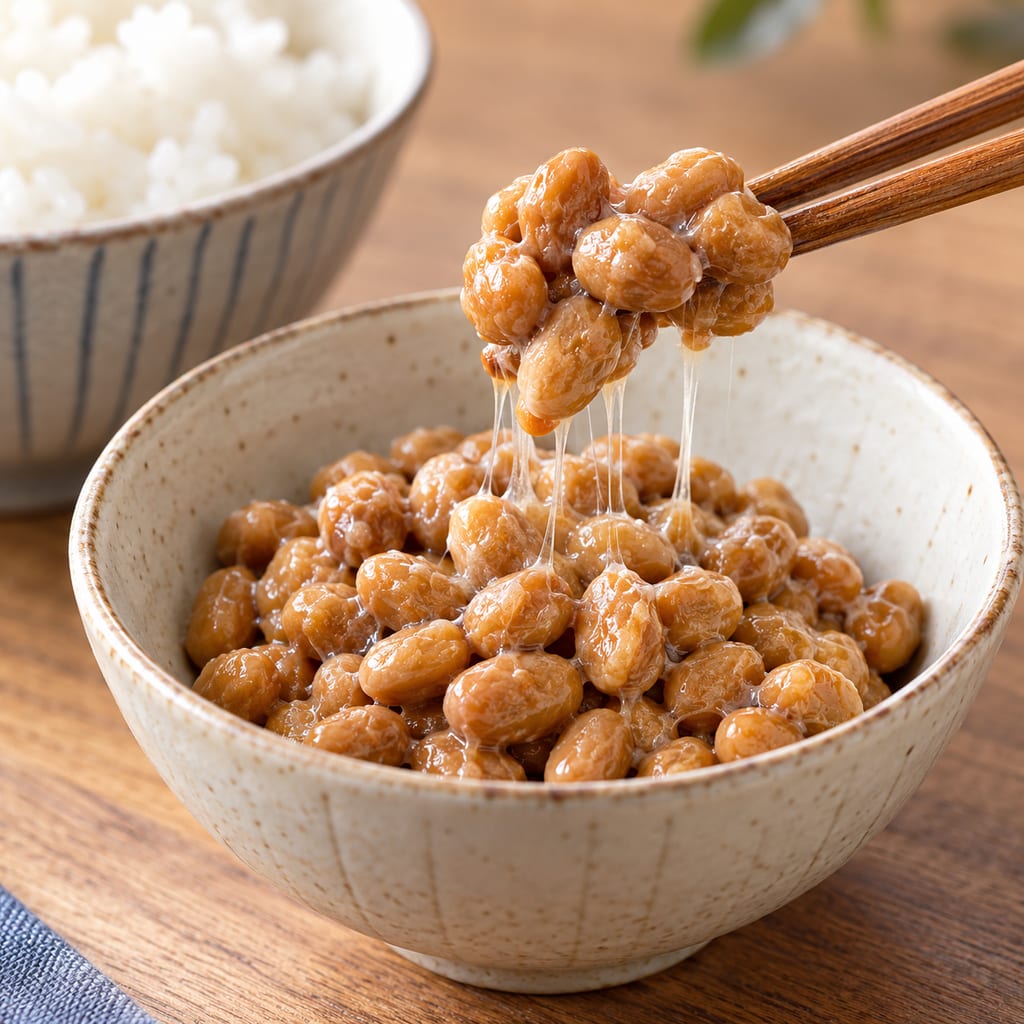
Natto is a Japanese fermented soybean food with a sticky coat and long strings, made by steaming soybeans and inoculating them with a natto Bacillus starter, then keeping them warm.
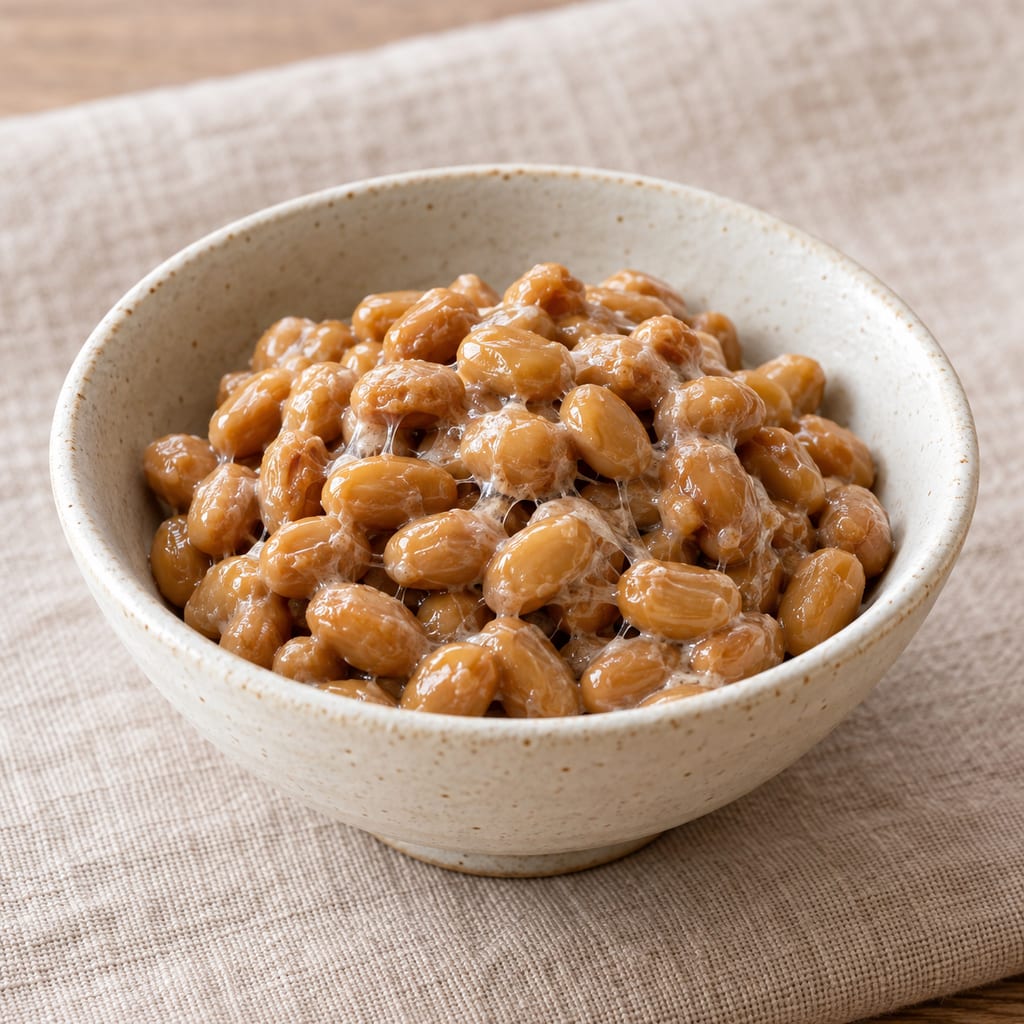
Steamed soybeans fermented by a named strain of Bacillus subtilis into Japan’s sticky, strongly savoury whole-bean food, bound by the thread-forming polymer the bacteria secrete.
No community contributions have been published for this entry yet.
Sign in to contribute. Published comments and photos are free to read.
Food Science, 43(14):158-164; Beijing MagtechHistory · Science · Method
Analysis of Bacterial Flora Structure and Flavor Quality of Bacterial-type Naturally Fermented Dried Douchi Produced in ZunyiThe sampled Zunyi product is described as naturally fermented dried bacterial-type douchi.
Bacillus is the major bacterial group in the sampled product, with a smaller Lactobacillus contribution.
Acids account for the largest reported relative proportion of the major aroma compounds in that sample.
Cited in: Overview; History and region; Microbiology and chemistry; Limits of the evidence
Journal of Food Science, 91(6):e71162; Wiley; full text via PubMed CentralMethod · Science · Safety
Biogenic Amines Control in Bacterial-Type Douchi Using Bacillus velezensis A1: Strain Screening, Process Optimization, and Industrial ValidationStrains were recovered from a purchased bacterial-type douchi sample and identified by 16S rRNA sequencing; A1 is B. velezensis, A2 B. glycinifermentans and A3 B. subtilis.
The optimized laboratory design used an inoculum factor of 6 to 10 %, 35 to 39 °C and 2 to 4 days, selecting 8 %, 37 °C and 3 days for the studied batch.
The factory validation used a 100-fold scale, autoclaving at 121 °C for 40 minutes, bamboo trays at 37 °C for 3 days, then rinsing, seasoning, canning and sealing.
The A1 batch had lower measured biogenic amines than the natural-fermentation comparison.
Cited in: Overview; History and region; Microbiology and chemistry; Preparation in a research batch; Uses; Monitoring and safety; Limits of the evidence
Food Science & Nutrition, 9(7):3460-3469; WileyScience · Safety
Characterization of bacterial community and flavor differences of different types of DouchiA 2021 study sampled 21 dried and 19 wet naturally fermented products made without added starter.
Bacillus was reported as a biomarker for the dried group.
The predictive analysis estimated higher potentially pathogenic microbial potential in the dried samples than in the wet samples.
Cited in: Overview; History and region; Microbiology and chemistry; Monitoring and safety