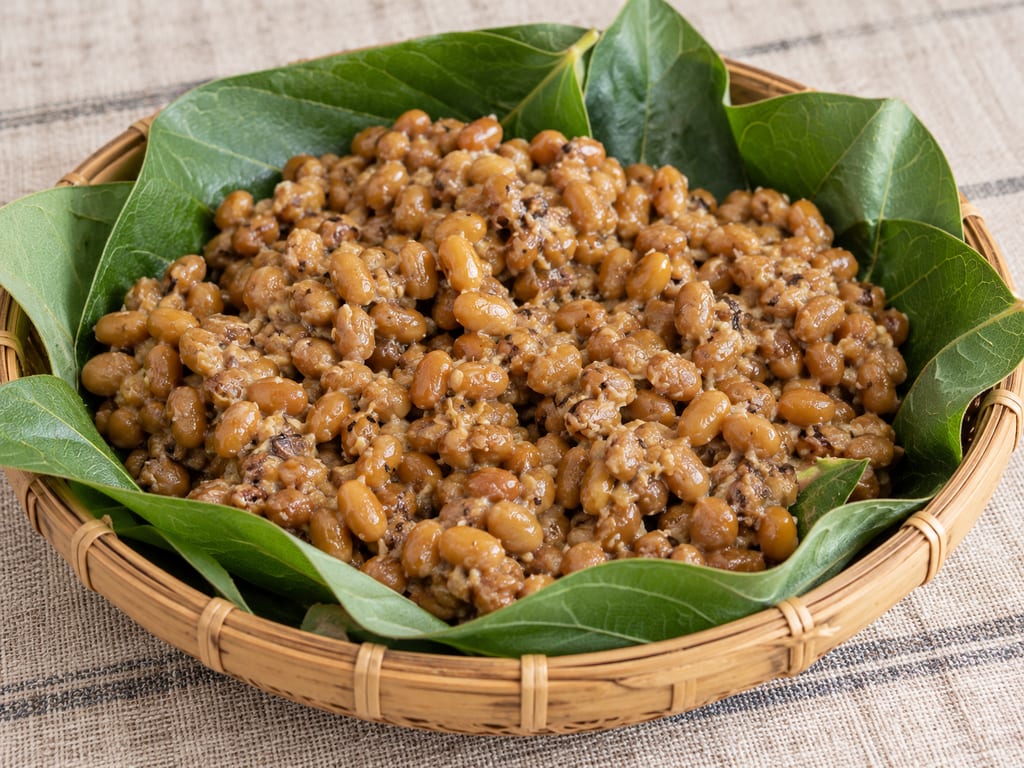
Bekang / Bekang-um
A Mizo alkaline soybean ferment made by holding cooked beans in leaf-lined containers, sometimes with wood ash, until they turn sticky, soft and pungent; eaten fresh or used as a seasoning.
 FermenteaWhere food goes to change
Hawaijar (Manipuri sticky fermented soybean)
A sticky fermented soybean food of Manipur, made by packing cooked soybeans in leaf-lined bamboo baskets and keeping them warm, related to but distinct from Bekang and Akhone.
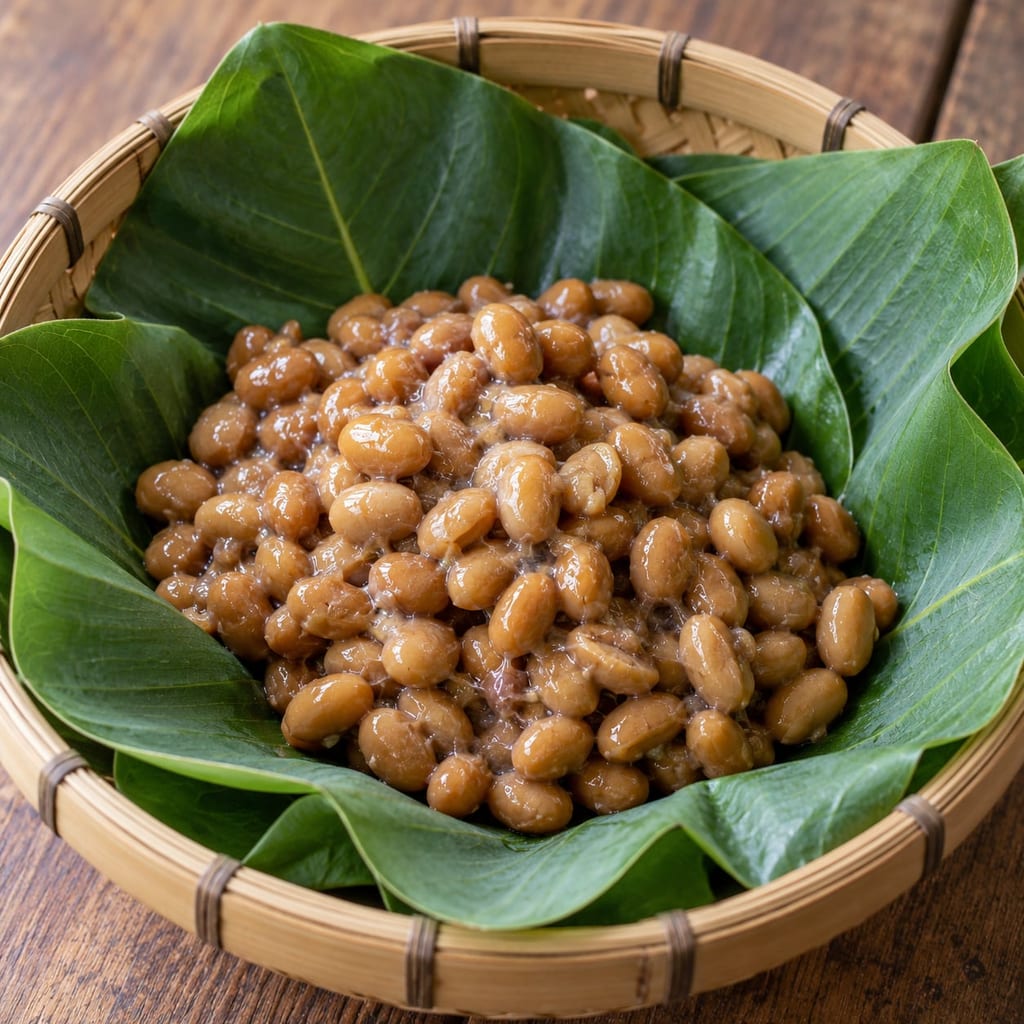
Hawaijar is a sticky fermented soybean food associated with Manipur. Cooked soybeans ferment spontaneously into a viscous product, and the 2015 review notes that no standard commercial starter is specified.
The sources describe Hawaijar as a regular food with several recipe variants. The atlas keeps them separate because the reports differ in packing and detail.
The 2009 account packs cooked medium or small soybeans tightly into a lidded, leaf-lined bamboo basket and keeps it near a stove or insulates it with gunny bags.
The 2015 review describes a looser packing held three to five days, and a separate sun-dried form that is stored for weeks. Neither source gives quantities, temperature or a validated endpoint.
A 2023 comparative study of traditional fermented soybeans from north-east India treats Hawaijar, Bekang and Akhone as separate foods and reports bacterial metabolite profiles for each. The atlas does not treat them as equivalent to Axone, Kinema or natto.
The 2009 Manipur review describes Hawaijar as a continuing practice. The 2015 review describes fresh and sun-dried forms. A 2023 comparative study treats Hawaijar as a Manipur variety distinct from Bekang and Akhone.
Scaling: source batch only
Cooked soybeans held warm for days rely on the sources' descriptions. The sources give no validated limit and no temperature.
Hazard sourceUse the time and the warmth only as the sources describe them. They are not validated limits.
Control sourceNo validated safety limit or storage time is given for Hawaijar. The seven-day figure is a source report, not advice.
Do not treat smell, taste or appearance as proof of safety. Keep Hawaijar apart from Bekang, Akhone, Axone, Kinema and natto, which are separate products.
State-level association in the 2009 Manipur review and the 2015 soybean review. Not an origin claim.
A Mizo alkaline soybean ferment made by holding cooked beans in leaf-lined containers, sometimes with wood ash, until they turn sticky, soft and pungent; eaten fresh or used as a seasoning.
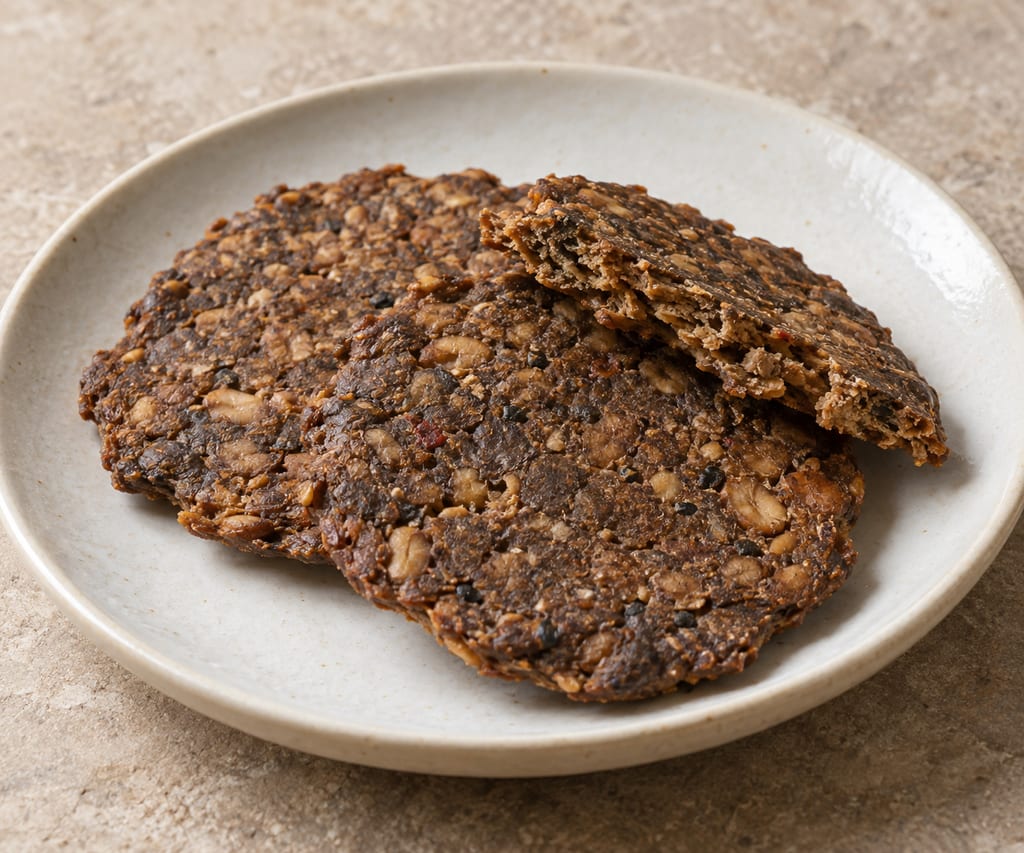
A Myanmar soybean ferment in which cooked beans turn sticky through alkaline bacterial fermentation, then are eaten fresh or seasoned, flattened and sun-dried into savoury wafers.
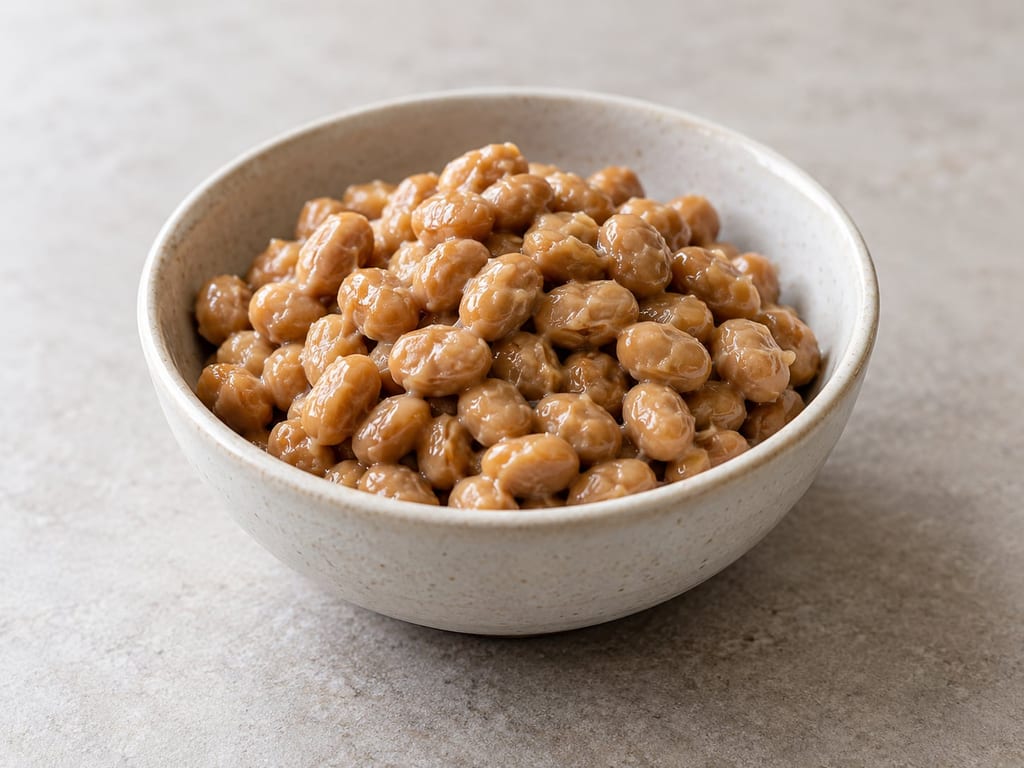
An Apatani fermented soybean food from the Ziro Valley of Arunachal Pradesh: cooked beans are wrapped in ginger leaves and left near the hearth until sticky and savoury, then eaten with rice or as a chilli-seasoned chutney.
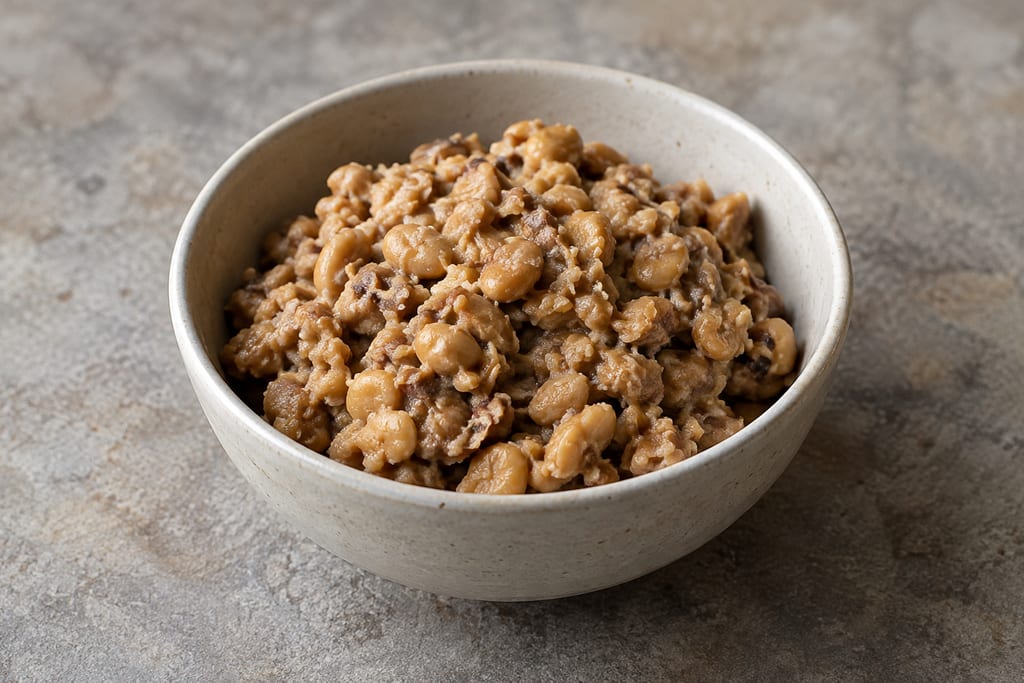
A Khasi and Jaintia fermented soybean food from Meghalaya: cooked beans ferment naturally in leaf-lined baskets above a fire, giving a sticky, pungent, savoury mass.
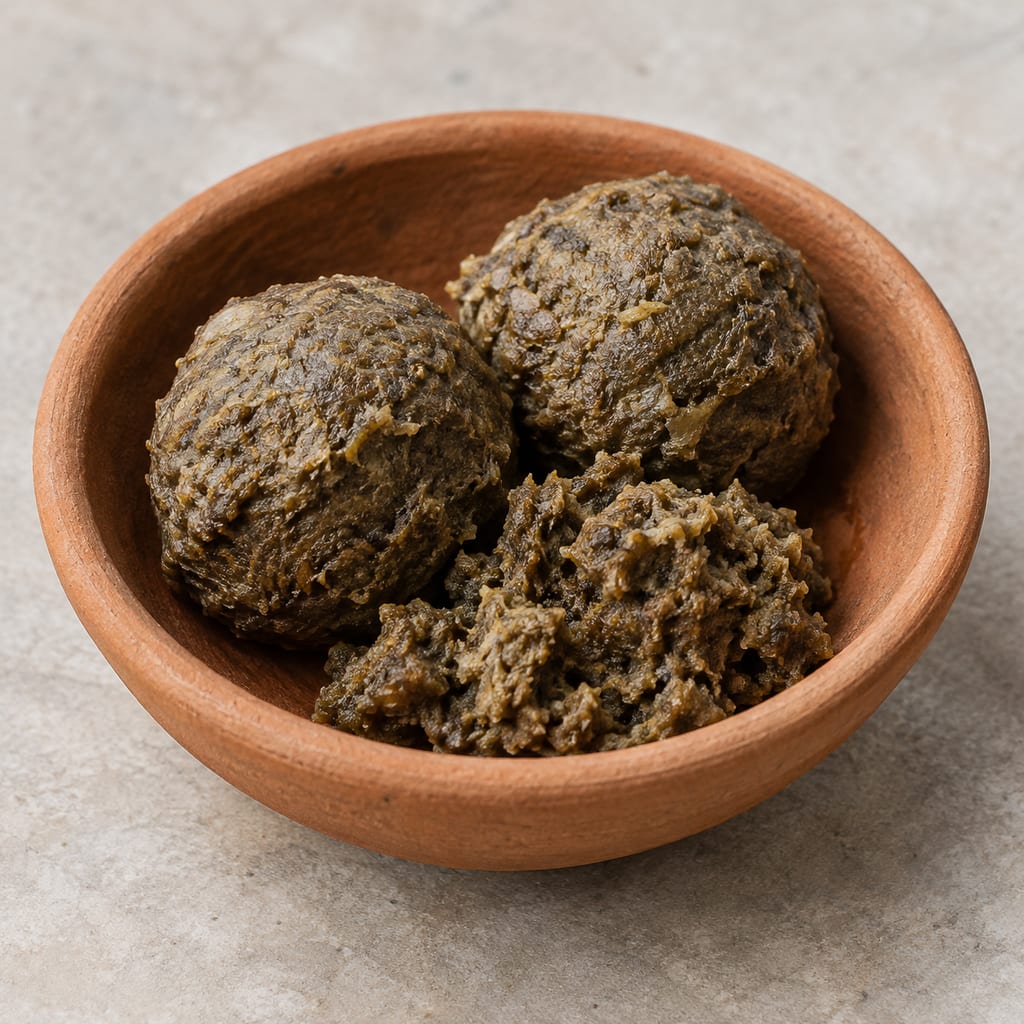
Manipuri fermented fish-and-aroid paste, formed into balls or kept in an earthen pot, used to season Manipuri dishes. Its method is documented in outline only.
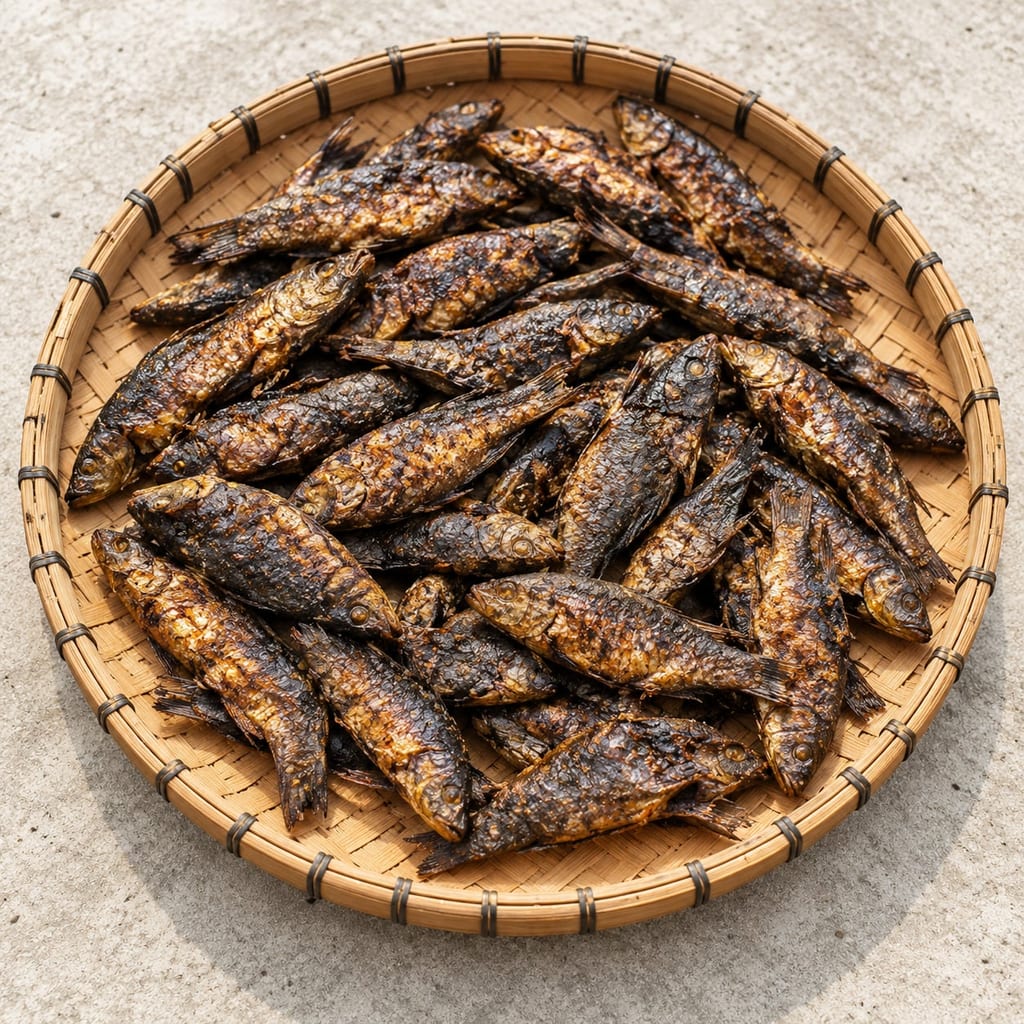
Leirou is fish smoked in a prepared kiln or room by processors around Loktak Lake in Manipur, India, a method the local survey keeps apart from open-flame ngaphak.
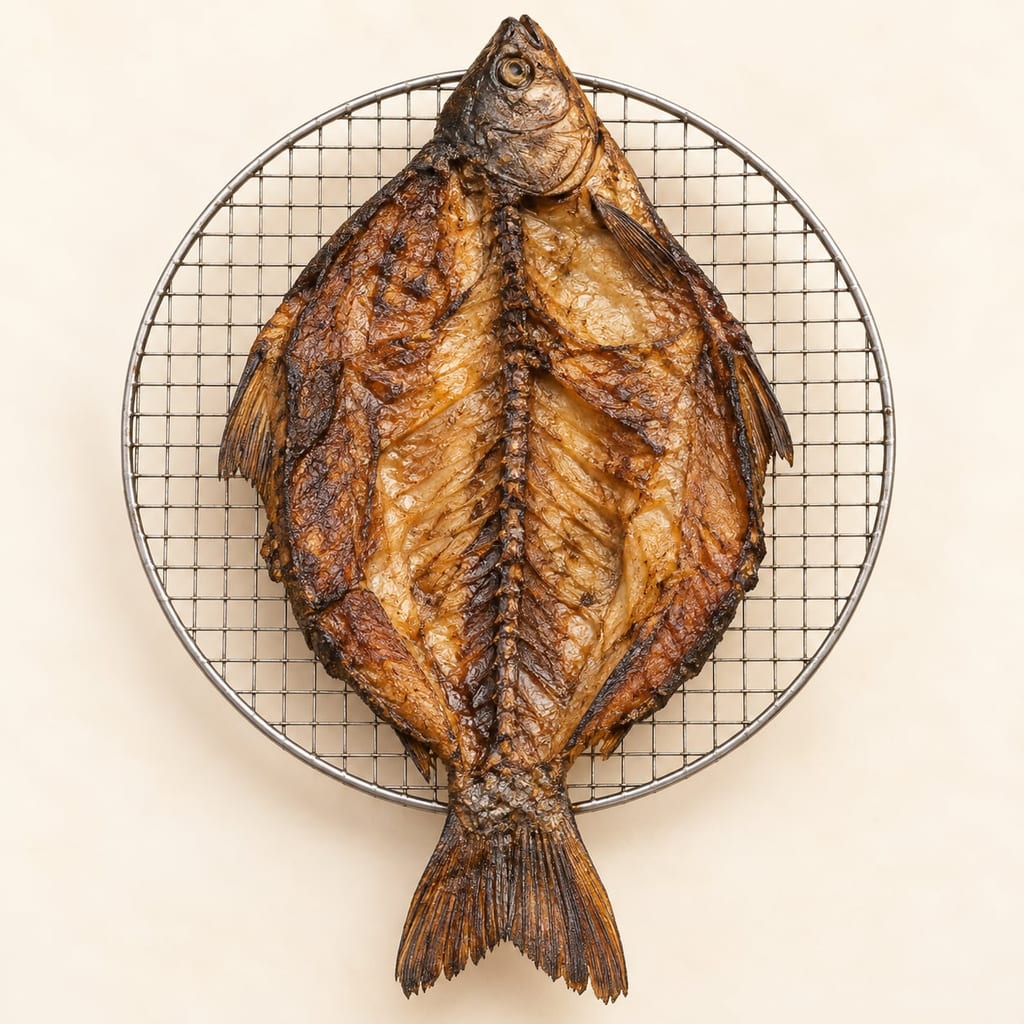
Ngaphak is fish split, flattened and roasted and smoked over an open flame on a wire net or woven bamboo mesh, as practised by fish processors around Loktak Lake in Manipur, India.
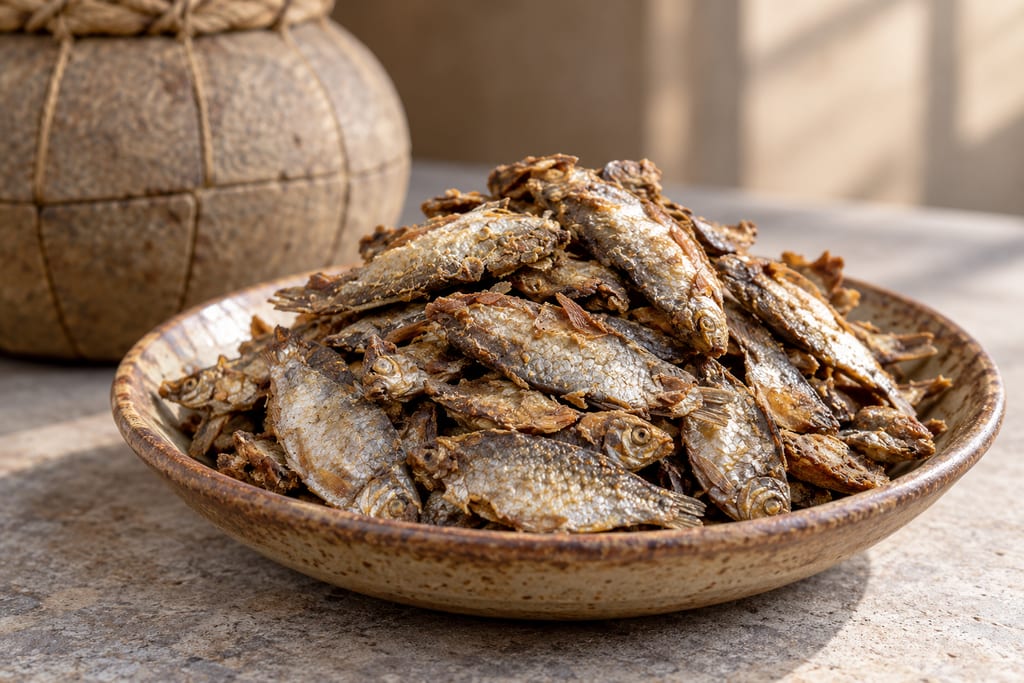
Ngari is a Manipuri fermented fish condiment made from small sun-dried fish, usually Puntius sophore, packed for fermentation. A biochemical study describes a salt-free method; it works as a condiment and ingredient rather than as a filtered sauce.
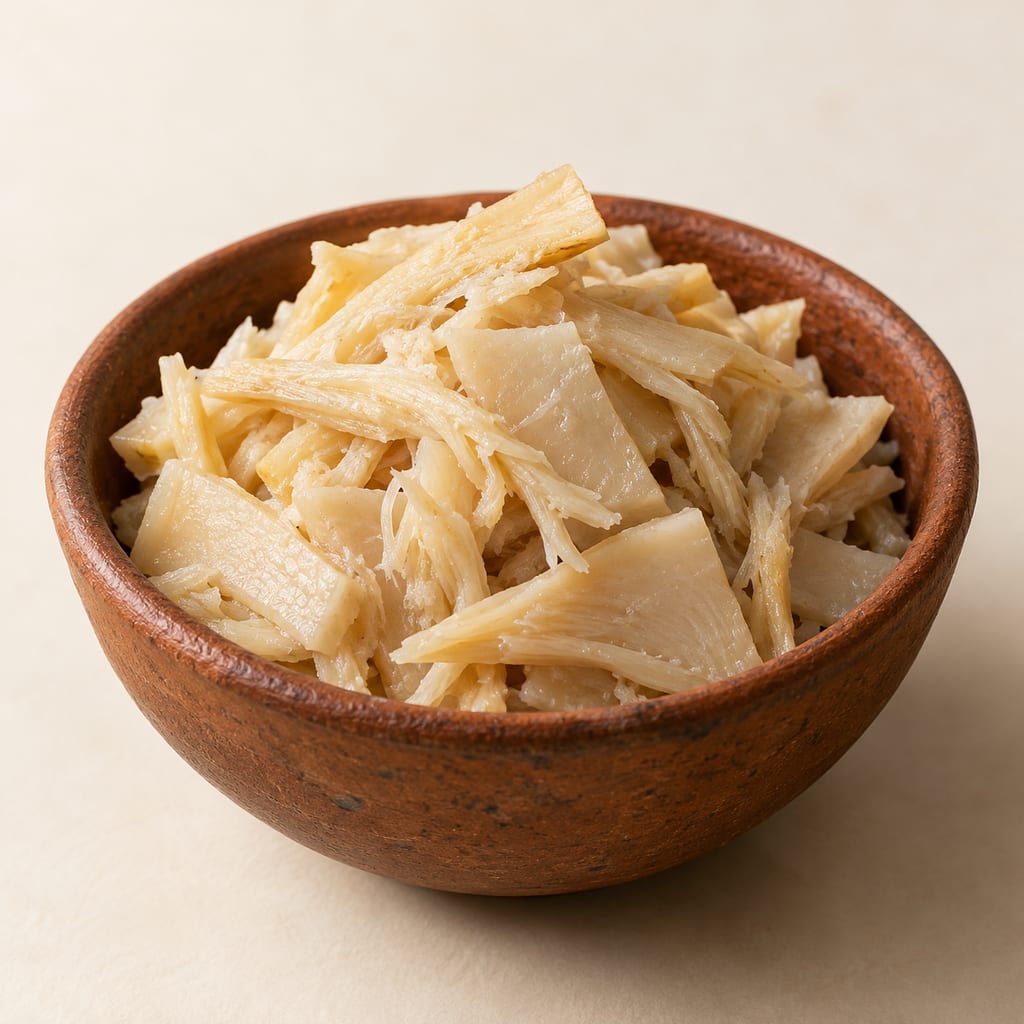
Thin slices of juvenile bamboo shoots fermented for six to twelve months in Manipur, eaten as a sour side dish with rice.
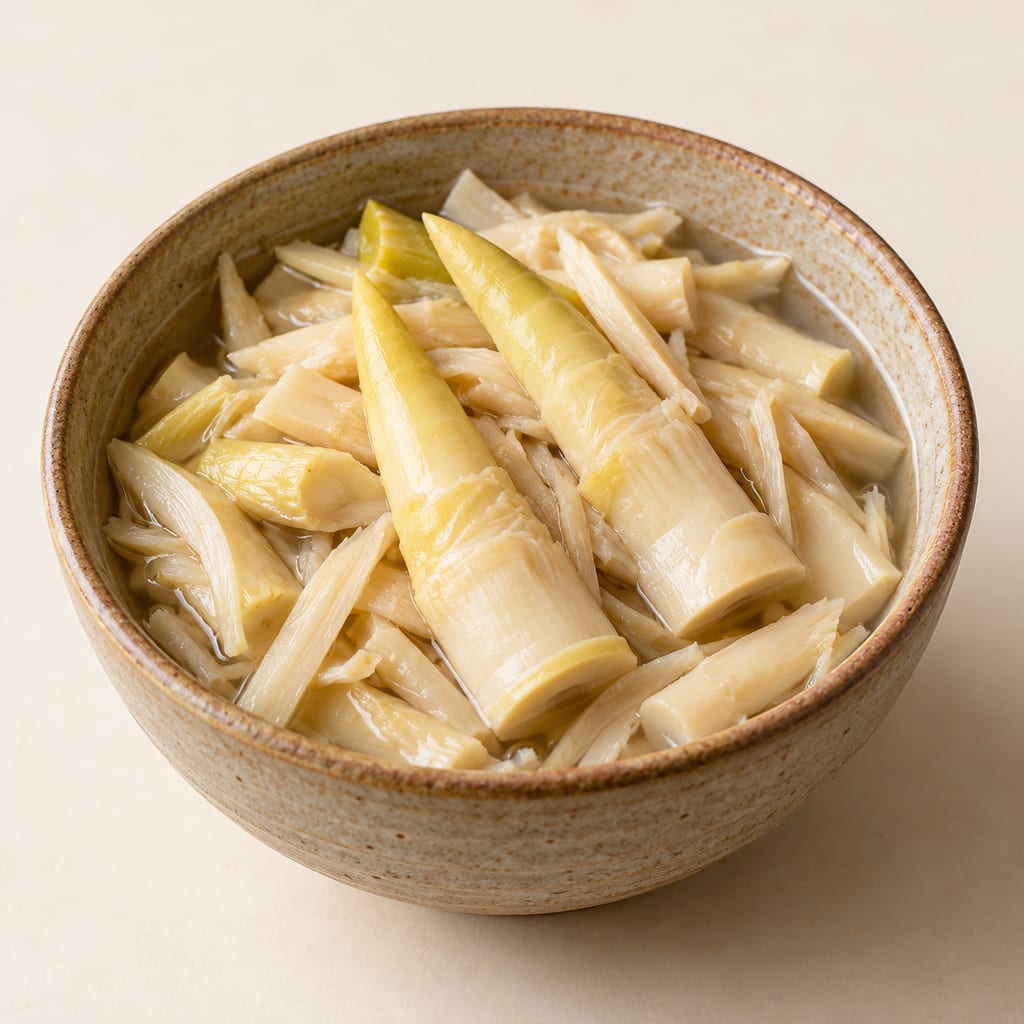
Fermented tender bamboo-shoot tips from Manipur, started with the sour liquid of an earlier batch and eaten in chutneys and curries.
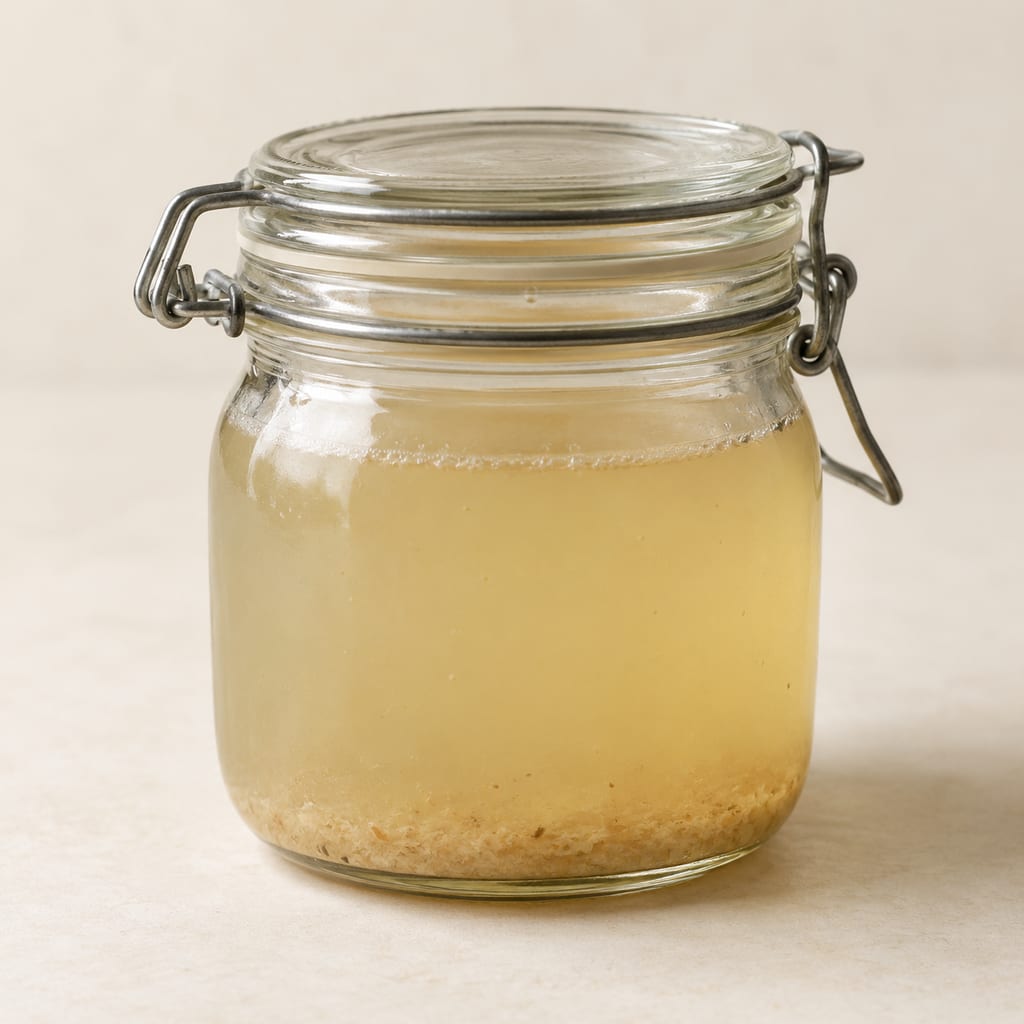
The sour liquid that forms during Manipuri Soidon fermentation, kept to start the next batch and used to sour curries.

Soybeans boiled soft and fermented in a leaf-lined basket by the hearth, then in many Naga households pounded, wrapped in leaves and fermented again into a dark, pungent seasoning paste.
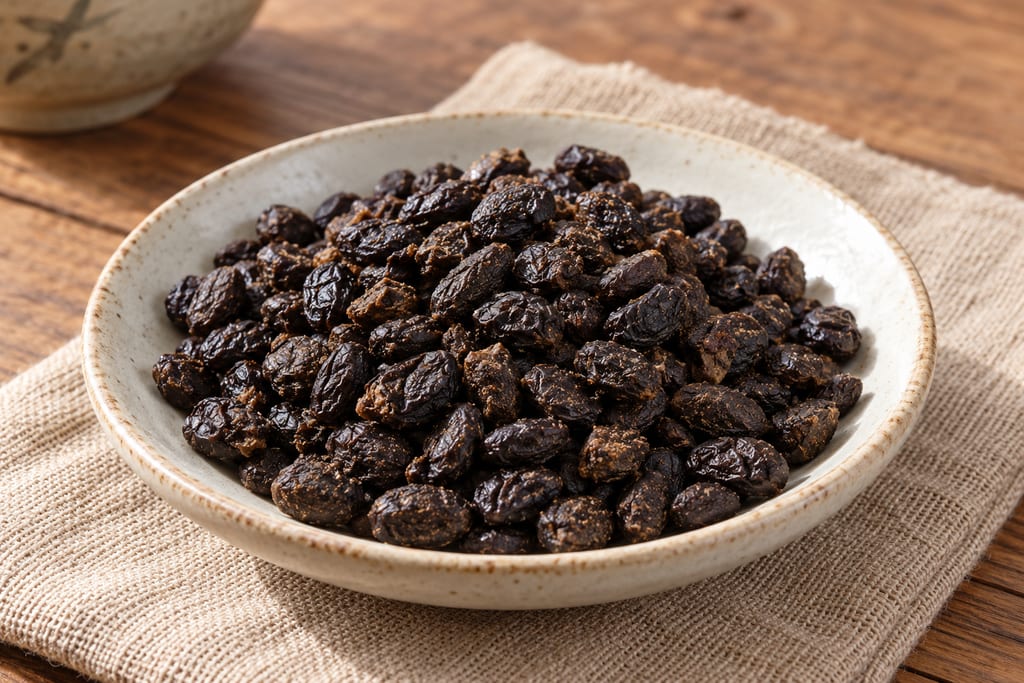
A Chinese fermented soybean condiment in which Bacillus-led bacteria, not moulds, drive the fermentation. Documented in Zunyi, Guizhou, and kept separate from mould-led douchi.
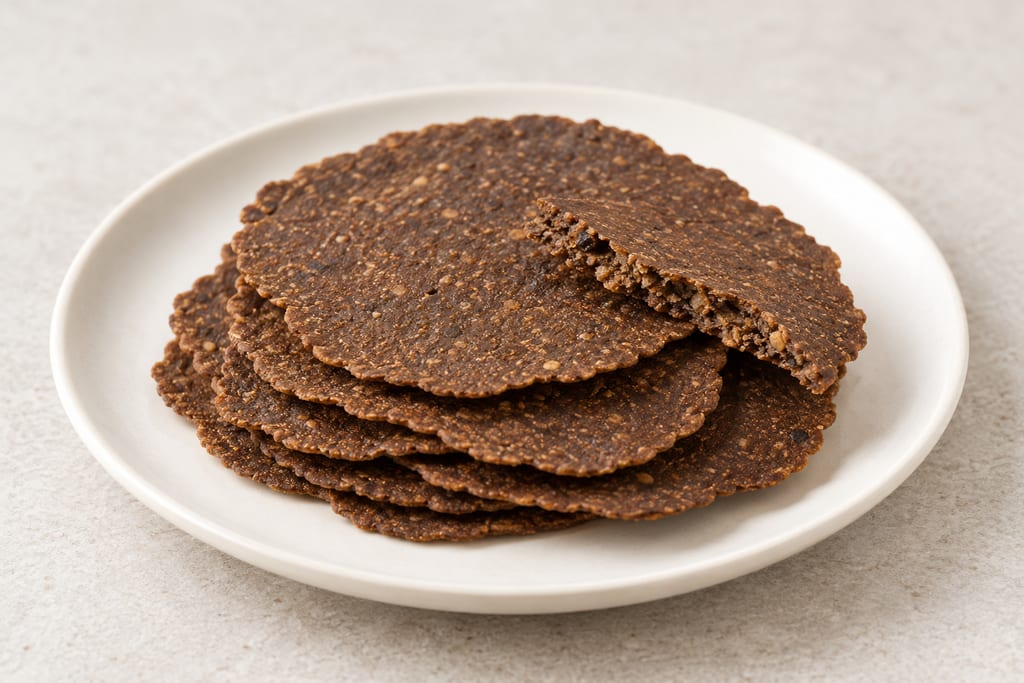
Black soybeans cooked, inoculated with a named Bacillus subtilis culture and fermented warm and humid into northern Thailand's thua nao, then optionally dried into thin discs.
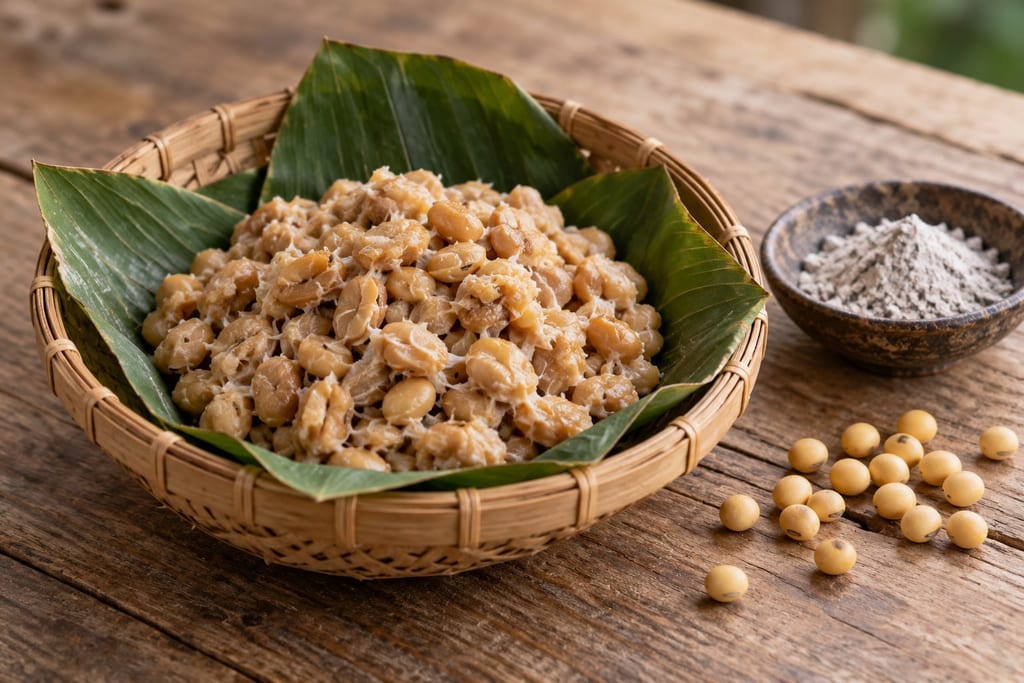
A sticky fermented soybean food of the eastern Himalaya, made here with a measured addition of firewood ash as an alkaline aid to the bacteria that drive it.
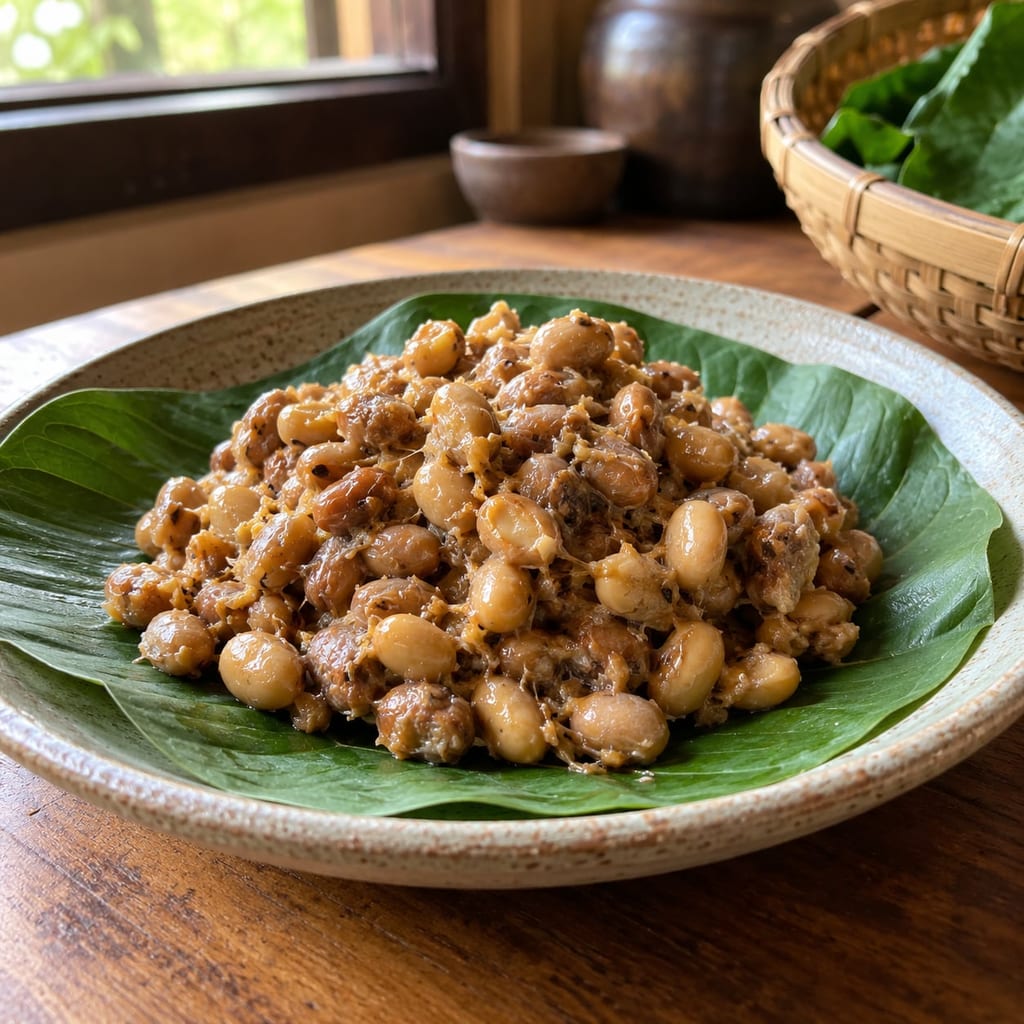
A home kinema made from overnight-soaked white soybeans, cooked, drained hot, wrapped in cloth and insulated to ferment for about a week.

Natto is a Japanese fermented soybean food with a sticky coat and long strings, made by steaming soybeans and inoculating them with a natto Bacillus starter, then keeping them warm.

Steamed soybeans fermented by a named strain of Bacillus subtilis into Japan’s sticky, strongly savoury whole-bean food, bound by the thread-forming polymer the bacteria secrete.
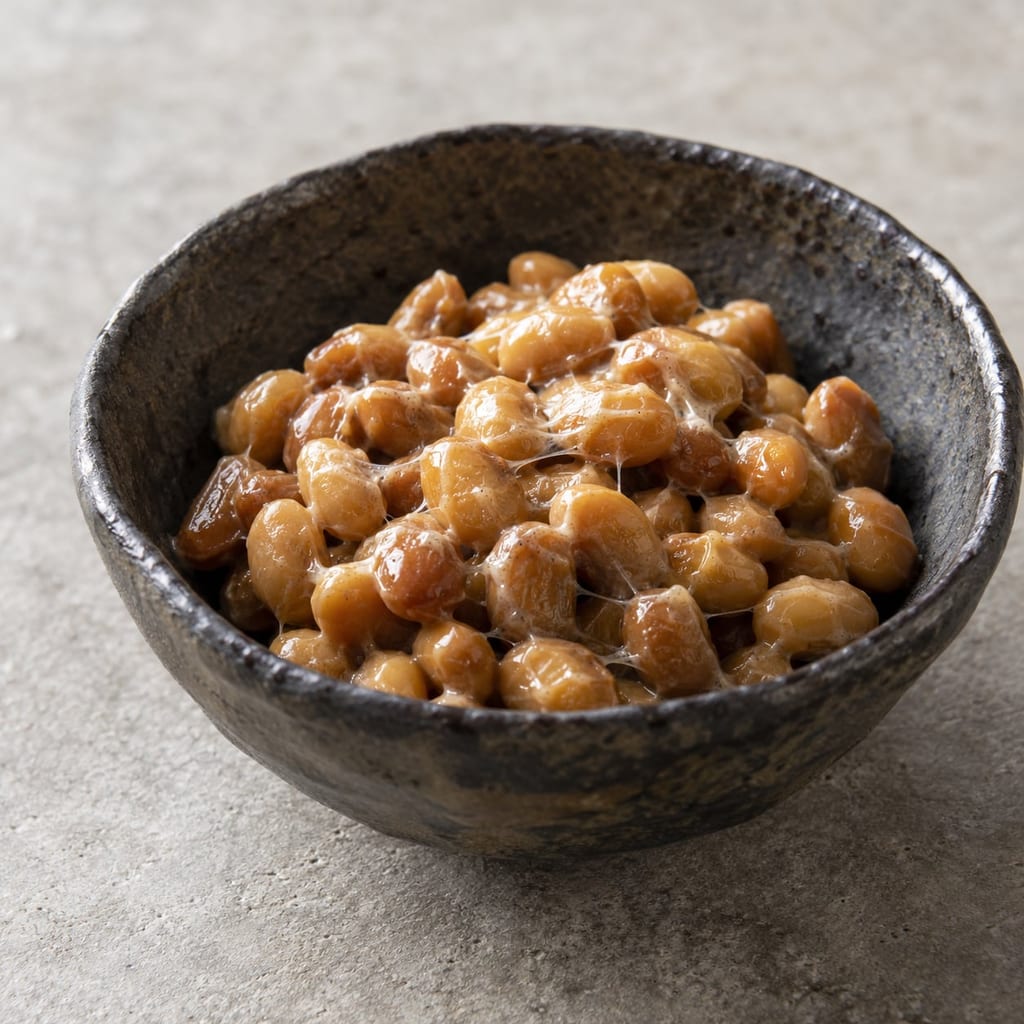
A two-cup soybean batch uses one Cultures for Health Natto Spores packet, a shallow perforated cover, and the supplier’s stated incubation and chilling sequence. The supplier’s instructions are not a validated home process.
No community contributions have been published for this entry yet.
Sign in to contribute. Published comments and photos are free to read.
World Journal of Microbiology and Biotechnology 39, article 315 (2023), Springer NatureResearch
Comprehensive bacterial-metabolite profiles of Hawaijar, Bekang, and Akhone: a comparative study on traditional fermented soybeans of north-east IndiaCited in: Relation to other soybean foods
Indian Journal of Traditional Knowledge 8(1), 115–121 (2009); CUS repository metadata, JNU-hosted abstract compilationResearch
Traditional fermented foods of ManipurCited in: Overview; Methods
Journal of Ethnic Foods 2 (2015), 8–17Research
Naturally fermented ethnic soybean foods of IndiaCited in: Overview; Methods