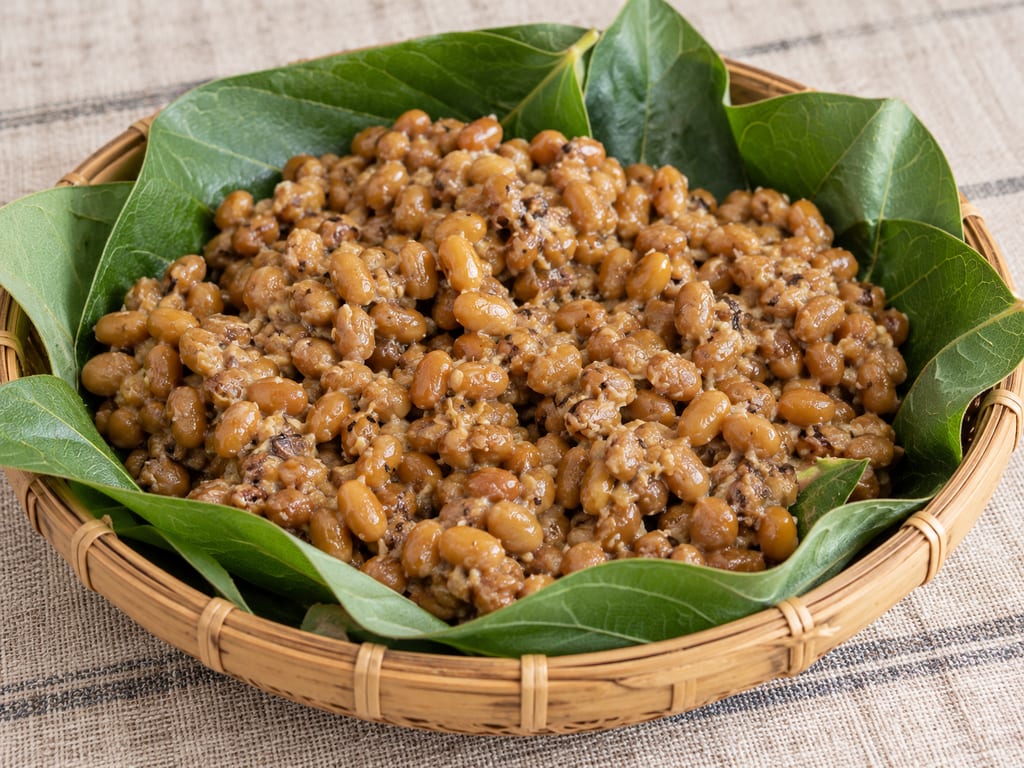
Bekang / Bekang-um
A Mizo alkaline soybean ferment made by holding cooked beans in leaf-lined containers, sometimes with wood ash, until they turn sticky, soft and pungent; eaten fresh or used as a seasoning.
 FermenteaWhere food goes to change
Traditional method
Tung rymbai · Tungrymbai fermented soybeans · Tungtoh · Khasi fermented soybeans · Jaintia fermented soybeans · Meghalaya fermented soybean · Traditional Khasi soybean ferment
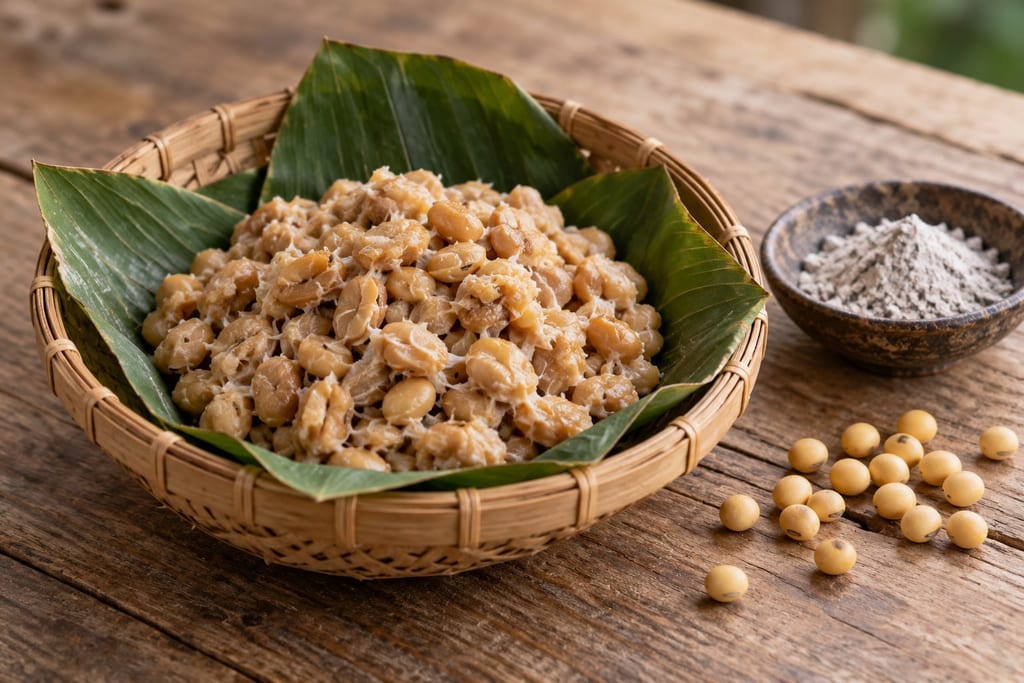
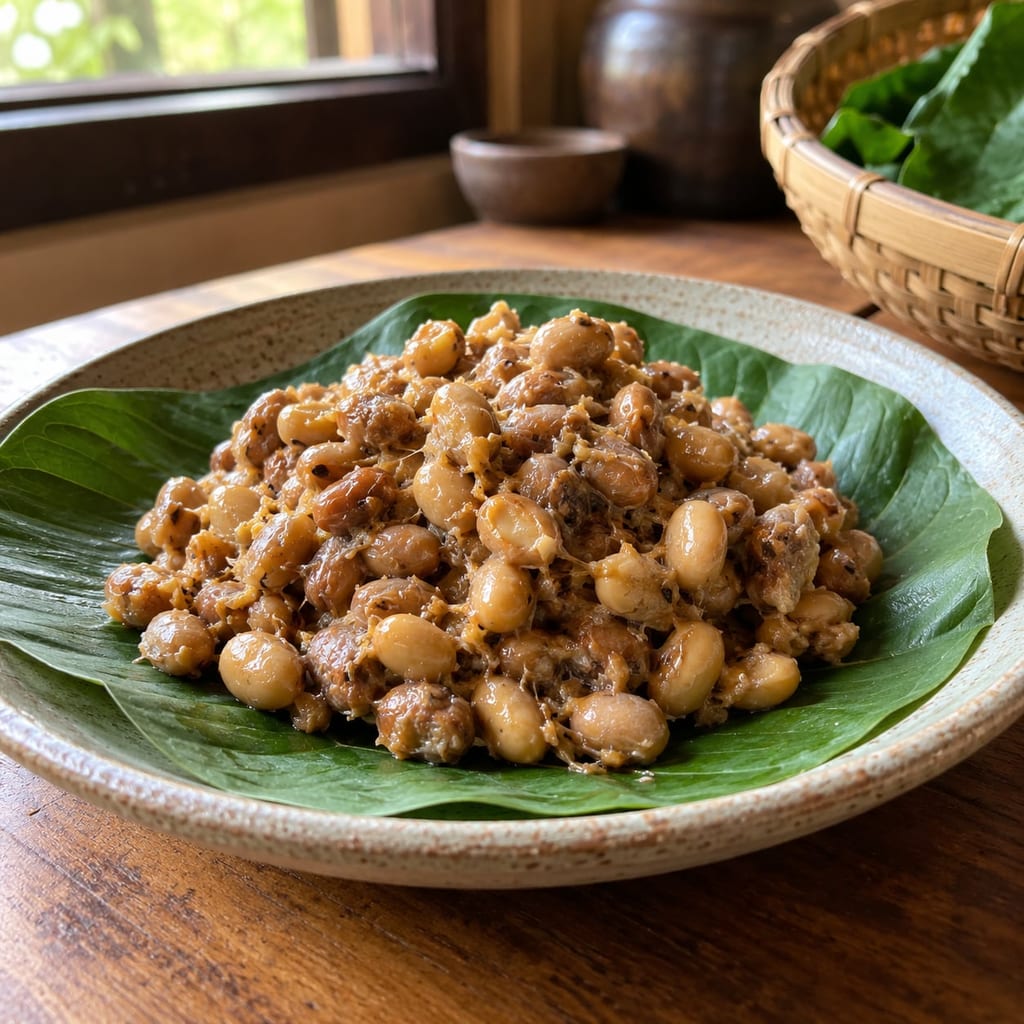
A Khasi and Jaintia fermented soybean food from Meghalaya: cooked beans ferment naturally in leaf-lined baskets above a fire, giving a sticky, pungent, savoury mass.
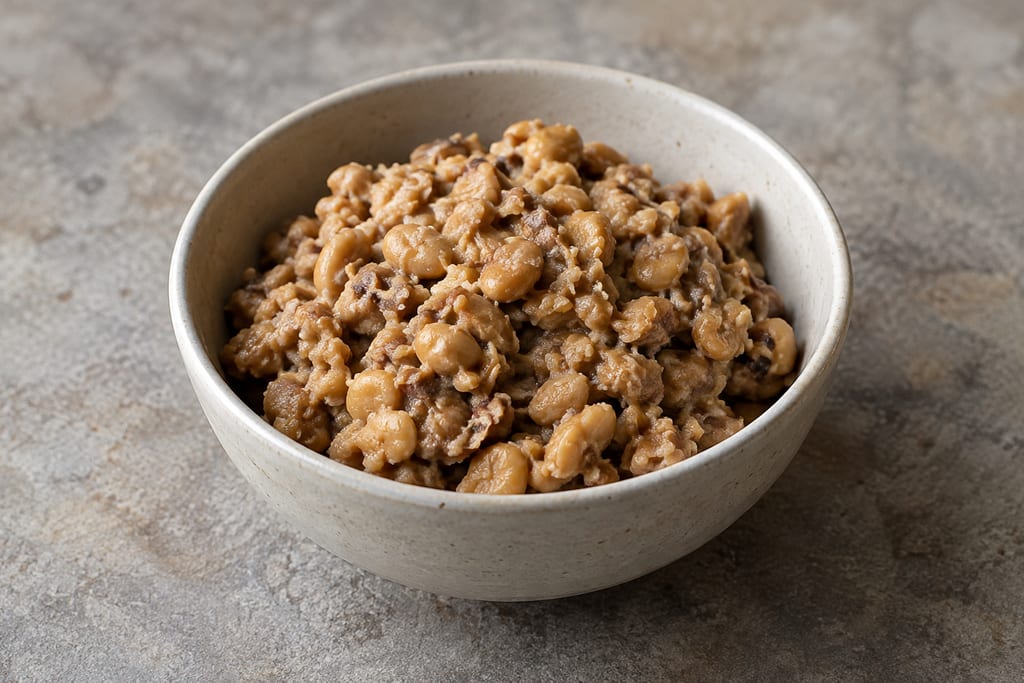
Tungrymbai is a traditional fermented soybean food of the Khasi and Jaintia communities of Meghalaya, northeastern India. Whole soybeans are cooked until soft, placed in leaf-lined baskets and allowed to ferment naturally. The beans become sticky, soften further and develop a strong, pungent smell. After fermentation they may be pounded into a coarse mass and cooked with seasonings, particularly ginger, garlic, chilli and black sesame. Tungrymbai can therefore refer both to the fermented soybean preparation and to the finished cooked dish made from it.
The fermentation belongs to the alkaline bacterial family of soybean foods. It is related in broad microbiological terms to Nepalese kinema, Japanese natto, Korean cheonggukjang and other fermented soybeans of northeastern India. Its main organisms are Bacillus bacteria rather than the moulds used for tempeh or certain Chinese soybean ferments. Fermentation develops flavour primarily through protein breakdown, while some strains produce extracellular substances responsible for the sticky texture.
A 2015 study by Chettri and Tamang examined thirty-nine tungrymbai samples collected from villages and markets in Meghalaya. Of the 211 Bacillus isolates identified from those samples, approximately 55% were Bacillus subtilis, 25.5% Bacillus licheniformis and 19.5% Bacillus pumilus. These percentages describe cultured isolates, not the exact abundance of each species in every batch. No evidence establishes that traditional producers deliberately inoculate beans with a fixed mixture of these three organisms.
The principal raw material is soybean, Glycine max. Traditional production uses locally available soybean varieties, bamboo baskets, leaves and a cloth or jute covering. Researchers have identified leaves called lamet, described botanically as Clinogyne dichotoma or Phrynium pubinerve in different publications. Leaves and equipment may contribute microorganisms, but their influence varies and does not amount to a controlled starter-culture system.
A characteristic feature is the treatment after fermentation. Unlike natto, which is commonly eaten with its beans substantially intact, tungrymbai is often mashed and subsequently cooked. The prepared food may be a thick savoury mixture rather than a loose mass of beans. Black sesame is especially important in familiar Khasi and Jaintia dishes, although a contemporary account from Pasyih distinguishes plain fermented tungrymbai from a more expensive cooked version containing black sesame.
Tungrymbai belongs to the indigenous food traditions of Meghalaya, particularly the Khasi and Jaintia communities. Its preparation has historically been associated with household work, local markets and the transmission of practical knowledge between generations. Researchers describe the role of women in preparing and selling fermented soybean foods throughout northeastern India, including tungrymbai. The first community to make tungrymbai and the century of origin are not known.
A Meghalaya Biodiversity Board account records interviews with residents of Pasyih village, West Jaintia Hills. The report says that the village's inhabitants have practised tungrymbai fermentation for centuries. This is valuable evidence of local understanding and oral tradition, but it is not a securely dated historical attestation. The document does not present a dated manuscript, archaeological specimen or continuous sequence of production records establishing a particular starting century.
One early substantial scientific record is the 2006 study by Agrahar-Murugkar and Subbulakshmi, which investigated the preparation techniques and nutritional composition of fermented foods eaten by Khasi communities. The researchers examined tungrymbai alongside fermented bamboo and fish products. Their work documented tungrymbai as a locally important protein-containing food and provided laboratory measurements of its composition. This establishes a published account of the tradition without suggesting that the preparation was newly developed.
Sohliya and colleagues investigated tungrymbai in research submitted in 2007 and published in October 2009. They examined traditional processing materials, including raw and soaked soybeans, leaves and wooden grinding equipment, to identify microorganisms associated with spontaneous fermentation. A separate 2009 paper by Tamang and colleagues documented indigenous women's knowledge of fermented soybean production and described the stages of tungrymbai preparation.
Research expanded during the following decade. A 2012 study examined microbial and chemical changes between fermented and subsequently cooked tungrymbai. In 2014 and 2015, Chettri and Tamang investigated functional properties and Bacillus diversity in samples of tungrymbai and bekang. Researchers at North-Eastern Hill University subsequently experimented with selected lactic acid bacteria to standardise aspects of fermentation and investigate storage behaviour. Those trials are modern research adaptations rather than evidence of the traditional organisms being deliberately cultivated.
Contemporary village production remains economically important. A July 2026 NESFAS report describes Pasyih as a recognised centre of tungrymbai production and records sales to markets in Jowai, Shangpung and Khliehriat. The report describes producers boiling beans, fermenting them in baskets, pounding them and preparing a black-sesame version. This provides direct modern documentation of an ongoing practice. Claims of prehistoric invention, an exact ancient recipe or a single origin point remain unsupported.
Tungrymbai is predominantly an alkaline bacterial fermentation. Thorough cooking hydrates and softens the soybean material, denatures proteins and reduces many of the vegetative microorganisms originally present. Some bacterial spores may survive cooking, while additional organisms can enter through handling and processing materials. During the subsequent warm fermentation, suitable Bacillus bacteria multiply and produce extracellular enzymes that act on the soybean substrate.
Proteolysis is central to the transformation. Soybeans contain storage proteins, especially glycinin and beta-conglycinin. Bacillus proteases cut these large proteins into smaller peptides, while peptidases release free amino acids. This increases the pool of soluble nitrogenous compounds and generates substances associated with savoury taste. Further amino-acid metabolism can release ammonia and contribute to alkalinity and pungent aromas. These reactions distinguish tungrymbai from a primarily lactic-acid fermentation, where accumulating organic acids drive the pH downward.
The 2015 Chettri and Tamang study found an average Bacillus population of approximately 8.2 log colony-forming units per gram in the investigated tungrymbai and bekang products. Among tungrymbai isolates, Bacillus subtilis was the most frequent identified species, followed by B. licheniformis and B. pumilus. The researchers used molecular identification techniques alongside phenotypic tests. Isolation confirms that organisms were present and culturable under the experimental conditions; it does not prove that each isolate contributed equally to fermentation.
Some Bacillus strains produce poly-gamma-glutamic acid, a polymer of glutamate residues associated with the sticky threads found in natto-like fermented soybeans. A 2014 functional study measured poly-gamma-glutamic acid production in isolates from tungrymbai and bekang. The tungrymbai-derived Bacillus subtilis strain TS1:B25 produced 2.8 mg per millilitre under the reported laboratory conditions. This supports a plausible mechanism for stickiness, but that laboratory value is not a measured concentration in every traditional batch.
Other microorganisms may occur alongside Bacillus. A 2009 study recovered Enterococcus faecium, yeasts and other organisms from production materials or fermented samples. Its results showed that the raw beans, soaked beans, leaves and wooden equipment carried different microbial populations. These observations help explain why spontaneous fermentation can vary between producers. They do not establish that all recovered yeasts and bacteria are necessary, harmless or useful as starters.
Further biochemical effects include changes in available sugars, lipids, phytate and soybean isoflavones. Experimental investigations of isolates have demonstrated various enzyme activities and breakdown of some antinutritional compounds. Laboratory studies using added Lactobacillus cultures also reported changes in isoflavone aglycones and antioxidant assays. These results come from inoculated experiments; they do not carry over to naturally fermented tungrymbai or show a clinical health benefit.
A documented Khasi preparation begins with cleaning and washing the soybeans, followed by soaking for approximately four to six hours. The softened seed coats may be removed by rubbing the beans between the palms. The beans are then cooked until they can be crushed easily. One published method describes cooking for one to two hours after soaking. Cooking softens the soybean structure and makes nutrients more accessible to microbial enzymes. Removing some seed coats also changes texture and the exposed surface of the beans.
After cooking, excess water is removed and the beans are cooled. They are placed inside a bamboo basket lined with leaves, traditionally called lamet, and covered with a cloth or jute bag. The basket is kept near or above a fireplace. The 2009 ethnographic account describes fermentation at approximately 25–40°C for three to five days. A separate microbiological paper published the same year describes three to four days. These temperatures and durations are field observations, not independently validated safety limits.
The leaves provide a traditional wrapping surface and help contain the beans. Their microbial contribution is not merely theoretical: Sohliya and colleagues isolated microorganisms from the wrapping leaves and other equipment. However, finding Bacillus on leaves does not prove that a particular leaf species reliably inoculates every batch with the desired strains. Botanical identity, leaf condition and handling matter. The plants are named inconsistently, so no substitute leaves can be recommended.
A Meghalaya Biodiversity Board account documents a different method from Pasyih. It describes boiling 20 kg of soybeans for eight to ten hours, replenishing water as necessary, draining through muslin and transferring the beans to leaf-lined baskets. The baskets are covered with jute and kept above a fireplace for three days and three nights. The fermented beans are then pounded, with a little cold water added if the mass is too dry. The report gives a yield of approximately two kilograms of fermented product per kilogram of original beans, but supplies no controlled fermentation temperature.
A July 2026 NESFAS account from the same village reports an even longer boiling time of twelve to thirteen hours. It describes two undisturbed days of fermentation, gently turning the beans and leaving them for another night. The beans are then pounded and mixed with turmeric. The reason for the differences is not recorded.
After fermentation, the beans can be prepared as a cooked dish. Traditional accounts describe mashing them, adding water and boiling while stirring until the water evaporates. Fried onion, ginger, garlic, chilli, salt and ground black sesame may then be incorporated. The black sesame is a culinary ingredient added to the preparation, not an essential starter for the bacterial fermentation. This is traditional practice, not a method with all the controls a validated, safe home process needs.
Tungrymbai is associated with both Khasi and Jaintia food traditions, but published accounts show variation in how the beans are cooked, wrapped, fermented and finished. The differences do not necessarily correspond to clearly defined regional categories. Practice differs between villages, and no survey covers every one. It is therefore more accurate to identify a particular method by its source and locality than to present one recipe as universal.
The Khasi preparation documented in 2009 involves soaking, removal of soybean skins, relatively short cooking and fermentation in a basket lined with lamet leaves. The basket is kept near a fireplace for several days. Published descriptions of this process commonly include temperatures around 25–40°C, but the exact conditions can vary with household heating and the quantity of beans. Once fermented, the beans may be mashed and cooked with seasonings.
Pasyih in West Jaintia Hills is an important documented production locality. The Meghalaya Biodiversity Board describes producers working with comparatively large soybean batches and using lengthy boiling, muslin filtering, leaf-lined baskets and fireplace fermentation. The report records sales of the fermented product and identifies winter as an important production season. It also reports that some local producers regard summer batches as more susceptible to spoilage. These are valuable observations about production practice, not validated shelf-life measurements.
The July 2026 NESFAS account distinguishes ordinary tungrymbai from a version cooked with black sesame. It reports that both are sold through regional markets, with the black-sesame preparation commanding a higher price. This demonstrates a distinction between the fermented base and a more extensively prepared food. Black sesame was not necessarily part of the primary fermentation, and the two commercial forms may be stored differently.
The terminology also varies. NESFAS records tungrymbai or tungtoh among Khasi and Jaintia communities and dodim as a Garo name for a related fermented soybean food. Such names are useful for geographical comparison, but should not automatically be treated as interchangeable names for an identical recipe. The organisms and methods of every locally named preparation require their own evidence.
Scientific experimentation has introduced further variations. Studies published in 2018, 2019 and 2024 examined preparations inoculated with selected Lactobacillus cultures, including L. fermentum, L. plantarum and other strains. These trials investigated acidity, storage, sensory qualities and biochemical properties. They are modern adaptations designed for research or standardisation. They do not replace the evidence that naturally fermented tungrymbai is predominantly Bacillus-led.
Tungrymbai is eaten as a strongly flavoured accompaniment to rice and other foods in Meghalaya. The fermented beans can be mashed and cooked into a thick savoury preparation, with black sesame, ginger, garlic, chilli, onion and salt among the documented ingredients. Its taste is concentrated and pungent, and its texture differs from that of ordinary boiled soybeans. In many prepared dishes the beans are no longer served separately; they become part of a thick mixture of seasonings.
A traditional preparation described in a 2009 ethnographic study begins after fermentation. The beans are transferred from their leaf wrapping, mashed and placed in a cooking vessel with water. They are boiled while being stirred until the water evaporates. Fried onion, garlic, ginger, chilli, ground black sesame and salt are then added. The result is a thick curry or side dish served with steamed rice. No precise quantities are given.
Black sesame is particularly associated with the dish in Khasi and Jaintia cooking. Meghalaya Tourism describes fermented soybeans cooked with black sesame as an accompaniment to jadoh, a rice-and-meat preparation, and other foods. Ground sesame contributes a nutty taste and thickens the mixture, while the fermented soybeans provide savoury flavour. This is a culinary combination, not evidence that sesame participates in the original soybean fermentation.
Some preparations also contain pork or animal fat. A 2018 paper on traditional meat products in northeastern India describes tungrymbai as a pork dish made using fermented soybeans, sesame paste and chopped ginger. A government cultural description identifies a Jaintia preparation in which fermented soybeans are fried in lard with red ginger and black sesame. These references demonstrate that the finished dish can contain animal ingredients, although the fermented soybean base itself is made from beans.
Tungrymbai is also sold as a fermented preparation for later cooking. Research and contemporary reports describe producers selling it at local markets, sometimes wrapped in leaves. The Pasyih accounts distinguish the mashed fermented beans from a cooked, seasoned black-sesame version. The condition of the product at sale therefore matters when describing how it is eaten. Fresh fermented beans and a cooked dish do not necessarily require the same handling or storage.
Tungrymbai is the fermented soybean preparation; cooked black-sesame tungrymbai, pork preparations and other local variations are dishes made from it. This avoids treating garlic, sesame, pork or lard as indispensable ingredients of the microbial fermentation. It also preserves the distinction between the original fermentation, pounding and later cooking, which can substantially alter the microbial population.
Traditional tungrymbai is described as soft, sticky, strongly aromatic and sometimes pungent. These changes are consistent with bacterial growth, protein breakdown and extracellular polymer formation. The finished beans may be mashed easily, while a cooked preparation may have a thick, cohesive texture. These are descriptions of recognised products, not validated acceptance criteria. An unfamiliar smell or characteristic stickiness cannot establish whether the desired microorganisms are present or whether harmful microorganisms are absent.
Spontaneous fermentation presents important microbiological uncertainties. The 2009 field study detected microorganisms on raw beans, soaked beans, leaf wrapping and wooden grinding equipment. It isolated Bacillus subtilis, Enterococcus faecium and several yeasts among the organisms associated with production. Different materials carried different microbial populations. These are potential sources of inoculation and contamination, and not every organism found is necessary or safe.
The 2015 investigation identified B. subtilis, B. licheniformis and B. pumilus among tungrymbai isolates. These species should not be combined into an improvised starter mixture. Food suitability is strain-dependent, and the ability to isolate a bacterium does not establish its safety. B. cereus and other potentially hazardous spore-forming bacteria are recognised concerns for cooked soybean fermentations generally. They can be difficult to distinguish from desirable Bacillus strains without appropriate microbiological methods, and certain toxins cannot reliably be removed by ordinary reheating.
The alkaline character of tungrymbai is another safety consideration. Protein breakdown can produce ammonia and contribute to an elevated pH. Unlike lactic-acid vegetable fermentation, this process does not rely on substantial acidification as its principal preservation mechanism. Reported fermentation temperatures and durations describe traditional practices; they are not validated microbiological critical limits. Moisture, microbial competition, sanitation and post-fermentation handling affect the result.
Storage evidence is limited and method-dependent. The Meghalaya Biodiversity Board records local expectations of shorter keeping times in summer and longer periods in winter. These are producer observations, not validated storage recommendations. A 2018 study examined pre-cooked and post-cooked preparations using added Lactobacillus cultures at different storage temperatures, but those results apply to the experimental formulations. They give no shelf life for naturally fermented market tungrymbai.
Cooking the fermented preparation changes its microbial community. A 2012 study found differences in lactic acid bacteria, yeasts and other organisms between fermented samples before and after cooking, although spore-forming bacteria were comparatively persistent. This means that a cooked dish should not automatically be described as containing the same live microorganisms as the original ferment. Conversely, cooking does not retrospectively validate the safety of an earlier uncontrolled fermentation.
Laboratory studies have reported antioxidant activity, enzyme inhibition, isoflavone changes and other potentially interesting properties. These include experiments using deliberately introduced Lactobacillus strains. Such measurements do not establish clinical benefits from eating ordinary tungrymbai. Soybeans remain an allergenic ingredient after fermentation. For a reproducible food-safe production method, the starter or spontaneous microbial process, hygiene, temperature, storage conditions and relevant microbiological hazards would need validation. Unidentified mould growth or suspected contaminated batches should not be eaten or salvaged.
No dated origin is known. A Meghalaya Biodiversity Board account records local statements that families in Pasyih have made it for centuries. Scientific records begin with a 2006 study of Khasi fermented foods and a 2009 study of the equipment, leaves and microbes involved, and a July 2026 account describes present-day village production.
Scaling: source batch only
The documented traditional process relies on spontaneous fermentation of cooked soybeans. Microorganisms may originate from raw materials, leaves, equipment, handling and the surrounding environment. Their identities and relative abundances can vary between batches.
Hazard sourceBacillus subtilis predominates among cultured tungrymbai isolates, but other Bacillus species are also present. The isolation of an organism from traditional food does not establish that it is suitable as a starter. Bacillus cereus and related toxin-producing organisms are recognised hazards in cooked foods.
Hazard sourceB. cereus spores may survive cooking, and some strains can multiply under favourable conditions and produce toxins. Certain toxins are resistant to subsequent heating. The traditional method has not been validated for control of these hazards.
Hazard sourceKeeping baskets above a fireplace does not guarantee a constant temperature. The actual temperature depends on the distance from the heat source, fire management, basket size, weather and bean mass. Excessively warm or uneven conditions may permit undesirable microbial growth.
Hazard sourceBacillus-led soybean fermentation involves protein breakdown and may increase alkalinity through nitrogen metabolism. It does not necessarily achieve the protective low pH characteristic of many lactic-acid-fermented foods.
Hazard sourceMicrobiological investigation detected bacteria and other microorganisms on leaves and processing equipment used for tungrymbai. Unidentified replacement leaves may introduce unsuitable organisms or other contaminants.
Hazard sourceVillage documentation reports different traditional keeping times in summer and winter, but gives no standardised storage temperature, microbiological testing or validated shelf-life criteria.
Hazard sourcePounding and handling after fermentation create further opportunities for contamination. Adding water changes the product's moisture conditions. Neither the water quantity nor the resulting storage stability is defined in the traditional account.
Hazard sourceTungrymbai contains soybeans, a recognised food allergen. Fermentation does not demonstrate that the food is suitable for people with soya allergy.
Hazard sourceUse sound, correctly identified food-grade soybeans, clean water and hygienically maintained cooking equipment.
Control sourceEstablish a validated soybean cooking and cooling procedure appropriate to the batch size and microbiological hazards.
Control sourceDocument the identity and suitability of any traditional leaf material used in food processing. Avoid substituting unidentified plants.
Control sourceFor any standardised production method, assess appropriately identified and characterised bacterial starter strains rather than using an improvised mixture of all species isolated from traditional samples.
Control sourceMeasure and control the actual soybean temperature throughout fermentation. Establish acceptable operating conditions through process validation.
Control sourceProtect the fermentation material against insects, dirt, contaminated surfaces and unsuitable handling conditions.
Control sourceEvaluate the risk of Bacillus cereus contamination, growth and toxin formation using appropriate microbiological testing and a validated process.
Control sourceUse hygienic post-fermentation processing, including clean utensils and suitable water when pounding the fermented beans.
Control sourceEstablish appropriate storage temperature, packaging, shelf life and microbiological release criteria rather than relying on traditional seasonal keeping-time estimates.
Control sourceThis is a traditional Pasyih village production method. It is not a validated home-fermentation recipe.
The reported 20 kg batch reflects village-scale production and should not be scaled down by assuming identical heating, moisture and fermentation conditions.
The method does not identify or add a controlled starter culture.
Bacillus subtilis, B. licheniformis and B. pumilus were isolated from traditional tungrymbai, but these species must not automatically be mixed and used as starters.
The traditional fireplace fermentation has no documented numerical temperature control for this specific method.
Three days and three nights is a reported village fermentation duration, not a demonstrated safe endpoint.
The characteristic pungent smell is a traditional readiness observation and cannot establish microbial safety.
Do not assume that soft beans, stickiness or an ammoniacal aroma prove that the intended microorganisms are present.
The reported seasonal keeping times are not validated storage recommendations.
Do not substitute unidentified or potentially unsuitable leaves for the locally documented wrapping material.
Later cooking does not guarantee destruction of toxins that may have formed during uncontrolled fermentation.
Suspected contaminated or failed fermentation should not be tasted, eaten or rescued through additional cooking.
Contains soybeans, a recognised allergen.
A Mizo alkaline soybean ferment made by holding cooked beans in leaf-lined containers, sometimes with wood ash, until they turn sticky, soft and pungent; eaten fresh or used as a seasoning.
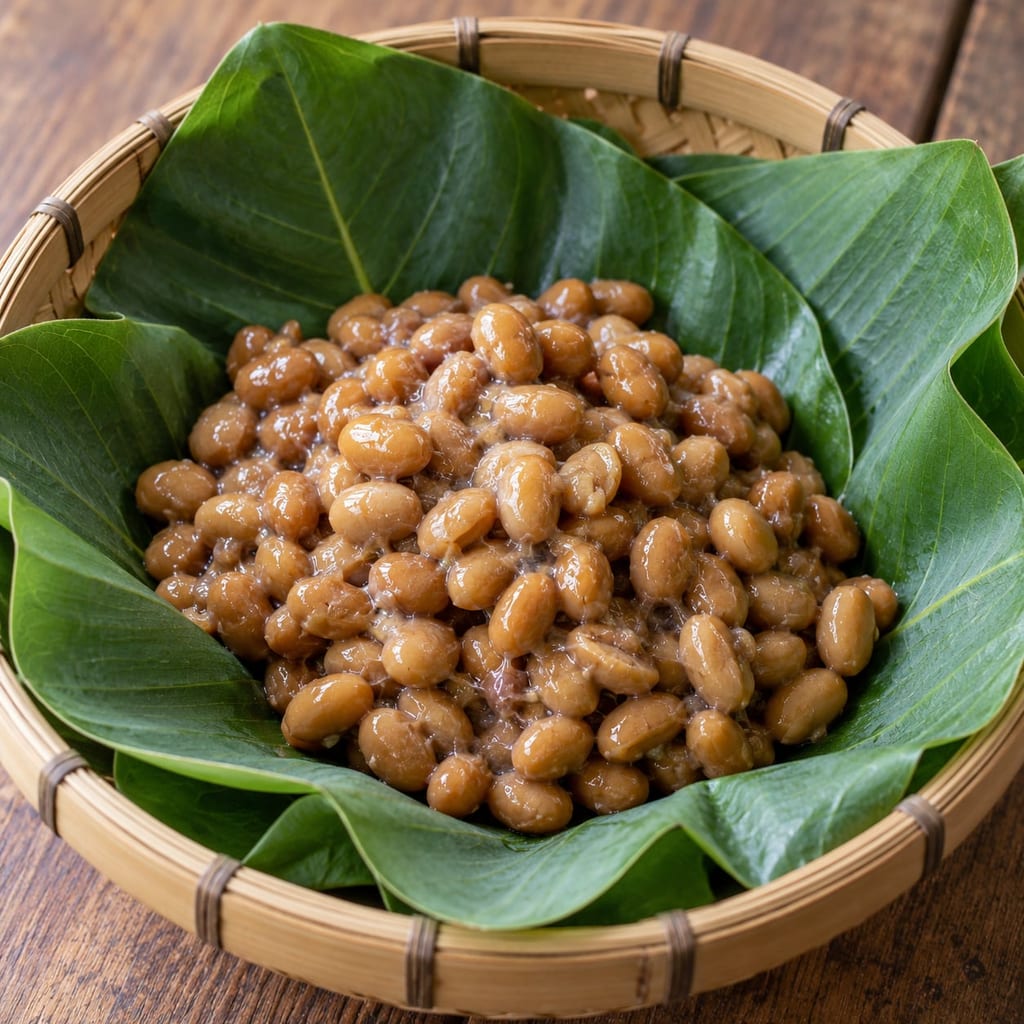
A sticky fermented soybean food of Manipur, made by packing cooked soybeans in leaf-lined bamboo baskets and keeping them warm, related to but distinct from Bekang and Akhone.
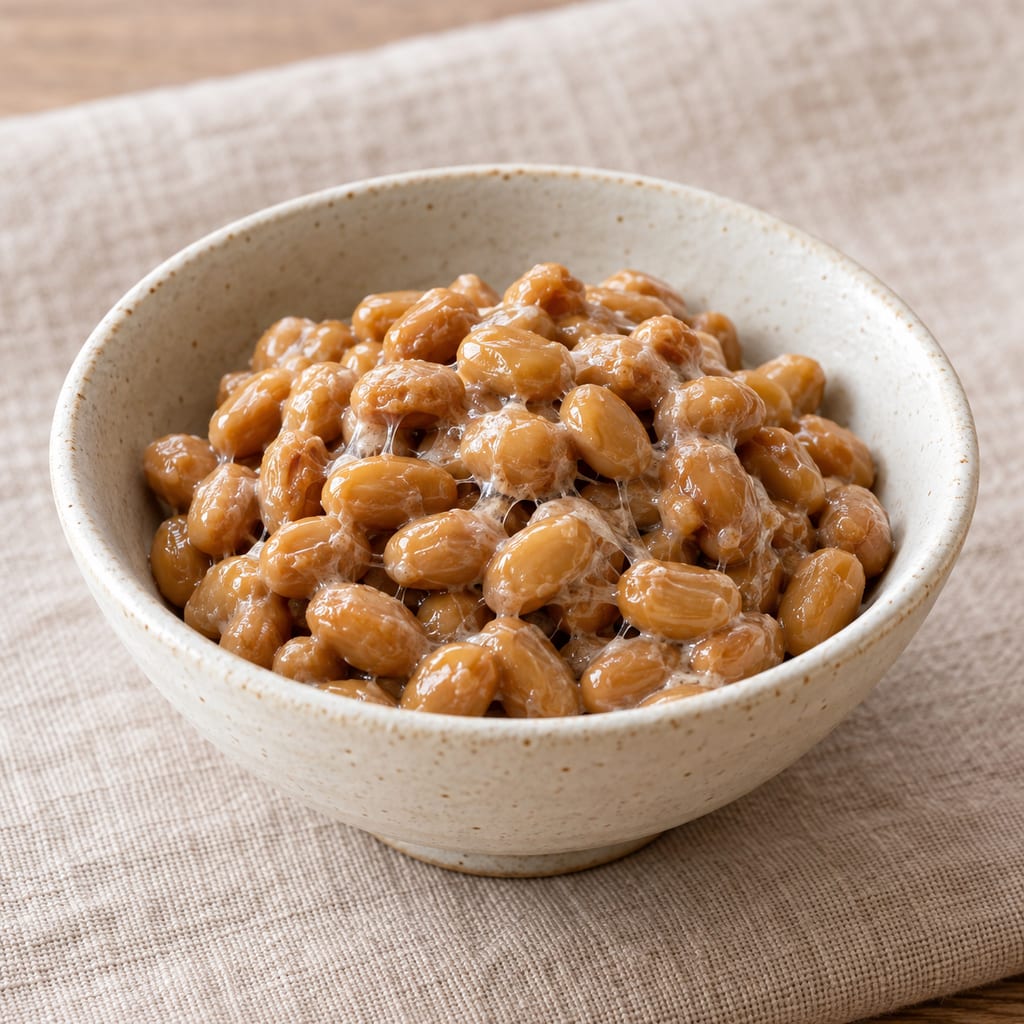
Steamed soybeans fermented by a named strain of Bacillus subtilis into Japan’s sticky, strongly savoury whole-bean food, bound by the thread-forming polymer the bacteria secrete.
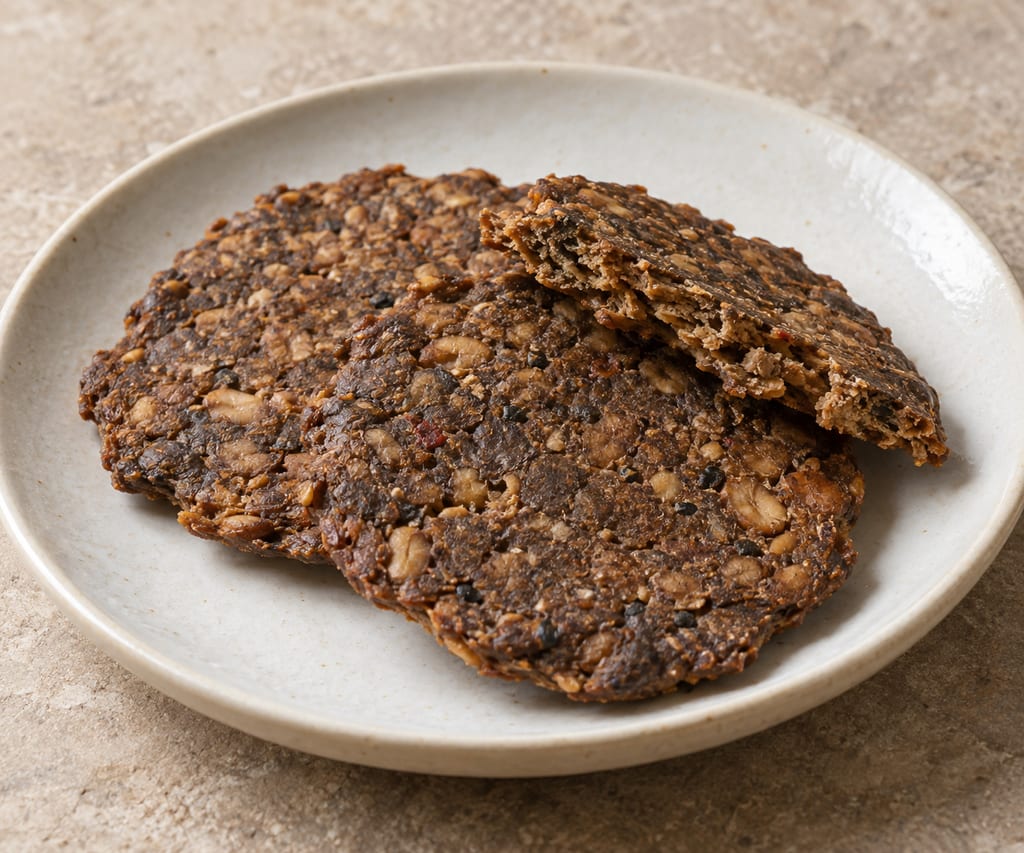
A Myanmar soybean ferment in which cooked beans turn sticky through alkaline bacterial fermentation, then are eaten fresh or seasoned, flattened and sun-dried into savoury wafers.
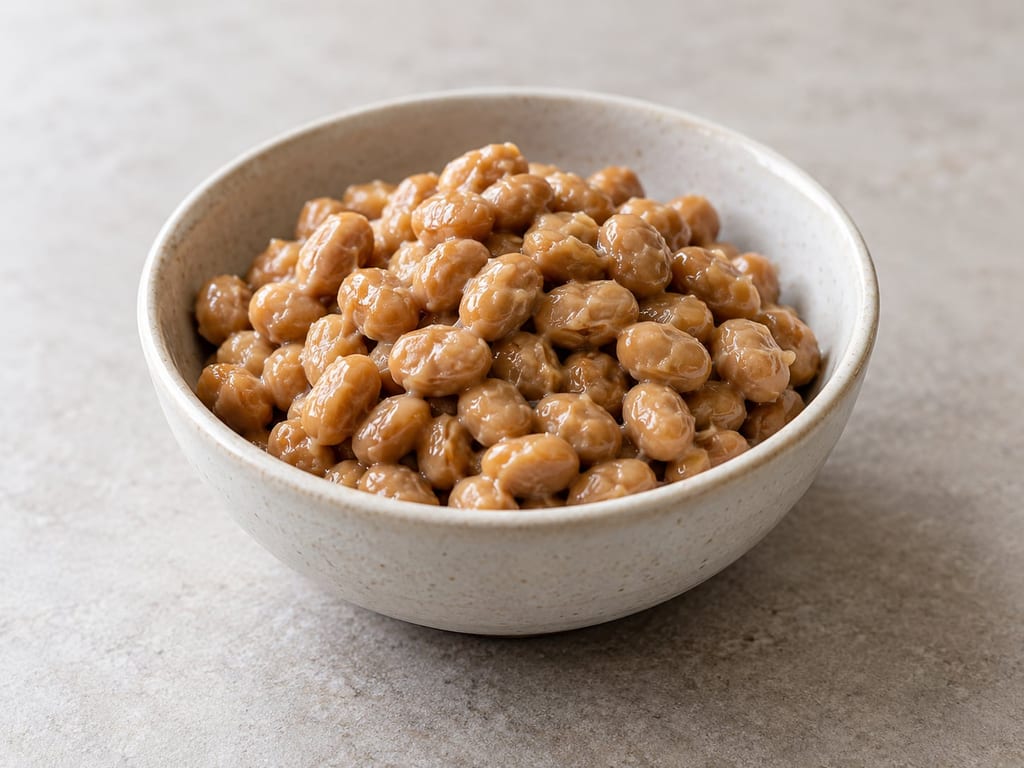
An Apatani fermented soybean food from the Ziro Valley of Arunachal Pradesh: cooked beans are wrapped in ginger leaves and left near the hearth until sticky and savoury, then eaten with rice or as a chilli-seasoned chutney.
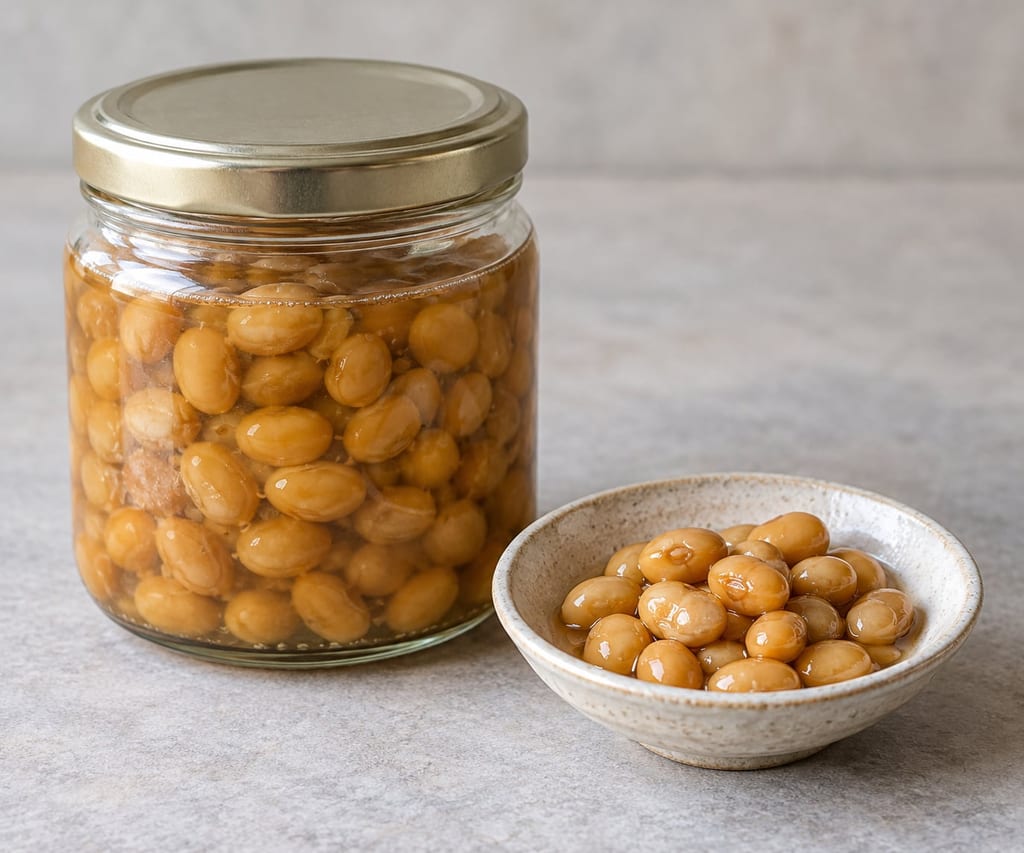
A Cambodian fermented soybean food in which cooked beans ferment into a sticky alkaline mass, then are preserved and matured in salt brine, sometimes sweetened with sugar.

Soybeans boiled soft and fermented in a leaf-lined basket by the hearth, then in many Naga households pounded, wrapped in leaves and fermented again into a dark, pungent seasoning paste.
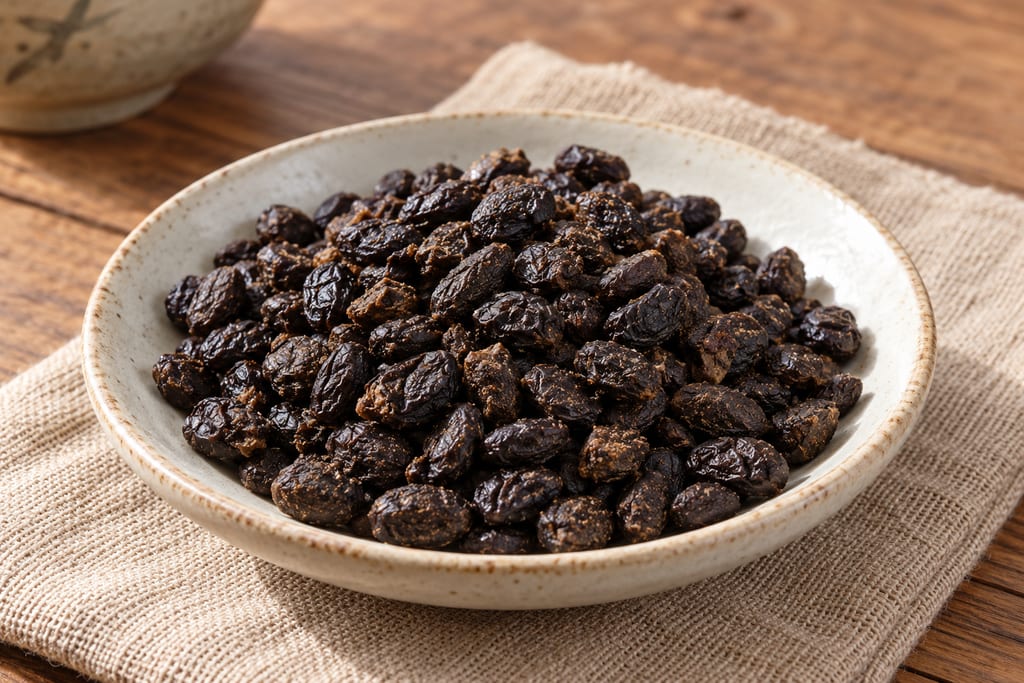
A Chinese fermented soybean condiment in which Bacillus-led bacteria, not moulds, drive the fermentation. Documented in Zunyi, Guizhou, and kept separate from mould-led douchi.

Black soybeans cooked, inoculated with a named Bacillus subtilis culture and fermented warm and humid into northern Thailand's thua nao, then optionally dried into thin discs.
A sticky fermented soybean food of the eastern Himalaya, made here with a measured addition of firewood ash as an alkaline aid to the bacteria that drive it.
A home kinema made from overnight-soaked white soybeans, cooked, drained hot, wrapped in cloth and insulated to ferment for about a week.
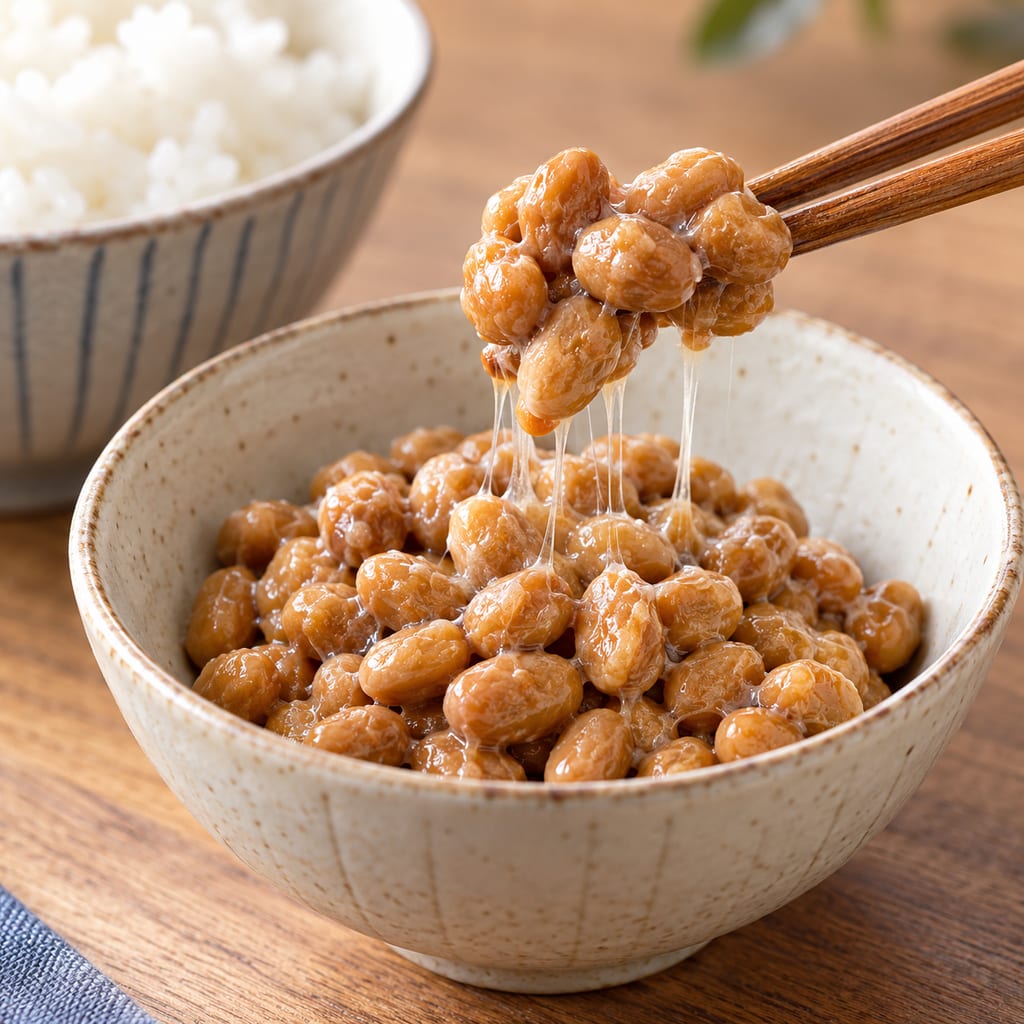
Natto is a Japanese fermented soybean food with a sticky coat and long strings, made by steaming soybeans and inoculating them with a natto Bacillus starter, then keeping them warm.
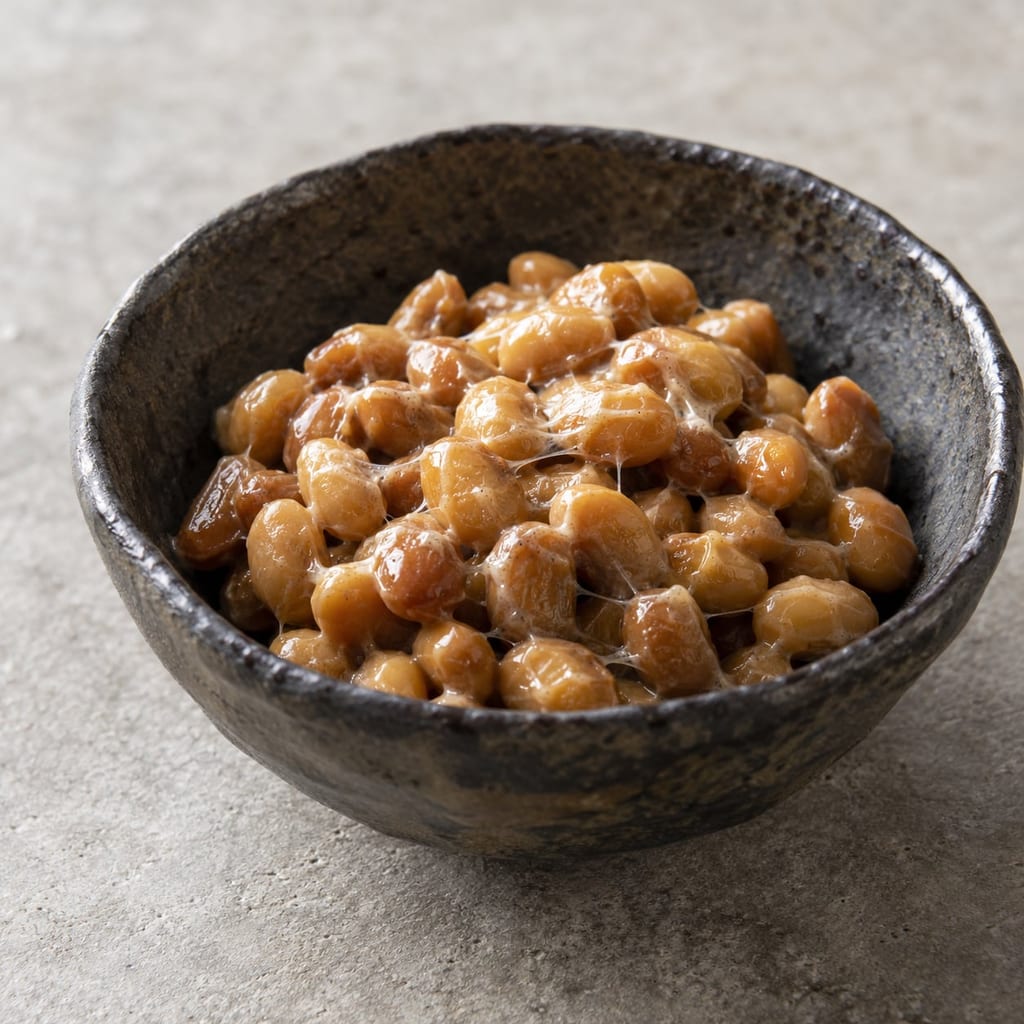
A two-cup soybean batch uses one Cultures for Health Natto Spores packet, a shallow perforated cover, and the supplier’s stated incubation and chilling sequence. The supplier’s instructions are not a validated home process.
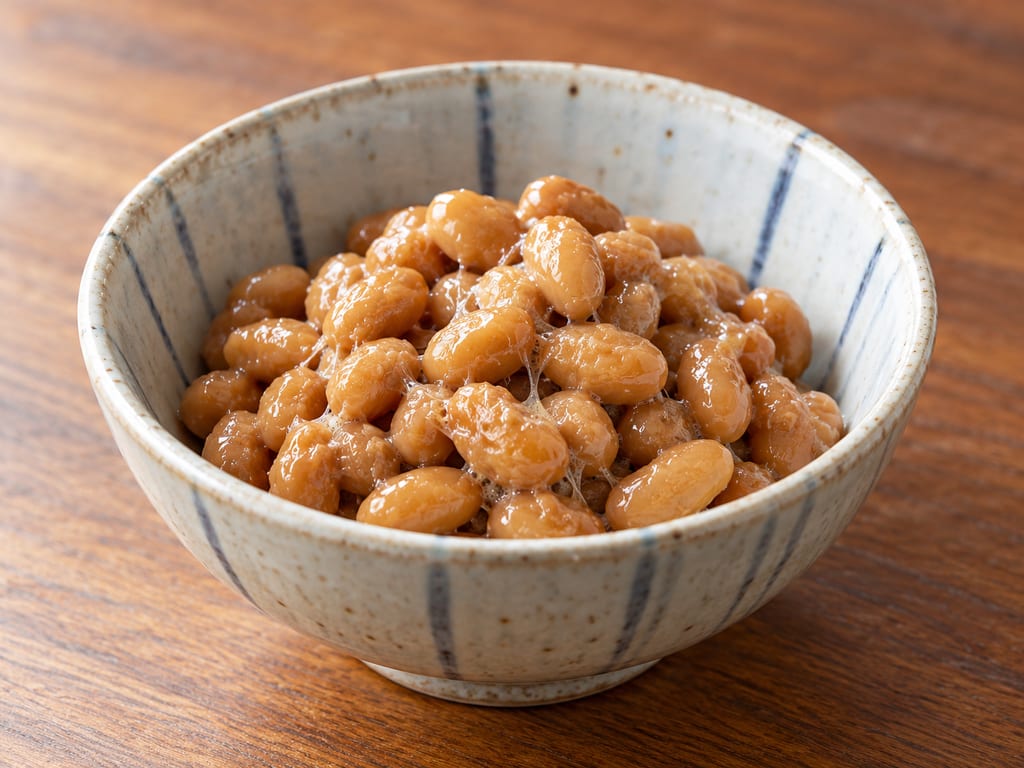
This video account makes natto from soybeans using frozen retail natto as a starter and a yogurt maker. It reports one home batch but leaves the starter mass, soak-water temperature, cooling controls and storage after chilling unstated.
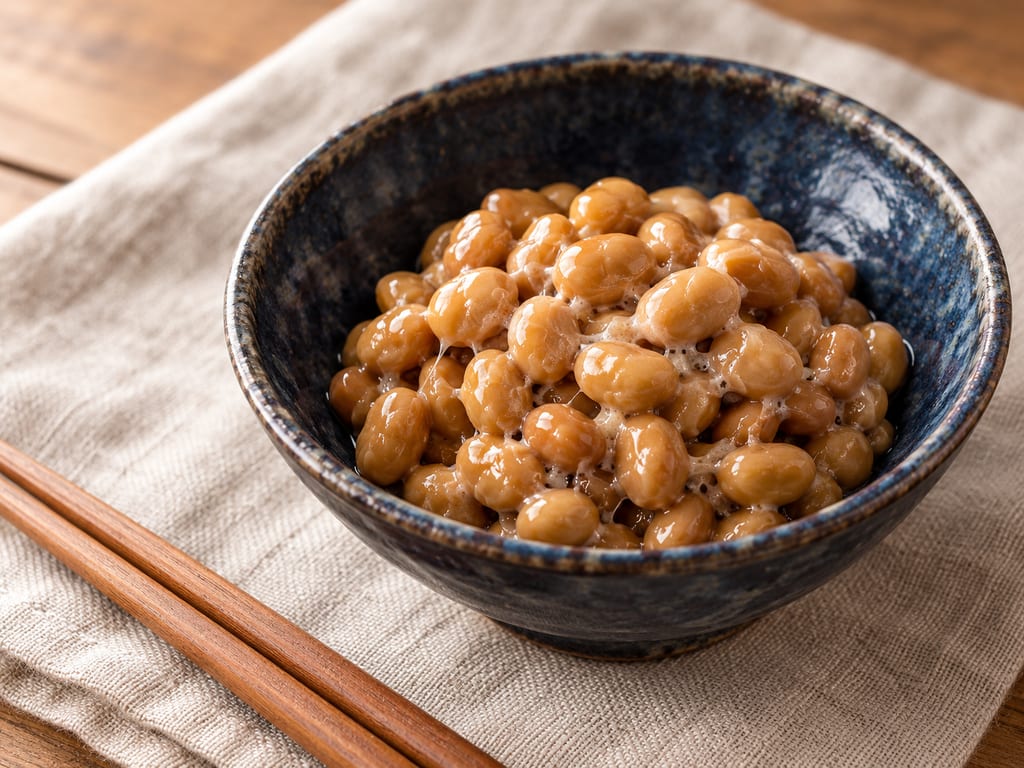
Pressure-steamed soybeans are mixed with half a retail natto pack, held in a yogurt maker, and chilled; the creator reports a yield of about 300 g.

Soft, spreadable Calabrian pork sausage made with a great deal of red chilli and fatty pork, stuffed into natural casings, sometimes smoked and matured while staying soft.

A way to add independent temperature logging to an existing food dehydrator without changing its built-in controls or protections. It is a monitoring method, not a rewiring plan.

Pleurotus cystidiosus is the abalone mushroom, a cultivated oyster-type fungus with dark brown caps that grows more slowly and is more demanding than other Pleurotus species.

A dark, balanced vinegar from Emilia-Romagna made by combining cooked or concentrated grape must with wine vinegar, then acetifying and refining it in wood under a protected specification.

A living dairy inoculum that starts controlled cream fermentation, developing acidity and aroma before sour cream or cultured butter is finished.

A small electric incubator holds jars at a selected temperature for yogurt and other documented warm food preparations. Controls, capacity and vessel arrangement vary by model.

Adygean salt is a seasoned table salt associated with Adygea and the wider North Caucasian culinary tradition. Salt is blended with garlic and a variable selection of herbs and spices; the exact mix depends on the named style and maker.

The African Caesar-group mushroom, Amanita masasiensis, is a wild ectomycorrhizal species of central and southern African woodlands, eaten locally. The genus contains deadly poisonous species, so identification needs care.
No community contributions have been published for this entry yet.
Sign in to contribute. Published comments and photos are free to read.
Meghalaya Biodiversity Board, Government of MeghalayaMethod · History · Safety
Documentation of Traditional Fermentation of Tungrymbai (Fermented Soyabean)Primary source for Block C's Pasyih village production method
Use of 20 kg of local-variety soybeans
Boiling for 8–10 hours with water replenished as necessary
Draining through muslin cloth
Use of locally identified Sla lamet leaves
Use of baskets covered with jute bags
Fermentation above a fireplace for three days and three nights
Pounding fermented beans in a wooden mortar
Optional addition of cold water during pounding
Reported yield of approximately 2 kg fermented product per kilogram of soybean seeds
Traditional seasonal keeping-time observations
Village production and market distribution in West Jaintia Hills
Cited in: History; How it is made and why each step matters; Regional and historical variations; Reading results, identifying problems and understanding safety
North East Society for Agroecology Support, 27 July 2026Method · History · Variation
Living Food Traditions: Meghalaya's Indigenous Smoked Fish and Fermented SoybeansContemporary village-level documentation of Pasyih tungrymbai production
Alternative boiling duration of 12–13 hours
Use of a traditional shalani strainer
Leaf-lined woven basket and jute sack
Two days of undisturbed fermentation followed by turning and another night
Pounding with a wooden mortar and pestle
Addition of turmeric after fermentation
Distinction between ordinary fermented tungrymbai and the version cooked with black sesame
Market distribution to Jowai, Shangpung and Khliehriat
Evidence of contemporary community production rather than a validated laboratory recipe
Cited in: What it is; History; How it is made and why each step matters; Regional and historical variations; How it is eaten and used
Ecology of Food and Nutrition, Taylor & Francis, Volume 45, 2006Science
Preparation Techniques and Nutritive Value of Fermented Foods From the Khasi Tribes of MeghalayaEarly peer-reviewed documentation of tungrymbai preparation
Traditional consumption among Khasi communities
Nutritional analysis of fermented soybeans
Protein, fat, fibre and selected micronutrient measurements
Use of traditional fermentation as a household food-processing practice
Distinction between measured food composition and clinical health benefits
Cited in: What it is; History; How it is made and why each step matters; How it is eaten and used
Indian Journal of Traditional Knowledge, Volume 8, Issue 4, 2009Method · Science · Safety
Tungrymbai — A traditional fermented soybean food of the ethnic tribes of MeghalayaDirect investigation of traditional tungrymbai
Collection of market samples and traditional processing materials
Use of leaf-lined baskets and fireplace fermentation
Reported fermentation at approximately 25–40°C for 3–4 days
Recovery of Bacillus subtilis from production materials
Microbial diversity associated with wrapping leaves and wooden equipment
Detection of Enterococcus, yeasts and other microorganisms
Evidence that spontaneous fermentation involves multiple environmental microbial sources
Photographs of production equipment, wrapped tungrymbai and market sales
Cited in: What it is; History; How it works: bacteria, enzymes and chemistry; How it is made and why each step matters; Regional and historical variations; Reading results, identifying problems and understanding safety
Indian Journal of Traditional Knowledge, Volume 8, Issue 1, 2009History · Context
Indigenous knowledge of Northeast women on production of ethnic fermented soybean foodsTraditional Khasi preparation of tungrymbai
Soybean soaking for 4–6 hours
Removal of seed coats by rubbing
Cooking until soft and absorbent
Use of lamet leaves and bamboo baskets
Fermentation near a fireplace for 3–5 days
Traditional preparation with black sesame and other seasonings
Household and market roles of women in northeastern Indian soybean fermentation
Comparison with other regional fermented soybean foods
Cited in: History; How it is made and why each step matters; Regional and historical variations; How it is eaten and used
Indian Journal of Traditional Knowledge, Volume 11, Issue 1, 2012History · Context
Microbial and chemical changes during preparation in the traditionally fermented soybean product Tungrymbai of ethnic tribes of MeghalayaComparison of fermented tungrymbai before and after cooking
Changes in aerobic mesophilic bacteria, lactic acid bacteria, yeasts and other microorganisms
Persistence of spore-forming bacteria through some cooking conditions
Changes in pH, titratable acidity and moisture
Evidence that subsequent cooking changes the microbiological characteristics of the fermented product
Distinction between the fermented ingredient and the cooked dish
Cited in: History; How it works: bacteria, enzymes and chemistry; How it is eaten and used; Reading results, identifying problems and understanding safety
Journal of Microbiology, Volume 50, 2012Science
Antibiotic Resistance and Probiotic Properties of Dominant Lactic Microflora from Tungrymbai, an Ethnic Fermented Soybean Food of IndiaIsolation of lactic acid bacteria from traditional tungrymbai
Experimental antimicrobial activity of selected isolates
Antibiotic susceptibility and resistance observations
Acid and bile tolerance in laboratory testing
Evidence that microorganisms other than Bacillus may be present
Limitations of extrapolating laboratory probiotic characteristics to clinical food benefits
International Journal of Fermented Foods, Volume 3, Issue 1, 2014Science
Functional Properties of Tungrymbai and Bekang, Naturally Fermented Soybean Foods of North East IndiaFunctional properties of Bacillus and lactic acid bacterial isolates
Extracellular enzymatic activity
Poly-gamma-glutamic acid production
Bacillus subtilis TS1:B25 producing 2.8 mg/mL of poly-gamma-glutamic acid under laboratory conditions
Antimicrobial activity and biogenic amine testing of selected isolates
Experimental degradation of phytic acid and oligosaccharides
Antioxidant assays
Distinction between isolate-level experimental results and characteristics of all traditional tungrymbai
Cited in: How it works: bacteria, enzymes and chemistry; Reading results, identifying problems and understanding safety
International Journal of Food Microbiology, Volume 197, 2015Science
Bacillus species isolated from tungrymbai and bekang, naturally fermented soybean foods of IndiaCollection of 39 tungrymbai samples and 43 bekang samples
Average Bacillus population of 8.2 ± 0.1 log CFU/g
Isolation of 211 Bacillus strains from tungrymbai
Identification of B. subtilis, B. licheniformis and B. pumilus
Relative frequencies of 55%, 25.5% and 19.5% respectively among tungrymbai isolates
Molecular identification using ARDRA, ITS-PCR and RAPD-PCR
Evidence that B. subtilis was the most frequently isolated species
Limits of interpreting naturally occurring isolates as approved starter cultures
Cited in: What it is; History; How it works: bacteria, enzymes and chemistry; How it is made and why each step matters; Reading results, identifying problems and understanding safety
FAO AGRIS, bibliographic record of International Journal of Food Microbiology, 2015History · Context
Bacillus species isolated from tungrymbai and bekang, naturally fermented soybean foods of IndiaIndependent bibliographic indexing of the 2015 microbiological investigation
Confirmation of sample counts
Confirmation of identified Bacillus species and isolate proportions
Bibliographic reference for the primary paper
International Journal of Fermented Foods, Volume 7, Issue 1, 2018Science
Storage study of Pre-cooked and Post-cooked Tungrymbai (Fermented Soy Food of Khasi Hills, Meghalaya)Experimental tungrymbai prepared using Lactobacillus fermentum and Lactobacillus plantarum
Use of different starter-culture proportions
Comparison of pre-cooked and post-cooked preparations
Four-day experimental storage observations at 6°C and 33°C
Changes in pH, acidity and microbial populations during storage
Evidence that later cooking affects microbial survival
Limits of applying experimental shelf-life findings to spontaneously fermented village products
Cited in: Reading results, identifying problems and understanding safety
Clinical Nutrition Experimental, Volume 26, 2019Science
Bio-nutritional aspects of Tungrymbai, an ethnic functional fermented soy food of Khasi Hills, Meghalaya, IndiaDetailed photographic documentation of traditional tungrymbai preparation
A separately documented preparation involving 500 g soybeans
Traditional soaking, boiling, leaf wrapping and fireplace fermentation
Comparison of traditional practice with laboratory-inoculated fermentation
Experimental use of indigenous Lactobacillus strains
Measured nutritional and biochemical properties
Evidence that controlled experimental methods should not be presented as the universal traditional method
Cited in: What it is; How it works: bacteria, enzymes and chemistry; Regional and historical variations; Reading results, identifying problems and understanding safety
Indian Journal of Experimental Biology, Volume 62, 2024Science
Bio-functional properties and anti-inflammatory activity on the RAW macrophage cell line of Tungrymbai, a traditional fermented soy food of MeghalayaExperimental preparation and investigation of tungrymbai
Biochemical and functional testing
Laboratory antioxidant and anti-inflammatory assays
Distinction between cultured-cell experimental findings and demonstrated human health benefits
Cited in: How it works: bacteria, enzymes and chemistry; Regional and historical variations; Reading results, identifying problems and understanding safety
EFSA Journal, European Food Safety Authority, 2016Safety
Risks for public health related to the presence of Bacillus cereus and other Bacillus spp. including Bacillus thuringiensis in foodstuffsGeneral food-safety risks associated with certain Bacillus species
Bacterial spore survival
Potential toxin formation
Strain-dependent pathogenicity
Importance of controlling microbial hazards rather than assuming all Bacillus species are harmless
Comparative safety evidence, not a product-specific tungrymbai challenge study
UK Food Standards AgencySafety
Food allergy and intoleranceRecognition of soya as a food allergen
Allergen relevance to traditional fermented soybean preparations
Food Standards Australia New ZealandSafety
Bacillus cereus in foodBacillus cereus spores survive cooking and some strains make toxins
Cited in: Reading results, identifying problems and understanding safety
Frontiers in Microbiology, 2016Science · Context
Review: Diversity of Microorganisms in Global Fermented Foods and BeveragesAlkaline fermented soybean foods of Asia and their Bacillus fermenters
Cited in: How it works: bacteria, enzymes and chemistry
International Journal of Current Microbiology and Applied Sciences, 2018Science · Variation
Standardization of Technology for the Preparation of "Tungrymbai" using Selected Lactobacillus StrainTungrymbai made with an added Lactobacillus strain
Cited in: Regional and historical variations
Veterinary World, 2018, via PubMed CentralUse · Context
Market potential and opportunities for commercialization of traditional meat products in North East Hill Region of IndiaPork preparations with fermented soybeans in the North East Hill region
Cited in: How it is eaten and used
Meghalaya TourismUse · Context
Culinary heritage of MeghalayaTungrymbai in Meghalayan cooking
Cited in: What it is; How it is eaten and used
Meghalaya TourismUse · Context
Indigenous cuisines of MeghalayaTungrymbai among the indigenous dishes of Meghalaya
Cited in: How it is eaten and used