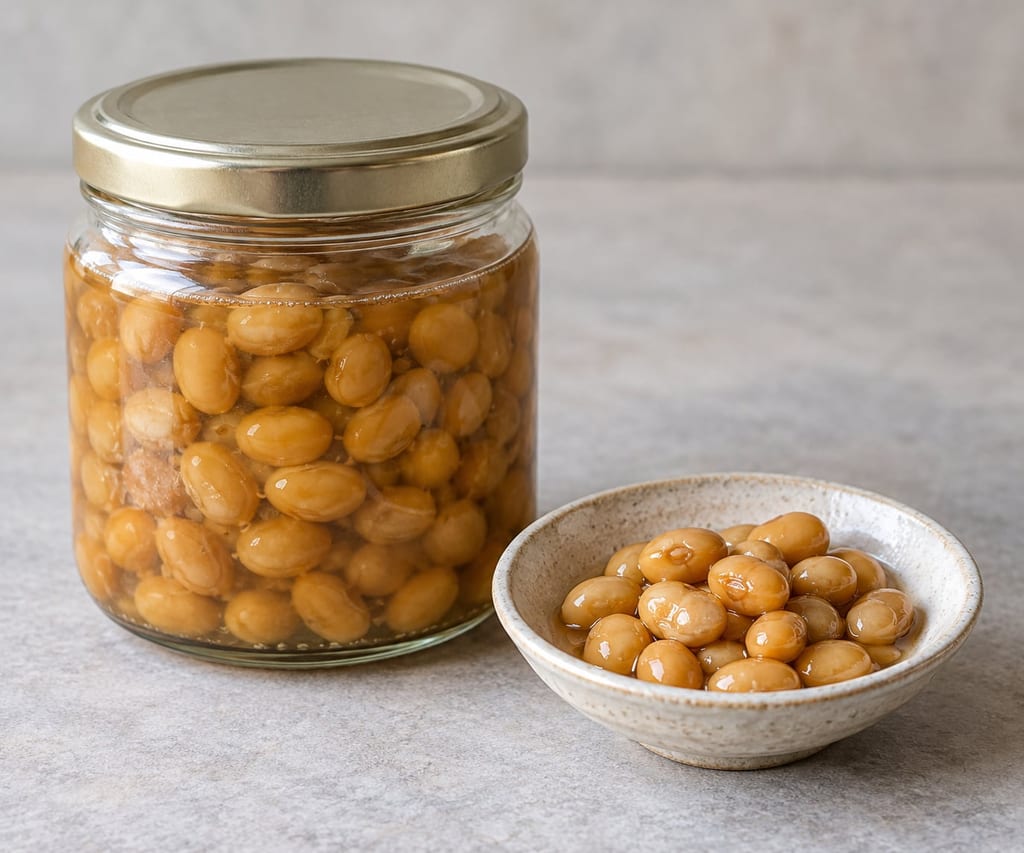
Sieng
A Cambodian fermented soybean food in which cooked beans ferment into a sticky alkaline mass, then are preserved and matured in salt brine, sometimes sweetened with sugar.
 FermenteaWhere food goes to change
Modern method
納豆 (nattō)
Steamed soybeans fermented by a named strain of Bacillus subtilis into Japan’s sticky, strongly savoury whole-bean food, bound by the thread-forming polymer the bacteria secrete.

Natto is a traditional Japanese food made by fermenting cooked soybeans with selected bacteria. Its defining characteristics are a savoury flavour, a distinctive fermented aroma and the sticky strands that form when the beans are stirred.
Its Japanese name is 納豆, read nattō.
The word covers more than one historical Japanese soybean product, but the familiar sticky whole-bean variety is known as itohiki nattō, literally referring to its thread-forming quality.
The principal ingredient is soybean, Glycine max (L.) Merr., a legume domesticated in East Asia.
Its fermentation organism is traditionally described as Bacillus subtilis var. natto, although modern taxonomy places the natto-associated organisms within Bacillus subtilis.
The important distinction is strain identity. Not every bacterium identified as B. subtilis is suitable for producing natto.
A natto-forming strain needs the appropriate combination of enzyme activity, growth behaviour and production of the substances that give the food its characteristic texture.
Unlike sauerkraut or yoghurt, natto is not primarily preserved by deliberate lactic-acid production.
Its fermentation involves extensive breakdown of soybean proteins and the development of a sticky extracellular polymer.
This is why natto belongs to the group commonly described as alkaline soybean fermentations.
Natto has a long history in Japanese food culture, although its precise origin remains uncertain.
Stories associate the discovery of natto with cooked beans accidentally fermenting inside rice straw.
One well-known legend involves the military commander Minamoto no Yoshiie during an eleventh-century campaign.
The story is culturally important, but it is not documentary proof that Yoshiie invented natto.
What can be established is that rice straw was historically used both as packaging and as a potential source of natto-associated bacteria.
Traditional producers placed cooked soybeans in prepared straw bundles and allowed fermentation to develop.
The modern microbiological understanding emerged much later.
In 1906, Sawamura isolated and described natto-associated bacteria under the name Bacillus natto.
By the early twentieth century, researchers were exploring controlled culture production.
Scientific work associated with 1919 helped establish the use of prepared bacterial inocula, allowing manufacturers to become less dependent on the variable microbiota of rice straw.
Industrial natto production subsequently developed increasingly standardised processes using controlled temperatures, humidity and commercial starter cultures.
Mito, in Ibaraki Prefecture, became particularly famous for natto.
Its association with the product was strengthened by railway distribution in the late nineteenth century; Japanese agricultural documentation identifies 1889, when the Mito railway opened, as an important commercial milestone.
These events document production and distribution history, not the original invention of fermented soybeans.
A natto-producing Bacillus subtilis culture grows on appropriately prepared cooked soybeans.
The bacterium is aerobic, meaning oxygen is important to its metabolism.
It produces enzymes that break down soybean components, especially proteins.
Proteases cleave large protein molecules into peptides and free amino acids.
This contributes savoury flavour and changes the beans' texture.
The characteristic sticky material consists largely of poly-γ-glutamic acid, commonly abbreviated γ-PGA.
This is a polymer made from glutamate units linked in a way that differs from ordinary peptide bonds in proteins.
The polymer binds water and produces the characteristic viscous strands that stretch between the beans.
Those strands become particularly apparent when natto is stirred.
The bacterium also produces various enzymes and metabolites that contribute to aroma.
Natto can develop ammonia-related odours during fermentation because nitrogen-containing compounds are transformed.
However, a strong ammonia smell is not by itself proof that a batch is correctly fermented or safe.
The distinction between desired fermentation and spoilage depends on the known culture, raw materials, process and final testing.
Soybeans contain substantial amounts of protein and fat, making them a rich substrate.
Natto is commonly made from whole beans, although the size of the bean affects the eating experience.
Small-bean natto is strongly associated with Mito and is convenient to mix with rice.
Larger beans retain a more substantial bite.
Some products use crushed or split beans.
The experimental method reproduced here used the soybean cultivar Suzumaru.
A specific cultivar can affect hydration, texture and other properties.
A household substitution with a completely different bean size or variety should not be described as reproducing the identical laboratory protocol.
Soybeans also contain antinutritional compounds that are modified by sufficient cooking and processing.
The cooking stage is therefore essential before fermentation.
Laboratory preparation — inoculation based on 50 g of steamed beans
Important correction: The original study starts with soaked and steamed soybeans and then inoculates a 50 g portion of the cooked material.
The 50 g quantity is not the initial dry-bean mass.
The supplied record incorrectly implies that 50 g of dry soybeans were soaked and used to yield the 50 g inoculated portion.
The dry-bean quantity required to obtain that cooked portion is not stated.
The inoculum is an experimental cell count, not a measured mass of commercial natto starter powder.
It must not be converted into an arbitrary number of teaspoons of starter.
Cooked, steamed soybeans — 50 g — Fermentation substrate
Selected natto-producing Bacillus subtilis cells — approximately 5 × 10⁴ cells per 50 g steamed-soybean sample, suspended in 0.5 mL sterile water — defined experimental inoculum
Sterile water for inoculum — 0.5 mL — Carries the culture
Water for soaking dry soybeans — Not specified — Hydrates beans before steaming
The original process uses laboratory pressure-heating equipment, sterile handling and a controlled incubation environment.
It is not a conventional saucepan recipe.
The reported steaming conditions require equipment capable of achieving elevated pressure and temperature safely.
A perforated polystyrene package was used to allow gas exchange during fermentation.
The incubation environment was controlled for both temperature and relative humidity.
This level of precision is one reason the original experiment can be described accurately, but it does not establish that the method can be reproduced safely using ordinary household equipment.
Soaking 16 hours · High-pressure steaming 30 minutes · Fermentation 18 hours · Conditioning 2 hours · Cold maturation 1 day
The method was developed for experimental comparison of bacterial strains. It is not a validated household production procedure or a shelf-life specification.
Soak the soybeans. Wash the soybean material and soak for 16 hours at 20°C. The exact initial dry mass is not stated in the recipe's experimental protocol.
Drain and steam. Drain the hydrated beans, then steam for 30 minutes at 131–133°C, under the specified pressure conditions of 0.18–0.20 MPa. This is a laboratory-scale high-pressure treatment and must not be attempted in equipment lacking an appropriate pressure rating.
Prepare the inoculum. Take 50 g of steamed soybeans. Suspend approximately 5 × 10⁴ cells of the selected natto-producing strain in 0.5 mL sterile water. This is an experimental cell count, not a commercial starter-powder mass.
Inoculate the cooked beans. Distribute the prepared culture over the steamed soybeans. The handling conditions must avoid introducing unrelated organisms.
Package for oxygen exchange. Place the inoculated beans in a small polystyrene box containing pores that permit gas exchange. The original research used this packaging arrangement rather than a completely airtight container.
Incubate. Maintain the beans for 18 hours at 39°C and 90% relative humidity. This is the main controlled fermentation stage.
Condition the product. Continue with 2 hours at 20°C and 50% relative humidity.
Mature under refrigeration. Hold the resulting product at 5°C for 1 day before evaluation.
Natto-producing Bacillus subtilis requires conditions that allow aerobic growth.
A gas-permeable container helps supply oxygen while reducing unnecessary exposure of the beans to their surroundings.
This differs from an anaerobic vegetable fermentation in which oxygen exclusion may be central to the process.
The beans themselves are relatively nutrient-rich.
If the wrong microorganisms dominate, undesirable growth can occur.
Therefore, sufficient oxygen availability is not the only important factor. Starter identity, sanitation and temperature control are also necessary.
The film and strands visible in natto are not evidence that oxygen was supplied perfectly throughout the batch.
They demonstrate the formation of characteristic material, but cannot independently establish microbiological purity.
The natto organism grows effectively under relatively warm conditions.
The measured study incubated at 39°C, with high relative humidity.
Warm incubation supports the intended bacterial activity, but it can also support other bacteria if they are present.
This makes culture control particularly important.
The final cold maturation slows metabolic activity and allows the product to develop its intended finished characteristics.
The 5°C maturation stage should not be confused with a validated total shelf life.
One day of laboratory maturation does not establish how long the product remains safe afterward.
Mito natto is associated with Ibaraki Prefecture and commonly uses small soybeans.
Itohiki natto is the familiar sticky variety.
Hikiwari natto uses crushed or split soybeans, creating a different texture and more exposed surface area.
Warazuto natto refers to traditional straw-wrapped presentation.
Salted and aged soybean products also exist under the broader Japanese word natto, but they should not be merged into this particular Bacillus-fermented whole-bean method.
Straw fermentation is historically significant, but modern food-safety practice should not assume that any handful of rice straw provides a desirable pure culture.
The bacteria associated with straw are variable, and the presence of a Bacillus organism does not establish that it is a safe natto strain.
Natto is most famously eaten with cooked rice at breakfast.
It is frequently stirred before serving, which accentuates its sticky threads.
Soy sauce, Japanese mustard (karashi) and chopped spring onions are familiar accompaniments.
Some people mix natto with a raw egg or egg yolk, although that introduces a separate food-safety consideration.
Natto also appears in sushi preparations, noodles and other dishes.
Its taste is savoury, with fermented notes that can be intense for unfamiliar eaters.
The texture is distinctive: beans retain their identity, while sticky strands connect them when lifted.
The comparison with fermented bean pastes such as miso is misleading because natto is generally eaten as whole fermented beans rather than a salty, long-aged paste.
A typical natto product has softened beans and characteristic sticky strands.
The texture is cohesive without becoming an undifferentiated bean puree.
A recognisable fermented aroma develops.
However, a batch cannot be declared safe solely because it forms strings.
Unexpected coloured or fuzzy mould, putrid odours unrelated to the expected product, abnormal liquid accumulation or other evidence of contamination should lead to rejection.
An absence of visible strands can indicate poor starter performance or unsuitable processing, but does not establish which variable failed.
A laboratory process should be evaluated using the relevant microbiological and physicochemical methods rather than appearance alone.
A major issue in warm soybean fermentation is distinguishing the intended B. subtilis culture from potentially harmful bacteria.
Bacillus cereus is an important foodborne pathogen associated with certain contaminated foods.
Some members of the genus Bacillus can produce resistant spores.
A warm, nutrient-rich soybean environment therefore requires careful attention to initial cooking, starter identity and contamination control.
The British Columbia Centre for Disease Control has published specific guidance concerning natto fermentation.
The original laboratory study does not provide a validated household procedure for excluding B. cereus, nor does it support replacing the named starter with an unidentified environmental culture.
The measured cell count must not be interpreted as a guarantee that every commercially available starter powder can be used at an equivalent mass.
Natto should be handled according to the safety and storage conditions of the actual product.
The research protocol includes a 5°C, one-day maturation stage, but does not establish an extended shelf life for homemade natto.
The use of refrigeration following fermentation is an important distinction from uncontrolled room-temperature storage.
Commercial production should rely on identified starter cultures, validated processing and appropriate microbiological controls.
The recipe is best understood as a precisely documented laboratory benchmark rather than a universal home recipe.
The study identifies natto as a traditional Japanese fermented soybean food and reports this specific laboratory protocol.
Yield 50 g cooked-bean portion per container; final weight not reported · Scaling: source batch only
The BCCDC natto assessment identifies spore-forming Bacillus hazards in cooked soybean substrate and warns that cooking does not remove all spore risk.
Hazard sourceUse only a commercially prepared, identified natto starter with supplier documentation; control cooking, inoculation, incubation and cooling as a validated process. This research protocol does not establish a validated home control plan.
Control sourceThis is an unvalidated laboratory protocol, not a safety-validated home recipe. Bacillus spores can survive cooking; never substitute an unidentified wild culture or rely on smell, taste or appearance to judge safety.
The cooperative describes commercial natto manufacture; the study documents a laboratory protocol. Neither source identifies a single birthplace.
A Cambodian fermented soybean food in which cooked beans ferment into a sticky alkaline mass, then are preserved and matured in salt brine, sometimes sweetened with sugar.
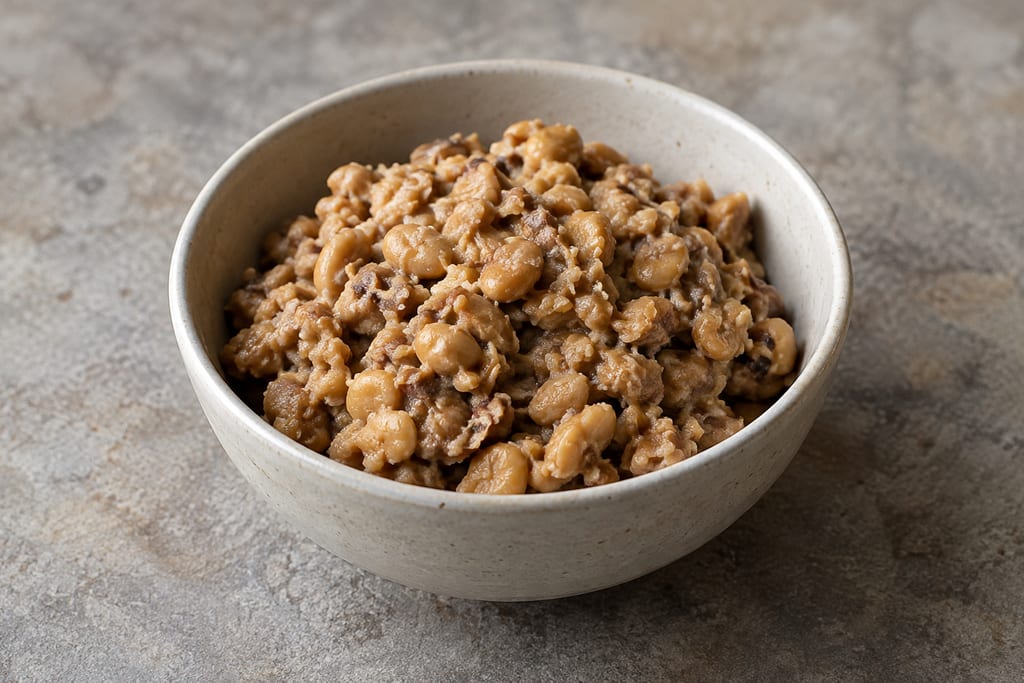
A Khasi and Jaintia fermented soybean food from Meghalaya: cooked beans ferment naturally in leaf-lined baskets above a fire, giving a sticky, pungent, savoury mass.
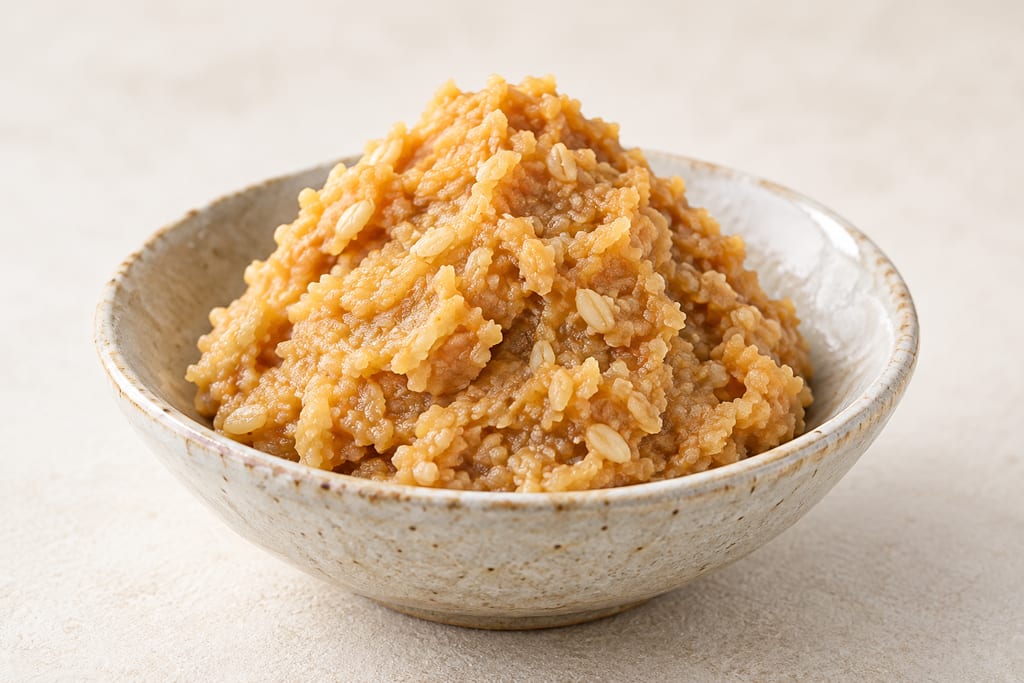
A Japanese soybean paste fermented with barley koji and salt, made mostly in Kyushu, Shikoku and western Japan. It is sweet, savoury and grainy.
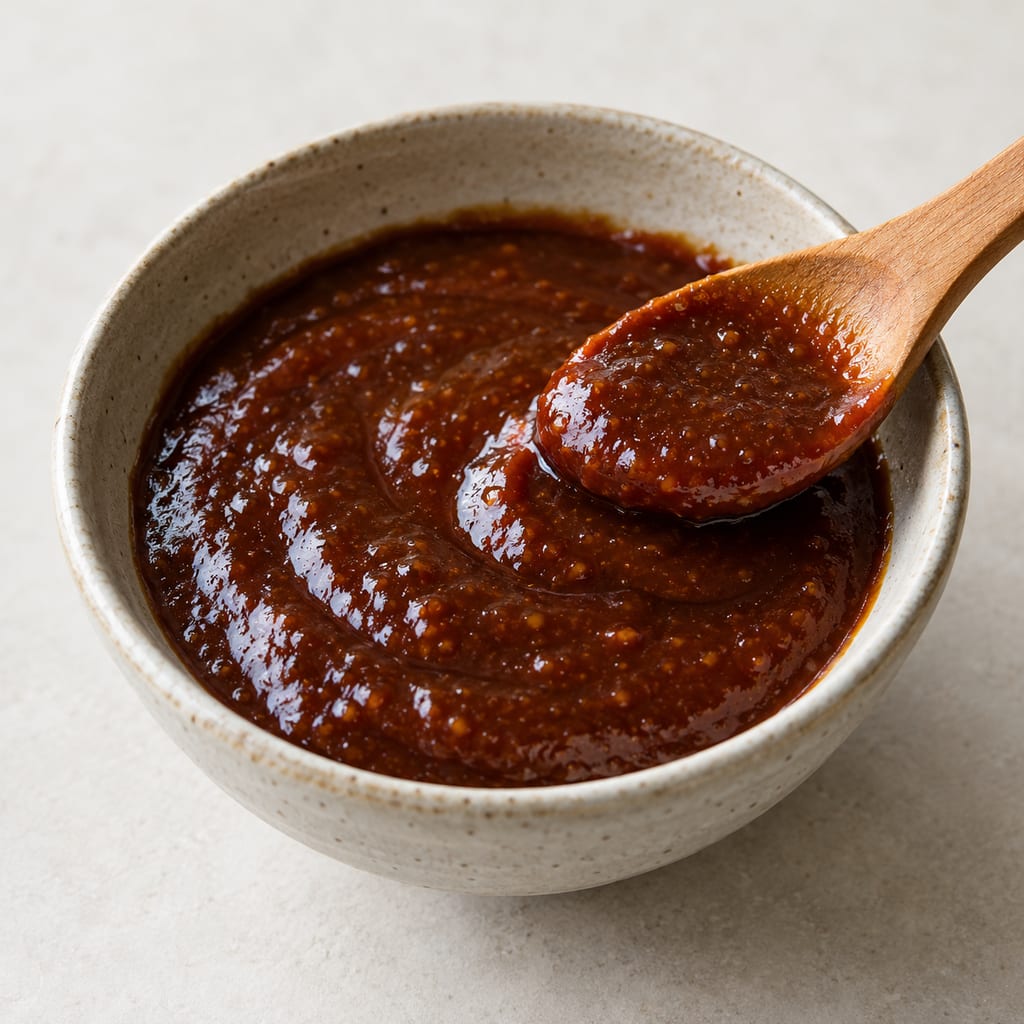
A sweet-salty Japanese glaze of miso, mirin, sake and sugar, warmed until thick and spread on grilled tofu, eggplant, daikon or konnyaku. Regional versions in Aichi use red miso and dashi.
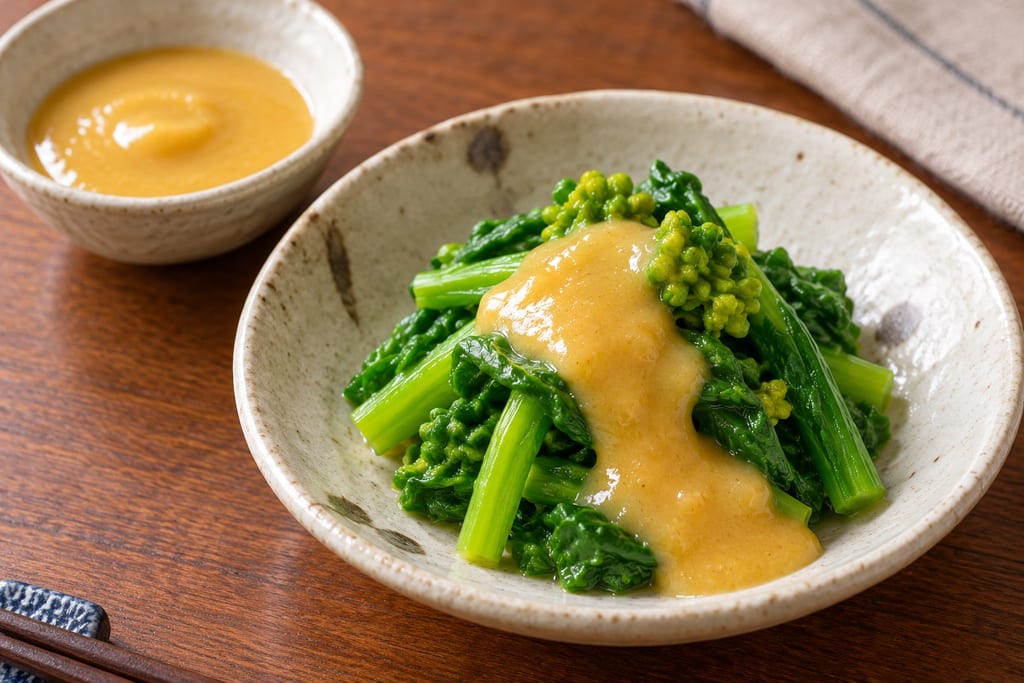
Karashi-su-miso is a smooth Japanese sauce of sweet miso, rice vinegar and hot mustard, stirred together for vegetables, seafood or poached fish.

Natto is a Japanese fermented soybean food with a sticky coat and long strings, made by steaming soybeans and inoculating them with a natto Bacillus starter, then keeping them warm.
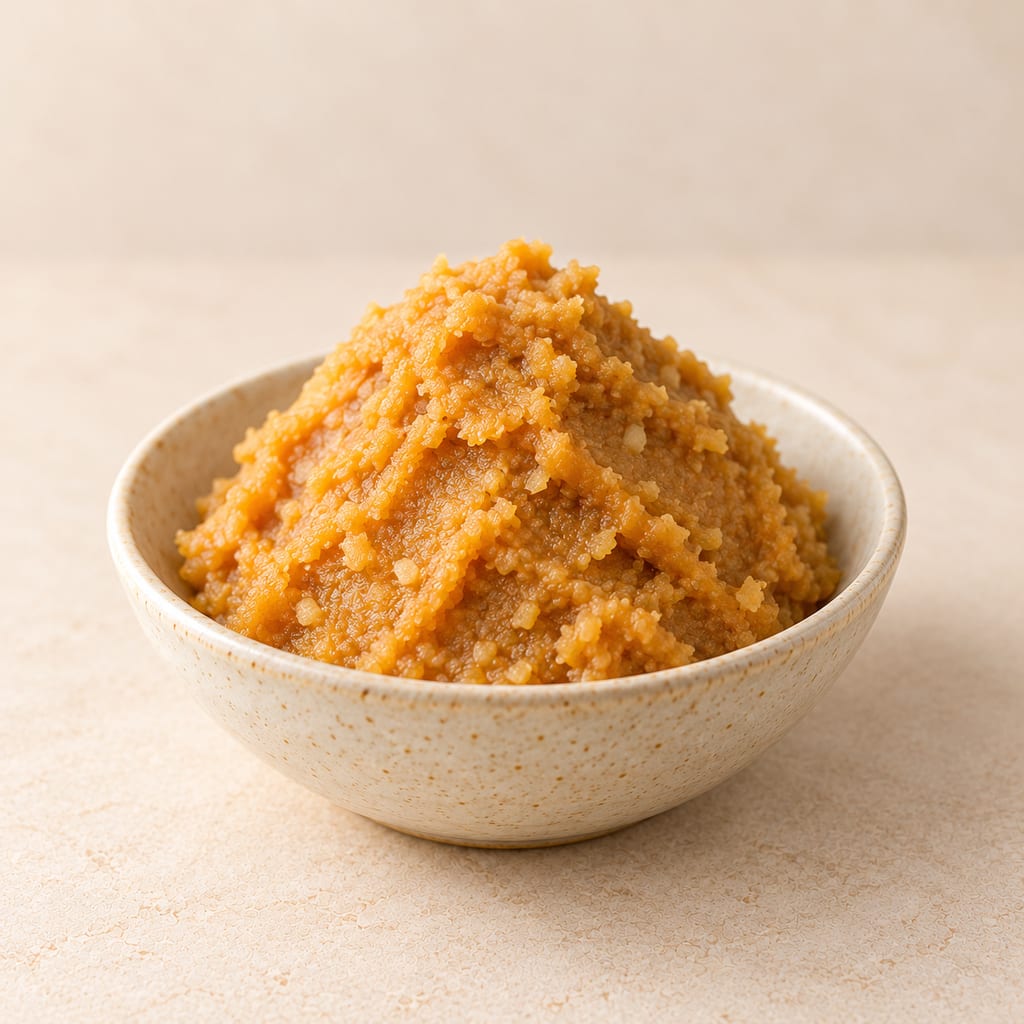
A traditional Japanese fermented paste made by mixing cooked soybeans with rice koji and salt. This guide details the ratio, the long enzymatic breakdown, and the months-long maturation required for depth.
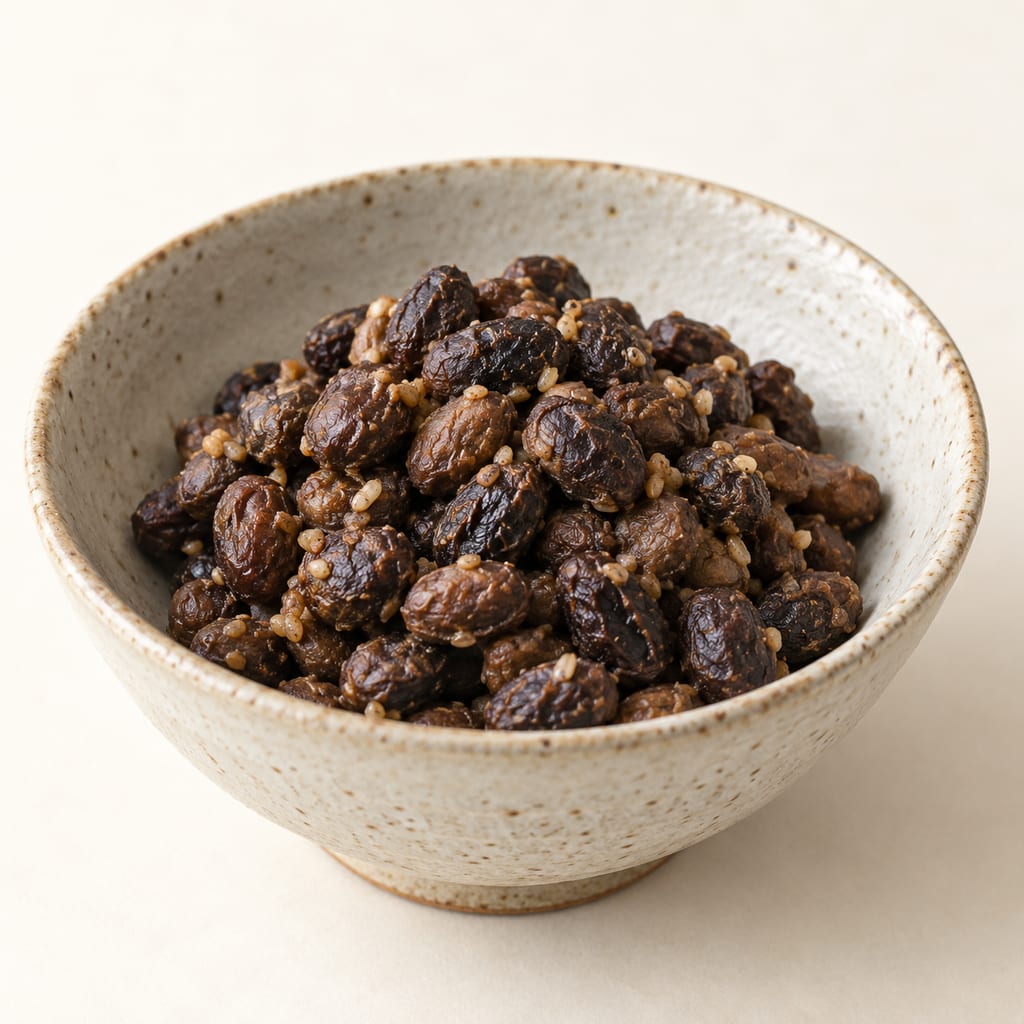
A Japanese family of salted, dark, non-stringy natto made from whole soybeans, roasted grain and salt water, with names such as hama-natto, Daitokuji-natto and tera-natto. Not the sticky Bacillus natto.
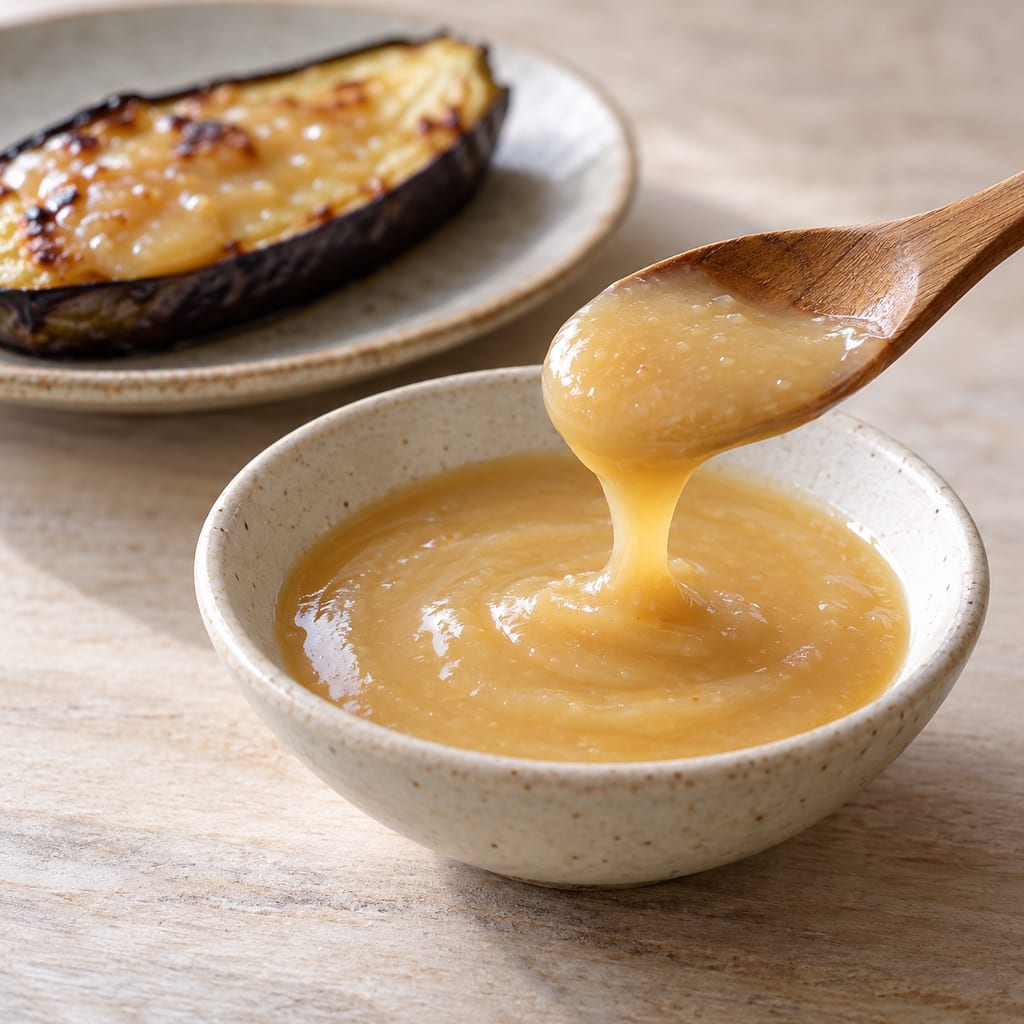
A Japanese-style glaze of pale rice miso, water, sugar and rice vinegar, heated gently until it coats a spoon and spread over cooked aubergine, tofu or vegetables.

Japanese reddish-brown vinegar from sake lees matured about three years, turned to vinegar by acetic bacteria; the vinegar of Handa and Edomae sushi rice.

Soybeans boiled soft and fermented in a leaf-lined basket by the hearth, then in many Naga households pounded, wrapped in leaves and fermented again into a dark, pungent seasoning paste.
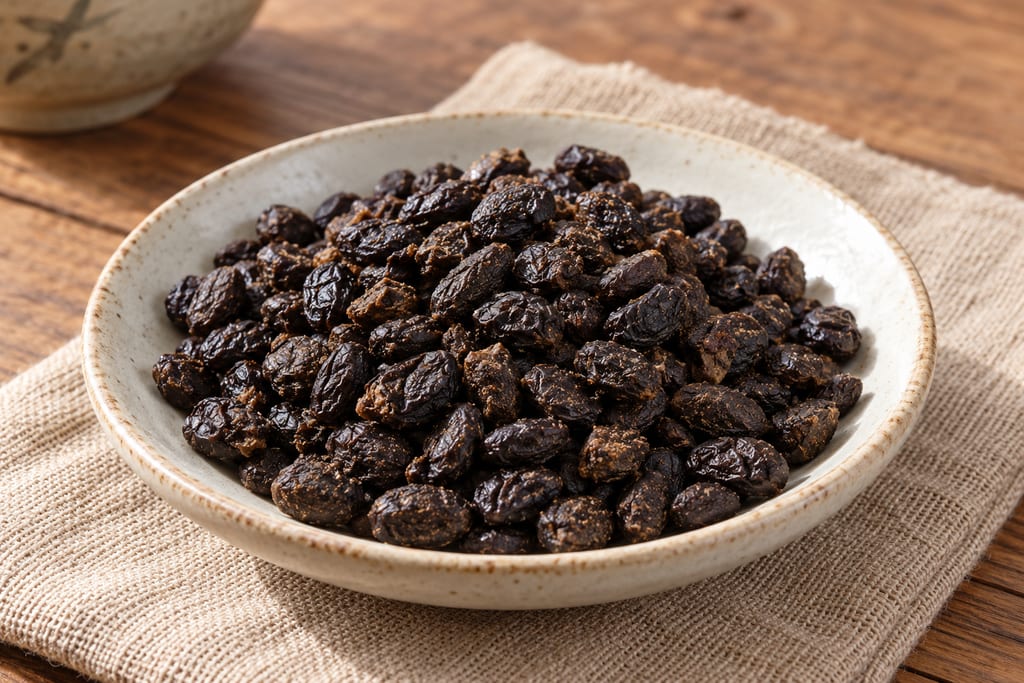
A Chinese fermented soybean condiment in which Bacillus-led bacteria, not moulds, drive the fermentation. Documented in Zunyi, Guizhou, and kept separate from mould-led douchi.
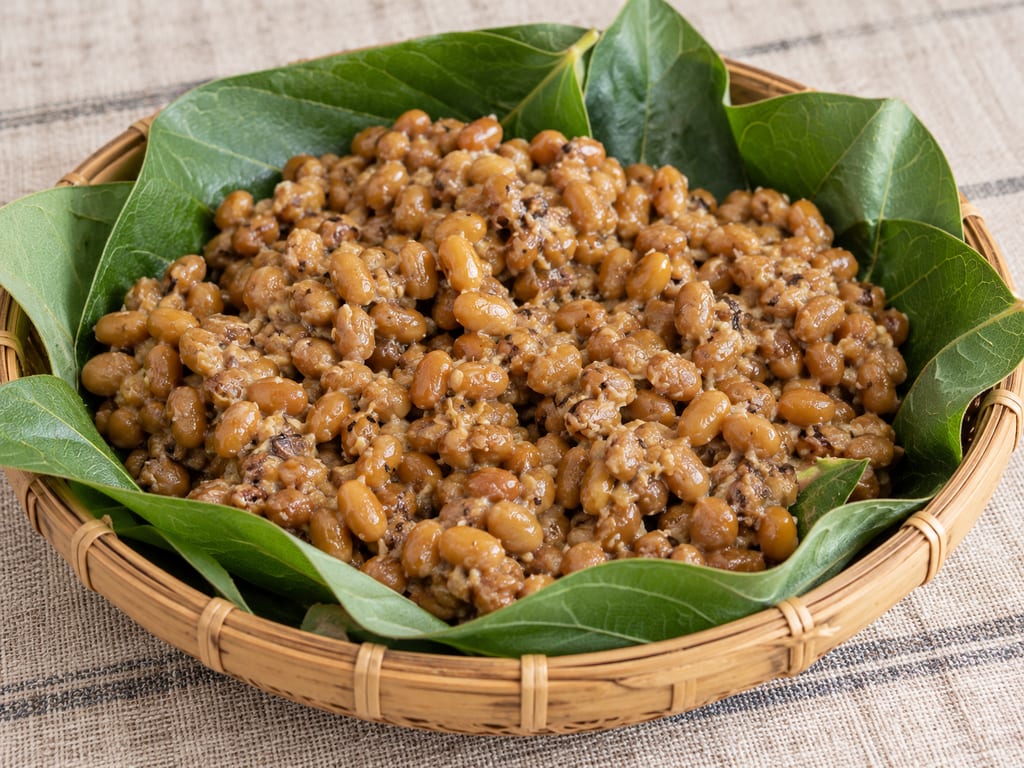
A Mizo alkaline soybean ferment made by holding cooked beans in leaf-lined containers, sometimes with wood ash, until they turn sticky, soft and pungent; eaten fresh or used as a seasoning.
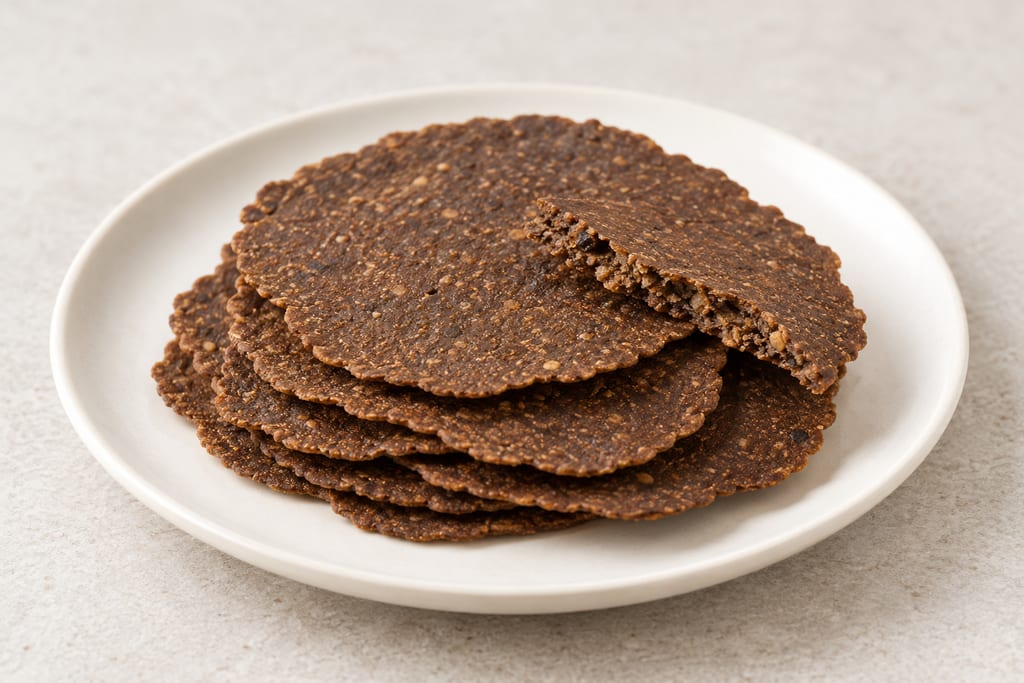
Black soybeans cooked, inoculated with a named Bacillus subtilis culture and fermented warm and humid into northern Thailand's thua nao, then optionally dried into thin discs.
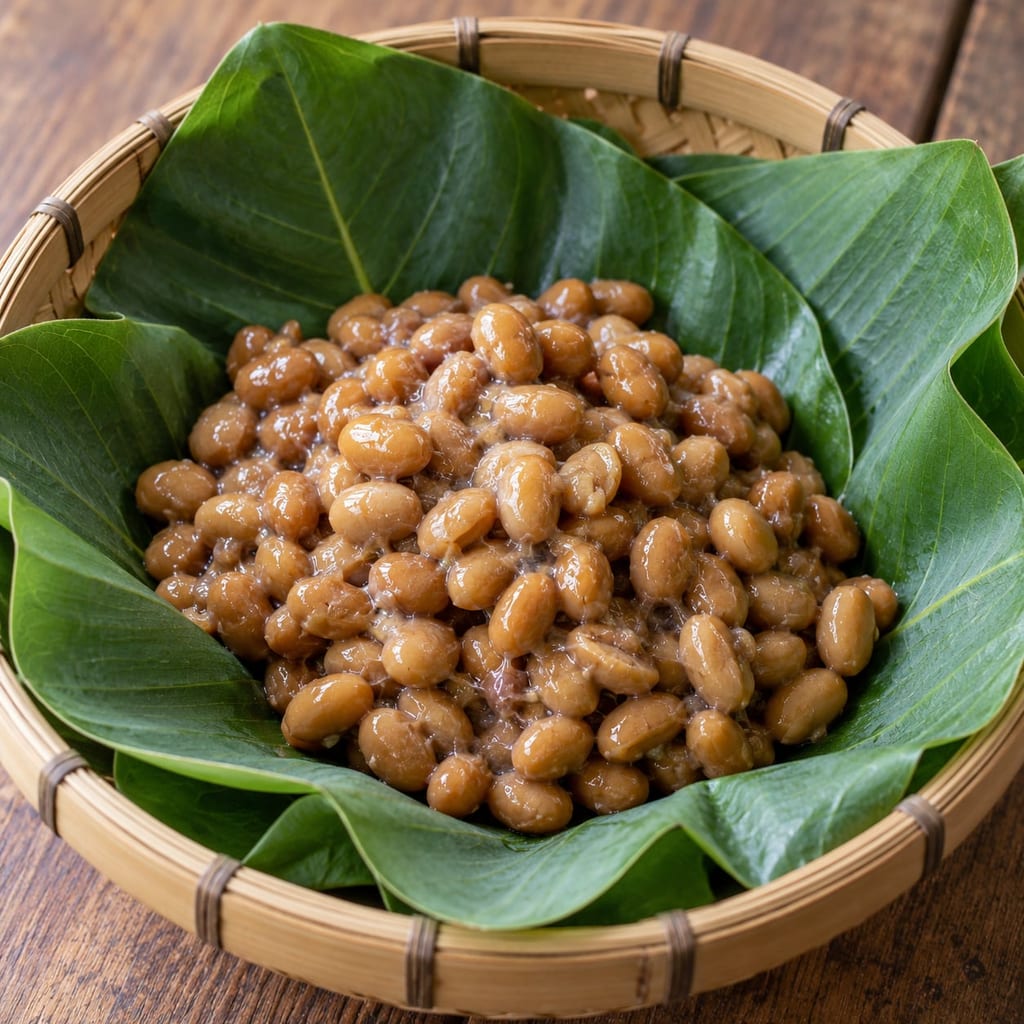
A sticky fermented soybean food of Manipur, made by packing cooked soybeans in leaf-lined bamboo baskets and keeping them warm, related to but distinct from Bekang and Akhone.
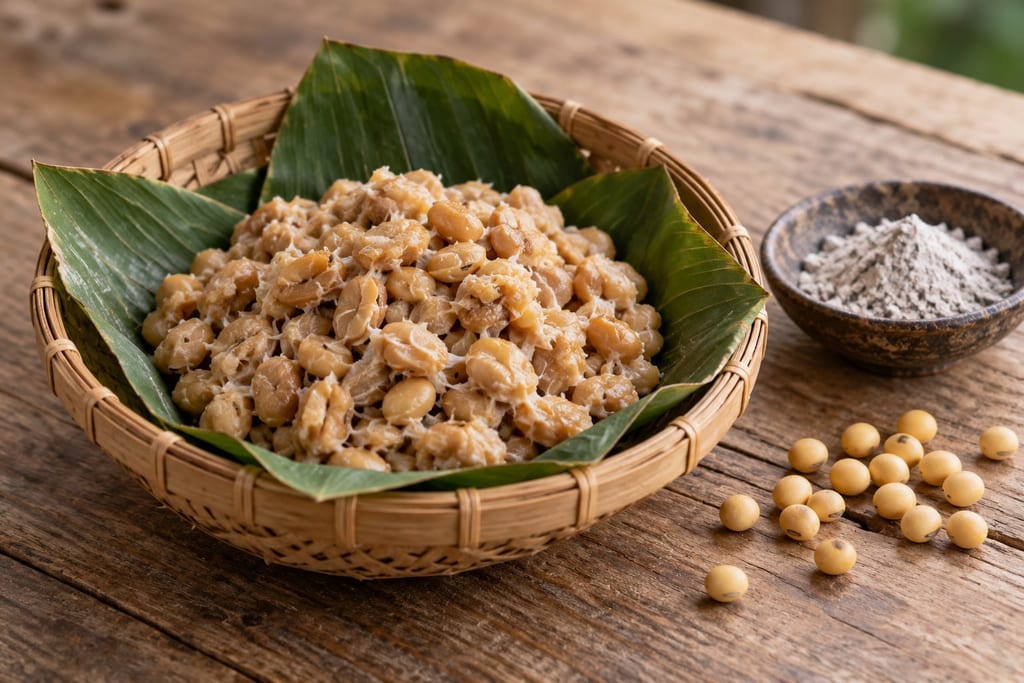
A sticky fermented soybean food of the eastern Himalaya, made here with a measured addition of firewood ash as an alkaline aid to the bacteria that drive it.
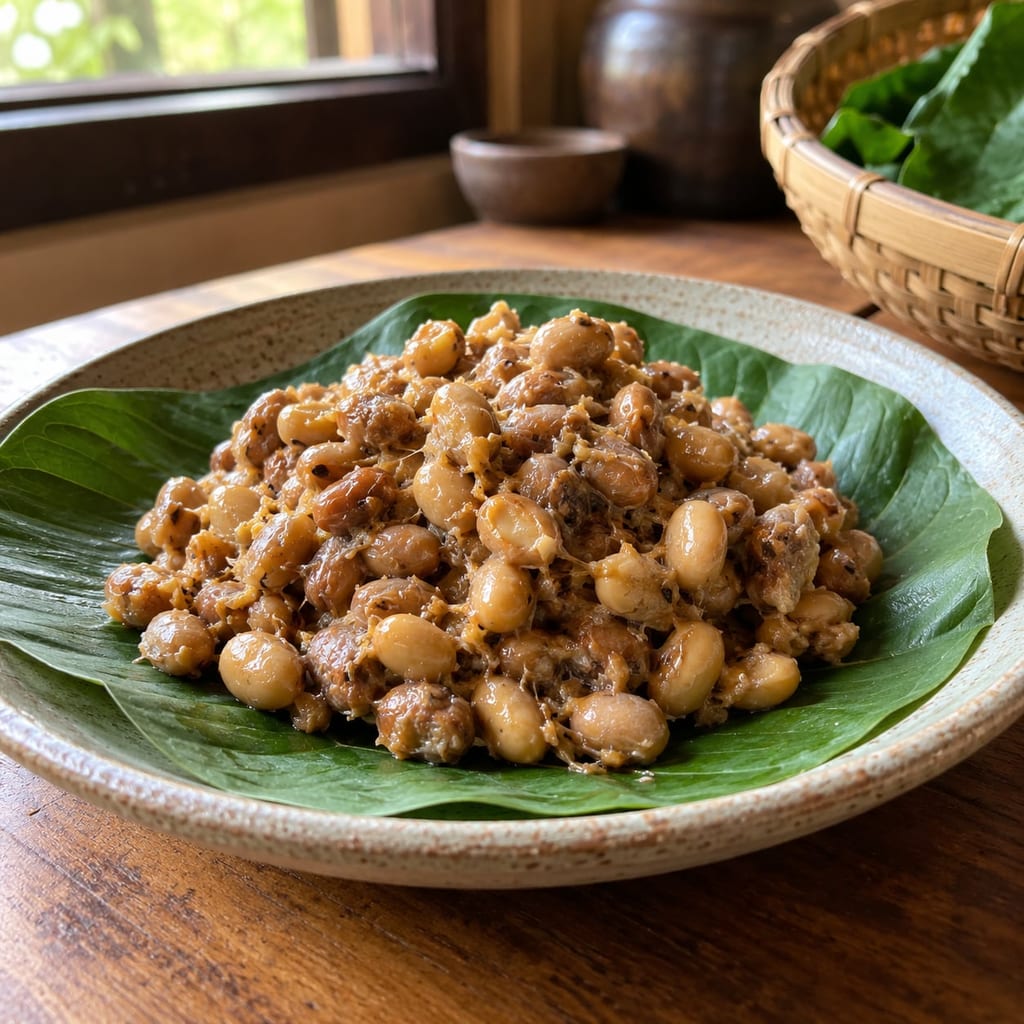
A home kinema made from overnight-soaked white soybeans, cooked, drained hot, wrapped in cloth and insulated to ferment for about a week.
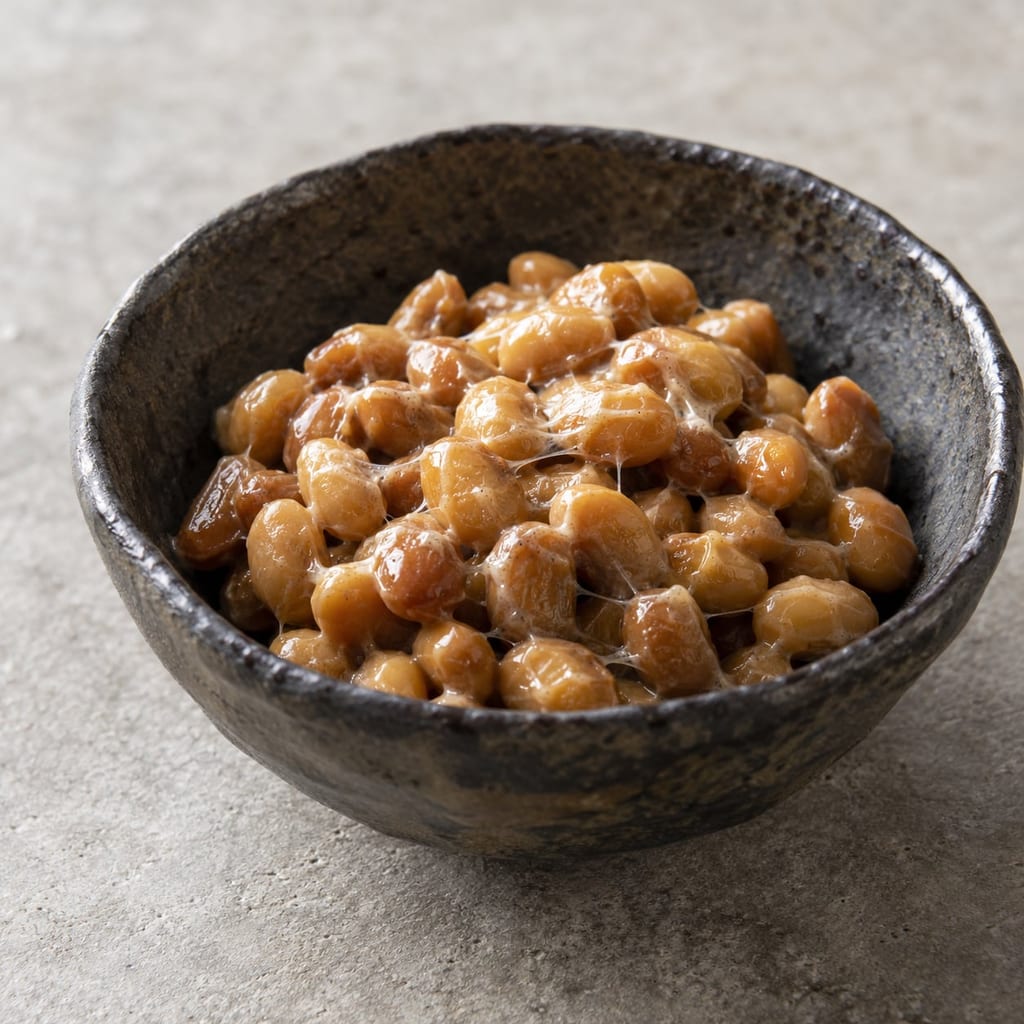
A two-cup soybean batch uses one Cultures for Health Natto Spores packet, a shallow perforated cover, and the supplier’s stated incubation and chilling sequence. The supplier’s instructions are not a validated home process.
No community contributions have been published for this entry yet.
Sign in to contribute. Published comments and photos are free to read.
Applied and Environmental MicrobiologyInspiration · Process
Phylogenetic Analysis of Bacillus subtilis Strains Applicable to Natto (Fermented Soybean) ProductionProtocol uses cultivar Suzumaru; soak 16 h at 20°C and steam 30 min at 0.18–0.20 MPa and 131–133°C.
Each 50 g sample of steamed soybeans receives approximately 5 × 10⁴ cells suspended in 0.5 mL sterile water.
Use a small polystyrene box with pores for gas exchange; ferment 18 h at 39°C and 90% RH, then 2 h at 20°C and 50% RH; mature 1 day at 5°C.
Cited in: Japan's remarkable sticky soybean ferment; What the bacteria do; Choosing soybeans; Ingredients; Equipment; Method; Why oxygen matters; Why the incubation is warm; Traditional and modern variations; How natto is eaten; Signs of proper development
Natto Promotion CenterHistorical · Geography
How natto is madeCommercial production context and natto's Japanese identity
Cited in: Japan's remarkable sticky soybean ferment; History and the limits of origin stories; Choosing soybeans; Ingredients; Equipment; Method; Why oxygen matters; Why the incubation is warm; Traditional and modern variations; How natto is eaten; Signs of proper development
BC Centre for Disease ControlSafety
Safety of fermented foods: NattoBacillus hazards and need for identified starter and controlled process
Cited in: Japan's remarkable sticky soybean ferment; Choosing soybeans; Ingredients; Equipment; Method; Why oxygen matters; Why the incubation is warm; Traditional and modern variations; How natto is eaten; Signs of proper development; Bacillus cereus and related hazards; Storage and safe handling
Japan Ministry of AgricultureHistory
Japan Ministry of Agriculture — Traditional natto in IbarakiTraditional natto in Ibaraki
Cited in: History and the limits of origin stories
Meguro Research InstituteHistory · Microbiology
Meguro Research Institute — History of natto bacterial culturesHistory of natto bacterial cultures
Cited in: History and the limits of origin stories; What the bacteria do