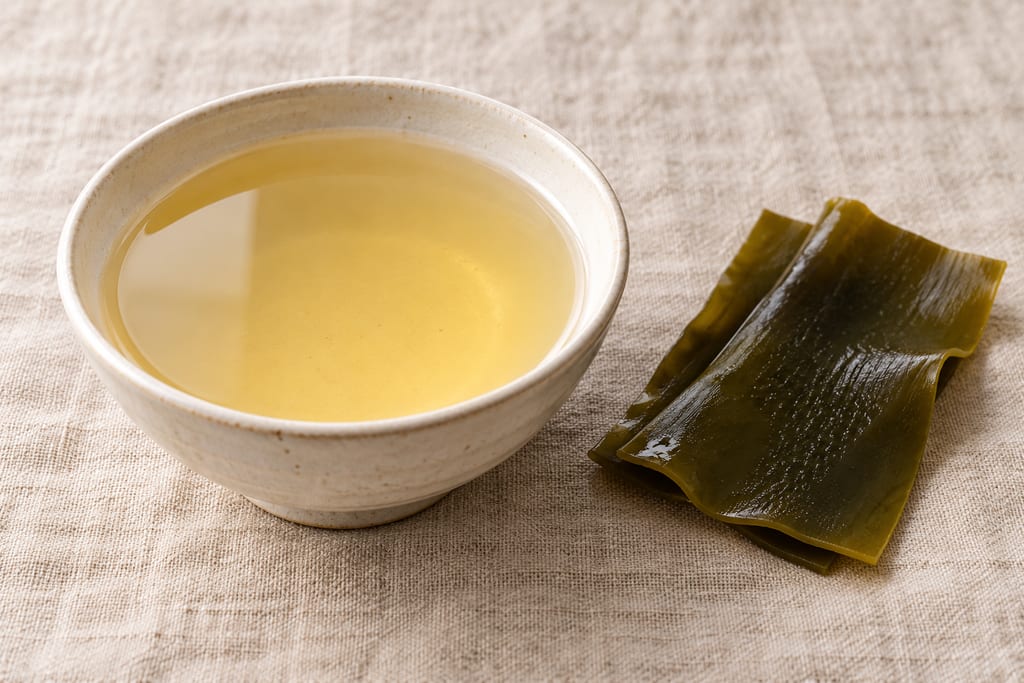
Kombu dashi
A clear Japanese broth made by gently extracting kombu’s savoury taste into water. Use it on its own for delicate dishes or as the kelp base for a separate bonito or dried-fish dashi.
 FermenteaWhere food goes to change
辛子酢味噌 · Karashi-su-miso · Karashi sumiso · Mustard vinegar miso · Miso-mustard sauce
Karashi-su-miso is a smooth Japanese sauce of sweet miso, rice vinegar and hot mustard, stirred together for vegetables, seafood or poached fish.
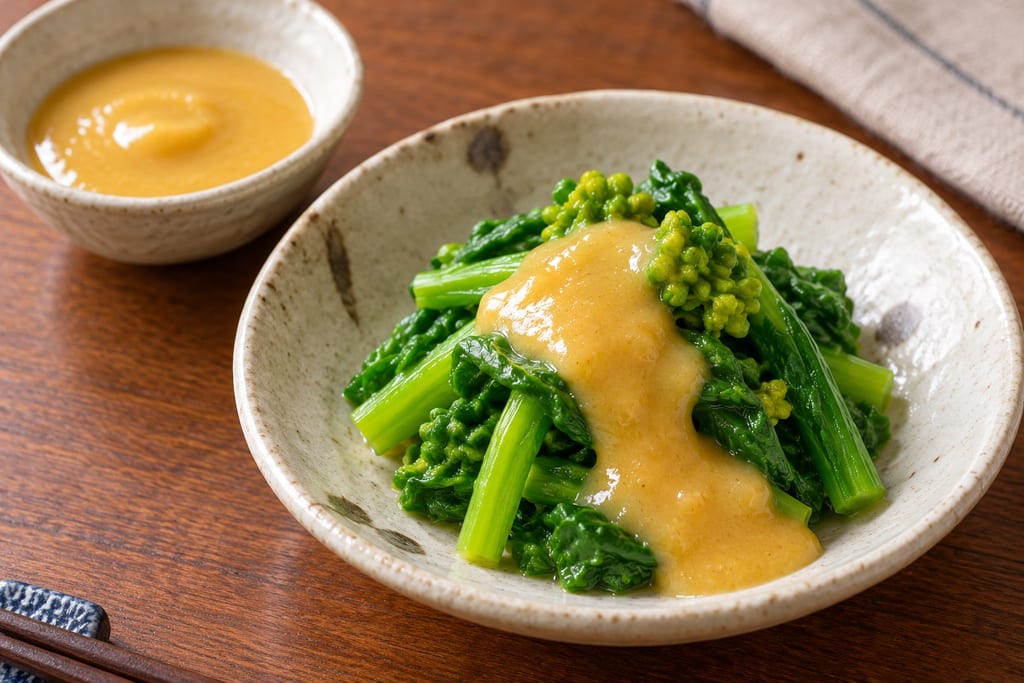
Miso mustard can mean several preparations. This entry is karashi-su-miso (辛子酢味噌), literally mustard vinegar miso: a thick Japanese sauce of miso, rice vinegar and Japanese hot mustard. It balances miso’s salt and savouriness with vinegar’s tartness and karashi’s nose-tingling heat. Unlike mustard made by fermenting seeds, or miso that is still maturing, this sauce is mixed for serving. Goodlok describes its commercial Miso mustard as fermented miso blended with creamy mustard, but gives no ratio or further fermentation step; that product is not enough evidence to infer the home method here.
The recipe follows Elizabeth Andoh’s published proportions: three tablespoons Saikyo white miso, two tablespoons rice vinegar and a quarter teaspoon karashi, making about a quarter cup. Saikyo is a sweet, pale Kyoto-style miso, so no sugar is needed in this version. Miso brands differ in salt and sweetness; taste after mixing and add salt or light soy only if it needs it.
The name does not identify a single fixed ratio. Japanese references use both karashi-miso and karashi-su-miso, and a store-bought blend can be thicker, sweeter or milder than a freshly mixed sauce. This recipe keeps the culinary method legible: the listed miso, vinegar and karashi define the base; salt or light soy and thinning liquid are optional adjustments. It is not a formula for making mustard, koji or miso from raw ingredients.
The sauce uses an ingredient with a longer history than the sauce itself. The Japan Miso Promotion Board cites the Taiho code of 701 as the earliest Japanese record of miso, while acknowledging that its origin cannot be settled as China, Korea or local development. The board describes early miso as costly, eaten in small amounts with rice or vegetables, and used in cooking. It also records miso thinned with vinegar as a dressing for namasu, a raw fish preparation. That pairing helps explain why vinegar and miso sit comfortably together; it does not establish when mustard was added.
Japan’s agriculture ministry traces miso to older salted fermented bean foods and describes how Japanese rice culture developed rice-koji miso. Its account notes miso eaten as a side dish in the Heian period and the establishment of miso soup in the Kamakura period. Regional misos differ in base ingredients, color, sweetness and maturation, and those differences matter in a sauce: sweet pale miso yields a mild, light base; saltier or darker miso makes a stronger one. The sources consulted here do not give a secure first date for karashi-su-miso, so this page does not assign it an origin century.
The historical record also helps keep the scope honest. The 701 reference concerns miso in Japan, not this sauce. The board notes multiple possible routes of transmission and describes the older product as different in character from today’s common paste. Meanwhile, the ministry’s account presents regional variety as a result of ingredients and maturation rather than one national standard. These sources support a Japanese context for the sauce and its miso base, but they do not license a claim that a particular modern proportion is ancient or universal.
Miso has fermented before it reaches the bowl. For rice miso, koji is rice grown with Aspergillus oryzae; enzymes produced during koji-making help break down starches and proteins in the later soybean mash. Bacteria and yeasts also participate during maturation, shaping miso’s flavor and aroma. The particular changes depend on the miso and its production. The finished paste brings concentrated salt, soluble amino acids and sugars to the sauce; this recipe requires no further fermentation.
The sauce’s change is immediate and physical. Vinegar loosens dense miso and adds acidity. Stirring breaks up lumps and spreads the mustard through the paste. Karashi’s pungency follows mustard seed chemistry: when seed cells are disrupted, myrosinase can convert glucosinolate precursors into pungent compounds such as allyl isothiocyanate. A cited study tested mustard products, not this sauce, so it supports the general mechanism, not a precise heat prediction. Prepared karashi differs by brand and loses pungency over time; start with a little and taste before adding more.
This distinction matters in the method. Koji enzymes and the microbes involved in miso production explain why the paste can bring layered savoriness to a quick sauce; they do not continue a meaningful miso-making process in the bowl. There is no grain substrate, controlled salt mash or maturation stage here. If prepared mustard was made earlier from seeds, its own production is also upstream and not a fermentation step in this recipe. The immediate result comes from balancing prepared ingredients, not from waiting for acidity, gas or flavor to develop.
Stir the karashi into vinegar before adding miso; the liquid first disperses the small quantity of mustard, then the miso can be worked in smoothly. Press out any lumps against the side of the bowl. The finished sauce should cling to greens or sit on a spoon. A few drops of water or dashi loosen it without changing its character. Oil makes a looser dressing and is an optional serving variation.
The Japanese food-composition table records another style called karashi-miso: sweet rice-koji miso, sugar, grain vinegar and mustard paste in a 20:10:10:2 blending ratio. This is a sweeter formulation, not an instruction to combine its ratio with the no-sugar karashi-su-miso recipe above. Powdered karashi needs water to form a paste as its label directs. Prepared mustard may already contain vinegar, salt or other ingredients, so it can change the balance. Kikkoman distinguishes Japanese karashi from Western prepared mustard, which is often blended with vinegar and sugar.
When measuring, use level spoonfuls and scrape the miso from the spoon cleanly; its density makes a small volumetric error noticeable in a small batch. First mix the three base ingredients as written, then correct only one dimension at a time: vinegar for more tartness, karashi for more heat, water or broth for a softer texture. This avoids masking the miso with several simultaneous additions. A very smooth sauce can be passed through a small sieve, but straining is unnecessary when the miso and mustard are already smooth.
Karashi-su-miso is well suited to seasonal vegetables and seafood. The recipe source suggests raw vegetables as a dip and blanched or steamed greens, poached fish or meat, and seafood as partners. Its thickness lets it be dabbed on a bite rather than poured. The mustard’s sharpness cuts through mild greens and richer fish; extra vinegar sharpens it, while water or broth softens its intensity.
Dress vegetables close to serving so their released moisture does not thin the sauce. For salad greens, a little olive or sesame oil makes a looser dressing, as Andoh notes; it is not part of the base recipe. No cooking is needed. Use the sauce cold, or spoon it over warm ingredients just before serving.
For vegetables, spoon the sauce over food after draining it well. Excess water left on blanched greens can slide the thick condiment off and dilute the flavor. For seafood, serve the sauce beside or lightly over the cooked ingredient so its tartness and mustard aroma stay distinct. The source also suggests dipping raw vegetables. These are serving recommendations, not claims that the sauce preserves the food or changes its safety.
Choose a miso whose sweetness and salt suit the dish. Saikyo white miso gives the published recipe its gentle base; another pale rice miso can work but may need less mustard or more vinegar. Karashi is not interchangeable with Western prepared mustard without changing the result: Japanese karashi is mustard powder mixed with water or made into a paste and is sharper than vinegar-sweetened Western styles.
This is a fresh mixed sauce, not a pickle or preservation process. The sources do not establish a universal storage period for every combination of miso, mustard and vinegar. Refrigerate leftovers promptly and follow package directions rather than treating vinegar as a shelf-stability guarantee. Check labels for soy, mustard and possible wheat or barley in miso; prepared mustard may contain additional ingredients. Goodlok declares mustard as an allergen. Smell, taste and appearance do not establish that stored food is safe.
Mustard strength is especially variable. Kikkoman notes that Japanese karashi is commonly sold as powder or paste and that pungency fades; the research on mustard products likewise found differences in perceived heat among commercial products. Therefore, a quarter teaspoon is a starting measure tied to the cited recipe, not a universal pungency standard. If using powder, follow its package directions for hydration. If using a prepared mustard formulated with vinegar, taste the sauce before adding the full vinegar amount, since the added acid can make the result sharper than intended.
Karashi-su-miso belongs to a broader way of seasoning foods with fermented grain pastes, vinegar and pungent condiments. Japan’s agriculture ministry describes miso, soy sauce, vinegar and mirin as familiar grain-derived fermented seasonings, often paired with wasabi, mustard, ginger or Japanese pepper. That context explains the sauce’s balance: the vinegar brightens the salty, savoury paste and the mustard gives a sharp finish. The sauce itself is mixed for the meal; those fermented ingredients were made earlier.
The choice of miso gives the same named sauce a different center of gravity. The ministry groups miso by koji substrate and, for rice miso, by salt and sweetness. It identifies Kyoto’s Saikyo miso among the white sweet rice misos. That makes Saikyo a purposeful fit for this no-sugar recipe: its own sweetness softens the vinegar and mustard. A saltier or darker miso can still be used, but the result will not have the same mildness and may need a different balance.
A neighboring seasoning shows why names and formulas should stay distinct. Aichi’s sumiso somen is made with miso, vinegar and sugar, often using the region’s red miso; it is served with noodles and is not a mustard sauce. The Ministry of Education’s food-composition table separately lists karashi-miso, a standardized blend of sweet rice-koji miso, sugar, grain vinegar and mustard. Its ratio is a reference composition, not proof that all homes use one formula. This recipe instead follows the published Saikyo miso, vinegar and karashi proportions without added sugar.
The sauce is thick enough to coat a bite, so it can be served as a dip, placed on top of vegetables, or stirred through a small dish just before eating. Elizabeth Andoh’s examples include raw vegetables, blanched greens, poached fish, chicken and seafood. A home recipe for nanohana uses a practical sequence: blanch the greens briefly, cool them, squeeze out their water, then dress them with mentsuyu and karashi-su-miso. A little more sauce is added at the end so its mustard edge remains distinct.
That draining step matters because water carried on the vegetables dilutes a sauce whose flavor is already balanced in a small quantity. It also explains why a spoonable condiment can be more useful than a thin dressing: it stays where it is placed and can be adjusted bite by bite. If the sauce is meant to coat a larger salad or pooled ingredients, add only a few drops of water or dashi at a time. The source recipe gives no universal dilution ratio, and a thinner sauce spreads its salt, sweetness and pungency across more food.
Keep the base sauce separate until serving when the vegetables are wet or the meal will sit for a while. This preserves the texture and makes it possible to add another small spoonful without re-seasoning the entire dish. These are serving choices rather than extra steps in the sauce’s preparation, and they do not turn it into a marinade or preserve the food.
A separately developed fresh batch uses 70 g sweet white miso, 30 g rice vinegar labelled 5%, 20 g water, 20 g sugar and 10 g freshly prepared karashi paste, for approximately 150 g. Whisk the miso, vinegar, water and sugar until smooth, then stir in the karashi. The batch is described for cooked vegetables or shellfish; refrigerate leftovers. No shelf-life limit is established.
This is a simplified adaptation of the karashi-su-miso family, not a transcription of Hiroko Shimbo’s recipe. Shimbo’s published description includes sweet white Saikyo miso, sugar, rice vinegar, dashi and hot mustard, with shellfish, sashimi, sea vegetables and parboiled vegetables as uses. The cited book page supports that context; it does not supply the gram quantities above. This development batch is untested and is not a preservation process.
The named sauce belongs to a documented Japanese vinegar-miso condiment family. The exact age of its mustard variant is not established here.
Yield 4 servings · Scaling: source batch only
Goodlok declares mustard; miso is soy-based unless another legume is used.
Hazard sourceCheck ingredient labels and avoid allergens.
Control sourceMiso contains soy; check its label for barley or wheat. Mustard is an allergen; prepared mustard may contain other ingredients.
This sauce does not preserve food. Refrigerate leftovers promptly and follow ingredient package directions.
Official composition data and a Japanese mustard-vinegar miso recipe document this preparation in a Japan-wide context; neither identifies a locality or first origin date.
A clear Japanese broth made by gently extracting kombu’s savoury taste into water. Use it on its own for delicate dishes or as the kelp base for a separate bonito or dried-fish dashi.
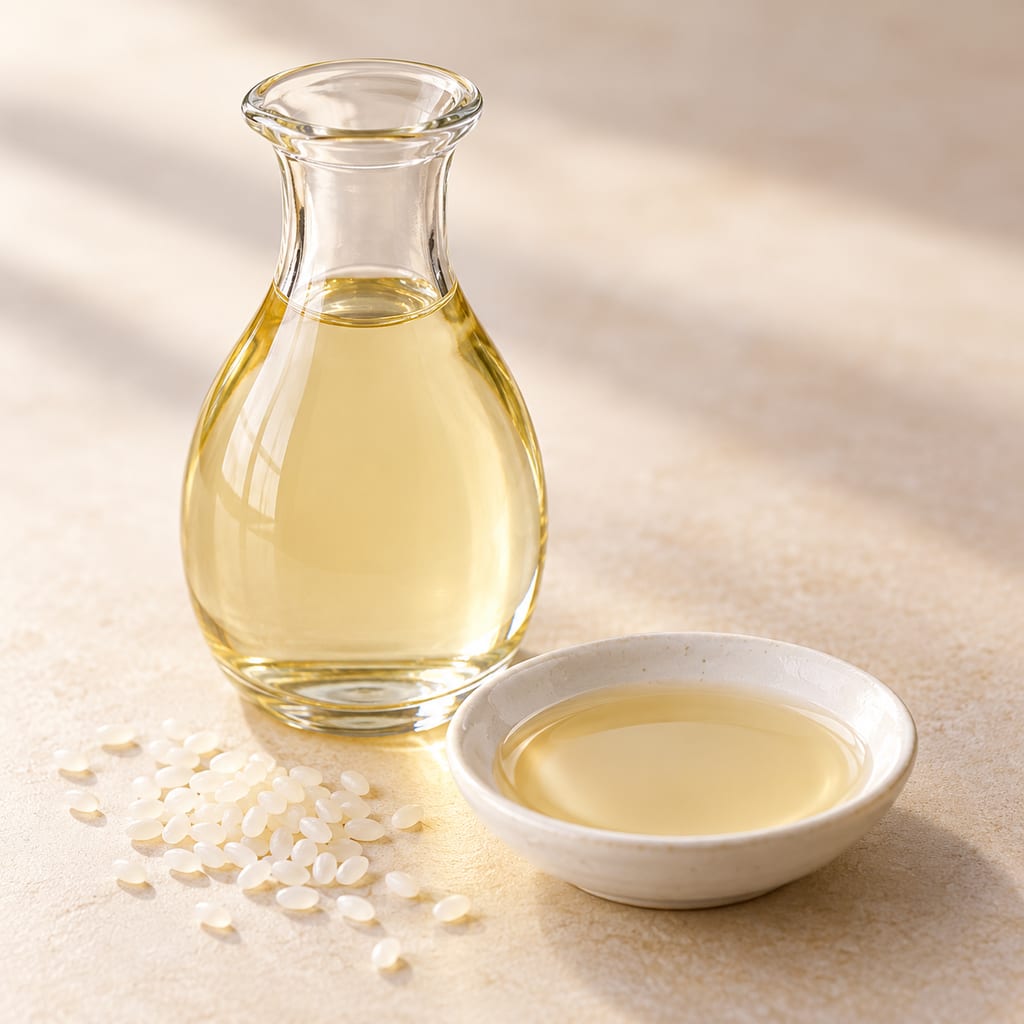
Japanese komezu is a pale, unseasoned rice vinegar made through alcoholic and acetic fermentation; rice, water, koji and yeast shape its character.
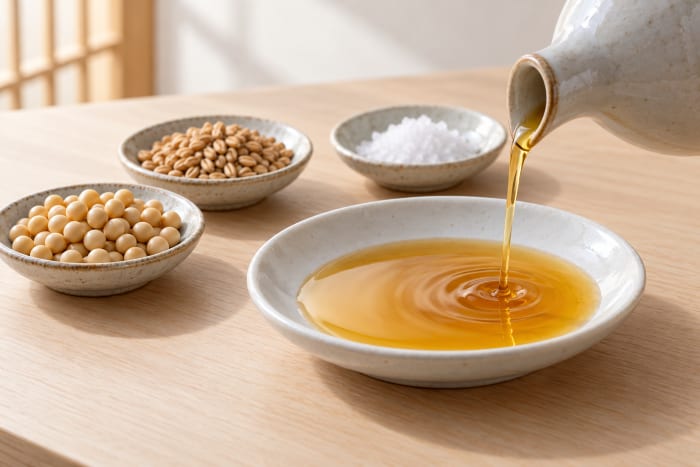
Usukuchi is Japan's light-coloured soy sauce, a Kansai style identified by its pale colour rather than by lower salt, with the colour set by production choices made during brewing.
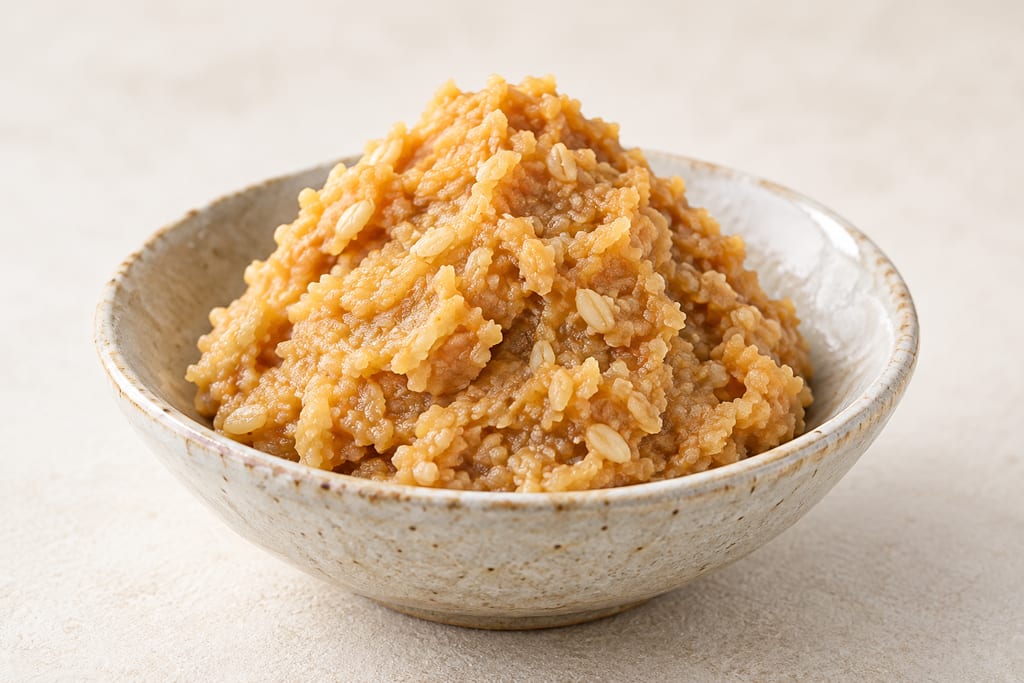
A Japanese soybean paste fermented with barley koji and salt, made mostly in Kyushu, Shikoku and western Japan. It is sweet, savoury and grainy.
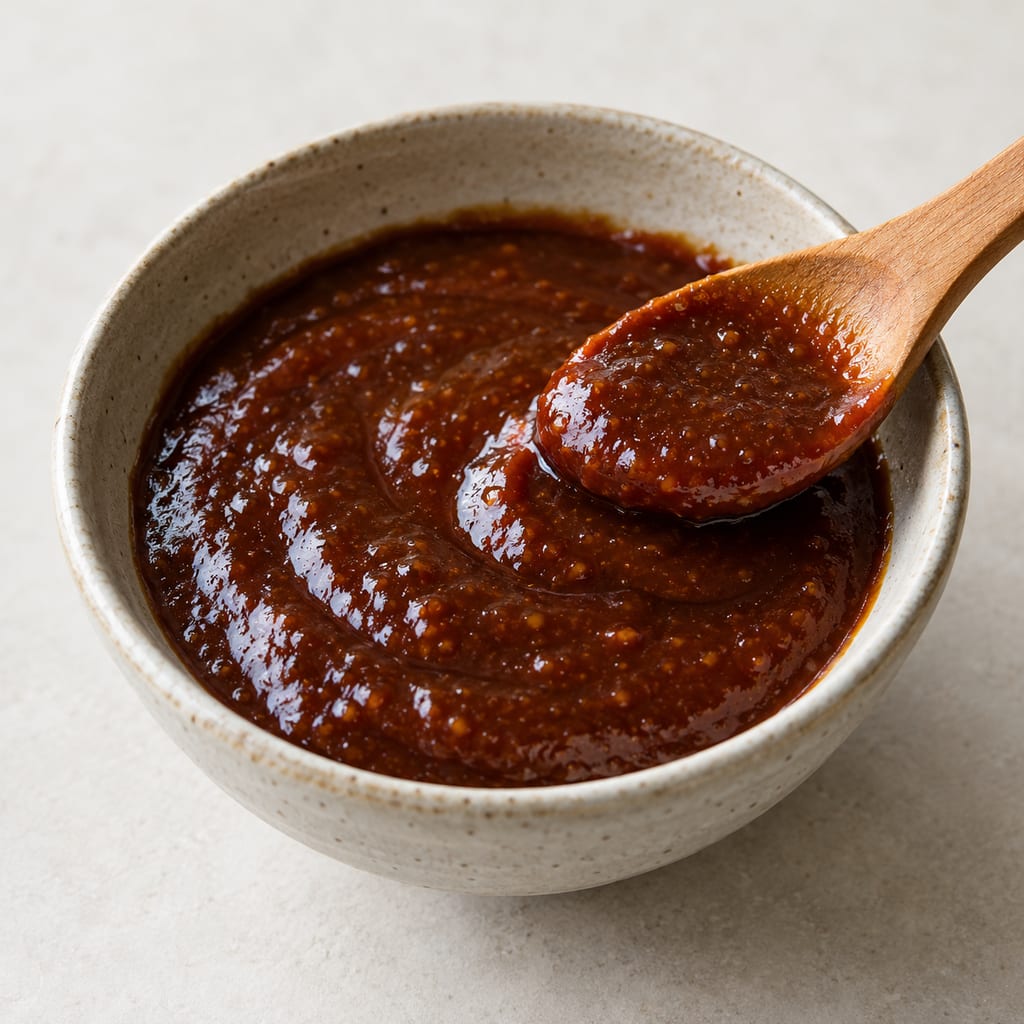
A sweet-salty Japanese glaze of miso, mirin, sake and sugar, warmed until thick and spread on grilled tofu, eggplant, daikon or konnyaku. Regional versions in Aichi use red miso and dashi.
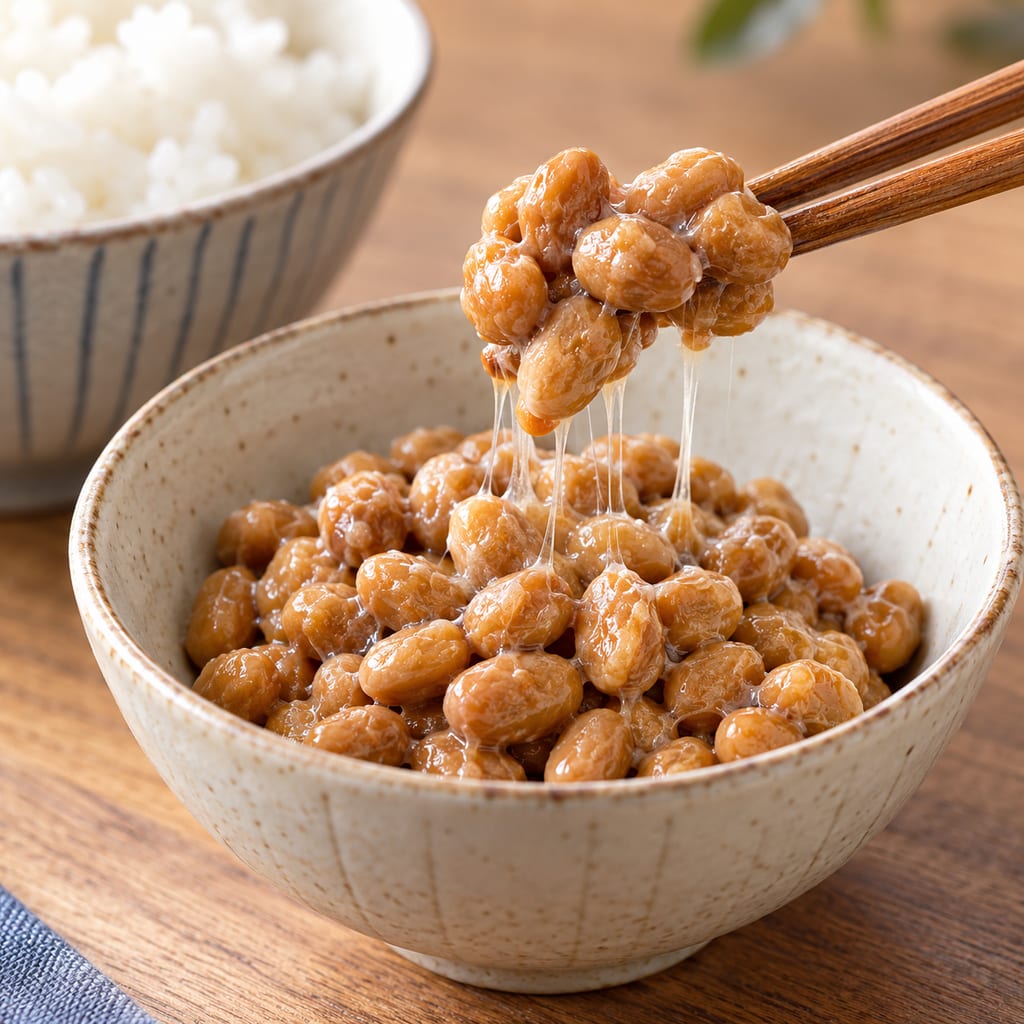
Natto is a Japanese fermented soybean food with a sticky coat and long strings, made by steaming soybeans and inoculating them with a natto Bacillus starter, then keeping them warm.
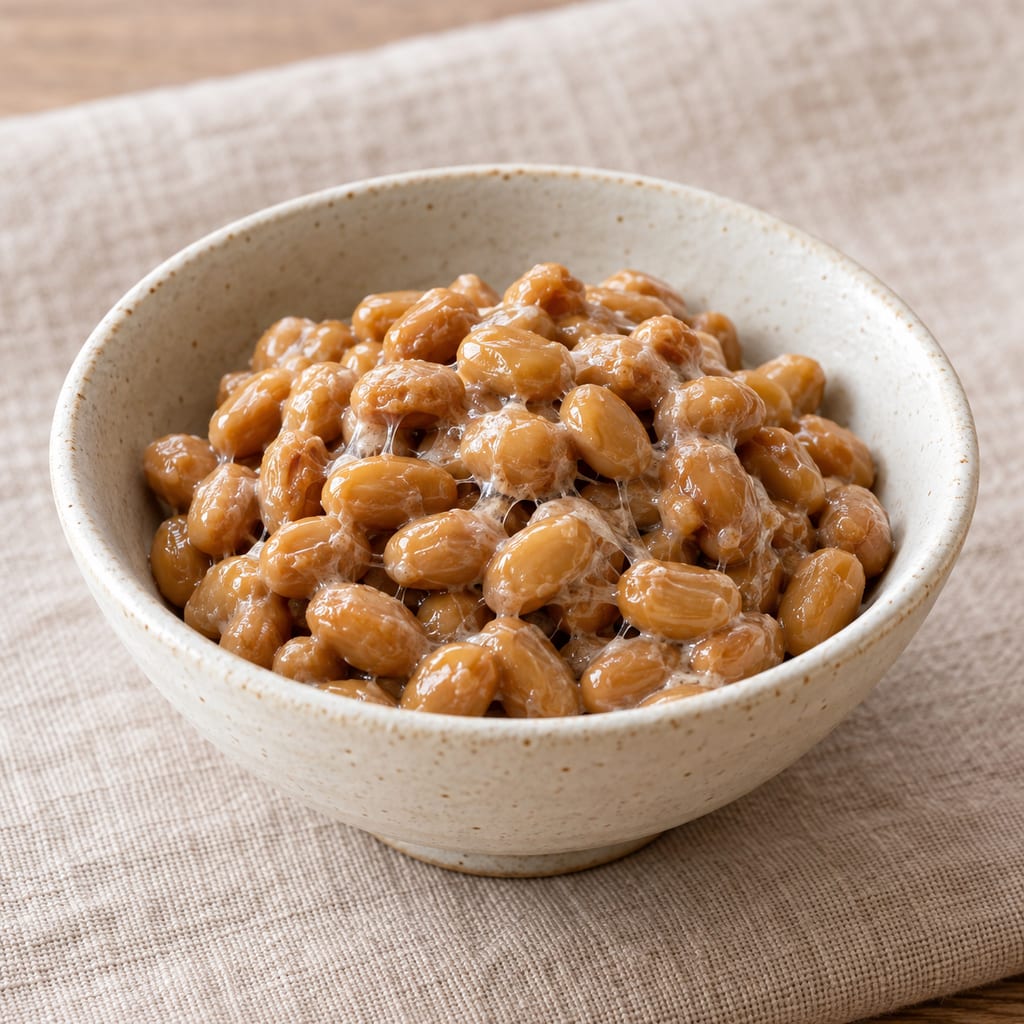
Steamed soybeans fermented by a named strain of Bacillus subtilis into Japan’s sticky, strongly savoury whole-bean food, bound by the thread-forming polymer the bacteria secrete.
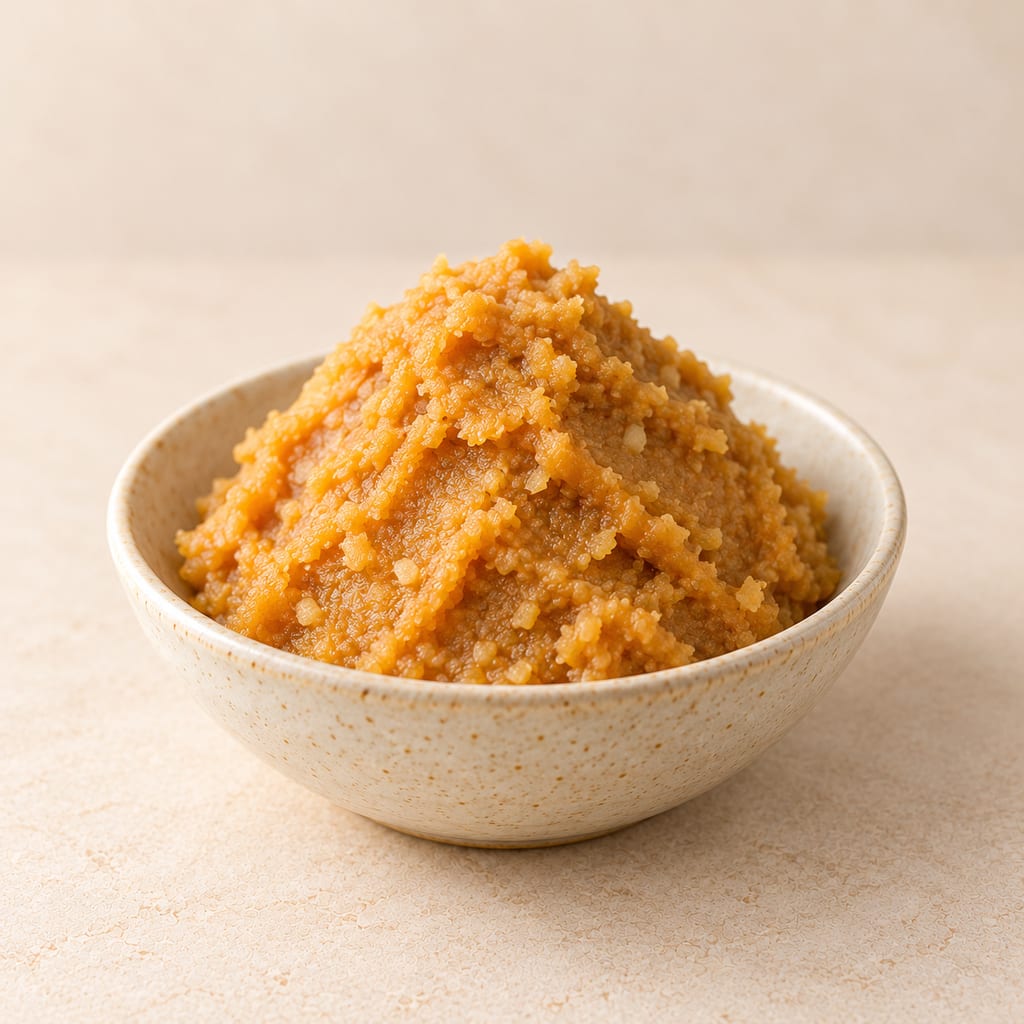
A traditional Japanese fermented paste made by mixing cooked soybeans with rice koji and salt. This guide details the ratio, the long enzymatic breakdown, and the months-long maturation required for depth.
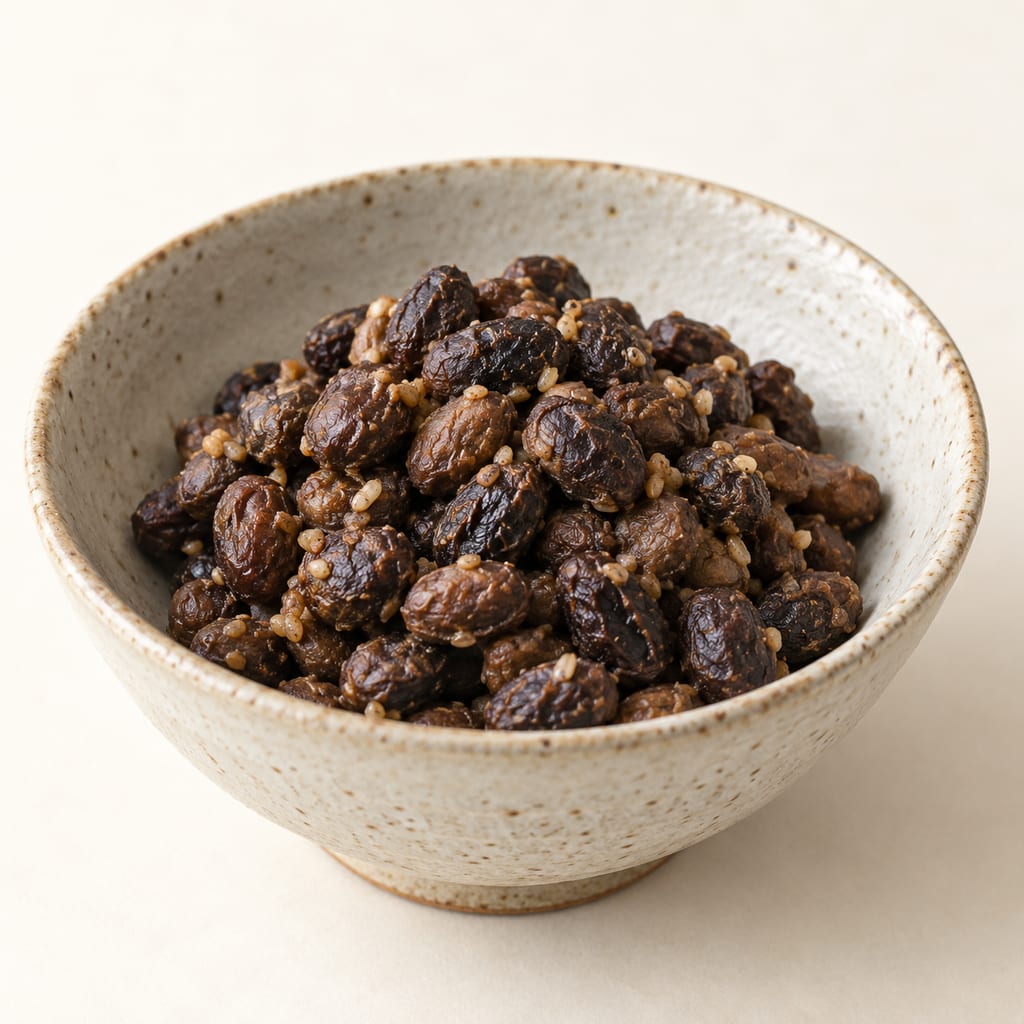
A Japanese family of salted, dark, non-stringy natto made from whole soybeans, roasted grain and salt water, with names such as hama-natto, Daitokuji-natto and tera-natto. Not the sticky Bacillus natto.
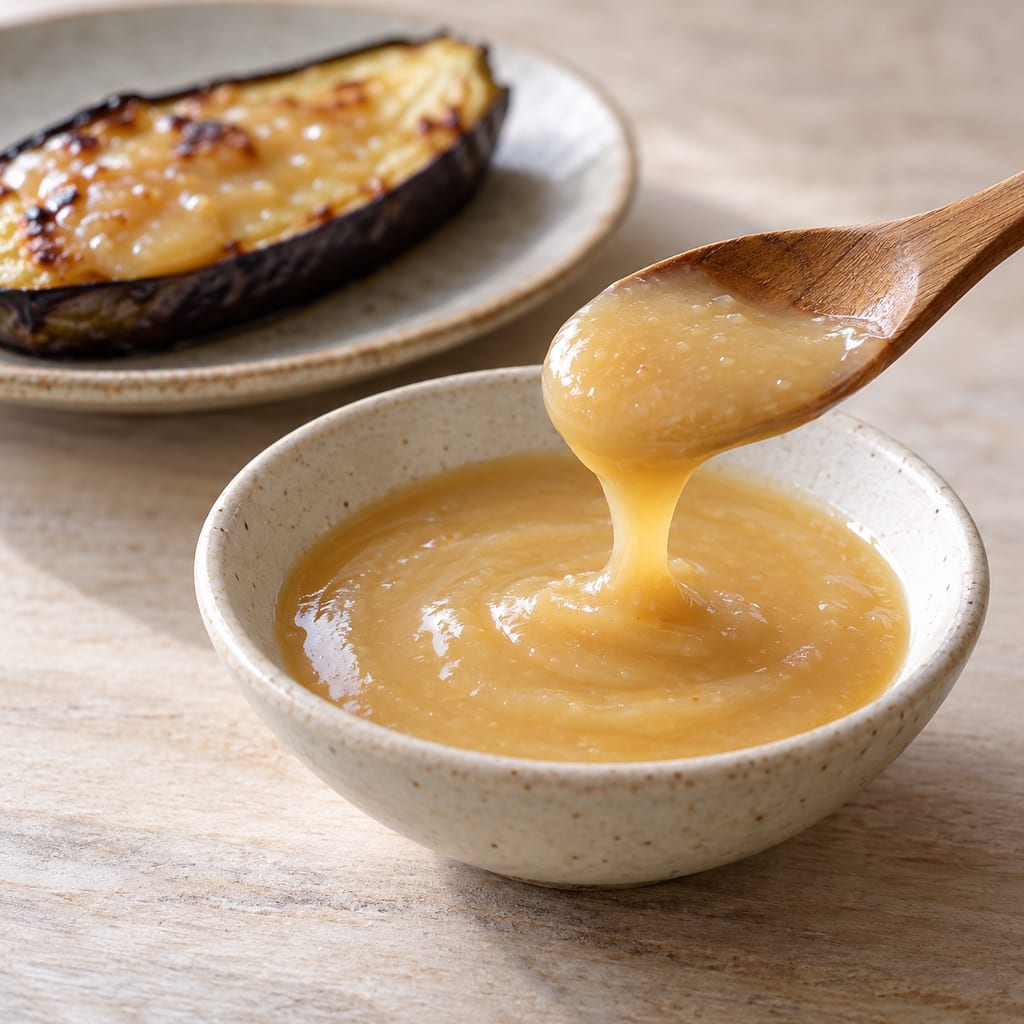
A Japanese-style glaze of pale rice miso, water, sugar and rice vinegar, heated gently until it coats a spoon and spread over cooked aubergine, tofu or vegetables.

Japanese reddish-brown vinegar from sake lees matured about three years, turned to vinegar by acetic bacteria; the vinegar of Handa and Edomae sushi rice.
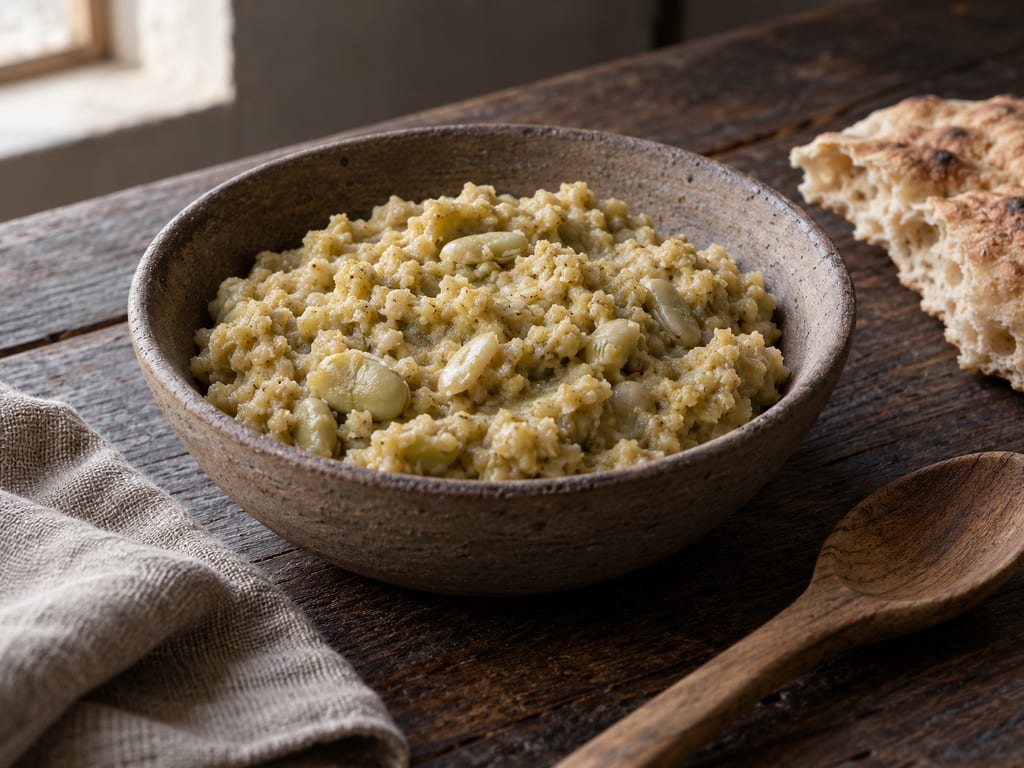
Cooked broad beans crushed to a thick paste with garlic and salt, a museum preparation built on the one European pulse that was already old when the Viking Age began.
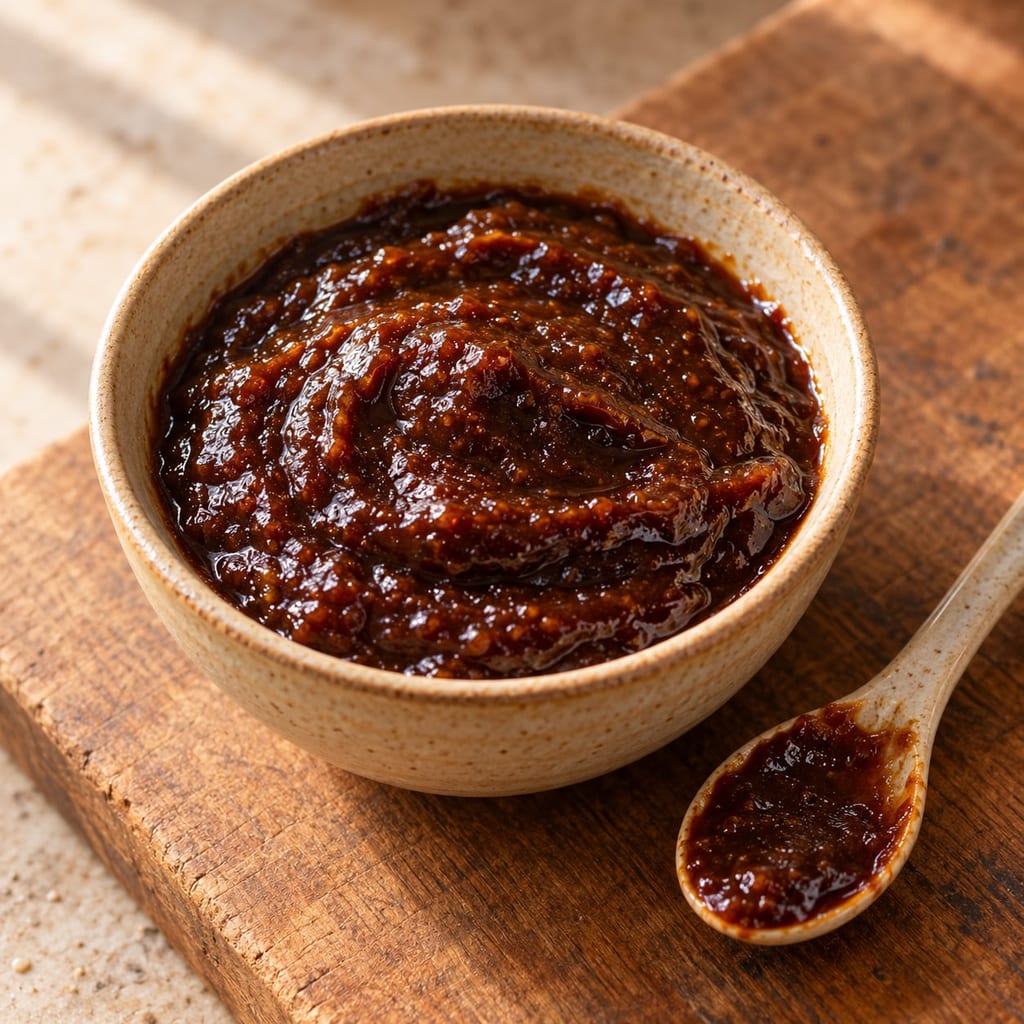
Chu hou is a sweet, savoury Cantonese paste of fermented soybeans, fermented bean curd, garlic, ginger and sesame, used mainly to braise meat.
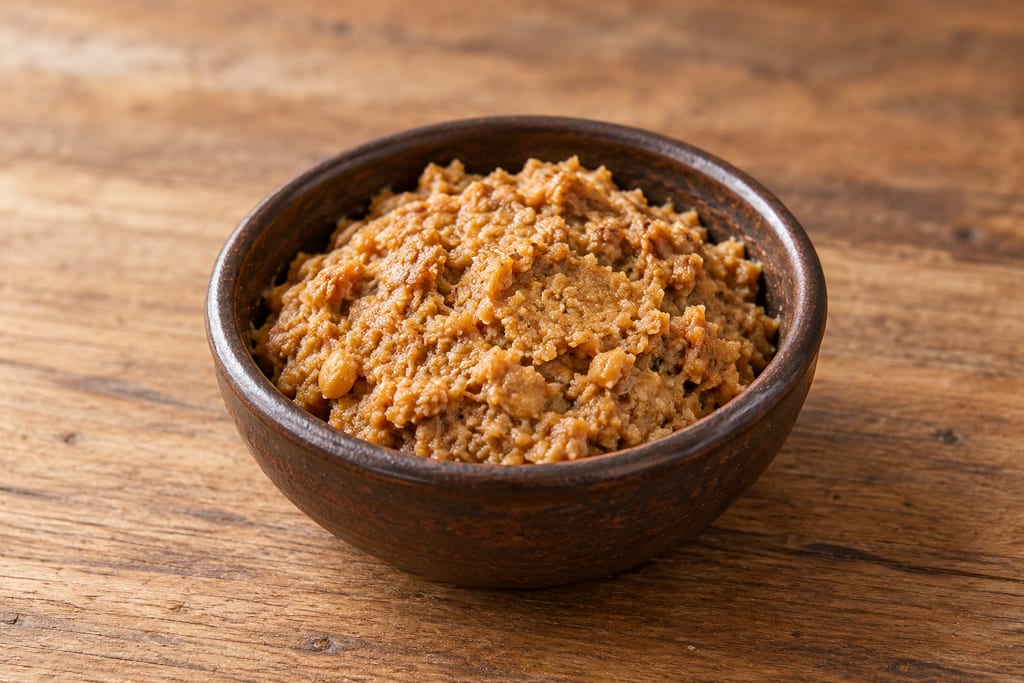
Doenjang (된장) is a Korean fermented soybean paste made by brining meju, separating ganjang, then mashing and aging the solids. This recipe follows one documented Sunchang processing study.
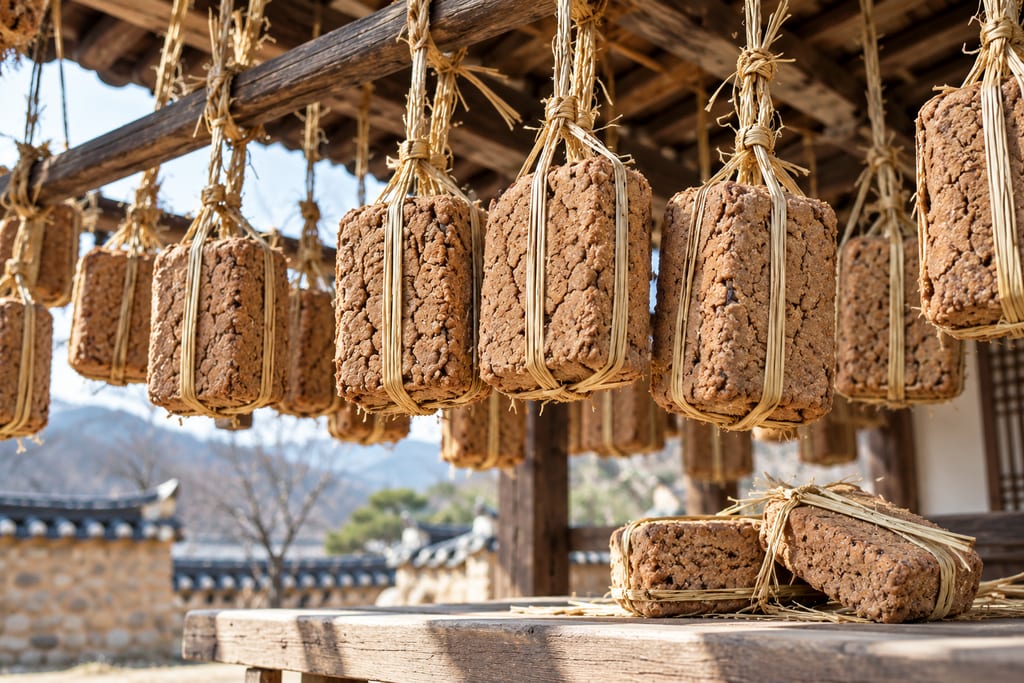
A cooked soybean brick, shaped and dried, that is fermented as a solid and later brined to make the Korean soy paste doenjang and the soy sauce ganjang.
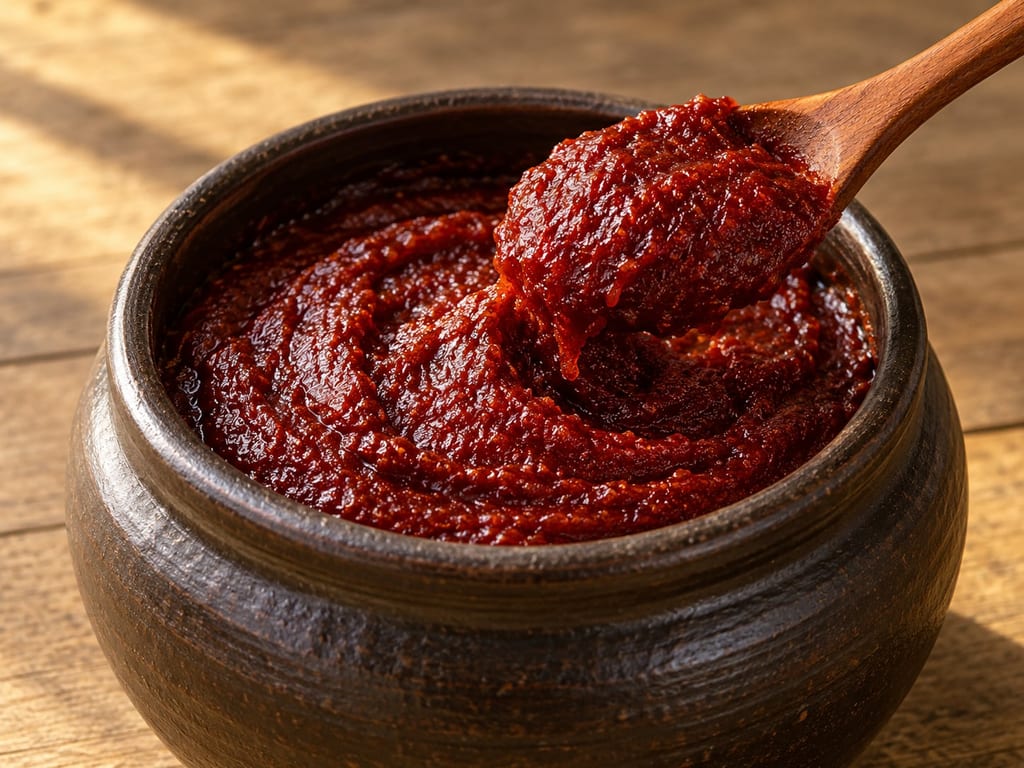
Korea’s sweet, savoury and fiery red paste of glutinous rice, barley-malt enzymes, fermented soybean meju powder and chilli powder, matured in earthenware.
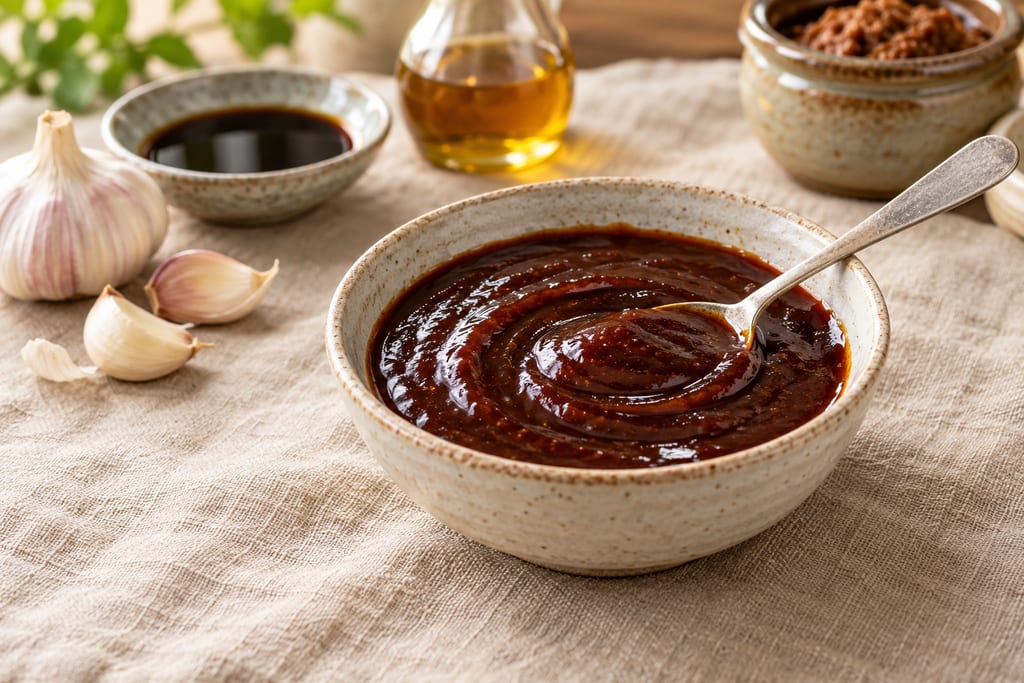
A thick, dark, sweet-salty Chinese condiment built on fermented soybean paste. This page gives one quick home version and records how commercial formulas differ.
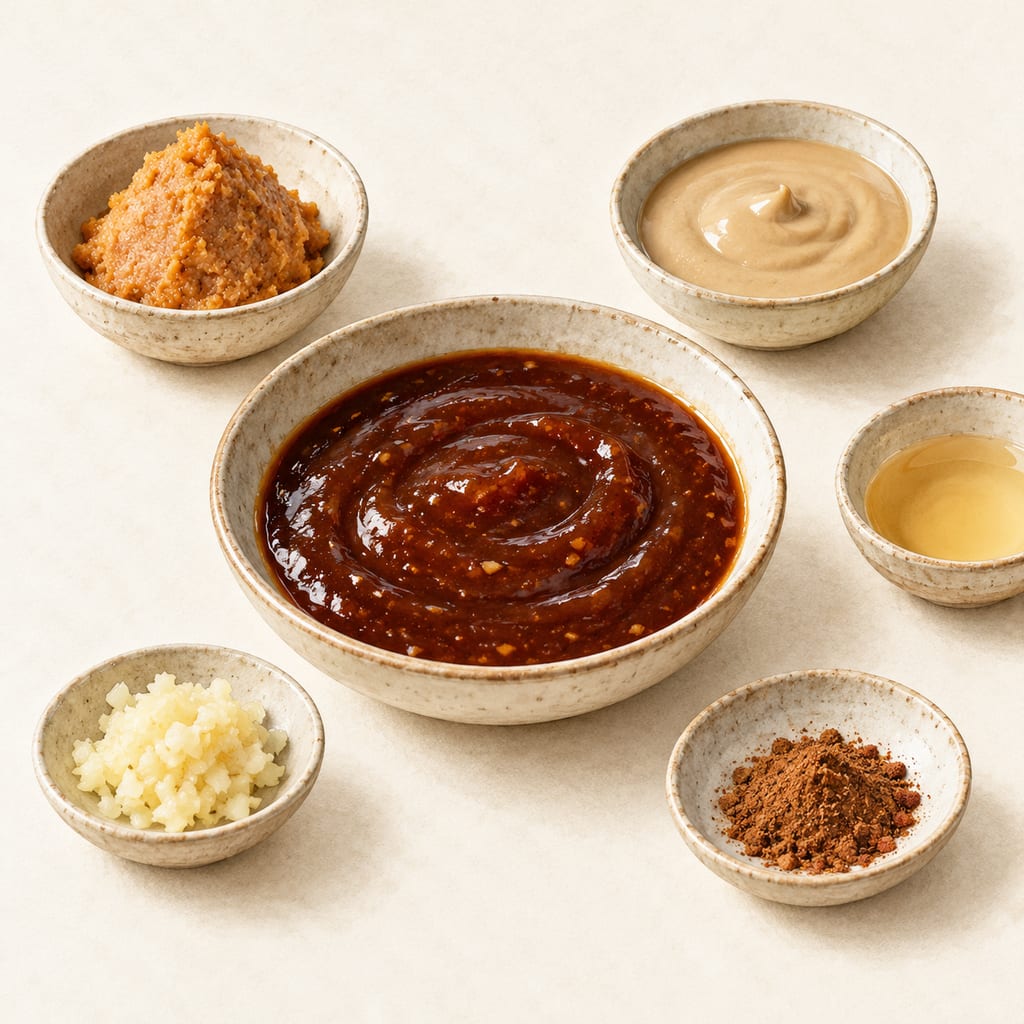
An untested modern miso-based sauce inspired by hoisin's sweet, savory profile; this prototype is not traditional hoisin or a copy of a commercial brand.
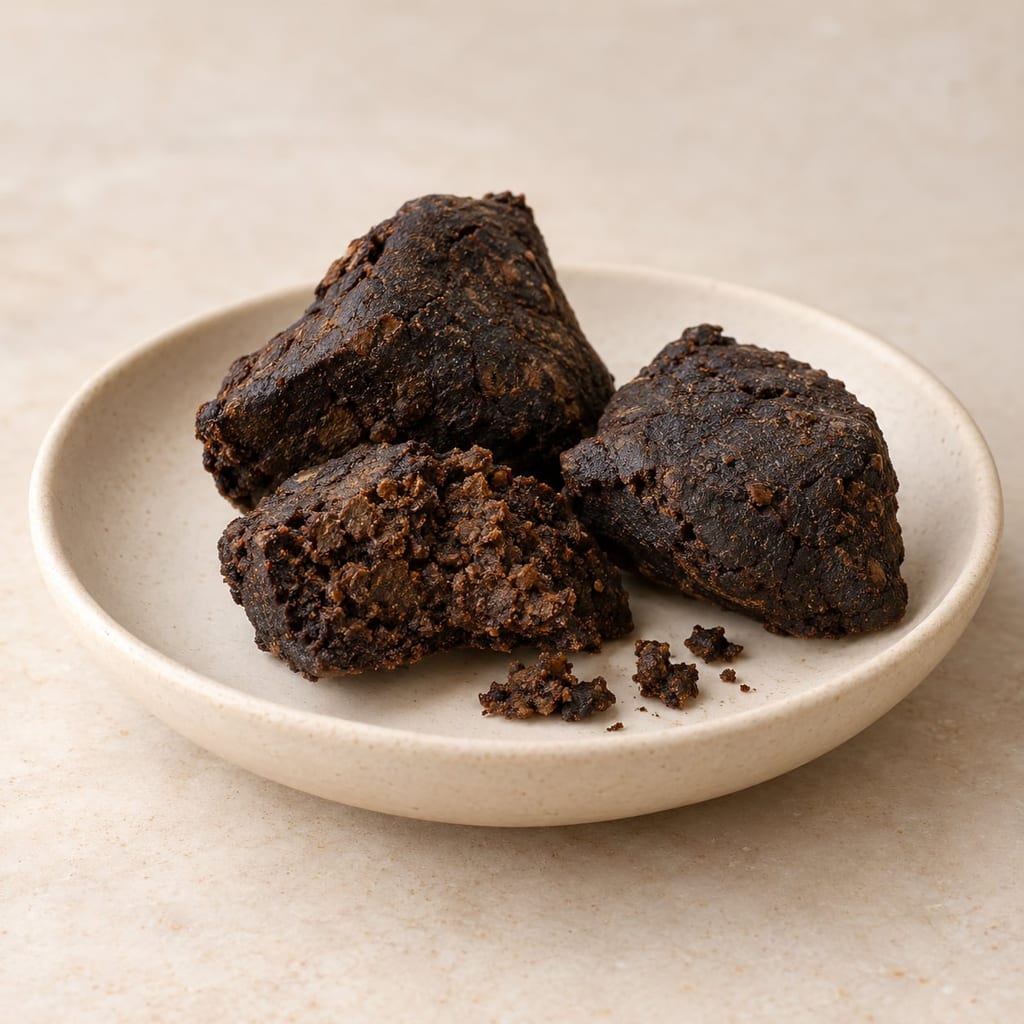
Okpiye, also written okpeye, is a Nigerian condiment from fermented Prosopis africana seeds; published studies describe laboratory batches, not a validated home method.
No community contributions have been published for this entry yet.
Sign in to contribute. Published comments and photos are free to read.
Goodlok PlayIdentity · Commercial context · Allergen
Miso mustardProducer describes fermented miso blended with creamy mustard.
No ratio or further fermentation step is given; mustard allergen is declared.
Cited in: A Japanese sauce built from three contrasts; Choosing ingredients and keeping leftovers
Ministry of Education, Culture, Sports, Science and Technology, JapanComposition · Variation
Notes on Foods, Chapter 3Karashi-miso table lists sweet rice-koji miso, sugar, grain vinegar and mustard paste in a 20:10:10:2 blending ratio.
Cited in: Method and variations; A family of vinegar-miso seasonings
The Japan Times; Elizabeth AndohMethod · Use · Variation
How to make karashi-su-miso (tart miso-mustard sauce)Recipe uses 2 tbsp rice vinegar, 1/4 tsp karashi and 3 tbsp Saikyo miso, yielding about 1/4 cup.
Serving suggestions include vegetables, fish, seafood, chicken, thinning with water or broth, or adding oil.
Cited in: A Japanese sauce built from three contrasts; Method and variations; Serving it; Choosing ingredients and keeping leftovers; A family of vinegar-miso seasonings; Serving it with seasonal vegetables
Ministry of Agriculture, Forestry and Fisheries, JapanHistory · Miso process
An Introduction to Japanese Fermented Foods, Chapter 3Miso is a fermented seasoning made in regional styles; ministry describes koji, salt and soybean mash.
Historical uses included eating miso as a side and using it as a seasoning.
Cited in: Miso’s story and what is known about this sauce; Serving it
Japan Miso Promotion BoardHistory · Culinary context
History & Culture of Japanese MisoEarliest Japanese record the board cites is 701, while origins remain uncertain.
Miso was used with rice or vegetables and thinned with vinegar for namasu.
Cited in: Miso’s story and what is known about this sauce
Kikkoman CorporationIngredient function
Karashi / Japanese MustardKarashi is mustard powder mixed with water or paste; sharper than vinegar-sweetened Western mustard and its heat fades over time.
Cited in: What fermentation contributes, and what mixing contributes; Method and variations; Choosing ingredients and keeping leftovers
Journal of Food ScienceFermentation science
Fermentation and the microbial community of Japanese koji and miso: A reviewKoji is a first production stage; bacteria and yeasts also act during miso maturation. This sauce uses already-made miso and is not fermented.
Cited in: What fermentation contributes, and what mixing contributes
Journal of Food ScienceIngredient function
Relationship between mustard pungency and allyl-isothiocyanate contentStudy connects mustard pungency to allyl isothiocyanate; seed disruption lets myrosinase act on glucosinolate precursors. This general mechanism was not measured in this sauce.
Cited in: What fermentation contributes, and what mixing contributes
Ministry of Agriculture, Forestry and Fisheries of JapanMiso variation · Culinary context
Soy sauce, miso, other seasoningsMiso is categorized by koji substrate and salt content; Kyoto Saikyo is a known white sweet rice miso. Japanese seasoning practice pairs fermented grain seasonings with pungent condiments.
Cited in: A family of vinegar-miso seasonings
Rakuten Recipe; naocosmosServing variation
Nanohana greens with karashi-su-misoA household serving blanches nanohana briefly, cools and squeezes it dry, then dresses it with mentsuyu and prepared karashi-su-miso.
Cited in: Serving it with seasonal vegetables
Ministry of Agriculture, Forestry and Fisheries of JapanRegional comparison
Sumiso somen (vinegared miso noodles)Aichi's sumiso somen uses miso, vinegar and sugar as a distinct summer noodle dish; it is not karashi-su-miso.
Cited in: A family of vinegar-miso seasonings
The Japanese Kitchen by Hiroko Shimbo, via CKBKInspiration · Method · Culinary use
Shrimp and Asparagus with Mustard-Vinegar-Miso DressingShimbo describes karashi-su-miso as a loose paste of sweet white Saikyo miso, sugar, rice vinegar, dashi and hot mustard, served with shellfish, sashimi, sea vegetables and parboiled vegetables.
The MU12 report’s gram quantities are a separate original development adaptation; they are not presented as Shimbo’s proportions.
Cited in: A separate 150 g development batch