
Arabushi (smoke-dried bonito)
Japanese skipjack tuna cooked, then repeatedly smoked and dried over a wood fire by the hand-fired tebiyama method into a hard block for shaving into dashi: the first stage of katsuobushi.
 FermenteaWhere food goes to change
塩辛納豆 · Shiokara-natto · Salted natto · Hama-natto · Daitokuji-natto · Tera-natto · Kara-natto
A Japanese family of salted, dark, non-stringy natto made from whole soybeans, roasted grain and salt water, with names such as hama-natto, Daitokuji-natto and tera-natto. Not the sticky Bacillus natto.
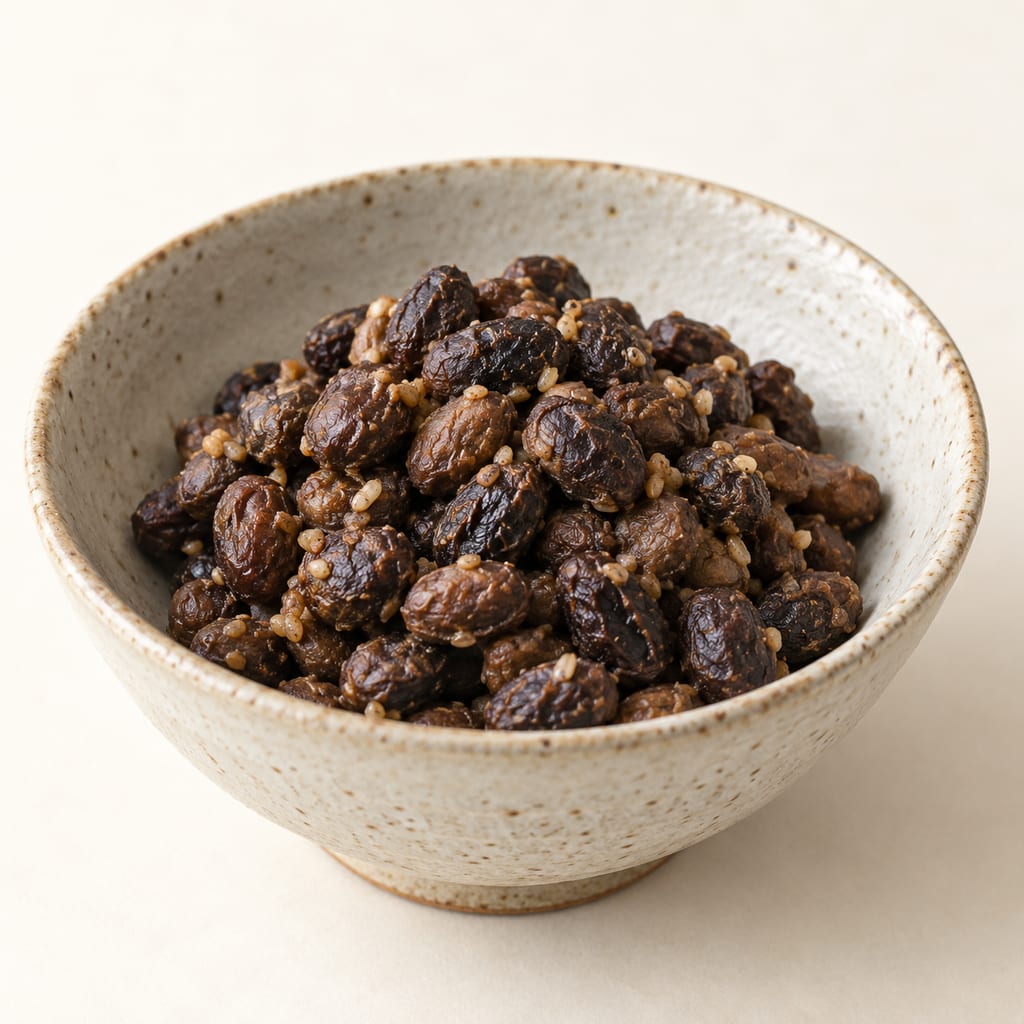
Shiokara natto is a family of salted, dark, non-stringy soybean foods from Japan. Its name combines shiokara, salted, with natto, the soybean food. The name is used as a category term in the food literature. It is not the unrelated seafood dish called shiokara.
The family is not the sticky natto familiar in Japan. Sticky natto is made with Bacillus subtilis var. natto and forms viscous threads. Salted natto uses whole soybeans, toasted grain and salt water, then a long maturation and drying, and it is usually made with a koji-associated or mould-associated stage. Do not carry sticky-natto culture or incubation advice into this family.
Hama-natto is the best-documented member of the family. A 1974 microbiology study places its production around Lake Hamana in Shizuoka and compares commercial Yamaya and Horinji samples with naturally fermented Daifukuji samples. A 1976 brewing-journal account describes the temple production at Daifukuji and Horinji and the commercial route at Yamaya, and records a change in the market name from Hamana-natto to Hama-natto.
Kyoto tera-natto is associated with Daitokuji and with the broader Kyoto and Yamashiro area. The Japan Traditional Foods Atlas places it in summer through autumn production. The local and national origin stories, including a Ming-era introduction for Daifukuji natto and a Kamakura-era introduction for tera-natto, are preserved as tradition. The inspected sources do not confirm them against primary historical records.
The Kyoto descriptions use whole soybeans and toasted barley or wheat flour, the hattai-ko, followed by salt water, maturation and drying. The 2007 Daitokuji batch used Hokkaido Tsuruhime soybeans at 360 kg with 90 kg of roasted-grain powder.
The Hama-natto papers describe at least two production routes. Yamaya and Horinji used deliberate mould inoculation, while Daifukuji relied on organisms resident in its long-used koji room and materials. The 1974 study reported Aspergillus oryzae-type moulds and lactic acid bacteria, which it classified with the phenotype labels Streptococcus-type and Pediococcus-type. Those labels are historical and are not modern strain identifications or recommended inocula.
A 1977 study recovered 26 yeast isolates classified in Saccharomyces, Debaryomyces and Torulopsis. Saccharomyces rouxii was found in several products, and Debaryomyces only in the Daifukuji samples. Those yeasts were tested in laboratory media and do not establish a starter for the home.
The best-documented method is the 2007 Zuihō-in batch at Daitokuji. Soybeans were soaked overnight and steamed for about three to four hours, then mixed with roasted grain powder and fermented in a cellar for one week. The cellar stage raised peptides and free amino acids, which the authors attribute to enzymatic protein breakdown. The mixture was then combined with prepared salt water and matured in a barrel under summer sun for about two months, with daily stirring. Finished pieces were stored in a pot at room temperature in that study description.
The 1976 Hama account describes separate factory and temple routes that differ in inoculation, the koji room, maturation and drying. Those routes are kept as separate evidence. The steps above are one batch, not a template for every producer.
The national atlas describes Kyoto tera-natto as eaten with rice, as a tea snack or with sake, and as a seasoning in Japanese and Western cooking, including sweets. The Shizuoka Prefecture page describes Daifukuji natto as a salty rice accompaniment and sake snack. These are variant-specific descriptions, not evidence that every maker serves it the same way. The sources do not give a standard serving quantity.
The safety guidance that is widely available covers sticky natto, and its controls do not validate salted natto. The historical microbiology describes varied yeast and mould populations among producers, so the product cannot be defined by one organism set. The sources do not give a critical salt concentration, pH, water activity or time-temperature limit for the salted product, and they do not give a shelf life.
A food-specific safety assessment for each salted product and process remains an open task. Sensory checks, a single measurement or the absence of visible mould do not show that a batch is safe. This recipe is not a validated home method.
The 1974, 1976 and 1977 Hama studies are historical and use phenotype labels. The Daitokuji study follows one temple batch and measures composition and activity; it does not show a health benefit. The origin dates rest on local accounts and national traditions that the inspected sources do not verify. Exact origins, the seasonal calendar of present-day producers and a variant-specific safety assessment remain open.
Hama-natto is documented in the Lake Hamana area of Shizuoka in 1974 and 1976 sources. A 1976 Japanese brewing-journal account describes temple production at Daifukuji and Horinji, the commercial Yamaya route, and a change in the market name from Hamana-natto to Hama-natto. That account also reports temple-gift traditions and links the family to earlier Chinese salted soybean foods; it is a secondary account of received tradition. Shizuoka Prefecture's current page calls Daifukuji natto the originator of hama-natto and recounts a Ming-era introduction and a shogunal-gift tradition. The Japan Traditional Foods Atlas gives a Kamakura-era introduction story for tera-natto and attributes the spread of the method to Ikkyū, presented as tradition. The inspected sources do not verify these dates against primary records.
Scaling: source batch only
Historical studies of hama-natto found different microflora in products from different producers and routes, including Saccharomyces and Debaryomyces yeasts and zygomycete moulds, so no single organism set defines the product.
Hazard sourceThe published batch descriptions give no validated salt, pH, water activity or time-temperature limit, so the endpoint cannot be set from the sources.
Hazard sourceTreat every batch as unvalidated and do not rely on sensory checks alone to release it.
Control sourceDo not carry the sticky-natto culture or incubation advice into this recipe.
A food-specific safety assessment for each salted product and process remains open.
Smell, taste, visible mould, dryness or a single measurement do not prove that a batch is safe.
The salt level, pH and water activity that would make a salted natto safe are not established by the sources.
Contains soybeans, a recognised allergen.
Country-level association for the salted natto family.
Area associated with hama-natto in the sources; not a single birthplace.
Kyoto and Yamashiro are the tera-natto area named by the national atlas.
Japanese skipjack tuna cooked, then repeatedly smoked and dried over a wood fire by the hand-fired tebiyama method into a hard block for shaving into dashi: the first stage of katsuobushi.
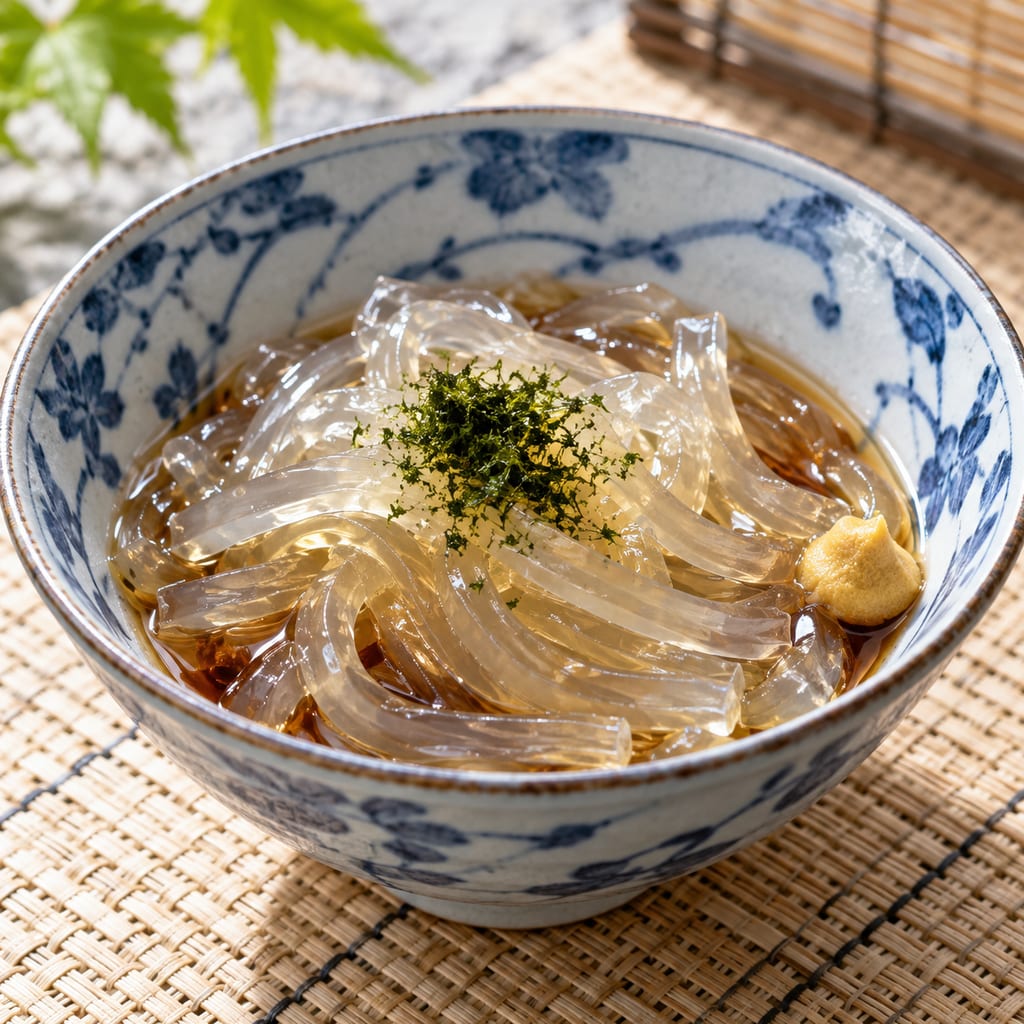
A Japanese jelly made by boiling agar-rich red seaweed, straining the extract and letting it set, then pressing it into strands served with vinegar-soy sauce or sweet syrup.

Soybeans boiled soft and fermented in a leaf-lined basket by the hearth, then in many Naga households pounded, wrapped in leaves and fermented again into a dark, pungent seasoning paste.
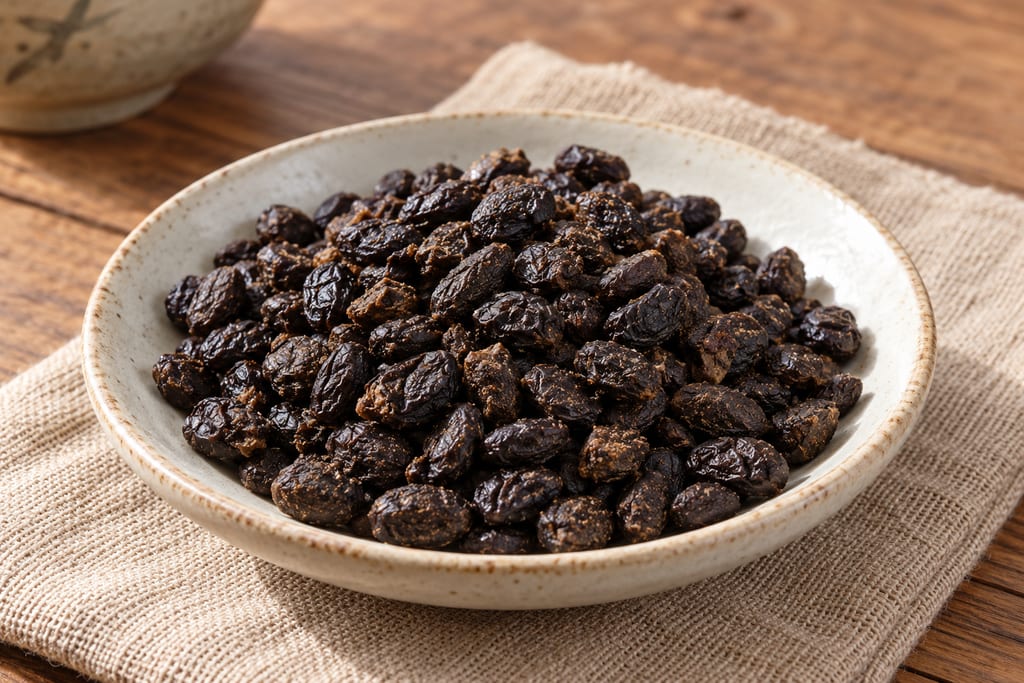
A Chinese fermented soybean condiment in which Bacillus-led bacteria, not moulds, drive the fermentation. Documented in Zunyi, Guizhou, and kept separate from mould-led douchi.
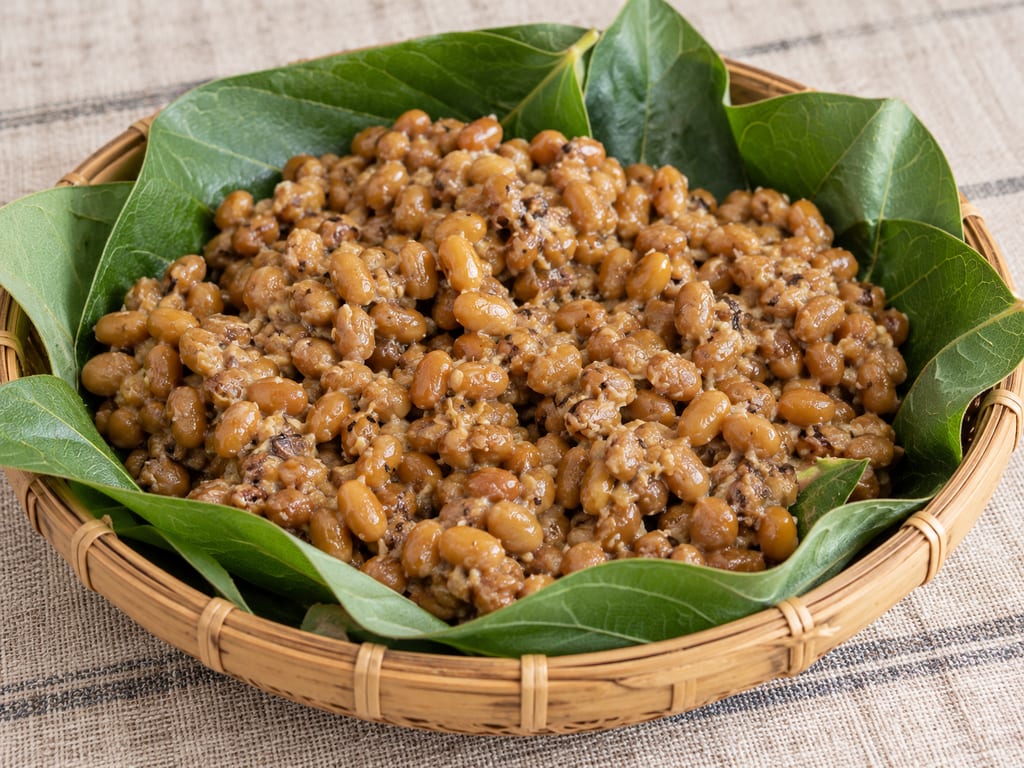
A Mizo alkaline soybean ferment made by holding cooked beans in leaf-lined containers, sometimes with wood ash, until they turn sticky, soft and pungent; eaten fresh or used as a seasoning.
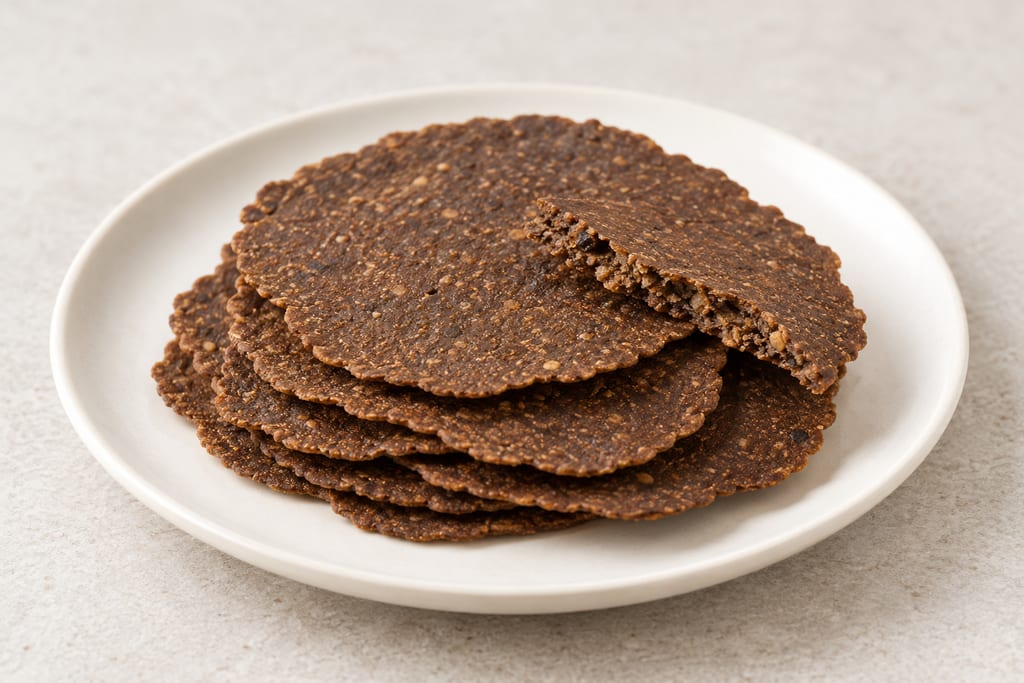
Black soybeans cooked, inoculated with a named Bacillus subtilis culture and fermented warm and humid into northern Thailand's thua nao, then optionally dried into thin discs.
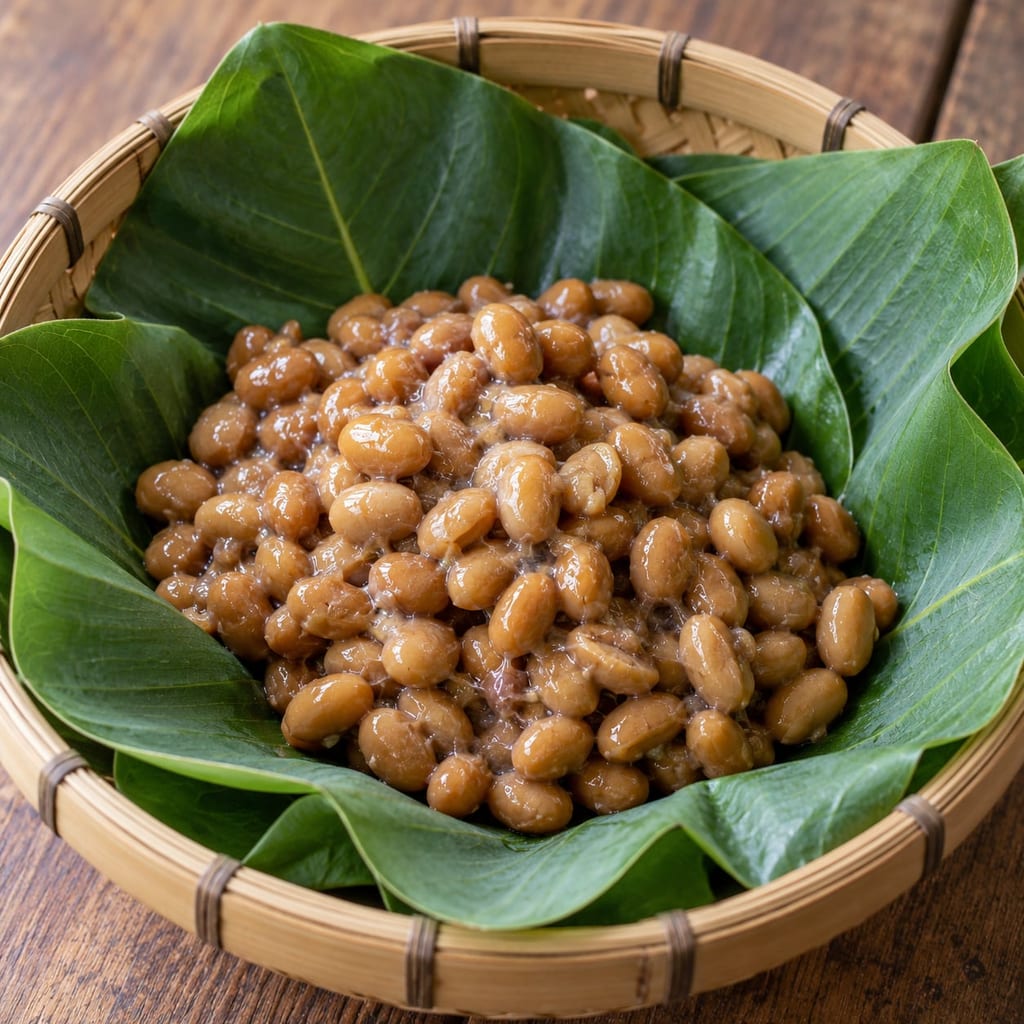
A sticky fermented soybean food of Manipur, made by packing cooked soybeans in leaf-lined bamboo baskets and keeping them warm, related to but distinct from Bekang and Akhone.
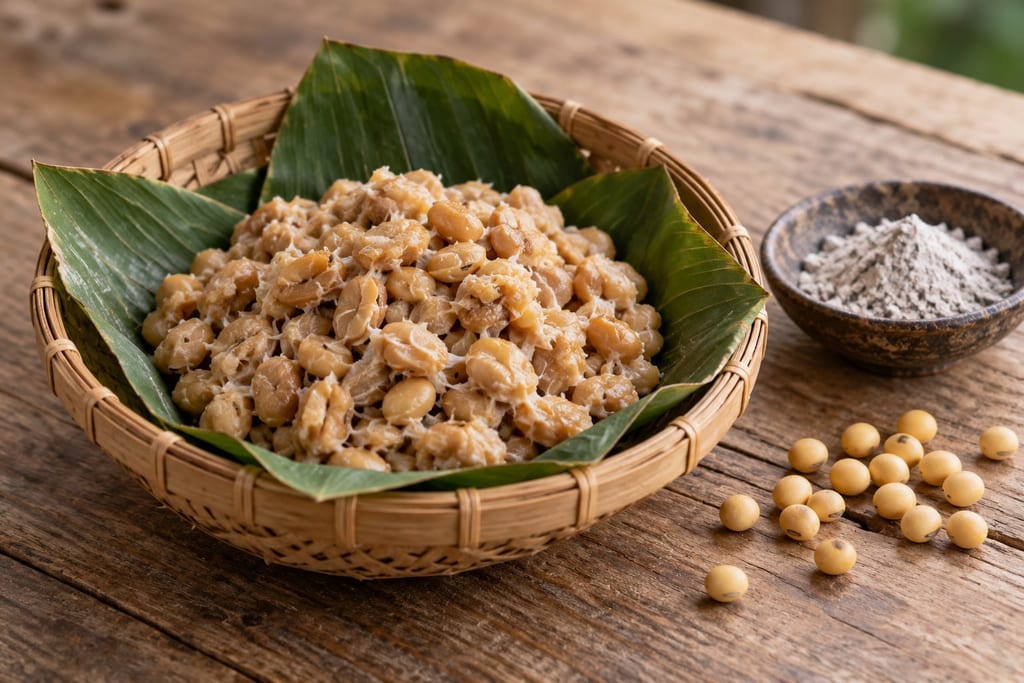
A sticky fermented soybean food of the eastern Himalaya, made here with a measured addition of firewood ash as an alkaline aid to the bacteria that drive it.
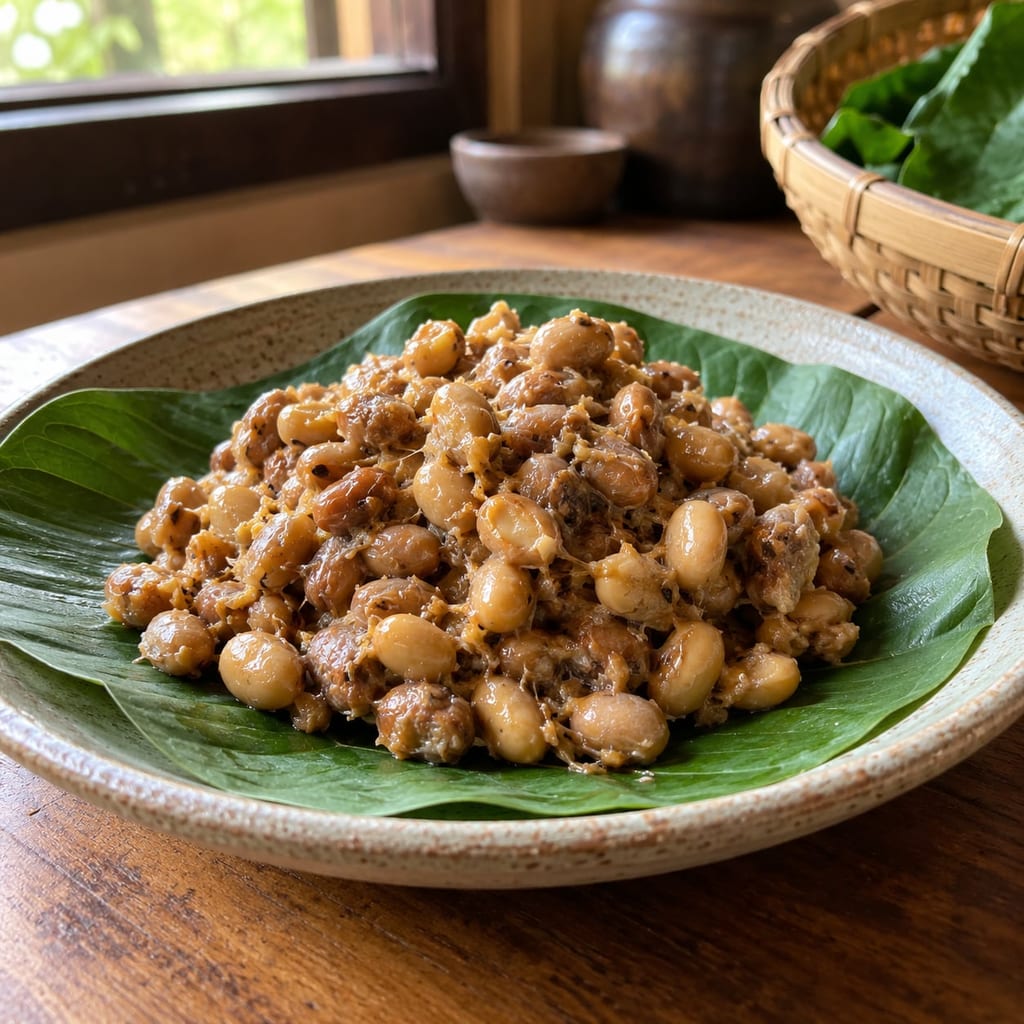
A home kinema made from overnight-soaked white soybeans, cooked, drained hot, wrapped in cloth and insulated to ferment for about a week.
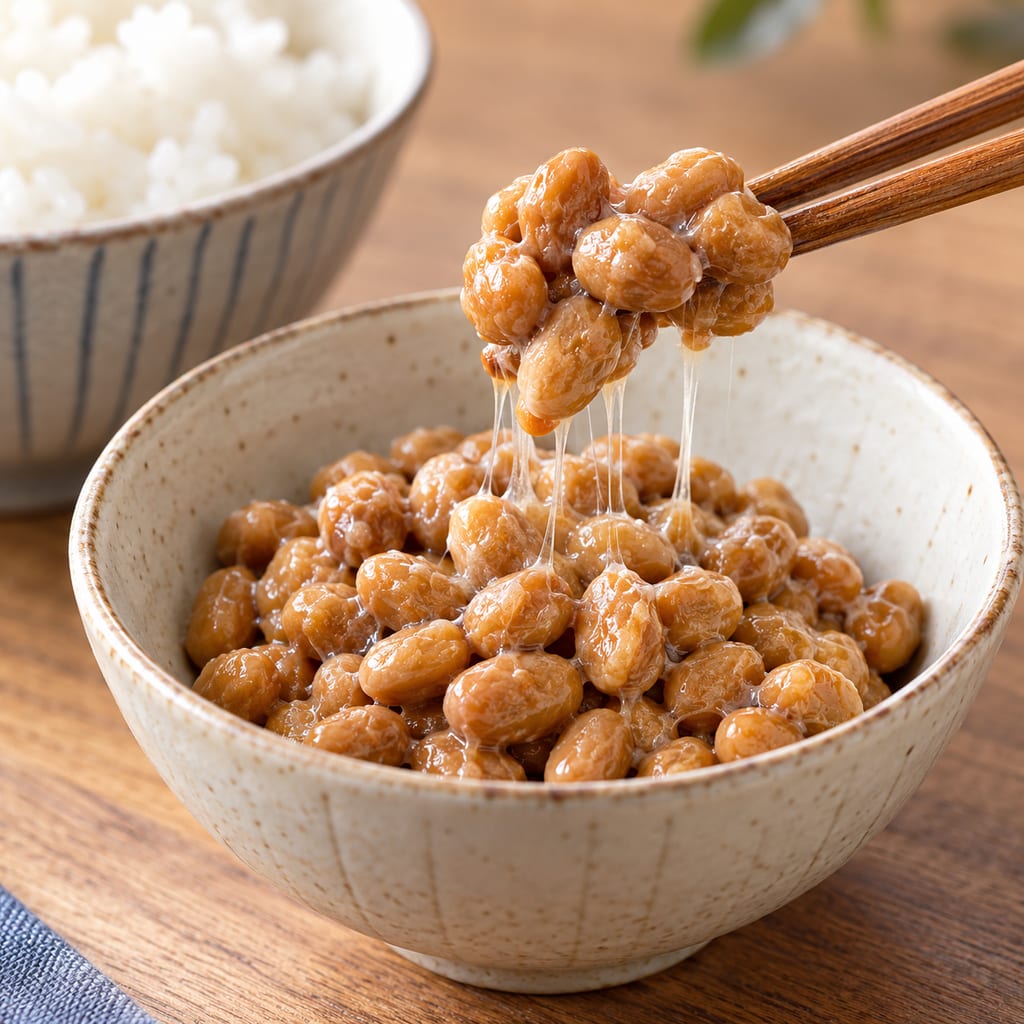
Natto is a Japanese fermented soybean food with a sticky coat and long strings, made by steaming soybeans and inoculating them with a natto Bacillus starter, then keeping them warm.
No community contributions have been published for this entry yet.
Sign in to contribute. Published comments and photos are free to read.
BC Centre for Disease Control / national fermented foods working groupSafety
Section 3.8 Natto. In Safety of fermented foods: Assessing risks in fermented food processing practices and advice on how to mitigate themThe guidance's operational controls address sticky Bacillus subtilis natto; its scope does not validate salted natto.
Cited in: Overview; Monitoring and safety
Journal of Home Economics of Japan 25(1):21-26; J-STAGEScience · Method
Studies on Hama-Natto (Part 2): Microflora in Products of Hama-NattoThe 1974 study places hama-natto production around Lake Hamana and compares commercial and temple samples.
Aspergillus oryzae-type moulds and lactic acid bacteria were reported among the organisms; zygomycete moulds were more frequent in the naturally fermented Daifukuji samples.
Cited in: History and region; Ingredients and cultures; Monitoring and safety; Limits of the evidence
Journal of the Brewing Society of Japan 71(3):173-176; J-STAGEHistory · Method
Hama-natto (浜納豆), in Our foodsDescribes the Daifukuji and Horinji temple production, the Yamaya commercial route, and the change of market name from Hamana-natto to Hama-natto.
Reports a seasonal limit of September for the Daifukuji route in the 1976 account.
Cited in: History and region; How it is made
Journal of Home Economics of Japan 28(3):202-205; J-STAGEScience
General Properties of Yeasts Isolated from Hama-Natto26 yeast isolates were classified in Saccharomyces, Debaryomyces and Torulopsis; Saccharomyces rouxii was recovered from several products and Debaryomyces only from Daifukuji.
Cited in: Ingredients and cultures
Ministry of Agriculture, Forestry and Fisheries, JapanHistory · Use
Tera-natto (寺納豆), Japan Traditional Foods AtlasTera-natto is made in Kyoto and Yamashiro and eaten with rice, as a tea snack or with sake, and used as a seasoning.
Kyoto tera-natto is made in summer through autumn; the introduction story is presented as tradition.
Cited in: History and region; Uses
Journal of Cookery Science of Japan 40(4):239-248; J-STAGEMethod · Science
Changes in the DPPH radical-scavenging activity and the related components of Daitokuji-natto made in Zuihoin Daitokuji during processingsThe 2007 batch used 360 kg of Hokkaido Tsuruhime soybeans, steamed for about 3 to 4 hours, mixed with 90 kg of roasted-grain powder, fermented in a cellar for one week, then matured in a barrel for about two months with daily stirring.
Peptide and free amino acid increases in the cellar stage are attributed to enzymatic protein breakdown.
Cited in: How it is made; Limits of the evidence
Shizuoka Prefecture, Department of Economy, Trade and IndustryHistory · Use
Daifukuji natto and Hama-nattoCalls Daifukuji natto the originator of hama-natto and recounts a Ming-era introduction and shogunal-gift tradition.
Describes Daifukuji natto as a salty rice accompaniment and sake snack.
Cited in: History and region; Uses
Journal of Cookery Science of Japan 52(1):33-37; J-STAGEMethod
NattoDescribes salted soybean natto as made from whole soybeans and toasted barley or wheat flour, followed by salt water, maturation and drying.
Cited in: Overview; Ingredients and cultures