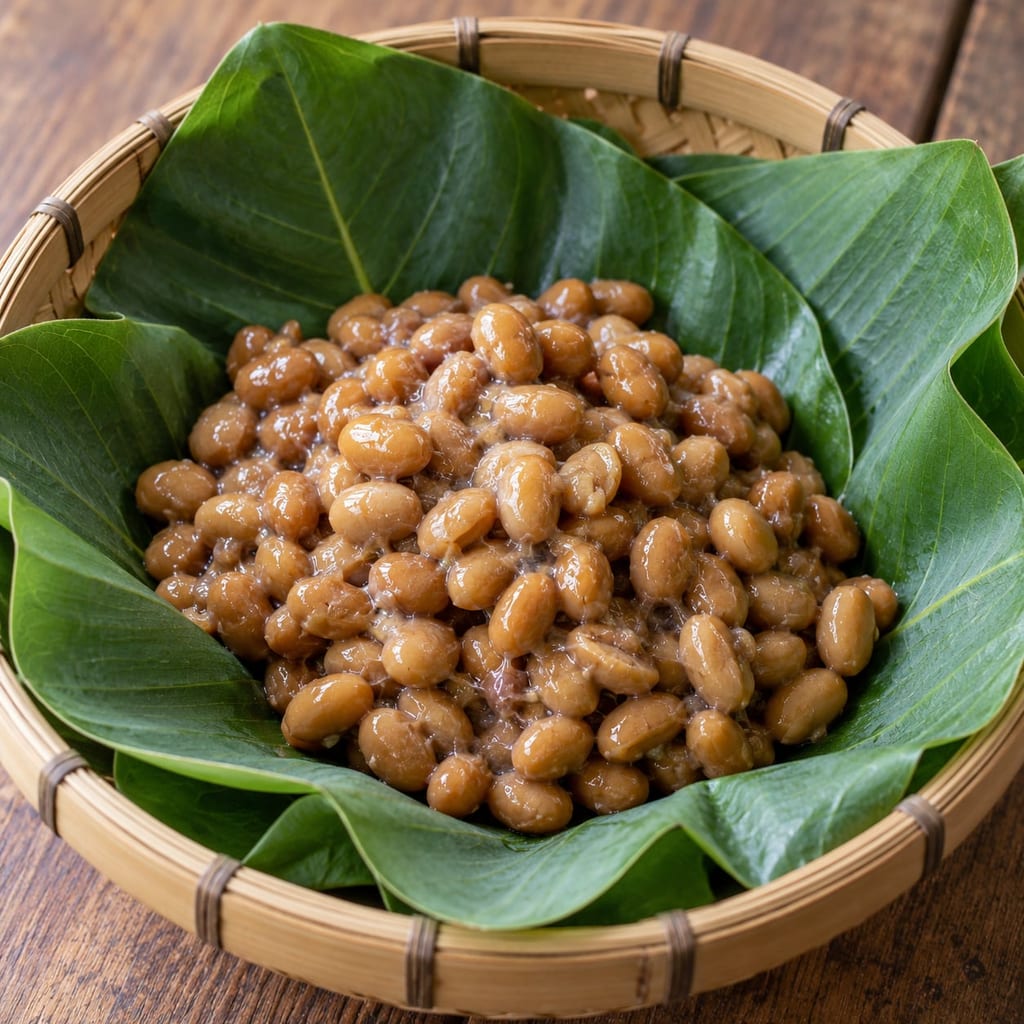
Hawaijar
A sticky fermented soybean food of Manipur, made by packing cooked soybeans in leaf-lined bamboo baskets and keeping them warm, related to but distinct from Bekang and Akhone.
 FermenteaWhere food goes to change
Traditional method
Bekang-um · Bekang · Bekang um · Bekang-um · Mizo fermented soybean · Mizoram fermented soybeans · Fermented soybean of Mizoram
A Mizo alkaline soybean ferment made by holding cooked beans in leaf-lined containers, sometimes with wood ash, until they turn sticky, soft and pungent; eaten fresh or used as a seasoning.
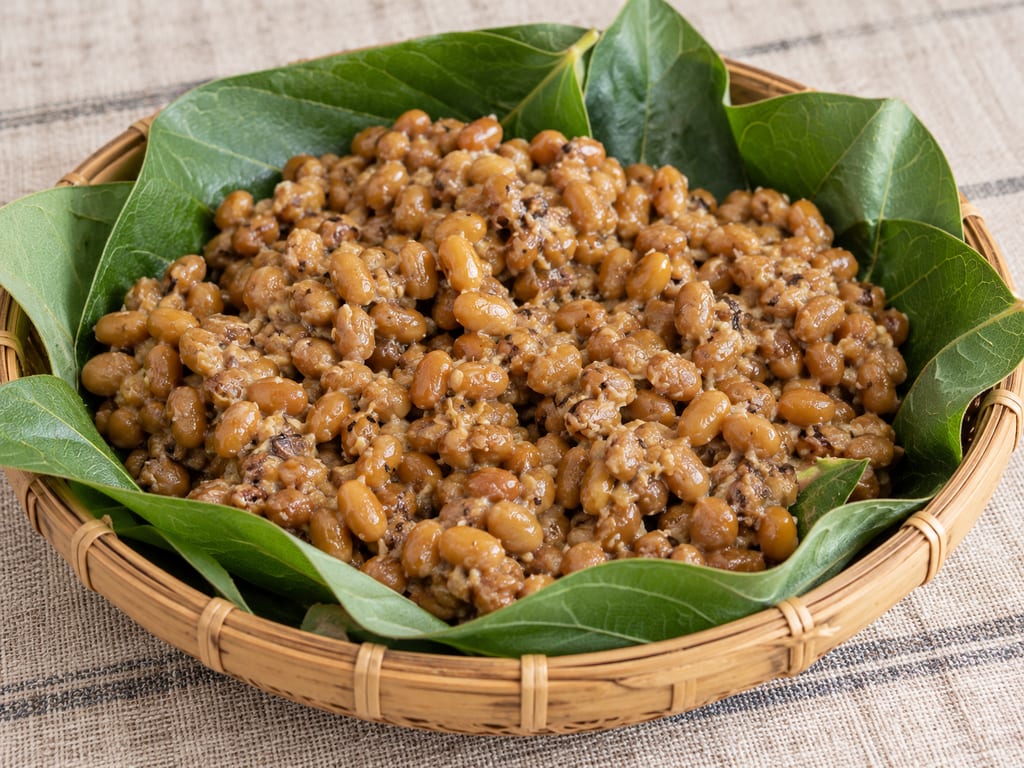
Bekang, also called bekang-um, is a traditional fermented soybean food of the Mizo communities of Mizoram in northeastern India. Whole soybeans are cooked until soft and allowed to ferment naturally in a warm, moist environment. Traditional methods use leaves, bamboo containers and the warmth of a household fireplace; some also include a sprinkling of wood ash. The resulting beans become sticky, soften further and acquire a strong fermented aroma. Bekang is eaten as a side dish or used in small quantities to season other foods.
The name bekang-um is recorded directly in research on Mizo food-processing traditions. The language is written in the Latin alphabet, so the original name does not require a separate indigenous script. In regional scientific literature, bekang and bekang-um generally refer to the same fermented soybean tradition. The suffix -um also occurs in names of other Mizo fermented foods, but this does not imply that those foods use the same organisms or preparation conditions.
Bekang belongs to the family of alkaline bacterial soybean fermentations, together with kinema, tungrymbai, hawaijar and axone. Bacillus subtilis is a prominent organism, but the naturally fermented product contains a broader microbial community. It is not a mould-fermented food like tempeh. Nor is it simply a local name for Japanese natto. Bekang has its own traditional wrapping materials, handling methods, ash practices, microbial composition and culinary uses.
A 2015 study examined forty-three bekang samples and recovered 217 Bacillus isolates. Bacillus subtilis accounted for 51.8% of those isolates, with B. licheniformis, B. pumilus and several other species also identified. These proportions describe cultured isolates, not a complete census of the organisms in the beans. Later DNA-sequencing investigations found substantial populations of other genera, demonstrating that the microbiology cannot be described accurately as a pure B. subtilis fermentation.
The primary edible ingredient is soybean, Glycine max, usually a small-seeded variety in traditional descriptions. Leaves of Callicarpa arborea or Phrynium species are used to wrap the beans or line fermentation baskets. Fresh bekang is typically sticky, moist and pungent. Some producers dry it after fermentation to make it easier to store and use later. The fermented beans can be eaten directly with seasonings or incorporated into cooked dishes, including vegetable preparations and curries served with rice.
Bekang is part of the inherited food knowledge of Mizo communities in Mizoram, where fermented foods traditionally have an important place alongside rice, vegetables and meat. The method is associated with household preparation, local plants, cooking fires and techniques passed between generations. Research on northeastern Indian soybean ferments emphasises the role of women in producing and selling these foods. This establishes bekang as a local food tradition, but does not identify the century in which it began.
The earliest securely dated, product-specific scientific documentation identified here is the 2009 paper by Jyoti Prakash Tamang, Rajen Chettri and Rudra Mani Sharma on indigenous women's knowledge of fermented soybean foods. It describes the preparation of bekang by Mizo women, including soaking, boiling, leaf wrapping and warm fermentation. The paper also documents its sale in local markets. Its observations establish a working tradition at the time of publication, not an origin date.
In 2015, researchers at Pachhunga University College and Mizoram University published Traditional Food Processing Techniques of the Mizo People of North East India. They collected information through interviews and surveys of local residents, documenting several fermented and preserved foods. Their account describes bekang-um as beans placed on hnahkiah leaves over a traditional chhihri sieve, sprinkled with fireplace ash and kept covered near the fire for three days. It also records less familiar uses, including drying and adding fried, ground beans to tea in some places.
The same year, Chettri and Tamang published a detailed investigation of Bacillus species from bekang and tungrymbai. In 2019, researchers in Mizoram compared a traditional sunlight-based fermentation with a controlled wooden incubator. In 2021, another research group used high-throughput DNA sequencing to investigate the bacterial communities present in bekang collected from Aizawl markets. A 2023 study compared its microbial and chemical composition with fermented soybean foods from Manipur and Nagaland.
Modern research also documents risks associated with inadequate hygiene. An outbreak in Chite, Aizawl, investigated in 2020 and reported in 2023, was associated with locally purchased bekang-um and Salmonella infections. A separate outbreak in Keifang in September 2024, reported in April 2026, linked contaminated fermented soybeans to atypical enteropathogenic Escherichia coli. These investigations belong to the modern history of production and food-safety oversight, not to the origin of the food.
Claims that bekang was invented thousands of years ago, came directly from Japan or has always used one Bacillus strain have no support. Its traditional history is documented through ethnography and contemporary practice; its precise early chronology remains unknown.
Bekang is primarily an alkaline bacterial fermentation of cooked soybeans. Soybeans contain abundant storage proteins, especially glycinin and beta-conglycinin, alongside oil and smaller quantities of carbohydrates. Cooking softens the beans and changes the structure of their proteins. During fermentation, Bacillus bacteria can release extracellular proteases that break the large proteins into peptides and amino acids. These smaller compounds contribute to savoury taste and provide substrates for further microbial metabolism.
The 2015 culture-based investigation found Bacillus subtilis to be the most frequently isolated Bacillus species in bekang, representing 51.8% of the 217 isolates. Bacillus licheniformis accounted for 16.5% and B. pumilus for 9.1%. Additional species included B. circulans, B. coagulans and others. The researchers measured an average Bacillus population of approximately 8.2 log colony-forming units per gram across the investigated fermented soybean products. The species percentages apply to cultured isolates, not to the proportions of microbial DNA or active cells in every batch.
A separate 2021 sequencing study found a more complicated community. Its third-day bekang sample contained 52.36% Staphylococcus and 38.47% Bacillus among the assigned bacterial sequences. By the seventh day, Staphylococcus had declined to 17.90%, while Bacillus remained close to 38%. The two results do not conflict: culture-based isolation and DNA sequencing measure different aspects of the community. The fermentation is therefore not exclusively Bacillus-led at every stage.
Proteolysis contributes to alkalinity because further amino-acid metabolism can release ammonia and other nitrogenous products. A 2019 experiment measured increasing protease activity, free amino acids and pH during fermentation. In the controlled-temperature samples, the reported pH increased from 5.25 at the start to 8.47 after four days. The 2021 market-sample study reported a pH of approximately 7.93. These are measurements from different experimental settings, not a universal target pH or an indication of safe completion.
Bacillus strains may also produce extracellular poly-gamma-glutamic acid, a polymer associated with the stringy texture of natto-like foods. A 2014 investigation reported that a bekang-derived B. subtilis strain, BT:B9, produced 2.8 mg/mL of this polymer under laboratory conditions. The same value cannot be assigned to finished village bekang. Alpha-amylase activity has also been measured, although soybeans contain much less starch than cereals. A 2019 study found that reducing sugars initially increased and then declined as fermentation continued.
A 2023 comparative study used bacterial profiling and gas chromatography–mass spectrometry to examine bekang, hawaijar and akhone. Bekang showed a comparatively greater representation of certain short-chain fatty acids among detected metabolites. Correlations between bacterial groups and metabolites suggest possible metabolic relationships, but do not prove which organisms directly produced each compound. The complete flavour depends on the beans, local microbial community, ash or leaf handling where used, fermentation temperature and time.
Traditional bekang preparation begins with small, dried soybeans. A 2009 ethnographic study describes soaking the cleaned beans for approximately 10–12 hours, then boiling them for one to two hours until cooked. The beans are drained to remove excess water. A 2015 review gives a different cooking duration of two to three hours. Both descriptions involve thoroughly softened soybeans, but their cooking times differ and are not interchangeable.
The cooked beans are placed in a bamboo basket or tray lined with locally used leaves. A 2009 account identifies Callicarpa arborea, called nuhlhan in that publication, and Phrynium species, called hnahthial, as traditional wrapping materials. The leaves help hold the cooked beans together and separate them from the container. They may also carry microorganisms that contribute to spontaneous fermentation, but the species and strains introduced by particular leaves have not been established through controlled comparisons.
Wood ash is included in some traditional methods. The 2015 field account by Lalthanpuii and colleagues describes spreading cooked soybeans on hnahkiah leaves over a chhihri sieve, sprinkling ash from the fireplace and covering the beans with more leaves. A 2015 microbiological study also describes adding a small amount of firewood ash before fermentation. Ash contains alkaline mineral compounds and may affect the pH of the bean surface. The resulting chemical conditions are not quantified, and ash is not shown to be indispensable in every bekang method.
The wrapped beans are covered with cloth and kept near a fireplace or earthen oven. Published descriptions give fermentation periods of three to four days, with reported ambient conditions varying between approximately 20–35°C and 25–40°C. A separate Mizo field account describes leaving the covered beans undisturbed for three days over the fireplace, sometimes using a sunny location instead. The traditional process does not use a measured inoculum of B. subtilis or a laboratory-controlled temperature.
A 2019 experiment used a different preparation to investigate temperature control. Researchers washed and soaked 1 kg of locally obtained soybeans overnight, then autoclaved them at 121°C for one hour. They divided the beans into two groups, placed them on trays lined with hnahkiah leaves and sprinkled them with clean firewood ash. One group fermented in a wooden incubator maintained at approximately 35°C, while the other was kept under sunlight with uncontrolled temperature. Samples were examined during four days of fermentation.
The experiment found faster changes in protease activity, free amino acids and pH under controlled heating. A shorter fermentation might improve acceptability. This is an experimental adaptation, not proof that every traditional batch requires 35°C or that two days guarantees safety. After fermentation, the beans may be used fresh or dried in the sun. Traditional sources describe drying, but do not establish a reproducible moisture endpoint, safe storage duration or validated microbiological specification.
Bekang is associated with Mizoram's Mizo communities rather than one securely identified village of origin. Ethnographic research describes household production and local market sales, especially by women. The 2015 study of Mizo food-processing techniques was based on interviews with residents and documented small variations between places. It does not divide bekang into a fixed set of named regional styles. The differences it records concern materials, heating arrangements, preservation and subsequent use.
One distinction concerns the wrapping plants. The 2009 account identifies leaves called nuhlhan, associated with Callicarpa arborea, or hnahthial, associated with Phrynium species. The 2015 field study instead records Callicarpa arborea under the local name hnahkiah. These names may reflect differences in local terminology or transcription, but the publications do not resolve the discrepancy. The reported botanical spelling Calliparpa aroria in some older fermentation papers also requires correction against accepted plant taxonomy. An unidentified plant is not a substitute merely because it has broad leaves.
Fermentation arrangements vary as well. Some descriptions refer to bamboo baskets lined with leaves, while another records the traditional chhihri sieve. Fireplace fermentation is prominent, but the 2015 account also mentions placing the covered beans in sunlight. The use of wood ash is explicit in some sources and absent from the abbreviated process diagrams of others. An omitted ingredient in a summary diagram does not prove it is never used. These variations deserve separate source notes rather than a synthetic recipe claiming to represent all Mizo households.
The finished product may remain moist or be sun-dried. Lalthanpuii and colleagues document both direct consumption and drying for later use. The 2009 account records market sales of fresh bekang. Dried forms change the texture and facilitate transport, but a dependable traditional storage period has not been established through water-activity measurements. The influence of smoke, drying weather and storage vessels on the final microbial community also remains insufficiently characterised.
Modern laboratory adaptations provide another distinct category. The 2019 Mizoram experiment compared constant-temperature incubation with exposure to sunlight. The 2021 sequencing study collected bekang from Aizawl vendors on the third, fifth and seventh fermentation days. The later samples had markedly different microbial profiles, but those sampling dates were research observations, not recommendations to extend ordinary fermentation to seven days.
The 2023 comparative metabolomics paper found differences between bekang, Manipur's hawaijar and Nagaland's akhone. These foods share a broad bacterial fermentation mechanism but vary in handling and detected metabolites. Replacing a Mizo fermentation with a standard Japanese natto culture may yield sticky soybeans, but it has not been demonstrated to reproduce the microbial community, aroma or traditional sensory qualities of bekang.
Bekang is eaten as an accompaniment to rice and used as a seasoning in Mizo cooking. It supplies a strong fermented soybean flavour to comparatively simple vegetable and meat preparations. The beans can be eaten fresh, mixed with herbs and chilli, or incorporated into cooked dishes. Their soft texture allows them to break down into a sauce or vegetable mixture. Some preparations use whole beans, while others crush or grind them before serving.
The 2009 ethnographic study describes bekang being prepared as a curry with rice. A 2015 review gives a preparation using salt, green chillies and tomatoes. These ingredients belong to the culinary use of already fermented beans rather than the primary fermentation. Proportions are not standardised. It would therefore be inaccurate to include tomatoes and chillies as required fermentation ingredients.
A 2023 clinical investigation in Mizoram describes bekang-um commonly being eaten as a chutney with herbs such as culantro, spring onion and locally dried chilli. In this form, the fermented beans may be consumed without further cooking. This differs from the curry preparation and is important when assessing food safety, because there is no additional heating stage before eating. The description establishes a contemporary use, not a universal traditional recipe.
Bekang is also an ingredient in bai, a family of Mizo vegetable dishes. A 2021 ethnographic study of Hmar and Paihte food traditions describes ankhapui bai, made with the young shoots and leaves of Marsdenia maculata, alongside salt, ash filtrate and a suitable amount of bekang-um. The same study records tiarhrep bai, prepared with Rhynchotechum ellipticum and other vegetables, in which a small amount of bekang-um is added as a seasoning near the end of preparation.
These dishes show how bekang functions as a concentrated flavour ingredient rather than always being the main portion of food. It can supply fermented soybean flavour to leafy vegetables, bitter ingredients and broths. The ash filtrate used in some vegetable dishes, called ching-al, is a separate culinary ingredient and should not be confused with the wood ash sometimes added during bekang fermentation itself.
A less commonly documented use appears in the 2015 Mizo food-processing survey. The authors record that fermented soybeans are sometimes fried, ground and added to tea, which is regarded as a special preparation in some localities. They do not describe its frequency, flavouring proportions or detailed serving method. This is a local use, not a sign that bekang is ordinarily eaten as tea.
Fresh bekang-um is the preparation itself. Bekang curry, bekang chutney, vegetable bai containing bekang and the roasted or ground tea preparation are dishes made from it. Sun-dried bekang is a processing variation.
Traditional bekang is described as sticky, soft and pungent, with a characteristic ammoniacal aroma. These changes are consistent with bacterial growth and protein degradation. The beans may develop surface threads and become easier to crush. Such observations can help describe a familiar product, but they do not establish which microorganisms are present or whether the batch is safe. A food can have the expected smell and texture while containing foodborne pathogens.
The 2019 controlled-fermentation experiment provides useful chemical measurements. Protease and alpha-amylase activity increased during fermentation, alongside viable microbial counts, free amino acids and pH. The controlled samples reached pH 8.47 after four days, while the uncontrolled samples reached approximately 8.34. The strongly ammoniacal fourth-day product was judged over-fermented and less acceptable. This was a sensory and biochemical assessment of the experimental batches, not a validated rule that a lower pH or shorter fermentation is automatically safe.
The 2021 metagenomic study found substantial Staphylococcus populations in its bekang samples, together with Bacillus, Pseudomonas and other genera. Staphylococcus accounted for 52.36% of assigned bacterial sequences on the third day and declined in later samples. This result cannot be translated directly into a count of Staphylococcus aureus or a measurement of enterotoxin. Some Staphylococcus species occur in fermented foods without necessarily causing illness, while others are important pathogens. Identification to species and strain level and appropriate toxin testing are needed before drawing safety conclusions.
The sequencing study also reported increases in other bacterial groups during extended fermentation. However, its results contain an inconsistency in the assignment of a prominent seventh-day sequence percentage between Clostridium and Corynebacterium. The data are inconsistent on this point, so that trend is not an established figure. More generally, relative DNA abundance does not demonstrate that every detected organism was alive, metabolically active or contributing to flavour.
There is direct evidence of foodborne illness associated with contaminated bekang. An outbreak in Chite, Aizawl, occurred in September 2020 and was investigated in a study published in June 2023. Fifty-two people were reported affected. Among eighteen symptomatic patients sampled, seventeen yielded Salmonella isolates, fifteen of which displayed multidrug resistance in the tested panel. The investigation associated the illnesses with bekang-um purchased from a local producer. The main laboratory evidence came from patients' stool samples, not from measuring Salmonella in the original food batch.
A second investigation concerned Keifang in Saitual District in September 2024 and was published in April 2026. Forty of fifty-eight exposed people became ill. Researchers recovered atypical enteropathogenic Escherichia coli from all forty affected individuals and from one leftover fermented soybean sample. The connection between contaminated bekang and the outbreak was therefore supported by epidemiological information and food-sample microbiology. This is especially significant because the product may be eaten without subsequent cooking.
These incidents do not mean traditional bekang is inherently unsafe, but they show that spontaneous warm fermentation cannot be assumed protective. Food-grade materials, safe cooking water, hygienic leaf and equipment handling, protection against insect contamination, appropriate process controls and product-specific microbiological testing matter. Firewood ash should not come from treated or contaminated timber. Nor does adding ash provide a validated pathogen-control step. Bacterial populations detected in samples are not starters unless they are identified and assessed.
Sun-drying is also insufficiently validated as a storage control. Traditional sources describe dried bekang being kept for later use, but do not provide measured final water activity, packaging specifications or reliable shelf-life limits. Biogenic amines and bacterial toxins have not been comprehensively characterised across the traditional product. Soybean remains an allergen after fermentation. A practical recipe suitable for unsupervised home production would require validated microbiological controls rather than relying on elapsed time, temperature, aroma or visible stickiness alone.
No dated origin is known. The first specific published account is a 2009 study of women's knowledge of fermented soybeans; a 2015 field study recorded preparation with hnahkiah leaves, wood ash and fireplace fermentation, and 2015 and later studies analysed its bacteria. Outbreak investigations published in 2023 and 2026 add modern safety evidence.
Scaling: source batch only
A September 2020 outbreak in Chite, Aizawl, was associated with locally purchased bekang-um. A study published in 2023 reported 52 affected people, with Salmonella isolated from 17 of 18 tested symptomatic individuals. Fifteen isolates exhibited multidrug resistance. The study examined patients' samples rather than quantifying Salmonella in the original food batch.
Hazard sourceA September 2024 outbreak in Keifang, Mizoram, was associated with contaminated fermented soybeans. A 2026 investigation recovered atypical enteropathogenic E. coli from all 40 affected individuals and one leftover fermented soybean sample. This provides direct evidence of a food-safety hazard in a contaminated batch.
Hazard sourceThe natural fermentation supports Bacillus bacteria, but species identity alone does not establish food suitability. Some members of the Bacillus cereus group can produce toxins responsible for foodborne illness, and their spores may survive some cooking conditions.
Hazard sourceA 2021 DNA-sequencing investigation detected substantial changes in the bacterial community between sampled fermentation stages, including Staphylococcus and other genera. The presence of beneficial Bacillus species does not prove that other organisms are harmless.
Hazard sourceBekang is an alkaline soybean ferment. A 2019 controlled experiment measured pH increasing to approximately 8.47 after four days, while a 2021 study reported pH near 7.93. These values are observations and do not provide the acidic preservation barrier of many lactic-acid-fermented foods.
Hazard sourceA basket positioned near an earthen oven may experience changing temperatures and humidity. Reported environmental conditions do not guarantee uniform soybean temperature or exclusion of undesirable microbial growth.
Hazard sourceLeaves, baskets, cooking utensils and handling surfaces may carry microorganisms. The traditional method does not establish a standard sanitation procedure or the microbial contribution of the wrapping leaves.
Hazard sourceTraditional sources describe fresh and sun-dried bekang, but do not establish final water activity, validated storage temperature, packaging requirements or shelf life for the documented spontaneous fermentation.
Hazard sourceSome traditional methods sprinkle fireplace ash on cooked soybeans. Ash from unsuitable fuels, including treated timber or contaminated materials, may introduce undesirable chemical residues. The present 2009 recipe does not require ash.
Hazard sourceBekang is made from soybeans, a recognised food allergen. Fermentation does not establish safety for individuals with soya allergy.
Hazard sourceUse clean, sound food-grade soybeans, safe water and appropriately cleaned processing equipment.
Control sourceEstablish and follow a validated soybean cooking and cooling procedure that addresses relevant bacterial hazards.
Control sourceIdentify traditional wrapping leaves correctly and assess their suitability and hygiene before using them in a controlled food-production process.
Control sourceAssess the actual microbiological starter population or use appropriately characterised food-grade cultures in any validated adaptation, rather than constructing a starter from every species isolated in traditional samples.
Control sourceMeasure and control the actual soybean fermentation temperature, and validate the process for the intended equipment and batch size.
Control sourceProtect fermenting beans from insects, contaminated hands, dirty equipment and potentially contaminated water throughout production.
Control sourceInclude Salmonella and pathogenic E. coli in the production-specific hazard assessment, taking account of the documented outbreaks involving contaminated bekang.
Control sourceEvaluate potential Bacillus cereus growth and toxin formation through suitable strain assessment, process validation and microbiological testing.
Control sourceEstablish verified storage conditions, packaging, final product specifications and shelf life before supplying fresh or dried bekang for consumption.
Control sourceThis is a traditional fermentation method, not a validated home recipe.
The original process relies on spontaneous bacterial fermentation and does not identify a controlled starter culture.
The reported 20–35°C environment and 3–4-day duration are ethnographic production observations, not independently established safety limits.
Do not assume that culturing Bacillus subtilis, B. licheniformis or B. pumilus from bekang makes those isolates suitable for use as starters.
A fixed Bacillus subtilis natto starter may produce sticky soybeans but has not been shown to reproduce the microbial community or characteristic flavour of traditional bekang.
Do not use unidentified leaves, contaminated wrapping materials or ash from unsuitable fuel sources.
The strong ammoniacal smell, stickiness and softened texture do not establish microbial safety.
The occurrence of documented Salmonella- and pathogenic E. coli-associated outbreaks makes food hygiene and process validation particularly important.
The 2020 and 2024 outbreaks involved contaminated products and should not be interpreted as evidence that every traditional bekang preparation contains those pathogens.
Final frying, boiling or reheating cannot be relied upon to correct all failures of uncontrolled fermentation, particularly where heat-stable toxins may have formed.
No validated final water activity, pathogen acceptance limits or shelf-life specification is available for the traditional method.
The presence of a normal-looking or normal-smelling fermented product does not demonstrate the absence of foodborne pathogens.
Do not taste or attempt to salvage a suspected contaminated batch.
Contains soybeans, a recognised allergen.
A sticky fermented soybean food of Manipur, made by packing cooked soybeans in leaf-lined bamboo baskets and keeping them warm, related to but distinct from Bekang and Akhone.
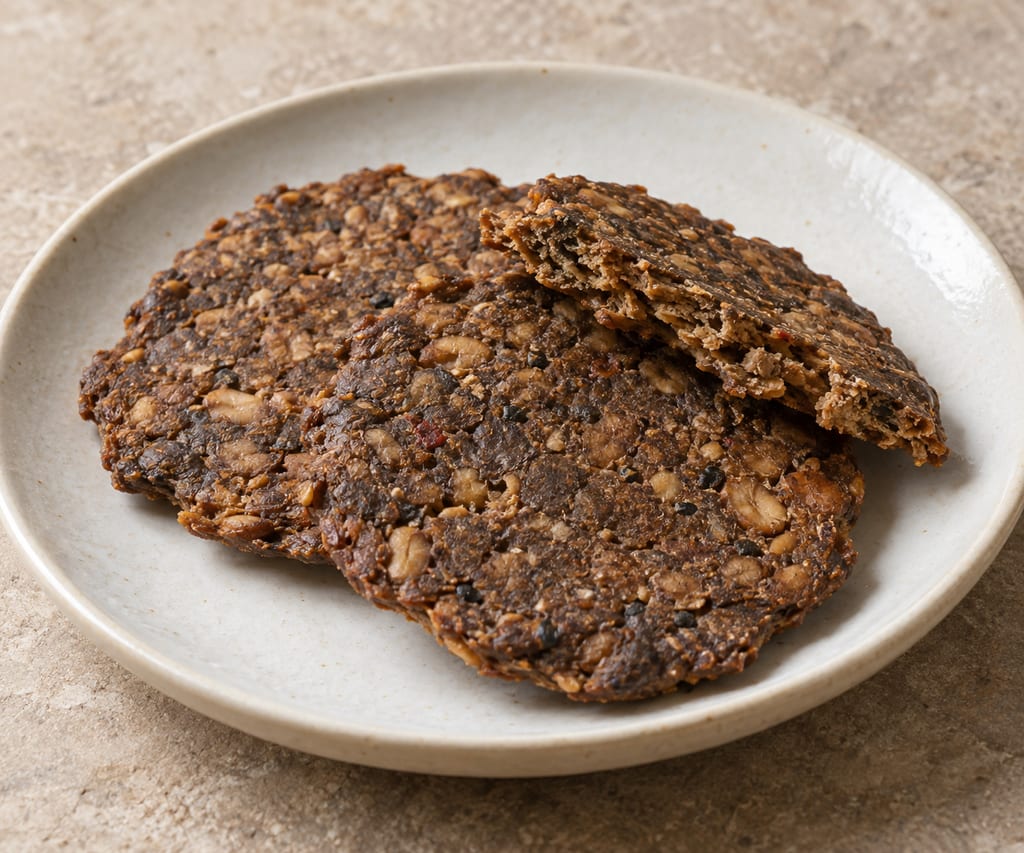
A Myanmar soybean ferment in which cooked beans turn sticky through alkaline bacterial fermentation, then are eaten fresh or seasoned, flattened and sun-dried into savoury wafers.
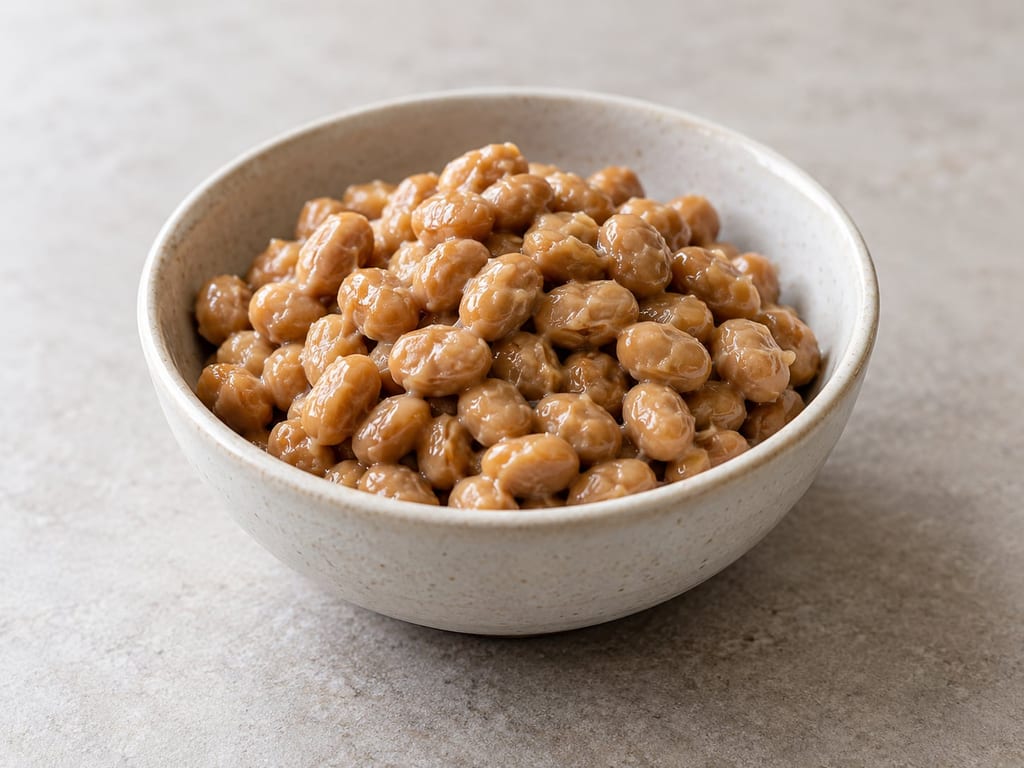
An Apatani fermented soybean food from the Ziro Valley of Arunachal Pradesh: cooked beans are wrapped in ginger leaves and left near the hearth until sticky and savoury, then eaten with rice or as a chilli-seasoned chutney.
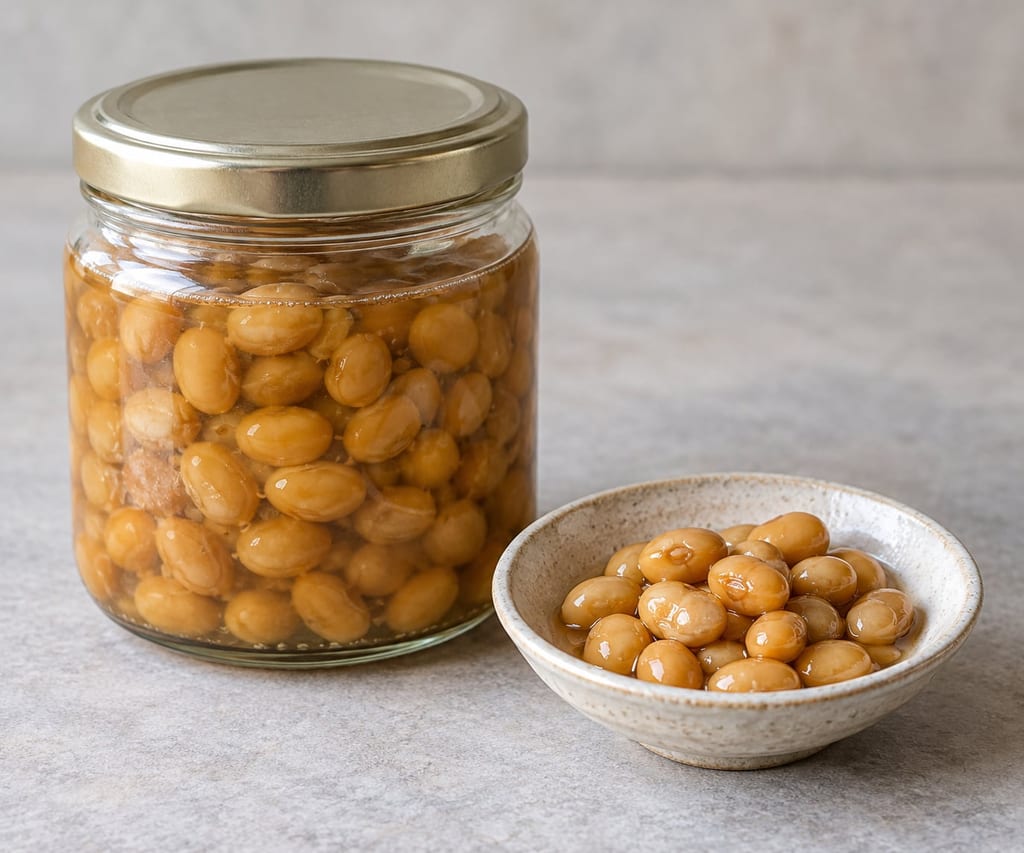
A Cambodian fermented soybean food in which cooked beans ferment into a sticky alkaline mass, then are preserved and matured in salt brine, sometimes sweetened with sugar.
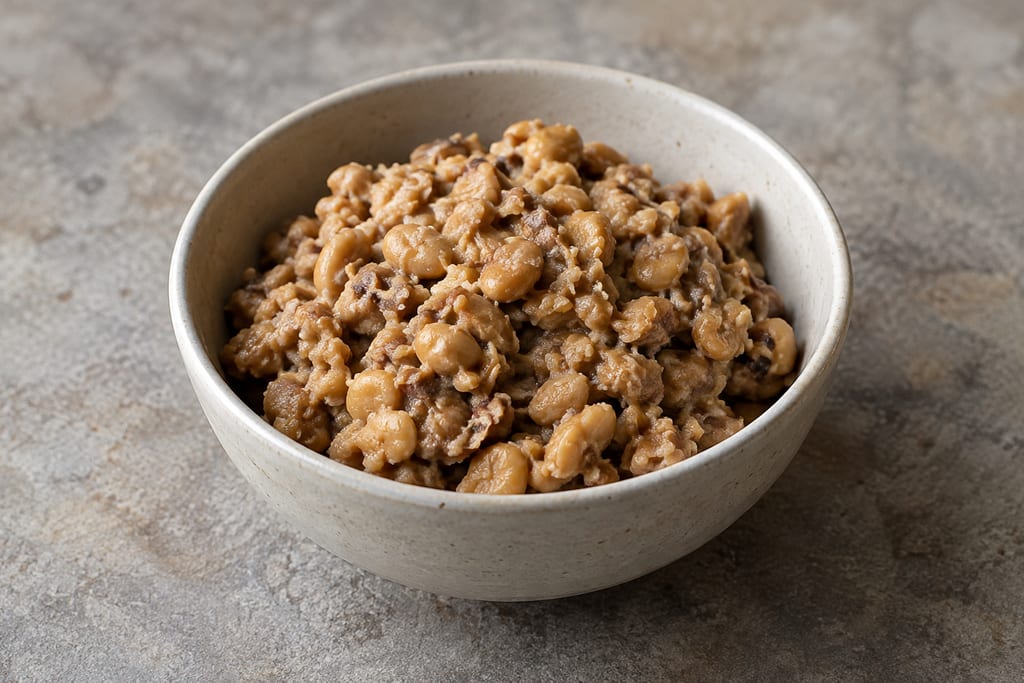
A Khasi and Jaintia fermented soybean food from Meghalaya: cooked beans ferment naturally in leaf-lined baskets above a fire, giving a sticky, pungent, savoury mass.

Soybeans boiled soft and fermented in a leaf-lined basket by the hearth, then in many Naga households pounded, wrapped in leaves and fermented again into a dark, pungent seasoning paste.
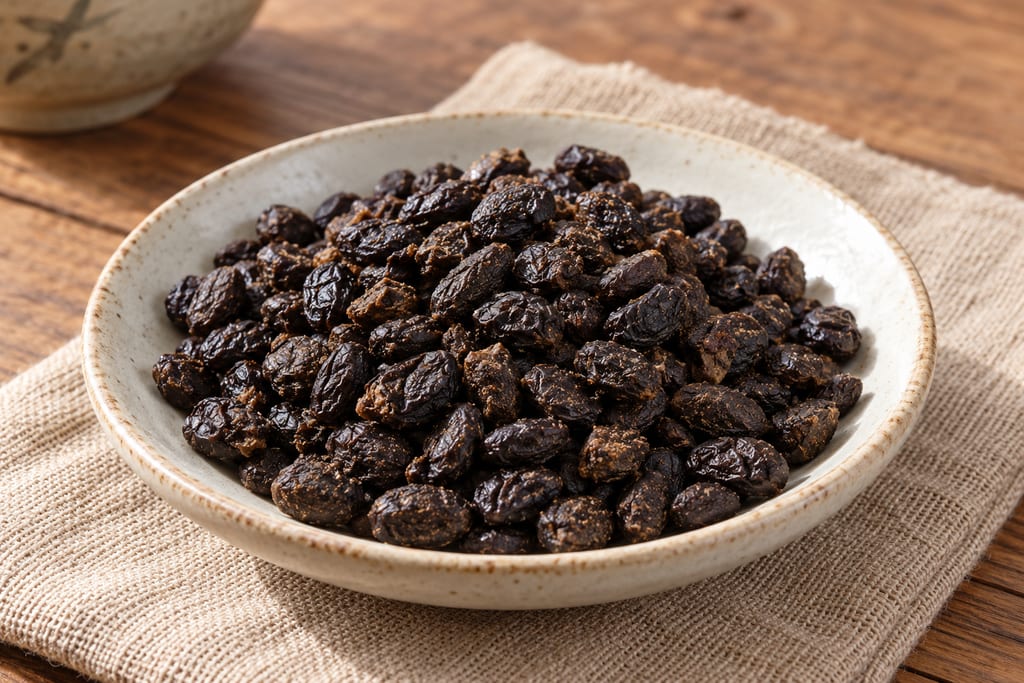
A Chinese fermented soybean condiment in which Bacillus-led bacteria, not moulds, drive the fermentation. Documented in Zunyi, Guizhou, and kept separate from mould-led douchi.
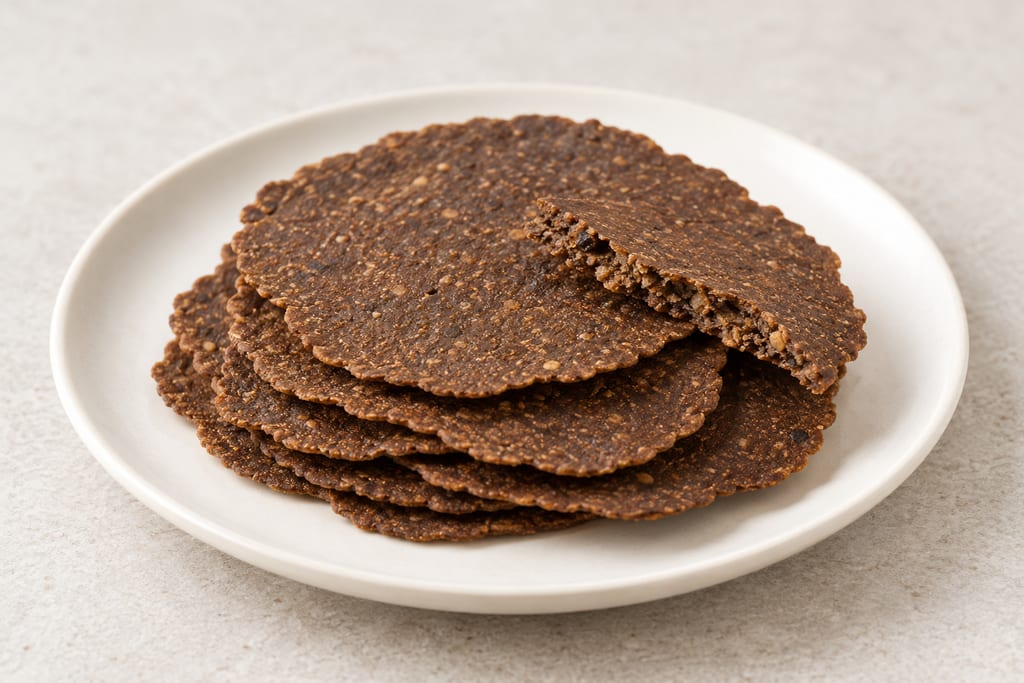
Black soybeans cooked, inoculated with a named Bacillus subtilis culture and fermented warm and humid into northern Thailand's thua nao, then optionally dried into thin discs.
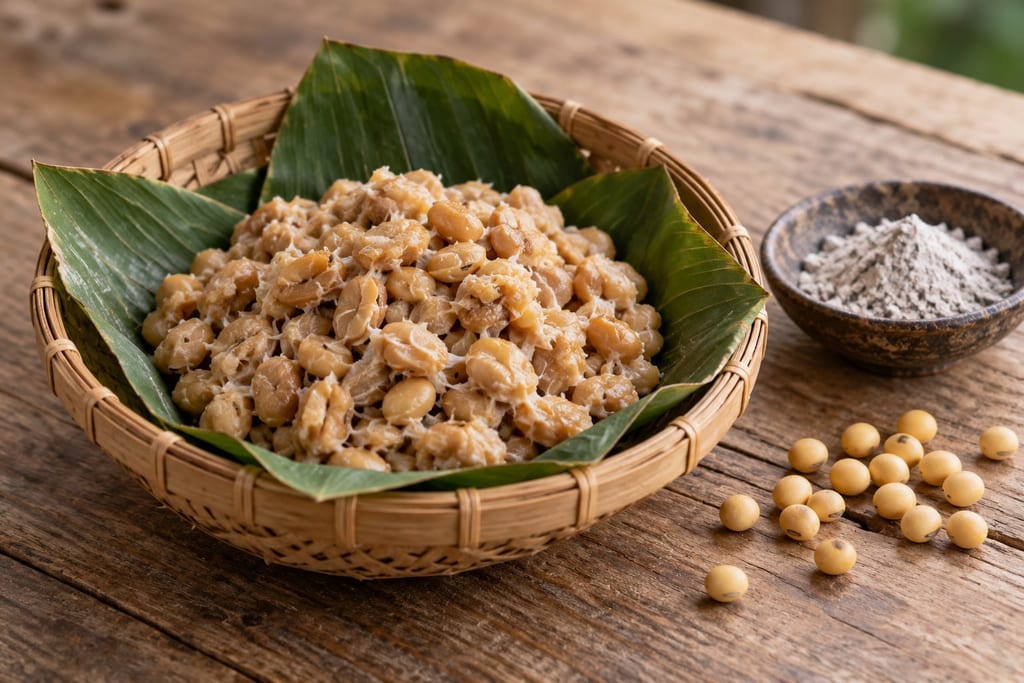
A sticky fermented soybean food of the eastern Himalaya, made here with a measured addition of firewood ash as an alkaline aid to the bacteria that drive it.
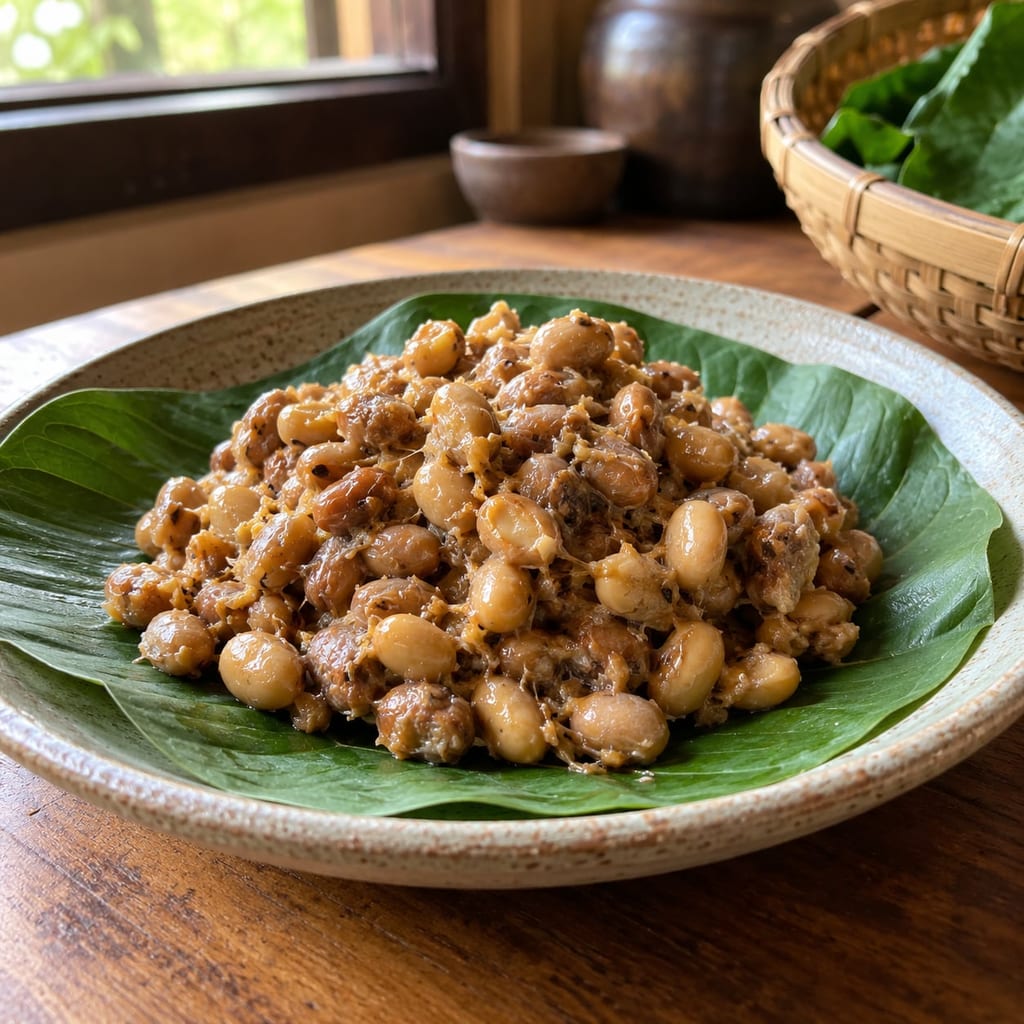
A home kinema made from overnight-soaked white soybeans, cooked, drained hot, wrapped in cloth and insulated to ferment for about a week.
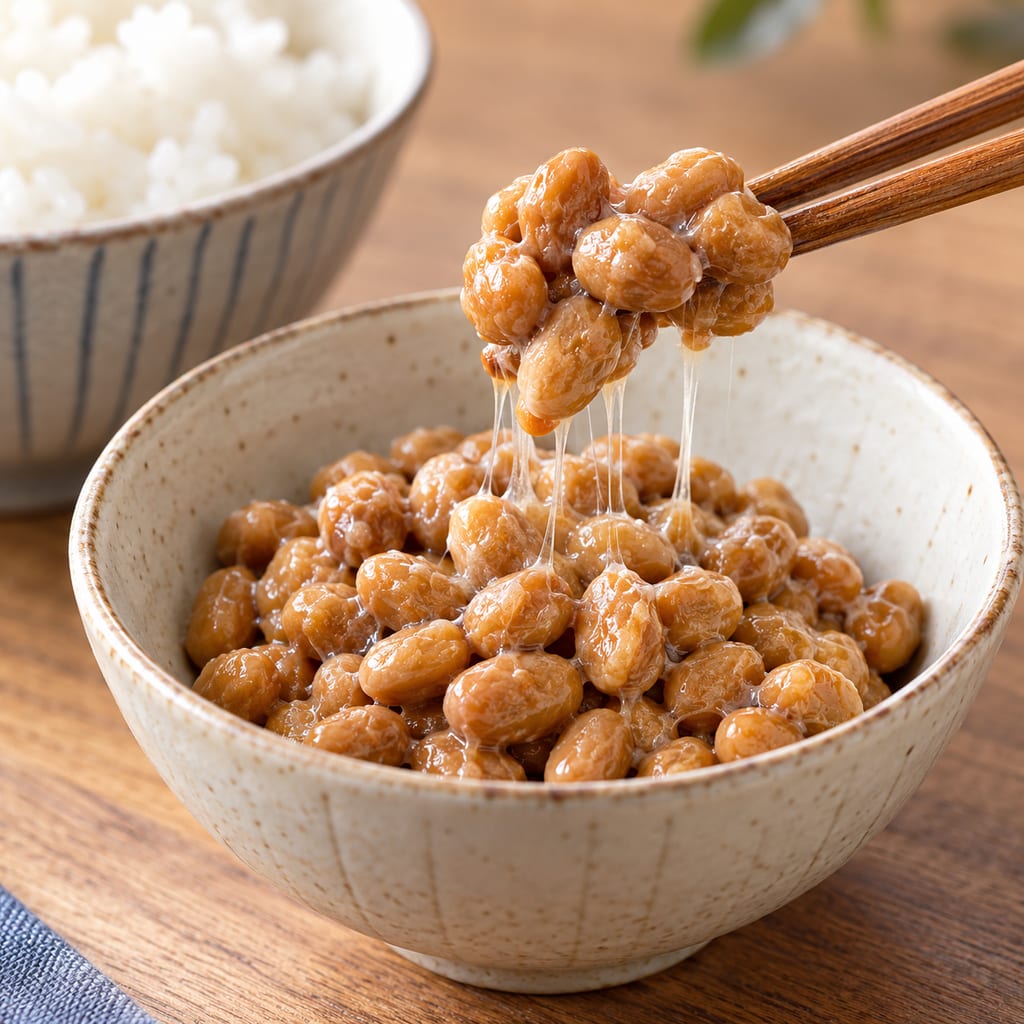
Natto is a Japanese fermented soybean food with a sticky coat and long strings, made by steaming soybeans and inoculating them with a natto Bacillus starter, then keeping them warm.
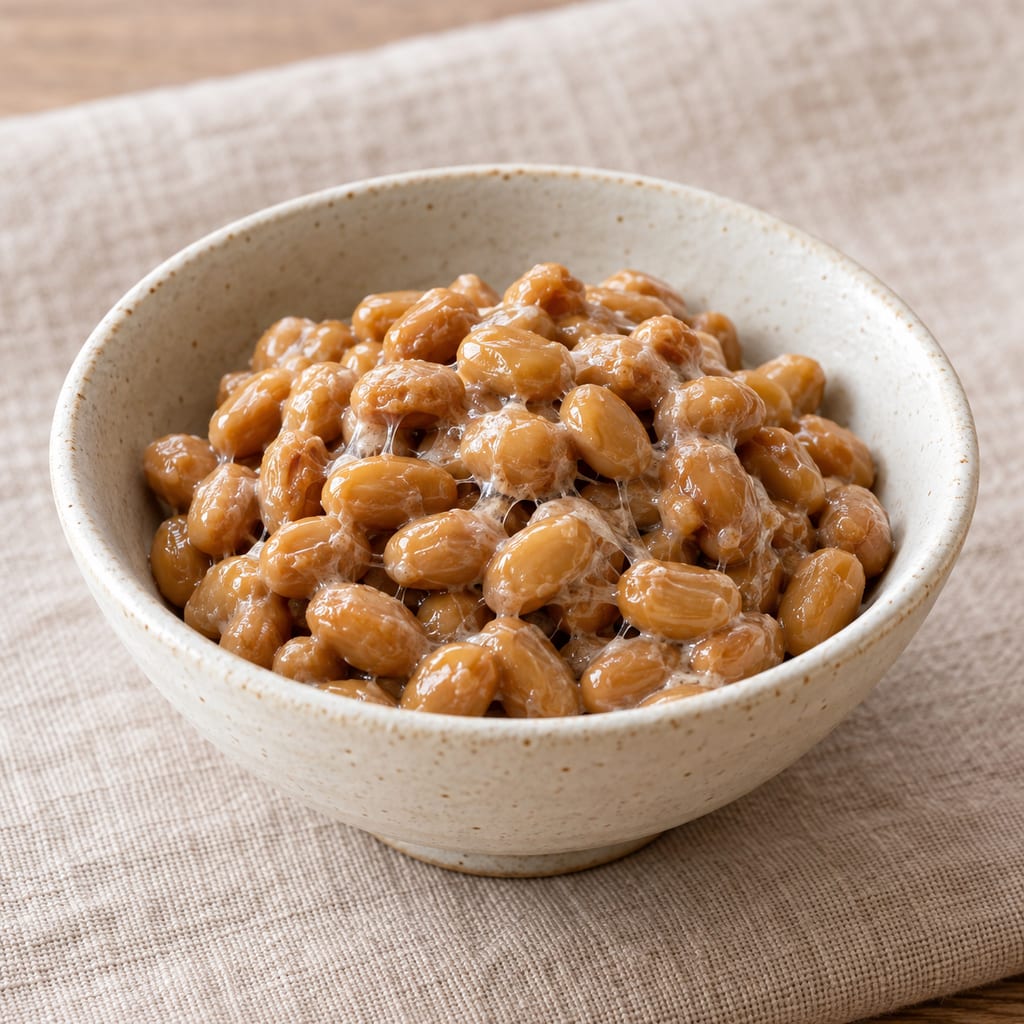
Steamed soybeans fermented by a named strain of Bacillus subtilis into Japan’s sticky, strongly savoury whole-bean food, bound by the thread-forming polymer the bacteria secrete.
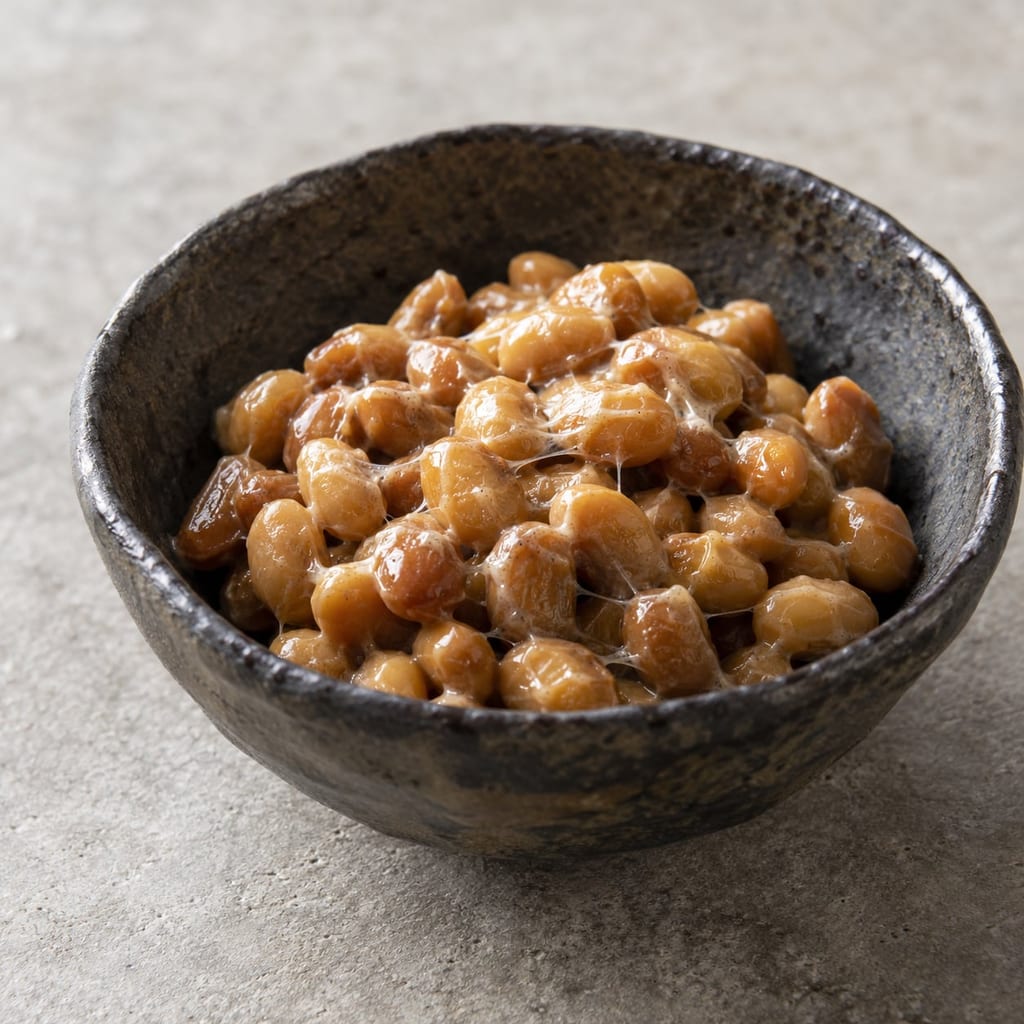
A two-cup soybean batch uses one Cultures for Health Natto Spores packet, a shallow perforated cover, and the supplier’s stated incubation and chilling sequence. The supplier’s instructions are not a validated home process.
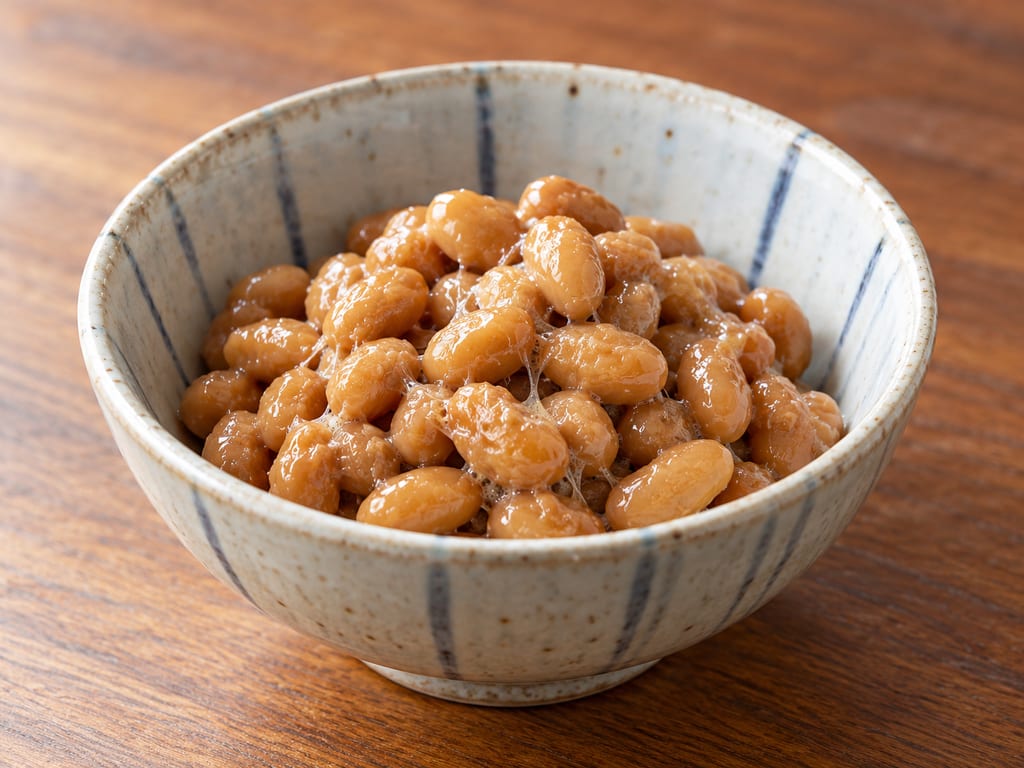
This video account makes natto from soybeans using frozen retail natto as a starter and a yogurt maker. It reports one home batch but leaves the starter mass, soak-water temperature, cooling controls and storage after chilling unstated.

Soft, spreadable Calabrian pork sausage made with a great deal of red chilli and fatty pork, stuffed into natural casings, sometimes smoked and matured while staying soft.

A way to add independent temperature logging to an existing food dehydrator without changing its built-in controls or protections. It is a monitoring method, not a rewiring plan.

Pleurotus cystidiosus is the abalone mushroom, a cultivated oyster-type fungus with dark brown caps that grows more slowly and is more demanding than other Pleurotus species.

A dark, balanced vinegar from Emilia-Romagna made by combining cooked or concentrated grape must with wine vinegar, then acetifying and refining it in wood under a protected specification.

A living dairy inoculum that starts controlled cream fermentation, developing acidity and aroma before sour cream or cultured butter is finished.

A small electric incubator holds jars at a selected temperature for yogurt and other documented warm food preparations. Controls, capacity and vessel arrangement vary by model.

Adygean salt is a seasoned table salt associated with Adygea and the wider North Caucasian culinary tradition. Salt is blended with garlic and a variable selection of herbs and spices; the exact mix depends on the named style and maker.

The African Caesar-group mushroom, Amanita masasiensis, is a wild ectomycorrhizal species of central and southern African woodlands, eaten locally. The genus contains deadly poisonous species, so identification needs care.
No community contributions have been published for this entry yet.
Sign in to contribute. Published comments and photos are free to read.
Indian Journal of Traditional Knowledge, Volume 8, Issue 1, 2009History · Method · Use
Indigenous knowledge of Northeast women on production of ethnic fermented soybean foodsPrimary source for Block C's traditional Mizo bekang production method
Use of small-seeded soybeans
Soaking for 10–12 hours
Boiling for approximately 1–2 hours
Draining cooked soybeans
Wrapping in Callicarpa arborea or Phrynium species leaves
Use of traditional bamboo baskets
Fermentation near an earthen oven
Reported temperature range of 20–35°C
Fermentation lasting 3–4 days
Characteristic sticky texture and ammoniacal aroma
Consumption as curry with rice
Traditional market sales by Mizo women
Figure 5 illustrating the processing sequence
Cited in: What it is; History; How it is made and why each step matters; Regional and historical variations; How it is eaten and used
Journal of Ethnic Foods, Volume 2, Issue 1, 2015Science
Naturally fermented ethnic soybean foods of IndiaComparative classification of fermented soybean foods of northeastern India
Identification of bekang as a Mizo fermented soybean tradition
Traditional use of Callicarpa arborea and Phrynium leaves
Alternative reported soybean boiling duration of 2–3 hours
Spontaneous fermentation for 3–4 days
Traditional use of fresh fermented soybeans
Preparation of curry with salt, green chillies and tomatoes
Commercial sale in local markets
Distinction between bekang and other regional soybean ferments
Cited in: What it is; How it works: bacteria, enzymes and chemistry; How it is made and why each step matters; Regional and historical variations; How it is eaten and used
Science Vision, Volume 15, Issue 1, Mizo Academy of Sciences, 2015Method · History
Traditional food processing techniques of the Mizo people of Northeast IndiaEthnographic documentation through interviews with Mizo residents
Local name bekang-um
Use of hnahkiah leaves identified as Callicarpa arborea
Use of the traditional chhihri sieve
Addition of fireplace ash in one documented preparation
Leaf wrapping and covering
Three days of fermentation above a fireplace
Alternative fermentation under sunlight
Consumption fresh or after sun-drying
Use as a seasoning
Reported practice of frying, grinding and adding fermented beans to tea
Figure 3 showing leaf-wrapped bekang
Documentation of local variation in traditional processing
Cited in: What it is; History; How it is made and why each step matters; Regional and historical variations; How it is eaten and used; Reading results, identifying problems and understanding safety
Science Vision, Mizo Academy of Sciences, 2015History · Context
Traditional food processing techniques of the Mizo people of Northeast India — original article PDFOriginal text of the 2015 ethnographic account
Photographic documentation of bekang wrapped in Callicarpa arborea leaves
Traditional three-day fireplace fermentation
Use of ash and leaf-lined processing equipment
Traditional post-fermentation consumption and preservation
Article publication under a Creative Commons Attribution-ShareAlike licence
International Journal of Food Microbiology, Volume 197, 2015Science · Safety
Bacillus species isolated from tungrymbai and bekang, naturally fermented soybean foods of IndiaCollection of 43 bekang samples from villages and markets in Mizoram
Isolation of 217 Bacillus strains from bekang
Average Bacillus population of 8.2 ± 0.1 log CFU/g across the studied fermented soybean foods
Bacillus subtilis representing 51.8% of bekang isolates
Bacillus licheniformis representing 16.5% of bekang isolates
Bacillus pumilus representing 9.1% of bekang isolates
Presence of additional Bacillus and related species
Use of phenotypic and molecular identification
Alternative traditional process including a small addition of firewood ash
Reported fermentation near a fireplace at 25–40°C for 3–4 days
Distinction between organisms isolated from food and deliberately selected starter cultures
Cited in: What it is; History; How it works: bacteria, enzymes and chemistry; How it is made and why each step matters; Reading results, identifying problems and understanding safety
International Journal of Fermented Foods, Volume 3, Issue 1, 2014Science
Functional Properties of Tungrymbai and Bekang, naturally fermented soybean foods of North East IndiaEnzymatic activities of bacterial isolates from bekang and tungrymbai
Laboratory poly-gamma-glutamic acid production
Bacillus subtilis strain BT:B9 producing 2.8 mg/mL poly-gamma-glutamic acid under experimental conditions
Tests of proteolytic and other biochemical activities
Laboratory assessments of selected lactic acid bacterial isolates
Experimental degradation of some antinutritional compounds
Biogenic amine-related testing
Antioxidant assays
Limits of transferring isolate-level findings to all traditional bekang
Cited in: How it works: bacteria, enzymes and chemistry
Science Vision, Volume 19, Issue 2, Mizo Academy of Sciences, 2019Science
Changes in biochemical and nutritional properties of bekang-um (fermented soybean) prepared by traditional method and customized incubatorExperimental preparation using 1 kg of soybeans sourced in Aizawl
Overnight soaking
Experimental autoclaving at 121°C for one hour
Use of hnahkiah leaves and firewood ash
Comparison of sunlight-based and controlled-temperature fermentation
Use of a wooden incubator maintained at approximately 35°C
Microbial and biochemical measurements during four days of fermentation
Increasing protease activity and free amino acids
Increasing alpha-amylase activity
Early rise followed by decline in reducing sugars
Increase in measured pH
Experimental proposal for reducing fermentation time
Distinction between traditional production and laboratory adaptation
Cited in: History; How it works: bacteria, enzymes and chemistry; How it is made and why each step matters; Regional and historical variations; Reading results, identifying problems and understanding safety
Fermentation, MDPI, Volume 7, Issue 3, 2021Science
Metagenomic Analysis of Bacterial Diversity in Traditional Fermented Foods Reveals Food-Specific Dominance of Specific Bacterial TaxaCollection of bekang from markets in Aizawl
Sampling on the third, fifth and seventh fermentation days
Analysis using 16S rRNA gene sequencing
Detection of substantial Staphylococcus and Bacillus populations
Changes in relative bacterial abundance between sampling days
Presence of a broader community than identified by Bacillus isolation alone
Measured bekang pH around 7.93
Analysis of moisture and proximate composition
Figure 1 showing an authentic sampled bekang product
Limitations of using DNA-based abundance to identify beneficial starter organisms
Cited in: What it is; History; How it works: bacteria, enzymes and chemistry; Regional and historical variations; Reading results, identifying problems and understanding safety
World Journal of Microbiology and Biotechnology, Volume 39, 2023Science
Comprehensive bacterial-metabolite profiles of Hawaijar, Bekang, and Akhone: a comparative study on traditional fermented soybeans of north-east IndiaComparison of traditional fermented soybeans from Manipur, Mizoram and Nagaland
Culture-dependent and culture-independent microbiological investigations
Detection of Bacillus, Corynebacterium and other bacteria
Detection of Oceanobacillus in bekang and akhone
Identification of differences in bacterial communities between regional foods
Gas chromatography–mass spectrometry analysis
Comparatively greater abundance of certain short-chain fatty acids in bekang
Bacterial-metabolite correlations
Limits of inferring direct microbial functions from correlation analysis
Evidence against treating all regional fermented soybeans as one interchangeable fermentation
Cited in: What it is; History; How it works: bacteria, enzymes and chemistry; Regional and historical variations; Reading results, identifying problems and understanding safety
Journal of Clinical and Diagnostic Research, Volume 17, Issue 6, June 2023Safety
Identification and Characterisation of Salmonella spp. Isolated from Stool Samples of a Food Poisoning Outbreak in Chite, Mizoram, India due to Consumption of Bekang-Um (Fermented Soybean)Investigation of a foodborne illness outbreak in Chite, Aizawl, on 23 September 2020
Fifty-two people affected
Reported common source of locally purchased bekang-um
Collection of stool samples from eighteen symptomatic patients
Salmonella isolated from seventeen samples
Fifteen isolates displaying multidrug resistance
Molecular characterisation of virulence and antimicrobial-resistance genes
Contemporary consumption of bekang-um as an uncooked chutney
Importance of distinguishing outbreak association and patient microbiology from direct testing of the original food batch
Cited in: History; How it is eaten and used; Reading results, identifying problems and understanding safety
Frontiers in Public Health, 31 March 2026Safety
Atypical enteropathogenic Escherichia coli associated with an acute diarrhoeal disease outbreak due to fermented soybean in Keifang, Mizoram, India: a challenge toward food safety and prevention effortsInvestigation of a September 2024 acute gastroenteritis outbreak in Keifang
Forty affected individuals among fifty-eight exposed people
Recovery of atypical enteropathogenic E. coli from forty affected individuals
Detection of the organism in one leftover fermented soybean sample
Epidemiological and microbiological association with contaminated bekang
Food-safety implications for local fermentation, handling and distribution
Evidence that contamination in a particular batch does not define the normal microbial community of traditional bekang
Cited in: History; How it is eaten and used; Reading results, identifying problems and understanding safety
EFSA Journal, European Food Safety Authority, 2016Safety
Risks for public health related to the presence of Bacillus cereus and other Bacillus spp. including Bacillus thuringiensis in foodstuffsGeneral food-safety risks associated with toxigenic Bacillus species
Bacterial spore survival
Potential for toxin formation in improperly controlled cooked foods
Strain-dependent pathogenicity
Importance of microbial and process controls
Comparative safety guidance rather than a product-specific bekang challenge study
Cited in: Reading results, identifying problems and understanding safety
UK Food Standards AgencySafety
Food allergy and intoleranceRecognition of soya as a food allergen
Relevance of allergen identification for fermented soybean preparations
Cited in: Reading results, identifying problems and understanding safety
Mizohican, personal Mizo food and culture blog, 18 January 2018History · Context
Chp 697. Vacation home food delicaciesFirst-person description of fresh bekang eaten in Mizoram
Distinction between fresh bekang and dried bekang rep
Preparation by frying fermented soybeans with onion, salt and chilli powder
Consumption as an accompaniment to rice and other dishes
Original photographs of bekang during frying
Contemporary household culinary practice rather than a standardised fermentation recipe
Annals of Microbiology, 2021, via PubMed CentralScience
Impact of Bacillus in fermented soybean foods on human healthBacillus species in fermented soybean foods
Cited in: How it works: bacteria, enzymes and chemistry
Frontiers in Life Science, 2016Context · Use
Diversity of traditional and fermented foods of the Seven Sister states of India and their nutritional and nutraceutical potential: a reviewFermented soybean foods of northeast India
Cited in: How it is made and why each step matters; Regional and historical variations; How it is eaten and used
Journal of Ethnic Foods, 2021Use
Traditional food preparation of wild edible vegetables among the ethnic groups of Mizoram, North East IndiaAnkhapui bai and tiarhrep bai, vegetable dishes seasoned with bekang-um
Cited in: How it is eaten and used
