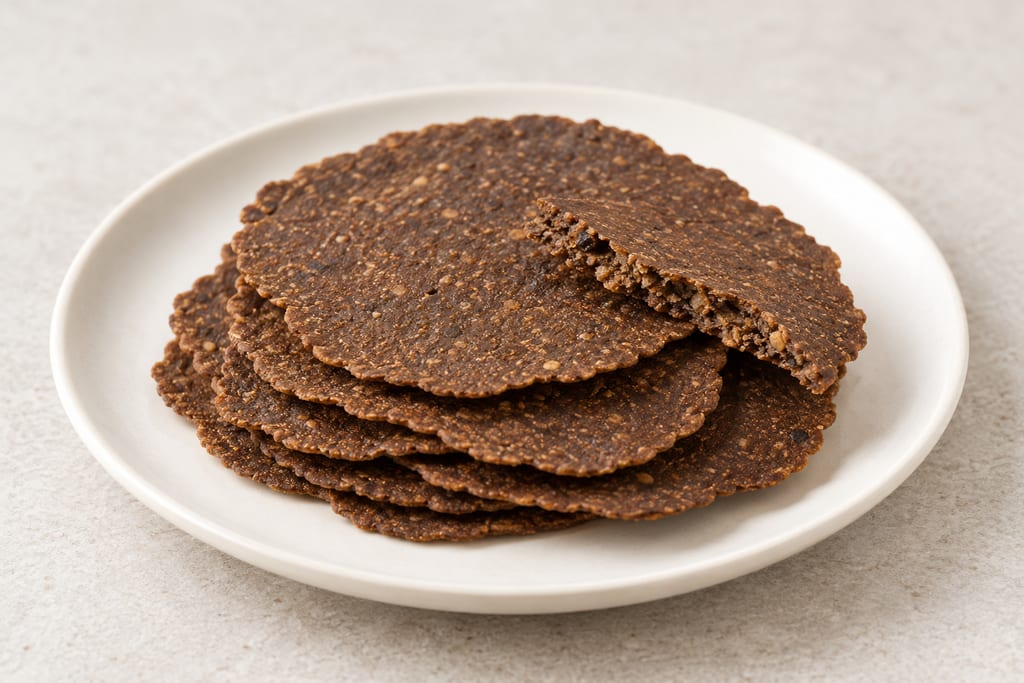
Black soybean thua nao with Bacillus subtilis
Black soybeans cooked, inoculated with a named Bacillus subtilis culture and fermented warm and humid into northern Thailand's thua nao, then optionally dried into thin discs.
 FermenteaWhere food goes to change
Traditional method
ပဲပုပ် · Pe pok · Peegapi · Pe boke · Pe pote · ပဲပုပ်ပြား · ပဲပုပ်ခြောက် · Fermented soybean chips · Burmese fermented soybeans · Myanmar fermented soybean wafers · Shan fermented soybean wafers · ペーポ
A Myanmar soybean ferment in which cooked beans turn sticky through alkaline bacterial fermentation, then are eaten fresh or seasoned, flattened and sun-dried into savoury wafers.
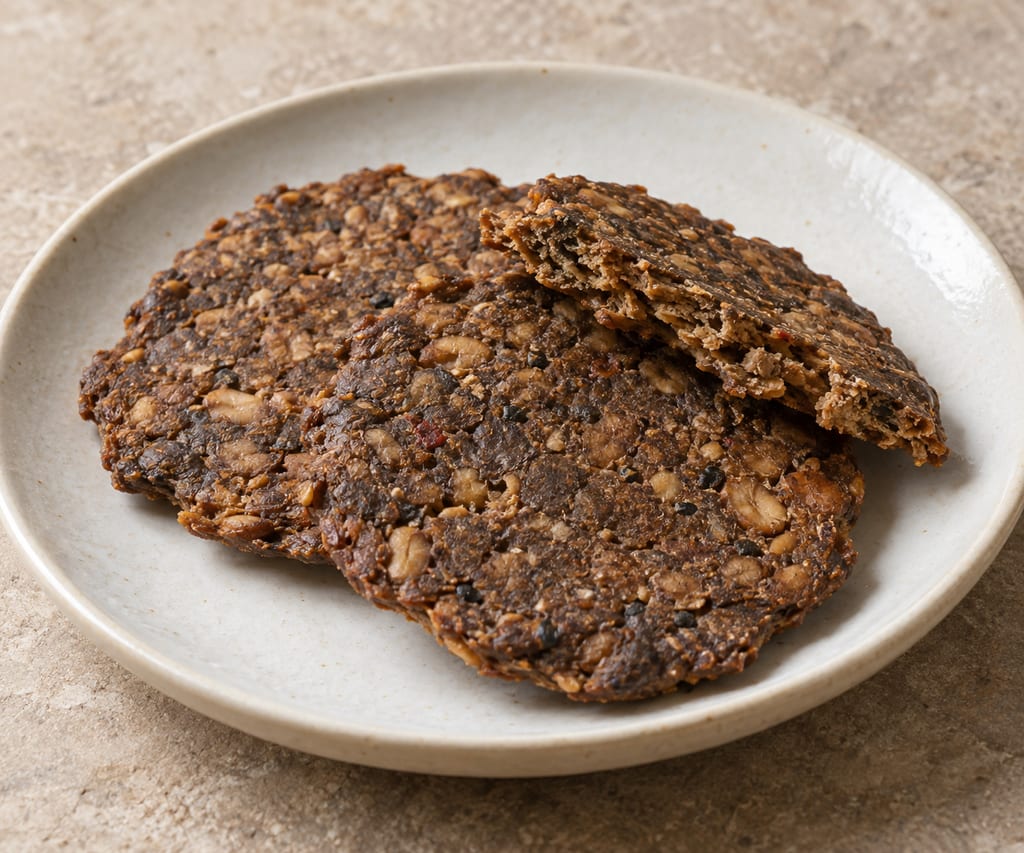
Pe poke, also written pe pok, is a traditional fermented soybean food of Myanmar. Its Burmese name is ပဲပုပ်, and the flattened dried form is called ပဲပုပ်ပြား. Japanese researchers have also recorded the name peegapi. It is made by cooking whole soybeans until soft and allowing bacteria to ferment them in a warm, moist environment. The beans develop a distinctive sticky coating, a strong fermented aroma and a softened texture. Depending on the local method, they are eaten soon after fermentation or pounded, seasoned and shaped into thin wafers for drying.
Pe poke belongs to the alkaline fermented soybean family, alongside foods such as kinema, Japanese natto, Thai thua nao and Korean cheonggukjang. The main microbial activity comes from bacteria, particularly members of the genus Bacillus. This distinguishes it from mould-led soybean foods such as tempeh and certain types of Chinese douchi. Despite similarities with natto, pe poke is not simply Burmese natto. Its traditional preparation, seasoning, drying, culinary uses and naturally occurring microbial communities differ.
The main ingredient is soybean, Glycine max. Salt is not necessarily present during the primary fermentation, although it is used in many finished preparations. A Japanese survey of twenty-nine pe pok samples found salt concentrations ranging from 0.14% to 13.7%, demonstrating substantial variation between products. Salt content in finished food should therefore not be taken as evidence for the salinity during initial bacterial growth. Garlic, ginger and chilli are documented additions to the mashed product used for dried wafers.
Fresh pe poke is soft and sticky, with a fermented soybean aroma that may be strong and ammoniacal. The stickiness is associated with extracellular substances produced by Bacillus bacteria. When the beans are crushed and sun-dried, they become flat, comparatively firm wafers that can be roasted, fried or used as a flavouring. The dried wafer is a processed version of the fermented beans, not a separate mould fermentation.
The microbial community is a mixture, not a single starter species. In samples from the Mandalay region, Bacillus thermoamylovorans was abundant in the shorter-fermented beans and Bacillus subtilis in the sun-dried product. These are results for the sampled batches, not for every preparation in Myanmar. The finished product remains tied to local market production, household cooking and small rural businesses, with different forms serving different culinary purposes.
The origin of pe poke is not recorded. It belongs to a group of fermented soybean foods found across mainland and eastern Asia, but similarity between them does not show where pe poke was first made or when. Soybeans are thought to have reached Myanmar from Yunnan in China, although the route and date have not been established for this dish, and written documentation of its origin is lacking.
One of the clearest early published descriptions appears in a Myanmar agricultural country paper by Myint Oo, presented at an international workshop in Serdang, Malaysia, in May 1993 and published in 1994. Fermented soybean chips are presented there as a rural cottage-industry product. Farmers cleaned and boiled soybeans, fermented them in bamboo baskets, pounded the beans with seasonings and sun-dried the resulting discs. It also records production costs, selling prices and labour requirements. This establishes that the preparation was commercially practised in rural Myanmar by the early 1990s, but it does not establish how old the tradition was at that point.
In 2007, Saori Mitsuboshi and colleagues published a field study of pe pok from northeastern Myanmar. They collected twenty-nine samples and isolated 197 bacterial strains, including 137 identified as Bacillus subtilis. Their research focused partly on whether bacteria from Myanmar's fermented soybeans could be used to produce Japanese-style natto. Their samples showed how much the microbes and the physical character of regional pe pok vary; the food is not a version of Japanese natto.
A further development came in 2021 when Jyoti Prakash Tamang and colleagues published a shotgun-metagenomic investigation of pe poke from the Mandalay region. Instead of relying only on bacteria that could be grown in laboratory culture, they analysed DNA recovered from the food. Their samples represented three-day, four-day and five-day fermentations and a sun-dried preparation. They found major differences in the relative abundance of bacterial groups and identified potential metabolic pathways encoded in the microbial DNA.
The food also remains part of regional household and market traditions. The 1994 agricultural account describes pe poke production as rural work, while the 2021 paper records its sale in local markets by small-scale farmers. The latter authors suggest that consumption among younger generations is declining, although they do not present a population-wide survey to quantify the change. In short, pe poke's history is one of rural production, field collection and microbial investigation, not of a dated origin. An ancient date, a single place of invention or an unbroken lineage from a particular Chinese food is unproven.
Pe poke is produced mainly through alkaline bacterial fermentation. Cooked soybeans provide a moist, protein-rich substrate that supports the growth of Bacillus species. These bacteria secrete extracellular enzymes, particularly proteases, that cut soybean proteins into smaller peptides and amino acids. Glycinin and beta-conglycinin are major soybean storage proteins involved in this transformation. Proteolysis changes the texture and produces soluble nitrogen compounds that contribute to savoury taste. Further metabolism of amino acids can release ammonia and other alkaline substances, helping explain why the pH increases rather than falling as it does in lactic-acid vegetable fermentation.
Samples from Mandalay had pH values from 7.6 to 8.7 and viable microbial counts of approximately 2.1–3.9 × 10^8 colony-forming units per gram. Shotgun sequencing assigned 99.08% of classified community sequences to bacteria. Bacillus accounted for approximately 53.11% of the bacterial genus-level profile. Bacillus thermoamylovorans was significantly abundant in the three-day and four-day samples, while Bacillus subtilis was significantly abundant in the sun-dried sample. The five-day sample instead showed a marked increase in Proteobacteria, particularly Ignatzschineria larvae.
Bacillus subtilis is a recognised participant in several alkaline soybean fermentations. A 2007 study isolated 137 B. subtilis strains from traditional pe pok and selected forty-two that displayed string-forming behaviour when grown on steamed soybeans. Some Bacillus strains produce extracellular poly-gamma-glutamic acid, a polymer containing glutamate units joined through gamma-amide linkages. This material holds water and contributes to the sticky threads associated with natto-like foods. Its role in comparable fermented soybeans is established experimentally; its concentration and structure in pe poke itself have not been measured.
Other enzymes can participate in the fermentation. Amylases act on available carbohydrates, while lipases release fatty acids from soybean lipids. Released amino acids and fatty acids may undergo further reactions that produce characteristic odours and flavours. Because soybeans contain relatively little starch compared with grains, protein degradation is especially important in this fermentation. The strongly alkaline conditions also help distinguish the process from ethanol-producing yeast fermentation and from acid-preserved soybean foods.
Predicted-gene analysis of the community DNA against the KEGG pathway database assigned thirty-three major pathway groups and 173 sub-pathways, including routes for amino-acid, vitamin and enzyme metabolism. These are computational predictions: they do not show that every predicted substance is made or accumulates in edible quantities. Small proportions of lactic acid bacteria, fungi, archaea and bacteriophages were also detected, and what each contributes has not been tested.
A dried sample containing relatively more B. subtilis does not prove that drying killed other organisms: the samples came from different batches, not from one batch followed through every stage. Likewise, the abundance of Ignatzschineria larvae in a five-day sample is a result for that sample, not proof that all five-day pe poke is contaminated. Fermentation duration, hygiene, microbial competition, moisture and environmental exposure all influence the outcome.
Traditional pe poke begins with whole soybeans that are cleaned, soaked and thoroughly cooked. Soaking allows water to enter the beans, making subsequent cooking more even. Cooking softens the structure, denatures storage proteins and reduces naturally occurring antinutritional factors. It also changes the microbial population present on the beans. In one Mandalay-region process, soybeans are soaked for 8–10 hours, drained, cooked in an open pot and drained again. Fermentation runs at 25–40°C for three to five days. These are traditional conditions, not safety-tested household instructions.
After cooking, the beans go into a fermentation container; in the Mandalay process this is a bamboo basket lined with a jute bag and wrapped with leaves. The beans are kept warm while bacteria grow and alter the cooked soybean material. The basket makes the beans easy to handle and the wrapping keeps the environment moist. Whether the leaves, basket and jute also supply microbes has not been tested.
A second method was documented in a Myanmar agricultural report published in 1994. The soybeans were cleaned, washed and boiled for approximately six hours. After cooking, the beans were placed in a bamboo basket to drain, covered with a cloth and pressed beneath a stone. The covered basket was left for two to three days in the sun for fermentation. This differs from the three-to-five-day method documented in 2021. The two procedures differ and are not combined into one standard method.
The finished fresh beans may be used immediately or processed into wafers. In the 1994 account, fermented beans were combined with small amounts of salt, garlic, ginger and chilli, then pounded with a mortar and pestle to form a paste. The paste was shaped into flat circular pieces and sun-dried for two or three days. The Mandalay process also seasons, mashes, shapes and dries the beans, though it mentions salt and chilli rather than the complete seasoning mixture described in 1994.
Pounding breaks up the beans and distributes the seasonings through the mixture. Flattening increases the exposed surface area and makes drying more practical. Sun-drying removes moisture, changes the texture and makes the wafers easier to transport, roast or fry. No final water-activity target or validated shelf life exists for the wafers, and a dry appearance is not evidence of microbiological stability.
Two kilograms of soybean grains yielded about two kilograms of fermented chips in the 1994 account. Seasoning weights and the moisture left after drying are not given, and the Mandalay process gives incubation temperatures and times but no complete household formulation. Neither describes all the controls a validated, food-safe recipe would need.
Pe poke varies in preparation, texture and use across northern Myanmar. Fresh fermented beans are commonly eaten in the northwestern regions bordering northeastern India, and flattened, sun-dried preparations are associated with northeastern Myanmar and the Thai border. This is a regional tendency, not an absolute division, and either form may occur elsewhere in the country.
The fresh preparation remains recognisably bean-like. After fermentation, the soybeans can be cooked into dishes or used as a strongly flavoured accompaniment to rice. The dried preparation involves additional pounding, seasoning and shaping. These changes make the finished food suitable for roasting or frying and distinguish the wafer from the moist fermented beans. The 1994 Myanmar agricultural account concentrates on this dried form because it was a product of rural cottage industries.
Salt content varies widely. In 2007 Japanese researchers found that twenty-nine samples contained between 0.14% and 13.7% salt, with eleven samples below 3% and eight between 3% and 6%. This range suggests that different producers were making products with distinct seasoning or preservation characteristics. No single traditional salting percentage exists, and it is unclear whether every sample was salted before or after the main fermentation.
The Bacillus subtilis strains recovered from these products also varied. Some isolates could produce strongly stringy fermented soybeans, while others generated different textures and flavours in experimental natto production. This suggests that traditional products can differ because of their microbial populations as well as their cooking, seasoning and drying methods. There is no evidence that producers selected or kept particular strains on purpose.
Pe poke has close culinary relatives across neighbouring regions. Thai thua nao is also made from fermented soybeans and can be flattened and dried. Across the Indian border, related sticky soybean ferments include hawaijar, bekang and axone. These comparisons illustrate a broad regional pattern of cooking soybeans and fermenting them with bacteria. They do not demonstrate that these foods share a single inventor, starter culture or historical point of origin.
Other Myanmar communities also make seasoned soybean wafers. Myanmar Digital News reported in 2021 on a Danu preparation called Maroi Napakpi, manufactured in Pindaya Township in southern Shan State. It involves cooked soybean material, additional flavourings, flattening and drying. Maroi Napakpi keeps its own name and identity and is not simply a version of pe poke.
Pe poke is eaten both as fresh fermented soybeans and as dried, seasoned wafers. The fresh product is soft, sticky and strongly flavoured, while the dried form is firmer and can be roasted, fried or broken into smaller pieces. Both are associated with rice-based meals. Pe poke curry and fried pe poke fritters are traditional preparations, so the fermented beans serve as an ingredient as well as a preserved snack.
The 1994 agricultural account describes dried pe poke chips as a common rural side dish. After fermentation, the beans were pounded with salt, garlic, ginger and chilli before being shaped and dried. The resulting pieces could be fried or roasted before eating. The seasonings contribute pungency and aroma to the concentrated fermented soybean base. They are added after the principal fermentation in the documented process, rather than serving as necessary microbial starters.
One specifically documented use of the dried Shan-style wafer is in soybean salad. A Burmese-language recipe for ရှမ်းပဲပုပ်သုပ် describes gently roasting the dried wafer until fragrant, then serving it with thinly sliced onion, green chilli, coriander leaves, a little lime, salt and peanut oil. The roasted wafer supplies a savoury base, while the raw ingredients contribute contrasting acidity, freshness and texture.
Roasting and frying also change how the fermented beans taste. Heating develops toasted aromas and changes the texture of the dried soybean material. Chopped or crushed wafers can be incorporated into other dishes as a seasoning, although the quantity depends on the salt content and intensity of the particular product. A heavily salted wafer will not behave identically to lightly seasoned fresh pe poke.
The distinction between fresh and dried products matters for storage and preparation. Fresh pe poke retains substantial moisture and an active or recently active microbial community. Dried wafers have undergone additional moisture loss and are often reheated before eating. No universal shelf life exists, and ordinary roasting does not undo hazards introduced during an uncontrolled fermentation. Handling depends on the actual product.
Pe poke is the preparation; fresh pe poke curry, fried pe poke fritters and Shan dried-soybean salad are dishes made from it. Plain and seasoned dried wafers are distinct versions when their ingredients or processing differ, which keeps a dish containing fermented soybeans from being mistaken for a separate fermentation tradition.
The characteristic result of pe poke fermentation is softened soybeans with a noticeable fermented aroma and some surface stickiness. Bacterial growth and protein breakdown produce these changes. In Mandalay-region samples pH ranged from 7.6 to 8.7, the alkaline range typical of this family, and viscosity differed between samples. Neither pH nor viscosity is a safety endpoint that a household producer can use to approve a batch.
The most important microbiological concern is the variability of spontaneous fermentation. Sequencing of Mandalay-region samples found that Bacillus thermoamylovorans was significantly abundant in three-day and four-day samples. The five-day sample contained proportionally more Proteobacteria and was particularly associated with Ignatzschineria larvae. This organism has been associated with flies, and its presence may indicate contamination during extended fermentation. The exact route of contamination was not demonstrated.
The three- and four-day samples looked more suitable for eating than the five-day sample, but that is not a rule that three days are safe and five are not. The samples were not replicated batches followed through a challenge test, and the work does not show that pathogens are eliminated, that bacterial toxins are absent or that safety is reproducible between producers.
A further concern is the distinction between desirable Bacillus fermenters and potentially hazardous spore-forming bacteria. Bacillus subtilis can be used in controlled food fermentation, but Bacillus cereus and some other Bacillus organisms can cause foodborne illness. Spores may survive cooking and subsequently germinate under favourable conditions. Food-safety guidance for fermented soybeans therefore stresses raw-material selection, hygienic processing, controlled cooling and identified starter cultures. Guidance developed specifically for Japanese natto is useful comparative safety information but does not validate a traditional pe poke method.
Salt content cannot be assumed: samples ranged from 0.14% to 13.7% salt. A producer following a lightly salted tradition cannot rely on salt as a strong preservation barrier, while a more heavily salted preparation may have a different microbial environment. Finished-product salt concentration alone also does not determine water activity, microbial safety or shelf life. In the same way, sun-drying for two or three days is a documented traditional practice, not proof that the wafers reach a safe moisture level in every climate.
Protein breakdown raises another question. Some microorganisms convert amino acids into biogenic amines such as histamine and tyramine, a recognised concern in fermented soybean products generally; their concentrations in pe poke have not been measured. Predictions of vitamin synthesis and amino-acid metabolism come from DNA-based pathway analysis, not from measurements in the finished food, so pe poke is not an established probiotic or medicinal food.
An unusual smell, unexpected mould growth, insect activity or conspicuous contamination should be treated as a reason to reject an uncontrolled batch. Their absence is not evidence that pathogens or toxins are absent. Soybeans also remain an allergenic ingredient after fermentation. A reproducible food-safe production method would need suitable raw materials, verified fermentation cultures or validated traditional controls, hygienic equipment, measured process conditions, appropriate microbiological evaluation and established storage limits. No published account of pe poke provides that complete validation.
No dated origin or earliest recipe is recorded. A Myanmar country paper presented in 1993 and published in 1994 describes pe poke as a rural cottage-industry food, Japanese field work published in 2007 sampled it in northeastern Myanmar, and a 2021 study analysed samples from the Mandalay region.
Yield 2 kg · Scaling: source batch only
Cooked soybeans are held warm for several days without a defined starter culture or measured temperature. The intended alkaline fermentation can be accompanied by undesirable microbial growth.
Hazard sourceBacillus cereus spores may survive ordinary cooking and germinate under favourable conditions. Some strains produce toxins responsible for foodborne illness. The 2021 pe poke study does not provide a product-specific validation demonstrating their absence.
Hazard sourceThe 2021 pe poke metagenomic study found Ignatzschineria larvae to be significantly abundant in its five-day sample. The authors suggested possible contamination from flies during prolonged fermentation. The route of contamination was not experimentally demonstrated.
Hazard sourceMeasured pe poke samples had a pH of 7.6–8.7. Such alkaline conditions do not provide the inhibitory low-pH environment associated with many lactic-acid-preserved vegetables.
Hazard sourceThe traditional method specifies sun-drying for 2–3 days without a measured final water activity or moisture content. Environmental humidity and weather may affect the finished product. Appearance alone does not establish shelf stability.
Hazard sourceProtein-rich fermented soybeans can contain biogenic amines formed through microbial amino-acid metabolism. Product-specific concentrations in the documented pe poke preparation have not been established.
Hazard sourcePe poke is made from soybeans, a recognised food allergen. Fermentation does not establish that the product is suitable for individuals with soya allergy.
Hazard sourceSelect sound soybeans, remove extraneous material and wash using hygienic food-processing practices.
Control sourceFully cook the soybeans, using a validated cooking process appropriate to the intended production method.
Control sourceControl cooling, handling and fermentation to minimise undesirable bacterial growth and contamination. Identified starter cultures should be evaluated for any standardised adaptation.
Control sourceProtect food and equipment from insects, dirt and environmental contamination throughout fermentation, pounding and drying.
Control sourceEstablish and verify product-specific drying endpoints and storage conditions before claiming the finished wafers are shelf-stable.
Control sourceEvaluate hazards associated with Bacillus cereus and heat-resistant toxins. Do not treat final frying or roasting as a substitute for controlling contamination during fermentation.
Control sourceThis is a traditional cottage-industry process recorded in 1994, not a validated home-fermentation recipe.
The method relies on spontaneous microbial fermentation and has no identified starter culture.
The 2 to 3 day fermentation is a traditional practice, not a demonstrated safe endpoint.
Measured pH values of 7.6 to 8.7 in Mandalay-region samples describe the product and are not acceptance criteria for this recipe.
Do not combine the timing or temperature of a different pe poke study with this method without saying which method is meant.
No safe fermentation temperature limits, microbiological acceptance criteria, target water activity or shelf life exists for this method.
Texture, stickiness and smell cannot show whether a spontaneous alkaline fermentation of cooked soybeans is safe.
Roasting or frying may not remove toxins already formed during an uncontrolled fermentation.
A batch with unidentified microbial growth, insect contamination or other signs of failure is not eaten or salvaged.
Contains soybeans, a recognised allergen.
Black soybeans cooked, inoculated with a named Bacillus subtilis culture and fermented warm and humid into northern Thailand's thua nao, then optionally dried into thin discs.
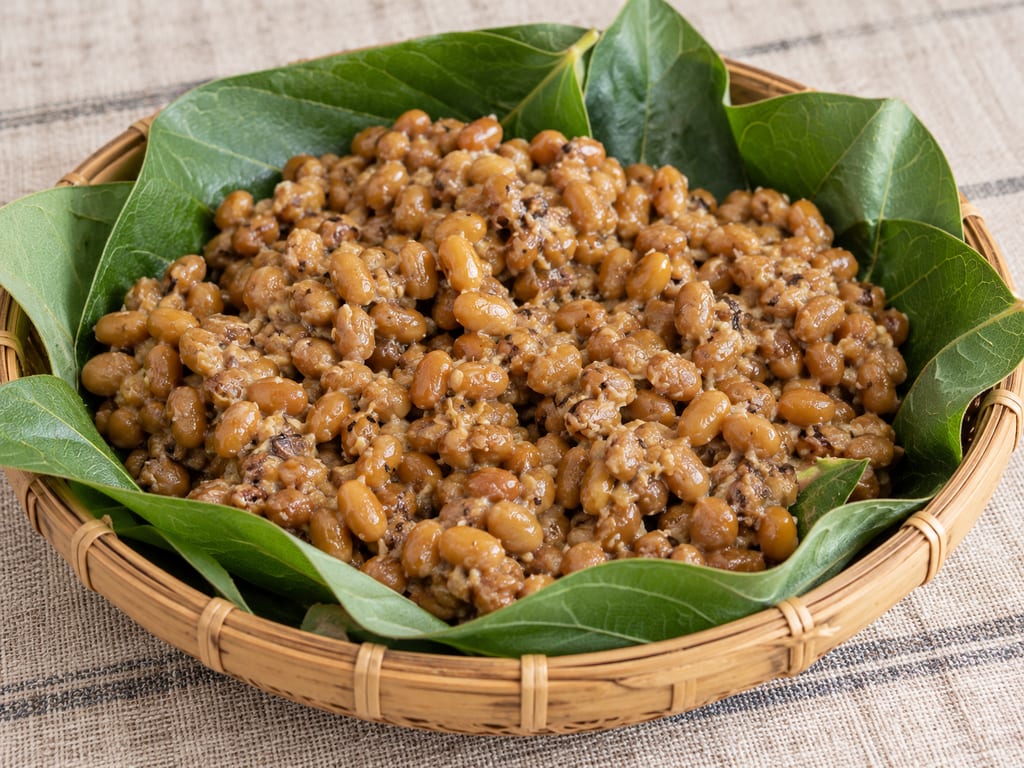
A Mizo alkaline soybean ferment made by holding cooked beans in leaf-lined containers, sometimes with wood ash, until they turn sticky, soft and pungent; eaten fresh or used as a seasoning.
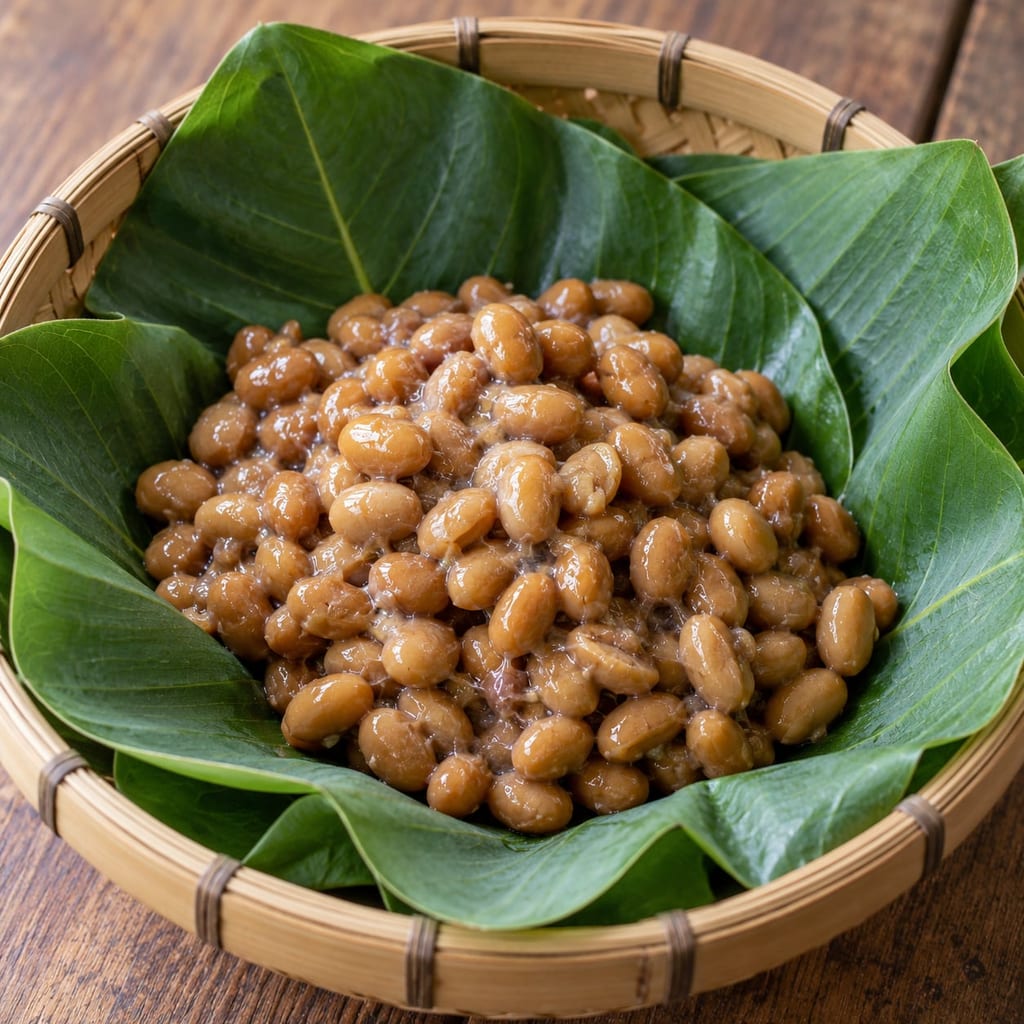
A sticky fermented soybean food of Manipur, made by packing cooked soybeans in leaf-lined bamboo baskets and keeping them warm, related to but distinct from Bekang and Akhone.
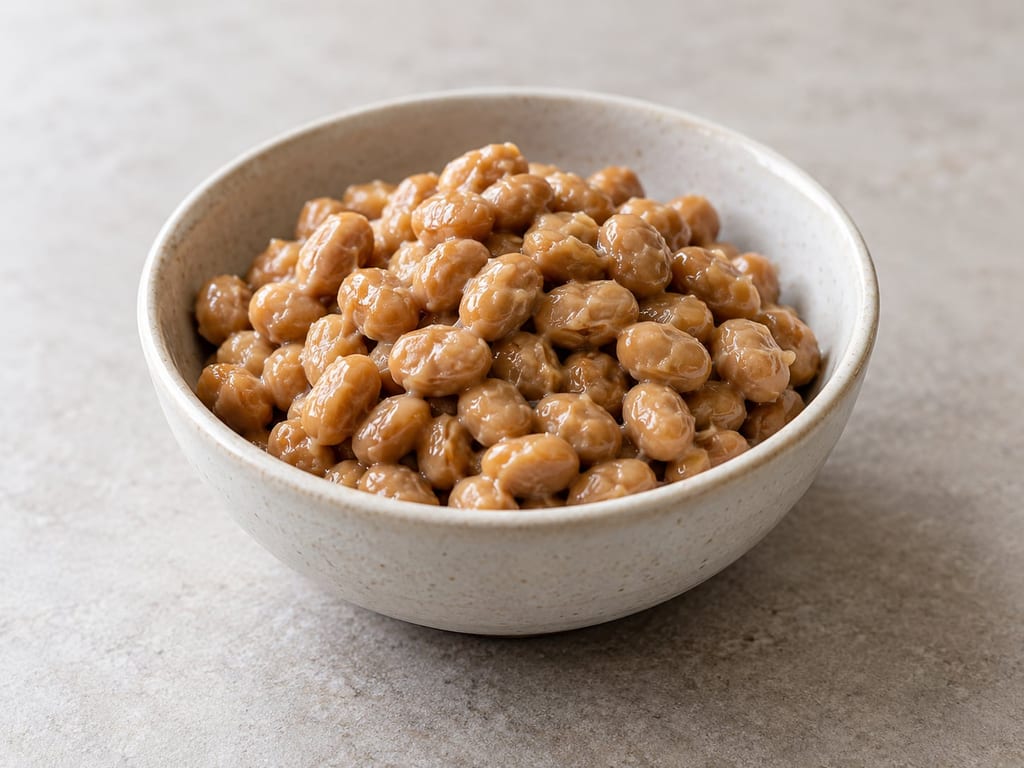
An Apatani fermented soybean food from the Ziro Valley of Arunachal Pradesh: cooked beans are wrapped in ginger leaves and left near the hearth until sticky and savoury, then eaten with rice or as a chilli-seasoned chutney.
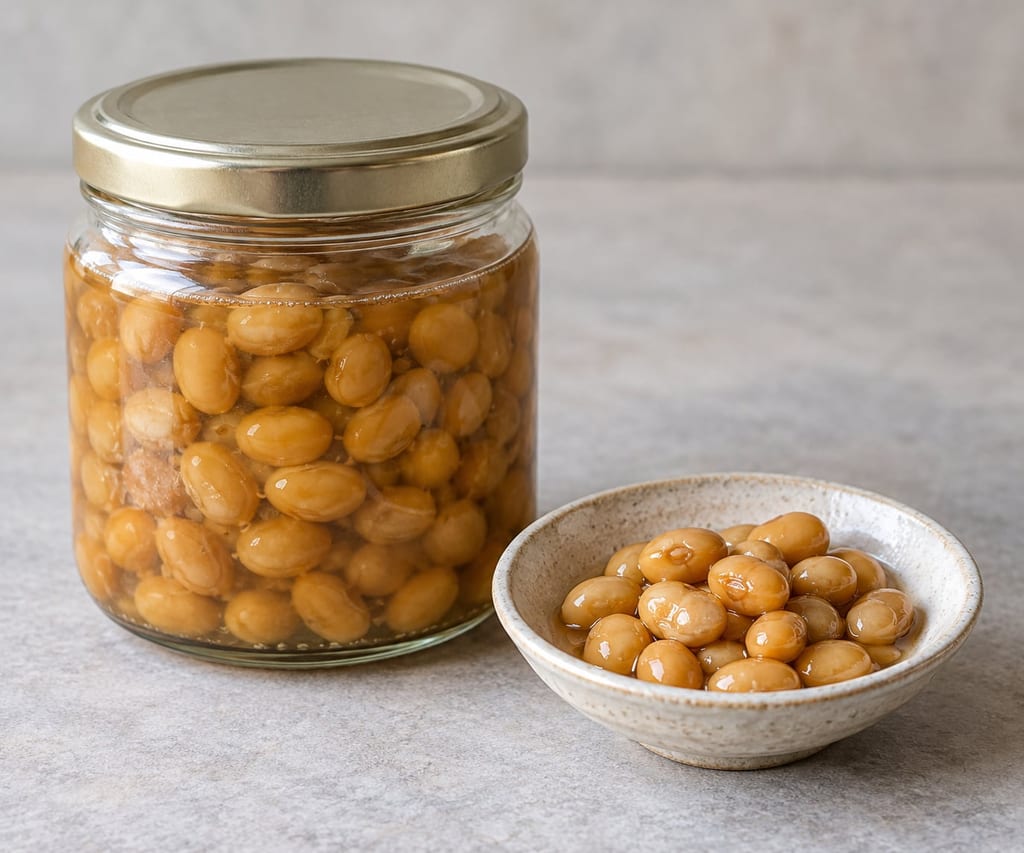
A Cambodian fermented soybean food in which cooked beans ferment into a sticky alkaline mass, then are preserved and matured in salt brine, sometimes sweetened with sugar.
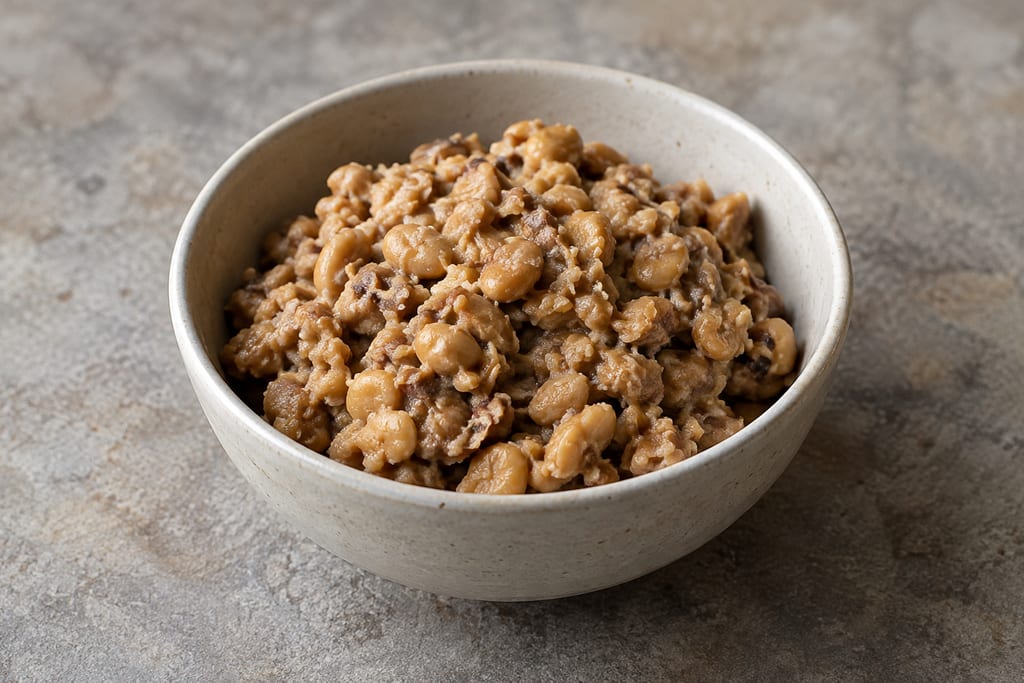
A Khasi and Jaintia fermented soybean food from Meghalaya: cooked beans ferment naturally in leaf-lined baskets above a fire, giving a sticky, pungent, savoury mass.
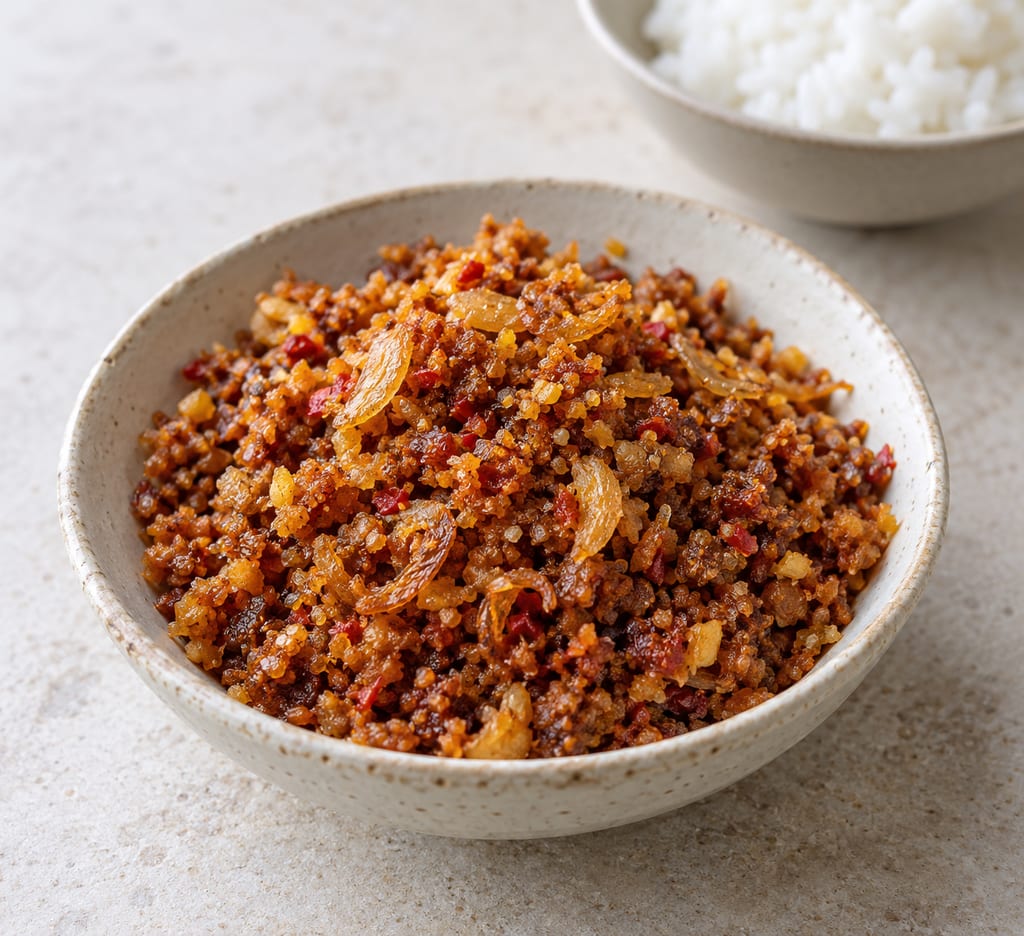
A Myanmar relish of dried shrimp, fried eschalot and garlic, chilli, turmeric, tamarind and ngapi. Naomi Duguid’s published recipe makes about 1 cup; it contains crustacean shellfish.
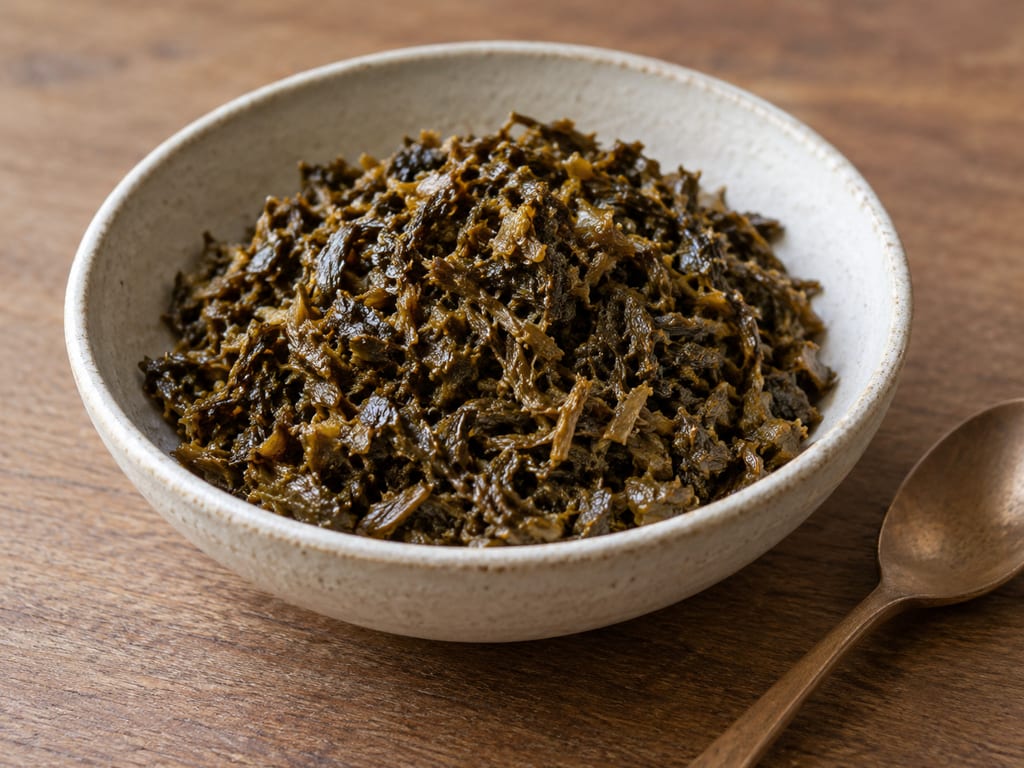
Laphet is Myanmar’s fermented tea-leaf food, associated with ceremony and hospitality. This entry documents cultural context and regional production accounts; it is not a household fermentation recipe.
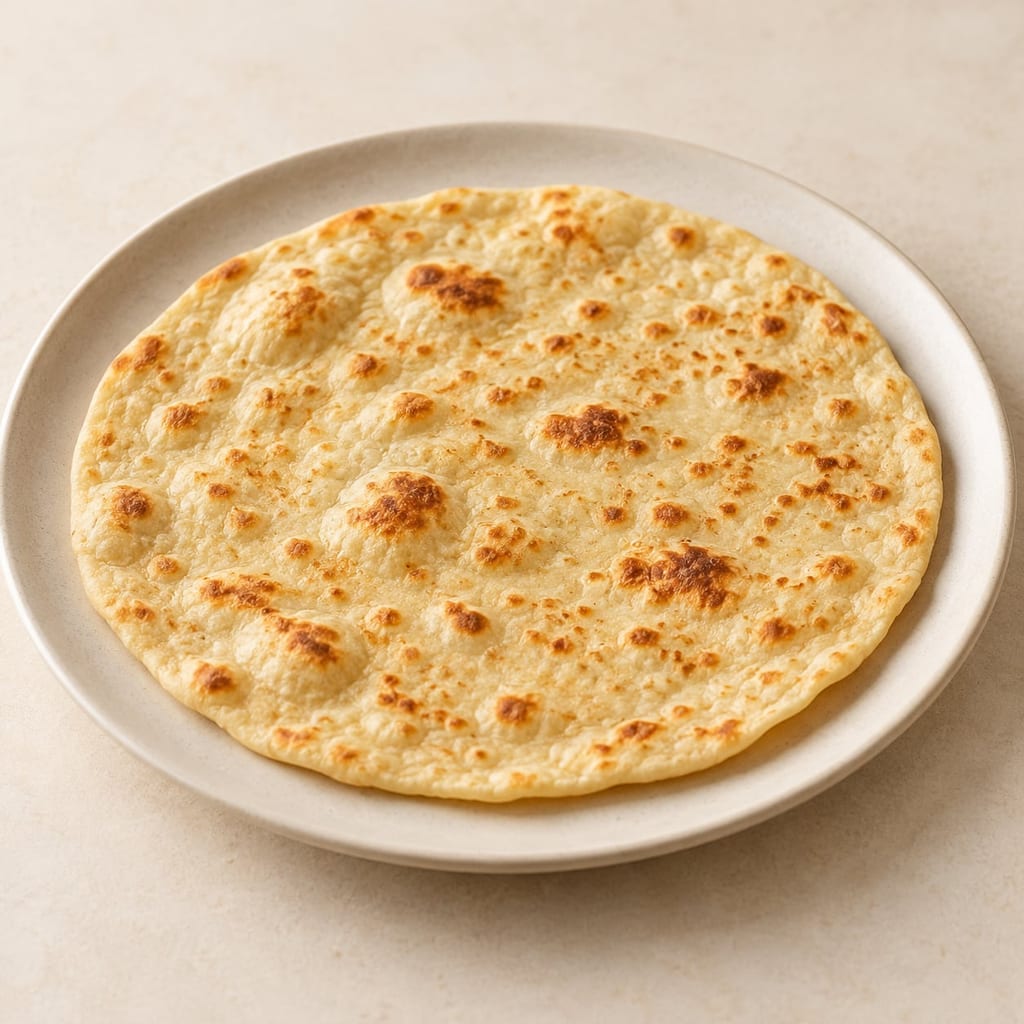
Sandi Wai’s eight-piece Burmese plain naan uses yeast and baking powder, rests for 30 minutes and cooks on a hot nonstick pan without oil.
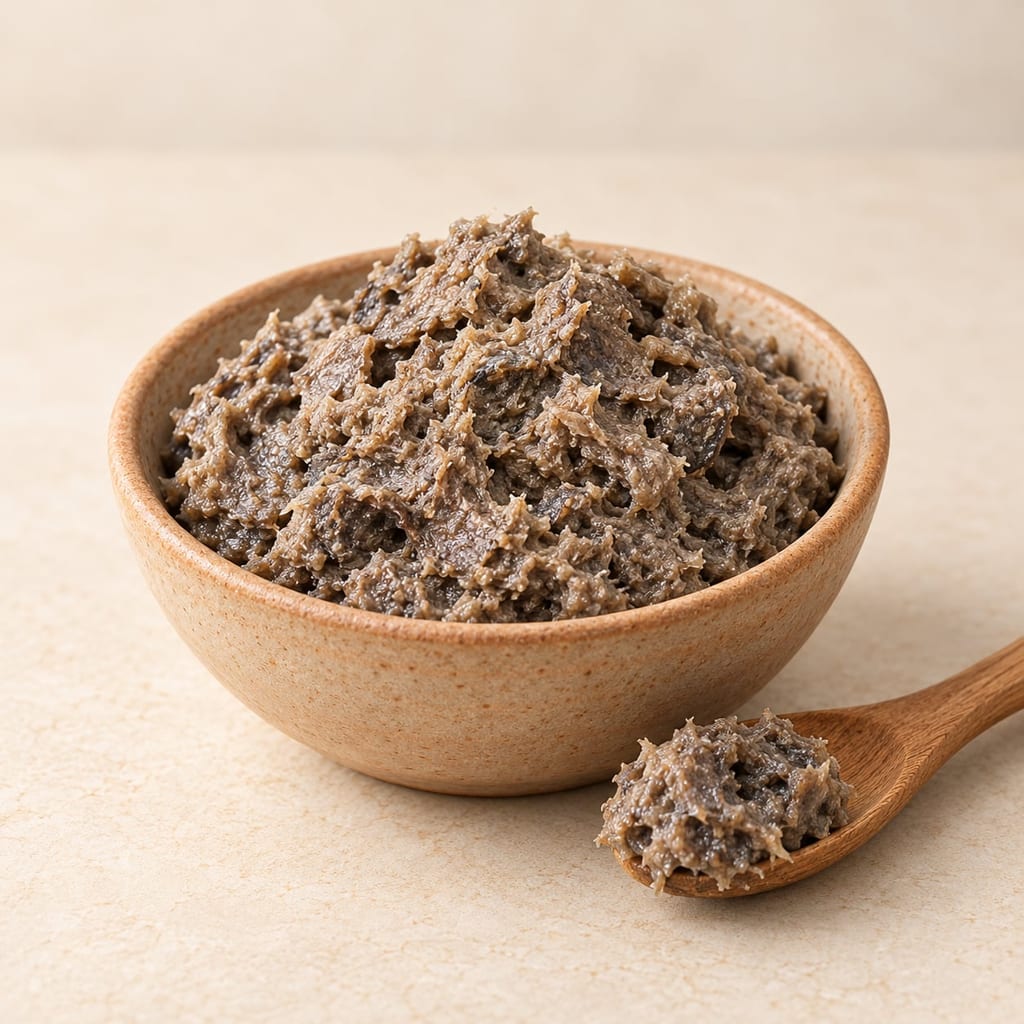
Ngapi is a Myanmar name used for varied fermented fish and shrimp pastes. Selected market and processor samples document differences in species, ingredients, and process; the evidence does not support one nationwide formula.

Soybeans boiled soft and fermented in a leaf-lined basket by the hearth, then in many Naga households pounded, wrapped in leaves and fermented again into a dark, pungent seasoning paste.
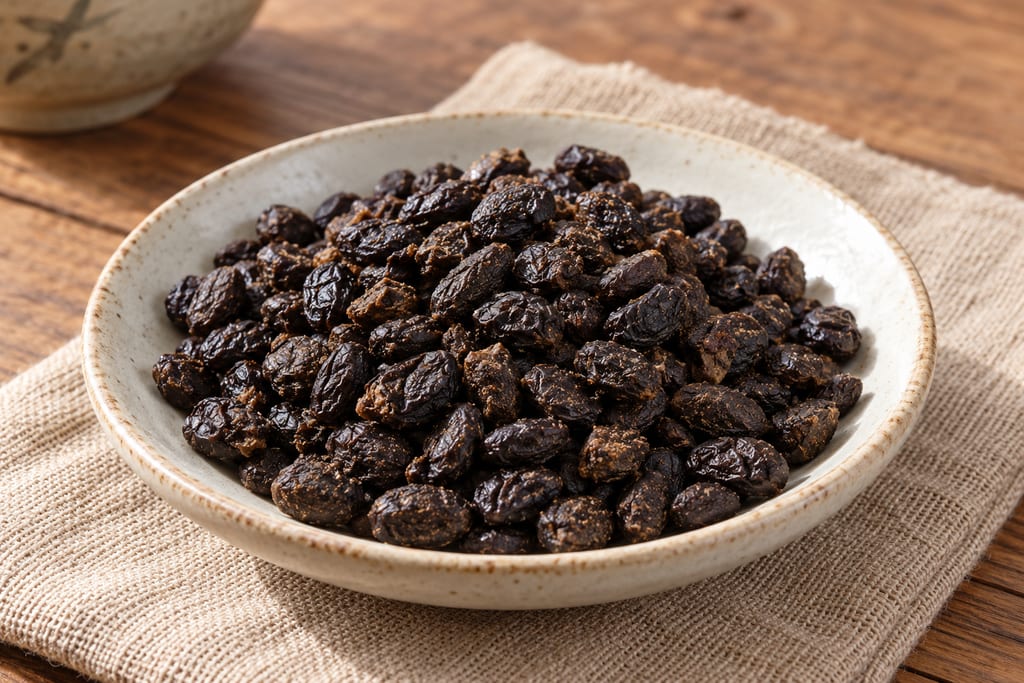
A Chinese fermented soybean condiment in which Bacillus-led bacteria, not moulds, drive the fermentation. Documented in Zunyi, Guizhou, and kept separate from mould-led douchi.
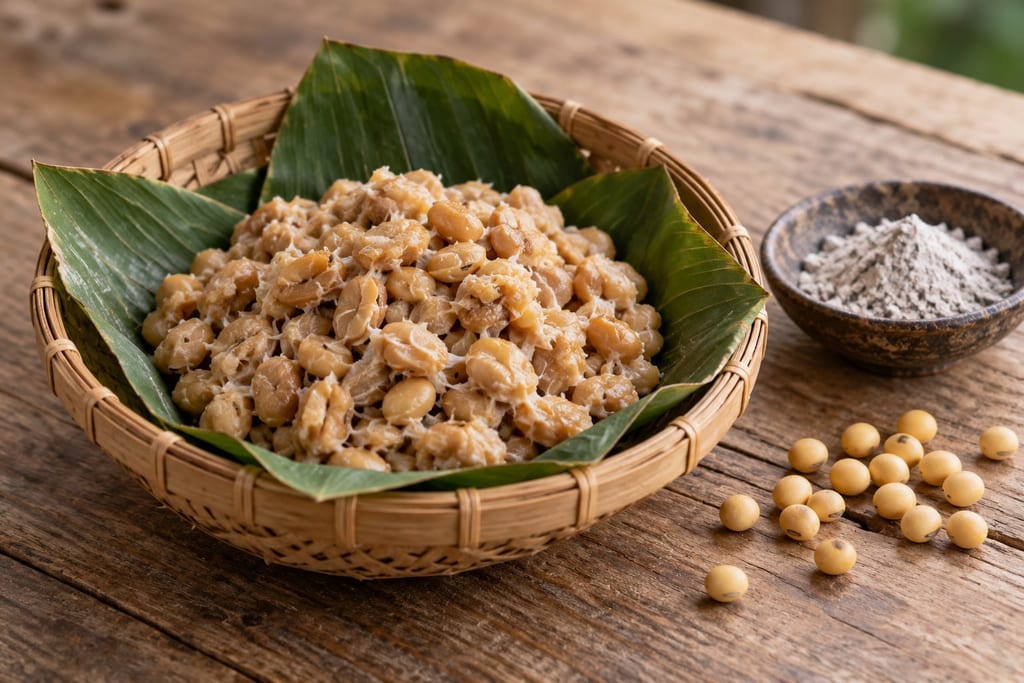
A sticky fermented soybean food of the eastern Himalaya, made here with a measured addition of firewood ash as an alkaline aid to the bacteria that drive it.
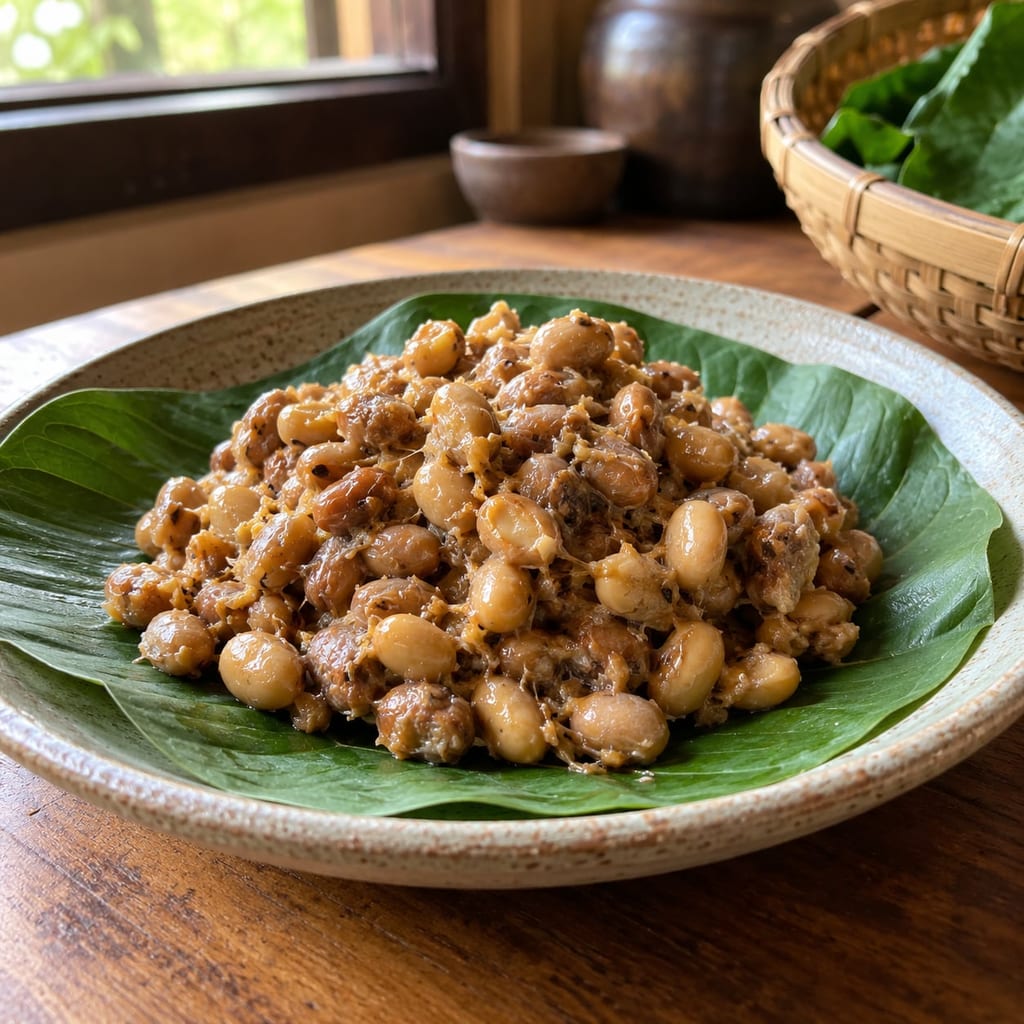
A home kinema made from overnight-soaked white soybeans, cooked, drained hot, wrapped in cloth and insulated to ferment for about a week.
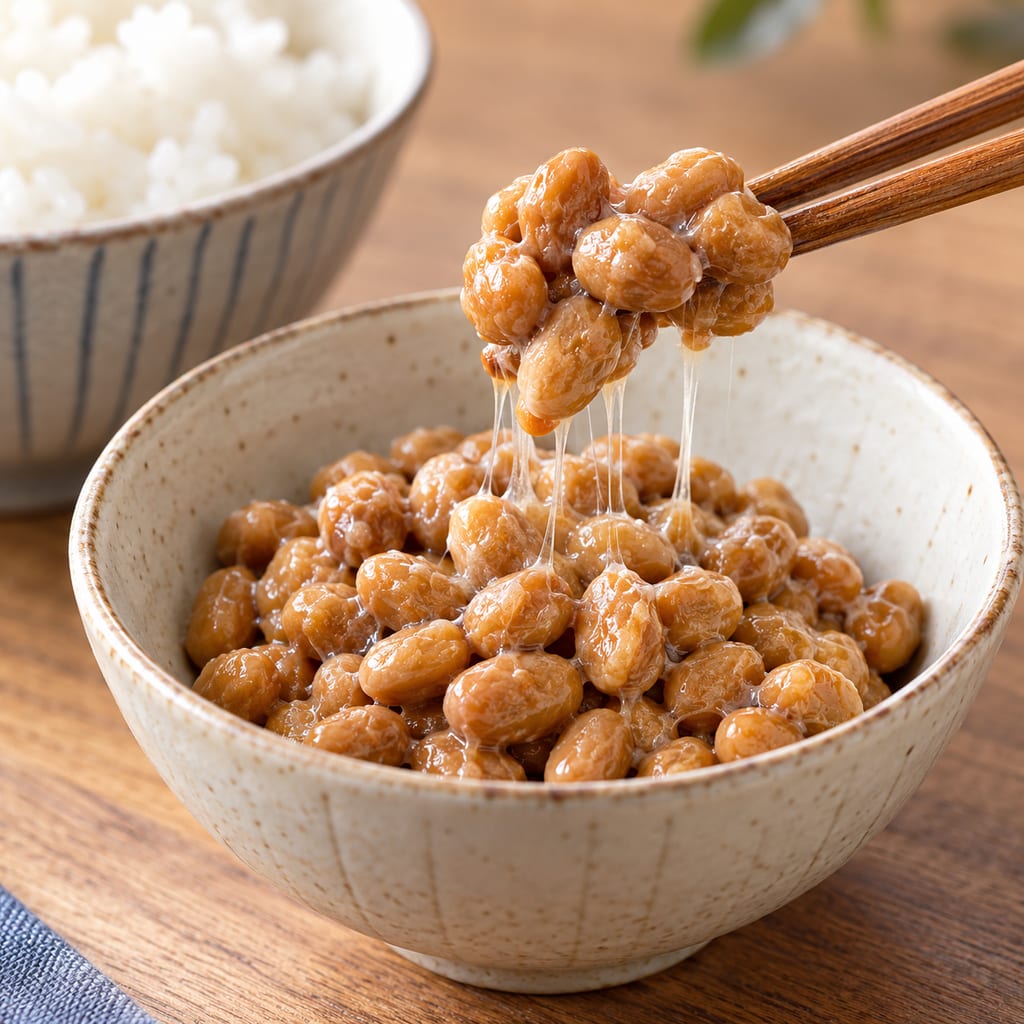
Natto is a Japanese fermented soybean food with a sticky coat and long strings, made by steaming soybeans and inoculating them with a natto Bacillus starter, then keeping them warm.
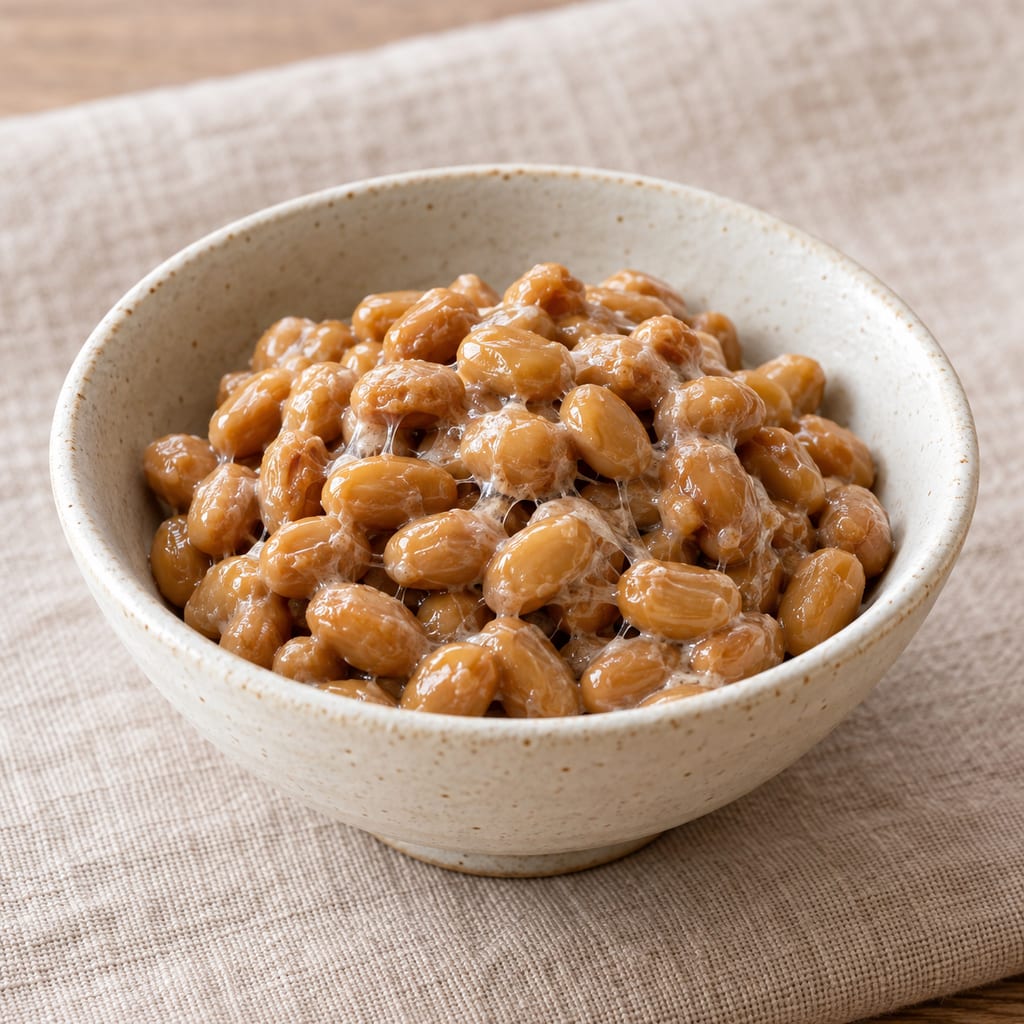
Steamed soybeans fermented by a named strain of Bacillus subtilis into Japan’s sticky, strongly savoury whole-bean food, bound by the thread-forming polymer the bacteria secrete.
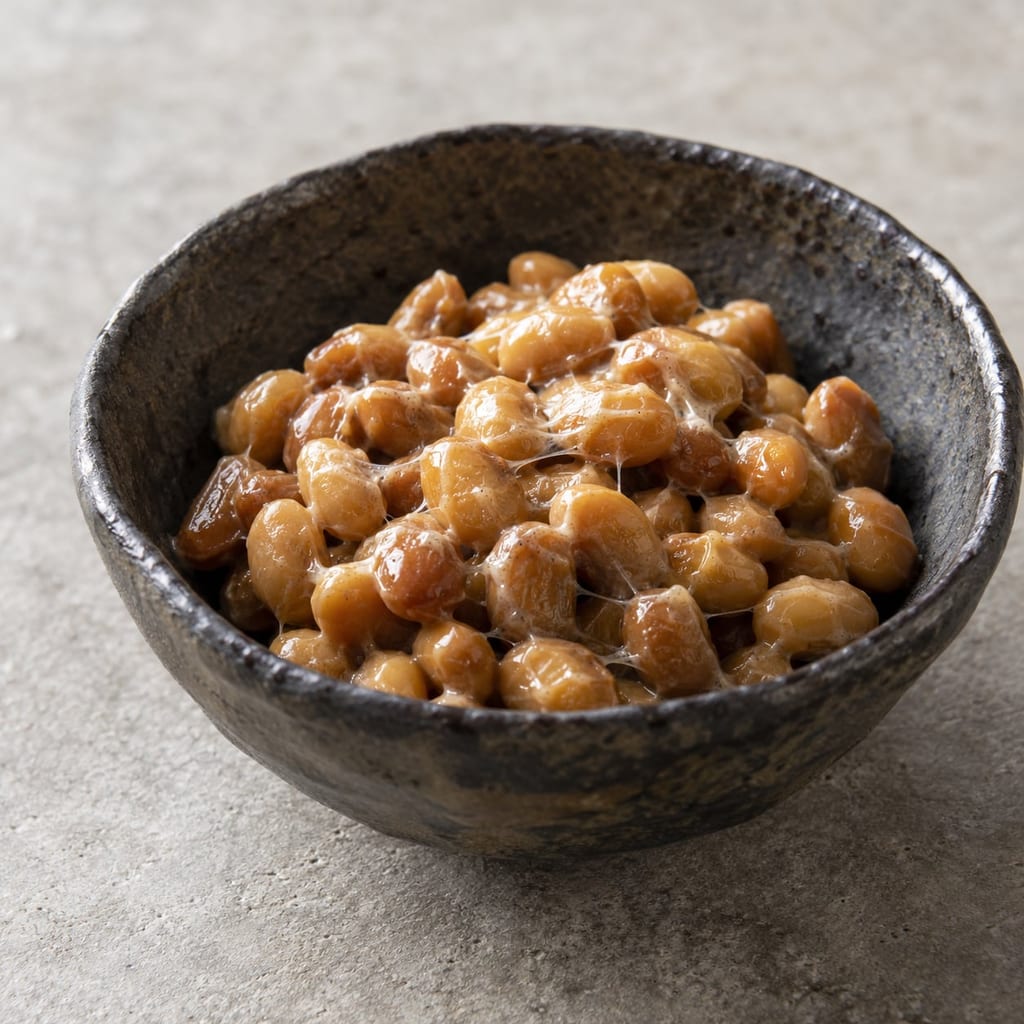
A two-cup soybean batch uses one Cultures for Health Natto Spores packet, a shallow perforated cover, and the supplier’s stated incubation and chilling sequence. The supplier’s instructions are not a validated home process.
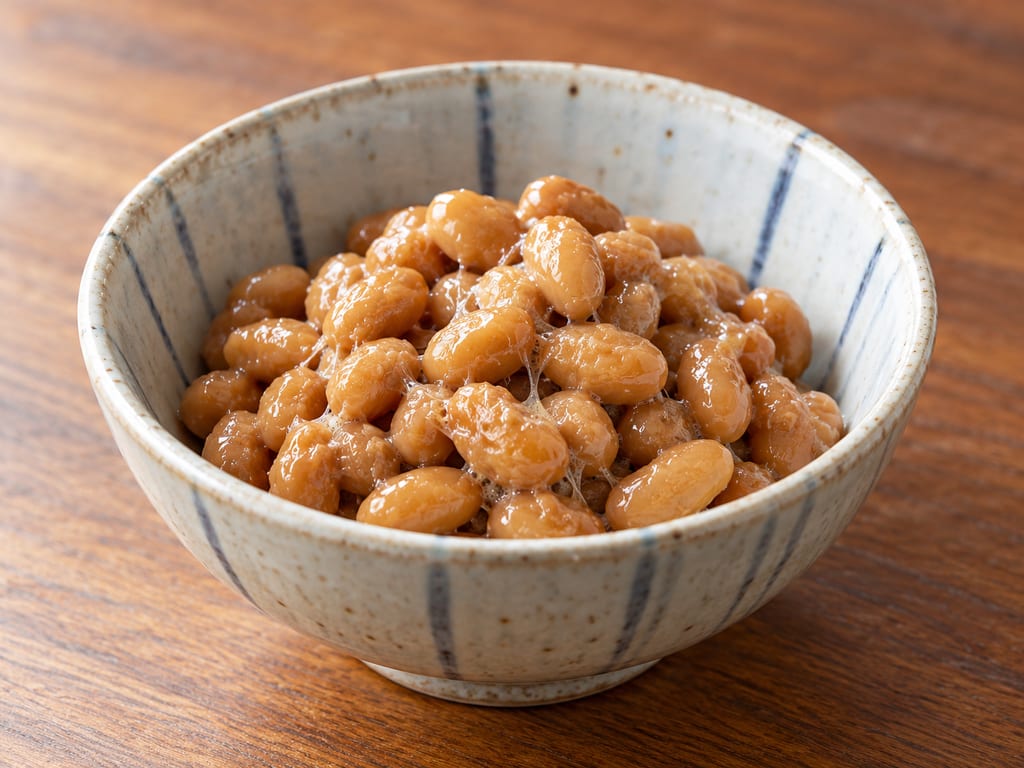
This video account makes natto from soybeans using frozen retail natto as a starter and a yogurt maker. It reports one home batch but leaves the starter mass, soak-water temperature, cooling controls and storage after chilling unstated.

Soft, spreadable Calabrian pork sausage made with a great deal of red chilli and fatty pork, stuffed into natural casings, sometimes smoked and matured while staying soft.

A way to add independent temperature logging to an existing food dehydrator without changing its built-in controls or protections. It is a monitoring method, not a rewiring plan.

Pleurotus cystidiosus is the abalone mushroom, a cultivated oyster-type fungus with dark brown caps that grows more slowly and is more demanding than other Pleurotus species.

A dark, balanced vinegar from Emilia-Romagna made by combining cooked or concentrated grape must with wine vinegar, then acetifying and refining it in wood under a protected specification.

A living dairy inoculum that starts controlled cream fermentation, developing acidity and aroma before sour cream or cultured butter is finished.

A small electric incubator holds jars at a selected temperature for yogurt and other documented warm food preparations. Controls, capacity and vessel arrangement vary by model.

Adygean salt is a seasoned table salt associated with Adygea and the wider North Caucasian culinary tradition. Salt is blended with garlic and a variable selection of herbs and spices; the exact mix depends on the named style and maker.

The African Caesar-group mushroom, Amanita masasiensis, is a wild ectomycorrhizal species of central and southern African woodlands, eaten locally. The genus contains deadly poisonous species, so identification needs care.
No community contributions have been published for this entry yet.
Sign in to contribute. Published comments and photos are free to read.
CGPRT Centre, United Nations Economic and Social Commission for Asia and the Pacific, 1994Method · History · Use
Marketing and Processing of Food Legumes and Coarse Grains to Increase Income and Employment of Farmers in the Union of MyanmarPrimary source for Block C's traditional cottage-industry preparation
Manual cleaning, pounding, sieving and washing
Approximately six hours of boiling
Bamboo basket, cloth covering and stone pressing
Two to three days of spontaneous fermentation
Use of salt, garlic, ginger and chilli
Pounding and shaping into circular wafers
Two to three days of sun-drying
Frying or roasting before eating
Reported yield of 2 kg fermented chips from 2 kg soybean grains
Early documented commercial production in rural Myanmar
Cited in: What it is; History; How it is made and why each step matters; Regional and historical variations; How it is eaten and used; Reading results, identifying problems and understanding safety
PLOS ONE, 2021Method · Science · Safety
Shotgun sequence-based metataxonomic and predictive functional profiles of Pe poke, a naturally fermented soybean food of MyanmarTraditional preparation of fresh and dried pe poke
Illustrated alternative process with 8–10 hours soaking and 3–5 days fermentation
Reported fermentation temperature range of 25–40°C
Sun-drying after seasoning and shaping
Measured pH values of 7.6–8.7
Viable microbial counts and viscosity
Microbial community differences between three-day, four-day, five-day and dried samples
Bacillus thermoamylovorans and Bacillus subtilis abundance
Detection of Ignatzschineria larvae in the five-day sample
Inferred functional pathways from metagenomic sequencing
Source of the open-access production photographs in Figure 1
Cited in: What it is; History; How it works: bacteria, enzymes and chemistry; How it is made and why each step matters; Regional and historical variations; How it is eaten and used; Reading results, identifying problems and understanding safety
PubMed Central, US National Library of MedicineScience
Shotgun sequence-based metataxonomic and predictive functional profiles of Pe poke — full-text repository copyFull accessible version of the 2021 PLOS ONE research
Figure 1 photographs of fresh pe poke, dried wafers, curry and fritters
Detailed methods for microbial and pH analysis
Supplementary metagenomic data references
Open-access CC BY publication licence
Cited in: History; How it is made and why each step matters
Nippon Shokuhin Kagaku Kogaku Kaishi, Japanese Society for Food Science and Technology, 2007Science · History · Variation
Characteristics of Burmese Fermented Soy Food, Pe pok, and Development of Itohiki-natto Employing Its Bacterial IsolatesCollection and investigation of twenty-nine pe pok samples from northeastern Myanmar
Measured salt content ranging from 0.14% to 13.7%
Isolation of 197 bacterial strains
Identification of 137 Bacillus subtilis isolates
Selection of forty-two strains showing string-forming behaviour
Evidence of strain-level variation in fermentation characteristics
Comparison with Japanese natto
Cited in: What it is; History; How it works: bacteria, enzymes and chemistry; How it is made and why each step matters; Regional and historical variations; How it is eaten and used; Reading results, identifying problems and understanding safety
J-STAGE, Japanese Society for Food Science and Technology, 2007Science · History
ミャンマーの無塩発酵大豆食品ペーポの性質と分離菌を用いた糸引き納豆の開発Japanese-language publication of the pe pok isolation study
Original Japanese research terminology
Microbiological investigation of traditional Burmese fermented soybeans
Comparison of isolates with natto-producing bacteria
Cited in: History; Regional and historical variations
BC Centre for Disease Control, December 2024Safety
Safety of Fermented Foods: Section 3.8 — NattoComparative food-safety guidance for Bacillus-fermented soybeans
Risks from Bacillus cereus spores
Importance of fully cooking soybeans
Starter-culture selection and verification
Risks associated with spontaneous fermentation
Cooling and contamination controls
Potential biogenic amine formation
Need for validated processing and storage
Guidance applies directly to natto, not as a validated pe poke recipe
Cited in: How it is made and why each step matters; Reading results, identifying problems and understanding safety
Food Standards Australia New ZealandSafety
Bacillus cereus in foodBacillus cereus as a foodborne pathogen
Survival of some bacterial spores during cooking
Risk of illness from toxin-producing strains
Importance of controlling cooked-food temperature
Food safety concerns when cooked materials are held under favourable growth conditions
BC Centre for Disease ControlSafety
Bacillus cereusBacillus cereus emetic and diarrhoeal syndromes
Heat-resistant spores and possible toxin formation
Potential persistence of emetic toxin after reheating
Importance of preventing bacterial growth before final cooking
General bacterial safety information applicable to cooked soybean substrates
EFSA Journal, European Food Safety Authority, 2016Safety
Risks for public health related to the presence of Bacillus cereus and other Bacillus spp. including Bacillus thuringiensis in foodstuffsRisk assessment of Bacillus species in foods
Significance of toxin-producing strains
Spore survival and microbial controls
Limitations of heat treatment against certain bacterial toxins
Importance of process validation
MyLocal Passion, MyanmarUse · Variation
Dried fermented soya beanRegional production and sale of dried fermented soybean wafers in Shan State
Variations in wafer shape and size
Use of sesame, sticky rice, chilli and additional flavourings in some products
Frying and roasting as serving methods
Consumption with regional meals and tea-leaf salad
Photographic documentation of retail products
Myanmar Food USAContext
Taung Tan Mae Fermented Soy Bean Sheet — Shan Pe PoteCommercially packaged Shan fermented soybean wafers
Product identity using Burmese script
Photographic reference for the finished dried product
Taunggyi-associated small-scale production
UK Food Standards AgencySafety
Food allergy and intoleranceRecognition of soya as a food allergen
Relevance of allergen information to fermented soybean foods
WiktionaryContext
ပဲပုပ် (Burmese entry)Burmese name ပဲပုပ် for fermented soybeans
Cited in: What it is
SAING Myanmar-English Dictionary, 2009Context
SAING Myanmar-English Dictionary: entries beginning ပBurmese vocabulary for pe poke and the dried form
Cited in: What it is
Fermentation, MDPI, 2022Science
Screening of Poly-Glutamic Acid (PGA)-Producing Bacillus Species from Indian Fermented Soybean Foods and Characterization of PGABacillus strains from fermented soybean foods that make poly-gamma-glutamic acid
Stickiness of alkaline soybean ferments
Cited in: What it is; How it works: bacteria, enzymes and chemistry
Frontiers in Microbiology, via PubMed CentralScience
Poly-γ-Glutamic Acid (PGA)-Producing Bacillus Species Isolated from Kinema, Indian Fermented Soybean FoodPoly-gamma-glutamic acid made by Bacillus in kinema, a related alkaline soybean ferment
Cited in: How it works: bacteria, enzymes and chemistry
Heliyon, via PubMed CentralScience
Screening and characterization of potent poly glutamic acid producing Bacillus sp. isolated from Kinema, water and soil samplesBacillus isolates that produce poly-glutamic acid
Cited in: How it works: bacteria, enzymes and chemistry
Heliyon, via PubMed CentralSafety · Science
Enhancing food safety in soybean fermentation through strategic implementation of starter culturesFood-safety risks of spontaneous soybean fermentation
Starter cultures as a control for Bacillus-fermented soybeans
Cited in: How it works: bacteria, enzymes and chemistry; Reading results, identifying problems and understanding safety
Myanmar Digital News, 2021Variation · Use
Danu traditional Maroi Napakpi (fermented soya bean)Danu seasoned soybean wafer called Maroi Napakpi made in Pindaya Township, southern Shan State
Cited in: Regional and historical variations; How it is eaten and used
Frontiers in Microbiology, 2016Science · Context
Review: Diversity of Microorganisms in Global Fermented Foods and BeveragesAlkaline fermented soybean foods of Asia and their Bacillus fermenters
Related foods such as kinema, hawaijar, thua nao and natto
Cited in: Regional and historical variations
MyFood MyanmarUse
Shan dried bean salad (ရှမ်းပဲပုပ်သုပ်)Roasted dried pe poke wafer served with onion, green chilli, coriander, lime, salt and peanut oil
Cited in: How it is eaten and used
GOV.UKSafety
Bacillus species: food poisoningBacillus cereus and other Bacillus species as causes of food poisoning
Cited in: Reading results, identifying problems and understanding safety
BC Centre for Disease ControlSafety
Fermented foodsFood-safety guidance on fermented foods, drying and storage
