
Axone
Soybeans boiled soft and fermented in a leaf-lined basket by the hearth, then in many Naga households pounded, wrapped in leaves and fermented again into a dark, pungent seasoning paste.
 FermenteaWhere food goes to change
Kinema, cold-climate home batch
A home kinema made from overnight-soaked white soybeans, cooked, drained hot, wrapped in cloth and insulated to ferment for about a week.
Kinema is a fermented soybean food from the Himalayan region of Nepal, Sikkim and Darjeeling. This home batch comes from a creator's video of a kinema made in a cold UK kitchen. The creator presents it as an easy adaptation and says it differs from the traditional village method.
The beans are soaked overnight, pressure-cooked with enough water to cook them, and drained while still hot. The hot beans are tied in clean cloth, placed in plastic and insulated in a box with warm newspaper and cloth under a blanket.
The creator reports seven days for this batch and suggests three or four days in warmer conditions. No numeric temperature is measured, and no endpoint is given beyond the creator's own judgement.
The bean mass is not stated, and no starter or inoculation is described, so the organisms are unknown. The method is not the tempeh method, which uses a mould, and no culture mechanism is inferred. The freezing and sun-drying storage options are given without durations.
This entry documents the creator’s source-specific household adaptation made in a cold UK kitchen, not a reproducible formula or a general account of traditional kinema, which has its own page on this site.
The creator distinguishes her batch from the traditional village process. The traditional method is not described in the video.
Scaling: source batch only
The batch is held warm for days without a measured temperature, a known starter or an endpoint, so no control is established.
Hazard sourceQualified review of temperature, starter and endpoint before any household batch
Control sourceThe inoculation basis and organisms are not established.
Sensory cues do not establish safety.
The creator prepared this version in a cold UK setting and calls it an adaptation of the traditional method. The traditional village origin is not established here.
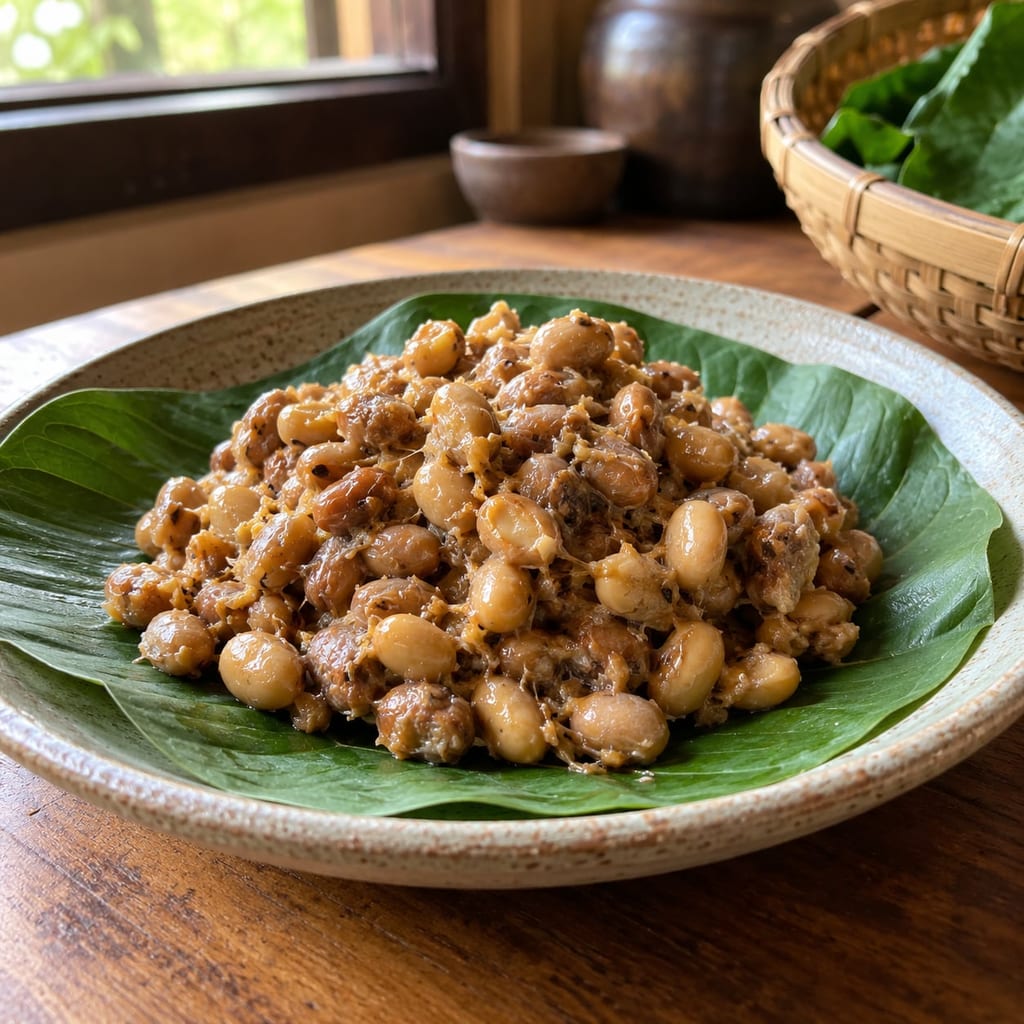
Soybeans boiled soft and fermented in a leaf-lined basket by the hearth, then in many Naga households pounded, wrapped in leaves and fermented again into a dark, pungent seasoning paste.
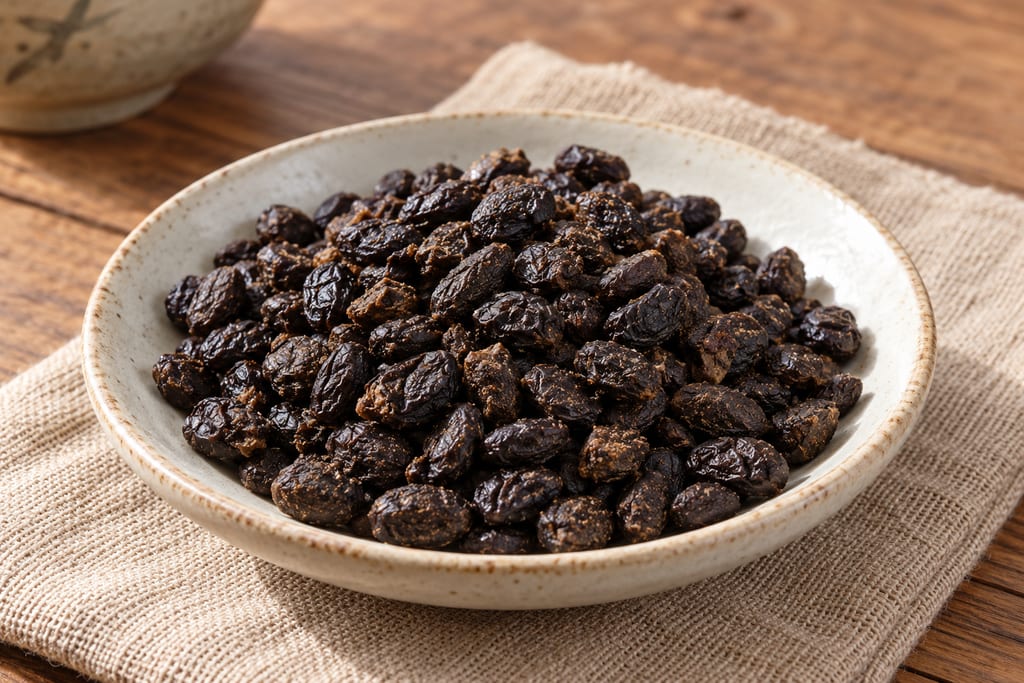
A Chinese fermented soybean condiment in which Bacillus-led bacteria, not moulds, drive the fermentation. Documented in Zunyi, Guizhou, and kept separate from mould-led douchi.
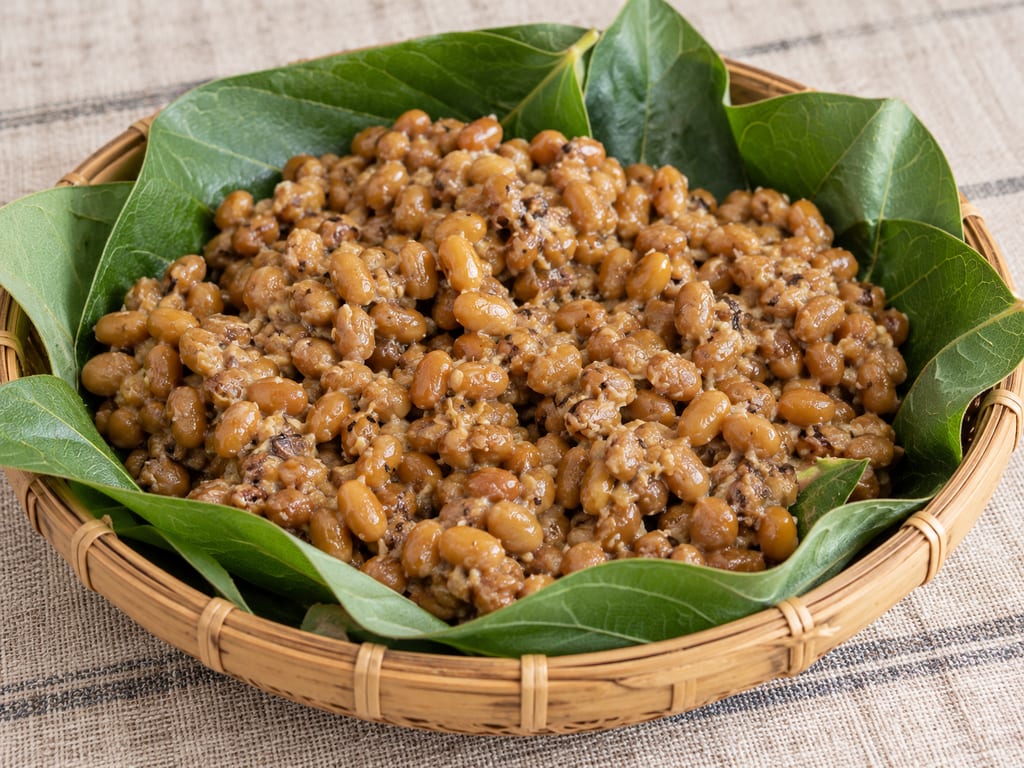
A Mizo alkaline soybean ferment made by holding cooked beans in leaf-lined containers, sometimes with wood ash, until they turn sticky, soft and pungent; eaten fresh or used as a seasoning.
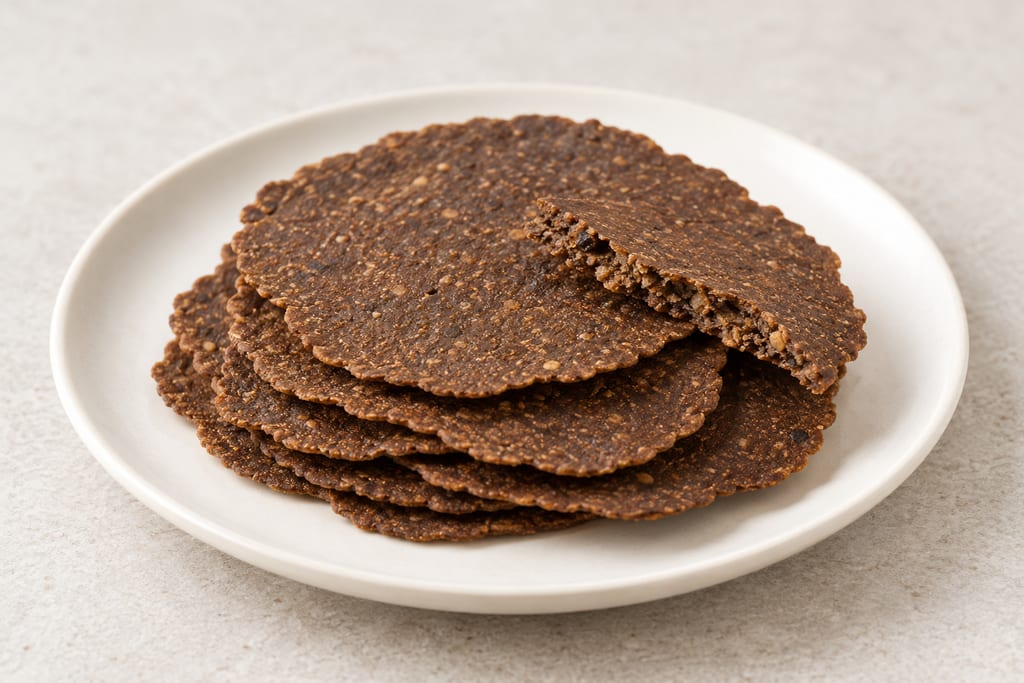
Black soybeans cooked, inoculated with a named Bacillus subtilis culture and fermented warm and humid into northern Thailand's thua nao, then optionally dried into thin discs.
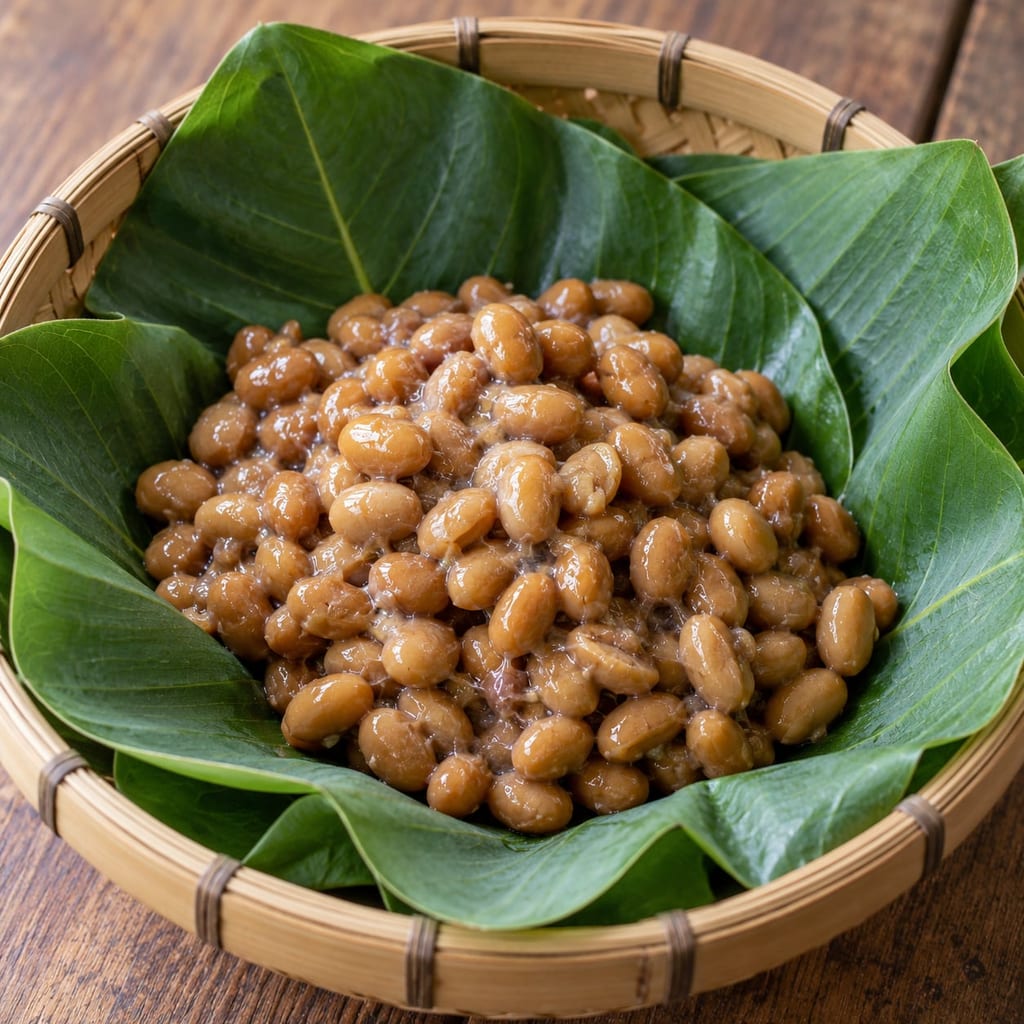
A sticky fermented soybean food of Manipur, made by packing cooked soybeans in leaf-lined bamboo baskets and keeping them warm, related to but distinct from Bekang and Akhone.
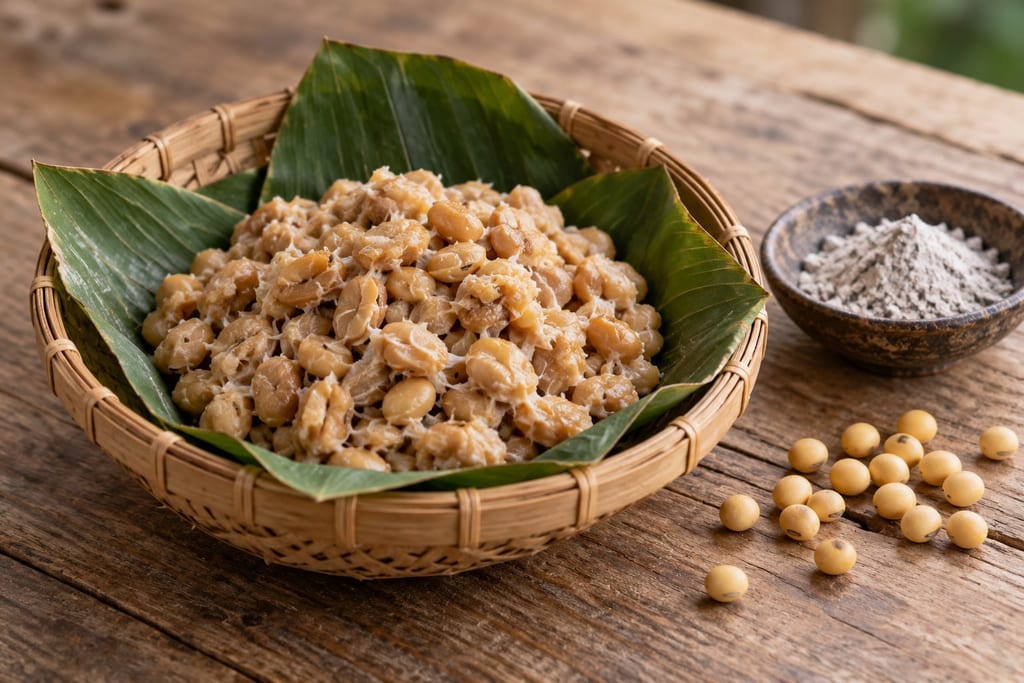
A sticky fermented soybean food of the eastern Himalaya, made here with a measured addition of firewood ash as an alkaline aid to the bacteria that drive it.
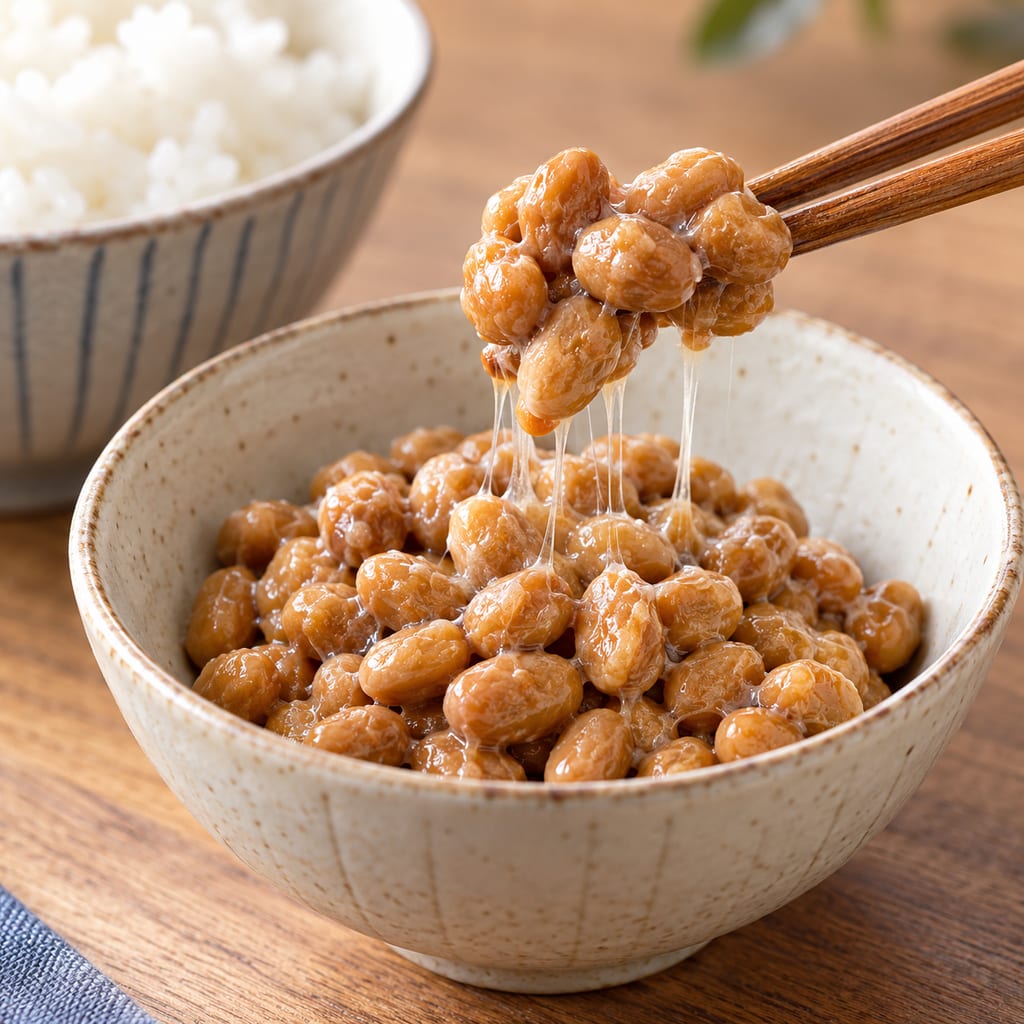
Natto is a Japanese fermented soybean food with a sticky coat and long strings, made by steaming soybeans and inoculating them with a natto Bacillus starter, then keeping them warm.
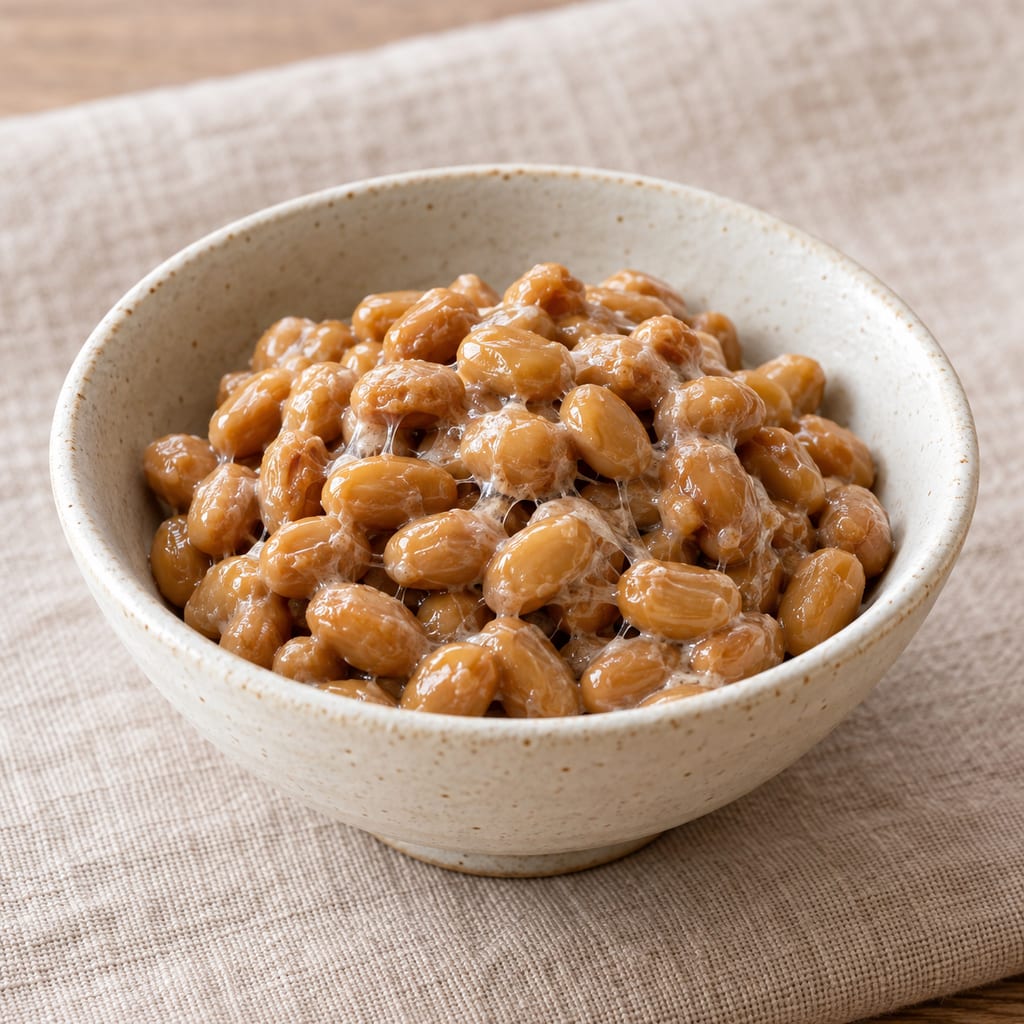
Steamed soybeans fermented by a named strain of Bacillus subtilis into Japan’s sticky, strongly savoury whole-bean food, bound by the thread-forming polymer the bacteria secrete.
No community contributions have been published for this entry yet.
Sign in to contribute. Published comments and photos are free to read.
Tsheten Dukpa RecipeMethod
How to Make Kinema at Home | Authentic Nepali Fermented Soybean RecipeOvernight-soaked white soybeans pressure-cooked, drained hot, wrapped in cloth, insulated for about seven days; freezing or sun-drying of portions
Nyonyah RobetzSafety
Cara membuat Tempe kedelai hitamUsed only to show the hot-cloth method differs from mould inoculation of tempeh; not a source of kinema practice