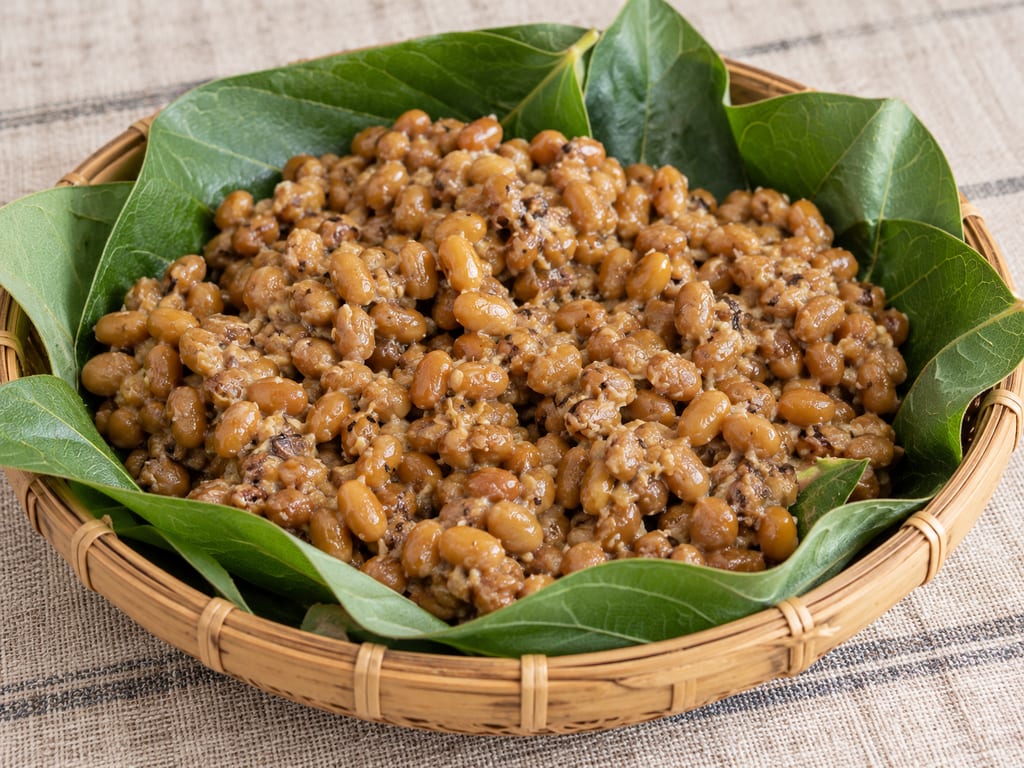
Bekang / Bekang-um
A Mizo alkaline soybean ferment made by holding cooked beans in leaf-lined containers, sometimes with wood ash, until they turn sticky, soft and pungent; eaten fresh or used as a seasoning.
 FermenteaWhere food goes to change
Traditional method
Peru-yaan · Peruyyan · Peruyyaan · Peru-yaan · Peruñyaan · Perun yannii · Apatani fermented soybean · Ziro Valley fermented soybeans
An Apatani fermented soybean food from the Ziro Valley of Arunachal Pradesh: cooked beans are wrapped in ginger leaves and left near the hearth until sticky and savoury, then eaten with rice or as a chilli-seasoned chutney.
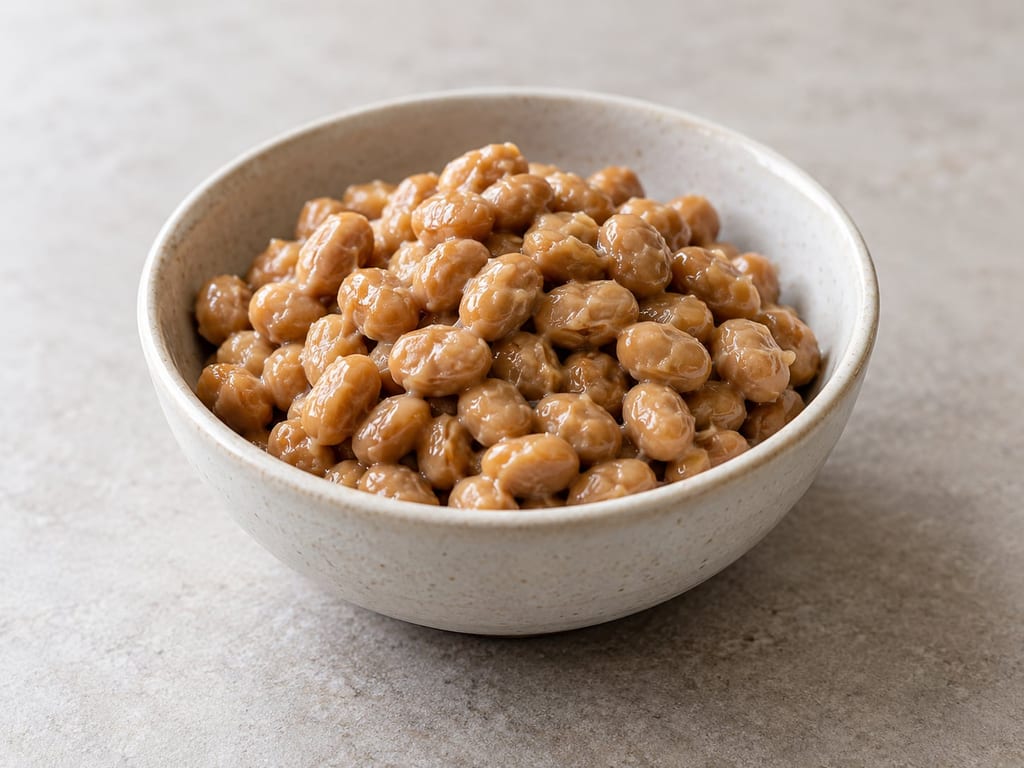
Peruyaan, also written peruyyan, peru-yaan and peruñyaan, is a traditional fermented soybean food made by the Apatani community of Arunachal Pradesh in northeastern India. It is particularly associated with the Ziro Valley in Lower Subansiri District. Whole soybeans are cooked until soft, drained and enclosed in leaves inside a bamboo basket. The basket is traditionally placed on a wooden rack above the household fireplace, where the beans undergo natural bacterial fermentation. The resulting food is soft, sticky and strongly savoury, with an aroma associated with protein-rich alkaline fermentations.
The name has a recorded explanation in the Apatani language. A 2015 review states that perun means beans and yanni refers to packing in leaves. The local term taki yannii refers to ginger leaves used to wrap or cover the cooked soybeans. Another ethnographic account mentions niiji leaves, belonging to a locally recognised wild plant whose scientific identity was not established in that source. Peruyaan is written in Latin transliteration in the available scientific literature; no historically established indigenous-script spelling has been verified.
Peruyaan belongs to the broad family of naturally fermented, sticky soybean foods found across the Eastern Himalayas and northeastern India. Related foods include kinema, hawaijar, tungrymbai, bekang and axone. The shared principle is the bacterial fermentation of cooked soybeans, often involving Bacillus species. Nevertheless, peruyaan has its own community, leaf-wrapping traditions, fermentation environment and culinary uses. It should not be treated as a renamed Japanese natto recipe.
The dominant fermentation is alkaline rather than lactic, alcoholic or mould-led. Research has recovered Bacillus subtilis and other Bacillus species from peruyaan. A 2022 investigation found several species among cultured isolates, including B. subtilis, B. siamensis, B. velezensis, B. licheniformis, B. tequilensis and B. safensis subsp. safensis. Subsequent DNA-based research identified B. subtilis as an abundant species in a broader set of Arunachal Pradesh fermented soybean foods. Those findings do not establish that traditional households use a fixed bacterial starter.
The fermented beans are normally used as a food ingredient or side dish. An Apatani preparation recorded in 2015 mixes peruyaan with hot water, local chillies called tero and salt, then serves it with steamed rice without necessarily frying or further cooking it. Other regional accounts describe fermented soybean chutneys and dried preparations. The fermented beans themselves are the preparation, distinct from seasoned chutneys or other dishes made with them.
Peruyaan is part of the indigenous food knowledge of the Apatani people, whose settlements are concentrated in the Ziro Valley of Arunachal Pradesh. The preparation uses materials familiar to Apatani household life: soybeans, fresh leaves, bamboo baskets and the warmth of a domestic fireplace. Such methods are transmitted through practice rather than necessarily through written recipes. The existence of a long-established community tradition is well documented, but an exact date for the invention of peruyaan has not been established.
A peer-reviewed ethnobotanical study published in 2005 describes the Apatani villages of the Ziro Valley and their traditional agricultural and plant-use knowledge. It gives geographical and cultural background, but no historical recipe for peruyaan. It would be misleading to use the antiquity of Apatani settlement or agriculture as evidence that a particular fermented soybean process existed at the same date.
A specific published description appears in the January 2009 Indian Journal of Traditional Knowledge paper by Tamang, Chettri and Sharma. The authors documented the preparation of several northeastern Indian fermented soybean foods through indigenous women's knowledge. For peruyyan, they described washing and cooking the soybeans, placing them in a bamboo basket lined with ginger leaves and allowing them to ferment on a wooden rack above the fireplace. They also recorded consumption as a side dish with rice and sale by Apatani women in local markets.
The 2015 review Naturally fermented ethnic soybean foods of India repeated and expanded this account, giving a cooking duration of two to three hours and a fermentation period of three to five days. It also recorded the interpretation of perun and yanni in the food's name. A 2016 review of traditional foods in India's Seven Sister states included peruyaan as a distinct Apatani soybean preparation. These publications establish that the food had become part of the scientific literature by the early twenty-first century, but they do not provide evidence for a particular earlier century of origin.
More detailed microbiological research followed. In 2022, Pariyar and colleagues collected six samples of naturally fermented peruñyaan alongside other Arunachal Pradesh soybean foods. They isolated Bacillus strains and investigated production of poly-gamma-glutamic acid, a polymer associated with stickiness. In 2023, Kharnaior and Tamang applied metagenomic and metabolomic techniques to homemade soybean ferments, including peruñyaan, identifying microbial DNA and chemical compounds not accessible through ordinary visual examination.
A separate research direction appeared in 2024, when Kabir and colleagues isolated Bacillus subtilis PM_NEIST_4 from a market sample of peruyaan. Their work focused on producing compounds that inhibit the enzyme alpha-glucosidase under laboratory conditions. It did not reconstruct the household fermentation or establish a historical starter. The history of peruyaan is traditional production witnessed by researchers and increasingly detailed laboratory study; its early chronology is unknown.
Peruyaan is principally an alkaline, solid-state bacterial fermentation. Cooking hydrates the soybeans, softens their tissues and denatures storage proteins, creating a substrate that bacteria can colonise. The cooked beans are wrapped in leaves and kept warm rather than submerged in brine. During fermentation, bacterial cells grow on the bean surfaces and produce enzymes that act on proteins and other soybean components. Unlike yoghurt or sauerkraut, the process is not defined by the accumulation of lactic acid to a low final pH.
Protein hydrolysis is a central transformation. Soybeans contain substantial amounts of the storage proteins glycinin and beta-conglycinin. Extracellular proteases produced by suitable Bacillus strains break these proteins into smaller peptides, while peptidases release free amino acids. Some amino acids contribute directly to savouriness; others become precursors for volatile compounds. Further nitrogen metabolism can generate ammonia and contribute to the alkaline character. The concentrations of individual amino acids, ammonia and aroma compounds have not been established as universal values for traditional peruyaan.
A 2022 investigation analysed thirty-four samples representing four Arunachal Pradesh fermented soybean foods, including six samples of peruñyaan. The measured pH range for peruñyaan was approximately 7.2–8.2. From eleven Bacillus isolates selected and identified from the peruñyaan samples, the researchers recovered B. subtilis, B. siamensis, B. velezensis, B. licheniformis, B. tequilensis and B. safensis subsp. safensis. The species frequencies refer to the cultured isolates, not to total viable cell populations or the complete microbial community of all batches.
Stickiness can result from extracellular poly-gamma-glutamic acid, commonly abbreviated PGA or gamma-PGA. This polymer consists of glutamate units linked through gamma-amide bonds and can retain water while forming viscous threads. In the 2022 study, Bacillus safensis subsp. safensis PY1-19 was recovered from peruñyaan and selected for further investigation. It produced high-molecular-weight PGA in laboratory testing, and the researchers used it to prepare an experimental fermented soybean product. The resulting laboratory material produced approximately 11 g/L of PGA. This is an experimental result, not a measured concentration in ordinary household peruyaan.
The 2023 metagenomic study investigated a broader microbial community. Across four Arunachal Pradesh fermented soybean foods, bacterial sequences accounted for approximately 97.8% of the classified domain-level data, with Bacillota prominent and B. subtilis abundant. The researchers also detected enterococci, other lactic acid bacteria, staphylococci and related organisms. They reconstructed genomes assigned to B. subtilis, B. velezensis, Enterococcus faecalis and Pediococcus acidilactici. Not every recovered genome belongs to an organism actively taking part in every peruyaan sample.
The separate 2024 investigation isolated B. subtilis PM_NEIST_4 from market peruyaan and tested its ability to produce alpha-glucosidase-inhibiting substances. The researchers optimised production in laboratory broth, not in cooked soybeans. Their reported experimental conditions included Mueller Hinton broth, shaking incubation at 37°C and measurements of enzyme inhibition. This demonstrates biochemical activity by a cultured isolate; it does not demonstrate that the traditional food contains an equivalent concentration of the compounds or that the isolate is an established household starter.
Together these studies show several possible microbial contributions: proteolysis, changes in amino-acid metabolism, extracellular polymer formation and production of additional metabolites. Culturing a bacterium, detecting its DNA, identifying genes and measuring metabolites are separate observations. Only controlled experiments can establish exactly which organism performs a particular reaction under traditional fermentation conditions.
The Apatani method documented in 2009 begins with whole soybeans that are cleaned and washed. The beans are boiled in water for approximately one to two hours until soft, then drained and allowed to cool. A 2015 review of the same regional tradition reports cooking for two to three hours instead. but their cooking durations differ and are not interchangeable Neither provides a standard batch weight, water quantity or measured final bean temperature.
The cooked beans are placed inside a bamboo basket lined with fresh ginger leaves, locally called taki yannii. The leaves are folded or laid over the beans to cover them loosely. The basket is placed on a wooden rack above the household fireplace, providing the warm environment in which natural fermentation takes place. The 2009 preparation diagram reports approximately 20–35°C and three to five days of fermentation. These are observed conditions of a traditional method, not microbiologically validated operating limits.
The leaves and bamboo basket are significant parts of the traditional equipment. They provide surfaces for wrapping, drainage and handling while helping maintain a local environment around the cooked beans. They may also carry microorganisms that contribute to spontaneous fermentation. However, the published accounts do not establish which bacterial strains originate from the leaves or measure how much each material contributes to the final community. The exact botanical species of every locally named wrapping plant has not been resolved.
A later ethnographic chapter documents another detail: some Apatani households use ginger leaves or niiji leaves and keep the basket in a special fireplace room called chang-ghar. The description says the wrapped beans are packed more tightly than in the earlier loosely covered method. After fermentation, producers in the Ziro area may pack the beans in banana leaves for sale. These accounts describe different handling arrangements and do not combine into one specification for airflow or packaging.
After the reported fermentation period, traditional producers examine the stickiness of the beans. A sticky consistency is treated as a sign that the characteristic fermentation has developed. This is an observation of the desired food texture, not a test confirming that pathogenic bacteria or toxins are absent. The fermented beans may then be used directly as the base for a side dish or chutney. In the documented Apatani preparation, hot water, salt and tero chillies are added before eating with rice.
A more recent government exploratory study describes a broader Arunachal Pradesh fermented soybean process shared across several communities, including the Apatani. It reports boiling for approximately two hours, wrapping the cooked beans in leaves and leaving them to ferment at ambient temperature for seven to ten days. It also describes sun-drying for preservation. The report groups several locally named products together, so its longer fermentation period should not replace the specifically documented three-to-five-day Apatani method without further producer-level evidence.
Laboratory preparations are different again. In 2022, researchers inoculated sterilised cooked soybeans with B. safensis subsp. safensis PY1-19 and incubated them under controlled conditions to investigate PGA formation. In 2024, another research team cultured B. subtilis PM_NEIST_4 in nutrient broths to optimise production of alpha-glucosidase inhibitors. Neither process establishes the authentic ingredients, inoculum or safe incubation parameters of ordinary household peruyaan. This record follows one traditional account and says where its quantities and controls are unknown.
Peruyaan is associated specifically with Apatani food culture in the Ziro Valley, but Arunachal Pradesh has several other named fermented soybean preparations. Published ethnographic accounts identify agya or agyaa among the Galo, peha among the Nyishi, pihyenam among the Nocte, chhuk chhoro among the Sherdukpen and lip chhuro among the Monpa. These names reflect related regional soybean-fermentation traditions. They should not automatically be entered as exact aliases of peruyaan because differences in leaves, fermentation duration, processing and culinary use are documented or remain insufficiently investigated.
The earliest detailed Apatani preparation described in 2009 uses ginger leaves inside a bamboo basket, with fermentation above the household fireplace for three to five days. A 2015 review describes essentially the same process but reports a longer cooking time. A subsequent ethnographic account also permits locally named niiji leaves and describes packing the beans in the traditional chang-ghar fireplace room. These variations demonstrate that production materials and arrangements are not entirely fixed.
Packaging also differs between communities. The 2020 regional ethnographic chapter describes fermented soybeans packed tightly in banana leaves for sale around Ziro, while Monpa producers are reported to make fermented soybean balls and wrap them in plastic bags for market distribution. These are contemporary forms of presentation, not evidence that the same leaf material or microbial population is used everywhere.
Research published in 2022 directly compared four fermented soybean foods from Arunachal Pradesh: grep-chhurpi, peha, peron namsing and peruñyaan. The researchers collected four, ten, fourteen and six samples respectively. The foods differed in their microbial isolates and measured pH values. The peruñyaan samples showed the greatest species diversity among the Bacillus isolates selected for the study, according to the calculated diversity indices. These results support treating the products as related but microbiologically distinguishable traditions.
Experimental production introduces another type of variation. The 2022 study developed a laboratory version using B. safensis subsp. safensis PY1-19, selected for its poly-gamma-glutamic acid production. This is a research adaptation rather than a customary Apatani household inoculum. Likewise, B. subtilis PM_NEIST_4 isolated in 2024 was investigated for a different laboratory purpose. Neither strain is the authentic ancestral organism responsible for peruyaan.
A government survey of indigenous foods from northeastern India describes fermentation of related Arunachal soybean preparations for seven to ten days, longer than the three-to-five-day Apatani process reported in 2009. The survey combines names used by several communities, so the difference stands and the durations are not averaged. How season, household equipment, bean variety and individual practice explain every difference is not known.
Regional conservation of peruyaan therefore involves more than preserving a generic recipe for sticky soybeans. The local name, preparation materials, handling practices, consumption customs and microbial diversity are all parts of the documented tradition. It is not known that replacing its spontaneous fermentation with a commercial natto starter preserves those characteristics.
Peruyaan is commonly eaten as a side dish with steamed rice in Apatani households. The traditional fermented beans have a sticky, softened texture and a strong savoury taste. They may be prepared with simple seasonings rather than incorporated into an elaborate curry. This distinguishes one documented Apatani serving method from certain preparations of kinema, where the fermented soybeans are routinely fried and cooked into a curry before eating.
A specific preparation recorded in the 2015 review uses hot water, chillies locally called tero and salt. These are mixed with the fermented beans and served directly with steamed rice, without necessarily frying or cooking the mixture afterward. The review does not give a measured ratio of fermented beans to water, chilli or salt. This is a separately seasoned dish, not part of the fermentation.
Another ethnographic chapter describes the Apatani eating peruyaan as a chutney after crushing the fermented soybeans with chilli. Pounding or crushing changes the texture, combining the soft beans into a coarse mixture that can be eaten alongside rice and other foods. Not every household necessarily adds the same chillies, salt or additional plant ingredients. Its description supports a recognised culinary use, not a fully quantified recipe.
Traditional market distribution is also documented. The 2009 field account records Apatani women selling peruyyan in local markets. A later ethnographic description notes banana-leaf packaging in the Ziro area. This suggests that the fermented beans can be prepared in one household and purchased for use elsewhere. No standard retail weight, packaging duration, transport temperature or validated storage limit is recorded.
Regional comparisons show that other communities prepare fermented soybean foods as chutneys, curries or seasonings. A government survey describes fermented soybeans among several Arunachal communities as an important chutney ingredient and records sun-drying for longer keeping. These uses are relevant to the wider regional tradition but should not all be assigned uncritically to Apatani peruyaan. A specifically documented Apatani serving method has stronger evidential value than a recipe attributed collectively to several communities.
The fermentation itself is normally described as unsalted. Salt and chilli are added when the finished fermented beans are prepared for eating. Keeping this distinction is important because adding salt before fermentation would alter the microbial environment and could create a different product. Likewise, sun-drying after fermentation is a separate processing operation rather than evidence that the beans underwent a second fermentation.
Peruyaan is the fermented soybean preparation itself. Apatani chilli-seasoned peruyaan chutney can be recorded as a linked dish, while dried peruyaan can be documented as a processing variation when a specific method is available. Preparations such as peha, agya and peron namsing deserve separate entries where their own cultural and microbiological evidence supports them.
Traditional peruyaan is described as soft, sticky and strongly flavoured. The beans develop a coating that may form threads when they are separated. This texture is compatible with the production of extracellular polymers by certain Bacillus strains. It is useful when describing a familiar preparation, but it is not proof that the correct microorganisms have grown. Different Bacillus species, including strains with markedly different biological characteristics, can produce similar-looking fermented beans.
The 2022 investigation reported peruñyaan pH values ranging approximately from 7.2 to 8.2. These measurements confirm that the sampled products belonged to an alkaline fermentation system. They do not establish a safe pH endpoint. Because the product does not depend on strong acidification, its microbial safety must be evaluated through other factors, including cooking, contamination control, microbial competition, incubation conditions and post-fermentation handling.
The naturally fermented microbial community is more complicated than a single laboratory isolate. The 2022 study recovered several different Bacillus species from peruñyaan, while the 2023 metagenomic investigation detected additional bacterial groups and reconstructed genomes from the broader fermentation communities. A detected species is not automatically a desirable organism. Even when a bacterial strain shows useful activity in an enzyme assay or inhibition test, that does not establish its safety or dominance in the finished food.
The 2024 work on Bacillus subtilis PM_NEIST_4 needs particular care. Researchers obtained peruyaan from a local market, isolated twenty-three bacterial colonies, screened four isolates for alpha-glucosidase inhibition and identified the most promising strain using 16S rRNA sequencing. They then optimised the strain's activity in laboratory broth. The reported 37°C cultivation and six-day incubation were conditions for generating inhibitory activity in Mueller Hinton broth, not traditional soybean fermentation parameters.
The same 2024 research included enzyme assays, chemical analysis, cell-culture experiments and rat tests of the laboratory-fermented broth. Those experiments do not establish that eating ordinary peruyaan prevents or treats diabetes. The biological activity and dose of substances produced under controlled laboratory conditions cannot be assumed equivalent to what is present in traditionally fermented soybeans. The paper also does not establish that PM_NEIST_4 has passed the strain-level safety assessments required for use as a food starter.
The 2022 investigation of B. safensis subsp. safensis PY1-19 has a similar distinction. The researchers measured desirable polymer production and reported no haemolytic activity under their assay conditions. They also observed antagonism against selected bacteria. These are useful screening results but do not demonstrate the absence of all virulence factors, harmful metabolites or contamination risks. The experimental soybean fermentation was prepared with an intentionally cultured strain under controlled laboratory conditions, not the natural leaf-associated microbial community.
Other possible hazards include toxin-producing Bacillus strains, contamination during cooling or leaf handling, unsuitable fermentation temperatures and organisms introduced during subsequent preparation. Bacillus cereus is a recognised foodborne pathogen associated with spore-forming bacteria in cooked foods. Its potential presence requires a hazard assessment, although the sources reviewed do not establish a measured prevalence of toxigenic B. cereus specifically in household peruyaan. No comprehensive peruyaan-specific study of biogenic amines, pathogen survival or toxin concentrations was established.
Post-fermentation handling also matters because the traditional Apatani preparation may be eaten with hot water, chilli and salt without a further cooking stage. Neither those ingredients nor the characteristic fermented aroma provides a validated decontamination step. The reported three-to-five-day fermentation period is not a safety guarantee, and longer holding cannot be assumed to improve preservation. The sun-dried version lacks a documented final water-activity target or validated shelf life.
The traditional method therefore remains a documented food practice rather than a fully standardised home-fermentation protocol. A safe reproducible method would need correctly identified materials, suitable microbial controls, measured processing conditions and product-specific testing. Soybean is also a recognised allergen. Suspected contaminated batches should not be tasted or treated as safe merely because they look sticky or smell characteristic of alkaline fermentation.
No dated origin is known. Tamang, Chettri and Sharma described Apatani women making it in a 2009 study, a 2015 review recorded a similar method and the Apatani explanation of the name, and Pariyar and colleagues studied six samples in 2022. None dates the food's origin.
Scaling: source batch only
Traditional peruyaan is made by spontaneous fermentation of cooked soybeans. The microbial community may vary according to raw materials, leaves, equipment, handling and environmental conditions. The method does not employ a verified starter culture.
Hazard sourceSeveral Bacillus species have been isolated from peruyaan, but their presence does not establish that every strain is suitable for food production. Some members of the Bacillus cereus group can cause foodborne illness through toxin production. A product-specific absence of these hazards has not been demonstrated for the traditional recipe.
Hazard sourceSome spore-forming bacteria can survive cooking and subsequently multiply under favourable conditions. The reported 1–2-hour cooking period does not establish a validated control of bacterial spores or toxins.
Hazard sourceA 2022 study measured peruñyaan sample pH values ranging from approximately 7.2 to 8.2. Such values do not provide the low-pH preservation barrier of many lactic-acid-fermented foods. They are descriptive measurements rather than safety endpoints.
Hazard sourceThe documented fireplace method does not establish the actual temperature inside the soybean mass. Basket position, fire management, batch size and surrounding conditions can affect microbial growth.
Hazard sourceLeaf-lined baskets and household equipment may introduce microorganisms. The traditional source does not define sanitation procedures or identify the microbial populations associated with each material.
Hazard sourceThe documented Apatani serving method mixes fermented soybeans with hot water, chilli and salt, without necessarily frying or cooking the mixture. The safety of the fermented ingredient therefore cannot depend on an assumed later cooking step.
Hazard sourceThe available peruyaan studies characterise microorganisms, enzyme activities and selected metabolites, but do not establish comprehensive toxin and biogenic amine concentrations for the 2009 traditional preparation.
Hazard sourceA 2022 study describes fresh peruñyaan as having a short keeping period and records sun-drying as a traditional preservation practice. It does not establish validated water-activity limits or shelf life for the method used in Block C.
Hazard sourcePeruyaan is made from soybeans, a recognised food allergen. Fermentation does not establish suitability for individuals with soya allergy.
Hazard sourceUse sound food-grade soybeans, clean water and hygienically maintained cooking and processing equipment.
Control sourceEstablish a validated cooking and cooling process that addresses relevant microbial hazards before fermentation.
Control sourceCorrectly identify traditional wrapping leaves and assess their suitability and hygienic condition before using them in a controlled production method.
Control sourceCharacterise and control the microorganisms involved in any standardised production method. Do not assume that all species isolated from traditional samples are acceptable starter organisms.
Control sourceMeasure the actual bean temperature and establish validated fermentation conditions for the specific batch size and equipment.
Control sourceProtect fermenting soybeans from insects, dirty equipment and contamination during cooling, handling and fermentation.
Control sourceEvaluate the risks of toxin-producing Bacillus species and other potentially pathogenic microorganisms through suitable strain assessment, process validation and product testing.
Control sourceEstablish validated refrigeration, packaging, storage and shelf-life conditions before supplying fresh peruyaan for consumption.
Control sourceIf drying fermented peruyaan, establish a measured final water activity and validated drying process rather than relying on a fixed number of days in sunlight.
Control sourceThis is a traditional Apatani method and is not a validated home-fermentation procedure.
The 2009 method does not specify a controlled microbial starter or inoculation rate.
The reported fermentation conditions of 20–35°C for 3–5 days are traditional production observations, not independently established microbiological safety limits.
The 2022 study's alternative 7–12-day process must not be combined with the shorter 2009 preparation.
The 2022 Bacillus safensis subsp. safensis PY1-19 isolate was used in an experimental starter-culture study. Its reported laboratory results do not establish a traditional household recipe.
The 2024 Bacillus subtilis PM_NEIST_4 isolate was investigated for enzyme-inhibitory compound production in laboratory broth. Its cultivation conditions do not apply to traditional soybean fermentation.
Do not deliberately cultivate unidentified bacteria or construct a starter by combining species detected in microbiological studies.
The traditional ginger leaves must not be replaced with unidentified plants on the assumption that all broad leaves are interchangeable.
Sticky threads, pungent aroma and an alkaline pH do not demonstrate the absence of pathogens or toxins.
The described fermentation duration does not establish a safe storage period after fermentation.
The traditional serving method may not include further cooking, so the safety of the primary fermentation must be established independently.
No validated final water activity, toxin limits, microbiological acceptance criteria or shelf life are provided.
Suspected contaminated or failed fermentation should not be tasted or salvaged by reheating.
Contains soybeans, a recognised allergen.
A Mizo alkaline soybean ferment made by holding cooked beans in leaf-lined containers, sometimes with wood ash, until they turn sticky, soft and pungent; eaten fresh or used as a seasoning.
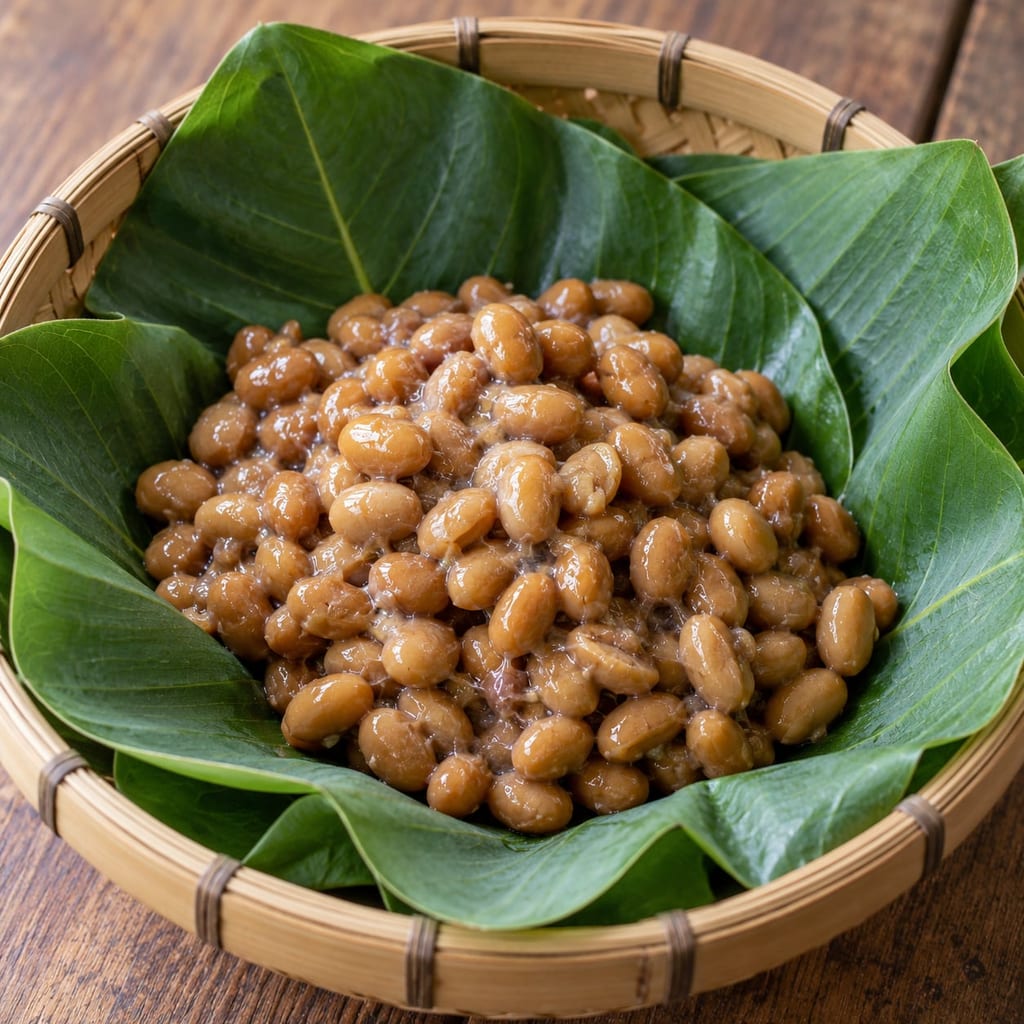
A sticky fermented soybean food of Manipur, made by packing cooked soybeans in leaf-lined bamboo baskets and keeping them warm, related to but distinct from Bekang and Akhone.
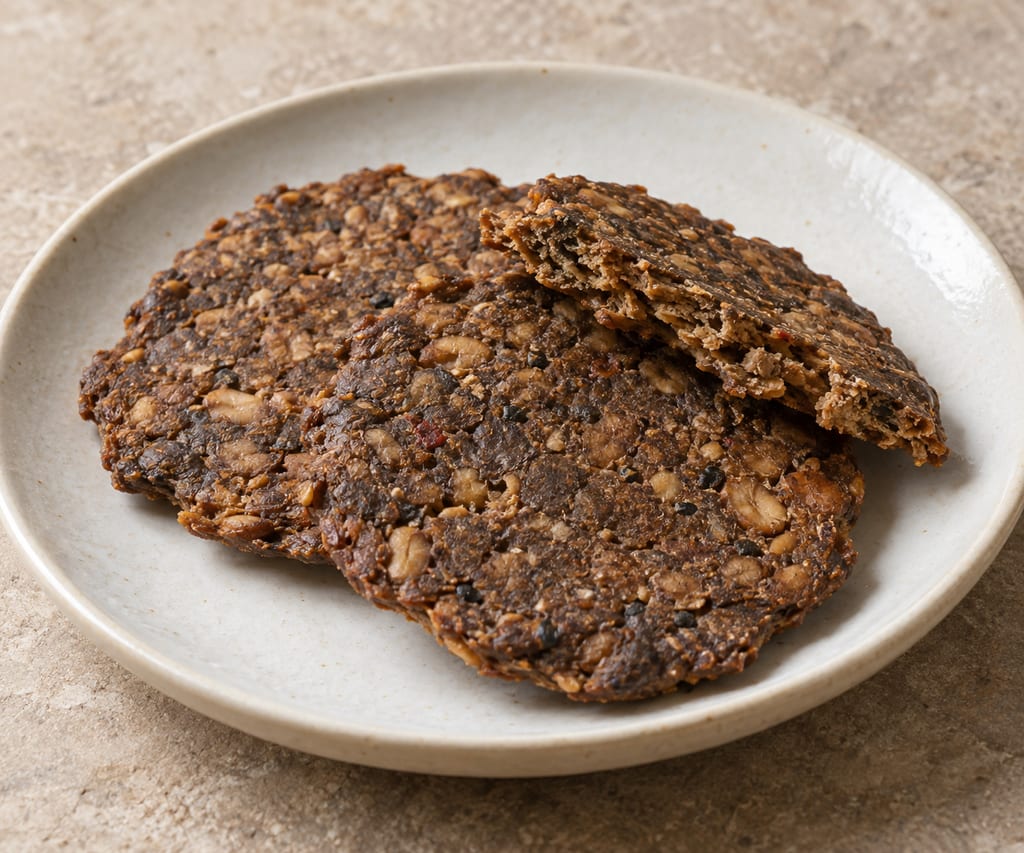
A Myanmar soybean ferment in which cooked beans turn sticky through alkaline bacterial fermentation, then are eaten fresh or seasoned, flattened and sun-dried into savoury wafers.
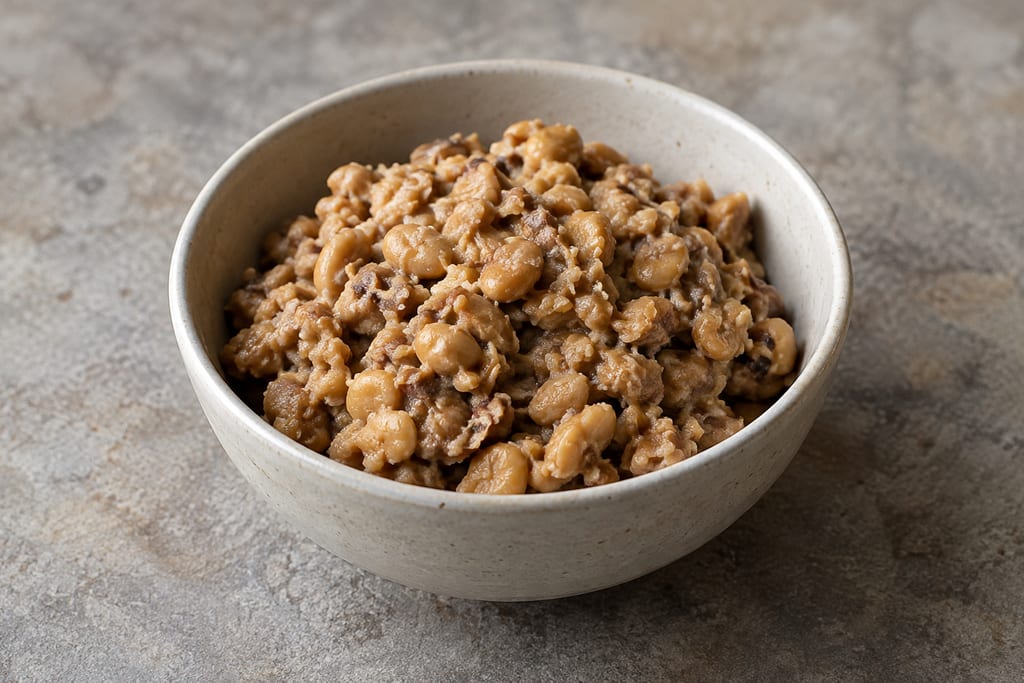
A Khasi and Jaintia fermented soybean food from Meghalaya: cooked beans ferment naturally in leaf-lined baskets above a fire, giving a sticky, pungent, savoury mass.
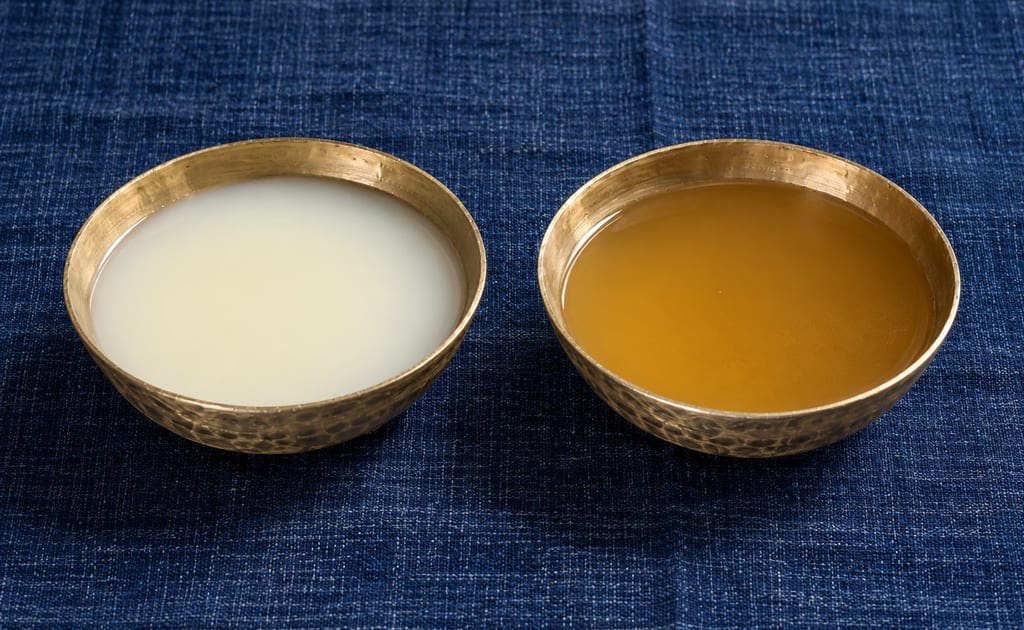
Apong names Mising rice beverages in Assam, including pale Nogin and ash-associated Po:ro. Sources describe distinct preparations and do not establish one unified household recipe or validated safety endpoint.
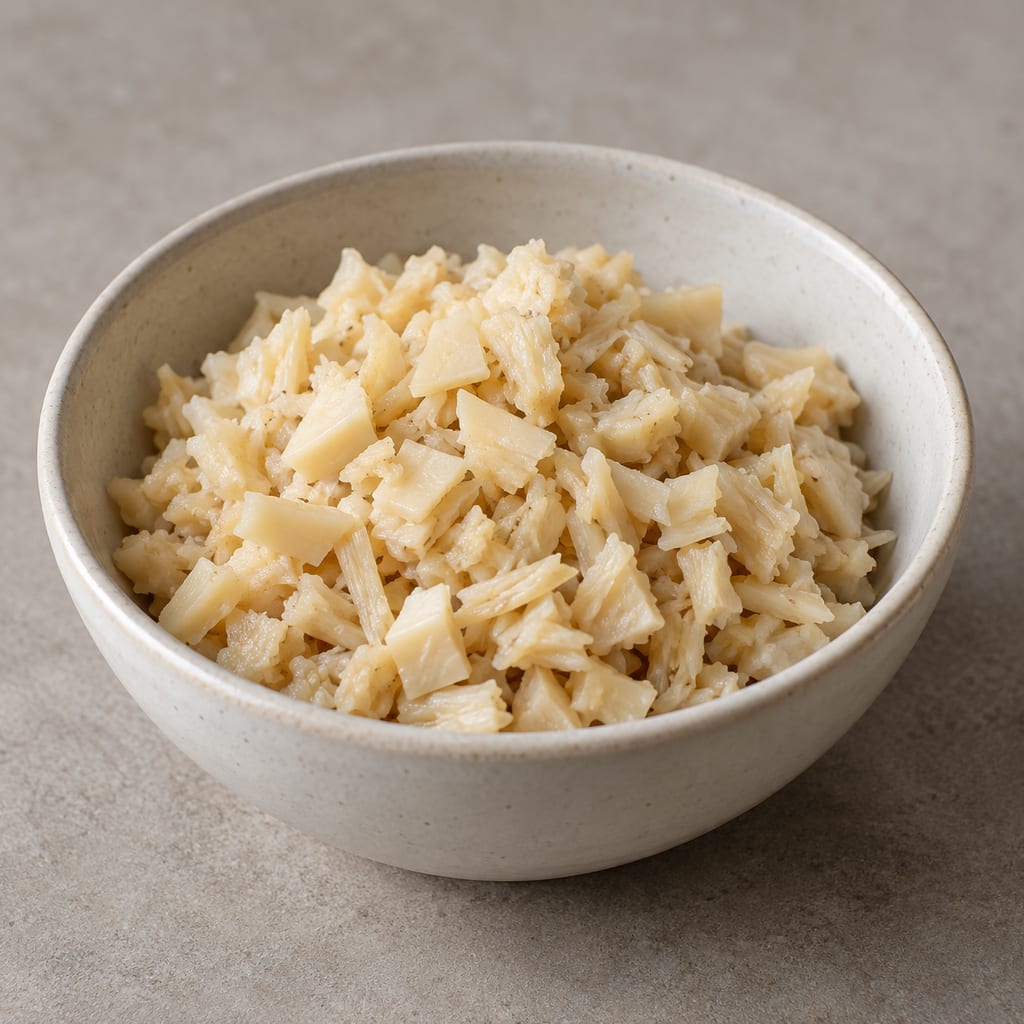
Finely chopped young bamboo shoots packed in leaf-lined baskets, sealed in a forest pit and weighted for one to three months, from Arunachal Pradesh.

Pit-fermented bamboo shoots from Arunachal Pradesh, cut smaller and sun-dried for five to ten days, used in curries.
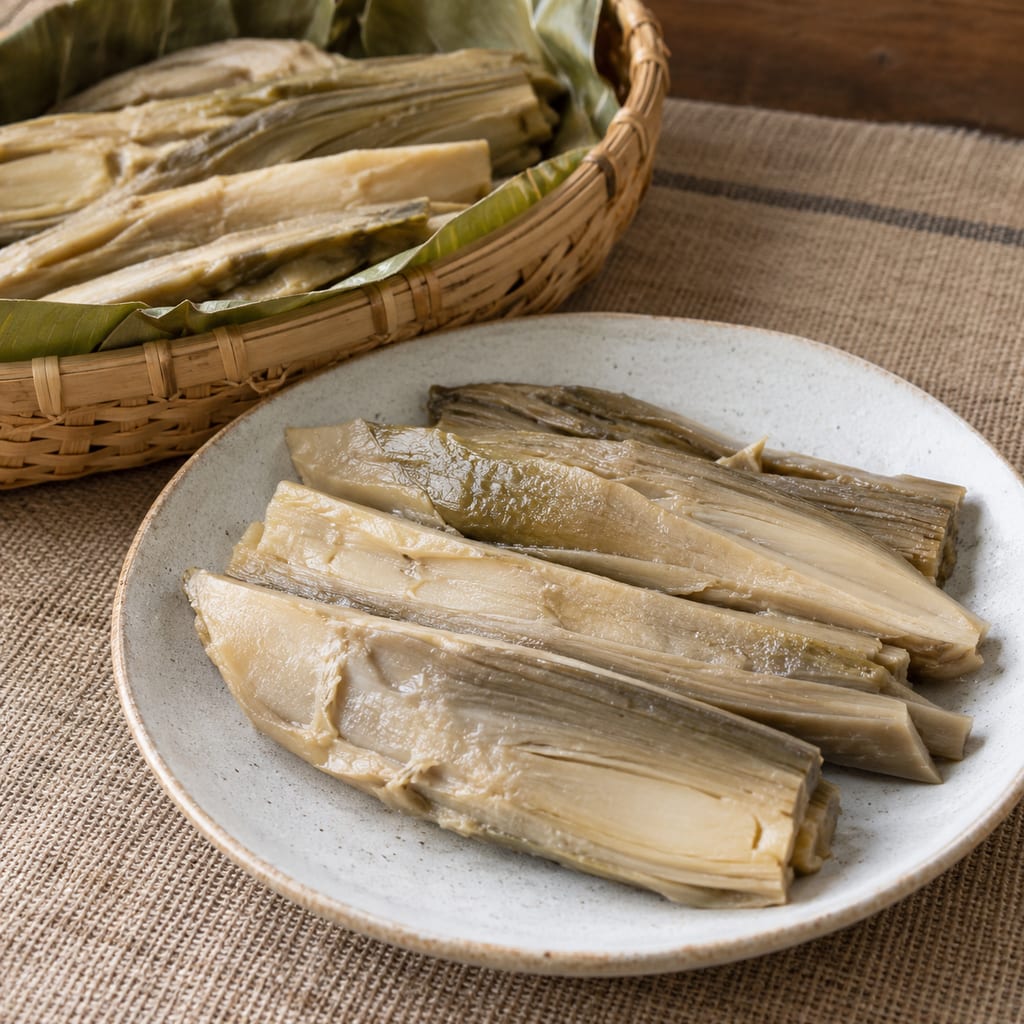
Upper tender bamboo-shoot tips, split or flattened, pit-fermented one to three months in Arunachal Pradesh and eaten in curries.

Soybeans boiled soft and fermented in a leaf-lined basket by the hearth, then in many Naga households pounded, wrapped in leaves and fermented again into a dark, pungent seasoning paste.
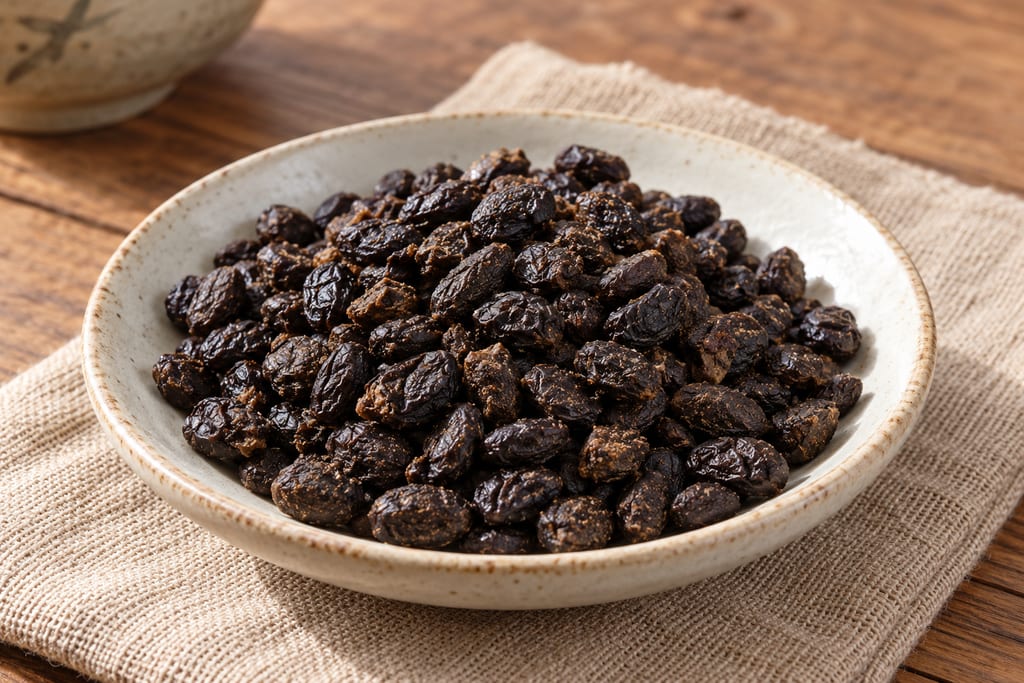
A Chinese fermented soybean condiment in which Bacillus-led bacteria, not moulds, drive the fermentation. Documented in Zunyi, Guizhou, and kept separate from mould-led douchi.
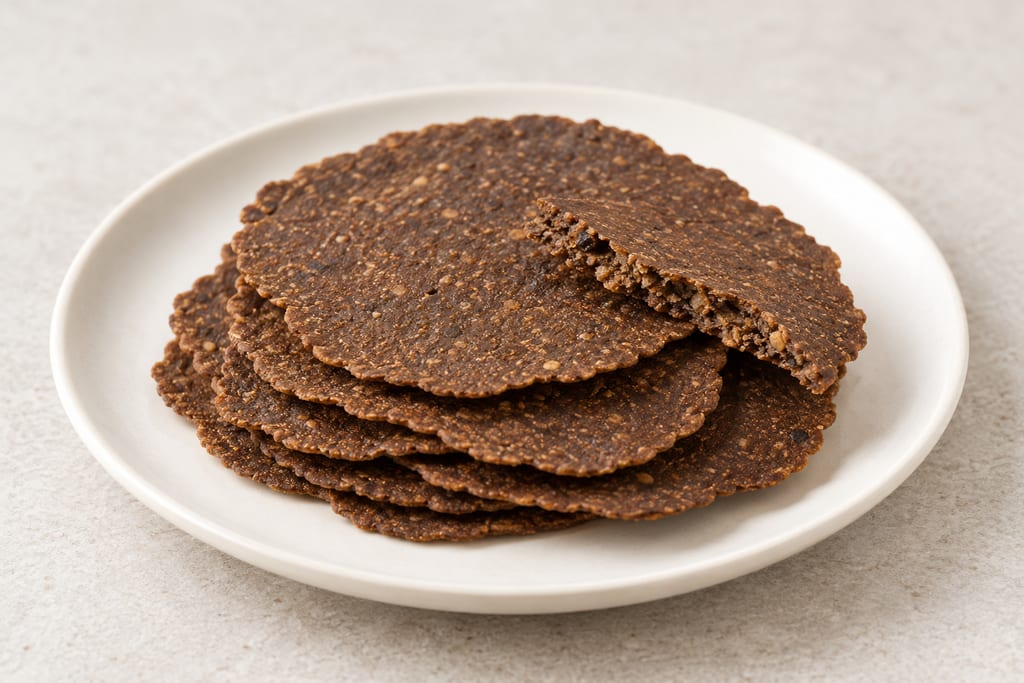
Black soybeans cooked, inoculated with a named Bacillus subtilis culture and fermented warm and humid into northern Thailand's thua nao, then optionally dried into thin discs.
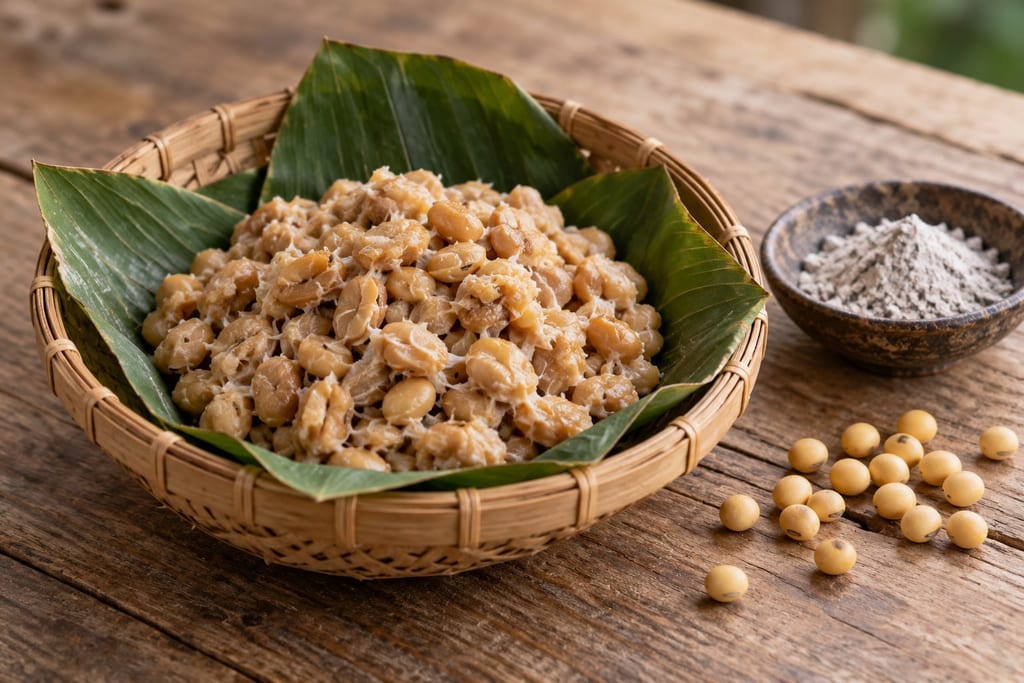
A sticky fermented soybean food of the eastern Himalaya, made here with a measured addition of firewood ash as an alkaline aid to the bacteria that drive it.
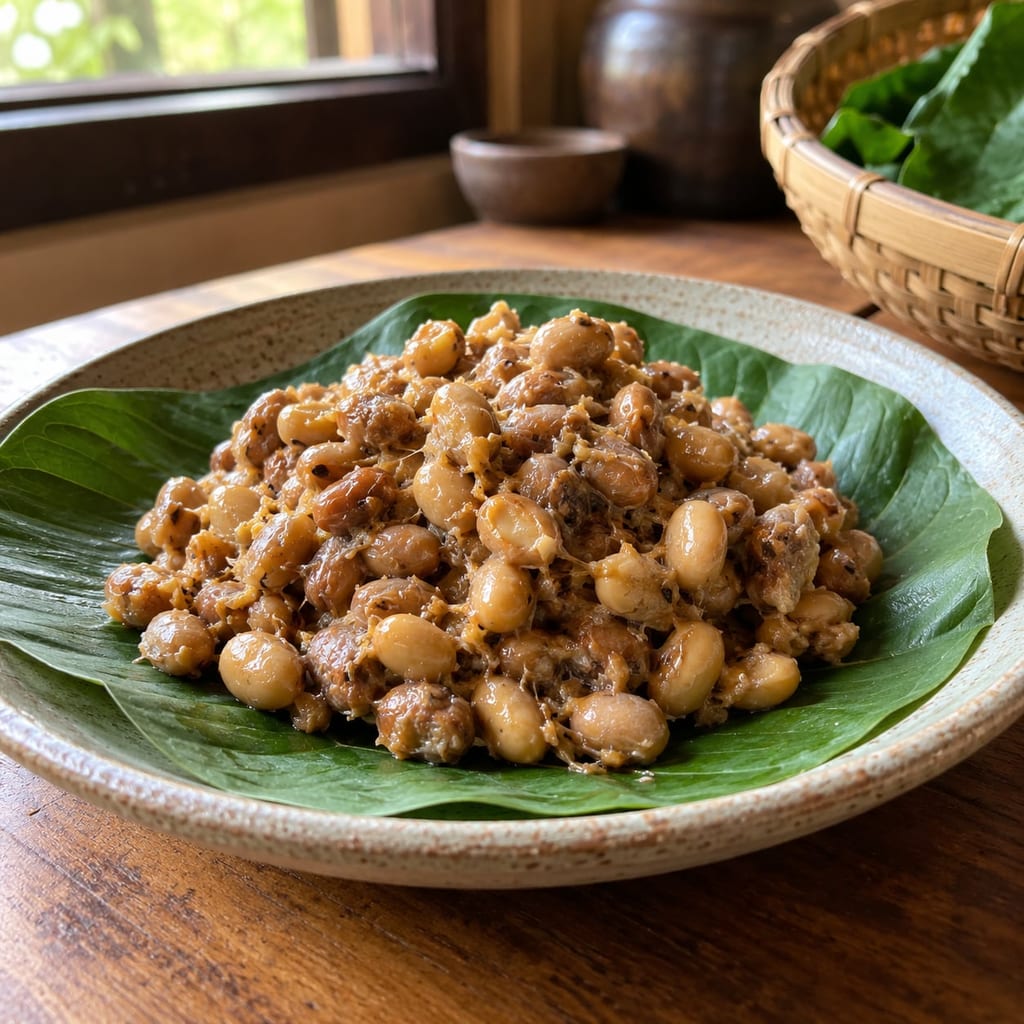
A home kinema made from overnight-soaked white soybeans, cooked, drained hot, wrapped in cloth and insulated to ferment for about a week.
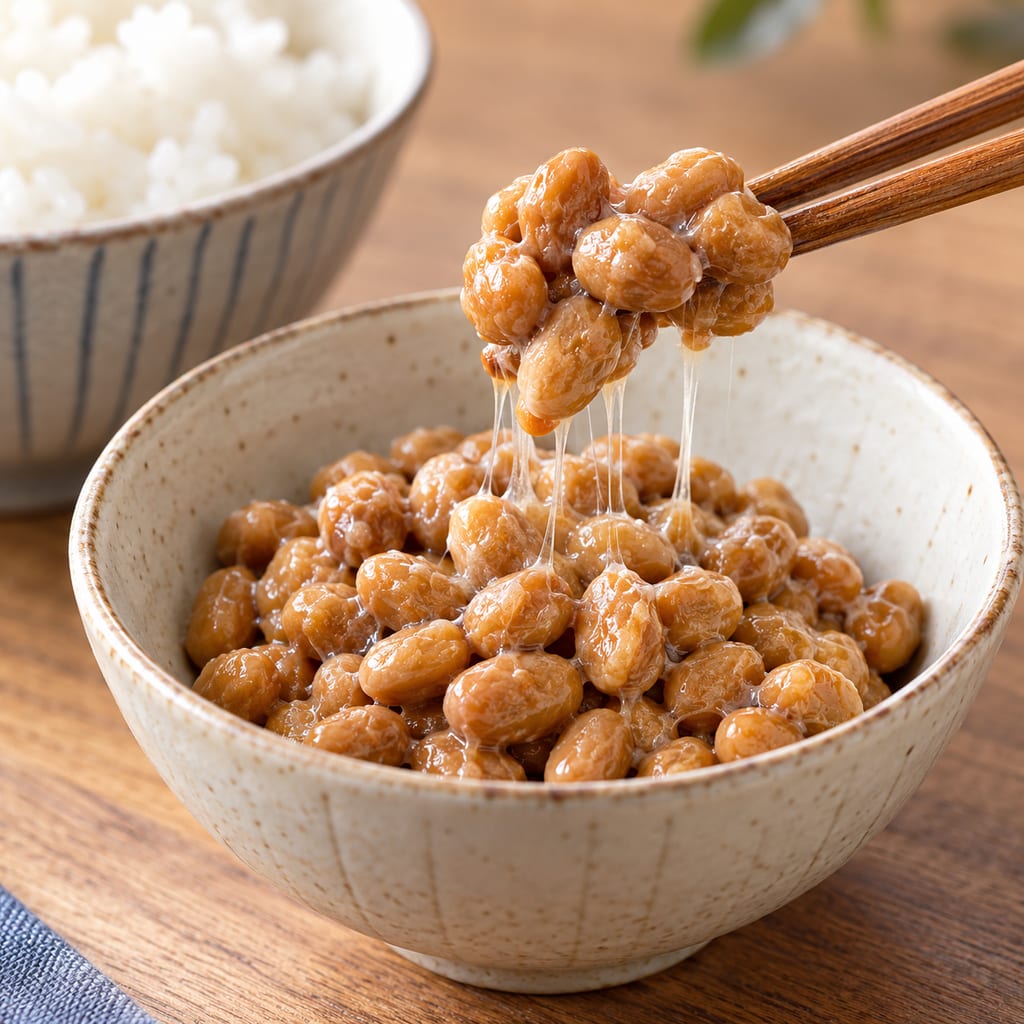
Natto is a Japanese fermented soybean food with a sticky coat and long strings, made by steaming soybeans and inoculating them with a natto Bacillus starter, then keeping them warm.
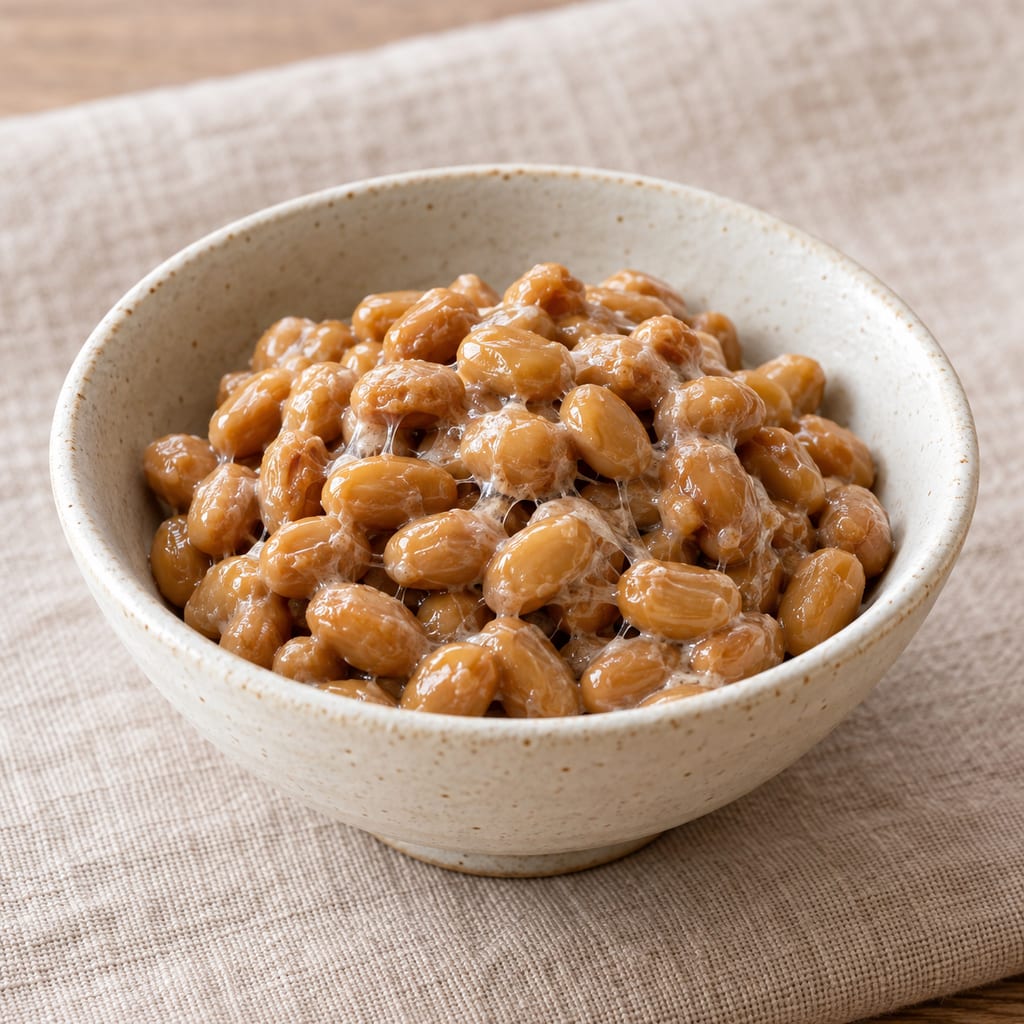
Steamed soybeans fermented by a named strain of Bacillus subtilis into Japan’s sticky, strongly savoury whole-bean food, bound by the thread-forming polymer the bacteria secrete.
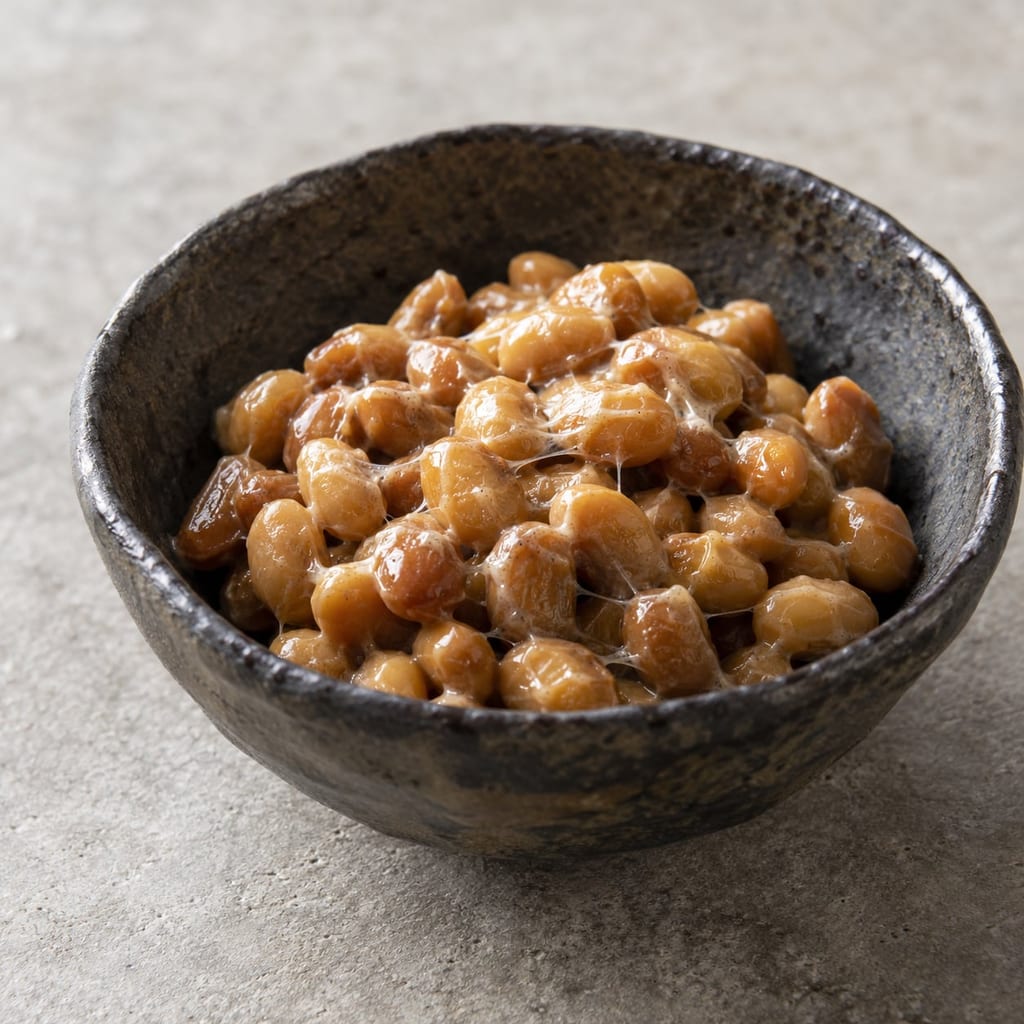
A two-cup soybean batch uses one Cultures for Health Natto Spores packet, a shallow perforated cover, and the supplier’s stated incubation and chilling sequence. The supplier’s instructions are not a validated home process.

Soft, spreadable Calabrian pork sausage made with a great deal of red chilli and fatty pork, stuffed into natural casings, sometimes smoked and matured while staying soft.

A way to add independent temperature logging to an existing food dehydrator without changing its built-in controls or protections. It is a monitoring method, not a rewiring plan.

Pleurotus cystidiosus is the abalone mushroom, a cultivated oyster-type fungus with dark brown caps that grows more slowly and is more demanding than other Pleurotus species.

A dark, balanced vinegar from Emilia-Romagna made by combining cooked or concentrated grape must with wine vinegar, then acetifying and refining it in wood under a protected specification.

A living dairy inoculum that starts controlled cream fermentation, developing acidity and aroma before sour cream or cultured butter is finished.

A small electric incubator holds jars at a selected temperature for yogurt and other documented warm food preparations. Controls, capacity and vessel arrangement vary by model.

Adygean salt is a seasoned table salt associated with Adygea and the wider North Caucasian culinary tradition. Salt is blended with garlic and a variable selection of herbs and spices; the exact mix depends on the named style and maker.

The African Caesar-group mushroom, Amanita masasiensis, is a wild ectomycorrhizal species of central and southern African woodlands, eaten locally. The genus contains deadly poisonous species, so identification needs care.
No community contributions have been published for this entry yet.
Sign in to contribute. Published comments and photos are free to read.
Indian Journal of Traditional Knowledge, Volume 8, Issue 1, pages 122–126, 2009; CSIR-NIScPRMethod · History · Use
Indigenous knowledge of Northeast women on production of ethnic fermented soybean foodsPrimary source for the traditional Apatani peruyaan recipe in Block C
Production associated with Apatani women in Arunachal Pradesh
Original transcription peruyyan
Cleaning and washing soybeans
Cooking for approximately 1–2 hours
Draining and cooling the cooked beans
Use of bamboo baskets lined with ginger leaves called taki yannii
Loose covering with ginger leaves
Placement of the fermentation basket on a wooden rack above the fireplace
Reported fermentation conditions of 20–35°C for 3–5 days
Stickiness used as a traditional readiness observation
Consumption as a side dish with rice
Local market sales
Figure 6 documenting the traditional preparation sequence
No standard soybean batch mass, finished yield or controlled inoculation rate
Cited in: What it is; History; How it is made and why each step matters; Regional and historical variations; How it is eaten and used; Reading results, identifying problems and understanding safety
Journal of Ethnic Foods, Volume 2, Issue 1, pages 8–17, 2015History · Context · Science
Naturally fermented ethnic soybean foods of IndiaIdentification of peruyaan as an Apatani fermented soybean food
Association with Ziro Valley in Arunachal Pradesh
Traditional ginger-leaf-lined basket fermentation
Alternative reported cooking duration of 2–3 hours
Natural fermentation for 3–5 days
Traditional explanation of the name perun and yanni
Use of chillies locally called tero
Mixing finished fermented beans with hot water, chilli and salt
Consumption with steamed rice without necessarily frying or further cooking
Comparison with other northeastern Indian fermented soybean foods
Figure 5 containing a labelled photograph of peruyaan
Cited in: What it is; History; How it works: bacteria, enzymes and chemistry; How it is made and why each step matters; Regional and historical variations; How it is eaten and used; Reading results, identifying problems and understanding safety
Fermentation, MDPI, Volume 8, Issue 10, Article 495, 2022Science
Screening of Poly-Glutamic Acid (PGA)-Producing Bacillus Species from Indian Fermented Soybean Foods and Characterization of PGACollection of 34 naturally fermented soybean-food samples from Arunachal Pradesh
Six peruñyaan samples from Lower Subansiri
Sampling and laboratory isolation methods
Measured peruñyaan pH range of approximately 7.2–8.2
Identification of several Bacillus species among cultured isolates
High bacterial species diversity among the selected peruñyaan isolates
Screening for stickiness and poly-gamma-glutamic acid production
Isolation of Bacillus safensis subsp. safensis PY1-19 from peruñyaan
Experimental phytase and antimicrobial activity
Lack of haemolysis in the reported screening assay
Separate laboratory preparation using sterilised soybeans and a selected culture
Experimental incubation at 40°C for 72 hours
Approximately 11 g/L PGA in the experimental product
Figure 3 comparing natural and experimental preparation methods
Alternative natural preparation diagram describing a 7–12-day fermentation
Difference between strain-level laboratory results and household fermentation
Cited in: What it is; History; How it works: bacteria, enzymes and chemistry; How it is made and why each step matters; Regional and historical variations; How it is eaten and used; Reading results, identifying problems and understanding safety
International Journal of Food Microbiology, Elsevier, Volume 407, Article 110417, 2023Science · Safety
Microbiome and metabolome in home-made fermented soybean foods of India revealed by metagenome-assembled genomes and metabolomicsInvestigation of homemade fermented soybean foods from Arunachal Pradesh
Inclusion of peruñyaan alongside grep-chhurpi, peha and peron namsing
Metagenomic identification of the microbial community
Bacillus subtilis as an abundant species in the sampled foods
Presence of additional lactic acid bacteria and other bacterial groups
Recovery of bacterial metagenome-assembled genomes
Detection and annotation of microbial metabolic genes
Metabolomic analysis of fermentation-related compounds
Importance of distinguishing predicted microbial functions from experimentally demonstrated activity
Evidence of differences between regional fermented soybean microbiomes
Cited in: What it is; History; How it works: bacteria, enzymes and chemistry; Regional and historical variations; Reading results, identifying problems and understanding safety
PubMed, United States National Library of Medicine, 2023Science
Microbiome and metabolome in home-made fermented soybean foods of India revealed by metagenome-assembled genomes and metabolomics — PubMed recordIndependent indexing of the 2023 microbiome and metabolome study
Confirmation of title, authors, journal and publication date
Research abstract describing the identified bacterial community
Confirmation that multiple fermented soybean products were investigated rather than peruyaan alone
Journal of Food Biochemistry, Wiley/Hindawi, Volume 2024, Article 3199103, 2024Science
Screening and Optimization of α-Glucosidase Inhibitor Production by Potent Strain of Bacillus subtilis Isolated from Peruyaan, Fermented Soy-Food of Northeast IndiaCollection of peruyaan from a local market in Arunachal Pradesh
Isolation of 23 bacterial colonies
Screening of four isolates showing alpha-glucosidase inhibitory activity
Identification of Bacillus subtilis PM_NEIST_4 using 16S rRNA sequencing
GenBank accession OP810678.1
Cultivation in laboratory nutrient media
Optimisation using Mueller Hinton broth
Laboratory incubation at 37°C with shaking
Experimental production of alpha-glucosidase-inhibiting compounds
Biochemical analysis using chromatography and mass spectrometry
Enzyme assays and animal experiments using laboratory-produced material
No demonstration that the isolate constitutes a traditional household starter
No direct demonstration of clinical benefits from eating ordinary peruyaan
Cited in: History; How it works: bacteria, enzymes and chemistry; How it is made and why each step matters; Regional and historical variations; Reading results, identifying problems and understanding safety
Journal of Ethnic Foods, Springer Nature, Volume 9, Article 30, 2022Science
Dietary culture and antiquity of the Himalayan fermented foods and alcoholic fermented beveragesEthnographic context of fermented soybeans in the Eastern Himalayas
Regional distribution of alkaline fermented soybean preparations
Discussion of Apatani and other northeastern Indian food traditions
Broad comparison of household fermentation methods
Importance of leaves, baskets and local fermentation environments
Recognition that the historical origins of individual fermented soybean foods remain uncertain
Figure 2 containing a specifically labelled photograph of peruyaan in panel f
Creative Commons Attribution 4.0 licence covering the article and its figures unless otherwise credited
Frontiers in Microbiology, Volume 7, Article 377, 2016Science
Review: Diversity of Microorganisms in Global Fermented Foods and BeveragesClassification of Asian alkaline fermented soybean foods
Bacillus species as important organisms in sticky soybean fermentations
Distinction between bacterial and mould-led fermentation
Comparison of peruyaan with kinema, bekang, tungrymbai and related foods
Regional variation in microbial communities and production
Cited in: How it works: bacteria, enzymes and chemistry
Annals of Microbiology, Springer Nature, Volume 71, 2021Science
Impact of Bacillus in fermented soybean foods on human healthComparative descriptions of Bacillus-fermented soybean production
Protein degradation and alkaline fermentation chemistry
Use of traditional wrapping leaves
Production of extracellular polymers by some Bacillus strains
Comparative preservation methods and microbial risks
Recognition that findings from related fermented soybean products cannot automatically establish the safety or composition of peruyaan
Journal of Ethnic Foods and regional food research literature, 2016Science
Diversity of traditional and fermented foods of the Seven Sister states of India and their nutritional and nutraceutical potential: a reviewRegional comparison of indigenous fermented foods in northeastern India
Identification of peruyaan as a distinct Apatani soybean ferment
Comparison with fermented soybean traditions of neighbouring communities
Ethnographic context of traditional preparation and consumption
Cited in: What it is; History; How it is made and why each step matters; How it is eaten and used
EFSA Journal, European Food Safety Authority, Volume 14, Issue 7, 2016Safety
Risks for public health related to the presence of Bacillus cereus and other Bacillus spp. including Bacillus thuringiensis in foodstuffsGeneral food-safety risks associated with Bacillus cereus and related species
Bacterial spore survival
Potential for toxin production
Strain-dependent pathogenicity
Importance of cooking, processing, handling and storage conditions
Need for microbiological hazard assessment
Comparative safety evidence rather than a product-specific peruyaan challenge study
Cited in: Reading results, identifying problems and understanding safety
UK Food Standards AgencySafety
Food allergy and intoleranceRecognition of soya as a food allergen
Importance of allergen identification in fermented soybean foods
Cited in: Reading results, identifying problems and understanding safety
Journal of Ethnobiology and Ethnomedicine, 2005Context · History
Ethnomedicinal botany of the Apatani in the Eastern Himalayan region of IndiaThe Apatani villages of the Ziro Valley and their plant-use knowledge
Cited in: History
International Journal of Food Microbiology, 2002Science
Diversity and functionality of Bacillus and related genera isolated from spontaneously fermented soybeans (Indian Kinema) and locust beans (African Soumbala)Bacillus species in spontaneously fermented soybeans
Cited in: How it works: bacteria, enzymes and chemistry
Government of IndiaVariation · Use
Exploratory study of indigenous foods of north-eastern India (Arunachal Pradesh fermented soybean section)Fermentation of related Arunachal soybean preparations for seven to ten days
Cited in: What it is; How it is made and why each step matters; Regional and historical variations; How it is eaten and used; Reading results, identifying problems and understanding safety