
African fermented foods, drinks and preservation
From sour breads and milk to savoury seeds, cassava staples and living beers, African fermentation follows the crop, the community and the work of transformation.
 FermenteaWhere food goes to change
okpeye · Okpehe
Okpiye, also written okpeye, is a Nigerian condiment from fermented Prosopis africana seeds; published studies describe laboratory batches, not a validated home method.
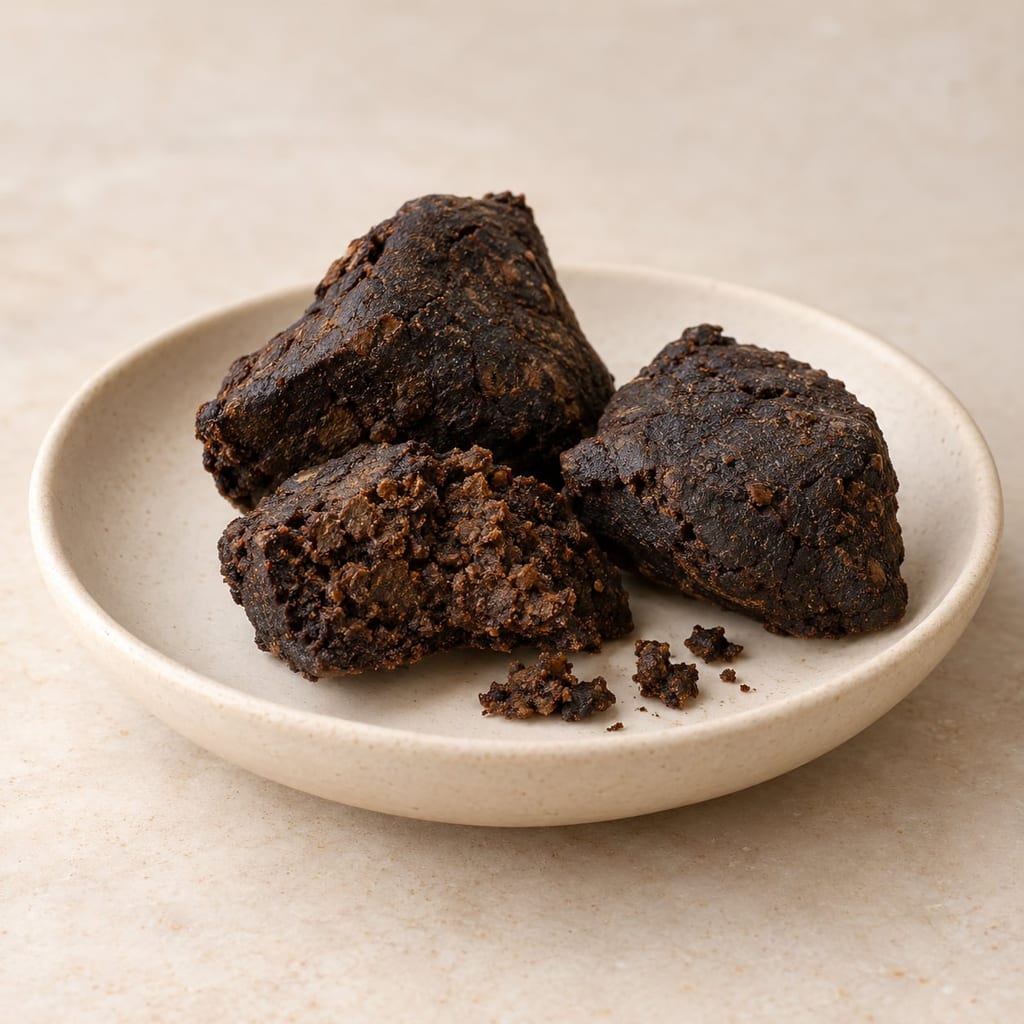
Okpiye is a condiment made from fermented seeds of Prosopis africana. The inspected sources also write the name okpeye. A 2025 review places it among Nigerian fermented condiments, but similar names do not prove that every similarly named food is the same product.
The 2008 study by Odibo, Ezeaku and Ogbo uses the name ogiri-okpei for its study product. The overlap should be checked against each source before the names are treated as one.
The 2008 article describes ogiri-okpei as a seasoning used in soups. The inspected sources do not give a full account of serving practices, seasonal use or variation between communities.
A 1992 abstract by Achi reports a 96-hour laboratory fermentation of Prosopis africana seeds and the microorganisms associated with it, without detailed stages or household controls. The 2008 study reports a laboratory batch of about 800 g of seeds, the steps listed above, and biochemical and enzyme changes during fermentation.
These are descriptions of study batches, not instructions for making okpiye at home. The 2008 paper gives no numeric fermentation temperature, water quantity, yield, drying endpoint, storage life or validated safety control.
No validated household method, drying endpoint, storage condition or safety control is established by the inspected sources. Local names, community history and seasonality need locally grounded sources. The purchase location of the study seeds does not establish where the food began. Odour, appearance and biochemical measurements do not establish that a batch is safe to eat.
The sources place okpiye among Nigerian fermented condiments. The seeds for the 2008 study were bought in Awka; that location records the study's material, not the food's origin.
From sour breads and milk to savoury seeds, cassava staples and living beers, African fermentation follows the crop, the community and the work of transformation.
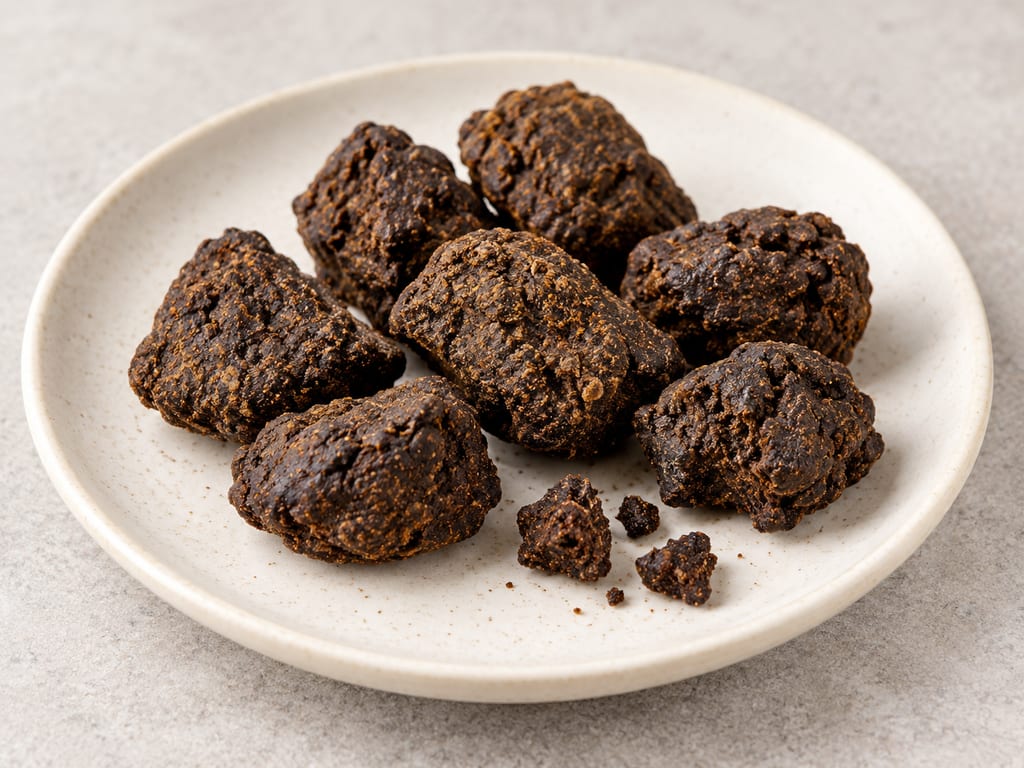
Ogiri-okpei is a Nigerian condiment of cooked Prosopis africana cotyledons left to ferment spontaneously in leaf-lined containers, then ground and dried.
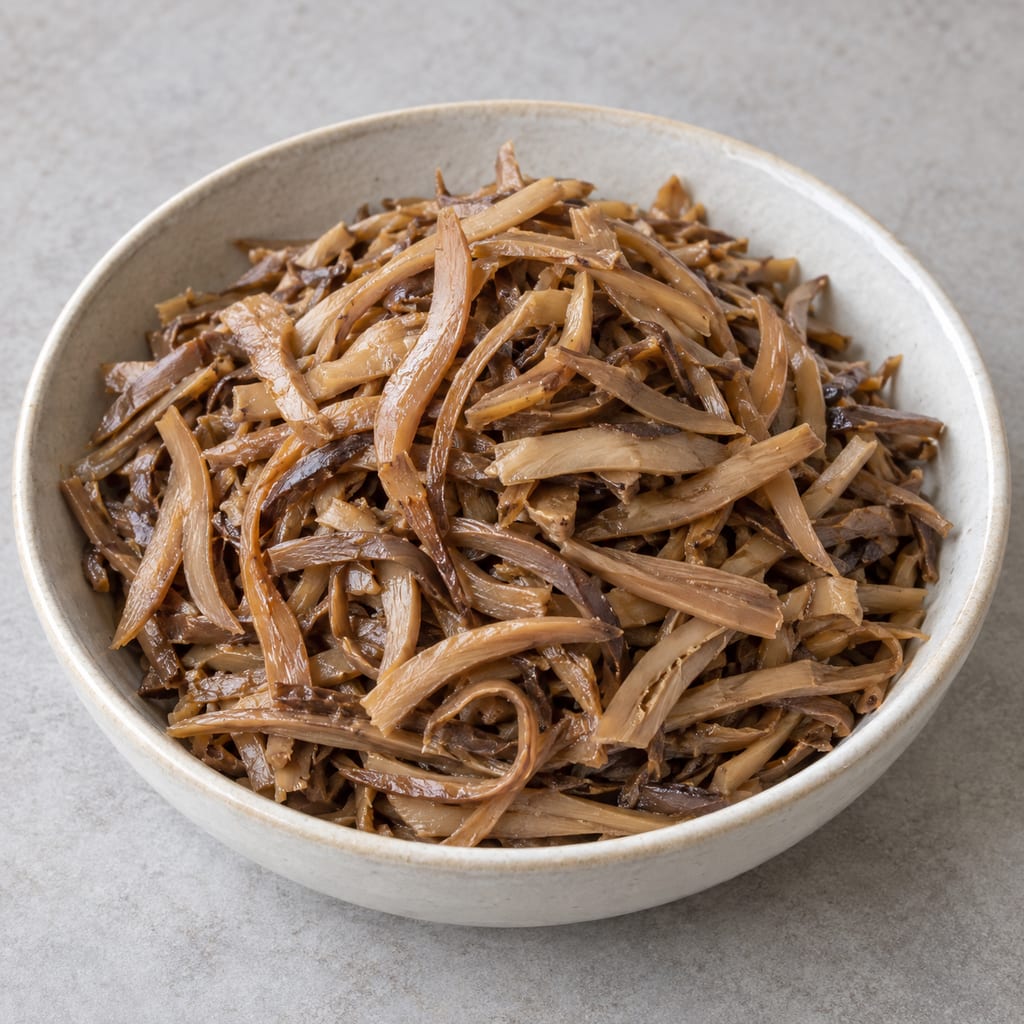
Sliced cotyledons of the African oil bean, boiled soft and fermented in banana-leaf parcels into the sharply savoury Nigerian condiment and salad ingredient known as ukpaka.
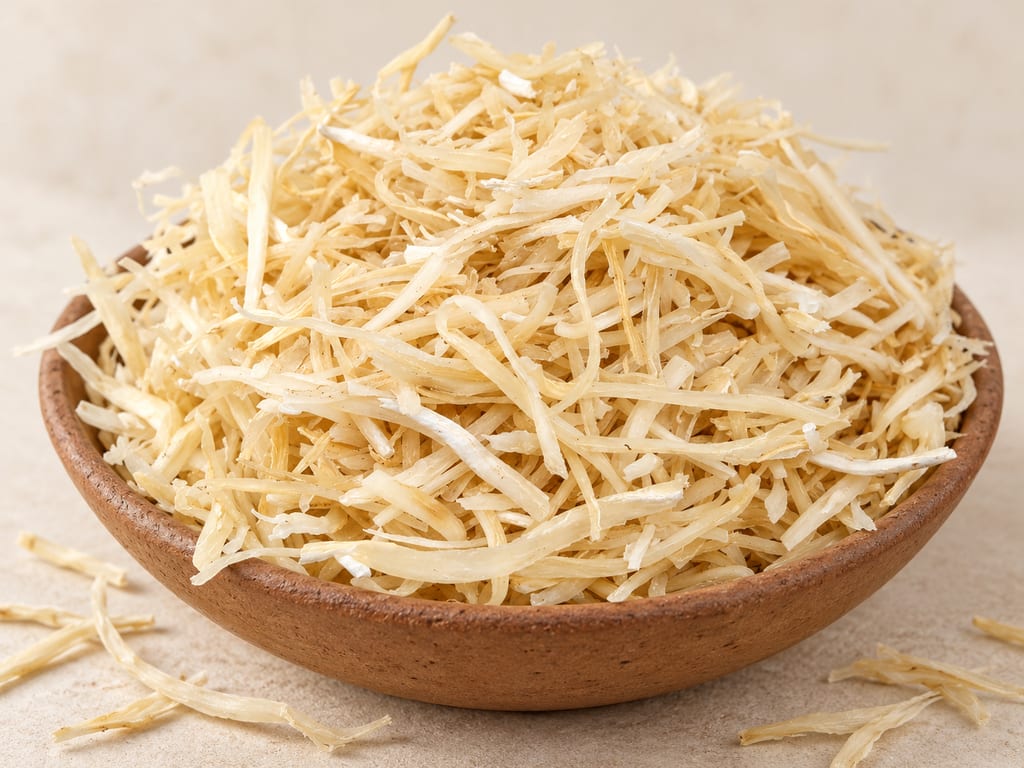
Abacha is a fermented cassava-strip preparation from southeastern Nigeria, sold wet or dried and later rehydrated for meals such as African salad.

This softer home-style Agege bread uses a scalded flour paste, an enriched yeast dough and a 9×5-inch loaf pan, with rolls from the extra dough.
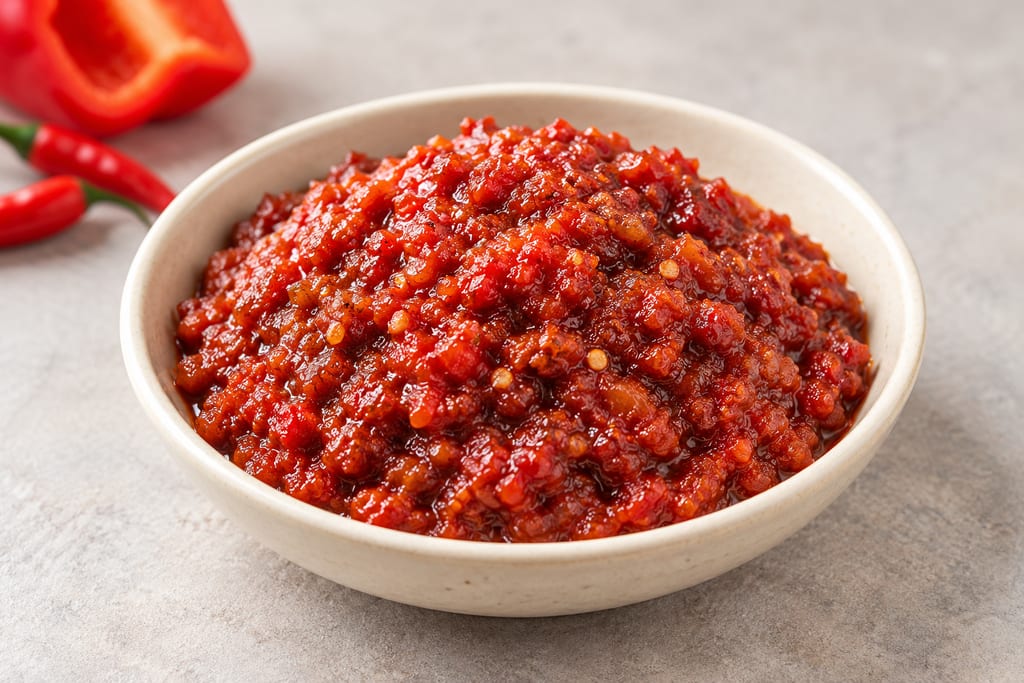
Ata dindin is the Yoruba fried pepper sauce: chillies, red bell pepper and onion blended and cooked down in oil until the oil separates. The same name is also given to a finished stew built on it.

Eba is a West African dish of cooked gari, stirred into hot water until it forms a thick paste. It is a cooking stage with no new fermentation, served with soup.
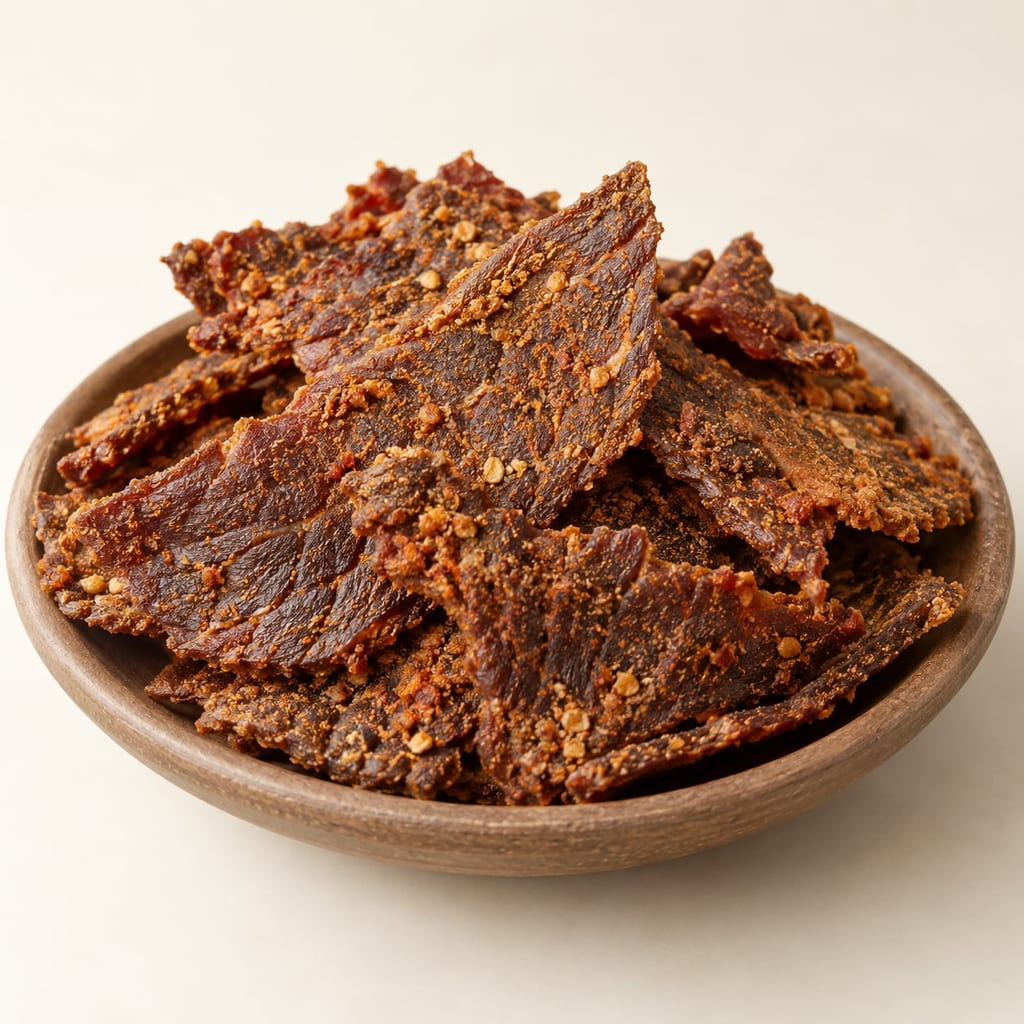
Kilishi is a Hausa-land dried meat from northern Nigeria and southern Niger: thin slices of beef or other meat, dried, coated in a spiced groundnut paste and dried again.
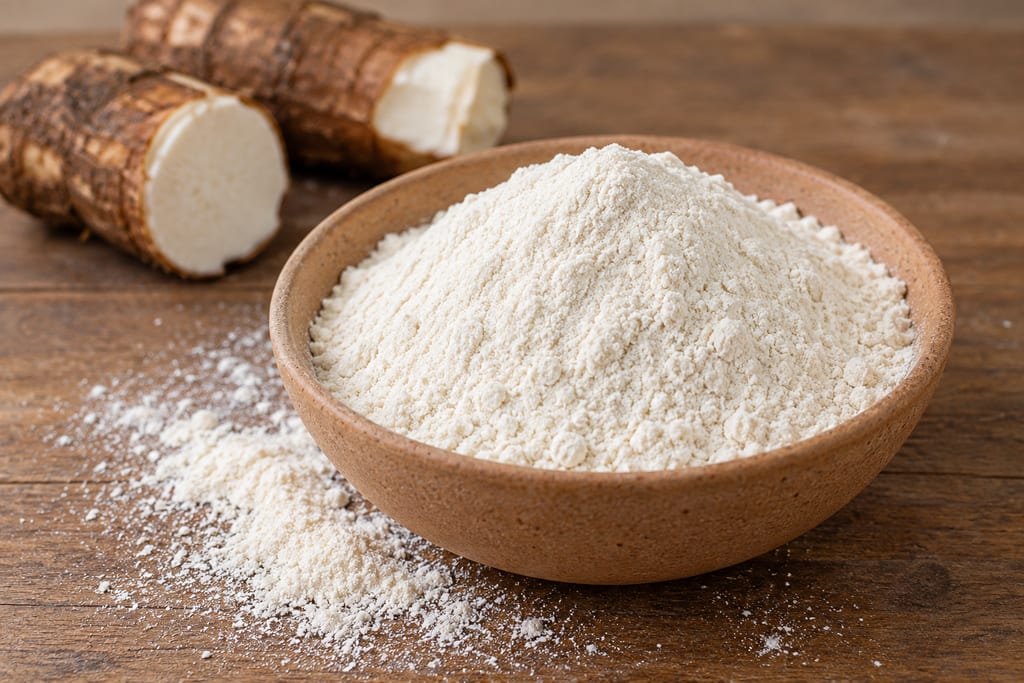
Lafun is a Nigerian fermented cassava flour described in historical accounts. This record documents reported processing stages, not a validated household method or a batch-specific cyanogen and moisture safety endpoint.
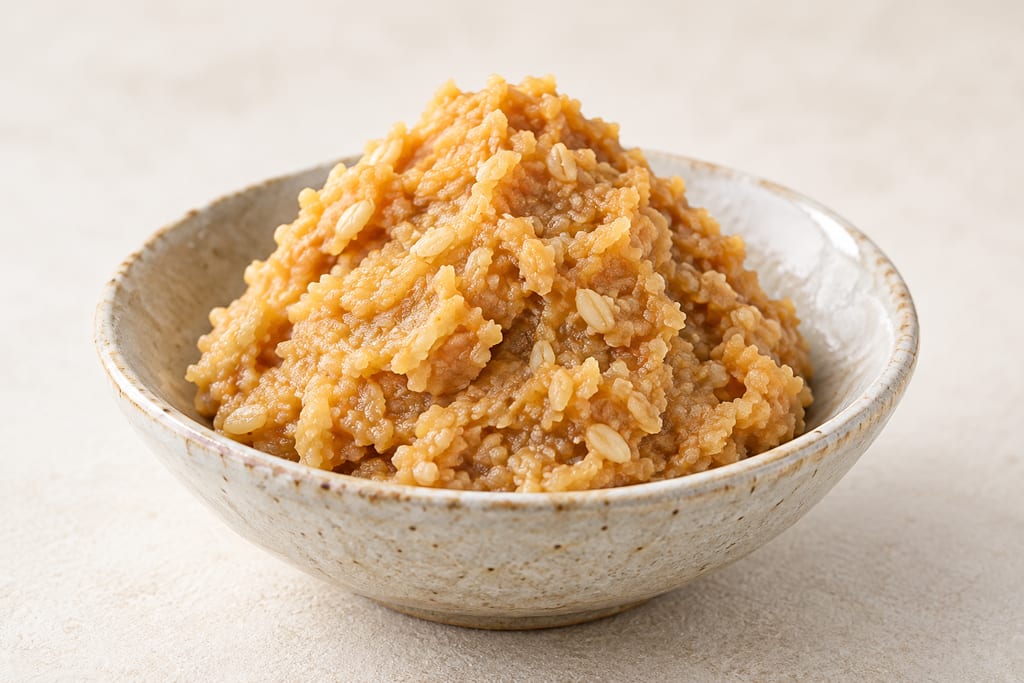
A Japanese soybean paste fermented with barley koji and salt, made mostly in Kyushu, Shikoku and western Japan. It is sweet, savoury and grainy.
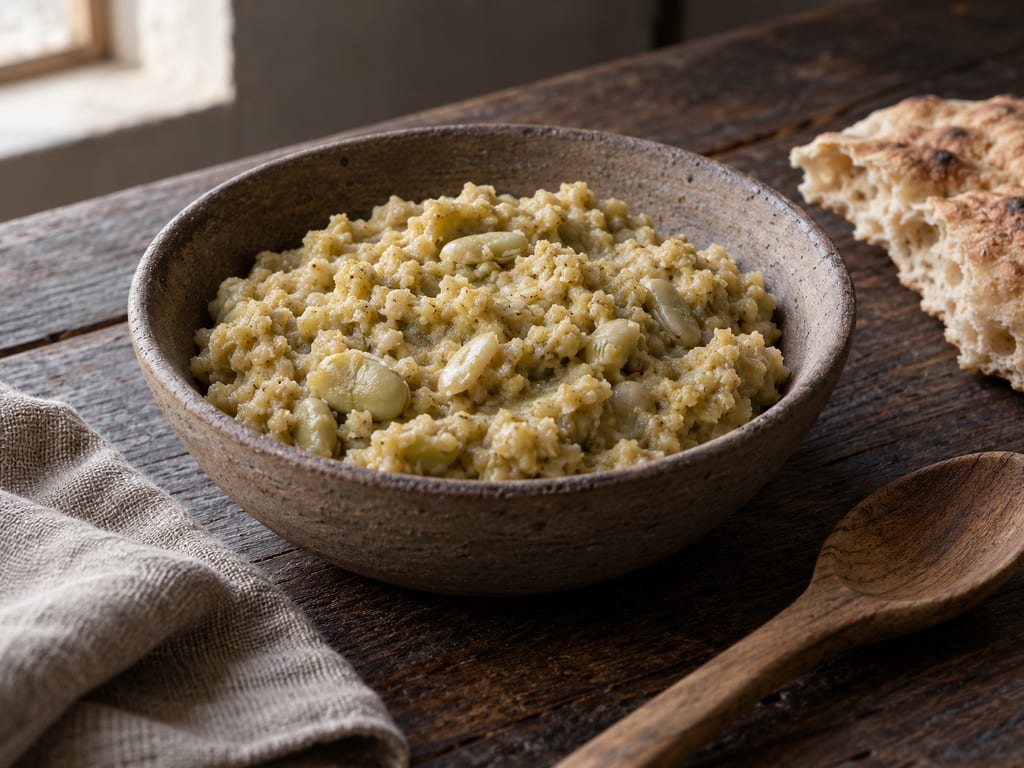
Cooked broad beans crushed to a thick paste with garlic and salt, a museum preparation built on the one European pulse that was already old when the Viking Age began.
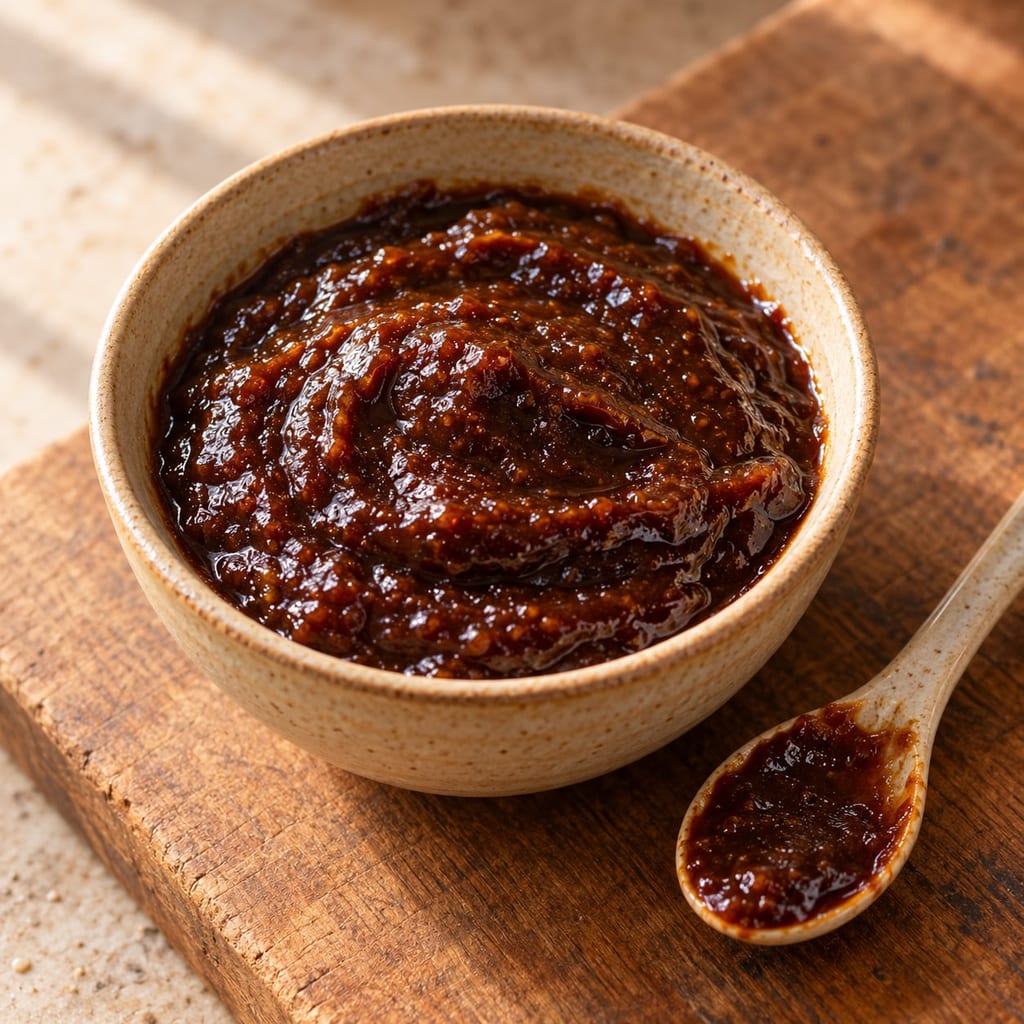
Chu hou is a sweet, savoury Cantonese paste of fermented soybeans, fermented bean curd, garlic, ginger and sesame, used mainly to braise meat.
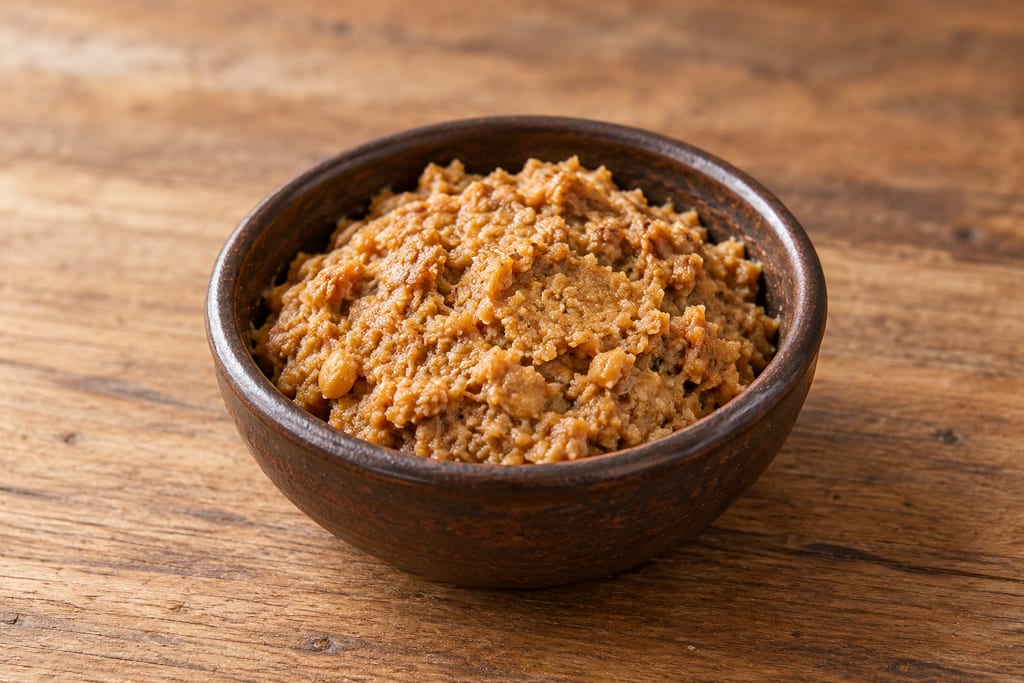
Doenjang (된장) is a Korean fermented soybean paste made by brining meju, separating ganjang, then mashing and aging the solids. This recipe follows one documented Sunchang processing study.
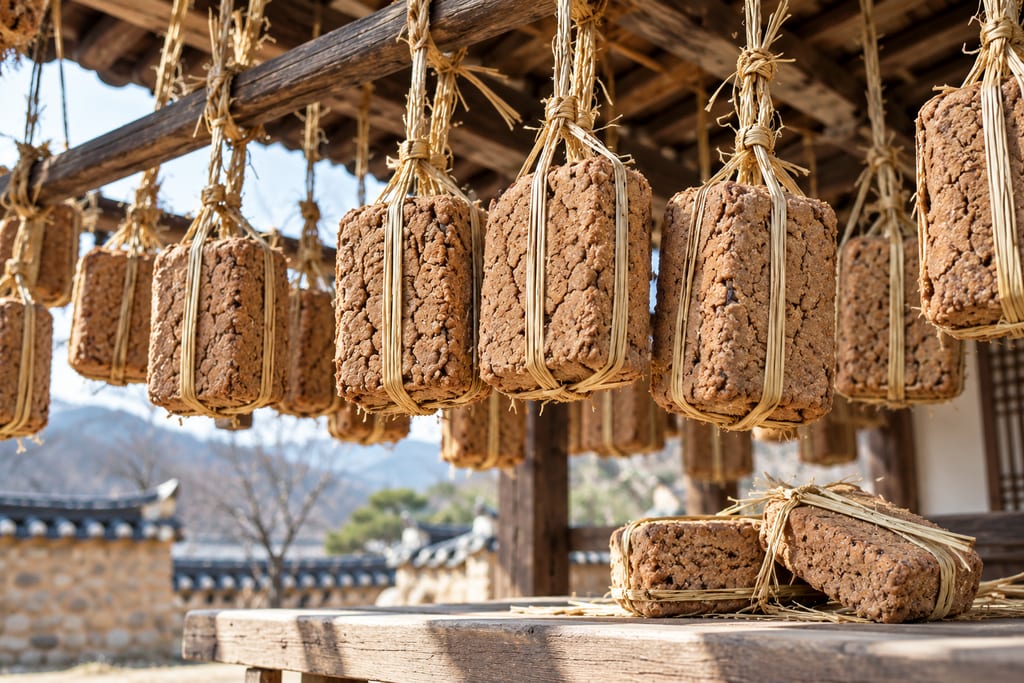
A cooked soybean brick, shaped and dried, that is fermented as a solid and later brined to make the Korean soy paste doenjang and the soy sauce ganjang.
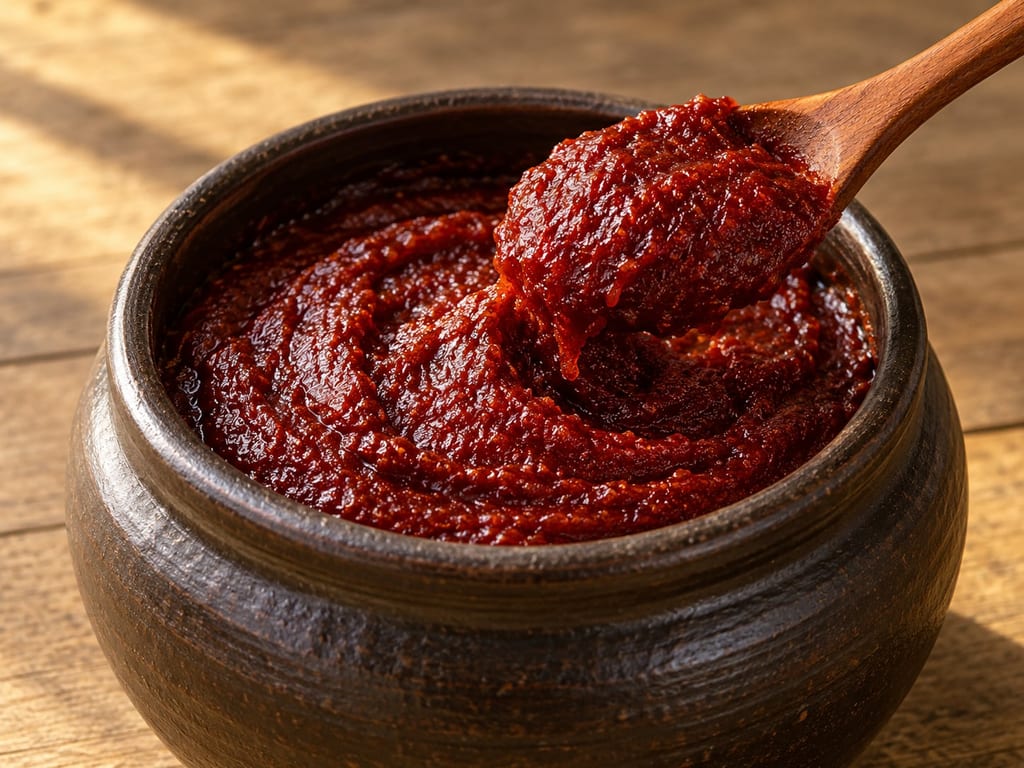
Korea’s sweet, savoury and fiery red paste of glutinous rice, barley-malt enzymes, fermented soybean meju powder and chilli powder, matured in earthenware.
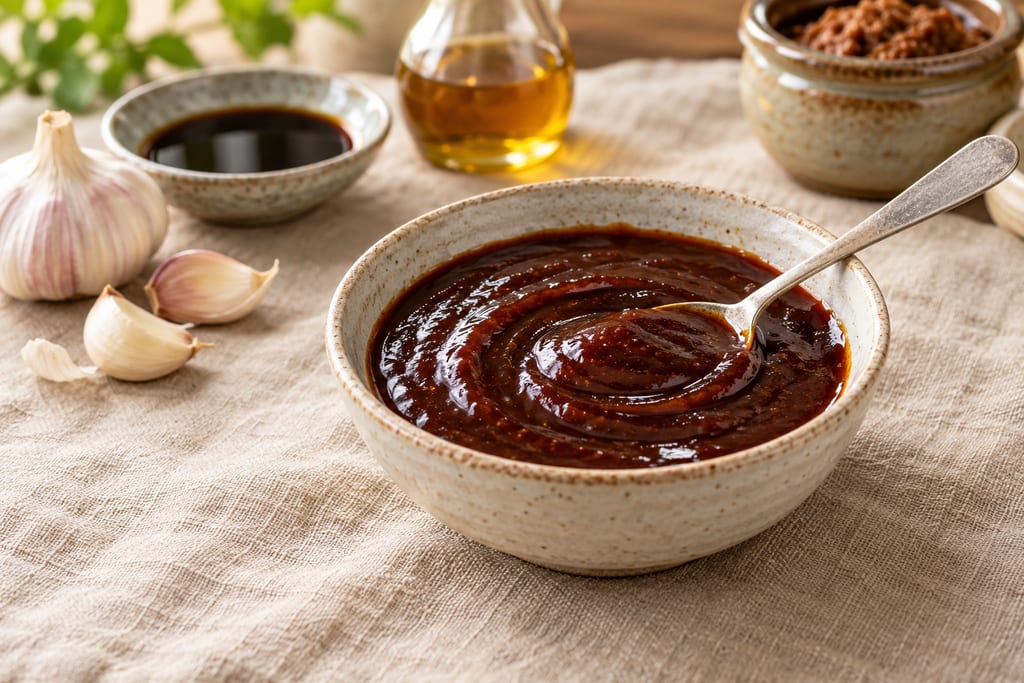
A thick, dark, sweet-salty Chinese condiment built on fermented soybean paste. This page gives one quick home version and records how commercial formulas differ.
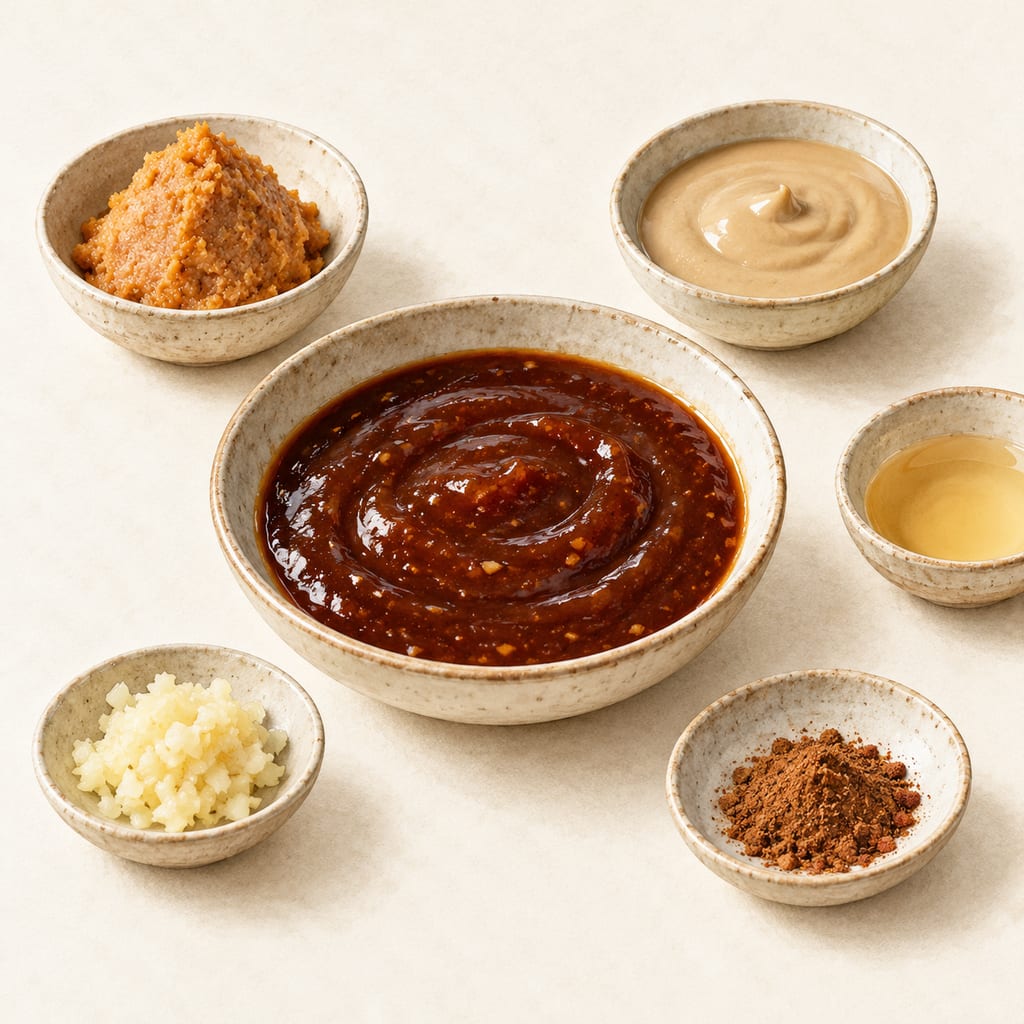
An untested modern miso-based sauce inspired by hoisin's sweet, savory profile; this prototype is not traditional hoisin or a copy of a commercial brand.
No community contributions have been published for this entry yet.
Sign in to contribute. Published comments and photos are free to read.
O. K. Achi, Plant Foods for Human Nutrition 42(4), 1992; abstract record at PubMedMethod
Microorganisms associated with natural fermentation of Prosopis africana seeds for the production of okpiye96-hour laboratory fermentation of Prosopis africana seeds
Cited in: Laboratory studies; What remains open
F. J. C. Odibo, E. O. Ezeaku and F. C. Ogbo, Journal of Industrial Microbiology and Biotechnology 35(9), 2008Method · Safety
Biochemical changes during the fermentation of Prosopis africana seeds for ogiri-okpei productionLaboratory batch of about 800 g seeds; eight-hour boil; cotyledons heated again; 96 hours at laboratory room temperature with daily sun; grinding and sun-drying; seeds bought in Awka
Cited in: Overview; Use; Laboratory studies; What remains open
O. A. Oladeji, K. A. Taiwo, C. O. Ogidi and A. O. Faturoti, Discover Food 5, article 142 (2025)History
Production, nutritional benefits, limitations and strategies for enhancing the national value of fermented native condiments from selected legumes and wild seeds in NigeriaOkpiye among Nigerian fermented native condiments
Cited in: Overview