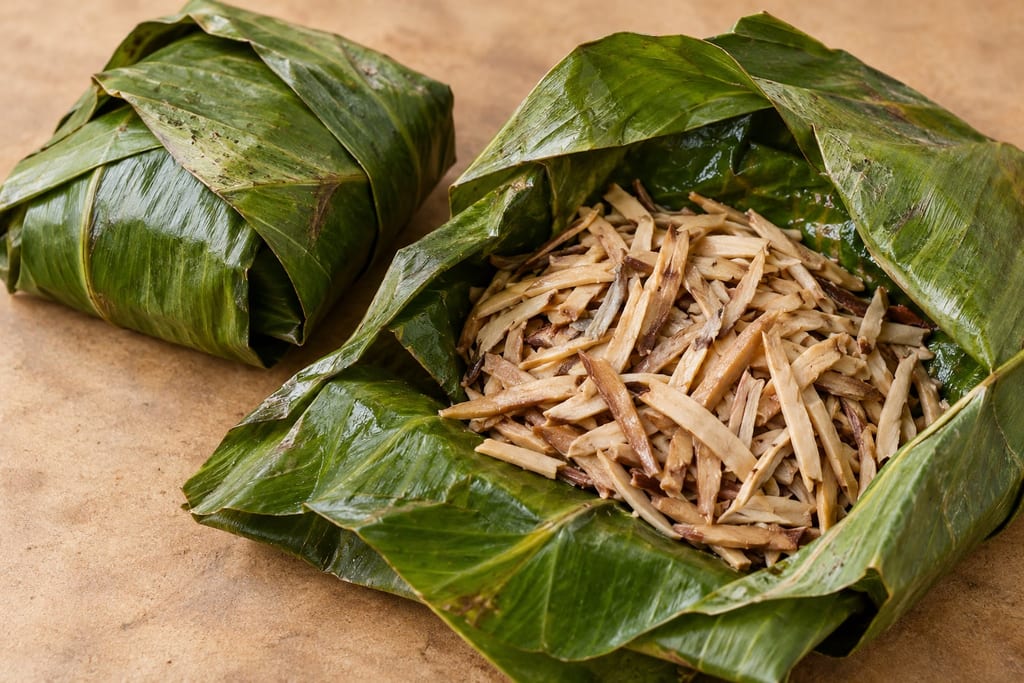
Ugba leaf parcel
A flexible leaf parcel encloses sliced African oil-bean cotyledons during some Ugba preparations in southeastern Nigeria. Leaf species and layers vary by documented method.
 FermenteaWhere food goes to change
Traditional method
ugba · ukpaka (Igbo) · Ugba · ukpaka
Sliced cotyledons of the African oil bean, boiled soft and fermented in banana-leaf parcels into the sharply savoury Nigerian condiment and salad ingredient known as ukpaka.
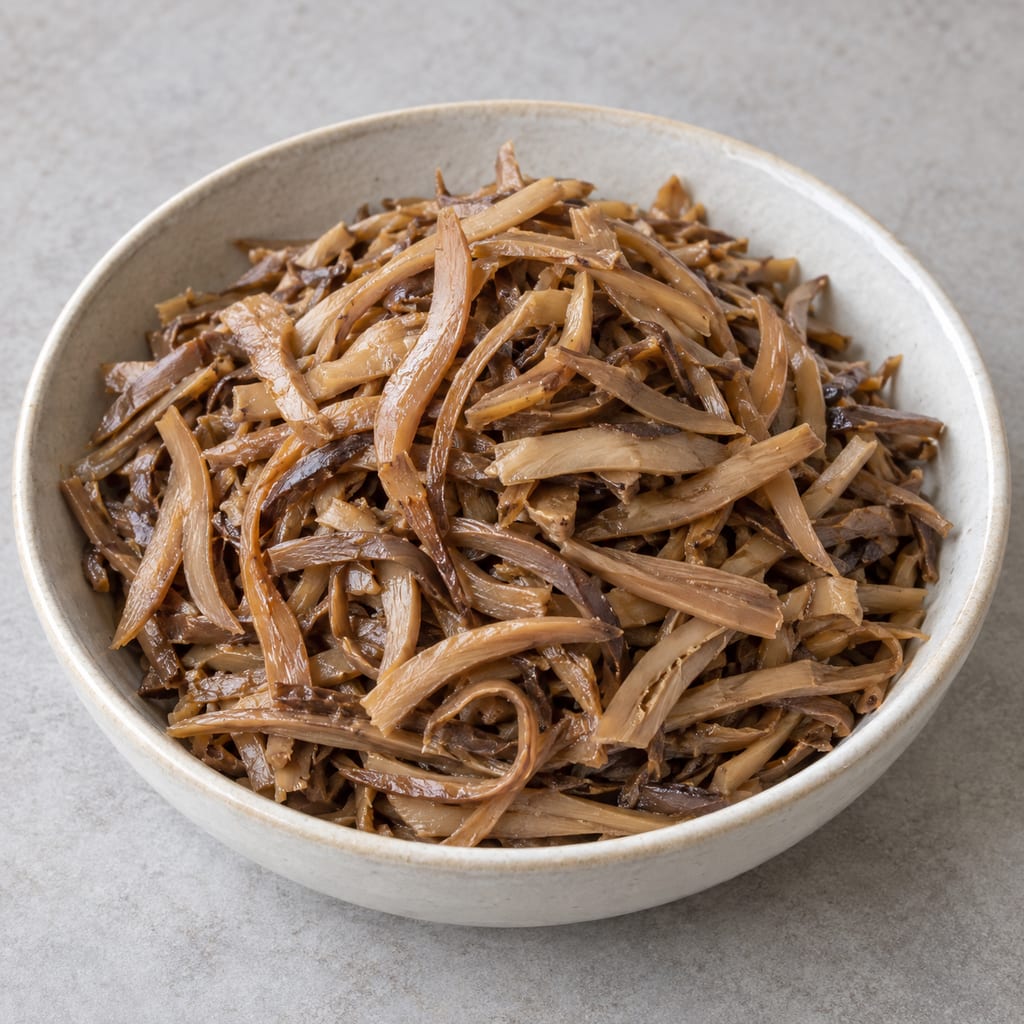
Ugba is a traditional Nigerian food made from the fermented cotyledons of African oil bean seeds.
The seeds are cooked, peeled, sliced, washed and fermented, producing a food with a distinctive savoury character and firm, ribbon-like shape.
The name is ugba, a word associated particularly with Igbo-speaking communities.
The related name ukpaka is also used in Nigerian food contexts, especially for processed African oil bean.
The ingredient comes from Pentaclethra macrophylla Benth., a large tropical tree in the legume family, Fabaceae.
Unlike small soybeans, African oil bean seeds are large and have a substantial seed coat.
Their processing is laborious.
Extended boiling, dehulling, slicing, further cooking and washing all precede fermentation.
This makes ugba a particularly interesting example of traditional food technology: the fermentation is only one part of a much longer sequence that transforms a difficult raw seed into a valued food ingredient.
Ugba is strongly associated with southeastern Nigeria, particularly Igbo food traditions.
It is prepared in households and by small-scale commercial producers.
Its use has been transmitted through community knowledge rather than through one nationally standardised recipe.
The precise historical origin is not established.
It would be inappropriate to assign an invention date to the preparation simply because the African oil bean tree is indigenous to the region.
Modern ethnographic and scientific accounts document ugba as a long-established traditional food.
A 2010 review summarised its processing, composition and safety considerations.
A 2015 study examined how its volatile flavour compounds change during fermentation.
A 2016 review investigated the biotechnology of ugba, including its microorganisms and possible approaches to controlled production.
These studies provide evidence of the established food and the scientific mechanisms involved.
They do not identify a single inventor, village or precolonial year in which ugba first appeared.
Pentaclethra macrophylla is a large leguminous tree of tropical Africa.
Its seeds are contained in pods and are relatively large compared with many cultivated food legumes.
The seeds contain significant quantities of oil and protein.
They also contain compounds that make raw consumption unsuitable.
Processing therefore serves several purposes: it softens the seed, removes the coat, reduces bitterness and other unwanted substances, and creates a substrate for fermentation.
The tree itself has other uses, but its value as a food source depends on appropriate seed processing.
The botanical distinction matters.
Ugba cannot be accurately described as fermented soybean or substituted with an unrelated bean merely because both belong to the legume family.
The seed's chemistry and required pretreatment are different.
Oil bean seed is harvested between August and November, according to an account of the Igbo food system. That is the seed harvest, not a fixed fermentation season.
Raw African oil bean seeds are not treated as ready-to-eat food.
The hard seed coat must be softened and removed.
Cooking also alters seed proteins, starches and other components.
Extended heat exposure makes subsequent slicing and processing possible.
After dehulling, the cotyledons are cut into thin strips.
The strips are then cooked again and soaked, with repeated washing used to reduce bitterness.
These steps are essential to the traditional preparation.
Fermentation alone should not be regarded as a substitute for them.
The exact chemical removal achieved by each operation depends on the raw seeds and processing conditions.
The reviewed sources do not establish a universal analytical endpoint that guarantees all potentially harmful seed constituents have been reduced to safe concentrations in any household batch.
This is a limitation that should be stated openly rather than hidden by the presence of detailed timings.
Ugba is recognisable by its thin elongated strips.
Slicing increases the exposed surface area of the cotyledons.
This helps water contact the seed material during washing and allows microorganisms and their enzymes to act on the processed substrate.
The shape also affects the finished eating texture.
A relatively wide, thick piece behaves differently from a narrow strip.
The 2015 experimental preparation recorded strips approximately 4.5 cm long and 0.1–0.2 cm thick.
That dimensional information is useful for reproducing the physical material in the study.
It does not mean that every traditional vendor produces strips of identical length.
The characteristic narrow ribbon form remains more important to the food's identity than a single universal dimension.
Ugba is an alkaline legume fermentation.
Its microbial activity differs from a deliberately acidified sauerkraut process.
Protein-degrading bacteria are important, including organisms in the genus Bacillus.
As enzymes break proteins into smaller molecules, peptides and free amino acids develop.
These contribute savoury flavour.
Ammonia and other nitrogen-containing compounds may also form.
The resulting changes can influence pH and aroma.
The exact community varies between spontaneous batches.
A review published in 2016 describes the fermentation as a natural process involving multiple microorganisms and highlights challenges in maintaining consistent quality.
The 2015 flavour study compared naturally fermented ugba with batches deliberately inoculated using pure cultures.
Its pure-culture experiments used Bacillus subtilis and Bacillus megaterium.
Those pure-culture treatments were separate from the traditional preparation preserved here.
The presence of selected cultures in an experiment does not mean that every spontaneously fermented ugba contains only those species.
Researchers have sampled the organisms present in ugba and tested selected Bacillus strains as starters. One study examined Bacillus subtilis cells or spores carried on cowpea granules as a way to inoculate African oil bean. Another screened organisms from market ugba and selected a strain for laboratory production. A 2019 conference report describes molecular identification of Bacillus species as candidate starters.
These research formulations differ from the spontaneous community of a household batch and from reusing finished ugba as inoculum. No household starter recommendation, maintenance or storage routine, or qualified safety guidance for a starter is established.
Documented traditional-preparation arm of the 2015 study
The study wraps processed slices in parcels of 40–50 g.
The exact number of parcels cannot be calculated from the 1 kg starting seed mass.
Seed coats are removed, water is taken up and some material is lost during processing.
The final quantity of sliced cotyledons is not reported.
African oil bean seeds — 1 kg — Main ingredient
Water for cooking, soaking and washing — Not specified — Softens, hydrates and helps remove unwanted compounds
Clean, dry banana leaves — As required — Wrap individual portions for fermentation
The preparation requires a large cooking pot, utensils for dehulling and slicing, suitable soaking containers, a draining basket and clean leaf-wrapping material.
A reliable method of identifying the raw seeds is essential.
The source does not prescribe a specific knife, pot material or household fermentation vessel.
Banana leaves are used in the documented process.
They provide a convenient traditional wrapping material, but their microbial contribution is not standardised.
Using arbitrary leaves from an unidentified plant would not reproduce the recipe.
First boiling 6–8 hours · Second boiling 1–2 hours · Soaking 10–12 hours · Fermentation 3 days at 28 ± 2°C
The method documents a published experiment. It does not include laboratory validation that the finished household product is free from pathogens or residual undesirable seed constituents.
Begin with the raw seeds. Place 1 kg African oil bean seeds in water and boil for 6–8 hours, with the objective of softening the hard seed coat sufficiently for removal.
Dehull the seeds. Remove the softened seed coat to expose the cotyledons.
Slice the cotyledons. Cut lengthwise into strips approximately 4.5 cm long and 0.1–0.2 cm thick, following the dimensions reported for the research preparation.
Cook the slices again. Wash the material and boil in fresh water for 1–2 hours. Drain afterward.
Soak the processed strips. Place them in water for 10–12 hours. This is a separate stage from the first cooking and the later fermentation.
Wash repeatedly. Rinse through several changes of water to reduce bitterness, then drain the slices in a basket.
Wrap in leaves. Pack the drained strips into clean, dry banana leaves, using approximately 40–50 g per parcel.
Ferment. Hold the wrapped material for 3 days at 28 ± 2°C, reproducing the study's traditional-preparation arm.
The lengthy pretreatment distinguishes ugba from many other fermented legumes.
Boiling softens the seed structure.
Peeling removes the hard protective coat.
Slicing exposes the internal tissues.
Further cooking and soaking modify the composition of the material and help reduce unwanted tastes.
Repeated washing removes soluble material.
These operations also affect the nutrients and compounds available to microorganisms during fermentation.
Consequently, the fermentation outcome depends on the pretreatment.
Skipping or shortening the washing stage would not simply make the recipe faster. It could produce a chemically and microbiologically different substrate.
The source does not supply a quantitative bitterness or detoxification threshold.
An absence of bitterness cannot independently prove that every potentially harmful compound has been removed.
Ugba's fermentation changes both flavour and composition.
Proteolysis generates peptides and amino acids from seed proteins.
Microbial metabolism produces volatile substances that influence aroma.
The 2015 investigation studied these compounds using gas chromatography and mass spectrometry.
The researchers sampled naturally fermenting ugba at intervals across 72 hours.
They found that the types and quantities of volatile compounds changed with fermentation time.
This means ugba's flavour is not a fixed property of cooked African oil bean.
It develops during processing.
Different microbial communities and fermentation times can produce different sensory results.
The study also compared natural fermentation with pure-culture fermentation, demonstrating the importance of the organisms involved.
However, flavour development and safety are separate outcomes.
A chemically interesting or strongly flavoured batch is not necessarily microbiologically acceptable.
Traditional methods vary across producers in southeastern Nigeria.
The initial boiling stage may be longer or shorter in different documented preparations.
Fermentation intervals can also differ.
The 2016 review describes ugba eaten as a salad after approximately 2–5 days of fermentation, while longer periods of 6–10 days have been associated with condiment use in soups.
Those ranges describe broader traditional practices and must not be substituted directly into the present three-day experiment.
The leaf material and wrapping technique can also vary.
Some modern investigations use selected starters rather than spontaneous fermentation.
Such cultures may improve process consistency, but their safety and suitability must be established through appropriate research.
They should be documented as controlled variants, not silently inserted into the traditional leaf-wrapped formula.
Ugba is widely used in southeastern Nigerian cuisine.
It is a characteristic ingredient in abacha na ugba, a preparation combining processed cassava and fermented oil bean.
It also appears in salads and various savoury dishes.
Palm oil, onions, chilli and other regional seasonings may be used in related preparations.
Ugba contributes a fermented, savoury quality and a chewy ribbon-like texture.
It can also be used as a flavouring ingredient in soups.
An account of the Igbo food system, which uses the name ukpaka, lists soup seasoning, salad ingredient and snack among its uses, and describes a preparation called ugba agworoagwu served at some social gatherings.
The distinction between eating ugba as a prominent salad ingredient and using it as a concentrated condiment helps explain why fermentation duration can vary between traditions.
A more pronounced fermented flavour may be desirable in a seasoning application, but that does not establish a safe storage or fermentation endpoint.
A typical ugba product consists of identifiable sliced cotyledons with a characteristic fermented aroma.
The strips should retain their identity rather than disintegrating into an unrecognisable mass.
Some colour change during processing is possible.
However, unexpected fuzzy mould, putrid spoilage, abnormal slime or evidence of contamination should lead to rejection.
It is essential not to mistake an unusually strong smell for proof of successful fermentation.
The product's microbial quality cannot be judged conclusively by smell, colour or appearance.
Processing failures can arise during the initial seed preparation as well as during fermentation.
Inadequate cooking or washing may affect suitability even if the later ferment appears normal.
Ugba presents two broad categories of concern.
The first is the raw seed material, which requires extensive pretreatment.
The second is spontaneous fermentation, during which the microbial community is not controlled by a defined starter.
Research has investigated the presence of enteric pathogens in commercial ugba, illustrating that contamination can occur.
The 2016 biotechnology review specifically identifies microbiological safety and inconsistent production as important problems.
The three-day fermentation period reported here is not a validated household safety endpoint.
No numerical microbiological release criteria, post-fermentation storage schedule or complete detoxification assay is provided for the recipe.
Accordingly, it should be described as a documented traditional preparation rather than presented as an independently validated safe DIY process.
Ugba is an Igbo name for fermented African oil bean seeds; the review describes it as a Nigerian alkaline condiment, with varying methods among producers.
Yield 1 kg raw seeds before processing · Scaling: source batch only
The paper describes a mixed natural fermentation in cooked seed slices; it does not characterize a household control plan or validate the process.
Hazard sourceThe source does not supply a validated safety control plan. Do not use an unidentified starter, and do not use aroma, taste or color as a safety test.
Control sourceThis traditional-preparation study is not a validated home process. The source does not specify a numeric salt control, and fermentation time alone does not establish safety.
The study bought the seeds in Nsukka and prepared the product in a laboratory using the traditional method; this does not imply the dish originated there.
The review describes ugba as a food condiment across southeastern Nigeria.
A flexible leaf parcel encloses sliced African oil-bean cotyledons during some Ugba preparations in southeastern Nigeria. Leaf species and layers vary by documented method.
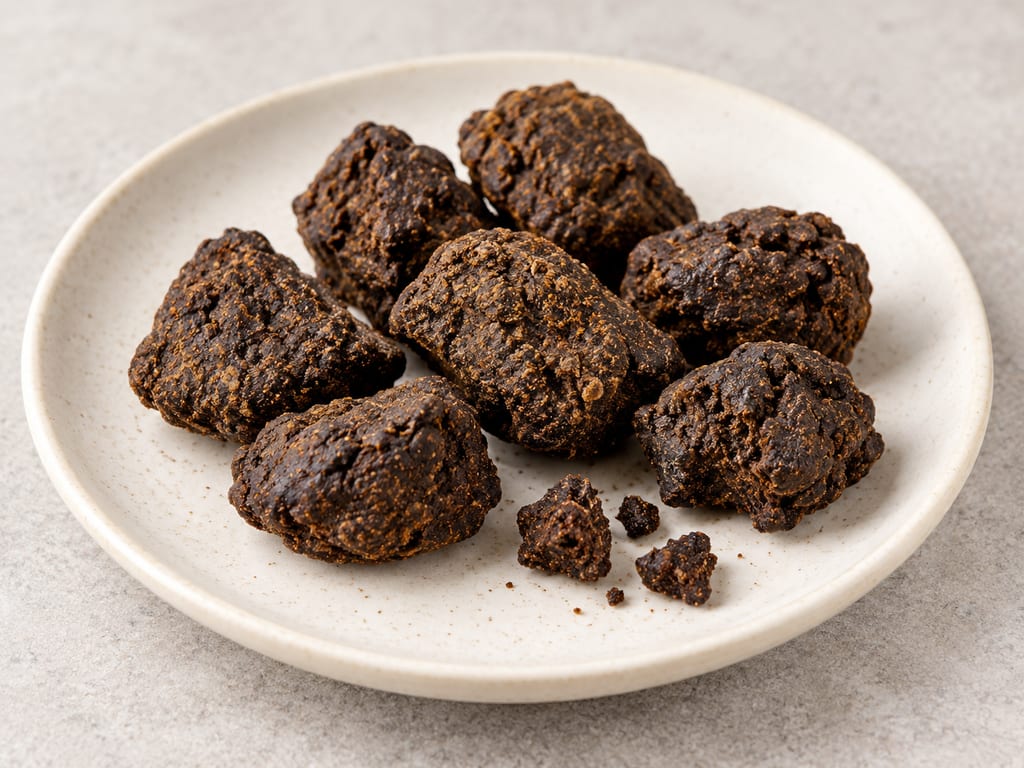
Ogiri-okpei is a Nigerian condiment of cooked Prosopis africana cotyledons left to ferment spontaneously in leaf-lined containers, then ground and dried.
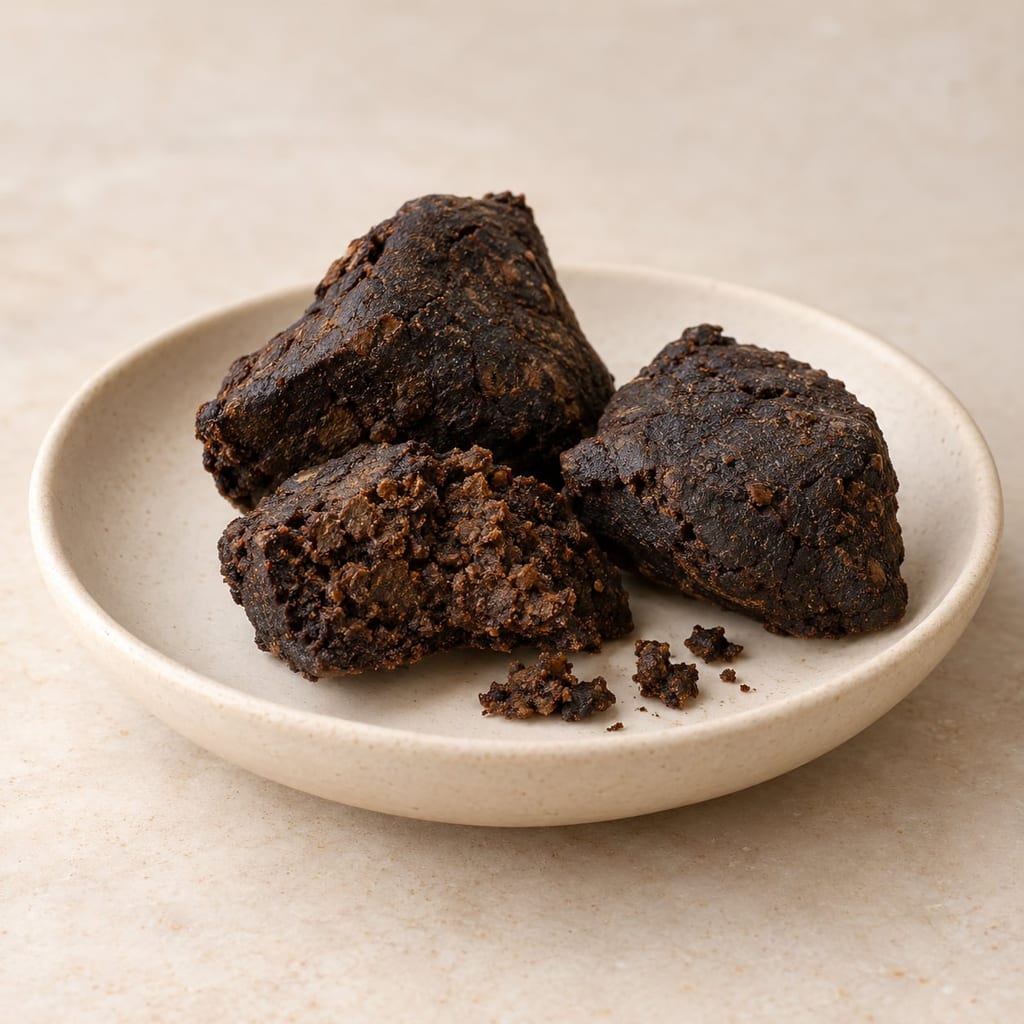
Okpiye, also written okpeye, is a Nigerian condiment from fermented Prosopis africana seeds; published studies describe laboratory batches, not a validated home method.
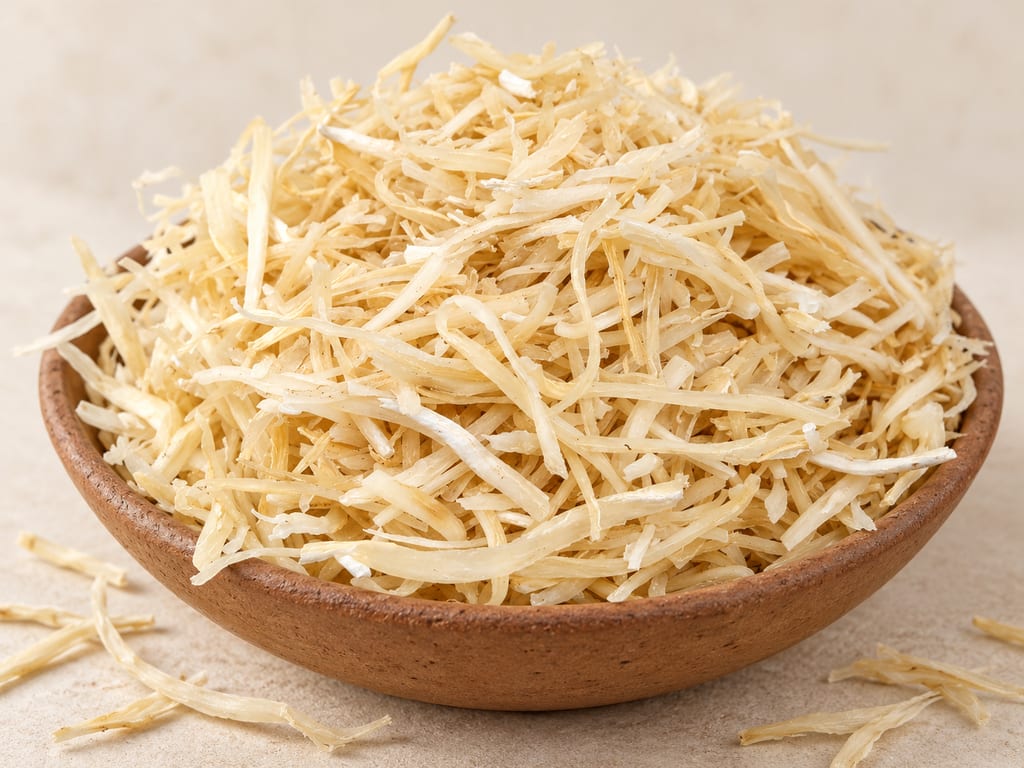
Abacha is a fermented cassava-strip preparation from southeastern Nigeria, sold wet or dried and later rehydrated for meals such as African salad.
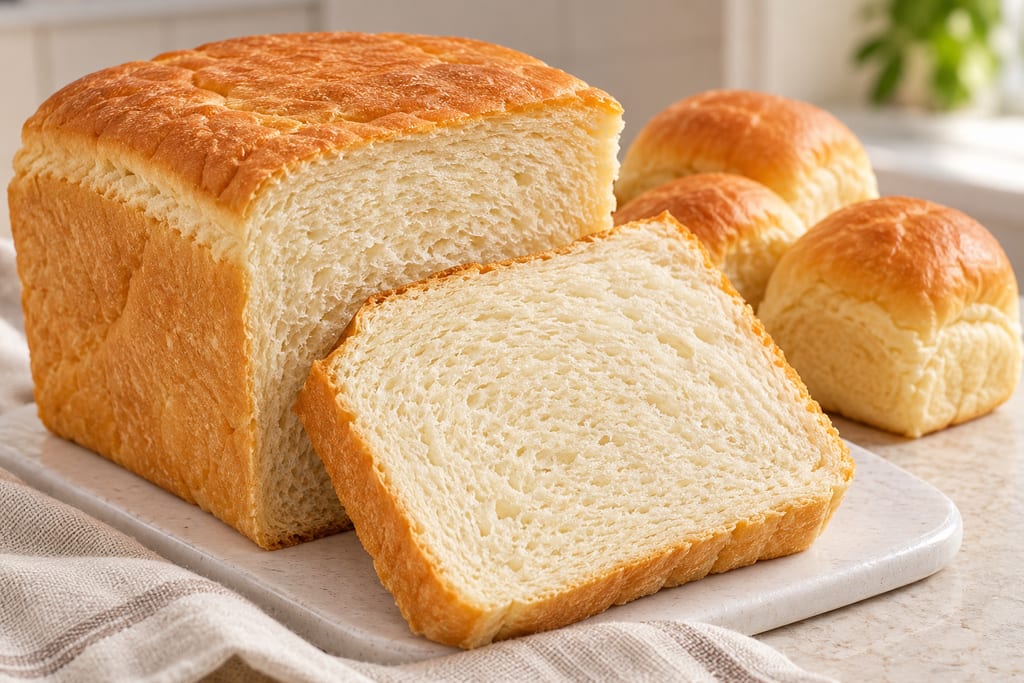
This softer home-style Agege bread uses a scalded flour paste, an enriched yeast dough and a 9×5-inch loaf pan, with rolls from the extra dough.
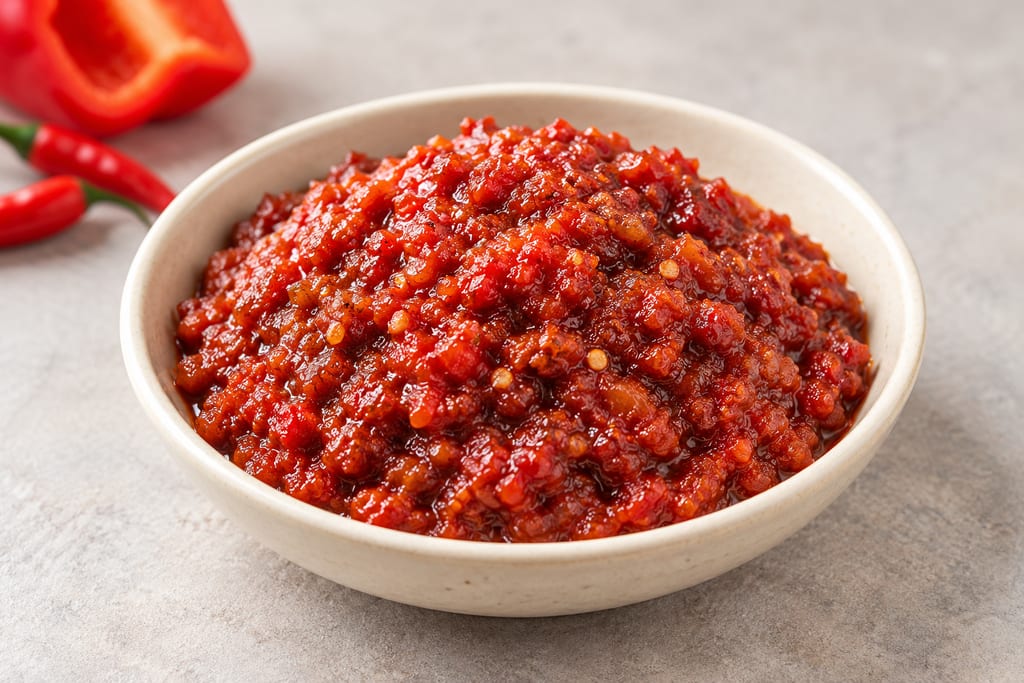
Ata dindin is the Yoruba fried pepper sauce: chillies, red bell pepper and onion blended and cooked down in oil until the oil separates. The same name is also given to a finished stew built on it.

Eba is a West African dish of cooked gari, stirred into hot water until it forms a thick paste. It is a cooking stage with no new fermentation, served with soup.
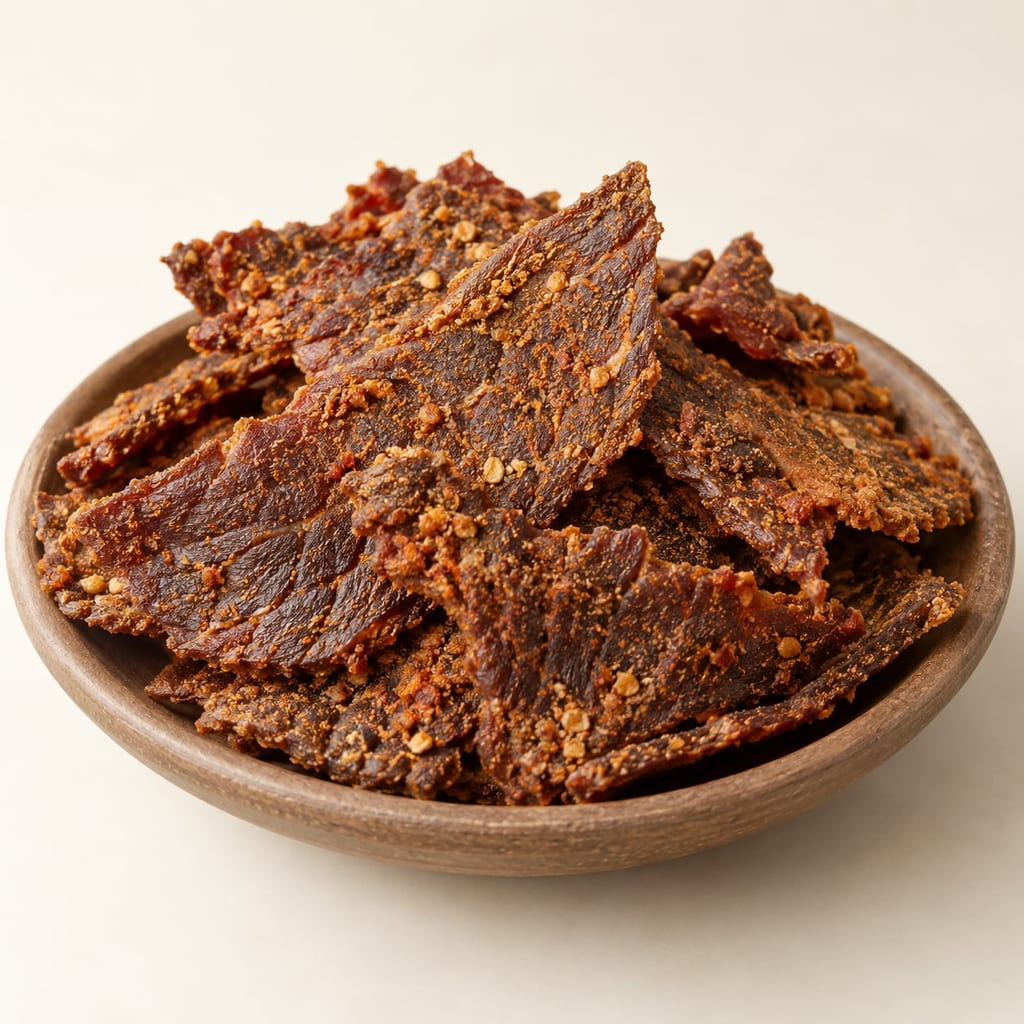
Kilishi is a Hausa-land dried meat from northern Nigeria and southern Niger: thin slices of beef or other meat, dried, coated in a spiced groundnut paste and dried again.
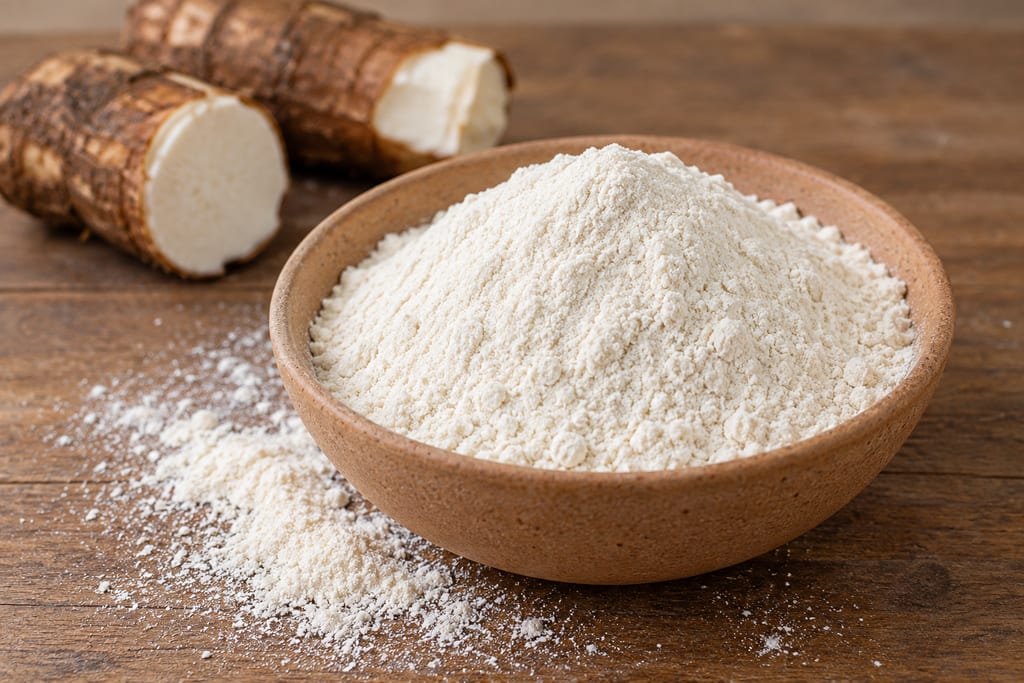
Lafun is a Nigerian fermented cassava flour described in historical accounts. This record documents reported processing stages, not a validated household method or a batch-specific cyanogen and moisture safety endpoint.

Soybeans boiled soft and fermented in a leaf-lined basket by the hearth, then in many Naga households pounded, wrapped in leaves and fermented again into a dark, pungent seasoning paste.
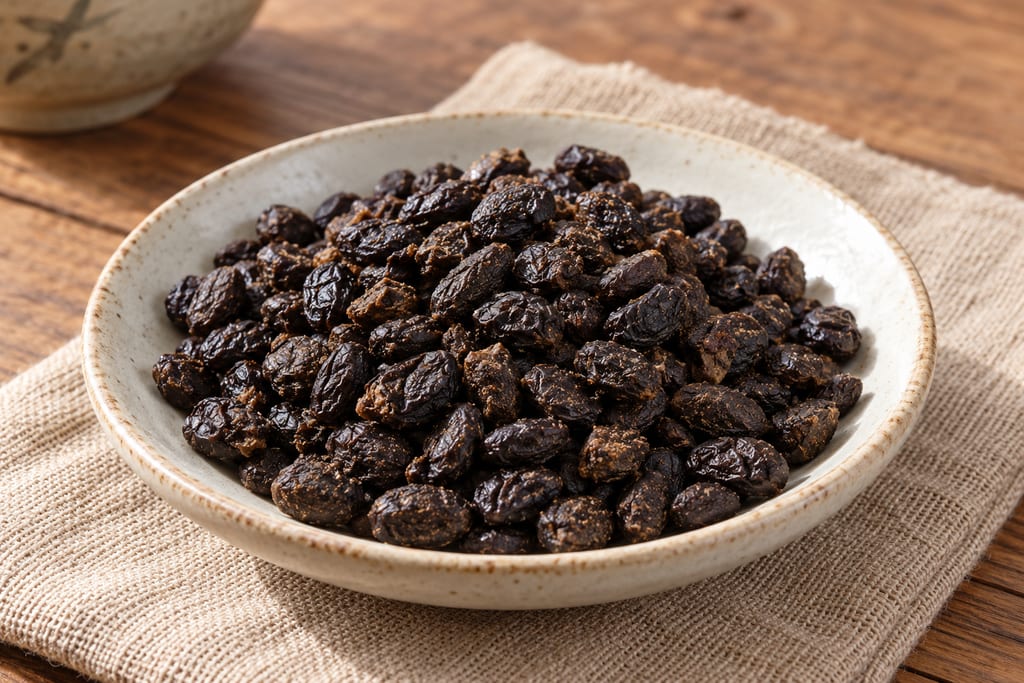
A Chinese fermented soybean condiment in which Bacillus-led bacteria, not moulds, drive the fermentation. Documented in Zunyi, Guizhou, and kept separate from mould-led douchi.
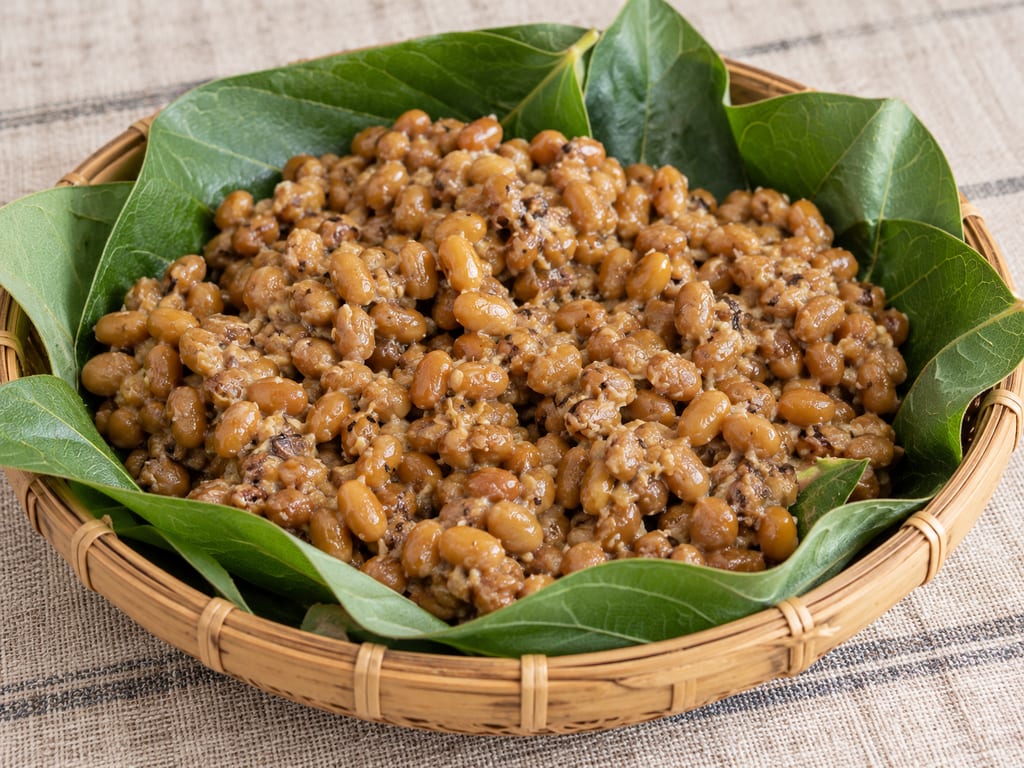
A Mizo alkaline soybean ferment made by holding cooked beans in leaf-lined containers, sometimes with wood ash, until they turn sticky, soft and pungent; eaten fresh or used as a seasoning.
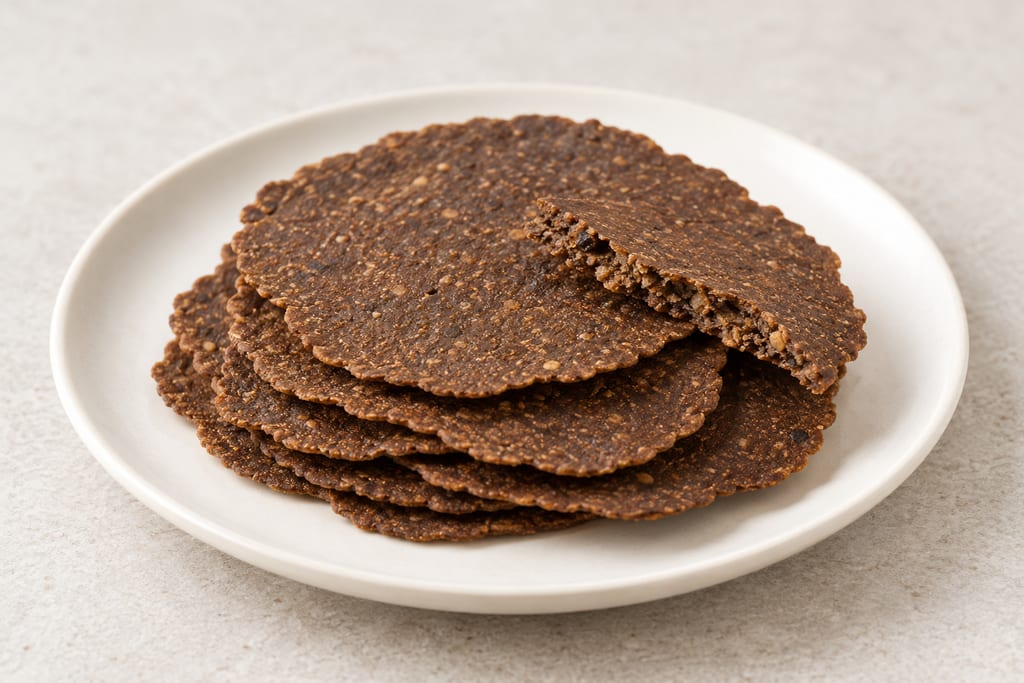
Black soybeans cooked, inoculated with a named Bacillus subtilis culture and fermented warm and humid into northern Thailand's thua nao, then optionally dried into thin discs.
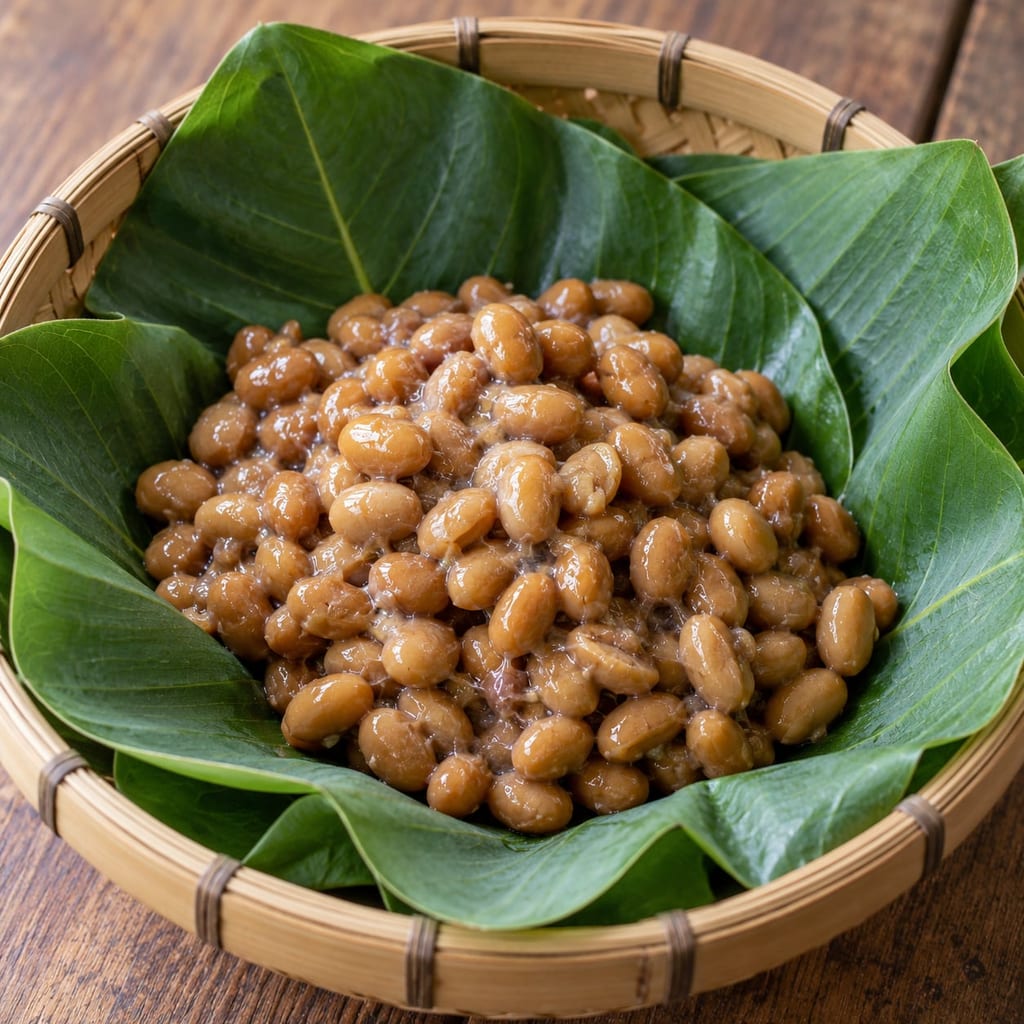
A sticky fermented soybean food of Manipur, made by packing cooked soybeans in leaf-lined bamboo baskets and keeping them warm, related to but distinct from Bekang and Akhone.
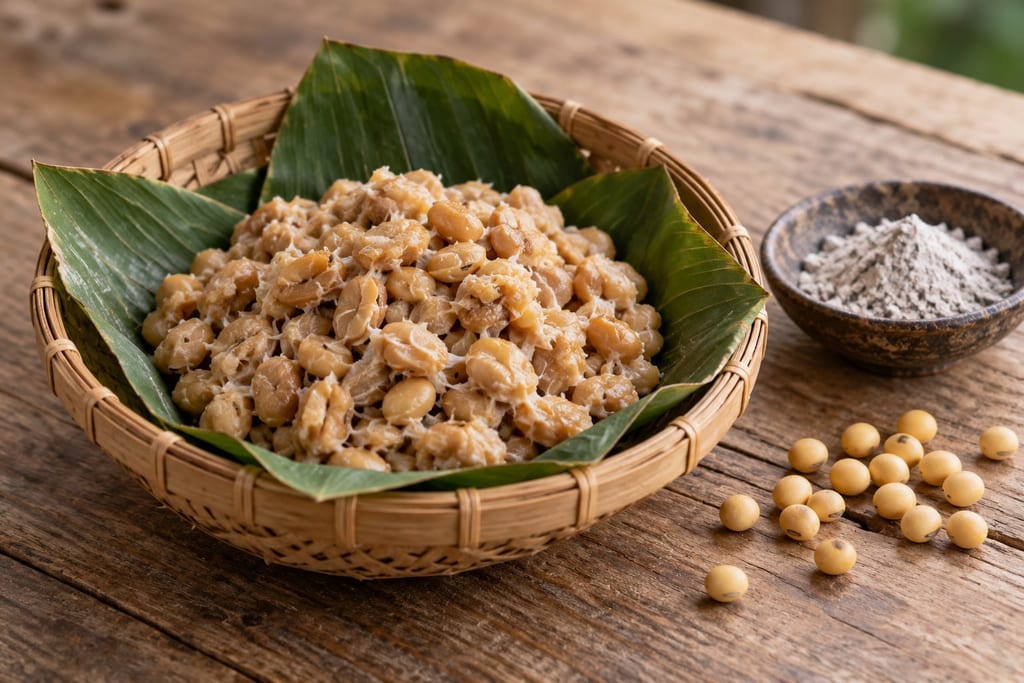
A sticky fermented soybean food of the eastern Himalaya, made here with a measured addition of firewood ash as an alkaline aid to the bacteria that drive it.
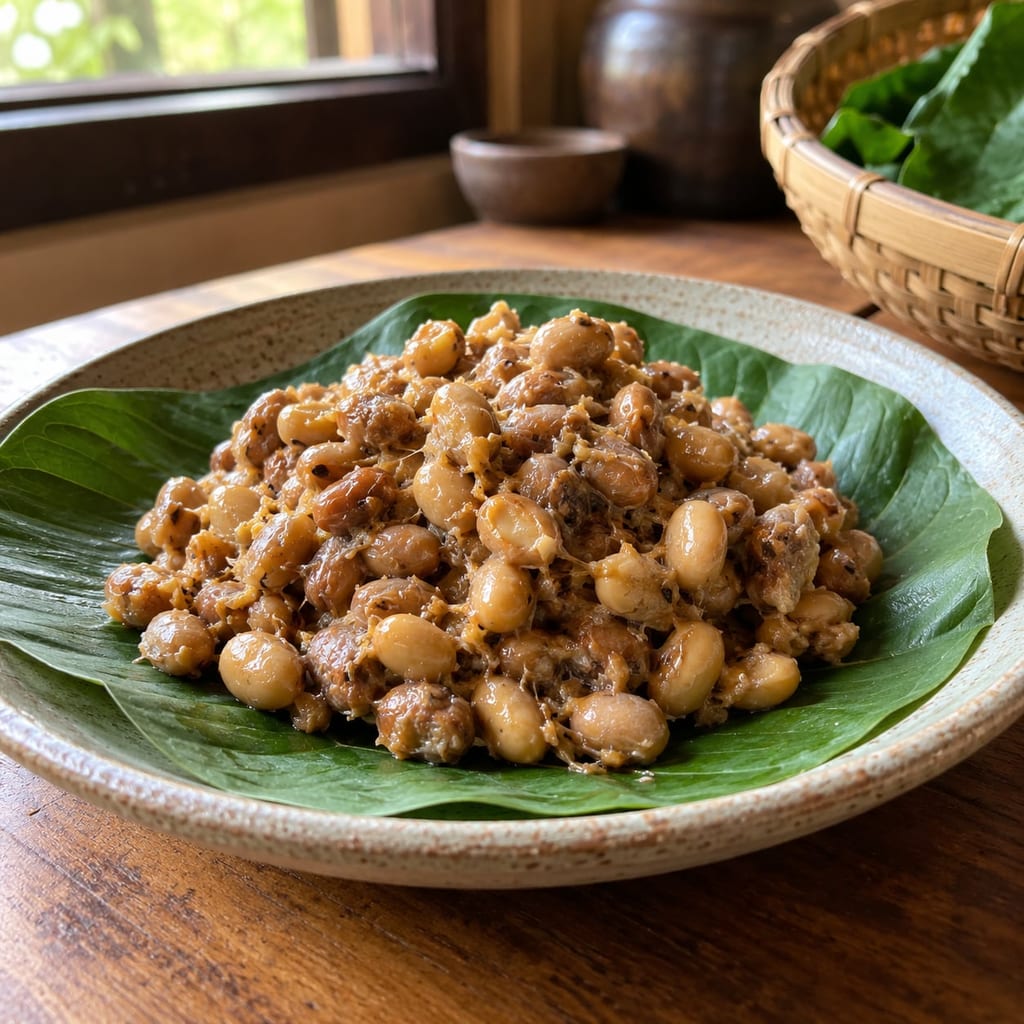
A home kinema made from overnight-soaked white soybeans, cooked, drained hot, wrapped in cloth and insulated to ferment for about a week.
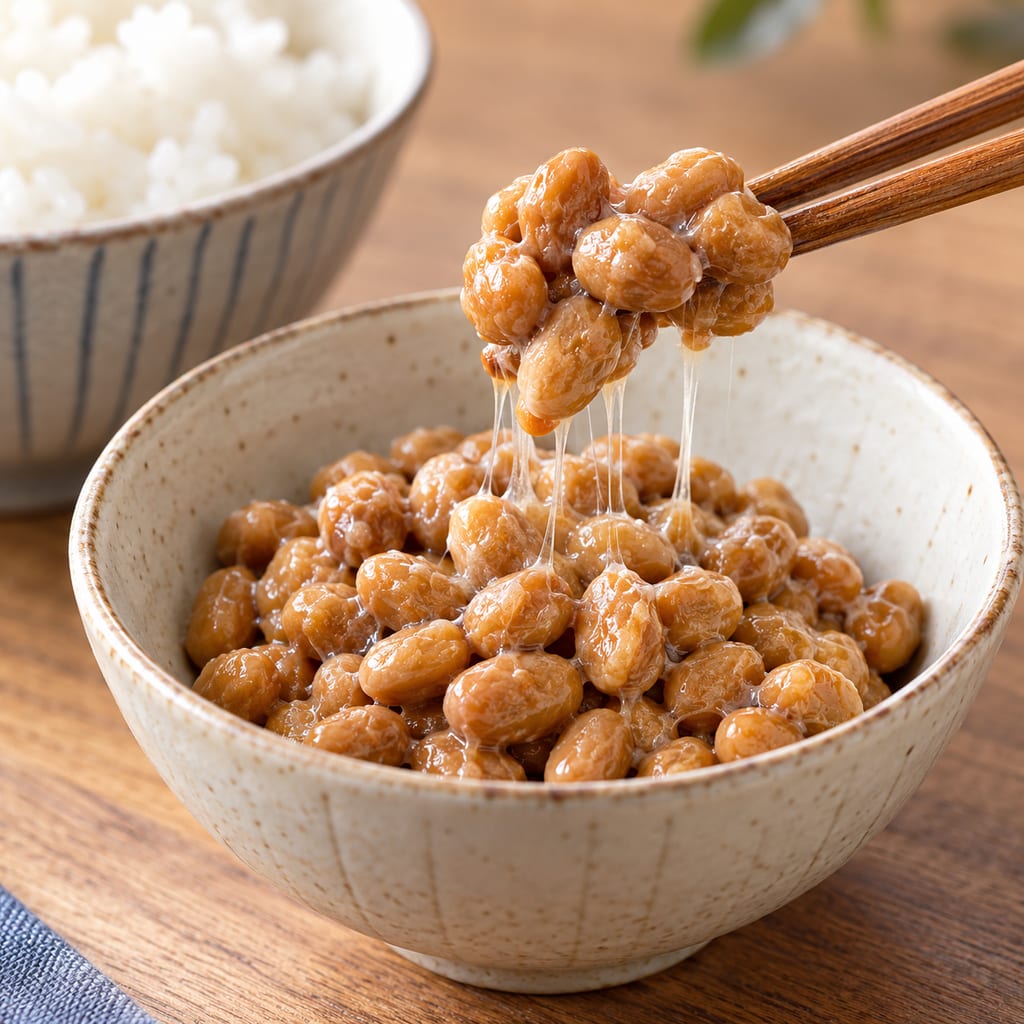
Natto is a Japanese fermented soybean food with a sticky coat and long strings, made by steaming soybeans and inoculating them with a natto Bacillus starter, then keeping them warm.
No community contributions have been published for this entry yet.
Sign in to contribute. Published comments and photos are free to read.
International Journal of Food ScienceInspiration · Process · Geography
Evolution of Volatile Flavour Compounds during Fermentation of African Oil Bean (Pentaclethra macrophylla Benth) Seeds for Ugba Production1 kg raw seed; 6–8 h boiling, slice dimensions, 1–2 h boiling, 10–12 h soak, 40–50 g banana-leaf parcels, 3 days at 28 ± 2°C; Nsukka sampling
Cited in: A distinctive fermented food of southeastern Nigeria; The African oil bean tree; Why the seeds are cooked for so long; The importance of slicing; Microbiology of ugba; Ingredients; Equipment; Method; Why repeated washing matters; What changes during fermentation?; Regional and processing variations; How ugba is eaten; Recognising quality and problems
Frontiers in MicrobiologyHistory · Geography · Safety
The Biotechnology of Ugba, a Nigerian Traditional Fermented Food CondimentUgba's southeastern Nigerian association, mixed alkaline fermentation, and variability among local processes
Cited in: A distinctive fermented food of southeastern Nigeria; Historical and cultural background; The African oil bean tree; Why the seeds are cooked for so long; The importance of slicing; Microbiology of ugba; Starter-culture research; Ingredients; Equipment; Method; Why repeated washing matters; What changes during fermentation?; Regional and processing variations; How ugba is eaten; Recognising quality and problems; Food safety
Ogueke et al. (2010)Safety · Method
Ogueke et al. (2010) — Ugba production, composition, preservation and safetyUgba production, composition, preservation and safety
Cited in: A distinctive fermented food of southeastern Nigeria; The African oil bean tree; Why the seeds are cooked for so long; The importance of slicing; Ingredients; Equipment; Method; Why repeated washing matters; Regional and processing variations; How ugba is eaten; Recognising quality and problems; Food safety
link.springer.comSafety
Incidence of enteric pathogens in ugba (2017)Incidence of enteric pathogens in ugba (2017)
Cited in: Food safety
sciencedirect.comSafety · Microbiology
Molecular identification and safety of Bacillus species in ugba fermentationMolecular identification and safety of Bacillus species in ugba fermentation
Cited in: Microbiology of ugba; What changes during fermentation?
sciencedirect.comHistory
Improvement of traditional African oil bean fermentationImprovement of traditional African oil bean fermentation
Cited in: Historical and cultural background
FAO and Centre for Indigenous Peoples' Nutrition and EnvironmentHistory · Use
The Igbo traditional food system documented in four states in southern NigeriaThe Igbo name ukpaka; ugba as soup seasoning, salad ingredient or snack; the preparation ugba agworoagwu at some social gatherings; oil bean seed harvest between August and November
Cited in: The African oil bean tree; How ugba is eaten
European Food Research and TechnologyMicrobiology
Selection of starter cultures for the production of ugba, a fermented soup condimentOrganisms screened from market ugba and a strain selected for laboratory production; abstract and results disagree on sample counts and trial duration
Cited in: Starter-culture research
Plant Foods for Human NutritionMicrobiology
An evaluation of the effect of Bacillus cells and Bacillus spores in association with cowpea granules as starter cultures for the fermentation of African oil bean (Pentaclethra macrophylla Bentham) to ugbaBacillus subtilis cells or spores associated with cowpea granules tested as a starter carrier (abstract only)
Cited in: Starter-culture research
Plant Foods for Human NutritionMicrobiology
An evaluation of the microflora associated with fermented African oil bean (Pentaclethra macrophylla Bentham) seeds during ugba productionMicroflora sampled during ugba production
Cited in: Starter-culture research
Access Microbiology; Microbiology SocietyMicrobiology
Molecular identification of Bacillus spp. as starter culture for the production of ugba (Pentraclethra macrophylla), a Nigerian fermented condimentBacillus species identified as candidate starters for ugba
Cited in: Starter-culture research